

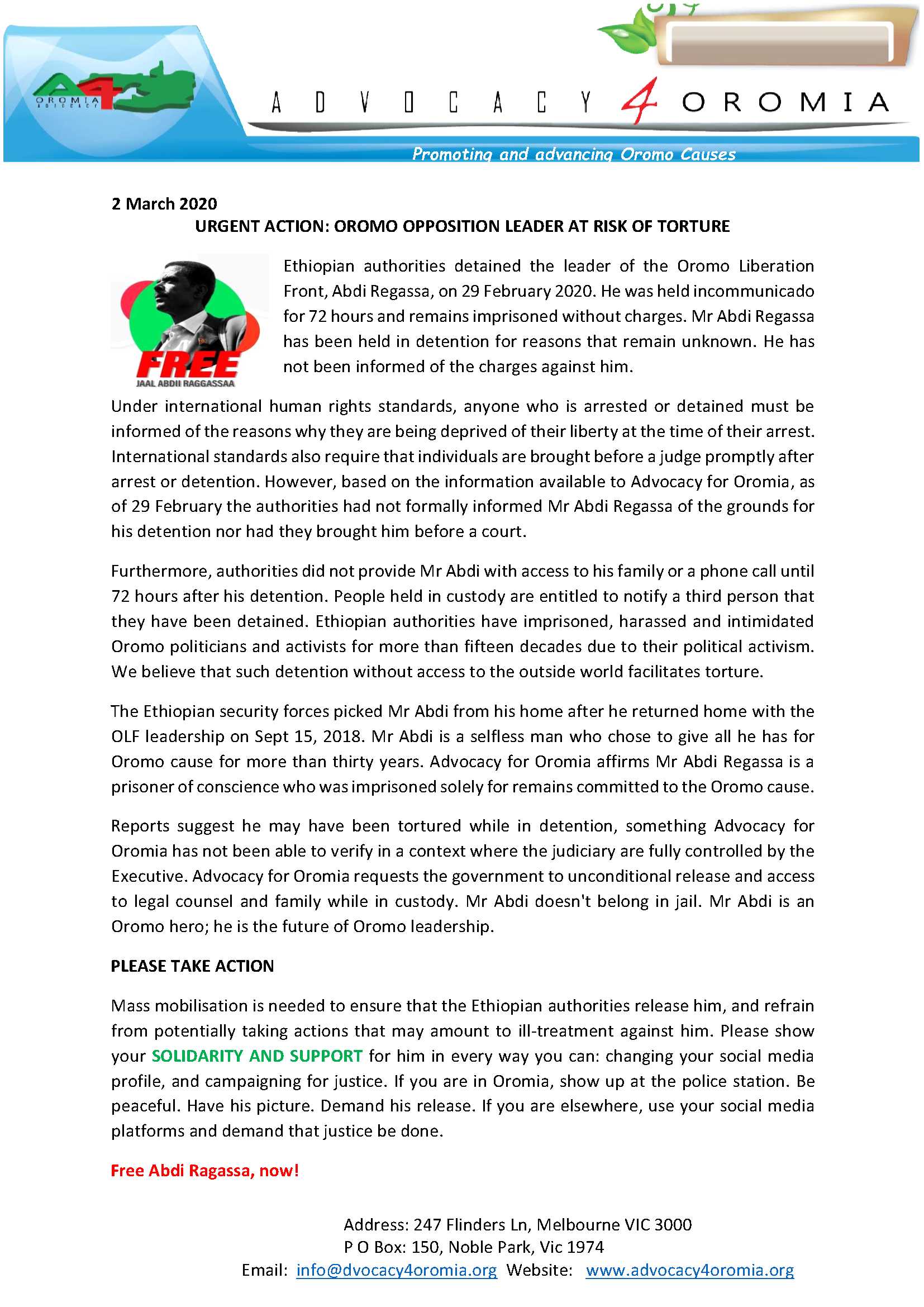
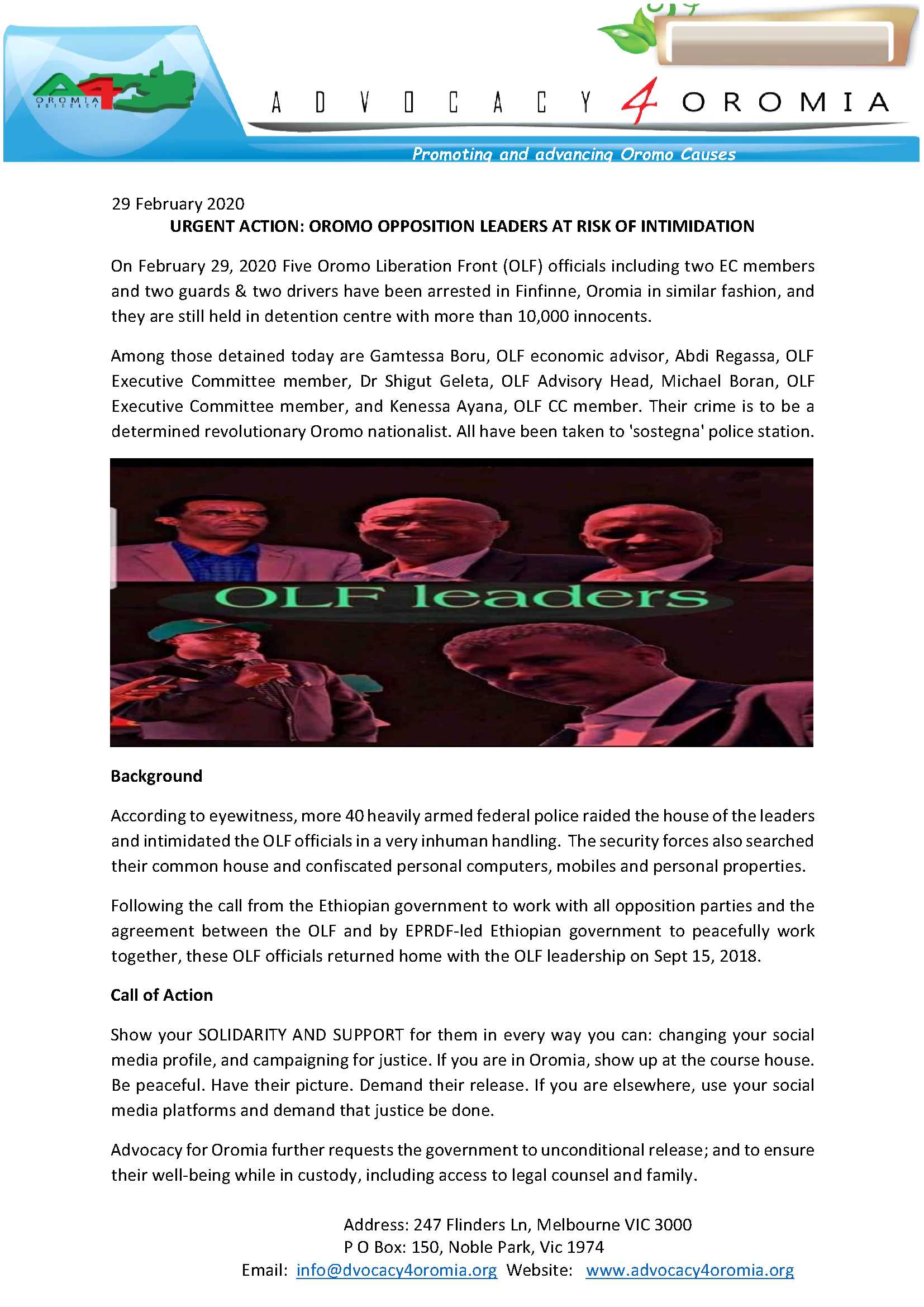
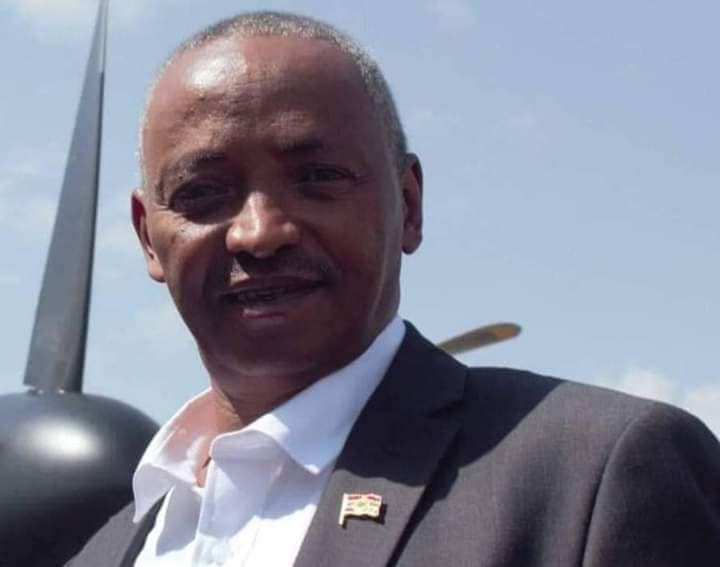
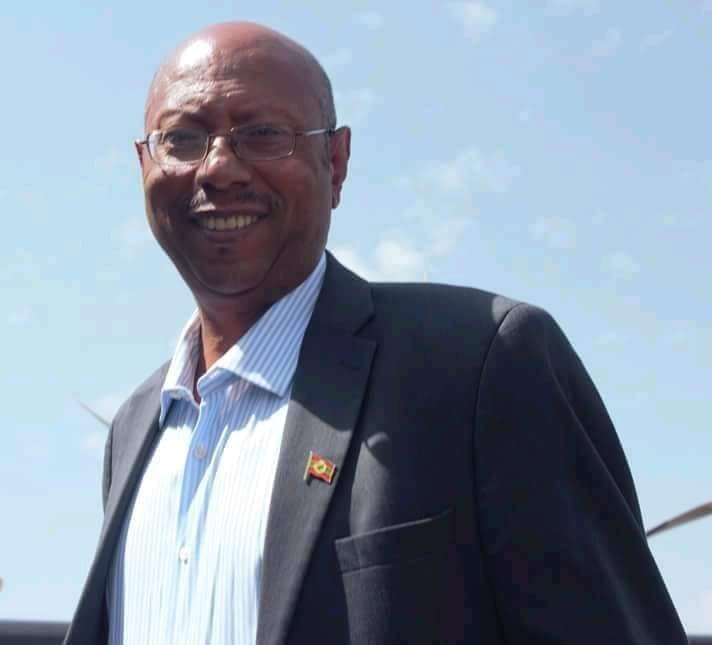
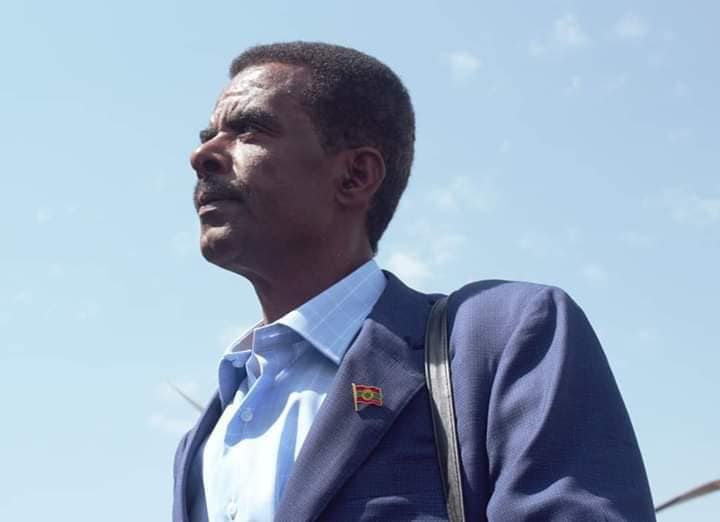
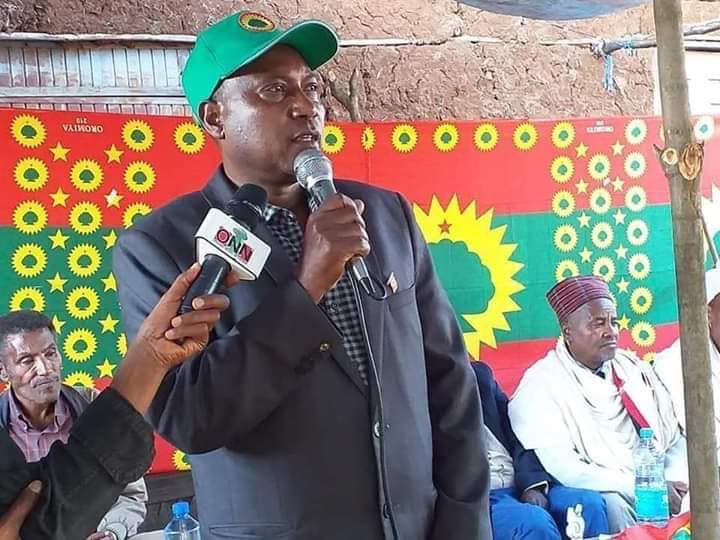
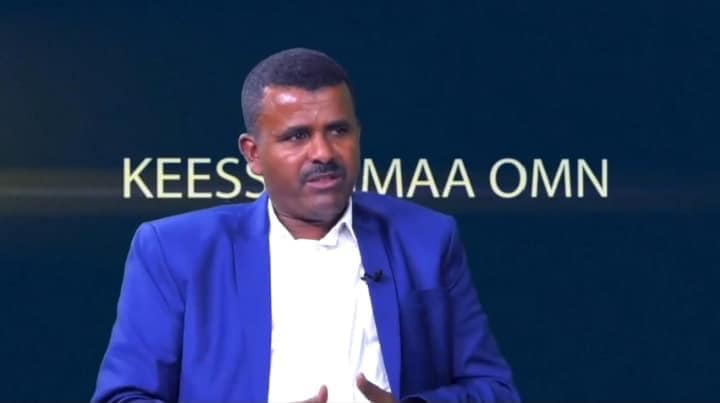

The guerrilla group Oromofolk’s Liberation Front (OLF) was allowed to return to Ethiopia 2018 as part of the newly-appointed Prime Minister Abiy Ahmed’s reforms. Now its new chairman Dawud Ibsa Ayana believes in an upcoming election victory.
The receptionist at Scandic Hotell in Skärholmen looks stressed up from his paper. Around her, an entire wedding party dances past to beat-up claps and loud calls, while popping up for dinner and fixing up for tomorrow’s conference.
– A quiet place for an interview with one of our guests? It will probably be a little difficult, she replies.
After some deliberation, we are referred past the table tables into a room with a wallpaper with bookshelf motifs.
When Dawud Ibsa Ayana settles down, I apologize for the strut, but he is happy that we have room to sit. He has long wanted to tell.
For over 40 years, the Liberation Army’s liberation army was fought against the central government in Addis Ababa, and journalists then had to venture into the guerrilla-controlled areas to understand OLF’s positions on various issues, which meant that their struggle was either in practice misunderstood or remained completely unknown to outside world. Swedish journalist Martin Adler was one of the few who reported on the movement in the 2000s.
But in the wake of the political changes in the Horn of Africa, the Dawud Ibsa Ayana guerrilla group has for some time been a political party running for election.
– A few years ago I had not thought that we would prepare for such a situation. What a choice!

The Berlin Wall fell. The Soviet collapsed. But in the wooded parts of southern Ethiopia, Dawud and his comrades fought a war that, for many of the rebels, was older than themselves.
The Ethiopian emperor of the 20th century, who was from the Amhara people group, had colonized the Oromo people’s wealthy home territories, while the European great powers colonized the rest of Africa.
The other countries had finally gained their independence but not the Oromo people – one of the largest ethnic groups in Africa.
Continental Kurds.
The popular revolution that swept away the Mengistu dictatorship in 1991 also did not resolve the region’s fundamental conflict with the central power.
Dawud Ibsa Ayana’s own personal history is closely linked to the organization. He studied at Hailie Selassies University in the 1970s and then came into contact with the student movement for which he subsequently became leader. In the late 1970s he was elected to the OLF Central Committee and imprisoned shortly afterwards by the Ethiopian regime. After being released, he fled to Sudan and combined studies in statistics with participation in the rebel group’s military training.
Back in Ethiopia, he led the OLF platoon that started the armed struggle in Welega province. But after a while, he was arrested again, poisoned, tortured and imprisoned without a trial until 1986 when he rejoined the rebel army and resumed his work in the Central Committee.
In interviews with him from that time, he is always firmly convinced that the day free elections are allowed, OLF will win and form the backbone of the country’s next government.
But despite the fact that he is now preparing for just such a choice – it still did not turn out as he intended.
– The goal of our armed struggle was to dissolve the TPLF, I never thought they would survive. But now they are also running for election and since they now claim that they have opened up the political space and invited us to participate so, yes, then we have chosen to do so.
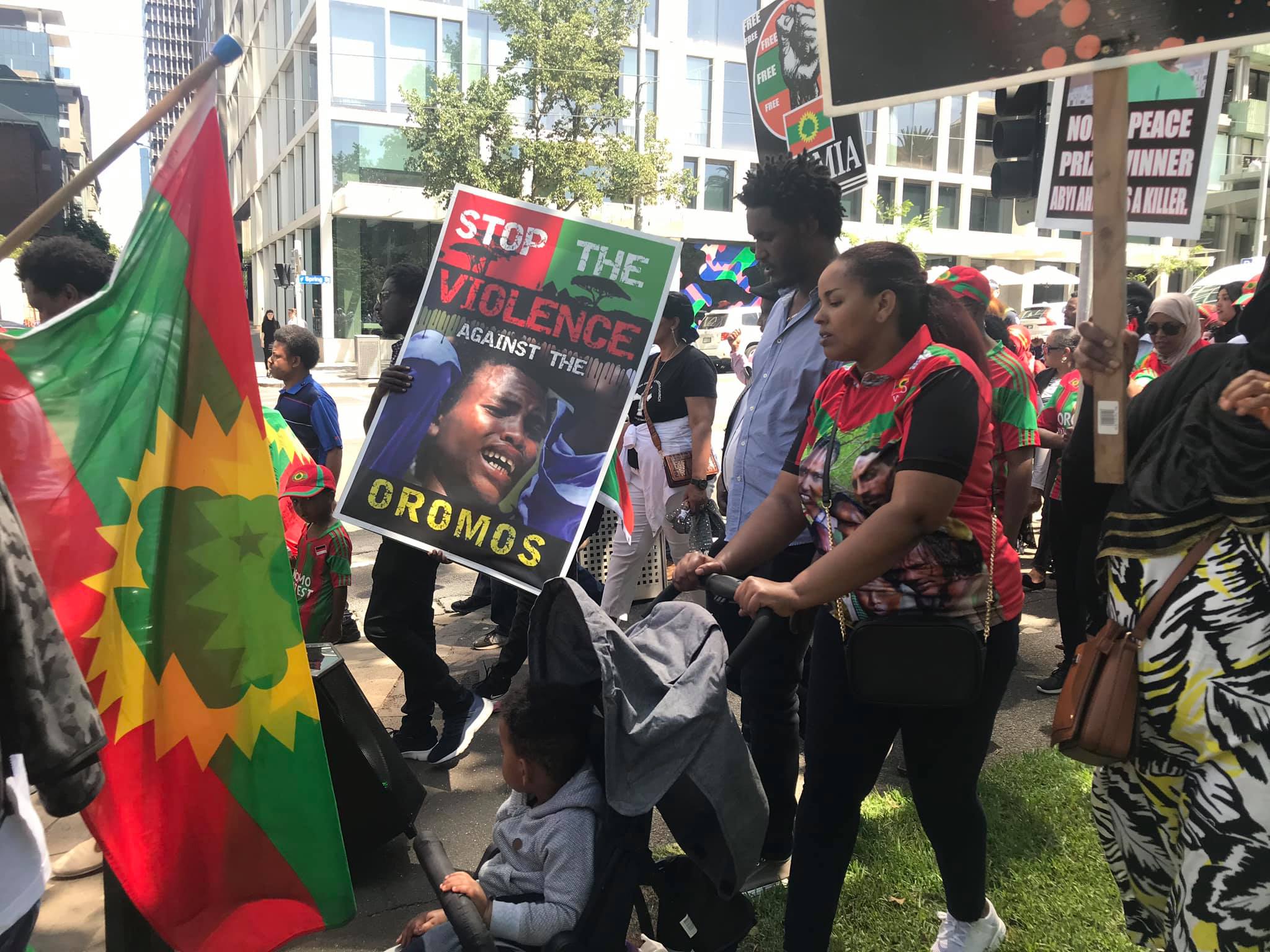
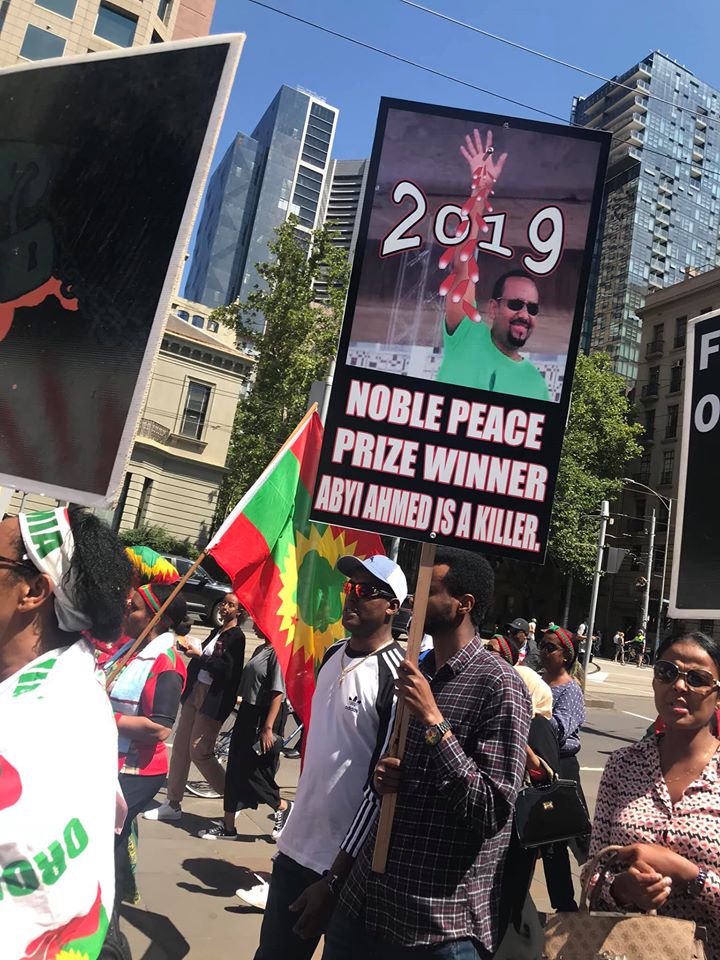
When Ethiopian Prime Minister Abiy Ahmed received the Nobel Peace Prize last fall, he was rewarded primarily for the peace with Eritrea. More forgotten, but all the more important for Ethiopia’s future was peace with the local rebel groups, including the OLF.
That the TPLF survived, Dawud Ibsa Ayanas believes, is because the regime understood that the protests that grew strong were directed at their own party and that they had to “reform” the country in order to continue to govern.
– I put “reforms” in quotes because they were forced to release prisoners. It was nothing they wanted to do. There was no amnesty. We are not completely happy about the situation, but we decided to “play the game”.
Was it a difficult decision?
– It was a tough decision absolutely, but we had no choice. The TPLF created confusion and the outside world thought this was a genuine change, so we were then forced to “play the game” because the government said they would invite exile organizations and remove the stamp of terror. If we had not taken the chance, we would have been branded as those who “destroyed the peace” or “nihilists”, says Dawud Ibsa Ayanas.

When the OLF and the Ethiopian government settled down after decades of armed conflict, one of the major stumbling blocks was the OLF members who disappeared over the years.
– We presented a list of 300-400 names and wanted answers: are these people living or are they dead?
They did not get a straight answer to that question, but they agreed that the criminals for human rights violations on both sides should be tried and OLF suggested that a commission be appointed. The idea was not rejected, but did not become a reality, but was postponed until after the election.
– If the choice goes well, this will be a priority for us. Whether we agree on a South African reconciliation model or a personal arrangement remains to be seen, says Dawud Ibsa Ayana.
The movement’s problematic relationship with the state powers also did not end because they laid down their weapons and withdrew from the armed struggle.
Even when they were to register their party, the process was delayed and delayed and it took over a year after the peace agreement to get the formal in place.
– Since we brought home our soldiers from Eritrea in September 2018, we have had a tough time. The government has obstructed and hampered our work, they have closed down our local offices which we have opened and over 20,000 of our members have been imprisoned for short or longer periods.
The areas where the movement has encountered most difficulties are in Ambo and the southwestern parts of the region.
– Here are the large garrisons of the Ethiopian army and in these, several members have been detained for months without a trial, often under torture-like conditions. Not only former soldiers, but also farmers, young people and teachers have been taken from the entire Oromo region to these places, says Dawud Ibsa Ayanas
He thinks the purpose is to weaken the party ahead of the August 2020 elections.
“Yes, our relationship with the government looks like,” he says, turning his arms out.
But despite the difficulties, he is as victorious today as before and OLF has formed electoral alliances with other organizations such as the Oromo Federalist Congress and the Oromo National Party prior to the election.
– We are confident that we will win a majority regionally and significantly with the seats in the national parliament, predicts Dawud Ibsa Ayanas.
But the party’s concern is now about the time leading up to the election in August, and it is now more than OLF itself that is concerned about the development in the region.
In mid-February, Amnesty issued a report showing that 75 members of OLF had been arrested at the beginning of the new year. The human rights organization said it was inadvertent that opposition politicians were so close to the impending election.
In addition, this was just how the previous regime operated and Amnesty warned that what was happening was a trend break that risked undermining both the newly won organizational and freedom of expression in the country.
Amnesty also noted that several local offices opened by OLF were stormed by police and in connection with this, several OLF members had been killed. Journalists who worked for the satellite TV channel Oromia News Network (OMN) had also broken their vehicles and equipment according to Amnesty.
The government itself believes that it is fighting the Oromo Liberation Army (OLA), an outbreak group from the Oromo Liberation Front (OLF) that did not accept the peace agreement but continued the armed struggle.
Dawud Ibsa Ayanas is worried about how local militias and “soldiers taking orders from political parties” will act during the upcoming election campaign.
– Will they continue to harass and arrest our members or will the government discipline them? he asks himself.
Another shock test is the upcoming staffing of the polling stations and the question of the voters’ sympathies. During the TPLF era, many organizations that called themselves “civil society” were in fact fronts for the ruling party.
– We will closely monitor the election authority’s staffing at village level so that they recruit independent administrators and volunteers?
If the situation continues to escalate, the question also arises as to whether it is possible to hold elections as the situation looks?
– No, today it is not possible to hold free elections in the areas that are under emergency conditions and are controlled by the military’s command post, says Dawud Ibsa Ayanas.
OLF’s concern is that the areas in the region where you are strongest, it is also in the areas where the military will create a situation that makes choices impossible to make.
– We await the election authority’s assessment of where elections can be held, we have a good dialogue with the authority and know that they also listen to us before they make a decision.
In his work on the formal elections, Dawud Ibsa Ayanas believes that countries such as Sweden have a big role to play.
Both with independent election observers and knowledge, he also points out that foreign states that have supported Abiy Ahmed’s reforms are responsible for the process and for pushing the government so that the military stays away during the electoral movement.
– We expect that Sweden does not accept that anyone abuses power, but ensures that it becomes a free, genuine choice in which the people can choose their representatives.
Dawud Ibsa Ayana’s continued reasoning is submerged in the sound of the wedding party, which is once again on its way through the lobby.
We go further into the room and find a new place where the base passage causes both tables and walls to vibrate.
I say that a few weeks ago I interviewed activist and journalist Eskinder Nega who said that there is an ethnic cleansing in the Oromo region with the aim of expelling non-Oromos.
At the bottom, Eskinder Nega argued that there was a vengeance for perceived historical injustices.
– It is not surprising that Eskinder exploits this and travels around the world, warning the UN that Oromo’s youth, querroos, are terrorists, but it must stand for him. But if you are going to talk about the matter: the situation of Amharas in the Oromo region he is wrong, that they would be forced to flee is nonsense, says Dawud Ibsa Ayana.
According to him, recent reports of attacks on civilian students are nothing for which his organization has no responsibility.
– OLF operated in the region for 40 years while tens of thousands of civilians from the Amharic region lived in the area, but they were not attacked by OLF. We fought against the Ethiopian army, never against the people of Amharas, their houses or homes.
He points out that in several of the region’s largest cities there have always been 100,000 Amharas and that there are also officers and generals from the Amharan region within OLF’s ranks.
– Why would any of us attack innocent young students? To say that is an attack on us.
So in a future Oromoregion, where you own a majority of the sites, will the rights of minorities be guaranteed?
– Undoubtedly! It has been black and white in our political program since 1976: OLF respects the rights of minorities. They have the right to choose and to candidate and run their own affairs in Parliament. Why would we have changed now after 27 years? We are crystal clear in this regard.

The indictment is also not new. Since the movement was formed, they have been fighting the term as a terrorist organization.
Prior to the 2005 elections, the country’s then prime minister Meles Zenawi called OLF the “country’s Interhamwe”, that is, he compared the movement with those responsible for the Rwanda genocide.
In interviews, OLF has always rejected the accusation, claiming that terrorism is a method of desperate groups and individuals, while they are an established mass organization that has the support of a majority of the population and that this type of method would only mean that they lost their popular support.
But what, according to OLF, can be done to stop the violence that is happening at the universities, both in the Oromo and the Amharic region?
– It is the government that has to take its responsibility. The government has a responsibility to protect the students and put an end to the abuse. The federal police must investigate whether local militia attacks students or whether it is the security service or other political organizations. The students who have been forced out must return and the families who have lost children must be compensated.
Although OLF now faces a roadmap, its struggle has always been about two things: firstly, to create a political consciousness of the population but also about independence.
After a long period of feudal oppression, according to OLF, a political culture had been created that led many to give up their belief in being able to influence their lives either financially or politically.
When the OLF was formed, the aim was therefore to fight against oppression in all its forms and to give the inhabitants of the region the political confidence to stand up for themselves.
But the main issues were also that the region and its inhabitants had the right to self-determination and to their own country.
So when the Ethiopian Constitution was written after Mengistu was overthrown in 1991, a section on the right to self-determination was enrolled. But the movement also chose, when the Constitution was drafted, to participate in the transitional government with the goal of creating a democratic Ethiopia and not pushing the issue of independence.
But shortly thereafter, the transitional government collapsed and OLF chose or forced, depending on how it looks, into the forest again.
So how does OLF today view the demand for an independent state?
– It was OLF’s position previously to work for it. But at present we understand that it is not something we can demand from the Ethiopian state because it is not capable of giving it to us, ”replies Dawud Ibsa Ayana.
Just as in the years 1991-1992, people have been chosen to participate in the democratization process with the goal that they want to see a democratic Ethiopia.
– We have chosen to play down our own historic demand for independence and prioritized the democratization of Ethiopia as a federation, a country with several states, several nations, living in peace. We wanted to and then we want to give this a chance again, says Dawud Ibsa Ayana.
According to him, it is a “pragmatic move” based on the analysis that today’s Ethiopian state formation would not respect a fully independent Oromo.
– What happens in the future, it lies in the future, there are of course several Eritrea-like opportunities to jump off, if they were so rigid that they do not accept self-determination, under this Ethiopian umbrella.
If everything goes the way of the election then a priority issue will be a land reform in the region.
– Land ownership is the central political issue for us. Land that was formerly owned by feudal lords in the region is now owned by the government and because the people do not own the land they use, they also have no control over their lives.
The goal is a land reform where users take over ownership. But Dawud Ibsa Ayana emphasizes that previous owners should be compensated.
– Such a process is complex and in order for no one to be deceived by banks or investors, we also want to set up a control authority to monitor how land is sold and bought in the region.
Areas that are now agricultural areas may also be considered for future industrial areas.
– Industrialization will be a “game changer” for the area and mean that we are moving from an agrarian economy to a more mixed one. In this upcoming development, we welcome private companies and investors, but we have a social democratic view of society and want central functions such as communications, education, infrastructure, healthcare to be taken care of by the general public.
He can’t say more before the wedding party pulls up the music again and we go back to reception.
Political self-confidence is great and despite harassment and imprisoned party members, Dawud Ibsa Ayana believes that they will soon be the victors of the election.
But the question he is pondering a lot is whether the ruling party will hand over power?
– Will the election be peaceful? Will the result be accepted? We don’t know that yet – but we want to show the outside world that we are for peace and for free elections. Then it becomes clear who is breaking this. We have our fears that the result will not be accepted, says Dawud Ibsa Ayana.
**
Blankspot has been closely following developments in Ethiopia for some time . Earlier reports in this series can be read here. If you want a daily update on the process, join our facebook group “Mission: Eritrea and Ethiopia” and contribute your knowledge.

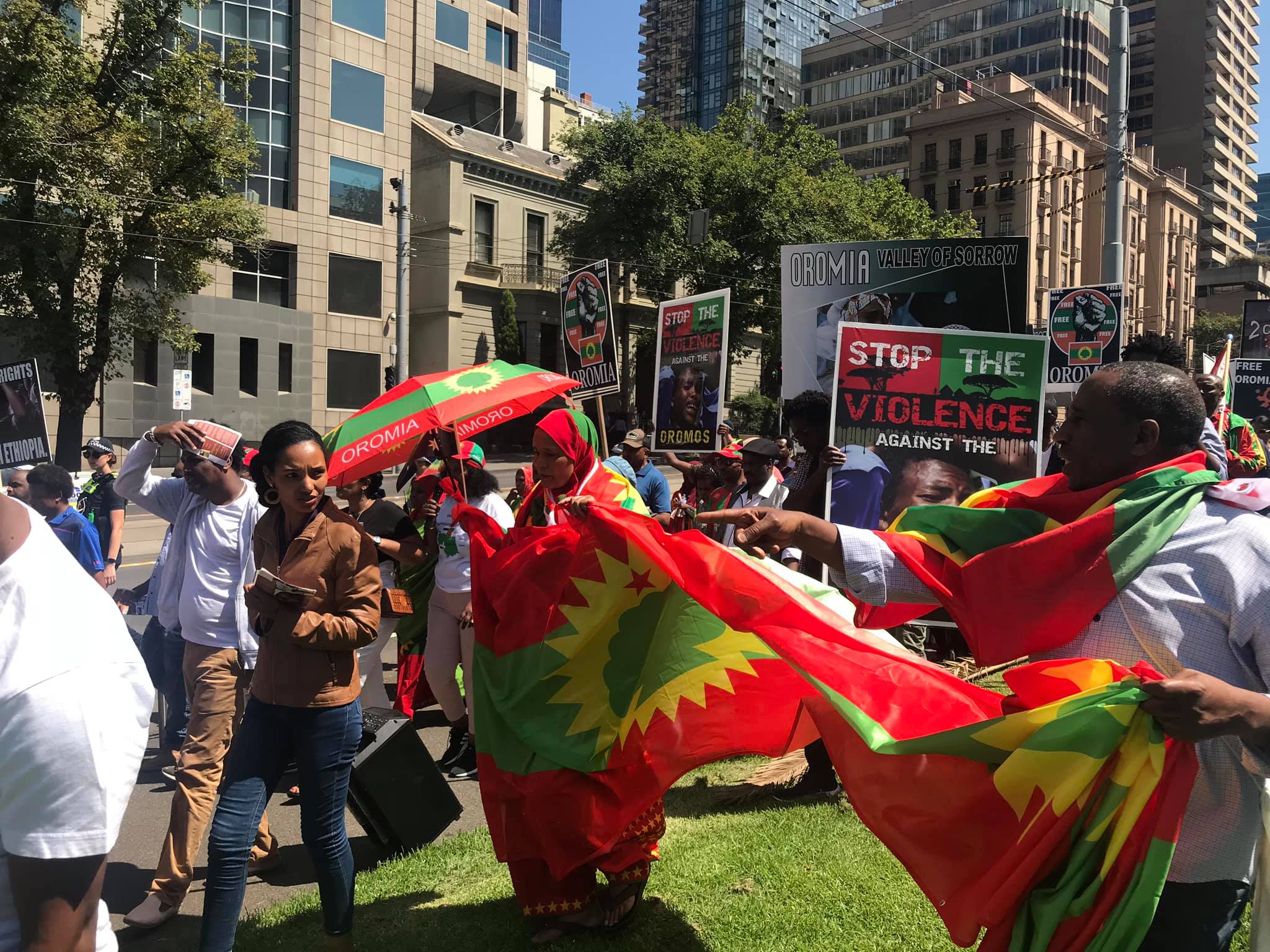







 Advocacy for Oromia