Category Archives: Oromia

Oromo Women: Fighting for Equality and Justice on International Women’s Day
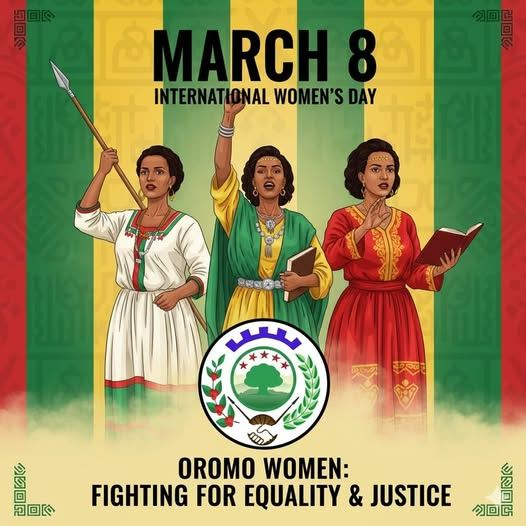
As the world marks International Women’s Day on March 8, the spotlight turns to the remarkable women of Oromia—custodians of culture, leaders of resistance, and unwavering advocates for justice who have fought for generations against the double oppression of gender discrimination and systemic marginalization.
For Oromo women, the struggle for equality and justice is not a recent phenomenon. It is woven into the fabric of their history, expressed through ancient traditions like the Siinqee institution, carried forward through decades of political imprisonment and torture, and articulated today by activists who refuse to be silenced.
The Siinqee Tradition: Ancient Feminism
At the heart of Oromo women’s empowerment lies the Siinqee—a traditional women’s institution that has functioned for centuries as both a symbol of unity and a practical tool for conflict resolution and rights protection .
The Siinqee is a ritual stick given to Oromo women by their mothers on their wedding day. Its meaning is profound: once a woman holds this stick, she commands respect from everyone in the community. If she places herself between two people fighting, all parties must fall silent and cease their conflict .
Dagnu Rabo, a 52-year-old tailor from Etaya in the Arsi region and a Haadha Siinqee (traditional women’s leader), describes her role: “I make it clear to them that everyone has the right to express their opinion, but no one may physically harm anyone else.” Her daily work involves mediating between couples, protecting women from violent husbands, and resolving community disputes .
When a woman is attacked or abused, other women rush to her aid. Wearing distinctive brown cloaks and colorful beaded necklaces, holding their Siinqee sticks aloft, they surround the victim, singing and chanting to draw attention to the perpetrator’s crime until the village elders intervene .
This institution was recognized by UNESCO in 2016 as part of the Gadaa system’s inscription on the Representative List of the Intangible Cultural Heritage of Humanity. Yet for Oromo women, it has never been merely a cultural artifact—it remains a living, breathing mechanism of justice .
Voices of Resistance: Martha Kuwee Kumsa
Perhaps no figure better embodies the courage of Oromo women than Professor Martha Kuwee Kumsa, a siinqee feminist and scholar who survived nearly a decade of imprisonment and torture for her journalistic activities promoting Oromo women’s rights .
Born in Dembidolo in Oromia around 1955, Kumsa’s middle name is that of an Oromo heroine—a name she would prove worthy of. After the 1974 Ethiopian Revolution closed universities, she trained as a journalist and began writing columns calling for Oromo women to defy existing power structures and reclaim their culture .
In 1980, plainclothes security officers detained her. She described arriving at the prison to find people on the floor, “bleeding from their mouths, [with] disfigured [faces] and pus ooz[ing] from wounds,” and an “overpowering stench.” She was tortured by foot whipping nine times during her first year of detention, then moved to another prison where she would remain for nine years—never charged, never tried .
Organizations including PEN America campaigned for her release. She received the 1989 PEN/Barbara Goldsmith Freedom to Write Award while still imprisoned. On September 10, 1989, she was released without warning in a mass amnesty .
Seven months later, fearing recapture, Kumsa escaped to Kenya with her children, walking two weeks through the forest. She eventually made her way to Canada, where she earned bachelor’s, master’s, and doctoral degrees and became a full professor at Wilfrid Laurier University, all while continuing her human rights advocacy .
In 2020, Kumsa co-authored a Washington Post piece criticizing media misrepresentation of Oromo protests following the killing of singer Hachalu Hundessa. She documented 9,000 arrests of Oromos and described a “wave of repression” targeting Oromo journalists and activists .
Dinknesh Deressa Kitila: Organizing for Change
Another towering figure is Dinknesh Deressa Kitila, founder of the International Oromo Women’s Organization. Her activism was born from childhood experience: during elementary school student council elections, a boy was preferred over her despite her having the highest grades. That moment of discrimination lit a fire that has never extinguished .
Deressa’s analysis of Oromo women’s situation is stark: “The state of oppression is very deep in general but Oromo women face even greater difficulty. Abyssinians treat Oromo women poorly. If a woman proposes a constructive idea, it doesn’t get proper attention as women are discriminated against up to a level where they are not considered as human beings” .
For Deressa, self-determination is not abstract but deeply personal: “a process by which one can take control of her/his whole life, decide freely what is good for her/him or not, what is important to her/him.” She emphasizes that organization is vital—that being organized is essential for anyone seeking to stand for peace and especially for women’s rights .
She has consistently called upon the international community to act: “The international community and humanitarian organisations have to take appropriate action to stop the Ethiopian government’s brutality against the Oromos” .
The Qarree Movement: Young Women Rising
In recent years, Oromo women have played a central role in the Qarree movement—the women’s counterpart to the better-known Qeerroo youth movement. These young Oromo women have been at the forefront of protests, organizing demonstrations, mobilizing communities through social media, and demanding both national liberation and gender equality .
Martha Kuwee Kumsa has defended these young activists against what she sees as media misrepresentation. She criticizes those who “categorically associate” the Qeerroo and Qarree with violence, arguing instead that they represent peaceful protest movements that helped overthrow the authoritarian EPRDF regime .
Multidimensional Contributions
The role of Oromo women in their society extends far beyond political activism. They are:
- Custodians of culture: Passing down traditions, songs, and stories to future generations; preserving the Afaan Oromo language; maintaining cultural practices like Irreechaa
- Economic backbones: Actively involved in farming, cultivating essential crops, and demonstrating entrepreneurial spirit that contributes significantly to local economies
- Peace brokers: Frequently involved in conflict resolution, using wisdom and insight to promote peace and harmony within communities
- Political participants: Increasingly taking on roles in organizations like the Oromo Federalist Congress (OFC) and advocating for women’s representation in decision-making processes
The Ateetee Tradition: Sung Justice
Among the Arsi Oromo, women have developed a unique form of dispute resolution called ateetee—a sung ritual process through which women protect, promote, and claim their rights. When an offense occurs, women travel to the offender’s house singing insults, then continue singing outside until a reconciliation ceremony is held. At the ceremony, they receive a cow as compensation and conclude by blessing the offender .
This tradition, documented in depth by ethnomusicologist Leila Qashu, demonstrates how music enables women to exercise power in a male-dominated society. It represents what scholars call “vernacular feminism”—a form of women’s empowerment rooted in indigenous culture rather than imported from external sources .
Ongoing Challenges
Despite their immense contributions, Oromo women face significant challenges:
- Gender-based violence: Both from state security forces and within their own communities
- Cultural barriers: Traditional gender roles can limit participation in leadership and decision-making
- Lack of recognition: Contributions are often overlooked or undervalued in both national and international narratives
- Double oppression: As Oromos facing systemic marginalization and as women facing gender discrimination
Conclusion: The Path Forward
As International Women’s Day 2026 is observed under the global theme “Rights. Justice. Action. For ALL Women and Girls,” Oromo women stand as living proof that empowerment is not a gift to be granted but a right to be claimed—and reclaimed, generation after generation, through courage, organization, and unwavering commitment to justice.
From the ancient Siinqee tradition to modern advocacy at the United Nations, Oromo women have fought for equality and justice on every front. They have endured imprisonment, torture, and exile. They have preserved culture while demanding change. They have led protests and raised children, documented atrocities and built organizations, spoken truth to power and sung justice into being.
Their struggle is not separate from the broader Oromo quest for self-determination—it is integral to it. As Dinknesh Deressa reminds us, true liberation requires women’s full participation and recognition. And as Martha Kuwee Kumsa’s life demonstrates, Oromo women will continue to fight until that liberation is achieved, no matter the cost.
On this International Women’s Day, the world would do well to listen to their voices, honor their sacrifices, and support their ongoing struggle for equality and justice. For in the words of the Oromo women themselves: when women participate fully, peace becomes lasting, justice becomes real, and the homeland becomes whole.
The International Oromo Women’s Association continues to advocate for Oromo women’s rights globally. For more information or to support their work, visit their official channels.

The Revolutionary Seed: Remembering Ethiopia’s “Children of the Mountain” and Their Lost Legacy
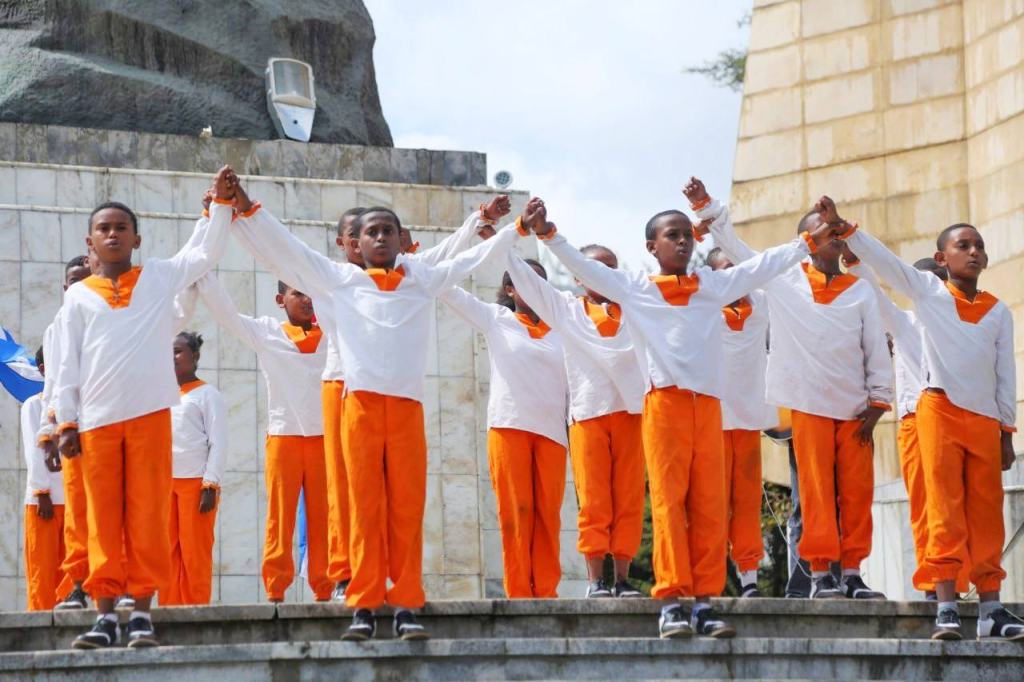
In the 1970s, a unique orphanage called “The Mountain of Revolutionary Ethiopia’s Children” was established to raise the sons and daughters of fallen soldiers. Its choir became legendary—then history forgot them.
The year was 1973 (Ethiopian Calendar), or 1980/81 in the Gregorian calendar. The country was engulfed in war on multiple fronts—fighting internal and external forces that claimed the lives of countless Ethiopian soldiers. Men fell on battlefields across the nation, leaving behind children with no guardians, no caregivers, no one to raise them.
The streets began to fill with orphans.
The Derg government, concerned by the growing number of abandoned children, took action. By special order of the country’s then-president, Mengistu Haile Mariam, an institution was established to shelter, educate, and raise these children. It was called “The Mountain of Revolutionary Ethiopia’s Children”—YeAbyotawi Ethiopia Children’s Amba.
A City on a Hill
Located in what was then called Shoa Province, in the region of Lakes and Butajira, within the Alaba Kulito woreda, the Amba sat in an area known as Alage. It was here that children who had lost their parents to war, natural disasters, and other calamities found a new home.
The institution was divided into five “villages” or compounds: Seble Abiyot, Meskerem Two Ogaden, Zeray Deres, and Mengistu Haile Mariam—five communities that together formed a small city of children.
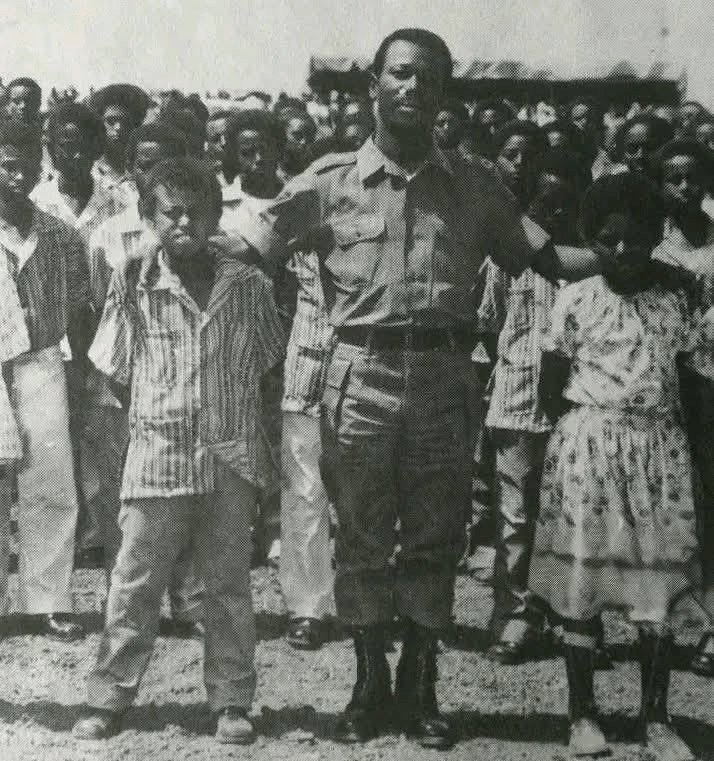
The Amba took in children of all ages, from newborns to adolescents. They were housed, fed, clothed, and educated within the institution’s walls. The mission was clear: raise these children with dignity, provide them education and moral guidance, and prepare them to re-enter society as whole human beings.
Growing Up on the Mountain
Former children of the Amba remember that when a child turned 18—or completed 12th grade—they would bid farewell to the institution that had raised them. But before departure, they received special counseling designed to ensure they left with strong moral character and, crucially, without the stigma of having grown up in an orphanage. The goal was integration, not isolation.
Those who excelled academically had paths forward. Some entered Ethiopia’s institutions of higher learning. Others were sent abroad—most often to Cuba or Russia—to continue their education. For children who had lost everything, the Amba offered not just survival but opportunity.
“Father” Departs, Shadows Fall
In 1983 (Ethiopian Calendar), disaster struck—not of the natural variety. President Mengistu Haile Mariam, whom all the children called “Our Father,” fled the country. For the children and staff of the Amba, his departure cast a long shadow. The man who had ordered their rescue, who had been the patron of their mountain, was gone.
What followed was a period of uncertainty. The institution continued, but the symbolic and practical support it had enjoyed evaporated with the regime that created it.
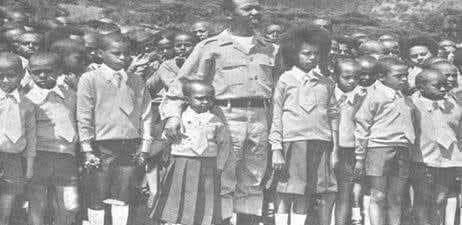
The Choir That Captured a Nation
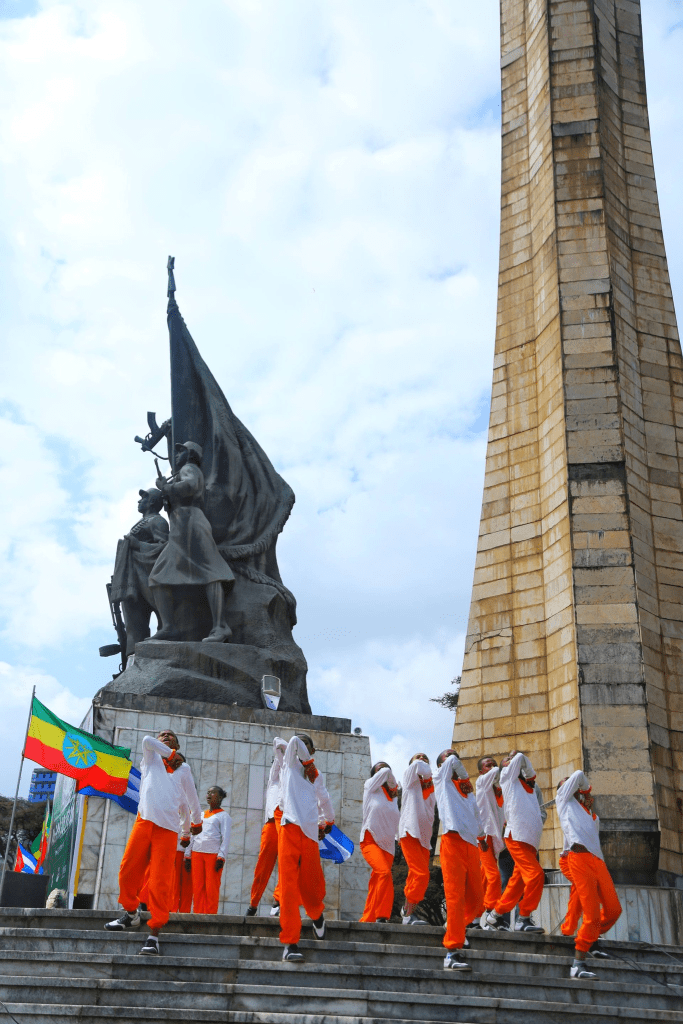
But the Children of the Amba were known for something beyond their orphanage: their music. Under the tutelage of the renowned poet and artist Alemtsahay Wedajo, the children received artistic training that would make them famous across Ethiopia.
Gathered into a performance group called YeJegna Fire—”The Seed of Heroes”—the children regularly presented musical and artistic programs for audiences. Their choir performances were deeply moving, laden with messages about sacrifice, heroism, and national pride.
Among their most beloved works were songs that became anthems for a generation: “Tsehayé” (My Sun), “Yejegna Lij Jegna” (A Hero’s Child is a Hero), and “Ergibitu Hijji” (The Dove Hijji). These songs were not mere entertainment; they were the voice of children who had lost everything yet found purpose in serving their nation through art.
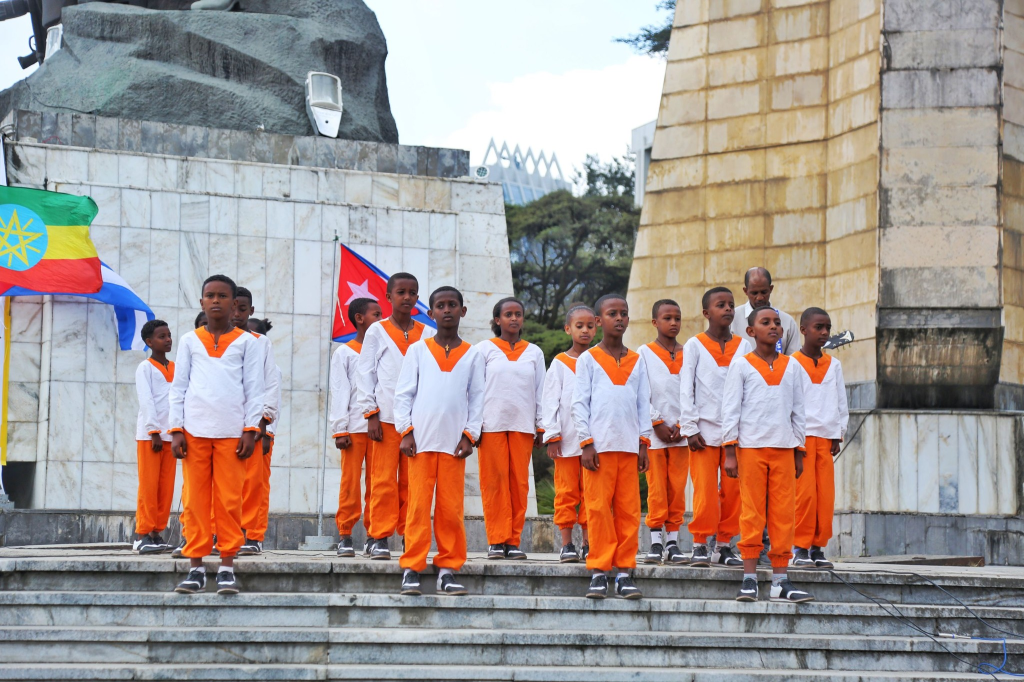
The Soundtrack of an Era
In the late 1970s and early 1980s (Ethiopian Calendar), these songs were everywhere. Young people across Ethiopia knew them by heart, singing them as if they were folk songs passed down through generations. Ethiopia Radio and Television broadcast them repeatedly. To hear a YeJegna Fire performance on the airwaves was not a novelty—it was a regular part of the cultural landscape.
The children’s choir had achieved something remarkable: they had transcended their origins to become a beloved national institution.
Erased by History
Then came 1991. The Derg fell. The transitional government that followed had no interest in preserving the cultural legacy of the fallen regime. The songs of YeJegna Fire were silenced. The children of the Amba scattered. Their music became, as one observer put it, “history, then forgotten.”
For decades, these recordings sat in archives, unheard by new generations. The voices of those orphaned children, raised up by a revolutionary government and trained by one of Ethiopia’s great artists, faded into silence.
A Flicker of Return
Recently, however, word has spread that a CD has been published containing some of these long-lost recordings. For those who grew up with these songs, it is a chance to hear their childhood again. For younger Ethiopians, it is an opportunity to discover a piece of their national heritage that was deliberately buried.
The songs of YeJegna Fire are more than propaganda artifacts. They are the voices of real children—orphans of war who found shelter, education, and purpose in a state-run institution. Their music carries the hopes, dreams, and resilience of a generation that history tried to forget.
The Mountain’s Legacy
Today, the Alage area where the Amba once stood continues its educational legacy in different form. The Alage Agricultural College, established in its own time, sits in the same region. But the children’s mountain—the YeAbyotawi Ethiopia Children’s Amba—exists now only in memory and in the fading recordings of a choir that once captivated a nation.
For the children who grew up there, now in their 50s and 60s, the Amba remains an indelible part of their identity. They were the seeds of heroes, planted on a mountain, scattered by history’s winds, but never entirely lost.
As Ethiopia continues to grapple with its complex political inheritance, stories like that of the Children of the Amba remind us that behind every regime, every ideology, every political transition, there are human beings—children who grew up, loved, lost, and longed for the homes they once knew.
The songs are returning. The children are now elders. And the mountain, though silent now, still echoes with the voices of those who once called it home.
This feature is part of the #Karamara48 and #Karamara_EthiopianVictoryDay series, commemorating Ethiopia’s complex and layered history.

“Women Build Both Home and Homeland”: The Indispensable Role of Oromo Women in Nation-Building
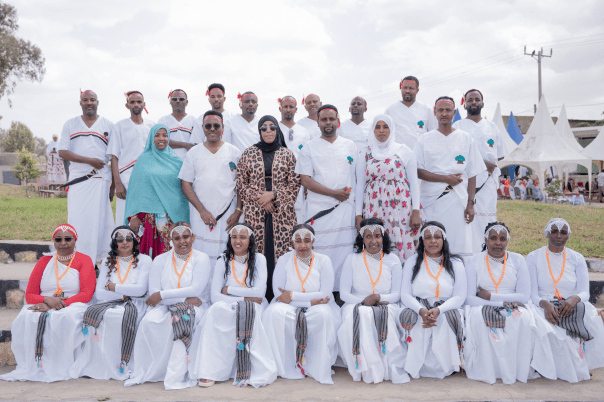
As International Women’s Day 2026 is celebrated globally, the women of Oromia stand as pillars of family, community, and liberation—their contributions finally receiving the recognition they deserve.
FINFINNEE, March 7, 2026 — As the world prepares to mark International Women’s Day on March 8, 2026, the spotlight turns to the indispensable role women play in every facet of society—from the daily rhythms of family life to the grand architecture of nation-building.
This year’s global theme, “Rights. Justice. Action. For ALL Women and Girls,” calls for translating commitments into concrete change: eliminating harmful practices, dismantling barriers to equality, and amplifying women’s voices on the world stage. Complementing this is the global campaign “Give to Gain,” which emphasizes that supporting and empowering women—individually, collectively, and nationally—is not charity but strategy. When women are empowered to contribute their full strength, participation, and potential, they become transformative forces in social and political change.
For Oromo women, this message resonates with particular urgency and pride.
From Home-Building to Homeland-Building
In Oromo society, the proverb holds true: a home without a woman is a deserted place. Women are mothers, sisters, wives, and daughters—each role carrying profound dignity and responsibility. But their contribution extends far beyond the domestic sphere.
The Women’s and Children’s Affairs Wing of the Oromo Liberation Army (DDD-ABO) has issued a powerful statement on the eve of International Women’s Day, affirming that Oromo women play a visible and undeniable role in both building families and building the nation.
“Women in Oromo society occupy a position of great honor and respect,” the statement reads. “From constructing homes to constructing the homeland, their contribution is clear and unmistakable. A home without a woman is an abandoned place.”
Women in the Liberation Struggle
The history of the Oromo liberation struggle is written in the blood and sacrifice of women. Despite facing double oppression—both as Oromos under a repressive system and as women in a patriarchal world—they have never been subjugated or silenced.
Throughout decades of struggle, Oromo women have shouldered immense burdens. They have been fighters on the front lines, organizers in the shadows, and the backbone of communities under siege. Foreign oppression and gender-based violence have sought to break them, but have only forged them stronger.
Their participation in the broader national movement has been unwavering, their commitment absolute. They have proven that the liberation of Oromia cannot be achieved without the liberation of Oromo women.
Political Participation: The Key to Lasting Peace
This year’s theme from the DDD-ABO carries a powerful message: “Women’s participation in politics is fundamental to peace, justice, unity, and nation-building.”
The statement emphasizes that when women are involved in governance and political decision-making, the outcomes are transformative. Their participation ensures lasting peace, upholds justice, strengthens national unity, and builds a proper foundation for the state.
“Women’s involvement in government and political decision-making demonstrates that they play a crucial role in achieving sustainable peace, ensuring justice is upheld, strengthening national unity, and building the nation properly,” the statement declares.
This vision aligns with the ABO’s commitment to establishing a peaceful and lawful government. The organization has put forward its symbol, Horooroo, as the choice before the people in the upcoming electoral contest.
Horooroo: A Symbol of Peace and Identity
The ABO’s electoral symbol, Horooroo, represents peace, reconciliation, justice, and the broad identity of the Oromo people. It embodies the right to self-determination and stands for democracy, justice, equality, and lasting peace.
As Oromia approaches its 7th round of elections in 2026, the ABO is contesting under this symbol, offering a vision of a lawful, people-centered government—government by the people, for the people. The DDD-ABO statement makes clear that this vision cannot be realized without the full participation and empowerment of women.
“To achieve this goal,” the statement affirms, “we must work together in unity. We must choose the ABO’s ‘Horooroo’ symbol in this 7th round of elections to build a lawful and just government that includes and empowers women to bring about real change.”
A Call to Action
As International Women’s Day 2026 is celebrated, the message from Oromo women is clear: their role in building both home and homeland is indispensable. Understanding this, ensuring their participation across all sectors—political, economic, and social—is not optional but essential for achieving lasting peace, restoring justice, reclaiming national truth, mending national unity, and building a democratic state.
The DDD-ABO concludes its statement with a rallying cry that echoes across Oromia:
“Victory to the Broad Public!
Women’s and Children’s Affairs Wing (DDD) ABO
March 7, 2026
Finfinnee”
The Road Ahead
This International Women’s Day, as the world reflects on the progress made and the journey still ahead, Oromo women stand as living proof that empowerment is not a gift to be granted but a right to be recognized. They have always built—homes, communities, movements, and a nation. The task now is to ensure they have their rightful place at every table where decisions about their future are made.
For in the words of the DDD-ABO, when women participate fully, peace becomes lasting, justice becomes real, and the homeland becomes whole.
International Women’s Day 2026 is being observed globally on March 8 under the theme “Rights. Justice. Action. For ALL Women and Girls.”

Oromia Support Group Submits Damning Report to UN Human Rights Council, Documents Over 7,500 Civilian Deaths
The 61st session of the UN Human Rights Council receives evidence of widespread abuses, forced conscription, and the catastrophic entanglement of Ethiopia in Sudan’s civil war.
GENEVA — The Oromia Support Group (OSG) has submitted a comprehensive report to the current 61st session of the United Nations Human Rights Council, documenting a grim catalogue of human rights abuses against Oromo civilians under the rule of Prime Minister Abiy Ahmed.
Report 72, now being distributed as widely as possible by the UK-based human rights organization, includes not only the organization’s formal submission to the UNHRC but also reveals Ethiopia’s deepening involvement in Sudan’s civil war—supporting the genocidal Rapid Support Forces (RSF) from a new base inside Ethiopia, funded and equipped by the United Arab Emirates.
“Please find attached Report 72 from the Oromia Support Group and please distribute it as far and wide as possible,” the organization urged in its statement accompanying the release.
A Bloody Toll: 7,511 Civilians Killed
According to OSG, the organization has now documented 7,511 Oromo civilian deaths under Abiy Ahmed’s rule—a staggering figure that represents only a fraction of the true toll. Most of the victims are young people, the Qeerroo generation, whose peaceful pro-democracy demonstrations in 2018 opened the political space that allowed Abiy Ahmed to seize power.
“Prime Minister Abiy Ahmed stated in government meetings in early 2019 that his top priority was the extermination of Qeerroo members because they were the greatest obstacle to his power,” the report reveals.
Since the beginning of 2025 alone, OSG has recorded 1,244 civilian killings—a dramatic escalation in violence that spans all zones of Oromia Region and the Oromia Special Zone in Amhara Region. Killings and destruction of property have been particularly egregious in Wallega zones, with increasing frequency in the latter half of 2025 in Arsi and West Arsi zones. Poor access and communication continue to hinder data collection, especially from Guji and Borana zones.
“Bullet Food”: Oromo Youth Forced into Sudan Conflict
One of the most alarming revelations in Report 72 concerns Ethiopia’s involvement in Sudan’s civil war. According to OSG, the Ethiopian government has established a base near Asosa to support the genocidal Rapid Support Forces, funded and equipped by the United Arab Emirates.
“Forcibly conscripted destitute Oromo youth are already ‘bullet food’ in this war and scores of thousands will follow,” the report warns.
The organization describes this development as a “catastrophic decision” that invites proxy wars to be fought by regional powers on Ethiopian territory, with Oromo youth paying the ultimate price.
A Government That Does Not Represent Its People
OSG’s submission challenges the characterization of Ethiopia’s government as an “Oromo government,” noting that although many individuals in government are Oromo, “the abuses against Oromo are as severe and widespread as those against any of the country’s other peoples.”
The Prosperity Party government, the report argues, “does not represent the interests of any of the peoples of Ethiopia.”
Economic Mismanagement and Militia Terror
Behind the facade of modernization and development projects lies a different reality, according to OSG. The report describes how poorly paid and poorly trained local militias engage in looting and extortion of spurious and arbitrary taxes from rural and urban populations already unable to sustain themselves economically or access adequate health care or education.
A “dog-eat-dog situation has developed whereby militia members depend for their and their families’ survival on looting and extortion from people with nothing left to give,” the report states.
Reasons given for extortion include financing local administrative buildings, “health insurance,” arming and feeding federal and local security forces, bribes for the release of prisoners and victims of forced conscription, and licenses for businesses and vehicles.
Military Tactics: Drones, Artillery, and Burning Villages
National defense forces continue to use drones and heavy artillery in attacks on defenceless villagers, killing people and livestock. In areas where the Oromo Liberation Army (OLA) is active, villages are burnt “to drain the ocean to kill the fish”—a military tactic that punishes entire communities for the actions of a few.
Villagers are threatened at gunpoint to indicate the homes of parents or other relatives of OLA members, which are then systematically destroyed.
Young men and respected community members without any connection to OLA have been killed in their homes, on the streets, in churches, and on their way to and from markets. Many have been taken from police custody or from detention in military camps and summarily executed, sometimes in public in order to terrorize the population.
Sexual Violence and Crimes Against Children
The report documents horrific accounts of sexual violence perpetrated by government soldiers. Children, prepubescent girls and young boys, and mothers of families have been cruelly raped. The rape and killing of teenage girls and girls aged as young as ten years are documented.
Deliberate shooting of infants and children under ten years old by national defense forces, for frivolous reasons, has also been recorded.
Forced Displacement: Modernization as a Weapon
Hundreds of thousands of villagers have been displaced due to the destruction of their homes and farms. Added to these are those displaced by “modernization projects,” where even moderately sized conurbations such as Dembi Dollo in Qellem Wallega have been subjected to “corridor projects”—private houses and business properties bulldozed without consultation or compensation.
Large-scale developments including the Gadaa Special Economic Zone project and the $12.5 billion Bishoftu “Mega” Airport in Aabbuu Seeraa, Bishoftu, are displacing tens of thousands with no consultation and hardly any compensation. The report warns that these projects appear designed to completely divide Oromia Region into two, destined to bring millions of people from other regions into a narrow strip of land in southern East Showa.
The Destruction of the Karrayyu and Gadaa Heritage
The Karrayyu pastoralists in East Showa—one of the major remaining centers practicing the Gadaa system of social, spiritual and democratic governance, acknowledged as UNESCO World Heritage—have been “almost completely destroyed” since fourteen of their leaders were killed on the orders of Oromia Region authorities in December 2021.
“The long-term livelihood of Oromo and the traditional heritage, deeply attached to their land, is being destroyed,” OSG states.
Inter-Ethnic Conflict: Deliberately Fomented
The report alleges that division and hatred between Oromo and Amhara peoples has been deliberately fomented by the government. Clandestine federal forces, masquerading as Fano Amhara fighters and as OLA fighters, have been established in at least Showa and Wallega zones, where they have been responsible for massacres and numerous smaller scale killings with the sole purpose of spreading discord and hostility.
In one chilling example, federal forces wearing wigs of braided hair and loudly calling to each other “Jaal” (comrade in Afaan Oromoo) terrorized villagers in Dandi district, West Showa in September 2025, going from house to house at night, raping and looting.
Innocent teenagers have been beaten and imprisoned, dressed in military uniforms and paraded on media as if they were OLA fighters.
Religious Persecution
The report documents persecution on religious grounds. Oromo priests within the Ethiopian Orthodox Tewahedo Church have been detained and killed. Followers of the traditional Oromo religion, Waaqeffannaa, have been killed and driven out of areas, and their worship halls (galma) burned down.
Regional Attacks Unopposed
National and regional governments have not opposed the killings of civilians and destruction of their property by Somali Region forces (Liyyu) in West Bale, East and West Hararge and South Borana zones of Oromia Region.
Desperate Refugees Face Hostility at Every Turn
Refugees fleeing to Djibouti and Somaliland in desperate attempts to seek illegal work in Saudi Arabia face abuse and extortion on their journeys and at their destinations. The report describes refugees being treated with hostility and disdain in Egypt, Libya, Tunisia, Djibouti, Somaliland, Somalia and Yemen.
Thousands are detained in life-threatening conditions or subject to slavery in Libya. Unknown numbers die in deserts between Ethiopia and the Red Sea or Mediterranean Sea and by drowning in those seas. Those who survive dangerous journeys to Europe are met with hostility, disbelief and discrimination.
Individuals Who Speak Truth Hounded Out
The report notes that individuals who have risked their lives to investigate and publish human rights abuses and the dire economic and health crises in rural areas have been hounded out of Ethiopia, and family members have been detained.
OSG’s Call: Distribute Widely
The Oromia Support Group concludes its report with a call for the widest possible distribution of its findings, urging recipients to share Report 72 “as far and wide as possible.”
The submission to the 61st session of the UN Human Rights Council represents a continued effort to bring international attention to the ongoing crisis in Oromia and to hold the Ethiopian government accountable for what OSG describes as systematic human rights abuses against the Oromo people.
For further information:
Dr. Trevor Trueman
+44 (0)7852 448337
osg@talktalk.net
This report includes information contained in Reports 69-72 from the Oromia Support Group (OSG).
Dhangalaasii Festival: A Celebration of Oromo Culture and Gratitude

Celebrating Dhangalaasii: The Oromo Thanksgiving Festival Arrives
A time of gratitude, community, and renewal as the Oromo people observe their ancient tradition of giving thanks
As the rains grace the land and the promise of abundance fills the air, the Oromo community prepares to celebrate one of its most cherished cultural observances: the Dhangalaasii festival.
We have reached this blessed occasion together. We give thanks for having been brought to this day.
A Festival of Gratitude
As is well known, the Waaqeffannaa faith—the traditional Oromo religion centered on the worship of Waaqa (God)—is fundamentally a religion of gratitude. Like our ancestors before us, we honor the divine by observing sacred times with reverence and celebration.
It is from this deep well of tradition that the DhangaaSii festival emerges—a time when the Oromo people collectively express thanks for the rains, for the fertility of the land, for the health of their cattle, and for the blessings of community and continuity.
An Invitation to Celebration
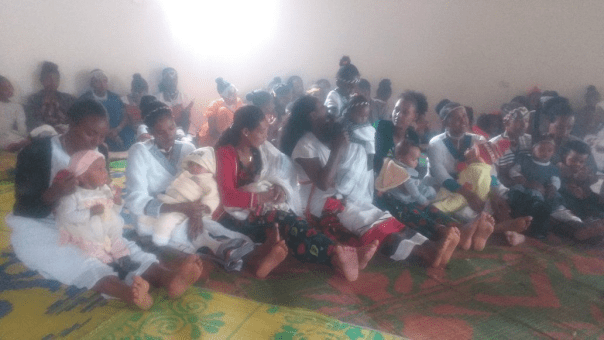
This year’s Dhangalaasii festival will be observed at our community hall on March 12, 2018 (March 21, 2026). We extend a warm invitation to all to join us in celebrating this sacred occasion together.
The festival represents more than a mere gathering. It is a reaffirmation of Oromo identity, a connection to the spiritual practices of our ancestors, and a moment of collective gratitude that transcends individual concerns.
Blessings for the Season
As we gather to observe Dhangalaasii, we share the traditional blessings that have echoed across Oromo lands for generations:
“Barri roobaa nagaadha” — May the rainy season bring peace.
“Gadaan quufaa gabbina” — May the generation be satisfied and prosper.
These words carry the hopes of a people whose relationship with the land has always been central to their identity. The rains bring not only physical nourishment but spiritual renewal. The prosperity of the generation ensures that traditions will be passed to those who come after.
Gratitude as Resistance
For a people who have endured displacement, cultural suppression, and the many violences of colonialism and state oppression, the act of gathering to observe traditional festivals is itself a form of cultural resistance. To give thanks in the language of one’s ancestors, according to the customs of one’s people, is to assert that Oromo identity survives and thrives.
Dhangalaasii reminds the Oromo people—whether in the homeland or scattered across the diaspora—that gratitude is not dependent on circumstances. It is an orientation of the heart, a recognition that life itself is a gift, and that community is the vessel through which that gift is shared.
Joining Together
As the date approaches, organizers prepare the space, the food, the rituals that will mark the occasion. But the most important preparation is the gathering itself—the coming together of community, the sharing of blessings, the collective turning toward Waaqa with hearts full of thanks.
We look forward to celebrating with you all. May this Dhangalaasii bring peace, prosperity, and renewed connection to all who observe it.
Event Details:
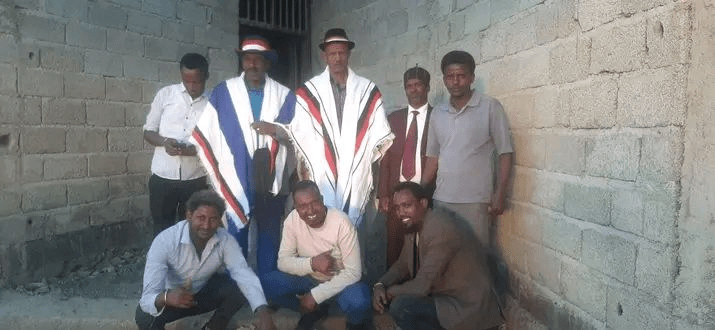
What: Dhangalaasii Thanksgiving Festival
When: July 12, 2018 (March 21, 2026)
Where: Our Community Hall
All are welcome. Join us in giving thanks.
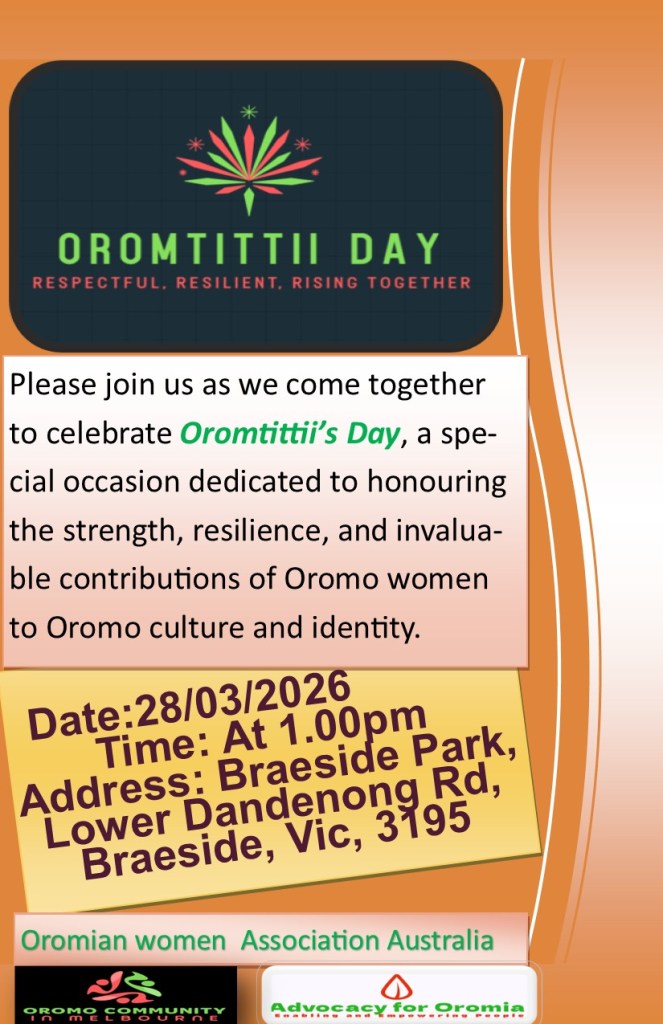
Oromtittii Day 2026: Honoring Oromo Women
What a great way to recognize, uplift, and celebrate the strength, resilience, and contributions of Oromo women!
Oromtittii Day! 

 March 28th, 2026
 1:00 PM
 See venue details below
The Oromian Women Association, Advocacy for Oromia, and the Oromo Community in Australia are coming together to celebrate and honour Oromo women in the community.

Legacy of Abba Boru: Oromo Freedom Fighter and Humanitarian
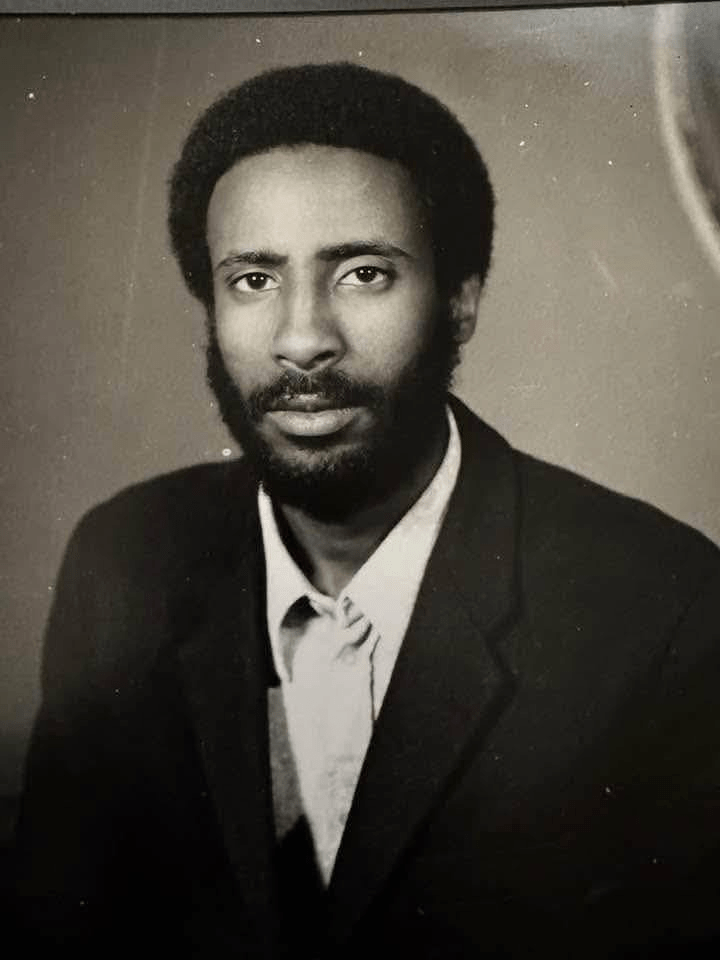
A Hero’s Farewell: Oromo Liberation Veteran Abba Boru Dhaddacha Qamphare Passes Away
FINFINNE – The Oromo people have lost one of their most dedicated and resilient sons. Abba Boru Dhaddacha Qamphare, a renowned scholar, a steadfast freedom fighter, a development expert, and a humanitarian, passed away on Muddee 15, 2025. His life was a profound testament to unwavering service to his people and an unyielding commitment to justice.
Born on Amajjii 19, 1952, to his father Dhaddacha Qamphare Jaldessaa Iyyaa and mother Qabbalee Waariyoo Guyyoo, Abba Boru’s journey was one of intellect and courage. He pursued his primary education at the Mission School in Nagellee Boorana and continued his secondary studies in Yirgalem. A man fortified by knowledge, he graduated with a law degree from Finfinne University. His quest for learning then took him to the United Kingdom, where he earned a Master’s degree from the University of Sussex, focusing on development economics. He was in the midst of pursuing his PhD there when duty called him back to the struggle.
Abba Boru’s life was defined by sacrifice. Twice, he put his people’s calling above his own academic ambitions, interrupting his studies to participate directly in the Oromo liberation movement, enduring immense hardship in the process.
His involvement in the struggle was deep and multifaceted. While pursuing his first degree, he joined the fight to secure the borders of Oromia in the Boorana region. Later, following the collapse of the Derg regime in 1991, he once again set aside his PhD studies to play a pivotal role in the political transformations and the ongoing Oromo struggle.
Abba Boru was a contemporary and comrade of legendary Oromo figures such as Baaroo Tumsa, Galaasaa Dilboo, Leencoo Lata, Dhaddacha Gololcha, and Dheressaa Qiixee. His work was instrumental in entrenching the Oromo struggle in the Boorana and Gujii regions. He worked alongside leaders like Colonel Salasaa Jaaloo, Boruu Diinee, and Saaraa Jarsoo to build upon the movement’s foundations. He was also a key figure, alongside activists like Godaanaa Tunii Khanoo and Shalaaqaa Jataanii Alii, in fostering political and economic development awareness.
In the wake of the assassination of Shalaaqaa Jataanii Alii, Abba Boru stepped into a senior leadership role in the region, working tirelessly to strengthen the unity of the Oromo people across the Ethiopian and Kenyan borders. Even after the Oromo Liberation Front (OLF) withdrew from the transitional government, he continued to lead the national struggle from Kenya alongside Dr. Diimaa Naggahoo.
Beyond his political activism, Abba Boru was a dedicated development expert and humanitarian. His expertise was prominently featured in the ‘Southern Rangeland Project,’ where he focused on creating economic opportunities for pastoralist communities. He also served with distinction at the Norwegian Church Aid (NCA), rising to the position of national coordinator. In this capacity, he worked to bring the socio-economic challenges of southern Ethiopia’s pastoralists to the world’s attention, advocating for comprehensive and inclusive development.
Abba Boru Dhaddacha Qamphare will be remembered as a pure-hearted leader, an intellectual, and a compassionate human being. His life was a continuous struggle for the rights of the voiceless, a manifestation of developmental change, and a model of true human service.
Though the hero is gone, his legacy is etched in the history he helped shape. His story will bear witness for generations to come, inspiring a future built on justice, dignity, and compassion for the vulnerable, including the orphans he helped raise.
Rest in power, Abba Boru. Your struggle is our foundation. Your memory is eternal.
Nagaan boqodhi.

Historic Oromo Reunion: Lenco Lata and Hassan Ali Meet Again
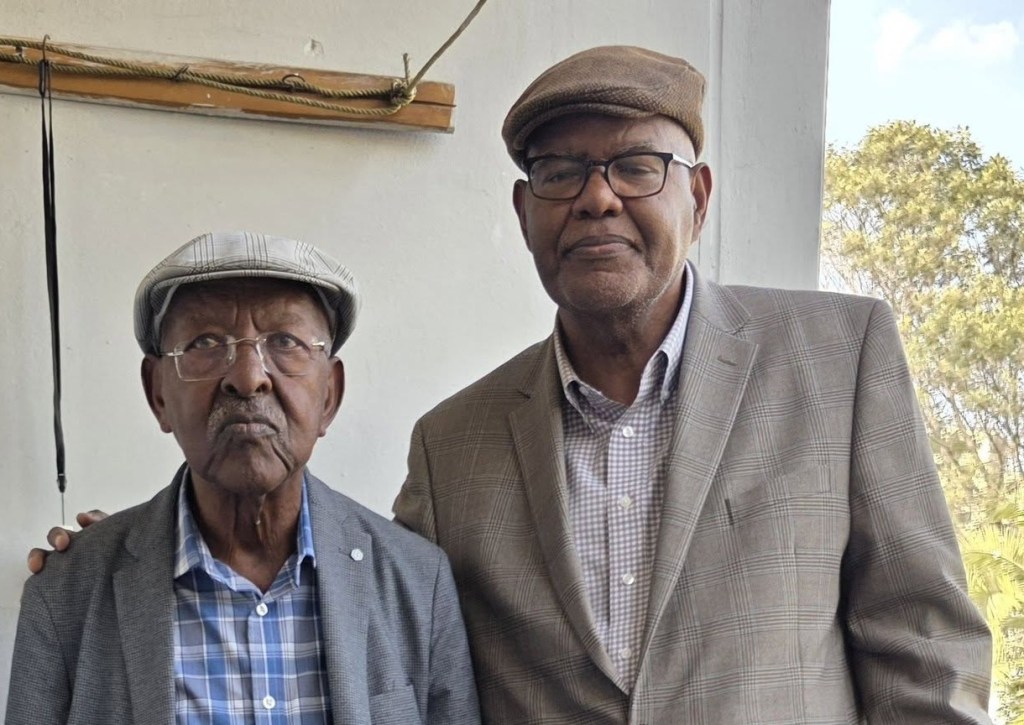
Echoes of the Struggle: A Historic Reunion in the Heart of Oromia
There are moments in the life of a nation that transcend politics and policy, touching the very soul of a people’s journey. Today, in the bustling heart of Finfinnee, we witness one such moment. It is a scene heavy with history, a living tapestry woven from threads of sacrifice, exile, and the unyielding dream of self-determination.
Before us stand two elders, not merely as men, but as monuments. Mr. Lenco Lata and Mr. Hassan Ali. Their handshake is more than a greeting; it is the meeting of two rivers that carved the landscape of the modern Oromo struggle. To look at them is to look into the past and see the foundations of the present.
Mr. Lenco Lata, a veteran of the ABO struggle, carries the weight of the armed resistance on his shoulders. His story is one written in the shadows, in the trenches of conviction, where the fight for Oromia was not a political slogan but a daily, dangerous reality. He belongs to a generation that believed the cause was worth their very breath.
Beside him stands Mr. Hassan Ali, a figure of foundational governance. As the first president of the Oromia Regional State, he was tasked with the monumental challenge of translating decades of resistance into the framework of administration. He stood at the vanguard of a new, hopeful, and uncertain chapter, attempting to give structural form to the very cause for which Mr. Lata and his comrades fought.
Though their paths diverged—one in the trenches of guerrilla warfare, the other in the halls of nascent governance—their fates were tragically united. For their unwavering dedication to the Oromo cause, both were branded as threats. Both were forced to drink from the bitter cup of exile, expelled from the very land they dreamed of liberating and building. They became custodors of the Oromo dream from distant shores, watching, waiting, and hoping for the day they could walk the soil of Oromia as free men.
That day is today.
Their meeting in Finfinnee is not a simple reunion of old colleagues. It is a historic memory being made tangible. It is the closing of a painful loop and the affirmation that their sacrifices were not in vain. The city that once felt the absence of their voices now bears witness to their presence.
As they sit together, the ghosts of fallen comrades, the pain of years in exile, and the joy of return all linger in the air. They represent a bridge between the Oromia that was fought for in the wilderness and the Oromia that continues to be built today. In seeing them together, we are reminded that the journey is long, the price has been high, but the spirit—the indomitable spirit of Oromia—remains unbroken. This is more than a photograph; it is a page of history, written in resilience, sealed with sacrifice, and now, finally, framed in the dignity of homecoming.

የኦሮሞ ብሔር ባሕልና ታሪክ: የትውልድ መታወቂያ
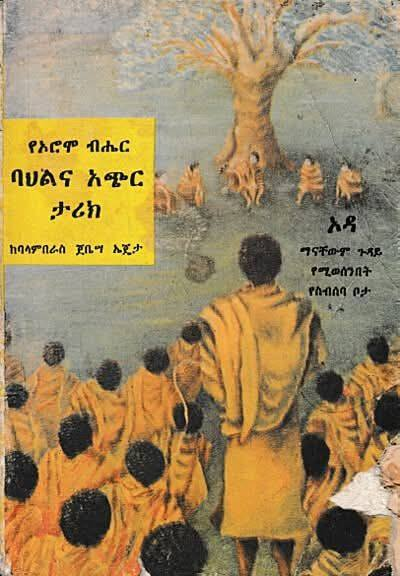
የኦሮሞ ብሔር ባሕልና አጭር ታሪክ፡ የትውልድ መታወቂያን የሚያጎለብት ታሪካዊ ሰነድ
የካቲት ፲፱ ቀን ፳፻፲፰ ዓ.ም. (አዲስ አበባ) – ባላምባራስ ጀቤሳ ኤጄታ የተባሉ ደራሲ ያዘጋጀው “የኦሮሞ ብሔር ባሕልና አጭር ታሪክ” የተሰኘ መጽሐፍ የኦሮሞን ሕዝብ ታሪክ፣ ባሕልና ማኅበራዊ መዋቅር በጥልቀት የሚዳስስ ምሁራዊ ጥናት መሆኑ ተገለጸ።
በሃያ አምስት ምዕራፎች የተዋቀረው ይህ መጽሐፍ የኦሮሞን ሕዝብ አመጣጥ ከኩሽ ቤተሰቦች ጋር በማያያዝ፣ የገዳ ሥርዓትን እንደ ጥንታዊ ዲሞክራሲያዊ የማስተዳደሪያ ዘዴ በማቅረብ የሕዝቡን የፖለቲካ ብስለት ያሳያል።
የመጽሐፉ ይዘትና አደረጃጀት
መጽሐፉ በጭብጥ እና በታሪካዊ ቅደም ተከተል የተዋቀረ ሲሆን፣ ከጥንታዊ የዘር ሐረጋት ጀምሮ እስከ ዘመናዊው ማኅበራዊ ኑሮ ድረስ ያለውን የኦሮሞ ሕዝብ ጉዞ ይቃኛል። ደራሲው መረጃዎቻቸውን ያሰባሰቡት ከአረጋውያን የቃል ትውፊት፣ ከቀደሙ የታሪክ ሰነዶች እና ከጥንታዊ የዘር ሐረግ ቆጠራዎች ነው።
በመጽሐፉ ውስጥ የተካተቱት የዘር ሐረግ ሥንጠረዦች፣ የፎቶግራፍ ማስረጃዎች እና የቋንቋ ትንተናዎች ለደራሲው መከራከሪያ እንደ ዋቢ ቀርበዋል።
ዋና ዋና ጽንሰ ሐሳቦች
መጽሐፉ በርካታ ቁልፍ የኦሮሞ ባሕልና ታሪክ ነጥቦችን ያነሳል። ከእነዚህ ውስጥ ዋነኞቹ፦
- የገዳ ሥርዓት ለአለም ዲሞክራሲ አርአያ ሊሆን የሚችል ጥንታዊ ሥርዓት መሆኑ
- ‘ሳፉ’ (Saffu) የተሰኘው የሞራልና የሥነ ምግባር ሚዛን ጠባቂ ጽንሰ ሐሳብ
- የኦሮሞ ሕዝብ የዘር ሐረግ ክፍፍል (ቦራና እና ባረንቱ) እና የእርስ በእርስ ትስስራቸው
- የሴቶች መብት በ’ሲቄ’ (Siqqee) ሥርዓት አማካኝነት መከበሩ
- ባሕላዊ የግጭት አፈታት ስልቶች (እንደ ጉማ) ለማኅበራዊ ሰላም ያላቸው ሚና
የገጸ ባህሪያት ዝርዝር
መጽሐፉ በኦሮሞ ማኅበረሰብ ውስጥ ያሉ ቁልፍ የሥልጣን እና የሃላፊነት ቦታዎችን በዝርዝር ያብራራል።
አባ ገዳ (Abba Gada) ለስምንት ዓመታት የሚመረጥ የሥርዓቱ የበላይ መሪ ሲሆን፣ የሕዝቡን መንፈሳዊ እና ዓለማዊ ሕይወት ይመራል።
ቃሉ (Qaallu) በዋቄፈና እምነት መሠረት በፈጣሪ እና በሰው መካከል እንደ አማላጅ የሚታይ መንፈሳዊ አባት ነው።
ሃዩ (Hayyu) በባሕላዊ የሕግ ሥርዓት ውስጥ የዳኝነት እና የሕግ ትርጓሜ ሥራዎችን የሚሠራ ሊቅ ነው።
የማይረሳ ትዕይንት፡ የቡታ በዓል
በመጽሐፉ ውስጥ አስገራሚ ሆኖ የተገለጸው ትዕይንት የ’ቡታ’ (Butta) በዓል እና የሥልጣን ሽግግር ሥነ ሥርዓት ነው። ይህ ትዕይንት በየስምንት ዓመቱ አንድ የገዳ እርከን (Luba) ሥልጣኑን ለሚቀጥለው እርከን የሚያስረክብበት ታላቅ ክንውን ነው።
በመጽሐፉ አገላለጽ፣ ይህ ሥነ ሥርዓት የሕዝቡ አንድነት፣ ዲሞክራሲያዊ ባህል እና የሕግ የበላይነት የሚነጸባረቅበት ነው። አሮጌው መሪ ‘ቦኩ’ (Boku) የተሰኘውን የሥልጣን ምልክት ለአዲሱ መሪ ሲያስረክብ፣ በመላው ኦሮሚያ የሚገኙ ተወካዮች በታላቅ አክብሮት እና በዝማሬ የታጀበ በዓል ያከብራሉ።
ደራሲው እንደሚገልጹት፣ ይህ ትዕይንት ደም ሳይፈስ፣ በምርጫ እና በስምምነት ሥልጣን እንዴት እንደሚሸጋገር የሚያሳይ የኦሮሞ ሕዝብ የፖለቲካ ብስለት ማሳያ ነው። በበዓሉ ላይ የሚታረደው በሬ እና የሚረጨው ደም የማኅበረሰቡን አዲስ ጅማሬ እና የታሪክ ምዕራፍ ተምሳሌት እንደሆነ ይገልጻሉ።
ጥቅሶች እና አባባሎች
መጽሐፉ ጥቂት ያልሆኑ ጥቅሶችን እና አባባሎችን ይዟል። ከነሱም ውስጥ፦
“ባሕል የአንድ ሕዝብ ማንነት መገለጫና የኑሮው መመሪያ ነው።” የሚለው በመግቢያ ክፍል ላይ የተጠቀሰ ሲሆን፣ የባሕልን አስፈላጊነት ያሳያል።
“የገዳ ሥርዓት ለኦሮሞ ሕዝብ የዲሞክራሲ ምንጭ ብቻ ሳይሆን የሰላምና የእድገት መሠረት ነው።” የሚለው ደግሞ ስለ ገዳ ሥርዓት ጠቀሜታ በሚያብራራው ምዕራፍ ውስጥ ተካቷል።
“ሳፉ ማለት በፈጣሪና በፍጥረት፣ በሰውና በሰው መካከል ያለውን ክብርና ድንበር ጠባቂ ሕግ ነው።” የሚለው ስለ ሥነ ምግባር እና ባሕላዊ እሴቶች በሚተነተንበት ክፍል ተካትቷል።
አጠቃላይ ትረካ
መጽሐፉ ሰፊና ጥልቅ የሆነ የኦሮሞን ሕዝብ ታሪክ ያቀርባል። በመጀመሪያዎቹ ምዕራፎች ደራሲው የኦሮሞን ሕዝብ አመጣጥ እና የዘር ሐረግ በጥልቀት ይተነትናሉ። ኦሮሞ የኩሽ ቤተሰብ አካል መሆኑንና በጥንታዊው የኢትዮጵያ ታሪክ ውስጥ የነበረውን ጉልህ ስፍራ ያስረዳሉ።
በተለይም ‘ቦራና’ እና ‘ባረንቱ’ የተባሉትን ሁለት ዋና ዋና ቅርንጫፎች እና የእነሱን ንዑስ ጎሳዎች በዝርዝር በምስል እና በሥንጠረዥ አስደግፈው ያሳያሉ።
ቀጥሎም መጽሐፉ ወደ ኦሮሞ ሕዝብ ዋና የፖለቲካ እና የማኅበራዊ መዋቅር – ገዳ ሥርዓት – ይገባል። ገዳ ሥርዓት እንዴት እንደሚዋቀር፣ አምስቱ የገዳ ፓርቲዎች በየስምንት ዓመቱ እንዴት እንደሚፈራረቁ በሰፊው ያብራራል።
ከፖለቲካው ጎን ለጎን፣ መጽሐፉ የኦሮሞን ባሕላዊ ሃይማኖት ‘ዋቄፈናን’ ይቃኛል። የአንድ አምላክ (ዋቃ) እምነት፣ የፍጥረት ጽንሰ ሐሳብ እና በማኅበረሰቡ ውስጥ ያለውን መንፈሳዊ ትስስር ይተነትናል።
ተዛማጅ መጻሕፍት
መጽሐፉ ከሌሎች ታዋቂ የኦሮሞ ታሪክ ጥናቶች ጋር ተመሳሳይነት አለው። በተለይም የሞሐመድ ሐሰን “The Oromo of Ethiopia: A History 1570-1860” እና የአስማሮም ለገሠ “Gada: Three Approaches to the Study of African Society” የተሰኙት መጻሕፍት ከዚህ መጽሐፍ ጋር ተመሳሳይ ምልከታ እንዳላቸው ተጠቅሷል።
ገምጋሚ አስተያየት
መጽሐፉን የገመገሙት እጹብ ዓበበ እንዳሉት፣ ይህ መጽሐፍ የኦሮሞን ሕዝብ ማንነት፣ ጥበብ እና ታሪካዊ ታላቅነት ለትውልድ ለማስተላለፍ የተጻፈ ትልቅ የታሪክ ሰነድ ነው።
“ይህ መጽሐፍ የኦሮሞን ሕዝብ ባሕልና ታሪክ በጥልቀት ለማወቅ ለሚፈልጉ ተመራማሪዎች፣ ተማሪዎች እና አጠቃላይ አንባቢዎች ጠቃሚ የሆነ የመረጃ ምንጭ ነው” ሲሉ አስተያየታቸውን ሰጥተዋል።
መጽሐፉ በመላው ኢትዮጵያ በሚገኙ የመጽሐፍ መደብሮች እንደሚገኝና በቅርቡ ዲጂታል እትም ለመልቀቅ መታቀዱን ከደራሲው ተረድተናል።

Reclaiming National Interest and Media Ethics
The Paradox of Protection: How ‘National Interest’ and ‘Media Ethics’ Became Tools to Suppress Independent Journalism
February 27, 2026 – When governments move to shut down independent media outlets, the justifications often sound reasonable, even noble. “National security,” we are told, requires certain information to remain undisclosed. “Social harmony” demands that divisive voices be quieted. “Media ethics” must be enforced against those who would spread misinformation. “National interest” trumps individual rights.
These phrases roll easily off official tongues. They appear in legislation, in court rulings, in press statements announcing closures or arrests. They are designed to reassure: this is not about silencing dissent; this is about protecting something greater.
But across the globe, from Ethiopia to Egypt, from Hungary to the Philippines, these same phrases have been deployed in ways that systematically undermine the very institutions democracy requires. What emerges is a paradox: the language of protection becomes the instrument of suppression, and the promised safeguards for society become mechanisms for entrenching power.
The Language of Legitimacy
The terms “national interest” and “media ethics” carry genuine weight. Nations do have legitimate security concerns that may require some information to be protected. Journalists do have ethical obligations to verify information, correct errors, and avoid causing harm.
But these concepts are also inherently flexible—and that flexibility makes them dangerous tools in the hands of those who would control information.
“National interest” has no fixed definition. It can mean protecting troops in wartime. It can also mean hiding corruption, embarrassing diplomatic cables, or evidence that development funds have been stolen. The same phrase covers both legitimate secrecy and illegitimate cover-up.
“Media ethics” similarly spans a vast territory. It can mean refusing to publish unverified allegations. It can also mean refusing to publish anything critical of those in power. When the government becomes the arbiter of journalistic ethics, ethics quickly become whatever the government wants them to be.
“The problem is not the concepts themselves,” explains media law scholar Dr. Tsegaye Berhanu. “The problem is who gets to define them. When the state is both the subject of journalistic scrutiny and the judge of whether that scrutiny is ‘ethical,’ you have created a system where accountability becomes impossible.”
The Ethiopian Context: A Case Study in Linguistic Capture
Ethiopia’s recent history illustrates how the language of protection can be repurposed for suppression. Since the onset of conflict in various regions, authorities have increasingly invoked national security concerns to justify restrictions on reporting.
In Oromia, where conflict between government forces and the Oromo Liberation Army continues, independent access is severely limited. Journalists attempting to report on human rights abuses or humanitarian conditions face accusations of undermining national unity or supporting terrorist groups.
The 2020 state of emergency legislation granted broad powers to restrict “any information that could disturb the public peace” or “incite violence.” While these goals are legitimate, the definitions are expansive enough to encompass almost any critical reporting.
“The government has effectively made itself the sole judge of what constitutes responsible journalism,” says a veteran Ethiopian journalist who requested anonymity. “If you report government abuses, you’re ‘inciting violence.’ If you report opposition abuses, you’re ‘supporting terrorists.’ There is no space left for simply reporting facts.”
The result, human rights organizations warn, is that Ethiopia’s media space has contracted dramatically. Outlets have been shuttered. Journalists have fled into exile or ceased reporting on sensitive topics. The information vacuum is filled by rumor and diaspora-based outlets operating beyond any regulatory framework.
The Slippery Slope: From Regulation to Suppression
The journey from legitimate media regulation to systematic suppression rarely happens overnight. It follows a predictable pattern:
Step One: Establish the Framework – A government passes laws allowing action against media that threatens national security or violates ethical standards. These laws often appear reasonable and may even be drafted with input from media professionals.
Step Two: Expand the Definitions – Gradually, the interpretation of key terms expands. “National security” comes to include economic reports that might deter investment. “Incitement” comes to include criticism of government policy. “Ethical violations” come to include failure to present the government’s perspective.
Step Three: Selectively Enforce – The laws are applied primarily to opposition or critical media, while government-friendly outlets enjoy immunity. This creates the appearance of even-handed regulation while effectively silencing dissent.
Step Four: Create Self-Censorship – Journalists, observing what happens to colleagues who cross invisible lines, begin censoring themselves. The government need not close every outlet; it need only demonstrate that crossing certain boundaries carries consequences.
“Self-censorship is the most efficient form of suppression,” notes media ethics researcher Hanna Mekonnen. “It requires no ongoing enforcement, no public relations pushback. Journalists simply internalize the boundaries and police themselves. The government gets exactly what it wants—a compliant press—without having to do anything.”
The Ethics Paradox: Who Guards the Guardians?
Perhaps the most insidious aspect of using “media ethics” as a suppression tool is that it reverses the proper relationship between press and power.
In democratic theory, the press serves as a watchdog on power—the “fourth estate” that holds government accountable. Media ethics are professional standards that journalists voluntarily adopt to ensure they perform this function responsibly. Ethics are supposed to guide journalists in serving the public interest, not to serve as a leash held by those in power.
When government becomes the enforcer of media ethics, this relationship is inverted. The watchdog is muzzled in the name of responsible behavior. Those who should be scrutinized become the scrutineers.
“Imagine if corporations were allowed to define what constitutes fair business reporting,” says Tadesse Desta, a media lawyer. “Or if politicians could decide what counts as unbiased political coverage. That’s exactly what happens when government enforces ‘media ethics’—the subjects of journalism become the judges of journalism.”
The National Interest Fallacy: Short-Term Silence, Long-Term Danger
The invocation of “national interest” to justify media suppression rests on a fundamental fallacy: that hiding problems makes them go away.
In reality, suppressing information about national challenges does not protect national interest—it undermines it. A nation that does not know about corruption cannot address it. A government that does not hear about policy failures cannot correct them. A society that cannot discuss its divisions cannot heal them.
“When you silence reporting on ethnic tensions, you don’t eliminate those tensions,” says conflict resolution specialist Worku Aberra. “You just ensure that no one sees them building until they explode. The ‘national interest’ argument gets it exactly backwards: transparency is in the national interest. Secrecy serves only those who benefit from the status quo.”
This dynamic plays out repeatedly in conflict settings. In Ethiopia’s Oromia region, restricted reporting means that early warning signs of violence go undetected. Humanitarian needs remain invisible. Opportunities for intervention are missed. The “national interest” justification for media restrictions becomes self-defeating as conflict deepens and spreads.
The International Dimension: Learning from Others
Ethiopia is far from alone in facing these dynamics. Across Africa and beyond, governments have refined the art of using protective language to justify suppressive action.
In Tanzania, the 2016 Media Services Act expanded government power to sanction journalists for “undermining public confidence” in state institutions—a phrase capacious enough to cover almost any criticism. In Uganda, repeated internet shutdowns during elections are justified as necessary for national security, though critics note they primarily serve to block opposition organizing.
In Hungary, media legislation framed as promoting “professional standards” has resulted in a media landscape heavily tilted toward government-friendly outlets. In the Philippines, the closure of ABS-CBN, the nation’s largest media network, was justified on technical licensing grounds but widely seen as retaliation for critical coverage.
Each case has unique features, but the pattern is consistent: language that sounds protective is deployed to achieve suppressive ends.
The Way Forward: Reclaiming the Concepts
If the language of “national interest” and “media ethics” has been captured by those who would suppress independent journalism, what is to be done? The answer is not to abandon these concepts—they remain important—but to reclaim them.
For national interest: The concept must be narrowly defined and subject to independent oversight. Secrecy should be the exception, not the rule, and decisions about what constitutes a genuine national security threat should not rest exclusively with those who might benefit from concealment.
For media ethics: Professional standards should be developed and enforced by journalists themselves, through independent press councils and voluntary associations. When governments involve themselves in ethical enforcement, the conflict of interest is simply too great.
For the public: Media literacy and support for independent journalism are essential. A public that understands the value of a free press is less likely to accept its suppression in the name of security or ethics.
Conclusion: The Light That Protects
There is a reason authoritarian regimes always move against independent media first. There is a reason democratic transitions always prioritize press freedom. Journalism is not merely one institution among many—it is the institution that makes all others accountable.
When independent media is suppressed in the name of national interest, the nation’s interests are not protected. They are betrayed. When independent media is suppressed in the name of media ethics, ethics are not served. They are subverted.
The only genuine protection for national interest and media ethics is a free press that can speak truth to power, expose wrongdoing, and facilitate the public debate on which democracy depends. Any framework that suppresses independent journalism in the name of protecting these values has misunderstood them entirely—or never intended to protect them at all.
As the Ethiopian journalist who fled into exile observed: “They tell you they are closing the newspapers to protect the country. But a country that cannot hear itself think is a country that cannot save itself. The silence they create is not peace. It is just the quiet before the next storm.”




 Advocacy for Oromia