Category Archives: Oromia

THIS IS JUST A LITTLE ADVICE

By  Teshale Aberra

I came across something in a book I grabbed this morning called “POLITICS BY OTHER MEANS: Law in the struggle against apartheid. 1980-1994.”

Somewhere in this book, it says the following about apartheid South Africa ‘s Courts:

“[They] occasionally invalidated racist actions by the executive or legislator, such as segregation of public accommodation or disenfranchisement of Cape Coloured voters.”

Apartheid South Africa courts were not the ideal types of courts. No sane person is meant to praise that era’s judicial system, as there is nothing praise worthy about them.

And yet, there were instances where they were used by the oppressed majority black people to defend some of their rights. They were used as a channel through which oppression was aired, dramatized, exposed and challenged.

In short, even apartheid South Africa Courts were used to challenge the force of apartheid.

My question is, can Ethiopia’s courts, both Federal or States level draw some lesson from apartheid South Africa’s Courts?

To be honest, I have always thought that way and puzzled by this comparison.

I say so, because, leave alone judges who are paid by the government and frequently removed from office, allegedly, for lack of loyalty to the ruling party, even private attorneys (lawyers) are not free to take up cases which they think could call the attention of the ruling party. Fear of reprisal is real.

We witnessed time and again while lawyers decline cases for fear of reprisal. I am sure the South African lawyers were not totally free to represent the victims of the system of apartheid.

But they tried their best and some judges did what they had to. They are, as judges and their decision as the work of courts is remembered for the good work done.

I think Ethiopia’s courts may try to follow their suit.

Just imagine what could happen if lawyers brought a legal case at Ethiopia’s courts to challenge ‘the recent government measure of deployment of the deffense force, which put a large part of the country under miltary administration, suspending civil and political rights of people in those areas and caused huge loss of life and property, all in clear violation of the constitution!

Perhaps the lawyers who contributed to this kind of effort and the judges who could have made a decision to stop this kind of madness would have been remembered for generations. Above all they could have contributed something towards the continuity of Ethiopia as a state/nation.

More importantly they could’ve contributed in efforts of or wishes to establish a somehow independent judiciary.

Rather than participating in the melodrama and orchestration of breaking the constitution, as we saw on TV yesterday, judges, legal scholars and lawyers better spend their time on devising strategies on how to pull the entire judiciary out of the deep crisis it puts itself in, or the crisis forced on it by the system.

THIS IS JUST A LITTLE ADVICE

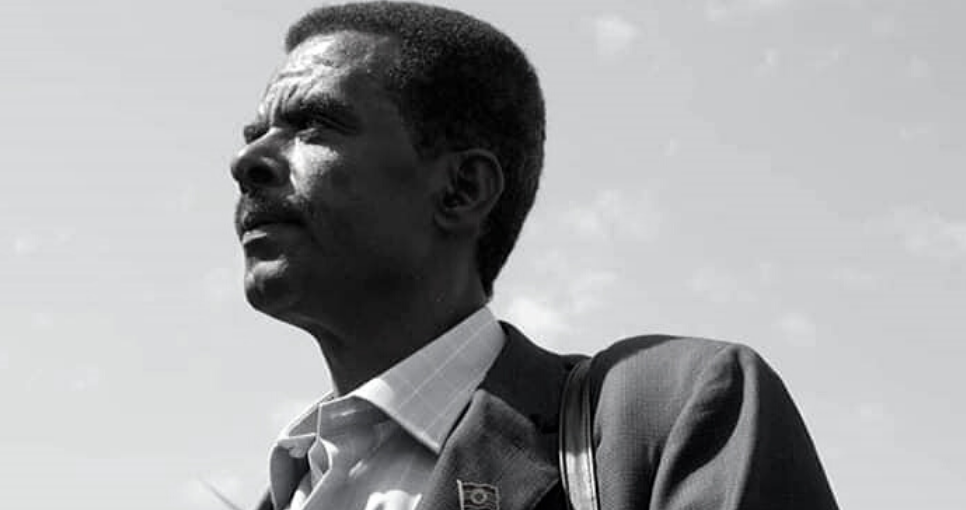
UNLAWFUL ARRESTS REMINISCENT OF ETHIOPIA’S UNCHANGED POLITICS: OLF CHAIRMAN

Abdi Regassa is one of the ex-rebels who returned to Ethiopia in 2018 and subsequently became a member of OLF’s Executive Committee. Picture: Social media

Zecharias Zelalem

A4O, May 16/2020 – The Chairman of the Oromo Liberation Front (OLF) Dawud Ibssa, has told Addis Standard that he was deeply disappointed with the security forces’ recent arrests of nine OLF party members and leaders. The group were rounded up on 29 February from a gathering at a house in Addis Abeba.

While eight of the group were released the next day, one of them, Abdi Regassa, former Commander of Oromo Liberation Army (OLA) who is one of the ex-rebels who returned to Ethiopia in 2018 and subsequently became a member of OLF’s Executive Committee, remains in prison, and the police are denying that he is even in their custody.

“These arrests are unlawful,” said the OLF’s Chairman, whose party hopes to participate in this year’s Ethiopian Elections scheduled for August 2020. “These are our leaders and they’ve broken no laws. Abdi Regassa remains a political prisoner.”

OLF party members who were arrested and released include Mikael Gobena, Dr. Shugit Geleta, Kenessa Ayana, Muhe Raya, Tesfaye Meko, Selemon Teshome, Gamtessa Boru and Abdulkarim Abdurehaman. According to an OLF press statement released on March 04, all of them were handcuffed, shackled together, kept waiting for a lengthy period of time in the rain before being transported to a police station. The press release also revealed that the homes of the nine were ransacked by police officers on the morning of March 1st, after detaining the individuals.

“Security forces broke into the homes of these nine members and searched their houses,” reads part of the statement sent to Addis Standard by the OLF’s youth wing head, Lammi Begna. “Note that the police had neither legal authority nor a court warrant to search these homes or to arrest any of them.”

The government’s refusal to account for the whereabouts of Abdi Regassa has prompted Amnesty International to appeal for his release.

OLF Chairman Dawud Ibssa. Photo: Archive

“Abdi Regassa’s family and lawyers have spent the last couple of days frantically searching police stations and detention centers across Addis Abeba in an attempt to locate him,” Seif Magango, the organization’s Deputy Director for East Africa, the Horn and the Great lakes said in Amnesty’s communique.

The OLF, founded in the the seventies, has among its stated aims the safeguarding of the rights and dignity of the Oromo people. Engaged in armed struggle for most of the time since its establishment, it was among a number of formerly exiled and outlawed political organizations that were invited to return and participate in Ethiopia’s political process in 2018. The then newly appointed Prime Minister was globally lauded for his reforms that decriminalized armed political groups including OLF.

The OLF has since gained a legal recognition as a political party in Ethiopia. But in recent months, hundreds of its supporters and party members have been arrested, often whilst on the campaign trail. On February 19, OLF released dozens of names of its supporters and members who are in police custody.

“The tactics being used against our staff and supporters are reminiscent of the sort of tactics employed by the [EPRDF] led government for 27 years,” Dawud Ibssa said by phone from his office.

According to him, police took away the cellphones, passports, driver’s licenses and even the watches of the nine detained individuals. When the group probed police about getting their items back, they were told “ask our superiors.”

“We are disappointed with the manner in which the government is conducting itself in the run up to the elections,” Dawud said, noticeably dejected. “Our members are second guessing the legitimacy of the process. But we take comfort in the solidarity expressed by members of various other parties representing constituencies in the Oromia, Amhara and other regions. These members have personally reached out to express their sadness at the arrest of our people who were merely practicing their democratic rights.”

In a press briefing held on March 04 at the OLF’s headquarter in Gullele, Addis Abeba, the party’s leaders described the “harassment and intimidation” they are facing today as “unprecedented” in the history of the party since its inception. They also warned that if appropriate measures were not taken on time, “it could ignite a political fire which will be hard to put off.” AS
IN-DEPTH ANALYSIS: TOWARDS TIGRAY STATEHOOD?


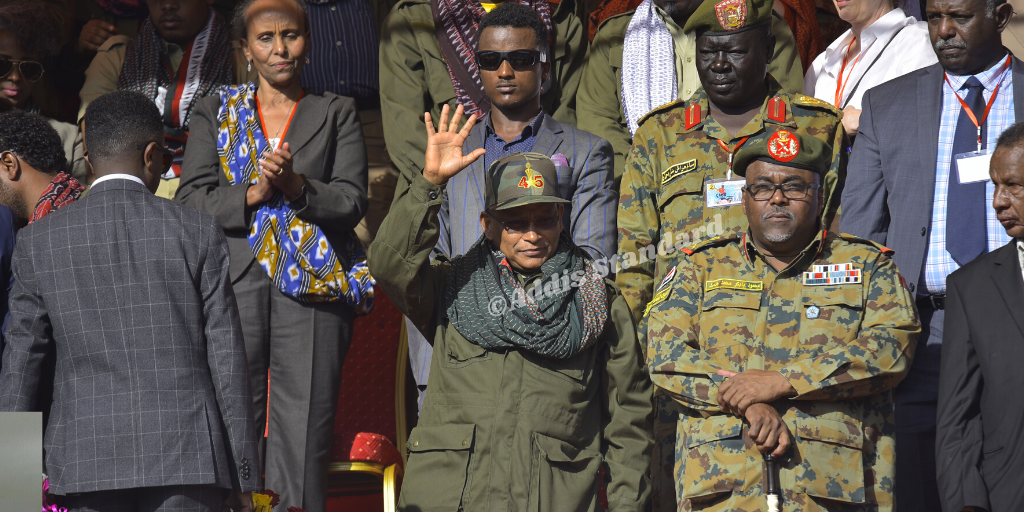
Debretsion G/Michael, President of Tigray Regional state, greeting a crowd of hundreds of thousands during the 45th founding anniversary of TPLF in Mekelle on February 11, 2020.

KJETIL TRONVOLL @KJETILTRONVOLL

(A4O, May 15/2020)– The postponement of the elections and Prime Minister Abiy Ahmed’s proposal on how to solve the upcoming constitutional crisis in Ethiopia, has accentuated Tigrayan nationalism and the process of ensuring de facto Tigray statehood. The current political dynamics in the country, if continued unchecked, may push the Tigrayan discourse even further, as voices advocating for secession and Tigrayan independence are increasingly heard. How come Tigray, the cradle of Ethiopian civilization and the ‘country’s engine’, according to Abiy Ahmed, entertain ideas of statehood and secession? What developments have compelled both the people and some political elites to argue that the perceived best solution may possibly be to leave Ethiopia?

An axiom in conflict resolution is to understand your adversary’s positioning and context, and from that basis interpret her/his argument. What may appear irrational and illegitimate from your point of view, may actually resonance quite well among the followers of your opponent. Knowledge about each other’s positioning and contexts may thus contribute to creating a common frame of communication; i.e. that both sides are equally informed about each other’s views about the issue of contestation at hand they seek to address. This article aims to present how various Tigrayan actors are engaging in the discourse on statehood, to contribute to mitigating continued escalation of the discord.

Political Anxiety

The people of Tigray have for many years been critical towards the regional government over maladministration, corruption, and abuse; and accused TPLF of forgetting Tigray while concentrating on developing Ethiopia. Hence, demands for reforms of TPLF were heard in Tigray already in early 2000s, but were later overtaken by events with the advent of the Oromo, and subsequent Amhara, protest movements. During this period of turmoil, Tigrayans increasingly became the target of hate speech and ethnic slurs in Ethiopia, as they often were collectively blamed for the authoritarian rule and maladministration exhibited by TPLF/EPRDF over the past 27 years. Fear and frustrations about the turn of events led to mixed sentiments among large share of the population in Tigray, as the key slogan for the Oromo protest movement in its initial phase was “Down, down Woyane”.

Conflating the TPLF and the Tigrayan population has been a common, although flawed, assumption exhibited by many Ethiopians throughout the rule of TPLF/EPRDF. Consequently, Tigrayans were collectively blamed and persecuted for the wrongdoings of TPLF, although they themselves had equally suffered under its suppressive politics. A mixed set of feelings were thus prevalent among Tigrayans during the protests:

  • a feeling of loss, as a consequence of the obvious decline of TPLF’s influence at the center;
  • a feeling of betrayal, as the Tigrayan sacrifices during the 17-years struggle against the Derg and their collective effort to develop Ethiopia after 1991 were not given credit or appreciated by rest-Ethiopia;
  • a feeling of anger, against the federal government and EPRDF for not protecting civilian Tigrayans during the Amhara uprising in Gondar and individual attacks throughout Ethiopia;
  • a feeling of anxiety and fear, as they understood the potential devastating consequences against Tigrayans individually and collectively, if the federal government’s security control continued to unravel (as was seen during the protests and after).

The change of leadership in TPLF in 2017 brought hope for reforms to many in Tigray, as their grievances were finally heard and a new reform-friendly leader in Debretsion Gebremichael was elected. The political opening also saw the establishment of new political parties critical to TPLF, as Salsay Weyane and Baitona, advocating a more explicit Tigrayan nationalistic agenda. At the time when the EPRDF crisis peaked with the resignation of chair Hailemariam Dessalegn, most Tigrayans were demanding that TPLF should refocus their efforts to develop Tigray, and leave the control of the center and Ethiopian developments to the Oromo and Amhara fractions. Thus, nation-wide reforms accelerated by PM Abiy and the opening of democratic space and acceptance of pluralism of opinion, were initially equally warmly welcomed in Tigray as elsewhere in Ethiopia.

Before long, however, the feeling of victimhood once again escalated, as the Tigrayans increasingly felt encircled by enemies as PM Abiy engaged in mopping up of ancien règime representatives which happened mostly to be Tigrayans, simultaneously as he befriended their arch enemy President Isaias Afwerki and commenced the Eritrea peace process without consulting Mekelle. Tigrayans felt ‘encircled by enemies’ with their back against the wall with a vengeful and gloating Eritrean Commander in Chief threatening them on their northern border, as Amhara political entrepreneurs on their southern border also turned against Tigray and advocated to forcefully reclaim what they perceived to be their lost territories of Welkeit and Raya, simultaneously as they blocked the main thoroughfares in and out of Tigray regional state to rest-Ethiopia and the capital Addis Ababa. As a consequence of these events, a siege mentality started to fester, influencing Tigrayan interpretations and perceptions of political dynamics in Ethiopia and beyond.

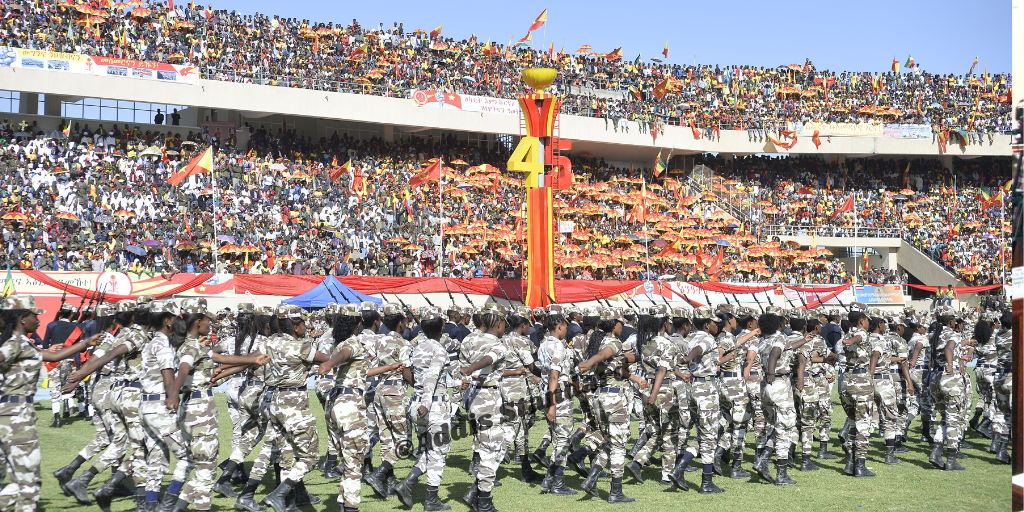
Women members of Tigray’s Regional State’s Special forces staged military parade
during the 45th founding anniversary of TPLF in Mekelle on February 11, 2020.

Claiming de facto Statehood

The aspiration of Tigray statehood, de facto or de jure, has been nurtured by segments of the political strata for decades. The first material evidence of this is the infamous first manifesto of TPLF, which defined an Independent Republic of Tigray as the ultimate objective of their nascent struggle. Although this objective was quickly discarded in favor of political autonomy for Tigray within a democratic Ethiopia in the subsequent revised manifesto, their ‘hidden’ intent of secession and independence for Tigray has been used by the Ethiopianist camp to delegitimize TPLF/EPRDF rule in Ethiopia ever since they took power in 1991.

The current process of claiming de facto statehood in Tigray, however, is a result of both internal grievances and aspirations and external threats and opportunities, and as such ticks all the boxes on how nationalism is one of the most potent tools in politics.

Inception: Harnessing Political Consciousness

The inception of the specific discourse on ‘de facto statehood’ may perhaps be traced to a group of internationally-based Tigrayan scholars offering their academic capacities to assist the development endeavors in Tigray. The first conference of ‘The Global Society of Tigrean Scholars’ (GSTS) was conducted in Mekelle in July 2018, under the heading “Quo Vadis Tigray? Building Knowledge-based Economy and Society in Tigray”, focusing on enhancing Tigray’s economic, political, social, and security advantages. This was followed by second grand conference the following year, drawing more than 2,000 Tigrayan diaspora scholars to Mekelle. During these deliberations, an explicit concern about the political directions Ethiopia was heading under PM Abiy Ahmed underpinned how one should frame and conceive Tigrayan options of development, to secure the protection of hard-won political autonomy, language rights, resource extraction and allocation, cultural traditions, etc.. An increasing concern about the possibility unrest and conflicts in other regions of Ethiopia which could have a spill-over effect to Tigray, as well as the potential emergence of a federal government with hostile intentions towards Tigray, also informed the discussions.

Although Debretsion publicly has appreciated the work and advise from the Tigrayan scholars, TPLF is wary to buy into the full nationalist agenda due to their ideological anchoring. The emergence of the nationalist’s parties of Salsasy Woyane and Baitona, and more recently Tigray Independence Party, has, however, forced TPLF to gravitate towards such an agenda.

Economy: Releasing Their Potential

A more prominently factor pushing Tigray towards de facto statehood is the actual experiences of administering the regional state under the government of Abiy Ahmed. With the rejection of joining the PP, TPLF is an opposition party to the federal government, and all TPLF members of the cabinet where relieved of their duties in early 2020. This of course also influence how the Tigray regional government is perceived and handled by the federal government. Over the last couple of years, Tigray regional government have experienced increasing challenges related to general administration of regional affairs and the transfer of the federal grant. As commented by Dr Abraham Tekeste, vice president of Tigray responsible for administrative affairs and economic development: “The politics have also influenced the administrative relationship, unfortunately in a negative and counterproductive way. I see that the Federal Government use various means to achieve some political gains over us. Not by conviction, but by pressure and intimidation.”[i]

Abraham Tekeste, being the longest serving Minister of Finance in Ethiopia in modern history, knows well how the federal administrative and economic arrangement work. He pointed out several areas where Tigray experienced obstructions either put in place by the federal government, or if undertaken by other political actors, silently consented by PM Abiy. Of these measures negatively impacting Tigray, he listed:

  1. The blockage of main road infrastructure south and west through Amhara regional state, which impedes the trade in/out of Tigray. All trade has to be routed through Afar road, which incurs a higher cost to Tigray producers and consumers. As pointed out by Abraham: “This is a federal highway, and the federal government accepts the blockage. The federal government thus de facto accepts that a partial embargo is put on us.”
  2. The opening of the border to Eritrea greatly benefited the Tigrayan economy in addition to people-to-people reconciliation, and Abraham states: “As this was not in the two governments’ interests, they closed the border again. It hurts us socially and economically.”
  3. Abraham Tekeste was particularly concerned about the impediment put by the federal government on private investments to Tigray. He claimed that:

“Tigrayan, non-Tigrayan, and foreign companies are all intimidated. If they want to do investments in Tigray, they will hear that this is not acceptable. If they are foreigners, they first try by persuasion to convince them to invest in other regions instead. If not heeded to, they will use measures that are more explicit. Like denying the Chinese business delegation to travel to Tigray, for instance.[i] Local Ethiopian investors are directly threatened and intimidated to drop their plans. … So if it continues like this we will suffer economically.”

4. The final impediment raised by Addis Abeba, according to Abraham, was the direct threat uttered by PM Abiy to hold back the federal grant to Tigray regional state. Abraham underlines: “He has not done it yet. But he has threatened us many times. He wants TPLF to join PP and submit to the new politics, stop criticizing his performances.”

This latter point, if effectuated, is clearly the most serious peril, not only to Tigray’s economy, but also to the stability of the Ethiopian federation as such. Abraham Tekeste, known for his calm and thoughtful demeanor, became disconcerted when elaborating on this issue:

It is a prescribed constitutional procedure to dispense federal grants, approved by the House of Representatives. If PM Abiy effectuates a fiscal retaliation on Tigray, he not only breaches the constitution, but he sabotages health, education, water supplies, and service delivery to a segment of the Ethiopian population. That will be equivalent of declaring war on us. I do not know what will happen. However, we have to prepare for any eventuality.

In order to prepare for increased autonomy and economic self-reliance, Tigray regional government is looking into the potential of additional tax and sources of revenue that can be impose regionally under the current constitutional framework. The tax prerogatives of regional governments are personal income tax and taxation of small business enterprises. Additionally, municipal revenue sources are also under the authority of regional governments, and Tigray has recently updated such tariffs.

Security: Building Deterrence Capacity

All Tigrayan actors stress the need for the regional government to build sufficient capacity to deter any attack on their region, as articulated by Abraham Tekeste: “Peace, stability, and security are our no 1 priority. We do not want to be dragged into any confrontation. We do not want Tigray to destabilize. Any conflict is very costly. So the first thing we do is to avoid any conflict.”

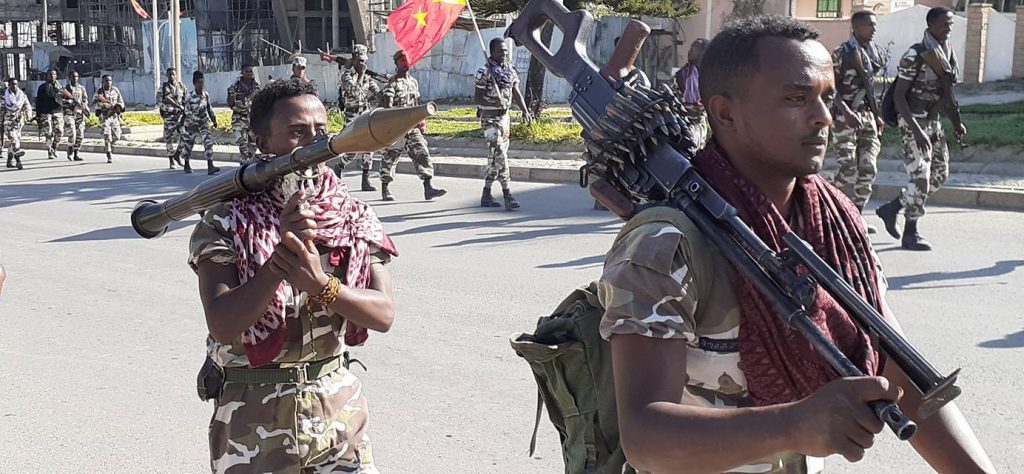
A military parade by heavily armed elite members of Tigray regional state’s special forces in the streets of Mekelle, the capital, prior to the celebrations on February 11/2020 of TPLF’s 45th founding anniversary. Image: Social Media

As per constitutional mandate, all regional states have their police force and militia, in addition to so-called Special Forces. The regional security forces’ size, training, equipment, and experiences vary greatly. Historically it has been the Tigray militia that has been the strongest in numbers and battle-hardened as they constituted a large part of the troops in the war against Eritrea; and is still conducting border patrol. Recent years, however, have seen the recruitment of tens of thousands of recruits to particularly Oromia and Amhara regional states’ security forces, so in terms of number they may outmatch Tigray. In terms of experience and capacity, on the other hand, it may tilt in Tigray’s favor. And, the new Tigrayan recruits to the re-organised special forces are of a different caliber than earlier, as explained by Alula Hailu of Salsay Woyane party: “The new generation of soldiers are not brainwashed. Therefore, they are nationalists, not TPLF’ites. You do not have to be a party member to be recruited. They are not joining to save the TPLF, but to defend and save Tigray.” But more than the quality of the training and personnel, Alula stressed: “Tigray has now the best military capacity and capability in the region, because we will fight as one with a mission and dedication if we are attacked. Even I.“[iii]

Armed forces are essential for providing security and deterrence if under threat, but is also the most potent manifestation of nationalism. Lekatit 11 (February 18) is the date of establishment of TPLF and hence the start of the Tigrayan revolution. This year’s Lekatit 11 marked the 45th anniversary of TPLF, and due to the particular political context, it was celebrated in a manner never seen before. Thousands of people flocked to the streets all over Tigray, waving flags and banners, commemorating martyrs and exhibiting solidarity and national cohesion. As observed by a Tigrayan intellectual:

“The Yekatit 11 celebrations this year differed very much from earlier years. This time all people were mobilized. We are feeling that we are under attack, from both Eritrea and Abiy. Everyone was interested to participate in the celebrations to show that we are standing together. It was not perceived as a TPLF anniversary, as before; it was understood as a Tigrayan event. A great display of solidarity and collectiveness. The second reason they differed was the display of military forces and might. Militia, police, and Special Forces were showing off at every tabia and woreda throughout Tigray. It was a surprise to see. We have never seen his before, may be only during the struggle. I guess the reason why they needed to display these forces now is a deterrence against the alliance between Abiy and Isaias. It is clear to see that they are collaborating to crush us. So for the TPLF it was needed to show a strong military force to reassure us that TPLF can defend Tigray against this threat. It is a deterrence strategy towards Eritrea, Amhara, and Abiy.”[iv]

De facto Statehood Fulfilled

As there are no clear definition of what de facto statehood entails, its attributes are thus in the eye of the beholder. Late last year, the official organ of TPLF, the Woyen magazine, had a special issue out on the “6th National Election, the survival of our country and our regional state.” All its 48 pages were dedicated to discussing the 2020 election process, and the outlooks and dangers associated with it as seen from Tigray. In particular, it warned about the realignment of political forces in the country, and argued strongly against a possible postponement of the elections originally scheduled to be conducted in end of May 2020. In its concluding sections, the question on “what shall be done” in maintaining lasting peace and development in Tigray; the following paragraph summed up the regional government’s strategy in such concern:

“To ensure the security of our people and to fiercely protect the relative freedom of Tigray and thereby strengthen our capacity to accomplish all kinds of tasks we started to work on and to further strengthen our capability of defending ourselves and to show to our enemies and friends that we are capable of doing that even when it comes to using force. Specifically, to accomplish our development endeavors and ensure our people all round safety and security, and to continue our efforts in providing equitable benefits, we need to maintain the stability of Tigray and make it an enduring exemplary of peace by having full-fledged government structures (de facto status).”[v]

De facto statehood is here interpreted as a set of technical capacities and capabilities affixed to an administrative entity, in this case the Tigray regional state. The regional government, in collusion with Tigrayan academics and business investors at home and in diaspora, civil society, and the people at large, seems all to pull in the same direction to secure these capacities and capabilities. As summed up by the vice president of Tigray, Abraham Tekeste: “Right now Tigray has all attributes of statehood: law and order, security, social services. So we are a de facto state.”[vi]

Beyond de facto Statehood – Secession?

The technical process of constructing de facto statehood, to unite a distinct people to a defined territory through common and standardized administrative procedures, is basically completed in Tigray. Will the nationalists’ needs and wants hence be fulfilled? Or will more profound aspirations and desires drive the process further towards independence? History is fraught with nationalist movements running its full course: either the successful establishment of the coveted nation-state, or its annihilation in the pursuit of it in face of an overpowering adversary force.

Tigray has all the fundamentals needed for a robust nationalist movement to take root with the ultimate objective to seek independence and sovereignty:

  • A commonly shared historical narrative and myth of origin stretching back two millennia or more;
  • A cohesive identity, common language and culture; and a homogenous population;[vii]
  • A historical homeland saturated with blood by sacrifices made to defend it from foreign aggression throughout centuries;
  • A political consciousness shaped by internal aspirations and external marginalization;
  • An economy and livelihood with great potential, but perceived to be held back by outsiders;
  • A deep-rooted warrior culture and military capacity, in the face of felt victimhood and external security threats.
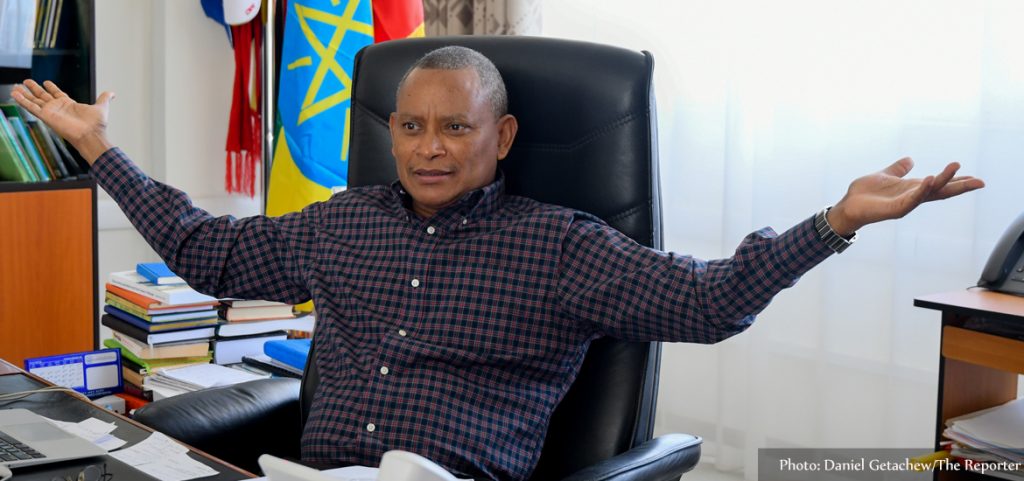
Debretsion Gebremichael during the interview with The Reporter Ethiopia Newspaper in June 2019

Nationalism is not an ideology anchored in rational calculations or bound by administrative procedures and institutions of checks-and-balances; whence created it often appears unstoppable. If so, the next step for the nationalist movement beyond the demand for de facto statehood would thus be for secession and sovereignty. Whether this will be the case in Tigray, remains to be seen. The argument for secession is existing however – and appears swelling –  something also acknowledge by the TPLF chair and regional head Debretsion Gebremichael when he was asked by the newspaper The Reporter whether the people of Tigray wanted to secede from Ethiopia:

Yes, there is a growing feeling among the public. It is only us [TPLF] who are saying that we shouldn’t resort to such feelings. We, as the regional government, are telling our people that those problems will be solved and we are telling them to be patient. However, the pressure from the public is different. … All those things pushed the people to the edge. They feel hopeless and are saying that we should secede from Ethiopia.”

It seems however that TPLF is split on the issue of secession, although the dominant fraction still remains loyal to a federal Ethiopia. The political opposition in Tigray is also split on the issue of independence, with only one party arguing outright for secession, namely Tigray Independence Party. However, the two opposition parties with the assumed strongest popularity in the region, Salsay Woyane and Baitona, both have secession as an optional strategy B. As explained by the Baitona chair Kidane Amane: “Most Tigrayans are not separatists. The majority want to remain in Ethiopia. But they may be pushed into separatism if the instability and persecution continues.”[viii]

The strength of the nationalist cum secessionist movement will thus react to and reflect the political developments in Ethiopia at large in the near future. Unfortunately, however, finding solace in Ethiopian politics these days may be a stretch too sanguine even for die-hard optimists. Most people in Tigray, be that party leaders, intellectuals, or the common ‘man in the street’, fear a negative development. In particular the election was identified as a triggering event for ensuing chaos. If PP wins, it will be understood as a continued centralization of the Ethiopian state, fueling the nationalist demand for secession. However, most respondents predicted an election process collapsing into violence and instability. ‘Aboy’ Sebhat Nega, the ‘father’ of TPLF, outlined a dramatic scenario for Ethiopia in the near future:

“What will come? Civil war. Civil war is inevitable. 100%. Either before election or for sure after. The consequences will be terrible. The civil war will be all-embracing; between regional states over territory, intra-region between various elites, and between religions. It will be all-encompassing. The triggering factor will be a cancelled or rigged election.”[ix]

A similar prediction was echoed by Baitona chair Kidane Amane:

“The tensions are increasing. The government institutions are paralyzed or hijacked by certain groups. The Arabs are fueling the chaos with money. You will likely have a civil war, maybe even prior to the elections. War seems inevitable. This may very well be the war leading to Ethiopia’s disintegration. We are going back to the Era of Princes,[x] where we had no center.”[xi]

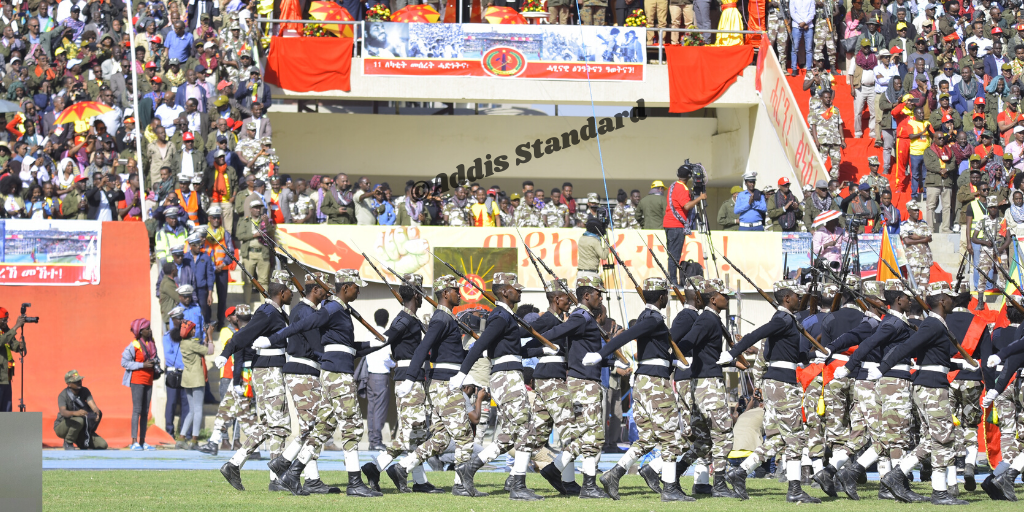
Men members of Tigray’s Regional State’s Special forces staged military parade
during the 45th founding anniversary of TPLF in Mekelle on February 11, 2020.

It seems that most Tigrayan observers and analysts predict in best case a much weakened federal authority and a transition to a confederal type of arrangement, possibly with ‘split sovereignty’ between the center and regional states; or in the worst case an implosion of power and the disintegration of Ethiopia. These two scenarios, and everything in-between, are possibly all too pessimistic; but as stated optimists are hard to find in Ethiopia these days, let alone in Tigray. The most recent development is pushing towards a political confrontation between TPLF and PP; between the regional state government and the federal authority, as stated in TPLF’s Executive Committee statement from May 4, 2020:

“Even though TPLF is ready to play its role in good faith as part of various national efforts aimed at counteracting the destabilizing consequences of this phenomenon, it will never accept the casual jettisoning of the right of self-administration made possible by the constitutional system that the people of Tigray erected through tremendous sacrifices. To that end, together with the people of Tigray as well as other political actors that fully recognize the Tigrean people’s right of self-administration, we will make region-wide preparations, including the holding of regional elections, to fend against conditions that might imperil the rights of our people.”[xii]

The TPLF decision to move forward with conducting regional elections, was not well received by PM Abiy Ahmed, who threatened that: “we will be forced to take action against those who attempt to hold fake elections”.

History is ripe with cases on how nationalistic sentiments are enhanced in the face of external threats; a clear and present danger to their collective safety and security is exactly the optimal tool for nationalists to prove that the only way to salvation is independence. It rests thus upon the federal government to reassure the Tigrayan constituency that they belong in Ethiopia and that their rights and privileges according to the Constitution are protected. A law lecturer at Mekelle University perhaps said it the best:

Ethiopia is a choice to us. It is like an elective course. We select it and stay if we are comfortable with it. If not, we leave. This is the general perception among the youth. We can be in a partnership with other groups on equal terms. If not, we disconnect the partnership.”[xiii]

__________________________________//___________________________________

Editor’s Note: Kjetil Tronvoll is Professor of peace and conflict studies, Bjorknes University College, Norway.

He can be reached at Kjetil.Tronvoll@bhioslo.no


Footnote:

[i] Interviewed by K. Tronvoll, 27.02.20, Mekelle, Tigray.

[ii] Late 2019 a Chinese official business delegation èn route to Mekelle was stopped at Bole by NISS and denied to enter the flight. No specific reason was given. Subsequently Ethiopian MFA issued a statement denying their involvement in preventing the delegation to travel to Tigray.  

[iii] Interviewed by K. Tronvoll, 26.02.20, Mekelle, Tigray.

[iv] Interviewed by K. Tronvoll, 25.02.20, Mekelle, Tigray.

[v] Woyen Magazine, September-December 2019, Page 40, paragraph three (unofficial translation).

[vi] Interviewed by K. Tronvoll, 27.02.20, Mekelle, Tigray.

[vii] This is with certain modifications, of course. You have Irob, Kunama and other minorities within Tigray; in addition to border populations in certain areas (Raya for instance) which may have a more fluid identity. However, these groups taken together constitute a very small minority of the total Tigrayan population. 

[viii] Interviewed by K. Tronvoll, 26.02.20, Mekelle, Tigray.

[ix] Interviewed by K. Tronvoll, 26.02.20, Mekelle, Tigray.

[x] Era of Princes (Zemene Mesafint) was the period between 1769 to 1855 where there was no Negus Negast (Emperor) and the country was split between various warring provinces trying to claim the throne. 

[xi] Interviewed by K. Tronvoll, 26.02.20, Mekelle, Tigray.

[xii] See: https://www.facebook.com/1056328604419403/posts/3162356003816642/?d=n

[xiii] Interviewed by K. Tronvoll, 01.03.20, Mekelle, Tigray.

ዳውድ ኢብሳ: አንጋፋ ታጋይ እና የኦነግ መሪ

ትውልዱ ሆሮ ጉዱሩ ሲሆን ከአራት ኪሎ ዩንቨርስቲ በስታትስቲክስ ተመርቋል በተማሪዎች እንቅስቃሴ ወቅት ደርግ ለሁለት አመታት አሰሮ ፈትቶት ነበር ከእስር ሲለቀቅ ወደ ኦነግ የትጥቅ ትግል ገባ ። ኦነግ በ1968 ሃያ ስምንት ማእከላዊ ኮሚቴ ስመረጥ ይህ ሰው አንዱ በመሆን ተመረጠ ፡፡ ወቅቱ 1971 ነው ኦነግ ትግሉን በምእራብ ኢትዮጵያ ለማሰፋፋት ሲወስን ዳውድ ኢብሳ እና የኦቦ ሌንጮ ለታ ወንድም አባ ጫላ ለታ ዋናና ምክትል ሆነው የምእራቡን ትግል እንዲመሩ ተመድበው በጥቅሉ 17 የሰው ሀይል በመያዝ በሱዳን በኩል አቋረጠው ወለጋ ቤጊና ጊዳሚ አከባቢ እንቅሰቃሴ ይጀምራሉ፡፡

ደርግ ይህን የኦነግ የምእራብ እንቅስቃሴ ለማፈን ትኩረት ሰጥቶ ማጥናት ይጀምራል፡፡ በወቅቱ የጊዳሚ ወረዳ አሰተዳዳሪ ሂካ መሳዲ እና የወለጋ ክ/ሀገር አሰተዳዳሪ ንጉሴ ፋንታ የኦነግን የትግል ጅማሮ ለማጨናገፍ አንድ መላ ይዘይዳሉ፡፡ በጃሌ ዳውድ ኢብሳ ይመሩ ከነበሩት 16 ታጋዮች የአንዱ ወንድም ዘካሪያስ ሾሮ ይባላል፡፡

.የጊዳሚ ወረዳ አስተዳዳሪ ደነበረው ሂካ መሳዲ ዘካርያስን ጠርቶ እንዲህ የሚል ግዳጅ ይሰጠዋል። ወንድምህንና ጓደኞቹን ቤትህ እራት ትጋብዛቸዋለህ የምንሰጥህን መርዝ ደግሞ ምግቡ ውስጥ ትጨምርና ታበላቸዋለህ፡፡ ይህን የማትፈጽም ከሆነ ከእነ ቤተሰብህ ትገደላለህ! ከብትህ ይዘረፋል! መሬትህን ታጣለህ! ዘርህ ከምድረ ገጽ ይጠፋል…..”
.
ዘካሪያስ ግዴታ ሆኖበት እንደ ተሰማማ የደህንነቱ ሪፖርት ላይ ተጠቅሷል፡፡” ወንድሜንስ እንዴት ብዬ እገላለው…” ብሎ አቅማምቶ ነበር፡፡ የተሰጠው ምላሽም “….እንግዲያውስ ከቻልክ ወንድምህን ለይተህ እንዳይበላ አድርገው፡፡ ካልተቻለ ግን አብሮ ይሙት! ወንድምህ አገር ሊያጠፋ የተቀጠረ ከሃዲ ነው” በማለት በግልጽ ይነግሩታ፡፡

..ይህ ዝግጅት ከተደረገ ቦሀላ የገበሬ ልብስ የለበሱ ወታደሮች በአከባቢው አድፈጠው ዘካርያስ ሾሮ እንዳያመልጥ ይጠብቁት ነበር፡፡ ምግብ ውሰጥ የሚጨመር መረዝ ከአዲሰ አበባ ተልኮ በንጉሴ ፋንታ በኩል ለሂካ መሳዲ ተሰጠ፡፡ሂካ መሳዲ ለዘካርያስ አሰረከበው፡፡

…በንጉሴ ፋንታ ትእዛዝ የተገዛው ሙክት ከተላከ ቦሀላ ዘካርያስ ለወንድሙና ለጓደኞቹ የራት ግብዣ ጥሪ እንዲላክላቸው ተደረገ፡፡ ቀጥሎም በጉ ታርዶ ጥሩ ምግብ አዘጋጀ፡፡ በዚያን ሰሞን 17ቱየኦነግ ታጋዮች ለሁለት ተከፍለው ነበር የሚንቀሳቀሱት፡፡ አባ ጫላ ዘጠኝ ራሱን ሆኖ በሌላ አቅጣጫ ይንቀሳቀሰ ነበር፡፡ ዳውድ ኢብሳ የሚመራት ቲም የዘካርያስን የራት ግብዣ ተቀብለው ማምሻው ላይ በገበታው ዙሪያ ተገኙ፡፡

በሰአቱም ዘካርያስ ወንድሙን ለይቶ ለማሰቀረት ሳይቻለው ቀረ፡፡ “…አንተ ቆይ ቦሃላ ትበላለህ ..”ቢለውም ወንድሙ አሻፈረኝ ብሎ ለገበታው ቀረበ፡፡ ወንድሙና ጓደኞቹ በመረዝ የተለውሰውን ምግብ ሲበሉ ዘካርያስ የጎጆውን ምሰሶ ተደግፎ በትካዜ እና በሰቆቃ ይመለከታቸው ነበር፡፡
ዳውድ ኢብሳ ከምግቡ ትንሽ ቀማምሶ ደጅ ጥበቃ ላይ የነበረው ጓደኛቸውን ለመተካት ገበታውን ትቶ ወደ ደጅ ወጣ፡፡ ሌሎች የተመረዘውን ምግብ መብላቱን ቀጠሉ ነገር ግን ብዙም ሳይቆዩ መላ ሰውነታቸው እንደ እሳት እያቃጠላቸው እየጮሁ ይወድቁ ጀመረ፡፡

ዘካርያስ የታናሽ ወንድሙን ሬሳ እጁ ላይ ታቀፈ፡፡ ዳውድ በወቅቱ ብዙም የተመገበ ባይሆንም ከመመረዝ አላመለጠም፡፡ በጥበቃው ላይ እያለ ሰውነቱ ሲቃጠልበት መመረዛቸው ስለገባው በፍጥነት ቅጠላ ቅጠልና አፈር እየቃመ ውሃ በብዛት ጠጣበት፡፡ ደግሞ ደጋግሞ አሰታወከ፡፡ሆኖም ከመውደቅ አልዳነም፡፡ራሱን ስቶ እንደ ጓደኞቹ ከዘካርያስ ጓሮ ወደቀ፡፡ የገበሬ ልብስ ለብሰው በአከባቢው አድፍጠው ውጤቱን ይጠብቁ የነበሩ ወታደሮች በተያዘላቸው ቀጠሮ ዘካርያስ ቤት ሲደረሱ ሰባቱ ታጋዮች ሞተው ዳውድ ኢብሳ ግን ነፍሱን እንደሳተ አገኙት፡፡

ዳውድነን ይዘው ወደ ደምቢዶሎ ከነፉ፡፡ የኦነግን ሚስጥር ከእሱ ለማግኘት ፍላጎት ሰለ ነበራቸው ፈጣን ህክምና ሰጥተው ህይውቱን አተረፉት፡፡ ቀጥሎም ከደምቢ ዶሎ ወደ ነቀምት አዘዋውረውት ተጨማሪ ህክምና ሰጡት፡፡
ነቀምት ላይ ትንሽእንዳገገመ ወደ እስር ቤት በመውሰድ ገልብጠው ይገርፉት ጀመር፡፡ በወቅቱ ስለ ሁኔታው የተገኘው ማስረጃ የወለጋው የደህንነት ሪፖርት እንደሚገልጸው አሉ የተባሉትን የምርመራ እርምጃዎችን
የተጠቀሙበት ቢሆንም ከዳውድ ኢብሳ አንደበት አንዳችም ሚሰጢር ሊያገኙ አልቻሉም፡፡ሲያቅታቸው ወደ አዲሰ አበባ ወደ ማእከላዊ ላኩት፡፡

እዚያም በቤንዚንና በቆሻሻ ውሃ የሞላ በርሜል ውሰጥ እየደፈቁ መረመሩት፡፡ ለመሞት ዝግጁ ሰለ ነበር አንዳችም የተነፈሰው ነገር የለም፡፡ደግመው ደጋግመው ማእከላዊና አለም በቃኝ እያመላለሱ በተለያዪ ማሰቃያ ሰልቶች እንደ መረመሩት የደህንነቱ መ/ቤት ሰነድ በዝርዝር ያብራራል፡፡
ዳውድ ኢብሳ! በአለም በቃኝ አምስት አመታት ታሰረ፡፡ በሂደትም ከመላመድ ብዛት ጠባቂ የነበረውን ፖሊስ ማሳመን ቻለ። ለህክምና ሲወጡም ከሁለት ባልደረቦቹ ጋር ከሆስፒታል አምልጦ ወለጋ ገባ፡፡
.
የቤንሻጉል ጫካዎችን በማቋረጥ ዳግም ኦነግ ከአለበት ቦታ ለመድረሰ የሁለት ሳምንት የሌሊት ጉዞ አድርጓል፡፡ እሱ መርዝ በልቶ ሲማረክ ምእራብ ወለጋ ጫካ ውሰጥ የቀሩት አባጫላ ለታ እና ዘጠኝ ጓደኞቹ ከአንድ ብርጌድ በላይ ሰራዊት ሆነው ነበር የጠበቁት፡፡ የመሪያቸውን በህወይት መመለስ ማመን ያልቻሉት ታጋዮች በታላቅ ደሰታ ተቀበሉት!!
.
ይህ ተአምር ከሞት_የተረፈ_በብልጠቱ_ከደርግ_እስር_ቤት ያመለጠው ሰው የዛሬው_ የኦነግ_ ሊቀመንበር_ ጃሌ_ ዳውድ_ኢብሳ_ነው ፡፡ ዳውድ ኢብሳ ባመነበት የትግል መንገድ ለኦሮሞ ህዝብ ህልውና ሲል ሲታገል እና ሲያታግል እድሜው የጨረሰ ጀግና ነው ። ታሪክ ታሪክ ነው እና የምናውቀውን አጋራናችሁ ።

“Fayyaa fi Nagaan adda hin bahu!” Dr Kuwee Kumsaa

ከትብብር ለሕብረብሔር ዴሞክራሳዊ ፌደራሊዝም (ትብብር ) የቀረበ ፖለቲካዊ የመፍትሔ ሀሳብ

በኮቪድ-19 ምክንያት የኢትዮጵያ ፌዴራላዊ ዴሞክራሲያዊ ሪፐብሊክ የገጠመውን ሕገ-መንግሥዊ ቀውስ (አጣብቂኝ) ለማሻገር ከትብብር ለሕብረብሔር ዴሞክራሳዊ ፌደራሊዝም (ትብብር ) የቀረበ ፖለቲካዊ የመፍትሔ ሀሳብ

መግቢያ፡
የደርግ አገዛዝ በ1983 ካከተመ በኋላ ኢሕአዴግ የሚመራዉ መንግሥት ለ27 ዓመታት የመንግሥትን ስልጣን፣ ሕግ አዉጪዉ፣ የሕግ አስፈጻሚዉንና የፍትሕ ተቋሙን ሙሉ በሙሉ በመቆጣጠር በአንድ ፓርቲ አገዛዝ ሥር ሀገሪቷ እንድትወድቅ አድርጓታል። በዚሁ ኢሀአድግ የበላይነት በሰፈነበት አምባገነናዊ አገዛዝ ይህ ነዉ የማይባል የሰብዓዊ መብት ጥሰትና በጥቂቶች ከፍተኛ የኢኮኖሚ ምዝበራ በኢትዮጵያ ሕዝቦች ላይ ተፈጽሞዋል። ይሄን አስከፊ የሆነ አምባገነናዊ ሥርዓት ላለመቀበል የተለያዩ የፖለቲካ ድርጅቶች ከፍሎቹ በትጥቅ ትግል፡ በጋራም ሆነ በተናጠል ፣ የተለያዩ ሕዝባዊ አመጾች በተለያዩ የሀገሪቷ ክፍሎች ሲያደርጉ ቆይተው ሕዳር 2007 በኦሮሞ ወጣቶች በኦሮሚያ የተቀሰቀሰዉ ሕዝባዊ አመጽ ወደመላዉ የሀገሪቷ ክፍሎች ተስፋፍቶ በታህሳስ ወር 2010 ኢሕአዴግ እራሱን በጥልቅ ተሃድሶ ማሻሻል እንዳለበት አምኖ እንዲቀበል ማስገደዱ ይታወሳል። የዚህ ሕዝባዊ አመጽ በኢሕአዴግ ዉስጥ ለዉጥ ፈላጊ ኃይል ታክሎበት መጋቢት 24 ቀን 2010 ዶ/ር አቢይ አህመድ ወደ ጠ/ሚንስቴርነት እንዲመጡ አድርጓቸዋል።
በጠ/ሚንስቴር ዶ/ር አቢይ አህመድ አመራር ሥልጣኑን የያዘዉ ኃይል ኢትዮጵያ ከአምባገነናዊ አገዛዝ ወደ ዴሞክራሲያዊ ሥርዓት እንደሚያሸጋግር ቃል ገብቶ ክፍተኛ ተስፋና እምነት ተጥሎበት ነበር። ለዚሁም ጠቅላላ ምርጫ ከመድረሱ በፊት የሚያስፈልጉ ሪፎርሞችና የህግ ማሻሻያ ዝግጅቶች ተደርገዉ በምርጫ 2012 ዴሞክራሲያዊ የሆነ ምርጫ ተካሄዶ ሕዝብን የሚወክል መንግሥት እንደሚመሠረት በተስፋ ሲጠበቅ ነበር። ሌሎች በርካታ ተግዳሮቶች ባሉበት ሁኔታ በተጨማሪ በጠቅላላ ምርጫው ዋዜማ ዓለም-አቀፋዊ የሆነ ወረርሺኝ የኮቪድ-19 በሽታ መከሰቱ ምርጫዉ በታቀደለት ጊዜ እንዳይከናወን በማድረግ በእንቅርት ላይ ጆሮ ደግፍ አድርጎታል። ከዚህ የተነሳ በሕገ-መንግሥቱ የምርጫ ድንጋጌ አጣብቂኝ/ቀውስ ወስጥ መግባቱ እጅግ አሳሳቢ ሆኗል። ለዚሁም የችግሩ ተቋዳሽ በመሆን በበኩላችን ከዚህ አጣብቂኝ ለመዉጣት ይረዳል ብለን የሚናምንበትን የመፍትሔ ሀሳብ ይዘን ቀርበናል። ለመፍትሔ ሀሳቡ መነሻ ይሆን ዘንድ ከመጋቢት ወር 2010 ጀምሮ ሀገሪቷ ያሳለፈችዉ ፖለቲካዊና ማሕበራዊ ሂደቱን መዳሰስ እጅግ አስፈላጊ ነዉ ብለን እናምናለን። ለዚሁም የለዉጡን ሂደት ከመጋቢት ወር 2010 ጀምሮ ያጋጠሙትን ችግሮች በመገምገም አሁን ሀገሪቷ ያለችበትን ተጨባጭ ሁኔታ በማጤን ለተጋረጠብን ሕገ-መንግሥታዊ ቀዉስ የመፍትሔ ሀሳብ ማቅረቡ ይበጃል ብለን እናምናለን።
1. የለዉጥ ኃይሉ (Reformist Group) የወሰዳቸዉ ተስፋ ሰጪ እርምጃዎች
በዶ/ር አቢይ አህመድ የሚመራዉ የለዉጥ ኃይል የሚከተሉትን ተስፋ ሰጪ ዉሳኔዎችና እርምጃዎችን ማስተላለፉና መዉሰዱ ይታወሳል። እነሱም፡
1. የፖለቲካ እስረኞችን መፍታት
2. የአስቸኳይ ጊዜ አዋጅ ማንሳት
3. የተለያዩ የፖለቲካ ድርጅቶች (ትጥቅ ትግል ሲያካሄዱ የነበሩትንም ጨምሮ) ወደ ሀገር ተመልሰው ህጋዊ በሆነ መልኩ የቆሙለትን ዓላማ እንዲያራምዱ ሁኔታዎችን ማመቻቸት
4. በሀገሪቷ ዉስጥ የዴሞክራሲን መሠረት ለመጣል ማነቆ ሁነዉ የነበሩትን የሽብርተኝነት፣ የሚዲያና የሲቭል ድርጅቶችን አዋጅ ማሻሻል
5. የኢትዮጵያ ምርጫ ቦርድን አወቃቀር በአዲስ መልክ ማደረጀትና የቦርዱ ኃላፊዎችን መለወጥ
6. በአጠቃላይ አቃቤ ሕግ ሥር የሕግና ፍትሕ አማካሪ ም/ቤትን ማቋቋም
7. የማዕከላዊ እሥር ቤትን መዝጋት
8. ከሀገር ዉጪ ሆነው ሲሰሩ የነበሩትን የመገናኛ ብዙሃን ወደ ሀገር ቤት ገብተው እንዲሠሩ ማድረግና ታግደዉ የነበሩትን ድህረ-ገጾች ለተጠቃሚዎች ክፍት እንዲሆኑ ማድረግ
9. በኢትዮጵያና በኤርትራ መካከል የነበረዉን የፀጥታ ችግር በእርቅ መፍታትና የመሳሰሉት ናቸዉ።
2. የለዉጥ ሂደቱን ያጋጠሙት ችግሮች
የለዉጡን ሂደት የገጠሙት ችግሮች በሁለት ከፍሎ ማየት ይቻላል። እነሱም፡ አጠቃላይ እና በተለይ ደግሞ ኢሕአዴግ/ብልጽግና ፓርቲን እንደ ገዢ ፓርቲነቱ ያጋጠሙት ተግዳሮቶች ማለት ይቻላል።
አጠቃላይ ችግሮች፡
በሀገሪቱ የሚገኙ የፖለቲካ ፓርቲዎች በመሠረታዊ ጉዳዮች ላይ ተቀራራቢ አመለካከት አለመኖራቸውና መቻቻል ባለመኖሩ መንግሥታዊ አወቃቀር (State-Structure and Nation-Building) ላይ ብሔራዊ መግባባት አለመቻሉ፣ እንዲሁም የብሔር ብሔረሰቦች ብሔረተኝነት እና የኢትዮጵያዊ ዜግነትን አዋህዶና አጣጥሞ መሄድ ካለመቻል የተነሳ አብሮ ከመሥራት ይልቅ ርስ-በርስ የመጣራጠር ስሜቶች መጉላታቸዉ፣ በተለይ ደግሞ በረዥም የሕዝቦች ትግል የተገኘዉንና ተጨቁነናል ብለው የሚያምኑ ሕዝቦችን በተወሰነ ደረጃ ጥያቄያቸዉን የመለሰዉንና ህገ-መንግሥታዊ እዉቅናም ያገኘዉን ህብረ-ብሔራዊ ፌዴራሊዝምን አፍርሶ ወደኋላ በመመለስ በአሮጌዉ መንግሥታዊ ሥርዓትና አወቃቀር ለመተካት የሚደረግ ጥረት ትልቅ ልዩነት በመፍጠሩ ያለዉን አቅምና ዕዉቀት በአንድ ላይ ከማምጣት ፈንታ መጠላለፍ ካሉት ተግዳሮቶች ኣንዱ ሆኗል።
ኢሕአዴግ/ብልጽግና እንደ ፖለቲካ ፓርቲ እና መንግስት፡
የሚከተሉት ችግሮች ኢሕአዴግ/ብልጽግና ፓርቲን እየገጠሙ መሄዳቸዉ የአጠቃላይ ችግሮች አካል ነዉ። እነሱም፡
• ዉስጣዊ የሥልጣን ሽኩቻ (Internal power struggles within the EPRDF)
• ይህ ችግር የኢሕአዴግ አባል ድርጅቶች በመካከላቸዉና እያንዳንዳቸዉም በዉስጣቸዉ ያላቸዉ ችግር መሆኑና ይህ ችግር በሂደት ትሕነግ/TPLF ሙሉ በሙሉ ከሌሎች ኢሀአድግ አባል ድርጅቶች በኋላ ከብፓ/PP እራሱን እስከማግለል ኣድርሶታል። በኢሕአዴግ/በብልጽግና ፓርቲና በመንግሥት መካከል ልዩነት እንዳልነበረ በመንግሥት ሥራ አፈጻጸም ላይ ይንጸባረቅ ነበር።
• የሰብዓዊ መብቶች ጥሰት፡
• ባጠቃላይ አሁንም ድረስ በተላያዩ የሀገሪቱ አከባቢዎች የሰብዓዊ መብቶች ኣለመከበር በስፋት ይታያሉ። በሰላማዊ ዜጎች ላይ በሚካሄዱ እስራትና ግድያዎች በርካታ መሆናቸዉ፣ የበርካቶች ተፎካካሪ ፖርቲዎች አባላትና ደጋፊዎች እንዲሁም የአመራር አባላት ታስረው እስካሁን እስር ቤት ዉስጥ የሚግኙ መሆናቸዉ፣ ለአብነት፡ የኦብነግ፣ የአገዉ ብሔራዊ ሸንጎ፣ የኦነግ፣ የቅማንት ዴሞክራሲያዊ ድርጅት፣ ፣ የኦፌኮ፣ የሲዳማ፣ የጋምቤላ፣ የአብን …ወዘተ። በተጨማሪም የፖለቲካ ድርጅቶች ከቦታ ቦታ ተንቀሳቅሰው መስራት አለመቻል በተለይም የታችኛው የገዢ ፓርቲ መቀቅርና የመንግስት አካላት በፓርቲዎች ላይ የሚያደርሱት ወከባ መበራከት አሳሳቢ ጉዳይ መሆኑ።
• በተለያዩ ሕዝቦች መካከል የሚፈጠሩ ግጭቶች
• በኦሮሚያ፣ በደቡብ፣ በአማራ፣ በቤንሻንጉል-ጉሙዝ እና በሶማሌ ክልሎች ኣንዲሁም በሌሎች አከባቢዎች ከጊዜ ወደ ጊዜ ሰላም መታጣት
• የወጣቶች ሥራ አጥነትን ማቃለል ኣለመቻሉ፣ በአንፃሩ የለዉጡ ዋነኛ ኃይል የነበረዉ ይህ ሥራ-ኣጥ ወጣት በመንግሥት ላይ የነበረዉ ከፍተኛ ተስፋ መመናመኑ።
• የኢኮኖሚ ዕድገት ማሽቆልቆል፣ መህበራዊ ቀውሶች ከግዜ ወድ ግዜ መበራከት፣ የአከባቢ ጥበቃና የተፈጥሮ ሀብቶች ውድመት አሳሳቢ ደረጃ ላይ መሆናቸው
• በትግል ላይ የነበረዉን የሰዉ ኃይል በአግባቡ በሥርዓቱ ዉስጥ ማቀፍ ኣለምቻሉ፣ ((Reintegration of armed (combatants) lack of proper demobilization, rehabilitation and reintegration processes.
• ለ2012ቱ የኢትዮጵያ ብሔራዊ ምርጫ ዝግጅት እያደረገ ባለበት የኖቬል ኮሮና ቫይረስ (COVID-19) በሽታ መከሰቱ፣
3. ኮቪድ-19 ፣ የ2012ቱ የኢትዮጵያ ጠቅላላ ምርጫ እና ህገ-መንግሥታዊ ተግዳሮቱ (challenges of the constitution/Constitutional crises)
የኢትዮጵያ ብሔራዊ ምርጫ ቦርድ በኮቪድ-19 ምክንያት ለነሐሴ መጋቢት 22 ቀን 2012 ለነሓሴ 23 ቀን 2012 6ኛ ጠቅላላ ምርጫ በታቀደለት የጊዜ ሰሌዳ ማካሄድ አልቻልኩም ስል ወስኖ የሕዝብ ተወካዮች ም/ቤት መፍትሔ እንድፈለግለት ለምክር በቱ ማስተላለፉም ይታወሳል።
ስለዚህ የሕዝብ ተወካዮች ም/ቤት በህገ-መንግሥቱ መሠረት የተመረጠበትን አምሥት ዓመት የጊዜ ገደብ በህገ-መንግሥቱ መሠረት ምርጫ ተካሂዶ ሥልጣኑን ለሚመረጠው አድሱ ም/ቤት ለማስተላለፍ በተፈጠረዉ ችግር ምክንያት የማይቻል በመሆኑ ህገ-መንግሥታዊ ቀዉስ ዉስጥ ልገባ ስለሆነ የተፈጠረዉን ሁኔታ በመገምገም የመፍትሔ ሀሳብ ማመንጨትና ማቅረብ እንደ ፖለቲካ ድርጅት አስፈላጊ ሆኖ ተገኝቷል።
3.1 በህገ-መንግሥቱ ዉስጥ ካሉት አንቀጾች መካከል በምርጫ መራዘሙ ምክንያት ለጥሰት የተጋለጡ አንቀጾች
በመሰረቱ ከህገ-መንግሥቱ አንቀጾች አንዱንም መጣስ ህገ መንግስታዊ አይደለም። ባሁኑ ሁኔታ ይህ ጠቅላላ ምርጫ በተቀመጠለት የጊዜ ገደብ ዉስጥ ካልተደረገ ከሀገሪቱ ህገ-መንግሥት አንቀጾች ዉስጥ ልጣሱ ነው የሚንላቸዉን ወሳኞቹ አንቀጾች የሚከተሉት ናቸዉ፡
• አንቀጽ 1: የኢትዮጵያ መንግሥት ስያሜ ራሱ እንደሚያመለክተዉ “ይህ ሕገ መንግሥት ፌዴራላዊና ዴሞክራሲያዊ የመንግሥት አወቃቀር ይደነግጋል፡፡ በዚህ መሰረት የኢትዮጵያ መንግሥት የኢትዮጵያ ፌዴራላዊ ዴሞክራሲያዊ ሪፐብሊክ በሚል ስም ይጠራል፡፡” ይህ ዴሞክራሲያዊ የመንግሥት ምሥረታ ልኖር የሚችለዉ ቢያንስ ወቅታዊ ምርጫ በየጊዜዉ በማድረግ ዜጎች የሚወክላቸዉን ሲመርጡ ነው።
• አንቀጽ 54. 1. “የሕዝብ ተወካዮች ምክር ቤት አባላት፤ ሁሉ አቀፍ፣ ነጻ ፣ ቀጥተኛ፣ ትክክለኛ በሆነና ድምጽ በሚስጥር በሚሰጥበት ሥርዓት በየአምስት ዓመቱ በሕዝብ ይመረጣሉ፡፡” ይህ አለመሆኑ ሕዝቡን የሚወክል የተወካዮች ም/ቤት አለመኖርን ያመላክታል። በዚሁ መሠረት አሁን ያለዉ የም/ቤቱ የሥራ ዘመን ካለቀ በኋላ የሚወጡት አዋጆችና ድንቦች ህጋዊነት አይኖራቸዉም።
• አንቀጽ 58.3 የሕዝብ ተወካዮች ምክር ቤት የሚመረጠው ለአምስት ዓመታት ነው፤ የሥራ ዘመኑ ከማብቃቱ ከአንድ ወር በፊት አዲስ ምርጫ ተካሂዶ ይጠናቀቃል፡፡ ይህ አንቀጽ እንደሚደነግገዉ የአምስት ዓመት ጊዜዉን የማራዘም ፍንጭ ኣያሳይም።
• አንቀጽ 61. 3 የፌዴሬሽን ምክር ቤት አባላት በክልል ምክር ቤቶች ይመረጣሉ፤ የክልል ምክር ቤቶች በራሳቸው ወይም በቀጥታ በሕዝብ እንዲመረጡ በማድረግ የፌዴሬሽን ምክር ቤት አባል እንዲወከሉ ያደርጋሉ፡፡ የክልሎች ም/ቤት አባላት ምርጫም ባለመከናወኑ ምክንያትም የፌዴሬሽኑ ም/ቤት መቋቋም አይቻልም ማለት ነዉ።
• አንቀጽ 67. 2 የፌዴሬሽኑ ምክር ቤት የሥራ ዘመን አምስት ዓመት ይሆናል፡፡ ይህም አንቀጽ እንደሚደነግገዉ የአምስት ዓመት ጊዜዉን የማራዘም ፍንጭ ኣያሳይም።
• አንቀጽ 72. 2 ጠቅላይ ሚኒስትሩና የሚኒስትሮች ምክር ቤት ለሕዝብ ተወካዮች ምክር ቤት ተጠሪዎች ናቸው፡፡ የሚኒስትሮች ምክር ቤት አባላት በመንግሥት ተግባራቸው በጋራ ለሚሰጡት ውሳኔ የጋራ ኃላፊነት አለባቸው፡፡ የተወካዮች ም/ቤት ህጋዊ እስካልሆነበት ጊዜ ድረስ በአንቀጹ ዉስጥ የተጠቀሱት አካላት ተጠሪነታቸዉ ለማን እንደሚሆን አጠያያቂ ነዉ።
• አንቀጽ 72. 3 በዚህ ሕገ መንግሥት መሰረት በሌላ አኳኊን ካልተወሰነ በስተቀር የጠቅላይሚኒስትሩ የሥራ ዘመን የሕዝብ ተወካዮች ምክር ቤት የሥራ ዘመን ነው፡፡ ይህም አንቀጽ እንደሚደነግገዉ የጠ/ሚንስቴሩ የሥራ ዘመን ከአምስት ዓመት በላይ ልሆን እንደማይችል ይደነግጋል።
• አዋጅ ቁጥር 1162/2011 አንቀጽ 7.1 ጠቅላላ ምርጫ በየአምስት ዓመቱ የሚካሄድ የህዝብ ተወካዮች እና የክልል ምክር ቤቶች አባላት ምርጫ ነዉ።
ይህ በኮቪ-19 ምክንያት ባለመከናወኑ በዴሞክራሲያዊ መንግሥት አመሠራረት ላይ ተመርኩዞ የወጣዉን አዋጅ አለመተግበሩ ለአጠቃላይ ህገ-መንግሥታዊ ቀዉስ ሀገሪቷን ይዳርጋታል።
3.2 የመንግሥትን የሥልጣን ዘመን ለማራዘም ዕድል የሚሰጥ የህገ-መንግሥት አንቀጽ አለመኖሩ
ሀ) የአስቸኳይ ጊዜ አዋጅ
አንቀጽ 93. 1. ለ) የተፈጥሮ አደጋ ሲያጋጥም ወይም የሕዝብን ደህንነት አደጋ ላይ የሚጥል በሽታ ሲከሰት የክልል መስተዳድሮች በክልላቸው የአስቸኳይ ጊዜ አዋጅ ሊያውጁ ይችላሉ፡፡ዝርዝሩ ክልሎች ይህን ሕገ መንግሥት መሰረት በማድረግ በሚያወጧቸው ሕገመንግሥቶች ይወሰናል፡፡ ይህ ሁኔታ በም/ቤቶቹ የሥልጣን ጊዜ ገደብ (አምስቱ ዓመት) ዉስጥ ለሚከሰት እንጂ የጊዜ ገደቡን ለማራዘም አያገለግልም።
ለ) ም/ቤቱን ማፍረስ/መበተን
አንቀጽ 60. 1 ጠቅላይ ሚኒስትሩ የሥልጣን ዘመኑ ከማለቁ በፊት አዲስ ምርጫ ለማካሄድ በምክር ቤቱ ፈቃድ ምክር ቤቱ እንዲበተን ለማድረግ ይችላል፡፡
ይህም ሊሆን የሚችለዉ በተቅላይ ሚንስትሩና በም/ቤቱ የሥልጣን ዘመን ዉስጥ እንጂ ጊዜዉን ለማራዘም ፈጽሞ ኣያገለግልም። በህገ መንግስቱ አንቀጽ 60 የተደነገገው ከመደበኝ ምርጫ በፊት አዲስ ምርጫ ለማካሄድ እንጂ መደበኛውን ምርርጫ ለማራዘም የተደነገገ እንዳልሆነ ግልጽ ነው።
ሐ) የሕገ-መንግሥት ማሻሻያን ማድረግ
አንቀጽ 104 የሕገ መንግሥት ማሻሻያ ሐሳብን ስለማመንጨት
አንድ የሕገ መንግሥት ማሻሻያ ሐሳብ የሕዝብ ተወካዮች ምክር ቤት በሁለት ሦስተኛ ድምጽ የደገፈው፣ የፌዴሬሽኑ ምክር ቤት በሁለት ሦስተኛ ድምጽ የደገፈው ወይም ከፌዴሬሽኑ አባል ክልሎች ውስጥ አንድ ሦስተኛው የክልል ምክር ቤቶች በድምጽ ብልጫየደገፉት ከሆነ ለውይይትና ለውሳኔ ለመላው ሕዝብና የሕገ መንግሥቱ መሻሻል ለሚመለከታቸው ክፍሎች ይቀርባል፡፡
አንቀጽ 105 ሕገ መንግሥቱን ስለማሻሻል
አንቀጽ 105. 1 በዚህ ሕገ መንግሥት ምዕራፍ ሦስት የተዘረዘሩት መብቶችና ነጻነቶች በሙሉ፣ይህ አንቀጽ፣ እንዲሁም አንቀጽ 104 ሊሻሻሉ የሚችሉት በሚከተለው አኳን ብቻ ይሆናል፡፡
ሀ/ ሁሉም የክልል ምክር ቤቶች የቀረበውን ማሻሻያ በድምጽ ብልጫ ሲያጸድቁት፣
ለ/ የፌዴራሉ መንግሥት የሕዝብ ተወካዮች ምክር ቤት በሁለት ሦስተኛ ድምጽ የቀረበውን ማሻሻያ ሲያጸድቀው፣ እና
ሐ/ የፌዴሬሽኑ ምክር ቤት በሁለት ሦስተኛ ድምጽ ማሻሻያውን ሲያጸድቀው ነው፡፡
አንቀጽ 105. 2 በዚህ አንቀጽ ንዑስ አንቀጽ 1 ከተዘረዘሩት ውጭ ያሉት የሕገ መንግሥቱ ድንጋጌዎች ሊሻሻሉ የሚችሉት በሚከተለው አኳን ብቻ ይሆናል፤
ሀ/ የሕዝብ ተወካዮች ምክር ቤትና የፌዴሬሽኑ ምክር ቤት በጋራ ስብሰባ በሁለት ሦስተኛ ድምጽ የቀረበውን ማሻሻያ ሲያጸድቁት፣ እና
ለ/ ከፌዴሬሽኑ አባል ክልሎቸ ምክር ቤቶች ውስጥ የሁለት ሦስተኛ ክልሎች ምክር ቤቶች በድምጽ ብልጫ የቀረበውን ማሻሻያ ሲያጸድቁት ነው፡፡
ለሕገ-መንግሥቱ የማሻሻያ ሀሳብ ለማቅረብ የሚያስፈልጉ ሌሎች ቅድመ-ሁኔታዎቹ ልሟሉ የሚችሉ እንኳ ቢሆን “ለውይይትና ለውሳኔ ለመላው ሕዝብና የሕገ መንግሥቱ መሻሻል ለሚመለከታቸው ክፍሎች ይቀርባል፡፡” የሚለዉን ቅድመ-ግዴታ ለማሟላት በ ኮቪድ-19 ምክንያት ስለማይቻል በዚህ በኩል ያለዉም ዕድል በሩ የተዘጋ ነዉ።
መ) ሕገ-መንግሥቱን ስለመተርጎም
አንቀጽ 83. 1 የሕገ መንግሥታዊ ክርክር ጉዳይ ሲነሳ በፌዴሬሽኑ ምክር ቤት ውሳኔ ያገኛል፡፡
አንቀጽ 83. 2 የፌዴሬሽን ምክር ቤት፣ የሕገ መንግሥት ጉዳዮች አጣሪ ጉባኤ በሚያቀርብለት ሕገ መንግሥታዊ ጉዳይ ላይ በሠላሣ ቀናት ውስጥ ውሳኔ ይሰጣል፡፡
ይህ ህገ-መንግሥቱን የመተርጎም ስርዓትም በመሠረቱ የሚመለከተዉ ክርክር ያለባቸው ወይም አወዛጋቢ የሆኑ አንቀጾች በተለያዩ አካላት ለአጣሪ ጉብዔ ስቀርቡ እንጂ ከመሬት ተነስተው አንቀጾችን በመተርጎም ሊሆን አይችልም። የህገ-መንግስቱን አንቀጽ 9 እና አንቀጽ 54ን ማስታረቅም የሚቻልበት መንገድ ኣይታይም።
3.3 ህገ-መንግሥታዊ የመፍትሔ ዳሰሳዉ አጠቃላይ ጭብጥ
ማጠቃለያ፡
1) በኮቪድ-19 ምክንያት ምርጫዉን ማራዘም ግድ ሆኖዋል።
2) ህገ-መንግሥቱን ተከትሎ ምርጫዉን ለማራዘም የሚያስችል አማራጭ ከህገ-መንግሥቱ ዉስጥ ማግኘት አይቻልም። ካሁን በፊት ኢሕአዴግ ለሕዝብ ዉይይትና ዉሳኔ ሳያቀርብ ህገ-መንግሥቱ ላይ ማሻሻያ አድርጎ ነበር የሚለዉ ተሞክሮም (precedence) ተቀባይነት የለዉም።
3) በህገ-መንግሥቱ አንቀጽ 9. 2 ላይ እንደተደነገገዉ “ማንኛውም ዜጋ፣ የመንግሥት አካላት፣ የፖለቲካ ድርጅቶች፣ ሌሎች ማኅበራት እንዲሁም ባለሥልጣኖቻቸው፣ ሕገ መንግሥቱን የማስከበርና ለሕገ መንግሥቱ ተገዢ የመሆን ኃላፊነት አለባቸው፡፡” ይላል። ስለዚህ፣ መፍትሔዉ ለሀገርና ለሕዝቦች ሰላምና መግባባት ሲባል አገርን በሚጠቅም መልኩ በጥንቃቄና በስምምነት ከዉሳኔ የሚደረስበት ልሆን ይገባል።
3.4 ከህገ-መንግሥቱ ዉጪ ሥልጣንን ማራዘም የሚያመጣዉ ችግር
ህገ-መንግሥቱን ባልተከተለ መንገድ በመንግሥት በራሱ ዉሳኔ የሥልጣን ጊዜዉን የሚያራዝም ከሆነ፡
አንቀጽ 9. 3 (በዚህ ሕገ መንግሥት ከተደነገገው ውጭ በማናቸውም አኳን የመንግሥት ሥልጣን መያዝ የተከለከለ ነው፡፡) የሚለዉን መተላለፍ መሆኑና ይህም በሌላ በኩል የሀገሪቱን ህገ-መንግሥት ብቻም ሳይሆን በህገ-መንግሥቱ ዉስጥ በአንቀጽ 9. 4 ላይ የተካተቱትን ዓለም-አቀፋዊ ስምምነቶችንም (9.4 ኢትዮጵያ ያጸደቀቻቸው ዓለም አቀፍ ስምምነቶች የሀገሪቱ ሕግ አካል ናቸው፡፡) መጣስ ይሆናል። ይህም ለምሳሌ፡
በአፍሪካ አንድነት ቻርተር ዉስጥ፥“Chapter 8 Sanctions in Cases of Unconstitutional Changes of Government
Article 23.5 Any amendment or revision of the constitution or legal instruments, which is an infringement on the principles of democratic change of government.”
እንዲሁም፣
“Universal Declaration of Human Rights፥ The Declaration was proclaimed by the United Nations General Assembly in Paris on 10 December 1948
Article 21 .1. Everyone has the right to take part in the government of his country, directly or through freely chosen representatives.
Article 21.3 The will of the people shall be the basis of the authority of government; this will shall be expressed in periodic and genuine elections which shall be by universal and equal suffrage and shall be held by secret vote or by equivalent free voting procedures.”
4. የመፍትሔ ሀሳብ
በየአምስት ዓመቱ የሚደረግ ጠቅላላ ምርጫን በማራዘም የህዝብ ተወካዮች ምክር ቤት የስራ ዘመን ማራዘም የሚያስችል የህገ-መንግሥት ድንጋጌ ባለመኖሩ አሁን ያለዉ የመንግሥት የሥራ አስፈጻሚዉ አካል የተወሰነ የጊዜ ገደብ ተሰጥቶት በሥልጣን እንድቀጥል ተደርጎ በዚህ ግዜ ውስጥ፡ ስልጣን ላይ ያለው አስፈጻሚው አካል የእለት ተእለት የመንግስት ስራ ከማከናወንና ምርጫን ለማካሄድ ከማገዝ ውጪ ህግ ወይም አዋጅ ማውጣት፣ ማሻሻል ወይም ያሉትን ህጎች መሻር እና አዳድስ አደረጃጀትና አወቃቀሮችን መዝርጋት የለበትም፡ ብለን እናምናለን። ይህም ማለት ህገ-መንግስቱ እንዳለ ሆኖ ወይም ሳይነካ አሁን ላጋጠመን አድስና ያልተለመደ ፈተና በሁሉም ወገኖች የጋራ ስምምነት (consensus) አድስና ያልተለመደ ፖለቲካዊ መፍትሔ/Political settlement ልበጅለት ያስፈልጋል ማለታችን ነዉ። በዚህም መሠረት ያለንን ፖለቲካዊ የመፍትሔ ሀሳብ/አማራጭ እንደሚከተለዉ በዝርዝር እናቀርባለን።
ይህ የመፍትሔ ሀሳብ/አማራጭ የተመሠረተባቸዉን መሠረታዊ ምክንያቶችን መጀመሪያ ግልጽ ለማድረግ፡
 ኮቪድ-19 የ2012 ጠቅላላ ምርጫ በታቀደለት ጊዜ ዉስጥ እንዲካሄድ የማያስችል መሆኑን ስለሚናምንበት፣
 በህገመንግሥቱ አንቀጽ 9.2 ላይ በማያሻማ መልኩ እንደተቀመጠዉ፡ “ማንኛውም ዜጋ፣ የመንግሥት አካላት፣ የፖለቲካ ድርጅቶች፣ ሌሎች ማኅበራት እንዲሁም ባለሥልጣኖቻቸው፣ ሕገ መንግሥቱን የማስከበርና ለሕገ መንግሥቱ ተገዢ የመሆን ኃላፊነት አለባቸው፡፡” ይላል። በዚህ እናምናለን። ላለፉት ዓመታት መሠረታዊ የመቀራረቢያ ሰነድ ሆኖ ወደ ዴሞክራሲያዊ ሥርዓት እንደ መሸጋገሪያ ድልድይ እንዲያገለግል ተስፋ የተጣለበት ይሄዉ ህገ-መንግሥት ስለሆነ እሱ ከመሠረቱ ሳይነካ ይች እንደ አገር ሆና እንዳትቀጥል ጥያቄ ዉስጥ በማይገባበት ሁኔታ ምርጫዉን ለማራዘም፣
 የኢትዮጵያ ሕዝቦችን የጋራ ጥቅምና ሀገራዊ ህልውና የሚያስከብርና የሚያራምድ የዉጭ ግንኙነት ፖሊሲ ጥያቄ ዉስጥ እንዳይገባ፣
 ኢትዮጵያ በዲፕሎማሲዉ መስክ፡ በኢጋድ/IGAD, በአፍሪካ ህብረት/AU እና በተባበሩት መንግሥታት/ UN ዉስጥ ያላት ድርሻ እንዳይታገድና ይህ አሻጋሪዉ መንግሥት ህጋዊነቱ ላይ የጋራ ስምምነት እንድኖረን፣
 ሀገራዊ ህልውና አደጋ ላይ የሚጥል ሁኔታ ሲፈጠር በፍጥነት ሀገራዊ ሰላምን የሚከላከል መንግሥት እንድኖር፣
 አሁን ሀገር እየመራ ያለዉ ፓርቲ በለዉጡ መጀመሪያ አከባቢ የገባዉን ቃል በመሸርሸር ህግና ህገ-መንግሥት አስከባሪ አካላትን ለራሱ ፖለቲካዊ ጥቅም በመጠቀም የተፎካካሪ ፖለቲካ ፓርቲዎችን አባላትና ደጋፊዎችን (የአመራር አባላትን ጨምሮ) በእስር ቤቶች በማጎሩ የተጣለበት ተስፋና እምነት እንደተጠበቀ አለመሆኑን ከግንዛቤ በማስገባት፣
 ባጠቃላይ አሁን ሀገሪቱን ያጋጠመዉ ፊተና መፍትሔዉ ከህገ-መንግሥቱ ዉስጥ ተፈልጎ ልገኝለት የማይችልና አድስ እንደመሆኑ በአድስ አቀራረብ በአድስና ፖለቲካዊ መፍትሔ ብቻ ልንወጣዉ የሚንችል ነዉ ብለን ስለምናምን ነዉ።
ከላይ የተዘረዘሩት ነጥቦችን በመመርኮዝ አሁን ያለዉ መንግሥት የሥራ አስፈጻሚዉ አካል (Executive body of the current Government) ለአንድ ዓመት ሥልጣኑ እንዲራዘም ሆኖ ጠቅላላ ምርጫው በግንቦት ወር 2013 ተጠናቆ አዲስ የሚመረጠው የህዝብ ተወካዮች ምክር ቤት ቀደም ስል በተለመደው ግዜ ስራውን እንድጀምር ማድረግ። ይህ እንዳለ ሆኖ ያሉት ተፎካካሪ የፖለቲካ ድርጅቶች በሚከተሉት ሀገራዊ ጉዳዮች ዉስጥ በቀጥታ ተሳትፎና ድርሻ ኖሮዋቸዉ ለሚፈለገዉ የዴሞክራሲ ግምባታም ሆነ ለሀገር ሰላምና ህልዉና ይረዳ ዘንድ ወጥ የሆነ መፍትሔ “Political conventions” መቅረጹ የግድ ይላል።
እነሱም፡
1. በዉጭ ግንኙነት አካል ዉስጥ (Council of Foreign Relation)
 To inspire domestic trust and gain international legitimacy.
2. በብሔራዊ ደህንነት (Coordinated National security council or Committee for Monitoring the Implementation of the Security Arrangements )
 ሀገር ደህንነትና ሰላም ጉዳዮች አካል ዉስጥ (በሀገር ደህንነት፣ መከላከያ፣ ፖሊስ፣) ከፖለቲካዊ ወገንተኝነት ነፃ በሆነ መንገድ ማገልገላቸዉን ለመከታተልና ብሎም በሀገር ህልውና ላይ የሚቃጣ አደጋ ቢያጋጥም የጋራ ሀላፍነት ለመዉሰድ እንዲያግዝ
 To balance the need for bureaucratic, technocratic, security and judicial expertise against the aim to limit the influence of the previous regime. To create civil order and end violence, while ensuring that all security and intelligence forces would be subject to control by the new civilian authorities.
3. የዴሞክራሲ ሥርዓት ግንባታ ተቋማት (Democratic Institutions building) ዉስጥ ተሳታፊነት
 የሕዝቦች ዴሞክራሲያዊ መብቶች ዋስትና የሆኑት ተቋማት ዉስጥ የተፎካካሪ ፓርቲዎችን ተሳትፎ በማሳደግ ሂደቱንና አሠራሩን የሚቆጣጠር ሥርዓት መፍጠር። (Procedural limits how the government can act, in order to prevent arbitrariness, corruption, oppression, discrimination, and the misuse of public office for personal gain)
 የባለሥልጣናትን ሥልጣን ኣለግባብ መጠቀም የሚከታተልና የሚቆጣጠር ነፃና ገለልተኛ የዳኝነት ሥርዓትና የሚዲያ ተቋማት መኖራቸዉን ለመከታተልና ለማረጋገጥ የሚረዳ አሠራር ማበጀት (To establish or protect the autonomy and authority of independent judiciaries and independent media that could hold national executives and others accountable)
4. ሀገራዊ መግባባትን ለመፍጠር የሚረዳ ኮሚሽን
 ሀገራዊ መግባባትን ለመፍጠር የሚረዳ የጋራ አካል በጋራ መፍጠር
5. የተራዘመዉን የጊዜ ገደብ አግባብ ባልሆነ መልኩ በመጠቀም ለሌላ ችግር እንዳይዳርገን የሚቆጣጠር ኮሚቴ
 To limit Unrealistic deadlines and attempts to move forward with the political settlement process
የእነዚህን አካላት ተጠሪነትና የአሠራር ሥርዓት በዝርዝር አዘጋጅተን የሚናቀርብ ይሆናል።
በመጨረሻም አሁን ስልጣን ላይ ያለው የፌዴራል መንግስት፣ የክልል መንግስታት፣ ተፎካካሪ የፖለቲካ ፓርቲዎች፣ ሲቪክ ማህበራት እና ከሁሉም በላይ ደግሞ የአገርጡ ህዝቦች ከላይ የደረስነበትን የፖልቲካ ውሳኔ የምርጫ ህግን በሚመለከት ህግ መንግስቱን ካጋጠመው ቀውስ ሊያሻግረን እንደሚችል ስለምገነዘቡ ውሳኔያችንን ይጋራሉ ብለን ተስፋ እናደርጋለን።
ትብብር ለህብረ-ብሔር ዲሞክራሲያዊ ፈደራልዝም(ትብብር)
ሚያዚያ ቀን 2012 ዓም
አድስ አበባ
ከዚህ በላይ በትብብር ለህብረ ብሔር ዴሞክራሲያዊ ፌዴራሊዝም የቀረበው የመፍትሔ ሃሳብ ሰነድ አይተውት ለውይይት እንዲያቀርቡ ለዶ/ር ዐብይ አህመድ የኢፌዲሪ ጠቅላይ ሚንስትር የተላከ ሲሆን
ለኢፌዲሪ ጠቅላይ ፍርድ ቤት ሰብሳቢ
ለኢፌዲሪ ጠቅላይ ዐቃቤ ህግ
ለህዝብ ተውካዮች ምክር ቤት አፈ ጉባዔ
ለፌዴሬሽን ምክር ቤት አፈ ጉባዔ
ለኢትዮጵያ ብሔራዊ ምርጫ ቦርድ ሰብሳቢ ግልባጭ ተደርጎላቸዋል

Opposition parties statement on election postponement

(A4O, May 4, 2020) The National Electoral Board of Ethiopia has announced that it will be unable to conduct the 2020 national elections due to the COVID-19 pandemic. Subsequently, the House of Peoples’ Representatives approved the election postponement. According to the constitution, the term of office of government is five years, which means that the current government’s constitutional mandate will come to an end on 10 October 2020. With that in mind, the government has tabled four proposals as potential remedies to manage the power vacuum that would occur when its current term expires on October 10. After a careful and considered review of the proposed alternatives, we, the undersigned parties, issue the following statement.

  1. The constitution makes it clear that power should be acquired only through a periodic election conducted every five years, and the term of office of a government is strictly five years. The electoral board has announced that it will not be able to conduct the election before the current government’s term of office expires. And there is no legal basis that will allow the government to legitimately remain in power past 10 October, even for a single day.
  2. We have carefully reviewed the four possible solutions proposed by the government to manage what would ultimately become a constitutional crisis. We have concluded that none of the presented options provide a legal basis to extend the mandate of the current government beyond its five-year term limit in the event that the national elections, albeit due to understandable reasons, are not held on time. The constitution does not allow for the declaration of a state of emergency specifically to postpone an election or extend a government’s term. The dissolution of parliament pursuant to Article 60 only allows for an election to be held prior to the expiry of the five-year term. This article cannot be invoked to allow term extensions beyond five years. Undertaking a constitutional amendment in order to add an article or clause that would allow the postponement of an election and/or the extension of term of office does not only negate the spirit of the constitution, it is a complex process that requires public debate and deliberation that cannot be undertaken during a pandemic in any meaningful way.
  3. The fourth option, constitutional interpretation, which is favored by the government, is not a legal and legitimate reason to postpone the election or extend the incumbent’s term. Although the House of Federation has the power to interpret the constitution, it can only do so on disputed issues contained within the constitution. Unfortunately, the constitution does not stipulate a mechanism for the postponement of elections or extension of terms of office. Furthermore, constitutional interpretation by a legislative body overwhelmingly controlled by a single party, whose members were elected through an election that we know was rigged, amounts to imposition of the will of a single party. Hence, if anything, this option erodes the legitimacy of this government even more, rather than lending it credence.
  4. It is our view that, in order to collectively and effectively combat the pandemic while preparing for the election, the best and only option is to seek a national consensus among political parties in order to legitimately fill the looming power vacuum.
  5. We would like to strongly stress that extending the term of government by any other means lacks political or legal legitimacy and could lead to a political as well as a security crisis, which the country cannot afford at a time where it needs a unified front to overcome the multifaceted challenges posed by the pandemic.

In order to find a legitimate solution for the impasse through achieving a national consensus, we believe these principles should be put into practice:

  1. The deliberation and negotiation should involve all political parties that are registered and qualified to participate in the 2020 election.
  2. The deliberation and negotiation should be facilitated by entities who do not have direct involvement in electoral affairs and do not have a vested interest in the outcome.
  3. The final agreement reached by the parties should be binding.

After years of struggle and sacrifice by the Ethiopian people, it was two years ago that we embarked on a transition that we all hoped would usher in a new era of democracy. Unfortunately, negotiations and deliberations which would be vital for a successful transition were not undertaken. Consequently, as we get closer to the election, tension has begun to rise and the political space has further narrowed, dashing the hopes for a successful transition to a democratic order through a free and fair election.

The postponement of the election due to the pandemic can be used as another opportunity to seriously deliberate, correct mistakes made over the last two years, and put the transition back on track. Therefore, we call upon all parties to seize this opportunity and sit for a roundtable deliberation to seek a legitimate political consensus on how to manage the constitutional crisis the country is facing. To this effect, we have prepared a detailed proposal and action plan in line with this recommendation, which we will present at the negotiation forum once it is convened upon acceptance.

Co-signing members of the Coalition of Democratic Federalism:

  • Oromo Liberation Front
  • Ogaden National Liberation Front
  • Oromo Federalist Congress
  • Agaw National Congress
  • Mocha Democratic Party
  • Kaffa Green Party
  • Arena Tigray for Democracy and Sovereignty

Peace, Freedom & Democracy for All Peoples!

POLITICALLY PROVOKED MASS ARREST BY THE ETHIOPIAN GOVERNMENT WORSENING THE CORONAVIRUS (COVID-19) RISK IN ETHIOPIA

By Adane W. Shana

(Oromia, April 25, 2020) The Human Rights Watch and The Human Rights League of the Horn of Africa (HRLHA) expressed their deep concern over the potential outbreak of a notorious deadly disease, Coronavirus (COVID-19) at Ethiopian prisons.

Several political prisoners are confined in Federal concentration camps and police stations in different parts of the country including the Capital and surroundings, Ambo, NekemteKelem in Western, ChirogalamsoDeder and Boset in the EasternGondor in NorthernEthiopia. Moreover, Elzabeth Kebede attorney at law and journalists including Desu Dula, Wako Nole and YayesewShimelis were detained from the capital city, Addis Ababa. CPJ and the Amnesty International condemned the arrest of the journalists in the country and requested for immediate release of all political detainees.

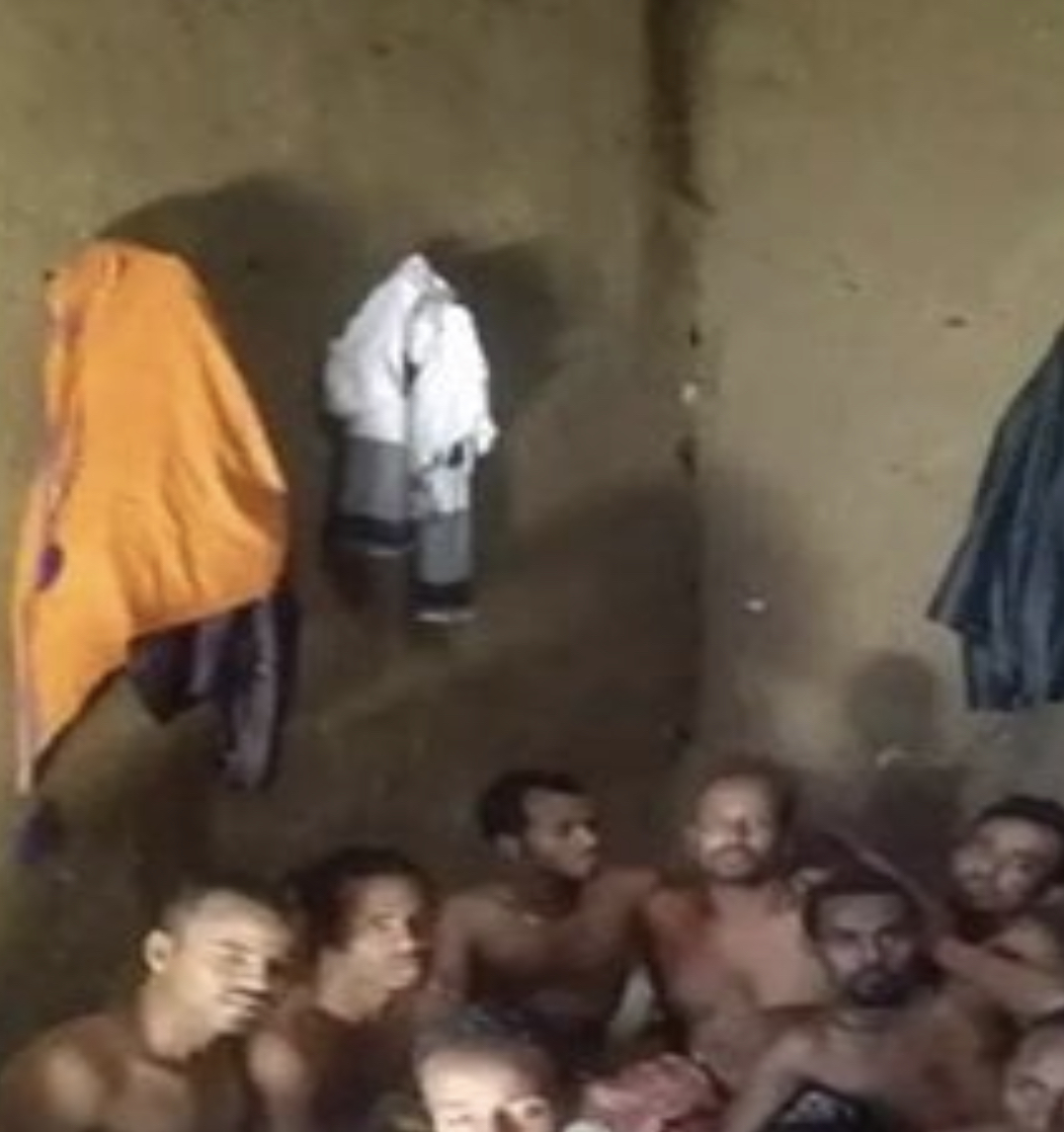
At this moment, when the whole world is fighting against the common enemy, COVID-19, politically motivated mass arrests, kidnappings and harassment of members and supporters of Oposition Political Organizations, civic society members and journalists by the Ethiopian government military must be condemned by the World Health Organization, UN Human Rights Council and the world at large. Because of the overcrowded and squalid prisons at the detention centers, the spread of COVID-19 in the detonators and make the control of the disease difficult later on.

As whole know, infectious diseases in prisons are a serious public health problem, inmates are crammed into small prison cells with many others, particularly in Ethiopia. Even in facilities that aren’t deemed overcrowded, there is inadequate nutrition, and poor sanitation where detainees in concentration camps suffer from health problems, putting them at particular risk of the COVID-19 pandemic. In order to inform this situation, the Ethiopian Diaspora community condemned through serious demonstrations all over the world. Among them, the Diaspora community of Canada condemned the situation in the country and shown solidarity by organized large demonstration in the capital city of Canada, Ottawa on February 16, 2020.

Therefore, this is to impose to stop brutalities being perpetrated by the government security force against the civil society, members and supporters of political opposition partiesIn addition, we insist on unconditionally release of all arbitrarily detained journalists, officials, members and supporters of opposition political parties to stop the potential spread of this pandemic COVID-19.

WIFE SHEDS LIGHT ON HUSBAND’S ORDEAL IN SECURITY CRACK DOWN

Image may contain: 1 person, standing

The handcuffed picture of Abdo Abajobir caused a social media uproar yesterday

(Oromia, April 25/2020) – The wife of a man whose handcuffed picture provoked the ire of many on Ethiopian social media spoke to the BBC Afaan Oromo that “he was beaten” before being escorted to a police station.

The picture of Abdo Abajobir, an employee of Oromia education Bureau in Jimma Zone, Cherkosa Wereda, surrounded by heavily armed special forces of the regional state caused a social media uproar yesterday, with prominent Oromo politician/activist Jawar Mohammed calling it security forces’ attempt of “restoration of fear through terror.” The picture was taken last Wednesday.

According to his wife Jamila Abaraya, the armed security forces “surrounded our residence at around 5:30 PM, breached the door and went in. They then handcuffed him and took him away while beating him.”

“It is hard to describe what has taken place; it looked like they were there to film a movie not to arrest one individual; our compound was flooded with the police,” said Jamila. The police have also searched the house of Abdo Abajobir, a father of three and a resident of the same wereda. According to his wife, he belongs to no political party. “If someone is not following the political line of the wereda, he is considered as belonging to the opposition,” she said.

Other residents of the werea also told the BBC Afaan Oromo that more houses were searched and more people were arrested on the same day. Arabu Khalifa, another resident, said. “We are not members of any of the political parties. We are proud of our identities; we sympathize for people but they accuse us of having relations with the Oromo Liberation Front (OLF), Arabu said.

The security forces have said that they were searching for “various weapons and a roadmap to kill people inside Abdo Abajobir,” his wife said. “They told him there were weapons in our residence and that they will not leave without taking them. He told them they can ‘demolish the house if you wish to and search; you will not find anything,’” Jamila quoted her husband as saying.

Security forces have found no weapons but plastic toy guns the kids were playing with and one history book, which they took with them, according to her. “They could have summoned him with an invitation letter, but instead they handcuffed him like a bandit and took him to a detention facility where there are many people,” she said and expressed her fears that her husband could be exposed to the COVID-19.

She said that since his arrest yesterday, her husband has not been given chances to speak to the police. The BBC Afaan Oromo said its attempts to speak with the wereda administration and wereda scrutiny officials and were to no avail. AS

Ergaa ummata waanti narratti ta’e ifa sinii hin taaneef

Barreeffamni armaan gadii kun Birhanemeskel Abebe sagni kaleessa Afaan Amaaraatiin fuula Facebook isaanirratti gadhisame. Anis ergaa kana namni lammii Oromoo ta’e martuu akka beekuuf jedheen, hamma danda’ame gabaabsee afaan Oromootti hiikuuf yaaleera. Dubbisa Gaarii! Hunde Tilahun

I/ KAAYYOO PIROPOGANDAA SOBAA
1.Dhihoo kana warri bulchiinsa sirna durii leellisaniifi jijjiirama kana booda warri dhalatan kanneen akka itiyoo 360 namoota adda addaatti fayyadamuun anaafi ummata Oromoo irratti duulli isaan banan itti fufee jira.

2.Kayyoon maqa balleessi kanaas maqaa gaariin ani qabu irratti dhoqqee dibuun lammilee itophiyaa birratti, keessattuu warra afaan amaaraa dubbatan birratti summii dibuun,gaaffii ummata Oromoo galagalchuun akka waan nuti itophiyaa jigsinee biyya biraa ijaaruuf deemnutti oddeessun,Zaranyaaf abba dabaree maqaa jedhu kennuun warreen afaan amaaraa dubbatan biratti shakkii uumuun fudhatama dhabsiisuuf shira hin milkoofne gochuudha.

3.Dana’oon,Zaranyaafi warri shiraan beekamu kun kana duras namoota akka koo biyya isaanii jaalataniifi walqixxummaa leellisan irratti duula sobaa banuun gaaffii ummatni Ertiraa Federeeshina gaafatan “nuti lafa malee ummata isaa hin barbaannu ” jechuudhaan ummata dhiibanii Itophiyaa qarqara bishaanii akka isheen hin qabaanne godhaniiru.
Ummata Tigraay jibbanii TPLF uumaniiru,Ummata Oromoof barumsi afaan amaaraatiin kennamu qaba jechuun Jeneraal Taaddasaa Birruufi gaggeesitoota Macaaf Tuulamaa ajjeesuun ABO dhalaniiru. Tokkummaafi walqixxummaa ummata Itophiyaaf qabsooftuu jechuunis kaneen akka Hayilee Fidaa fi Sannaay Likefaa nyaatanii Dargii uumaniiru. Ogadeen,Sidaamaaf Gaambeellafi bakka adda addaatti yakkaaf badii hojjataniin tokkummaa biyyaa irratti waan hin irraanfatamne dalaganiiru.

4. Gaggeessummaa ummata Oromootiin jijjiramni Itophiyaa keessatti gaaffiin walqixummaafi haqaa deebii argachuu yoo baate haala amma jirtuun gara waraana wal waliinitti yoo galte Itophiyaan akka diigamtu lammiileen hunduu ni beeku.
Ani jijjiirama kana kanan deegaruufi namni biraas akka deegaru kanin gorsuuf balaa kana hambisuun biyya hundaaf taatu ijaaruufi.

5.Faallaa kanaan bara Dargiif TPLF Awurooppafi Ameerikaa warri turanifi leellistoota sirna bulchiinsa durii kan ta’an Itophiyaa dimokraatawaa taate osoo hin taane sirna Hayilasilasee boolla kaasuun ummata Itophiyaa 80% afaan amaaraa hin dubbanne dirqiin afaan tokko aadaa tokko deebisanii ijaaruudha.

6.Warri shiraaf Zaranyummaa isaaniin beekaman kun abjuu isaanii milkeessuuf kaardii Amaaraaf Itophiyaa wal jala jijjiruun taphatu. Karaa tokkoon abukaatoo ummata amaaraa fakkachuun ummata Itophiyaa kaanirra keessattu ummata Oromoo irra adda baasuun Amaarri dhiitameera sirba jettu sirbaa,naannoo Amaaraatti maqaa,hojiifi sirbi isaanii kanuma.

7.karaa biraatiin Oromiyaa(Finfinnee)gaafa dhufan immo tokkummaa Itophiyaatti kan amanan fakkaachuun lammiilee afaan amaaraa dubbatan goyyomsuuf Itophiyaa ykn du’a jechuun boo’u.
Kanarra darbuunis amala gaararra isaanii dhoksuuf Finfinnee dabalatee Harariifi kibba Itophiyaatti maqaalee adda addaa fayyadamuun akka kottee duudaa itti duuluun qabeenya isaanii nyaachuun ummata Itophiyaa kaan waliin akka inni walii hin galle gochuun itti fayyadamu.

9. Kanaafidha Afaan Oromoo akkuma Afaan Amaaraa afaan hojii federaalaa hata’u,walqixxummaan sabaaf sablammii haakabajamu waan jennuuf lammiilee Oromoo Itophiyaa warra abba dabaree,Zaranyaa jechuun maqaa isaanii isa sirrii nuuf kennuuf kan fiigan.

10. Yeroo ammaas duulli jibbaafi maqa baleessiin anaratti baname Kaayoon isaa namoota ilaalcha akka koo qaban miidhuu,biyya afaan tokko aadaa tokko amantii tokko qabdu(Assimilationist) ijaarra jechuun abjuu biraa keessa galaniiru.

11.Ani ummata Oromoo birattis ta’e lammiilee Itophiyaa kaan biratti maqaa gaariin ani qabu kan ijaarame waggoota bayeef tokkummaas gaaffii haqa Oromoo karaa ifaafi dhugaa ta’een ibsaa waanin tureefi.

12.Maqaa koo inni gaariin maalaqa ummata ykn dhiiga namaatiin kan laaqame miti

II/ Modeela lola fi karaa ittiin mo’iinsa isaanii

13.Waan 3 jedheen barreeffama koo xumura.
Namoonni shiraan beekaman kun Itophiyaa keessatti walqixxummaa fi haqni akka hin jiraanne waraana karaa sadiin gaggeessaa akka jiran beekuun barbaachisaadha.

14. Keessattuu waraana kana keessatti diinni inni guddaan ummata Oromoo waan ta’eef waranoota sadan armaan gadii mo’uuf sabaaf sablammii walqixxummaan amanan ijaaruun Itophiyaa haaraa ijaruuf qopha’uu qaba.

15. Namoonni kun biyya aadaa,afaan,amantii tokko qabdu ijaaruuf ifatti waraanni isaan banan isaan kana.

15.1. Inni jalqabaa lammiilee Itophiyaa walqixxummatti amanan,gaggeesitoota jijjiiramaa,aktivistootafi abbootii qabeenyaa keessattuu ummata Oromoof sidaamaa kallattiin miidhuu (direct violence ) karaa isa jalqabaaf filatamaadha. Duulli anarratti banames qaama waraana isa kanaati.kayoo3Kanaaf akka isaan gargaaru miidiyaalee maqa baleessiif sobaa 100 ol banataniiru.
Duuti naannoo Oromiyaa,Amaaraaf sidaamaatti ta’es qaama karoora kanaati.

15.2. Waraanni inni lammaffaa tokkumaaf walqixxummaa Itophiyaa irratti kan hojjatan keessattuu Oromoo, Somaalee fi Sidaamaa fi kkf irratti lola ijaarsa (structural war ) banuudha.
Ummanni Itophiyaa keessattu ummatni jijjirama kana fide ummatni Oromoo waanti baruu qabu Dargiif TPLF dhufanii haadeeman malee birookrasiin,ijaarsi magaalaa,ijaarsi dhabbilee amantii,ijaarsi ikoonomii,ijaarsi aadaa,ijaarsi miidiyaalee ammas kan yero Hayilesillaaseeti.
Jijjiirama kana booda jarri kun yeroo Dargiif TPLF jiru bakka itti dhokatanii ka’aa jiru. Humna biyyaafi biyya alaa jiru walitti fiduun ijaarsa sirna Hayilasilasee ACTIVE gochuuf (structural war ) bananiiru.

15.3 waraanni inni sadaffaan lammiilee Itophiyaa tokkummaaf walqixxummaa leellisuun (progressive) ta’an irratti waraana aadaa banuudha (Cultural war).
Fakkeenyaaf namni afaan amaaraa dubbatu lammii Itophiyaaf ammaya’a akka ta’e kaan immoo kan afaan oromoo ykn afaan saba biraa dubbatu zaranyaaf boodatti hafaa akka ta’e godhanii sammuu irratti hojjachuu.

CUUNFAA
16. Torban tokkoof kaan immoo waggoottan lamaan darbaniif duulli narratti baname rakko dhuunfaa narraa qabatanii miti. Isaan kun qaxaramtootafi loltoota jara kanaa waan ta’aniifi, duulli kunis anaratti qofa osoo hin taane qamoolee tokkumaafi walqixxummaa leellisan hundarattidha.