Daily Archives: March 21, 2026

Yonathan Dhibisaa’s Journey: From Freedom Fighter to Political Leader

A Life of Struggle and Service: Yonathan Dhibisaa’s Journey Captured in New Book
Addis Ababa – A new literary work is set to offer an unprecedented glimpse into the life of one of Oromia’s most prominent political figures. A book chronicling the life and legacy of Yonathan Dhibisaa Seedaa—a founding member and former central committee leader of the Oromo Peoples’ Democratic Organization (OPDO)—will be launched on April 4, 2026, at Ghion Hotel starting at 7:00 PM.
The event marks not just the release of a book, but a celebration of a life defined by decades of political activism, military leadership, and public service. Organizers have extended a warm invitation to the public, calling on all who revere history and political struggle to attend.
A Storied Career in Politics and Public Service
Yonathan Dhibisaa is no stranger to the corridors of power or the rigors of the battlefield. As a founding member of the OPDO, a party that later merged to form the Prosperity Party, he played a pivotal role in the region’s political evolution. His leadership extended beyond party politics into the highest echelons of regional government, where he served in key positions—from holding a high-level security post to eventually becoming the Minister of Justice for the Oromia regional state.
A Military Leader in the Struggle for Freedom
Before his political career, Dhibisaa’s life was forged in the crucible of armed struggle. His commitment to the cause of the Oromo people saw him traverse a vast arc of conflict, journeying from Eritrea to Egypt as a leader within the Oromo Liberation Army (Waraana Bilisummaa Oromoo—WBO). For over 17 years, he served on the front lines, dedicating his youth to the pursuit of self-determination.
Perhaps one of the most defining chapters of his legacy unfolded in the Metekel Zone of the Benishangul-Gumuz region, specifically in Gida and Kiramu districts of eastern Wollega. Historians and comrades recall his role in leading armed resistance to protect Oromo communities that were facing grave threats. His willingness to stand on the front lines during those dark days has cemented his reputation as a leader who did not simply command from a distance but faced danger alongside his people. That chapter of his life, marked by personal sacrifice and direct confrontation with violence, is one that organizers say “will never be forgotten.”
Returning to Civilian Life
After decades of service—first as a freedom fighter and later as a high-ranking government official—Dhibisaa ultimately stepped away from formal political power. Following his tenure in the cabinet, he chose to lay down the mantle of authority, returning to a quieter life focused on personal reflection and family. It is from this space of experience and retrospection that the new book emerges.
What the Book Offers
According to those close to the author, the book is more than a memoir. It is described as a deep reflection that shares insights into his political journey, personal experiences, and the vision he holds for the future. It promises to provide readers with an intimate look at the decisions, struggles, and moments of clarity that shaped his path.
Organizers believe the book holds immense value—not just for those who followed his career, but for a new generation of leaders interested in governance, resilience, and social transformation.
An Invitation to All
In a statement released ahead of the launch, the organizers emphasized the importance of remembering history.
“If people forget history, history will not forget the people,” they said, underscoring the significance of documenting and honoring the experiences of those who have shaped the nation’s political landscape.
The event is open to the public, and attendees are encouraged to share the invitation widely. The launch will take place at Ghion Hotel, a historic venue in the capital, on the evening of April 4, 2026.
For those who value stories of perseverance, leadership, and the long arc of the struggle for justice, this book promises to be an essential addition to their library.
Event Details:
- Occasion: Book Launch – Celebrating the Life of Yonathan Dhibisaa Seedaa
- Date: April 4, 2026
- Time: 7:00 PM (Local Time)
- Venue: Ghion Hotel, Addis Ababa
- Admission: Open to the public


Standing Together, Acting for Change
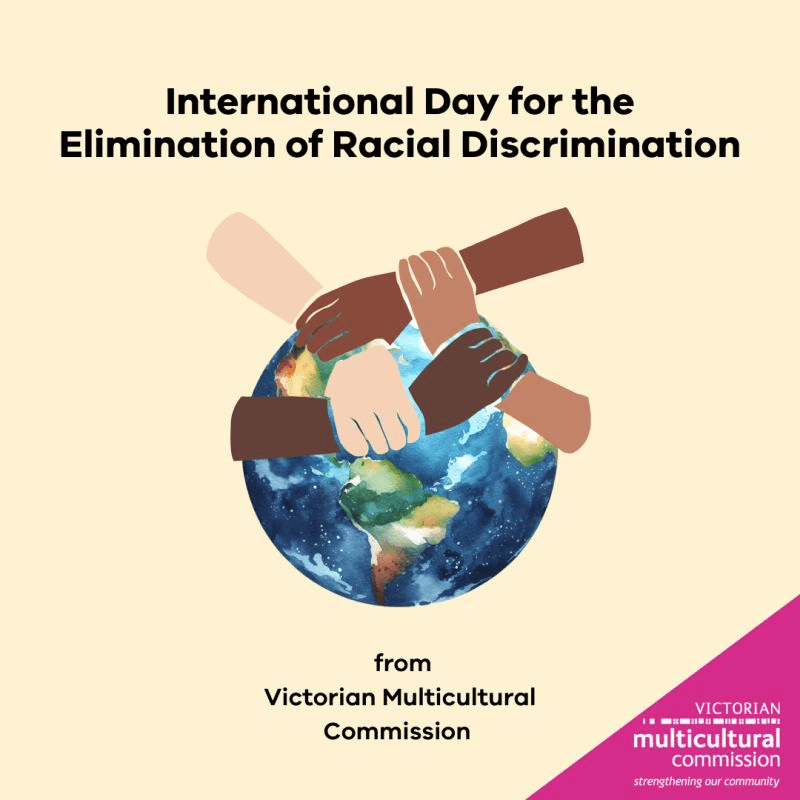
How Victoria is leading the fight against racial discrimination in the workplace
On March 21, the world observes the International Day for the Elimination of Racial Discrimination. It is a day of remembrance, a call to action, and a global reminder that the fight for equality is far from over. This date was chosen to honor the 1960 Sharpeville massacre in South Africa, a tragic event that underscored the deadly consequences of unchecked racism.
In Victoria, this day serves as a powerful catalyst to examine not only our society but the spaces where we spend most of our time: our workplaces. While the ideal of a fair go is central to the Australian ethos, the reality is that racial discrimination remains a persistent issue. However, in Victoria, the law is clear: every worker has the right to be treated fairly, regardless of their race, skin color, descent, or national or ethnic origin.
The Legal Framework: More Than Just Policy
Under the Equal Opportunity Act 2010 (Vic), it is against the law to discriminate against someone based on their race. This protection covers all aspects of employment, from recruitment and promotion to termination and the day-to-day conditions of the job.
But the law does more than just prohibit negative behavior. It places a positive duty on employers. This means that Victorian employers have a legal responsibility to be proactive. They cannot simply wait for a complaint to occur; they must take reasonable and proportionate steps to eliminate racial discrimination, sexual harassment, and victimization as far as possible. Creating a safe, inclusive environment isn’t just good ethics—it’s the law.
Identifying Racism in the Workplace
Racism isn’t always overt. While blatant acts like using racial slurs or denying a promotion based on ethnicity are clear-cut violations, racial discrimination often manifests in more subtle, systemic ways. Recognizing these is the first step toward action.
- Racial Vilification: This involves public acts that incite hatred, serious contempt, or ridicule against a person or group of people because of their race. This can happen in meetings, via work emails, or on internal communication platforms.
- Discriminatory Jokes or “Banter”: Often dismissed as harmless humor, persistent jokes about a person’s cultural background, accent, or appearance create a hostile and degrading work environment.
- Indirect Discrimination: This occurs when a workplace policy or practice appears neutral but disproportionately disadvantages people of a particular race. For example, requiring all staff to work on a specific religious holiday without flexibility may indirectly discriminate against employees of certain faiths.
- Exclusion: Being left out of important meetings, social gatherings, or informal networks where information and opportunities are shared.
- Microaggressions: Subtle, often unintentional, slights or insults that communicate negative messages. Examples include consistently mispronouncing a colleague’s name despite correction, asking “where are you really from?”, or making assumptions about a person’s abilities based on their background.
Know Your Rights: The Power of Action
If you experience or witness racism at work, it is crucial to know that you are protected and there are clear pathways to act.
For individuals who experience discrimination:
- Keep a Record: Document what happened, including dates, times, witnesses, and any evidence like emails or messages.
- Seek Support: Check your workplace policy and speak with a trusted manager, a human resources representative, or a union.
- Make a Complaint: You can make a formal complaint internally. You also have the right to make a complaint to the Victorian Equal Opportunity and Human Rights Commission (VEOHRC), which handles complaints about discrimination in Victoria. The process is designed to be fair and can lead to conciliation, where both parties work to find a resolution.
For bystanders—those who witness discrimination—the role is just as vital. Silence can be interpreted as acceptance. The Victorian Equal Opportunity and Human Rights Commission has developed “Workplace Bystander Guides” that empower colleagues to intervene safely and effectively. Being an active bystander can mean:
- Interrupting: Politely but firmly challenging the behavior in the moment. (“That joke isn’t funny, please don’t say that.”)
- Supporting: Checking in with the person who was targeted. (“Are you okay? I saw what happened.”)
- Reporting: Documenting the incident and reporting it to a manager or HR, especially if the targeted individual is hesitant to do so themselves.
Accessing Resources in Your Language
Understanding your rights is the foundation of empowerment. To ensure that every Victorian worker can access this vital information, VEOHRC has made key resources available in multiple languages.
Employers, HR professionals, and individuals can download practical fact sheets and the comprehensive workplace bystander guides. These materials provide step-by-step advice on how to identify discrimination, understand legal protections, and take effective action.
You can download these resources in your language here:
https://lnkd.in/ghbfSAuB
A Collective Responsibility
The International Day for the Elimination of Racial Discrimination is a moment to reflect, but the work of building truly equitable workplaces is a daily endeavor. It requires more than just legal compliance; it demands a cultural shift.
When employers embrace their legal responsibility to eliminate discrimination, they don’t just avoid legal action—they foster environments where innovation thrives, where employees feel safe, and where everyone has the opportunity to succeed. When workers know their rights and have the tools to act as allies, they transform their workplaces from places of mere tolerance to places of genuine belonging.
This March 21, let Victoria’s commitment to equality be more than a statement. Let it be an action. Know your rights, support your colleagues, and help build a future where diversity is not just respected, but celebrated.
For more information, or to access fact sheets and guides in your language, visit the Victorian Equal Opportunity and Human Rights Commission’s resource page.




 Advocacy for Oromia