Daily Archives: June 22, 2010
Oromian Story
Oromian story is a web based story that presents the historical, cultural, and current issues of Oromian. Stories are mostly narrated by the subjects themselves. The story aims to present a varied and contrasting picture of contemporary Oromia and Oromians from many different perspectives and to contribute to the wider spectrum of coverage of issues and individuals.
The aim of the feature, and its success, will be measured by the degree to which it can expose an additional dimension to the famous lives through the prism of other mass media, and to which it can express the fullest meaning of being alive in Oromia through the elderly stories of our citizens.
Oromian Story: Voices of the People, Narratives of a Nation
A web-based platform capturing the historical, cultural, and contemporary realities of Oromia—told by those who have lived it
OROMIA — In a world increasingly dominated by curated narratives and filtered realities, there remains a hunger for authenticity—for stories told not by distant observers but by the subjects themselves. The Oromian Story project answers this call, offering a web-based platform where the historical, cultural, and contemporary realities of Oromia are presented through the voices of those who have lived them.
**”Stories are mostly narrated by the subjects themselves.”**
This simple statement captures the essence of the Oromian Story project. It is not a collection of academic analyses or journalistic accounts from outsiders. It is a tapestry of lived experiences, woven together by the people who have shaped and been shaped by the land, culture, and history of Oromia.
A Kaleidoscope of Perspectives
**”The story aims to present a varied and contrasting picture of contemporary Oromia and Oromians from many different perspectives.”**
Oromia is not a monolith. It is a land of remarkable diversity—geographically, culturally, and historically. From the highlands of Arsi to the lowlands of Borana, from the urban centers of Addis Ababa to the rural villages of Wallagga, the Oromo people have a rich tapestry of experiences, traditions, and aspirations.
The Oromian Story project embraces this diversity. It does not seek to present a single narrative or a unified perspective. Instead, it aims to capture the complexity, contradictions, and richness of Oromo life through multiple lenses and voices.
**This commitment to diverse perspectives is essential to understanding the full scope of Oromo experience. It challenges stereotypes, complicates simplistic narratives, and reveals the humanity of a people too often reduced to headlines or statistics.**
Beyond the Headlines
**”The aim of the feature, and its success, will be measured by the degree to which it can expose an additional dimension to the famous lives through the prism of other mass media.”**
In the age of mass media, certain stories dominate the headlines. Political conflicts, humanitarian crises, and celebrity scandals capture the attention of the global audience, while the everyday lives, quiet struggles, and ordinary triumphs of most people remain invisible.
The Oromian Story project seeks to correct this imbalance. It aims to expose the additional dimensions of lives that are often reduced to soundbites or stereotypes. Through the stories of ordinary Oromians—their hopes, fears, joys, and sorrows—the project offers a more complete picture of what it means to be Oromo in the contemporary world.
The Wisdom of Elders
**”The project aims to express the fullest meaning of being alive in Oromia through the elderly stories of our citizens.”**
At the heart of the Oromian Story project are the voices of Oromo elders. These are the individuals who have witnessed the transformation of their society over decades—who have experienced the joys and sorrows, the triumphs and tragedies, the continuities and changes that have shaped Oromo life.
**The stories of elders are not merely historical records—they are repositories of wisdom, resilience, and hope.**
Through their narratives, we learn:
– **How Oromo culture has been preserved and adapted** in the face of immense challenges
– **How communities have survived and thrived** despite displacement, conflict, and marginalization
– **How the values of the Gadaa system** continue to guide Oromo life
– **How the Oromo identity has been maintained and strengthened** across generations
– **How hope has endured** in the most difficult of circumstances
A Platform for the Unheard
The Oromian Story project is also a platform for voices that are often marginalized or excluded from mainstream narratives:
– **Women** whose stories have been overlooked
– **Youth** who are shaping the future of Oromia
– **Rural communities** whose experiences are often invisible to urban audiences
– **Diaspora communities** who maintain connections to their homeland
– **Marginalized groups** within Oromo society
**By amplifying these voices, the project contributes to a more inclusive and representative understanding of Oromo life.**
The Power of Personal Narrative
Personal narratives have a unique power to connect us to the experiences of others. When we hear a story told in someone’s own words, we are invited to step into their world, to see through their eyes, to feel their joys and sorrows.
**The Oromian Story project harnesses this power, using personal narratives to:**
– **Humanize complex issues** and make them accessible to a broader audience
– **Build empathy and understanding** across differences
– **Preserve cultural knowledge** for future generations
– **Empower storytellers** by validating their experiences and perspectives
– **Create a lasting record** of Oromo life and history
A Contribution to the Wider Spectrum
**”The project aims to contribute to the wider spectrum of coverage of issues and individuals.”**
The Oromian Story project does not exist in isolation. It is part of a broader movement to expand the range of voices and perspectives available in the media landscape. By contributing to the wider spectrum of coverage, the project helps to:
– **Challenge dominant narratives** and offer alternative perspectives
– **Fill gaps in coverage** of underreported issues and communities
– **Provide context and depth** to news stories and current events
– **Create a more informed and engaged public**
Measuring Success
The success of the Oromian Story project is measured not by clicks or views but by impact:
– **Has it exposed additional dimensions** to the lives and issues it covers?
– **Has it amplified voices** that would otherwise be unheard?
– **Has it contributed to a deeper understanding** of Oromo life and history?
– **Has it preserved cultural knowledge** for future generations?
– **Has it built bridges** of understanding between communities?
**The ultimate measure of success is the degree to which the project helps to express the fullest meaning of being alive in Oromia.**
Conclusion
The Oromian Story project is more than a collection of stories—it is a testament to the resilience, diversity, and vitality of the Oromo people. Through the voices of elders, the perspectives of ordinary citizens, and the commitment to diverse and authentic narratives, the project offers a window into the soul of Oromia.
In a world that often reduces complex realities to simple headlines, the Oromian Story project stands as a reminder that every life is a story worth telling, every voice is worth hearing, and every perspective is worth understanding.
—
*In the voices of Oromo elders lies the story of a people—a story of resilience, resistance, and hope. Through the Oromian Story project, that story will continue to be told.*

The Oromian Story: Preserving Voices, Empowering Communities, and Celebrating Culture
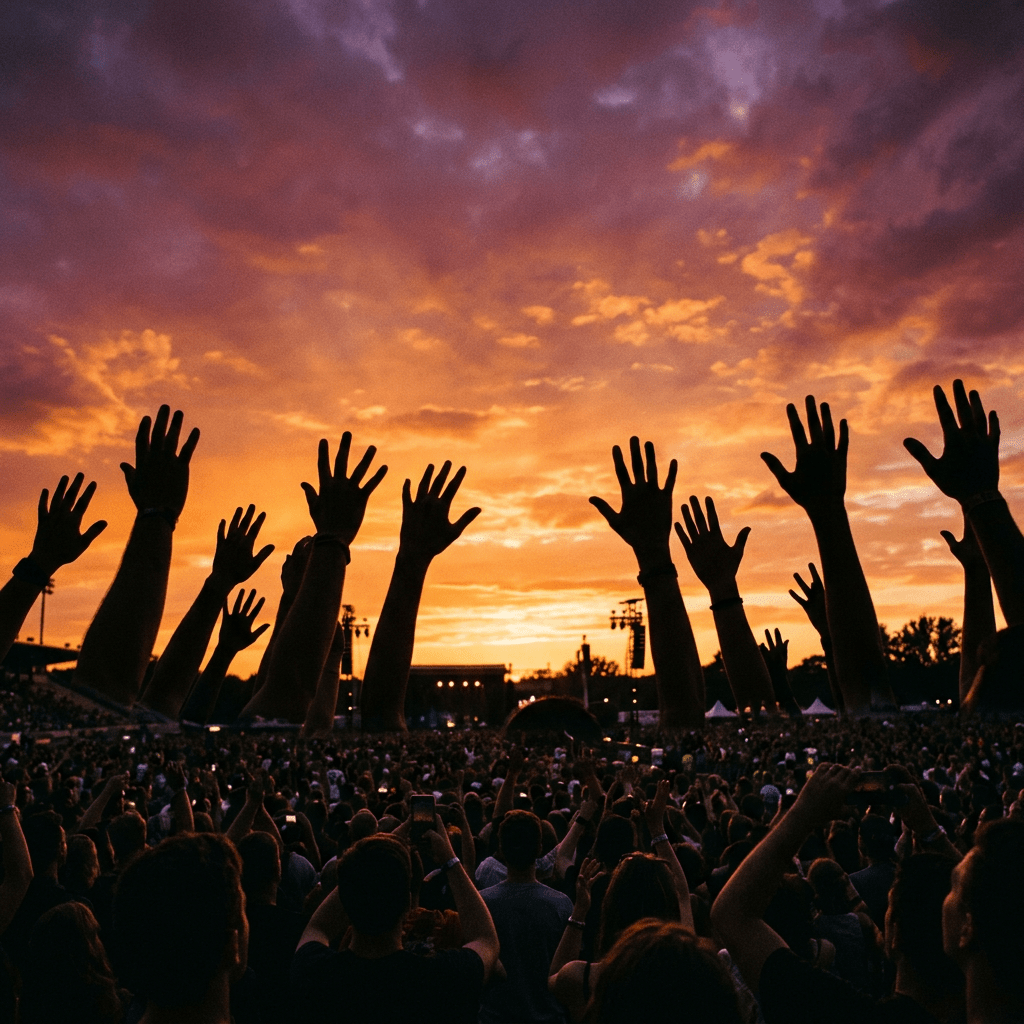
Through the voices of elders and the vitality of community, the Oromian Story program ensures that Oromo culture remains a living, breathing force for generations to come
FINFINNE, OROMIA — In the heart of every culture lies a story—a narrative passed down through generations, carried in the voices of elders, and woven into the fabric of daily life. For the Oromo people, this story is not merely a record of the past; it is a dynamic, living force that shapes identity, builds community, and points toward the future.
The Oromian Story program stands as a testament to this truth. By centering the voices of Oromo elders and engaging communities at the grassroots level, the program ensures that Oromo culture remains vibrant, resilient, and relevant in a rapidly changing world.
“The Oromian elders’ voices is a dynamic part of Oromian culture and identity.”
This recognition lies at the heart of the Oromian Story program. Elders are not simply repositories of ancient wisdom—they are active participants in the ongoing creation of culture. Their voices, their memories, and their insights are essential to understanding who the Oromo people are and who they are becoming.
The Power of Elders’ Voices
In Oromo society, elders occupy a position of profound respect and responsibility. They are the keepers of history, the guardians of tradition, and the guides for the younger generation. The Gadaa system, which has governed Oromo society for centuries, is built on a foundation of elder wisdom and intergenerational transmission.
The Oromian Story program recognizes that the preservation of culture depends on the active engagement of elders. When elders share their stories, they are not merely recounting the past—they are shaping the future. They are teaching younger generations about their identity, their values, and their responsibilities.
Maintaining Culture Through Community Involvement
“The Oromian story program presents the maintenance and continued development of Oromo culture at the community level.”
Culture is not something that can be preserved in museums or archives alone. It lives in the daily practices, rituals, and relationships of communities. The Oromian Story program understands this, focusing on community-level activities that keep culture alive and dynamic.
Through community gatherings, storytelling sessions, and cultural events, the program ensures that Oromo culture is not a relic of the past but a living presence in the present. It engages people of all ages in the ongoing work of cultural preservation and innovation.
Supporting New Forms of Cultural Expression
The program supports activities that support new forms of Oromo cultural expression.
Culture is not static—it evolves, adapts, and grows. The Oromian Story program recognizes this, supporting new forms of cultural expression that reflect the creativity and dynamism of the Oromo people.
This might include:
– Contemporary art and music that draws on traditional themes
– Digital storytelling that reaches new audiences
– Literary works that explore Oromo identity in new ways
– Cultural festivals that bring together diverse communities
– Intergenerational projects that bridge the gap between elders and youth
By supporting new forms of cultural expression, the program ensures that Oromo culture remains relevant and vibrant in the modern world.
Increasing Public Awareness of Oromo Culture
The program supports activities that increase public awareness of Oromo culture, including through the presentation and exchange of culture.
One of the greatest challenges facing Oromo culture is the lack of public awareness—both within Ethiopia and internationally. The Oromian Story program addresses this challenge by promoting the presentation and exchange of culture.
Through public events, cultural exchanges, and educational initiatives, the program helps to:
– Educate the broader public about Oromo culture and history
– Foster cross-cultural understanding and dialogue
– Challenge stereotypes and misconceptions
– Celebrate the richness and diversity of Oromo traditions
– Build bridges between Oromo communities and others
Sustainable Development of Community Organisations
The program supports the sustainable development of community organisations involved in cultural activities.
Cultural preservation cannot be achieved without strong, sustainable community organisations. The Oromian Story program invests in the capacity of these organisations, helping them to:
– Develop effective governance and management structures
– Build financial sustainability
– Train staff and volunteers
– Expand their reach and impact
– Collaborate with other organisations and institutions
The Broader Impact
“The program promotes activities that encourage culturally vibrant communities and contribute to the cultural wellbeing of Oromia.”
The impact of the Oromian Story program extends far beyond the preservation of culture. By strengthening cultural identity and community cohesion, the program contributes to:
Social Cohesion: When communities share a strong cultural identity, they are more resilient, more united, and better able to address common challenges.
Youth Engagement: By involving young people in cultural activities, the program helps to build their sense of identity and purpose.
Community Pride: Cultural activities foster a sense of pride and belonging, strengthening communities from within.
Economic Development: Cultural tourism, arts, and crafts can contribute to local economic development.
Peacebuilding: Cultural exchange and dialogue can help to build trust and understanding between communities.
A Vision for the Future
“The Oromian Story program presents the maintenance and continued development of Oromo culture at the community level.”
The vision of the Oromian Story program is a future in which Oromo culture is not merely preserved but is a vibrant, dynamic force in the lives of Oromo people. It is a future in which elders are honored and their wisdom is valued; in which young people are engaged and empowered; in which communities are united and resilient; and in which Oromo culture is celebrated and shared with the world.
Conclusion
The Oromian Story program is a vital initiative for the preservation and development of Oromo culture. By centering the voices of elders, engaging communities, supporting new forms of cultural expression, and investing in community organisations, the program ensures that Oromo culture remains a living, breathing force for generations to come.
“The Oromian elders’ voices is a dynamic part of Oromian culture and identity.”
As the Oromo people continue their journey of cultural revival and self-determination, programs like the Oromian Story will play an essential role in ensuring that the voices of elders are heard, the stories of the past are remembered, and the culture of the Oromo people continues to thrive.
—
In the voices of Oromo elders lies the story of a people—a story of resilience, resistance, and hope. Through the Oromian Story program, that story will continue to be told.






