A New Chapter for Borana Heritage: Cultural Centre Inaugurated in Yabelo Town
By Daandii Ragabaa
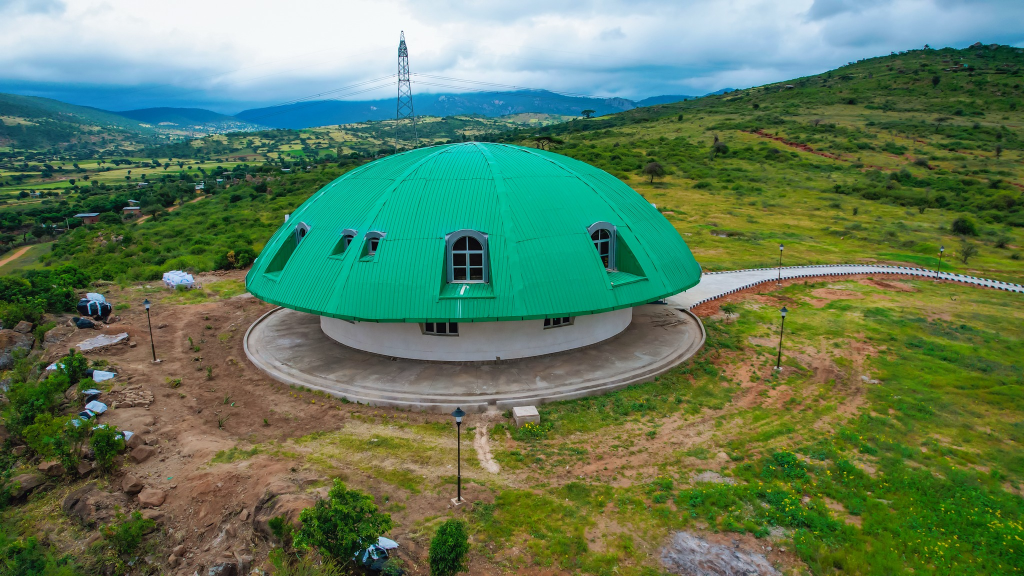
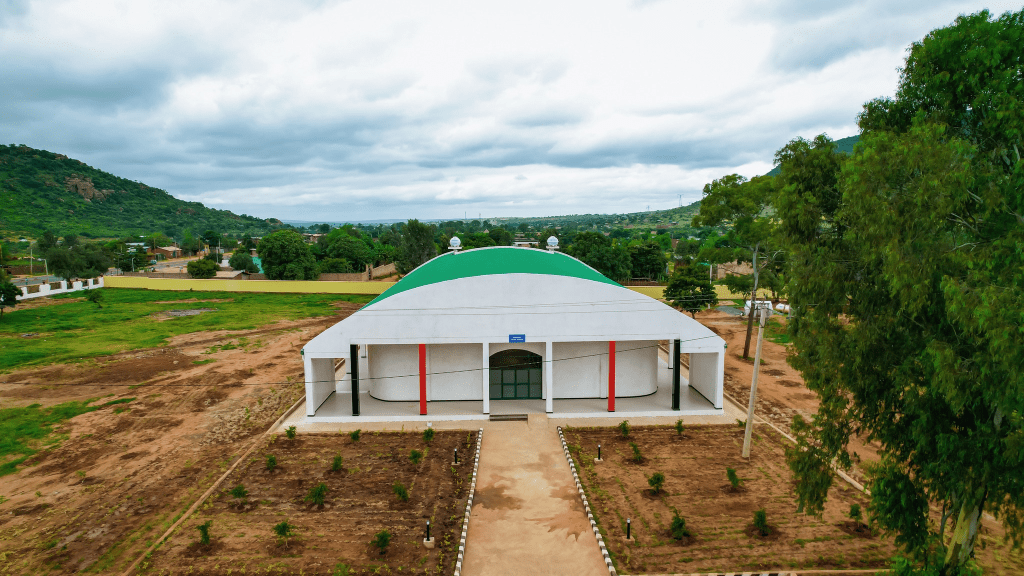
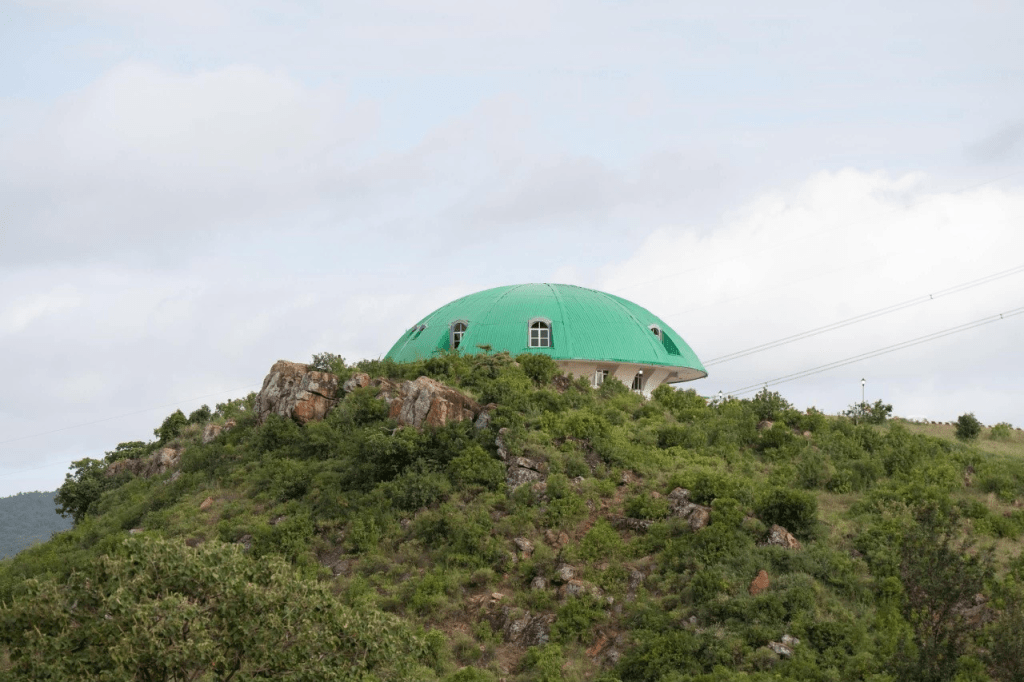
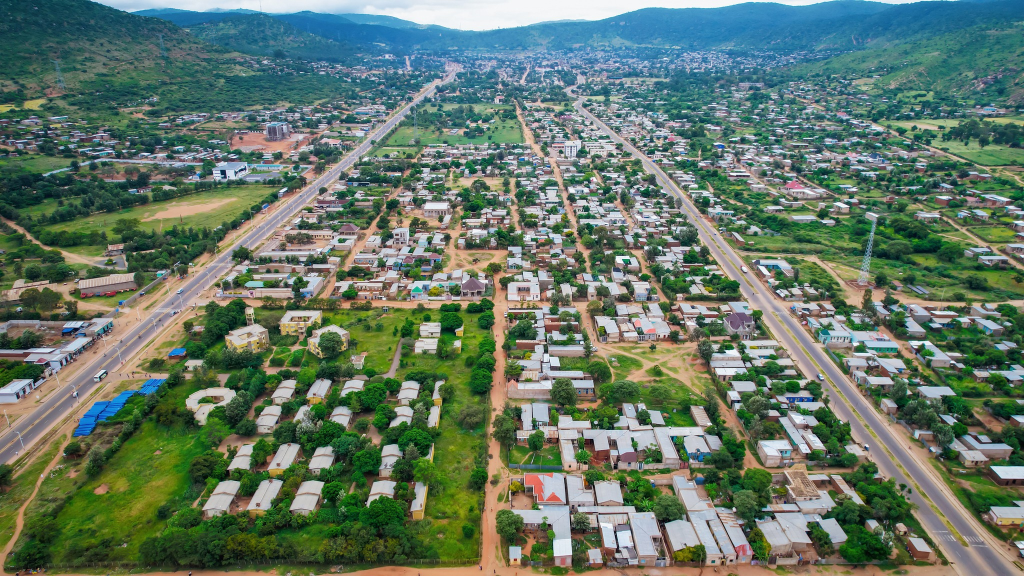
YABELO, BORANA ZONE – In the expansive, sun-baked plains of southern Oromia, where the ancient Gadaa system still governs the rhythm of life and the cattle herds stretch to the horizon, a new monument to culture has risen from the earth. The Borana Cultural Center, a long-awaited dream for the Borana people, was officially inaugurated today in Yabelo town.
The centre is not merely a building. It is a fortress of memory, a school of philosophy, and a bridge connecting the deep wisdom of the Borana past to the uncertain future of their children. For a community that has preserved its traditions through centuries of change—often under immense pressure—this inauguration is a victory.
A Foundation Laid by the First Lady
The story of the Borana Cultural Center began years ago. In 2013 according to the Ethiopian calendar (2020/2021 Gregorian), the foundation stone was laid by none other than First Lady Zinash Tayachew. At the time, the gesture signaled a rare moment of high-level state recognition for Oromo cultural heritage—particularly the Gadaa system of the Borana, which is widely regarded as one of the most intact and functional indigenous governance systems in the world.
Today, that promise has been fulfilled. The centre, now complete and open for public service, stands as a testament to what is possible when resources are mobilized for cultural preservation.
Built by the People, Through “Medemer”
What makes the Borana Cultural Center particularly remarkable is its financing. The entire project was built using proceeds from the sale of the book Medemer (Synergy), written by Prime Minister Abiy Ahmed. The book, which advocates for unity and cooperation across Ethiopia’s diverse communities, has generated significant revenue—part of which was channeled into this cultural project.
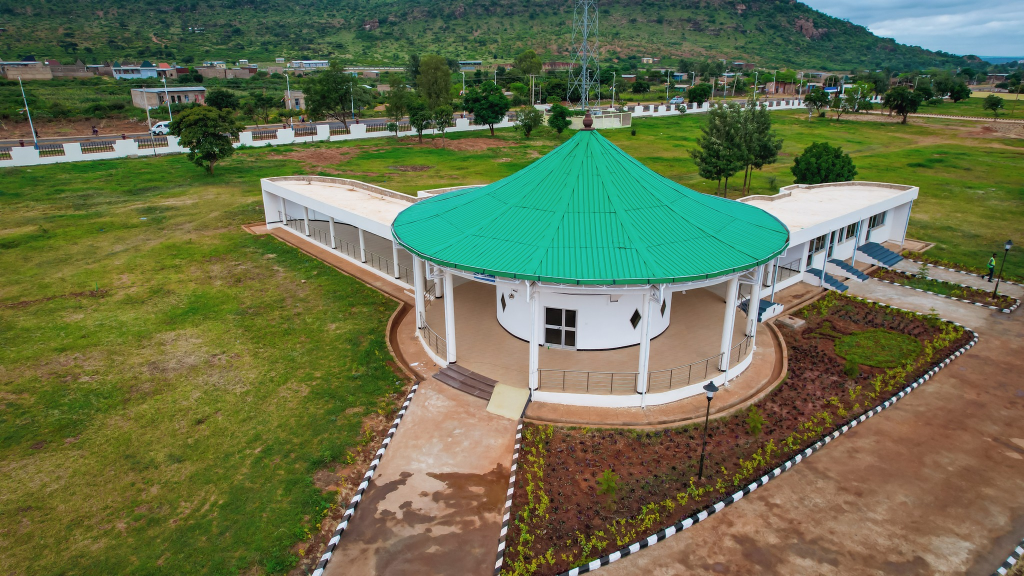
The centre sits on an expansive 57.6 hectares of land in Yabelo town, making it one of the largest dedicated cultural sites in the region.
Designed to Showcase the Gadaa System
The Borana people are renowned worldwide for their adherence to the Gadaa system—a sophisticated, egalitarian, time-based governance structure that rotates power every eight years among age-graded classes. UNESCO has recognized Gadaa as an Intangible Cultural Heritage of Humanity.
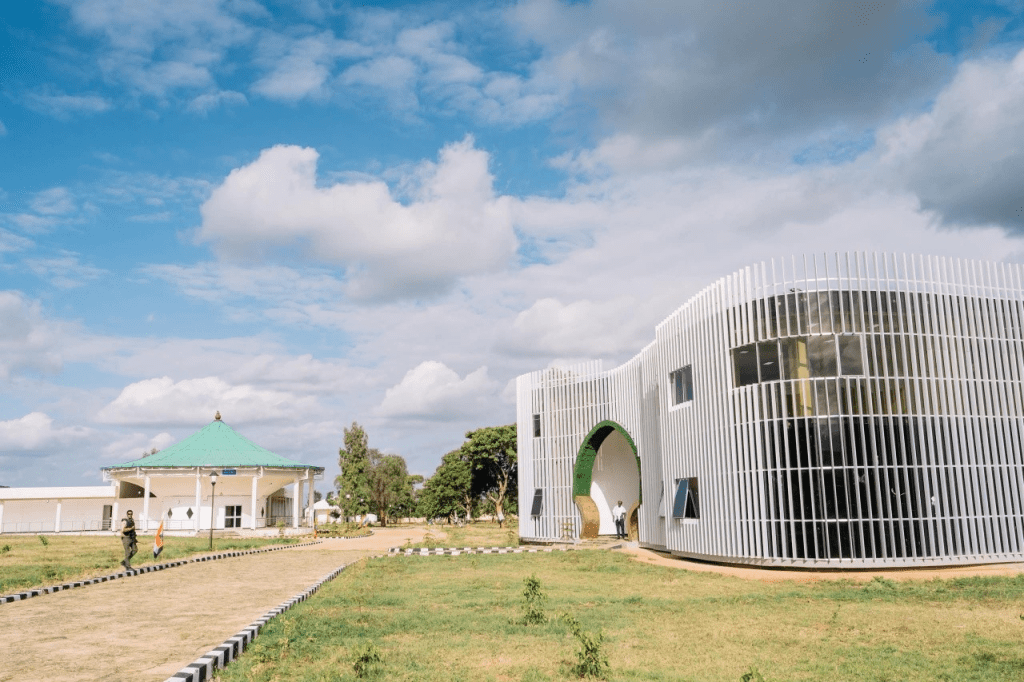
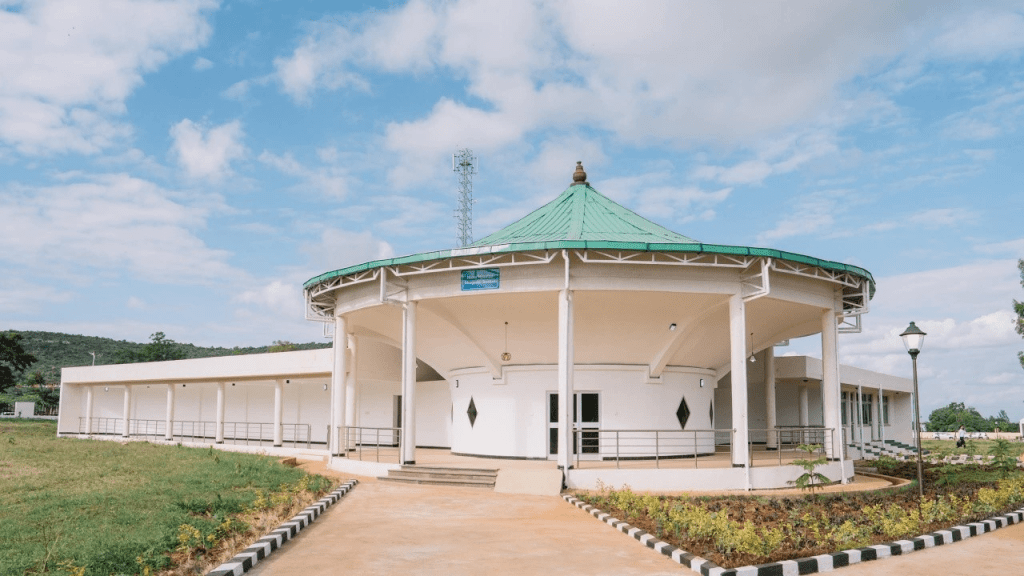
The new cultural center has been specially designed to showcase this system. Every architectural detail, from the layout of the grounds to the interior spaces, reflects Borana philosophy and social organization.
The center features two major components:
- A conference hall capable of accommodating up to 2,000 people at one time. This hall is intended for Gadaa assemblies, community meetings, and major cultural events.
- A heritage museum that will house artifacts, oral histories, regalia, tools, and documents tracing the long journey of the Borana people.
A Key Role for Generations to Come
Beyond its physical infrastructure, the Borana Cultural Center is expected to play a transformative role in the cultural life of the community. According to officials involved in the project, the center will focus on:
- Preserving Borana culture (aadaa): Traditional music, dance, attire, and rituals will be documented and taught.
- Teaching Borana history (seenaa): The center will serve as a repository for the collective memory of the Borana people, including their migrations, their heroes, and their struggles.
- Transmitting Borana philosophy (falaasama): The ethical and spiritual worldview of the Borana—rooted in concepts of nagaa (peace), safuu (moral order), and walaloo (solidarity)—will be studied and passed to younger generations.
“The youth of Borana have grown up in a rapidly changing world,” one elder present at the inauguration told Daandii Ragabaa. “Many of them have never seen a full Gadaa ceremony. They have not learned the names of their clans. This centre will be their classroom. It will remind them who they are.”
A Long-Awaited Dream Realized
For decades, the Borana people—like other Oromo communities—faced cultural marginalization. Their language was pushed out of schools, their Gadaa system was dismissed as primitive, and their elders were often ridiculed for maintaining “backward” traditions.
But the tides have turned. The establishment of this cultural center, on prime land in Yabelo, signals a new era of official embrace—or at least tolerance—for Oromo cultural expression.
As the ribbon was cut and the doors swung open for the first time, a crowd of elders, women, youth, and government officials erupted in applause. For many, it was an emotional moment.
“We have waited a lifetime for this,” said a Borana grandmother wrapped in a traditional huuboo (shawl). “My grandchildren will not forget where they came from. This centre will make sure of that.”
Challenges Ahead
Despite the celebration, challenges remain. A cultural center, no matter how beautiful, is only as valuable as the commitment to fill it with life. Staff must be trained. Artifacts must be collected and preserved. Programming must be consistent and accessible.
Moreover, the Borana people themselves are facing contemporary pressures: climate change is altering traditional grazing patterns, youth migration is emptying villages, and the allure of urban life is pulling young people away from ancestral knowledge.
The center alone cannot solve these problems. But it can serve as a gathering point, a place to strategize, and a reminder that culture is not static—it must be actively lived.
A New Dawn for Borana
As the sun sets over Yabelo, casting long shadows across the 57.6-hectare site, the Borana Cultural Center stands illuminated—not just by electric lights, but by the hopes of a people.
It is a place where the Abbaa Gadaa will speak. Where the Qallu will bless. Where the youth will learn to chant the praise poems of their ancestors.
And where the world, if it wishes, can come to understand one of Africa’s most enduring indigenous civilizations.
Gadaa ni jiraata. Aadaan lubbuu ni qabaata.
—The Gadaa lives. The culture endures.

Posted on May 28, 2026, in Aadaa, Events, Finfinne, Media, News, Oromia, Press Release, Promotion. Bookmark the permalink. Leave a comment.






Leave a comment
Comments 0