AHMAD TAQII (HUNDEE): The Merchant Who Became a Legend
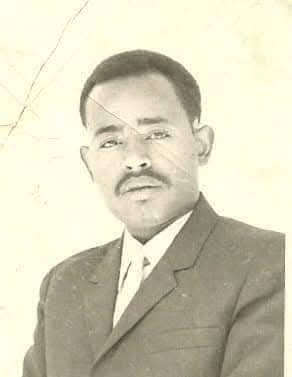
From the coffee shops of Dire Dawa to the battlefields of Carcar – the story of the wealthy trader who gave everything for the Oromo cause.
A Feature Story – Oromo History, Resistance, and Sacrifice
PROLOGUE: A NAME WHISPERED IN REVERENCE
In the city of Galamsoo – a place steeped in history, a land of memory – there was once a man named Ahmad Taqii.
To those who knew him well, he was called Hundee.
He was not a soldier by training. He was not a politician by profession. He was, by trade, a businessman – a man of wealth, a man of property, a man who could have lived comfortably, quietly, safely.
But history does not always choose the obvious heroes. Sometimes, it reaches into the marketplace, into the coffee shop, into the ordinary life – and calls forth the extraordinary.
Hundee answered that call.
He gave his wealth. He gave his time. He gave his connections. And in the end, he gave his life.
This is his story. It is a story of courage, of conspiracy, of secret meetings and midnight escapes. It is a story of how a merchant from Galamsoo became a pillar of the Oromo liberation struggle – and how, in the end, he paid the ultimate price.
PART ONE: THE MAN – WHO WAS AHMAD TAQII (HUNDEE)?
| Fact | Detail |
|---|---|
| Name | Ahmad Taqii (known as Hundee) |
| City | Galamsoo – a historic Oromo city |
| Status | Wealthy merchant, property owner, respected figure |
| Role | Supporter and active participant in the Oromo liberation struggle |
| Era | Early to mid-1970s (pre-revolutionary Ethiopia) |
| Fate | Killed in battle or executed; body paraded through Galamsoo to break the people’s spirit |
Hundee was not a poor man. He was not an outsider or a marginal figure. He was a man of means, a man of standing. He had everything to lose – and yet, he chose to risk it all.
Why?
Because, as the original text suggests, his wealth became a tool for liberation. He used what he had to support Oromo patriots, to fund resistance, to build networks. He did not hoard his fortune. He invested it in freedom.
PART TWO: THE MANY FACES OF HUNDEE – A LIFE OF CONNECTIONS
Hundee was not a one-dimensional figure. He moved through many worlds.
The Businessman
“Daldalaaf gaafa Finfinnee bahu nama hunda dura sirboota qabsoo kan Ali Birraan sirbaman dhandhamu qofa osoo hin taane…”
“When he left Addis Ababa for business, it was not only to hear the revolutionary songs of Ali Birra first…”
Ali Birra – the legendary Oromo singer whose music became the anthem of Oromo consciousness – was more than entertainment. His songs carried the hopes and pains of a people. Hundee, the businessman, made sure he was there, listening, connecting, understanding the mood of his people.
The Political Activist
“…walgahii waldaa Maccaa fi Tulamaa itti hirmaatee nama haasawa Haylmariyam Gammadaa dhagahuuf carraa argate ture.”
“…he participated in the meetings of the Maca and Tulama association and had the opportunity to hear the speeches of Haylmariyam Gammadaa.”
The Maca and Tulama association was a crucial Oromo political organization. Hundee was there – not as a spectator, but as a participant. He listened. He learned. He committed himself to the cause.
The Young Man in Dire Dawa
“Isaa dargaggummaa qabu gaafa buna gurguruuf Dire Dawa dhaqaa ture nama jaarmaya hawwiiso Afran Qalloo hordofuu qofa osoo hin taane nama dinagdeen gargaaraa ture.”
“In his youth, when he went to Dire Dawa to sell coffee, he was not only someone who followed the Afran Qalloo organization – he was someone whose wealth supported them.”
Even in his youth, Hundee understood that money was power. He used his resources to support Oromo organizations when such support was dangerous.
The Radio Listener
“Bara 1973 gaafa dura Raadiyoon Harar qilleensarra oolu kaasee…”
“In 1973, before the radio waves of Radio Harar went silent…”
He listened. He stayed informed. He knew what was happening in the region, in Somalia, in the broader Horn of Africa. This knowledge would prove crucial.
The Networker
“Hundeen yeroo daldalaaf magaala Harar dhaqu mana Abubaker Muussaatii fi mana Artistii hangafa Abdii Qophee hanqate hinbeeku.”
“When Hundee went to Harar for business, he never missed the house of Abubaker Muusaa or the house of the great artist Abdii Qophee.”
He built relationships. He cultivated allies. He understood that liberation required more than weapons – it required trust, friendship, and shared purpose.
The Ubiquitous Presence
“Hundumaafuu yeroo san keessatti iddoo dhimmi Oromoo jiru hunda Hundeen nijira yoo jannee irra salphaadha.”
“For all of that, it is not an exaggeration to say: wherever the Oromo cause was present in that era, Hundee was there.”
This is the summary of his life. He was everywhere. He was always present. He never missed a meeting, an opportunity, a chance to serve.
PART THREE: THE GENERAL – HUNDEE’S CONNECTION TO TADDASAA BIRRU
One of the most significant relationships in Hundee’s life was with General Taddasaa Birru – a towering figure in Oromo military and political history.
The Context of 1974
By 1974, Ethiopia was in turmoil. The Derg had not yet fully consolidated power, but the old imperial order was crumbling. General Taddasaa Birru – an Oromo patriot and military leader – was imprisoned in Galamsoo.
“Ganaraal Taaddassaa Birruu yeroo san hidhaa dhaabataa magaalaa Galamsootti hidhamee guyyaa guyyaa magaala keessa sosohus basaastuun mootummaadha miilla miila isaa jala waan hordoofaa turaniif…”
“General Taddasaa Birru was imprisoned in the Galamsoo detention center. He was walked through the city daily, with state informants following his every step…”
A Trust Forged in Adversity
Despite the surveillance, Hundee and General Taddasaa found ways to communicate. Hundee, with his wealth and connections, could obtain information that the General could not. A mutual trust grew between them – a bond that would shape the course of Oromo resistance.
“Yeroo hedduu jeneraal Taddasaan odeeffannoo adda addaa wan gama hundeetiin argachaa tureef jecha jeneraal Taddasaa fi Hundee jidduu wal amantiin guddachaa dufte.”
“Because General Taddasaa was receiving various information from Hundee’s side, the mutual trust between them grew stronger and stronger.”
The Plan to Escape
Hundee promised the General: “I will get you to Addis Ababa.”
He had the means. He had the connections. He had the will.
But then – something changed.
PART FOUR: THE SHEIKH – HOW SHEIKH BAKRII SAPHALOO CHANGED EVERYTHING
The Arrival in Galamsoo
Sheikh Bakrii Saphaloo – a name that carries its own weight in Oromo and Somali history – arrived in Galamsoo. He came to the house of Sheikh Muhammad Rashid Bilaal (the father of Hundee).
The connection was deep. Sheikh Bakrii had studied with Sheikh Umar Aliyyee Balableeyti – the same teacher under whom the family of Sheikh Muhammad Rashid Bilaal had studied. There was a long history of scholarship and mutual respect.
The Meeting
Hundee and Sheikh Bakrii Saphaloo sat together. They talked. They debated. They planned.
Sheikh Bakrii brought news: Somalia was changing. The political situation there was volatile, but also potentially supportive of Oromo liberation efforts.
The original plan – to move General Taddasaa to Addis Ababa – was reconsidered.
Sheikh Bakrii proposed an alternative: Move the General to Mogadishu.
The Shift
Hundee listened. He trusted Sheikh Bakrii’s assessment. He agreed.
The plan changed. The destination was no longer Addis Ababa – it was Mogadishu, Somalia.
PART FIVE: THE ESCAPE – HUNDEE AND THE GENERAL ON THE RUN
The Breakout
In February 1974 (Bitootessa 1974), General Taddasaa Birru escaped from detention in Galamsoo.
“Ganaraal Taaddasaa Birru mana hidharraa badee Galamsoorraa ka’ee miilaan Bookeen, Saaqataan godhe magaalaa Harar seene.”
“General Taddasaa Birru escaped from prison. From Galamsoo, he traveled on foot – using a book as a saddle, making a rope from a sack – and entered the city of Harar.”
But the state’s informants were relentless. In Harar, he was recaptured and returned to Galamsoo.
The New Plan
The authorities in Addis Ababa had learned of the plan to move the General to Mogadishu. That route was now compromised.
A new plan emerged – this time led by Hundee.
“Ji’a Ebla 1974 keessa Hundeen, Jenaraal Taaddasaa Birruu akka qotee bulaa fakkeessuun marxoo itti uffisee imaamata mataa isattii maruudhaan halkan keessa Finfinnee geesse.”
“In April 1974, Hundee disguised General Taddasaa Birru as a farmer – wrapping a turban around his head, dressing him in a farmer’s cloak – and smuggled him through the night to Addis Ababa.”
It was a daring operation. Hundee risked everything – his wealth, his freedom, his life – to get the General to safety.
PART SIX: THE MEETING WITH ELEMO – THE STRUGGLE TAKES SHAPE
The Meeting in Addis Ababa
In May 1974 (Caamsaa 1974), Hundee met Elemoo Qilxuu in Addis Ababa.
Elemoo was a key figure in the emerging Oromo armed struggle. At that time, he was guarding the Kara Affaari route – but the armed struggle had not yet officially begun.
The Decision
Hundee and Elemoo traveled together to Galamsoo. They assessed the situation. They made a decision:
“Gubbaa Qorichaa akka madheeffatan murteessanii…”
“They decided that Gubbaa Qorichaa would be their base…”
Hundee pledged his wealth and his life to the struggle. He promised to stand with the resistance.
They parted ways – but their paths would cross again.
PART SEVEN: THE TRAGEDY – ARREST, ESCAPE, AND DEATH
The Arrest
In July 1974 (Waxabajjii 1974), Elemoo Qilxuu and 19 others began the armed struggle at Gubbaa Qorichaa. They had killed a landlord named Mulaatuu Tegegn.
The state responded with fury. The bodies of Mulaatuu Tegegn were paraded through Galamsoo – a gruesome display meant to terrify the population.
Suspicion fell on Hundee. His connection to General Taddasaa Birru was known. He was arrested.
The Escape
But Hundee was not a man who waited for death.
“Hundeen mana hidhaa keessa taa’ee waa’ee Elemoofaa waan hordoofa tureef hiree argatteetti fayyadamudhaan mana hidhaatii badee gaara Bubbee dhaquudhaan Elemoofaatti makamee.”
“While sitting in prison, Hundee continued to follow news of Elemoo. Using an opportunity that came to him, he escaped from prison, went to Mount Bubbee, and joined Elemoo’s forces.”
He had escaped the state’s cage. He was now a fighter.
PART EIGHT: THE BATTLE OF CARCAR – THE END OF A HERO
The Clash
On October 6, 1974 (Fulbaana 6, 1974), the forces of the state and the forces of Elemoo Qilxuu met at Carcar Xirroo.
Hundee was there. He was not a professional soldier. He was a merchant who had become a fighter. But he did not hide. He did not flee.
The Death
“Hundeen osoo inni offirraa hin eegin tasa isaa goojjoo keessa jiru ajjeefamuus…”
“Before he could protect himself, suddenly, he was killed – shot while he was in a trench…”
He died not as a wealthy man, not as a merchant, but as a soldier – in a trench, facing the enemy, fighting for his people.
The Aftermath
The state wanted to break the spirit of Galamsoo. They took Hundee’s body – the body of a respected merchant, a beloved figure – and put it on a vehicle.
“Hundee ajjeefamuu amanuu dadhabanii ummata naannoo Galamsoo abdii murachiisuu dhaaf reefka isaa konkolaataa irra kaayanii magaalaa keessa naanneessaa turan.”
“Those who could not believe that Hundee had been killed – to crush the hope of the people of Galamsoo – put his body on a vehicle and paraded it through the city.”
They wanted the people to see. They wanted the people to despair. They wanted the people to understand: This is what happens to those who resist.
But they did not understand the Oromo people.
Parading a martyr’s body does not crush hope. It plants seeds.
PART NINE: THE PHOTOGRAPH – A FACE, A LEGACY, A SACRIFICE
The photograph that accompanies this story – a historical image of immense value – was taken by Obbo Abdallaa Alii (also known by his nickname, Abdallaa Footoo).
The Photographer
Obbo Abdallaa Alii risked everything to capture this image. He hid from the enemy for years, preserving this visual record of Oromo history. He understood that images matter – that a photograph can outlive empires, that a face can inspire generations.
His Fate
For taking this photograph, for preserving this history, for refusing to let the Oromo struggle be erased – Obbo Abdallaa Alii was killed by the state.
He died for a photograph. He died for history. He died so that we, today, could see the face of a hero and remember.
“Obbo Abdallaa Aliin sababa suraa kana kaasuu fi bara dheeraaf diina jalaa dhoksee seenaaf nuuf kaahuuf jecha mootummaa dargiitiin ajjeefame.”
“Obbo Abdallaa Alii was killed by the state’s cruelty for taking this photograph and for hiding from the enemy for years to preserve history for us.”
PART TEN: THE LEGACY – WHAT HUNDEE REPRESENTS
Hundee was not a general. He was not a famous intellectual. He was not a politician with a grand vision.
He was a merchant – a man who sold coffee, who traveled for business, who had a house and property and wealth.
And yet, he became a pillar of the Oromo liberation struggle.
What His Life Teaches Us
| Lesson | Meaning |
|---|---|
| Wealth is a tool | What you have can be used for liberation – not just for comfort |
| Connections matter | Hundee’s network – from Ali Birra to Sheikh Bakrii to General Taddasaa – was essential |
| Courage is contagious | One person’s bravery can inspire others |
| Sacrifice is necessary | Freedom is not free; someone must pay the price |
| The struggle continues | Even after death, martyrs inspire the living |
What His Death Teaches Us
The state paraded his body through Galamsoo. They thought they were demonstrating their power.
Instead, they demonstrated their cruelty – and created a martyr whose memory would outlast their regime.
“Hunda isaanii jannataan Rabbiin haa qananiisu. Qabsoo isaan irratti wareegaman galmaan haa gahu Jenna.”
“May God grant all of them paradise. May the struggle for which they sacrificed reach its goal. Amen.”
CONCLUSION: THE MERCHANT WHO BECAME A MARTYR
Ahmad Taqii – Hundee – lived a life that defies easy categorization.
He was wealthy, but he gave his wealth away.
He was a businessman, but he became a fighter.
He was a family man, but he left his family for the cause.
He was captured, but he escaped.
He was killed, but he lives.
His body was paraded through the streets of Galamsoo – but his spirit walked free.
His photograph, preserved at great risk by a photographer who was also killed, remains as a testament: This man existed. This man fought. This man died for Oromia.
And because of that, he will never be forgotten.
FINAL TRIBUTE
To Hundee – the merchant of Galamsoo, the smuggler of generals, the fighter of Carcar, the martyr of the Oromo cause:
You gave what you had. You risked what you owned. You paid the ultimate price. May the earth rest lightly upon you. May God grant you paradise. And may the Oromo struggle – for which you gave everything – one day reach its goal.“He was a merchant. He became a martyr. His body was paraded through Galamsoo – but his name was paraded through history. And history, unlike regimes, does not forget.”
Waaqni hundee haa rahmate.
May God have mercy on Hundee.
Waaqni Abdallaa Alii haa rahmate.
May God have mercy on Abdallaa Alii.
Waaqni qabsoo Oromoo haa eegu.
May God protect the Oromo struggle.
Qabsoon isaan irratti wareegaman galmaan haa gahu.
May the struggle for which they sacrificed reach its goal.
© 2026 – A Feature on Oromo History, Resistance, and Martyrdom

Posted on April 18, 2026, in Aadaa, Events, Finfinne, Information, News, Oromia, Press Release, Promotion. Bookmark the permalink. Leave a comment.






Leave a comment
Comments 0