Ethiopia’s Election: 143 Polling Stations Closed Amid Security Crisis
By Daandii Ragabaa
Finfinne
FINFINNE – The hopeful hum of a nation casting its ballots was silenced in 143 corners of Ethiopia today, their shuttered polling stations standing as stark monuments to the country’s persistent security fractures.
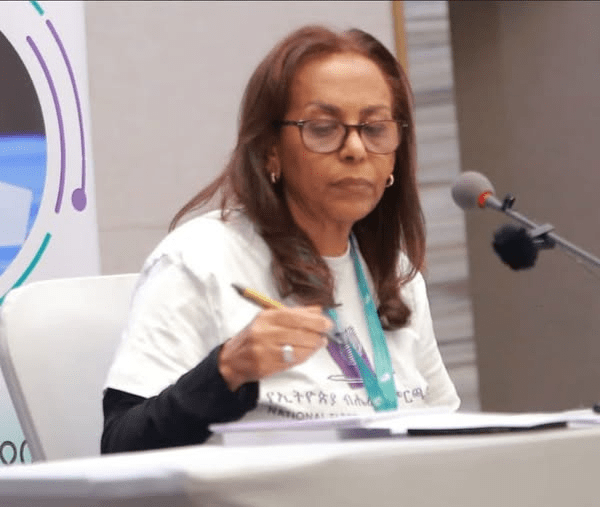
As voters lined up under a heavy sky in the capital, the chairperson of the National Election Board of Ethiopia (NEBE) delivered a sobering update from behind a lectern at the Skylight Hotel. “Security concerns,” Chairperson Melatwork Hailu explained, have forced the complete closure of 143 polling stations across the Amhara and Oromia regions. Their doors never opened.
But the tally of disenfranchisement does not end there. In a separate, more chaotic category, an undisclosed number of additional stations managed to open only to be violently silenced, forced to shut their doors early as the security situation on the ground deteriorated.
The electoral map is now pocked with dark spots. In the districts of Kersa, Kutaber, Gilolopa, and Gosache, voting began with the morning bell only to be interrupted by unseen threats. For the citizens there, the act of democracy was reduced to a waiting game—one that, by late afternoon, appeared lost. It remains unclear exactly how many voters will be unable to cast their ballots, their civic voices swallowed by regional instability.
Melatwork tried to offer a counterpoint of resilience amid the disorder. Of the more than 52,000 polling stations erected across the sprawling federal landscape, she noted, over 50,000 did open on time. Yet nearly 700 others suffered delays—not all from bullets or intimidation, but from the tangled knots of technology.
Across the country, long queues snaked around schoolyards and community halls, not just from enthusiasm but from frustration. Election officials pinned the sluggish pace on complications with the online voter registration data. In a nation still bridging the digital divide, the glitches led to hours of waiting, with fingers stained not by ink, but by restless anxiety.
The day, already heavy with political weight, took a tragic turn long before the polls closed. Melatwork disclosed that an election facilitator—one of the thousands of citizens who had volunteered to shepherd this democratic process—lost his life earlier today. He died not in a clash with security forces, nor at the hands of militia, but in a mundane yet devastating motorcycle accident in Enamorena Enayer, deep in the Gurage Zone.
He was, the chairperson noted quietly, simply trying to help.
As the sun sets on this seventh national election, the image that lingers is not of the ballots cast, but of the 143 doors that never opened—each one a silent referendum on whether, in parts of this country, peace can arrive before the next election day.
Daandii Ragabaa is a journalist based in Finfinne covering political and social affairs across Ethiopia.

Posted on June 2, 2026, in Aadaa, Bokkkuu, Election, Events, Finfinne, gender, Information, Media, News, Oromia, Press Release. Bookmark the permalink. Leave a comment.




 Advocacy for Oromia
Leave a comment
Comments 0