Category Archives: Oromia

Barak Mountain’s Irreechaa: A Spiritual Gathering for Peace and Gratitude

From the Highlands, a Prayer of Gratitude: Irreechaa Tulluu Unites Community on Barak Mountain
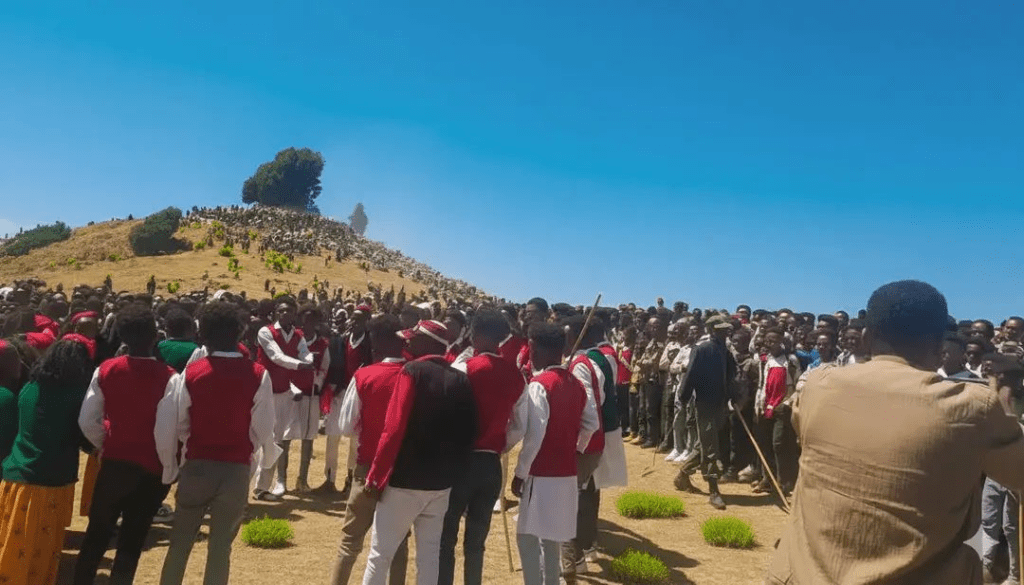
SANDAFAA BAKKEE, OROMIA – As the first light of the autumn sun crests the horizon, the slopes of Barak Mountain are already a tapestry of movement and color. Thousands of men, women, and children, dressed in the brilliant whites and intricate embroideries of traditional Oromo attire, ascend the paths in a serene, purposeful procession. They are not mere hikers; they are participants in one of humanity’s oldest and most profound rituals: offering thanks to the divine for life’s sustenance and praying for peace in the seasons to come. This is Irreechaa Tulluu, the hill festival, and on this day, Barak Mountain is its sacred stage.
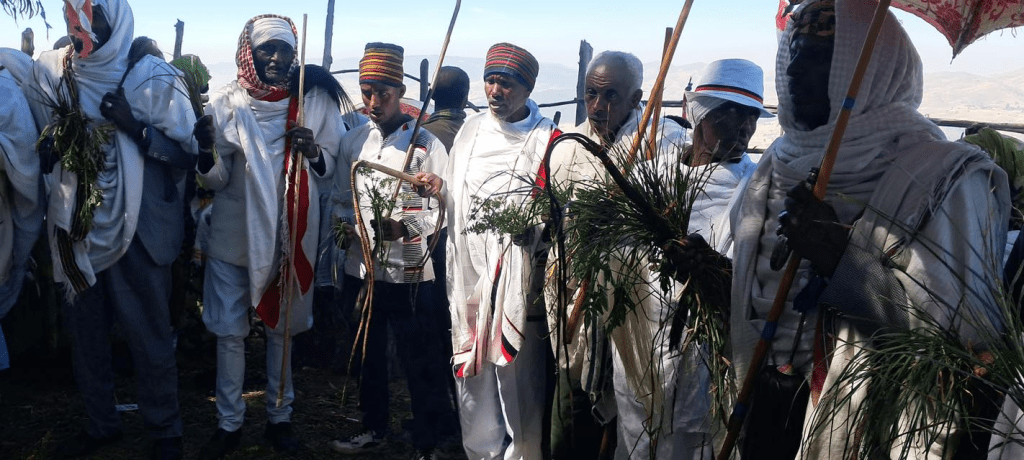
Irreechaa is not a single event but a bi-annual dialogue with nature, deeply embedded in the Gadaa system’s ecological wisdom. The first, Irreechaa Arfaasaa, celebrated at riversides in early October, welcomes the rainy season—a festival of renewal, cleansing, and thanksgiving for the promise of life. The second, unfolding now in the crisp autumn air, is Irreechaa Tulluu. As the harvest is gathered, the community climbs to the high places, turning gratitude into a physical act of ascent, symbolizing a spiritual upliftment and a reflective review of the passing year.
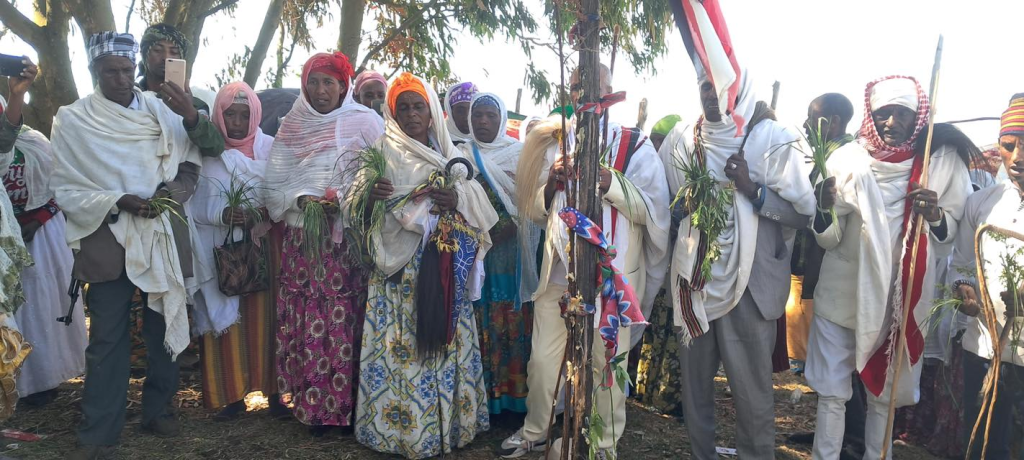
This season, the community of Sandaafaa Bakkee has transformed Barak Mountain into a breathtaking open-air temple. Led by revered elders, or Hayyus, who carry staffs of authority and centuries of tradition, the people climb. The air fills with the sound of communal prayer, traditional Geerarsa (praisesongs), and the soft murmur of individual supplications. At the summit, the focal point is not an altar of stone, but a shared spiritual intention. Participants bring fresh green grasses and flowers, symbols of peace and prosperity, offering them as tokens of gratitude to Waaqaa (the Creator) for the blessings of the past year and as prayers for harmony and abundance in the next.
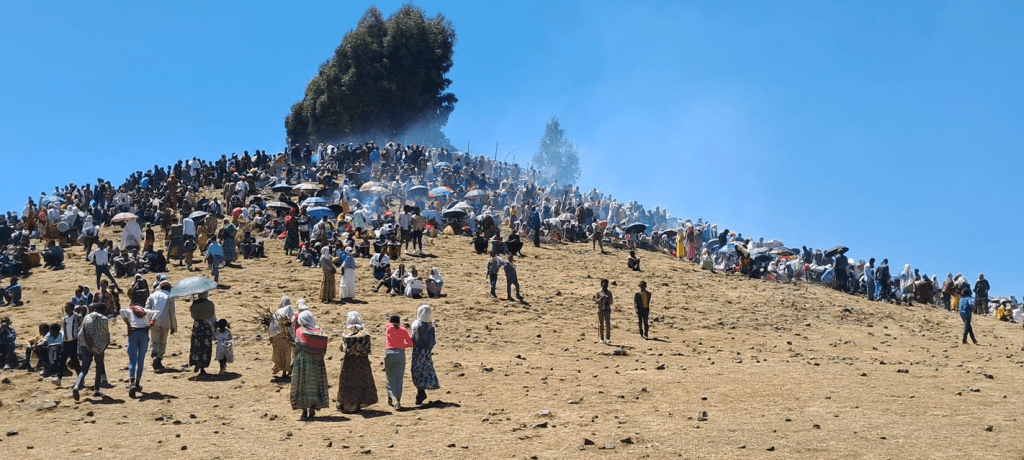
“This mountain is our church, our mosque, our most sacred space,” explained Elder Gammachuu Roba, pausing during the ascent. “When we climb together—young and old, from all walks—we are doing more than celebrating. We are reaffirming our bond with Waaqaa, with our ancestors, and with each other. We pray for nagaa (peace) because without peace in our hearts, our communities, and our environment, no prosperity can take root.”
Beyond its profound spiritual core, Irreechaa Tulluu is a vibrant celebration of Oromo identity. The mountain slopes become a living museum of culture. The air resonates with the rhythms of the kebero drum and the strings of the kirar. Young men engage in spirited waa’ee (verbal jousting), showcasing wit and wisdom, while circles form for traditional dance. It is a powerful, collective assertion of a culture that has endured, adapted, and thrived.
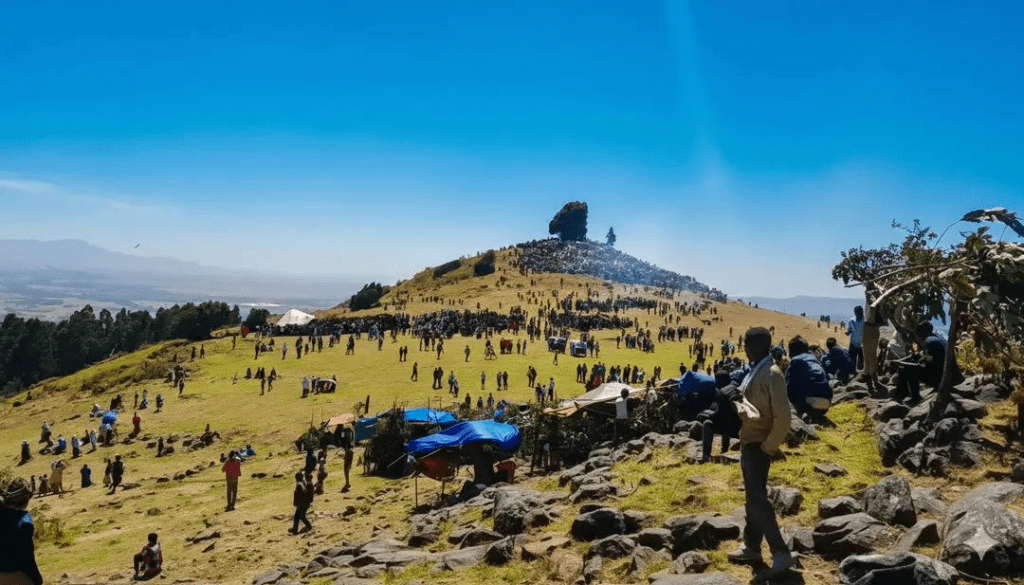
For observers and visitors, the festival offers an unparalleled immersion into the “timeless richness of Oromo culture,” as promoted by the Oromia Tourism Bureau. It is a chance to witness a living tradition where faith, ecology, and community are seamlessly woven together. As the sun sets on Barak Mountain, casting long shadows over the departing crowds, the feeling left behind is one of collective catharsis and renewed hope. The prayers for peace, whispered from the highlands, are carried on the wind, a timeless echo from a people forever rooted in their land and their gratitude.
#Irreechaa #IrreechaaTulluu #OromoCulture #BarakMountain #Oromia #LandOfOrigins #Ethiopia #CulturalHeritage

Oromia Peace Institute: Bridging Dialogue and Community Action
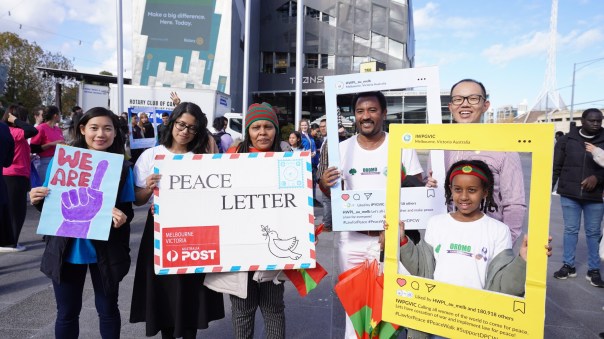
An Oromia Peace Institute is necessary to provide a permanent, professional, Oromo‑centered hub for conflict analysis, dialogue, and peace education that can guide political and community actors out of the current cycles of violence. It would connect Gadaa/Waaqeffannaa-based peace values, community experience, and modern peace-research methods into one institution that serves all of Oromia and contributes to Ethiopia-wide settlement efforts.
Current gaps in Oromia
Studies on Oromia’s security show there is no clear, comprehensive regional peacebuilding framework, and indigenous Oromo mechanisms like Gadaa, Abba Gadaa, and Siinqee are not systematically used in present peace processes. Existing initiatives are often short-term projects run by NGOs or ad‑hoc committees, so lessons are lost, coordination is weak, and there is no single reference body for evidence-based advice on the Oromia conflict.
What such an institute would do
An Oromia Peace Institute could systematically collect data on conflicts across zones and woredas, produce regular trend analyses, and advise government, parties, elders, and civic groups using rigorous and locally grounded research. It could design and support community-led dialogue processes that elevate elders, women, and youth, similar to participatory action research and dialogue models already piloted in Oromia by partner organisations.
Linking tradition and modern peacebuilding
Research highlights the relevance of Gadaa peace principles and Oromo customary institutions for conflict transformation, but these are not yet meaningfully integrated into formal policy and security structures. A dedicated institute could document Gadaa and Siinqee peace norms, train mediators and local officials in their use, and translate them into practical tools for modern governance and inter-ethnic conflict management.
Supporting political dialogue and long-term settlement
Recent calls for inclusive dialogue on Oromia’s crisis by Oromo political forces underline the need for neutral, credible technical support: mapping stakeholders, designing dialogue processes, and monitoring agreements. An Oromia Peace Institute can play this technical and moral support role, helping transform elite bargains into people-driven processes that include displaced communities, victims, women, and youth, and feeding Oromia’s experience into any broader Ethiopian peace architecture.

Inclusive Dialogue: A Path to Stability in Oromia
Dialogue for peace in Oromia is urgently necessary and important now due to the escalation of conflict, human suffering, political fragmentation, and the need for a sustainable solution that addresses the root causes of instability. Inclusive, genuine dialogue is widely regarded by local stakeholders and observers as the only viable path out of the region’s armed stalemate, offering practical hope for peace, stability, and a just social order in Oromia and how it impacts Ethiopia as a whole.
Ongoing Conflict and Humanitarian Crisis
Oromia has experienced years of sustained violence and insecurity, leading to widespread deaths, displacement, and destruction of livelihoods. The continuing armed conflict between government forces and various Oromo groups—including the Oromo Liberation Army (OLA), Oromo Liberation Front (OLF), and others—has created humanitarian emergencies that cannot be solved militarily. Dialogue is the best hope to stop violence, protect civilians, and facilitate humanitarian access.
Failure of Military Solutions
Attempts by both government and rebel groups to win militarily have failed, resulting in a costly stalemate. Neither side is able to impose full control, and the persistence of conflict only prolongs instability and lawlessness. This situation leaves ordinary people vulnerable to violence, displacement, economic hardship, and rights abuses—further underscoring the need for dialogue as the only realistic solution.
Addressing Root Causes for Lasting Peace
Dialogue allows stakeholders to negotiate on the fundamental grievances underlying the conflict, such as political marginalization, land and cultural rights, governance, and access to resources. Unlike purely military approaches or ad-hoc deals, a principled, inclusive dialogue can result in structured frameworks for ceasefire, demobilization, political inclusion, and justice—laying the groundwork for sustainable peace.
Building Oromo Political Unity and Legitimacy
The recent joint call for dialogue from major Oromo political actors (such as the OLF and OFC) signals rare unity and demonstrates political maturity. It strengthens the Oromo bargaining position, fosters legitimacy among communities, and creates credible partners for both national and international peace initiatives. Joint action also reassures the public that elites are willing to move beyond division for the common good.
Centrality to Ethiopia’s Stability and Development
With Oromia being Ethiopia’s most populous and politically strategic region, instability here has direct consequences for the country’s overall peace, governance, and development. Inclusively resolving issues in Oromia through dialogue helps promote national unity, prevent spillover to other regions, and address longstanding injustices that, if left unresolved, threaten wider state collapse or fragmentation.
Responding to Public and International Pressures
There is increasing demand from Oromo communities, civil society, and the international community for dialogue and peace. Public support for dialogue puts pressure on political leaders to prioritize negotiation over violence, further legitimizing peace efforts and expanding opportunities for accountability, truth-telling, and healing.
Conclusion
The necessity for dialogue in Oromia today is dictated by the urgent need to save lives, restore social trust, enable humanitarian relief, and build credible structures for democracy, justice, and lasting peace. Only through principled, inclusive discussions that address core grievances can Oromia—and by extension, Ethiopia—move beyond cyclical violence toward a future of stability and shared development.
Significance of the Gaammee Gurguddaa in Oromo Culture
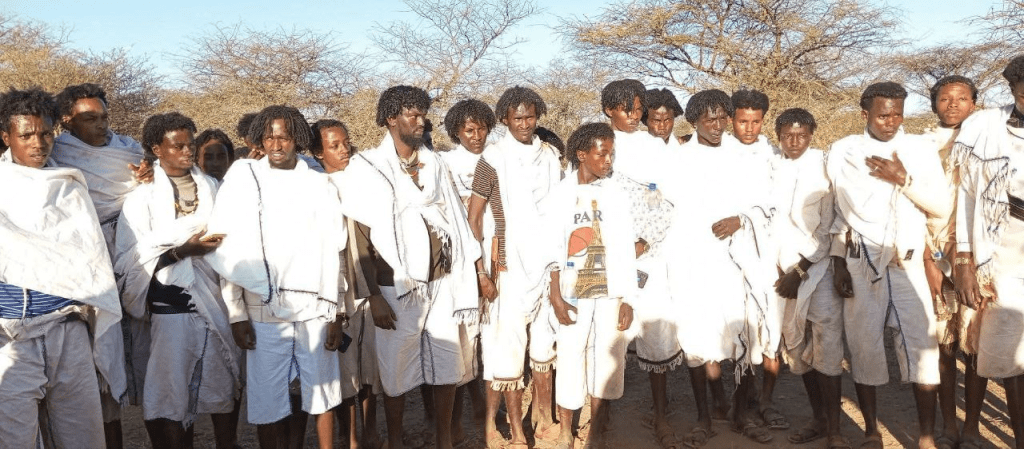
Borana Gaammee Gurguddaa Gather in Gayo Village for Traditional Rite of Passage
The Gadaa system, the foundation of Oromo culture, traditions, and governance, guides every Oromo child through distinct stages of development. This long-term process, known as Gadaa, is dedicated to acquiring, nurturing, and preparing successive generations for leadership.
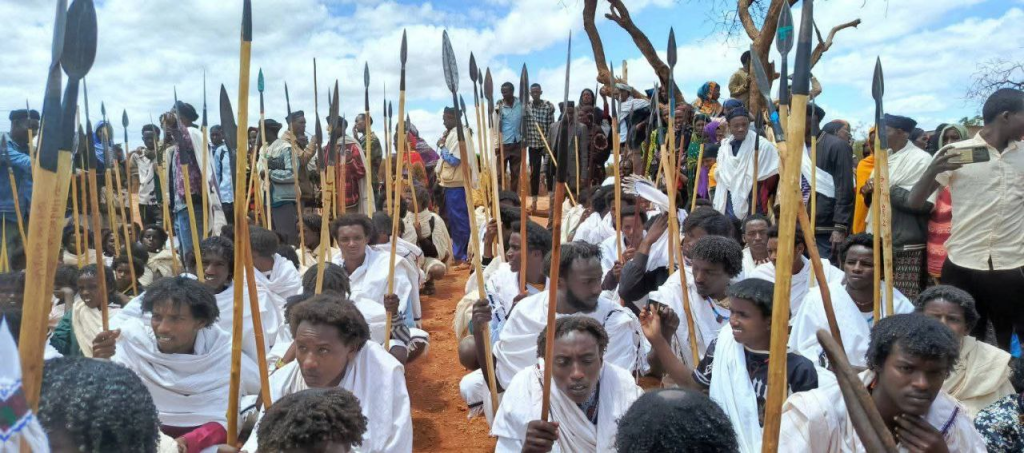
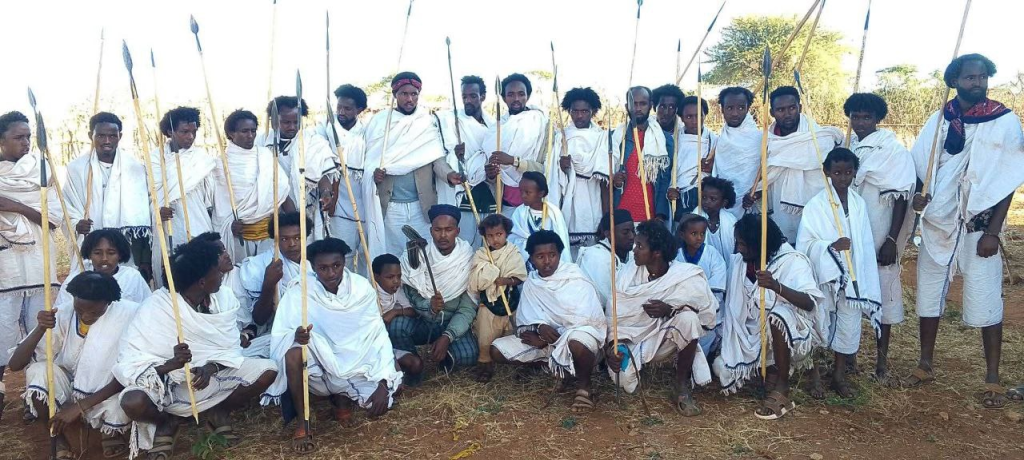
A significant transition within the Borana Gadaa system is the progression from the Gaammee Gurguddaa stage to the Kuusaa. Before this advancement, children in the Gaammee Gurguddaa grade from various regions convene in a ceremony known as Walargii.
Bonayaa Diidoo, leader of the traditional Sona group at the Oromia Bureau of Culture and Tourism, explained to Fana Digital that Borana children of this age group, including those from Kenya, gather at Gumii Gaayyoo with their fathers’ support.
The primary purpose of the Walargii is for the Gaammee Gurguddaa of the same gogeessaa to meet, learn from one another, and build relationships. A further objective is to instill respect for the people’s laws, customs, and ethics, thereby strengthening communal unity. This gathering occurs once every eight years.
During the three-to-four-day ceremony, the community hosts and feeds the Gaammee Gurguddaa from the moment they begin their journey. At the Gayo Gumii, the Abbootii Gadaa and Abbootii Seeraa formally identify the children as being in the same leadership cohort and introduce them. The meeting takes place at the ancestral home of the former Abba Gadaa Guyyoo Gobba, where a ritual blessing is performed.
The Walargii ceremony serves as the first chapter in a major program, culminating in a second stage known as the “Feeding Ceremony” approximately ten months later.
For about five months following the Walargii, the Gaammee Gurguddaa undergo intensive training, refusing to return home. They immerse themselves in the people’s customs, traditions, and ethics. During this period, they sustain themselves solely on the meat and blood of animals, do not enter houses, and abstain from washing their bodies or clothes. They go barefoot, enduring these challenges to practice the rigors of traditional life.
When the time arrives according to the traditional calendar, the Gaammee Gurguddaa reunite with the Abbootii Gadaa, Luboota, and jaarrolee for the grand “Feeding” ceremony. While a feast is central to the event, it is also a forum for significant challenges and evaluations.
The trainees compete and are rigorously assessed on their physical strength, understanding of Gadaa rule, and public speaking skills. The most successful individual among the Gaammee Gurguddaa is selected by the elders and the public to be groomed as a future Adula Council Scholar. They are blessed and gains recognition throughout the tribe, and when he comes of age, he will become a Gadaa leader and receive the baallii (sceptre).
Recently, the Gaammee Gurguddaa of Borana Gayo convened for their Walargii in the Dhas District of the Eastern Borana Zone.

Commissioner Lelise Dhugaa: A Catalyst for Oromia’s Tourism
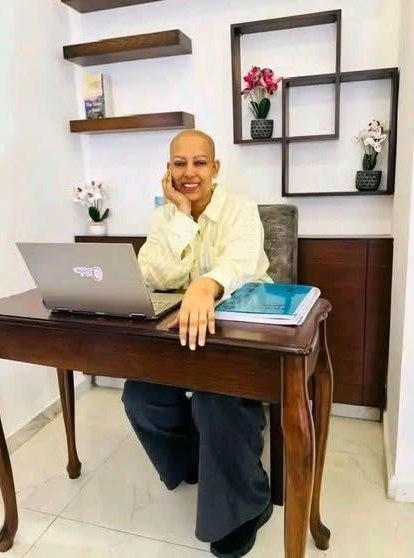
Commissioner Lelise Dhugaa is more than a leader; she is a transformative force. Her legacy in establishing and advancing Oromia’s tourism sector is a testament to her vision, intellect, and unwavering dedication.
Her Key Achievements Include:
- Founding a New Sector: She was the first to prepare and submit the proposal for the establishment of the Oromia Tourism Commission. Her idea was not only accepted but successfully realized.
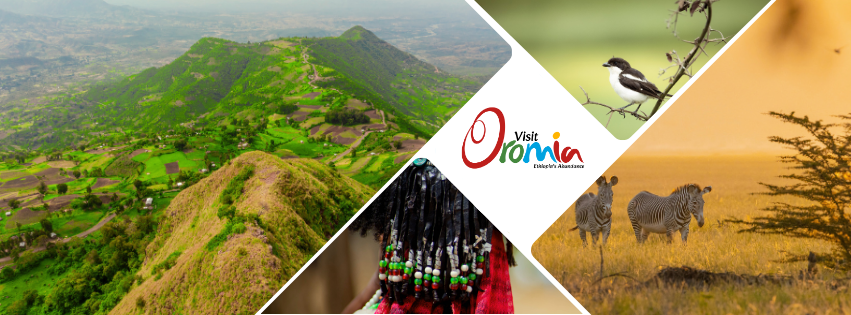
- Launching “Visit Oromia”: Under the new commission, she launched the “Visit Oromia” initiative. This platform brought unprecedented attention to natural wonders like the mountains of Bale, Salale, Arsi, and Iluu Abbaa Boor, as well as the Suba Forest.
- Unifying Professionals: She successfully mobilized a wide range of experienced professionals—including cameramen, media experts, artists, and models—from both public and private sectors to collectively promote Oromia.
- Creating a Cultural Symbol: She institutionalized “Oromia Tourism Week” to precede the annual festival, featuring panel discussions and promotional events. This initiative created new opportunities, encouraging Oromo girls to develop skills in beauty and modeling through a celebrated annual competition that promoted Oromia’s culture.
- Promoting Hidden Gems: Countless previously unknown natural and artificial parks across Oromia were identified and promoted to a wider audience.
- Recognizing Contributors: She ensured that the camera professionals, park guards, tour guides, drivers, and artists who played a crucial role in showcasing Oromia’s image and beauty were recognized and celebrated, setting a precedent for future generations.
- Elevating Oromia Globally: Through her work, the God-given heritage, tourist attractions, culture, and identity of the Oromo people have gained recognition on the world stage. The resulting tourism income has directly benefited our region.
- Driving Development: Her office identified, researched, and promoted hidden tourist attractions, linking tourism directly to infrastructure development.
- Securing UNESCO Recognition: She played a major, indispensable role in the UNESCO listings for the Bale Mountains, Irreecha, and the Gada System over the past five to six years.
Commissioner Lelise is not only a skilled leader but also a woman of profound wisdom. Academically, she is a formidable intellectual. In a country where establishing a new commission is a monumental challenge, she not only created a new sector but achieved 101% success.
Overall, Commissioner Lelise Dhugaa has firmly established Oromia as a center of tourism. She successfully redirected tourist traffic that once flocked only to the north, ensuring our region received its rightful share of attention. For this, this generation praises and thanks her.
She is a strong woman whose discipline and honor reflect the dignity of all Oromo mothers. Though I do not know her personally, she carries the grace and strength of my own mother—a person whom Allah has adorned with every virtue.
I was profoundly shocked to learn of her illness. Mom… we need you. You are more valuable to Oromo and Oromia than gold. We pray for your swift and complete recovery, so you may finish the vital work you have started. May no evil befall you. May God restore you to perfect health.
For further info visit: https://www.facebook.com/visitoromia

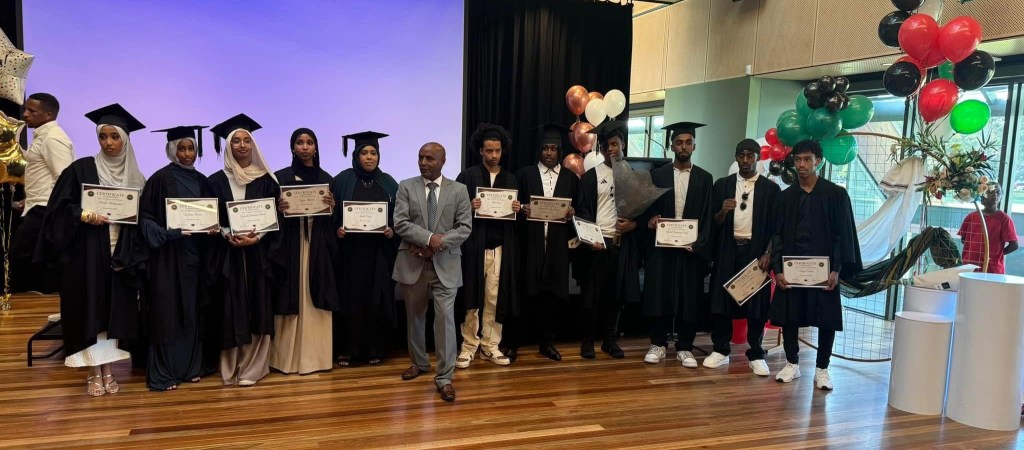
Oromo Graduation Day: Celebrating Academic Success in Australia
By Daandii Ragabaa
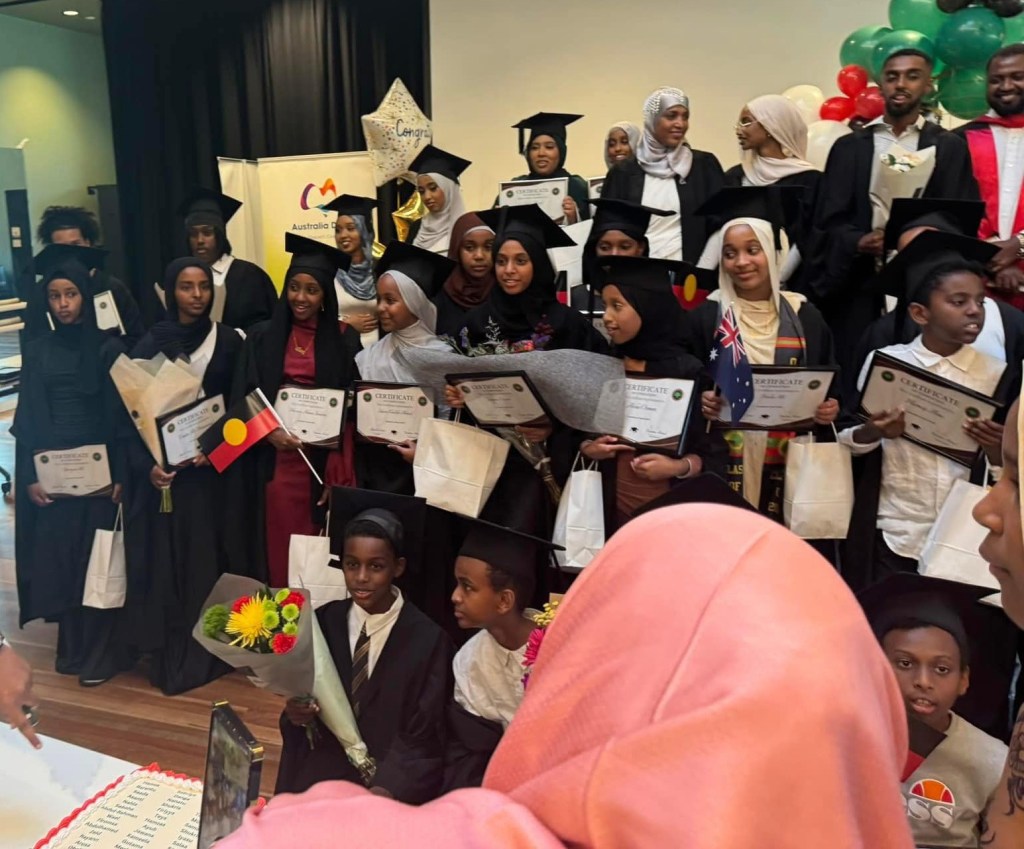
The Oromo Graduation Day is a significant event for the Oromo community in Australia, particularly for Oromo students. It serves as a platform to celebrate academic achievements, foster unity, and inspire the younger generation. Here are some ways it motivates and brings Oromo students together:
1. Celebration of Achievements: The event recognizes and honors the hard work and success of Oromo students, providing them with a sense of pride and accomplishment. This recognition can be a powerful motivator for both the graduates and their peers.
2. Community Support: It strengthens the sense of community among Oromo students, offering them a network of support. This camaraderie can be crucial for students who may feel isolated or face challenges in their academic journey.
3. Cultural Connection: The event often includes cultural elements, such as traditional music, dance, and food, which help students stay connected to their heritage. This cultural affirmation can boost their confidence and sense of identity.
4. Role Models: Graduates serve as role models for younger students, showing them that academic success is attainable. Hearing the stories and experiences of those who have succeeded can inspire others to pursue their educational goals.
5. Networking Opportunities: The event provides a platform for students to network with each other, as well as with professionals and community leaders. These connections can be valuable for future academic and career opportunities.
6. Encouragement and Motivation: Speeches and presentations during the event often focus on the importance of education, perseverance, and community involvement. These messages can motivate students to stay focused on their studies and strive for excellence.
7. Unity and Solidarity: By bringing together Oromo students from different universities and regions, the event fosters a sense of unity and solidarity. This collective spirit can be empowering and reassuring, especially in a foreign country.
Overall, the Oromo Graduation Day plays a crucial role in motivating Oromo students, celebrating their achievements, and strengthening their bonds as a community in Australia.

Seenaa Girmaa Gamadaa: Fakkeenya Toleeyyummaa
Girmaa Gamadaa akkamitti yaadanna?

Girmaa Gamadaa Oromiyaa keessatti dhalatee guddate. Yeroo umuriin isaa dargagoometti garuu lammii isaa akka tajaajiuuf haalli siyaasaa ture hin hayyamneef. Fedhii fi dharraan waa’ee Oromoo fi Oromummaa guddisuu garuu isa biraa hin dhabamne. Inumaayyuu dharraan toleeyyummaa kun Girmaa waliin biyyaa bahee fakkeenya toleeyyummaa Oromoo ta’e.
GIRMAA GAMADAA: Fakkeenya Toleeyyummaa Oromoo
Toleeyyummaan aadaa tola hawaasaaf hojjachuu dha. Aadaan kun hojiilee hawaasaa fi biyya fayyadu hojjachuu dha. Namoonni hundi dandeettii toleeyyummaa qaban; garuu namni hundi jiruu fi jireenya ofii bira darbe kan hawaasa biraa fayyadu hin hojjatu. Namootni kennaa kana waliin dhalatan garuu of dhoksuu hin danda’an. Hiree kana yeroo argatan waan saba isaanii beeksisuu fi guddisu hojjachuu jalqabu.
Namoota Oromoon akkanatti qabaatee ture, yeroo gabaabaa keessatti dhabe Girmaa Gammadaa akka fakkeenyaatti ilaaluu dandeenya. Girmaan biyya Oromiyaa irraa sababa siyaasaatiin dhiibamee biyya baqannaa Keeniyaa, Naayiroobii, keessa jiraatee ture. Sana booda biyya Kanaadaa, magaalaa Torontoo keessatti qubate.
Yeroo san irraa kaasee hanqina Oromoo karaa beeksisaa fi odeeffannoo jiru furuuf hojii jalqabe. Yeroo gabaabaa keessatti sirboota Oromoo karaa addaddaa beeksisuu, postara addaddaa hojjachuun akka guddatan taasise. Hawaasa keessattis beeksisa ayyaanotaa fi taatotaa qopheessuun akka beekamu gochaa ture. Waldaalee Oromoo addaddaaf beeksisa hojjachaa ture. Waldaan Waaqeffannaa akka beekamuu fi guddatu dhaadhessa hedduu qopheessuun qooda guddaa gumaache. Ayyaanni Irreechaa akka sadarkaa addunyaatti beekamuu fi guddatu gahee olaanaa gumaachaa ture. Ijaarsa Oromoo kan akka OMN, waldaa ispoortii fi ijaarsa hawaasa Oromoo mara keessatti hirmaataa ture. Seenaa qabsaa’ota Oromoo kan akka Jaal Bureyesssoo fa’aa akka ummanni Oromoo beekanii fi faan-dhahii isaanii hordofaniif hojii bu’ura qabu hojjachuun yaadatama.
Jawaar Mohaammad gumaacha Girmaa OMNf godhe of kennuu ol’aanaa ta’uu yaadateera. “Boqonnaa Girmaa Gammadaa dhaga’uun gaddisiisaa dha. Hiriyaa dhugaa fi tajaajilaa ofittummaa hawaasa keenyaa dhabneerra. Girmaan namoota kutannoo fi wal irraa hin cinne waggoota kurnan oliif waliin hojjechuuf mirga argadhe keessaa tokko ture. Guyyaa tokko irraa kaasee, bu’aa ba’ii hunda keessa nu waliin ture. Nagaa siif haa boqottu obboleessa. Maatii isaa fi hawaasa Toroontootiif jajjabina onneen qaba.”
Girmaan erga Oromiyaa irraa dhufee waggoota 20 dura jechuun ni danda’ama, filannoo nyaata galaanaa irratti mala michuu fi odeeffannoo qabuun maamiltoota tajaajilaa tureera.
Girmaan dhukkuba ALS (Amyotrophic Lateral Sclerosis ykn Lou Gehrig’s disease) jedhamu kan baay’ee hin mul’anne fi jireenya namaa jijjiiru qabamee ture. ALS dhukkuba niwurooloojikaalaa kan niwuroonota sochii qaamaa miidhudha; motor neurons seelii narvii sammuu fi lafee dugdaatti sochii maashaalee fedhii isaaniitiin to’atanidha. Qorannoo kun Girmaan kana booda akka durii hojjetee maatii isaa guutuu hin danda’u jechuudha.
Kana booda hojii tola ooltummaa Giddugala Hawaasa Oromootiif graphic designer ta’ee itti fufuus ta’e fedhii suuraa isaa hordofuu hin danda’u jechuudha. Girmaan dandeettiin suuraa ka’uu isaa Maraatoonii Toroontoo Waterfront, Afrofest Toronto fi African Fashion Week Toronto irratti uwwisa isaa irratti mul’ateera.
Girmaan dhukkuba narviitiin wal’aanamaa ture. Haa ta’u malee yaalaan fayyuu hin dandeenye. Adoolessa 4,2024 addunyaa kanarraa boqote. Girmaan abbaa mucaa tokkoo ture; haadha warraa fi mucaa isaatiif jajjabina hawwina.
Namoota akka Hawwinee Alamayehutiif Girmaan gorsaa obbolummaa ture.”Sabboonaa, ogeessa cimaa, goota namaa, anaaf obboleessa gaarii ofii irraa si dhabuun gadda jabaa jechaa ol ta’edha.”
Girmaan nama guddaa karaa hedduun jabaa ture. Bu’aa ba’ii Girmaa Gamadaa hawaasa biratti akka gaariitti yaadatamu Tulluu Liiban ragaa ba’aniiru. “Waggoota kurnan 2 darban hojiiwwan kalaqaa isaatiin kaayyoo Oromoo beeksisuuf urjii ifaa ta’ee kan ture Girmaa Hordofaa Gemeda, yeroo malee Ameerikaa Kaabaa keessatti du’aan addunyaa kanarraa boqote, dhibee isaa irraa ni fayya jedhee abdate bira darbee Kan nama dhibu ilmi namaa gad of qabuu fi qulqulluun kun hin jiru.”
Dandeettii hojiiwwan isaa tolaan fedhiidhaan agarsiisaa tureera. Kana malees Girmaan meeshaalee maxxanfamuu danda’an kanneen akka T-Shirt, caps, banners, artifacts, logos etc. dizaayinii fi gulaaluu kooreegiraafii fi suuraa irrattis gumaacha godheera Girmaan Oromo keessatti taateewwan barbaachisoo ta’an hedduu galmeessee jira. Gumaacha gatii guddaa fi kutannoo umurii isaa guutuu ummata Oromoof kenneen dhabame.”
Girmaan har’a nu waliin hin jiru. Hojiin toleeyyummaa isaa bara baraan nu waliin jiraata. Namoonni akka Birhaanuu Olaanaa ogeessa Oromoo baay’ee of kenne ta’uu yaadatu.
“Girman ilma Oromoo cimaa ture. Ogeessota akkanaa yeroo barbaannu halkanii guyyaa nu gargaaraa akka ture ogeessa kaameeraa fi giraafiksii cimaa turee fi takkaa kaffaltii nu gaafatee hin beeku; kaffaltii tajaajila isaaf kaffalu.”


OROMIA: OSG Releases its 53 Reports on Human Rights Violations in Ethiopia
In a new report 53, OSG documents how security forces committed grave human rights violations in the country.
The most significant human rights issues included: arbitrary deprivation of life, disappearances, torture and other cruel, inhuman or degrading treatment by security forces; harsh and life-threatening prison conditions; arbitrary arrest and detention by security forces; denial of a fair public trial; infringement of privacy rights; restrictions on freedoms of speech, press, internet, assembly, association, and movement; and lack of accountability.
The government generally did not take steps to prosecute or otherwise punish officials who committed human rights abuses.
OSG has now recorded 1134 extra-judicial killings of civilians by government forces since three students were shot dead in Jimma Agaro in October 2018.
Read the full report from the bottom link!
oromia-support-group-human-right-report-number-53Download
Interview with Dr Trevor Trueman, OSG chairman, regarding OHRG Conference 2020
OHRG, a recently set Human Rights group, has organised a two-days public conference to be held on October 24 & 25, 2020.
The theme of the Forum will be “Human Right Crisis in Transition”.

Appeal letter to UN et al

October 15, 2020
From:
Human Rights Organizations and Civic Institute
Contact email: Globaloag@gmail.com
To:
The United Nations High Commissioner for Human Rights
Palais Wilson – 52, rue des Pâquis
CH-1201 Geneva, Switzerland
E-mail:ccpr@ohchr.org
The African Commission on Human and Peoples’ Rights
31 Bijilo Annex Layout, Kombo North District
Western Region P.O. Box 673 Banjul, The Gambia
E-mail: au-banjul@africa-union.org ,
africancommission@yahoo.com
European Commission
Rue de la Loi / Wetstraat 170
B-1049 Bruxelles/Brussel
Belgique/België
Email: eric.mamer@ec.europa.eu
International Committee of the Red Cross
19 Avenue de la paix
1202 Geneva, Switzerland
Eamil: press@icrc.org
Committee to Protect Journalists
P.O. Box 2675
New York, NY 10108
Email: info@cpj.org
CC;
Amnesty International, East Africa
Riverside Studios, PO Box 1527, 00606 Sarit
Centre, Nairobi, Kenya
contactus@amnesty.org
Human Rights Watch
350 Fifth Avenue, 34th floor
New York, NY 10118-3299 USA
hrwpress@hrw.org
The Genocide Watch
S-CAR, George Mason University. 3351
North Fairfax Drive, MS4D3
Arlington, VA 22201
communications@genocidewatch.org
We, the undersigned Human Rights Organizations and civic institutes, write this letter to you out of grave concern with the current political and constitutional crises in Ethiopia and the foreseen human catastrophe. International human rights organizations like Amnesty International and various National and International media outlets have reported that the Ethiopian government has continuously engaged in massive human rights violations*.
some of which may, in fact, amount to genocide. The rule of law has never shone in Ethiopia both in its literary meaning as well as the politico-legal context. Arbitrarily arresting citizens and dictatorial rule have remained the hallmarks of the Ethiopian rulers for more than one hundred and fifty years. The people of Ethiopia, particularly the Oromo people and people of the Southern Nations and Nationalities, however, continue to yearn for democratic governance.
The fall of the barbaric feudal system in 1974 that was in place since the 1940s gave way to the military junta that ruled Ethiopia with a brute force for 17 long years. The death of the military regime in 1991 paved a chance for a multi-ethnic coalition transitional government and a new federal structure meant to ease a century-long conflict and hegemony of a single ethnic culture. However, the bright light quickly dimmed when the TPLF acted to purge the OLF (a major Political Organization representing the Oromo people) out of the transitional government, paving a way for a protracted war and continued marginalization of the Oromo people. The resistance waged by the OLF against the TPLF via armed struggle, clandestine resistance, and mass uprising eventually forced the EPRDF to kneel down, ending the hegemony of the TPLF in 2018. It also gave a golden opportunity for the emergence of individuals like the current Prime Minister, Abiy Ahmed, to usurp the movement from within under the guise of reform.
In the beginning, the PM presented himself as someone who has the will to chart a new path for the country. Internally, however, he was making pacts with those who adore old Ethiopia and vowing to restore the glory of the imperial system known for its racist and hegemonic strata – the single source of all evils stirring Ethiopia to this date. Given his public gesture and the desire of the mass in Ethiopia for change, many opposition political parties including the OLF consented to work with the regime on building a new path for the country and they showed their commitments by taking bold steps: declaring unilateral ceasefire, agreeing to demobilize their armed forces, and relocating their leadership from exile back to Ethiopia.
However, it did not take the Abiy government more than a few months to abrogate on these concessions and embark on the usual culture of intimidation of the leaders of the OLF, rounding up of their supporters, and subsequently, declaring a war of annihilation on the Oromo Liberation Army (OLA) that were in the process of demobilizing. Ever since, the supporters of the OLF and the Oromo people have been living under a constant threat of military command, abductions from their homes and workplaces, and being hoarded into premises with little or no facilities to house human beings. Numerous representatives of the OLF, prominent elders, intellectuals, and entrepreneurs have, therefore, fallen prey to Abiy Ahmed’s police state inherited from his time working for the TPLF.
The official tenure of Abiy Ahmed’s regime has also ended on October 5, 2020. Given the precarious state of affairs facing the country, the OLF has called for the establishment of a transitional government in Oromia. And this OLF call has gained popular support from the Oromo people both within and outside of the country.
However, it appears that the call has served as a de facto reason for the ire of the Abiy Ahmed government to be directed against the OLF and the Oromo people. The October 12, 2020, blatant attack by the Armed forces dispatched with the direct order of Abiy Ahmed on the OLF chairman, Mr. Dawud Ibsa is one such example and an alarming recipe for disaster in the country. When Mr. Ibsa’s home was raided, renowned Oromo elders, political figures, and community leaders along with some non-government affiliated media Journalists were also rounded up by Ethiopia’s federal police and security personnel with no court order.
Besides interrupting Mr. Ibsa’s media briefing related to the current political and constitutional crises in the country, particularly in Oromia, the Federal Police has arrested several of the participants including the Oromo elders and journalists and more than dozens of the Audiences of the media briefing were ordered to remain in house arrest. The same day, the Federal Police have also rounded up a fundraising event organized by the Oromo Relief Association (ORA) for humanitarian aid in Sebeta, a city located on the South West of Finfinne. There too, the Federal Police has arrested serval people, including Mr. Dechasa Nuguse, chairman of the Association, Mrs. Yerosan Takele, and Mr. Jaleta Abdissa, who were facilitators of the event. Three Journalists who were reporting the event have also been arrested.
We feel that the October 12, 2020 incidence on a peaceful gathering of people at a private residence of a major leader of a political organization constitutes state terrorism and is the making of a fascist act targeted at the Oromo people. We note that the attack on Mr. Dawud Ibsaa, a symbol of the Oromo political capital and an icon of endurance, resilience, principle, and resistance, is the last bell to ring before the canon goes loose in the country. Putting the very fact that Ethiopia (a country of over 110 million out of which the Oromo alone roughly constitute 50 million) cannot afford armed civil strife, therefore, we call upon;
1) all peace-loving countries, representatives, and the international community to help avert the looming crisis in Ethiopia by intervening as outlined in OLF’s press statement of September 13, 2020, that called for international arbitration of Ethiopia’s complex constellation of conflicts;
2) the UN, AU, EU, and major donor governments to the regime in Ethiopia to exert maximum pressure as they have the leverage to stop Abiy Ahmed’ killing spree and a mass crackdown from going awry;
3) the International community that has the leverage to help the call for a peaceful transition to succeed by providing the necessary material, financial, diplomatic, and security assistance to the national stakeholders as needed;
4) the international community to understand that inaction to this call may lead to the repeat of the carnage in the Balkans and the tragedy in Rwanda that occurred during the first half of the 1990s in both instances.
5) the international Human Rights Organizations to diligently follow the situation in Ethiopia, particularly in Oromia, and expose the human rights violations perpetrated by the Abiy government’s military and security forces.
Sincerely
1. Advocacy for Oromia
2. Global Oromo Advocacy Group
3. Horn of Africa Genocide Watch
4. International Oromo Women’s Organization
5. International Qeerroo Support Group
6. Oromo Parliamentarians Council
7. Oromo Political Prisoners Association
8. Oromia Support Group – Australia
9. United Oromo Christian Church of Australia
Here is the PDF format of the Appeal Letter: Appeal letter_GOAG_2020_4_10-16-20
* Ethiopia: “Beyond law enforcement” human rights violations by Ethiopian security forces in Amhara and Oromia
(https://www.amnesty.org/en/documents/afr25/2358/2020/en/)




 Advocacy for Oromia