Unity Among Borana, Guji, and Gabra: A Call for Strength
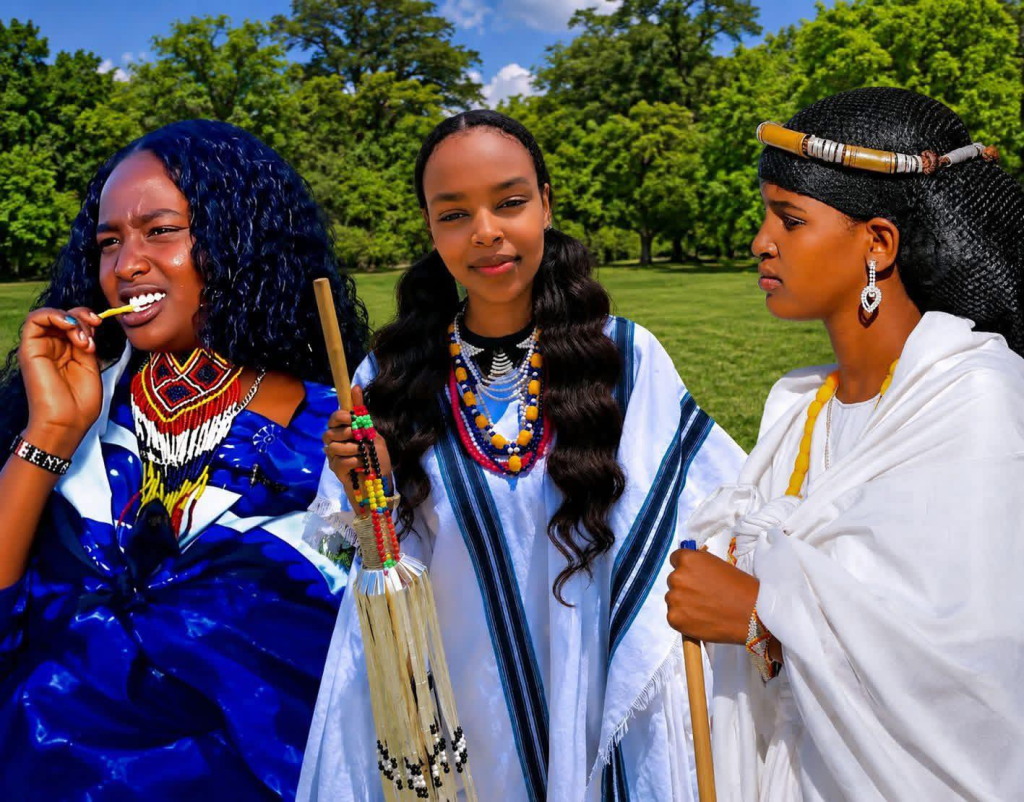
By Staff Reporter
In the vast, sun-scorched lowlands of southern Oromia and northern Kenya, where pastoralists have roamed with their cattle for centuries, three names are spoken with reverence: Borana, Gabra, and Guji. They are not merely neighboring communities. They are, in the words of a powerful new message circulating among Oromo communities, “ilmaan haadha tokkoo”—children of one mother.
Now, as political tensions and fragmented narratives threaten to sow discord across the Horn of Africa, elders, youth, and community leaders from these three groups have raised a collective voice. Their message is simple, ancient, and urgent: We are one.
“Warri ajandaa dhunfaa barbaachaaf, fixxi-fixxi jechaa uummata wal irraa qoqqooduu yaaltaan dhaabbadhaa ofi ilalaa,” the statement reads. “Those who seek personal agendas, speaking in fragments and trying to divide the people, should look at themselves.”
The declaration leaves no room for ambiguity. Borana, Guji, and Gabra are not separate nations. They are siblings—”qorii tokko keessaa nyaatu,” those who eat from the same bowl. They share ancestry, language, culture, and a profound bond of kinship that predates modern maps and political borders.
A History of Harmony, Not Hatred
The message acknowledges that misunderstandings may arise from time to time, often rooted in the complex history of past kingdoms and shifting governance. But it insists that there is no innate enmity between these communities.
“Wantii yeroo adda addaatti mul’ataa ture seenaa fi adeemsa mootummootii darban irraa kan madde malee, ummatoota kana gidduutti hammeenyii dhalootaan jiru tokkoo hin jiru,” the statement explains.
Translation: Except for what occasionally appears from the history and processes of past governments, there is no generational hatred between these peoples.
In other words, the divisions some seek to exploit are not born of tradition or blood. They are artifacts of political maneuvering—and they can be undone by conscious, collective will.
Rejecting False Narratives
The statement takes particular aim at what it calls “kashalabbee miidiyaa sobaatiin”—the lies spread through dishonest media. It warns against those who, disguised in the name of the people, spread suspicion and hatred, whether from inside or outside the community.
“Namoonnii muraasnii faayidaa dhuunfaa isaaniif jechaa gosa walitti buusuuf wixxiratan ni jiru,” the message concedes. Yes, there are a few who conspire to pit clan against clan for personal gain.
But the children of Borana, Guji, and Gabra know the truth. “Harka wal qabannee tokkoomnee dura dhaabbanna; waan waliin dhabne irratti mari’anna, waan wal dhowwanne nuu hin qabnu.”
They will stand together, united hand in hand. They will discuss what they have lost together. They have nothing they need to deny each other.
Unity is Strength
The message closes with a call that echoes across the generations: “Tokkummaan keenya humna keenya.” Our unity is our strength.
Respect, listening, and mutual support are not foreign concepts—they are tradition. “Wal kabajuu, wal dhaga’uu fi wal tumsuun aadaa teenna.”
Borana, Guji, and Gabra, the statement affirms, have lived together, grown together, and stood for each other—yesterday, today, and tomorrow. They are Oromo. They are children of one mother.
Tokko taanee haa jiraannu; Tokkummaan humna!
Let us live as one. Unity is strength.
—

Posted on June 2, 2026, in Aadaa, Bokkkuu, Events, Finfinne, gender, Information, Media, News, Oromia, Press Release, Promotion. Bookmark the permalink. Leave a comment.






Leave a comment
Comments 0