Gadaa Tradition Comes Alive: Jila Quufii Ceremony Held in Daamaa, Guji Zone
By Daandii Ragabaa
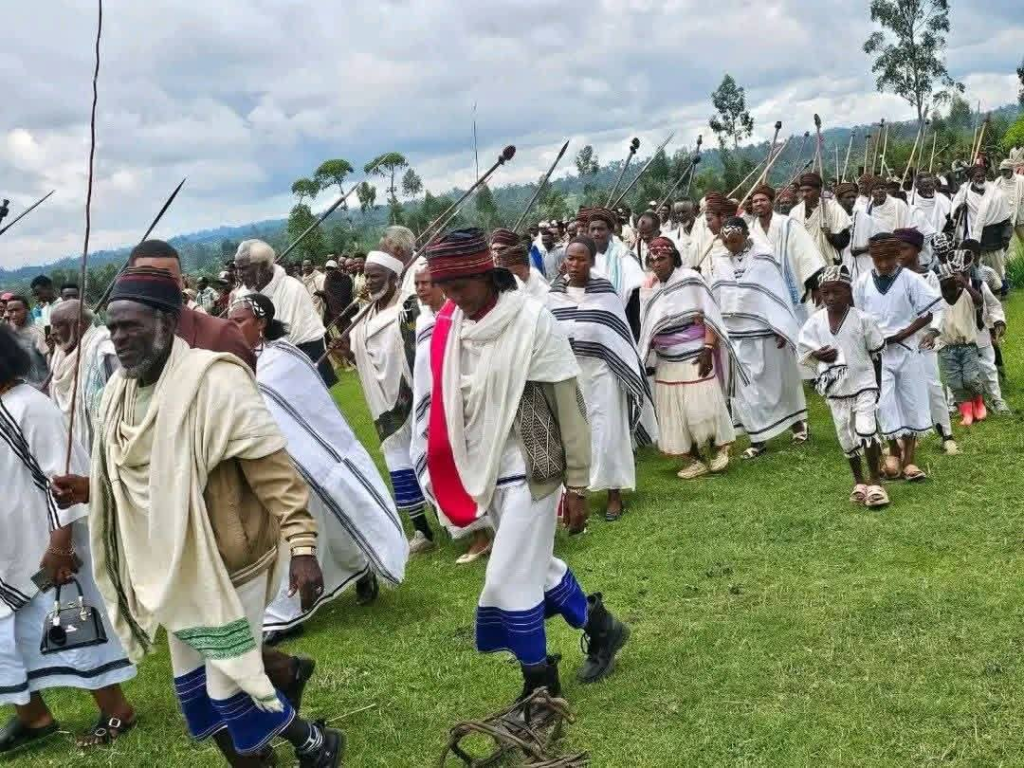
DAAMAA, GUJI ZONE – In the rolling highlands of Guji Zone, where the ancient rhythms of the Oromo Gadaa system continue to pulse through generations, a significant cultural ceremony known as Jila Quufii has been successfully conducted in the Daamaa district.
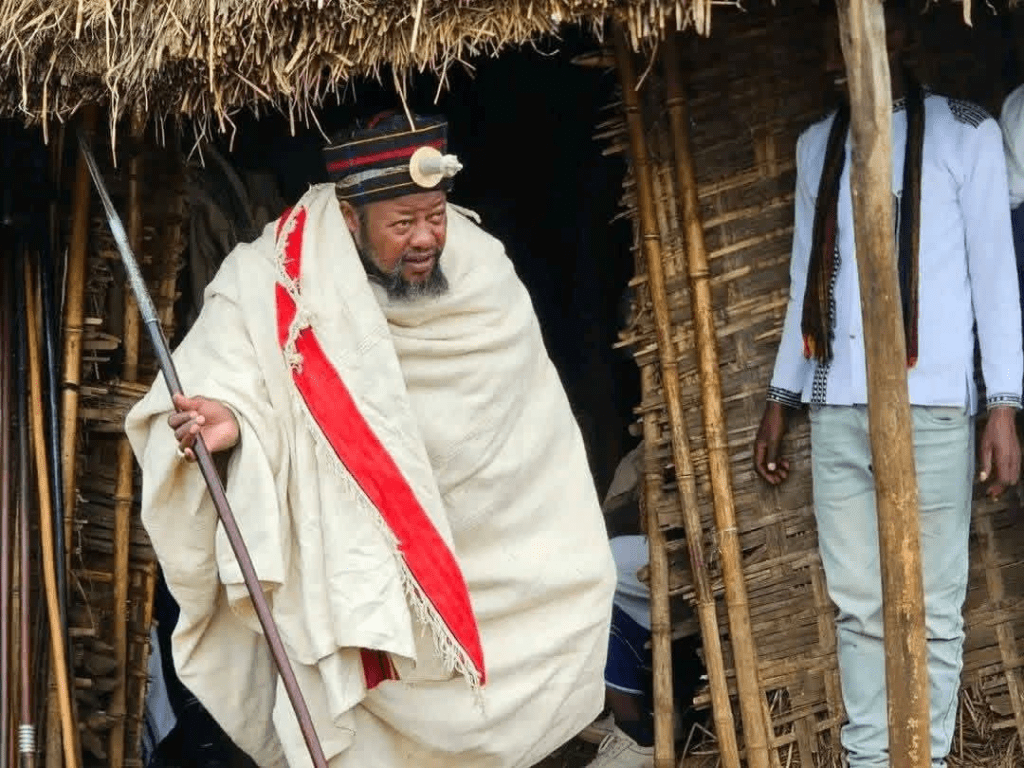
The event, a powerful reaffirmation of Oromo indigenous governance and spiritual practice, was led by the revered Abbaa Gadaa Uraagaa Jaarsoo. Under his guidance, the community gathered to perform the rites and rituals of Jila Quufii—a ceremony deeply embedded in the cyclical transition of Gadaa power.
A Government That Honors Tradition
What makes this year’s Jila Quufii particularly noteworthy is the evolving relationship between the regional government and traditional institutions. Officials from the Oromiya regional government, working within the framework of cultural renewal (Haaromsa Aadaa), have increasingly recognized the importance of respecting and promoting the Gadaa system.
According to sources present at the ceremony, the government has been actively working to ensure that Gadaa institutions (Sirnootni Gadaa) are honored and that the communities (Ardaaleen) that host Jila ceremonies are developed.
“The government’s journey of cultural renaissance is bearing fruit,” one elder observed. “The wealth that lies in our traditions is finally being fulfilled.”
Two Years of Teaching Through Travel
The Jila Quufii ceremony conducted in Daamaa is not a spontaneous event. It follows a deliberate, two-year process. The current Gadaa generation, known as Roobalee Baallii, received its mandate two years ago. Since then, they have not remained in one place.
Instead, the Abbaa Gadaa and his council have been traveling from one community (Ardaa) to another. This peripatetic journey has served a clear purpose: to teach the people. Through motion and encounter, the Gadaa leaders have been instructing the Oromo public in the values, laws, and spiritual principles of the ancient system.
“The mandate of Me’ee Bokkoo was received,” explained a participant, referring to the supreme Gadaa council. “And since then, the Abbaa Gadaa have been conducting Jila ceremonies across different communities. Their goal is to ensure that the coming generations return to the wisdom of culture, dignity (safuu), and mutual respect (safeeffannaa).”
More Than Ritual: A School of Life
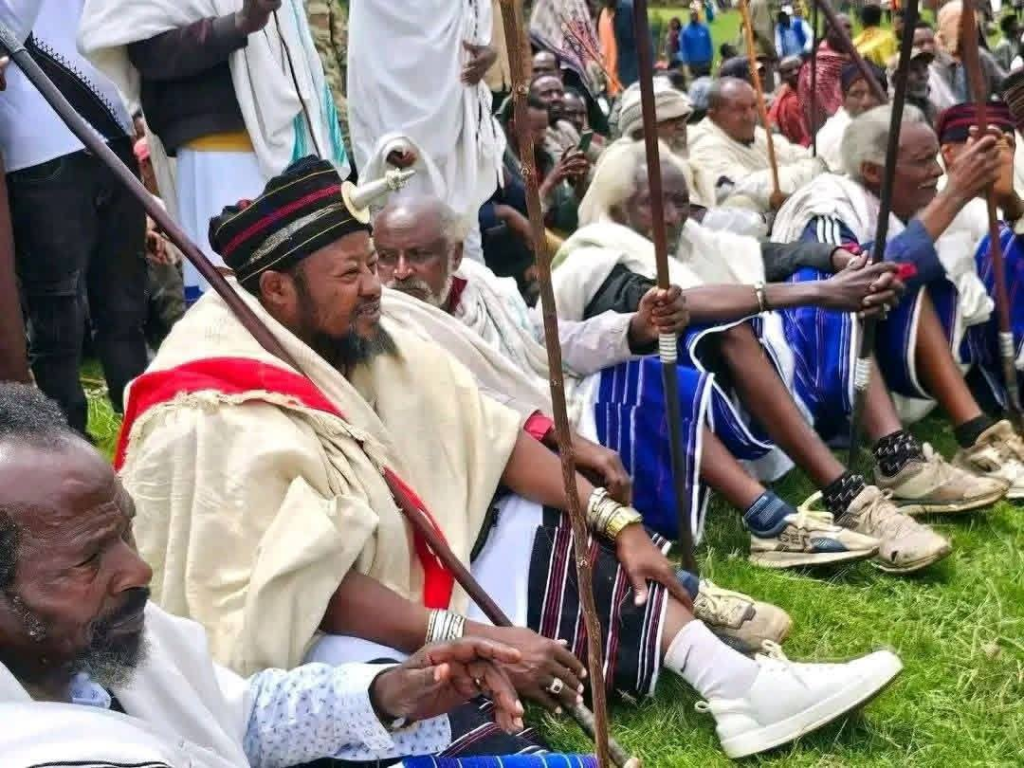
The Jila Quufii ceremony in Daamaa was not merely a spectacle of traditional dress and chanting. Those who conducted it focused deliberately on education through action (hojiin barsiisuu).
The key themes of the gathering included:
- Teaching culture (aadaa barsiisuu): Explaining the meanings behind rituals so the youth understand, not just observe.
- Promoting love and unity (jalaalafi tokkummaa dagaagsu): Emphasizing that Gadaa is not a system of division but one of shared identity.
- Standing together (waliin dhaabbachuu): Reinforcing the idea that community survival depends on collective action.
- Struggling together (waliif birmachuu): Acknowledging that the Oromo people face challenges but will face them shoulder to shoulder.
- Sharing experience (muuxannoo qooduu): Ensuring that the wisdom of elders is transferred to the young through direct lived experience, not just oral tales.
A Bridge Across Generations
The ultimate goal of the Daamaa Jila Quufii, as articulated by the Gadaa leaders, was to ensure that the ancient Oromo tradition continues uninterrupted from one generation to the next. In a world of rapid change—where globalization, migration, and state-centric governance often erode indigenous systems—the Gadaa leaders of Roobalee Baallii are making a stand.
They are saying, through their ceremonies and their travels: We will not forget. We will not let our children forget.
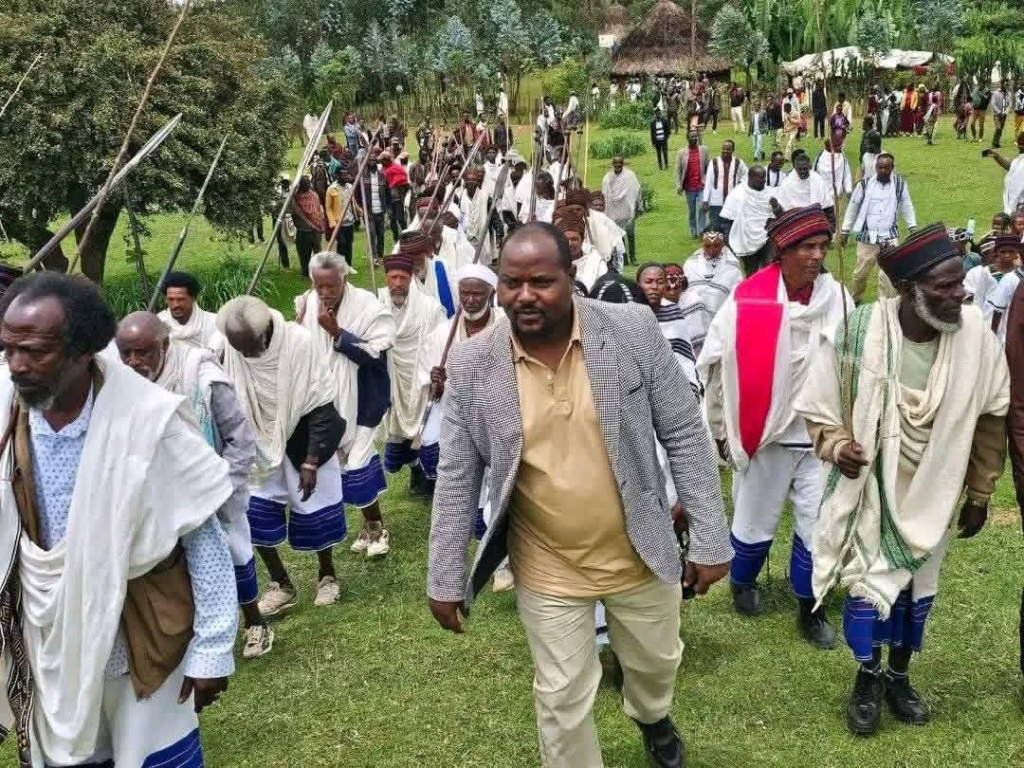
As the sun set over the hills of Daamaa, the sounds of chanting, the rhythms of drums, and the sight of elders blessing the youth painted a picture of resilience. The Jila Quufii was not a funeral for an old system. It was a birthday for a living one.
The Road Ahead
The Roobalee Baallii Gadaa generation has several years remaining in its term. According to tradition, the Jila ceremonies will continue, moving from Ardaa to Ardaa, until the entire community has been touched, taught, and transformed.
For the Oromo people, both at home and in the diaspora, the ceremony in Daamaa sends a clear message: The Gadaa is not a museum piece. It is a government. It is a school. It is a family. And it is very much alive.

Posted on May 12, 2026, in Aadaa, Events, Finfinne, Information, News, Oromia, Press Release, Promotion. Bookmark the permalink. Leave a comment.






Leave a comment
Comments 0