Daily Archives: May 12, 2026

The Day of Forgiveness: How Oromo Tradition Restores Peace Through Ritual Reconciliation
By Daandii Ragabaa
In a world often torn by endless vengeance and unresolved grievances, the ancient Oromo tradition offers a radical alternative: a structured, ceremonial path to forgiveness, reconciliation, and lasting peace.
This is Guyyaa Araaraa—the Day of Forgiveness.
Rooted deeply in the aadaa fi seera Oromoo (Oromo culture and customary law), this tradition provides a formal mechanism for resolving conflicts of all magnitudes, from minor misunderstandings to the heaviest of trespasses. It is a system that does not simply sweep disputes under the rug. Instead, it confronts them publicly, ritually, and restoratively.
Different Harms, Different Paths to Peace
Oromo customary law recognizes that not all conflicts are the same. Therefore, not all reconciliations follow the same procedure. The Guyyaa Araaraa tradition carefully distinguishes between different types of harm and prescribes specific rituals for each:
For those who have taken a life:
The path to peace passes through Sirna Gumaa—the blood wealth or compensation ceremony. Under this system, the family of the slain person and the family of the killer are brought together by elders. Through negotiation, payment of compensation (usually in cattle), and public ritual, forgiveness is granted, and the cycle of revenge is broken. Peace descends upon both clans.
For those in dispute over various matters:
Not all conflicts involve bloodshed. Land disputes, marital conflicts, inheritance disagreements, and community feuds are resolved through the wisdom of the jaarsummaa (council of elders). The elders do not impose foreign laws. They apply Oromo customary law, listening to both sides, investigating the truth, and issuing a binding decision that restores harmony.
For those who have simply grown weary of each other:
Sometimes, there is no specific crime. Neighbors or relatives simply drift apart, accumulate petty grievances, and stop speaking. The Oromo tradition addresses even this. Through ceremonies of walitti araaramuu (mutual reconciliation), those who have become estranged are brought together. They share coffee, break bread, and publicly declare an end to their cold war.
For those who have slandered or insulted one another:
Words can wound as deeply as weapons. When verbal battles have poisoned a community, the elders require aagii baafannaa—a ritual cleansing of the tongue. The offenders confess their words publicly, ask for forgiveness, and perform symbolic acts of apology. Only then is the air cleared and normal relations resumed.
The Deeper Purpose: Strengthening the Social Fabric
Why does the Oromo tradition place such immense importance on araara (reconciliation)? The answer lies in the Oromo understanding of society.
For the Oromo, a community is not a collection of individuals pursuing their own interests. It is a living web of mutual dependence. When one thread snaps, the whole web weakens. Therefore, restoring broken relationships is not merely a moral good—it is a practical necessity for survival.
“This tradition exists so that social relationships grow stronger,” explains one elder familiar with the custom. “It ensures that mutual help and mutual support (walgargaarsaa fi waldeeggarsaa) continue uninterrupted. A community that does not forgive is a community that will eventually collapse.”
The Conditions of True Reconciliation
But the Guyyaa Araaraa is not naive. It does not demand forgiveness without accountability. For peace to be genuine and lasting, certain conditions must be met:
- The injured party must receive appropriate acknowledgment of the harm done to them. In cases of grave injury, this includes material compensation (beenyaa) as a tangible sign of remorse.
- The one who caused harm must publicly recognize their wrongdoing. They must understand, according to Oromo custom, that they have committed a breach (balleessaa). They must state clearly what they have done wrong and what they will do to make it right.
Only when both accountability and compensation have been fulfilled does the araara (reconciliation) descend. And only then does nagaa (peace) take root.
A Radical Alternative for Today
In an era of social media outrage, cancel culture, and political polarization, the Oromo tradition of Guyyaa Araaraa offers a powerful counter-model. It says: Do not nurse your grievance forever. Do not seek infinite revenge. There is a time for justice, but there is also a time for closure.
The tradition acknowledges that harm has been done. It does not pretend away pain. But it insists that human communities cannot function on perpetual anger. At some point, forgiveness must be extended. At some point, peace must be chosen.
Living Tradition
Across Oromia, in villages and towns, in diaspora communities and refugee camps, the Guyyaa Araaraa is still practiced. Elders still sit under trees. Compensation is still counted in cattle or its cash equivalent. Offenders still confess. The injured still—sometimes after long struggle—say the words: I forgive you.
And when they do, the Oromo believe, nagaa (peace) literally descends upon the gathering. It is not just a feeling. It is a tangible presence, a renewed contract, a shared breath.
As one elder put it: “We do not forgive because we are weak. We forgive because we wish to live. And the living must be at peace with their neighbors.”

Gadaa Tradition Comes Alive: Jila Quufii Ceremony Held in Daamaa, Guji Zone
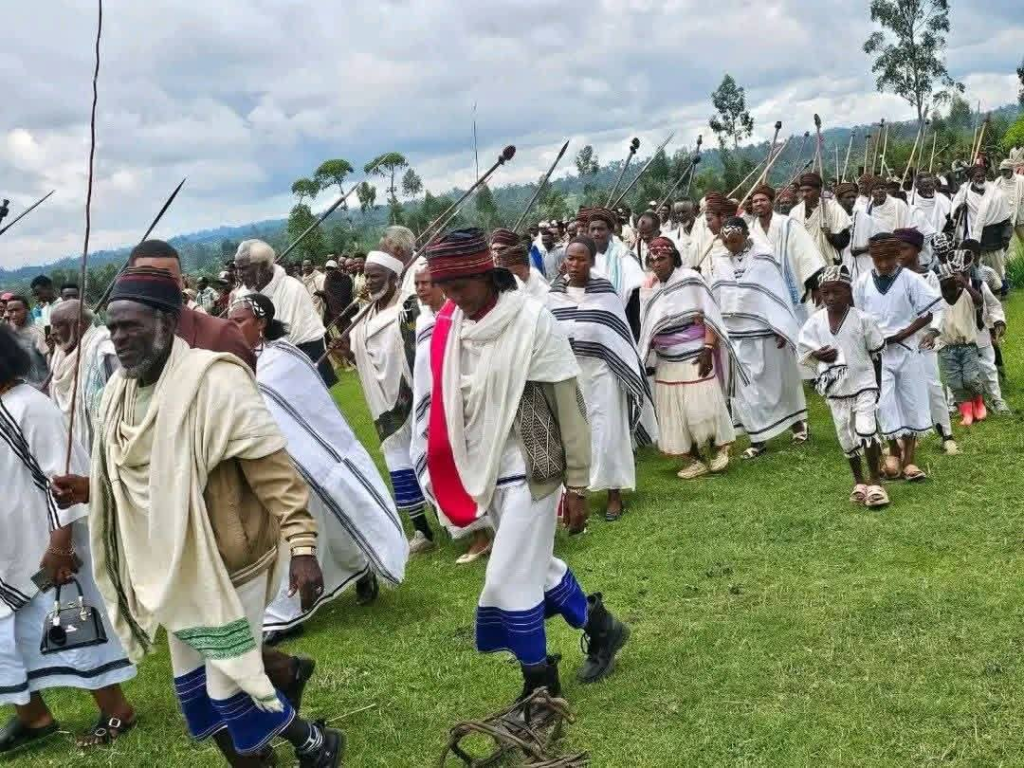
By Daandii Ragabaa
DAAMAA, GUJI ZONE – In the rolling highlands of Guji Zone, where the ancient rhythms of the Oromo Gadaa system continue to pulse through generations, a significant cultural ceremony known as Jila Quufii has been successfully conducted in the Daamaa district.
The event, a powerful reaffirmation of Oromo indigenous governance and spiritual practice, was led by the revered Abbaa Gadaa Uraagaa Jaarsoo. Under his guidance, the community gathered to perform the rites and rituals of Jila Quufii—a ceremony deeply embedded in the cyclical transition of Gadaa power.
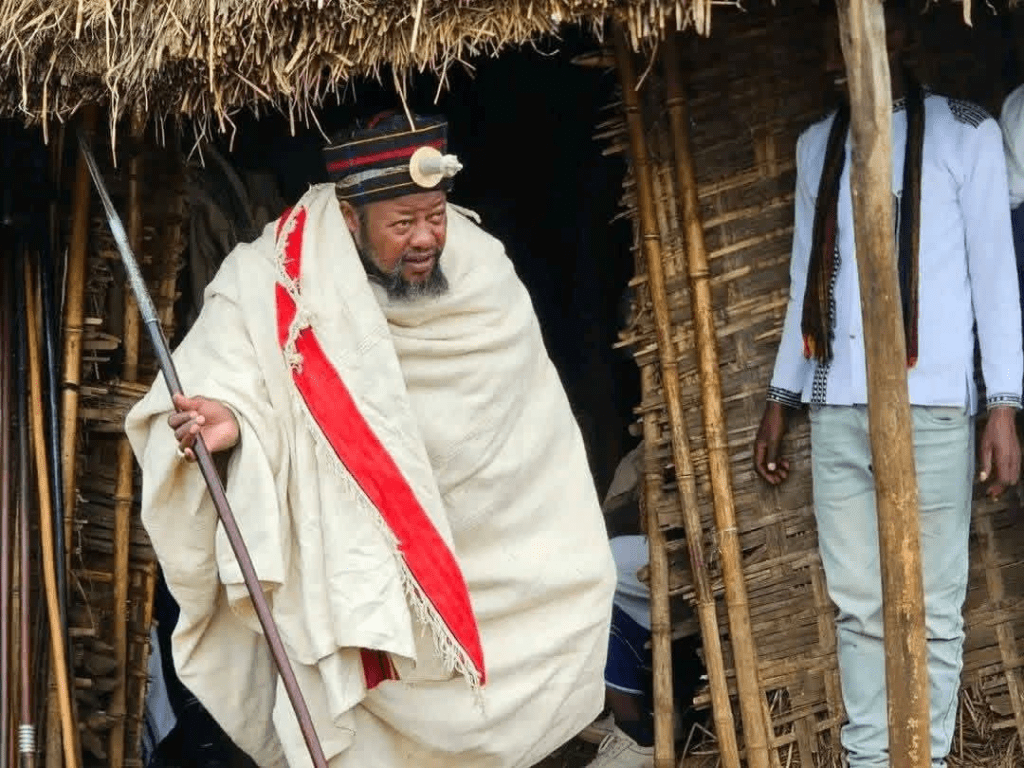
A Government That Honors Tradition
What makes this year’s Jila Quufii particularly noteworthy is the evolving relationship between the regional government and traditional institutions. Officials from the Oromiya regional government, working within the framework of cultural renewal (Haaromsa Aadaa), have increasingly recognized the importance of respecting and promoting the Gadaa system.
According to sources present at the ceremony, the government has been actively working to ensure that Gadaa institutions (Sirnootni Gadaa) are honored and that the communities (Ardaaleen) that host Jila ceremonies are developed.
“The government’s journey of cultural renaissance is bearing fruit,” one elder observed. “The wealth that lies in our traditions is finally being fulfilled.”
Two Years of Teaching Through Travel
The Jila Quufii ceremony conducted in Daamaa is not a spontaneous event. It follows a deliberate, two-year process. The current Gadaa generation, known as Roobalee Baallii, received its mandate two years ago. Since then, they have not remained in one place.
Instead, the Abbaa Gadaa and his council have been traveling from one community (Ardaa) to another. This peripatetic journey has served a clear purpose: to teach the people. Through motion and encounter, the Gadaa leaders have been instructing the Oromo public in the values, laws, and spiritual principles of the ancient system.
“The mandate of Me’ee Bokkoo was received,” explained a participant, referring to the supreme Gadaa council. “And since then, the Abbaa Gadaa have been conducting Jila ceremonies across different communities. Their goal is to ensure that the coming generations return to the wisdom of culture, dignity (safuu), and mutual respect (safeeffannaa).”
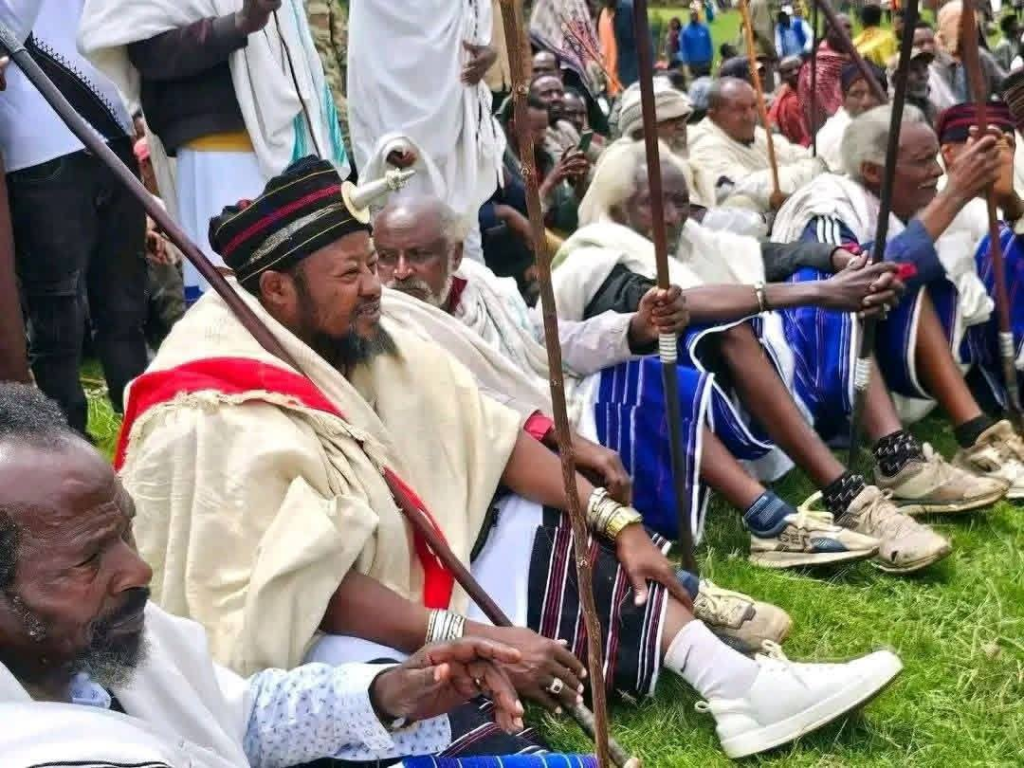
More Than Ritual: A School of Life
The Jila Quufii ceremony in Daamaa was not merely a spectacle of traditional dress and chanting. Those who conducted it focused deliberately on education through action (hojiin barsiisuu).
The key themes of the gathering included:
- Teaching culture (aadaa barsiisuu): Explaining the meanings behind rituals so the youth understand, not just observe.
- Promoting love and unity (jalaalafi tokkummaa dagaagsu): Emphasizing that Gadaa is not a system of division but one of shared identity.
- Standing together (waliin dhaabbachuu): Reinforcing the idea that community survival depends on collective action.
- Struggling together (waliif birmachuu): Acknowledging that the Oromo people face challenges but will face them shoulder to shoulder.
- Sharing experience (muuxannoo qooduu): Ensuring that the wisdom of elders is transferred to the young through direct lived experience, not just oral tales.
A Bridge Across Generations
The ultimate goal of the Daamaa Jila Quufii, as articulated by the Gadaa leaders, was to ensure that the ancient Oromo tradition continues uninterrupted from one generation to the next. In a world of rapid change—where globalization, migration, and state-centric governance often erode indigenous systems—the Gadaa leaders of Roobalee Baallii are making a stand.
They are saying, through their ceremonies and their travels: We will not forget. We will not let our children forget.
As the sun set over the hills of Daamaa, the sounds of chanting, the rhythms of drums, and the sight of elders blessing the youth painted a picture of resilience. The Jila Quufii was not a funeral for an old system. It was a birthday for a living one.
The Road Ahead
The Roobalee Baallii Gadaa generation has several years remaining in its term. According to tradition, the Jila ceremonies will continue, moving from Ardaa to Ardaa, until the entire community has been touched, taught, and transformed.
For the Oromo people, both at home and in the diaspora, the ceremony in Daamaa sends a clear message: The Gadaa is not a museum piece. It is a government. It is a school. It is a family. And it is very much alive.

The Land Shall Belong to the Tiller – A Giant Remembered
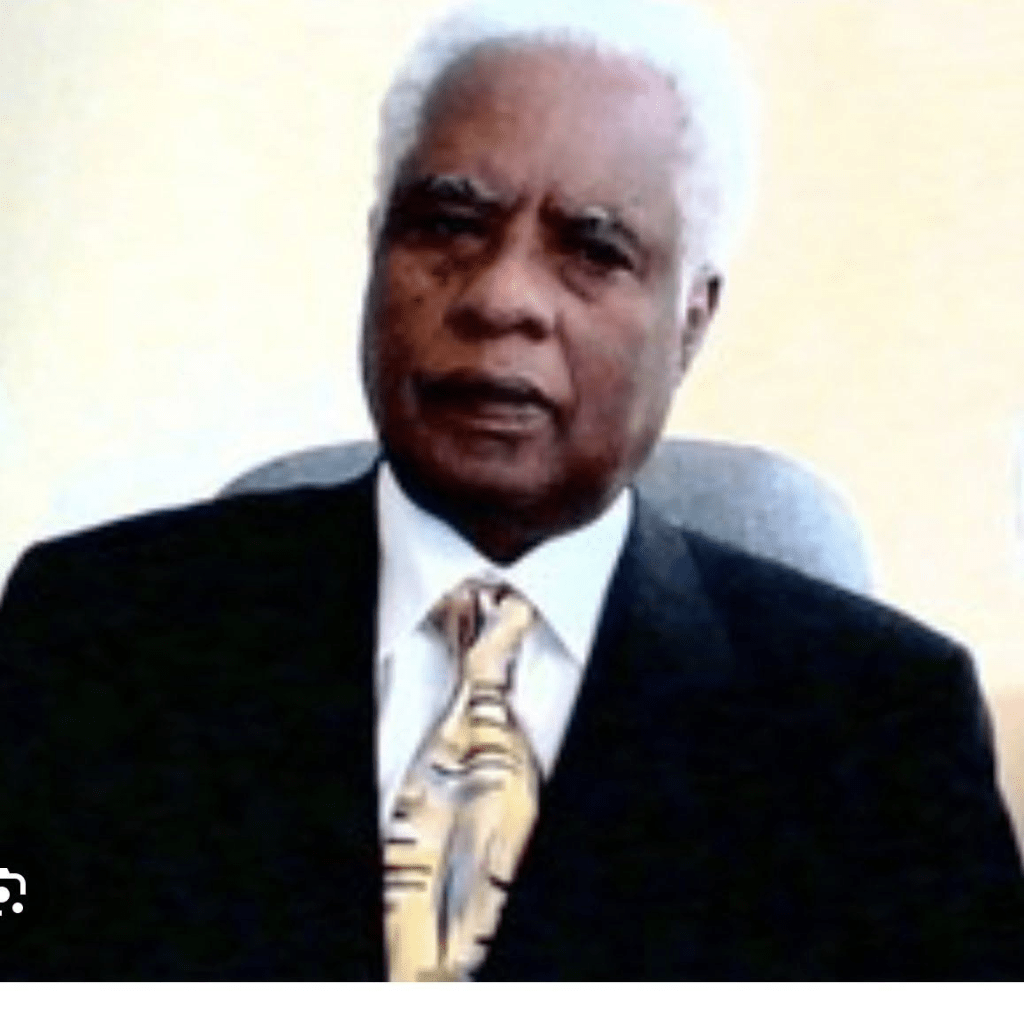
FEATURE STORY
Here is a feature story compiled from multiple social media posts and tributes, honoring the life, legacy, and monumental contribution of Obbo Zegeye Asfaw Abdi (1942-2026) – the architect of Ethiopia’s historic land reform.
Voices from across generations unite in grief and gratitude for Zegeye Asfaw Abdi, the mastermind behind Ethiopia’s 1975 Land Proclamation
Compiled By: Dhabessa Wakjira
Date: 12 May 2026
Sources: Multiple social media tributes (Abba Malka-Goota bara dukkanaa, Beyan H. Asoba, Lammi Begna-Qabsoo, Yaadasaa Badhaasaa Kutuu, Alemayehu Diro, Dejene Gutema, Dereje Hawas, and others)
PROLOGUE: A Chorus of Gratitude
When a giant falls, the earth shakes. But when a giant who gave land to the landless falls, the earth does not merely shake – it weeps. Every furrow, every field, every harvest carried out on soil that was once feudal domain and is now free – these are the tears of the land itself.
Zegeye Asfaw Abdi has left this world in 2026. But before he departed, he did something that few in history have accomplished: he changed who owns the earth.
This is his story – told not in one voice, but in many. From Oromo farmers who remember the days of serfdom, to intellectuals who studied his proclamation, to friends who knew him personally, to scholars who analyzed his legacy. Their words, gathered from social media in the days following his passing, form a chorus of grief – and of undying gratitude.
PART ONE: The Argument That Began in Lower Cimaa
From Serf to Owner – The Great Demand
Before the land could be freed, an argument had to be won. And that argument was fought first in the hearts and mouths of the Oromo people.
Abba Malka-Goota bara dukkanaa (a name meaning “Father of Heroes of the Dark Era”) reminds us where the struggle began:
“Oromoo argued from the Lower Cimaa region that they should move from the Adaharii system (client/tenant farming) or Cissanyaa (serfdom) to becoming owners of their own land. From this world, many have mourned the passing of Obbo Zegeye, a guiding rock.”
The Adaharii and Cissanyaa systems were not merely economic arrangements. They were chains. Millions of Oromo farmers tilled land they would never own. They planted seeds they would never fully harvest. They worked, they sweated, they starved – and the fruit of their labor flowed upward to landlords who never touched a plow.
But the people of Lower Cimaa argued. They demanded. They refused to accept that the land beneath their feet could never be theirs.
Zegeye Asfaw heard that argument. And he did not just hear it. He became its champion.
PART TWO: The Proclamation That Changed Ethiopia Forever
1975 – Land to the Tiller
In 1975, one of the most extensive land reform programmes in history was enacted in Ethiopia. The Land Proclamation took land from the centuries-old aristocracy and returned it to the people who actually worked the soil. It was a revolution – not of bullets alone, but of justice.
Beyan H. Asoba places Zegeye exactly where he belongs in this history:
“Brother Zegeye Asfaw will always be remembered as one of the leading architects of the 1975 historic Land Proclamation of Ethiopia.”
Not a bystander. Not a signature on a document someone else wrote. An architect. One of the minds that designed the foundation upon which millions of Ethiopian farmers now stand.
Lammi Begna-Qabsoo (a voice from the 1960s student movement) adds deeper context:
“The student movement of the 1960s campaigned so that the land question – ‘Land to the Tiller’ – would receive a meaningful answer. Zegeye ensured that the 1975 Land Proclamation was issued. By causing the land to be returned to the cultivator, he laid the cornerstone for the transformation of the lives of the Oromo people and the peoples of the south.”
The student movement had demanded. The people had argued. But it was Zegeye – sitting inside the halls of power, bearing the weight of decision – who made it law.
PART THREE: A Personal Encounter with the Giant
The Lawyer, The Prison Visitor, The Respected Man
Not everyone knew Zegeye Asfaw through history books or proclamations. Some knew him through direct, personal encounter – and those stories reveal the man behind the giant.
Yaadasaa Badhaasaa Kutuu shares a memory that cuts through all abstraction:
“I saw this Zegeye Asfaw with my own eyes, on that very day. He came to the prison to visit someone. Even the Tigrayan guards knew him and respected him. He was a great man who served his people with full knowledge. He was a renowned lawyer. He led a great struggle to return land to the tiller. A strong and knowledgeable man.”
Consider this image: a prison yard, armed guards, the tension of a regime that imprisoned its enemies. And walking through that yard, calm and unafraid, is Zegeye Asfaw. Even the guards – from a different ethnic background, serving a different master – knew his name. They respected him.
That is not power given by title. That is authority earned by character.
PART FOUR: The Personal Cost of Principle
What He Sacrificed for the Land
Great deeds are never free. Every proclamation that changes a nation comes with a price. Zegeye Asfaw paid that price – in ways that the history books rarely record.
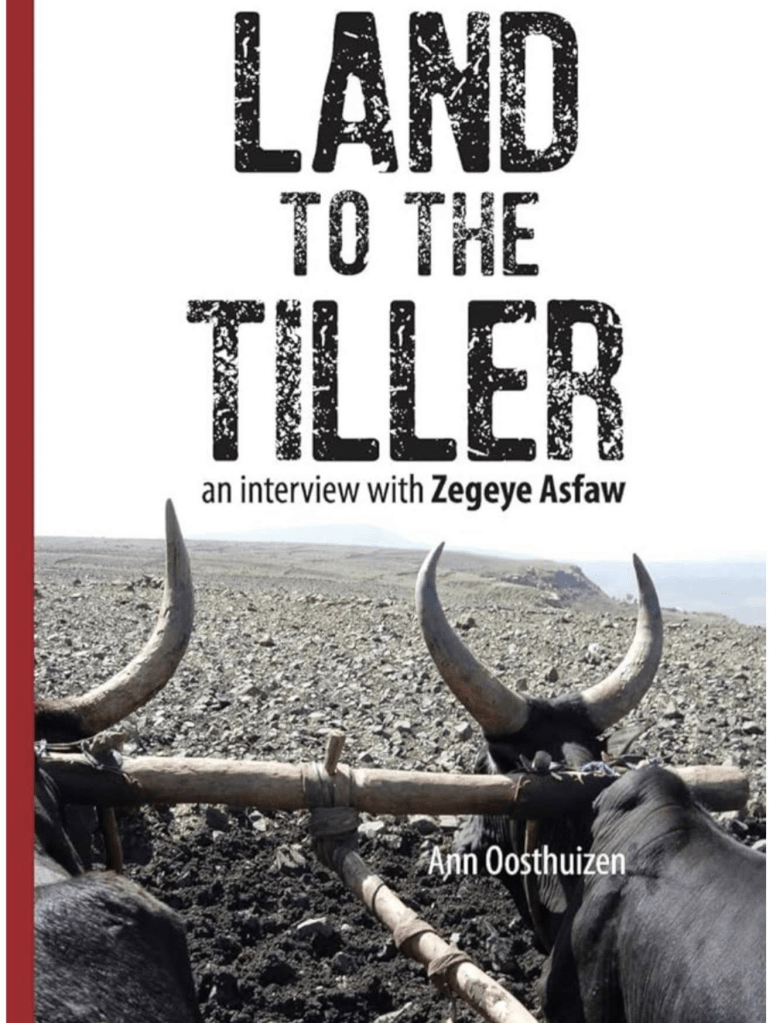
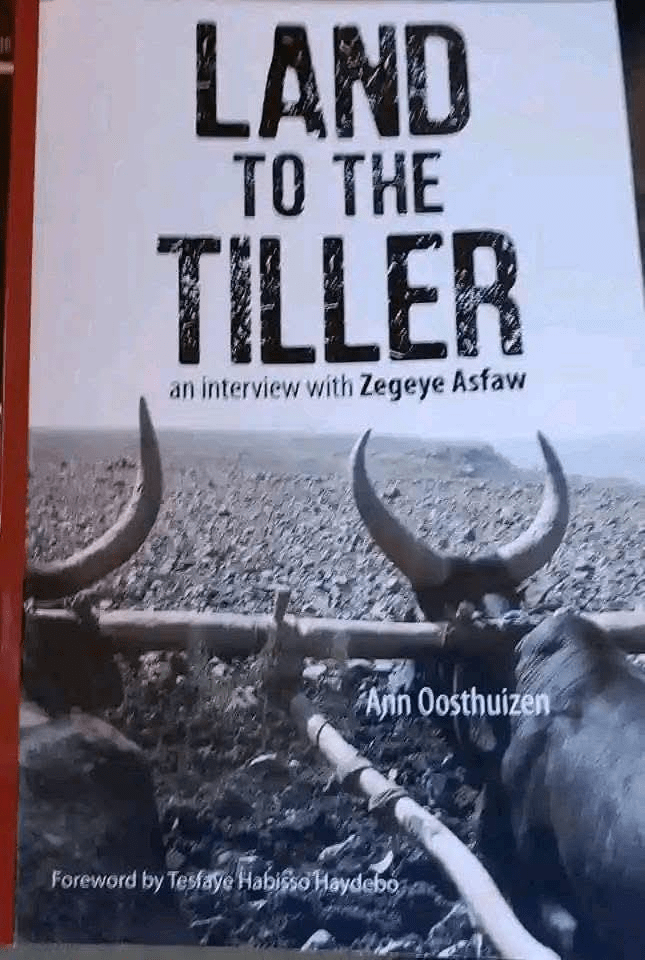
Dereje Hawas, who grew up hearing Zegeye’s name as a “giant of history,” points to a book review by Ann Oosthuizen that captures the personal dimension:
“In this 2012 interview, Zegeye tells the story of his life, of the struggle for land reform, and of the personal cost of that struggle for himself and others. The interview informs our understanding of current issues, and provides a very accessible introduction to recent Ethiopian history. It tackles the tensions between the North and South of Ethiopia; it throws light on the student movements that shaped the politics of the last fifty years; and it provides insights from inside the governments of three very different regimes. Most of all, it is a story of the land itself.”
Three very different regimes. Zegeye served under each of them – not out of political opportunism, but out of a single-minded commitment to the land and its tillers. The personal cost was immense: enemies on all sides, constant threats, nights of sleepless worry, and the loneliness of standing for principle in a world that often rewards compromise.
He bore all of it.
PART FIVE: The Lion’s Share
A Role Worthy of a Lion
Abba Malka-Goota bara dukkanaa describes Zegeye’s role in striking terms:
“Obbo Zegeye prepared the proclamation that said ‘the land shall belong to the tiller.’ He played a role worthy of a lion in freeing the cultivator from serfdom and making him the owner of his own land.”
In Oromo culture, the lion (Leencaa) is not just an animal. It is a symbol of courage, of leadership, of protection. To say someone played the role of a lion is to say they stood between danger and the people – and did not flee.
Zegeye played that role.
The land reform proclamation was not popular with the powerful. It threatened every landlord, every noble, every system that depended on the exploitation of the poor. To champion such a cause was to make enemies of the mighty. But Zegeye did not waver. He prepared the proclamation. He defended it. He implemented it.
That is the lion’s share. Not the share the lion takes – but the share the lion gives.
PART SIX: A Hero and a True Man of the People
The Humanity Behind the Title
Dejene Gutema speaks with direct and powerful simplicity:
“Obbo Zegeye Asfaw was a hero, the true man of the people, who championed, as a cabinet minister, Ethiopia’s historic and defining ‘Land to the Tiller’ proclamation during the Derg era. He was the true man of his people! REST IN POWER.”
Not a hero in a cape. A hero in a suit, sitting in a cabinet meeting, pushing a document across a table. That is where real history is made – not on battlefields, but in rooms where decisions are weighed and signed.
Alemayehu Diro expands on this:
“I was profoundly saddened to hear of the passing of Zegeye Asfaw Abdi. His departure is not only a heartbreaking loss to his beloved family and close friends, but also to the countless people whose lives were touched and transformed by his decades of selfless and devoted service.”
Alemayehu captures the essence of Zegeye’s character:
“Throughout his distinguished life, he served his people in various capacities with extraordinary passion, humility, integrity, and unwavering commitment. He stood as a symbol of dedication and patriotism, tirelessly working for the betterment of his people.”
And then, a line that should be carved somewhere permanent:
“He will be remembered not only for the positions he held, but for the humanity, kindness, and sense of responsibility with which he carried them.”
PART SEVEN: The Silence That Hurts
Gratitude That Came Too Late
One of the most poignant passages from the tributes comes again from Abba Malka-Goota bara dukkanaa:
“If Oromo had ever stood up and thanked him while he was still alive, his death would be a different kind of grief for me. But they did not. His death is another kind of sorrow.”
These words sting because they are true.
How often do we wait until the grave is dug before we speak the words of gratitude? How often do we let our heroes walk among us unrecognized, only to build statues after they are gone?
Zegeye Asfaw was not a man who sought praise. He was humble. He was quiet. He did his work without fanfare. But that does not excuse the silence of those who benefited from his labor.
The mourner continues:
“I wish for patience and strength for his family, relatives, and all friends.”
It is a wish born of grief – and of regret.
PART EIGHT: Rest in Power, Not Just in Peace
A Final Salute to the Architect
Across all the tributes, one phrase recurs: Rest in Power.
Not “Rest in Peace” – though peace he deserves. But “Rest in Power” – because his power was not the power of weapons or wealth. It was the power of principle. And that kind of power does not die.
Dereje Hawas ends his tribute with this:
“Rest in power, Obbo Zegeye!!!”
Dejene Gutema echoes:
“REST IN POWER.”
And Alemayehu Diro, in the Oromo tradition, offers a final blessing:
“Gash Zegeye, Chief, Abbaa Lafaa nagaatti, lubbuun kee jannataan haa qananiitu!”
(Gash Zegeye, Chief, Father of the Land – go in peace. May your soul rest and be refreshed in paradise.)
EPILOGUE: The Land Remains
Zegeye Asfaw Abdi has left this world. But the land he helped liberate remains.
- Every morning, when a farmer in Oromia walks out to his field and knows – truly knows – that the soil beneath his feet is his own, that is Zegeye’s legacy.
- Every harvest, when a family eats from the crop they planted on their own land, that is Zegeye’s legacy.
- Every child born on land that was once feudal domain, now free, that is Zegeye’s legacy.
- Every student of Ethiopian history who reads the 1975 Land Proclamation and asks, “Who wrote this?” – the answer is Zegeye Asfaw.
The giant is gone. But the earth he moved is still shifted.
And that, perhaps, is the only monument he would have wanted.
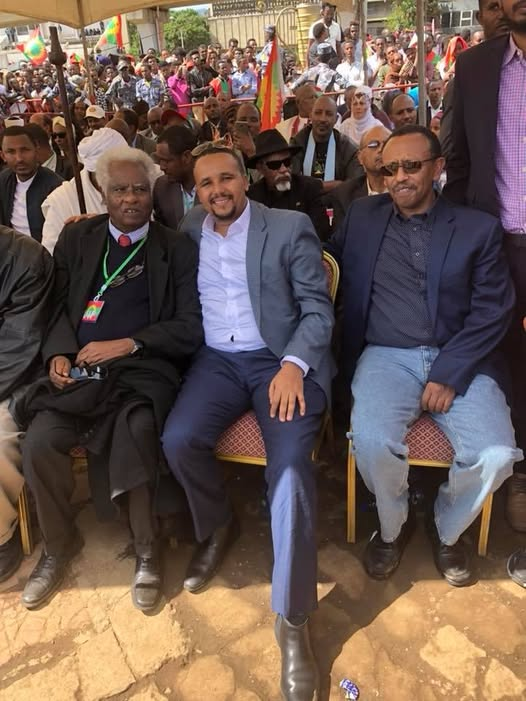
Compiled from social media tributes by:
- Abba Malka-Goota bara dukkanaa
- Beyan H. Asoba
- Lammi Begna-Qabsoo
- Yaadasaa Badhaasaa Kutuu
- Alemayehu Diro
- Dejene Gutema
- Dereje Hawas (with Ann Oosthuizen’s book review)
Rest in power, Obbo Zegeye Asfaw Abdi (1942-2026).
Nagaatti. Lubbuun kee jannataan haa qananiitu.
This feature story compiled by Dhabessa Wakjira from multiple social media posts and tributes, honoring the life, legacy, and monumental contribution of Obbo Zegeye Asfaw Abdi (1942-2026) – the architect of Ethiopia’s historic land reform.

The Giant Who Gave Land to the People – Honoring Zegeye Asfaw Abdi (1942-2026)
FEATURE CONDOLENCE STORY
By: Dhabessa Wakjira
PROLOGUE: A Name Heard in Childhood, a Legacy Felt Forever
There are names that children hear whispered around dinner tables. Names that grown men speak with a mixture of reverence and awe. Names that are not merely remembered but are felt – across generations, across regions, across the very soil of a nation.
For Dereje Hawas, growing up, the name Zegeye Asfaw was such a name.
“Growing up, I heard the name ‘Zegeye Asfaw’ as a giant of history, a mastermind behind a proclamation that changed the land-based feudal Ethiopia for good.”
Not a politician hungry for titles. Not a general thirsty for power. A giant – because giants are not measured by their height, but by the weight of what they move. And Zegeye Asfaw moved the very earth beneath Ethiopia’s feet.
PART ONE: The Proclamation That Changed Everything
1974 – The Year Land Returned to the People
In 1974, Ethiopia was a country of sharp divides. A small aristocracy held vast tracts of land. Millions of peasants – the very people who tilled the soil – owned nothing. They were tenants on their own birthright. They grew food they could not eat, on land they could not claim.
Then came one of the most extensive land reform programmes in history.
The land was taken from the aristocracy and returned to the people who tilled it. It was a seismic shift – a political earthquake that changed the foundation of Ethiopian society forever.
And overseeing this historic transformation was a man named Zegeye Asfaw.
He was not a loud man. He was not a man who sought the front page or the parade. He was, as those who knew him describe, inspiring but humble – an Oromo, an Ethiopian, and a servant of the land itself.
PART TWO: A Book Review That Speaks Volumes
Anne Oosthuizen’s Tribute to a Giant
In her review of Zegeye Asfaw’s 2012 interview, scholar Anne Oosthuizen captured the essence of the man and his mission:
“In 1974, one of the most extensive land reform programmes in history returned the land from the Ethiopian aristocracy to the people who tilled it. Overseeing this land reform was an inspiring but humble figure, Zegeye Asfaw – Oromo and Ethiopian.”
The interview, Oosthuizen notes, tells the story of his life, of the struggle for land reform, and of the personal cost of that struggle – for himself and for others.
It is not a story of easy victories. It is a story of sacrifice. Of sleepless nights. Of enemies made on all sides. Of a man who stood between the old guard and the hungry masses and chose, again and again, to stand with the landless.
PART THREE: More Than a Reformer – A Bridge
Tackling the Tensions Between North and South
Oosthuizen’s review highlights that Zegeye’s story is not only about land. It is about Ethiopia itself.
“It tackles the tensions between the North and South of Ethiopia; it throws light on the student movements that shaped the politics of the last fifty years; and it provides insights from inside the governments of three very different regimes. Most of all, it is a story of the land itself.”
Zegeye Asfaw lived through three very different regimes. He served under each with the same principle: the land belongs to those who work it. He navigated the treacherous waters of Ethiopian politics not for personal power, but for the plow in the farmer’s hand.
He understood that the tensions between North and South, between aristocracy and peasant, between tradition and reform – all of these converged on a single question: Who owns the earth?
And his answer never wavered: The people.
PART FOUR: The Personal Cost of Principle
What He Sacrificed for the Land
Great deeds are not free. Every proclamation that changes a nation comes with a price. Zegeye Asfaw paid that price – in ways that the history books rarely record.
The personal cost was immense:
- Friends turned enemies – those who benefited from the old order did not forgive easily.
- Constant threats – power does not surrender without a fight.
- Sleepless nights – the weight of millions of hopes rested on his decisions.
- Loneliness – standing for principle can be a solitary road.
He bore all of it. Not for glory. Not for wealth. But because, as Dereje Hawas wrote, he was a mastermind – not of schemes, but of justice.
PART FIVE: An Oromo and an Ethiopian
A Identity That Bridged Worlds
In a country where identity is often used to divide, Zegeye Asfaw refused to choose between being Oromo and being Ethiopian. He was both – fully, proudly, and without apology.
He understood that love for one’s own ethnic nation and love for the broader Ethiopian family are not contradictions. They are harmonies.
His life demonstrated that an Oromo can lead national transformation. That an Ethiopian can honor his specific heritage while serving the whole. That land reform – so often a source of ethnic tension – can also be a source of unity when guided by a just hand.
PART SIX: A Legacy Etched in Soil
What Remains After the Giant Falls
Zegeye Asfaw passed from this world in 2026. He was born in April 1942. His body will return to the earth – the same earth he fought to liberate.
But what remains?
- Every farmer who owns their land today – in Oromia, in Amhara, in Tigray, in the South – owes a debt to his vision.
- Every family that eats from the soil they till – their security is built on the foundation he helped lay.
- Every student of Ethiopian history – will encounter his name and learn what one determined person can achieve.
As Dereje Hawas wrote:
“Rest in power, Obbo Zegeye!”
Not rest in peace – though peace he deserves. Rest in power – because his power was not the power of weapons or wealth. It was the power of principle. And that kind of power does not die.
EPILOGUE: A Prayer for the Giant
Nagaatti, Lubbuun Keet Jannataan Ha Qananiitu
We close with a prayer – inadequate, perhaps, for a life so immense, but sincere:
“May the Almighty grant Ob Zegeye Asfaw Abdi eternal peace among the righteous. May his family, friends, and all who mourn find strength in his legacy. May the land he loved continue to nourish the people he served. And may his name be spoken with gratitude for generations yet to come.”
The giant has fallen. But the earth he moved remains shifted. The proclamation he masterminded remains law. The land he returned to the people remains in their hands.
And that is a legacy that no grave can contain.
Rest in power, Obbo Zegeye Asfaw Abdi (1942-2026).
Nagaatti. Lubbuun kee jannataan haa qananiitu.
This Feature Condolence Story is written by Dhabessa Wakjira based on the grief post of Dereje Hawas and the book review of Anne Oosthuizen.






