Daily Archives: May 28, 2026

ABO Thanks Election Partners as It Pushes Forward in 7th National Election
By Daandii Ragabaa
FINFINNEE – In a statement released on May 28, 2026 (Caamsaa 28, 2026), the Oromo Liberation Front (ABO) has publicly expressed its deep gratitude to all stakeholders who have contributed to the success of its election campaign. The announcement marks a significant moment in the ABO’s ongoing journey from armed struggle to peaceful political competition.
The ABO’s path to this election has been anything but straightforward. It is a story of return, resilience, and the difficult transition from battlefield to ballot box.
The Return: From Peace Deal to Political Party
Following the wave of political change that swept Ethiopia in 2018, the ABO entered into formal negotiations with the Ethiopian government on August 07, 2018 (Hagayya 07, 2018). These talks culminated in a peace agreement, and on September 15, 2018 (Fulbaana 15, 2018), the ABO leadership made a historic return from exile to Finfinnee.
For a movement that had spent decades in the armed struggle, the return was momentous. Thousands of Oromo welcomed their leaders home. The expectation was that the ABO would now transition seamlessly into a peaceful political force, competing openly for the hearts and minds of the Oromo people.
But the road was not smooth.
Obstacles and Perseverance
According to the ABO’s statement, the political space that was supposed to open after the peace deal was quickly constricted. Obstacles and blockages emerged from various directions.
“For over five years,” the statement reads, “the party’s activities were suppressed. Yet, steadfast members continued to work under extremely difficult conditions, advancing the party’s agenda step by step.”
The ABO does not hide its frustration. It acknowledges that “unnecessary obstacles and blockages created realities that no one can deny.” But rather than retreat, the party waited. It organized quietly. It kept its structures alive.
Then, on June 22, 2025 (Waxabajjii 22, 2025), a breakthrough occurred. The ABO’s central office in Gullallee was officially reopened following a long-overdue reorganization. With this new breath of life, the party resumed its peaceful political activities in earnest.
Entering the 7th National Election
With its structures reactivated, the ABO made a decisive choice: to participate in Ethiopia’s 7th national election. This would be the party’s first major electoral test since its return.
The ABO notes that its branches, though closed for years, had not been dormant. Once the decision to participate was made, the party threw itself into intensive preparation. It presented its candidates, organized public debates to explain its Manifesto and Ideologies, and launched a full-scale election campaign across polling stations in Finfinnee, Shagarri City, and various zones and woredas of Oromiya.
The statement emphasizes that the party has been working hard to meet all electoral requirements and continues to do so.
A Thank You to Election Partners
The core of the ABO’s May 28 announcement is a heartfelt thank you to all those who have supported the party’s election efforts.
Specifically, the ABO expresses gratitude to:
- The Election Board for facilitating the process.
- The Administrative Structure (Caasaa Bulchiinsaa) for its role in enabling the campaign.
- The Oromia Police – to whom the ABO extends special thanks – for maintaining security and order during the campaign period.
- The ABO Security Body (Qaama Nageenyaa ABO) for its work in protecting party activities.
The ABO also notes that it is actively working to secure the release of individuals who have been “unnecessarily detained,” signaling ongoing concerns about political freedoms.
Acknowledging the Hard Times
Beyond institutional partners, the ABO takes a moment to thank its own members—both within the party structure and outside of it—who have remained loyal during times of difficulty and hardship.
“Those who stood with the ABO during difficult times and times of crisis,” the statement says, “we thank you.”
The party also extends its gratitude to the Oromo people themselves, whose enduring support has been the bedrock of the movement’s survival.
And in a rare gesture of acknowledgment, the ABO thanks the various media outlets that covered its election campaign, specifically naming OBN, AMN, OMN, HNN, and others whose names are not mentioned—but whose contributions are not forgotten.
A Clear Message: No Other Agenda
The ABO takes care to clarify its position in the current political landscape.
“The ABO has no agenda other than peaceful political competition on the political field, with its own ideas and platform,” the statement declares.
It is a pointed message directed at both the government and rival political forces. The ABO wants to be seen as what it claims to be: a political party, not a shadow military structure. It seeks victory through votes, not bullets.
A Call for Unity Against Division
The statement concludes with a warning and a call to action.
“The enemies of the Oromo people,” the ABO asserts, “are working harder than ever to break us as a people, as Oromo. They are determined to divide us.”
To counter this, the ABO calls on all its members and supporters to set aside political differences and ideological disagreements. The immediate task, the party argues, is to strengthen Oromo unity.
“Let us put aside our political and ideological differences,” the statement urges, “and fortify our solidarity.”
Victory for the Broad Public
The ABO ends its announcement with its enduring slogan:
Injifannoo Ummata Bal’aaf! – Victory for the Broad Public!
As the 7th national election approaches, the ABO is on the ground, campaigning, presenting candidates, and asking the Oromo people to vote for its representatives. Whether the party will translate its historical legitimacy into electoral success remains to be seen. But one thing is clear: the ABO is no longer a distant memory of struggle. It is a present reality of politics.
And it intends to be counted.
Adda Bilisummaa Oromoo (ABO) – April 28, 2026 – Finfinnee
“The ABO has no agenda other than peaceful political competition.”

A New Chapter for Borana Heritage: Cultural Centre Inaugurated in Yabelo Town
By Daandii Ragabaa
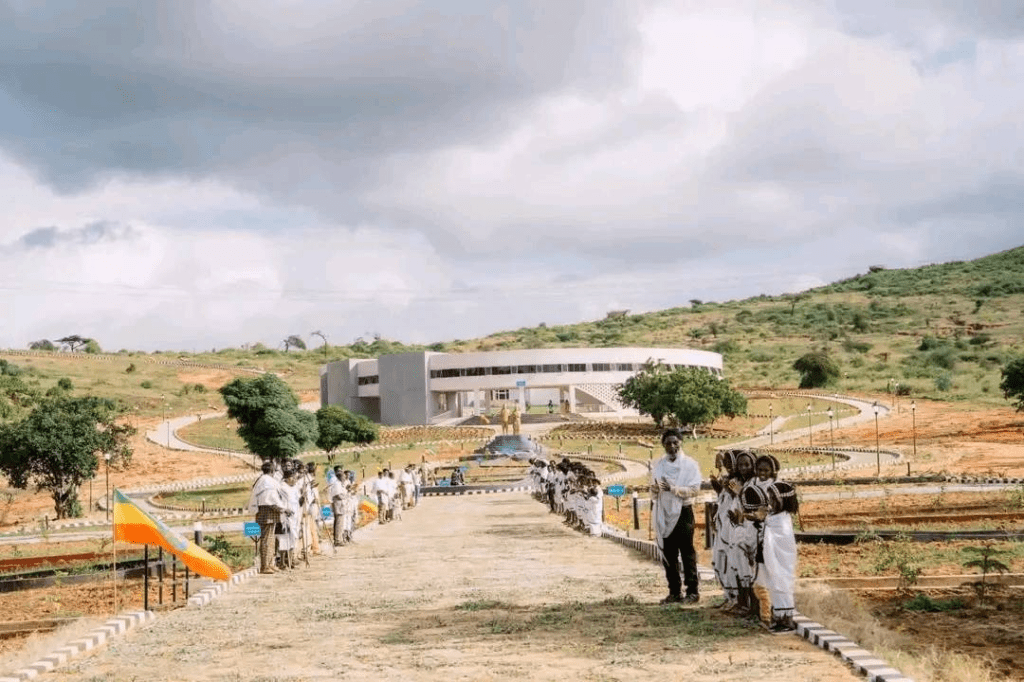
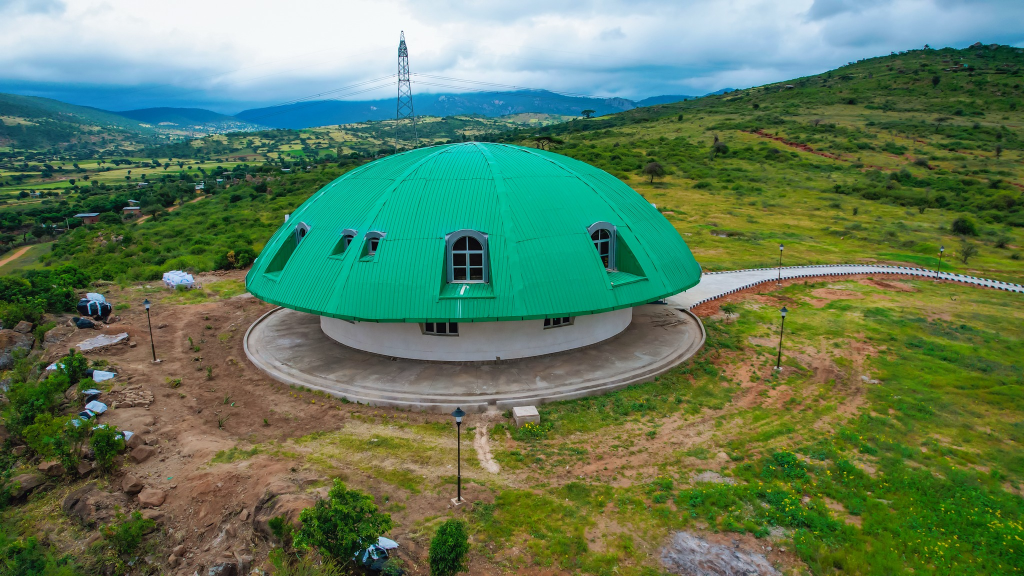
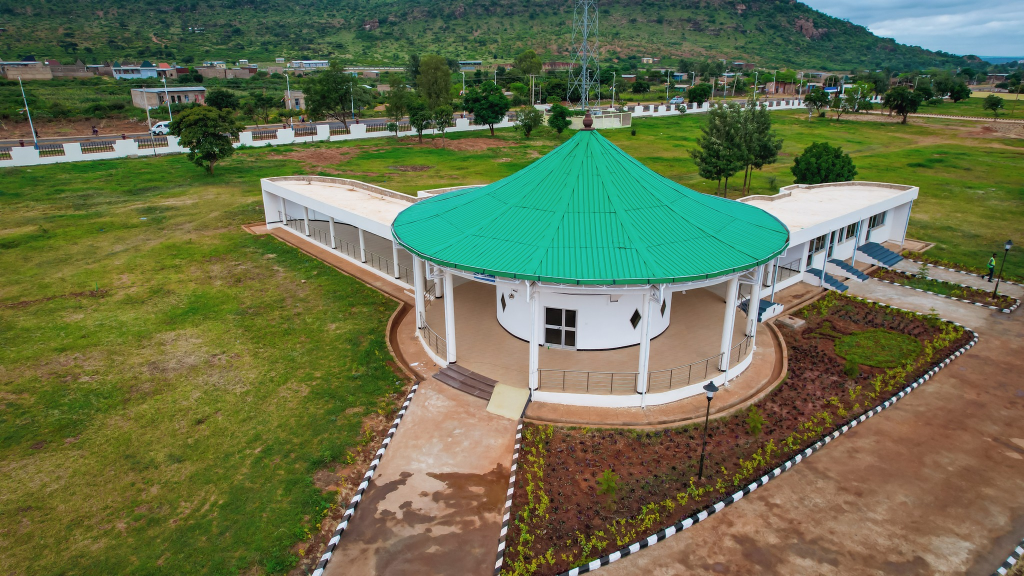
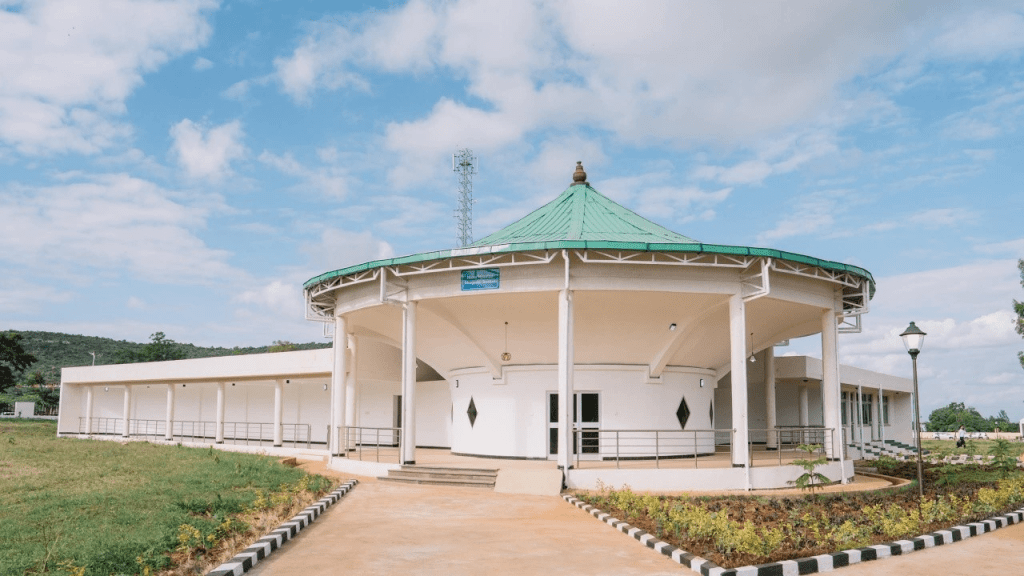
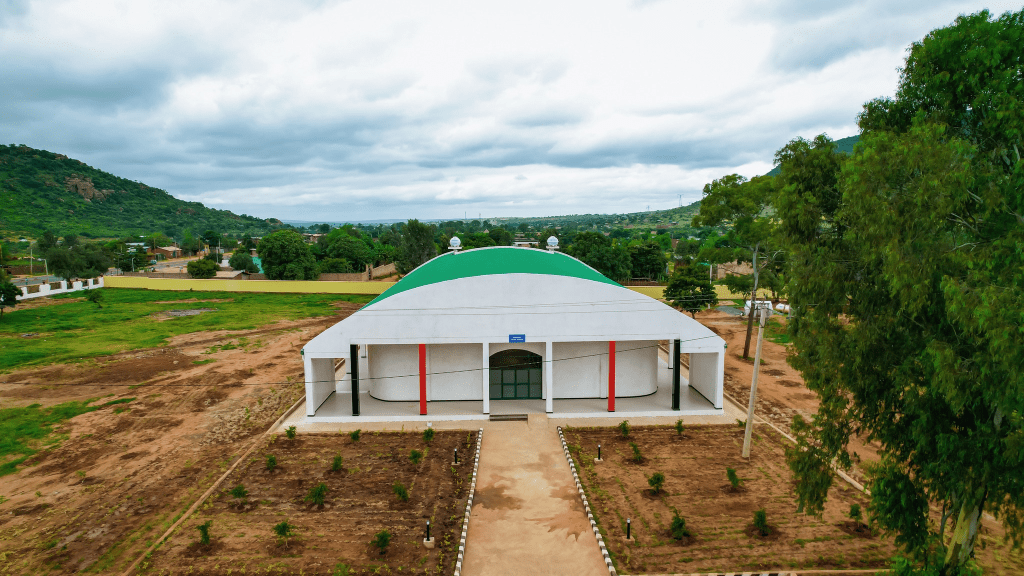
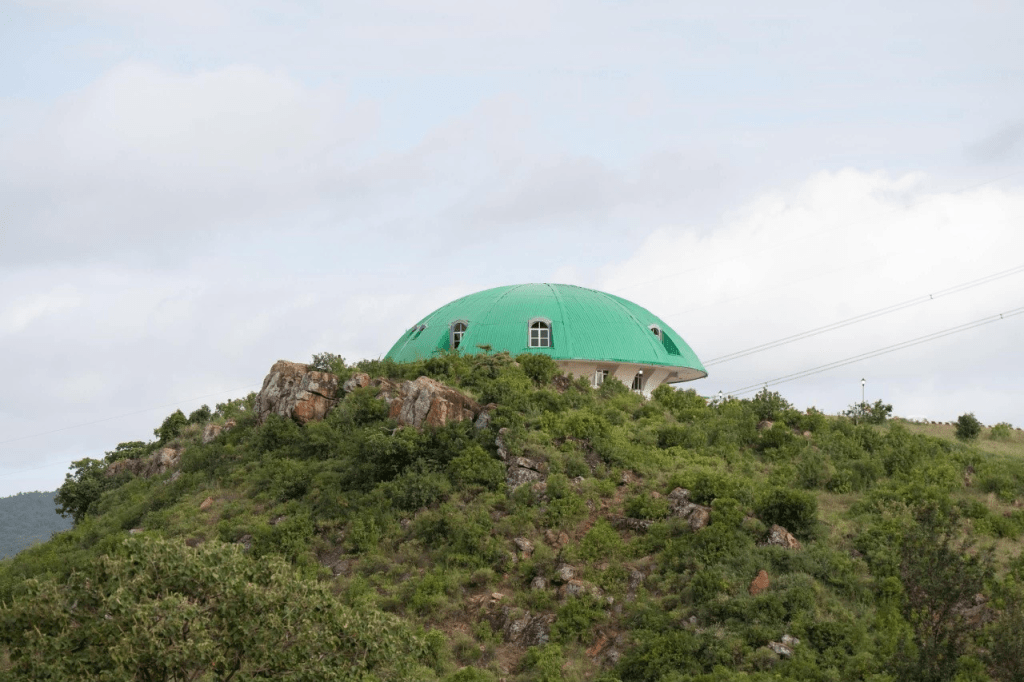
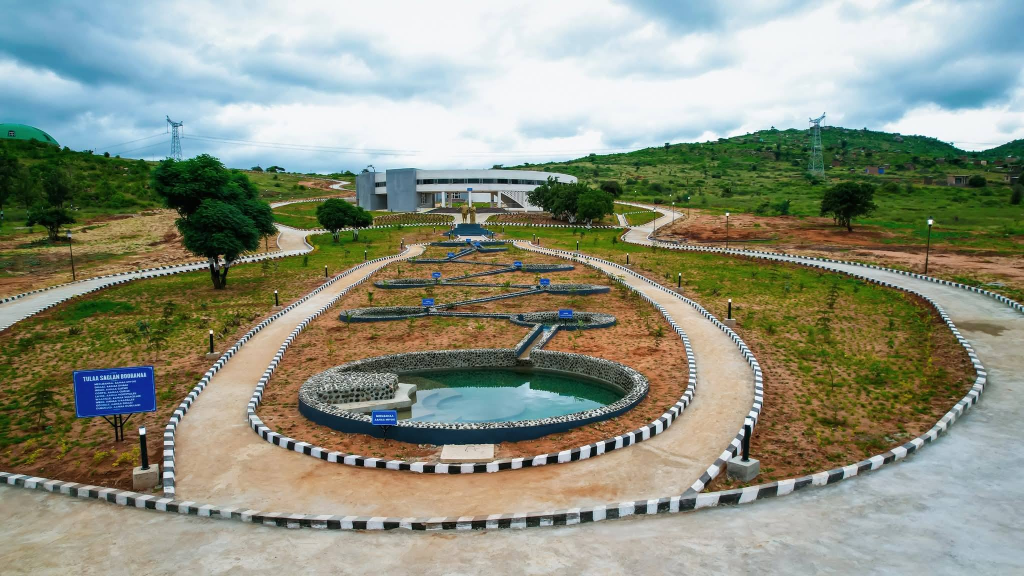
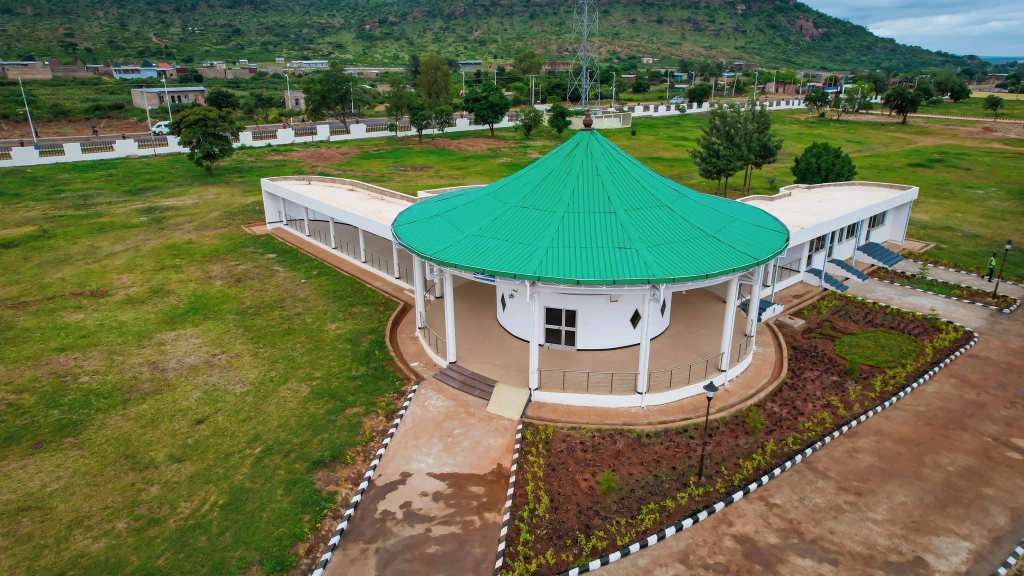
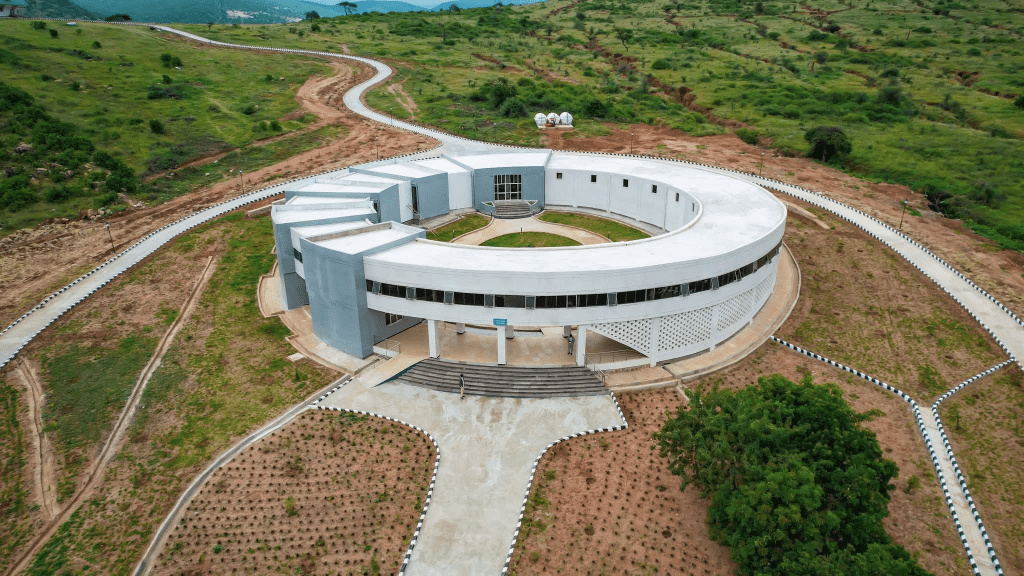
YABELO, BORANA ZONE – In the expansive, sun-baked plains of southern Oromia, where the ancient Gadaa system still governs the rhythm of life and the cattle herds stretch to the horizon, a new monument to culture has risen from the earth. The Borana Cultural Center, a long-awaited dream for the Borana people, was officially inaugurated today in Yabelo town.
The centre is not merely a building. It is a fortress of memory, a school of philosophy, and a bridge connecting the deep wisdom of the Borana past to the uncertain future of their children. For a community that has preserved its traditions through centuries of change—often under immense pressure—this inauguration is a victory.
A Foundation Laid by the First Lady
The story of the Borana Cultural Center began years ago. In 2013 according to the Ethiopian calendar (2020/2021 Gregorian), the foundation stone was laid by none other than First Lady Zinash Tayachew. At the time, the gesture signaled a rare moment of high-level state recognition for Oromo cultural heritage—particularly the Gadaa system of the Borana, which is widely regarded as one of the most intact and functional indigenous governance systems in the world.
Today, that promise has been fulfilled. The centre, now complete and open for public service, stands as a testament to what is possible when resources are mobilized for cultural preservation.
Built by the People, Through “Medemer”
What makes the Borana Cultural Center particularly remarkable is its financing. The entire project was built using proceeds from the sale of the book Medemer (Synergy), written by Prime Minister Abiy Ahmed. The book, which advocates for unity and cooperation across Ethiopia’s diverse communities, has generated significant revenue—part of which was channeled into this cultural project.
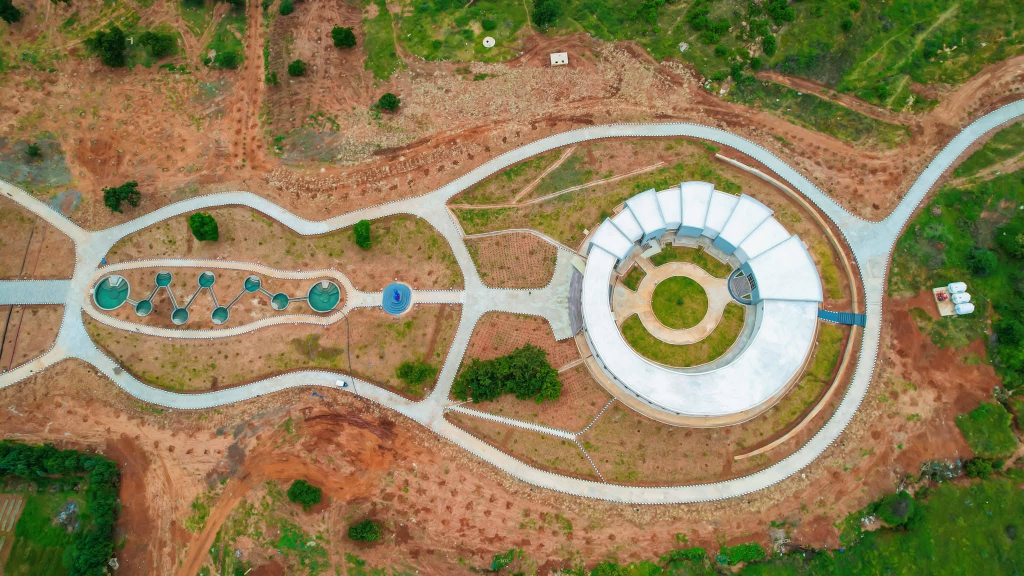
The centre sits on an expansive 57.6 hectares of land in Yabelo town, making it one of the largest dedicated cultural sites in the region.
Designed to Showcase the Gadaa System
The Borana people are renowned worldwide for their adherence to the Gadaa system—a sophisticated, egalitarian, time-based governance structure that rotates power every eight years among age-graded classes. UNESCO has recognized Gadaa as an Intangible Cultural Heritage of Humanity.
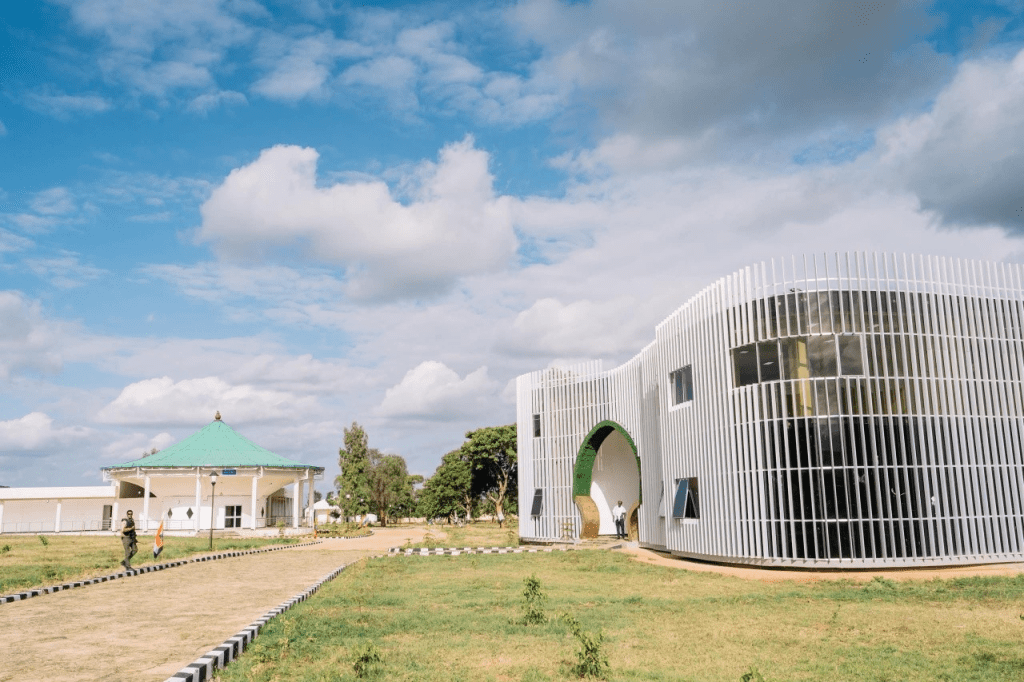
The new cultural center has been specially designed to showcase this system. Every architectural detail, from the layout of the grounds to the interior spaces, reflects Borana philosophy and social organization.
The center features two major components:
- A conference hall capable of accommodating up to 2,000 people at one time. This hall is intended for Gadaa assemblies, community meetings, and major cultural events.
- A heritage museum that will house artifacts, oral histories, regalia, tools, and documents tracing the long journey of the Borana people.
A Key Role for Generations to Come
Beyond its physical infrastructure, the Borana Cultural Center is expected to play a transformative role in the cultural life of the community. According to officials involved in the project, the center will focus on:
- Preserving Borana culture (aadaa): Traditional music, dance, attire, and rituals will be documented and taught.
- Teaching Borana history (seenaa): The center will serve as a repository for the collective memory of the Borana people, including their migrations, their heroes, and their struggles.
- Transmitting Borana philosophy (falaasama): The ethical and spiritual worldview of the Borana—rooted in concepts of nagaa (peace), safuu (moral order), and walaloo (solidarity)—will be studied and passed to younger generations.
“The youth of Borana have grown up in a rapidly changing world,” one elder present at the inauguration told Daandii Ragabaa. “Many of them have never seen a full Gadaa ceremony. They have not learned the names of their clans. This centre will be their classroom. It will remind them who they are.”
A Long-Awaited Dream Realized
For decades, the Borana people—like other Oromo communities—faced cultural marginalization. Their language was pushed out of schools, their Gadaa system was dismissed as primitive, and their elders were often ridiculed for maintaining “backward” traditions.
But the tides have turned. The establishment of this cultural center, on prime land in Yabelo, signals a new era of official embrace—or at least tolerance—for Oromo cultural expression.
As the ribbon was cut and the doors swung open for the first time, a crowd of elders, women, youth, and government officials erupted in applause. For many, it was an emotional moment.
“We have waited a lifetime for this,” said a Borana grandmother wrapped in a traditional huuboo (shawl). “My grandchildren will not forget where they came from. This centre will make sure of that.”
Challenges Ahead
Despite the celebration, challenges remain. A cultural center, no matter how beautiful, is only as valuable as the commitment to fill it with life. Staff must be trained. Artifacts must be collected and preserved. Programming must be consistent and accessible.
Moreover, the Borana people themselves are facing contemporary pressures: climate change is altering traditional grazing patterns, youth migration is emptying villages, and the allure of urban life is pulling young people away from ancestral knowledge.
The center alone cannot solve these problems. But it can serve as a gathering point, a place to strategize, and a reminder that culture is not static—it must be actively lived.
A New Dawn for Borana
As the sun sets over Yabelo, casting long shadows across the 57.6-hectare site, the Borana Cultural Center stands illuminated—not just by electric lights, but by the hopes of a people.
It is a place where the Abbaa Gadaa will speak. Where the Qallu will bless. Where the youth will learn to chant the praise poems of their ancestors.
And where the world, if it wishes, can come to understand one of Africa’s most enduring indigenous civilizations.
Gadaa ni jiraata. Aadaan lubbuu ni qabaata.
—The Gadaa lives. The culture endures.
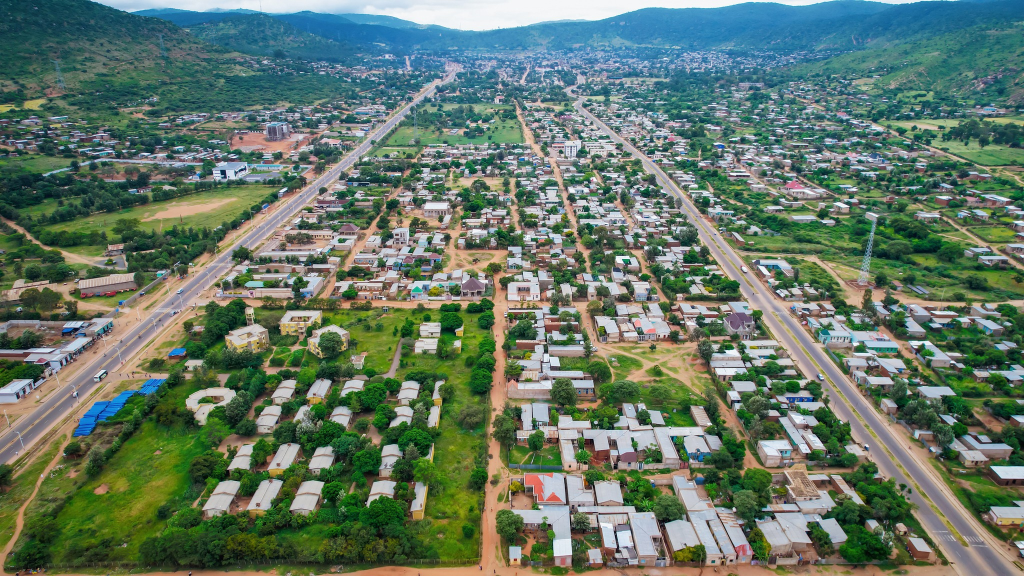

Giddugala Aadaa Oromoo Booranaa: A Living Monument to Oromo Borana Heritage in the Heart of Yabello
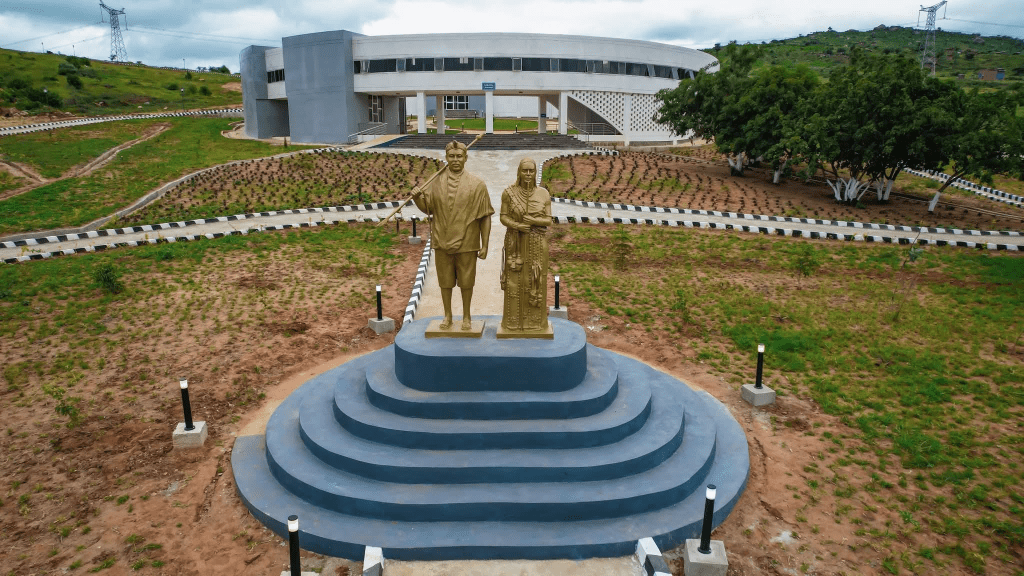
By Daandii Ragabaa
FINFINNEE – In the bustling Negelle Borena, Yabelo, where skyscrapers jostle with ancient churches and modern traffic chokes colonial-era roads, there exists a quieter, more deliberate space. It is a compound where the whispers of qerroo (youth) mix with the wisdom of jaarsaa (elders), where the Oromo language is not a whisper of resistance but a roar of celebration.
This is the Giddugala Aadaa Oromoo Booranaa – the Oromo Boreana Cultural Centre.
For decades, the Oromo people—the largest ethnic group in Ethiopia—saw their language suppressed, their history marginalized, and their identity pushed to the periphery. But in the 21st century, a new chapter opened. One of the hard-won victories of the Oromo struggle was the establishment of this very center in Finfinnee. Today, it stands not merely as a building, but as a testament to survival, a library of resistance, and a bridge between generations.
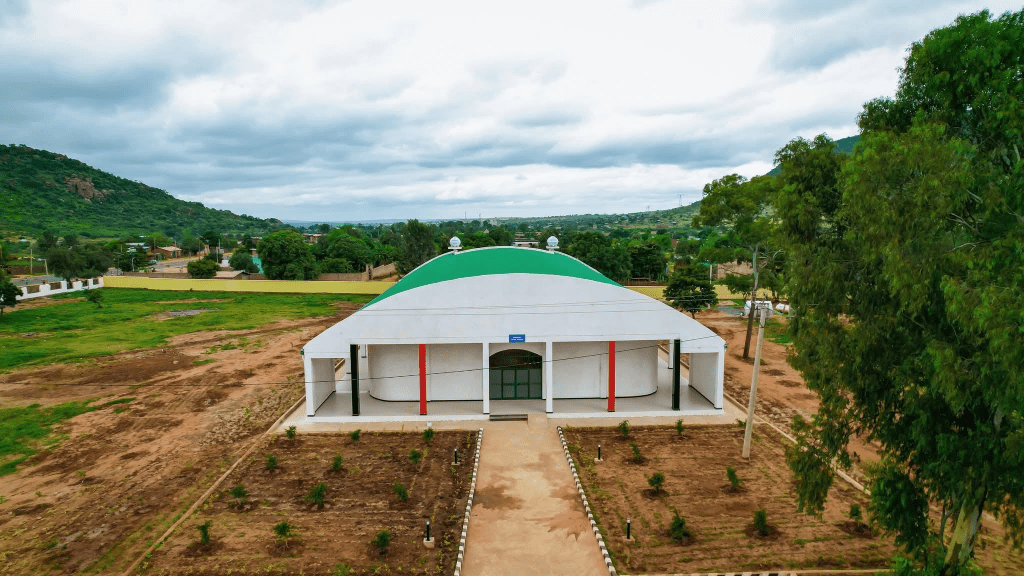
More Than a Museum: A Fortress of Identity
The Giddugala Aadaa Oromoo Booranaa is a multi-functional complex. It is a museum, a library, a training centre, and a conference hall all rolled into one. Visitors entering the compound are often struck first by the tranquility: lush trees line the walkways, offering shade that invites reflection.
But the true treasures lie inside.
The center houses a museum containing hundreds of carefully preserved artifacts (hambaalee) representing the diverse clans of Oromia. From the pastoral regalia of the Borana to the agricultural tools of the Macca and Tuulama, the exhibits span the geographical and cultural breadth of the nation. According to the center’s official documentation, artifacts totaling 987 items were selected and arranged in seven display cases, crafted specifically to meet international preservation standards .
“We did not just throw things into boxes,” a curator at the center explained. “Every gadamoo (ritual stick), every xawwee (spear), every piece of traditional pottery has a story. Our job is to ensure that the story is told correctly—in Afaan Oromoo.”
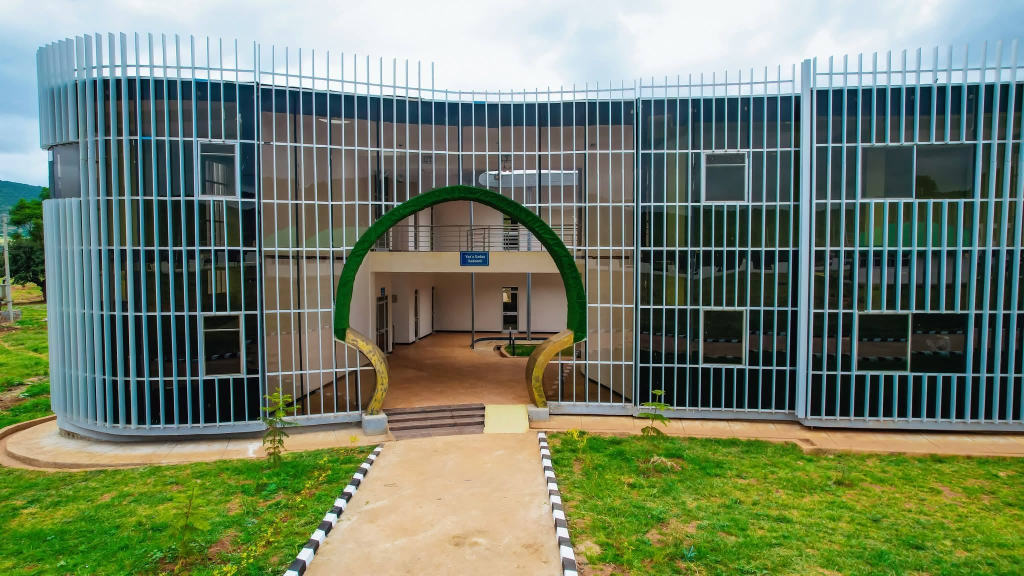
The Library: 10,000 Volumes of Oromummaa
Perhaps the most critical weapon in the fight against cultural erasure is the center’s library. Housing over 10,000 books across various genres and languages, the library serves as the intellectual heart of the Giddugala .
Here, students and scholars can find:
- Academic research on Oromo history, Gadaa governance, and folklore.
- Linguistic texts, including works on the standardization of the Qubee alphabet.
- Diaspora publications that were once smuggled into the country as contraband literature.
The library also boasts a growing digital archive, providing internet access to real-time information and connecting Oromo youth to global scholarship about their own heritage.
Celebrating Dialects: The Diversity of One People
A significant focus of the Giddugala is linguistic diversity. The Oromo language is not a monolith. It breathes differently in the highlands of Arsi than it does in the lowlands of Guji or the plains of Borana.
The center actively recognizes and studies the major dialects (looga) of Oromo, including Borana, Guji, Macca, Tuulama, Arsi, Hararge, Karrayyu, and Wallo (Raayyaa) . Far from viewing these differences as divisive, the centre celebrates them as a richness. In a world where languages are dying at an alarming rate, the Giddugala stands as a bulwark, ensuring that the specific idioms of the Borana cattle herder are preserved alongside the urban slang of Finfinnee.
The Borana Exhibit: A Window to the South
The search for “Giddugala Aadaa Oromoo Booranaa” often leads visitors to the specific wing dedicated to the Boorana (or Borana) clan. The Borana Oromo, known as Boraan Guttuu, inhabit the southern reaches of Oromia, the borderlands of Kenya, and parts of Somalia .
Within the Giddugala, the Borana exhibit highlights the Gadaa system, specifically the Gumi Gaayo—the “meeting of the multitude” held every eight years at the ritual site of Gaayu. This assembly is not just a festival; it is a legislative body that adapts or repeals the Seera (law) and Aadaa (custom) .
Visitors can view artifacts related to the Qallu (ritual leaders) and the Luba Basa (customary law experts). The center explains how Borana society resolves conflicts, from local disputes settled by the Kora Gossa (clan assembly) to the ultimate sanction of the Nagaa Boran (“the peace of the Boran”)—a form of social quarantine reserved for those who break the sacred trust of the community.
The Visitor Experience: Beauty and Growing Pains
Since its inauguration, the Giddugala has drawn thousands of visitors, from international tourists to local school children. Reviews consistently praise the “originality and cultural authenticity” of the exhibits . For many Oromo youth raised in cities far from their ancestral villages, the center is a profound homecoming.
“The compound is incredibly awesome,” wrote one visitor. “I really had an amazing time. I’ve learned a lot” .
However, the center is not without its challenges. Some visitors have noted issues with architectural accessibility, noting that the steep steps pose difficulties for the elderly and disabled . Others have pointed out the lack of visible tour guides, which can leave non-Oromo speaking visitors struggling to understand the context of the art .
There have also been isolated reports of aggressive security protocols at the entrance, which visitors suggest detracts from the welcoming atmosphere the culture represents.
A Bridge to the Future
Despite these growing pains, the Giddugala Aadaa Oromoo remains a success story. It operates as an official institution under the Oromia Regional Government, tasked specifically with promoting Afaan Oromoo as a language of science and technology, as well as a language of daily work .
As the sun sets over Finfinnee, the centre continues its mission. It is a place where the Godambaa Oromoo (the Oromo Gallery) displays the soul of a nation. It is a place where the past is not locked behind glass, but is instead invited to walk beside the present.
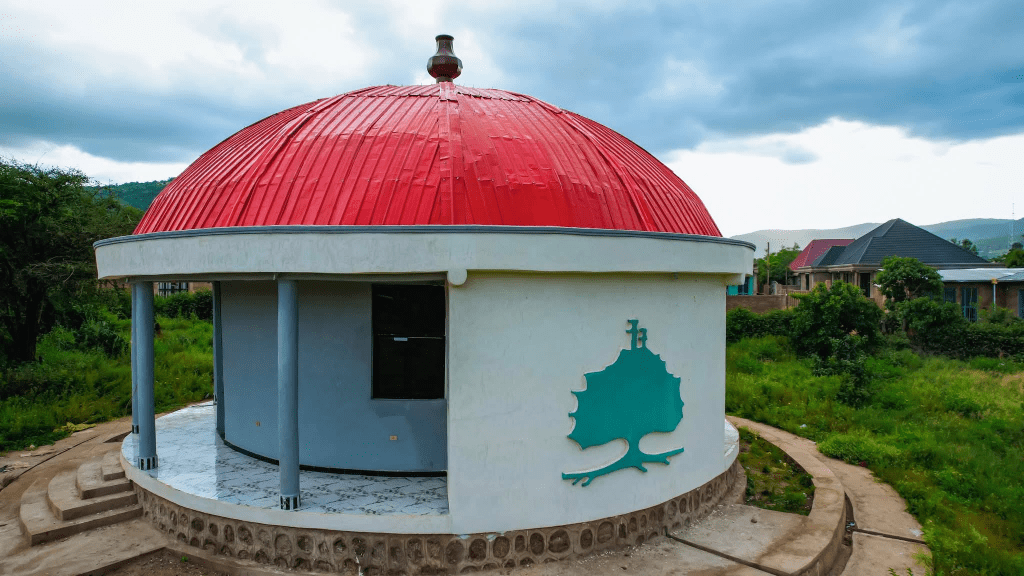
For the Oromo people, the Giddugala is no longer a dream. It is a reality. And it is their greatest treasure.
If you are in Finfinnee, the Giddugala Aadaa Oromoo is located in the city center and is open daily from 8:30 AM to 5:30 PM . It is a must-visit for anyone seeking to understand the authentic heartbeat of Oromo culture.