Category Archives: Information

Honoring Hussein Badaso: A Pioneer of Afan Oromo Radio
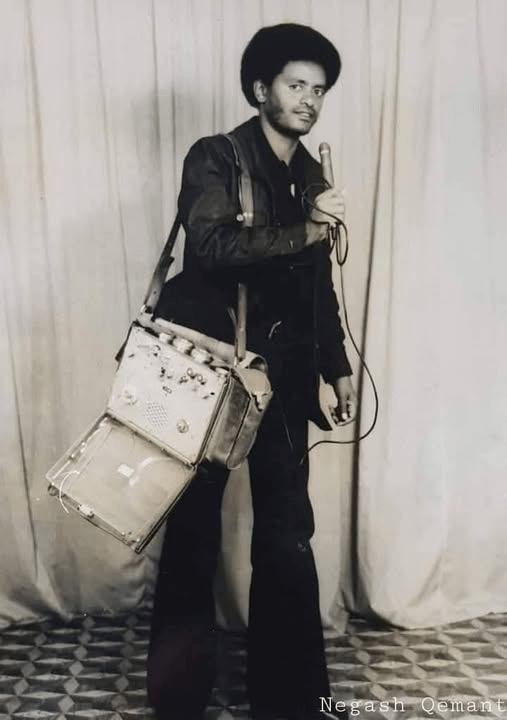
A Tribute to Hussein Badaso: A Pioneer of Afan Oromo Radio and a Guardian of Oromo Heritage
The individual in the photograph is Hussein Badaso, a veteran program journalist for the Afan Oromo service of Ethiopian Radio. His career represents a foundational chapter in Ethiopian broadcasting and the cultural history of the Oromo people.
A Trailblazer in the Face of Adversity
Following the fall of the imperial regime on Meskerem 2, 1967 (Ethiopian Calendar), the Ethiopian Radio Services launched national broadcasts in Afan Oromo for the first time. Hussein Badaso was among the first cohort of university graduates recruited and rapidly trained in journalism to lead this historic initiative.
He served with courage and dedication during an era of widespread ignorance and prejudice against the language, bravely breaking down barriers to ensure Afan Oromo radio programming could begin. Alongside other pioneers like journalist Temesgen Gemeda, he helped shatter the culture of exclusion and narrow-mindedness that had previously dominated the airwaves.
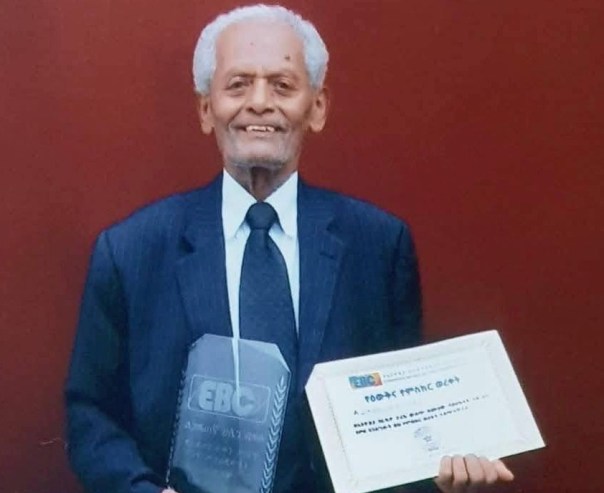
More Than a Journalist: A Scholar and a Mentor
Hussein Badaso is a living archive of Oromo history, culture, identity, and language. He was not only the first journalist to present a full-hour national program in Afan Oromo but also a master teacher of Oromo art, history, philosophy, and culture through the radio.
His contributions extend beyond broadcasting. When mother-tongue education was introduced after the Derg regime took power, he worked alongside Professor Mahdi Hamid Mude, then editor of the “Beresa” newspaper, to develop foundational Afan Oromo curriculum modules. He is also a published author, having written four books to date and currently preparing two more. His research into Oromo folk music, conducted in collaboration with legendary artists like the late Ali Shabo, has been invaluable.
A Legacy of Resilience and an Urgent Call for Support
Despite facing immense political pressure, moral attacks, and professional sidelining for his perceived affiliations and unwavering stance, Hussein Badaso persevered. Today, in his old age, he survives on a meager pension.
The Oromo people, the Oromia Regional Government, philanthropic foundations, and civic organizations have a profound debt of gratitude towards this hero. Failing to honor his monumental contributions while he is still with us would be a historical injustice, akin to erasing a vital chapter of the struggle for justice and freedom.
A Concrete Opportunity to Help
Among his works is the prepared manuscript for “Afaan Oromoo Raadiyorraa, Volume 2,” a continuation of his educational radio programs. Due to a lack of financial support from either individuals or institutions, it remains unpublished. Volume 3 is also in progress.
We have an obligation to support this generation-bridging champion. Let us ensure his knowledge is preserved and shared. We can help by supporting the publication costs of his invaluable books, particularly his Afan Oromo radio educational series.
Let us not just offer words of thanks, but tangible support. Let us help ensure that the light of knowledge he lit continues to shine for future generations.
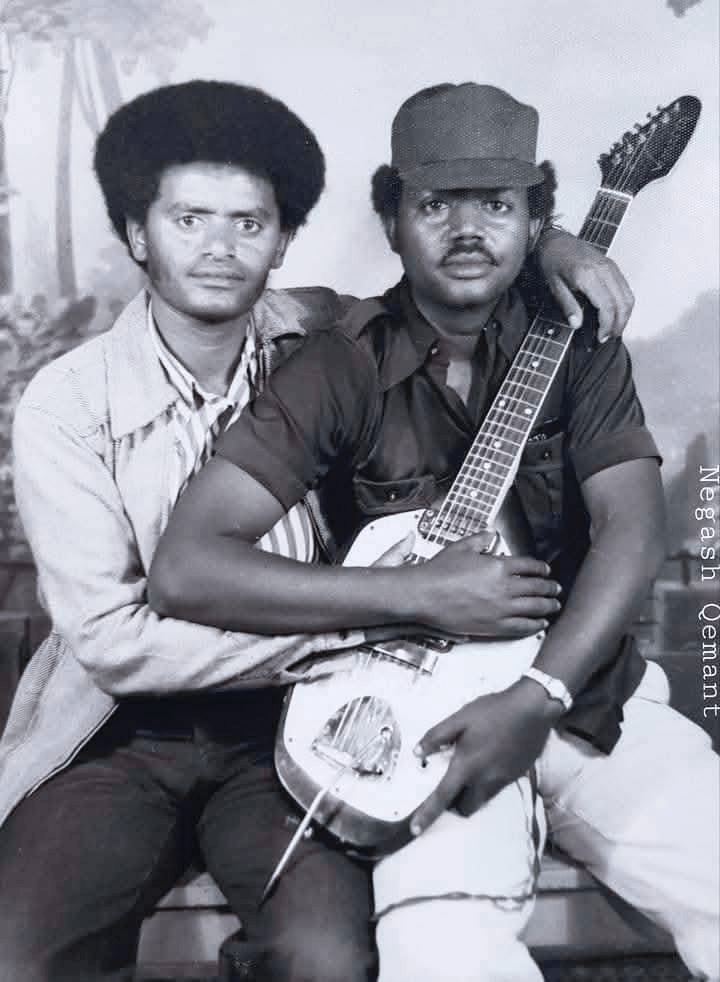

Benefits of the Shanan Celebration for Mothers Abroad
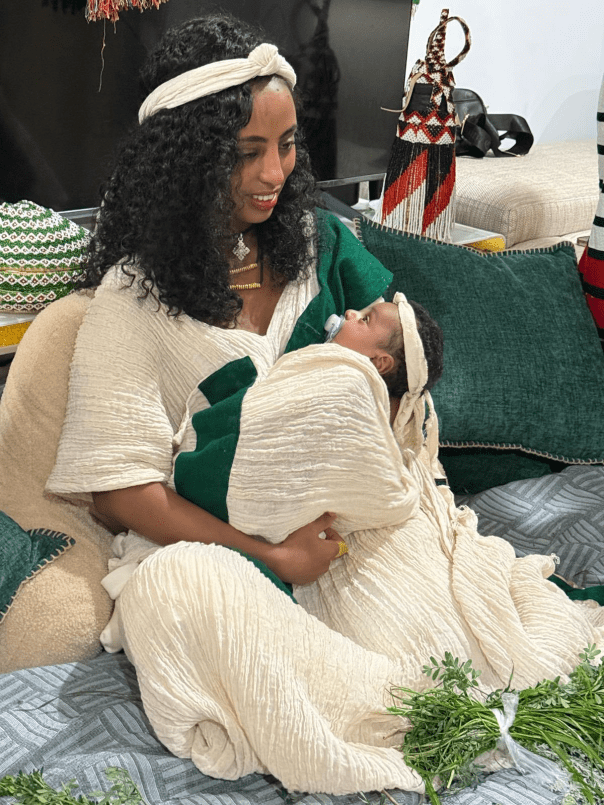
What are the benefits of the fifth day of the birthday celebration for a mother who is away from family and relatives and lives abroad?
This is a poignant question that touches on the heart of maintaining cultural identity and emotional well-being while living abroad.
The benefits of celebrating the fifth-day ceremony (often called Shanan in Oromo tradition) for a mother living far from her family and relatives are profound, albeit in a different way than if she were at home.
Here are the key benefits, framed for her unique situation:
1. Psychological and Emotional Benefits
- Combating Isolation and Loneliness: New motherhood in a foreign country can be intensely isolating. Actively observing this ritual creates a powerful psychological tether to her support system. It is a deliberate act that says, “Even though I am far, I am still connected to my people and their traditions.”
- Creating a Sense of Control and Agency: In a time when much feels new and outside of her control (new baby, new environment), performing a familiar ritual is an act of empowerment. It allows her to reclaim a piece of her identity and actively shape her experience of motherhood according to her own values.
- Marking the Sacred Transition: The fifth-day ceremony formally welcomes the newborn into the world and acknowledges the mother’s journey. By celebrating it, she honors her own strength and validates the monumental transition she is undergoing, preventing it from passing as just another day.
2. Cultural and Identity Benefits
- Instilling Cultural Identity from the Start: This is one of the most powerful benefits. By performing this ceremony, she begins the process of passing on her Oromo heritage to her child from its very first days. It is the child’s first cultural lesson and a foundational brick in building their identity.
- Being a Cultural Bridge: The celebration can be an opportunity to educate her non-Oromo friends and community about the beauty and depth of her culture. It transforms her home into a small cultural embassy, fostering understanding and pride.
- Preserving Personal and Collective Heritage: For diaspora communities, these rituals are a vital act of preservation. By keeping the tradition alive, she ensures it will be passed down, contributing to the cultural continuity of the Oromo people abroad.
3. Social and Relational Benefits
- Building a “Chosen Family”: While she cannot be with biological family, the ceremony can be adapted to include her support network abroad—close friends, neighbors, or other diaspora families. This helps forge a new, meaningful community around her and her child.
- Facilitating Long-Distance Connection: Technology can bridge the distance. She can schedule a video call with family back home during the ceremony, allowing them to participate virtually, offer blessings, and guide the rituals. This creates a shared experience despite the geography.
- Honoring the Grandparents and Ancestors: Performing the ritual is a profound act of respect for her parents and elders. It shows them that their teachings and traditions are valued and being continued, which can be a great comfort to them and strengthen those long-distance bonds.
How to Adapt the Celebration Meaningfully:
The benefit isn’t diminished by adapting the ceremony; it’s often enhanced. She can:
- Simplify the Rituals: Focus on the core elements that are most meaningful to her, such as saying the traditional prayers or blessings, preparing a significant symbolic meal, or dressing herself and the baby in traditional clothes.
- Incorporate New Elements: Blend the Oromo tradition with elements from her new environment in a way that feels respectful.
- Make it Personal: The most important benefit is the intentionality behind the act. The mere act of pausing, reflecting, and honoring this tradition infuses her journey as a new mother abroad with purpose, meaning, and a deep sense of connection.
In essence, the benefit is transforming a moment of potential loneliness into an act of profound cultural strength and personal affirmation. It is a way for her to nurture both her child and her own spirit.
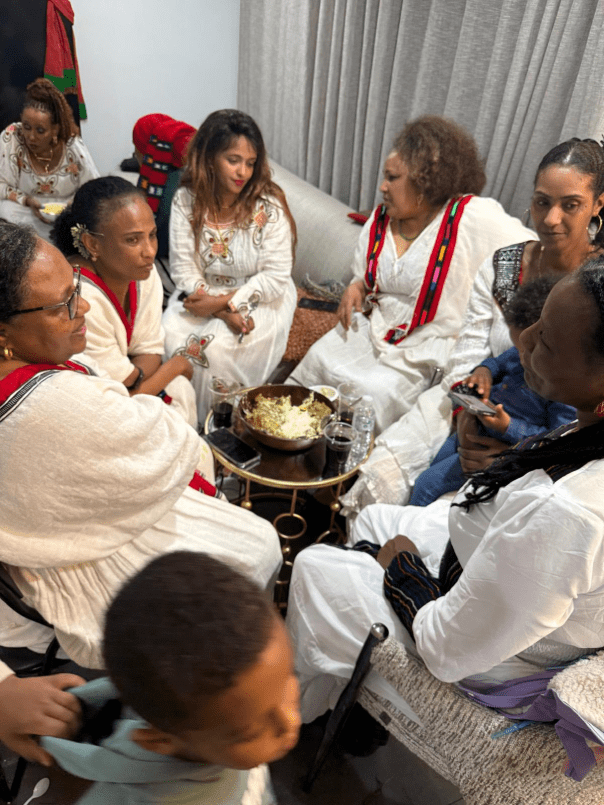

Why Sadaasa 9 (November 9) holds a place of supreme importance in the history of the Oromo struggle for freedom?
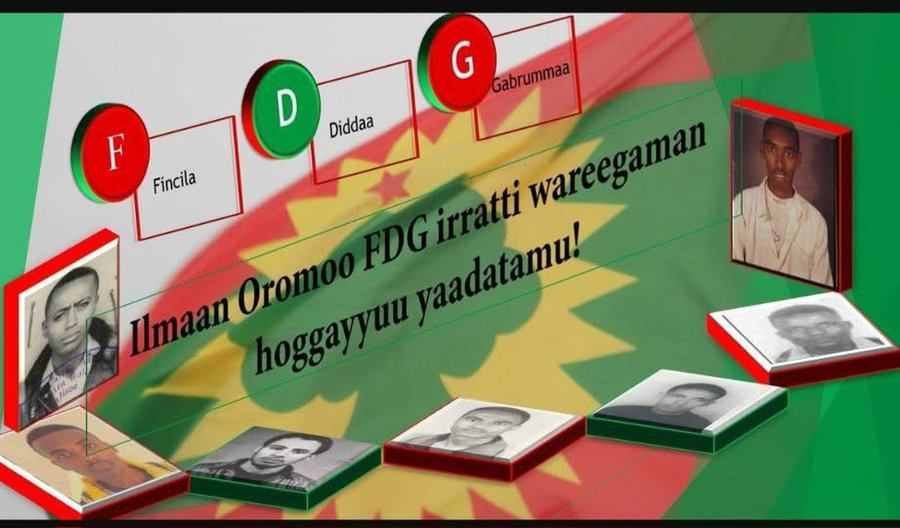
Sadaasa 9 (November 9) holds a place of supreme importance in the modern Oromo struggle for freedom because it marks the beginning of a watershed protest movement that fundamentally transformed the nature of the resistance against the Ethiopian government.
Here is a detailed breakdown of why this date is so significant and is commemorated annually.
1. The Trigger: The “Master Plan” for Addis Ababa
The immediate catalyst was the **2006 Master Plan**, a massive urban expansion scheme by the government that aimed to annex large swathes of Oromia farmland surrounding the capital, Finfinne (Addis Ababa). For the Oromo people, this was not merely a municipal boundary adjustment; it was an **existential threat**. It meant:
* Mass Dispossession: The forced eviction of Oromo farmers from their ancestral land with little to no compensation.
* Cultural Erasure: The further erosion of Oromo identity, sovereignty, and their historical connection to Finfinne.
* Economic Marginalization: The loss of livelihood for millions, turning self-sufficient farmers into a displaced underclass.
The Master Plan was seen as the ultimate symbol of garbummaa (systemic exploitation, subjugation, and denial of Oromo rights) under the Ethiopian state.
2. The Outbreak of the Oromo Protests (Fincila Diddaa Garbummaa – FDG)
In response to this plan, widespread protests erupted spontaneously, primarily led by **Oromo youth (the Qeerroo)**. While discontent had been simmering for decades, **Sadaasa 9, 2015**, marks a pivotal moment when these protests exploded into a coordinated, mass movement.
The protests that began on and around this date were characterized by:
* Mass Mobilization: It was not led by a single political party but was a genuine grassroots uprising involving students, farmers, professionals, and elders across virtually all of Oromia.
* Strategic Non-Violence: Initially, the protests were largely peaceful, involving marches, sit-ins, and the symbolic raising of the Oromo flag.
* A Clear, Unified Message: The protests unified various Oromo grievances—political marginalization, economic exploitation, cultural suppression—under the central demand to cancel the Master Plan and secure Oromo self-rule.
3. The Government’s Brutal Crackdown and Martyrdom
The Ethiopian government’s response was swift and extremely violent. Security forces used live ammunition, mass arrests, torture, and intimidation to crush the protests.
This crackdown had a profound effect:
* Creation of Martyrs: Hundreds, and eventually thousands, of unarmed protesters were killed. Sadaasa 9 became a day to remember these wareegamtoota (martyrs) who gave their lives for the cause.
* International Spotlight: The brutal suppression drew unprecedented international attention from human rights organizations like Amnesty International and Human Rights Watch, global media, and diplomats, putting the Ethiopian government under intense scrutiny.
* Radicalization of the Movement: The violence convinced many Oromos that peaceful protest was futile, further cementing their resolve and transforming the **Qeerroo** into a formidable, disciplined force for change.
4. A Historic Turning Point
The protests that began on Sadaasa 9, 2015, ignited a fire that could not be extinguished. They:
* Shattered the Climate of Fear: For the first time in a generation, the Oromo public massively and openly defied the state.
* Forged a New Generation of Leaders: The **Qeerroo** movement demonstrated immense organizational skill and strategic patience.
* Laid the Groundwork for Political Change: The sustained pressure from these protests over the next three years critically weakened the ruling party and was the primary force that led to the resignation of Prime Minister Hailemariam Desalegn and the rise of Abiy Ahmed in 2018. The **Master Plan was officially canceled** in January 2016 as a direct result of the protests.
—
Summary: Why Sadaasa 9 is Commemorated
In essence, Sadaasa 9 is commemorated because it marks the birth of the Oromo Protest Movement—a decisive, transformative moment in the struggle.
* It is a Day of Remembrance: To honor the courage and sacrifice of the wareegamtootaa (martyrs) who were killed.
* It is a Day of Resistance: It symbolizes the collective rejection of garbummaa and the reclaiming of Oromo identity and agency.
* It is a Day of Resilience: It celebrates the power of a united people to challenge a repressive state and force historic political concessions.
* It is a Foundational Date for Modern Oromo Nationalism: For the Oromo youth and the diaspora, it represents their “1776” or “Sharpeville”—a defining date where their generation took center stage in the fight for their people’s future.
Therefore, Sadaasa 9 is not just a date on the calendar; it is a powerful symbol of sacrifice, unity, and the unyielding pursuit of freedom in the face of overwhelming odds.
Irreecha: The Foundation of Oromo Nationalism
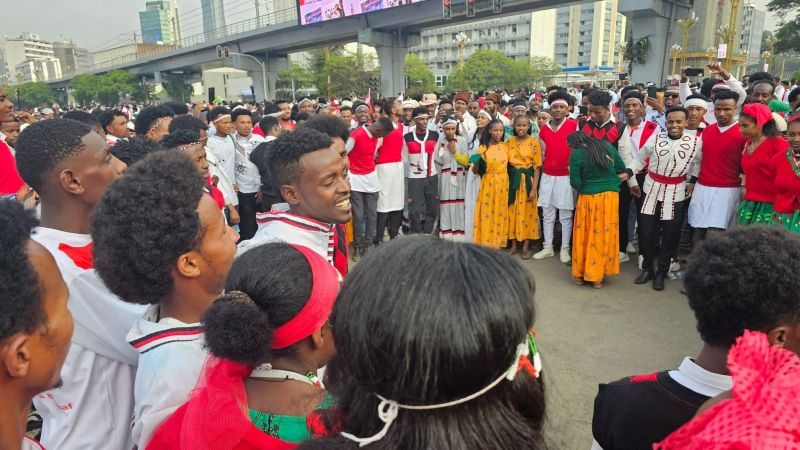
The Irreecha festival stands as a powerful foundation of Oromo nationalism. It is a vibrant testament to the Oromo people’s enduring commitment to preserving their identity, language, and culture against all odds. This commitment fuels a continuous struggle to reclaim and restore their dignity, a cause for which they are willing to make any sacrifice.
Among these celebrations, Irreecha Hora Finfinnee holds particular significance as a massive and profound demonstration of cultural pride.
The success of this cultural revival has been supported by the current government’s policy of cultural reform. This enabling environment has allowed the Oromo people, through events like Irreecha, to showcase their heritage and contribute to their collective social and cultural development.
During Irreecha, especially at the Malka site, the spirit of Oromo nationalism is palpable. Participants adorn themselves in traditional clothing and jewelry, creating a stunning visual representation of their culture. The sense of unity is boundless, as millions gather at Malka for a shared purpose.
This immense gathering does more than unite the Oromo people; it also creates a captivating spectacle for the wider world. The powerful display of unity and the convergence of diverse nations and nationalities have made Irreecha a significant attraction, drawing fascinated visitors from across the globe.
Significance of the Gaammee Gurguddaa in Oromo Culture
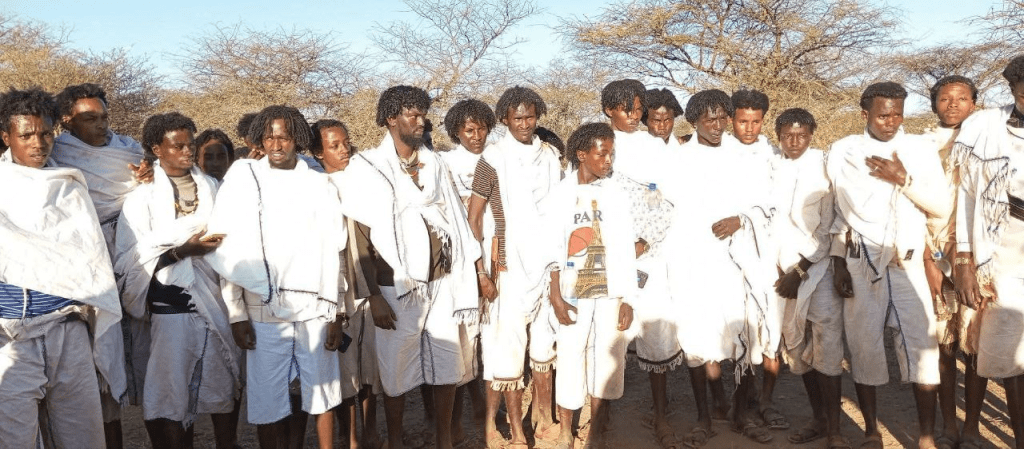
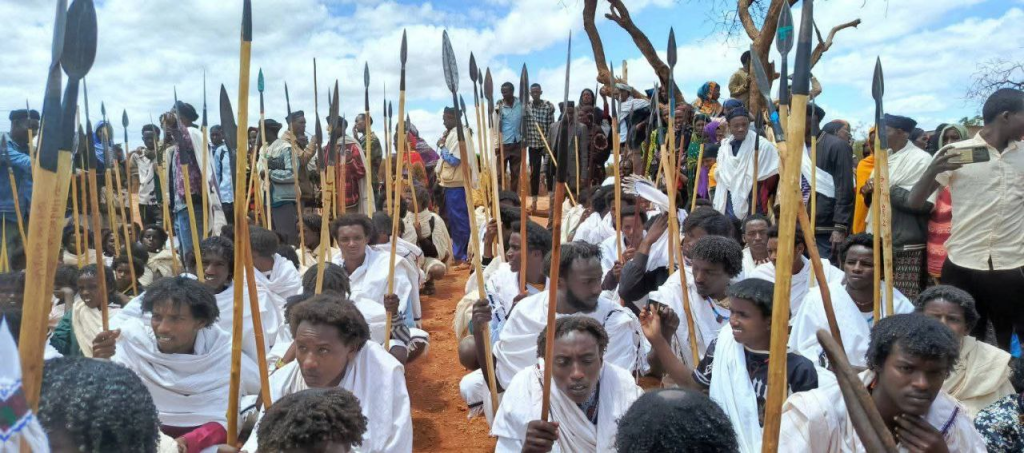
Borana Gaammee Gurguddaa Gather in Gayo Village for Traditional Rite of Passage
The Gadaa system, the foundation of Oromo culture, traditions, and governance, guides every Oromo child through distinct stages of development. This long-term process, known as Gadaa, is dedicated to acquiring, nurturing, and preparing successive generations for leadership.
A significant transition within the Borana Gadaa system is the progression from the Gaammee Gurguddaa stage to the Kuusaa. Before this advancement, children in the Gaammee Gurguddaa grade from various regions convene in a ceremony known as Walargii.
Bonayaa Diidoo, leader of the traditional Sona group at the Oromia Bureau of Culture and Tourism, explained to Fana Digital that Borana children of this age group, including those from Kenya, gather at Gumii Gaayyoo with their fathers’ support.
The primary purpose of the Walargii is for the Gaammee Gurguddaa of the same gogeessaa to meet, learn from one another, and build relationships. A further objective is to instill respect for the people’s laws, customs, and ethics, thereby strengthening communal unity. This gathering occurs once every eight years.
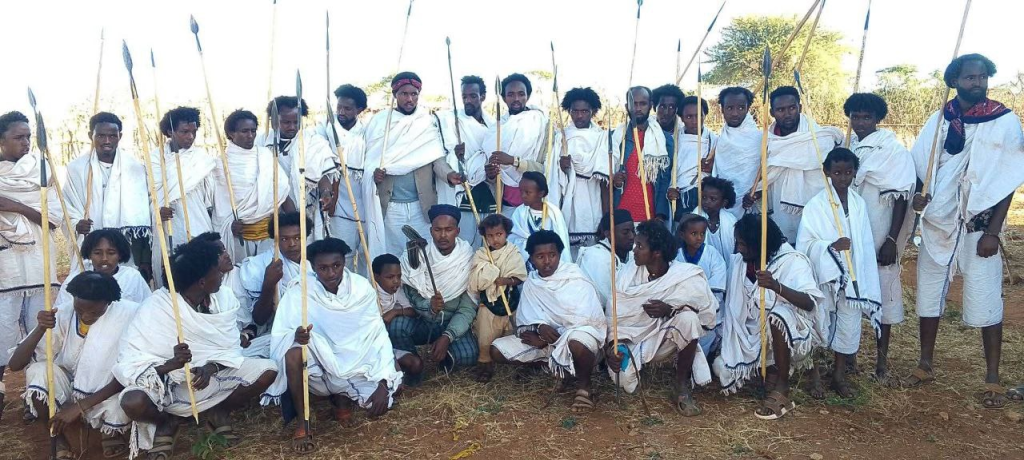
During the three-to-four-day ceremony, the community hosts and feeds the Gaammee Gurguddaa from the moment they begin their journey. At the Gayo Gumii, the Abbootii Gadaa and Abbootii Seeraa formally identify the children as being in the same leadership cohort and introduce them. The meeting takes place at the ancestral home of the former Abba Gadaa Guyyoo Gobba, where a ritual blessing is performed.
The Walargii ceremony serves as the first chapter in a major program, culminating in a second stage known as the “Feeding Ceremony” approximately ten months later.
For about five months following the Walargii, the Gaammee Gurguddaa undergo intensive training, refusing to return home. They immerse themselves in the people’s customs, traditions, and ethics. During this period, they sustain themselves solely on the meat and blood of animals, do not enter houses, and abstain from washing their bodies or clothes. They go barefoot, enduring these challenges to practice the rigors of traditional life.
When the time arrives according to the traditional calendar, the Gaammee Gurguddaa reunite with the Abbootii Gadaa, Luboota, and jaarrolee for the grand “Feeding” ceremony. While a feast is central to the event, it is also a forum for significant challenges and evaluations.
The trainees compete and are rigorously assessed on their physical strength, understanding of Gadaa rule, and public speaking skills. The most successful individual among the Gaammee Gurguddaa is selected by the elders and the public to be groomed as a future Adula Council Scholar. They are blessed and gains recognition throughout the tribe, and when he comes of age, he will become a Gadaa leader and receive the baallii (sceptre).
Recently, the Gaammee Gurguddaa of Borana Gayo convened for their Walargii in the Dhas District of the Eastern Borana Zone.

Commissioner Lelise Dhugaa: A Catalyst for Oromia’s Tourism
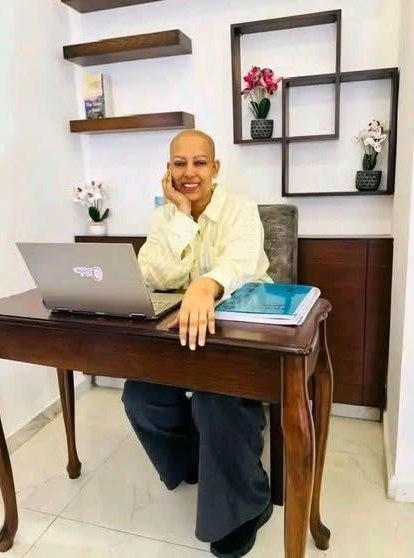
Commissioner Lelise Dhugaa is more than a leader; she is a transformative force. Her legacy in establishing and advancing Oromia’s tourism sector is a testament to her vision, intellect, and unwavering dedication.
Her Key Achievements Include:
- Founding a New Sector: She was the first to prepare and submit the proposal for the establishment of the Oromia Tourism Commission. Her idea was not only accepted but successfully realized.
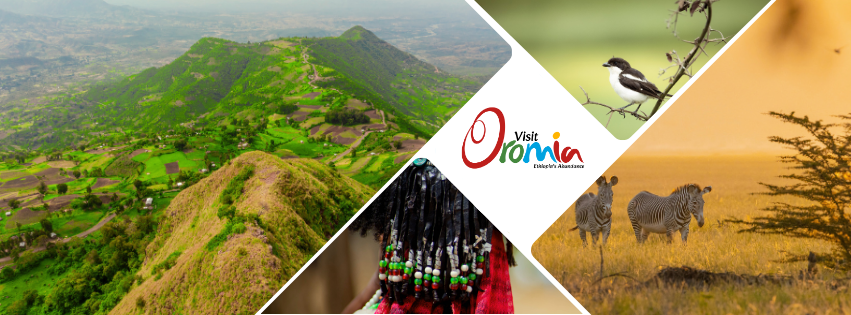
- Launching “Visit Oromia”: Under the new commission, she launched the “Visit Oromia” initiative. This platform brought unprecedented attention to natural wonders like the mountains of Bale, Salale, Arsi, and Iluu Abbaa Boor, as well as the Suba Forest.
- Unifying Professionals: She successfully mobilized a wide range of experienced professionals—including cameramen, media experts, artists, and models—from both public and private sectors to collectively promote Oromia.
- Creating a Cultural Symbol: She institutionalized “Oromia Tourism Week” to precede the annual festival, featuring panel discussions and promotional events. This initiative created new opportunities, encouraging Oromo girls to develop skills in beauty and modeling through a celebrated annual competition that promoted Oromia’s culture.
- Promoting Hidden Gems: Countless previously unknown natural and artificial parks across Oromia were identified and promoted to a wider audience.
- Recognizing Contributors: She ensured that the camera professionals, park guards, tour guides, drivers, and artists who played a crucial role in showcasing Oromia’s image and beauty were recognized and celebrated, setting a precedent for future generations.
- Elevating Oromia Globally: Through her work, the God-given heritage, tourist attractions, culture, and identity of the Oromo people have gained recognition on the world stage. The resulting tourism income has directly benefited our region.
- Driving Development: Her office identified, researched, and promoted hidden tourist attractions, linking tourism directly to infrastructure development.
- Securing UNESCO Recognition: She played a major, indispensable role in the UNESCO listings for the Bale Mountains, Irreecha, and the Gada System over the past five to six years.
Commissioner Lelise is not only a skilled leader but also a woman of profound wisdom. Academically, she is a formidable intellectual. In a country where establishing a new commission is a monumental challenge, she not only created a new sector but achieved 101% success.
Overall, Commissioner Lelise Dhugaa has firmly established Oromia as a center of tourism. She successfully redirected tourist traffic that once flocked only to the north, ensuring our region received its rightful share of attention. For this, this generation praises and thanks her.
She is a strong woman whose discipline and honor reflect the dignity of all Oromo mothers. Though I do not know her personally, she carries the grace and strength of my own mother—a person whom Allah has adorned with every virtue.
I was profoundly shocked to learn of her illness. Mom… we need you. You are more valuable to Oromo and Oromia than gold. We pray for your swift and complete recovery, so you may finish the vital work you have started. May no evil befall you. May God restore you to perfect health.
For further info visit: https://www.facebook.com/visitoromia

Oromo Forces: New Democratic Strategies After 2018
How did 2018 peace deal alter ODF political goals?
The 2018 peace deal fundamentally shifted the political goals of the Oromian Defense Force (ODF) and its allied groups, most notably the Oromo Liberation Front (OLF) and Oromo Liberation Army (OLA), from an emphasis on armed struggle and potential secession toward renewed engagement with federal politics, negotiation, and peaceful transformation within Ethiopia.[11][12]
Emphasis on Negotiation and Peaceful Participation
Following the 2018 peace deal—brokered as part of a broader national reconciliation—the ODF and OLF renounced armed resistance, returned to Ethiopia from exile, and announced a willingness to pursue Oromo objectives through legal, peaceful, and democratic means. This marked a crucial shift from decades of armed opposition to dialogue and electoral participation.[12]
Commitment to Justice and Democratic Reform
The ODF and its political allies reoriented their platform around justice and democratization rather than outright independence. They advocated for dialogue aimed at ending repression, safeguarding human rights, and building an inclusive federal system. The peace deal made negotiation over Oromo grievances, state autonomy, and fair power-sharing a central feature of their demands.[13][12]
Internal Divisions and New Strategies
The peace process also brought internal tensions—some factions supported disarmament and rapprochement with the government, while others (notably the OLA) argued the federal government failed to meet peace commitments, thus resuming armed resistance. Nevertheless, the declared political track for mainstream ODF/OLF post-2018 prioritized peaceful reform and legal advocacy within Ethiopia’s system.[14][15]
Dialogue on Self-Determination
Post-deal, political demands have been reframed around a self-determination process via constitutional and democratic mechanisms, rather than unilateral secession. The goals moved toward ensuring meaningful autonomy for Oromia and broad democratic reforms to benefit all Ethiopians, as opposed to exclusive focus on armed struggle for independence.[11][12]
In summary, the 2018 peace agreement redefined ODF political goals—shifting them from militant separatism to a platform emphasizing peaceful negotiation, democratic participation, and structural reform of the Ethiopian state.[15][12][14][11]
Sources
[1] Is South Sudan’s Peace Deal Falling Apart Again? https://www.internationalaffairs.org.au/australianoutlook/is-south-sudans-peace-deal-falling-apart-again/
[2] Death by Peace: How South Sudan’s Peace Agreement … https://africanarguments.org/2022/01/death-by-peace-how-south-sudans-peace-agreement-ate-the-grassroots/
[3] BRIEFING: All you need to know about South Sudan’s … https://www.thenewhumanitarian.org/analysis/2018/08/14/briefing-all-you-need-know-about-south-sudan-s-new-power-sharing-accord
[4] Why South Sudan’s attempts at peace continue to fail https://theconversation.com/why-south-sudans-attempts-at-peace-continue-to-fail-126846
[5] The last peace deal for South Sudan? https://issafrica.org/iss-today/the-last-peace-deal-for-south-sudan
[6] South Sudan’s peace deal at risk of collapse without … https://www.ohchr.org/en/press-releases/2025/06/south-sudans-peace-deal-risk-collapse-without-stronger-regional-action-warns
[7] South Sudan’s shaky peace is at risk of collapse. Can it be … https://www.chathamhouse.org/2025/04/south-sudans-shaky-peace-risk-collapse-can-it-be-saved
[8] South Sudan president signs peace deal with rebel leader https://www.aljazeera.com/news/2018/9/12/south-sudan-president-signs-peace-deal-with-rebel-leader
[9] The shaky peace deal in South Sudan https://www.freiheit.org/sub-saharan-africa/shaky-peace-deal-south-sudan
[10] Landmark South Sudan deal offers hope, but trust ‘still … https://news.un.org/en/story/2018/09/1019242
[11] Mission – Oromo Liberation Front https://oromoliberationfront.org/english/mission/
[12] Country policy and information note: Oromos, the … https://www.gov.uk/government/publications/ethiopia-country-policy-and-information-notes/country-policy-and-information-note-oromos-the-oromo-liberation-front-and-the-oromo-liberation-army-ethiopia-march-2022-accessible
[13] Peace—and justice—remain elusive in Oromia https://www.ethiopia-insight.com/2024/10/17/peace-and-justice-remain-elusive-in-oromia/
[14] Oromo Liberation Front – Wikipediaen.wikipedia.org › wiki › Oromo_Liberation_Front https://en.wikipedia.org/wiki/Oromo_Liberation_Front
[15] About the Oromo Liberation Army | OLF-OLA https://www.olf-olahq.org/about
THE PRESENT PHASE OF THE OROMO NATIONAL MOVEMENT: CHALLENGES, OPPORTUNITIES, AND ACTION ITEMS
The Oromo Scholars and Professional Group
Realizing the fact that the effort of transitioning the Ethiopian Empire to democracy has been derailed primarily because of the incompetency and ill will of the Abiy Ahmed government, which emerged in 2018 from the EPRDF and later formed the Prosperity Party (PP) to gain political legitimacy without shedding the authoritarian and colonial essence of the former party, the Oromo Liberation Front (OLF) issued a declaration on September 13, 2020. In this declaration the front proposed the formation of an inclusive “national” convention in which all political parties and fronts in the empire as stakeholders would participate in developing a political road map, which would be acceptable to a broad majority of them, to avoid the looming state collapse and the possible emergence of an empire-wide conflict and war, and to ensure the transition to a genuine multinational democracy. Furthermore, the OLF invites international bodies such as the United Nations and its Security Council, the United Nations Human Rights Commission, and regional organizations such as the African Union and the European Union to be actively involved in the process of preventing the danger of state collapse and the total breakdown of the empire resulting in unimaginable human tragedy.
More importantly, the front calls upon all citizens of Oromia in general and independent Oromo political organizations, civic institutions, and professional associations in particular, to initiate the process of forming an Oromia transitional government to protect their society from the emerging political and security crises in Oromia and beyond. The Oromo Scholars and Professionals group believes that two major contradictory processes have started to emerge in Ethiopia and Oromia: 1) the decomposition of the Ethiopian colonial system and its institutional infrastructures such as the nafxanya government and other institutions, and 2) the emergence of progressive forces that are determined to establish a true multinational democracy in the context of federation or confederation, which guarantees national self-determination. Consequently, the Oromo Scholars and Professionals Group concurs with the explanations of the OLF and endorses its declaration.
Because of its abundant economic resources and geographical landmass, the size of its population, and the recent development of the Qeerroo/Qarree movement, which has mobilized the entire Oromo nation to fight against injustices and gross human rights violations, Oromia has become the hotspot of the emerging political contestation between the old and dying forces on one hand and the new and energized political and social movements on the other. Despite facing monumental challenges from its external and internal enemies, the Oromo national movement appears to have embarked on the final phase of its journey toward the long sought national self-determination. Particularly, the OLF, which mapped out the ideological and political roadmap of the Oromo nation in the 1970s by introducing an ideological innovation and the knowledge for liberation to Oromo society has challenged the underpinnings of Ethiopianism and nafxanyaa philosophy that have provided the justification for the abuse of Oromo humanity and identity, liberated the minds of millions of Oromos, and mobilized them to struggle for their freedom and liberate their country from Abyssinian/Habasha domination.
Consequently, the flourishing of national Oromummaa (Oromo national history, culture, and nationalism) and the consolidation of Oromo unity as demonstrated by the recent Qeerro/Qarree movement have revealed the potential of Oromo society to bring about fundamental transformations in Oromia, the Ethiopian Empire, and the Horn of Africa. In disapproval and objection to the development of Oromo political consciousness and national Oromummaa, the neo-nafxanya government of Abiy Ahmed and all external and internal enemies of the Oromo national struggle are currently attacking Oromo nationalists in general and independent Oromo political organizations such as the OLF and the Oromo Federalist Congress (OFC) and their key leaders, members and sympathizers in particular in order to deny the people the institutional and organizational capacity, which is absolutely necessary to empower the Oromo nation. The main objectives of the neo-nafxanayaa government and its collaborators are to continue disempowering the Oromo people by dispossessing their lands and other resources and by keeping them in the status of colonial subjects, who are disorganized and easily terrorized and dominated.
The recent ideological and intellectual victories of the Oromo national movement have disturbed the neo-nafxanyaas and their government. They are worried that they cannot successfully implement their grand plans for dismantling Oromia and Oromo nationhood/peoplehood. Their strategies are to fragment the Oromo nation into local and religious identities, partition Oromia again into colonial administrative regions, reimpose Habasha/Amhara culture and language, and to continue looting Oromia resources. The OLF and OFC have become the main obstacles to these grand schemes while some Oromo organizations and former politicians/activists are willingly becoming the agents of the neo-nafxanyaa government to satisfy their personal interests at the expense of the Oromo nation. Currently, Abiy and his government are trying to dismantle the independent leaderships of OLF and OFC and replace them by a subservient leadership that will be commanded by the neo-nafxanyaa government. They do this to continue Habasha/Amhara hegemony and to securely institutionalize Ethiopian settler colonialism and its nafxanyaa system.
In its attempt to destroy or diminish the Oromo national movement and its organizational infrastructures, Abiy and his government have developed and used four main political and ideological schemes.
- Using the carrot and stick strategy, the Abiy government has corrupted and incorporated some Oromo political activists/politicians, who were members of the now defunct Oromo Democratic Front, as well as some of the leaders of the so-called OLF-United, using them in the struggle against Oromo independent political and civic organizations and Oromo society.
- Claiming the rise of Oromo Liberation Army (OLA) as a pretext, it has mobilized politically naive and/or Oromo opportunists and subservient organizations to ideologically attack the OLF and the OLA, justifying the establishment of a brutal military rule under command posts in many regions of Oromia.
- While cementing his political relationship with his nafxanyaa brethren, Abiy has defamed and devalued Oromo nationalism by falsely claiming it has reduced the significance of the Oromo nation to a local phenomenon.
- Creating animosity and hatred for Oromo nationalists, Abiy’s government used the assassination of Hacaalu Hundessa (for which it is either directly or indirectly responsible) to amass Oromo political leaders, nationalists, and activists and jam them in overcrowded and filthy jails, which are infested with Covid-19 and other dangerous diseases. Following the killing of Hacaalu Hundessa on June 29, 2020, the government massacred hundreds of people and incarcerated more than 9,000 Oromos, charging them with terrorism.
- Abiy and his nafxanyaa comrades are campaigning hard to misinform the world community by portraying Oromo nationalists as extremists and terrorists. The fact on the ground, however, is that the Oromo people have never resorted to terrorism or extremism in their bitter struggle to liberate themselves from the yoke of barbaric subjugation and economic marginalization.
Preemptive political crimes have been concocted and implemented to enable the PP to win the upcoming elections and keep Abiy in power. Above all, Abiy’s security infrastructure has detained most of the known OLF leadership to make it a marionette of PP or to simply destroy it. When these efforts failed, the government sponsored the creation of what is now called the Hilton group, a renegade group corrupted from the ranks of the OLF that takes its orders from Abiy’s government. The fact that the Abiy government is now calling for a general election is clear evidence that COVID-19 was not the reason for postponing the May 2020 election. If that was the reason, the government does not reverse the decision now when COVID-19 is more prevalent. The true intention for illegally and unconstitutionally postponing the election was to weaken formidable political opponents so that Abiy and his party can declare victory by running against themselves, as they did in the 2015 sham election.
The declaration by agents of the government of Ethiopia and the neo-nafxanyaa media outlets that the chairman of the OLF was replaced by his deputy chairman was intended to spread confusion and to demoralize the Oromo people and promote the renegade group. Overall, the assassination of Hacaalu and the attack on the Oromo people and their leaders have renewed the commitment of the people to intensify the Oromo national movement in Oromia and the diaspora. Ongoing rebellions, economic boycotts and shutting down of highways are clear examples. The Oromo diaspora has come out in en masse in support of the Oromo struggle in Oromia by engaging in series of demonstrations and by engaging in public diplomacy on behalf their people. The demand to release all political prisoners and to abolish command posts in Oromia with emphatic support for the Oromo Liberation Army have dominated Oromo medias and other media outlets.
Recommended actions
Our people, while aspiring for the liberation of their society and country under such dire conditions, must know that they need independent political organizations that lead their national movement through the rough roads ahead. Consequently, while engaging in different political activities, they must consider the following.
- Support the call for the formation of the Transitional Government of Oromia and contribute their fair share to its implementation;
- Become members or supporters of independent Oromo political organizations and provide human and financial resources to build the Oromo national organizational capacity;
- Join or support independent national civic institutions such as Oromia Global Forum;
- Centralize and coordinate the Qeerroo/Qarree movement with new strategies and tactics, armed with a robust network of firm and honest leadership that can resist corruption and infiltration by government security networks;
- Like any society in the world, the Oromo need their national defense army, which will protect them and their country from tyranny that have become too common these days. Therefore, every Oromo has a moral and national obligation to support the Oromo Liberation Army (OLA) financially, ideologically, and intellectually.
- Support Oromo media outlets that focus on the Oromo national struggle to engage in knowledge dissemination and propaganda more actively. The enemies of the Oromo have been depicting the Oromo nation negatively and calling them foreigners in their own country. Currently, our external and internal enemies are painting members of Oromo society as extremists and terrorists, who hate non-Oromos and commit genocide on them. These nafxanyaa forces and their collaborators are well organized and financed, with powerful media outlets that attack the Oromo people day and night. In order to defend themselves from such attacks, the Oromo need to consolidate their media capacity, in order to equip our people with liberation knowledge by focusing on Oromo national culture, history, and national Oromummaa.
- Support our firm and historic initiatives to immediately start national dialogue among independent political groups or organizations, activists, scholars, religious institutions, etc., toward the creation of an independent Oromia democratic state to, once and for all, liberate Oromia from a stubborn adversary that is unwilling to live together with Oromos as equals by respecting Oromo national identity, lives, and culture.
- In summary, rather than waiting for Oromo political parties to mobilize and organize the Oromo people at home or in the diaspora, all freedom loving Oromos must voluntarily join or support our independent organizations and build their national leadership and organizational capacity. At the same time, Oromo nationalists and others must marshal their economic and intellectual resources to build OLA as the Oromo national defense force. It is a high time to stop appealing to and begging our morally corrupt external and internal enemies, and to take our national destiny in our hands. Once the independent Oromia democratic state is formed, the Oromo can freely decide on the process of forming a multinational confederation or federation within the context of a multinational democracy.
Respectfully,
Signatories,
- Adugna Birhanu (Ph.D)
- Alemayehu Biru (Ph.D)
- Amanuel Gobena (Ph.D)
- Asefa Jalata (Ph.D)
- Asfaw Beyene (Ph.D)
- Ayana Gobena (Ph.D)
- Bahiru Duguma (Ph.D)
- Baro Deressa (MD)
- Bedassa Tadesse (Ph.D)
- Begna Dugassa (Ph.D)
- Bekele Temesgen (Ph.D)
- Benti Getahun (Ph.D)
- Berhanu Kedida (MD)
- Bersisa Berri (Ph.D)
- Bichaka Fayissa (Ph.D)
- Daniel Ayana (Ph.D)
- Degefa Abdissa Ph.D)
- Dessalegn Negeri (Ph.D)
- Desta Yebassa (Ph.D)
- Gizachew Tesso (Ph.D)
- Guluma Gemeda (Ph.D)
- Haile Hirpa (Ph.D)
- Ibrahim Elemo (Ph.D)
- Iddoosaa Ejeta (Ph.D)
- Ismael Abdullahi (Ph.D)
- Jamal Ebrahim (MD)
- Jemal Hebano (PharmD)
- Jenberu Feyisa (Ph.D)
- Junaidi Ahmed (MD)
- Koste Abdissa (Ph.D)
- Mekbib Gebeyehu (Ph.D)
- Mekuria Bulcha (Ph.D)
- Moa Apagodu (Ph.D)
- Mohammed Hassan(Ph.D)
- Mosisa Aga (Ph.D)
- Namara Garbaba (Ph.D)
- Oli Bachie (Ph.D)
- Rundassa Eshete (Ph.D)
- Samuel Geleta (Ph.D)
- Solomon Geleta (Ph.D)
- Teferi Margo (Ph.D)
- Tekleab Shibru (Ph.D)
- Tesfaye Negeri (Ph.D)
- Tesfaye Tesso (Ph.D)
- Thomas Baisa (MD)
- Tolawak Beyene (MD)
- Workineh Torben (Ph.D)
- Worku Burayu (Ph.D)
- Hambisa Belina (Ph.D)
- Habtalem Kenea (Ph.D)
- Alemayehu Kumsa (Ph.D)
- Alem Hika (Ph.D)
- Galaana Balcha (MD)
- Henok Gabisa (Ph.D)
- Mohammed Tahiro (Ph.D)
- Jirenya Gudeta (M.Sc)
- Imiru Itana (M.Sc)
- Itana Habte (Ph.D)
- Tsegaye Ararsa (Ph.D)
- Beyan Asoba (Ph.D)
- Mesfin Abdi (Ph.D)
- Gobena Huluka (Ph.D)
- Benti Ujulu (Ph.D)
- Kano Banjaa (Ph.D)
- Zelalem Abera (M.Sc)
- Teshome Dime (M.Sc)
- Abdisa Koricho (Ph.D)
- Geremew Nigatu (Ph.D)
- Ayele Teressa (Ph.D)
=======================<>=======================
THE OROMO NATION HAVE RIGHTS TO CELEBRATE IRREECHA FREE FROM ATTACK
(A4O, Press Release, 30 Sept 2020) We support the right of the Oromo people in their home state of Oromia to peacefully celebrate one of the most important Oromo cultural holidays, Irreecha, on October 3-4, 2020. Each year, massive crowds gather in Finfinnee and Bishoftuu, Oromia for the Oromo annual festival, Irreechaa.
The Irreecha -Oromo Thanksgiving Day, has gone on for many years to celebrate the harvest season. Irreechaa is celebrated as a sign of reciprocating Waaqa in the form of providing praise for what they got in the past and is also a forum of prayer for the future. In the past, it has also been a forum for peaceful political protest and expression. In Oromo culture, both types of peaceful demonstrations are fully permissible.
This year’s festival, on October 3 and 4, occurs against the backdrop of escalating tensions and unrest in Oromia. Both federal and regional officials have stated that they will limit participation and political expression in this longstanding peaceful celebration. What is perhaps most concerning is the increased military-style presence of security forces in Oromia.
Our Appeals
We view the government’s attempts to limit participation in Irreechaa with suspicion. Though, reasonable restrictions on public gatherings may be justified during this pandemic period, the government should show restraint at upcoming festival.
In this forum, the Oromo people have every right to peacefully voice their opposition to the government’s policies and governance. Any effort by the security forces to stop such free speech should be considered a limit on freedom of speech and unacceptable.
We urge caution by Ethiopian security forces and respect for citizen rights to avoid a repeat of 2016 attack and aggression that left hundreds of dead.
The Oromo nation have rights to celebrate Irreechaa free from any repression and attach.
Thanks to God for all the blessing
This festival is a spectacular show of cultural, historical, and natural beautification in their full glory at the height of the season. It has spawned somewhat of a science of knowing just when the blooms will peak at blooms and decline, depending on the wind, rain, and sunshine they get.
Now it is the beginning of 2020 Irreechaa celebrations, the premier holiday of the Oromo people marks the end of the dark-rainy season and the beginning of a blossom harvest season. The event is very important for our nation as it brings the nation together and helps to connect and share experiences in their day to day life.
The theme of this year Irreechaa is “Moving Forward: A Year of Consensus” in which it aims to celebrate Irreechaa as a medium for bringing all Oromias together to promote a process of our tradition group decision-making where the members are willing to work together to find the solution that meets the needs of Oromo people.
Together, we can make our destiny better everywhere.
Yours faithfully,
Dabessa W Gemelal,
Director, Advocacy for Oromia
Response from CARE Ethiopia
Thank you for sharing your concerns with us. We take all allegations seriously.
CARE International in Ethiopia has issued a statement on the matter, as follows:
“CARE International in Ethiopia would like to note that as an organization held accountable by strong, globally agreed core values of respect, integrity and diversity, we are a non-partisan, non-religious entity that does not discriminate on any basis. We recognize that the erroneous language used in an internal advisory has understandably caused pain and anger. We confirm that no ill will was intended. The communication was purely intended as an internal advisory in advance of any festivals or holidays, to keep our staff safe and secure.”
CARE is investigating this matter in order to ensure that any actions taken are consistent with our values as an organization.




 Advocacy for Oromia