The Role of Media in Nation Building
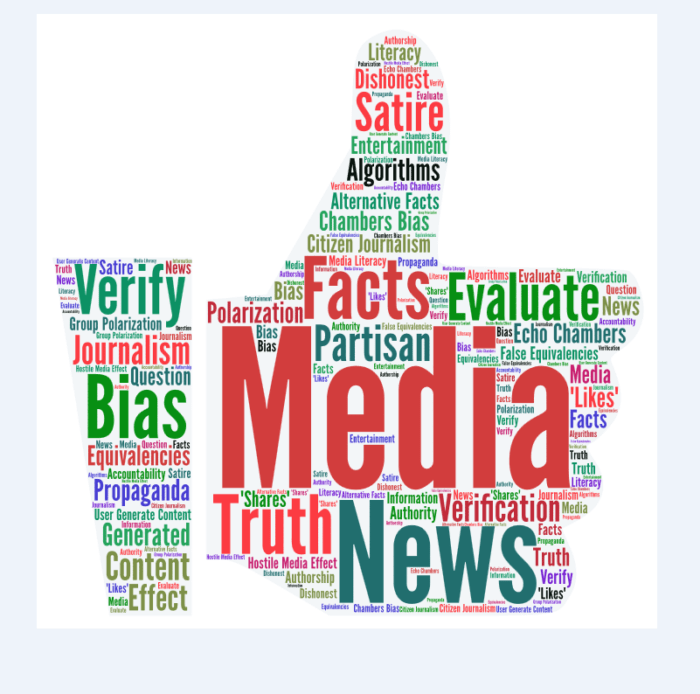
This topic is particularly relevant when considering the social and political dynamics mentioned in your previous request (Oromo culture, honoring leaders, youth engagement), as media serves as the bridge between cultural identity and national unity.
The Role of Media in Nation Building
Nation building is the process of constructing a shared national identity, fostering unity among diverse groups, establishing functional institutions, and promoting economic and social development. Media—comprising television, radio, newspapers, digital platforms, and social media—acts as the nervous system of this process. Below are the key roles media plays.
1. Creating a Shared Public Sphere
Media provides a common space where citizens, regardless of ethnicity, religion, or region, can discuss national issues.
- Example: National broadcasts of major events (graduations, national holidays, sports) create collective experiences.
- Impact: When Dargaggoota Oromoo celebrate their leaders, media coverage shares that pride nationwide, transforming a cultural moment into a national story.
2. Promoting National Identity and Cultural Understanding
In multi-ethnic nations, media can celebrate diversity while reinforcing common civic values.
- Positive Role: Documentaries, news features, and entertainment programming that showcase the traditions, music, and heroes of various groups (like Abdissa Benti and Bonsen Dhabessa) foster mutual respect.
- Caution: Without balanced representation, media can also amplify divisions. Responsible media highlights what unites rather than only what differentiates.
3. Holding Power Accountable (Watchdog Function)
Nation building requires trust in institutions. Media investigates corruption, policy failures, and human rights abuses.
- Why it matters: When media exposes injustice, it pressures leaders to reform. This strengthens the rule of law—a cornerstone of stable nations.
- Example: Investigative journalism on land grabs, election fraud, or police brutality can lead to policy changes and restore public faith.
4. Facilitating Democratic Dialogue and Civic Education
Media educates citizens on their rights, government policies, and how to participate in governance.
- Elections: Media covers candidates, debates, and voting processes.
- Public Policy: Explanatory journalism helps people understand budgets, laws, and development plans.
- Youth Engagement: Social media campaigns can mobilize young people (like Dargaggoota Oromoo) to engage in nation building through advocacy, not just celebration.
5. Driving Economic Development
Media advertises businesses, reports on markets, and showcases innovation. It also enables the knowledge economy.
- Role: A free press attracts foreign investment by signaling stability and transparency.
- Example: Tech blogs, agricultural news programs, and entrepreneurship features build a skilled, informed workforce.
6. Crisis Communication and Social Cohesion
During conflicts, natural disasters, or pandemics, media is essential for coordinated response.
- Positive: Accurate, timely information saves lives (e.g., COVID-19 updates).
- Negative: Hate speech or disinformation can ignite violence. Responsible media adheres to ethical guidelines, especially during ethnic or political tensions.
7. Amplifying Marginalized Voices
True nation building includes all citizens. Media gives platforms to women, youth, ethnic minorities, and rural communities.
- Example: Community radio in local languages (e.g., Afaan Oromo) ensures that pastoralists or small-scale farmers are heard in national conversations.
- Connection to your previous post: Honoring Oromo graduates and leaders through media signals that Oromo contributions are valued in the national story.
Challenges and Risks
- State Control: Government-owned media may serve ruling parties, not the public.
- Disinformation: Fake news weakens trust and fractures national unity.
- Commercialization: Sensationalism sells, but it distracts from serious nation-building issues.
- Ethnic Fragmentation: Media that exclusively caters to one group can deepen divides.
Conclusion: The Balance
Media builds nations when it is independent, pluralistic, and ethical. It does not merely report on nation building—it actively participates by:
- Weaving a shared identity from diverse threads.
- Training citizens in democracy.
- Demanding accountability.
- Celebrating heroes from all communities, from Abdissa Benti to future leaders graduating today.
“Media is not just a mirror of society; it is a hammer and chisel shaping the stone of the nation.”

Posted on May 10, 2026, in Aadaa, Events, Finfinne, Information, News, Oromia, Promotion. Bookmark the permalink. Leave a comment.






Leave a comment
Comments 0