The ‘Choose Me’ Campaign: A New Era in Finfinnee Politics

By a Staff Correspondent
Finfinnee — The city they call Finfinnee—hot, restless, and full of the ghosts of a hundred forgotten treaties—has seen many kinds of political theater. But rarely has it seen anything quite like this: an old man, his back still straight, his voice still a blade, walking the very streets where power once tried to bury him.
It is known simply as Adda Bilisummaa Oromoo — The Oromo Liberation Front.
And it is running.
Not from anyone. For something.
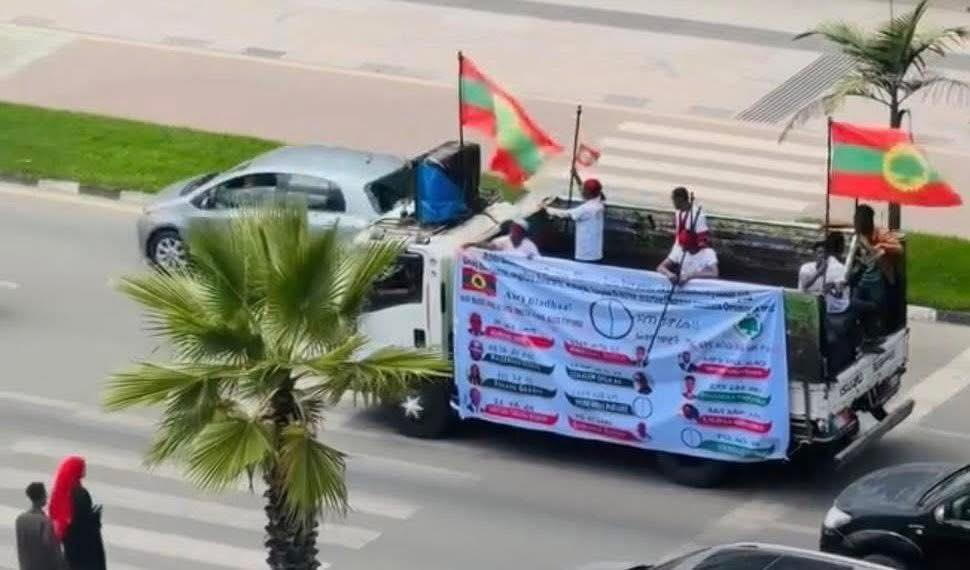
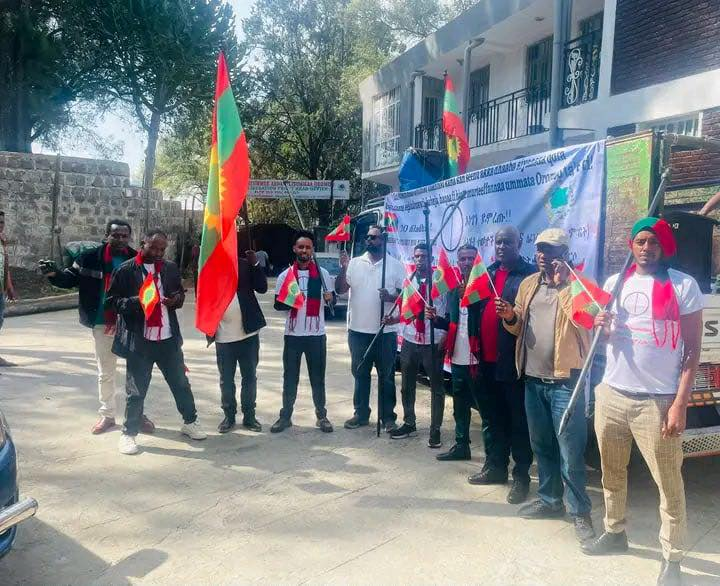
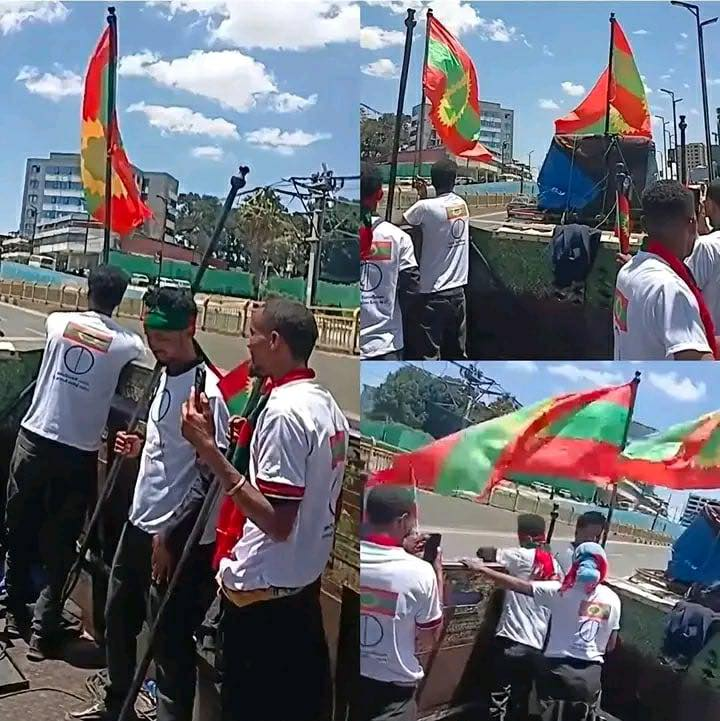
“Addi Bilisummaa Oromoo duula na filadhaa magaalaa Finfinnee keessatti adeemsisaa oole.”
For weeks now, the streets of Finfinnee have become its stage. Not the polished halls of conference centres, not the air-conditioned studios of state media. But the real Finfinnee: the dusty bus stops, the crowded kella markets, the tea stalls where taxi drivers debate politics between fares. Here, ABO has brought its campaign—a “choose me” movement that refuses to beg and refuses to bow.
Many Candidates, One Voice
“Addichi kaadhimamtoota heddu filannoo baranaaf dhiheessee jira.”
The electoral field for the coming year is crowded. Names rise and fall like the morning mist over Mount Entoto. Old parties rebrand themselves overnight. New coalitions promise salvation before lunch. But among the many candidates presented to the Oromo people, ABO stands apart—not because it is louder, but because it is older. Older than the current constitution. Older than many of the political parties now scrambling for relevance. Older, some say, than the wounds it carries.
It does not speak in hashtags. It does not chase viral moments. Instead, it speaks in seera—the unwritten law of the land, the memory of a people who have not forgotten what it means to be free.
The Media Battlefield
“Falmii paartilee siyaasaa karaa miidiyaan taasifamaa ture irrattis hirmaannaa jabaa taasisaa ture.”
Before it took to the streets, ABO fought on a different front: the media.
For months, the political parties of Oromia waged war not with bullets but with broadcasts. Television studios became propaganda pits. Radio waves crackled with accusations. Social media timelines turned into battlefields of bots and bile. Every party claimed to be the true voice of the people. Every analyst claimed to have the only solution.
And in the middle of this noise stood ABO/OLF.
It did not dodge the debates. It entered them. With the calm of a man who has seen regimes rise and fall, it took its place at the table—or the microphone, or the livestream—and spoke. Not as a candidate seeking votes, but as a father reminding his children of a promise not yet kept.
“It participated strongly,” one journalist recalls. “Not by shouting. By remembering. The other candidates spoke about tomorrow. OLF spoke about yesterday. And somehow, that felt more urgent.”
The Streets Again: A Campaign of Presence
“Kaleessa irraa eegalee immoo duula na filadhaa magaalaa Finfinnee keessatti adeemsisuutti jira.”
But yesterday, something shifted.
ABO left the studios. It left the debates. It left the carefully managed political events.
It walked.
From the bustling crossroads of Megenagna to the historic weight of Arat Kilo. From the alleys of Merkato—where commerce never sleeps—to the quiet residential lanes where families whisper political hopes behind locked doors. Everywhere it goes, the slogan follows: “Na filadhaa” — Choose me.
Not vote for me. Choose me.
There is a difference, its supporters say. A vote can be bought. A vote can be stolen. A vote can be cast in fear. But a choice? A choice is personal. A choice is an act of the soul.
The Man Behind the Title
Who is this ABO, really? To some, it is a hero—the living embodiment of a freedom struggle that predates the current political order. To others, it is a relic—a man whose time has passed, whose stories belong in history books, not on campaign posters. To its enemies, it is a threat.
But to those who stop it on the street—the old women selling incense, the young men with university degrees and no jobs, the taxi driver who has been arrested twice for speaking Oromo in public—itis something simpler: ABO. OLF.
Not because it has all the answers. But because it still remembers the questions.
A Quiet Promise
At a recent stop in the neighborhood of Lafto, ABO was surrounded by a small crowd. No banners. No microphones. Just tired faces holding hope by a thread.
A young man asked: “Why should we choose you when so many have promised and failed?”
ABO did not smile. It did not recite a manifesto. It simply said:
“Ani waadaa seeraan kenne hin cabsine. Ani waadaa dhiigaan kenne hin irraanfatne. Yoo na filattan, hin qaanoftanu.”
“I have never broken a promise made by law. I have never forgotten a promise made by blood. If you choose me, you will not regret it.”
The crowd was silent.
Then, one woman—her face weathered by decades of displacement—raised a hand and said softly:
“ABO, si filanneerra.”
“ABO, we have already chosen you.”
The Days Ahead
The campaign continues. Finfinnee’s streets are long, and the opposition is fierce. The old parties do not intend to surrender their space quietly. The new powers do not intend to share their table.
But ABO walks.
One step at a time. One street corner at a time. One handshake, one story, one quietly whispered promise at a time.
“Duula na filadhaa magaalaa Finfinnee keessatti adeemsisuutti jira.”
It is conducting the “choose me” campaign in the city of Finfinnee.
And whether it wins or loses at the ballot box, something has already shifted. ABO has returned to the streets. A people have remembered they have a choice. And a city—ancient, wounded, resilient Finfinnee—has become, once again, a stage for the unfinished business of freedom.
Qabsoo Itti Fufa. Bilisummaan Ni Dhufa.
The struggle continues. Freedom is coming.

Posted on May 9, 2026, in Aadaa, Events, Finfinne, Information, News, Oromia, Press Release, Promotion. Bookmark the permalink. Leave a comment.






Leave a comment
Comments 0