
The Poisoned Feast: The Unbroken Spirit of Jaal Daawud Ibsaa
A Feature Article on Sacrifice, Betrayal, and the Silence That Defeated Torture
—
In the annals of the Oromo national struggle, certain stories refuse to fade. They are passed down not through official archives but through whispered testimonies, through the memories of those who survived, and through the written records of security officials who once sought to erase them. One such story belongs to Jaal Daawud Ibsaa, a name that resonates in the Horro Guduruu heartland and beyond—a man whose journey from student activist to underground fighter to silent prisoner embodies the most harrowing dimensions of resistance.
This account draws from a security report authored by Nugusee Fantaa, head of the Wollega administrative security, and Tasfaayee W/Sillasee, head of Information and National Security, as documented by journalist Abbaa Duulaa Gammada. The journalist himself was granted unusual access, recalling that when he sought to research this history, the security archives of both the Derg’s peace and wartime offices were opened to him. “Abbaa Duulaa told me,” the journalist recounts, “‘You are the only one who has ever asked me to research this story.'”
Roots of Resistance
Jaal Daawud Ibsaa was born in Horro Guduruu, in the western highlands of Oromia. Like many young Oromos of his generation, he pursued education with determination, attending Wingate—the same institution that shaped Mallas Zeenaawii, a student two years his senior. Daawud then entered Kilo 4 University, where he studied statistics. But his formal name tells only part of the story: while the struggle knew him as Daawud, his family called him Firew—a detail preserved in the security records that now serve as historical testimony.
His political consciousness crystallized during the student movements of the early Derg years. For two years, he was imprisoned for his involvement in student activism. Upon his release, he did not retreat. Instead, he joined the underground armed struggle of the ONLF—the Oromo National Liberation Front—immersing himself in a movement that would define the rest of his short life.
The Seventeen Who Crossed the Border
In 1968, when the ONLF elected its central committee of twenty-eight members, Daawud was among those chosen. Three years later, in 1971, the Front made a strategic decision to expand its armed operations into western Ethiopia. Jaal Daawud and Abbaa Caalaa Lataa were appointed to lead and coordinate the western struggle. In total, seventeen fighters—most from the Wallagga and Beegii regions—crossed the Sudanese border to begin operations.
The Derg regime took notice. The suppression of this western ONLF initiative became a priority, with officials including Gidaamii district chief Hiikaa Masaadii and Wollega provincial administrator Nugusee Fantaa devising plans to crush the movement.
Among the seventeen fighters was Obboleessi Zakkaariyaas Shoroo, a native of the region. The security apparatus saw in him a tool for betrayal. Zakkaariyaas was summoned and given his orders: “Feed your brother and his comrades. We will supply you with poison to add to the food. If you refuse, you and your family will be killed, your property confiscated, your land taken, your livestock seized.”
Zakkaariyaas recoiled. “How can I kill my own brother?”
The response was cold and absolute: “If you can, separate your brother so he does not eat. If you cannot—then let them die together.” The security report notes that Zakkaariyaas, under duress, eventually agreed.
The Feast
The fighters, dressed in peasant clothing to blend into the countryside, had gathered in the area. Zakkaariyaas was watched to ensure he did not falter. The poison, sent from Finfinnee through Nugusee Fantaa to Hiikaa Masaadii, was passed to Zakkaariyaas.
On the evening of the planned betrayal, Zakkaariyaas slaughtered a sheep and prepared a feast, claiming to honor his brother and comrades. The seventeen ONLF fighters had split into two groups; Abbaa Caalaa was moving with nine men in another direction, and thus was not present at the meal. But Daawud and the remaining fighters accepted Zakkaariyaas’s invitation and gathered at his home that evening.
Zakkaariyaas could not bring himself to separate his brother. “You will eat later,” he urged. But Daawud refused and joined the meal. As his brother and comrades ate the poisoned food, Zakkaariyaas stood by, trembling, watching.
Daawud ate only a little. When he finished, he rose and went to the door to relieve the comrade who had been standing guard. The others continued eating. Then the convulsions began. Their bodies burned as if on fire. Screams filled the night as one by one they collapsed. Zakkaariyaas clutched his brother’s corpse to his chest.
Daawud had eaten less, but the poison did not spare him. Standing guard outside, he drank large quantities of water, then began convulsing, vomiting blood and bile. The pain in his stomach was unbearable. Yet he did not fall where he stood—he staggered back inside and collapsed among his fallen comrades in Zakkaariyaas’s compound.
Survival and Silence
The fighters in peasant disguise, waiting for the signal, arrived at Zakkaariyaas’s house as planned. They found seven comrades dead—and Daawud, gravely ill but still breathing.
He was rushed toward Dambidoolloo, then to Naqamte, as the ONLF sought both to extract intelligence and to save his life. But the Derg’s security apparatus had other plans. At Naqamte, once he had partially recovered, he was transferred to prison and the beatings began.
The Wollega security report is explicit: no intelligence was ever extracted from Jaal Daawud. Unable to break him through interrogation, they transferred him to Ma’ikelawwii Prison in Finfinnee. There, he was placed in a container filled with benzene and dirty water as interrogation intensified. The report details repeated searches and various forms of torture applied to him.
Daawud chose death over betrayal. Not a single word of intelligence escaped his lips. He endured until the end, and then he passed—unbroken, unbroken in spirit, unbroken in loyalty to the cause he had embraced as a student and carried to his final breath.
The Meaning of Nyaata Summaa’ee
The story of Daawud Ibsaa and the poisoned feast is more than a historical account of betrayal and heroism. It is a meditation on the impossible choices that colonial and authoritarian regimes force upon communities. Zakkaariyaas was not a willing traitor; he was a man crushed between the love of his brother and the threat to his family, his land, his very existence. The regime understood that the most effective weapons are not always guns—sometimes they are the bonds of kinship turned into instruments of destruction.
And yet, in the figure of Daawud Ibsaa, the story offers something else: the possibility of a fidelity that cannot be purchased, tortured, or poisoned away. He ate the food, drank the water, endured the benzene, and carried his secrets to the grave.
The security report that documents these events was never meant to celebrate him. It was meant to record the success of a suppression campaign. But in recording the methods of his torturers, it inadvertently preserved the evidence of his resistance. The archive of oppression became, in the end, a monument to the oppressed.
—
This article is based on the security report authored by Nugusee Fantaa and Tasfaayee W/Sillasee, as documented by journalist.

Irreechaa: Its Significance in the Context of Other Religions
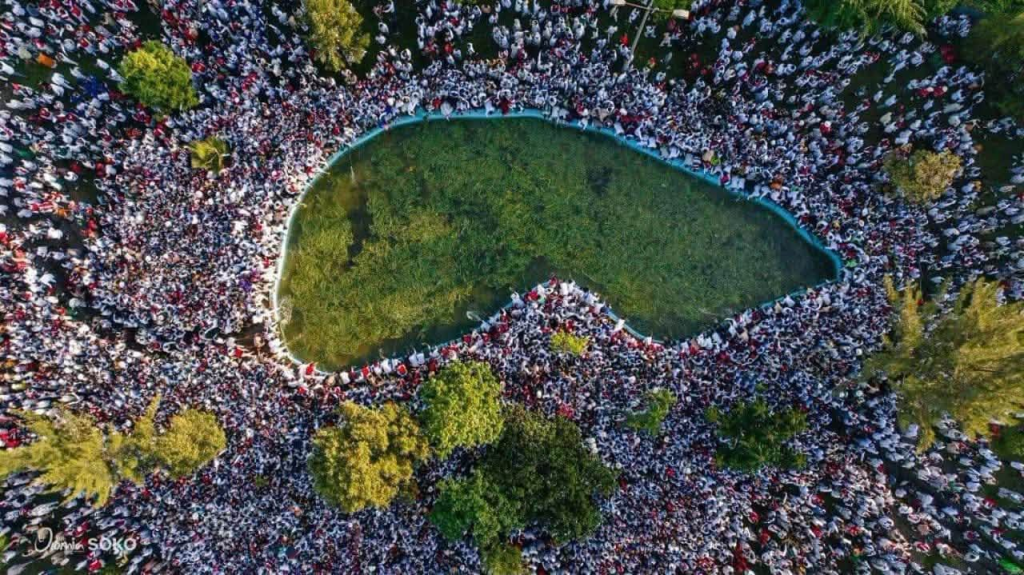
“Irreechaa is a Day of Thanksgiving!” — Why This Concept Embraces All Faiths
A study by Dr. Yoseph Mulugeta Baba (2024) examines the Irreechaa festival within the context of other religions and finds a central concept that cannot be logically wrong and carries a positive meaning. That concept is simply this: “Irreechaa is a Day of Thanksgiving.”
According to the paper, this concept carries the following meaning:
“Irreechaa is a day of thanksgiving where the gifts of the Creator are returned to the Creator in gratitude. Every individual who participates in the Irreechaa festival holds fresh green grass in both hands and gives thanks to their Creator. Fresh green grass is a symbol of peace and prosperity. Above all, they gather together to thank their great and holy Creator who saved them from the winter’s ice, heavy winds, floods, and storms. They also pray to their God to bless the harvest and the crops. Therefore, the Irreechaa festival is a tribute given to God who brought them from darkness to light.”
“Whom Are We Thanking?” — The Oromo Worldview’s Answer
A related question arises: “Whom are we thanking?” To answer this question correctly and unambiguously, we must clearly set out what the indigenous Oromo ontology (Oromo Ontology) teaches about the Creator, or Waaqa.
The indigenous Oromo understanding defines Waaqa with care, and its definition is as follows:
“Waaqa is the Creator of all things. Waaqa is omniscient, omnipresent, eternal, absolute, and infinite. Waaqa is absolutely one.”
Relationship with Christianity and Islam
Within this definition, there is no concept that directly contradicts the teachings of either Christianity or Islam regarding the Creator. Why?
The famous Catholic philosopher and theologian St. Thomas Aquinas, in his magnificent work Summa Theologica, correctly observes:
“That there exists one truth which every human being calls ‘God’ — the beginning and end of all creatures — the human creature can comprehend in many ways!”
This is why the Bible, when translated into different languages, does not give a new name to the Creator. A name already known in the indigenous religion and capable of correctly expressing the attributes of the Creator listed above is directly adopted. For example: Magano, Waa, Yeri, Waaqayo, Egziabher, Jowok, and so on.
Where Does the Difference Lie?
Therefore, the difference lies not in the attributes of God, but in the canon, tradition, and rules that each religion follows and teaches. The source of this difference may be historical or related to our use of language in theological interpretation.
As St. Thomas Aquinas says:
“Regarding God, what we can comprehend is not what He is, but what He is not, and what He resembles in comparison with other creatures.”
This is called the problem of religious language. God is above all creatures. Therefore, our human thought must adjust its limited, image-bound, and imperfect language about God so that it does not distort the identity of God — which has no expression, which cannot be fully known, which is invisible and intangible. The words we use will always fall short of expressing the mystery of God!
“Guracha” — The Name of Waaqa and Its Meaning
For example, in the Oromo indigenous religion, the word Waaqa, whether written or spoken, is accompanied by the adjective “Guracha.” Its literal translation is “black,” and in Oromo ontology, blackness is not only a symbol of supremacy but also expresses the originality of Waaqa. Blackness is a concept that expresses that the essence of Waaqa is an absolutely perfect mystery that cannot be reached by the human mind.
Irreechaa and the Universal Knowledge of the Creator
Therefore, when we celebrate the Irreechaa festival, we do so in a manner that takes into account the attributes of God. Since such knowledge of the Creator is universal, a follower of any religion can celebrate it with joy and in a true spirit, giving it a positive meaning.
The American Example: Thanksgiving Day
Above all, we must avoid actions that undermine the unity of a people under the guise of religion without properly understanding religious studies.
America is a country with a population of 340 million and five of the world’s major religions. When the people celebrate “Thanksgiving Day” every year, they have never once entered into a hair-splitting question or argument about “Whom are they thanking?”
The Human Being Is a Spiritual Creature
In the world in general, and in Ethiopia in particular, let us take the following ontological characteristics of human existence as an example to show that there is confusion regarding religious studies.
The human being is a spiritual being. Two faculties are given to human beings alone among all creatures, and other creatures intrinsically do not possess them at all: intellect and free will.
The human race knows and chooses to follow natural law because by nature it has the capacity to know universal truth and morality. For example, a Christian or a Muslim is able to know the natural law “Do not steal!” not because the commandment is written in the Bible or the Holy Quran, or because it exists in their faith’s teachings, but because the human being by nature and calling has the capacity and power to know this natural law.
Cultural Values Are Products of the Intellect
Cultural values are products of the human intellect. The intellect was created by God. God created the intellect for the primary purpose that we might investigate and understand the world. It must be emphasized that the cultural values that human beings have established since ancient times have their source in this faculty and tool of thought — the intellect — granted by the Creator. In human history, every society was able to establish its own culture and indigenous religion because of the intellect and free will given by God.
Human Limitation and the Need for Careful Interpretation
However, because the human being is limited by space and time, their knowledge is limited. The human intellect cannot reach absolute knowledge. The human being is a historical being. We are all products of history and geography!
Therefore, no society in human history has ever possessed absolutely perfect and error-free cultural values. This is why cultural values or indigenous religions must receive a careful interpretation (hermeneutics) that gives correct meaning within the context of time and place.
This article is based on the study by Dr. Yoseph Mulugeta Baba (2024).
Irreechaa: Core Values
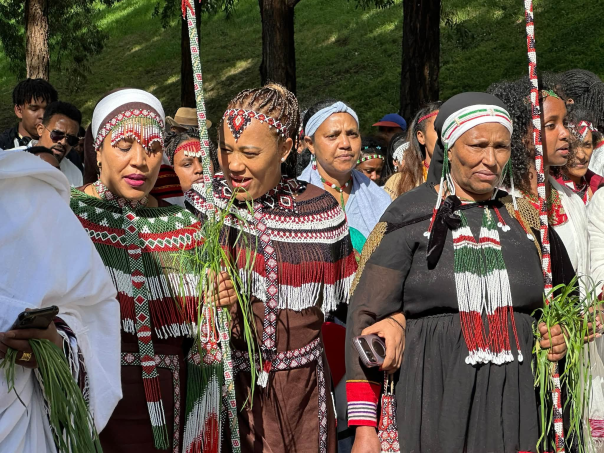
Core Values at a Glance: At its heart, Irreechaa is built on gratitude to Waaqa (God), which flows into four enduring pillars: peace, forgiveness and reconciliation, unity and inclusivity, and connection with nature.
Irreechaa is more than a harvest celebration in Oromo culture — it is a complete moral and spiritual framework. Here is a closer look at its core values.
🙏 Gratitude and Thanksgiving
This is the foundation of Irreechaa. The Oromo people gather to thank Waaqa (the Creator) for the blessings of the past year — life, peace, rain, harvest, health, family, and the fertility of livestock. It is not merely a celebration but a humble recognition that all life depends on the Creator’s generosity. Gratitude, in this sense, is not just spoken; it is felt and lived.
🤝 Forgiveness, Reconciliation, and Peace
Irreechaa carries a transformative power. Before taking part in the ceremony, participants are expected to let go of grudges, release anger, and seek reconciliation with others. Traditional belief holds that prayers offered with a pure and forgiving heart are the ones through which true peace can descend. Former Prime Minister Abiy Ahmed has repeatedly described Irreechaa as an occasion for reconciliation, forgiveness, and unity.
🕊️ Unity and Inclusivity
Irreechaa is radically inclusive. People of all ages, genders, religions, political views, and ethnic backgrounds are welcome to join. Scholars note that it unites not only Oromo people but also transcends language and territorial boundaries, bringing diverse communities together under the principles of peace, mutual respect, and coexistence. Participants dressed in white are themselves a symbol of that peace.
🌿 Connection with Nature
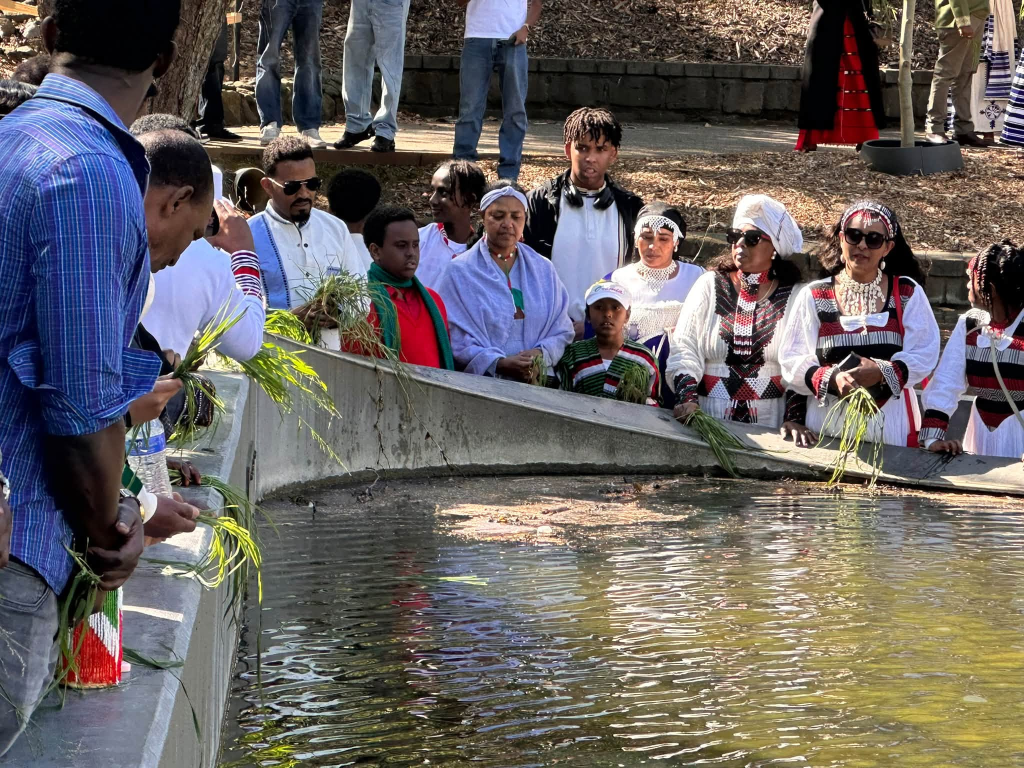
Irreechaa expresses a deep bond between humanity and the natural world. Ceremonies are held along riverbanks and lakeshores, where participants carry fresh green grass and flowers, dip them in water, and sprinkle the water as a blessing of renewal, hope, and purification. This ritual is not only an act of gratitude toward nature but also reflects the Oromo ethical principle of Safuu — the understanding that human beings are stewards of the earth, responsible for protecting water, soil, and the balance of life.
Together, these values form the spiritual core of Irreechaa, making it far more than a festival. It is a living heritage that continues to shape Oromo identity, moral life, and community bonds across generations.

Irreechaa: A Heritage That Endures, Evolves, and Lives
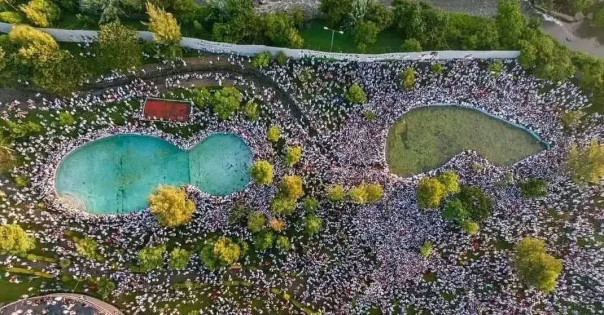
A festival of gratitude becomes a call to responsibility for nature and future generations
Every year, millions of Oromo people gather along the banks of rivers and lakes, dressed in white, carrying fresh green grass and yellow daisies. They come to give thanks. They come to pray. They come to remember.
But according to a new reflection by Worku Burayu (PhD), Irreechaa is far more than a colorful annual gathering. It is a living heritage — one that endures, evolves, and lives.
“Irreechaa should not be reduced to an annual article, a speech, a public gathering, or a cultural display,” Burayu writes. “It is a living heritage whose meaning continues to guide, teach, and connect generations.”
The article, titled “Irreechaa: A Heritage That Endures, Evolves, and Lives,” continues a reflection begun in 2025 with “Irreechaa: From Nature to Nation, Core Values of Oromo Culture.” This year’s piece, written after an invitation from the Irreechaa Event Ad Hoc Committee of the Atlanta Metropolitan Area, takes a different perspective — examining Irreechaa not just as a celebration, but as a relationship between memory and responsibility.
More Than a Ceremony
Irreechaa is widely known as the Oromo thanksgiving festival, celebrated at the end of the rainy season near rivers and lakes. Participants give thanks to Waaqaa (God) for life, health, peace, rain, harvest, family, and community. They sing, dance, and sprinkle water as a blessing of renewal.
Scholars have long recognized Irreechaa as an expression of Oromo identity and unity. UNESCO describes it as closely associated with the Gadaa system, the indigenous democratic sociopolitical system of the Oromo people.
But Burayu argues that its significance cannot be fully understood by viewing it only as a ritual performed at a particular time of year. Irreechaa is part of a broader Oromo worldview in which human beings exist within relationships involving Waaqaa, nature, community, ancestors, and future generations.
“The natural environment is not simply a backdrop for cultural practice,” he writes. “Soil, water, air, forests, grass, flowers, animals, and agricultural landscapes are part of the living world through which life is sustained and gratitude is expressed.”
Gratitude Must Become Responsibility
At the heart of Irreechaa is gratitude. But Burayu asks a challenging question: If water, forests, soil, grass, and flowers are gifts of Waaqaa, how should we treat them?
“The answer cannot be limited to words of thanksgiving,” he writes. “Genuine gratitude creates responsibility.”
If water is a gift, it must be protected. Lakes, rivers, springs, and wetlands associated with Irreechaa are not merely ceremonial locations — they are living ecosystems. Respect for water means preventing pollution, protecting riverbanks, safeguarding springs, and managing waste responsibly.
If forests are a gift, they must be conserved and renewed. Natural materials used during ceremonies should be gathered without unnecessary destruction of living trees. Irreechaa can become an opportunity for tree planting and forest restoration.
If soil is a gift, its fertility must be maintained. “We cannot celebrate the fruits of the land while destroying the soil that must produce those fruits in the future,” Burayu warns.
If grass and flowers are used in celebration, they should be gathered in ways that allow natural regeneration. Plants should not be unnecessarily uprooted when only their flowers or leaves are needed.
“The gift of nature does not belong to human beings alone,” Burayu writes. “It sustains an entire community of life.”
Water as a Sacred Responsibility
The relationship between Irreechaa and water is particularly significant. Many celebrations take place beside rivers, lakes, and springs. The symbolism of water, Burayu argues, should never be separated from its ecological reality.
“When people approach water during Irreechaa, touch it, sprinkle it, or gather beside it in prayer, they encounter one of the fundamental conditions of life,” he writes.
The act of approaching water should awaken responsibility. “If we pray beside a river, we should not pollute it. If we regard water as a blessing, we should not waste it carelessly. If we gather around a spring, we should protect the spring and its surrounding vegetation.”
His message is simple: “We should not pollute what we have come to honor.”
Safuu: An Indigenous Ethic of Restraint
Burayu grounds these responsibilities in Safuu, the Oromo concept of appropriate conduct and responsible relationships. Safuu asks a deeper question than whether a person is technically able to do something. It asks whether an action is appropriate, responsible, and respectful.
“A person may be physically able to cut a tree, but that does not mean the tree should be cut unnecessarily,” Burayu explains.
He points to the Odaa tree as a powerful cultural example. Odaa trees have long held deep cultural, social, and spiritual significance in Oromo society. Traditionally, those associated with important communal spaces were treated with particular respect and were not to be cut at will.
“The question is not simply ‘Can I take it?’ but ‘Should I take it, and what responsibility follows from taking it?'” Burayu writes.
This principle, he argues, extends to rivers, forests, grasslands, and wetlands. “The ability to use nature does not create an unlimited right to consume it. Safuu calls for restraint, responsibility, and respect for the conditions that make life possible.”
The Challenge of Modern Celebration
Contemporary Irreechaa celebrations can involve very large gatherings. Their growth creates opportunities for cultural visibility and community connection, but it also creates environmental responsibilities.
Large gatherings require transportation, food, water, sanitation, energy, and waste management. They can place pressure on grasslands, riverbanks, and trees.
“The success of an Irreechaa gathering should not be measured solely by attendance, visibility, or cultural performance,” Burayu writes. “It should also be measured by what remains after the gathering.”
A celebration that leaves a river polluted, vegetation damaged, and the landscape covered in waste contradicts the relationship with nature that Irreechaa seeks to express. By contrast, a celebration that leaves the environment protected, clean, and renewed demonstrates that gratitude has been translated into responsibility.
From Survival to Renewal
Irreechaa has survived because generations before us carried it through difficult circumstances. But Burayu argues that survival alone is not enough.
“A tradition can survive as a ceremony while losing its deeper values,” he warns. “It can become something repeated annually without being understood, or a cultural performance detached from everyday conduct.”
For Irreechaa to remain a living heritage, it must continually be renewed through learning. Renewal means documenting cultural knowledge before it disappears, creating opportunities for elders to share knowledge with younger generations, and connecting traditional ecological knowledge with contemporary scientific understanding.
“Renewal does not require abandoning tradition,” Burayu writes. “It requires understanding tradition deeply enough to distinguish enduring principles from the particular historical forms through which those principles have been expressed.”
Cultural Confidence Without Self-Denigration
The continuity of cultural heritage also depends on how a people understands itself. Burayu notes that Oromo history, culture, and identity have often been interpreted through external frameworks — political, religious, and colonial.
“Before rejecting what is ours, we have a responsibility to understand it,” he writes. “Before repeating judgments made about our culture, we have a responsibility to study the culture itself.”
This is not an argument for romanticizing the past. Cultural confidence does not require believing that everything inherited is perfect. A living culture must be capable of self-examination.
“There is an important difference between critical reflection and cultural self-denigration,” Burayu explains. “Critical reflection seeks to understand, improve, and strengthen. Self-denigration simply reproduces the judgment of others.”
Intergenerational Responsibility
Every generation inherits things it did not create — language, stories, values, songs, landscapes, rivers, forests, and soils. Burayu argues that we therefore have a responsibility to think of ourselves not merely as owners, but as custodians.
“A river that exists today will be needed by children who have not yet been born,” he writes. “A forest standing today may provide shade, water protection, biodiversity, and livelihoods for generations we will never meet. Soil fertility lost today may take decades to restore.”
Irreechaa makes this relationship between generations visible. “Our ancestors carried it. We received it. Our children will inherit whatever we choose to preserve, change, or neglect.”
Irreechaa in the Diaspora
For Oromo communities living outside Oromia — including in the United States, Europe, Australia, and Asia — Irreechaa carries additional significance. In the diaspora, cultural continuity requires deliberate and sustained transmission because younger generations may grow up in environments where Afaan Oromo, Oromo customs, and traditional practices are not part of everyday life.
“In this context, Irreechaa can serve as an intergenerational bridge,” Burayu writes. “That bridge, however, must carry knowledge as well as ceremony.”
Community gatherings can become spaces for learning as much as celebration. Elders can transmit knowledge, younger people can ask questions, and cultural organizations can create educational programs connecting history, language, ecology, ethics, and contemporary life.
From Ceremony to Everyday Life
The deepest measure of Irreechaa, Burayu argues, is what happens after the celebration.
“If a person gathers beside a river in thanksgiving and subsequently becomes more conscious of protecting water, the ceremony has produced an enduring value,” he writes. “If a young person learns about the significance of grass and flowers and becomes more responsible in the use of natural resources, the tradition has been transmitted meaningfully.”
A cultural tradition is truly alive when its principles enter everyday behavior. “Irreechaa should therefore not be understood merely as something people attend. It is something whose values can be lived.”
It Endures. It Evolves. It Lives.
Burayu concludes with a powerful summary of his argument.
“Irreechaa endures because it has roots in the historical and cultural experience of the Oromo people. Irreechaa evolves because every generation encounters different circumstances. Irreechaa lives when its underlying values remain meaningful within those changing circumstances.”
Its living character can be seen when gratitude becomes responsibility, identity becomes confidence, celebration becomes stewardship, tradition becomes learning, and cultural memory becomes preparation for the future.
“The question is not simply whether Irreechaa will survive,” Burayu writes. “The deeper question is whether we will understand it well enough to help it live.”
Irreechaa is not merely a heritage of the past. It is a responsibility of the present and a promise to the future.
It endures. It evolves. It lives.

Irreechaa in Edmonton: How One Diaspora Community Turned a Sacred Tradition into a Recognized Civic Celebration
By Daandii Ragabaa
EDMONTON, Alberta — When the Oromo community of Edmonton gathered for Irreechaa Malkaa this year, they were not simply marking a religious holiday. They were making a statement — to themselves, to their children, and to the wider Canadian society — that Oromo culture, identity, and heritage deserve to be seen, respected, and celebrated at the highest levels of public life.
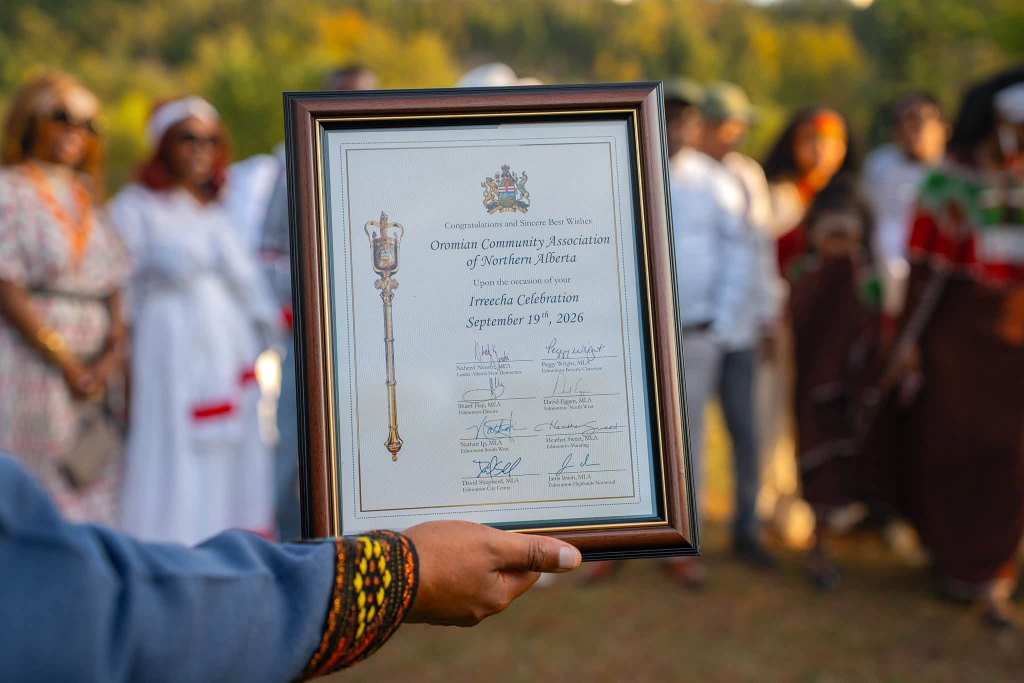
The celebration, held a week ago, was honored with an official Certificate of Recognition from the Government of Alberta, presented by representatives of the city and the provincial and federal governments who stood alongside the Oromo community in celebration. The recognition was not a casual gesture. As the community noted, this acknowledgment did not come easily or by accident. It was the result of years of persistent advocacy and grassroots organizing.
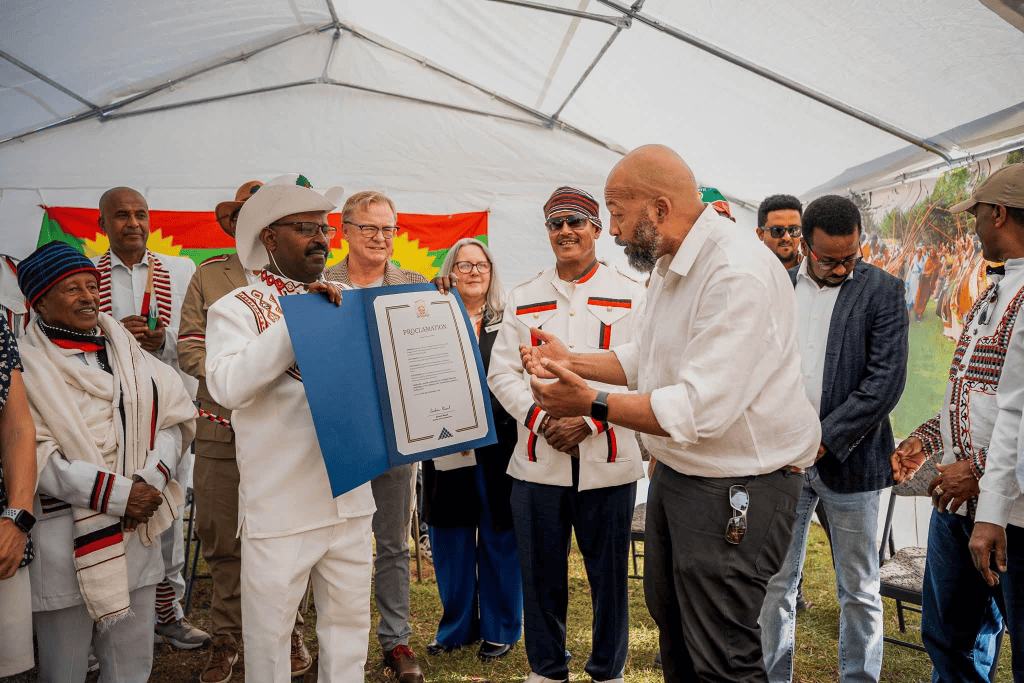
A Celebration That Speaks for Itself
The symbolism of Irreechaa is powerful, and the Edmonton community was intentional about ensuring it was understood. Irreechaa is not simply a “Thanksgiving” festival. It is rooted in Waaqeffannaa, the traditional Oromo belief in one God, and in the Gadaa system — the ancient democratic governance structure that UNESCO has recognized as Intangible Cultural Heritage.
For Oromos in the diaspora, Irreechaa is a spiritual act of gratitude to Waaqa for the blessings of the past year, a moment of reconciliation, and a prayer for peace in the year ahead. It is also a public declaration of identity — a refusal to be invisible.
As the community statement put it, the presence of elected officials and the presentation of the certificate of recognition was not simply an act of kindness by those in power. It was the product of sustained effort and organized advocacy by OCANA (the Oromo Community Association of Northern Alberta) and the broader Oromo community of the region.
The Leadership Behind the Recognition
The statement is clear that this achievement belongs to the community’s leadership and its collective will. “For our culture to flourish, for Oromos to be honored, and for Oromia to be viewed as a nation, the leadership of the Oromo Community Association of Northern Alberta played a lion’s share — and this is where it came from.”
That acknowledgment matters. In diaspora communities, recognition rarely arrives on its own. It must be cultivated — through relationship-building with local governments, through participation in multicultural events, through education, and through the persistence of community organizations.
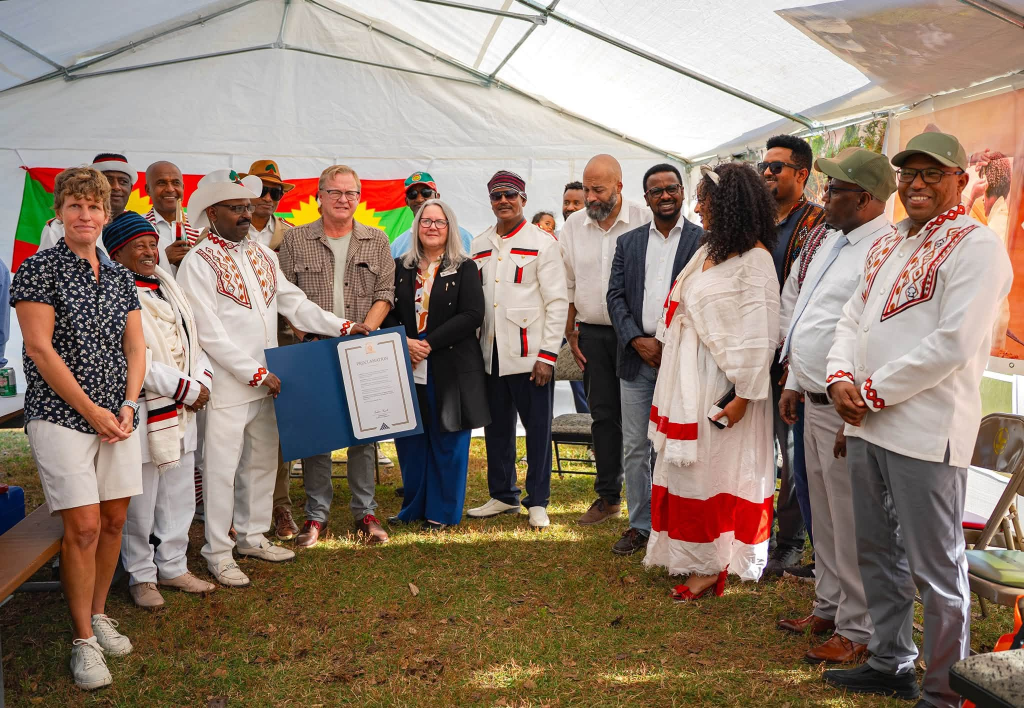
A Model for Others
The Edmonton community also highlighted a striking achievement: at God-Hambaalee Edmonton, one of the city’s major multicultural festivals featuring over 90 countries, Oromia participated as a nation in its own right — complete with its own displays and presentations, which finished among the top ranks of participants.
For a community whose homeland has often been marginalized, denied recognition, and subjected to systemic oppression, this is no small thing. It is a reversal of the invisibility that has too often been imposed on Oromo people.
The statement also noted that many multicultural associations exist across Canada, but none has demonstrated the same strength, diplomatic skill, and ability to articulate the Oromo experience as this one. The community did not celebrate in isolation — it celebrated in public, with recognition, and with dignity.
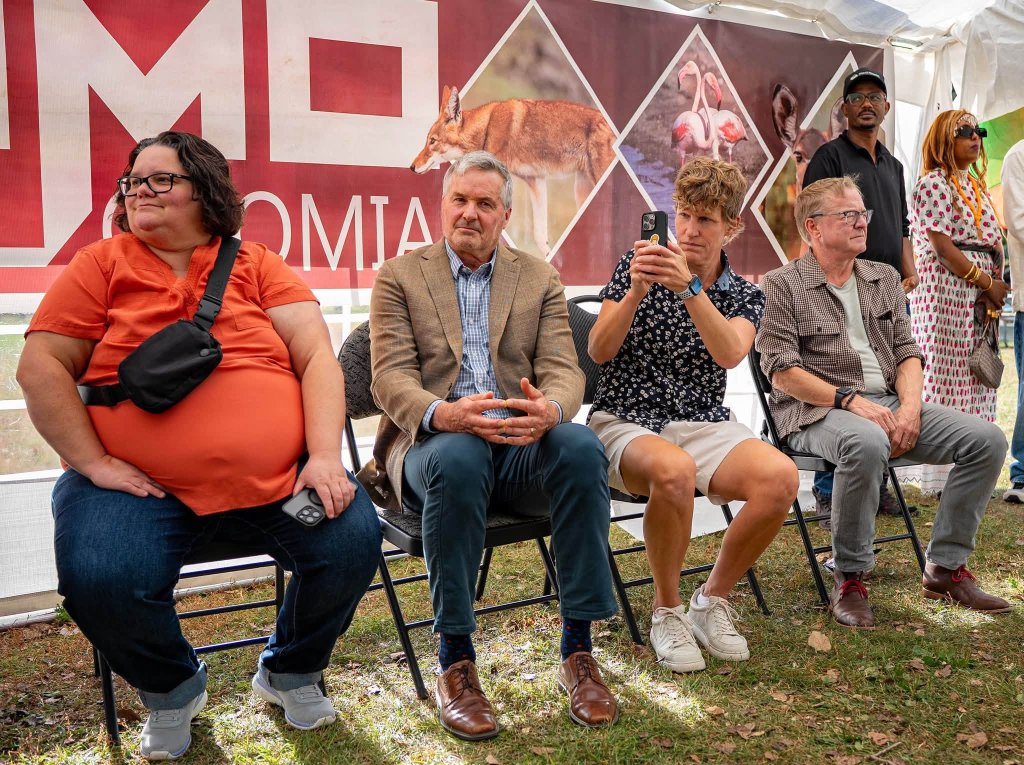
Gratitude and Looking Forward
The message closes with gratitude — to the Oromo community of the region, to OCANA’s leadership, and to everyone who contributed to making Irreechaa 2026 a success. It also issues a challenge to other Oromo communities: learn from this example. The community intends to build on this momentum, and future plans are already taking shape.
To those who are honoring their country and culture, the community offers its blessing: Irreecha milkii — may your Irreechaa be fruitful and blessed.
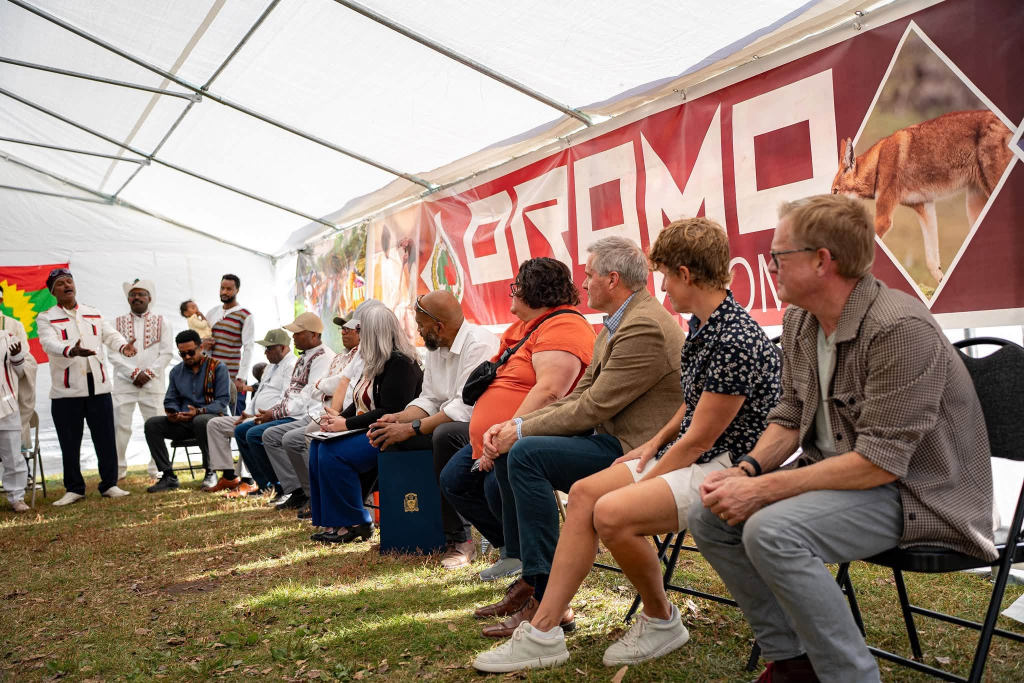
Why This Matters
Irreechaa in Edmonton is not just a local story. It is a template for how diaspora communities can transform sacred traditions into civic recognition — without compromising the spiritual essence of the festival. It shows that cultural preservation and public engagement are not mutually exclusive. And it demonstrates that when a community organizes, advocates, and speaks with one voice, governments listen.
For Oromos across Australia, North America, Europe, and beyond, the Edmonton example offers both inspiration and a challenge: celebrate proudly, organize strategically, and ensure that Irreechaa is not only a memory carried from home, but a living tradition recognized by the nations in which it is celebrated.
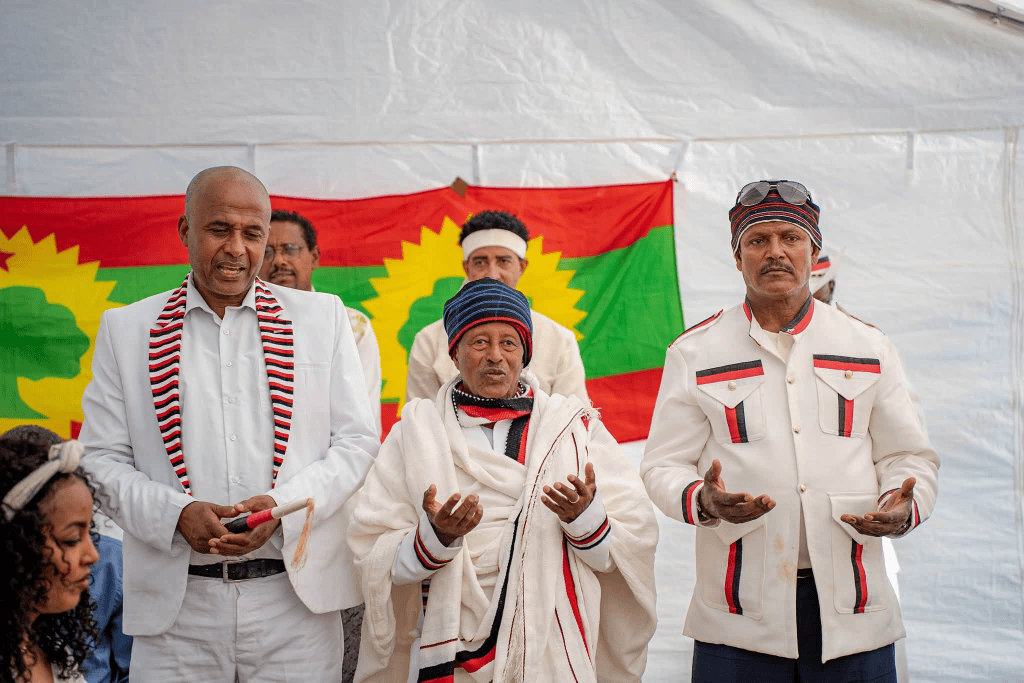
Baga Irreecha milkiin geessan!
#Irreecha_Edmonton #Irreechaa #Oromo #Oromia #OCANA #Edmonton #Alberta #Diaspora #CulturalHeritage #Waaqeffannaa #Oromummaa

What are 10 interesting facts about Irreechaa?
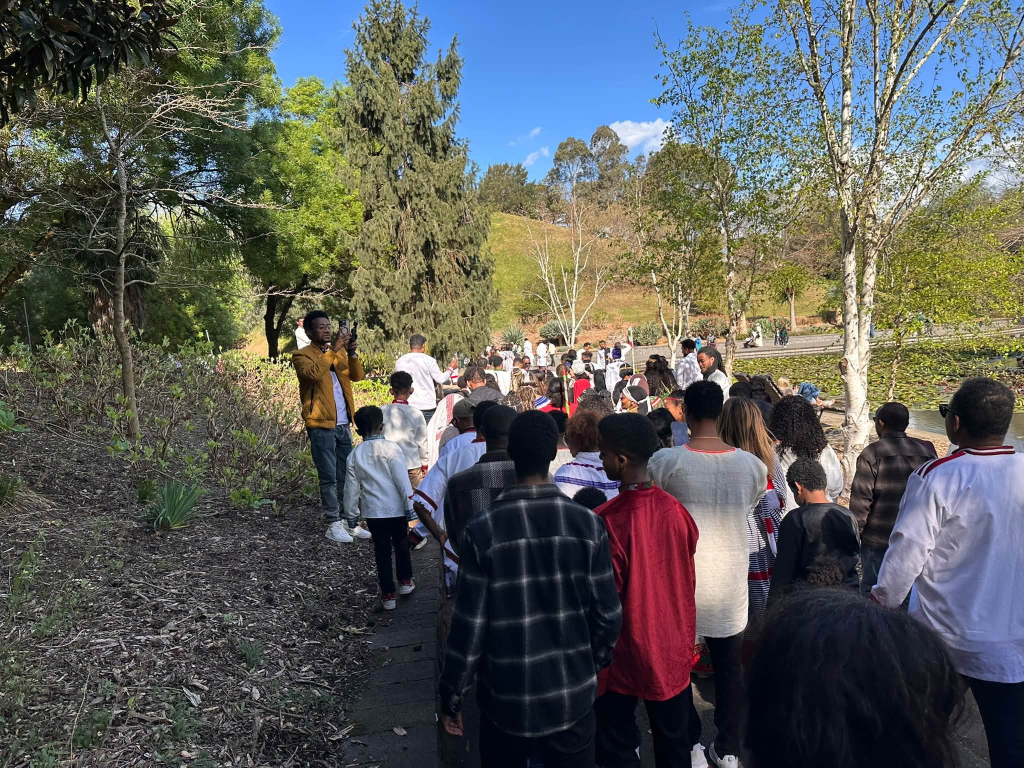
Here are 10 interesting facts about Irreechaa, drawn from its ancient origins, spiritual practices, and growing global reach.
1. It’s Not Just One Festival — It’s Two
Irreechaa is celebrated twice a year, marking two distinct seasonal transitions. The main festival, Irreechaa Malkaa, is held in autumn (September/October) at rivers and lakes to mark the end of the rainy season. The second, Irreechaa Tulluu (or Arfaasaa), is celebrated in spring on hilltops and mountains to welcome the rainy season .
2.  Its Roots Go Back Over 6,000 Years
This is not a recent tradition. Irreechaa is rooted in over 6,000 years of Cushitic civilization, making it one of the oldest continuous thanksgiving traditions in the world. It predates both Christianity and Islam in the region .
3.  It’s Recognized by UNESCO
The festival is intimately tied to the Gadaa system, the traditional Oromo governance structure. The Gadaa system was inscribed by UNESCO as an Intangible Cultural Heritage of Humanity, giving Irreechaa international recognition as a vital part of global cultural heritage .
4.  You Can’t Attend with a Grudge
One of the most striking rules of Irreechaa is that you cannot participate if you are holding resentment or hatred toward others. Disputes must be settled before the festival. It is believed that Waaqa will not accept the prayers and songs of those who come with unresolved conflict .
5. 👩🏾🤝👨🏾 Women Lead the Procession
In a powerful cultural tradition, women walk at the front of the Irreechaa procession, ahead of the Abbaa Gadaa (Gadaa leaders) and elders. If the women stop walking, the entire procession stops. Nobody passes before them. This is rooted in the Siinqee institution, which symbolizes women as sacred and as agents of peace .
6.  The Grass and Flowers Are Sacred Symbols
Participants carry fresh green grass and yellow daisies (daraaraa keelloo) to the water’s edge. The grass symbolizes life, fertility, and renewal, while the yellow flowers bloom specifically during the Birraa (spring) season. Dipping them into the water is an act of purification and gratitude .
7.  It’s Africa’s Largest Outdoor Gathering
The main celebration at Hora Arsadi in Bishoftu is one of the largest annual human gatherings in Africa, attracting millions of people. International media like the BBC, Al Jazeera, and CNN have covered the massive scale of the event .
8.  It Returned to Finfinne After 150 Years
In 2019, Irreechaa was celebrated at Hora Finfinne in Addis Ababa for the first time in 150 years. Under previous regimes, public celebrations had been banned. Its return to the capital was seen as a powerful act of cultural reclamation and identity .
9.  It’s a Global Diaspora Tradition
Irreechaa is not confined to Ethiopia. Oromo communities in the United States, Canada, Germany, Australia, the UAE, Saudi Arabia, and the UK organize their own celebrations. In cities like Melbourne, Washington D.C., Toronto, and Berlin, the diaspora gathers in parks and community centers to maintain their traditions and pass them to the next generation .
10.  It’s a Platform for Peace and Unity
Beyond thanksgiving, Irreechaa is a peace-building event. Scholars describe it as a festival that “sermonizes peace, reconciliation, and unity.” It brings together people of all ages, genders, religions, and social statuses, reinforcing the values of equality and social harmony.
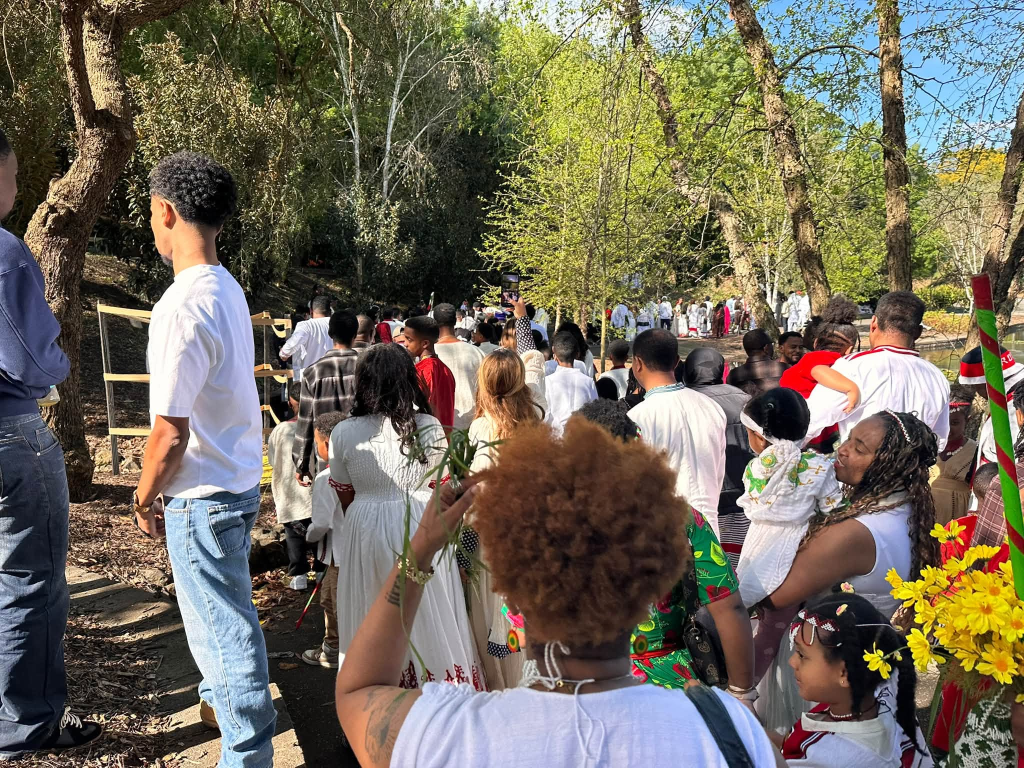

My Favourite Festival: Irreechaa
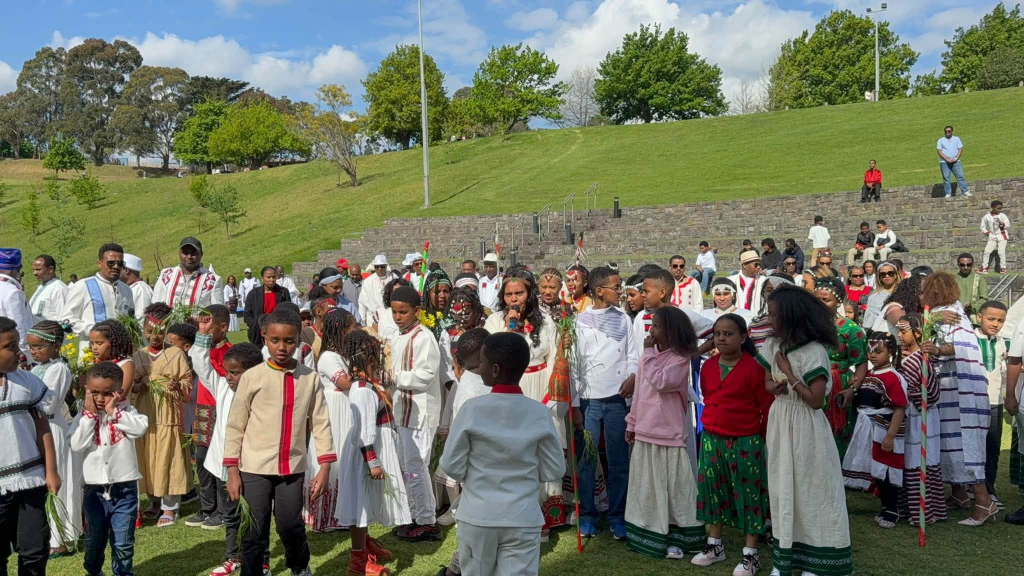
By Dhabessa Wakjira
—
There are festivals that entertain, and there are festivals that transform. Irreechaa belongs to the second category. For me, it is not simply my favourite festival — it is the most meaningful celebration I have ever known.
A Festival That Belongs to Everyone
What I love most about Irreechaa is its radical inclusivity. It does not matter who you are, where you come from, or what faith you follow. The festival is described as a “culture of inclusivity” where people of all backgrounds, languages, and religions are welcomed . When you stand at the water’s edge, surrounded by thousands of people carrying fresh green grass and yellow daisies, you realise you are part of something far bigger than yourself.
Gratitude at Its Purest
Irreechaa is, at its heart, an act of thanksgiving. It is a time to give thanks to Waaqa (God) for the rains, the harvest, the gift of life itself. In a world that often rushes past moments of gratitude, Irreechaa forces us to pause. To look back at the year that has passed. To acknowledge the blessings we have received. To welcome the new season with hope.
There is something profoundly grounding about this. The festival reminds us that we are part of nature, not separate from it — that the changing seasons, the flowing water, and the blooming flowers are all gifts worth celebrating.
A Time for Reconciliation
One of the most beautiful aspects of Irreechaa is its emphasis on reconciliation. You cannot fully participate if you are holding resentment or conflict in your heart. Disputes must be settled. Forgiveness must be offered. The festival creates a powerful, community-enforced deadline for healing broken relationships.
In a world so often divided by conflict, Irreechaa offers a different path — one rooted in peace, understanding, and the courage to let go of grievances.
A Living Link to My Heritage
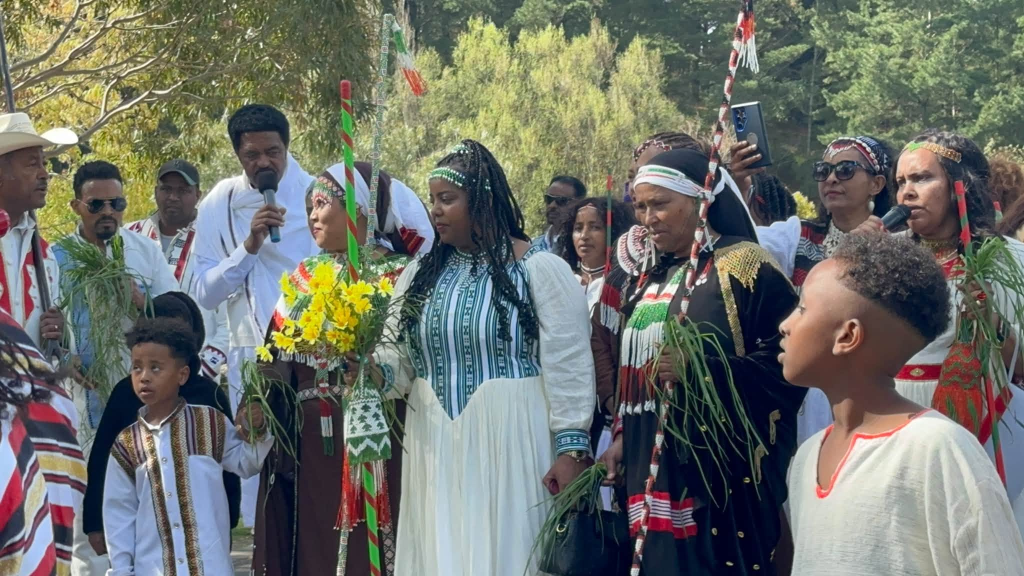
For those of us in the diaspora, Irreechaa is more than a festival. It is a lifeline to our homeland. It connects us to our ancestors, our language, and our traditions. When I celebrate Irreechaa in Australia, I am not just remembering Oromia — I am keeping it alive within me.
The songs, the prayers, the procession, the grass, the flowers, the water — every element carries the weight of generations. And by participating, I become part of that unbroken chain.
A Festival That Survived
Irreechaa has been celebrated for generations, preserved through years of oppression and systemic subjugation . That it survives today — and thrives — is a testament to the resilience of the Oromo people. Every celebration is a quiet victory. Every song is an act of defiance. Every gathering is a statement that our culture cannot be erased.
The Feeling You Can’t Explain
Ask me to describe what Irreechaa feels like, and I will struggle. It is the sound of thousands of voices singing together. It is the sight of elders leading prayers and children watching with wide eyes. It is the smell of fresh grass and flowers. It is the feeling of belonging — of being part of something ancient, sacred, and unbreakable.
It is joy. It is peace. It is home.
Why It’s My Favourite
Irreechaa is my favourite festival because it is not just a celebration. It is a spiritual homecoming. It is a time to give thanks, to reconcile, to reconnect, and to remember who I am.
In a world that moves too fast, Irreechaa invites us to slow down. To be present. To be grateful. To be together.
And that, to me, is the most beautiful thing a festival can offer.
Baga Irreechaa nagaan geessan! 

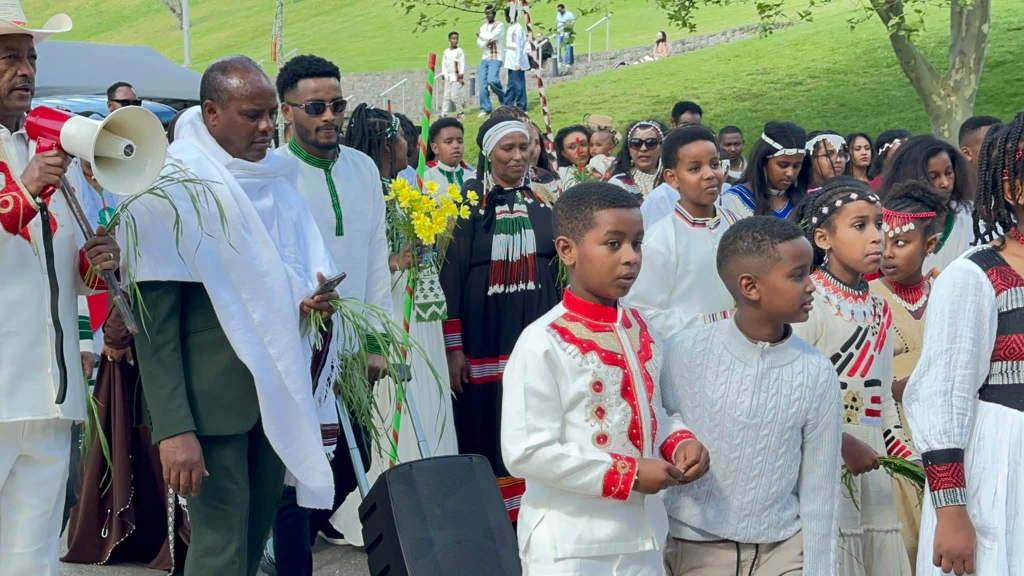

Irreechaa: A Special Festival for Kids
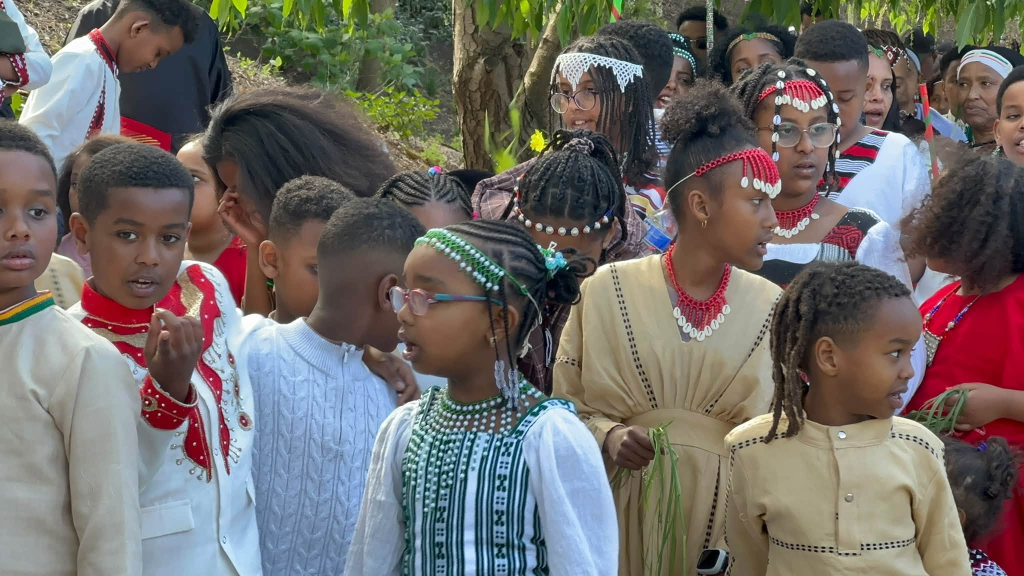
Irreechaa is a very special festival celebrated by the Oromo people. It is a time to say thank you to Waaqa (God) for all the good things in life — like rain, food, family, and friends.
Irreechaa happens when the rainy season ends and spring begins. Families dress in beautiful, colourful clothes and go to rivers or lakes. Everyone carries fresh green grass and yellow flowers. They dip the grass into the water and sprinkle a little water on themselves. This means saying goodbye to bad things and welcoming good things.
People sing songs, dance, and share food together. Elders give blessings and everyone prays for peace. It is also a time to say sorry and make friends again if someone was upset.
Irreechaa is celebrated in Ethiopia and all around the world, even in Australia! It teaches us to be grateful, to be kind, and to stay together.
It is a happy day full of colour, songs, and love. That is why Irreechaa is such a wonderful festival!
Baga Irreechaa nagaan geessan!

Irreechaa Birraa Celebrated in Amsterdam as Diaspora Reaffirms Identity and Tradition
Where the Oromo Are, There the Oromo Order Thrives
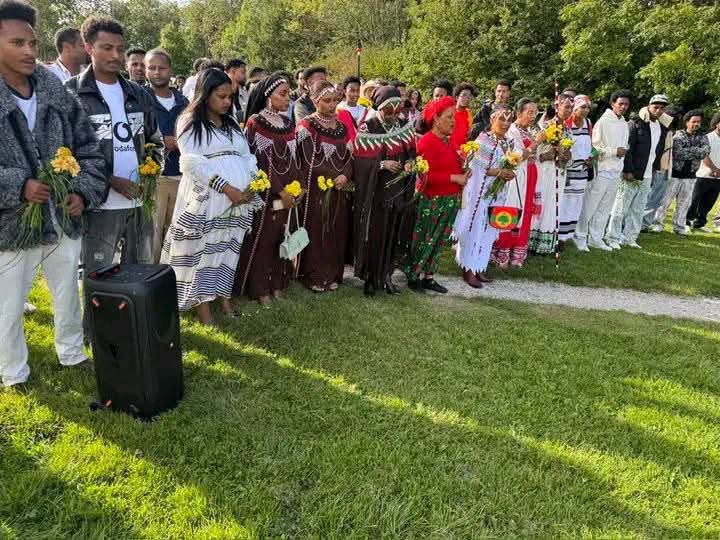
Amsterdam — Under the gray autumn skies of the Dutch capital, a sea of white, green, and yellow transformed Gaasperplas into a sacred Oromo landscape on Saturday, September 26, 2026. The Oromo community of the Netherlands gathered for Irreechaa Birraa, the ancient thanksgiving festival marking the end of the dark rainy season and the arrival of spring, in a powerful display of cultural continuity far from the Horn of Africa .
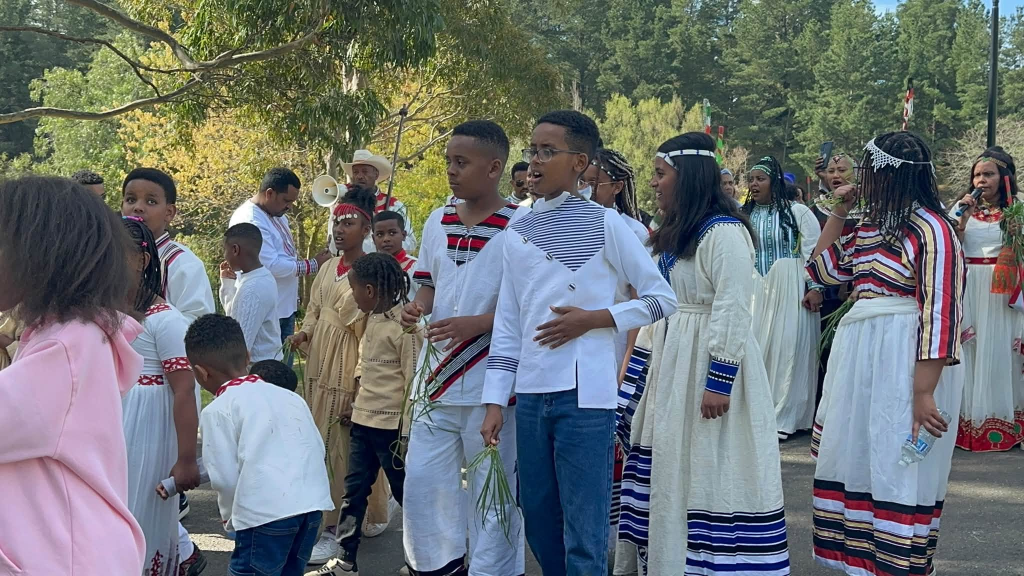
The celebration, organized by Hawaasa Oromo Nederland, drew Oromo families from across the Netherlands and neighboring European countries. Women in traditional dresses carried fresh green grass and yellow daisies; elders led prayers in Afaan Oromoo; and the sound of faaruu—traditional songs of gratitude—echoed across the park grounds .
For the Oromo diaspora, Irreechaa is more than a festival. It is a living declaration that the Oromo system—the sirna Oromoo—endures wherever the Oromo people are.
A Nation of Greatness
The Oromo are the largest ethnic group in Ethiopia and the Horn of Africa, numbering tens of millions and inhabiting a vast territory stretching from the central highlands to the southern lowlands . Their language, Afaan Oromoo, belongs to the Cushitic branch of the Afro-Asiatic family, and their traditional governance system, the Gadaa, was recognized by UNESCO as an Intangible Cultural Heritage of Humanity .
But numbers alone do not capture the depth of Oromo civilization. The Oromo possess a comprehensive philosophical and legal framework—safuu—that governs relations between humans, between humans and the natural world, and between humanity and the divine . Safuu establishes boundaries, rights, and responsibilities; it teaches that every created thing has its proper place and that violating these boundaries invites aadmalee—a profound moral transgression .
Central to this system is the land itself. For the Oromo, the earth is not merely property. She is haadha waan hunda—the mother of all things . Among the Boorana Oromo, the land is called Baattoo, a name that evokes her role as the sustainer who carries all life, both good and evil, upon her back . To farm sacred land—mountain slopes, water sources—without proper ritual is not merely an agricultural decision; it is a spiritual violation.
The Oromo are a people of profound religious tradition. Waaqeffannaa, the Oromo religion, worships one God—Waaqa—through a complex system of ayyaana, spiritual intermediaries who convey human needs to the Creator . The Oromo do not see themselves as a people without faith; they see themselves as a people with a very old faith, one that predates the arrival of Christianity and Islam in their lands.
Irreechaa: The Heartbeat of Oromo Life
No single institution better embodies the Oromo system than Irreechaa. Celebrated at the end of the rainy season (Ganna) and the beginning of spring (Birraa), Irreechaa is a national thanksgiving, a collective prayer of gratitude to Waaqa for protection, harvest, and peace .
The festival is celebrated in two principal forms. Irreechaa Malkaa takes place at the edges of rivers and lakes, where participants dip green grass and flowers into the water, sprinkling themselves as a symbol of purification and renewal . Irreechaa Tulluu is celebrated on hilltops, where the community gathers to pray for rain, fertility, and the well-being of the people . The largest celebrations occur at Hora Finfinne in Addis Ababa and Hora Arsadi in Bishoftu, where millions of Oromo gather each year—making it one of the largest annual human gatherings on the African continent .
The rituals of Irreechaa are rich with symbolism. Green grass represents life and fertility. Yellow daisies represent the joy of survival. Water represents purification and the washing away of hardship. The procession itself—elders leading, women walking in front, youth carrying flowers—is a living map of the Gadaa system’s social order .
Critical to Irreechaa is the requirement of reconciliation. A person carrying a grudge, a dispute, or an unresolved conflict is not permitted to participate fully in the festival . This is not merely a social nicety; it is a profound statement of the Oromo moral order. One cannot approach the sacred with a heavy heart. One cannot give thanks while holding anger. The Oromo system insists that gratitude and grievance cannot coexist.
The Diaspora Embraces the System
In Amsterdam, these traditions were not merely remembered—they were practiced. The Gaasperplas celebration followed the traditional structure: opening prayers led by community elders, a procession toward the water’s edge, the dipping of grass and flowers, and the sharing of food and coffee in a spirit of communal joy .
For diaspora Oromos, Irreechaa serves as a vital cultural anchor. In a world where the pressures of assimilation and the distance of migration threaten cultural continuity, Irreechaa is a reminder that the Oromo system is portable. It travels across oceans. It survives in new climates and new languages. It does not require the soil of Oromia to flourish—only the hearts of Oromo people who refuse to forget .
Community organizers emphasized the importance of the festival for younger generations. For Oromo children born in Europe, Irreechaa may be one of the few spaces where they hear prayers in Afaan Oromoo, see traditional caaccuu and siinqee carried by women, and witness elders acting in their traditional roles as Abbaa Gadaa and Hadhasiinqee .
The siinqee—the ritual stick carried by Oromo women—is itself a powerful symbol of the Oromo system’s treatment of gender. In traditional Oromo society, the siinqee represents the sacred power of women, particularly in their roles as peacemakers and protectors of life . A man who sees the siinqee planted in the ground knows that a woman has claimed her right to be heard, to demand justice, or to stop violence. That this institution survives and is honored in Amsterdam is a testament to the depth of the Oromo system.
A System That Endures
The Oromo say: Irreechi irree keenya—”Irreechaa is our unity” . The festival is not simply a religious observance or a cultural performance. It is a political and social statement: the Oromo system, with its Gadaa governance, its safuu ethics, its ayyaana spirituality, and its seasonal rhythms, is not a relic of the past. It is a living framework that continues to order Oromo life.
In Amsterdam, that framework was visible in every aspect of the celebration. It was visible in the respect shown to elders. It was visible in the equal participation of women, whose siinqee tradition remains one of the most distinctive aspects of Oromo society. It was visible in the focus on reconciliation and peace. It was visible in the integration of prayer and communal meal, ritual and celebration, solemnity and joy.
The Oromo system does not require an army to defend it. It does not require a state to enforce it. It requires only that Oromo people continue to live it. In Amsterdam, they did.
Source: Facebook page Gudisa Barbada

Irreechaa 2026 celebrations in the global cultural event.
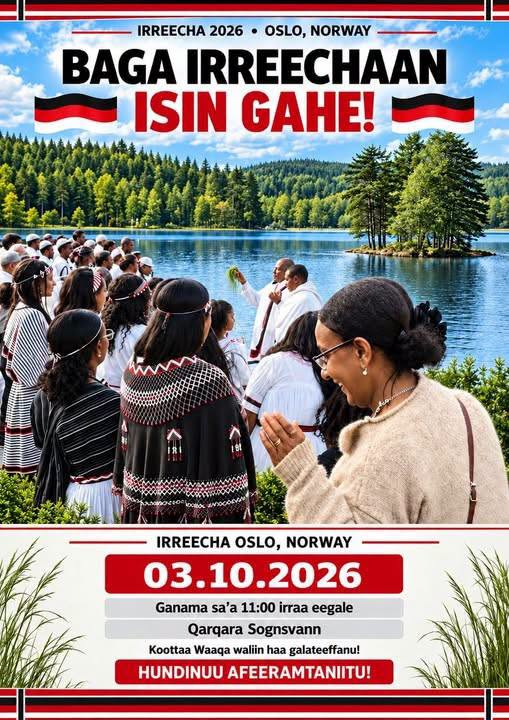
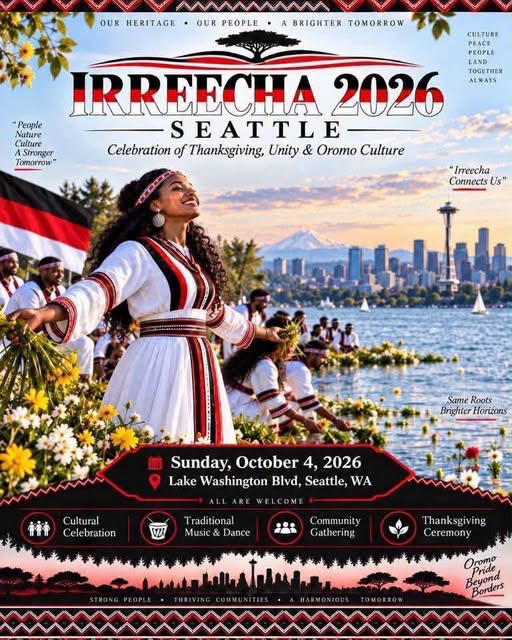
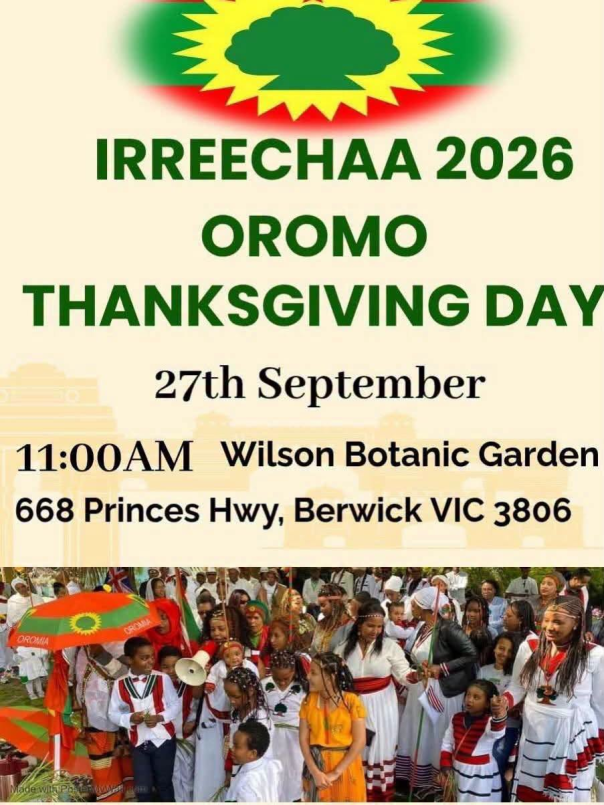
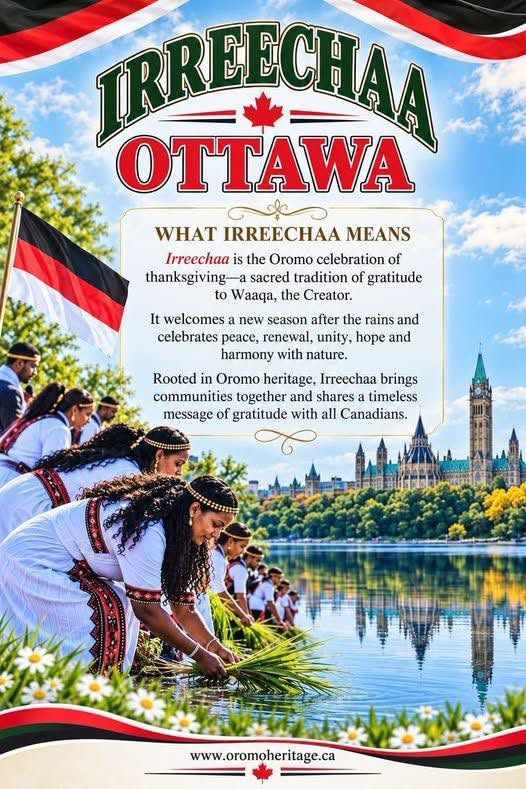
Irreechaa, the Oromo Thanksgiving Festival, is a global celebration of gratitude, unity, and cultural heritage for the Oromo people, with major events scheduled across North America, Europe, and Australia in 2026.
Here is a summary of the major 2026 celebrations:
- North America: Seattle (Oct 4), Washington, DC (Oct 2-4), Portland (Oct 3), Winnipeg (Sept 26), Ottawa (Sept 26), Edmonton (Sept 19), Minneapolis (Sept 19), Calgary (Sept 26).
- Europe: Rome, Italy (Oct 10), Oslo, Norway (Oct 3).
- Australia: Berwick, VIC (Sept 27).
🌳 Themes & Significance
The festival is often described as a “celebration of Thanksgiving, Unity & Oromo Culture”. Its core themes include:
- Gratitude: Giving thanks for blessings and peace (“Galateeffannaa”).
- Unity: Fostering togetherness among the Oromo community and beyond (“Tokkummaa”).
- Culture: Honoring traditional practices, music, dance, and attire (“Aadaa”).
- Symbolism: The Odaa tree plays a central role, symbolizing peace, reconciliation, and the connection between the community and nature.
The Ethio-Canadian Connection
A major related event is the 26th Annual Ethio-Canadian Day in Toronto, scheduled for September 5-6, 2026 at Christie Pits Park. This is a two-day celebration that highlights Ethiopian heritage in Canada, contributing to the broader cultural mosaic of the region.
📅 Planning Your Attendance
If you plan to attend, please double-check the final dates and locations with local organizers, as some schedules may be subject to change.

What is the significance of Irreechaa Celebrations in the global cultural event?
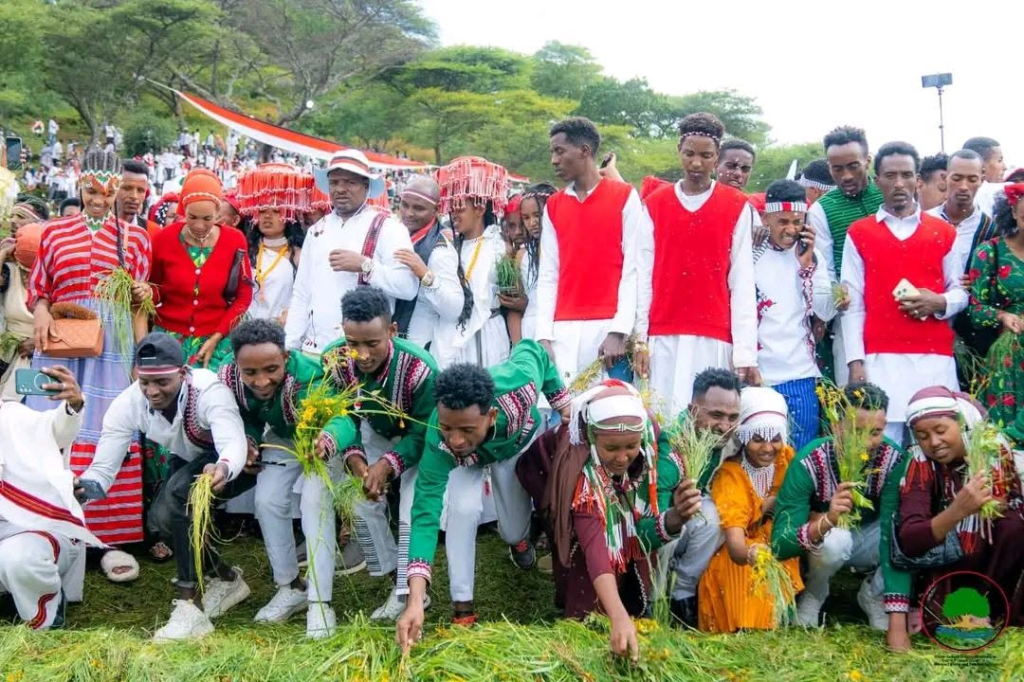
Irreechaa has grown far beyond its origins as a local Oromo thanksgiving festival. It is now a significant global cultural event that serves as a powerful symbol of unity, a major driver of tourism, and a living expression of a heritage recognized by UNESCO.
🕊️ A Global Symbol of Unity and Peace
Irreechaa’s core values of gratitude, reconciliation, and forgiveness resonate universally. It is described as a “culture of inclusivity” where people of all backgrounds, languages, and religions are welcomed. The festival is celebrated as a national treasure that strengthens brotherhood and solidarity, not just for the Oromo people but for all Ethiopians. Its message of peace and harmony has made it a platform for fostering understanding between diverse communities.
🌍 A Growing International Diaspora Tradition
The celebration has firmly taken root across the globe. Oromo communities in countries like the United States, Canada, Germany, the United Arab Emirates, and Australia organize their own Irreechaa events. These gatherings, held in cities like Washington, D.C., Toronto, and Berlin, bring together the diaspora and curious locals to preserve their heritage and pass it on to younger generations. The festival’s international appeal was highlighted in 2024 when visitors from the US and Canada described their experience in Ethiopia as “transformative,” praising the warmth and spiritual depth of the celebration.
🏛️ UNESCO-Recognized Heritage and Tourism Driver
Irreechaa is not just a cultural festival; it is a recognized part of world heritage. It is celebrated as part of the Gada system, which was inscribed by UNESCO as an Intangible Cultural Heritage. This status, combined with its massive scale—gatherings in Bishoftu can attract over 4 million people, making it one of the largest annual gatherings in Africa —has turned Irreechaa into a significant tourism draw. The Ethiopian government actively promotes the festival to attract international visitors, boosting the local economy.
✨ A Global Reminder of Shared Values
Ultimately, Irreechaa’s global significance lies in its universal message. It serves as a reminder of humanity’s connection to nature, the importance of expressing gratitude, and the power of community to heal and unite. Whether celebrated on the shores of Lake Hora in Ethiopia or in a park in Melbourne, Irreechaa embodies values that resonate far beyond Oromia.
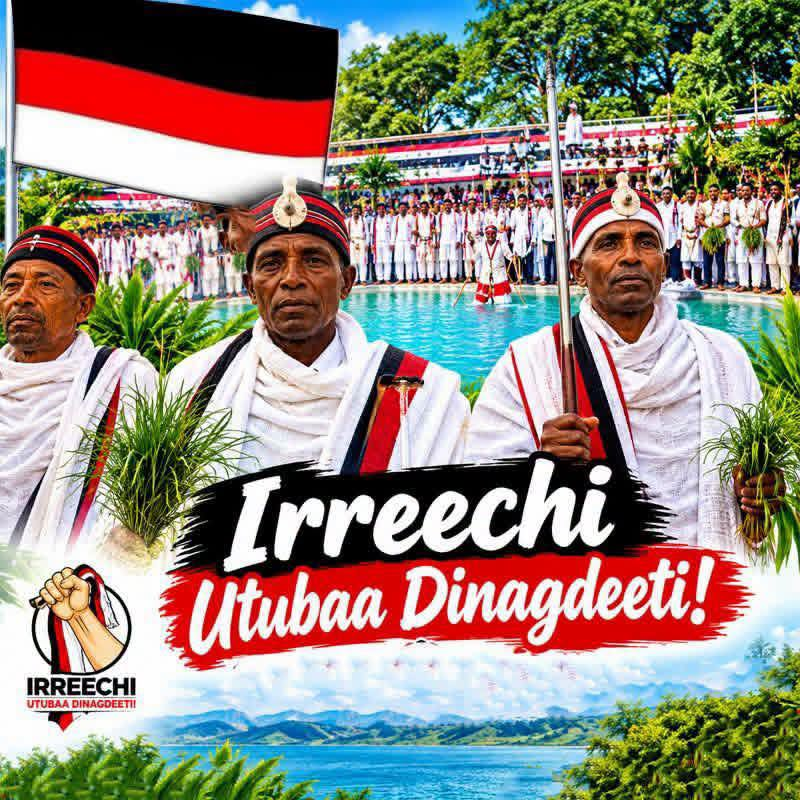

Irreechaa 2026: A Sacred Celebration Across Australia’s Oromo Communities
By Maatii Sabaa
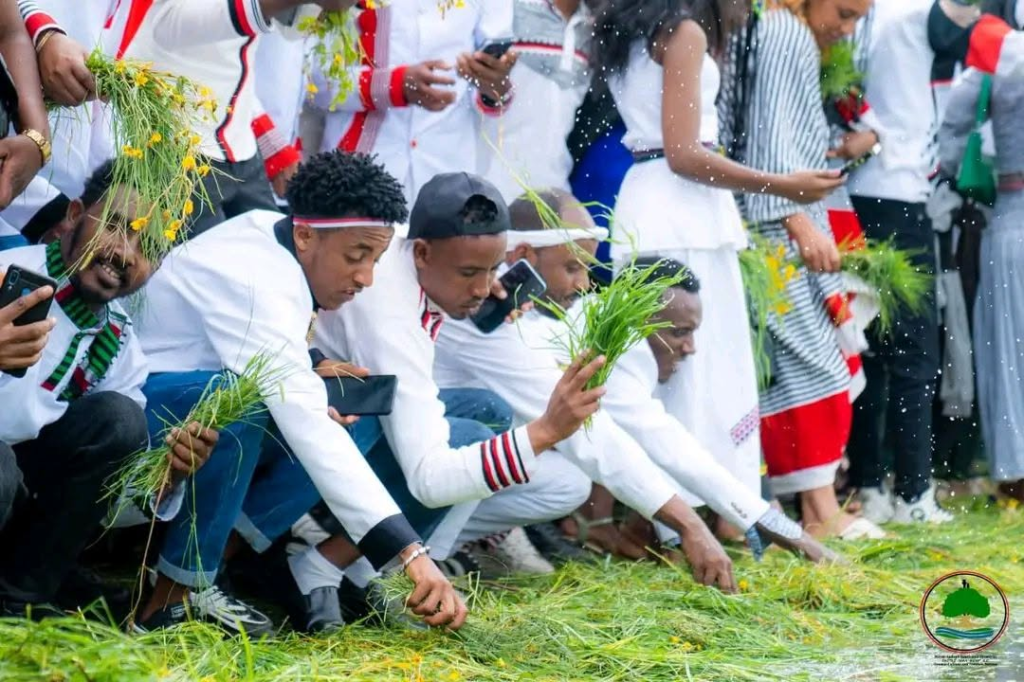
MELBOURNE, 27 September 2026 — For Australia’s Oromo diaspora, this Sunday is far more than a date on the calendar. Irreechaa — the ancient Oromo thanksgiving festival — is being celebrated across the country in a powerful display of culture, faith, and unity. From the banks of Melbourne’s waterways to gatherings in other cities, the tradition that has survived centuries of suppression now thrives on Australian soil.
A Festival of Gratitude and Renewal
Irreechaa marks the end of the rainy season (Ganna) and the beginning of spring (Birraa) — a time of harvest, hope, and renewal. Rooted in Waaqeffannaa, the traditional Oromo belief in one God (Waaqa), the festival predates Christianity and Islam and has been passed down through generations for thousands of years .
Participants carry fresh green grass and yellow daisies (daraaraa keelloo) to the water’s edge, dipping them into the water as an offering of gratitude. This act symbolizes purification, renewal, and the washing away of the past year’s hardships .
The festival is also a time of reconciliation — disputes are settled before participation, and communities come together in peace .
Melbourne: Irreechaa Malkaa at Wilson Botanic Park
The Melbourne Oromo community is celebrating Irreechaa Malkaa 2026 on Sunday, 27 September at Wilson Botanic Park in Berwick, with festivities beginning at 11:00 AM .
The celebration follows the traditional structure of Irreechaa:
- Blessing of Elders: The event opens with prayers led by community elders (Abbaa Gadaa, Hadhasiinqee) .
- The Procession: Participants walk together toward the water, with women traditionally walking in front — a practice rooted in the Siinqee institution symbolizing women as sacred and as agents of peace .
- Carrying Grass and Flowers: Attendees carry fresh green grass and yellow flowers to the water’s edge, symbols of life, fertility, and connection to the earth .
- Dipping and Sprinkling: The grass and flowers are dipped into the water, and participants sprinkle water on themselves and others as a blessing .
- Songs and Prayers: Traditional Oromo songs (faaruu) fill the air — songs of gratitude, hope, and blessing, including the Marewoo songs sung during the procession .
Community members are encouraged to wear traditional Oromo clothing, bringing water, flowers, and a spirit of gratitude .
Irreechaa Arfaasaa: The Spring Celebration
Earlier in 2026, the Melbourne community gathered for Irreechaa Arfaasaa on Sunday, 26 April at Dandenong Mountain (Tulluu Dandenong) .
Irreechaa Arfaasaa marks the end of the dry season and the beginning of the rainy season — a spring celebration where communities pray to Waaqa for rain and good spirit. It is celebrated at hilltops and mountains, with elders leading blessings and the community gathering in traditional attire .
Organizers emphasized the importance of environmental protection at this year’s Arfaasaa celebration, reminding participants to respect the natural surroundings of Dandenong Mountain and leave no waste behind .
Irrecha Australia: A Growing National Movement
What began as small community gatherings among Oromo families in Australia has blossomed into vibrant national festivals. At the heart of this movement is Irrecha Australia, a registered non-profit organization dedicated to honoring the Oromo people’s cherished thanksgiving tradition .
The organization places particular emphasis on empowering young people, equipping the next generation to carry traditions forward with pride and confidence. Its vision extends beyond the Oromo community itself — envisioning a nation where Oromo culture thrives as an integral part of Australia’s diverse identity .
“Through festivals, education, and community initiatives, we strengthen connections, honour our heritage, and celebrate a way of life rooted in gratitude, resilience, and unity,” the organization states .
Why Irreechaa Matters in Australia
For Oromos living far from their homeland, Irreechaa serves as a vital cultural anchor. It connects the diaspora to their ancestors, their language, and one another .
The festival is also a powerful statement of resilience. Irreechaa has been celebrated by the Oromo for generations, preserved through years of oppression and systemic subjugation. That it now thrives in Australia — thousands of kilometres from Oromia — is a testament to the community’s determination to keep its traditions alive .
As one Oromo community message beautifully expressed: “Irreecha is not a memory. It is a living prayer. And you are the ones who keep it alive” .
A Message for All
Irreechaa is more than a festival. It is an expression of identity, a bond of unity, and a living link between generations. For the Oromo community in Australia, this weekend’s celebrations are a sacred homecoming — a chance to give thanks, to reconnect, and to pass the flame of Oromummaa to the next generation.
Baga Irreechaan nagaan geesse! — May the Irreechaa have arrived in peace.
Irreechaa is celebrated annually at the banks of rivers and lakes across Oromia, and by Oromo communities around the world.

A Trailblazer Honoured: Dr Melika Sheikh-Eldin Inducted into the Victorian Honour Roll of Women
By Dhabessa Wakjira
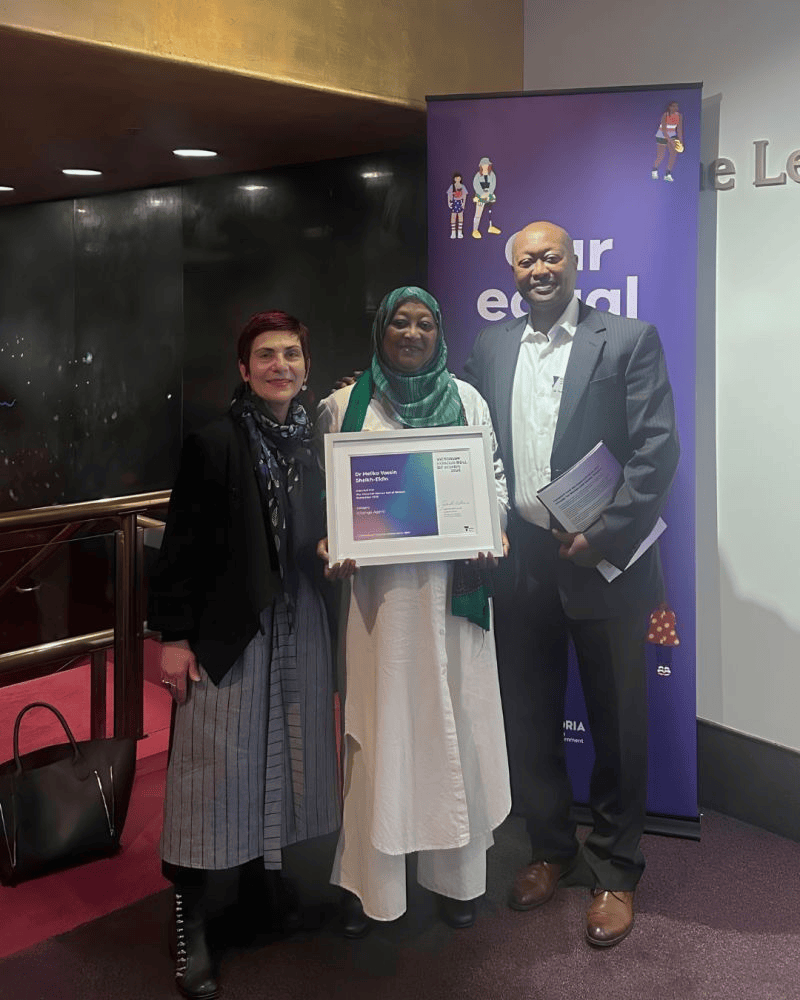
In a moment that celebrates both personal achievement and the power of lived experience, Dr Melika Sheikh-Eldin — Manager of International and Community Development at AMES Australia — has been inducted into the Victorian Honour Roll of Women, one of the state’s most prestigious recognitions of women’s contributions to their communities and the nation.
The announcement was met with pride and joy across AMES Australia and the broader settlement sector, where Dr Melika has been a guiding force for more than two decades.
“Congratulations to Dr Melika Sheikh-Eldin, our Manager of International and Community Development, on being inducted into the Victorian Honour Roll of Women,” AMES Australia shared in a statement. “This well-deserved recognition celebrates Melika’s outstanding leadership and commitment to creating opportunities for multicultural communities.”
A Journey from Refugee to World-Leading Innovator
Dr Melika’s story is one of remarkable transformation — and of turning personal hardship into a force for systemic change. She fled war in Eritrea in the late 1970s, volunteering in Sudanese refugee camps and in Cairo for organisations including the United Nations High Commissioner for Refugees (UNHCR) , the Red Cross, and Save the Children. She resettled in Australia in 1992.
Since joining AMES Australia in 2001, she has dedicated her career to settlement, community development, capacity building, and advocacy. Her work has helped thousands of new arrivals settle successfully in Australia and has influenced settlement policy and practice both nationally and internationally.
At the Victorian Honour Roll of Women ceremony, it was recognised that Dr Melika Sheikh-Eldin has transformed her lived experience as a refugee into world-leading approaches to community integration and social cohesion.
Three World-Leading Models
Dr Melika’s impact at AMES Australia is perhaps best illustrated by the innovative programs she has led — programs that have become blueprints for others:
1. The Nhill Rural Settlement Project
In western Victoria, the small town of Nhill was facing economic decline. Dr Melika’s project settled Karen refugees in the community, revitalising the town’s economy and creating a model now considered a global blueprint for rural settlement.
2. The Werribee Park Gardening Program
Engaging isolated Karen women in gardening, this program addressed critical issues of isolation and mental wellbeing. Its success was so evident that the model has been adopted by other organisations.
3. The Community Guides Program
Perhaps her most influential innovation, the Community Guides Program recruits former refugees to use their lived experience to assist new arrivals. Dr Melika has travelled to Sweden, New Zealand, and Japan to help international organisations establish programs based on this model.
Challenging Stereotypes, Championing Two-Sided Education
Throughout her career, Dr Melika has disrupted gender stereotypes and challenged the public perception of what refugees can achieve. Central to her philosophy is the concept of “two-sided education” — the idea that both host communities and new arrivals must learn about one another for true integration to occur.
This mutual learning, she explains, helps mitigate the fear of the unknown — the anxiety that so often fuels resistance to newcomers. It is a simple but profound insight: integration is not something done to refugees, but something built with them, and with the communities that receive them.
A Scholar and a Mother
Dr Melika’s achievements are all the more remarkable given the circumstances in which she pursued them. While raising three children as a refugee in a small Australian town, she completed a PhD in aquatic science — a testament to her intellectual rigor and her refusal to be defined by the limitations others might have placed upon her.
Since 2007, she has also sat on the board of the Refugee Council of Australia and represented the nation as a “Refugee Voice” at annual UNHCR consultations in Geneva, advocating for policy shifts that recognise refugees as stakeholders rather than recipients of aid.
A Well-Deserved Recognition
The Victorian Honour Roll of Women celebrates women who have made exceptional contributions to Victoria and beyond. Inductees are recognised for their leadership, courage, and lasting impact on their communities.
Dr Melika’s induction places her among a distinguished group of women who have shaped the state’s social, cultural, and political landscape. For the Oromo community and for refugees and migrants across Australia, her recognition is a moment of immense pride.
“Congratulations, Melika. We are incredibly proud of you,” AMES Australia said. 💙
Learn More
To read Dr Melika Yassin Sheikh-Eldin’s full profile on the Victorian Honour Roll of Women, visit:
🔗 https://www.vic.gov.au/dr-melika-yassin-sheikh-eldin
#AMESAustralia #AMES #Award #VictorianHonourRoll

Melbourne Irreechaa Festival 2026: The Ultimate Guide to Celebrating Oromo Thanksgiving in Australia
By Dhabessa Wakjira
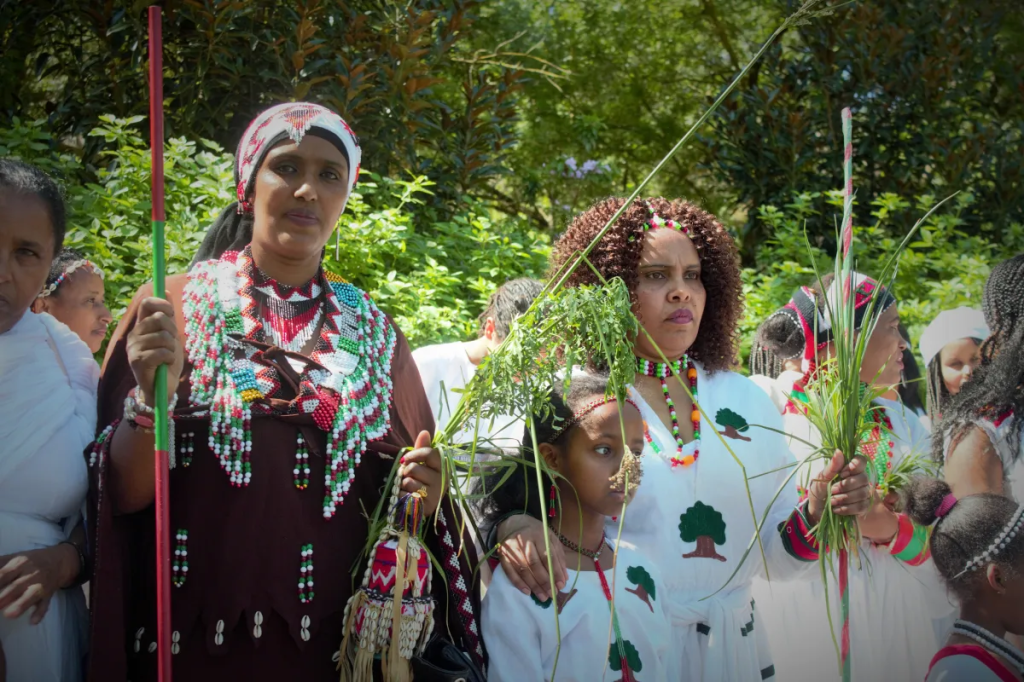
For the Oromo diaspora in Melbourne, Irreechaa is more than a festival. It is a sacred homecoming — a chance to gather by the water, give thanks to Waaqa, and pass the flame of Oromummaa to the next generation. In 2026, the Melbourne Oromo community will once again celebrate this ancient tradition on Australian soil, welcoming all who wish to share in its beauty, meaning, and joy.
This guide covers everything you need to know about the 2026 celebrations, from dates and locations to the rituals, etiquette, and cultural significance of Irreechaa in the diaspora.
What Is Irreechaa?
Irreechaa is the annual Oromo thanksgiving festival, celebrated at the banks of rivers and lakes across Oromia. It marks the end of the rainy season (Ganna) and the beginning of a new year of hope, renewal, and abundance. Rooted in Waaqeffannaa, the traditional Oromo belief in one God (Waaqa), the festival predates Christianity and Islam and has been passed down through generations for thousands of years.
Participants carry fresh green grass and yellow daisies (daraaraa keelloo) to the water’s edge, dip them into the water as an offering of gratitude, and sing ancient songs of praise and blessing. The festival is also a time of reconciliation — disputes are settled before participation, and communities come together in peace.
For the diaspora, Irreechaa is a vital cultural anchor. It connects Oromos in Australia to their homeland, their ancestors, and one another .
2026 Melbourne Irreechaa Events
The Melbourne Oromo community typically celebrates two major Irreechaa festivals each year: Irreechaa Arfaasaa (the spring celebration) and Irreechaa Malkaa (the main thanksgiving at the water’s edge).
Irreechaa Arfaasaa 2026
Date: Sunday, April 26, 2026
Location: Dandenong Mountain (Tulluu Dandenong), Melbourne
Time: Morning (exact time to be announced)
Organizers: Oromo Irreecha Association and Melbourne Oromo community
Irreechaa Arfaasaa marks the end of the dry season and the beginning of the rainy season. It is a spring celebration that follows traditional Oromo customs, beginning with the blessing of elders .
Irreechaa Malkaa 2026
Irreechaa Malkaa, the main thanksgiving festival, is typically celebrated in September or October, corresponding with the end of the rainy season in Ethiopia. Past Melbourne Irreechaa Malkaa celebrations have been held at locations such as Wilson Botanic Park in Berwick.
The 2026 date and location for Melbourne will be announced by community organizers as follows closer to the time.
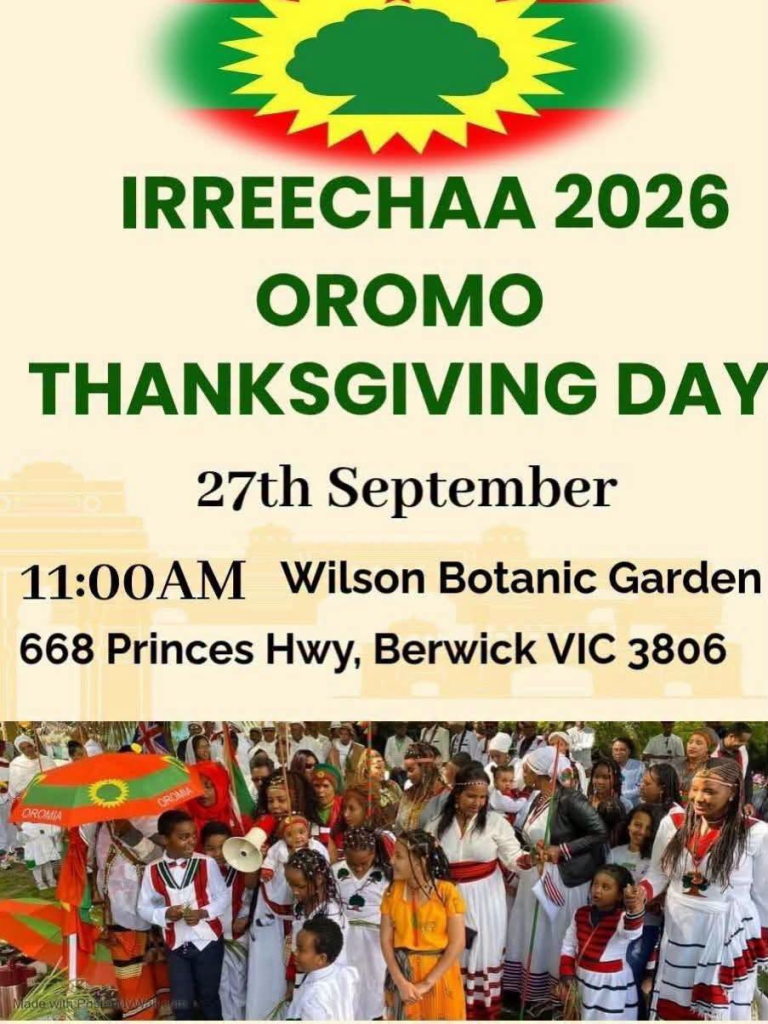
Date: Sunday, September 27, 2026
Location: Wilson Botanic Park in Berwick, Melbourne
Time: 11:00am
Organizers: Oromo Irreecha Association and Melbourne Oromo community
What to Bring
Organizers have specified the following items for attendees :
| Item | Purpose |
|---|---|
| Water | For personal use and the ritual |
| Flowers | For the Irreechaa tradition (yellow daisies if available) |
| Fresh green grass | Symbol of life, fertility, and gratitude |
| A spirit of gratitude | The heart of Irreechaa |
Wear traditional Oromo clothing if you have it. The vibrant colors and styles are a beautiful expression of cultural pride and identity.
What to Expect: The Rituals and Traditions
Irreechaa follows a structured, reverent sequence of events. Here is what you can expect at a Melbourne celebration:
1. Blessing of Elders
The celebration begins with blessings and prayers led by community elders (Abbaa Gadaa, Hadhasiinqee, and respected community members). These blessings focus on peace, prosperity, and remembering those who sustained the tradition .
2. The Procession
Participants walk together toward the water (or the designated sacred area). In traditional Irreechaa, women walk in front of the elders — a practice rooted in the Siinqee institution that symbolizes women as sacred and as agents of peace.
3. Carrying Grass and Flowers
Attendees carry fresh green grass and yellow flowers to the water’s edge. The grass is a symbol of life, fertility, and the connection between the Oromo people and the earth .
4. Dipping and Sprinkling
Upon reaching the water, participants dip the grass and flowers into the water and sprinkle water on themselves and others as a blessing. This act symbolizes purification, renewal, and the washing away of the past year’s hardships .
5. Songs and Prayers
The air fills with the sounds of traditional Oromo songs (faaruu) — songs of gratitude, hope, and blessing. Women sing “Maariyoo… Maareyoo…” (“your mercy on us”), while men chant the Irreechaa songs alongside them. The communal singing is a powerful expression of unity and shared emotion .
6. Cultural Performances and Food
After the rituals, the celebration continues with traditional music, dances (such as the Siiqqee and Gumii dances), and communal meals featuring Oromo food. It is a time for storytelling, laughter, and strengthening community bonds .
Irreechaa Etiquette: How to Participate Respectfully
Irreechaa is a sacred festival, not merely a cultural event. If you are attending for the first time — whether you are Oromo or from another background — here are important guidelines to ensure your participation is respectful and meaningful:
Do:
- Wear traditional clothing if you have it. It is a sign of respect and pride.
- Follow the lead of elders and community organizers.
- Carry grass and flowers to the water as an offering.
- Sing along if you know the songs — or simply listen and absorb the moment.
- Respect the natural environment. Leave no waste behind. The Oromo value of caring for nature is central to Irreechaa.
- Be present with gratitude. Irreechaa is a time of thanksgiving, reconciliation, and peace.
Don’t:
- Don’t splash water indiscriminately. The water ritual has specific traditional meaning.
- Don’t preach or distribute religious materials of other faiths at the Malkaa (water site). Irreechaa is rooted in Waaqeffannaa, and the sacred space should be respected.
- Don’t make noise or ululate during the solemn moments of the ceremony before the water ritual is complete.
- Don’t block the path with vehicles. Irreechaa is a communal pilgrimage — walk with the community if you are able.
These guidelines are not restrictions on participation. They are invitations to engage more deeply, with the reverence that Irreechaa deserves.
Why Irreechaa Matters in the Diaspora
For Oromos in Melbourne, Irreechaa serves several vital functions:
Cultural preservation. It ensures that younger generations born or raised in Australia learn about their heritage, language, and traditions. The festival is a living classroom for Oromummaa .
Community cohesion. It brings together families and individuals scattered across Victoria, strengthening social bonds and creating a sense of belonging .
Connection to homeland. It bridges the physical distance between Australia and Oromia, allowing the diaspora to maintain a profound spiritual and cultural connection to their ancestral land .
Intercultural exchange. Melbourne Irreechaa events often welcome local government officials, multicultural organizations, and curious residents, fostering mutual respect and understanding between communities.
The Spiritual Meaning of Irreechaa
At its heart, Irreechaa is an act of thanksgiving to Waaqa for the blessings of the past year and a prayer for peace and abundance in the year to come. It is a time of reconciliation — when those in conflict bury the hatchet and communities heal.
The festival is also a celebration of the Gadaa system, which upholds national unity, reconciliation, and solidarity. Irreechaa is one of the mammoth outdoor cultural festivals that showcase Ethiopia’s wealth of cultural heritage .
As one community message beautifully expressed:
“Irreecha is not a memory. It is a living prayer. And you are the ones who keep it alive.”
Practical Information
Getting There: Dandenong Mountain and other past venues are accessible by public transport and car. Check with organizers for specific directions and parking information.
Weather: Melbourne weather is unpredictable. Dress in layers and bring sun protection. April can be cool and changeable.
Accessibility: Contact organizers in advance if you have accessibility needs.
Staying Updated: Follow Advocacy for Oromia and local Oromo community associations on social media for the latest announcements about Irreechaa Malkaa 2026 and any changes to Irreechaa Arfaasaa details.
Baga Irreechaa Nagaan Geessan!
Whether you are Oromo, a friend of the Oromo community, or simply someone who wishes to witness a beautiful and meaningful cultural tradition, you are welcome at Melbourne Irreechaa 2026.
Come with an open heart. Come with gratitude. Come ready to sing, to celebrate, and to honor a tradition that has survived centuries of suppression and continues to thrive in every corner of the world where Oromo people gather.
Irreechaa keessan haa fudhatamu. May your thanksgiving be accepted. 🌿💚
Source information: Advocacy for Oromia, Oromia Communication Bureau, and the Melbourne Oromo community

“Welcome Home”: Artist Daawwitee Mokonnon Returns to Ethiopia After 27 Years, Received with Celebration in Bole
By Dhabessa Wakjira
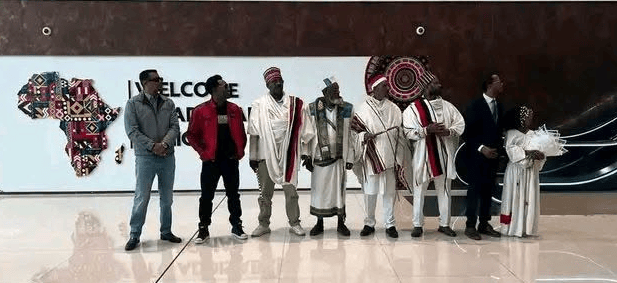
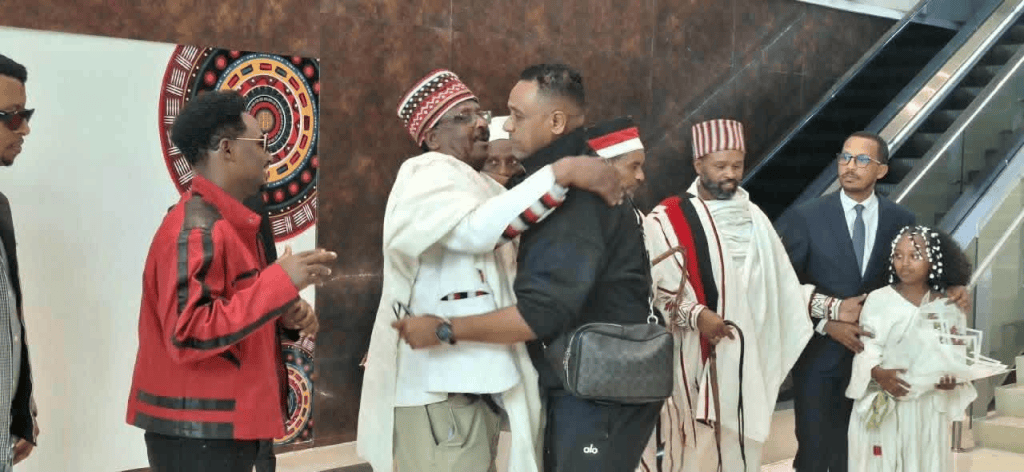
ADDIS ABABA — After 27 long years away from home, renowned Oromo artist Daawwitee Mokonnon has returned to Ethiopia. The beloved singer and cultural figure was welcomed with a warm and celebratory reception in Bole, marking an emotional homecoming that has touched the hearts of many Oromos at home and abroad.
“Baga nagaan gara biyya abbaaketti galte!” — “Welcome back to your fatherland!” — read the message shared by the Oromia Communication Bureau, capturing the joy and relief that accompanied him return.
A Long Journey Home
Twenty-seven years is a lifetime. For Daawwitee Mokonnon, those years were spent in exile — far from the land, the people, and the culture that shaped him art and his identity. His music, however, never left. Throughout him time abroad, his voice remained a powerful thread connecting the Oromo diaspora to their homeland, a source of comfort, pride, and remembrance for millions.
Now, that thread has come full circle. His return is not merely a personal milestone; it is a symbolic moment for the Oromo people — a reminder that distance, however long, cannot sever the bond between an artist and his nation.
A Reception Fit for a Cultural Icon
The reception in Bole was filled with the warmth and reverence befitting an artist of his stature. Community members, fellow artists, and admirers gathered to welcome him back, celebrating not only his return but also the decades of cultural contribution he has made from afar.
Daawwitee Mokonnon is more than a singer. He is a keeper of Oromo musical heritage, a voice that has carried the stories, struggles, and aspirations of her people across borders and generations. His songs have been sung at Irreechaa gatherings, at family celebrations, and in quiet moments of longing for home. For many in the diaspora, his music was a piece of Oromia they could carry with them.
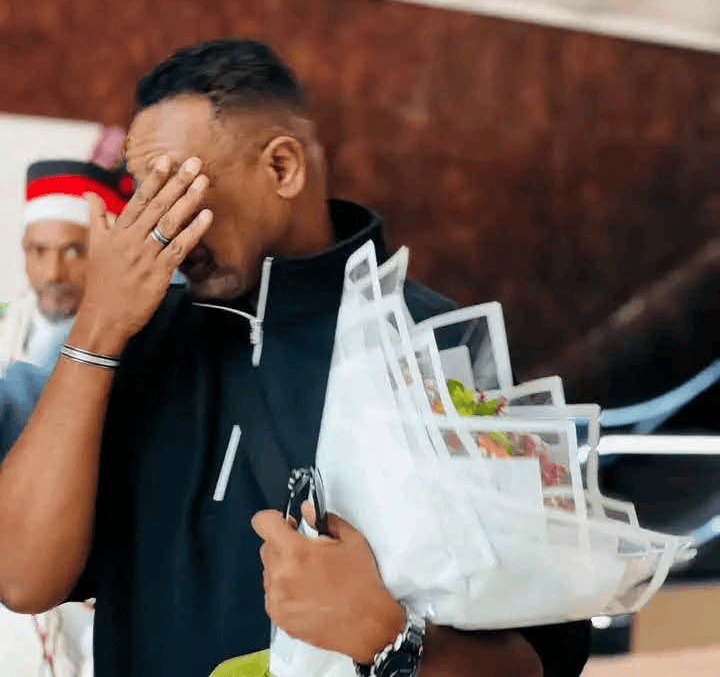
A Symbol of Hope and Reconnection
His return after 27 years carries profound meaning. It speaks to the resilience of the Oromo people and the enduring pull of the homeland. It is a reminder that exile, however painful, does not have to be permanent — and that the cultural treasures preserved abroad can, and do, find their way back home.
For younger Oromos who grew up hearing his name but never seeing him in person, his return is an opportunity to connect with a living legend. For elders who remember his performances from decades past, it is a joyful reunion. For the diaspora, it is a sign that the distance between home and abroad is not insurmountable.
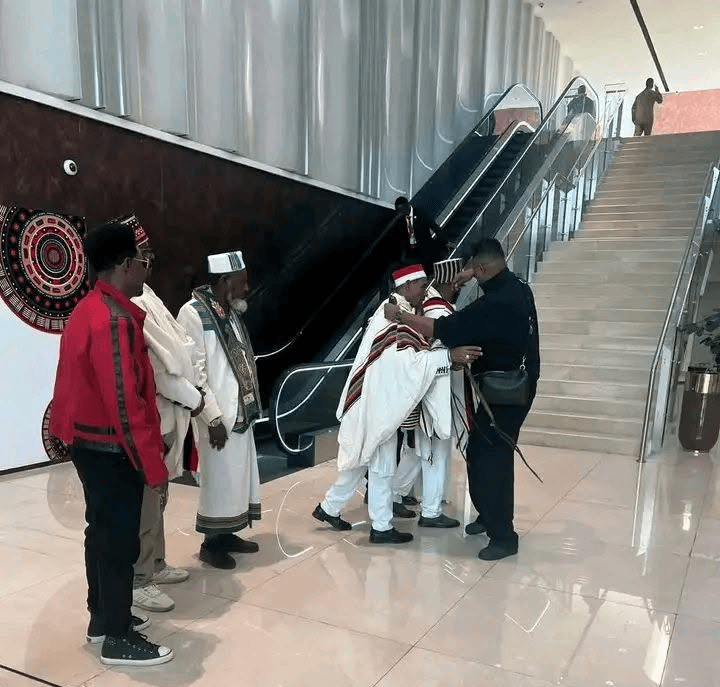
A Homecoming That Belongs to All
While the reception was held in Bole, the significance of Daawwitee Mokonnon’s return extends far beyond one city or one gathering. It belongs to every Oromo who has ever longed for home, every family separated by circumstance, and every artist who has carried their culture with them into unfamiliar lands.
His journey back is a testament to the power of perseverance and the unbreakable connection between an artist and his people.
Baga nagaan gara biyya abbaaketti galte, Daawwitee! 🥰
Welcome home.
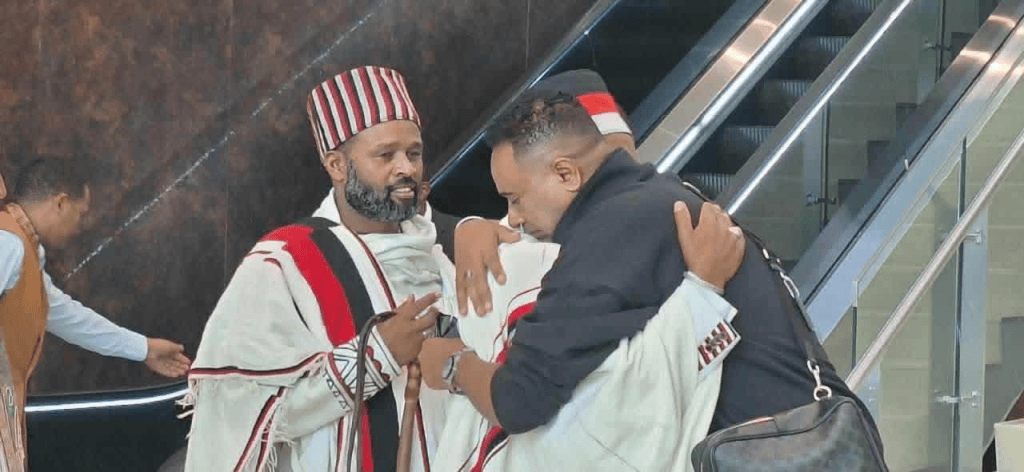
Source: Oromia Communication Bureau

Preserving the Sacred: Why Irreechaa Needs Correction, Not Just Celebration
By Dhabessa Wakjira
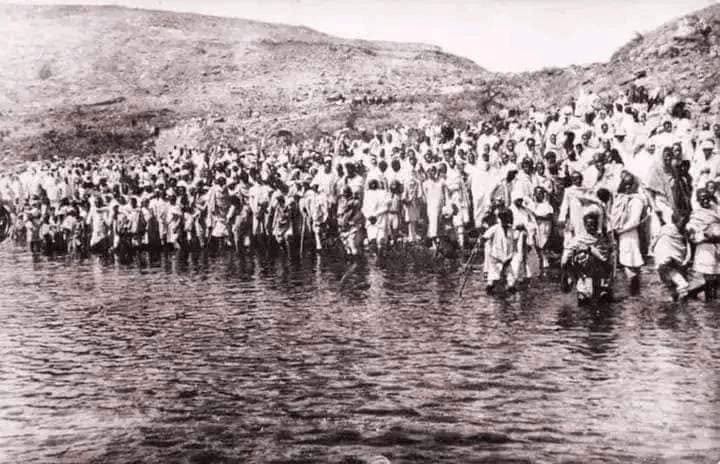
Irreechaa is more than a festival. It is a sacred covenant between the Oromo people and Waaqa — a day of thanksgiving, reconciliation, and renewal that has survived centuries of suppression. But as the celebration grows in size and visibility, so too does the need to protect its spiritual integrity.
A recent community message, circulated among Oromo elders and youth, raises urgent concerns about practices that have crept into modern Irreechaa celebrations — practices that, while perhaps well-intentioned, risk distorting the festival’s deep cultural and spiritual meaning. The message is not an attack on the celebration. It is a call to return to the duudhaa — the sacred customs and traditions — that give Irreechaa its power.
The concerns can be grouped into four key areas that, according to the message, must be corrected.
1. The Time of Irreechaa Malkaa Must Not Be at Night
The first concern is about timing. According to Oromo tradition, Irreechaa Malkaa should not be performed at night. The Oromo people have their own natural sense of time, rooted in family life and community rhythms. A person rises, tends to their household, prepares coffee, and then proceeds to the water’s edge for Irreechaa — honoring the customs passed down through generations.
The tradition describes how participants should approach the water: carrying fresh grass and flowers, singing the sacred songs of Mareyoo, and moving with reverence. Elders sing “Araaroo yaa araari hoo / Ararsaa waaqatu jalaataa / Nuuf Ararami hoo” — calling for peace and blessing from Waaqa. The youth accompany the elders respectfully, and upon reaching the Malkaa, no one should make noise or ululate until the Irreechaa ceremony at the water is complete.
This is a call to restore the solemnity and order that should define the procession. Irreechaa is not a chaotic gathering; it is a structured, reverent spiritual journey.
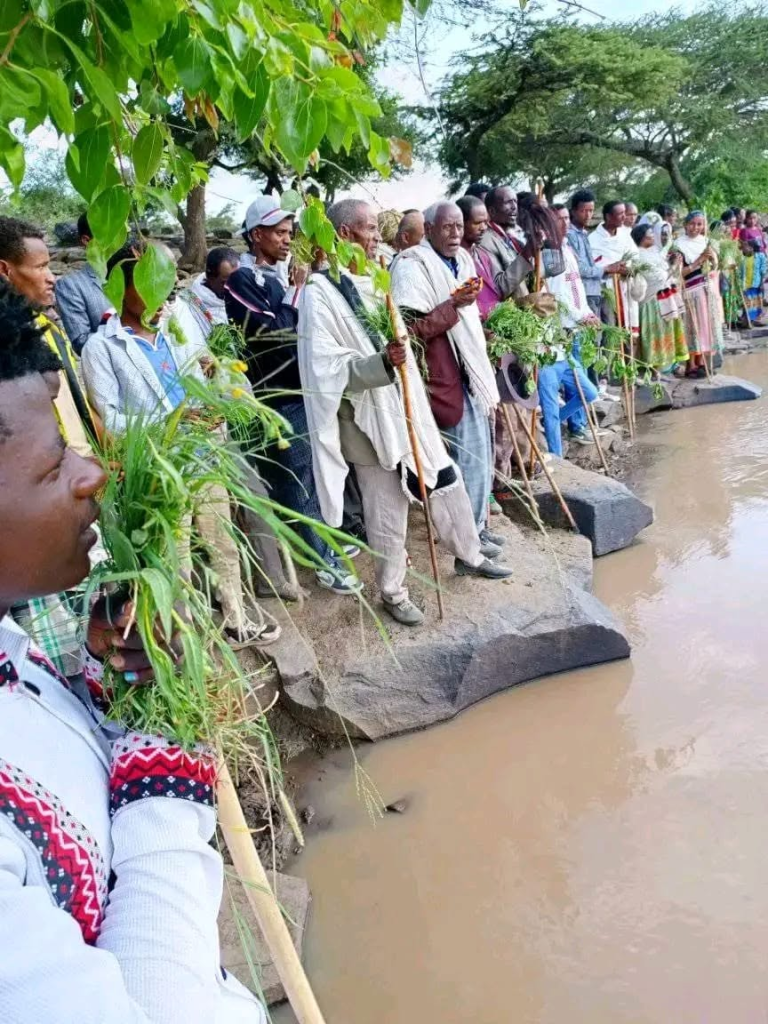
2. The Water Ritual Must Follow Tradition
The second concern addresses how the water ritual is performed. According to the message, sprinkling water on oneself and others — or turning back before reaching the designated Irreechaa site — is not part of Oromo duudhaa. The practice of indiscriminately splashing water, the message warns, resembles a “cuubbaa” (baptismal) ritual rather than the traditional Oromo offering.
The Abbootii Gadaa (Gadaa leaders) are called upon to correct this. The water of Irreechaa is sacred — it is meant for purification and blessing in a specific, reverent manner, not for casual splashing. The distinction matters because Irreechaa is rooted in Waaqeffannaa, the traditional Oromo faith, and its rituals must remain true to that origin.
3. Vehicles Must Not Obstruct the Path to the Malkaa
The third concern is practical but deeply important: the overuse of vehicles on Irreechaa day is obstructing access to the Malkaa. While some vehicles are genuinely necessary — for security, emergency services, or for elderly and disabled participants — the message argues that too many cars are being used for entertainment and convenience, narrowing the roads and blocking the path for those who wish to walk.
The message specifically notes that artists and well-known figures should walk with the community rather than being driven, closing roads and causing hardship for ordinary participants. The image of last year’s Irreechaa, where celebrants struggled because roads were blocked by vehicles carrying notable figures, is still fresh in memory.
Irreechaa is a communal pilgrimage. Walking together — as one people, regardless of status — is part of what makes it sacred. Vehicles should be limited to genuine necessity, not convenience or display.
4. Respect for the Spiritual Boundaries of Irreechaa
The fourth concern is perhaps the most sensitive. The message observes that people of other faiths are attending Irreechaa and engaging in practices that contradict its spiritual purpose — including singing, preaching, and distributing religious materials at the Malkaa that promote beliefs other than Waaqeffannaa.
The message does not say that non-Waaqeffannaa participants are unwelcome. Irreechaa is a national and cultural celebration, and all Oromos are invited to share in it. But the Malkaa is a sacred space with its own spiritual rules. Those who come should respect the boundaries of the tradition they are joining. Proselytizing at the water’s edge — whatever the faith — is not part of Irreechaa and does not honor its purpose.
The message calls on those who engage in such practices to reflect on their actions, and on the Abbootii Gadaa to safeguard the spiritual integrity of the festival.
The Call to the Abbootii Gadaa
The message concludes with a direct appeal: the Abbootii Gadaa and community elders must take the lead in correcting these practices. Specifically, they are asked to address:
- Celebrations at 10 PM that should not be happening
- The sprinkling of water that departs from tradition
- The obstruction of roads by unnecessary vehicles
- The introduction of foreign religious practices at the Malkaa
These are not minor details. They are the difference between a festival that honors its ancestors and one that drifts into something unrecognizable.
Irreechaa Is Peace, Reconciliation, and Blessing
The message ends with a reminder of what Irreechaa truly is:
“Irreechi Nagaa, Araara, Milkii fi quufa. Baga geenye!”
“Irreechaa is Peace, Reconciliation, Blessing, and Abundance. Welcome!”
This is the heart of the matter. Irreechaa is not a party. It is not a parade. It is not a platform for personal recognition or religious outreach. It is a sacred act of gratitude to Waaqa, a communal reconciliation, and a prayer for peace and abundance in the year to come.
If the celebration is to remain meaningful for future generations, it must be practiced with the same reverence, order, and fidelity to tradition that has kept it alive for centuries — through persecution, suppression, and diaspora.
The message is a wake-up call. And it is one that deserves to be heard.

From Refugee to Trailblazer: How Dr Melika Yassin Sheikh-Eldin Is Reshaping Australia’s Approach to Settlement
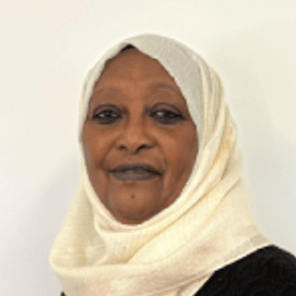
By Dhabessa Wakjira
When Dr Melika Yassin Sheikh-Eldin fled war in Eritrea in the late 1970s, she could not have known that her journey would one day help shape how an entire nation welcomes its newest arrivals. But that is precisely what happened. Over four decades, Melika has transformed her lived experience as a refugee into world-leading models for community integration and social cohesion — models now studied and adopted far beyond Australia’s shores.
She has helped thousands of new arrivals settle successfully. She has disrupted gender stereotypes and challenged public perceptions of what refugees can achieve. And she has done so while raising three children, completing a PhD, and representing Australia on the global stage as a “Refugee Voice” at United Nations consultations in Geneva.
Her story is not simply one of personal triumph. It is a blueprint for what is possible when refugees are recognized not as recipients of aid, but as stakeholders, leaders, and architects of their own futures.
A Journey Forged in Service
Melika’s path to Australia was neither short nor simple. After fleeing Eritrea, she volunteered in Sudanese refugee camps and later in Cairo. Her dedication drew the attention of some of the world’s most respected humanitarian organizations. She volunteered for the United Nations High Commissioner for Refugees (UNHCR) , the Red Cross, and Save the Children — gaining frontline experience that would later inform her professional approach.
She resettled in Australia in 1992, bringing with her not only the scars of displacement but also an unshakeable commitment to service. That commitment found its home at AMES Australia, where she has been a pivotal leader since 2001 and has served as Manager of Settlement Support Services since 2006.
Since 2007, she has sat on the board of the Refugee Council of Australia and represented the nation as a “Refugee Voice” at annual UNHCR consultations in Geneva. In that role, she has advocated relentlessly for policy shifts that recognize refugees as stakeholders rather than passive recipients of aid — a principle that has guided every project she has led.
Three World-Leading Models
Melika’s work at AMES Australia has produced initiatives that are now considered global blueprints for settlement and integration. Three stand out in particular.
1. The Nhill Rural Settlement Project
In western Victoria, the small town of Nhill was facing economic decline. Melika’s project settled Karen refugees in the community — and the results were transformative. The town’s economy was revitalized, and the model is now regarded internationally as a global blueprint for rural settlement. It demonstrated that refugee settlement is not a burden but an opportunity — for the newcomers and for the host community alike.
2. The Werribee Park Gardening Program
Isolation and mental wellbeing are critical challenges facing many refugee women, particularly those who arrive without established community networks. Melika’s program engaged isolated Karen women in gardening at Werribee Park. The initiative directly addressed these challenges, and its success was so evident that the model has since been adopted by other organizations.
3. The Community Guides Program
Perhaps Melika’s most influential innovation is the Community Guides Program, which recruits former refugees to use their lived experience to assist new arrivals. The logic is elegant: those who have walked the path themselves are uniquely positioned to guide others along it. The program has proven so effective that Melika has traveled to Sweden, New Zealand, and Japan to help international organizations establish programs based on the AMES Community Guides model.
Challenging Stereotypes, Championing Two-Sided Education
Melika’s impact extends beyond program design. She has been a powerful voice in disrupting gender stereotypes and challenging the public perception of what refugees can achieve. At a time when refugee women are often portrayed as passive or dependent, Melika’s leadership — and the leadership she cultivates in others — tells a different story.
Central to her philosophy is the concept of “two-sided education.” Integration, she argues, is not a one-way process. Both host communities and new arrivals must learn about one another for true integration to occur. This mutual learning, she explains, helps mitigate the fear of the unknown — the anxiety that so often fuels resistance to newcomers.
It is a simple but profound insight: integration is not something done to refugees, but something built with them, and with the communities that receive them.
A Scholar and a Mother
Melika’s achievements are all the more remarkable given the circumstances in which she pursued them. While raising three children as a refugee in a small Australian town, she completed a PhD in aquatic science — a testament to her intellectual rigor and her refusal to be defined by the limitations others might have placed upon her.
Her academic background in science may seem distant from her work in settlement, but both reflect the same qualities: careful observation, systematic thinking, and a commitment to understanding complex systems — whether ecosystems or communities.
A Legacy Still Being Written
Dr Melika Yassin Sheikh-Eldin’s story is a reminder that refugee experiences are not only stories of loss. They are also stories of contribution, innovation, and leadership. Her work has reshaped how Australia approaches settlement, and her models continue to influence practice internationally.
But perhaps her most enduring legacy is the principle she has championed throughout her career: that refugees are not problems to be solved, but partners to be engaged. They are not merely recipients of aid, but stakeholders in their own futures — and, as Melika’s own life demonstrates, architects of the futures of others.
From a young woman fleeing war to a world-leading voice in settlement and integration, Melika’s journey is a testament to what becomes possible when refugees are given the opportunity — and the respect — to lead.
Dr Melika Yassin Sheikh-Eldin is the Manager of Settlement Support Services at AMES Australia and a board member of the Refugee Council of Australia.

“A Generation Like This Is Hope for Oromo! A Promise for Oromia!”
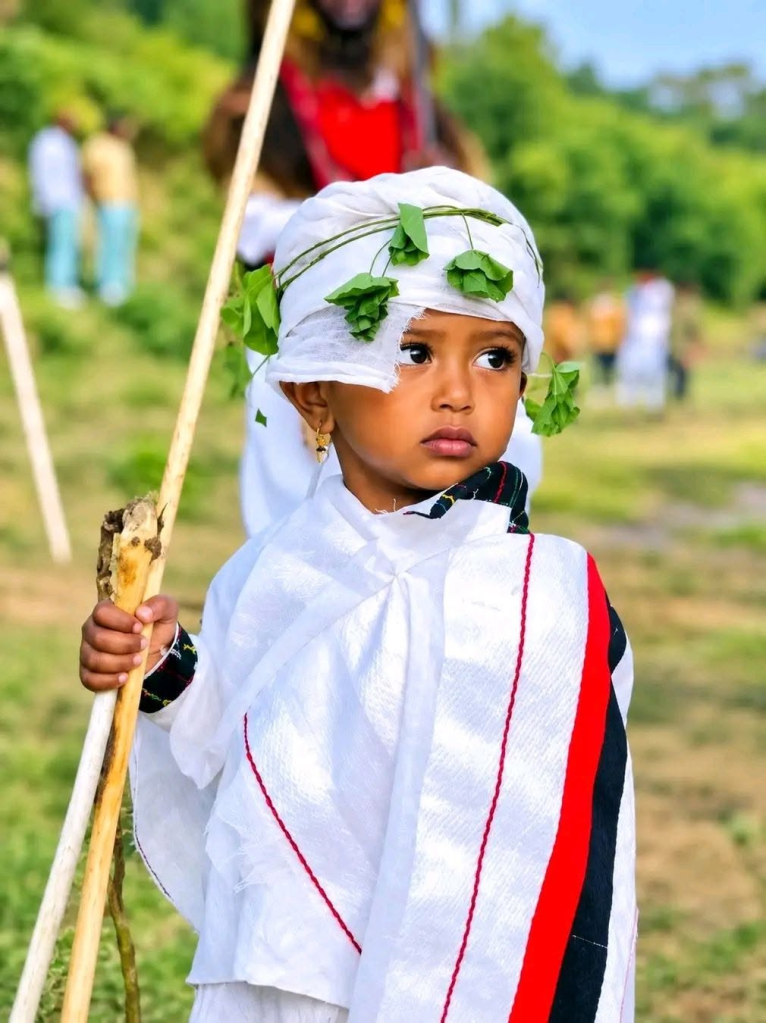
By Dhabessa Wakjira
There is a saying among the Oromo people that captures something profound about the relationship between a community and its youth: “Dhaloota akkanaatu, Oromoof abdiidha! Oromiyaaf wabiidha!” — “A generation like this is hope for Oromo! A promise for Oromia!”
It is more than a slogan. It is a declaration of faith in the future, spoken by elders who have witnessed both the pain of suppression and the resilience of a people who refused to disappear. It is a recognition that the young people rising today — educated, conscious, connected, and proud — carry within them the seeds of everything the Oromo struggle has long been working toward.
The Weight of History, The Light of Tomorrow
The Oromo people have endured centuries of marginalization, land dispossession, cultural suppression, and political exclusion. Through the imperial era, the Derg regime, and subsequent administrations, the flame of Oromummaa was kept alive in the hearts of the people — in the songs sung at Irreechaa, in the wisdom passed down through the Gadaa system, in the quiet defiance of families who spoke their language at home when the world outside forbade it.
That flame did not survive by accident. It survived because generation after generation refused to let it die.
Today, a new generation stands at the threshold. They are the children and grandchildren of those who carried the flame. But they are also something new: they are the first generation in modern Oromo history with broad access to education, to global networks, to digital platforms that amplify their voices beyond any border. They are the generation that can look back at history with clear eyes and forward to the future with determined hearts.
When elders say “Dhaloota akkanaatu, Oromoof abdii dha,” they are acknowledging this. They are saying: We endured so that you could rise. And you are rising.
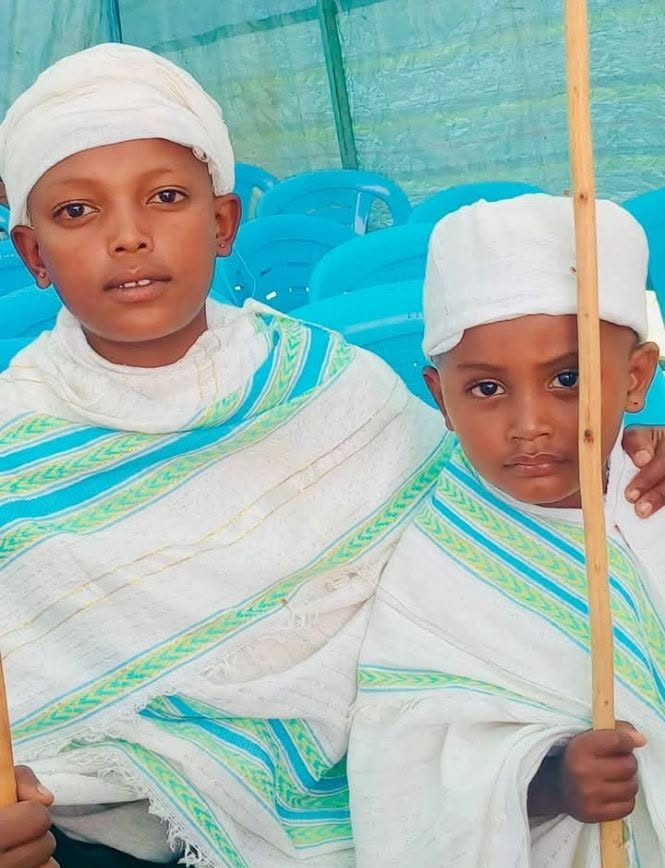
What Makes This Generation Different?
Every generation believes it is special. But there are concrete reasons why this moment in Oromo history feels different — why the phrase “Oromiyaaf wabiidha” carries such weight.
They are educated. Oromo youth are pursuing higher education in unprecedented numbers — in Ethiopia and across the diaspora. They are becoming doctors, engineers, lawyers, teachers, social workers, journalists, and leaders. Knowledge, once denied to their ancestors, is now their weapon and their tool.
They are connected. Social media has given Oromo youth a global platform. They organize, they inform, they advocate, and they build solidarity across continents. A student in Melbourne can exchange ideas with a student in Addis Ababa in real time. The isolation that once silenced Oromo voices has been shattered.
They are proud. Unlike previous generations who were sometimes forced to hide their identity to survive, this generation wears Oromummaa openly. They sing in Afaan Oromoo. They celebrate Irreechaa with millions. They carry the yellow daisies not as a secret symbol but as a public declaration of who they are.
They are global and local at once. They understand the world beyond Oromia — human rights, international law, digital advocacy, multiculturalism — while remaining deeply rooted in Oromo values of community, respect for elders, and connection to land and Waaqa.
They are bridge-builders. This generation navigates multiple worlds: tradition and modernity, Oromia and the diaspora, local struggles and global movements. They are learning to carry their heritage into new contexts without losing its essence.
Hope Is Not Passive
It is important to be clear: “Dhaloota akkanaatu, Oromoof abdii dha” is not a statement of complacency. It is not a declaration that the future will simply take care of itself because the youth are impressive.
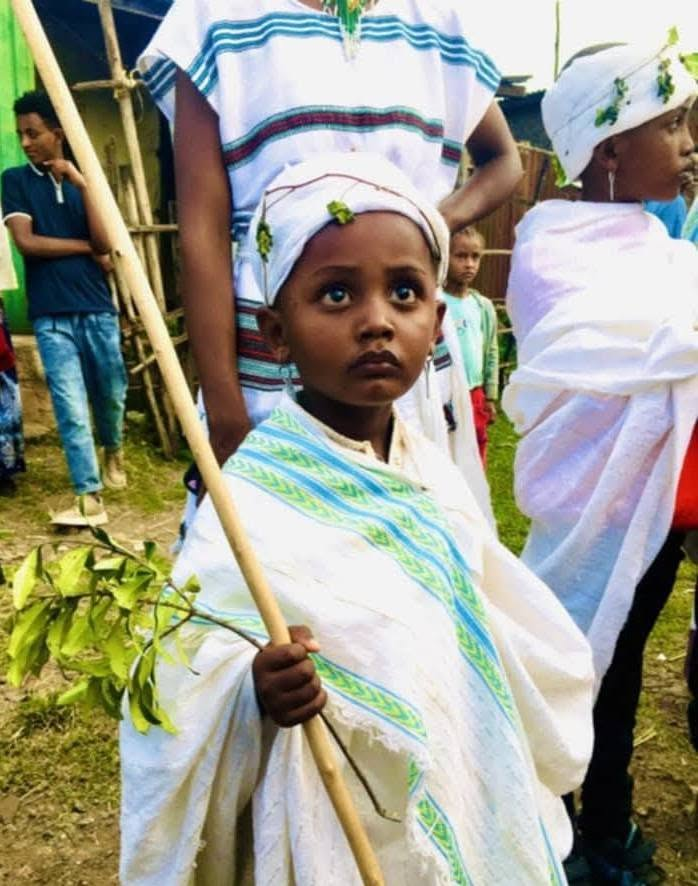
Hope, in the Oromo understanding, is active. It is the hope of the farmer who plants seeds and tends them. It is the hope of the marcher who walks toward the water carrying fresh grass. It is the hope that requires discipline, sacrifice, and unity.
For this generation to truly be the hope of Oromo, it must:
- Learn — from elders, from history, from education, and from one another.
- Preserve — the language, the traditions, the Gadaa wisdom, the sacred rituals of Irreechaa.
- Build — institutions, networks, and platforms that serve the community.
- Unite — across regions, across diaspora communities, across generations.
- Stay rooted — in Oromo values of respect, community, and connection to Waaqa and the land.
A Promise to Oromia
“Oromiyaaf wabiidha” — a promise for Oromia.
A promise is not a guarantee. It is a commitment. It is a covenant between a generation and the land that birthed it. It says: We will not forget where we came from. We will not squander what our ancestors sacrificed for. We will not let the flame go out.
This generation carries the dreams of every Oromo who came before — the farmer who lost his land, the mother who sang lullabies in a language she was told to abandon, the student who was punished for speaking the truth, the elder who kept the traditions alive in secret.
They also carry the hopes of every Oromo yet to be born — children who will one day ask, What did you do when it was your turn?
The answer being written today, by this generation, is this: We rose. We learned. We built. We stayed united. We honored those who came before us, and we prepared the way for those who will come after.
The Question That Remains
When elders look at the youth of today and say “Dhaloota akkanaatu, Oromoof abdiidha! Oromiyaaf wabiidha!”, they are offering both a blessing and a challenge.
The blessing is this: You are enough. You are capable. You are the ones we have been waiting for.
The challenge is this: Now prove it. Not with words alone, but with action. Not for a moment, but for a lifetime.
Every generation is given a choice. This generation — educated, connected, conscious, and proud — has been given the opportunity to be the generation that turns centuries of struggle into a future of dignity, justice, and flourishing for all Oromo people.
That is the hope.
That is the promise.
Dhaloota akkanaatu, Oromoof abdii dha! Oromiyaaf wabii dha!
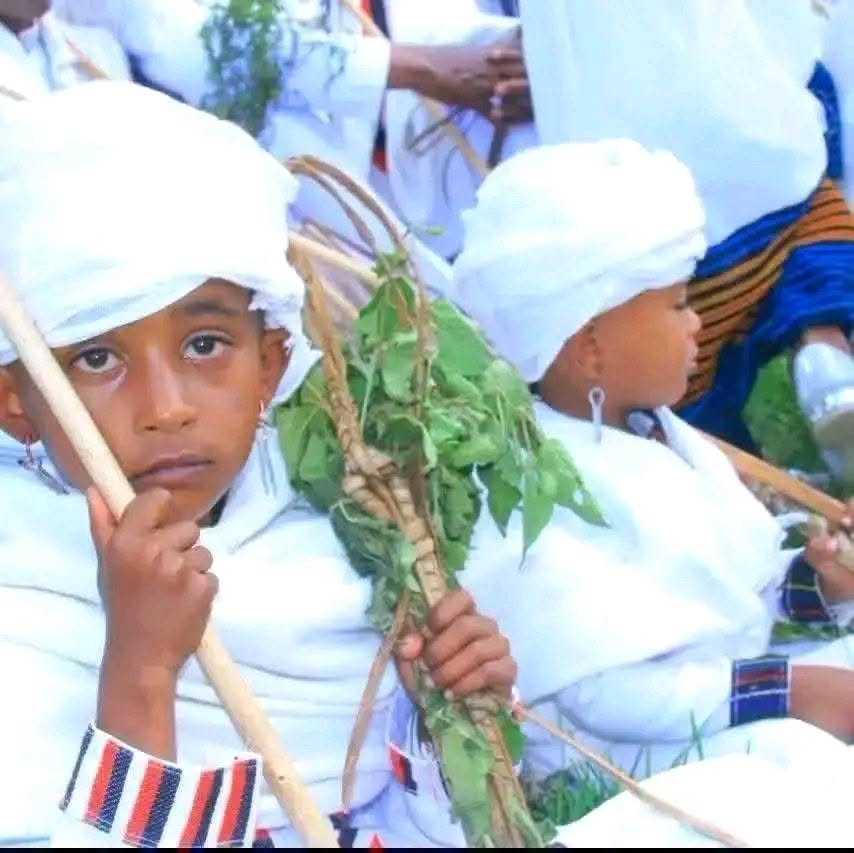

How to celebrate Irreechaa in Australia?
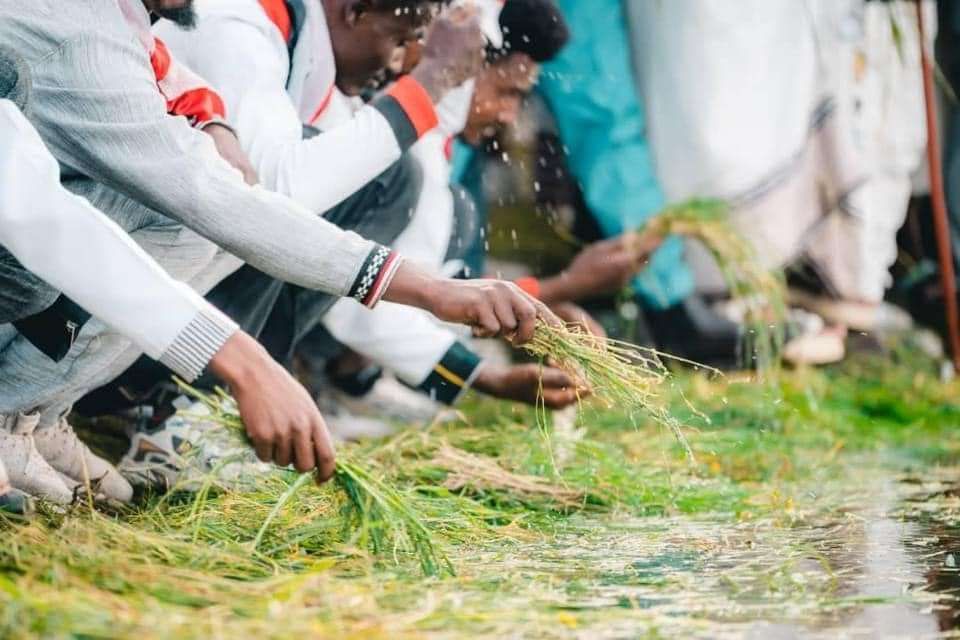
Celebrating Irreechaa in Australia means participating in a vibrant, adapted version of the traditional Oromo thanksgiving festival. While the core spiritual intent remains the same—giving thanks to Waaqa (God) for blessings and renewal—the setting and specific activities are tailored to the Australian environment and the needs of the diaspora community.
The celebrations are primarily organized by community associations and the non-profit Irrecha Australia, with major events held in cities like Melbourne.
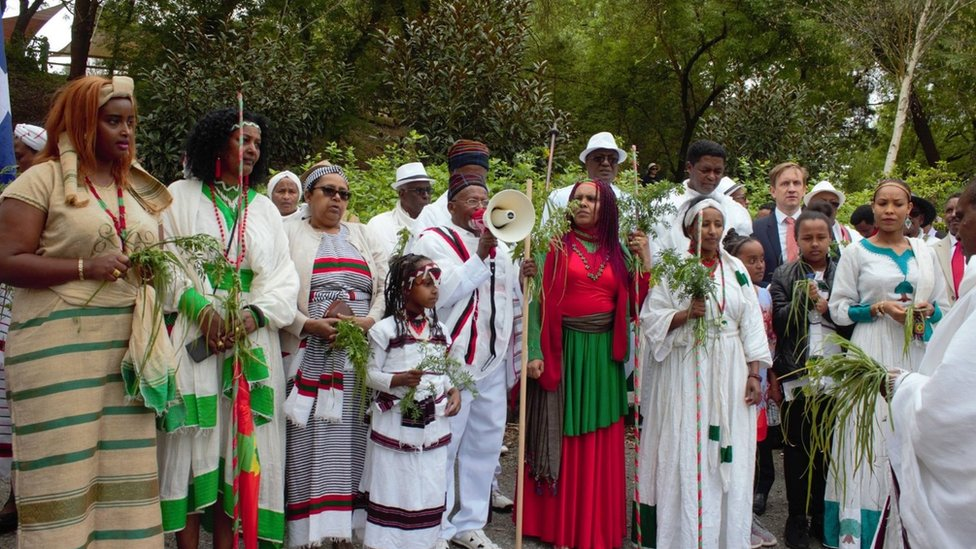
📍 Where and When to Celebrate in Australia
The location is chosen to reflect the traditional importance of nature and water in Irreechaa. In Australia, this often means gathering at parks with lakes, rivers, or scenic natural settings.
- Common Locations: In Melbourne, past celebrations have been held at Wilson Botanic Park in Berwick, Dandenong Mountain (Tulluu Dandenong), and Footscray Park.
- Timing: The festival is typically celebrated in September or October for Irreechaa Malkaa (the main thanksgiving at the water’s edge), and sometimes in April for Irreechaa Arfaasaa (a spring celebration).
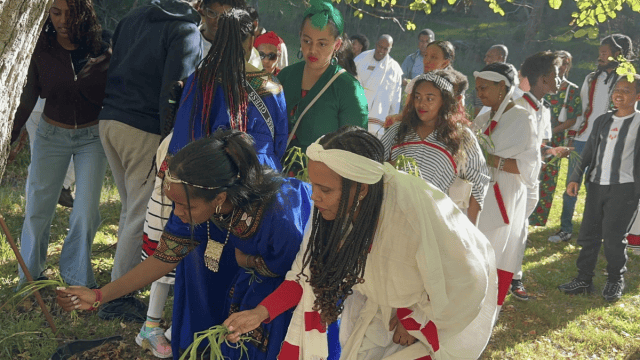
🌿 How to Participate: Key Activities and Rituals
Participating in Irreechaa in Australia involves engaging in both traditional rituals and communal cultural activities.
- Wear Traditional Attire: Attendees are strongly encouraged to wear traditional Oromo clothing. The vibrant colors and styles are a visual statement of cultural pride and identity, especially for younger generations.
- Join the Blessing and Prayer: The event typically begins with blessings and prayers led by community elders. These blessings focus on peace, prosperity, and remembering those who sustained the tradition.
- Participate in Symbolic Rituals: Follow the tradition of carrying and dipping fresh green grass and yellow flowers into water (if available at the venue) as a symbol of gratitude, purification, and renewal.
- Enjoy Cultural Performances and Food: The celebration features traditional Oromo music, songs, and dances (such as the Siiqqee and Gumii dances). It is also a time to share communal meals with traditional Oromo food.
- Connect with Community: Irreechaa in Australia is a vital social event. It is a time for the diaspora to unite, strengthen bonds, and for younger generations to learn about their heritage from elders.
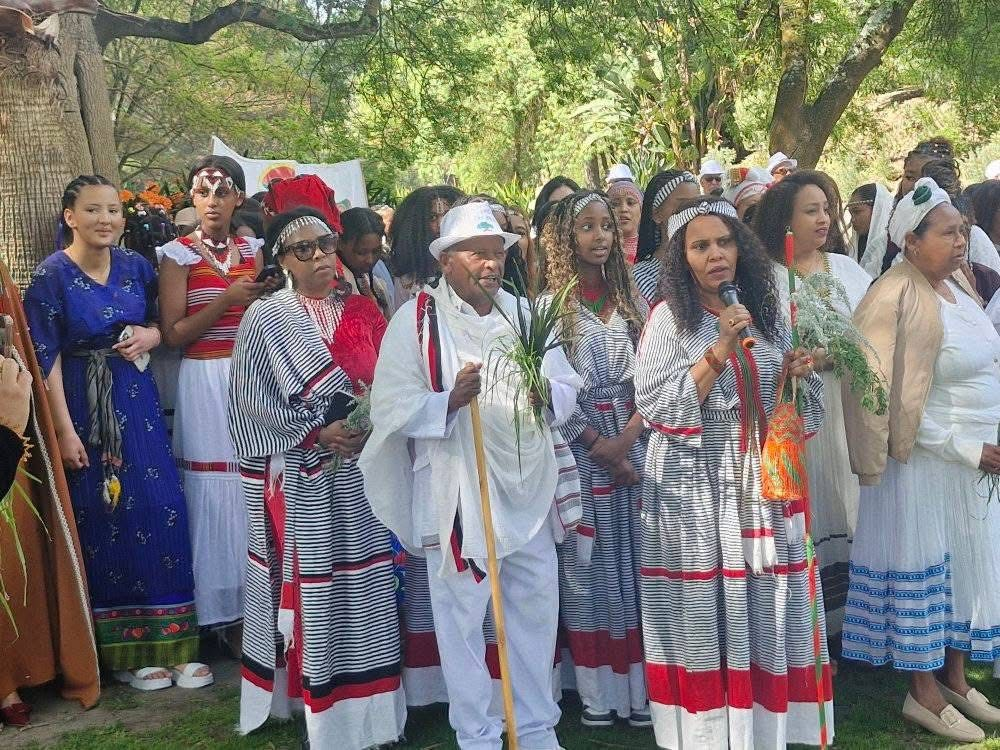
🤝 A Note on Inclusivity
While Irreechaa has deep spiritual roots in Waaqeffannaa (the traditional Oromo faith), the celebrations in Australia are also cultural festivals that welcome everyone. Organizers often invite local government officials, multicultural organizations, and curious residents to foster mutual respect and intercultural exchange. As one attendee noted, it is a unifying cultural practice that transcends religious boundaries.
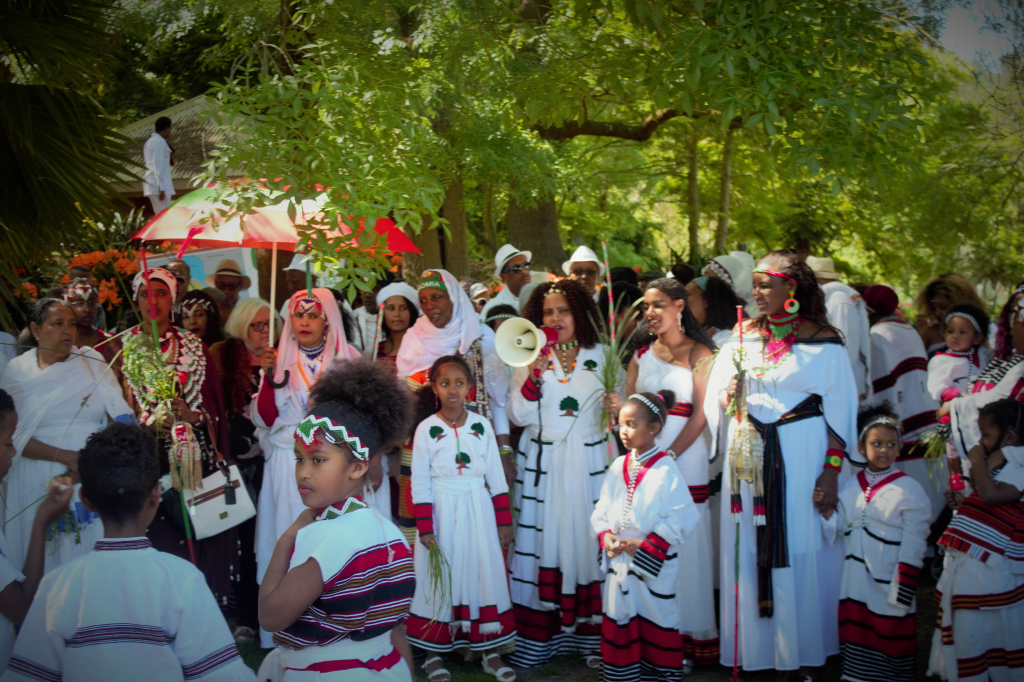
💡 Practical Tips for Attendees
- Check for Event Details: Look for announcements from Irrecha Australia or local Oromo community associations on social media for the exact date, time, and location of the next event in your city.
- Respect the Environment: Organizers emphasize the importance of respecting the natural surroundings and leaving no waste behind, reflecting the core Oromo value of caring for nature.
- Bring What’s Needed: Some event notices suggest bringing water, flowers (for the ritual), and a spirit of gratitude.
In essence, celebrating Irreechaa in Australia is about actively participating in a living tradition that adapts to a new home while staying true to its core values of gratitude, community, and cultural pride.
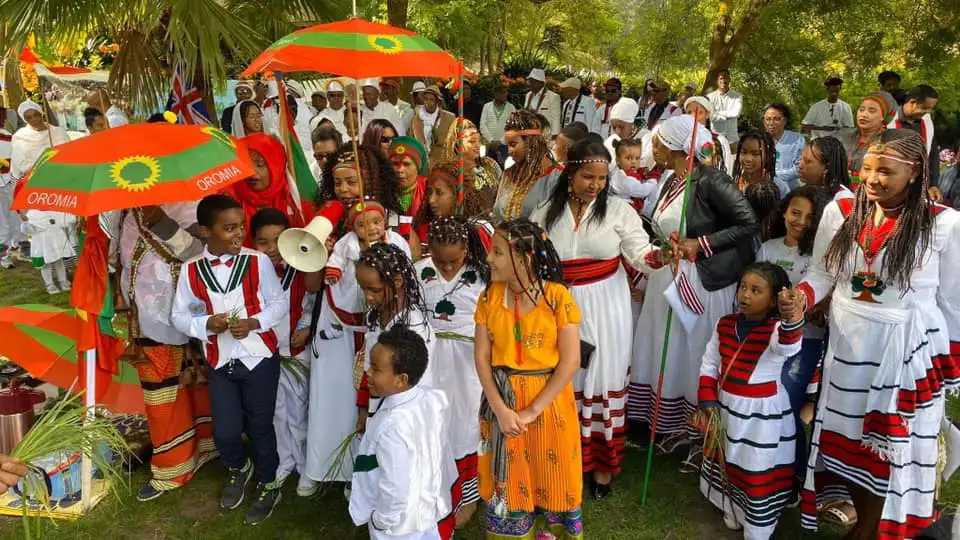

Why is Irreechaa celebrated in Australia?
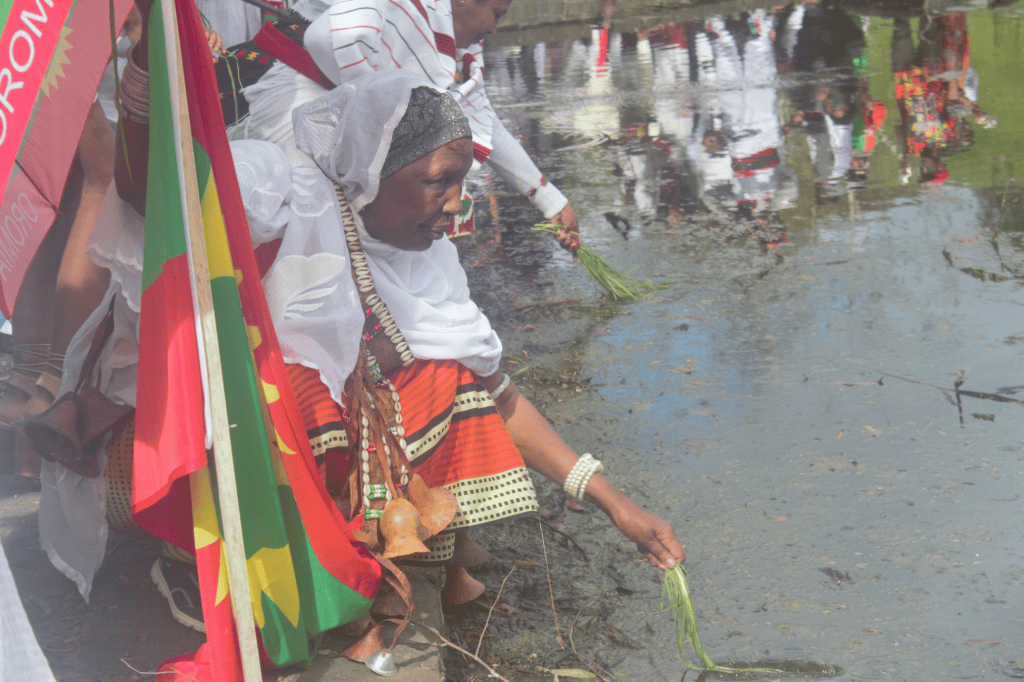
Irreechaa is celebrated in Australia because it serves as an essential cultural anchor and a vital tool for preserving Oromo identity for the diaspora community. For Oromos living far from their homeland, the festival bridges the physical distance, allowing them to maintain a profound connection to their heritage, land, and community.
🌏 Maintaining Connection to Homeland
For the Oromo diaspora in Australia, Irreechaa is not merely a tradition but a spiritual and cultural lifeline. As community members explain, the festival creates a “cultural ambiance that connects the people to Oromo land and the creator, Waaqa”. It serves as a powerful bridge, reinforcing the bond between those living abroad and their ancestral roots, ensuring that their connection to Oromia remains strong despite the geographical separation.
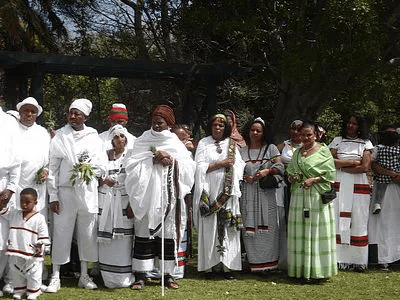
🎶 Preserving Identity Across Generations
The celebration plays a critical role in fostering Oromummaa (Oromo identity) in a new environment. By organizing these events, the community ensures that younger generations born or raised in Australia can learn about and embrace their heritage. The festival includes traditional blessings by elders, cultural performances like the Siiqqee and Gumii dances, and communal meals, all of which educate and immerse participants in Oromo traditions. This active practice is vital for intergenerational learning and instills a sense of pride in Oromo culture among the youth.
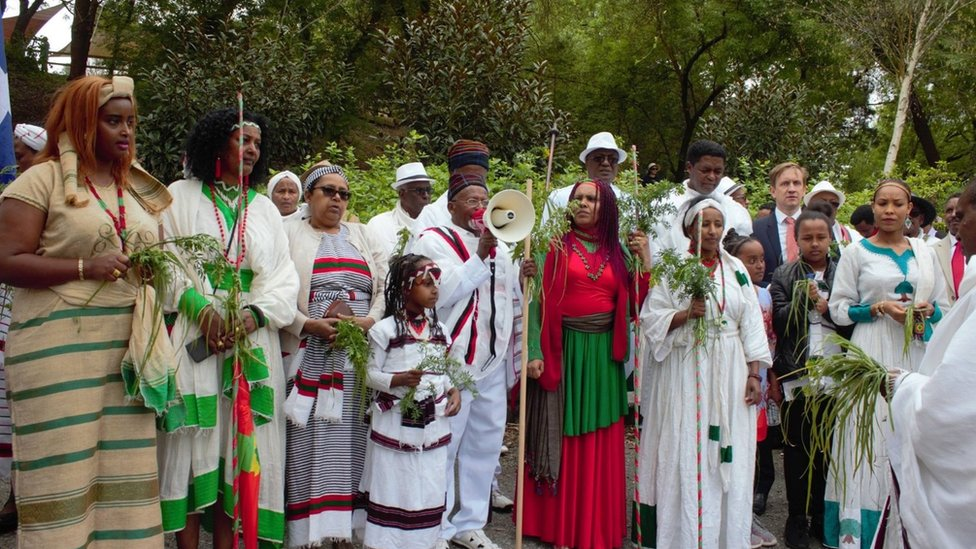
🤝 Building Community and Belonging
Irreechaa provides a crucial opportunity for the Oromo diaspora to unite and strengthen their communal bonds. In cities like Melbourne, the celebration brings together families and individuals to share in a collective expression of gratitude, peace, and solidarity. The festival has been held annually in Australia since 2009, growing steadily in participation. It serves as a platform to build a sense of belonging and mutual support within the community, creating a home away from home.
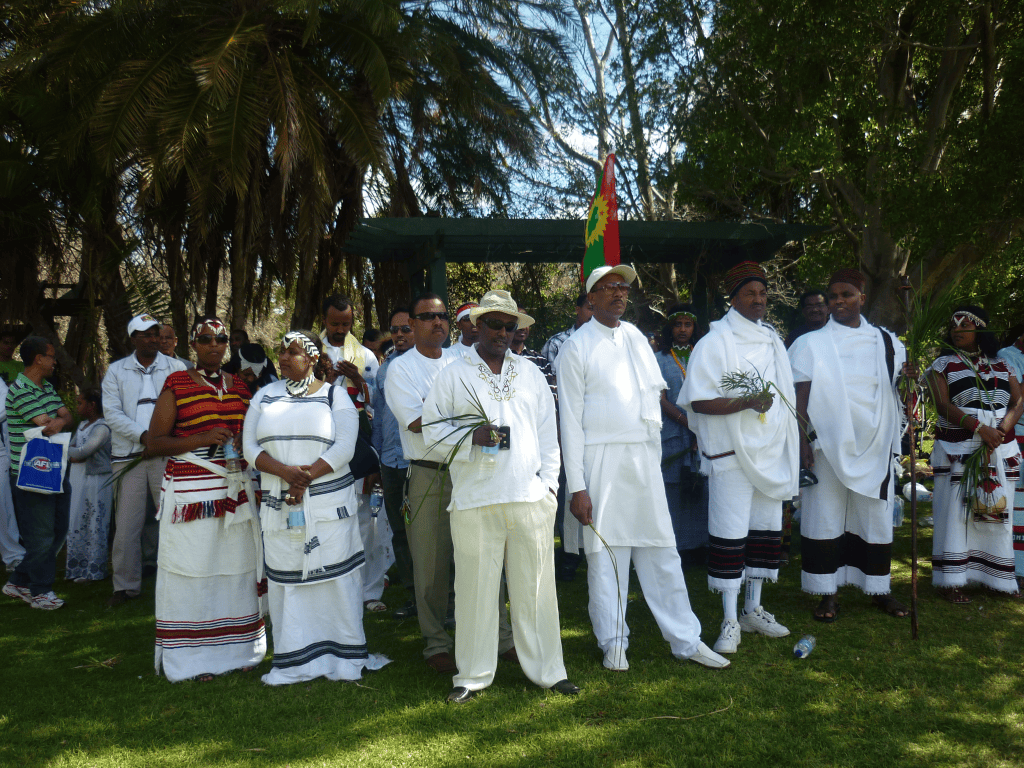
🌉 Bridging Cultures
The celebration also acts as a cultural bridge to the wider Australian society. Many Irreechaa events invite local government officials, multicultural organizations, and curious residents, encouraging mutual respect and intercultural exchange. By sharing their traditions openly, the Oromo community not only sustains its own cultural practices but also contributes to the vibrant multicultural fabric of Australia.
In essence, Irreechaa in Australia is a dynamic and necessary adaptation of a sacred tradition. It allows the Oromo diaspora to give thanks, celebrate their shared history, and ensure their culture continues to thrive and be recognized for generations to come.
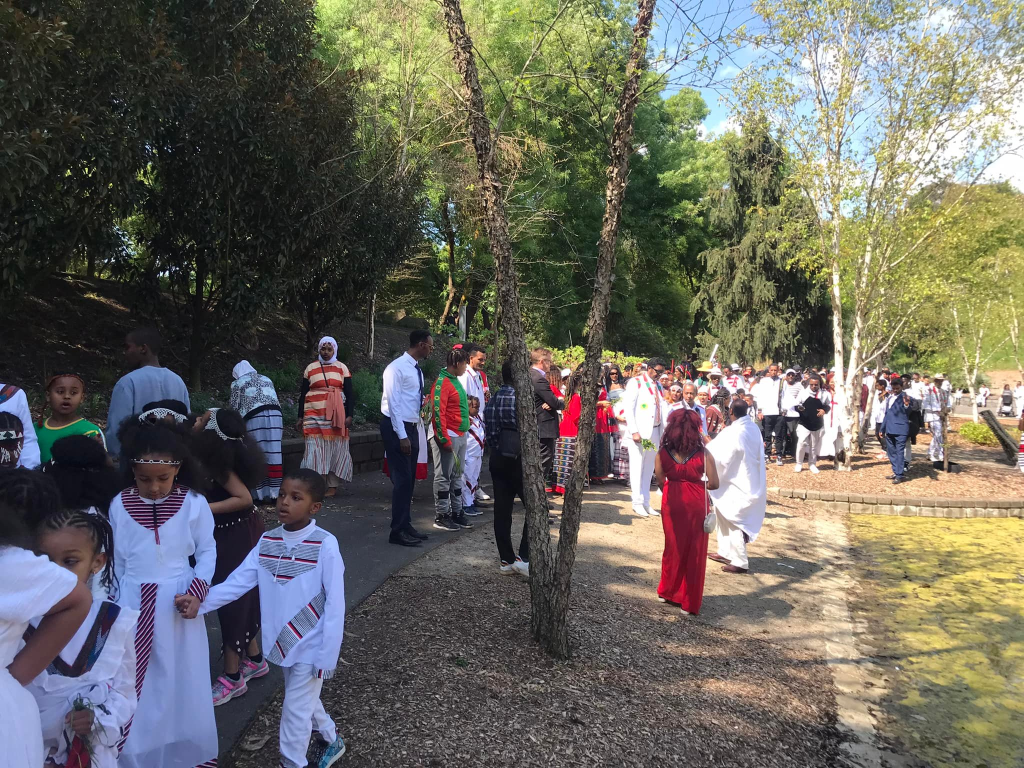

The core principles of Irreechaa
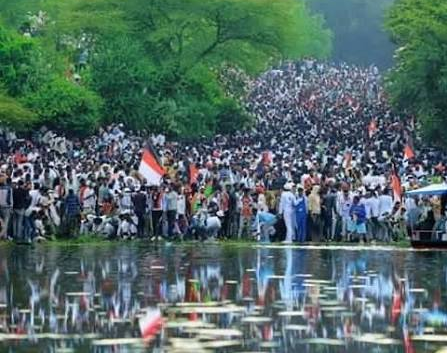
The core principles of Irreechaa can be summarized as thanksgiving, reconciliation, peace, and unity. These values are deeply rooted in the Oromo Gadaa system and are reflected in every aspect of the festival’s rituals and practices.
🕊️ Core Values and Principles
| Principle | Core Meaning | Ritual/Manifestation |
|---|---|---|
| Thanksgiving | To express gratitude to Waaqa (God) for blessings, the end of the rainy season, and the harvest. | Offering fresh grass and yellow daisies at rivers and lakes. |
| Reconciliation | A mandatory time to resolve disputes and forgive others. One cannot participate with resentment or hatred. | Disputes must be settled before attending; the festival is a deadline for resolving conflicts. |
| Peace | To pray for and embody peace among individuals, the community, and with nature. | The blessing by Abbaa Gadaa and elders for peace and prosperity. |
| Unity & Solidarity | To strengthen social bonds and unity among the Oromo people and beyond. | The communal procession to the water, shared songs, and the gathering of millions. |
🌿 How These Principles Are Practiced
The principles of Irreechaa are not abstract ideals but are actively practiced through the festival’s rituals:
- Reconciliation Before Celebration: A central rule is that a person cannot go to Irreechaa unless they have settled their dispute with others. Only those in harmony with each other are allowed to preside over the festival. This creates a powerful, community-enforced deadline for resolving conflicts.
- The Role of Women: Women walk in front of the Abbaa Gadaa and Abbaa Malkaa during the procession. If they stop, the entire procession stops—a practice rooted in the Siinqee institution that symbolizes women as sacred and as agents of peace.
- Nature and Symbolism: The festival is held at rivers (Irreechaa Malkaa) and on hilltops (Irreechaa Tulluu). The fresh green grass and yellow daisies are symbols of hope and renewal, and dipping them in water represents purification and washing away the hardships of the past year.
- Inclusivity: The celebration is a platform for all people, regardless of age, gender, religion, or social status, to come together. It is explicitly stated to be free from political agendas, focusing solely on social harmony and thanksgiving.
In essence, Irreechaa is more than a cultural festival; it is a sophisticated social mechanism for healing, building trust, and strengthening community bonds.
Irreechaa: The Ancient Oromo Thanksgiving That Science Is Only Beginning to Understand
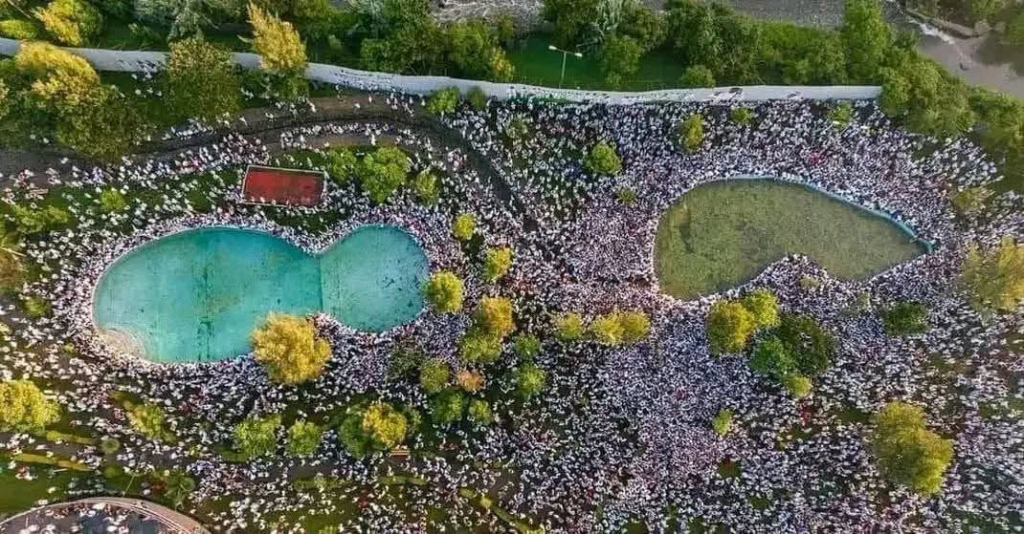
By Daandii Ragabaa
OROMIA, Ethiopia — At the banks of rivers and lakes across Oromia, millions gather each year for Irreechaa, the annual Oromo thanksgiving festival. They carry fresh green grass and yellow daisies, dip them into the water, and sing ancient songs of gratitude that have echoed across these lands for thousands of years.
To the Oromo people, Irreechaa is a sacred spiritual and cultural celebration — a time to thank Waaqa (God) for the rains, the harvest, and the gift of life itself. But a growing body of scientific research reveals that this ancient festival is also something else: a sophisticated, multisensory pathway to mental well-being that modern science is only beginning to fully understand.
A Festival Older Than Empires
According to Oromo tradition, Irreechaa was established by Oromo forefathers during the time of Gadaa Melbaa, marking the end of the rainy season known as Ganna. The festival has been celebrated for thousands of years, predating the institutionalized religions of Christianity and Islam. It is rooted in Waaqeffannaa, the traditional Oromo belief in one supernatural power called Waaqa.
Irreechaa was systematically outlawed for more than a century following the fall of the Oromo nation under the rule of Menelik II and subsequent regimes. Despite these challenges, the tradition survived in the hearts of the people and has undergone a powerful revival in recent decades.
As one Oromo historian noted, “Irreechaa has revived putting the Oromo identity foremost before anything else.”
The Sacred Elements
Every element of Irreechaa carries layered meaning. Water holds profound significance — the festival is celebrated at Malkaa (riverside) and Hora (lakeside), where communities gather to dip fresh green grass and flowers into the water. This act symbolizes purification, renewal, and the washing away of the past year’s hardships.
The fresh green grass and yellow daisies carried by participants are symbols of hope (abdi) and renewal. In the Oromo worldview, these plants represent the life and fertility that Waaqa has granted. By carrying them to the water’s edge and offering them, participants express gratitude for the past and pray for future abundance.
The procession to the water is led by the Abbaa Malkaa (lineal chiefs) and Abbaa Gadaa (Gadaa leaders), accompanied by traditional songs, dances, and ululations. Women play a particularly prominent role, walking in front of the leaders. If they stop on the road, the entire procession stops — nobody passes before them, because Oromo culture symbolizes women as sacred and as peace. This is rooted in the Siinqee institution, the customary women’s institution that serves as a peace mission and mediator.
After reaching the water, the Abbaa Malkaa, Abbaa Gadaa, and Qaalluu (spiritual leaders) bless the participants and make speeches on rules and regulations. This blessing carries the authority of the Gadaa system, which regulates political, economic, social, and religious life. Irreechaa is also an occasion when those in conflict bury the hatchet — a powerful, community-enforced deadline for resolving disputes.
What Science Says About Chanting
Chanting, a central practice in Irreechaa’s riverside ceremonies, has been shown to produce measurable reductions in stress and anxiety. A randomized controlled trial conducted in Australia found that just twelve minutes of group chanting — whether vocal or silent — resulted in significant decreases in cortisol levels and self-reported anxiety.
The reduction in cortisol, the body’s primary stress hormone, was similar for both vocal and silent chanting. However, self-reported anxiety decreased more following vocal chanting, suggesting that the act of voicing — singing the songs of Irreechaa — amplifies the psychological benefit.
The study also found that altruism scores increased following both vocal and silent chanting, indicating that the ritual practice fosters pro-social tendencies. Group synchronisation, a feature of communal chanting, is thought to promote cooperation and feelings of connection to others.
Research on singing in groups confirms that music can “reach our deepest emotions without using language or images” and that when people sing together, they share “a form of emotion that carries along the participants so that they experience their bodies responding emotionally in very similar ways.”
This aligns with the experience of Irreechaa participants, who sing together in a shared expression of gratitude and hope. The Marewoo songs sung during the procession express gratitude and hope for the new year. Women sing “Maariyoo… Maareyoo…” meaning “your mercy on us,” while men chant the Irreechaa song with them.
One traditional prayer begins:
“Dukkana gannaa nubaaftee / Booqa Birraa nugarsiiftee / Akkanumatti fuuldura keenyaafis / Waan horre walin nagaa nu godhi”
This translates to: “You have ended the darkness of winter / You have brought us the hope of spring / Likewise, for our future / Make us peaceful with what we have gathered.”
The song is both thanksgiving for the past and prayer for the future — a complete expression of the Oromo relationship with Waaqa.
The Healing Touch of Grass
The fresh green grass carried by Irreechaa participants — dipped into the water as an offering and symbol of renewal — also carries documented psychological benefits when touched. A 2024 study published in the Journal of Urban Health investigated the effects of tactile interaction with real grass versus artificial grass among older adults.
The findings showed that touching real grass produced a heightened sense of relaxation and calmness, increased mean systolic blood pressure reduction, and upward trends in brainwave patterns associated with relaxation.
A separate study involving young adults found that five minutes of tactile stimulation with real landscape grass, applied through the palm of the hand, produced significant reductions in diastolic blood pressure, increased alpha brainwave activity (a marker of relaxed alertness), and alleviation of anxiety compared to a control condition.
The researchers concluded that “palming grass — the act of touching grass with one’s hand — has a calming effect on both physiological and psychological responses to stress.”
For Irreechaa participants, the act of holding grass and dipping it into the water is thus not only a spiritual gesture but a tactile experience with measurable calming effects on the nervous system.
The Restorative Power of Water
Irreechaa’s setting at rivers and lakes — Irreechaa Malkaa — places participants in what researchers call “blue spaces,” environments featuring water. A systematic evidence map of blue space research confirms that contact with water environments is associated with mental health benefits, including reduced stress and enhanced well-being.
A landmark 19-country study involving over 17,000 participants found that all blue space settings were recalled as restorative, with rural rivers and canals among the most restorative. The study also found a reciprocal relationship between restoration and nature connectedness — the more restored an individual felt, the more connected to nature they became, and vice versa.
Research specifically examining Irreechaa notes that water’s acoustic properties and its natural setting “engage biophilia, enhancing mental well-being.” Acoustically, water’s ability to transmit sound four times faster than air creates immersive soundscapes, amplifying the emotional impact of riverside songs.
The Oromo people have long understood what environmental psychology now confirms: that gathering at the water’s edge, with the sound of flowing water and the sight of its expanse, creates a sense of calm and repose that supports spiritual reflection and communal bonding.
The Synergy of Sound, Grass, and Water
What makes Irreechaa psychologically powerful is not any single element in isolation, but their combination. The ritual brings together vocal chanting, tactile contact with fresh grass, and immersion in a water environment — a multisensory experience that engages multiple pathways to well-being simultaneously.
Research on Irreechaa explicitly describes this synergy: “water’s fluidity and reflectivity, paired with the resonance of sound, create multisensory rituals that deepen spiritual engagement.”
The study notes that “psychologically, chanting and singing reduce stress and trigger dopamine release, fostering emotional uplift and communal bonding,” while “natural water settings engage biophilia, enhancing mental well-being and aligning with the spiritual clarity sought in rituals.”
The communal dimension is equally important. The Oromo people gather at sacred rivers and lakes to thank their creators for the greenery that the rains have brought. Men, women, the elderly and the young all join in, adorned in eye-catching clothes and jewellery. They sing, dance, share stories and place freshly cut grass and flowers in water — a symbol of life, renewal and hope.
For a community gathering after the isolating rainy season, this reconnection — through shared sound, shared touch of grass, and shared presence at the water — serves as a collective psychological renewal. The festival’s requirement for reconciliation before participation further reinforces this, creating a culturally mandated pathway for repairing broken social bonds before they solidify into chronic distress.
A Culturally Rooted Pathway to Well-Being
For the Oromo people, Irreechaa is a spiritual and cultural celebration. The scientific evidence now confirms what generations have experienced intuitively: the ritual’s elements — sound, grass, and water — are also powerful tools for mental health.
In a context where formal mental health services are scarce, Irreechaa offers an accessible, culturally meaningful pathway to stress relief, emotional restoration, and social connection.
The psychological power of Irreechaa lies in its integration of body, mind, and community — a holistic approach to well-being that modern research is only beginning to fully understand.
As the festival continues to grow in participation and recognition, these ancient symbols remain as relevant as ever — reminding the Oromo people of their connection to Waaqa, to the earth, and to one another.
Irreechaa is celebrated annually at the banks of rivers and lakes across Oromia, with Irreechaa Malkaa taking place in mid-September at the end of the rainy season, and Irreechaa Tulluu during the dry season at the beginning of spring.

Peace Celebrations Behind the Storm: The “Festival Politics” of Oromia and Tigray
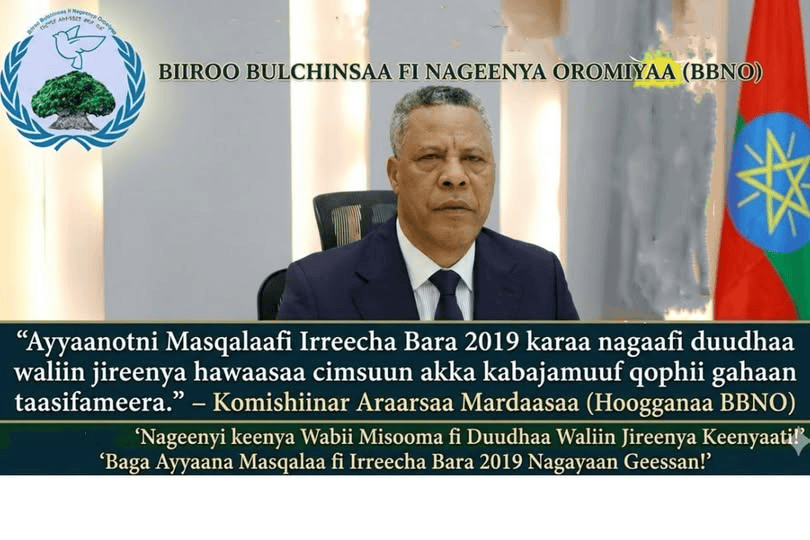
FINFINNE — When the Oromo thanksgiving festival Irreecha and the Ethiopian Orthodox Meskel festival arrive in the capital and surrounding areas within two weeks of each other, the official messaging is strikingly uniform: everything is for peace.
Mardasa, Director of the Oromia Bureau of Administration and Security and Peace Commissioner, stated that security agencies have made full preparations to celebrate both festivals “in a peaceful manner and under the traditions of unity and coexistence.” The federal police have also pledged to deploy adequate forces at Hora Finfinne, Hora Harsadi, and other locations.
Yet behind this placid official statement, Ethiopia in 2026 faces its most severe security situation since the end of the Tigray war in 2022. For a country mired in multi-front conflicts, the “security preparations” for two festivals are far from routine.
Surface Calm and Deep Fear
Irreecha is the single most important thanksgiving celebration for the Oromo people, marking the end of the rainy season and the beginning of the harvest. This year’s Irreecha will be held on Meskerem 23 and 24 in the Ethiopian calendar (October 3 and 4 in the Gregorian calendar) at Hora Finfinne in Addis Ababa and Hora Harsadi in Bishoftu. Masqala took place two weeks earlier in mid-September, with the Demera bonfire ceremony at Meskel Square in the capital drawing large crowds.
Official statements emphasize “coordinated cooperation between security agencies and religious leaders, Gadaa elders, Siinqee women’s representatives, and youth,” and call on the public to “immediately report any suspicious circumstances to the nearest security agency.” This phrasing itself reveals tension.
The concern is not unfounded. During the 2016 Irreecha celebration in Bishoftu, clashes between police and protesters triggered a stampede that killed at least 52 people, becoming a turning point for large-scale anti-government protests in Oromia. At that time, protesters raised crossed wrists—a gesture that later became a symbol of resistance—and advanced toward the stage. Police responded with tear gas and rubber bullets, and people fell into deep ditches as they fled.
A decade later, the political fractures in that land are far from healed.
“Peace” Under Siege
Peace Commissioner Mardasa’s statement was issued at an extremely delicate moment. Just days earlier, seven armed groups announced an alliance aimed at “overthrowing” Prime Minister Abiy’s federal government. Alliance members include the Tigray People’s Liberation Front (TPLF), the Amhara Fano militia, and the Oromo Liberation Army (OLA)—organizations whose historical enmity runs so deep that their union itself is a signal.
The federal government now faces armed insurgencies on three fronts simultaneously: Tigray, Amhara, and Oromia. Against this backdrop, the large gatherings for Irreecha and Masqala are both a security challenge and a political litmus test: can the government maintain effective control over the capital and surrounding areas in a wartime posture?
The U.S. State Department’s travel advisory lists large parts of Oromia at “Do Not Travel” level, citing “risks of armed conflict, kidnapping, and unrest.” Finland’s Ministry of Foreign Affairs warns that Ethiopia’s “political and ethnic tensions have led to an unstable situation, and unrest may further intensify.” A clear temperature gap exists between these international assessments and the official “everything is ready” posture.
The Dual Function of Festivals
Irreecha has never been merely a religious festival. In the Oromo Gadaa tradition, it is the transition from the “dark season” to the “light season,” a moment for the community to collectively wash away the misfortunes of the past year and pray for a bountiful year ahead. But in contemporary Ethiopia, it is also the largest-scale staging ground for Oromo identity politics.
Similarly, Masqala has a unique cultural embedding in the Oromia region. Academic research documents that during Masqala, Oromo communities perform Garmaama singing, which carries the collective emotional expression of “joy, sorrow, love, and longing,” a cultural ritual of “transition from the old era to the new.”
When these festivals are framed by officials under the banner of “peace and unity,” a sharp question emerges: who defines “peace”? Is it community reconciliation in the Gadaa elders’ tradition, or order and stability under federal government rule?
Peace Commissioner Mardasa’s statement repeatedly emphasizes coordination between “security agencies” and “community leaders,” but the real question may be: when community leaders themselves become a party to political contestation, are festival celebrations an opportunity for unity or a fuse for conflict?
The Risk of Silence
Addis Ababa police say they have made “coordinated preparations” for the Demera ceremony at Meskel Square, but as of press time, authorities have not published any specific traffic control plans, crowd management measures, or security deployment details for any single day. The Oromo Abbaa Gadaa Council frames this year’s Irreecha as an expression of “national consensus,” but in Ethiopia’s current context, that phrase reads more like a prayer than a description.
For the millions about to travel to Hora Finfinne and Hora Harsadi, the reality they face is: a government fighting on multiple fronts simultaneously, an armed opposition that has just formed an anti-government alliance, and a traumatic memory that cost 52 lives a decade ago.
The Peace Commissioner’s statement ends with a blessing: “May you return safely in this harvest season.” In this harvest season, the weight of those words is heavier than ever.

Advocacy for Oromia Rejects Northern Forces Alliance, Demands Genuine Security and Respect for Oromo Gains

FOR IMMEDIATE RELEASE
September 21, 2026 — Advocacy for Oromia has issued a formal statement rejecting the alliance recently concluded with northern forces, condemning it as a political maneuver that fails to address the fundamental grievances of the Oromo people. In its statement, the organization outlined four key demands:
- The government must engage in dialogue with armed groups operating within Oromia in order to establish genuine and sustainable security for the region.
- Armed groups operating within Oromia must refrain from any actions that harm Oromo interests, and must cease all activities that undermine the wellbeing of the Oromo people.
- Armed groups operating within Oromia must work together in coordination to ensure the security of Oromia, placing unity of purpose above division.
- All parties must firmly safeguard and uphold the victories achieved by the Oromo people, ensuring that no agreement or political arrangement dishonors or diminishes those hard-won gains.
Advocacy for Oromia emphasized that any political framework that fails to recognize the historical suffering of the Oromo people — spanning the imperial era, the Derg regime, the EPRDF government, and the current administration — cannot serve as a legitimate basis for peace or justice. The organization warned that alliances built on the omission of past wrongs risk perpetuating the same structural injustices that have long afflicted Oromia.
The statement further criticized the recent alliance for portraying the current crisis as an aberration rather than the inevitable consequence of centuries of Oromo subjugation, insisting that genuine transformative justice — not symbolic recognition — is the only path forward.
Advocacy for Oromia reaffirmed its commitment to the liberation, justice, and systemic change sought by the Oromo people, declaring that mere survival is not enough.
###

Gadaa Maccaa: Ceremonies of Baallii Transfer, Oofkaltii, and Buttaa Qaluu Underway Across East Maccaa, Liiban
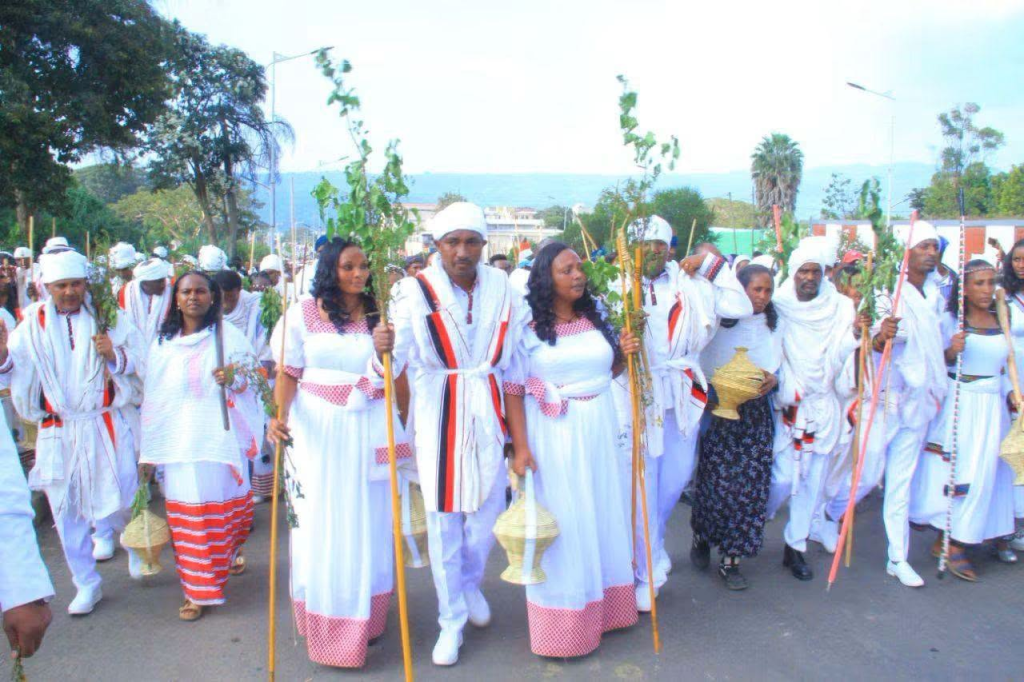
Kallacha Oromiyaa, Fulbaana 13, 2019 — The Oromo people are a nation that created the Gadaa system and gifted it to the world. Now, in a powerful return to ancient traditions, the Maccaa Oromo are strengthening, renewing, and revitalizing their Gadaa system across West Shawa Zone.
The Government of Oromia Region has been working to promote and revitalize Oromo culture, strengthening the pillars of the Gadaa system. In line with this effort, the Maccaa Oromo community is actively reinforcing its Gadaa system through a series of traditional ceremonies.
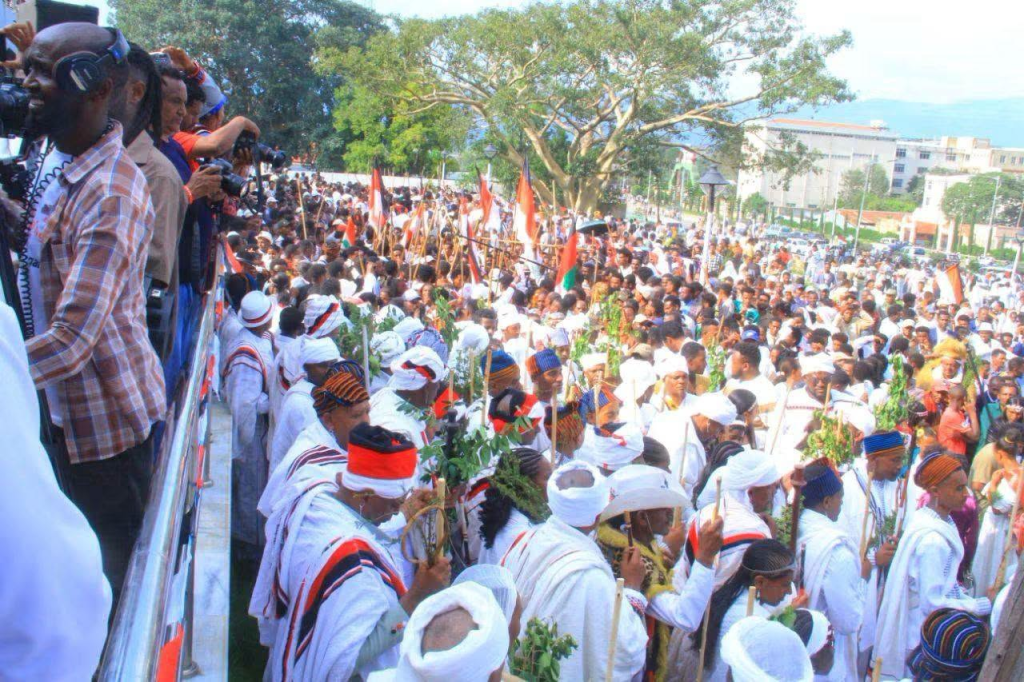
The Ceremonies Underway
In various districts of West Shawa Zone, the rituals of Oofkaltii (preparation) and Buttaa Qaluu (the cutting of the buttaa) are being conducted as part of the Baallii transfer ceremony — the sacred passage of authority from one Gadaa grade to the next.
The Baallii transfer is one of the most significant moments in the Gadaa cycle. It marks the formal transition of power, responsibility, and leadership from the outgoing grade to the incoming one. The Buttaa ceremony — the ritual cutting of the buttaa — symbolizes the clearing of the path for the new leadership, the enactment of laws that will govern the next eight years, and the renewal of the community’s covenant with Waaqa (God) and with one another.
Conducted According to Tradition
These ceremonies are being carried out in full accordance with Oromo culture, tradition (duudhaa), and sacred norms (safuu). The elders, Abbaa Gadaas, and community leaders are overseeing the process to ensure that every ritual is performed correctly and that the integrity of the Gadaa system is preserved.
The Oofkaltii — the period of preparation — involves the training and initiation of those who will assume leadership roles in the new Gadaa grade. It is a time of learning, reflection, and spiritual readiness. The Buttaa Qaluu then formally seals this transition, marking the beginning of a new eight-year cycle of governance, justice, and community service.
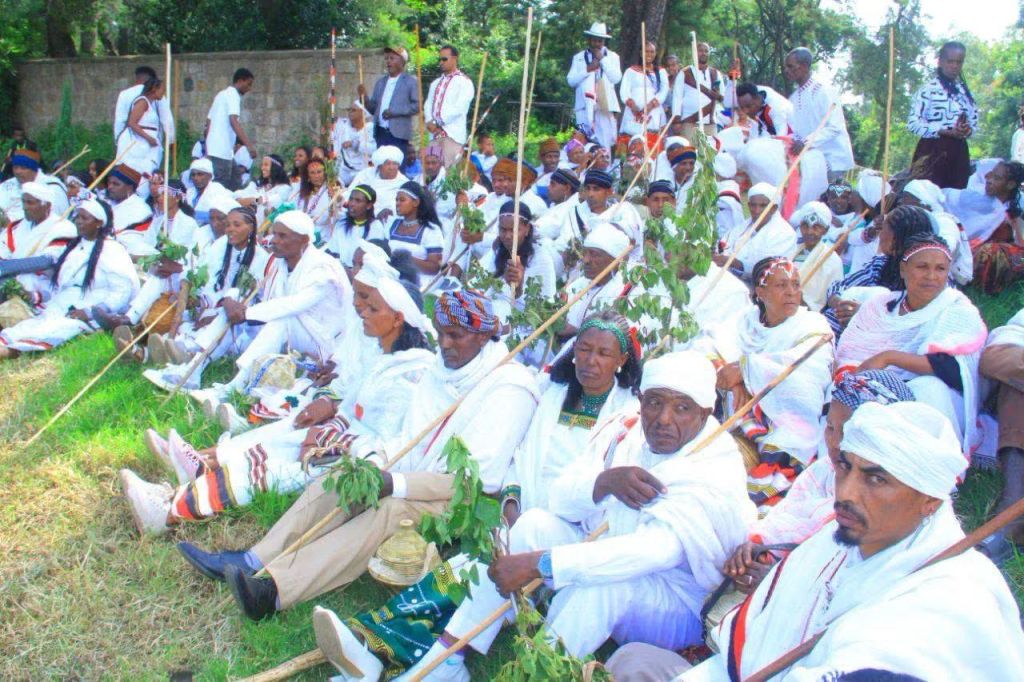
A Living Heritage
The Gadaa system, recognized by UNESCO as an Intangible Cultural Heritage of Humanity, remains a living, breathing institution among the Oromo people. It regulates political, economic, social, and religious life, providing a framework for democracy, conflict resolution, environmental stewardship, and the protection of rights.
The Maccaa Oromo’s active observance of these ceremonies is a testament to the resilience and vitality of Oromo culture. Despite centuries of suppression and the pressures of modernization, the Gadaa system continues to be passed down from generation to generation — unbroken and undiminished.
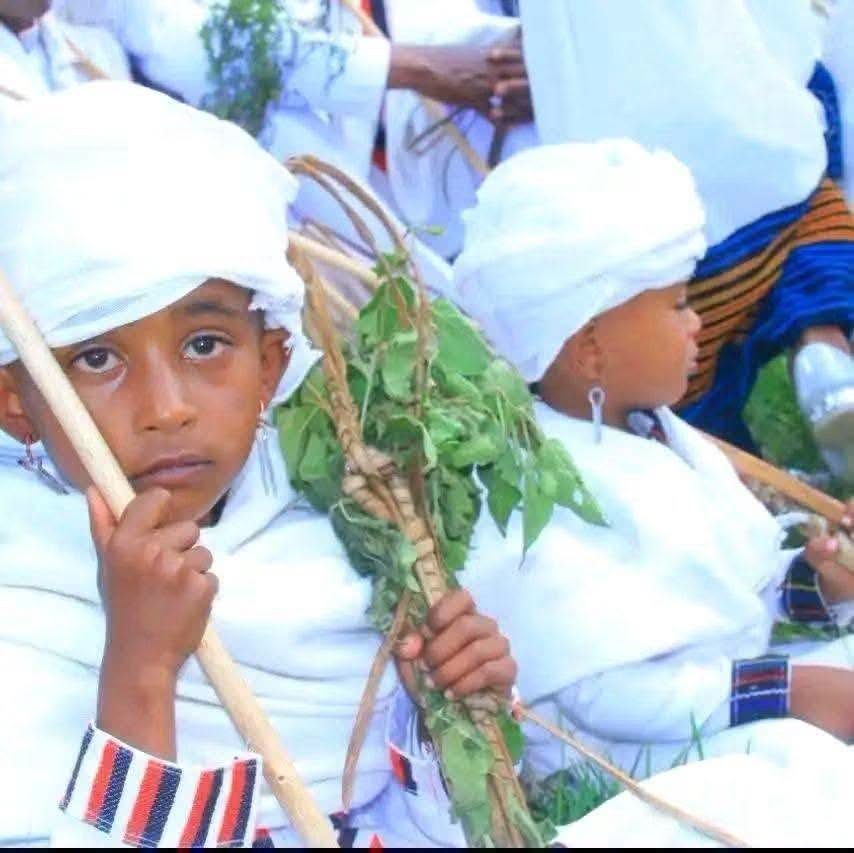
A Source of Pride and Identity
For the Oromo people, the Gadaa system is not merely a historical relic. It is a source of pride, identity, and belonging. It is a gift to humanity — a model of democratic governance, peaceful power transfer, and community solidarity that predates many modern political systems.
As the Baallii transfer, Oofkaltii, and Buttaa ceremonies continue across West Shawa, the Maccaa Oromo are reaffirming their commitment to their ancestors’ wisdom and to the future generations who will inherit this sacred tradition.
Baga oofkaltan! Gadaan quufa fi gabbina!
Source: BATO
Why Water Is So Important in Religious Practice Across the World
Water is the most universal symbol in human spirituality. From the Ganges to the Jordan, from the Zamzam well to the Gadaa springs of Oromia, virtually every faith tradition on Earth places water at the center of its most sacred rituals. The reasons are both practical and profound — rooted in the basic facts of human survival and in the deepest questions of meaning, purity, and renewal.
Water as the Source of Life
The most fundamental reason water is sacred is that it is the source of all life. Every civilization in history has understood that without water, there is no life — no crops, no animals, no human community. This biological reality translates naturally into spiritual reverence.
In the Oromo tradition, this understanding is explicit: water bodies are places where the spirit of Waaqa (God) resides, and the Irreechaa festival draws millions to rivers and lakes to give thanks for rain, fertility, and abundance. Similarly, in ancient Egypt, the Nile was worshipped as a god; in Hinduism, the Ganges is a goddess; in Islam, the Quran states that “We made from water every living thing” (21:30). The recognition of water as the physical basis of life makes it the natural vessel for the spiritual force that sustains life.
Water as a Purifier
Nearly every religion uses water for purification — washing away not just physical dirt but spiritual impurity. This is one of the most consistent patterns in the study of religion.
In Christianity, baptism symbolizes the washing away of sin and the beginning of new life. In Islam, wudu (ritual ablution) precedes prayer, and ghusl (full-body washing) is required after major impurities. In Judaism, the mikveh is a ritual bath used for spiritual cleansing. In Hinduism, bathing in sacred rivers like the Ganges is believed to cleanse sins accumulated over lifetimes. In Shinto, misogi involves purification in waterfalls and rivers. In the Oromo Gadaa system, water in Irreechaa rituals is used to wash away conflict and restore peace.
The logic is consistent: water dissolves and carries away. Just as it removes physical grime, it is believed to remove moral and spiritual stain — restoring the individual to a state of purity before the divine.
Water as the Boundary Between Worlds
Anthropologists have long observed that water often serves as a threshold — a boundary between the ordinary and the sacred, the living and the dead, the human and the divine.
Rivers mark the edge of the underworld in Greek mythology (the Styx), the boundary of the promised land in the Hebrew Bible (the Jordan), and the passage to enlightenment in Buddhism (the crossing of the river). In many traditions, crossing water — or being immersed in it — represents a transition: from death to life (baptism), from sin to forgiveness, from ignorance to awakening.
In Oromo tradition, the riverside (malkaa) where Irreechaa is celebrated is precisely such a threshold — a meeting place between the human community and the divine presence of Waaqa. The act of dipping fresh grass into the water and sprinkling it is a way of drawing the sacred across that boundary and into the community.
Water as a Mirror of the Divine
Water’s reflective surface has made it a natural symbol of the divine. It mirrors the sky, the heavens, and the face of the one who looks into it. In many mystical traditions, the calm surface of water represents the purified soul capable of reflecting God’s image.
This is present in the Oromo practice of gathering at still lakes (Hora) — the mirrored surface of the water symbolizes the peace (nagaa) that the community seeks. In Christian mysticism, the “living water” that Jesus offers is a metaphor for the Holy Spirit. In Sufi poetry, the reflection in water symbolizes the soul’s mirroring of the beloved Divine.
Water as a Source of Healing
Water is widely associated with healing — both physical and spiritual. Pilgrimages to sacred springs and rivers are a global phenomenon: Lourdes in France, the Ganges in India, the Zamzam well in Mecca, and countless local springs across Africa and the Americas.
Research confirms that “blue spaces” — environments with water — promote mental health, reduce stress, and enhance well-being. This scientific finding echoes what religious traditions have known for millennia: water restores. In the Oromo tradition, the healing power of water at Irreechaa is both spiritual and psychological — the community gathers at the water’s edge to renew mind, body, and spirit.
Water as a Symbol of Community
Finally, water is often a communal symbol. It flows and gathers, connecting people and places. Rivers bring communities together; wells are shared gathering places; rain falls on all regardless of status or wealth.
The Oromo Irreechaa festival draws millions of people to the same water sites, celebrating together in a shared and unified manner. This communal dimension of water is present in the Jewish mikveh, the Islamic hammam, and the Christian baptismal font — all places where individuals are incorporated into a larger community of faith.
A Universal Language of the Sacred
Water’s importance across religious traditions is not a coincidence. It reflects something deep in the human condition: our dependence on water for life, our need for cleansing, our longing for renewal, and our search for connection with the divine and with one another.
Whether it is the fresh grass dipped into the Oromo river, the waters of baptism, the ablution before Islamic prayer, or the immersion in the Ganges, water speaks a language that every human being understands. It is the universal symbol of life, purity, transition, and hope.
And wherever humans gather at water’s edge to pray, they are repeating an act as old as humanity itself — and as meaningful as it has ever been.

Why Fresh Grass and Water Are Essential in Oromo Blessings
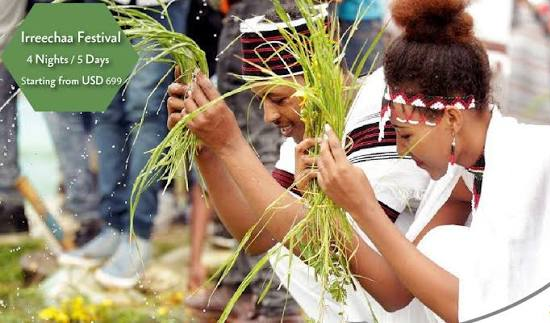
In Oromo culture, fresh grass (Marga Jiidhaa) and water are far more than simple elements of nature. They are sacred symbols that carry the deepest meanings of life, fertility, peace, and divine connection. They transform abstract blessings into visible, tangible rituals and serve as the medium through which humans communicate with Waaqa (God).
Fresh Grass (Marga Jiidhaa): The Symbol of Life and Fertility
In Oromo culture, fresh grass is the most direct expression of life force and abundance.
The Meaning of “Irreechaa” Itself: The very word “Irreechaa” — the grand Oromo thanksgiving festival — means “fresh and green grass.” The festival celebrates the end of the rainy season and the renewal of all life, and fresh grass is the most vivid sign of that season.
The Carrier of Life: Grass is the food of livestock — the foundation of Oromo wealth and survival. When animals eat grass, they grow strong, produce milk, and reproduce. Fresh grass is therefore seen as a symbol of fertility, productivity, and prosperity.
The Medium of Blessing: During Irreechaa rituals, people hold fresh grass and dip it into water, then sprinkle the water on themselves and others. This is not merely an act of thanksgiving — it is a way of transferring the “life force” of the grass and the “purifying power” of the water to the participants, praying for health and offspring. In Gadaa blessing prayers, phrases like “may the grass grow (margi nimarga)” are common, placed alongside rain, livestock reproduction, and peace as manifestations of divine grace.
Water (Bishaan): The Source of Purity, Holiness, and Peace
Water in Oromo blessings holds both material and spiritual significance. It is the dwelling place of sacred power.
The Dwelling of God and Divine Gift: In traditional Oromo belief, rivers and lakes are sacred — they are places where the spirit of Waaqa (God) resides. Water bodies like Hora (sacred springs/lakes) are themselves considered blessings from Waaqa, possessing healing and fertility-giving powers. Infertile women may wet their chests with water, believing it will make their wombs fertile.
Purification and Reconciliation: Water symbolizes “cleansing” and “purification.” One of the core rituals of Irreechaa is the act of libation — dipping fresh grass into water and sprinkling it — which symbolizes washing away the sins and conflicts of the past year, achieving reconciliation, and welcoming a new beginning in a purified state.
The Metaphor of Peace: In Oromo thought, “Nagaa” (peace) is the foundation of all blessings. They believe that only when humans live in peace with nature, with God, and with one another can fertility and abundance be achieved. Water, through its flowing and gathering nature, symbolizes this universal connection, unity, and harmony. Blessings pray for “peace to descend upon our land,” and water is the physical embodiment of that peace.
The Union of Both: The Sacred Blessing Ritual
The combination of fresh grass and water creates the most powerful sacred moment in Oromo blessings. In rituals like Irreechaa, people dip fresh grass into water, and this very act is a prayer:
- Connection: Fresh grass represents the earth and life; water represents the sacred and purification. Together, they symbolize offering the life of the earth to God and praying for God’s blessings to return to humanity through the water.
- Transmission: Participants then sprinkle the sacred water on themselves and others, symbolizing the receiving and sharing of God’s grace, life force, and the blessing of peace.
Therefore, in Oromo blessings, fresh grass and water are ritual tools that fuse “life” with “the sacred.” Without them, blessings would lose their concrete form and power — they could not truly “touch” and “transform” the participants. They are the visible signs of an invisible grace, the tangible carriers of divine blessing.

OLF Calls for Immediate Peaceful Negotiations in Oromiya, Warns of Devastating War
Finfinnee, September 24, 2026 — The Oromo Liberation Front (OLF) has issued a strongly worded statement calling on the Ethiopian government and the Prosperity Party (PP) to immediately embark on genuine peaceful negotiations to end the devastating war in Oromiya, warning that continued military action will only trap the country in a vicious cycle of poverty, disease, and misery.
In a statement released today from Finfinnee, the OLF declared that the “reckless war” of the past eight years has entailed devastating consequences, with many innocent lives lost and resources that could have improved the lives of the people “frantically destroyed.”
A War Without Solution
The OLF criticized the government’s reliance on military might rather than mutual understanding and compromise, stating that such an approach “has not yielded any solution to the ravaging war.” Instead, the statement warned, “the depth and breadth of the conflict have expanded day after day, month after month, and year after year.”
The organization painted a grim picture of the conflict’s toll: “The loss of young and helpless souls and the endless ravage into the villages of poor households, the devastation of social and economic infrastructures, and their consequences will surely trap the country into a vicious circle of poverty, disease, and misery.”
“A sympathetic heart and a wise gut would not dare to see this continue,” the statement read.
The Only Solution: Genuine Peaceful Settlement
The OLF was unequivocal in its position: “OLF believes that the only solution is a genuine peaceful settlement.” The organization called on the government and the Prosperity Party to “embark on genuine peaceful negotiations with all concerned parties to end the war and find a solution to the misery of our people.”
The statement reaffirmed the OLF’s longstanding position that “war and military action have never been a lasting solution to political conflict.”
Defending Oromiya Against External Threats
The OLF also raised concerns about what it described as the “northern coalition, known as Tsimido,” which it accused of aiming “to turn Oromiya into a battleground for an unnecessary war; reverse the fruits of our struggle so far gained, and control Oromiya to usurp its resources once again.”
“The Oromo people cannot remain silent on this,” the statement declared. The OLF called on the Oromo people to “unite, regardless of political differences, and to defend their territory and villages without infringing on the rights of others.”
A Call for Oromo Unity
In a direct appeal to Oromo political parties and the regional government, the OLF urged all Oromo stakeholders to “stand in unison without jeopardizing the rights of the Oromo people.”
“This is not a time when we count on our political differences and party lines,” the statement emphasized. The OLF warned that “detaining political activists and party members exacerbates the suffering of our people” and called for the immediate release of those in custody.
“The meaningless detention of innocents should abate, and those in custody should be immediately released,” the statement read.
A Warning to Those Who Stand with Aggressors
The OLF also directed a sharp warning at those it accused of standing “with our historical aggressors and exploiters while claiming to struggle for the Oromo people.”
“You are making a historical mistake that history will never forgive you,” the statement declared, calling on them to “reconsider their path.”
A Call to All Peace-Loving People
In its concluding appeal, the OLF called on “all parties, especially the Government and the ruling party, to embark on genuine peaceful negotiations that end the suffering of our people once and for all.”
The organization urged “all stakeholders, including religious leaders, Abba Gadas, Haadha Sinqees, diplomats, media personnel, journalists, and all peace-loving people, to campaign for a peaceful settlement to avert the ugly, devastating war confronting us.”
The Stakes for Oromiya and Ethiopia
The OLF’s statement comes at a critical juncture for Oromiya and for Ethiopia as a whole. The eight-year conflict has exacted a heavy toll on civilians, infrastructure, and the social fabric of the region. The OLF’s call for negotiations reflects a growing consensus among many observers that military solutions have failed and that only dialogue can bring sustainable peace.
The statement’s appeal to Oromo unity — across political lines — signals the OLF’s recognition that internal divisions weaken the collective ability to address the crisis. By calling on the regional government, political parties, and civil society to work together, the OLF is positioning itself as a voice for a unified Oromo approach to peace.
Whether the government and the Prosperity Party will heed the call for negotiations remains to be seen. But the OLF’s message is clear: the time for war is over, and the time for genuine dialogue has come.
“Victory to the Mass!!”
Source: Oromo Liberation Front (OLF)
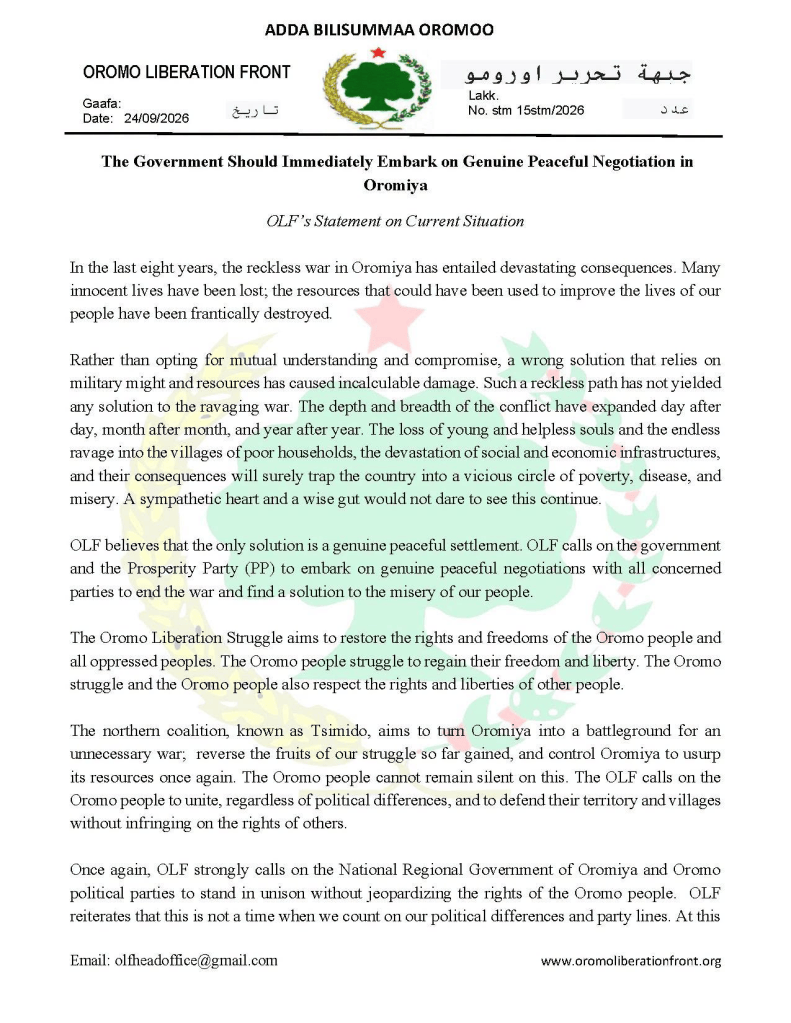

A New Chapter for Multicultural Victoria: VMC Bids Farewell as MMV Begins
Melbourne, Victoria — After four decades of championing inclusion, belonging, and community voice, the Victorian Multicultural Commission (VMC) has issued its final Community Update, marking the end of an era and the beginning of a new chapter for multicultural and multifaith Victoria.
As of 1 October 2026, Multicultural and Multifaith Victoria (MMV) will formally commence, taking over the VMC’s legacy of community engagement, advocacy, and partnership with government.
A Legacy Built on People, Not Policies
In her farewell message, VMC Chairperson Louise Perry reflected not on programs or policies, but on the people who made the Commission’s work possible.
“The community leaders, volunteers, faith representatives, young people, elders, advocates and families who have shared their stories, welcomed us into their communities and worked alongside us,” she wrote. “It is neither the programs nor the policies that come to mind, but the people.”
That people-centered reflection captures the essence of the VMC’s four-decade journey. Since its establishment, the Commission has worked through moments of both celebration and challenge, championing inclusion and belonging, responding to crises, and ensuring that community voices are heard in the decisions that shape Victoria.
Standing Together in Times of Crisis
The VMC’s work during the COVID-19 pandemic stands as a defining example of what can be achieved when government and communities work together. At a time of great uncertainty, multicultural and multifaith organisations, community leaders, and volunteers played a vital role in sharing trusted information, supporting vulnerable people, and helping keep communities connected.
That same spirit of community was evident recently when Louise Perry joined Victoria’s Nepalese community to celebrate Hartalika Teej, a significant Hindu festival observed by women. The VMC also expressed solidarity with the Nepalese community following the devastating monsoon floods in Nepal — a reminder that the bonds between Victoria’s communities and their homelands remain strong and deeply felt.
A Legacy of Trust and Candour
As the VMC closes this chapter, Louise Perry extended her gratitude to former commissioners, staff, partners, and countless community leaders who contributed to the Commission’s legacy.
“Most importantly, I thank the communities who placed their trust in the VMC and who, to this day, continue to engage with us with candour and generosity,” she said.
That trust, built over forty years, represents the true measure of the VMC’s success. It is a legacy not of institutions, but of relationships — of communities that felt seen, heard, and valued.
Looking Ahead: MMV and the Future
Multicultural and Multifaith Victoria now represents an opportunity to deepen engagement with communities, strengthen partnership with government, and ensure that community voices continue to help shape Victoria’s future.
“I am excited for what lies ahead,” Perry said. “The story of multicultural and multifaith Victoria continues to evolve in our neighbourhoods, places of worship, businesses, community organisations and homes.”
The transition from VMC to MMV is not an ending but a renewal — a recognition that the work of building an inclusive, harmonious, and vibrant multicultural society is never complete. Each generation must take up the task anew, adapting to changing circumstances while holding fast to the values of respect, belonging, and shared humanity.
A Story That Continues
As Multicultural and Multifaith Victoria begins its work, it inherits not only the structures and responsibilities of the VMC but also its spirit — a spirit of partnership, trust, and unwavering commitment to the communities it serves.
The story of multicultural and multifaith Victoria is a story still being written — in the neighbourhoods where neighbours of different backgrounds share meals, in the places of worship where faiths coexist in mutual respect, in the businesses that bridge cultures, and in the homes where traditions are passed to the next generation.
It is a story that belongs to all Victorians. And it is a story that continues.
Source: Victorian Multicultural Commission

Irreecha: A Festival for National Unity and Patriotic Covenant
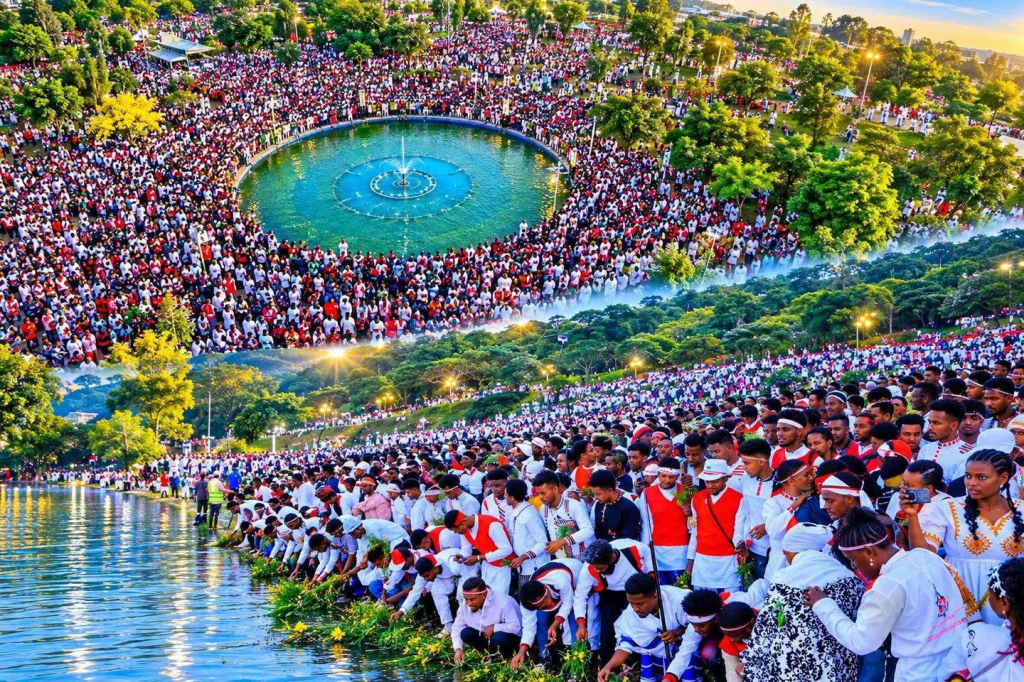
Oromia, Ethiopia — National festivals play a vital role in accelerating peace, love, unity, and shared development. Among the festivals that exemplify peace, love, and solidarity, Irreecha stands as one of the most significant. Rooted in the Gadaa system, Irreecha embodies the ancient Oromo traditions of working together, eating together, supporting one another, standing side by side, reconciliation, holding good wishes for one another and the country, and translating unity into action.
Irreecha is celebrated as a festival that manifests the spirit of togetherness and brotherhood among peoples. It serves as a source of collective strength, a fountain of love, a spring of friendship, and a foundation for living together in harmony.
A Festival That Embraces All Humanity
This grand festival holds a special place in fostering a national covenant because it is enriched with values that enable people to see one another with equal respect, to understand one another, and to draw closer together. Irreecha teaches that every human being deserves dignity and honor, regardless of their background.
That is why the Oromo people celebrate this festival of thanksgiving and gratitude to the Creator with unwavering unity. No distinction is made based on appearance, gender, age, religion, or any other criterion. Everyone is welcome. Everyone is equal. Everyone belongs.
A Unifying Force for All Nations and Nationalities
Because of this inclusive and unifying character, Irreecha has today become a celebration that brings together nations, nationalities, and peoples of Ethiopia. What began as a traditional Oromo thanksgiving festival has grown into a national event that transcends ethnic boundaries, drawing participants from all walks of life who wish to share in its message of peace, gratitude, and togetherness.
The festival’s ability to unite diverse communities is not accidental. It flows from the core values embedded in the Gadaa system — values of consensus, mutual respect, and collective responsibility. These values have been passed down through generations and remain as relevant today as they were centuries ago.
A Call to Celebrate in Unity
The message is clear: all people are invited to come out in unity to celebrate this festival of Irreecha and to give thanks to the Creator. The festival belongs to everyone — not to any single group, region, or faith. It is a shared heritage, a common treasure, and a living expression of Ethiopia’s diversity and unity.
In a time when divisions often dominate public discourse, Irreecha offers a powerful counter-narrative. It reminds us that our shared humanity is greater than our differences, that our collective strength lies in our unity, and that our future depends on our ability to stand together.
A Covenant for the Nation
For these reasons, Irreecha holds an elevated role in strengthening national unity and fostering a patriotic covenant. It is not merely a festival — it is a declaration that peace, love, and togetherness are not abstract ideals but lived realities. It is a promise that the bonds between peoples are stronger than the forces that seek to divide them.
As millions gather at the banks of rivers and lakes to dip fresh grass into the water and lift their voices in song, they do more than celebrate a tradition. They renew a covenant — with Waaqa, with one another, and with the nation they share.
Baga Irreecha! Baga Tokkummaa!
Source: Oromo Cultural Heritage

Irreecha Falls on Meskerem 23 and 24, and Finfinne Has Two Mass Gatherings in Two Weeks
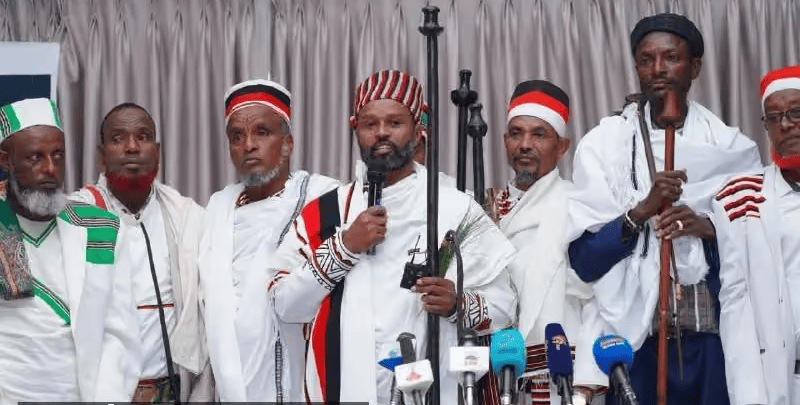
The union of Oromo Abbaa Gadaas has set this year’s Irreecha for Meskerem 23 and 24 — Hora Finfinne first, Bishoftu the next day. Addis Abeba police say preparations for the Meskel Demera are also complete.
This year’s Irreecha will be observed on Meskerem 23 and 24 on the Ethiopian calendar — 3 and 4 October — the union of Oromo Abbaa Gadaas has announced. Hora Finfinne, in Finfinne, is marked on the 23rd; Hora Harsadi, at Bishoftu, on the 24th. The union has framed this year’s observance around national consensus.
Separately, Lt. Gen. Asrat Denero, head of the Addis Abeba Police Commission, said preparations are complete for the Meskel Demera to be observed in the capital. He described the arrangements as coordinated between the Addis Abeba Peace and Security Office, the city’s assembly of religious institutions, the Ethiopian Orthodox Tewahedo Church, the Addis Abeba diocesan office and city police.
A note on the date, because the translation gets it wrong
Amharic reports of this announcement are routinely rendered into English as “September 23 and 24”. The original says Meskerem 23 and 24, which is the Ethiopian calendar’s first month. Meskerem 1 of 2019 E.C. fell on 11 September 2026, so Meskerem 23 and 24 are 3 and 4 October 2026 — a fortnight later than the machine translation implies.
If a calendar, a delivery schedule or a staff roster in your organisation was built from an English-language feed, it is worth checking which date it took.
What businesses in the capital should plan for
Two mass public observances land inside two weeks, both centred on Addis Abeba, with the second spilling into Bishoftu on the Sunday.
- Road closures and diverted transport around Meskel Square and, on 3 October, the Hora Finfinne site.
- The Bishoftu leg on 4 October draws heavy outbound traffic on the road southeast — relevant to anyone routing freight or staff that way.
- Staffing. Both observances draw employees out of the capital as well as into it.
Open
Neither announcement carried road-closure details, security arrangements or a crowd estimate, and the city has not published a traffic plan for either day. The Meskel Demera date was not stated in the police commission’s remarks as reported.
Sources: Fana Television, 22 September 2026, Fana Television, 22 September 2026, Tikvah Ethiopia, 22 September 2026

Gadaa Elders Announce Irreechaa 2019 Dates: A Call for Unity, Tradition, and Peaceful Celebration
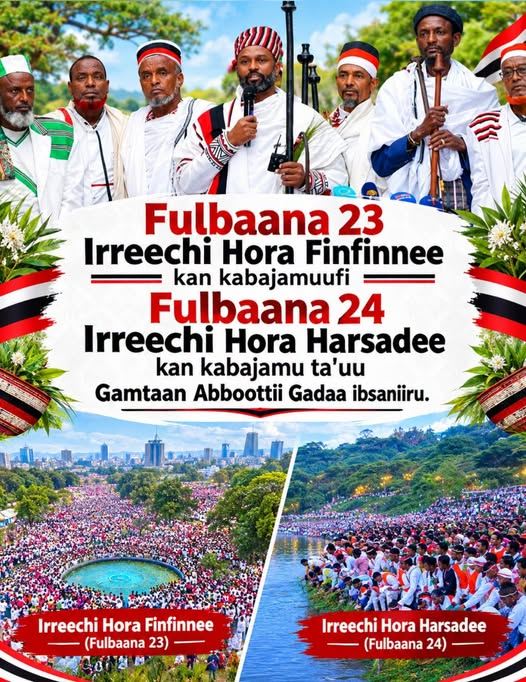
Finfinnee, Oromia — The Assembly of Gadaa Elders of Oromia has officially announced the dates for the celebration of Irreechaa in 2019, confirming that the festival at Hora Finfinnee will be celebrated on September 23, while the celebration at Hora Harsadee will take place on September 24.
The announcement was made through an official statement issued by the Assembly of Gadaa Elders, the traditional custodians of Oromo cultural and spiritual life, who oversee the proper observance of the festival in accordance with ancient customs, traditions, and sacred norms.
A Festival That Reflects the Greatness of a People
In their statement, the Gadaa elders emphasized that Irreechaa is not merely a seasonal celebration but a profound expression of the greatness of the Oromo nation. The festival, they noted, must be observed in a manner that honors the culture, traditions, and sacred norms (safuu) of the Oromo people, preserving the customs handed down from their ancestors.
The elders stressed that Irreechaa should serve as an occasion to strengthen the bonds of brotherhood and unity among all people, regardless of their faith or political outlook. The festival, they affirmed, belongs to all — and its celebration must transcend differences of religion and political opinion.
A Call for a United, Orderly Observance
The Assembly issued a call to all sectors of society to support the proper and orderly observance of Irreechaa. The festival, they said, must be conducted according to its established rules and procedures, with a spirit of oneness and shared purpose. No difference of faith or political perspective should divide the community during this sacred time.
The elders’ call underscores the deep significance of Irreechaa as a unifying force in Oromo society. The festival draws together millions of people from across Oromia and the diaspora, gathering at sacred water sites to give thanks to Waaqa (God), seek reconciliation, and welcome the new season of Birraa (spring).
A Tradition Preserved Through Generations
The announcement by the Gadaa elders reflects the continued vitality of the Gadaa system, the ancient democratic and social governance structure of the Oromo people. Recognized by UNESCO as an Intangible Cultural Heritage of Humanity, the Gadaa system organizes Oromo society into age sets and generational grades, each with its own roles, rights, and responsibilities. The elders’ role in announcing and overseeing Irreechaa is a testament to the enduring strength of this institution.
A Festival of Thanksgiving and Renewal
Irreechaa is the annual Oromo thanksgiving festival, celebrated at the banks of rivers and lakes across Oromia. It marks the end of the rainy season (Ganna) and the beginning of spring (Birraa), a time of renewal, gratitude, and hope. Participants carry fresh green grass and yellow daisies to the water’s edge, dipping them into the water as an offering of thanks for the blessings of the past year and a prayer for peace and abundance in the year to come.
The festival’s requirement for reconciliation before participation creates a powerful, community-enforced deadline for resolving disputes. There is a widespread belief that Waaqa will not accept the prayers of those who carry grievances. Irreechaa is thus not only a time of celebration but also a time of healing and reconciliation.
A Call to All
As the dates for Irreechaa 2019 approach, the Gadaa elders’ message is clear: Irreechaa is a festival for all Oromo people and for all who wish to join in the spirit of gratitude and unity. It is a time to set aside differences, to come together as one community, and to give thanks to Waaqa for the blessings of life, peace, and abundance.
The Assembly’s call for support from all sectors of society reflects the communal nature of the festival. Irreechaa is not organized by any single institution or group — it is a collective expression of the Oromo people’s faith, culture, and identity.
Baga Irreechaa! Baga Birraa!
Source: Assembly of Gadaa Elders of Oromia

The Psychological Power of Ritual Sound, Fresh Grass, and Water in Irreechaa
Oromia, Ethiopia — Irreechaa is the annual Oromo thanksgiving festival celebrated at the banks of rivers and lakes across Oromia. Its rituals — communal chanting, the dipping of fresh green grass into water, and the gathering of communities at the water’s edge — are not merely symbolic acts of cultural identity. A growing body of scientific research reveals that these elements engage powerful psychophysiological mechanisms that promote mental well-being, reduce stress, and foster social connection.
The Sound of Chanting: Reducing Stress and Anxiety
Chanting, a central practice in Irreechaa’s riverside ceremonies, has been shown to produce measurable reductions in stress and anxiety. A randomized controlled trial conducted in Australia found that just twelve minutes of group chanting — whether vocal or silent — resulted in significant decreases in cortisol levels and self-reported anxiety . The reduction in cortisol, the body’s primary stress hormone, was similar for both vocal and silent chanting. However, self-reported anxiety decreased more following vocal chanting, suggesting that the act of voicing — singing the Marewoo songs of Irreechaa — amplifies the psychological benefit .
The study also found that altruism scores increased following both vocal and silent chanting, indicating that the ritual practice fosters pro-social tendencies . Group synchronisation, a feature of communal chanting, is thought to promote cooperation and feelings of connection to others . This aligns with the experience of Irreechaa participants, who sing together in a shared expression of gratitude and hope.
Research specifically examining Irreechaa notes that “chanting reduces stress hormones and triggers dopamine, promoting transcendence” . The sonic dimensions of the ritual, combined with its setting at the water’s edge, create what researchers describe as an immersive environment that unites communities and reinforces cultural identity .
The Touch of Fresh Grass: Tactile Contact and Relaxation
The fresh green grass carried by Irreechaa participants — dipped into the water as an offering and symbol of renewal — also carries documented psychological benefits when touched. A 2024 study published in the Journal of Urban Health investigated the effects of tactile interaction with real grass versus artificial grass among older adults. The findings showed that touching real grass produced a heightened sense of relaxation and calmness, increased mean systolic blood pressure reduction, and upward trends in brainwave patterns associated with relaxation .
A separate study involving young adults found that five minutes of tactile stimulation with real landscape grass, applied through the palm of the hand, produced significant reductions in diastolic blood pressure, increased alpha brainwave activity (a marker of relaxed alertness), and alleviation of anxiety compared to a control condition . The researchers concluded that “palming grass — the act of touching grass with one’s hand — has a calming effect on both physiological and psychological responses to stress” .
For Irreechaa participants, the act of holding grass and dipping it into the water is thus not only a spiritual gesture but a tactile experience with measurable calming effects on the nervous system.
The Presence of Water: Blue Space and Restoration
Irreechaa’s setting at rivers and lakes — Irreechaa Malkaa — places participants in what researchers call “blue spaces,” environments featuring water. A systematic evidence map of blue space research confirms that contact with water environments is associated with mental health benefits, including reduced stress and enhanced well-being .
A landmark 19-country study involving over 17,000 participants found that all blue space settings were recalled as restorative, with rural rivers and canals among the most restorative . Perceived safety was the quality most strongly associated with restoration, and actively engaging with the water was associated with greater restoration than remaining on land . The study also found a reciprocal relationship between restoration and nature connectedness — the more restored an individual felt, the more connected to nature they became, and vice versa .
Research specifically examining Irreechaa notes that “water’s acoustic properties (transmitting sound four times faster than air) create immersive ritual environments,” and that the natural water setting “engages biophilia, enhancing mental well-being” . The riverside location of Irreechaa thus amplifies both the sonic and the restorative dimensions of the festival.
The Synergy of Sound, Grass, and Water
What makes Irreechaa psychologically powerful is not any single element in isolation, but their combination. The ritual brings together vocal chanting, tactile contact with fresh grass, and immersion in a water environment — a multisensory experience that engages multiple pathways to well-being simultaneously.
Research on Irreechaa explicitly describes this synergy: “water’s fluidity and reflectivity, paired with the resonance of sound, create multisensory rituals that deepen spiritual engagement” . The study notes that “psychologically, chanting and singing reduce stress and trigger dopamine release, fostering emotional uplift and communal bonding,” while “natural water settings engage biophilia, enhancing mental well-being and aligning with the spiritual clarity sought in rituals” .
The communal dimension is equally important. Group chanting, being a synchronous activity, promotes feelings of social connection and altruistic tendencies . For a community gathering after the isolating rainy season, this reconnection — through shared sound, shared touch of grass, and shared presence at the water — serves as a collective psychological renewal.
A Culturally Rooted Pathway to Well-Being
For the Oromo people, Irreechaa is a spiritual and cultural celebration. The scientific evidence now confirms what generations have experienced intuitively: the ritual’s elements — sound, grass, and water — are also powerful tools for mental health. In a context where formal mental health services are scarce, Irreechaa offers an accessible, culturally meaningful pathway to stress relief, emotional restoration, and social connection.
The psychological power of Irreechaa lies in its integration of body, mind, and community — a holistic approach to well-being that modern research is only beginning to fully understand.

Dr. Trevor Trueman: The British Physician Who Became a Voice for the Oromo People
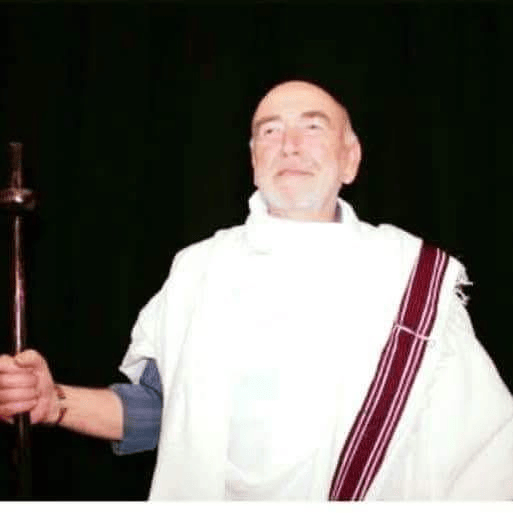
London, United Kingdom — In the annals of human rights advocacy, few figures embody the intersection of medicine and justice as profoundly as Dr. Trevor Trueman. A prominent British physician and human rights advocate, Trueman has dedicated decades of his life to documenting and exposing human rights violations against the Oromo people, the largest ethnic group in Ethiopia, who have historically faced systemic marginalization and repression under various Ethiopian governments.
A Doctor’s Call to Justice
Dr. Trueman’s journey into human rights advocacy began not in the halls of power, but in the examination rooms where he treated survivors of state violence. His medical expertise gave him a unique vantage point — one that allowed him to witness firsthand the physical and psychological trauma inflicted on Oromo refugees who had fled Ethiopia.
In 1994, Trueman co-founded the Oromia Support Group (OSG) , an organization established to amplify the voices of Oromo refugees and victims of state violence. The OSG collects testimonies, publishes reports, and lobbies international bodies to address abuses in Ethiopia. What distinguished the OSG from other advocacy groups was its founder’s medical rigor — a commitment to evidence, accuracy, and the documented truth of human suffering.
Documenting the Unspeakable
Trueman’s most influential contribution came in 1996 with the publication of “Human Rights in Ethiopia: Through the Eyes of the Oromo Refugees.” The report detailed extrajudicial killings, torture, and mass arrests under the EPRDF-led government. His medical expertise lent credibility to accounts of health crises and physical trauma among survivors — accounts that might otherwise have been dismissed as exaggeration or propaganda.
The report became a landmark document, cited by organizations including Amnesty International and Human Rights Watch. It painted a picture of systematic oppression that could not be ignored, precisely because it was grounded in the clinical observations of a physician.
A Voice in the Corridors of Power
Dr. Trueman did not confine his advocacy to written reports. He testified before institutions including the UK Parliament and the United Nations, urging action against Ethiopian government crackdowns. His work highlighted issues such as the 2003-2005 military campaigns in Oromia, which displaced thousands and left communities shattered.
His testimony brought the realities of Oromo suffering into the halls of international decision-making, forcing policymakers to confront uncomfortable truths about an ally government’s abuses.
The OSG’s Enduring Legacy
While Dr. Trueman has been less publicly active in recent years, the Oromia Support Group continues its advocacy under his foundational principles. The group remains a critical resource for journalists, researchers, and policymakers seeking accurate, well-documented information about the situation in Oromia.
The OSG’s reports are frequently cited by major human rights organizations — a testament to the standards of rigor and reliability that Trueman instilled in the organization from its earliest days.
Recognition and Respect
Though not widely decorated, Dr. Trueman’s efforts are deeply respected within human rights circles. His work has been recognized not through formal awards, but through the impact it has had — the lives it has helped document, the stories it has helped tell, and the awareness it has helped raise.
His blend of medical rigor and humanitarian advocacy has uniquely positioned the OSG to expose systemic oppression in Ethiopia. His work underscores the intersection of health and human rights, emphasizing the long-term impacts of state violence on communities.
A Legacy of Truth and Compassion
Dr. Trevor Trueman’s legacy is one of courage and conscience. He chose to use his medical training not only to heal individuals, but to diagnose a society’s ills and prescribe a course of justice. He gave voice to the voiceless, evidence to the ignored, and hope to the oppressed.
For the Oromo people, he is not merely a British physician — he is a friend, an ally, and a witness to their suffering. His work reminds us that human rights are not the concern of any single nation or people, but of all humanity.
As the Oromia Support Group continues its work, the principles Dr. Trueman established — truth, rigor, compassion, and justice — remain its guiding light.
Source: Oromia Support Group

Sons of Maccaa Celebrate Buttaa Ceremony: A Milestone of Generational Passage
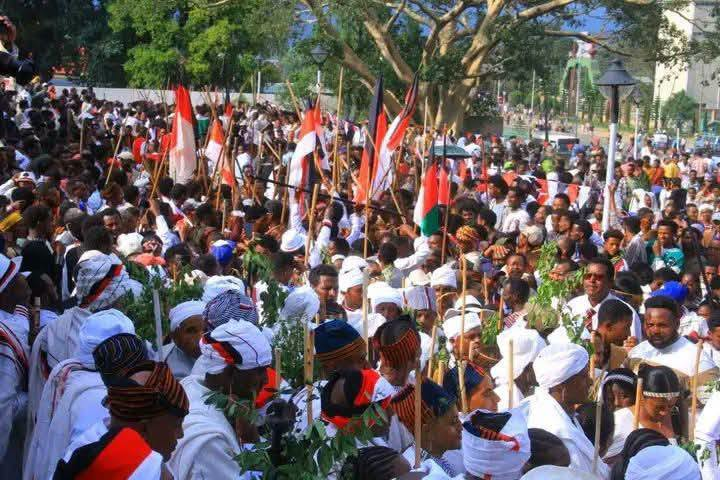
Oromia, Ethiopia — In a powerful display of cultural continuity and ancestral reverence, the Gadaa-Hortee sons of Maccaa — members of the Gadaa Birmajii grade — have successfully completed the sacred Buttaa ceremony, marking a significant milestone in their journey through the ancient Oromo Gadaa system.
The occasion was marked with blessings and congratulations: “Baga 80 akaakayyuu fi 40 abbaa keessanii geessanii sirna buttaa qaluu nagaan oofkaltan!” — Congratulations on safely reaching the Buttaa ceremony, having honored the eighty grandfathers and forty fathers who came before you.
The Significance of Buttaa
The Buttaa ceremony is a pivotal ritual within the Gadaa system, symbolizing the formal transition of power and responsibility from one generation to the next. For the sons of Maccaa in the Birmajii grade, this ceremony represents their readiness to assume leadership roles and carry forward the duties entrusted to them by their ancestors.
The numbers referenced — eighty grandfathers and forty fathers — speak to the deep ancestral lineage that the Gadaa system honors. Each generation stands on the shoulders of those who came before, and the Buttaa ceremony is a moment of connection between past, present, and future.
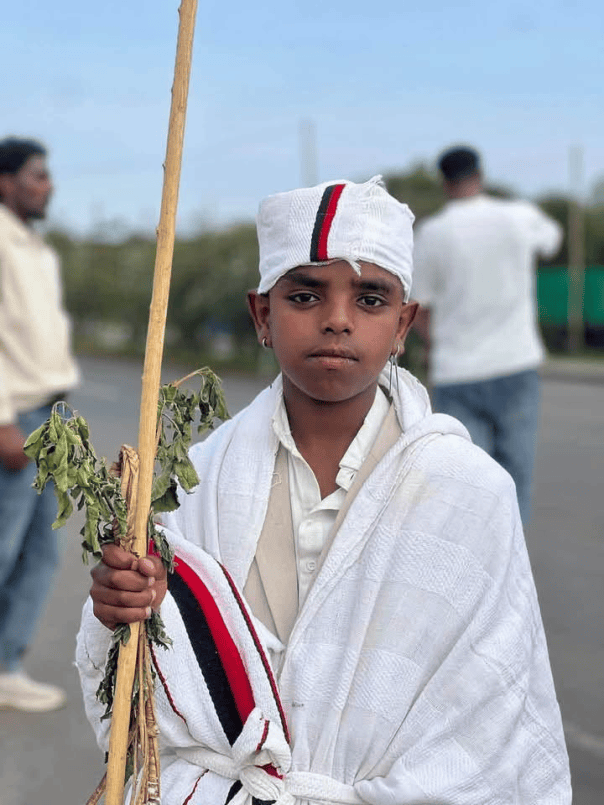
Honoring the Sacred Elements
The congratulatory message continues with a blessing that honors the visible and invisible elements of the ceremony:
“Haaduu kofa keessanii, dhugoo gurra keessanii fi ruufa mataa keessanii hunda baga oofkaltan!”
This translates to: “Congratulations on all — the grass at your door, the grass in your ears, and the grass on your head!”
These elements — haaduu kofa (grass at the door), dhugoo gurra (grass in the ears), and ruufa mataa (grass on the head) — are sacred symbols within the Gadaa system. Fresh green grass represents life, renewal, and the presence of Waaqa (God). Wearing or carrying grass during Gadaa ceremonies signifies that the individual is in a state of peace, purity, and readiness to receive blessings.
The reference to grass at different parts of the body and home also reflects the holistic nature of the Gadaa system — it encompasses every aspect of life, from the threshold of one’s home to the crown of one’s head.
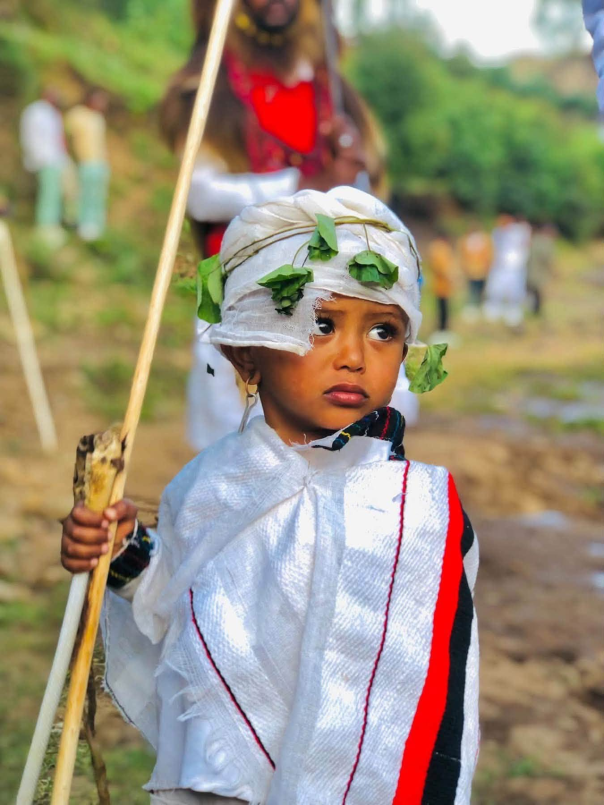
A Community Celebration
The Buttaa ceremony is not merely an individual achievement — it is a communal celebration. The Gadaa-Hortee sons of Maccaa have completed this rite together, reinforcing the bonds of brotherhood and shared responsibility that define the Gadaa system.
The ceremony involved the ritual cutting of the buttaa (a symbolic act of clearing and preparing the way), the enactment of laws that will govern the next eight years, and the formal transfer of authority from the outgoing Gadaa grade to the incoming one.
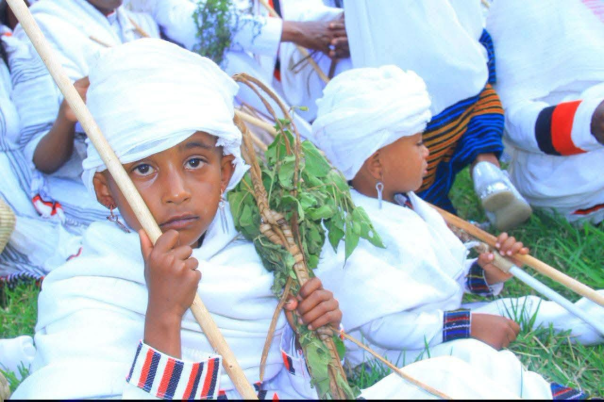
Blessings for Abundance
The message concludes with a powerful blessing:
“Gadaan quufa fi gabbina! Gabbis Waaq!”
“May Gadaa bring fullness and abundance! May Waaq bless!”
This prayer invokes the dual blessings of material prosperity and spiritual completeness. In the Oromo worldview, quufa (fullness) and gabbina (abundance) are not merely economic concepts — they represent a state of harmony in which the community is whole, at peace, and aligned with divine will.
A Living Tradition
The successful completion of the Buttaa ceremony by the Gadaa-Hortee sons of Maccaa is a testament to the resilience and vitality of the Gadaa system. Despite centuries of suppression and the pressures of modernization, the Oromo people continue to pass down this ancient tradition from generation to generation, unbroken and undiminished.
As the sons of Maccaa step into their new roles, they carry with them the blessings of eighty grandfathers and forty fathers — a lineage of wisdom, courage, and commitment that stretches back through time.
Baga oofkaltan! Gadaan quufa fi gabbina! Gabbis Waaq!
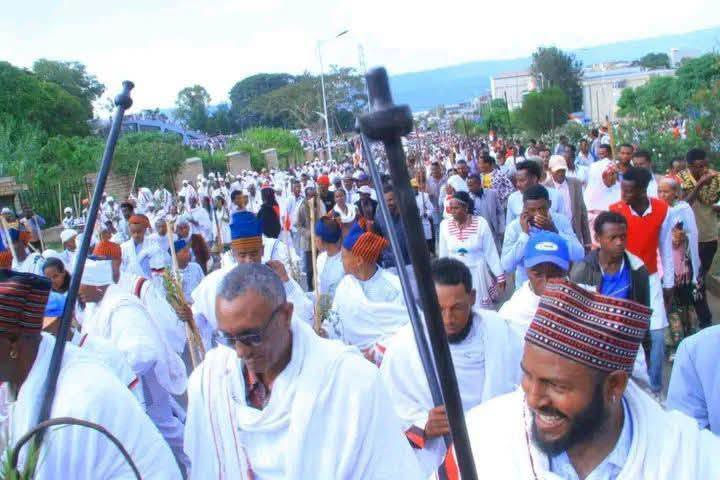

Irreechaa: The Annual Oromo Thanksgiving and Prayer to Waaqa
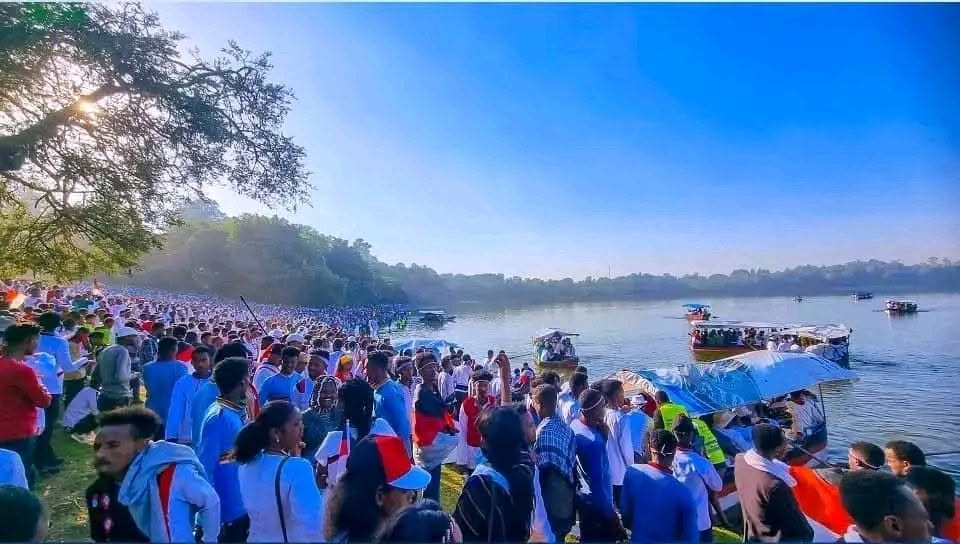
Oromia, Ethiopia — Across the highlands and lowlands of Oromia, and in Oromo communities scattered across the globe, millions gather each year to celebrate Irreechaa — the annual Thanksgiving Day and prayer of the Oromo people. It is a festival of gratitude, renewal, and unity, deeply rooted in the spiritual and cultural life of the Oromo nation.
A Celebration of Gratitude
Irreechaa is celebrated for all things that Waaqaa has done for people — bringing rain, peace, health, fertility, abundance, and the beautiful weather they have obtained. It is a time to pause, reflect, and give thanks for the blessings of the past year.
The festival is not merely a ritual; it is an expression of the Oromo people’s profound connection to the divine and to the natural world. Every drop of rain, every harvest, every moment of peace is recognized as a gift from Waaqaa, and Irreechaa is the community’s collective response of gratitude.
Welcoming the New Season
Moreover, the Oromo people celebrate Irreechaa not only to thank God but also to welcome the new season of plentiful harvests after the dark rainy season. It is a celebration that associates with nature and all creatures — a reminder that humanity is part of a larger web of life, bound to the rhythms of the earth and the skies.
Irreechaa marks the transition from Ganna (the rainy season) to Birraa (the spring) — a time when the land awakens, flowers bloom, and the promise of abundance fills the air. It is a festival of hope, a celebration of renewal, and a welcome to the new year.
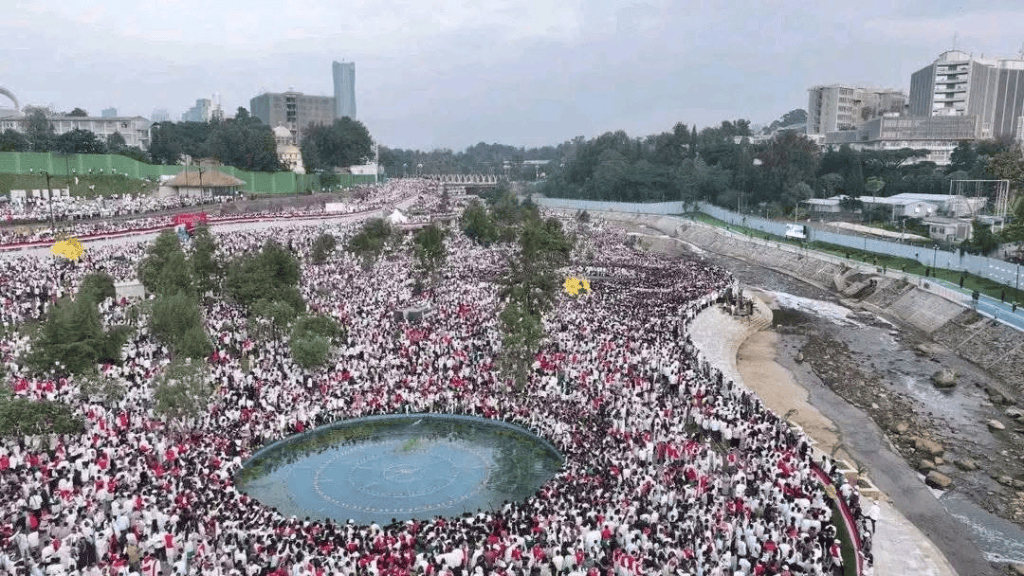
Sacred Sites of Ritual
The Irreechaa ritual is conducted at different places; mainly, it takes place in two major areas: Irreechaa Malkaa (at the side of a river) and Irreechaa Tulluu (on a mountain). These two types of Irreechaa are formal and represent the most common sites of ritual among the Oromo people everywhere.
At Irreechaa Malkaa, communities gather at the water’s edge — rivers, lakes, and streams — to dip fresh green grass and flowers into the water, symbolizing purification, renewal, and thanksgiving. The water carries their prayers to Waaqaa, and the grass represents the life and fertility that the community seeks.
At Irreechaa Tulluu, communities ascend mountains and hills to pray and give thanks at higher ground — closer to the heavens, closer to Waaqaa. The mountain symbolizes strength, endurance, and the elevated spirit of a people who have weathered many storms.
Both forms of Irreechaa are sacred, and both are observed with deep reverence, traditional songs, and communal participation.
A Tradition Passed Down Through Generations
Irreechaa has been celebrated by the Oromo for generations. It has survived years of oppression and systemic subjugation, preserved in the hearts of the people and passed down to the present generation. Today, it stands as a testament to the resilience of Oromo culture and the unbreakable spirit of the Oromo nation.
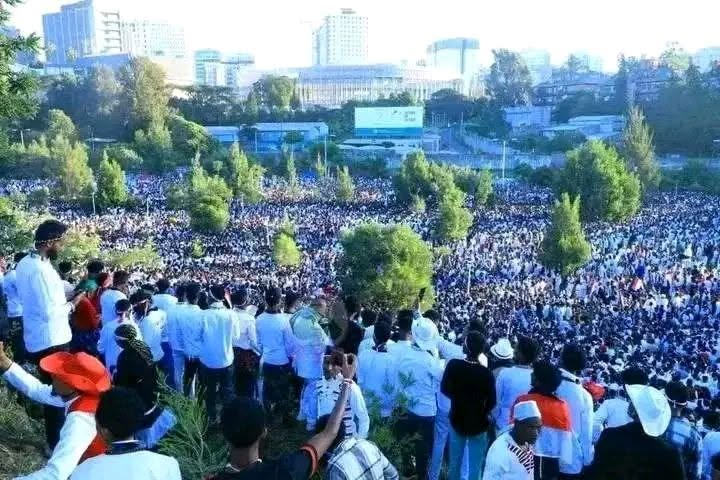
A Festival for All
Irreechaa is not only for the Oromo people. It is a celebration that welcomes all — a festival of peace, unity, and gratitude that transcends boundaries of ethnicity, religion, and geography. The Oromo people, found across the world, are known for celebrating Irreechaa together in a shared and unified manner, and they extend an open invitation to all who wish to join.
A Living Heritage
Irreechaa is more than a festival. It is a living heritage — a bridge between the past and the future, between the human and the divine, between the individual and the community. It is a day of thanksgiving, a day of prayer, and a day of joy.
As the green grass is dipped into the water and the songs rise to the heavens, the Oromo people affirm once again their faith in Waaqaa, their love for their culture, and their hope for the year to come.
Baga Irreechaa! Baga Birraa!
Source: Oromo Cultural Heritage
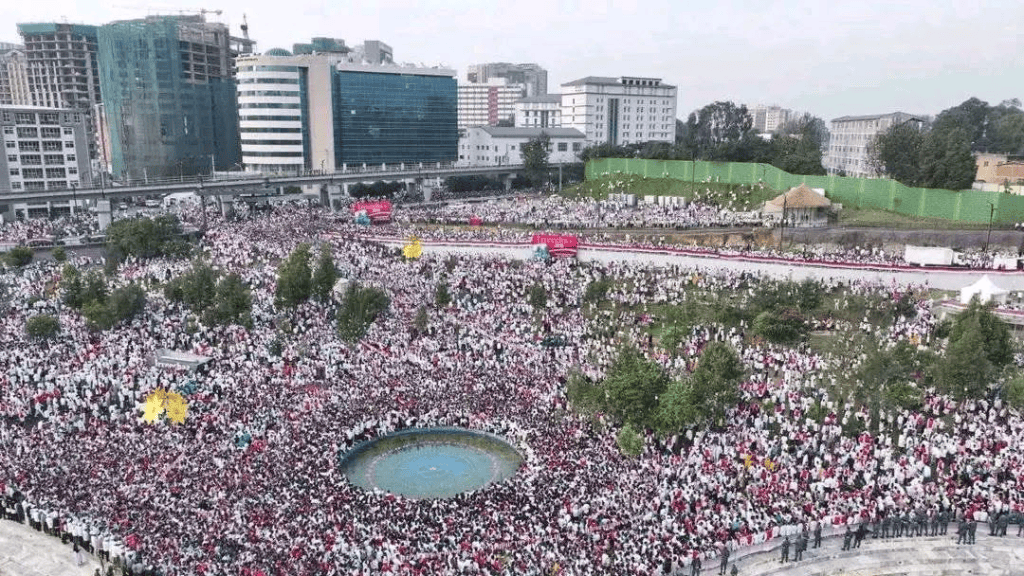
Gadaa: The Living System That Raises Generations Through Word and Deed
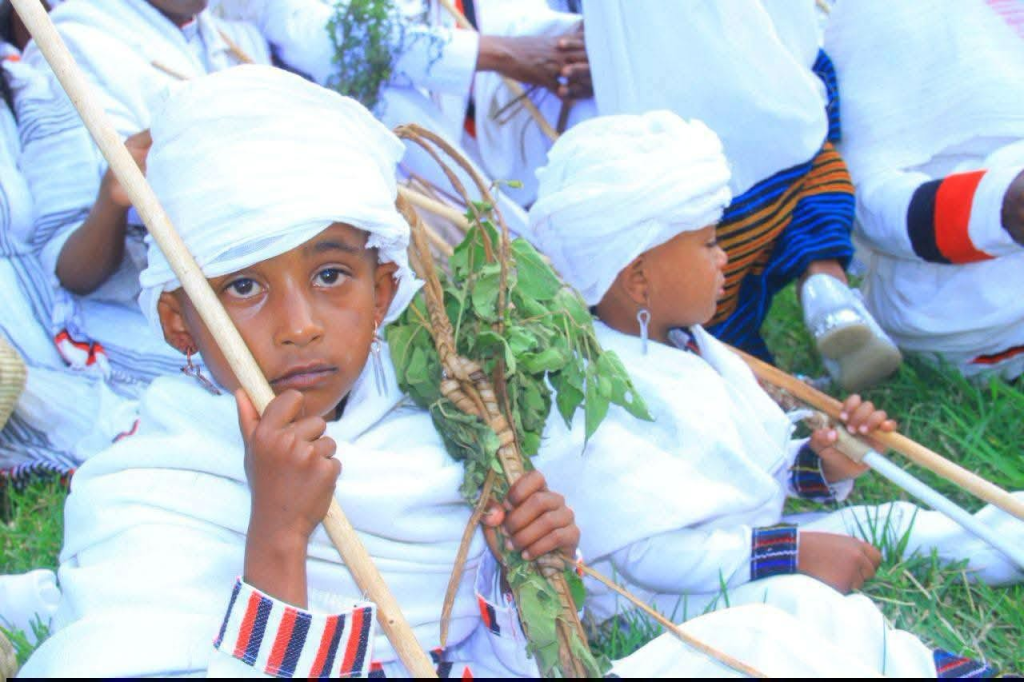
West Shawa, Oromia — In a world where ancient traditions often fade beneath the weight of modernity, the Gadaa system of the Oromo people stands as a testament to endurance, democracy, and cultural resilience. As the Oromo saying goes: “Gadaan sirna ittiin jechaa fi gochaan dhaloota guddisanii dha” — Gadaa is the system through which generations are raised by word and by deed. And today, that system has emerged from the threat of extinction and reached the present generation, unbroken and vibrant.
Sons of Liiban Maccaa Carry the Torch
The sons of Liiban Maccaa — Walisoo, Amayyaa, and Kuttaayee — are actively fulfilling their duties within Gadaa Birmajii, ensuring that the ancient Oromo Gadaa system is passed down from generation to generation, unbroken and undiminished. Their commitment is not merely ceremonial; it is a living covenant with their ancestors and their descendants.
These communities, located across Central Oromia, West Shawa, and Southwest Shawa, have preserved the Gadaa system without interruption. From father to son, from elder to youth, the sacred knowledge and responsibilities of Gadaa are transmitted with reverence and precision.
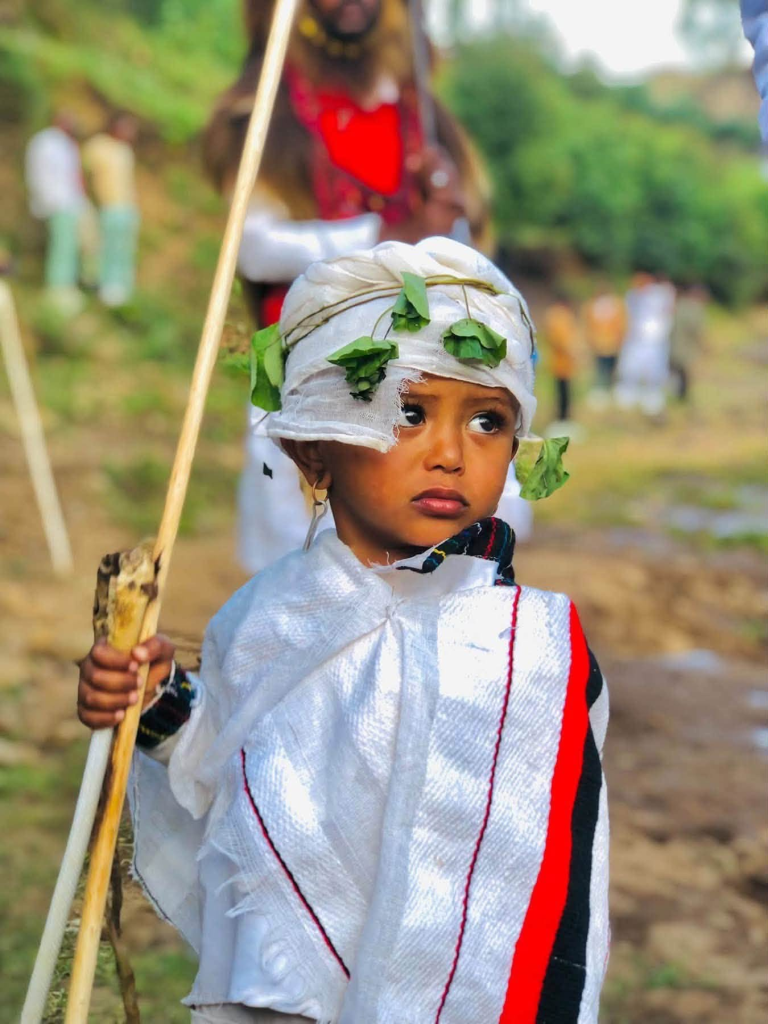
A Model of Democracy Without Conflict
“Gadaan Mallattoo Dimokiraasii Morkii tokko malee Aangoo Waliif dabarsanii kennanidha” — Gadaa is the symbol of democracy, a system in which power is transferred peacefully, without conflict or bloodshed.
This principle lies at the heart of the Gadaa system. Every eight years, leadership transitions from one Gadaa grade to the next — a process rooted in consensus, ritual, and mutual respect. There are no coups, no violence, no contested successions. There is only the orderly, sacred transfer of responsibility from one generation to the next.
It is a democratic tradition that predates many modern political systems, and it continues to function today, guided by the wisdom of elders and the participation of the community.
Preparation for the Transfer of Power
The Sirna Oofkaltii Tumaa Gadaa Birmajii is currently in full preparation across various locations in the West Shawa Zone. Over the coming eight years, those in the Birmajii grade will prepare to receive authority from the Gadaa Roobalee — the outgoing grade — and assume the responsibilities of leadership.
The purpose of this program is clear: “Kaayyoon Sirna Sagantaa Kanaas Gadaan Birmajii Gadaa Roobalee irraa Aangoo fudhachuun Waggoottan 8 itti Aanu Bulchuuf ofkaltii keessa darbaa jiraachuu ibsameera.” The Birmajii Gadaa is preparing to take power from the Roobalee Gadaa and to govern for the next eight years. This preparation is not merely administrative — it is spiritual, cultural, and communal.
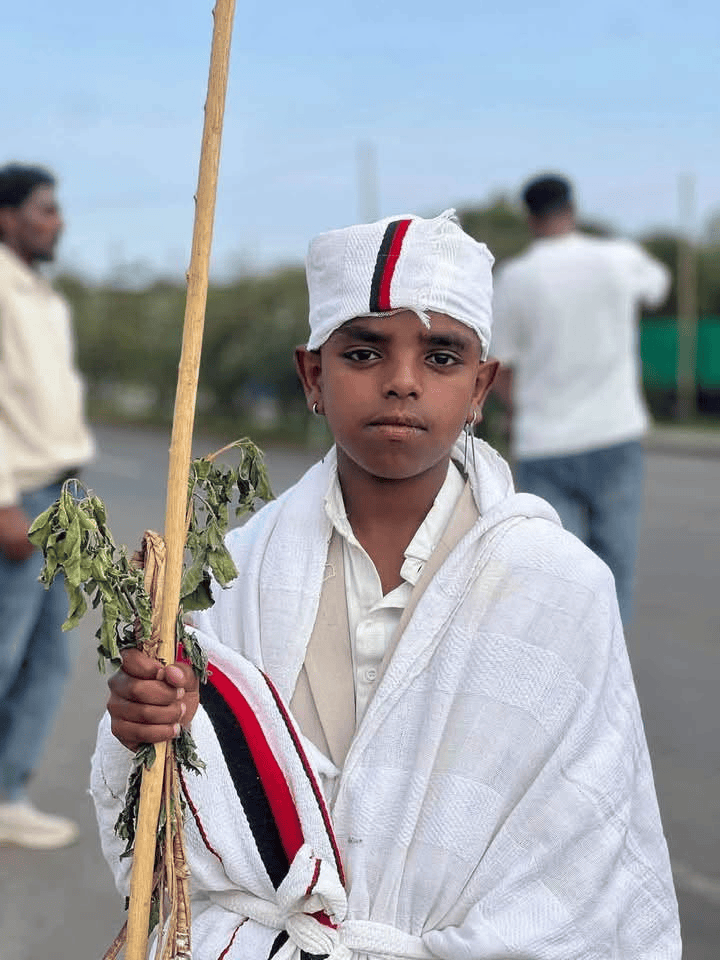
The Journey to the River
The process has now reached a significant milestone. “Imalli gara malkaa deemuun tumaa ittiin bulmaata waggoota 8 dhufanii adeemsifameera.” The delegation has journeyed to the river, where the laws and rituals that will govern the next eight years have been formally enacted.
The journey to the water — the malkaa — is rich with symbolism. Water represents purification, renewal, and the continuity of life. By enacting the laws at the river’s edge, the community affirms that the Gadaa system is rooted in nature itself, in the eternal rhythms of the earth and the heavens.
A Blessing of Abundance
The message concludes with a powerful blessing: “Gadaan Quufaa Gabbina Oofkalchi Waaq.” May Gadaa bring fullness, abundance, and prosperity. May Waaqa bless the work of those who uphold this sacred tradition.
It is a prayer not only for material prosperity but for spiritual completeness — for a community that is whole, united, and at peace with itself and its Creator.
A Heritage That Endures
The Gadaa system is more than a cultural relic. It is a living, breathing institution that continues to shape the lives of millions of Oromo people. It teaches democracy, accountability, environmental stewardship, and respect for elders. It binds generations together in a chain of duty and blessing.
The sons of Liiban Maccaa — Walisoo, Amayyaa, and Kuttaayee — are not merely preserving the past. They are building the future, one ritual at a time, one generation at a time.
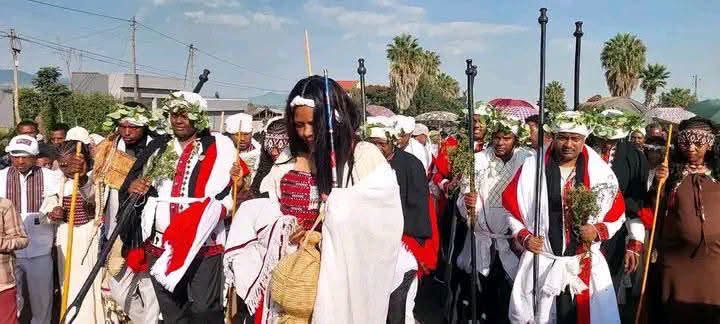
Baga oofkaltan!
Source: Community Report

Gadaa Elders Announce Dates for Irreechaa 2019: A Call for Unity, Gratitude, and Peace
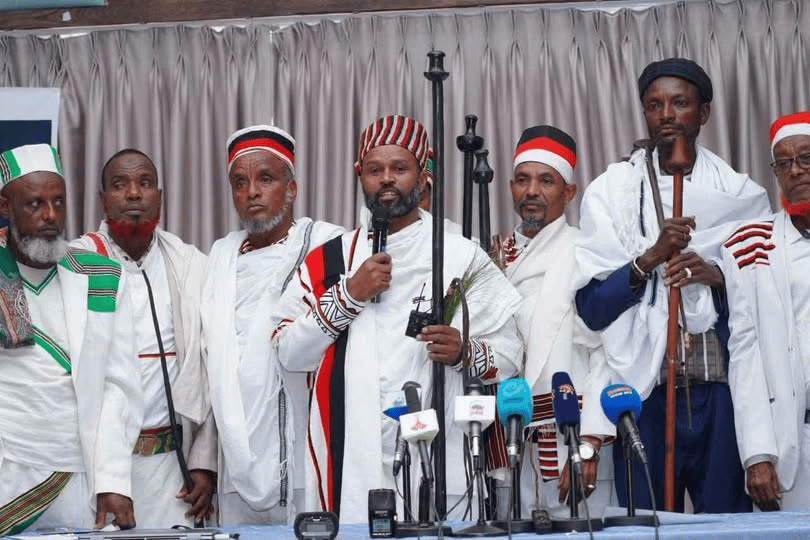
Finfinnee, Oromia — The Assembly of Gadaa Elders of Oromia has officially announced the dates for the celebration of Irreechaa, one of the most sacred and widely observed festivals of the Oromo people. In a statement released to the public, the elders confirmed that Irreechaa at Hora Finfinnee will be celebrated on September 23, while Irreechaa at Hora Harsadee will take place on September 24, 2019.
Irreechaa is a centuries-old thanksgiving festival celebrated at the banks of rivers and lakes, most notably at Hora Finfinnee (Lake Finfinnee) and Hora Harsadee (Lake Harsadee). It marks the end of the rainy season and the beginning of a new year in the Oromo calendar — a time of renewal, reflection, and communal gratitude to Waaqa (God) for blessings received.
A Festival of Thanksgiving and Hope
In their statement, the Gadaa elders emphasized the profound meaning of Irreechaa, describing it as a celebration of thanksgiving, hope, unity, love, reconciliation, and renewal. “Irreechaa is a festival of gratitude, hope, unity, love, reconciliation, and rebirth,” the elders declared. “Therefore, all Oromo people, as well as all nations, nationalities, and peoples of our country and the entire world, are invited to honor Irreechaa together with the Oromo people.”
The invitation extends beyond the Oromo nation itself, reflecting the festival’s universal message of peace and togetherness. Irreechaa has long served as a gathering point for people of all backgrounds — a day when differences are set aside and communities join hands in celebration and prayer.
A Call to Preserve Tradition
The elders also stressed the importance of observing Irreechaa according to its longstanding customs, traditions, and sacred norms (safuu). “Irreechaa at Hora Finfinnee and Hora Harsadee will be celebrated on September 23 and 24, 2019, respectively,” the statement read. “Like other Irreechaa celebrations, it will be observed in accordance with the culture, tradition, and sacred order of Irreechaa.”
The Gadaa system, a traditional democratic governance structure of the Oromo people recognized by UNESCO as intangible cultural heritage, plays a central role in organizing and preserving the festival’s rituals. The elders’ announcement underscores their continued role as custodians of Oromo culture and tradition.
A Warm Invitation to All
In closing, the Assembly of Gadaa Elders extended a heartfelt invitation to all Oromo people to welcome visitors with the warmth and hospitality for which the Oromo are known. “Therefore, we call upon all Oromo people to receive every guest who comes to them with the culture, tradition, and hospitality of our people,” the elders urged.
The message is clear: Irreechaa is not merely a festival — it is a living expression of Oromo identity, faith, and community. As the dates approach, anticipation is building across Oromia and beyond, with preparations underway at Hora Finfinnee and Hora Harsadee.
For the Oromo people, Irreechaa 2019 promises to be a time of collective renewal — a moment to give thanks, seek reconciliation, and reaffirm the bonds that unite them as one people.
Source: Assembly of Gadaa Elders of Oromia

Sons of Liiban Maccaa Carry the Gadaa Birmajii Torch: A Legacy Passed from Generation to Generation
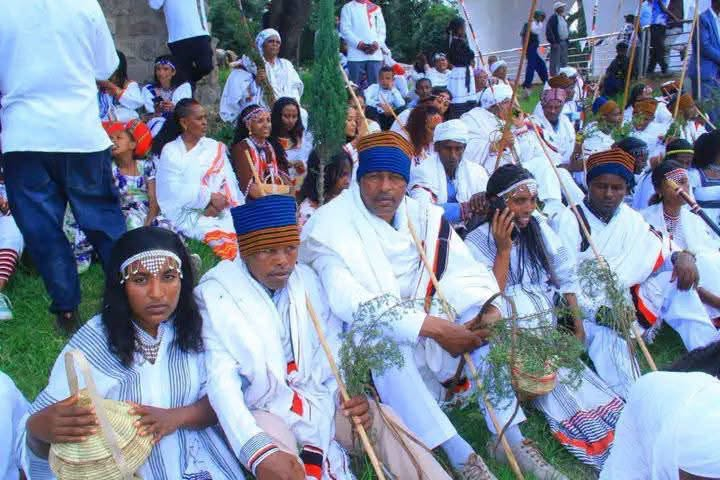
Central Oromia— In the heartlands of Central Oromia, across the highlands of West Shawa and Southwest Shawa, a sacred flame continues to burn. The sons of Liiban Maccaa — Walisoo, Amayyaa and Kuttaayee — are actively fulfilling their duties within Gadaa Birmajii, ensuring that the ancient Oromo Gadaa system is passed down from generation to generation, unbroken and undiminished.
A System That Never Sleeps
The Gadaa system, recognized by UNESCO as an Intangible Cultural Heritage of Humanity, is the traditional democratic, social, and spiritual governance structure of the Oromo people. It organizes society into age sets and generational grades, each with distinct roles, responsibilities, and rights. Among these, the Birmajii grade represents a critical stage — a time when young men prepare for leadership, defend their community, and uphold the sacred norms of Oromo life.
What sets the sons of Liiban Maccaa apart is their unwavering dedication. In Central Oromia, West Shawa, and Southwest Shawa, these communities have preserved the Gadaa system without interruption, carrying it forward across generations with reverence and pride.
The Seven Who Hold the Jila
Among the three sons of Liiban, it is the seven from the Horii lineage of Kuttaayee who hold the Jila Gadaa — the sacred leadership and ritual responsibility of the grade. Their duty is profound and their journey demanding.
The Gadaa group of Roobalee sets out to receive Baallii (Alangee) — the symbolic transfer of power and responsibility that marks the transition into Birmajii. This transfer is not merely ceremonial; it is a covenant. It binds the incoming generation to the duties of leadership, protection, and service to the community.
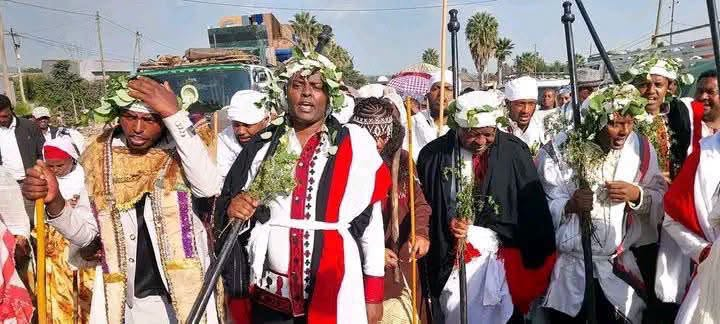
Rain, Blessing, and Endurance
In the Oromo worldview, rain is a sign of blessing — a gift from Waaqa (God) that nourishes the land and its people. Yet even when the rains come, the Roobalee do not rest. They sing in the rain, and they do not allow the abundance of milk and prosperity to distract them from their sacred mission.
“The Roobalee sing along with the rain, and the abundance of milk and success has not made us forget our duty,” the report recounts. “Whether in good times or hard times, they have seen it through.”
The message is clear: Birmajii is not a fair-weather calling. It demands endurance, sacrifice, and faithfulness — in seasons of plenty and in seasons of want.
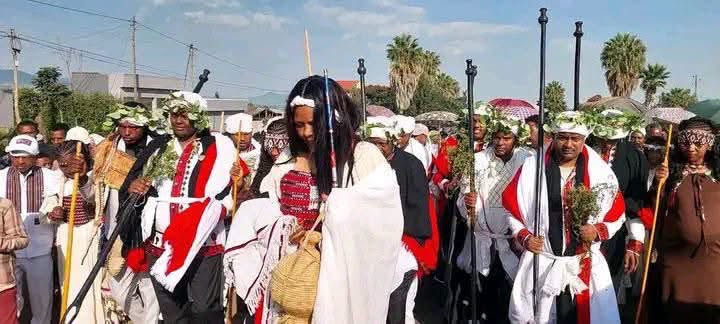
A Call of Honor and Blessing
The words of the community ring with pride and blessing:
“The Birmajii have taken the Alangee and are preparing to complete their covenant — today they have cut the buttaa. May the news of your deeds reach the ears of those who need to hear it. Congratulations on reaching the fourfold blessing of your fathers and the eightfold blessing of your grandfathers. You have accomplished what was asked of you — and you make us proud.”
The “fourfold blessing of the fathers” and the “eightfold blessing of the grandfathers” speak to the deep ancestral roots of the Gadaa system — a chain of blessing and responsibility that stretches back through time, linking each generation to those who came before.
The closing blessing, “Ginna milkii ciisaa” — a wish for peace, prosperity, and rest — crowns the message with the hope that the labor of the Birmajii will bring abundance and tranquility to the community.
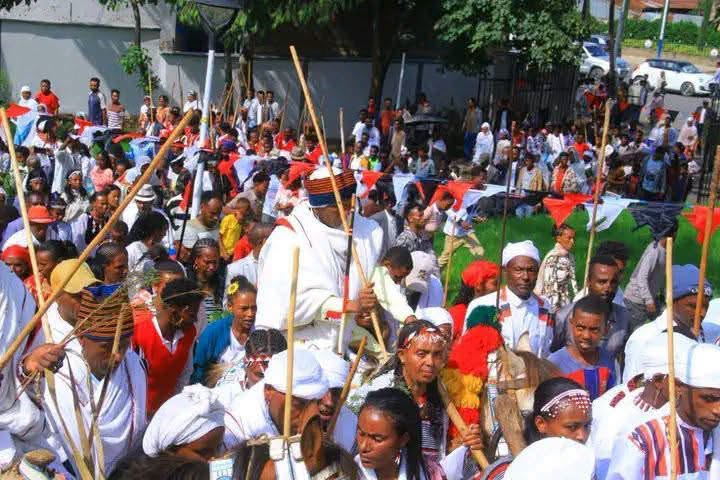
A Living Heritage
The sons of Liiban Maccaa are not merely preserving a tradition — they are living it. Every ritual, every journey, every song in the rain is an act of cultural survival and spiritual renewal. In a world that often pressures communities to abandon their heritage, these young men stand firm, proving that the Gadaa system remains a vibrant and vital force.
Their story is a reminder that culture is not a museum piece. It is alive — carried in the feet that walk to receive the Alangee, in the voices that sing with the rain, and in the hearts of a generation determined to honor its ancestors.
Baga oofkaltan!
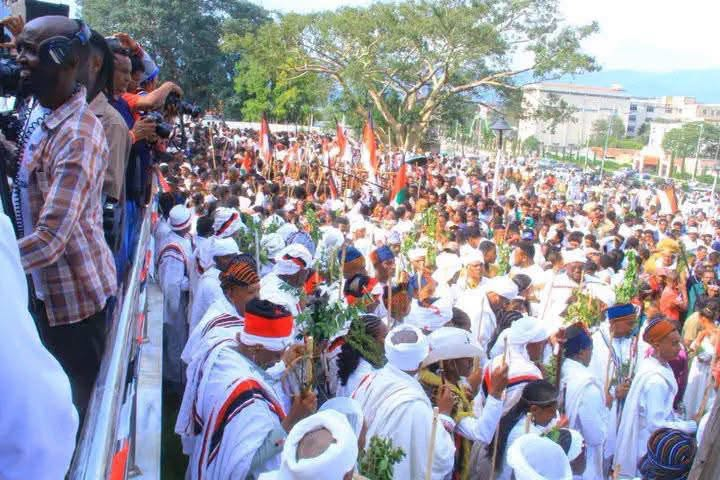
Oromo Advocacy Group Rejects Pan-Ethiopian Alliance, Citing Historical Erasure and Political Opportunism
By Staff Reporter
A prominent Oromo advocacy organization has formally rejected the newly formed “Ethiopian Peoples’ Forces Alliance for Survival,” accusing the coalition of failing to acknowledge the historical suffering of the Oromo people and of engaging in political opportunism rather than genuine problem-solving.
In a detailed statement released on 21 September 2026, Advocacy for Oromia outlined its objections to the alliance, which was established on 10/2019 E.C. (Ethiopian Calendar) and claims to represent a broad coalition of Ethiopian peoples against the current government.
The Alliance’s Platform
The Ethiopian Peoples’ Forces Alliance for Survival presents itself as a unified front against what it describes as a regime that has institutionalized national and religious divisions. Its stated objectives include removing the current government through “any means necessary,” establishing a transitional government, ensuring security for all citizens, and rebuilding the economy. The alliance explicitly calls for the right to self-determination for seven major national groups: Oromo, Amhara, Tigray, Afar, Somali, Benishangul-Gumuz, and Gambella.
The alliance’s rhetoric is sweeping: “We have reached a point where we must unite to save ourselves and our country,” reads its preamble, which accuses the current regime of fueling conflicts, engaging in widespread human rights violations, and pushing the country to the brink of disaster.
The Oromo Rejection
Advocacy for Oromia, however, sees the alliance as fundamentally flawed. In its statement, the organization argues that the coalition’s generic language about “immense suffering” and “widespread displacement” deliberately avoids naming the Oromo people as specific victims of systemic oppression.
“The harm includes, but is not limited to, land dispossession, political marginalization, cultural suppression, and economic exploitation under successive Ethiopian regimes—the imperial era, the Derg regime, the EPRDF administration, and continuing under the current government,” the statement reads. “This omission is not accidental; it reflects a deliberate refusal to centre Oromo historical trauma within the alliance’s political framework.”
The advocacy group further accuses the alliance of refusing to accept the reality of systemic oppression inflicted upon the Oromo people by past regimes. Rather than demanding accountability for historical wrongs, the alliance frames the current crisis as a departure from an otherwise acceptable trajectory—a framing that Advocacy for Oromia rejects outright.
A Question of Strategy
At the heart of the dispute lies a fundamental strategic disagreement within Ethiopian opposition politics: whether to prioritize unity against a common enemy or to insist upon historical justice as a precondition for any alliance.
The alliance positions itself as a broad-based coalition, calling for unity among Ethiopia’s diverse national groups to confront a shared adversary. Its document lists self-determination for multiple peoples and declares that “the unity of the Ethiopian peoples is paramount.”
Advocacy for Oromia, however, argues that without acknowledging past wrongs, any coalition risks reproducing the same structural injustices that have historically subjugated the Oromo people. “Formal recognition of Oromo rights within a reformed Ethiopian state is insufficient,” the statement asserts. “What is required is transformative justice that addresses the structural legacy of Oromo dispossession and abuses.”
The “Survival” Critique
The advocacy group also takes issue with the alliance’s very name. In the original Oromo statement, Advocacy for Oromia notes that the alliance is called “Survival”—a designation the group argues reveals its limited and inadequate scope.
“The alliance is named ‘Survival,’ which reveals its limited and inadequate scope,” the statement reads. “It is not founded to genuinely resolve the country’s problems, but rather to engage in political maneuvering and gamesmanship.”
This critique suggests that the alliance’s focus on mere survival—bare existence—falls far short of the Oromo struggle for liberation, justice, and systemic transformation.
Political Opportunism Alleged
The most serious charge leveled by Advocacy for Oromia is that the alliance is a vehicle for political opportunism. The group points to the alliance’s inclusion of multiple ethnic groups and its call for armed struggle as evidence of a framework that “superficially accommodates Oromo demands while failing to address the fundamental historical injustice against the Oromo people.”
“This framework offers only formal recognition, not substantive transformation,” the statement argues.
Advocacy for Oromia explicitly rejects any pan-Ethiopian initiative that does not subordinate itself to Oromo nationalist priorities, describing the alliance’s refusal to do so as exposing it “as a vehicle for political opportunism rather than a genuine instrument for liberating the Oromo people.”
An Unresolved Contradiction
The advocacy group also highlights what it sees as a contradiction within the alliance’s logic. The alliance’s stated objective is to remove the current regime—which Advocacy for Oromia notes is itself a product of past systems of Oromo oppression.
“If the alliance succeeds in dismantling the current order, does that not constitute a form of accountability?” the statement asks rhetorically. “Removal without acknowledgment and redress is insufficient. True liberation requires not merely a change of personnel but a reckoning with the structural foundations of Oromo subjugation.”
The Broader Context
The rejection of the alliance reflects long-standing tensions within Ethiopian opposition politics. The Oromo people, Ethiopia’s largest national group, have historically experienced marginalization and dispossession under successive regimes. The emergence of Oromo nationalist movements—both peaceful and armed—has challenged the centralized Ethiopian state, demanding greater autonomy, self-determination, and historical justice.
The Ethiopian Peoples’ Forces Alliance for Survival appears to be an attempt to bridge these divides, bringing together diverse national groups under a common banner. But Advocacy for Oromia’s rejection suggests that such efforts will face significant obstacles, particularly when they require subordinating specific historical grievances to a broader, more generic narrative of national suffering.
The Unanswered Question
The statement from Advocacy for Oromia leaves an important question unresolved: can Oromo liberation be achieved through alliance with other Ethiopian peoples, or does it require a separate, Oromo-centred path?
The group clearly leans toward the latter, but does not fully grapple with the strategic costs of that position—including potential isolation, the difficulty of achieving liberation without allies, and the risk of perpetuating the very divisions that have historically weakened Ethiopian opposition movements.
For now, Advocacy for Oromia’s rejection of the alliance stands as a clear statement of its position: any coalition that does not explicitly centre Oromo historical suffering and commit to its redress cannot be trusted.
Advocacy for Oromia formally rejects the “Ethiopian Peoples’ Forces Alliance for Survival” as an unsuitable vehicle for the liberation and advancement of the Oromo people.
Rejection of the “Ethiopian Peoples’ Forces Alliance for Survival” from an Oromo Nationalist View
Advocacy for Oromia hereby issues this formal statement to articulate its categorical rejection of the so-called “Ethiopian Peoples’ Forces Alliance for Survival.” This rejection is grounded in a thorough analysis of the alliance’s foundational assumptions, its treatment of Oromo historical grievances, and its strategic objectives. Advocacy for Oromia concludes that the aforementioned alliance is not beneficial for the Oromo people, and this statement sets forth the reasons for that conclusion.
I. Failure to Acknowledge the Historical Suffering of the Oromo People
The alliance does not genuinely believe in or acknowledge the harm that has persisted for years against the Oromo people. This harm includes, but is not limited to, land dispossession, political marginalization, cultural suppression, and economic exploitation under successive Ethiopian regimes—the imperial era, the Derg regime, the EPRDF administration, and continuing under the current government.
While the alliance document employs generic language regarding “immense suffering,” “widespread displacement,” and “destruction and death,” it conspicuously avoids naming the Oromo people as a specific victim of systemic oppression. This omission is not accidental; it reflects a deliberate refusal to centre Oromo historical trauma within the alliance’s political framework.
Advocacy for Oromia maintains that any political coalition that does not explicitly acknowledge and centre the specific historical grievances of the Oromo people is inherently suspect and cannot be trusted to advance Oromo national interests.
II. Refusal to Accept the Wounds of Past Systems of Oppression
The alliance refuses to accept the reality of systemic oppression inflicted upon the Oromo people by and current regimes. This refusal manifests in the alliance’s framing of the current crisis as a departure from an otherwise acceptable historical trajectory, rather than as the culmination of centuries of Oromo subjugation.
The alliance positions itself as a broad-based coalition against the current regime, while declining to demand accountability for past systems. This approach reflects a fundamental strategic disagreement within Ethiopian opposition politics: whether to prioritize unity against a common enemy or to insist upon historical justice as a precondition for any alliance.
Advocacy for Oromia unequivocally adopts the latter position. Without acknowledging past wrongs, any coalition risks reproducing the same structural injustices that have historically subjugated the Oromo people. Formal recognition of Oromo rights within a reformed Ethiopian state is insufficient; what is required is transformative justice that addresses the structural legacy of Oromo dispossession and abuses.
III. Political Opportunism Rather Than Genuine Problem-Solving
The alliance is not founded to solve the empire’s problems but rather to play political games. This is the most serious charge against the alliance, and Advocacy for Oromia asserts it without equivocation.
The alliance’s inclusion of multiple national groups, its call for armed struggle, and its specific demands for self-determination for various peoples—Amhara, Oromo, Tigray, Afar, Somali, Benishangul-Gumuz, and Gambella—collectively constitute an ethnic-federal framework that superficially accommodates Oromo demands while failing to address the fundamental historical injustice against the Oromo people. This framework offers only formal recognition, not substantive transformation.
Advocacy for Oromia rejects any pan-Ethiopian initiative that does not recognize Oromo nationalist priorities. The alliance’s refusal to do so exposes it as a vehicle for political opportunism rather than a genuine instrument for liberating the Oromo people.
IV. The Contradiction Within the Alliance’s Logic
The alliance’s stated objective is to remove the current regime—which is itself a product of past systems of Oromo oppression. If the alliance succeeds in dismantling the current order, does that not constitute a form of accountability?
Advocacy for Oromia answers unequivocally: removal without acknowledgment and redress is insufficient. True liberation requires not merely a change of personnel but a reckoning with the structural foundations of Oromo subjugation. The alliance’s failure to commit to such a reckoning renders its objectives inadequate for the Oromo struggle.
V. Conclusion
Advocacy for Oromia articulates a coherent Oromo nationalist position: any political alliance that does not explicitly centre Oromo historical suffering and commit to its redress cannot be trusted.
The critique is strongest in its insistence on historical specificity—generic calls for “survival” and “democracy” can obscure rather than address ethnic-specific oppression. However, the statement is weakest in its lack of concrete evidence for the “political games” charge and in its implicit rejection of broad-based coalition politics.
The underlying question remains unresolved: can Oromo liberation be achieved through alliance with other Ethiopian peoples, or does it require a separate, Oromo-cantered path? Advocacy for Oromia clearly leans toward the latter, but does not fully grapple with the strategic costs of that position.
Therefore, Advocacy for Oromia formally rejects the “Ethiopian Peoples’ Forces Alliance for Survival” as an unsuitable vehicle for the liberation and advancement of the Oromo people.
Advocacy for Oromia
21 September: 2026

Victoria’s Superpower? Diversity!
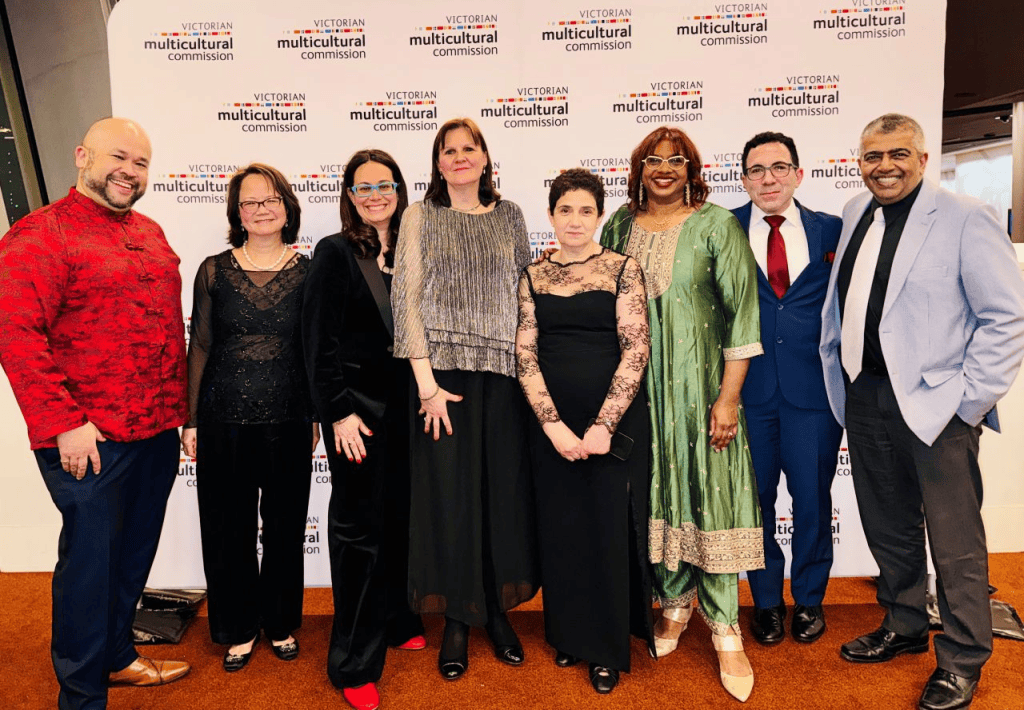
AMES Australia staff and board members joined hundreds of community leaders, advocates, changemakers and government representatives at the Premier’s Multicultural Gala Dinner over the weekend, coming together to celebrate this year’s theme: Stories of Us.
The theme honours the unique journeys, ancestry and migration stories that shape Victoria’s vibrant multicultural community — the threads of lived experience that weave together to form the fabric of one of the world’s most diverse societies.
Beyond the Glitter
Beyond the suits, saris, speeches and selfies, the night was really about one thing: the people helping make Victoria one of the most multicultural and connected places in the world.
It was a celebration not of ceremony, but of contribution — of the countless individuals and communities whose stories, struggles and successes have built the Victoria of today.
The Power of the Shared Table
For AMES Australia, the evening carried a deeper message about how a truly multicultural society thrives.
“The best ideas don’t happen in isolation,” the organisation reflected. “They happen when different cultures, experiences and perspectives come together around the same table.”
That spirit of connection — of diverse voices sharing space, stories and vision — was at the heart of the night’s proceedings, a living demonstration of what social cohesion looks like in practice.
“That’s the kind of future we’re here for,” AMES Australia said.
A Conversation Brought to Life
The organisation extended its gratitude to the Victorian Multicultural Commission for bringing the conversation to life, praising the Commission’s achievements and expressing optimism for what lies ahead.
“We cherish what you have achieved and look forward to what Multicultural Victoria will bring,” AMES Australia said.
A Continuing Story
The Premier’s Multicultural Gala Dinner is more than an annual event — it is a recognition that Victoria’s greatest strength lies in its diversity, and that the stories of its people, in all their richness and variety, are the stories that will carry the state forward.
As the evening’s theme reminded all who gathered: these are Stories of Us — shared, celebrated, and still being written.
#AMES #AMESAustralia #VMC #Premier #GalaDinner #Victoria #Diversity #SocialCohesion

Oromo Youth and Elders Rally in The Hague, Protest Killings and Rights Abuses in Ethiopia
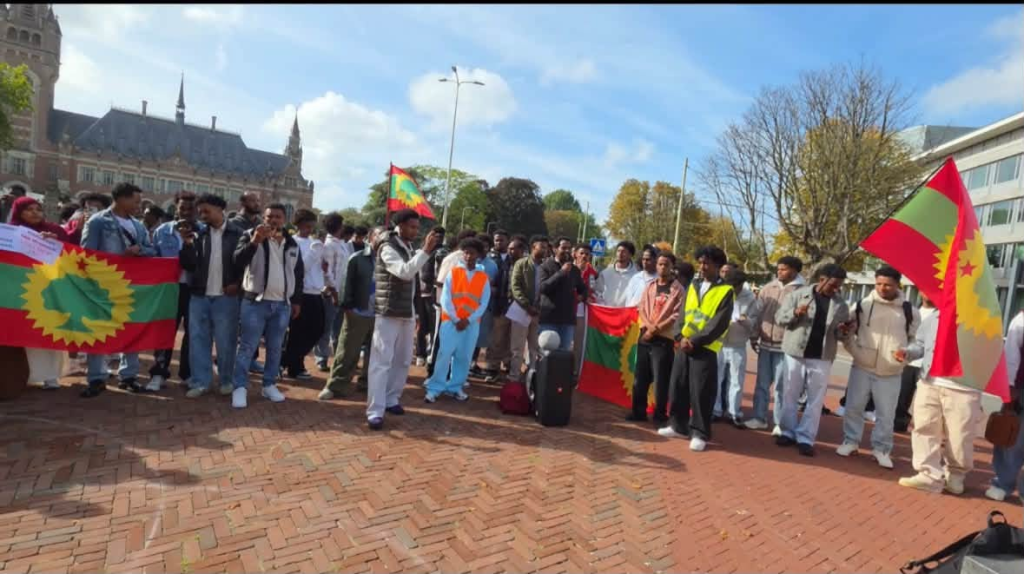
The Hague, Netherlands — Oromo youth and many members of the older generation living in the Netherlands took to the streets yesterday in a powerful demonstration, raising their voices in support of the Oromo people in Ethiopia and protesting against the killings and human rights violations being committed against innocent civilians.
The demonstration, held on 18 September 2026 in The Hague (Den Haag), brought together generations of the Oromo diaspora — young activists standing shoulder to shoulder with elders — united in their demand for justice and an end to the suffering of their people.
A Government Accused
Protesters directed sharp criticism at the government of Prime Minister Abiy Ahmed, accusing it of using the name of the Oromo people while Oromos are being killed and left to suffer. The demonstrators voiced their rejection of what they described as a government that claims to represent the Oromo while failing to protect them.
Among the slogans and demands raised during the demonstration were urgent calls for the government to stop forcing young people into military service and to halt the killing of innocent civilians.
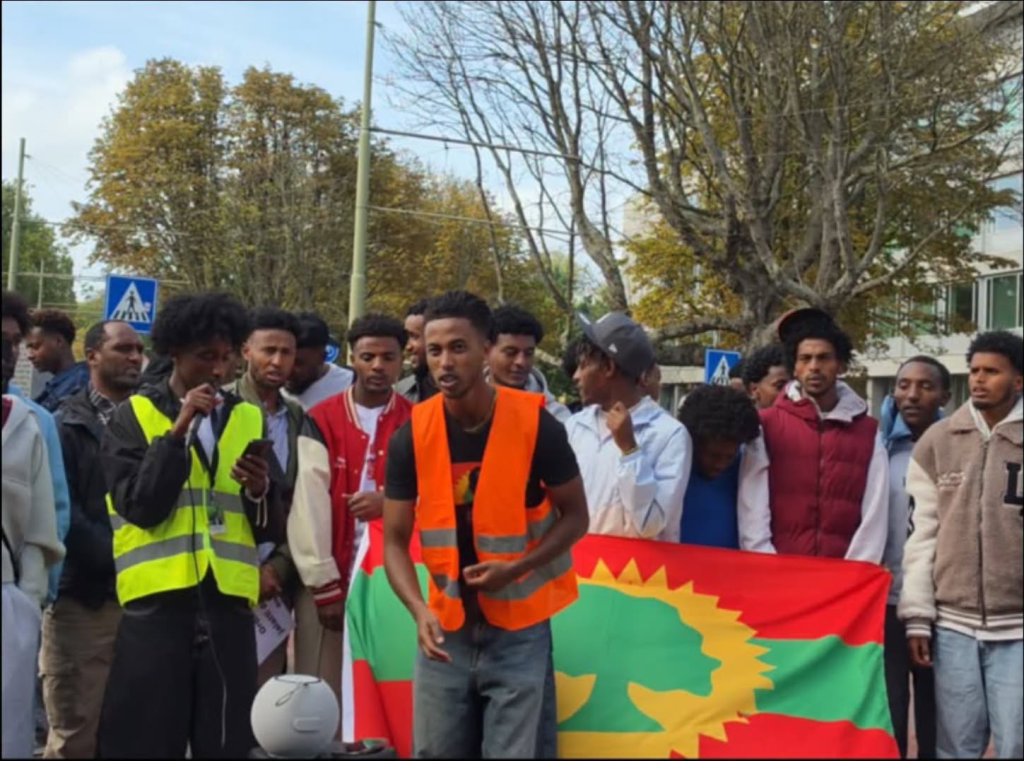
Targeted for Politics
The demonstrators also protested against what they described as the targeting and killing of people for political reasons — a practice they say has claimed the lives of countless innocent Oromos.
The rally was marked by the presence of both the youth and the older generation, a visible sign of the unity and shared commitment of the Oromo diaspora across generations. Their message was clear: the killings must stop, human rights must be respected, and the voices of the Oromo people must be heard.
A Diaspora’s Voice
The Hague demonstration is the latest in a series of protests by the Oromo diaspora across Europe and beyond, as communities abroad continue to speak out against the violence and repression they say their people face at home.
For those who gathered in The Hague, the protest was more than a political statement — it was an act of solidarity with families and communities in Ethiopia, and a declaration that the Oromo people’s struggle for justice, dignity, and freedom will not be silenced.

Addis Ababa University Mechanical Engineering Class of 1978 Celebrates 40th Graduation Anniversary
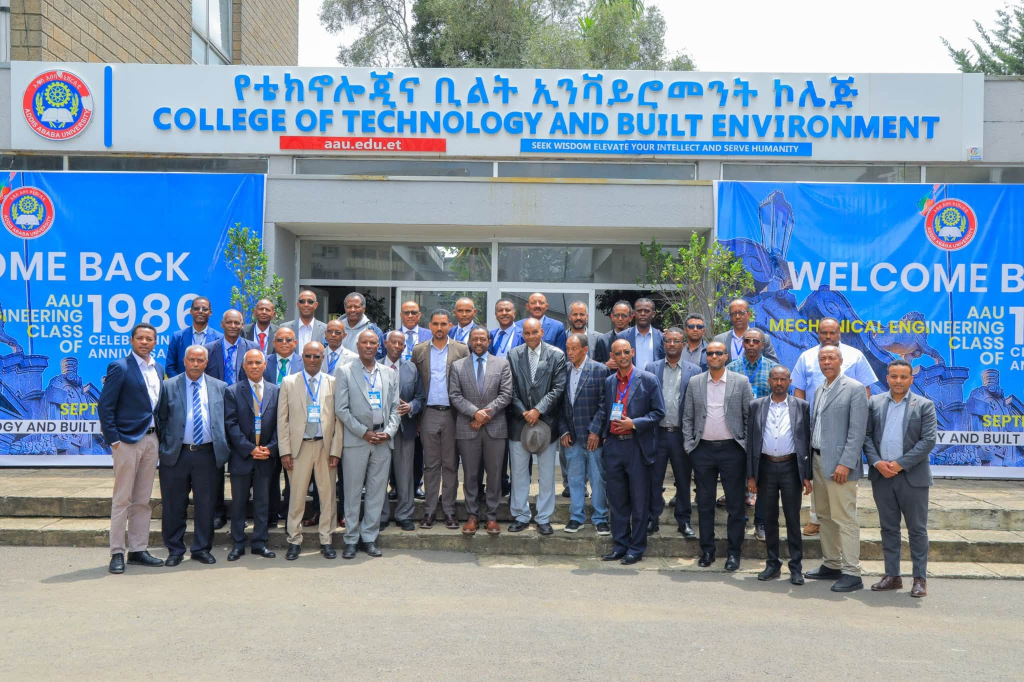
Addis Ababa, Ethiopia — Graduates of the 1978 Ethiopian calendar Mechanical Engineering class from Addis Ababa University’s College of Technology reunited after four decades to celebrate their 40th graduation anniversary in a special programme filled with reflection, nostalgia, and renewed commitment to collaboration.
The event brought together alumni who had not seen one another in forty years, offering a unique opportunity to relive memories, renew friendships, and discuss ways to contribute to their alma mater and the next generation of engineers.
A Warm Welcome from the University
Addressing the gathering, Dr. Samuel Kifle, President of Addis Ababa University, extended a heartfelt welcome to the returning graduates.
He called upon the alumni to share the professional and life experiences they have accumulated over the past four decades with current students, and to support the university’s ongoing development efforts.
The President’s message underscored the invaluable role that seasoned graduates play in bridging the gap between academic learning and real-world practice.
Strengthening Ties Between Alumni and University
During the discussion, key themes emerged around deepening the connection between alumni and the university’s transformation process. Participants explored ways to strengthen collaboration in:
- Research and innovation — leveraging alumni expertise to advance cutting-edge projects
- University-industry linkages — building bridges between academia and the professional world
- Student career development — mentoring and guiding the next generation of engineers
- Institutional development — supporting the university’s growth and modernisation efforts
The conversation reflected a shared desire among the graduates to give back to the institution that shaped their careers and to ensure that future generations benefit from their collective wisdom.
A Nostalgic Return to Campus
The programme concluded with the alumni touring new facilities and developments at the university, as well as visiting the main campus — a poignant return to the grounds where their professional journeys began four decades ago.
For many, walking through the halls and seeing the changes that have taken place since their graduation was an emotional experience, evoking memories of their student days and the bonds they formed.
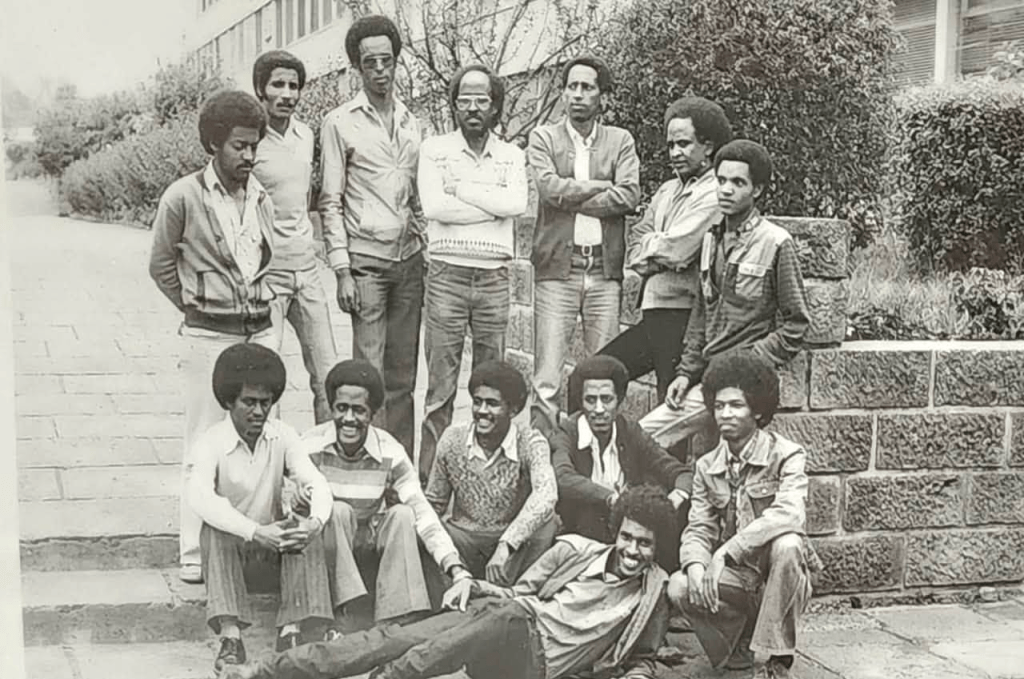
The Enduring Value of Alumni Networks
The 40th anniversary celebration highlights the enduring strength of alumni networks and their potential to contribute meaningfully to higher education. As Addis Ababa University continues its transformation journey, the engagement of its graduates — particularly those with decades of experience in industry and public life — will remain a vital asset.
The reunion served as a powerful reminder that the connection between a university and its graduates does not end at commencement. Rather, it evolves into a lifelong partnership built on shared history, mutual respect, and a common commitment to excellence.
Looking Ahead
As the Class of 1978 Mechanical Engineering graduates return to their respective roles, they carry with them renewed connections and a strengthened sense of purpose. Their willingness to engage with their alma mater signals a promising future for collaboration between Addis Ababa University and its alumni community.
For the university, the event was more than a celebration of the past — it was an investment in the future, one built on the experience, wisdom, and generosity of those who once walked its halls as students and now return as esteemed graduates.
The 40th anniversary celebration stands as a testament to the lasting bonds formed at Addis Ababa University and the enduring spirit of its alumni community.

Gifata Festival Celebrated in Wolaita Sodo with Color, Unity, and Cultural Pride
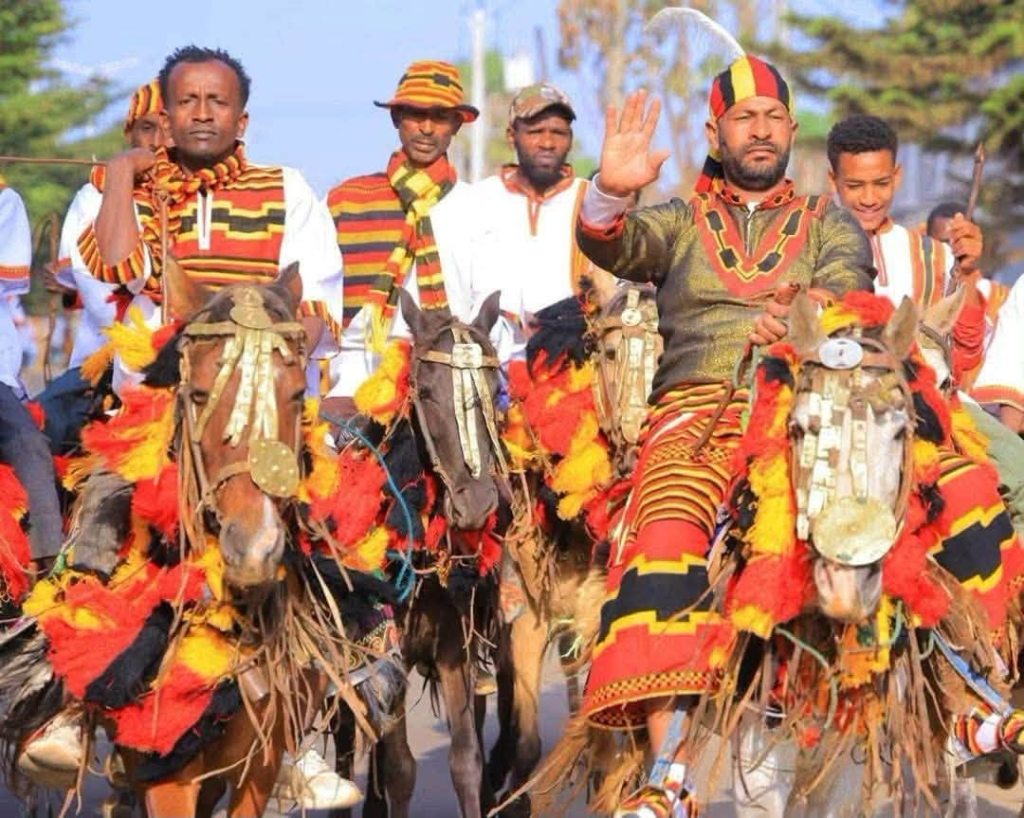
(ENA, Wolaita Sodo, Ethiopia) — The 2019 Ethiopian calendar Gifata festival, marking the Wolaita New Year, is being celebrated in grand style at the Wolaita Sodo Multipurpose Stadium with a series of vibrant events and cultural performances.
The 2026 celebration is being held under the theme: “Let us protect our ancestral heritage; let us continue the legacy of Gifata.”
A Festival of Reconciliation and Unity
Gifata is far more than a New Year celebration. It is a deeply meaningful cultural festival that reflects Ethiopian unity and solidarity — a time when relatives and friends who have been apart come together, when the scattered reunite, and when those who have fallen out reconcile.
It is described as a celebration of peace, love, unity, and joy — a powerful expression of the values that bind communities together across generations.
The festival holds a special place in the hearts of the Wolaita people and serves as a symbol of shared identity, mutual respect, and collective hope for the year ahead.
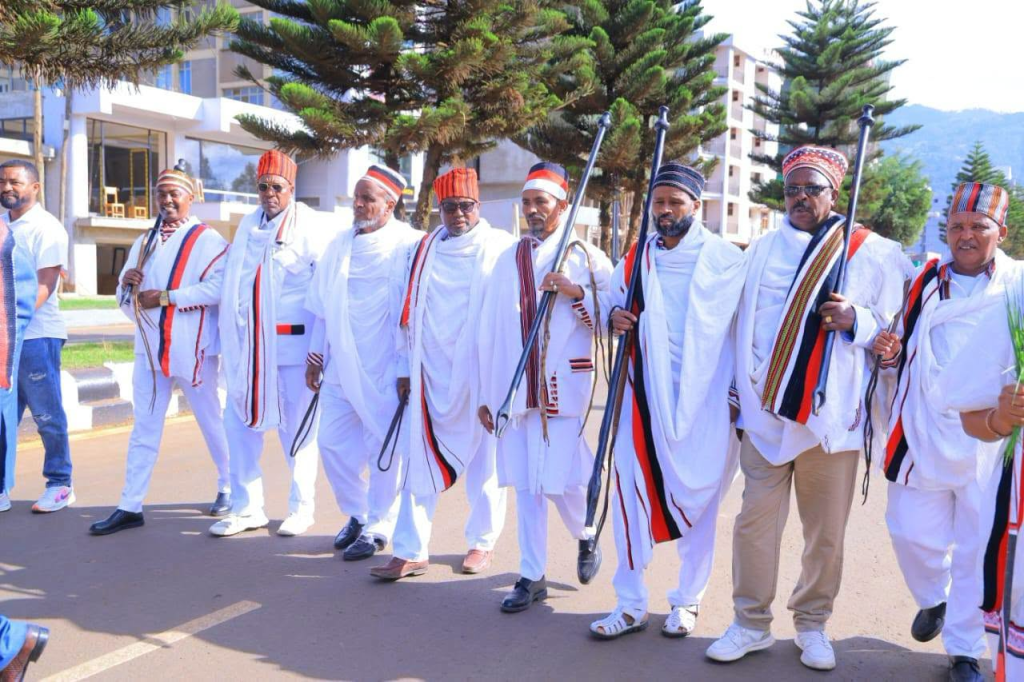
A UNESCO-Recognised Heritage
In December 2018, Gifata was inscribed by UNESCO as an Intangible Cultural Heritage of Humanity. This year’s celebration marks the first time the festival has been held on such a grand scale since receiving that prestigious recognition.
The UNESCO listing affirmed Gifata’s significance not only to Ethiopia but to the world — recognising it as a living tradition that embodies cultural diversity, community resilience, and the universal human desire for connection and renewal.
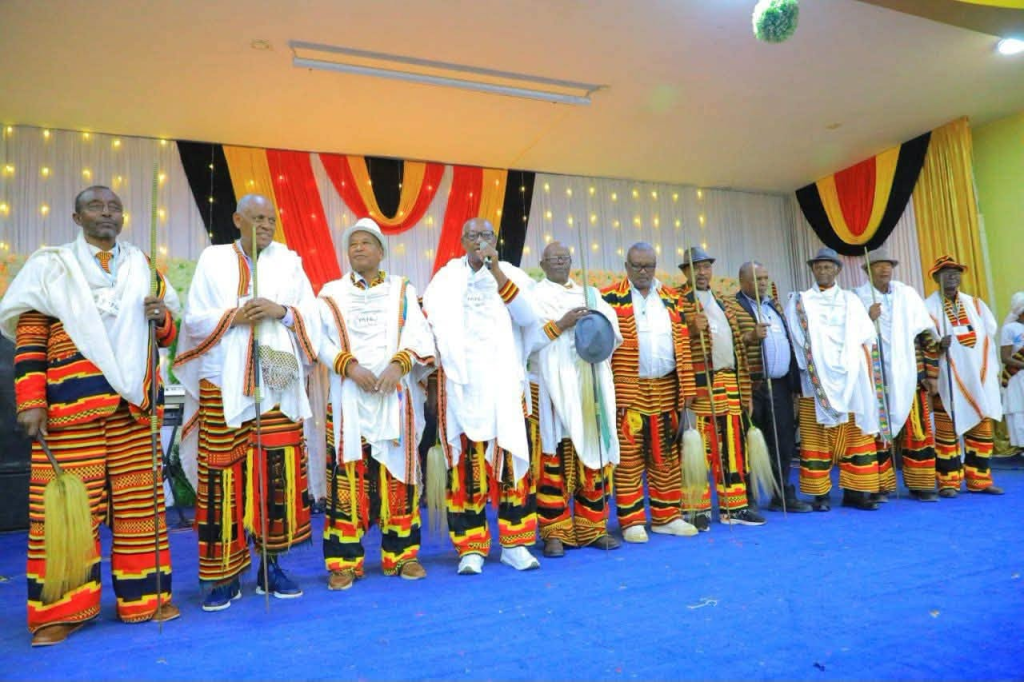
A Gathering of Dignitaries and Communities
The celebration has drawn a wide cross-section of participants, including:
- Tilahun Kebede, Chief Administrator of the South Ethiopia Regional State
- Federal, regional, zonal, city administration, and district government officials
- Elders and community leaders
- Religious fathers
- Invited delegates from all Ethiopian regions
- Local residents from across the area
Their presence underscores the festival’s role as a unifying force that transcends regional and ethnic boundaries, bringing together people from all walks of life in a shared celebration of culture and heritage.
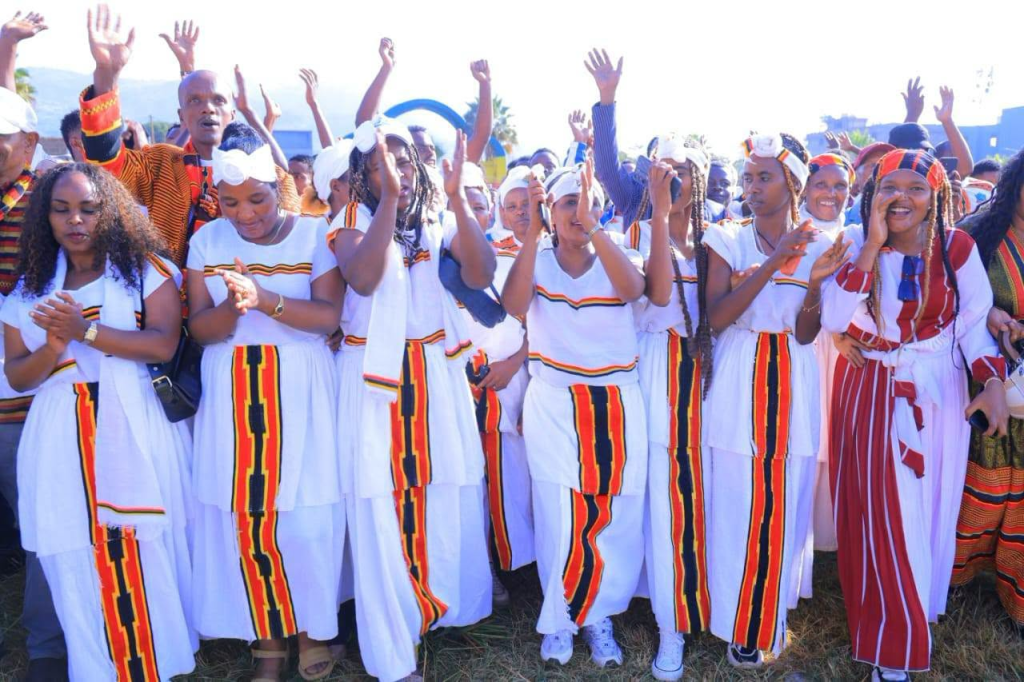
What Is Gifata?
Gifata is the traditional New Year festival of the Wolaita people, celebrated annually in September. It marks the transition from one year to the next and is a time for:
- Giving thanks for the blessings of the past year
- Strengthening relationships with family and community
- Reconciling differences and seeking forgiveness
- Celebrating cultural identity through music, dance, and traditional attire
- Looking forward with hope to the year ahead
The festival is characterised by colourful processions, traditional songs and dances, communal feasting, and the exchange of blessings among elders and youth.
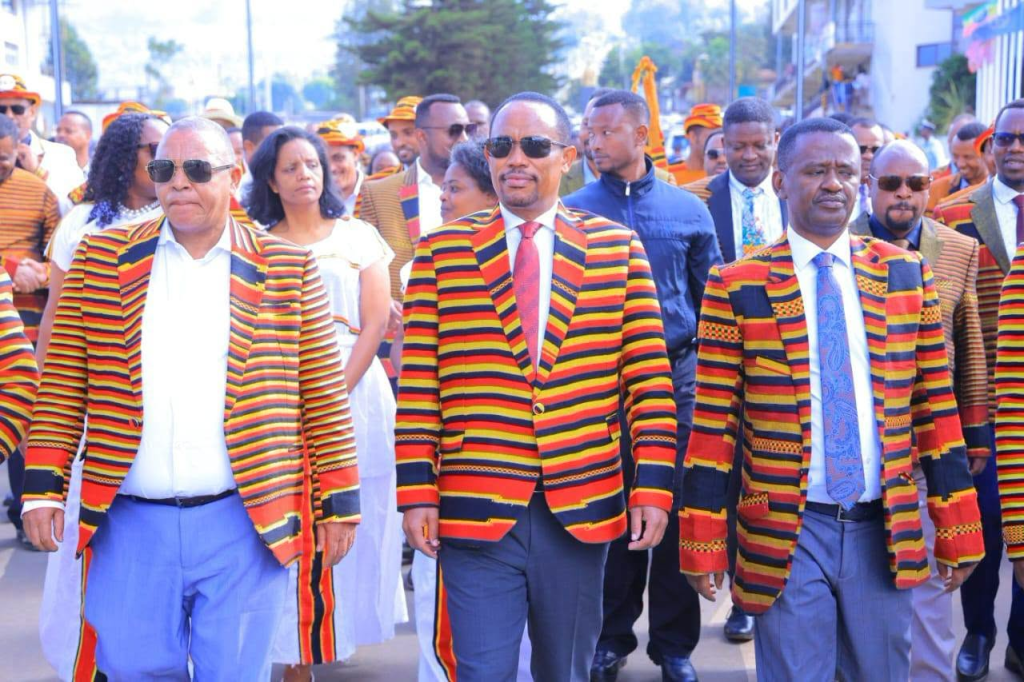
A Celebration of Heritage and Hope
As the Gifata festival unfolds in Wolaita Sodo, it serves as a powerful reminder of the richness of Ethiopia’s cultural tapestry. In a world where traditions are often under pressure, Gifata stands as a testament to the resilience of community, the importance of heritage, and the enduring power of celebration.
The theme of this year’s festival — protecting ancestral heritage and continuing the legacy of Gifata — speaks directly to the responsibility of each generation to preserve and pass on the cultural treasures entrusted to them.
Looking Ahead
With its UNESCO recognition and growing participation, Gifata continues to shine as a beacon of Ethiopian culture and unity. As communities gather in Wolaita Sodo to welcome the new year, they do so with gratitude for the past and hope for the future.
Happy Gifata! May the new year bring peace, prosperity, and unity to all.
Source: Ethiopian News Agency (EZA)

Minnesota Oromo Community Celebrates Irreecha with Gratitude, Unity, and Hope
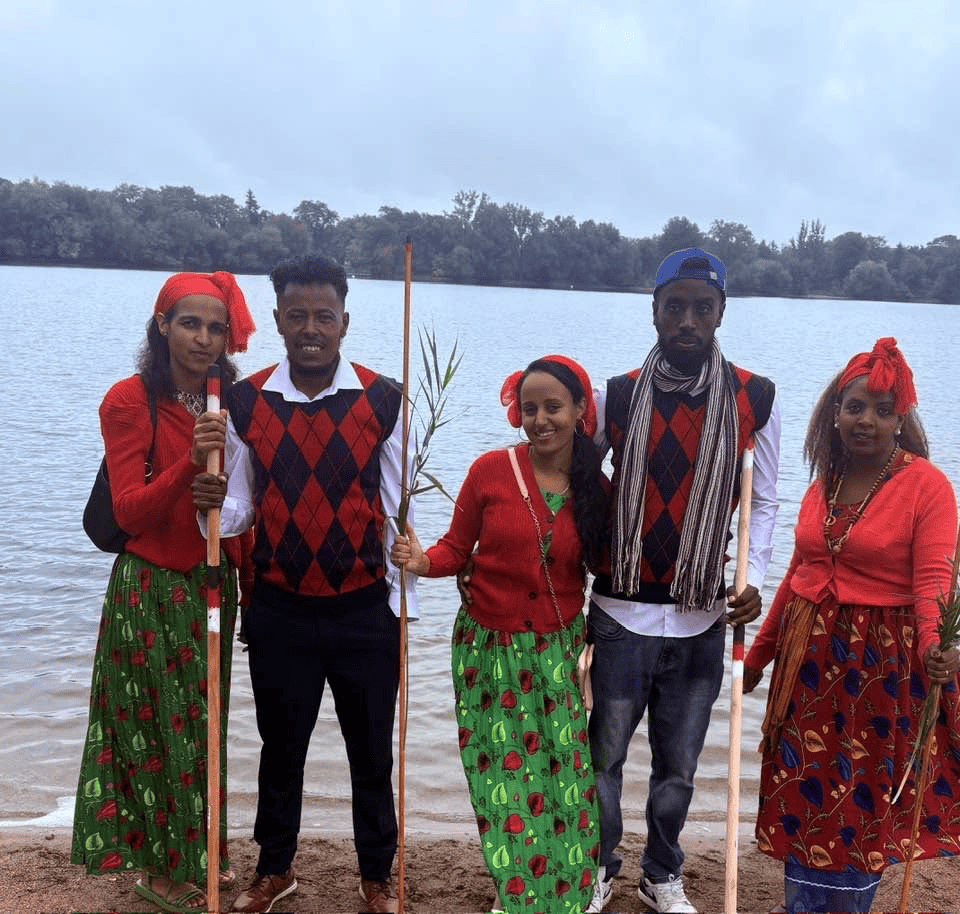
Minnesota, USA — The Oromo community in Minnesota gathered at Lake Nokomis on 19 September 2026 to celebrate Irreecha, the sacred Oromo Thanksgiving festival, in a vibrant and deeply meaningful observance that brought together families and friends from across the state.
The celebration, organised by Hawaasa Oromoo Minnesota, was marked by prayers, cultural performances, traditional attire, and a shared spirit of gratitude that reflected the enduring strength of Oromo heritage in the diaspora.
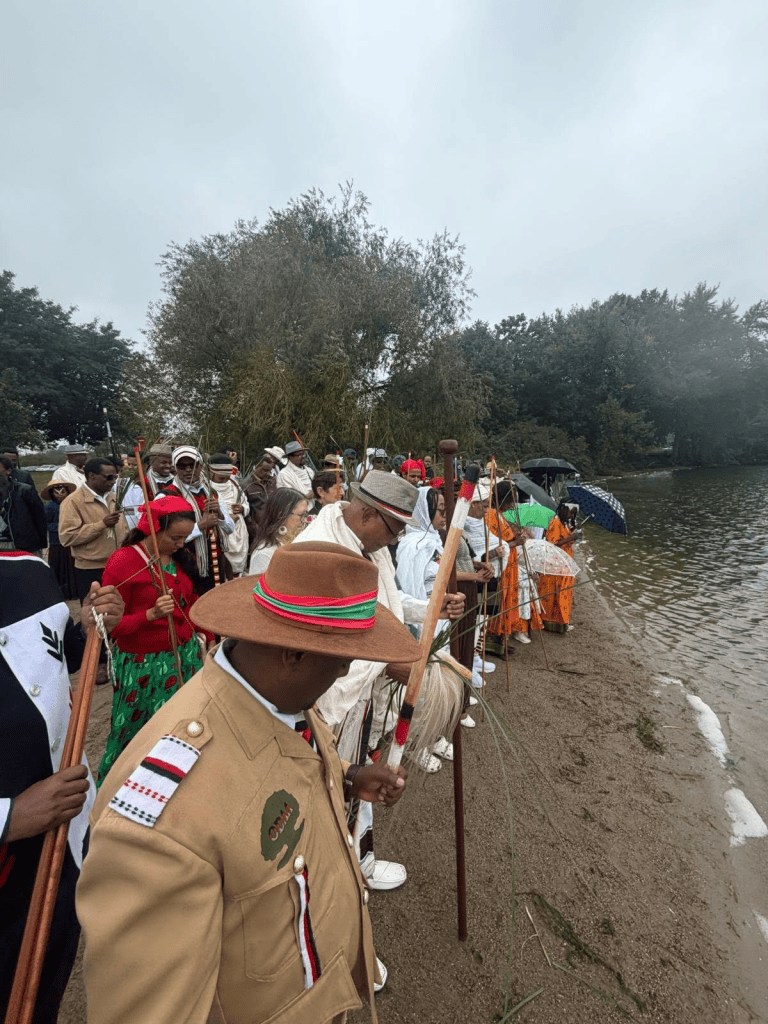
Irreecha: A Festival That Unites the World
During the celebration, speakers described Irreecha as a great Oromo festival that brings the global Oromo community together and showcases the beauty and richness of Oromo culture to the world.
It was emphasised that Irreecha has reached its current level of recognition through immense effort and dedication over many years. Community members were reminded that the journey to elevate the festival has not been easy, and that the sacrifices made along the way must always be honoured.
The gathering also paused to remember the tragic events of 2016 at Arsadi, where lives were lost during Irreecha celebrations. Those who gathered were reminded that the sacrifices made that day will never be forgotten — a solemn moment that underscored the resilience and determination of the Oromo people.
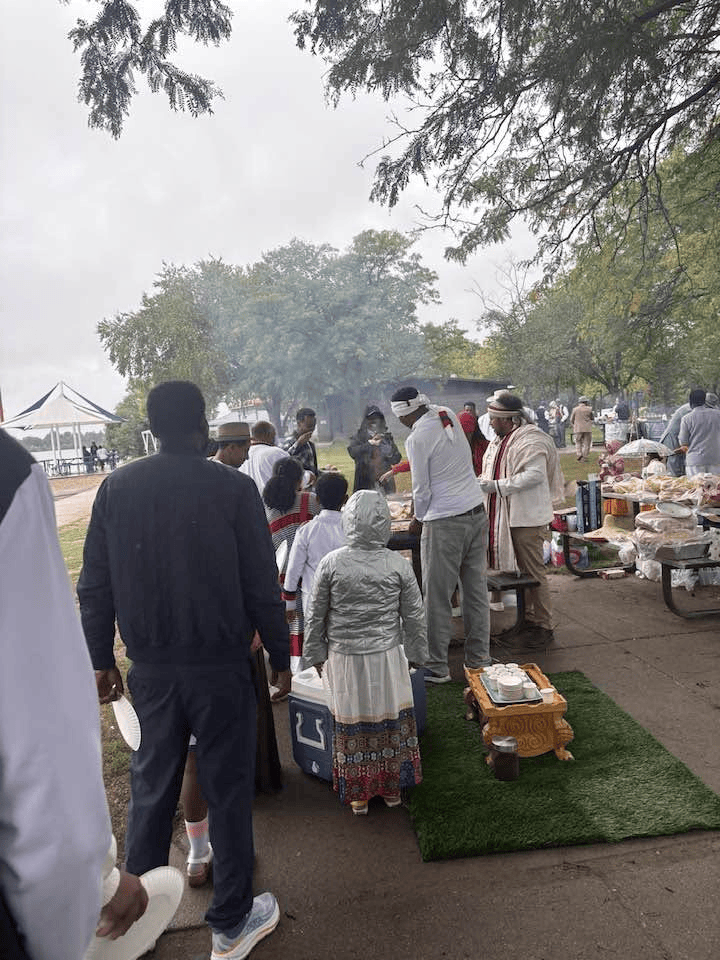
A Celebration Rooted in Gratitude
Thanksgiving is one of the most beautiful and meaningful parts of Oromo culture. Irreecha is a time when the Oromo people come together to give thanks to Waaqa for life, peace, rain, harvest, family, and the blessings of the past season.
More than just a celebration, Irreecha is an expression of gratitude, unity, reconciliation, hope, and renewal. People gather in nature, often near rivers and lakes, carrying fresh green branches and flowers as symbols of life, abundance, and renewal.
Through prayers, songs, traditional clothing, and cultural expressions, communities celebrate together and give thanks for the blessings of creation.
Strengthening Relationships and Building Unity
Irreecha is also a time to strengthen relationships, forgive one another, resolve differences, and look toward the future with hope. The celebration reflects the deep Oromo understanding that human beings are connected to one another, to the land, and to the natural world.
In Minnesota, this spirit of unity was on full display as community members came together in traditional attire, sharing prayers, songs, and fellowship. Elders, youth, and children alike participated in the festivities, ensuring that the traditions of their ancestors continue to thrive in the diaspora.
A Message of Peace and Hope
As the celebration drew to a close, heartfelt wishes were extended to Oromo communities around the world:
“May this Irreecha bring peace to our hearts, unity to our communities, prosperity to our families, and hope for the generations to come.”
The gathering concluded with the traditional blessings that echo across Oromo celebrations everywhere:
“Happy Irreecha! 🌿 🙏🏾 🌳”
“Horaa bulaa, deebanaa! ❤️💚❤️”
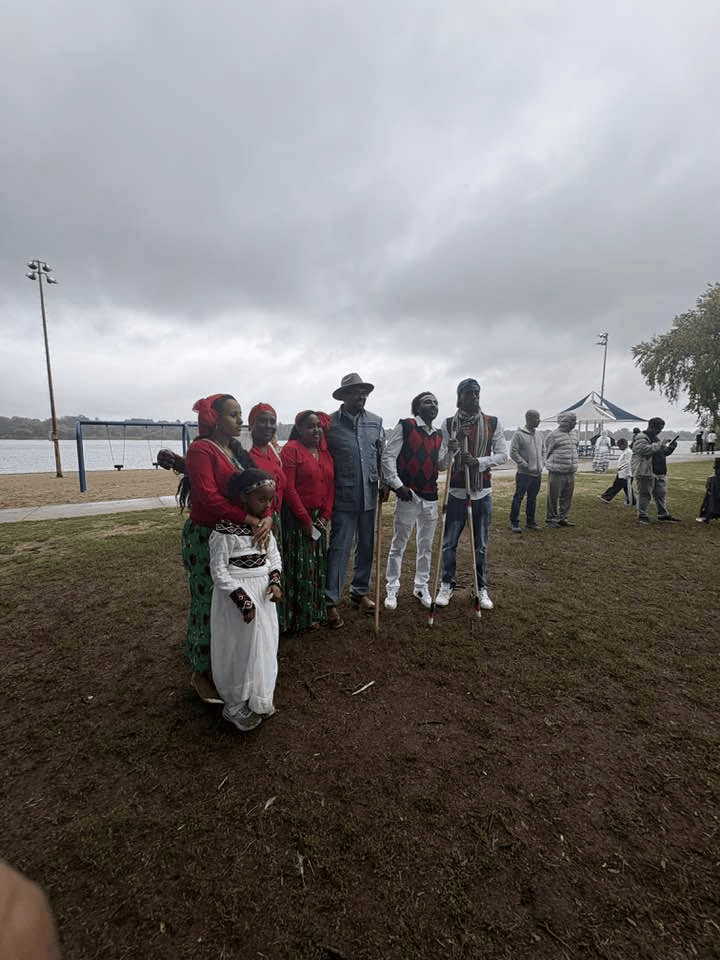
Irreecha: A Tradition That Transcends Borders
Irreecha remains a powerful symbol of Oromo identity, connecting millions of people across Ethiopia and the global diaspora. From the shores of Lake Hora Arsadi in Bishoftu to community halls and parks in Minnesota, London, Melbourne, and beyond, the festival continues to unite Oromo people in gratitude, hope, and shared heritage.
As the Oromo community in Minnesota demonstrated, Irreecha is not merely a tradition of the past — it is a living, breathing celebration of faith, resilience, and the enduring bonds of community.
Irreecha nagaan! 🌿
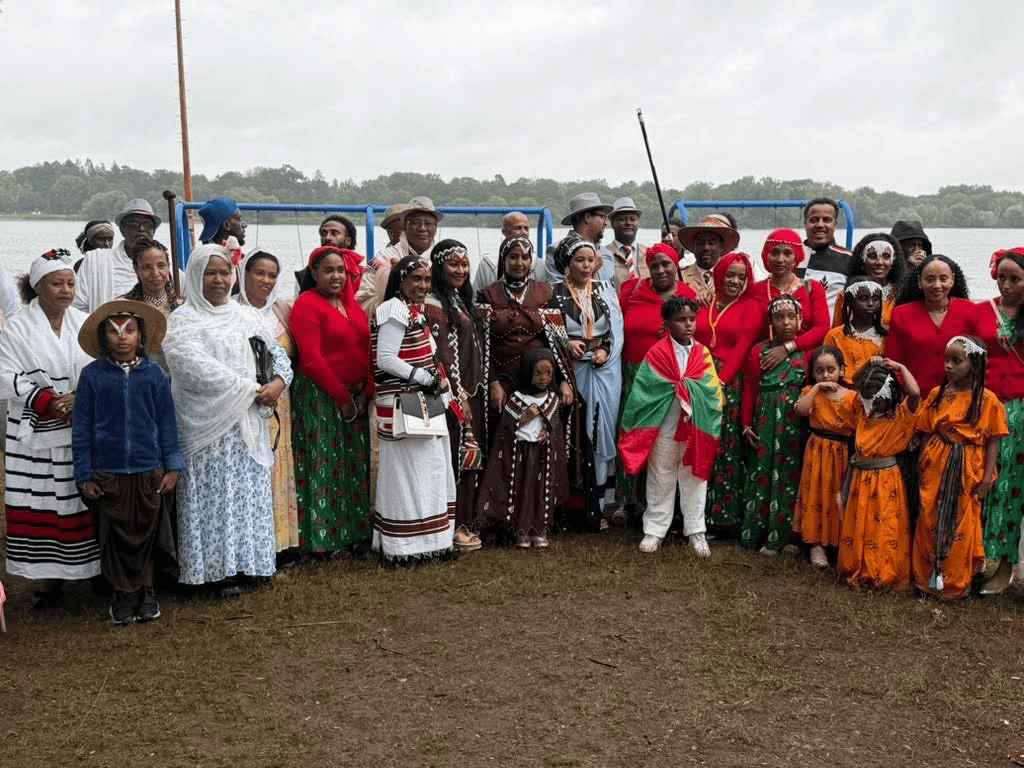

“The Game Is Not Over”: Oromo Activist Gamachu Dembali Declares Abyssinian Colonialism Must End
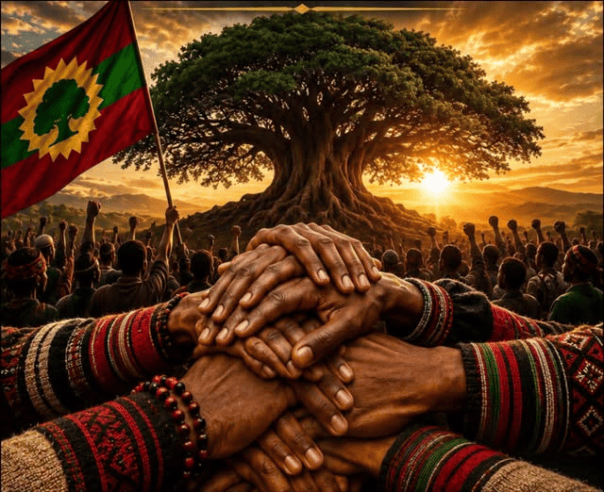
By Gamachu Dembali
In a forceful political statement marking what he calls an unbroken history of conquest, Oromo activist Gamachu Dembali has declared that Abyssinian colonialism in Oromia “has never ended and must end” — calling for full decolonization, the restoration of Oromo identity, and the right to self-determination.
Dembali’s statement, dated 20 September 2026, draws on the words of British writer Evelyn Waugh to frame what he describes as the systematic destruction of Oromo culture and society.
“Nothing to Give, Nothing to Teach”
Quoting Waugh’s account of Abyssinian rule, Dembali cites the writer’s observation that the Abyssinians “had nothing to give their subject peoples, nothing to teach them” — no crafts or knowledge, no new systems of agriculture or road-making, no medicine or hygiene, no higher political organization, “no superiority except in their magazine rifles and belts of cartridges.”
Waugh wrote that they “built nothing,” squatting in the villages of conquered peoples, “dirty, idle and domineering, burning the timber, devouring the crops, taxing the meager stream of commerce.”
“Waugh was absolutely right,” Dembali writes. “This is the exact history of the destruction of Oromo culture and Oromo society.”
The Second Weapon: Forced Religious Colonization
But Dembali argues that Waugh did not fully tell the story. Alongside the rifle, he contends, came another weapon — one that “has poisoned the minds of the Oromo and other colonized peoples.”
“They brought forced religious colonization,” he writes. “They imposed their Orthodox religion and beliefs upon the Oromo, a system completely contrary to Oromo religion, Waaqeffannaa, and to Oromo values embodied in the Gadaa system.”
Religion, he argues, was used as an effective tool of conquest. “While their guns killed millions of Oromos physically, their imposed religion was used to destroy the minds, identity and values of millions more.”
“Colonialism in Its Purest Form”
Dembali rejects any framing of this history as a civilizing mission. “It was colonialism in its purest form: to exploit, to enslave, to erase, and to replace,” he writes.
And, he warns, “the game is not over.” In the 21st century, he argues, the Oromo people remain under the same Abyssinian colonial system, “operating with the same mindset, only under different names and different regimes.” The structures of domination, cultural erasure, and political subjugation, he says, continue.
A Demand for Decolonization
The statement closes with a declaration and a set of demands: that Abyssinian colonialism in Oromia has never ended and must end; full decolonization; the restoration of Oromo identity, culture and values; and the right of the Oromo people to self-determination and freedom in their own land.
The statement is signed by Gamachu Dembali and carries the hashtag #FreeOromiya.
The views expressed in this feature are those of the author and do not necessarily reflect the editorial position of this publication.

Edmonton Oromo Community Celebrates Irreecha Malkaa in Vibrant Cultural Splendor
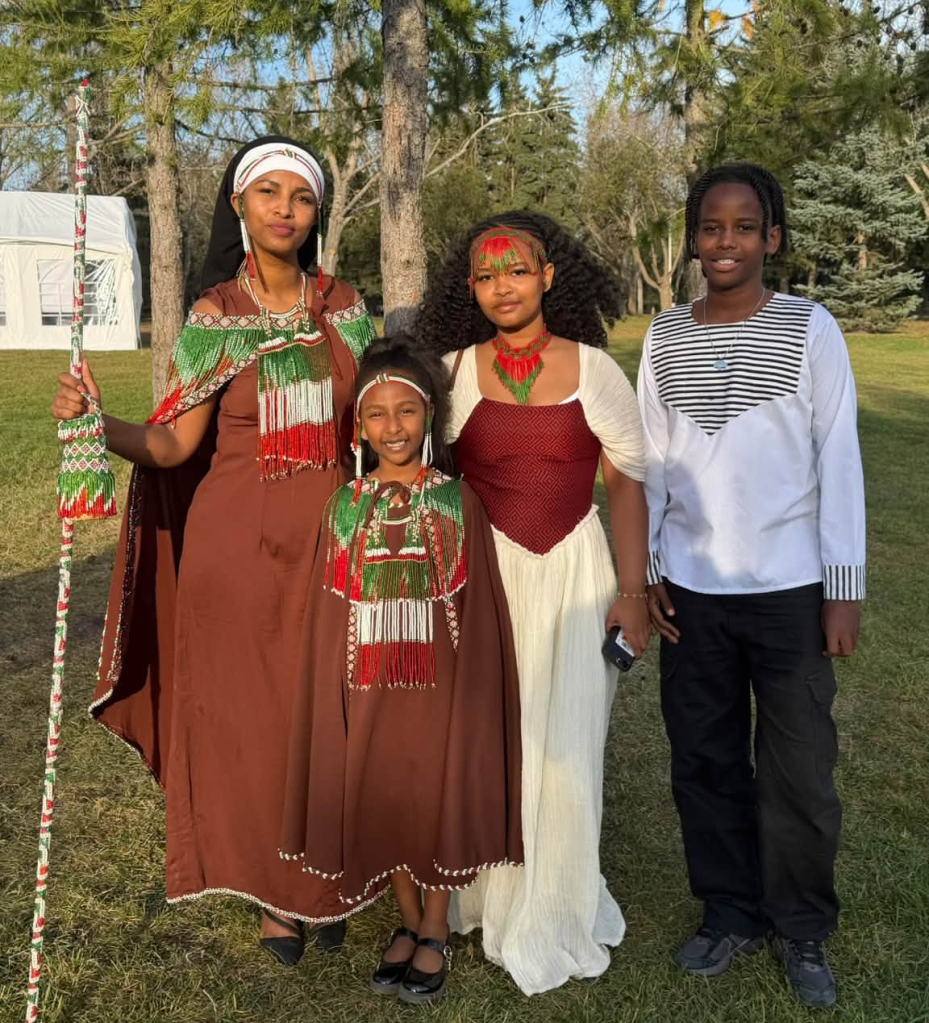
(ONA, Edmonton, 19 September 2026) The Oromo community in Edmonton, Canada, came together in joyous celebration of Irreecha Malkaa – Edmonton, honoring their cherished cultural festival with traditional attire, symbolic greenery, and messages of renewal, peace, and hope.
The celebration, held with great warmth and enthusiasm, saw community members adorned in beautifully decorated traditional Oromo clothing, proudly displaying the cultural heritage that binds them together across generations and continents. Participants carried fresh green grass and blooming flowers — the treasured symbols of Irreecha — bringing the essence of the ancestral festival to life in the heart of Canada.
A Message of Renewal and Growth
At the heart of the gathering was the exchange of heartfelt blessings marking the transition from the rainy season to spring. Community members greeted one another with the beloved Irreecha salutation:
“Baga bacaqii gannaa keessaa baatanii booqaa birraa geessan!” — congratulations on emerging from the rains and reaching the blossoming of spring — a message that carries profound meaning of renewal, resilience, and hope for growth and prosperity in the year ahead.
Prayers for Peace, Unity, and New Hope
Beyond the colorful attire and ceremonial symbols, participants shared prayers and good wishes for the community and the wider world:
“Irreechi nagaa, tokkummaa, galata, jaalalaafi abdii haaraa nuuf haa fidu,” they declared — may Irreecha bring us peace, unity, gratitude, love, and new hope.
The message resonated deeply among those gathered, reinforcing the festival’s enduring role as a source of spiritual strength and communal solidarity.
A Celebration of Oromo Identity in the Diaspora
The Edmonton celebration stands as part of a broader global observance of Irreecha by Oromo communities worldwide. Far from their homeland, diaspora communities continue to preserve and nurture their traditions, passing them to new generations and sharing the beauty of Oromo culture with the wider Canadian society.
The vibrant colors of the Oromo flag — green, red, and white — adorned the celebration, and the sounds of traditional songs and blessings echoed through the gathering, creating a space of belonging and pride for all who attended.
A Blessing for All Oromo People
As the celebration concluded, one message rang out clearly for Oromo people everywhere:
“Baga Ayyaana Irreechaa geessan! Happy Irreecha! May this season bring blessings and joy to all Oromo people.”
The Edmonton Irreecha Malkaa celebration was more than a festival — it was a reaffirmation of identity, a bridge between generations, and a testament to the enduring spirit of the Oromo people, united across borders by culture, faith, and hope.

A Heartfelt Thank You: Family Finds Strength in Community’s Love as Ruphael’s Tombstone Is Unveiled
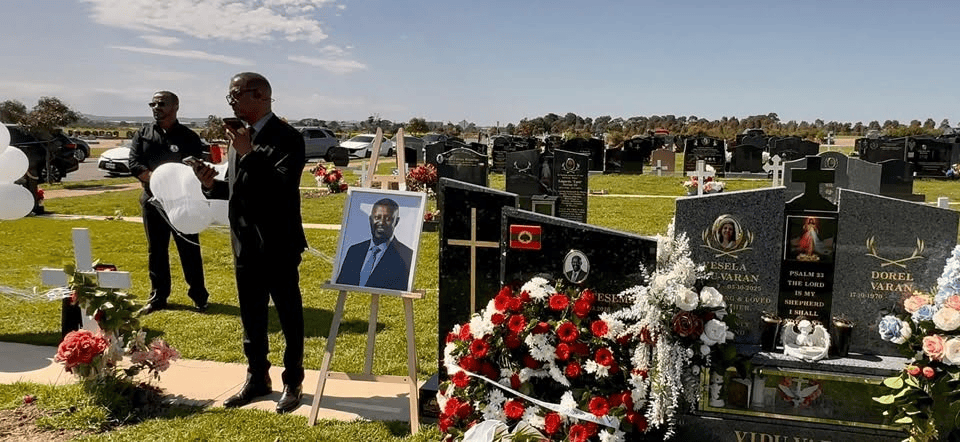
In a deeply moving tribute to a life cherished and never forgotten, a grieving family marked a significant milestone this week — the completion and inauguration of the tombstone for their beloved Ruphael.
In an emotional message shared with family, friends, and community members, the family expressed their deepest and most sincere gratitude to everyone who stood by them throughout what they described as a painful journey.
“Today marks a significant milestone as we successfully completed and held the final inauguration and unveiling of the tombstone for our beloved Ruphael,” the family said.
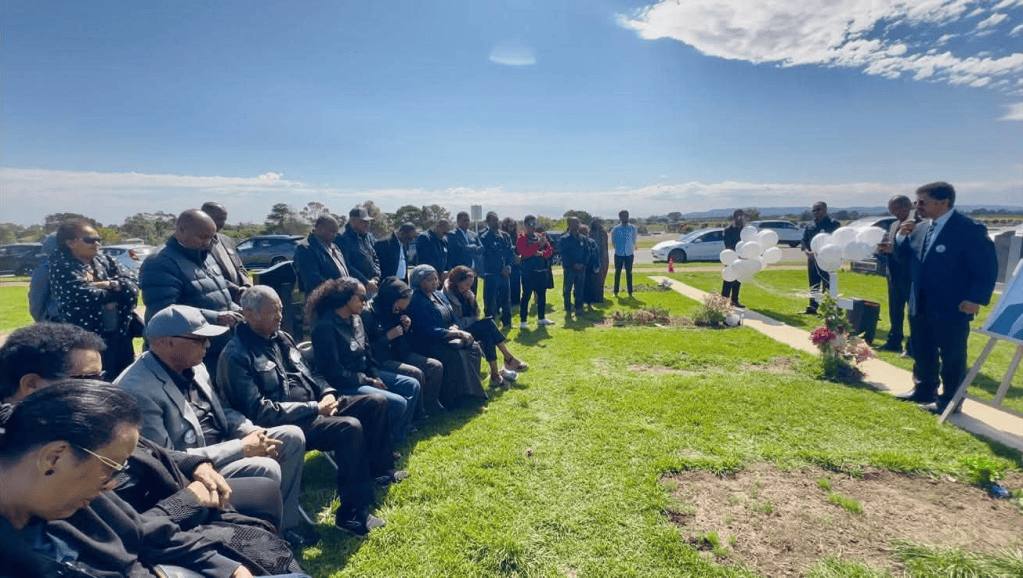
A Community That Carried Them Through Darkness
To their communities, the family extended profound thanks for unwavering financial, emotional, and physical contributions. The message painted a picture of a community that refused to let one of its own grieve alone — standing together from the very first day of mourning to the final act of remembrance.
“Your collective generosity, love, and solidarity from the very beginning of the funeral until the completion of the tombstone have carried us through our darkest days,” they wrote.
The statement underscored how the support of an entire community — sustained over months of grief and healing — transformed an unbearable loss into a shared burden, lightened by collective compassion and unwavering presence.
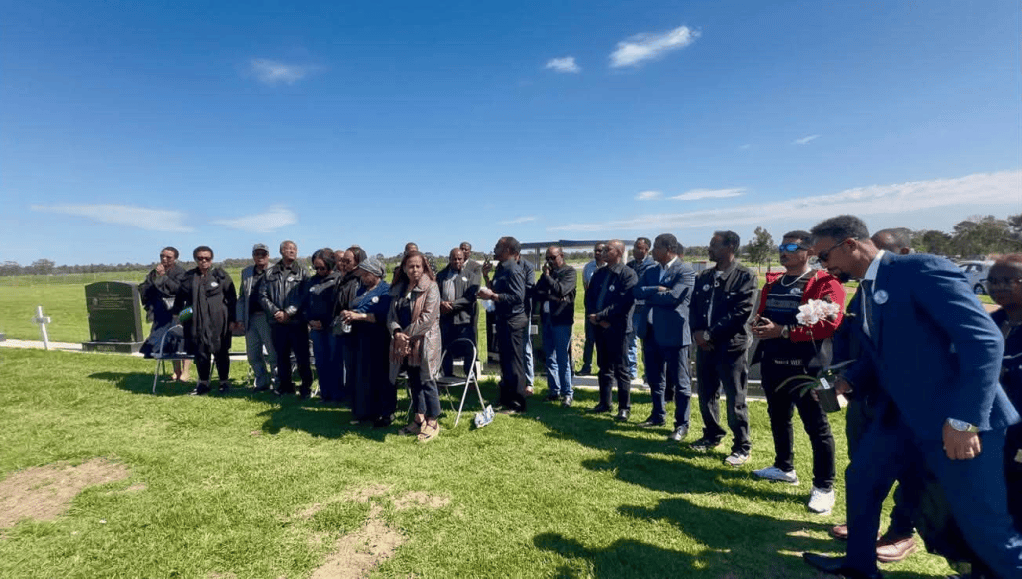
The Comfort of Presence and Shared Memory
To all who attended the final inauguration and unveiling ceremony, the family offered their gratitude from the bottom of their hearts. Their words captured the profound comfort that comes not from grand gestures, but from simple presence.
“Your presence brought us comfort, strength, and a shared space to honor Ruphael’s cherished memory,” the family said. “Knowing that we do not walk this path alone, and seeing how deeply Ruphael was loved by all of you, means more to us than words can ever express.”
The ceremony became more than a formal conclusion to mourning — it was a collective affirmation that Ruphael’s memory lives on in the hearts of all who knew and loved them.
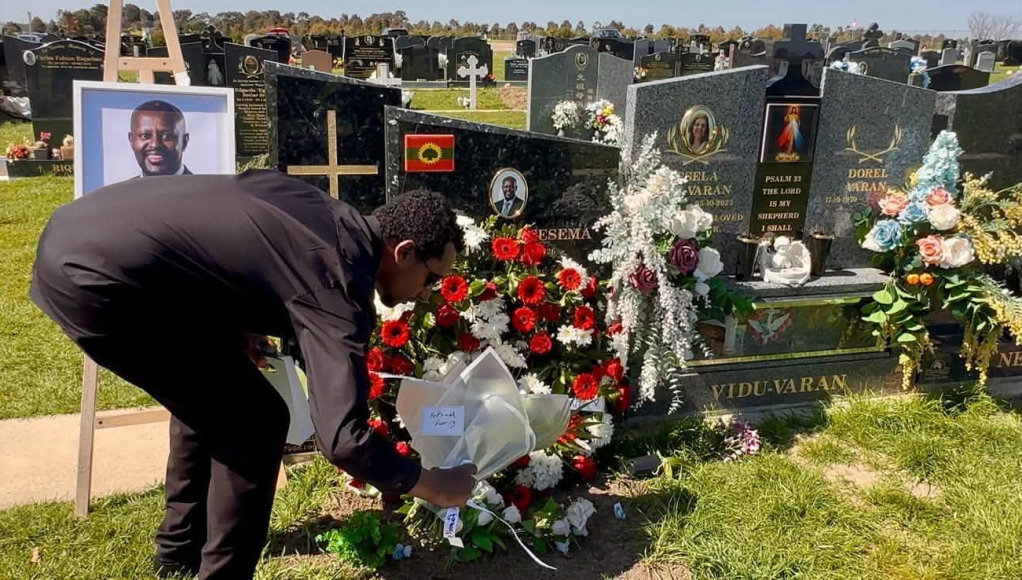
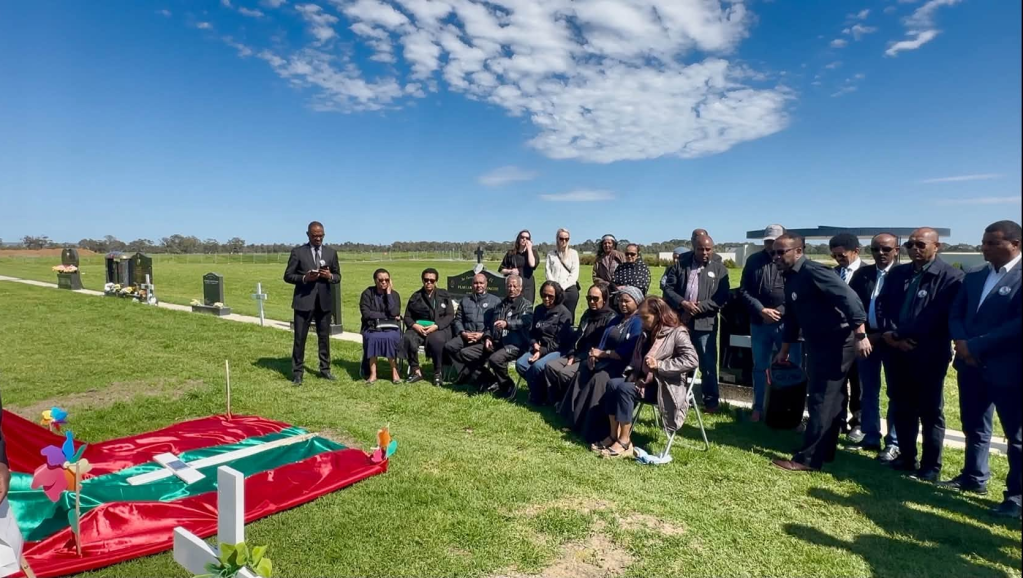
A Blessing Returned for Kindness Shown
The family closed their message with a blessing for all who showed kindness and compassion: “May God bless you and your families abundantly for your kindness and compassion.”
The unveiling marked not only the completion of a tombstone but the enduring bond between a family and the community that walked beside them every step of the way — a powerful testament to the strength found in solidarity, and to the truth that grief shared is grief diminished.
In their darkest days, this family discovered what so many communities strive to embody: that no one should have to carry loss alone, and that love — expressed through presence, generosity, and collective memory — endures far beyond the grave.

Oromo Community in Melbourne Celebrates Irreechaa with Color and Tradition at Botanical Gardens
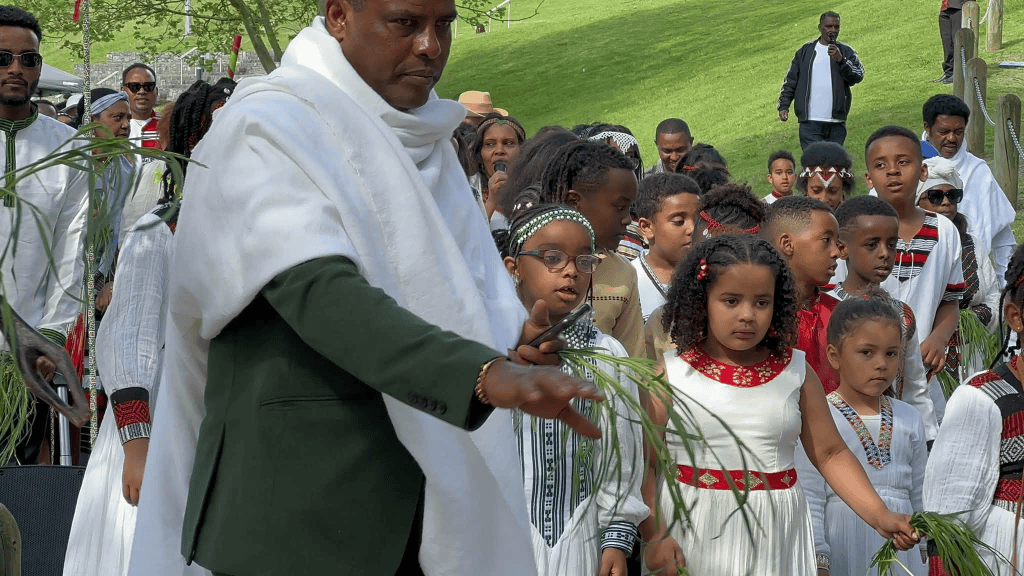
By Dhabessa Wakjira
MELBOURNE, 27 September 2026 — The Oromo community in Melbourne today celebrated Irreechaa, the traditional Oromo thanksgiving festival, in a vibrant and beautiful ceremony at the Botanical Gardens, bringing together hundreds of community members in a powerful display of culture, faith, and unity.
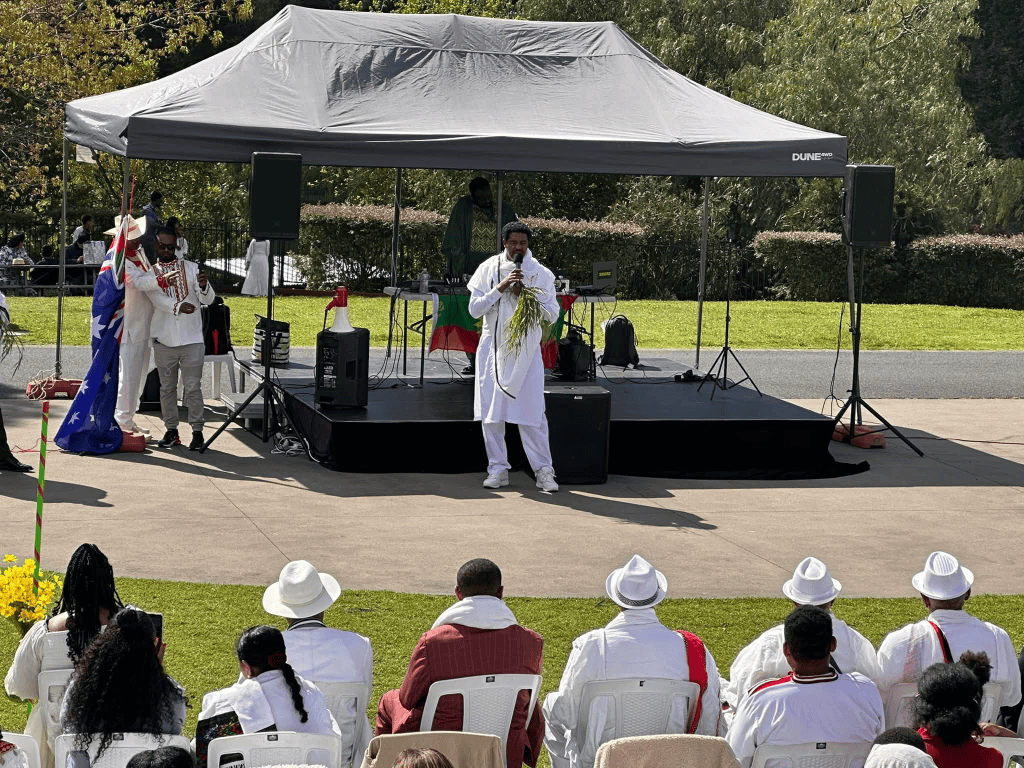
The celebration began with traditional blessings, and members of the community participated in the event in large numbers, dressed in beautiful cultural attire. Mr. Abdeta Homaa, Chairman of the Irreechaa Festival Committee, welcomed the gathered community with a speech of welcome, saying “Baga nagaan dhuftan” — welcome, and may you have arrived in peace.
A Sea of Color and Tradition
From children to elders, attendees were resplendent in traditional Oromo clothing, the colors and scents of the festival filling the air. Carrying fresh green grass and flowers — the symbols of Irreechaa — community members walked to the water’s edge, dipping the grass into the water in the traditional manner, giving thanks that they had passed through the past year safely and reached the spring season.
The sight of families in their finest cultural dress, the sound of traditional songs, and the shared prayers created an atmosphere of joy and reverence that echoed celebrations back home in Oromia.
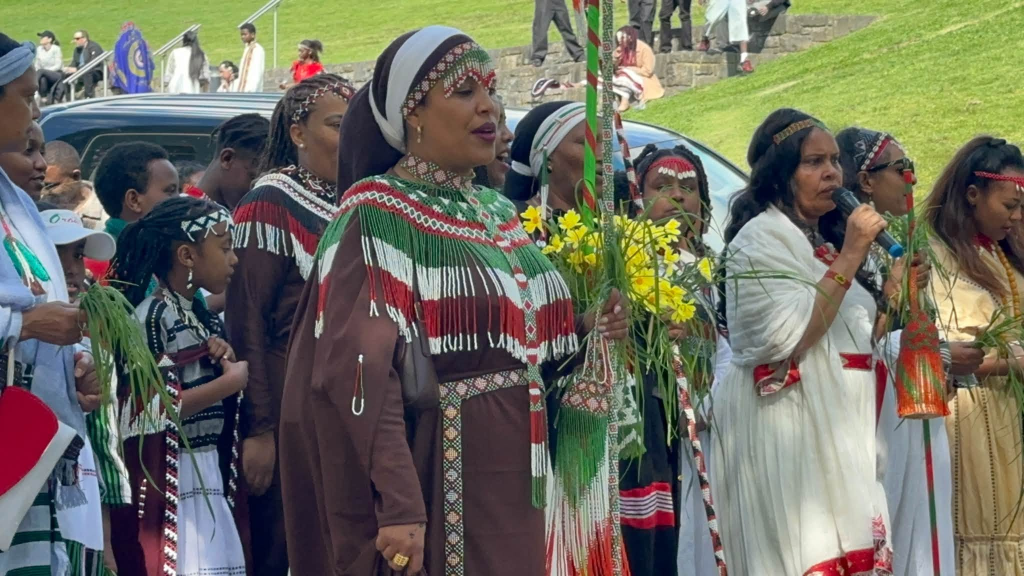
A Time for Gratitude and Prayer
Irreechaa is not only a time to give thanks for what has passed, but also a moment to pray to Waaqa (God) for a peaceful passage through what lies ahead. The Oromo people, found across the world, are known for celebrating Irreechaa together in a shared and unified manner.
The festival has been celebrated by the Oromo for generations, preserved through years of oppression and systemic subjugation, and passed down to the present generation. Irreechaa is celebrated as the festival that marks the transition from the rainy season to the spring — from Ganna to Birraa.
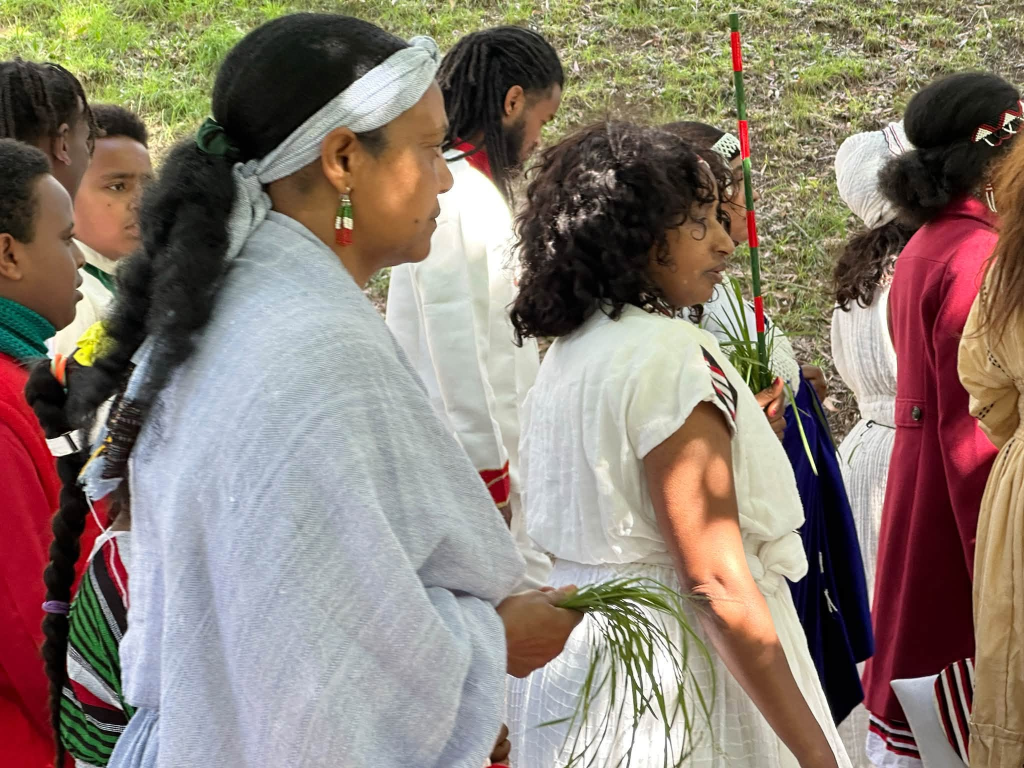
Resilience in the Diaspora
The Melbourne celebration stands as a testament to the resilience of Oromo culture and the community’s determination to keep its traditions alive far from home.
Despite the distance from their ancestral homeland, Oromos in Australia have ensured that Irreechaa remains a living, breathing tradition — not merely a memory. The Botanical Gardens became a sacred space where gratitude met hope, and where tradition triumphed over distance.
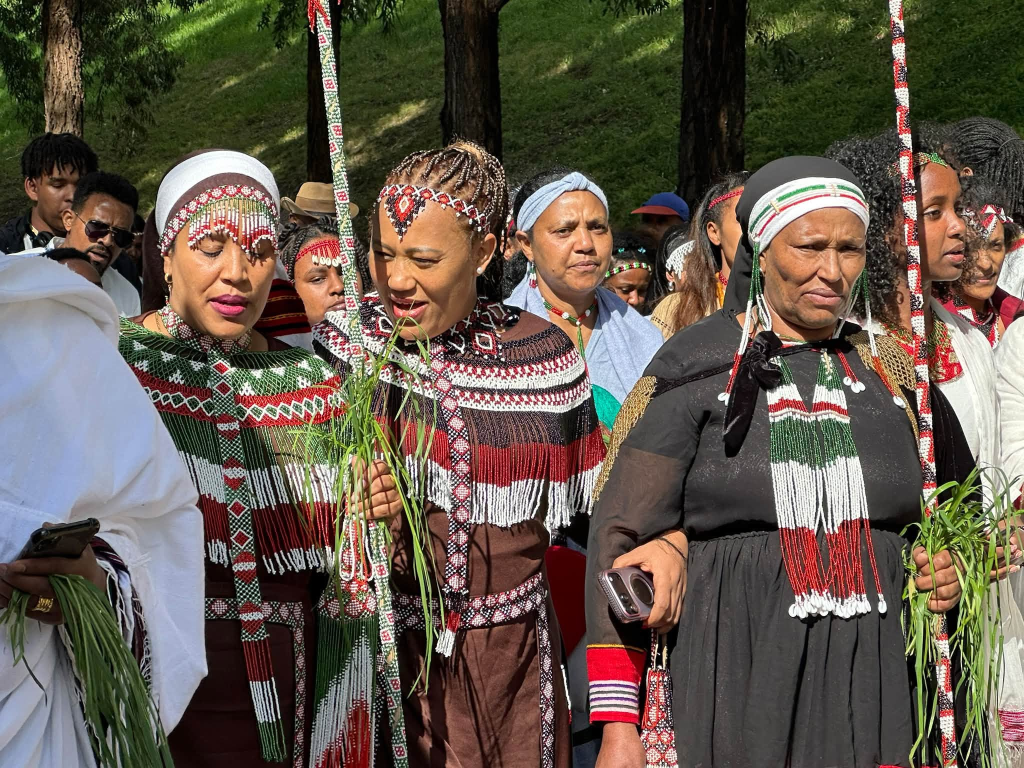
A Community United
As the Melbourne celebration drew to a close, the message was unmistakable: Irreechaa is more than a festival — it is an expression of identity, a bond of unity, and a living link between generations.
For the Oromo community in Melbourne, the Botanical Gardens became a place where the past and present met — where children learned the songs their grandparents sang, where elders saw their traditions carried forward, and where a people far from home remembered, together, who they are.
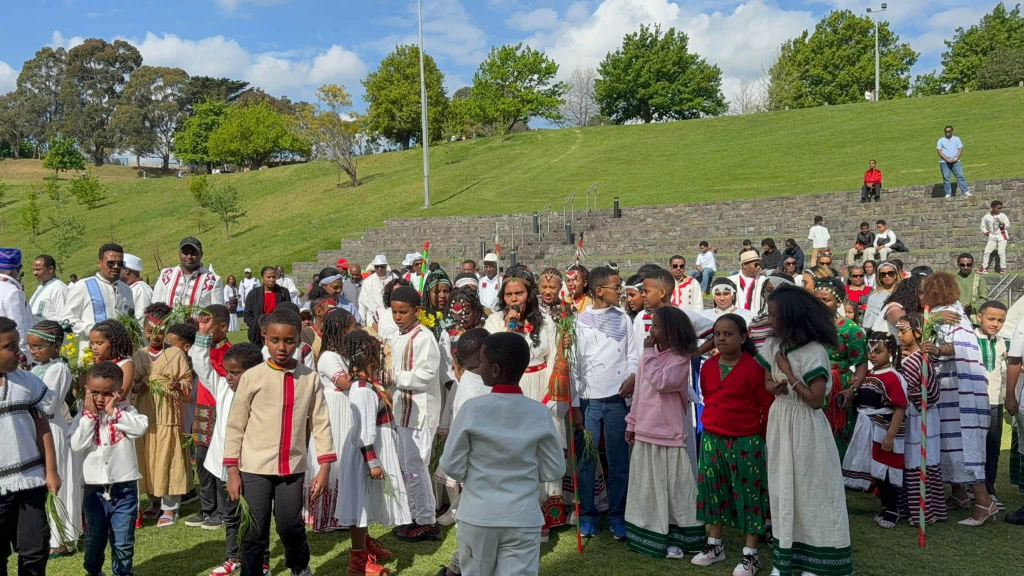
Baga Irreechaa nagaan geessan! — May the Irreechaa have arrived in peace.
The Oromo community in Melbourne celebrates Irreechaa annually, welcoming all who wish to share in its traditions of gratitude, reconciliation, and unity.