Beneath the Odaa: A Gathering of Peace and Unity at Bulluq
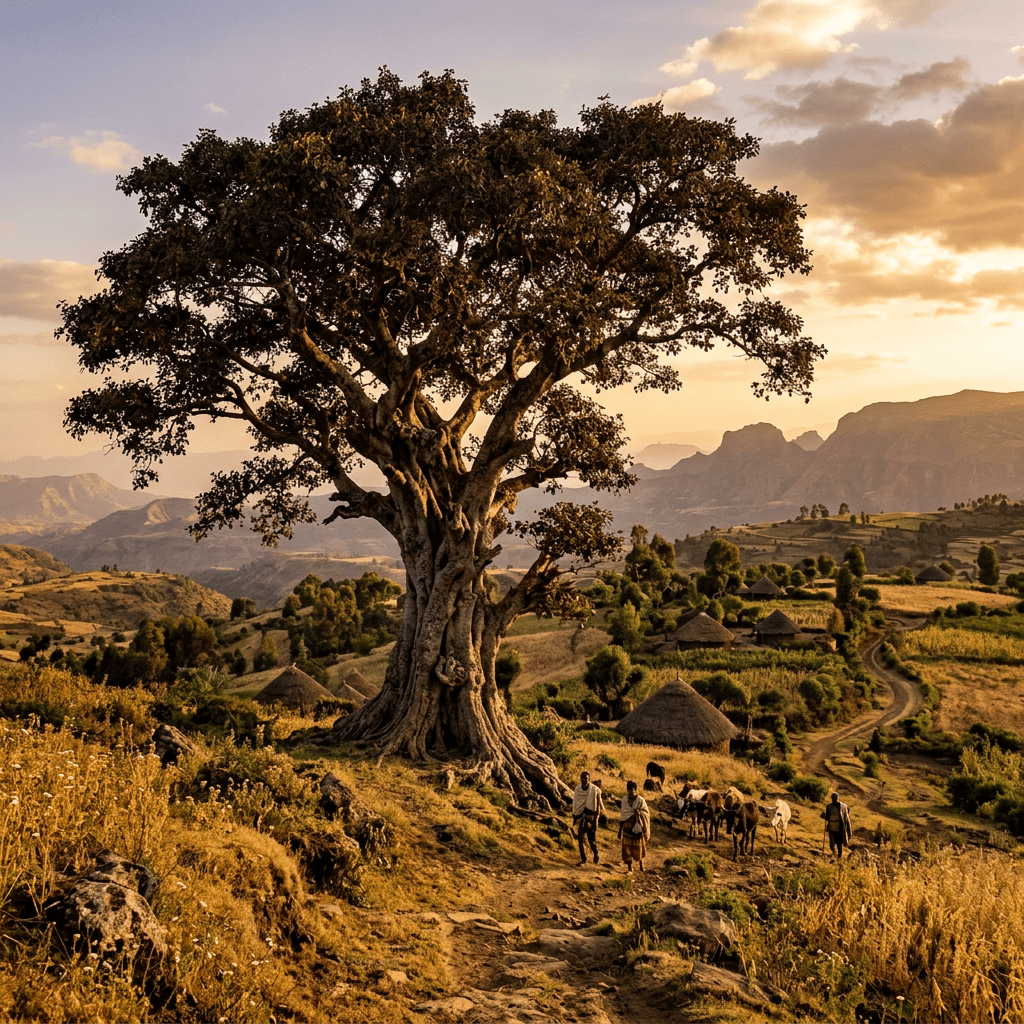
Eight years ago, under the sacred shade of the Odaa Bulluq tree, Oromo youth gathered to seek peace. Today, that moment remains a powerful symbol of what dialogue, respect, and unity can achieve.
There is a tree that stands as a witness to history—a silent guardian of the Oromo people’s most sacred traditions. It is the Odaa, the sycamore fig tree, a symbol of justice, reconciliation, and the enduring spirit of the Gadaa system.
Beneath its sprawling branches, the most important decisions are made. Disputes are resolved. Peace is sought. Unity is forged.
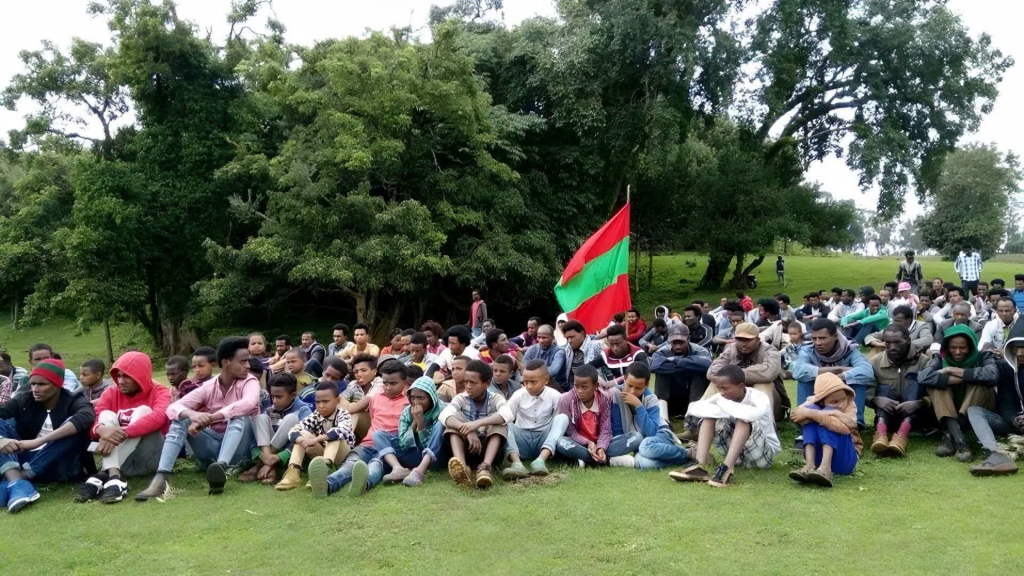
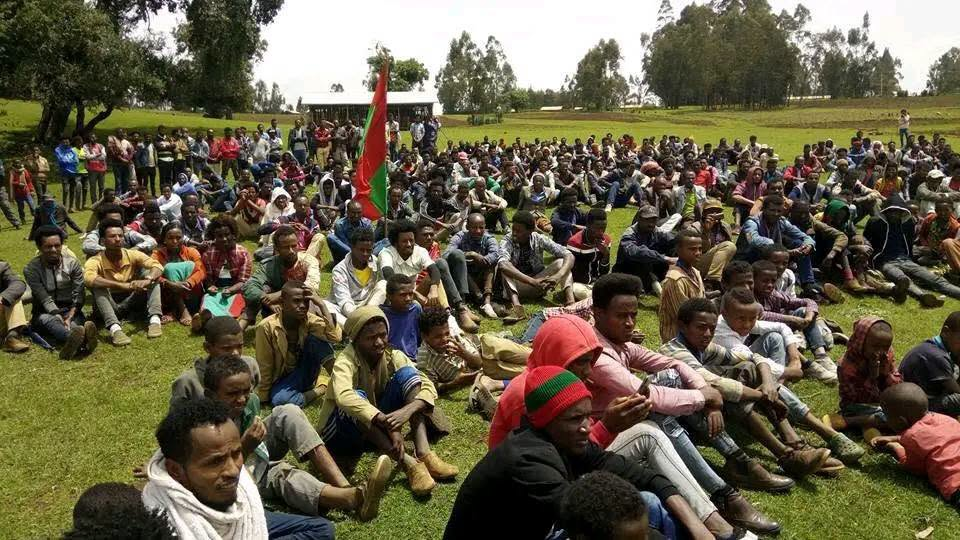
At Odaa Bulluq, one of the five sacred Odaa trees of the Oromo people, a powerful gathering took place eight years ago. On Adoolessa 1, 2018 (according to the Oromo calendar)—August 10, 2018—a group of young Oromo freedom fighters (Qeerroo) came together beneath its shade to seek peace for their land and people.
Today, as tensions once again threaten the region, the memory of that gathering offers a lesson—and a call to action.
The Odaa: A Sacred Symbol
For the Oromo people, the Odaa tree is far more than a tree. It represents:
- Justice: The Gadaa system, UNESCO’s Intangible Cultural Heritage of Humanity, is centred on the Odaa. It is where elders, leaders, and community members gather to make decisions that shape the future .
- Reconciliation: When conflicts arise, the Odaa is the place where peace is negotiated, disputes are settled, and harmony is restored .
- Unity: The Odaa’s branches reach out in all directions, symbolising the interconnectedness of the community and the shared destiny of all Oromo people .
- Continuity: The Odaa is the link between ancestors and future generations—a living testament to the enduring wisdom of the past .
The Odaa Bulluq is one of the five most significant Odaa trees in Oromia, each with its own history and purpose. Together, they form a network of sacred sites that anchor the cultural and spiritual life of the Oromo people.
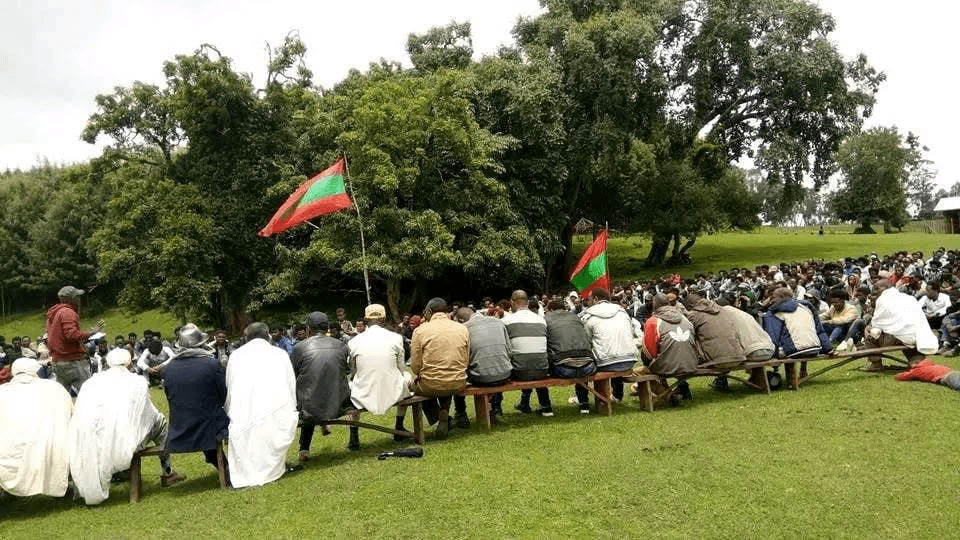
The Gathering of 2018: A Moment of Unity
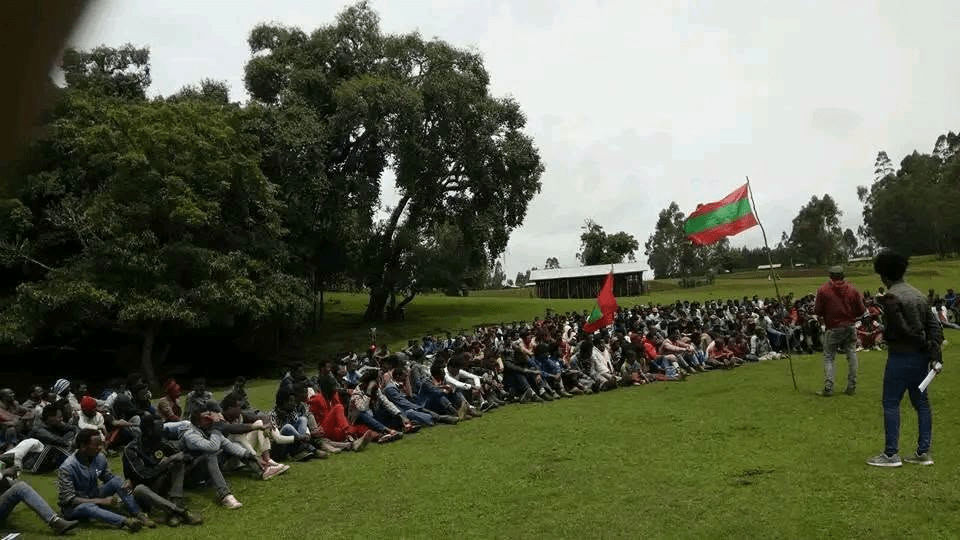
Eight years ago, on Adoolessa 1, 2018, a remarkable gathering took place at Odaa Bulluq. Young Oromo activists—known as Qeerroo, meaning “young bulls”—assembled beneath the sacred tree to seek peace.
They had travelled from far and wide. Some had journeyed over 320 kilometres to be there. They came despite the challenges—despite threats, despite surveillance, despite the divisions that had been sown by years of conflict and tension.
Their purpose was simple but profound: to seek reconciliation, to embrace one another, and to call for peace in their region.
As one participant, Dechasa Wirtu, recalled in a recent reflection:
“The Odaa is a place where great decisions are made, where reconciliation is enacted. To gather in such a place signifies respect for law, culture, and the pursuit of peace and security. The reconciliation that happens at Odaa Bulluq is a significant and respected pledge.”
“Eight years ago today, on Adoolessa 1, 2018, when the Qeerroo of Oromia gathered at Odaa Bulluq to negotiate peace for our region, listening to the elders of the land—it was a renewal of unity.”
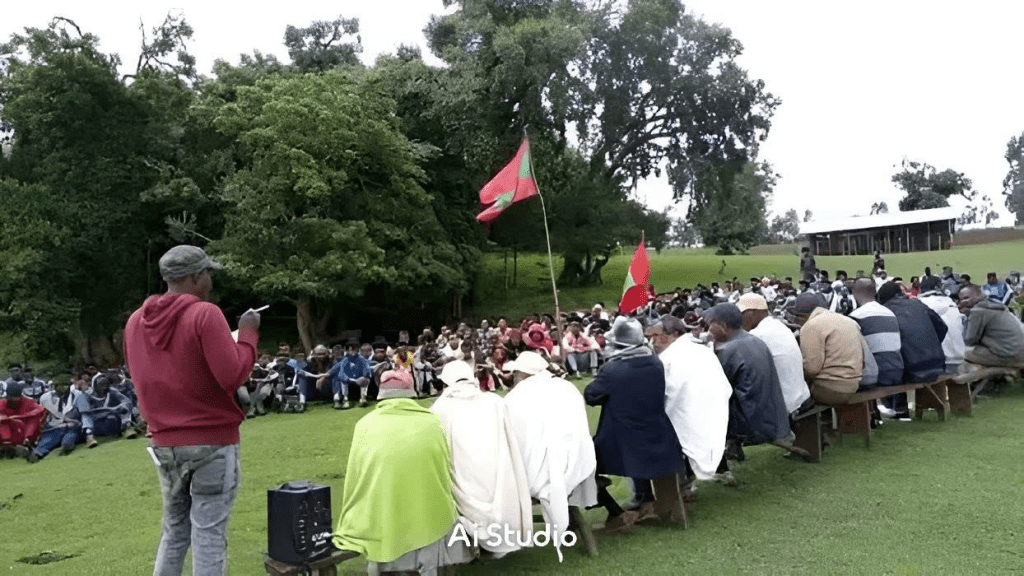
The atmosphere was one of hope. Elders spoke. Young people listened. Differing perspectives were shared. And out of that dialogue came a commitment: to reject hatred, to embrace reconciliation, and to build a future of peace.
A Call for Today: Remembering the Lesson
Today, eight years later, Dechasa Wirtu has issued a renewed call, reflecting on the gathering’s significance:
“Today, if our young people stop harming each other and embrace unity, they have enough strength to protect themselves from the Amhara extremists who are currently crossing borders and encroaching upon them.”
“My message today is the same as eight years ago at Odaa Bulluq: if we come together and resolve our problems through peace, dialogue, and our cultural traditions—beneath the shade of the Odaa—it will bring a lasting solution.”
He also shared a personal commitment to the cause:
“I believe in what I said then. I traveled over 320 kilometres to be there, to participate in that dialogue. I organised and prepared for it alongside many other young people.”
This message comes at a time of heightened tension, as conflict once again threatens the region. Dechasa’s reflection is not just nostalgia—it is a warning and a hope.
The Power of Dialogue
What made the gathering at Odaa Bulluq so powerful was not just the location—it was the commitment to dialogue.
In Oromo culture, dialogue is not optional; it is essential. It is how communities survive and thrive. It is how disagreements are resolved without violence. It is how wisdom from the past is applied to the challenges of the present.
The Gadaa system is built on this principle. Power is not seized—it is transferred through consensus and ceremony. Conflicts are not escalated—they are mediated and resolved. The voice of every member of the community matters .
When young people choose dialogue over confrontation, they honour that tradition. They demonstrate maturity and wisdom beyond their years. And they build the foundation for a society that can endure even the most difficult challenges.
Odaa Bulluq: A Living Legacy
The Odaa Bulluq is not just a symbol of the past—it is a living legacy that continues to inspire today.
As Ethiopia and Oromia face ongoing political and social challenges, the example of the 2018 gathering offers a model for how to move forward. It demonstrates that:
- Unity is possible, even in the face of deep divisions.
- Dialogue works, even when it seems difficult.
- Youth have a crucial role to play, as agents of peace and change.
- Cultural traditions, like the Gadaa system and the sacred Odaa, remain relevant in the modern world.
The gathering at Odaa Bulluq was a powerful reminder that beneath the shade of the Odaa, enemies can become friends, and the future can be reshaped.
A Lesson for All
Dechasa Wirtu’s reflection is a reminder that the values of the Odaa—peace, unity, justice, and reconciliation—are not just Oromo values. They are universal human values.
In a world that often seems divided, where conflict and misunderstanding appear to dominate the headlines, the Odaa tree offers a quiet but powerful alternative.
Under its shade, we are reminded that we are all connected. That dialogue is stronger than division. That peace is not a luxury—it is a necessity.
The Call Remains the Same
Eight years ago, the youth of Oromia gathered at Odaa Bulluq and said: “We choose peace. We choose dialogue. We choose unity.”
Today, that call remains as urgent as ever.
“Peace and unity for everyone!”
This was the message that echoed beneath the Odaa eight years ago. And it is the message that must echo today—across Oromia, across Ethiopia, and across the world.
“Odaan seenaa fi sirna Gadaa keessatti bakka itti murteen gurguddoon murteeffamu, araarri itti bu’udha.”
The Odaa tree in history and the Gadaa system is where great decisions are made, where reconciliation takes place.
May its shade continue to shelter those who seek peace.
Key Insights
| Aspect | Significance |
|---|---|
| Odaa Bulluq | One of five sacred Odaa trees of the Oromo people; a symbol of justice, peace, and reconciliation |
| The Gathering (2018) | Young Oromo activists (Qeerroo) assembled under the Odaa to seek peace and unity |
| Gadaa System | UNESCO-recognised indigenous governance system based on consensus and dialogue |
| Dialogue | Essential to Oromo culture; conflicts are resolved through discussion, not violence |
| Relevance Today | The same principles—peace, unity, dialogue—are urgently needed in the face of current tensions |
Under the Odaa, we are all equal. Under the Odaa, we are all one. Under the Odaa, peace is possible.

Posted on July 1, 2026, in Aadaa, Afaan, Bokkkuu, Events, Finfinne, gadaa, gender, Information, Language, Media, News, Press Release, Promotion, SBO, Sirna Oromo. Bookmark the permalink. Leave a comment.




 Advocacy for Oromia
Leave a comment
Comments 0