The World Has Not Seen Enough of Ethiopia: Inside the Nation’s Tourism Transformation
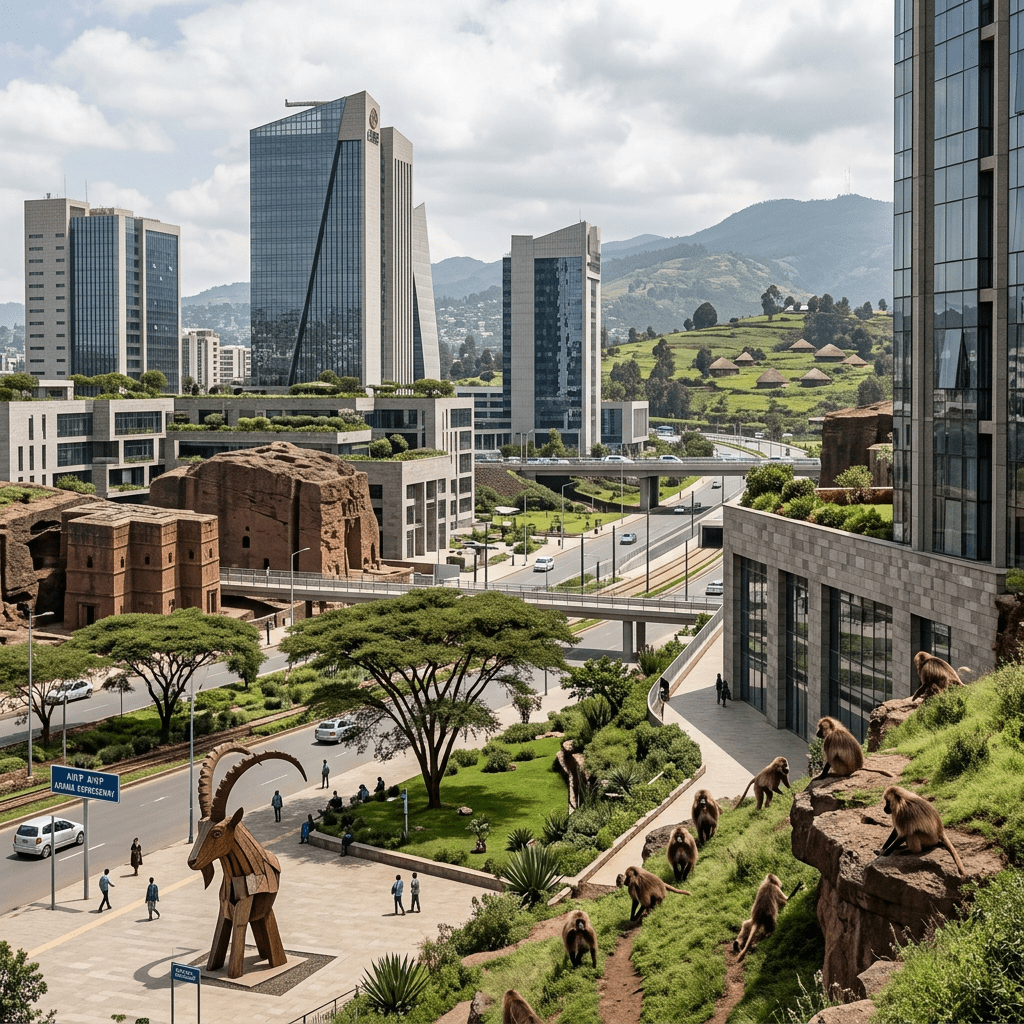
From ancient rock-hewn churches to the diplomatic corridors of Addis Ababa, Ethiopia is on a journey to turn its centuries-old heritage into a modern economic engine—with a message for the world: we are ready.
When Prime Minister Abiy Ahmed speaks about tourism, he does not just talk about beautiful places. He talks about potential—vast, untapped, waiting to be unlocked. In an interview with NBC Ethiopia, he laid out a vision that goes far beyond attracting visitors. It is about transforming Ethiopia’s story into opportunity, growth, and global recognition.
The central message is clear: turning Ethiopia’s potential into visible value—for Ethiopians and for the world.
The Untapped Wealth: A Nation of Wonders
Ethiopia’s challenge, the Prime Minister explained, is not the absence of attractions. It is turning immense potential into world-class destinations. The country possesses resources capable of captivating visitors from across the globe:
- Ancient heritage sites that tell stories of civilizations past
- Remarkable landscapes that range from soaring mountains to vast lowlands
- Unique wildlife and biodiversity found nowhere else on Earth
- Diverse cultures and natural environments that reflect the richness of Ethiopian identity
Yet for decades, this wealth remained largely invisible to the world. Visitors came—but they came for brief tours, seeing only a handful of sites before leaving. The infrastructure was inadequate; the destinations were limited; and the potential remained locked away.
That is changing.
From Heritage to Destinations: The Investment Strategy
Tourism, the Prime Minister emphasized, requires more than having historic places—it requires investment.
The government’s focus has been on four pillars:
1. Restoring and protecting heritage
Ethiopia’s historical treasures are not just tourist attractions—they are the soul of the nation. The Prime Minister highlighted the recovery of more than 35 Ethiopian heritage artefacts that had been lost, stolen, or taken away. This effort to bring home what was taken is part of a broader commitment to restoration.
2. Developing tourism destinations
Landmark initiatives like Dine for Sheger, Dine for the Nation, and Dine for a Generation have fundamentally reshaped Ethiopia’s tourism map. Unity Park, Sheger Park, and Entoto Park have transformed Addis Ababa. Halala Kela, Chebera Churchura, and Wenchi have blended natural beauty with historical footprints. Gorgora, Dembi, and Shebelle represent the next generation of destinations.
3. Expanding infrastructure
Roads, airports, and connectivity are being expanded to make destinations accessible. Where previously visitors might have struggled to reach remote sites, now improved infrastructure ensures smoother, safer journeys.
4. Strengthening digital access and visitor services
In a digital age, tourism requires more than physical infrastructure. Ethiopia is building the online presence and services that modern travellers expect.
Bringing the World to Ethiopia: The MICE Opportunity
The Prime Minister emphasized a specific opportunity often overlooked: MICE tourism—Meetings, Incentives, Conferences, and Exhibitions.
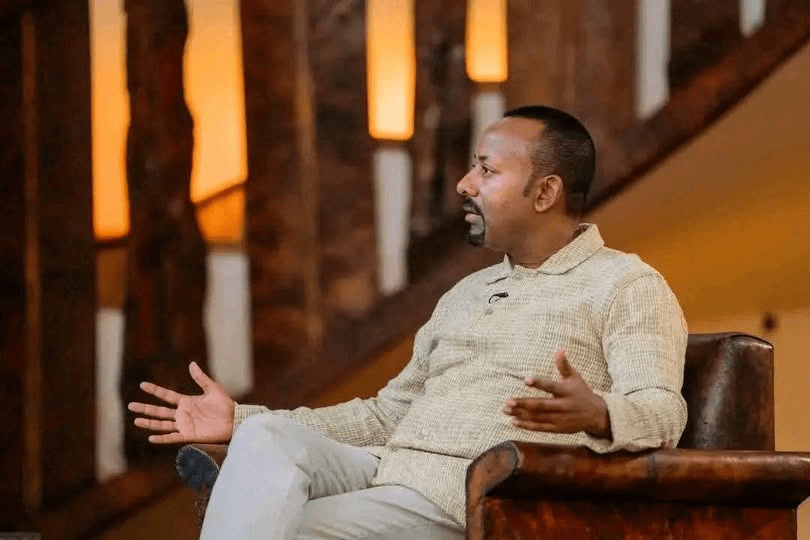
With Addis Ababa’s role as Africa’s diplomatic capital—home to the African Union and numerous international organisations—and Ethiopian Airlines’ global connectivity, Ethiopia has the foundation to attract international conferences and business visitors. This is not just about leisure tourism; it is about positioning Ethiopia as a hub for global dialogue and commerce.
In the first nine months of the recent budget year alone, Addis Ababa hosted approximately 150 international and continental events—a 50% increase compared to the previous year—injecting 155 billion Birr into the economy. These numbers reflect the growing recognition of Ethiopia’s capacity to host the world.
When Investment Meets Results
The Prime Minister’s message is that tourism is now showing measurable progress:
- Growing international visitors—attracted by new destinations and improved services
- Expanding domestic tourism—as Ethiopians discover their own heritage
- Increasing tourism revenue—contributing to economic transformation
- More international conferences—hosted in Addis Ababa
Tourism is becoming part of Ethiopia’s broader economic transformation alongside agriculture, industry, mining, and technology. It is not an add-on; it is a pillar.
The Story Belongs to Every Ethiopian
Perhaps the most striking part of the Prime Minister’s message is this: tourism cannot be built by government alone. It requires every citizen.
Every interaction matters. From airports and hotels to drivers, guides, businesses, artists, media, and ordinary citizens—each person is an ambassador for Ethiopia. Visitors form their impressions not just through brochures but through the warmth, professionalism, and integrity of the people they encounter.
The message is simple and powerful: Know Ethiopia. Present Ethiopia with dignity. Share its story with the world.
This is not just about economic gain. It is about national pride and the right to tell one’s own story.
A Vision for the Future
The Prime Minister’s vision is ambitious yet grounded. He sees a future where Ethiopia is not just a destination for the few who have heard of its wonders, but a global icon of hospitality, heritage, and hope.
The era of limited destinations is over. The infrastructure is being built. The heritage is being restored. The world is being invited.
And at the heart of it all is a simple belief: the world has not seen enough of Ethiopia—but it will.
“Together, let’s work to further increase the contribution of the tourism industry to national growth.”
This is the call. And Ethiopia is answering.

Posted on July 1, 2026, in Aadaa, Afaan, Bokkkuu, Diaspora, Events, Finfinne, gadaa, Information, Language, Media, News, Oromia, Promotion. Bookmark the permalink. Leave a comment.




 Advocacy for Oromia
Leave a comment
Comments 0