The Second First Step: Inside the Transformative World of Stroke Rehabilitation
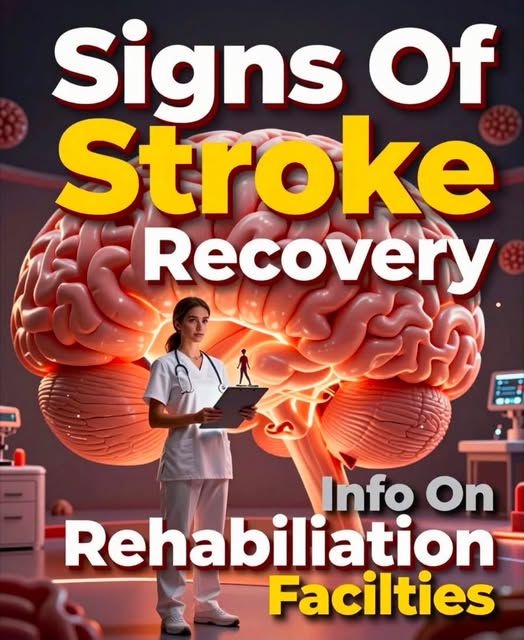
By Our Health Correspondent
The moment a stroke strikes, life fractures. In an instant, the familiar commands of the body—a steady stride, a clear word, the simple act of lifting a cup—become distant memories. Yet, for thousands of survivors and their families, the end of the acute medical emergency is merely the prologue to a longer, more intimate battle. It is a battle fought not in operating theatres, but in the quiet, determined corridors of stroke rehabilitation centers.
These facilities are not hospitals in the traditional sense. They are workshops of resilience, where science meets spirit, and where the slow, painstaking work of reclaiming a life begins.
—
More Than Medicine: The Philosophy of Rehab
At its core, a stroke rehabilitation center is a specialized sanctuary designed for one purpose: to guide individuals from the depths of physical and cognitive loss back toward independence. It is a space where the clinical and the compassionate converge.
The philosophy is deceptively simple yet profoundly ambitious. Rather than merely treating a medical condition, these centers treat the person. They acknowledge that a stroke does not only impair mobility; it fractures identity, disrupts communication, and often shrouds the survivor in a fog of emotional turmoil. The goal, therefore, is holistic restoration—addressing the body, the mind, and the spirit in equal measure.
—
The Triad of Healing: Therapy in Action
Walk into any reputable stroke rehab facility, and you will witness a symphony of specialized therapies, each playing a critical role in the recovery symphony.
Physical Therapy (PT) is often the most visible. It is the grueling, yet triumphant, work of relearning to stand, to balance, and to walk. Therapists act as patient coaches, coaxing weakened muscles back to life and retraining the brain’s pathways to communicate with limbs. It is a process of small victories—a single step today, a flight of stairs next week.
Occupational Therapy (OT) , meanwhile, shifts the focus from movement to meaning. It answers the question: How do I live my life now? Occupational therapists help survivors adapt to daily activities—dressing, cooking, bathing—using adaptive tools and innovative strategies to restore a sense of normalcy and self-sufficiency.
Speech and Language Therapy addresses one of the most isolating consequences of stroke: aphasia, or the loss of communication. These specialists work tirelessly to help patients find their voice again, rebuilding the neural connections that govern speech, comprehension, and even swallowing—a basic function often taken for granted until it is lost.
Crucially, modern centers do not stop there. Psychological support is woven into the fabric of care, offering survivors a safe space to process grief, frustration, and anxiety. In the quiet moments between exercises, the emotional scars of stroke are given the attention they deserve.
—
A Crucial Decision: Choosing the Right Path
For families thrust into the world of rehabilitation, the choices can be overwhelming. Discharge from a general hospital often comes with a stack of brochures and a looming deadline. How does one choose?
The decision is deeply personal. Location matters—proximity to family can be a lifeline. But more critical are the qualifications of the staff. Does the center offer a multi-disciplinary team? Are the therapists certified in neuro-rehabilitation?
Healthcare providers and support groups often serve as invaluable compasses, guiding families toward reputable facilities. However, the most effective strategy remains a physical visit. Walking through the halls, observing the patient-staff interactions, and asking candid questions about success rates and treatment philosophies provides a clarity that no brochure can offer.
The right center is not necessarily the most luxurious; it is the one that feels like a partnership, where the medical team views the patient as a collaborator in their own recovery.
—
The Unsung Heroes: Family at the Bedside
A stroke does not happen in a vacuum; it reshapes entire families. In the rehabilitation journey, loved ones are not passive observers but active participants.
Centers that excel in care actively encourage family involvement. They open therapy sessions to relatives, not as spectators, but as co-therapists who can carry the techniques home. They provide education, teaching caregivers how to assist without overstepping, how to encourage without exhausting.
This collaborative model transforms the rehab center from an intimidating institution into a shared mission. When a survivor sees their spouse or child cheering from the sidelines, motivation ignites. The emotional support of family often proves as potent as any clinical intervention, reminding the survivor that they are not alone in their struggle.
—
Beyond the Discharge: The Long Horizon
Perhaps the most critical truth about stroke recovery is that it does not end with discharge. The rehabilitation center is a launchpad, not a destination.
Long-term recovery is a marathon. Many centers offer outpatient services to bridge the gap between intensive rehab and independent living. Others connect survivors with community resources—exercise groups for stroke survivors, nutritionists specializing in cardiovascular health, and support networks where individuals can share their experiences.
Staying proactive is essential. Regular physical activity, a heart-healthy diet, and vigilant management of blood pressure and cholesterol are the cornerstones of preventing secondary strokes. Moreover, joining a support group can alleviate the profound loneliness that often accompanies the “new normal” of post-stroke life.
—
Conclusion: Reclaiming Independence
The journey through a stroke rehabilitation center is rarely linear. There are setbacks and plateaus, tears and triumphs. Yet, for those who walk—or roll—through those doors, the message is one of unwavering hope.
Understanding the landscape of these facilities empowers survivors and their families to take charge of their recovery. By exploring the services available, involving loved ones in the process, and committing to a lifetime of wellness, individuals can do more than survive a stroke. They can reclaim their independence, their voice, and their place in the world.
In the end, the greatest testament to these centers is not the statistics they produce, but the stories they rewrite—one hesitant step, one whispered word, one rediscovered smile at a time.
—
Sources: American Stroke Association, National Institute of Neurological Disorders and Stroke

Posted on July 4, 2026, in Aadaa, Afaan, Aged Care, Events, gender, health, Information, Kindness, Language, Media, mental health, News, Oromia, Press Release, Promotion, Sirna Oromo. Bookmark the permalink. Leave a comment.




 Advocacy for Oromia
Leave a comment
Comments 0