Daily Archives: July 4, 2026

The Ordeal of the Informed: What the Oromo Struggle Demands of Its Participants
By Our Special Correspondent
The question is deceptively simple, yet its answer carries the weight of generations: What should an Oromo person know before participating in and contributing to the Oromo struggle?
In the current climate of heightened political consciousness, young Oromos—and indeed, Oromos of all ages—are increasingly drawn to the movement for recognition, justice, and self-determination. The passion is palpable. The urgency is real. Yet, passion without preparation is a recipe for disillusionment, and urgency without understanding can lead to fragmentation.
To participate meaningfully in the Oromo struggle is to undertake an ordeal of the informed. It requires more than emotion; it demands historical literacy, strategic clarity, ethical grounding, and profound personal readiness.
—
The Burden of History: Knowing Where You Stand
The first and most critical requirement is a deep, unflinching engagement with Oromo history. The struggle did not begin yesterday, nor will it end tomorrow. It is a continuum stretching from the 16th-century expansions, through the colonial-era subjugation of the 19th century, to the suppression of the Mecha and Tulema self-help association in the 1960s, and into the armed and civil resistance movements of the modern era.
An informed participant must understand the 1974–1991 armed struggle, the subsequent political transitions, and the unfulfilled promises of the 1991 transitional charter. They must grapple with the complex legacy of the Oromo Liberation Front (OLF), the rise of the Qeerroo movement, and the ongoing debates about federalism versus confederalism, or reform versus revolution.
Without this historical grounding, one risks repeating mistakes, falling prey to opportunistic narratives, and confusing tactical setbacks with strategic defeat.
—
The Identity Question: What Does Oromummaa Mean?
Beyond history lies the deeper question of identity. What does it mean to be Oromo in the 21st century? Oromummaa—the essence of Oromoness—is often invoked but rarely examined.
The informed participant knows that Oromummaa is not a fortress of ethnic exclusivity. Historically, the Oromo nation has been remarkably inclusive, absorbing and assimilating diverse groups through the Gadaa system. The Oromo struggle, at its most principled, has never been about the domination of others but about the liberation of the self and the renegotiation of Ethiopia’s political compact.
The participant must therefore guard against the dangerous slippage from self-determination to ethnic supremacy. The struggle’s moral authority derives from its demand for justice, not its assertion of superiority. An Oromo who participates without understanding this distinction may find themselves perpetuating the very cycles of marginalization they seek to end.
—
Strategic Literacy: Understanding the Political Terrain
The Oromo struggle operates within a complex federal system, characterized by overlapping jurisdictions, competing nationalisms, and a federal government that views regional assertiveness with suspicion.
An effective participant must understand the constitutional framework—its strengths and its profound weaknesses. They must know the difference between Article 39 (the right to self-determination) and the practical mechanisms for its implementation. They must comprehend the limits of regional power, the manipulation of ethnic federalism by federal actors, and the ways in which the current system simultaneously empowers and constrains the Oromo nation.
Strategic literacy also demands an understanding of allies and adversaries. The Oromo struggle does not exist in isolation. It intersects with the struggles of the Somali, Sidama, Wolaita, and other nations. It engages with the Amhara political project, with movements for religious freedom, and with the international discourse on minority rights. To participate blindly, without mapping this terrain, is to navigate a minefield in the dark.
—
The Tools of Struggle: Armed Resistance, Civil Disobedience, and Political Engagement
The Oromo struggle has employed multiple modalities: armed resistance, civil disobedience, political party engagement, and international advocacy.
The informed participant must ask themselves: What is my role? Not everyone is called to the battlefield—whether literal or metaphorical. The liberation of a nation requires lawyers as much as it requires fighters, educators as much as activists, diplomats as much as demonstrators.
The participant should understand that these modalities are not mutually exclusive but often complementary. The armed struggle may create political space for negotiation, and civil disobedience may exert pressure that armed resistance cannot. Conversely, an over-reliance on any single approach can lead to stagnation or fragmentation.
—
The Ethical Dimension: Means and Ends
Perhaps the most overlooked aspect of political participation is ethics. The struggle for justice must be conducted justly.
The informed participant knows that violence against civilians, extrajudicial detention, and the suppression of internal dissent within Oromo ranks undermine the very legitimacy of the cause. They understand that the Oromo struggle is fundamentally a moral claim; if that moral claim is advanced through immoral means, it corrodes itself from within.
Moreover, the participant must be prepared for the long haul. The struggle is not a sprint; it is a marathon that may well outlast the participant’s lifetime. Patience, resilience, and the ability to sustain hope in the face of setbacks are not optional virtues—they are essential equipment.
—
The Personal Cost: What Participation Really Means
Participating in the Oromo struggle is not a badge of honor to be worn lightly. It carries real costs: the risk of imprisonment, the loss of employment, the strain on family relationships, the psychological toll of witnessing injustice and state violence.
The informed participant calculates these costs soberly. They do not romanticize martyrdom but prepare for the possibility of sacrifice. They build support networks. They plan for the psychological and material consequences of their involvement.
This is not a counsel of fear but of maturity. The struggle is too important to be undertaken by those who have not counted the cost.
—
Unity in Diversity: The Unfinished Conversation
Finally, the participant must understand that the Oromo struggle is not monolithic. There are debates—vigorous, sometimes bitter debates—about strategy, ideology, leadership, and the relationship with the Ethiopian state.
An informed participant enters these debates with humility and respect. They recognize that difference of opinion is not treachery, and that the movement’s strength lies in its ability to accommodate diverse voices while maintaining a common front on the fundamental principles: the inviolability of Oromia, the centrality of Afaan Oromo, the governance model of Gadaa, and the recognition of Finfinnee and Diree Dawa as integral to Oromo identity and Ethiopian federalism.
They understand that to participate is to contribute to an unfinished conversation—a conversation that will shape not only the future of the Oromo but the future of Ethiopia itself.
—
A Personal Reflection
As one elder activist put it, “The struggle is not about what we take from others; it is about what we build for ourselves and our children. It is about reclaiming our dignity and offering it as a gift to the nation we share.”
To participate in the Oromo struggle, then, is to embrace a profound responsibility. It is to carry the weight of history, to navigate the complexities of the present, and to dream, with clear eyes, a future of justice and peace.
The informed participant does not ask, What can the struggle give me? They ask, What can I give to the struggle—and through it, to Ethiopia?
—
In the words of a famous Oromo proverb: “Namni waan hin beekne hin dhaabatu”—One who does not know does not stand firm. In the Oromo struggle, knowledge is not just power; it is the very ground upon which one stands.

The Unbroken Struggle: A History of Oromo Resistance and the Quest for Justice
From ancient freedom to colonial subjugation and the ongoing fight for self-determination, the Oromo people’s journey is a testament to resilience, sacrifice, and an unyielding commitment to justice.
A History of Freedom, Before the Fall
“Ummanni Oromoo otuu garbummaa jalatti hin kufiin dura nagaa fi bilisummaan jiraachaa ture.”
Before the shadow of subjugation fell upon them, the Oromo people lived in peace and freedom. Their culture, identity, and faith flourished without external interference, guided by the principles of the Gadaa system, the wisdom of their elders, and a deep connection to the land.
The Oromo identity was not a burden—it was a source of pride. The Oromo language was spoken freely, traditions were celebrated openly, and the community governed itself through indigenous institutions that predated the modern state. The Oromo were not merely inhabitants of their land; they were its custodians, its protectors, and its soul.
The Conquest: A People Forcibly Subjugated
“Haata’uutii, sirni Habashaa erga Oromiyaa humna qawween cabsee gabroomsee hiree ummata Oromoo roorroo jalatti kufe.”
This era of autonomy came to a violent end with the expansion of the Abyssinian (Habasha) imperial system. Through military conquest, the Oromo people were subjugated, their lands seized, and their social and political structures dismantled. The once-proud people were reduced to subservience, forced to labour for those who had conquered them.
Yet the Oromo did not simply accept their fate. “Ummati Oromoo garuu karaa danda’e maraan sirnicha faccisuu hin dhiifne ture.”—The Oromo people never ceased their resistance, using every available means to challenge the oppressive system. Whether through scattered uprisings, covert resistance, or open rebellion, the spirit of defiance remained alive.
The Systematic Erasure of Identity
The conquest was not only military—it was cultural, linguistic, and spiritual. The occupiers understood that to control a people, one must control their identity.
Land Dispossession: “Erga Oromoon humna Habashaa jalatti kufee kaasee lafti Oromoo kan abbootii lafaa ta’e, namni Oromoo lafa isaa irratti ciisanyaa ta’ee warra garboonfataa tajaajiluu ta’e.”—After the Oromo fell under Abyssinian control, the land that had belonged to their ancestors was taken from them. The Oromo became tenants on their own soil, forced to serve those who had dispossessed them.
Identity Erasure: “Eenyummaan Oromoo haalamee, maqaan jibbamaa fi tuffatamaa itti kenname.”—Oromo identity was systematically undermined. A derogatory name was imposed upon them, stripping them of the dignity of self-identification.
Language Suppression: “Afaan Oromoo akka afaan hojii fi barnootaa hin taane dhorkamee, Afaan Amaaraan akka tajaajilamu godhame.”—The Oromo language was banned from education and official use, replaced by Amharic. Generations of Oromo children were educated in a language that was not their own, severing their connection to their linguistic heritage.
Cultural and Religious Persecution: “Aadaa fi amantiin Oromoo ifaan akka dhorkamu labsiin dhorkame.”—Oromo culture and the indigenous faith of Waaqeffannaa were explicitly prohibited. Traditional practices were suppressed, and the sacred Odaa tree—the symbol of Oromo spirituality and governance—was targeted for destruction.
Systematic Marginalisation: “Gidiraa fi roorroon hamaan ummata Oromoo irratti fe’ame. Oromoon karaa hundaa akka boodatti hafu imaammanni mootummaa tolfamee irratti hojjatame.”—A comprehensive policy of marginalisation was implemented, ensuring that the Oromo would remain economically, politically, and socially subordinate in their own land.
The Seeds of Organised Resistance
“Kun booda keessa Oromoota dammaqoo fi quuqama sabaa qaban waan aarseef tooftaa addaddaan finciluu eegalan.”
Yet oppression breeds resistance. Among the Oromo, a new generation of awakening emerged—individuals and groups who refused to accept their subjugation. They recognised that open, armed rebellion alone would not succeed against a powerful state. Instead, they organised through alternative structures: mutual aid societies, development associations, and religious organisations.
“Ifatti bifa siyaasaan ijaaramnii qabsoo gochuun waan hin danda’amneef karaa waldaalee walgargaarsaa, waldaalee misoomaa fi waldaalee amantii jalatti gurmaa’anii waldammaqsuu fi sirna garboonfattuu Habashaa mormuu fi falmuu itti fufan.”
These organisations became the vehicles through which Oromo consciousness was nurtured, resources were mobilised, and resistance was sustained—often hidden in plain sight.
Historic Uprisings: The Legacy of Resistance
The history of Oromo resistance is marked by significant uprisings that shook the foundations of the Abyssinian state:
The Raayyaa Uprising: A rebellion in the Raayyaa region that demonstrated the Oromo people’s willingness to fight for their freedom despite overwhelming odds.
The Baalee Peasant Revolt: The farmers of Baalee rose up against oppressive land policies, demanding the return of their ancestral lands and an end to feudal exploitation.
The Maccaa-Tuulamaa Movement: The historic alliance between the Maccaa and Tuulamaa Oromo groups represented a unification of forces against a common oppressor, setting the stage for broader Oromo nationalism.
These uprisings were not isolated incidents—they were expressions of a collective will that refused to accept subjugation as the natural order.
The Birth of Modern Oromo Political Organisation
“Qabsoon diddaa garbummaa karaa addaddaa adeemsifamaa ture kan gurmaa’ee bifa qindoomina siyaasaa qabuun adeemsifamuu eegale ijaarsa ABO kan bara 1970moota keessa finiinaa tureen ture.”
The scattered resistance of the past gave way to a new era with the formation of the Oromo Liberation Front (OLF) , initially established as the Oromo Liberation Front (ABO) in the 1970s. The creation of ABO represented a watershed moment: Oromo resistance was now organised, unified, and operating with a clear political vision.
“Ijaaramuun ABO akka qabsoon Oromoo bifa gurmuu qabu godhatee adeemu godhe. Oromoota shira gita bittootaan addaan qoqqodamanii turan walitti deebisee akka Oromiyaaf gaaddisa tokko jalatti qabsaa’an godhe.”
ABO brought together Oromos who had been divided by region, clan, and class, uniting them under a single banner for a common cause. It gave the Oromo people a voice on the national and international stage, asserting their rights and demanding justice.
“Ijaarsi ABO, akka Oromoon waan humnaan sarbame ifatti baasee beeksisuun akka Oromoon roga hundaan ka’ee waan dhabe akka deebifatu taasise.”
The organisation’s formation enabled the Oromo people to clearly articulate what had been taken from them and to mobilise all sectors of society to demand its restoration.
Achievements and Unfinished Business
The Oromo struggle has achieved significant victories over the decades:
Land Rights: “Gaaffiin lafaa fincila bara 1960 moota keessa tureen lafa harka qonnaan bultoota Oromootti deebisee jira.”—The land question, first raised in the 1960s, has seen partial resolution, with land returned to Oromo farmers.
Language Recognition: “Qabsoon Afaan Oromoo fi Qubee Afaan Oromoos afaan hojii fi barnootaa taasisus, bara 1990moota keessa haga tokko deebii argatee jira.”—The struggle to make Afaan Oromo an official language of work and education achieved partial success in the 1990s, with the adoption of the Oromo alphabet (Qubee).
Regional Autonomy: “Daangaan Oromiyaas ifatti beekamee, ijaarsa mootummaa naannoo Oromiyaa jalatti gaaffiin sabummaa Oromoo akka deebii argatu godhameera.”—The creation of the Oromia Regional State marked the recognition of Oromo nationhood within Ethiopia’s federal system.
However, the struggle remains incomplete. “Garuu, gaaffiin Oromoo guutummaatti waan hin deebineef, amma illee karaa addaddaa falmaan itti fufee jira.”—The fundamental questions of Oromo self-determination, justice, and equality have not been fully addressed, and the struggle continues on multiple fronts.
The Struggle Continues: Why the Fight Is Not Over
“Qabsoon Oromoo haga galma akeekkate ga’utti qabsoon Oromoo hin dhaabbatu.”
The Oromo struggle will not cease until its objectives are achieved. The goal is clear and uncompromising:
“Kaayyoon qabsoo Oromoo mirgoota Oromoon humna alaagaatiin sarbaman deebisuun akka Oromoon nagaa fi bilisummaan jiraatu taasisuu dha.”
The objective is to restore the rights that the Oromo people were stripped of through external force—to ensure that they can live in peace and freedom, as they once did before subjugation.
Three Essential Goals:
- Dismantling the Roots of Oppression: “Hundee garbummaa buqqisuun”—Uprooting the foundations of subjugation, dismantling the structures that have kept the Oromo people subordinate.
- Rebuilding on Oromo Terms: “Sirna Oromoof ta’u deebisanii ijaaruu”—Rebuilding systems and institutions that serve the Oromo people, reflecting their values, aspirations, and needs.
- Restoring Hope and Vision: “Waan Oromoon sirna alagaan dhabe, deebisanii ijaaruu fi hawwii fi abdii Oromoo lachhisuu”—Restoring what was lost under the alien system, and nurturing the dreams and hopes of the Oromo people for a better future.
Conclusion: A People’s Unbreakable Will
The history of Oromo resistance is a testament to the unbreakable will of a people who have refused to accept subjugation as their destiny. Despite centuries of oppression—land dispossession, cultural erasure, linguistic suppression, and systematic marginalisation—the Oromo have persisted.
They have organised, fought, and sacrificed. They have achieved significant victories and continue to press forward. The struggle is not merely political—it is existential. It is about the right to exist as a people, to speak their language, to govern themselves, and to determine their own future.
“Qabsoon Oromoo haga galma akeekkate ga’utti hin dhaabbatu.”
The struggle of the Oromo will continue until the goals are achieved. It is a struggle for justice, for dignity, and for the restoration of what was taken. And it is a struggle that, in the end, will not be denied.
The Oromo people have endured. The Oromo people have resisted. And the Oromo people will prevail.
The Second First Step: Inside the Transformative World of Stroke Rehabilitation
By Our Health Correspondent
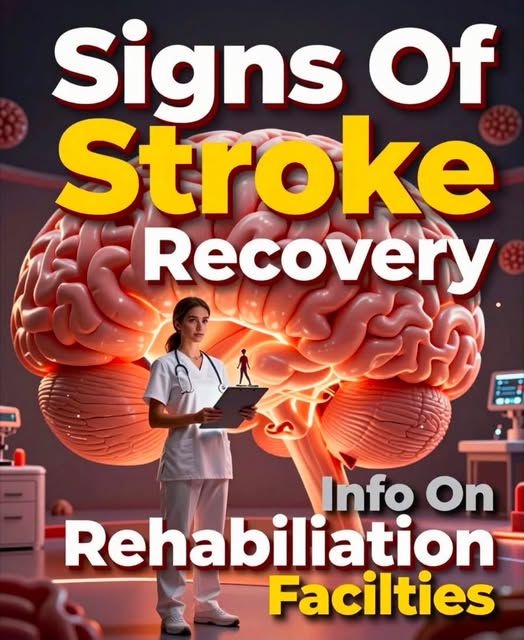
The moment a stroke strikes, life fractures. In an instant, the familiar commands of the body—a steady stride, a clear word, the simple act of lifting a cup—become distant memories. Yet, for thousands of survivors and their families, the end of the acute medical emergency is merely the prologue to a longer, more intimate battle. It is a battle fought not in operating theatres, but in the quiet, determined corridors of stroke rehabilitation centers.
These facilities are not hospitals in the traditional sense. They are workshops of resilience, where science meets spirit, and where the slow, painstaking work of reclaiming a life begins.
—
More Than Medicine: The Philosophy of Rehab
At its core, a stroke rehabilitation center is a specialized sanctuary designed for one purpose: to guide individuals from the depths of physical and cognitive loss back toward independence. It is a space where the clinical and the compassionate converge.
The philosophy is deceptively simple yet profoundly ambitious. Rather than merely treating a medical condition, these centers treat the person. They acknowledge that a stroke does not only impair mobility; it fractures identity, disrupts communication, and often shrouds the survivor in a fog of emotional turmoil. The goal, therefore, is holistic restoration—addressing the body, the mind, and the spirit in equal measure.
—
The Triad of Healing: Therapy in Action
Walk into any reputable stroke rehab facility, and you will witness a symphony of specialized therapies, each playing a critical role in the recovery symphony.
Physical Therapy (PT) is often the most visible. It is the grueling, yet triumphant, work of relearning to stand, to balance, and to walk. Therapists act as patient coaches, coaxing weakened muscles back to life and retraining the brain’s pathways to communicate with limbs. It is a process of small victories—a single step today, a flight of stairs next week.
Occupational Therapy (OT) , meanwhile, shifts the focus from movement to meaning. It answers the question: How do I live my life now? Occupational therapists help survivors adapt to daily activities—dressing, cooking, bathing—using adaptive tools and innovative strategies to restore a sense of normalcy and self-sufficiency.
Speech and Language Therapy addresses one of the most isolating consequences of stroke: aphasia, or the loss of communication. These specialists work tirelessly to help patients find their voice again, rebuilding the neural connections that govern speech, comprehension, and even swallowing—a basic function often taken for granted until it is lost.
Crucially, modern centers do not stop there. Psychological support is woven into the fabric of care, offering survivors a safe space to process grief, frustration, and anxiety. In the quiet moments between exercises, the emotional scars of stroke are given the attention they deserve.
—
A Crucial Decision: Choosing the Right Path
For families thrust into the world of rehabilitation, the choices can be overwhelming. Discharge from a general hospital often comes with a stack of brochures and a looming deadline. How does one choose?
The decision is deeply personal. Location matters—proximity to family can be a lifeline. But more critical are the qualifications of the staff. Does the center offer a multi-disciplinary team? Are the therapists certified in neuro-rehabilitation?
Healthcare providers and support groups often serve as invaluable compasses, guiding families toward reputable facilities. However, the most effective strategy remains a physical visit. Walking through the halls, observing the patient-staff interactions, and asking candid questions about success rates and treatment philosophies provides a clarity that no brochure can offer.
The right center is not necessarily the most luxurious; it is the one that feels like a partnership, where the medical team views the patient as a collaborator in their own recovery.
—
The Unsung Heroes: Family at the Bedside
A stroke does not happen in a vacuum; it reshapes entire families. In the rehabilitation journey, loved ones are not passive observers but active participants.
Centers that excel in care actively encourage family involvement. They open therapy sessions to relatives, not as spectators, but as co-therapists who can carry the techniques home. They provide education, teaching caregivers how to assist without overstepping, how to encourage without exhausting.
This collaborative model transforms the rehab center from an intimidating institution into a shared mission. When a survivor sees their spouse or child cheering from the sidelines, motivation ignites. The emotional support of family often proves as potent as any clinical intervention, reminding the survivor that they are not alone in their struggle.
—
Beyond the Discharge: The Long Horizon
Perhaps the most critical truth about stroke recovery is that it does not end with discharge. The rehabilitation center is a launchpad, not a destination.
Long-term recovery is a marathon. Many centers offer outpatient services to bridge the gap between intensive rehab and independent living. Others connect survivors with community resources—exercise groups for stroke survivors, nutritionists specializing in cardiovascular health, and support networks where individuals can share their experiences.
Staying proactive is essential. Regular physical activity, a heart-healthy diet, and vigilant management of blood pressure and cholesterol are the cornerstones of preventing secondary strokes. Moreover, joining a support group can alleviate the profound loneliness that often accompanies the “new normal” of post-stroke life.
—
Conclusion: Reclaiming Independence
The journey through a stroke rehabilitation center is rarely linear. There are setbacks and plateaus, tears and triumphs. Yet, for those who walk—or roll—through those doors, the message is one of unwavering hope.
Understanding the landscape of these facilities empowers survivors and their families to take charge of their recovery. By exploring the services available, involving loved ones in the process, and committing to a lifetime of wellness, individuals can do more than survive a stroke. They can reclaim their independence, their voice, and their place in the world.
In the end, the greatest testament to these centers is not the statistics they produce, but the stories they rewrite—one hesitant step, one whispered word, one rediscovered smile at a time.
—
Sources: American Stroke Association, National Institute of Neurological Disorders and Stroke

Waaqeffannaa: The Ancient Oromo Faith and the Resurgence of Indigenous Spirituality
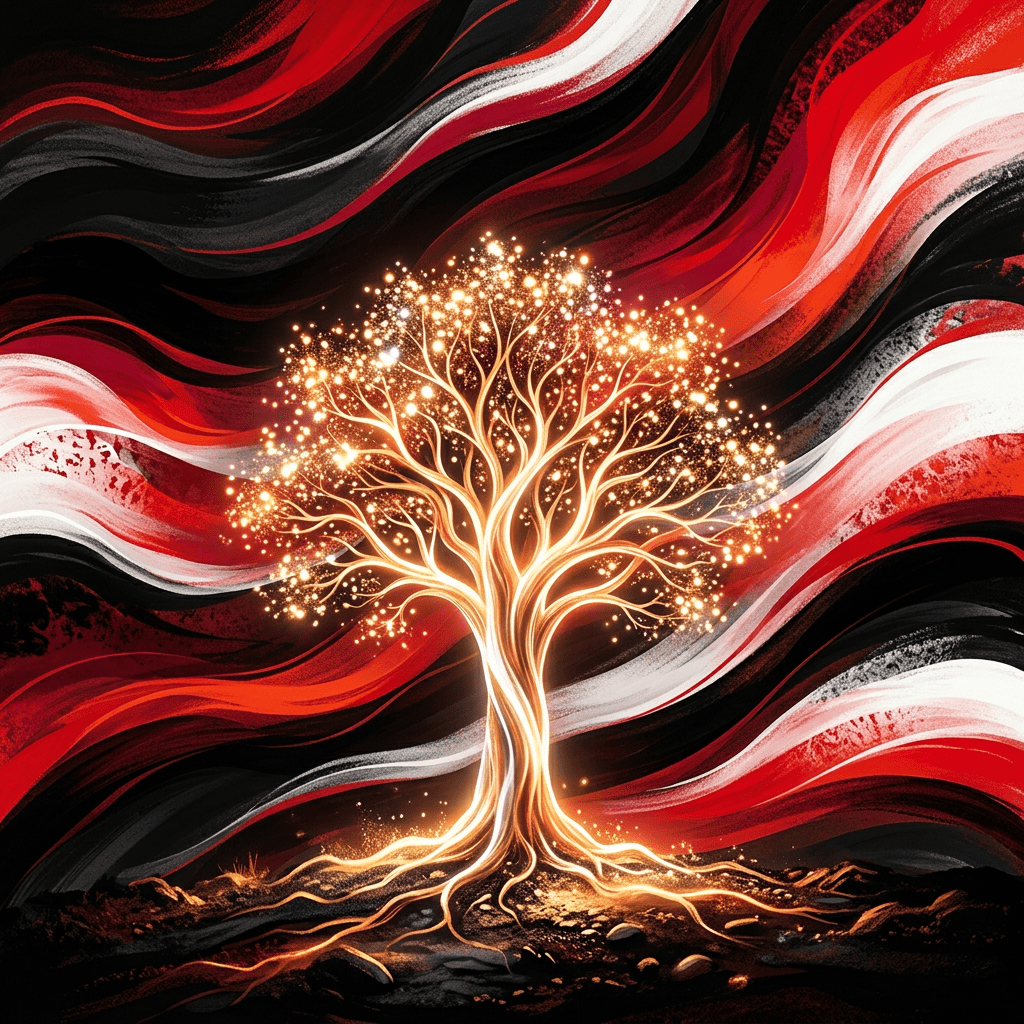
A profound exploration of the Oromo people’s original faith—Waaqeffannaa—reveals a sophisticated spiritual system that has survived centuries of suppression and is now experiencing a powerful renaissance.
The Foundation of Oromo Identity
“Amantiin mala dhugeeffannaa dhalli namaa ittiin Uumaafi uumama isaa hubatu, ittiin buluufi ittiin jiraatuudha.”
Religion is the lens through which humanity understands its Creator and creation—the framework through which people live, govern, and find meaning. For the Oromo people, this spiritual foundation is Waaqeffannaa, the indigenous belief system that has guided Oromo society for millennia.
Like every people, the Oromo possess their own ancient and authentic faith—a system through which they understand the divine truth, order their lives, and align themselves with the will of the Creator. Waaqeffannaa is the belief in the One True God, Waaqa, and the way of life that follows from that conviction.
“Waaqeffannaan amantii Waaqa Tokkicha jiruufi jireenya ofiitti aanfatanii ittiin qajeelfamaniidha.”
Waaqeffannaa is the faith of those who believe in the One Waaqa and are guided by a life lived in accordance with His will. The term itself—Waaqeffannaa—means “believing in Waaqa,” “following Waaqa,” and “directing one’s life toward Waaqa.” The Oromo, more than any other, direct themselves toward Waaqa, the Creator of all things.
The Core Belief: One Waaqa, Infinite Wisdom
The foundational text of Waaqeffannaa, Daaniyaa, declares:
“Waaqni tokkicha qofaadha; hiriyyaa hinqabu; hindhalu; hindhalchu; hindhalatu; hindulloomu; hindu’u. Jiraataa fula’aa’dha. Waaqa gochaan malee ijaan arguun hindanda’amu. Waaqaanis waanti qixxaatu hinjiru.”
“Waaqa is one alone; He has no partner; He does not beget; He is not begotten; He is not born; He does not die; He is eternal and ever-living. Waaqa cannot be seen with the eyes, but through His works. Nothing is equal to Waaqa.”
This conception of the divine is strikingly monotheistic, emphasising the absolute unity, transcendence, and uniqueness of Waaqa. It is a vision of God that resonates with the deepest currents of human spiritual longing—a God who is beyond human comprehension yet intimately present in creation.
The Suppression and Survival of Waaqeffannaa
The Oromo people’s original faith was not destroyed—it was hidden. As the Oromo spiritual tradition known as Wayyuu explains:
“Waaqeffannaan nigaadi’ame malee hinbanne; gaafa dhugaan Oromoo gale, aadaan, amantiin, duudhaafi safuun Oromoo homa deebi’ee gala. Waaqeffannaan nidhokate malee hinbanne; kan gaadi’ame waan dhalli namaa Waaqeffannaa dhiisee waan dhibiin buluu jalqabeef.”
“Waaqeffannaa was suppressed but not abolished. The day the truth of the Oromo returns, the culture, faith, traditions, and ethics of the Oromo will be restored. Waaqeffannaa was hidden but not destroyed. It was hidden because the people abandoned Waaqeffannaa and began to live under oppression.”
This is the central narrative of Waaqeffannaa’s survival—a faith that was not eradicated but driven underground, preserved in the hearts and practices of those who refused to forget. It survived not as a public institution but as an enduring spiritual memory, waiting for the day when it would be called back into the light.
The Pillars of Waaqeffannaa
The foundational pillars of Waaqeffannaa are:
Waaqa (The Creator)
The One True God, eternal and all-powerful, who is known through creation. As the Oromo say: “Waaqa Uumaa, Waaqa uumamaa; Tokkicha maqaa dhibbaa”—”Waaqa the Creator, Waaqa of creation; One with a hundred names.”
Ayyaana (The Divine Spirit)
The spiritual force that connects the individual to Waaqa. Ayyaana is the divine spark within each person, the means through which humans experience the presence of the divine in their lives.
Nama (Humanity)
Human beings are the crown of creation, entrusted with the responsibility to live in harmony with Waaqa’s will. The Oromo understanding of humanity is one of dignity, purpose, and accountability.
Wayyuu (The Spiritual Tradition)
The body of spiritual knowledge, practices, and wisdom passed down through generations. Wayyuu is the custodian of Oromo spiritual heritage, preserving the teachings that guide Waaqeffannaa adherents.
Safuu (Moral Order)
The ethical framework that governs Oromo society—principles of justice, respect, and harmony that reflect the divine order. Safuu is the moral compass that aligns human behaviour with divine will.
The Role of the Odaa Tree
Central to Waaqeffannaa practice is the Odaa tree—the sacred sycamore fig. The Odaa is not merely a tree; it is a symbol of the connection between heaven and earth, a gathering place for prayer, community deliberation, and spiritual renewal.
Beneath the Odaa, the Oromo:
- Offer prayers to Waaqa
- Resolve disputes through dialogue and reconciliation
- Conduct the sacred Gadaa ceremonies
- Renew their commitment to Safuu and communal harmony
The Odaa stands as a living witness to the continuity of Waaqeffannaa tradition, a place where the spiritual and the social are united.
The Meaning of Daaniyaa
At the heart of Waaqeffannaa spiritual literature is Daaniyaa—a sacred text that serves as a guide to understanding the divine and living a life of righteousness.
The name Daaniyaa itself carries profound meaning:
“Daaniyaan warra Waaqaan bulu; sanyiin isaanii Ayyaantuudha; Hiddi dhaloota keenyaas warra Daaniyaati; Qe’een isaanii ganamaa Haroo Mormor ture; achirraa ka’anii walaabuu keessa guuta; warri kun warra Waaqaan bulaniidha.”
“Daaniyaa are those who live under Waaqa; their lineage is Ayyaantuu; The root of our generations is the people of Daaniyaa; Their origin was ancient Haroo Mormor; from there they spread throughout the world; these are the people who live under Waaqa.”
Daaniyaa is not merely a text—it is a people, a tradition, and a way of life. It embodies the lived experience of the Oromo who have remained faithful to Waaqa throughout the centuries.
The Colours of Faith: A Spiritual Code
The sacred colours associated with Daaniyaa and Waaqeffannaa carry deep spiritual significance:
Black (Gurraacha)
- Represents Waaqummaa—the divine presence
- Symbolises the qulqullummaa (purity) of Waaqa
- Holds the highest place in Oromo spiritual perception
- As the Oromo say: “Gurraacha garaa garbaa”—”Black like the dark night”—a sign of Waaqa’s mystery and majesty
Red (Diimaa)
- Represents life and humanity
- Symbolises the blood that connects all Oromo people
- Placed adjacent to black, signifying humanity’s closeness to Waaqa
- Represents the dignity and worth of every human being
White (Adii)
- Represents the light and wisdom Waaqa gives to humanity
- Symbolises the path out of darkness, falsehood, and oppression
- Guides the faithful back to the truth of Waaqa
The Odaa tree, rendered in white, stands at the centre—a symbol of the sacred connection between the divine and the human.
The Calendar of Renewal: Birboo
Waaqeffannaa has its own calendar, marking the passage of time in accordance with divine order. The new year, known as Birboo, is celebrated with thanksgiving and renewal—a time to leave behind the old and embrace the new.
According to the sacred calendar, the current year is 6401 ALW (After the Liberation of Waaqa)—a chronology that traces the faith’s resilience across millennia. The year begins with the month of Amajjii, and Birboo marks the celebration of renewal, a time when the faithful give thanks for the blessings of the past and prepare for the challenges and opportunities of the future.
The Resurgence of Waaqeffannaa
In recent decades, there has been a remarkable resurgence of Waaqeffannaa among the Oromo people, both in the homeland and across the diaspora. This revival is not merely a cultural trend—it is a spiritual homecoming, a return to the ancestral faith that sustained the Oromo people for generations.
The message of this resurgence is clear:
“Waaqeffannaan nidhokate malee hinbanne; gaadiin Waaqeffannaa dhokse gaafa hiikamu, gaarummaan dachii kana nidhuunfata; gaafa dhalli namaa Dhugaa Waaqaatti deebi’e, namni cufti nigammada.”
“Waaqeffannaa was hidden but not destroyed. The day the darkness that has hidden the truth of Waaqeffannaa is lifted, goodness will spread across this land. When humanity returns to the truth of Waaqa, all people will rejoice.”
Conclusion: The Return of Indigenous Truth
For too long, the Oromo people’s spiritual heritage has been marginalised, misunderstood, and misrepresented. But the truth cannot be silenced forever.
As the spiritual tradition of the Oromo, Waaqeffannaa is not merely a religion—it is a comprehensive way of life. It is the lens through which the Oromo understand creation, the path through which they seek justice, and the foundation upon which they build their future.
“Wayyuun Oromoo, kan argaa-dhageettii himuuf aangoma Waaqaa muudaman tokkos kanuma ragaa bahu.”
“Wayyuu, the Oromo spiritual tradition, is the one that has been chosen to be the witness, the one that has the divine authority to speak what it sees and hears.”
The time has come for this ancient faith to be seen, heard, and respected once more. For in the return to Waaqeffannaa lies not only the healing of the Oromo people but also a profound contribution to humanity’s understanding of the divine.
“Waaqeffannaan hinbanne, nidhokate malee! Gaadiin gaafa hiikame Waaqeffannaan huma deebi’a!”
“Waaqeffannaa has not been destroyed—only hidden! When the darkness is lifted, Waaqeffannaa will return!”

Preserving the Integrity of Afaan Oromoo: Why Word Order Matters
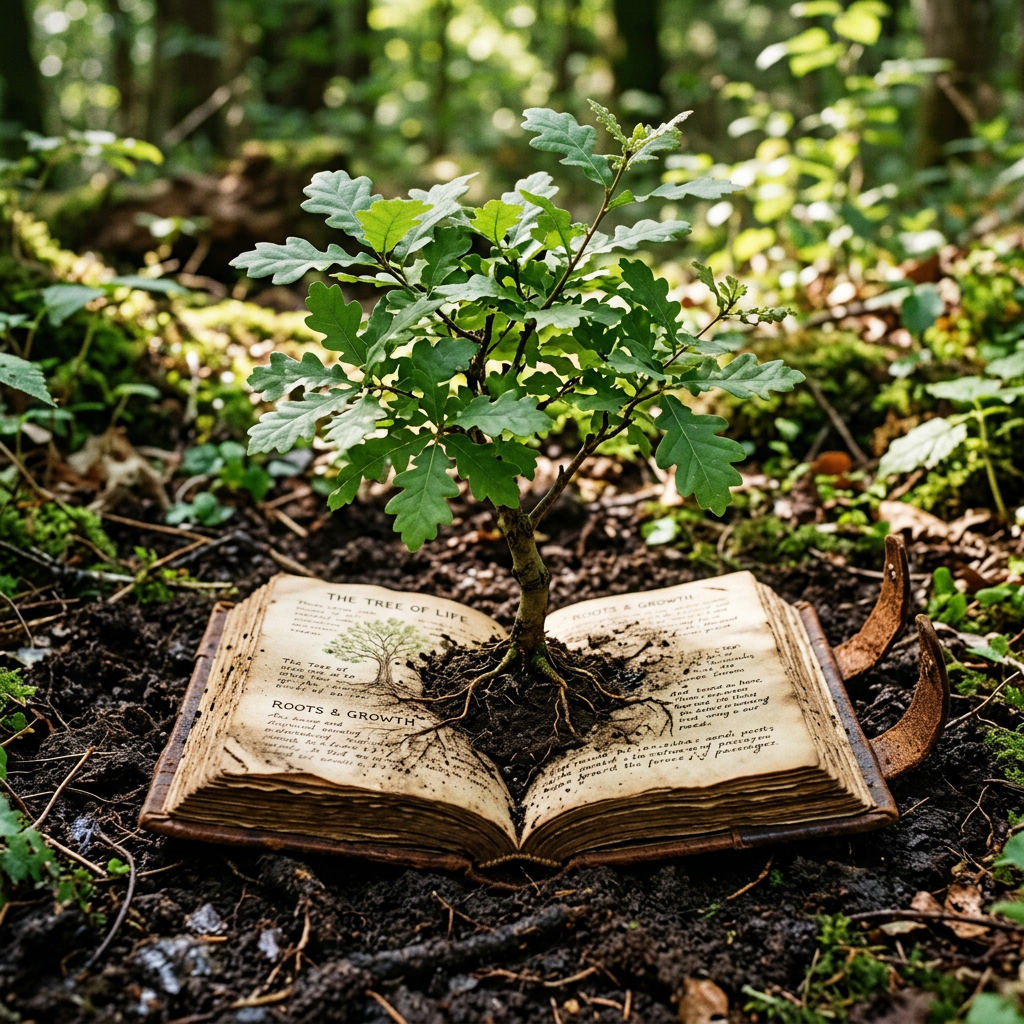
In the intricate tapestry of language, structure is not merely a matter of grammar—it is a reflection of identity, logic, and cultural worldview. For Afaan Oromoo, the sequence in which words are arranged is not arbitrary; it is a fundamental pillar of the language’s integrity.
The Rule of Word Order
“Sirnaa fi caasaa Afaan Oromoo hordofuun barbaachisaa dha.”
Following the structure and system of Afaan Oromoo is essential. This is not a matter of pedantry—it is a matter of linguistic preservation and cultural respect.
In Afaan Oromoo, the grammatical rule is clear and consistent: the noun always comes first, followed by the adjective. This is not a suggestion; it is the foundational structure upon which the language is built.
Consider these examples:
- ✅ Oromiyaa Lixaa (Western Oromia) — noun + adjective
- ✅ Oromiyaa Bahaa (Eastern Oromia) — noun + adjective
- ✅ Oromiyaa Kibba Bahaa (Southeastern Oromia) — noun + adjective
- ✅ Oromiyaa Giddugalaa (Central Oromia) — noun + adjective
The same rule applies to naming regions, districts, and places:
- ✅ Arsii Bahaa (Eastern Arsi) — noun + adjective
- ✅ Gujii Lixaa (Western Guji) — noun + adjective
- ✅ Harargee Bahaa (Eastern Hararghe) — noun + adjective
- ✅ Shawaa Lixaa (Western Shewa) — noun + adjective
- ✅ Wallaggaa Bahaa (Eastern Wallagga) — noun + adjective
The Contrast with Other Languages
This structural logic stands in marked contrast to other languages. In English, for example, the adjective typically precedes the noun: “Western Oromia” (adjective + noun). In Amharic, the same pattern applies: “ምዕራብ ኦሮሚያ” (adjective + noun).
These patterns are not inherently superior or inferior—they are simply different. However, when the structure of one language is imposed upon another, the integrity of the latter is compromised. When Afaan Oromoo speakers adopt the adjective-first pattern from other languages, they are not merely borrowing a grammatical convention; they are gradually eroding a core feature of their own language.
Why This Matters
The preservation of Afaan Oromoo’s structure is not about linguistic purism for its own sake. It is about:
1. Maintaining Clarity and Precision
The noun-first structure of Afaan Oromoo provides a natural clarity. The primary subject—the thing being described—is presented first, followed by its characteristics. This reflects a cognitive pattern that is deeply embedded in the language.
2. Preserving Cultural Identity
Language is not just a tool for communication; it is a vessel for culture, history, and worldview. The way a language structures its sentences reflects the way its speakers structure their thoughts. To alter that structure is to alter the very way a people think about the world.
3. Ensuring Intergenerational Transmission
When younger speakers adopt structures from other languages, a gap emerges between generations. Elders may feel that the language is being “broken,” while younger speakers may not even be aware that they are deviating from traditional forms. This gradual shift can lead to a loss of fluency and a disconnect from cultural heritage.
4. Strengthening Linguistic Confidence
Afaan Oromoo has a rich and sophisticated grammatical system. Recognising and honouring this system builds confidence in the language and its speakers. It affirms that Afaan Oromoo is not a “lesser” language that must adapt to the structures of more dominant languages—it is a complete, complex, and beautiful language in its own right.
A Call to Awareness
For Afaan Oromoo speakers, the challenge is not simply to know the rules—it is to apply them consistently, whether in writing, speaking, or teaching. This is particularly important in formal settings: education, media, government documents, and literature.
When we say:
- ❌ Bahaa Oromiyaa (incorrect: adjective + noun)
- ✅ Oromiyaa Bahaa (correct: noun + adjective)
We are not just choosing between words—we are choosing between linguistic fidelity and linguistic erosion.
The Broader Context: Language in the Age of Globalisation
In an era of globalisation, small languages face immense pressure to conform to dominant linguistic patterns. English, in particular, has become a global lingua franca, and its grammatical structures often seep into other languages through media, technology, and education.
For Afaan Oromoo, the adjective-first pattern is a clear example of this influence. Many speakers—especially those educated in other languages—unconsciously adopt the adjective-first structure without realising that it violates the rules of their own mother tongue.
This is not about resisting change altogether; all languages evolve over time. However, there is a critical difference between organic evolution and structural erosion. Organic evolution occurs naturally within the framework of a language’s own rules. Structural erosion occurs when external patterns are imposed without awareness, gradually dismantling the language’s foundational logic.
Practical Steps for Preservation
To preserve the integrity of Afaan Oromoo’s structure:
📚 In Education
Teachers should emphasise the noun-first rule from the earliest stages of language instruction. Students should be taught not only what is correct but why it is correct—grounding the rule in the logic of the language.
📰 In Media
Journalists, broadcasters, and writers should model correct usage. Media plays a powerful role in shaping public understanding of language, and consistent correct usage helps normalise the noun-first structure.
💬 In Daily Conversation
Community members can gently correct one another when errors occur—not with criticism, but with the understanding that preserving the language is a shared responsibility.
📖 In Literature
Writers and poets should continue to explore the richness of Afaan Oromoo’s structure, demonstrating its beauty and flexibility within its own grammatical framework.
Conclusion
“Kun seerluga English fi Afaan Amaaraa (ibsituu + maqaa) ti. Kan Afaan Oromoo: (maqaa + ibsituu) dha.”
This is not merely a linguistic curiosity—it is a statement of identity. The noun-first structure of Afaan Oromoo is a defining feature of the language, one that distinguishes it from other languages in the region and reflects the unique logic of Oromo thought.
To follow the structure and system of Afaan Oromoo is to honour the language itself—and the people who speak it.
Every time we speak correctly, we are not just communicating—we are preserving.

Beyond Separatism: The Six Pillars of Oromo Identity and the Transformative Vision for Ethiopia
In the turbulent theatre of Ethiopian political discourse, few narratives are as polarising as the aspirations of the Oromo people. Too often reduced to a simplistic caricature of ethnic nationalism or separatist ambition, the Oromo political project is frequently misunderstood.
Yet, underneath the surface of party politics and electoral calculations lies a deeper, more cohesive reality. Regardless of political function, ideological leaning, or generational gap, there exist critical political common denominators shared and protected by the Oromo people. These are not revolutionary slogans designed to dismantle a nation; they are foundational principles intended to reshape, support, and sustain Ethiopia into the future.
They are Oromia, Afaan Oromo, Gadaa, Oromummaa, Finfinnee, and Dirree Dhawa.
To understand these six pillars is to understand the soul of modern Oromo political consciousness—and to recognise that the Oromo quest is fundamentally a quest for a more equitable, federal, and democratic Ethiopia.
Oromia: The Territorial Bedrock
For the Oromo, Oromia is far more than an administrative region drawn on a map; it is the historical and political homeland. Spanning vast swathes of the Ethiopian highlands and lowlands, it anchors the collective memory of a people who have inhabited these lands for millennia.
Oromia embodies the historical struggle for autonomy and self-determination. It is the territorial foundation upon which claims to political representation, federal restructuring, and resource control are built . In the current constitutional era, the debate surrounding Oromia is central to Ethiopia’s federal future. For the Oromo, the protection of Oromia’s territorial integrity is non-negotiable—not as a fortress against the rest of Ethiopia, but as a recognised base from which the Oromo can contribute equally to the national fabric.
Afaan Oromo: The Linguistic Unifier
If Oromia is the body, Afaan Oromo is the soul. After over a century of systemic suppression, the Oromo language has re-emerged as the strongest cultural and political bond among scattered Oromo communities . It is more than a tool for communication; it is a symbol of restored dignity and a vibrant declaration of identity.
In the political arena, Afaan Oromo serves as a practical instrument for mass mobilisation. Its expansion into federal institutions—from the parliament floor to educational curricula—is viewed not as an encroachment but as an essential correction for historical inequality. Asserting Afaan Oromo enhances Oromo political visibility and ensures that the voice of the country’s largest ethnic group is heard in its own tongue . For the Oromo, linguistic pluralism is not a threat to national unity but the very bedrock of a just and inclusive Ethiopian state.
Gadaa: The Indigenous Democratic Blueprint
While the initial prompt highlights the political pillars, the Gadaa system stands proudly among them as the indigenous democratic governance system of the Oromo people. Recognised by UNESCO as an Intangible Cultural Heritage of Humanity, Gadaa represents a sophisticated political, social, and ritual framework that has governed Oromo society for centuries .
Gadaa is built upon principles of term limits, checks and balances, and consensus-based decision-making—ideas that resonate deeply with modern democratic values . For contemporary Oromo political thought, Gadaa is not merely an ancient relic; it is a living philosophy that informs the demand for transparent, participatory, and decentralised governance. To dismiss Oromo political aspirations is to dismiss a system that predates many modern states, and which offers profound lessons for Ethiopia’s own governance challenges.
Oromummaa: The Cultural Conscience
Oromummaa translates roughly to “Oromoness”—but it defies a simple definition. It is the collective cultural ethos, the shared moral compass, and the intricate web of values, histories, and worldviews that unite the Oromo people.
Critically, Oromummaa is historically inclusive. It is not an ethnic fortress; rather, it embodies a form of cultural nationalism that has traditionally welcomed outsiders and assimilated diverse groups . In the political sphere, Oromummaa serves as the ethical conscience of the Oromo struggle. It underscores the demand for justice not out of a desire for superiority, but out of a profound belief in equity, respect, and the fundamental dignity of all peoples. It is this cultural resilience that has sustained the Oromo through decades of marginalisation and continues to fuel their push for constitutional recognition.
Finfinnee: The National Crucible
Few spaces in Ethiopia are as contested—or as symbolic—as Finfinnee (Addis Ababa). Historically Oromo land, it has evolved into the cultural and political melting pot of the nation, serving as the seat of the federal government and the headquarters of the African Union .
For the Oromo, Finfinnee represents more than a capital city; it is a living testament to their historical rootedness in the central highlands . The political consciousness of modern Oromo movements was largely shaped within the streets and universities of Finfinnee. The governance of this city is tied inextricably to Oromo identity, the balance of federal power, and national symbolism. The Oromo claim to Finfinnee is not a call for exclusivity, but a demand for a seat at the table in deciding its future. Recognising the Oromo heritage of Finfinnee is seen as essential for healing historical grievances and fostering true federal balance.
Dirree Dhawa: The Multicultural Frontier
Finally, Dirree Dhawa stands as a testament to Ethiopia’s complex diversity and the unresolved questions of its federal architecture. As a multicultural frontier shared among Oromo, Somali, Amhara, and other communities, its administrative status is a microcosm of the nation’s broader federal challenges.
Unlike the exclusivist narratives that often dominate ethnic politics, the Oromo perspective on Dirree Dhawa symbolises a vision of inclusive governance . The city’s mixed demographic makeup and strategic economic importance require a governance model that transcends ethnic domination. For the Oromo, the resolution of Dirree Dhawa’s status represents a litmus test for whether Ethiopia can truly accommodate its diverse peoples within a single, unified federal system.
A Transformative, Not Separatist, Agenda
Taken together, these six pillars present a compelling counternarrative to the accusations of separatism often levelled against the Oromo political movement . The Oromo demand for territorial integrity, linguistic equality, cultural recognition, democratic governance, and balanced federalism is not an attempt to break up Ethiopia. On the contrary, it is an attempt to save it—to build a nation where no group is marginalised, where resources are shared equitably, and where federalism functions as originally intended.
These Oromo political common-denominator aims are not merely separatist or nationalist—rather, they are transformative, aiming to reshape, support, and sustain Ethiopia into the future . A strong Oromia is a strong Ethiopia. A recognised language is a unified nation. A respected culture is a peaceful society.
The question for Ethiopia is not whether it can accommodate these Oromo pillars, but whether it can afford not to. For in the recognition of these fundamental rights lies the potential for a new dawn—one where the Oromo, and all Ethiopians, can walk forward together.
The Oromo quest is not a call for division. It is a call for a new Ethiopia—one built on justice, equality, and the recognition that diversity is not a weakness, but the nation’s greatest strength.






