Category Archives: Waaqeffannaa

Irreechaa: Its Significance in the Context of Other Religions
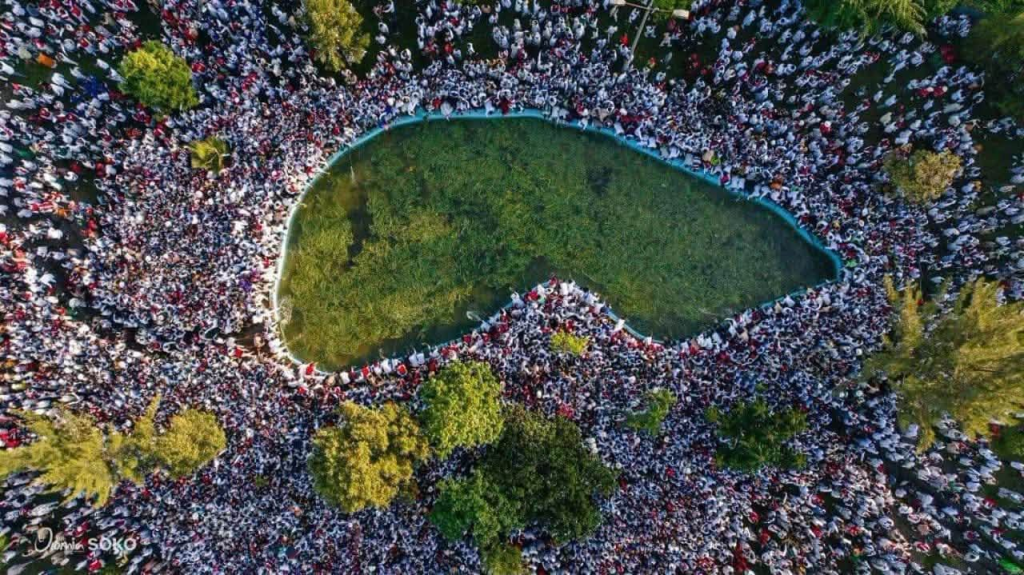
“Irreechaa is a Day of Thanksgiving!” — Why This Concept Embraces All Faiths
A study by Dr. Yoseph Mulugeta Baba (2024) examines the Irreechaa festival within the context of other religions and finds a central concept that cannot be logically wrong and carries a positive meaning. That concept is simply this: “Irreechaa is a Day of Thanksgiving.”
According to the paper, this concept carries the following meaning:
“Irreechaa is a day of thanksgiving where the gifts of the Creator are returned to the Creator in gratitude. Every individual who participates in the Irreechaa festival holds fresh green grass in both hands and gives thanks to their Creator. Fresh green grass is a symbol of peace and prosperity. Above all, they gather together to thank their great and holy Creator who saved them from the winter’s ice, heavy winds, floods, and storms. They also pray to their God to bless the harvest and the crops. Therefore, the Irreechaa festival is a tribute given to God who brought them from darkness to light.”
“Whom Are We Thanking?” — The Oromo Worldview’s Answer
A related question arises: “Whom are we thanking?” To answer this question correctly and unambiguously, we must clearly set out what the indigenous Oromo ontology (Oromo Ontology) teaches about the Creator, or Waaqa.
The indigenous Oromo understanding defines Waaqa with care, and its definition is as follows:
“Waaqa is the Creator of all things. Waaqa is omniscient, omnipresent, eternal, absolute, and infinite. Waaqa is absolutely one.”
Relationship with Christianity and Islam
Within this definition, there is no concept that directly contradicts the teachings of either Christianity or Islam regarding the Creator. Why?
The famous Catholic philosopher and theologian St. Thomas Aquinas, in his magnificent work Summa Theologica, correctly observes:
“That there exists one truth which every human being calls ‘God’ — the beginning and end of all creatures — the human creature can comprehend in many ways!”
This is why the Bible, when translated into different languages, does not give a new name to the Creator. A name already known in the indigenous religion and capable of correctly expressing the attributes of the Creator listed above is directly adopted. For example: Magano, Waa, Yeri, Waaqayo, Egziabher, Jowok, and so on.
Where Does the Difference Lie?
Therefore, the difference lies not in the attributes of God, but in the canon, tradition, and rules that each religion follows and teaches. The source of this difference may be historical or related to our use of language in theological interpretation.
As St. Thomas Aquinas says:
“Regarding God, what we can comprehend is not what He is, but what He is not, and what He resembles in comparison with other creatures.”
This is called the problem of religious language. God is above all creatures. Therefore, our human thought must adjust its limited, image-bound, and imperfect language about God so that it does not distort the identity of God — which has no expression, which cannot be fully known, which is invisible and intangible. The words we use will always fall short of expressing the mystery of God!
“Guracha” — The Name of Waaqa and Its Meaning
For example, in the Oromo indigenous religion, the word Waaqa, whether written or spoken, is accompanied by the adjective “Guracha.” Its literal translation is “black,” and in Oromo ontology, blackness is not only a symbol of supremacy but also expresses the originality of Waaqa. Blackness is a concept that expresses that the essence of Waaqa is an absolutely perfect mystery that cannot be reached by the human mind.
Irreechaa and the Universal Knowledge of the Creator
Therefore, when we celebrate the Irreechaa festival, we do so in a manner that takes into account the attributes of God. Since such knowledge of the Creator is universal, a follower of any religion can celebrate it with joy and in a true spirit, giving it a positive meaning.
The American Example: Thanksgiving Day
Above all, we must avoid actions that undermine the unity of a people under the guise of religion without properly understanding religious studies.
America is a country with a population of 340 million and five of the world’s major religions. When the people celebrate “Thanksgiving Day” every year, they have never once entered into a hair-splitting question or argument about “Whom are they thanking?”
The Human Being Is a Spiritual Creature
In the world in general, and in Ethiopia in particular, let us take the following ontological characteristics of human existence as an example to show that there is confusion regarding religious studies.
The human being is a spiritual being. Two faculties are given to human beings alone among all creatures, and other creatures intrinsically do not possess them at all: intellect and free will.
The human race knows and chooses to follow natural law because by nature it has the capacity to know universal truth and morality. For example, a Christian or a Muslim is able to know the natural law “Do not steal!” not because the commandment is written in the Bible or the Holy Quran, or because it exists in their faith’s teachings, but because the human being by nature and calling has the capacity and power to know this natural law.
Cultural Values Are Products of the Intellect
Cultural values are products of the human intellect. The intellect was created by God. God created the intellect for the primary purpose that we might investigate and understand the world. It must be emphasized that the cultural values that human beings have established since ancient times have their source in this faculty and tool of thought — the intellect — granted by the Creator. In human history, every society was able to establish its own culture and indigenous religion because of the intellect and free will given by God.
Human Limitation and the Need for Careful Interpretation
However, because the human being is limited by space and time, their knowledge is limited. The human intellect cannot reach absolute knowledge. The human being is a historical being. We are all products of history and geography!
Therefore, no society in human history has ever possessed absolutely perfect and error-free cultural values. This is why cultural values or indigenous religions must receive a careful interpretation (hermeneutics) that gives correct meaning within the context of time and place.
This article is based on the study by Dr. Yoseph Mulugeta Baba (2024).

Melbourne Irreechaa Festival 2026: The Ultimate Guide to Celebrating Oromo Thanksgiving in Australia
By Dhabessa Wakjira
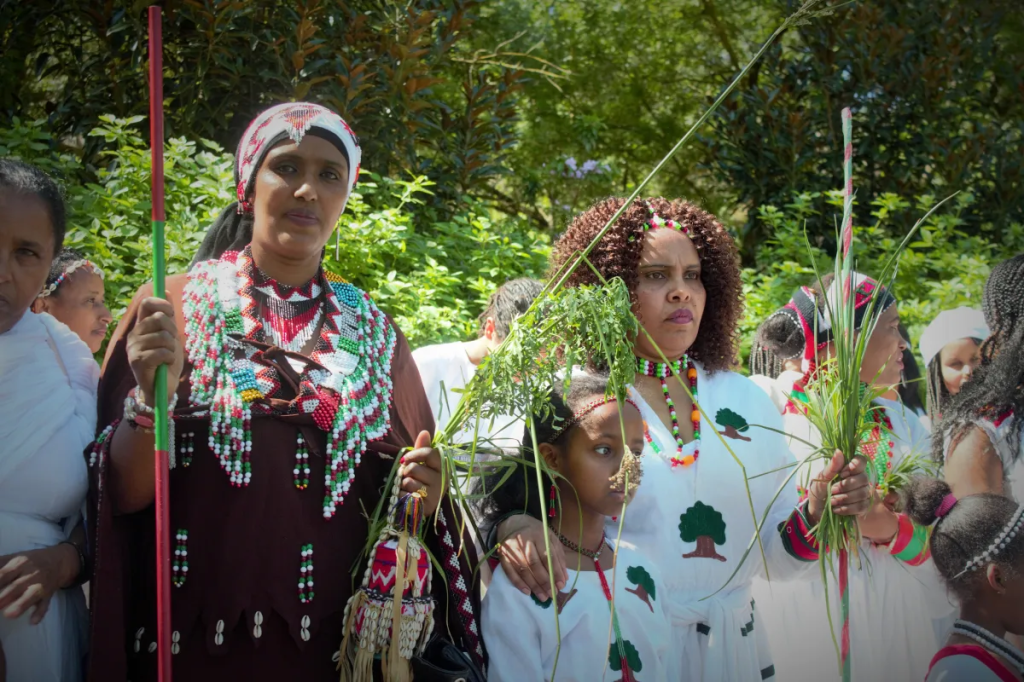
For the Oromo diaspora in Melbourne, Irreechaa is more than a festival. It is a sacred homecoming — a chance to gather by the water, give thanks to Waaqa, and pass the flame of Oromummaa to the next generation. In 2026, the Melbourne Oromo community will once again celebrate this ancient tradition on Australian soil, welcoming all who wish to share in its beauty, meaning, and joy.
This guide covers everything you need to know about the 2026 celebrations, from dates and locations to the rituals, etiquette, and cultural significance of Irreechaa in the diaspora.
What Is Irreechaa?
Irreechaa is the annual Oromo thanksgiving festival, celebrated at the banks of rivers and lakes across Oromia. It marks the end of the rainy season (Ganna) and the beginning of a new year of hope, renewal, and abundance. Rooted in Waaqeffannaa, the traditional Oromo belief in one God (Waaqa), the festival predates Christianity and Islam and has been passed down through generations for thousands of years.
Participants carry fresh green grass and yellow daisies (daraaraa keelloo) to the water’s edge, dip them into the water as an offering of gratitude, and sing ancient songs of praise and blessing. The festival is also a time of reconciliation — disputes are settled before participation, and communities come together in peace.
For the diaspora, Irreechaa is a vital cultural anchor. It connects Oromos in Australia to their homeland, their ancestors, and one another .
2026 Melbourne Irreechaa Events
The Melbourne Oromo community typically celebrates two major Irreechaa festivals each year: Irreechaa Arfaasaa (the spring celebration) and Irreechaa Malkaa (the main thanksgiving at the water’s edge).
Irreechaa Arfaasaa 2026
Date: Sunday, April 26, 2026
Location: Dandenong Mountain (Tulluu Dandenong), Melbourne
Time: Morning (exact time to be announced)
Organizers: Oromo Irreecha Association and Melbourne Oromo community
Irreechaa Arfaasaa marks the end of the dry season and the beginning of the rainy season. It is a spring celebration that follows traditional Oromo customs, beginning with the blessing of elders .
Irreechaa Malkaa 2026
Irreechaa Malkaa, the main thanksgiving festival, is typically celebrated in September or October, corresponding with the end of the rainy season in Ethiopia. Past Melbourne Irreechaa Malkaa celebrations have been held at locations such as Wilson Botanic Park in Berwick.
The 2026 date and location for Melbourne will be announced by community organizers as follows closer to the time.
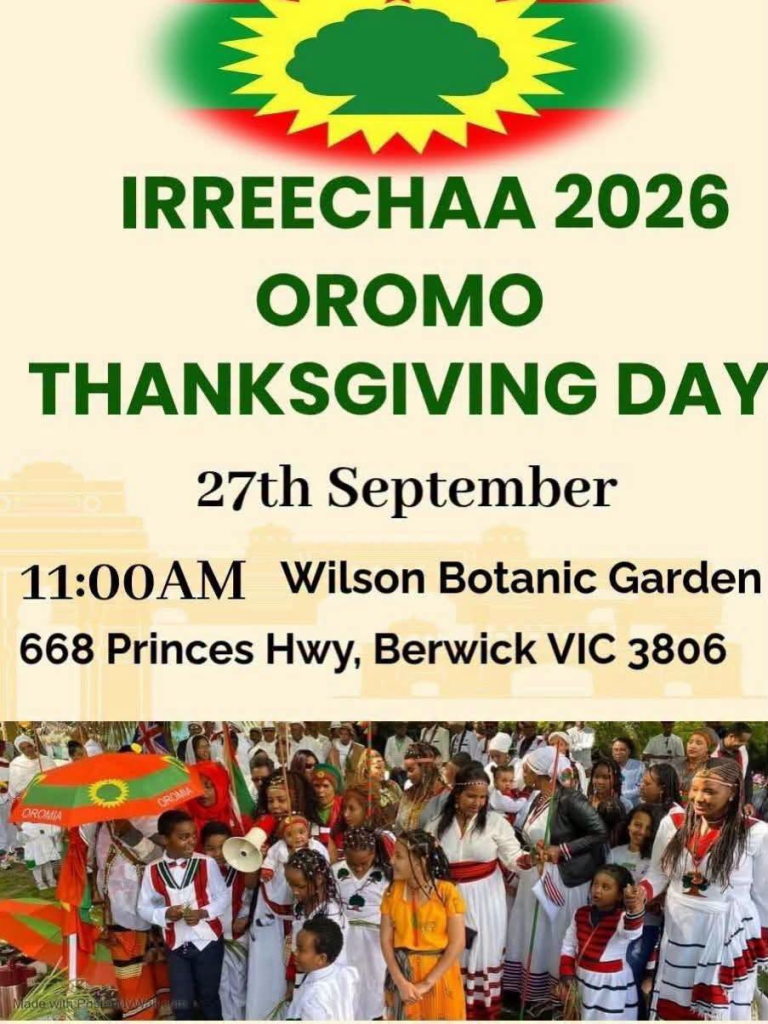
Date: Sunday, September 27, 2026
Location: Wilson Botanic Park in Berwick, Melbourne
Time: 11:00am
Organizers: Oromo Irreecha Association and Melbourne Oromo community
What to Bring
Organizers have specified the following items for attendees :
| Item | Purpose |
|---|---|
| Water | For personal use and the ritual |
| Flowers | For the Irreechaa tradition (yellow daisies if available) |
| Fresh green grass | Symbol of life, fertility, and gratitude |
| A spirit of gratitude | The heart of Irreechaa |
Wear traditional Oromo clothing if you have it. The vibrant colors and styles are a beautiful expression of cultural pride and identity.
What to Expect: The Rituals and Traditions
Irreechaa follows a structured, reverent sequence of events. Here is what you can expect at a Melbourne celebration:
1. Blessing of Elders
The celebration begins with blessings and prayers led by community elders (Abbaa Gadaa, Hadhasiinqee, and respected community members). These blessings focus on peace, prosperity, and remembering those who sustained the tradition .
2. The Procession
Participants walk together toward the water (or the designated sacred area). In traditional Irreechaa, women walk in front of the elders — a practice rooted in the Siinqee institution that symbolizes women as sacred and as agents of peace.
3. Carrying Grass and Flowers
Attendees carry fresh green grass and yellow flowers to the water’s edge. The grass is a symbol of life, fertility, and the connection between the Oromo people and the earth .
4. Dipping and Sprinkling
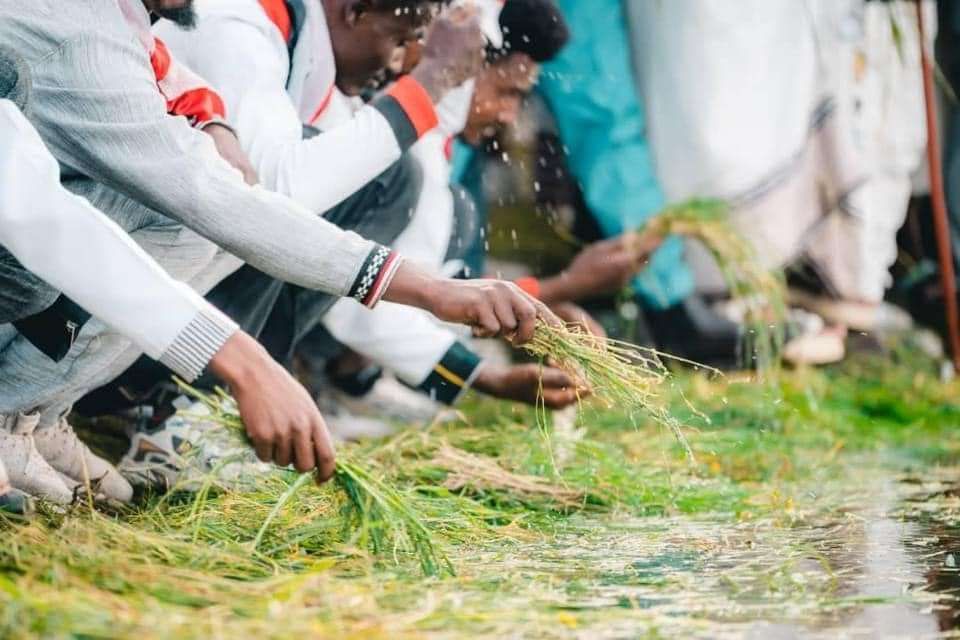
Upon reaching the water, participants dip the grass and flowers into the water and sprinkle water on themselves and others as a blessing. This act symbolizes purification, renewal, and the washing away of the past year’s hardships .
5. Songs and Prayers
The air fills with the sounds of traditional Oromo songs (faaruu) — songs of gratitude, hope, and blessing. Women sing “Maariyoo… Maareyoo…” (“your mercy on us”), while men chant the Irreechaa songs alongside them. The communal singing is a powerful expression of unity and shared emotion .
6. Cultural Performances and Food
After the rituals, the celebration continues with traditional music, dances (such as the Siiqqee and Gumii dances), and communal meals featuring Oromo food. It is a time for storytelling, laughter, and strengthening community bonds .
Irreechaa Etiquette: How to Participate Respectfully
Irreechaa is a sacred festival, not merely a cultural event. If you are attending for the first time — whether you are Oromo or from another background — here are important guidelines to ensure your participation is respectful and meaningful:
Do:
- Wear traditional clothing if you have it. It is a sign of respect and pride.
- Follow the lead of elders and community organizers.
- Carry grass and flowers to the water as an offering.
- Sing along if you know the songs — or simply listen and absorb the moment.
- Respect the natural environment. Leave no waste behind. The Oromo value of caring for nature is central to Irreechaa.
- Be present with gratitude. Irreechaa is a time of thanksgiving, reconciliation, and peace.
Don’t:
- Don’t splash water indiscriminately. The water ritual has specific traditional meaning.
- Don’t preach or distribute religious materials of other faiths at the Malkaa (water site). Irreechaa is rooted in Waaqeffannaa, and the sacred space should be respected.
- Don’t make noise or ululate during the solemn moments of the ceremony before the water ritual is complete.
- Don’t block the path with vehicles. Irreechaa is a communal pilgrimage — walk with the community if you are able.
These guidelines are not restrictions on participation. They are invitations to engage more deeply, with the reverence that Irreechaa deserves.
Why Irreechaa Matters in the Diaspora
For Oromos in Melbourne, Irreechaa serves several vital functions:
Cultural preservation. It ensures that younger generations born or raised in Australia learn about their heritage, language, and traditions. The festival is a living classroom for Oromummaa .
Community cohesion. It brings together families and individuals scattered across Victoria, strengthening social bonds and creating a sense of belonging .
Connection to homeland. It bridges the physical distance between Australia and Oromia, allowing the diaspora to maintain a profound spiritual and cultural connection to their ancestral land .
Intercultural exchange. Melbourne Irreechaa events often welcome local government officials, multicultural organizations, and curious residents, fostering mutual respect and understanding between communities.
The Spiritual Meaning of Irreechaa
At its heart, Irreechaa is an act of thanksgiving to Waaqa for the blessings of the past year and a prayer for peace and abundance in the year to come. It is a time of reconciliation — when those in conflict bury the hatchet and communities heal.
The festival is also a celebration of the Gadaa system, which upholds national unity, reconciliation, and solidarity. Irreechaa is one of the mammoth outdoor cultural festivals that showcase Ethiopia’s wealth of cultural heritage .
As one community message beautifully expressed:
“Irreecha is not a memory. It is a living prayer. And you are the ones who keep it alive.”
Practical Information
Getting There: Dandenong Mountain and other past venues are accessible by public transport and car. Check with organizers for specific directions and parking information.
Weather: Melbourne weather is unpredictable. Dress in layers and bring sun protection. April can be cool and changeable.
Accessibility: Contact organizers in advance if you have accessibility needs.
Staying Updated: Follow Advocacy for Oromia and local Oromo community associations on social media for the latest announcements about Irreechaa Malkaa 2026 and any changes to Irreechaa Arfaasaa details.
Baga Irreechaa Nagaan Geessan!
Whether you are Oromo, a friend of the Oromo community, or simply someone who wishes to witness a beautiful and meaningful cultural tradition, you are welcome at Melbourne Irreechaa 2026.
Come with an open heart. Come with gratitude. Come ready to sing, to celebrate, and to honor a tradition that has survived centuries of suppression and continues to thrive in every corner of the world where Oromo people gather.
Irreechaa keessan haa fudhatamu. May your thanksgiving be accepted. 🌿💚
Source information: Advocacy for Oromia, Oromia Communication Bureau, and the Melbourne Oromo community

“Welcome Home”: Artist Daawwitee Mokonnon Returns to Ethiopia After 27 Years, Received with Celebration in Bole
By Dhabessa Wakjira
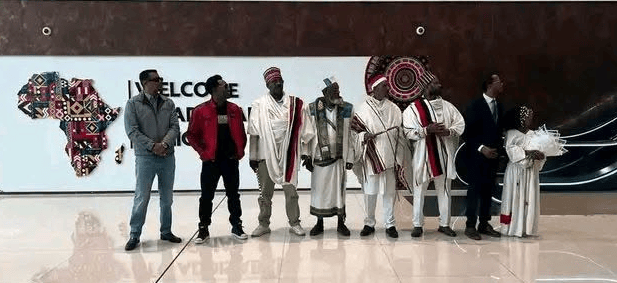
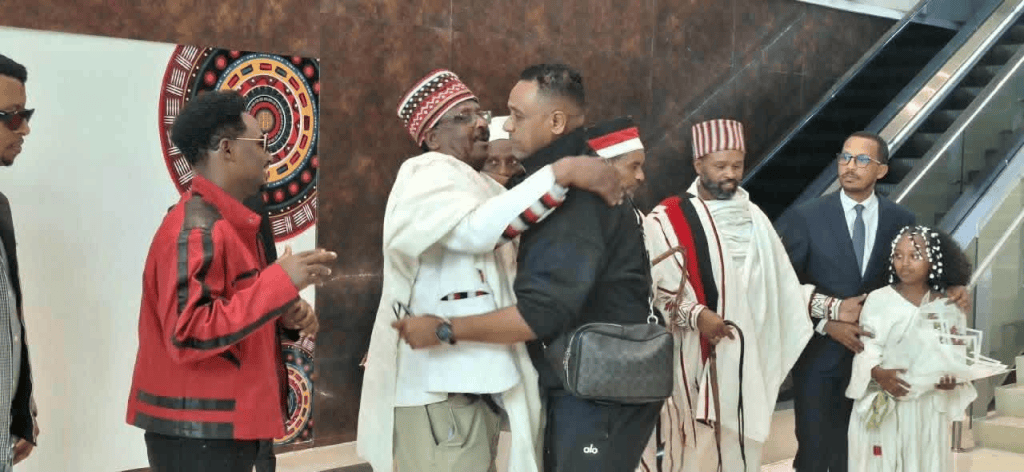
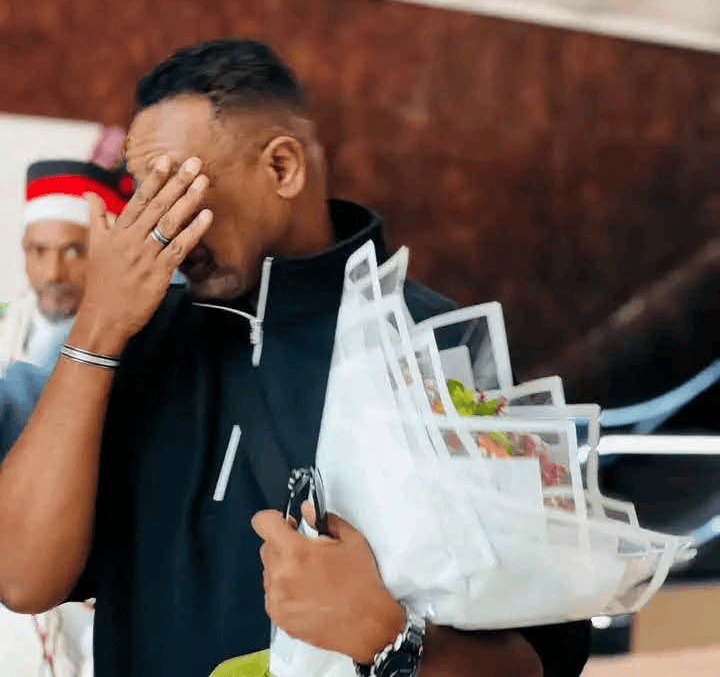
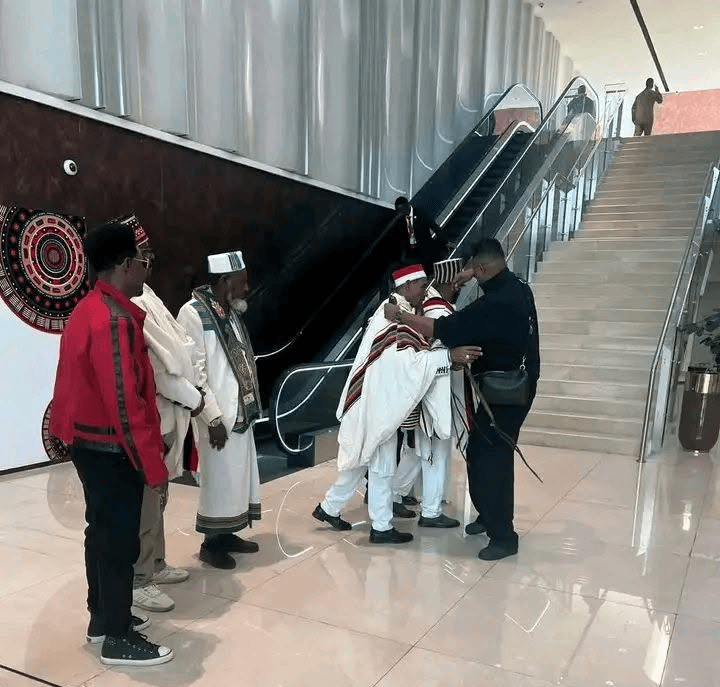
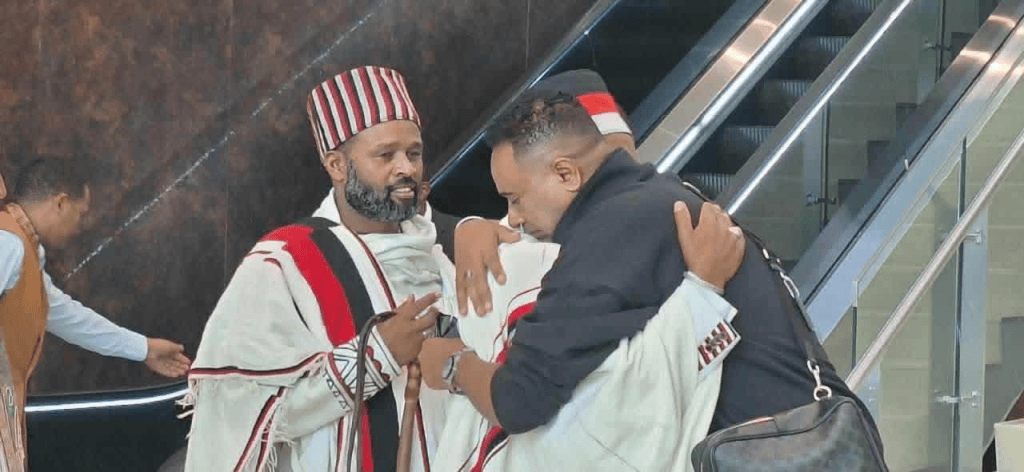
ADDIS ABABA — After 27 long years away from home, renowned Oromo artist Daawwitee Mokonnon has returned to Ethiopia. The beloved singer and cultural figure was welcomed with a warm and celebratory reception in Bole, marking an emotional homecoming that has touched the hearts of many Oromos at home and abroad.
“Baga nagaan gara biyya abbaaketti galte!” — “Welcome back to your fatherland!” — read the message shared by the Oromia Communication Bureau, capturing the joy and relief that accompanied him return.
A Long Journey Home
Twenty-seven years is a lifetime. For Daawwitee Mokonnon, those years were spent in exile — far from the land, the people, and the culture that shaped him art and his identity. His music, however, never left. Throughout him time abroad, his voice remained a powerful thread connecting the Oromo diaspora to their homeland, a source of comfort, pride, and remembrance for millions.
Now, that thread has come full circle. His return is not merely a personal milestone; it is a symbolic moment for the Oromo people — a reminder that distance, however long, cannot sever the bond between an artist and his nation.
A Reception Fit for a Cultural Icon
The reception in Bole was filled with the warmth and reverence befitting an artist of his stature. Community members, fellow artists, and admirers gathered to welcome him back, celebrating not only his return but also the decades of cultural contribution he has made from afar.
Daawwitee Mokonnon is more than a singer. He is a keeper of Oromo musical heritage, a voice that has carried the stories, struggles, and aspirations of her people across borders and generations. His songs have been sung at Irreechaa gatherings, at family celebrations, and in quiet moments of longing for home. For many in the diaspora, his music was a piece of Oromia they could carry with them.
A Symbol of Hope and Reconnection
His return after 27 years carries profound meaning. It speaks to the resilience of the Oromo people and the enduring pull of the homeland. It is a reminder that exile, however painful, does not have to be permanent — and that the cultural treasures preserved abroad can, and do, find their way back home.
For younger Oromos who grew up hearing his name but never seeing him in person, his return is an opportunity to connect with a living legend. For elders who remember his performances from decades past, it is a joyful reunion. For the diaspora, it is a sign that the distance between home and abroad is not insurmountable.
A Homecoming That Belongs to All
While the reception was held in Bole, the significance of Daawwitee Mokonnon’s return extends far beyond one city or one gathering. It belongs to every Oromo who has ever longed for home, every family separated by circumstance, and every artist who has carried their culture with them into unfamiliar lands.
His journey back is a testament to the power of perseverance and the unbreakable connection between an artist and his people.
Baga nagaan gara biyya abbaaketti galte, Daawwitee! 🥰
Welcome home.
Source: Oromia Communication Bureau

Preserving the Sacred: Why Irreechaa Needs Correction, Not Just Celebration
By Dhabessa Wakjira
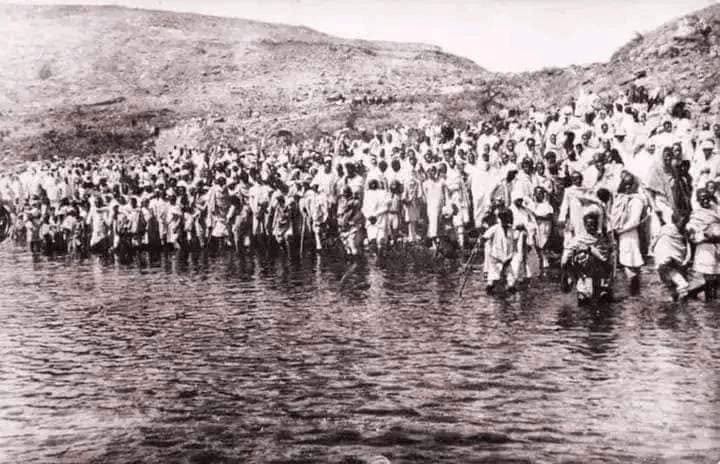
Irreechaa is more than a festival. It is a sacred covenant between the Oromo people and Waaqa — a day of thanksgiving, reconciliation, and renewal that has survived centuries of suppression. But as the celebration grows in size and visibility, so too does the need to protect its spiritual integrity.
A recent community message, circulated among Oromo elders and youth, raises urgent concerns about practices that have crept into modern Irreechaa celebrations — practices that, while perhaps well-intentioned, risk distorting the festival’s deep cultural and spiritual meaning. The message is not an attack on the celebration. It is a call to return to the duudhaa — the sacred customs and traditions — that give Irreechaa its power.
The concerns can be grouped into four key areas that, according to the message, must be corrected.
1. The Time of Irreechaa Malkaa Must Not Be at Night
The first concern is about timing. According to Oromo tradition, Irreechaa Malkaa should not be performed at night. The Oromo people have their own natural sense of time, rooted in family life and community rhythms. A person rises, tends to their household, prepares coffee, and then proceeds to the water’s edge for Irreechaa — honoring the customs passed down through generations.
The tradition describes how participants should approach the water: carrying fresh grass and flowers, singing the sacred songs of Mareyoo, and moving with reverence. Elders sing “Araaroo yaa araari hoo / Ararsaa waaqatu jalaataa / Nuuf Ararami hoo” — calling for peace and blessing from Waaqa. The youth accompany the elders respectfully, and upon reaching the Malkaa, no one should make noise or ululate until the Irreechaa ceremony at the water is complete.
This is a call to restore the solemnity and order that should define the procession. Irreechaa is not a chaotic gathering; it is a structured, reverent spiritual journey.
2. The Water Ritual Must Follow Tradition
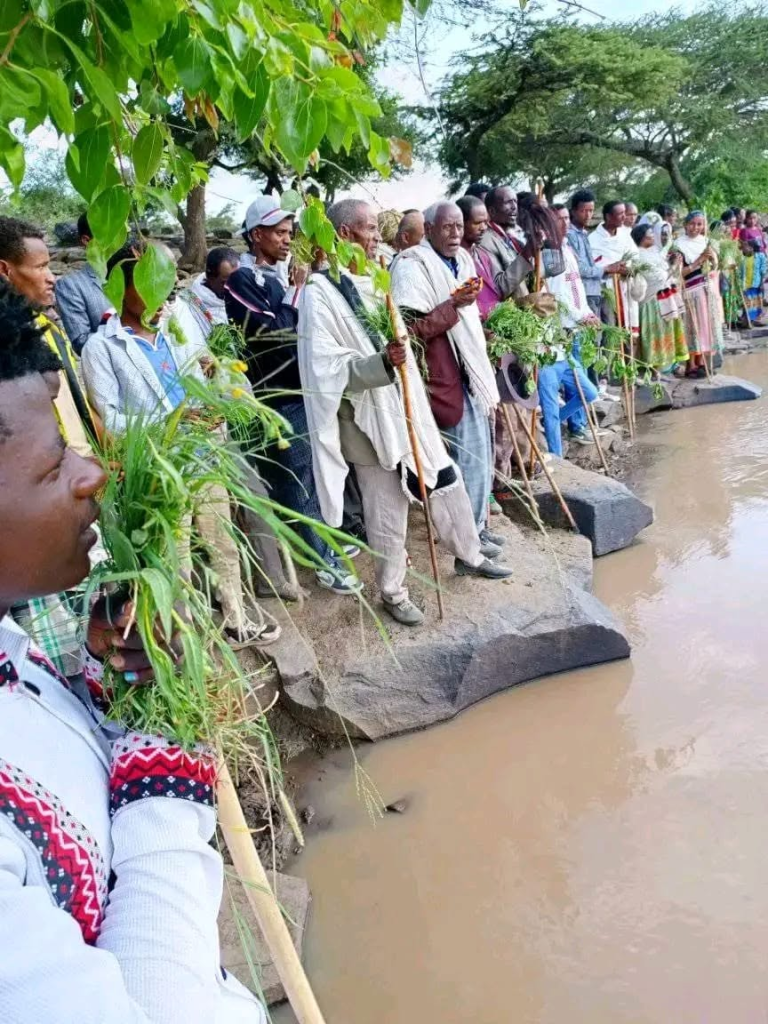
The second concern addresses how the water ritual is performed. According to the message, sprinkling water on oneself and others — or turning back before reaching the designated Irreechaa site — is not part of Oromo duudhaa. The practice of indiscriminately splashing water, the message warns, resembles a “cuubbaa” (baptismal) ritual rather than the traditional Oromo offering.
The Abbootii Gadaa (Gadaa leaders) are called upon to correct this. The water of Irreechaa is sacred — it is meant for purification and blessing in a specific, reverent manner, not for casual splashing. The distinction matters because Irreechaa is rooted in Waaqeffannaa, the traditional Oromo faith, and its rituals must remain true to that origin.
3. Vehicles Must Not Obstruct the Path to the Malkaa
The third concern is practical but deeply important: the overuse of vehicles on Irreechaa day is obstructing access to the Malkaa. While some vehicles are genuinely necessary — for security, emergency services, or for elderly and disabled participants — the message argues that too many cars are being used for entertainment and convenience, narrowing the roads and blocking the path for those who wish to walk.
The message specifically notes that artists and well-known figures should walk with the community rather than being driven, closing roads and causing hardship for ordinary participants. The image of last year’s Irreechaa, where celebrants struggled because roads were blocked by vehicles carrying notable figures, is still fresh in memory.
Irreechaa is a communal pilgrimage. Walking together — as one people, regardless of status — is part of what makes it sacred. Vehicles should be limited to genuine necessity, not convenience or display.
4. Respect for the Spiritual Boundaries of Irreechaa
The fourth concern is perhaps the most sensitive. The message observes that people of other faiths are attending Irreechaa and engaging in practices that contradict its spiritual purpose — including singing, preaching, and distributing religious materials at the Malkaa that promote beliefs other than Waaqeffannaa.
The message does not say that non-Waaqeffannaa participants are unwelcome. Irreechaa is a national and cultural celebration, and all Oromos are invited to share in it. But the Malkaa is a sacred space with its own spiritual rules. Those who come should respect the boundaries of the tradition they are joining. Proselytizing at the water’s edge — whatever the faith — is not part of Irreechaa and does not honor its purpose.
The message calls on those who engage in such practices to reflect on their actions, and on the Abbootii Gadaa to safeguard the spiritual integrity of the festival.
The Call to the Abbootii Gadaa
The message concludes with a direct appeal: the Abbootii Gadaa and community elders must take the lead in correcting these practices. Specifically, they are asked to address:
- Celebrations at 10 PM that should not be happening
- The sprinkling of water that departs from tradition
- The obstruction of roads by unnecessary vehicles
- The introduction of foreign religious practices at the Malkaa
These are not minor details. They are the difference between a festival that honors its ancestors and one that drifts into something unrecognizable.
Irreechaa Is Peace, Reconciliation, and Blessing
The message ends with a reminder of what Irreechaa truly is:
“Irreechi Nagaa, Araara, Milkii fi quufa. Baga geenye!”
“Irreechaa is Peace, Reconciliation, Blessing, and Abundance. Welcome!”
This is the heart of the matter. Irreechaa is not a party. It is not a parade. It is not a platform for personal recognition or religious outreach. It is a sacred act of gratitude to Waaqa, a communal reconciliation, and a prayer for peace and abundance in the year to come.
If the celebration is to remain meaningful for future generations, it must be practiced with the same reverence, order, and fidelity to tradition that has kept it alive for centuries — through persecution, suppression, and diaspora.
The message is a wake-up call. And it is one that deserves to be heard.

How to celebrate Irreechaa in Australia?
Celebrating Irreechaa in Australia means participating in a vibrant, adapted version of the traditional Oromo thanksgiving festival. While the core spiritual intent remains the same—giving thanks to Waaqa (God) for blessings and renewal—the setting and specific activities are tailored to the Australian environment and the needs of the diaspora community.
The celebrations are primarily organized by community associations and the non-profit Irrecha Australia, with major events held in cities like Melbourne.
📍 Where and When to Celebrate in Australia
The location is chosen to reflect the traditional importance of nature and water in Irreechaa. In Australia, this often means gathering at parks with lakes, rivers, or scenic natural settings.
- Common Locations: In Melbourne, past celebrations have been held at Wilson Botanic Park in Berwick, Dandenong Mountain (Tulluu Dandenong), and Footscray Park.
- Timing: The festival is typically celebrated in September or October for Irreechaa Malkaa (the main thanksgiving at the water’s edge), and sometimes in April for Irreechaa Arfaasaa (a spring celebration).
🌿 How to Participate: Key Activities and Rituals
Participating in Irreechaa in Australia involves engaging in both traditional rituals and communal cultural activities.
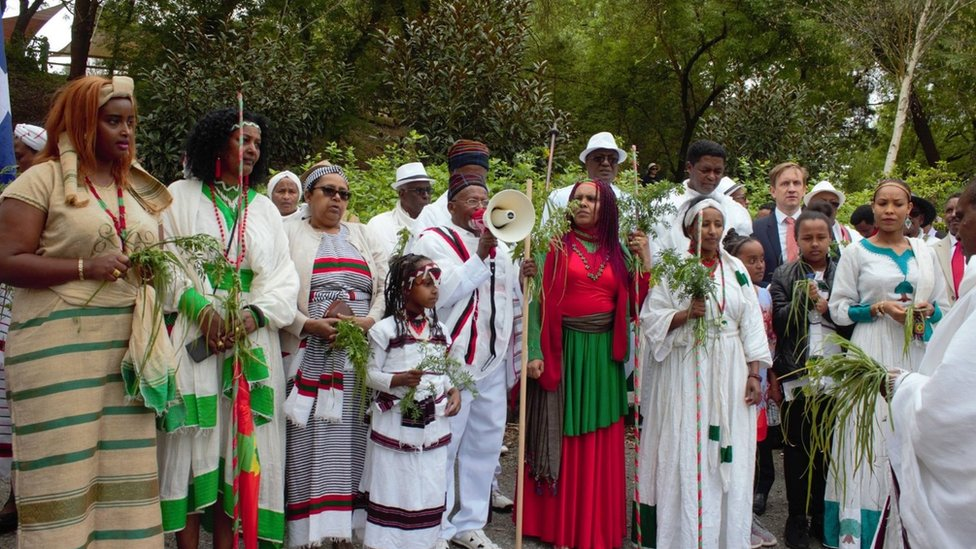
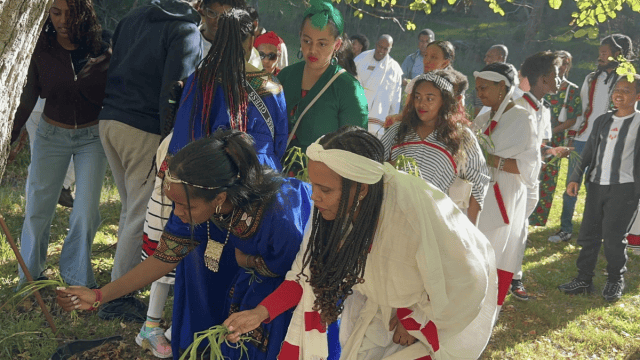
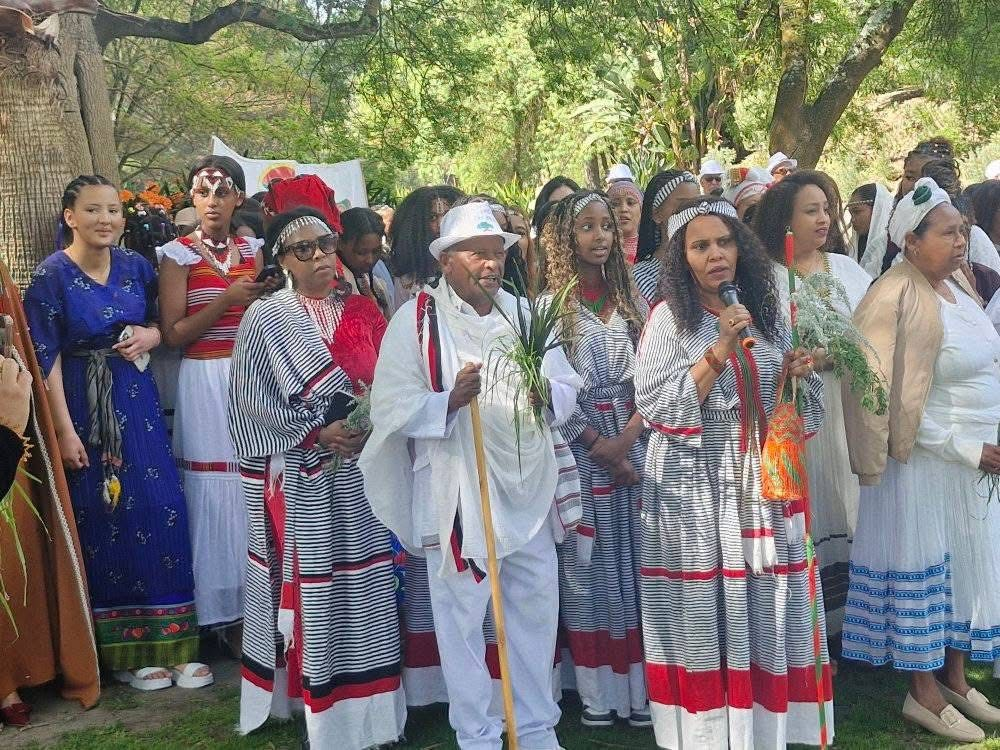
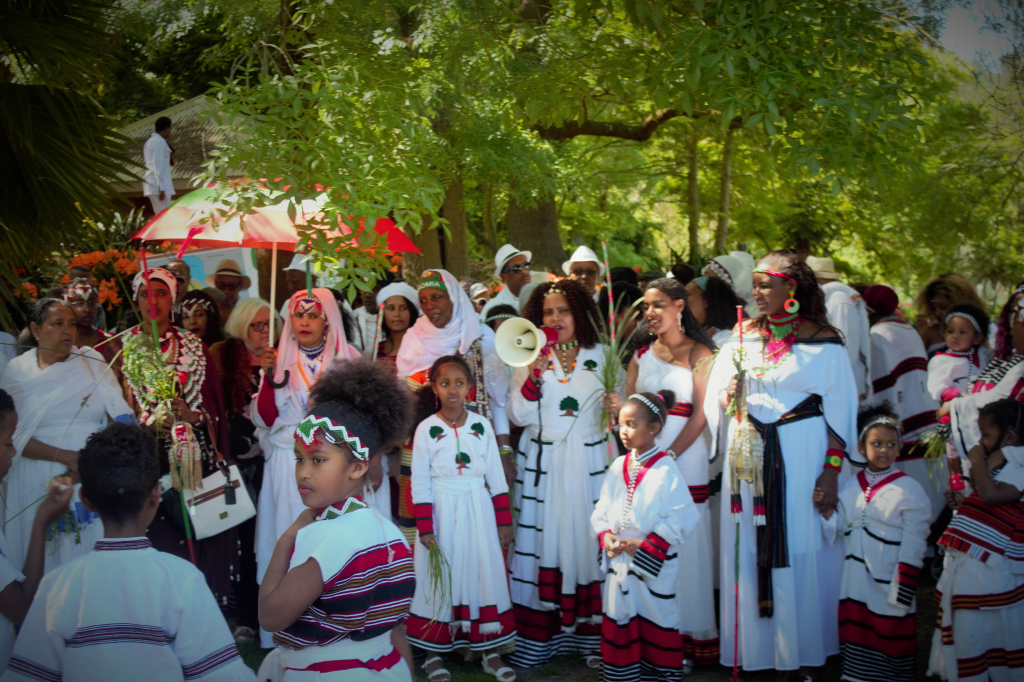
- Wear Traditional Attire: Attendees are strongly encouraged to wear traditional Oromo clothing. The vibrant colors and styles are a visual statement of cultural pride and identity, especially for younger generations.
- Join the Blessing and Prayer: The event typically begins with blessings and prayers led by community elders. These blessings focus on peace, prosperity, and remembering those who sustained the tradition.
- Participate in Symbolic Rituals: Follow the tradition of carrying and dipping fresh green grass and yellow flowers into water (if available at the venue) as a symbol of gratitude, purification, and renewal.
- Enjoy Cultural Performances and Food: The celebration features traditional Oromo music, songs, and dances (such as the Siiqqee and Gumii dances). It is also a time to share communal meals with traditional Oromo food.
- Connect with Community: Irreechaa in Australia is a vital social event. It is a time for the diaspora to unite, strengthen bonds, and for younger generations to learn about their heritage from elders.
🤝 A Note on Inclusivity
While Irreechaa has deep spiritual roots in Waaqeffannaa (the traditional Oromo faith), the celebrations in Australia are also cultural festivals that welcome everyone. Organizers often invite local government officials, multicultural organizations, and curious residents to foster mutual respect and intercultural exchange. As one attendee noted, it is a unifying cultural practice that transcends religious boundaries.
💡 Practical Tips for Attendees
- Check for Event Details: Look for announcements from Irrecha Australia or local Oromo community associations on social media for the exact date, time, and location of the next event in your city.
- Respect the Environment: Organizers emphasize the importance of respecting the natural surroundings and leaving no waste behind, reflecting the core Oromo value of caring for nature.
- Bring What’s Needed: Some event notices suggest bringing water, flowers (for the ritual), and a spirit of gratitude.
In essence, celebrating Irreechaa in Australia is about actively participating in a living tradition that adapts to a new home while staying true to its core values of gratitude, community, and cultural pride.
Oromo Community in London Celebrates Irreecha with Joy, Reflection, and Hope
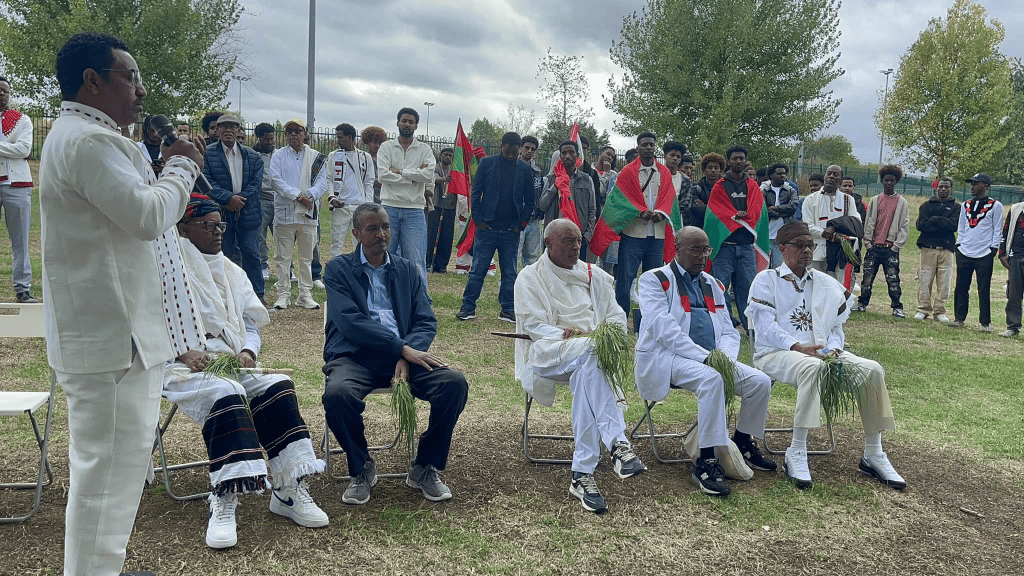
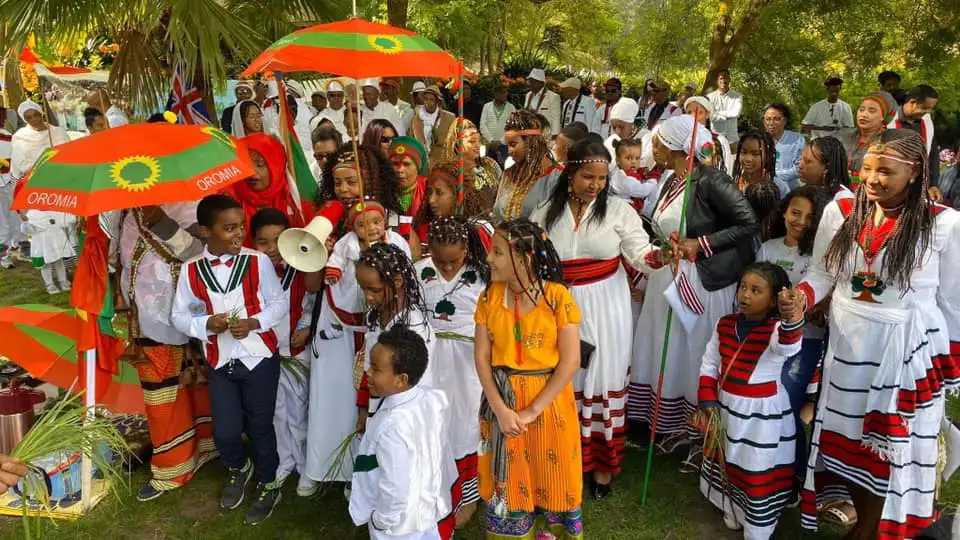
London, UK — The Oromo community in the United Kingdom gathered in London on 19 September 2026 to celebrate Irreecha, the sacred Oromo Thanksgiving festival, in a vibrant display of culture, faith, and unity.
The celebration, organised by Hawaasa Oromoo biyya UK – London, brought together Oromo families and friends from across the United Kingdom for a day of gratitude, reflection, and cultural pride.
A Celebration Rooted in Gratitude
Irreecha is one of the most beautiful and meaningful parts of Oromo culture. It is a time when the Oromo people come together to give thanks to Waaqa for life, peace, rain, harvest, family, and the blessings of the past season.
More than just a celebration, Irreecha is an expression of gratitude, unity, reconciliation, hope, and renewal. People gather in nature, often near rivers and lakes, carrying fresh green branches and flowers as symbols of life, abundance, and renewal.
Through prayers, songs, traditional clothing, and cultural expressions, communities celebrate together and give thanks for the blessings of creation.
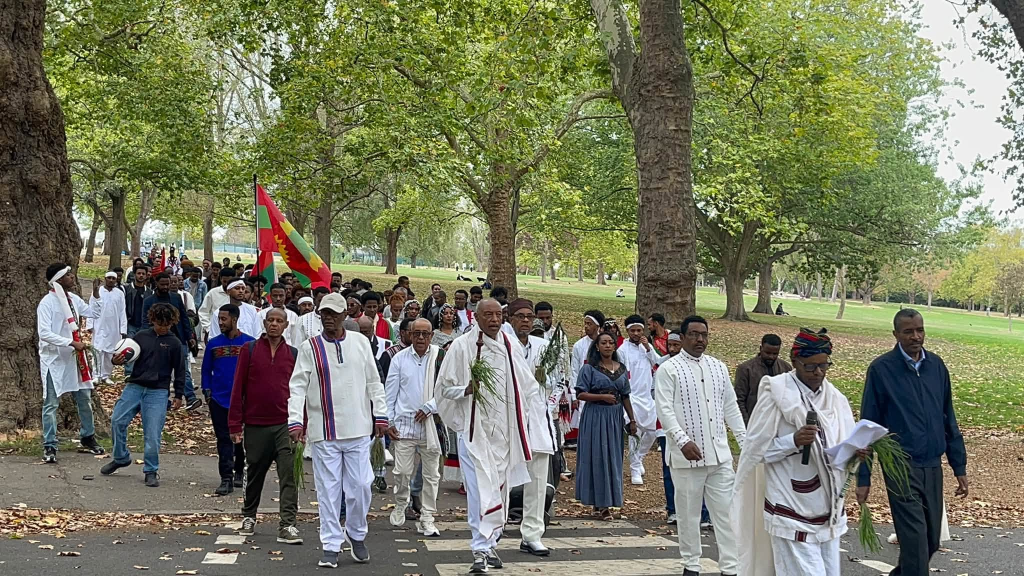
A Time for Reflection and Remembrance
During the London celebration, speakers reflected on the journey of Irreecha and the sacrifices made to elevate the festival to its current standing. It was noted that great effort and dedication were required to bring Irreecha to the level of recognition it enjoys today.
The community also paused to remember the tragic events of 2016 at Arsadi, where lives were lost during Irreecha celebrations. Those who gathered were reminded that the sacrifices made that day will never be forgotten — a solemn moment that underscored the resilience and determination of the Oromo people.
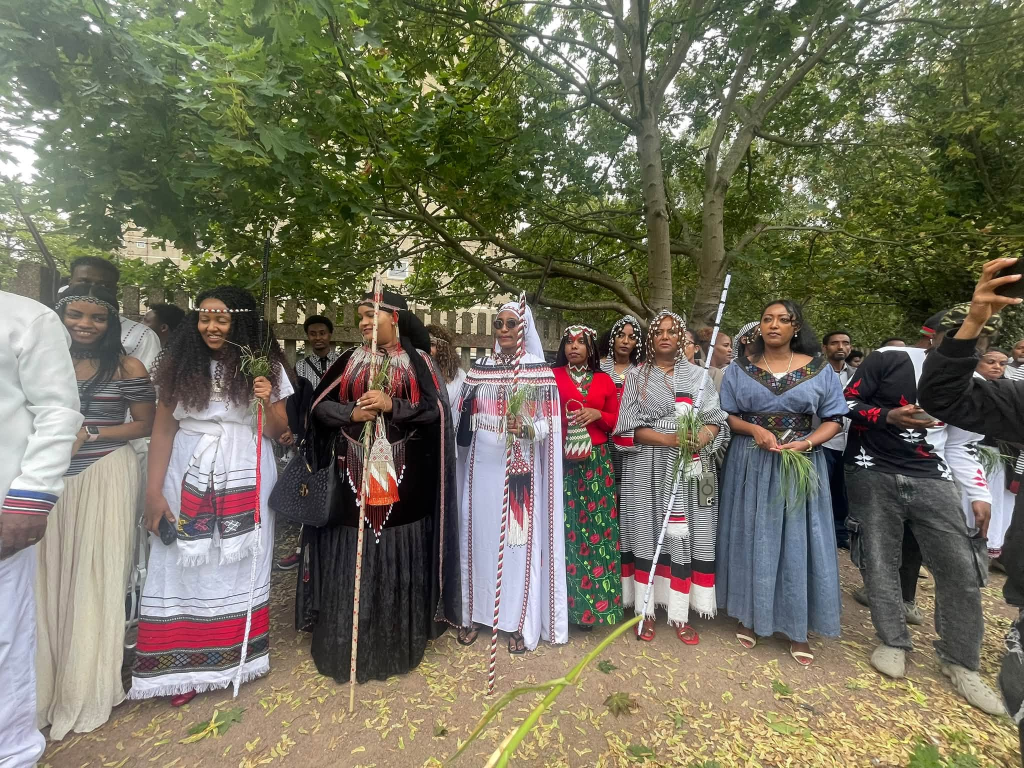
Strengthening Bonds and Building Unity
Irreecha is also a time to strengthen relationships, forgive one another, resolve differences, and look toward the future with hope. The celebration reflects the deep Oromo understanding that human beings are connected to one another, to the land, and to the natural world.
In London, this spirit of unity was on full display as community members came together in traditional attire, sharing prayers, songs, and fellowship. Elders, youth, and children alike participated in the festivities, ensuring that the traditions of their ancestors continue to thrive in the diaspora.
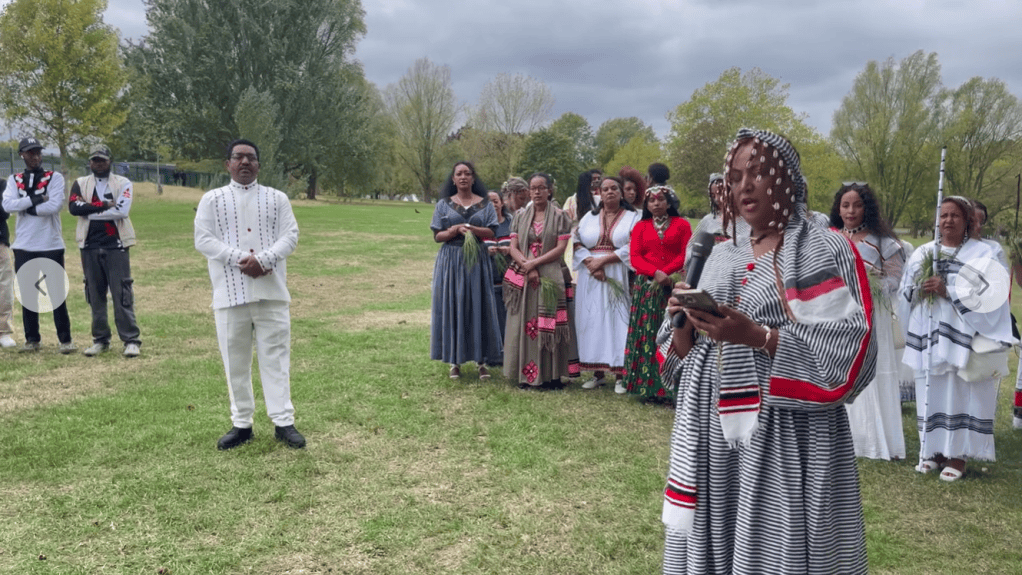
A Message of Peace and Hope
As the celebration drew to a close, heartfelt wishes were extended to Oromo communities around the world:
“May this Irreecha bring peace to our hearts, unity to our communities, prosperity to our families, and hope for the generations to come.”
The gathering concluded with the traditional blessings that echo across Oromo celebrations everywhere:
“Happy Irreecha! 🌿 🙏🏾 🌳”
“Irreecha nagaan! 🌳”
“Horaa bulaa, deebanaa! ❤️💚❤️”
Irreecha: A Tradition That Transcends Borders
Irreecha remains a powerful symbol of Oromo identity, connecting millions of people across Ethiopia and the global diaspora. From the shores of Lake Hora Arsadi in Bishoftu to community halls and parks in London, Melbourne, Minneapolis, and beyond, the festival continues to unite Oromo people in gratitude, hope, and shared heritage.
As the Oromo community in London demonstrated, Irreecha is not merely a tradition of the past — it is a living, breathing celebration of faith, resilience, and the enduring bonds of community.
Irreecha nagaan! 🌿
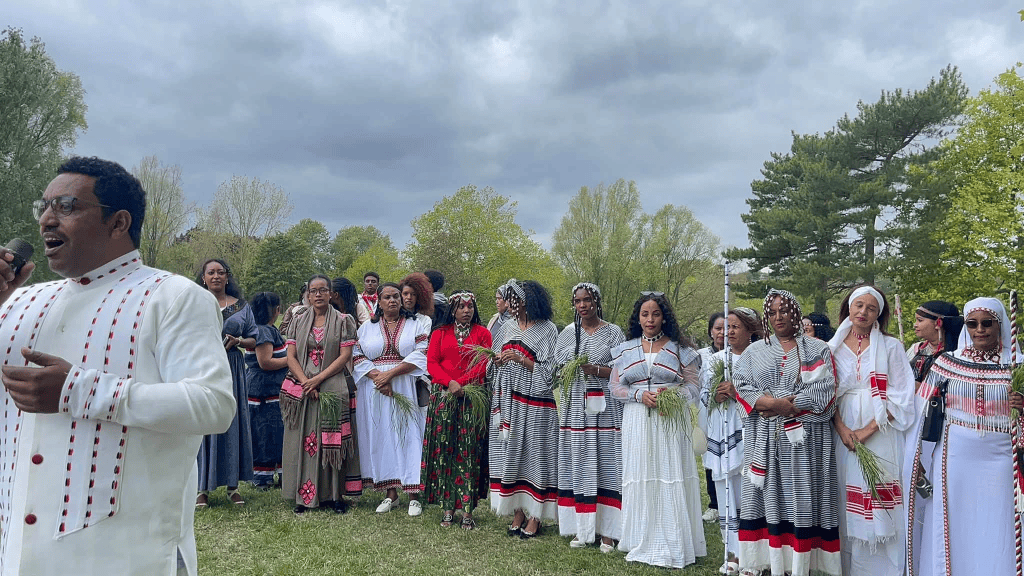

THE RAINS HAVE CEASED, THE FLOWERS BLOOM: CELEBRATING IRREECHAA, THE OROMO THANKSGIVING
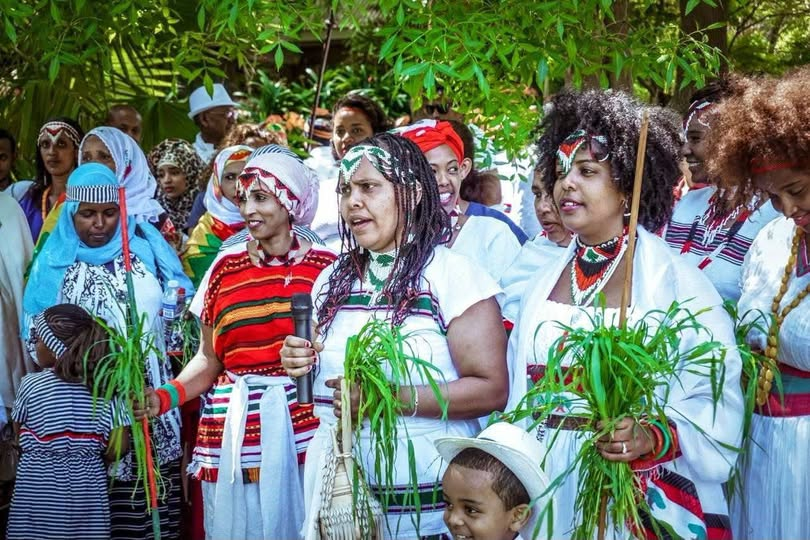
By Dhabessa Wakjira
In the highlands of Ethiopia, where the skies weep for months on end and the earth turns to mud, there comes a sacred morning when the clouds finally part. The sun, a golden orb of promise, kisses the damp grass, and a new season is born. This is the moment of Birraa—the spring—and for the Oromo people, it is a time to pause, breathe, and pour out their hearts in gratitude.
This is the spirit of Irreechaa, a festival that transcends mere celebration. It is the Oromo Thanksgiving, a profound spiritual and cultural touchstone that marks the end of the punishing rainy season and the beginning of a season of renewal, peace, and hope.
Held annually at the end of September or the beginning of October, Irreechaa is not a quiet affair of private reflection. It is a magnificent, vibrant explosion of life. Thousands, dressed in dazzling traditional attire, converge on sacred rivers, lakes, and hilltops. The air hums with the rhythm of drums, the melodic chants of elders, and the joyous ululations of the crowd. In their hands, they hold the symbols of the season: lush green grass and delicate yellow daisies, emblems of fertility, flourishing life, and the promise of a bountiful year.
The Heart of the Festival: Giving Thanks to Waaqa
At its core, Irreechaa is a dialogue with the divine. The Oromo people lift their prayers to Waaqa (God), offering thanks not for material wealth alone, but for the bedrock of their existence: a good harvest that fills the granaries, the health of their precious livestock, and the most precious gift of all—peace. It is a recognition that survival through the harsh, dark months was not by human effort alone, but by divine mercy.
“We come to the water to wash away our sorrows and our grudges,” explains an elder during a recent ceremony at Lake Hora Arsadi, near Addis Ababa. “The rain has stopped. Now, we cleanse our hearts and start anew.”
A Living Testament to the Gadaa System
Irreechaa is more than a religious observance; it is the vibrant pulse of the Gadaa System, the ancient, indigenous democratic governance structure of the Oromo people. Inscribed by UNESCO as an Intangible Cultural Heritage of Humanity, the Gadaa System organizes society into generations, guiding leadership, law, and morality. Irreechaa serves as a unifying moment for this system, reinforcing the social contracts and spiritual values that hold the community together.
Reconciliation and Unity
In a world often fractured by division, Irreechaa stands as a powerful advocate for unity. The festival is a designated time for reconciliation. It is a communal balm where feuds are set aside, misunderstandings are forgiven, and the bonds of kinship are strengthened. The shared experience of prayer and dance melts away social barriers, weaving a tapestry of harmony that includes not just the Oromo, but neighboring communities as well.
A Cultural Showcase
To witness Irreechaa is to witness the soul of Oromo culture. The hills become a runway of breathtaking fashion, with men and women adorned in intricately woven garments and vibrant beadwork. The music is hypnotic, with traditional songs that speak of heroism, love, and history. The dances are energetic, a physical manifestation of joy and liberation.
As the sun sets on the celebration, the green grass is often placed upon the heads of participants as a blessing, a final act of connection to the earth and the creator. The festival concludes, but its spirit lingers—a reminder that every ending is a new beginning, and that gratitude is the foundation upon which communities are built.
Irreechaa is not just a festival. It is a declaration: We have survived. We are thankful. We are one.
—
Key Aspects of Irreechaa at a Glance:
· Thanksgiving: Central purpose is to thank Waaqa (God) for blessings over the past year.
· End of Winter: Celebrates the conclusion of the rainy season and the dawn of spring (Birraa).
· Sacred Sites: Observed at rivers (Malkaa), lakes, and hilltops (Tulu).
· Symbols of Life: Participants carry wet grass and daisy flowers to represent fertility and flourishing.
· Cultural Expression: A vibrant display of traditional costumes, music, chants, and dances.
· Unity & Peace: A time for community bonding, spiritual reflection, and reconciliation.
· Gadaa System: An integral ritual within the traditional Oromo governance and social structure.

Oromo Literacy Day: Celebrating the Power of Stories Held in Oromia
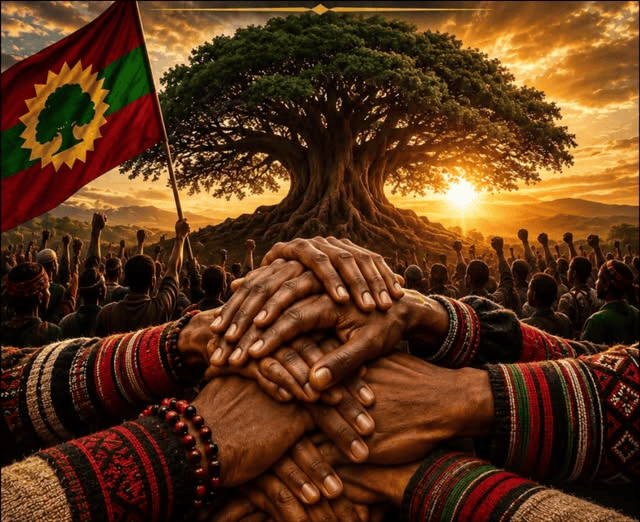
By Maatii Sabaa
—
Every year, Oromo Literacy Day is more than a date on a calendar—it’s a living tribute to the resilience of a people and their language. It celebrates Afaan Oromoo, a language that carries the weight of history, the songs of ancestors, and the dreams of a nation. But how did the Oromo people arrive at this moment, where their stories can finally be written, read, and shared with the world? The answer lies in a long and courageous journey toward literacy.
A Written History of Resistance and Revival
The story of Oromo literacy is one of relentless struggle. The Oromo people have long possessed a rich oral tradition, but for much of Ethiopia’s modern history, their language was marginalized. It was a household language—spoken, sung, and whispered—but rarely seen on paper . The first major push to change this came in the late 19th and early 20th centuries.
A pivotal figure was Onesimos Nasib, an Oromo freed from slavery who trained as a teacher in Sweden. Upon his return, he and his colleague Aster Ganno worked with an almost missionary zeal to promote literacy in Afaan Oromoo. Onesimos created the Oromo Reader, a book filled with stories that were “short and funny” and designed to be both accessible and engaging. His aim was not just religious instruction but to cultivate a love for reading itself . He would famously ask young people he met, “Can you read and write?” and persuade them of its immense value .
However, their work met fierce opposition from the imperial government. In the mid-1940s, the Haile Selassie regime placed a total ban on Oromo literature . The language was effectively erased from public life, becoming a symbol of defiance.
The Quest for the Perfect Script
The suppression only intensified the desire for a written Oromo. The question of how to write the language became a central point of debate. Early works, like those of Onesimos, used the Ge’ez alphabet. But many activists and intellectuals believed this script was inadequate for Oromo sounds, failing to represent vowel length and consonant gemination—features that change a word’s meaning .
In the 1960s, the movement for a new script gained momentum. At Addis Ababa University, Oromo students began printing the first newspaper in Afaan Oromoo, Kana Beektaa? (“Do you know this?”), in 1968. The paper was a bold act of cultural preservation, collecting “Oromo songs, proverbs, war and grievance chants, Oromo prophecies, nuptials, baby lullabies, and others” . This was more than journalism—it was a declaration of identity. The paper was short-lived, forced to cease publication in 1971 .
Simultaneously, Oromo students in Europe were rigorously debating the script question. In 1968, a study group led by figures like Haile Fidaa concluded that a modified Latin alphabet was the most practical and linguistically sound choice for Oromo . This decision was not just technical; it was a political act of resistance, rejecting a script associated with the establishment.
A New Dawn: The Adoption of Qubee
After years of struggle, the fall of the military Derg regime in 1991 brought a turning point. The new Ethiopian constitution granted greater autonomy to regional states. Oromo was finally made the official language of the Oromia Regional State .
The Latin-based alphabet, known as Qubee, was officially adopted for writing Oromo . This was a victory decades in the making. The script’s simplicity and adaptability to modern technology made it a practical choice for a language finally stepping into the digital age. As one study noted, Qubee “enabled the language to grow faster as the script can be learned easily” .
However, the adoption was not without controversy. For some, the Ethiopic script held deep cultural significance, and the switch to a Latin alphabet was seen as an emotional and political break . Yet for the majority, Qubee represented liberation.
The Stories That Endure
The adoption of Qubee unlocked a literary explosion. Oromo youth and intellectuals began producing “newspapers, magazines, novels, translations and plays that describe their nation and their state in Afaan Oromoo” . Stories once confined to memory were now printed, preserved, and shared.
The journey has also involved recovering alternative scripts. A fascinating chapter is the story of Sheek Bakrii Saphaloo, a scholar who created a unique indigenous Oromo script. He developed an abugida, a writing system where each base glyph has multiple vocalic components, making it distinct from both the Ge’ez and Latin alphabets . This script has been used for over 70 years and is now being considered for digital preservation and inclusion in Unicode, highlighting the deep connection between literacy and cultural identity .
Why Oromo Literacy Day Matters
Oromo Literacy Day is a celebration of this entire journey. It honors the tenacity of Onesimos Nasib, the courage of student activists, and the vision of scholars who fought to give their language a written form. It is a day to recognize that literacy is not just about reading and writing; it is about power, identity, and survival.
The stories held in Oromia are now written down for the world to see. This day celebrates their liberation and their enduring power.
—
“The stories, with the exception of a couple of martyr stories, are short and funny, and the subjects vary in order to attract.” — Onesimos Nasib on the Oromo Reader
—
 Maatii Sabaa is a writer and advocate of the Oromo stories.

BEYOND THE RITUAL: A PLEA FOR UNITY AT THE HEART OF OROMIA’S SACRED DIALOGUE
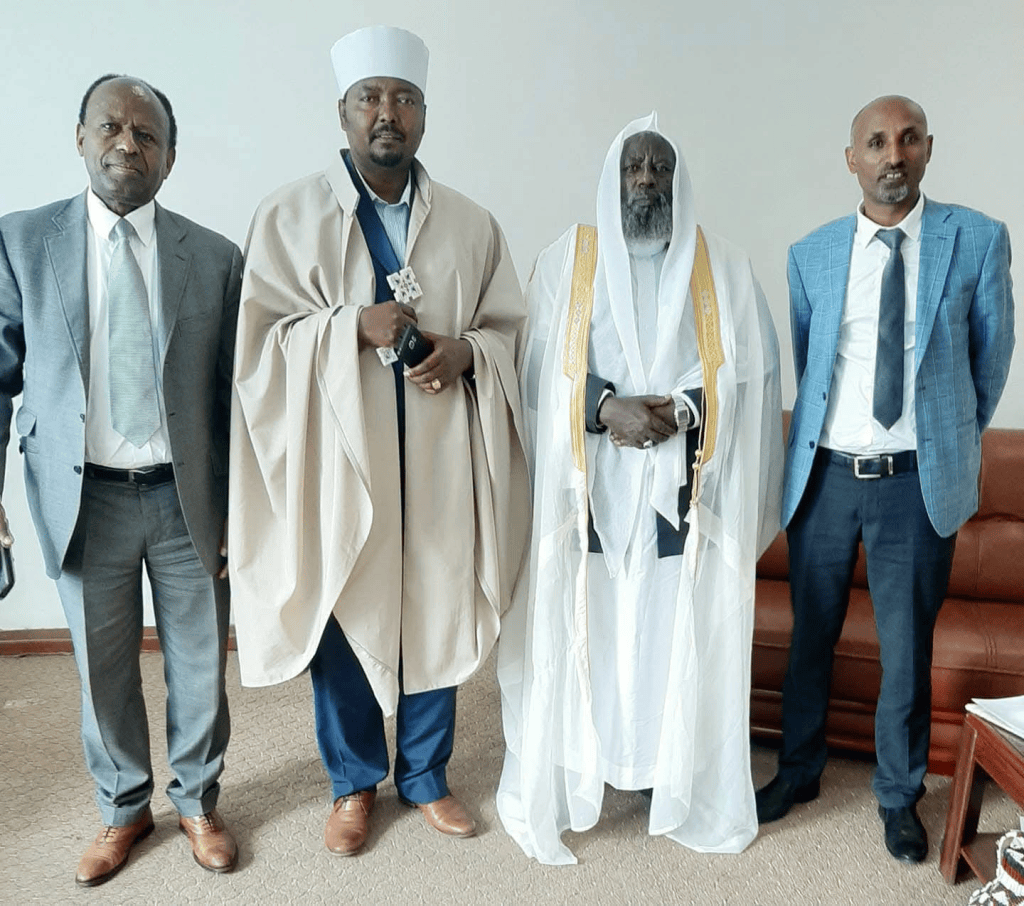
By Daandii Ragabaa
—
In the bustling city of Finfinne, where the hum of modernity often drowns out the whispers of ancient tradition, a different kind of gathering recently took place—one that carried the weight of history and the fragile hope of a shared future. It was not a political rally, nor a commercial event. It was a meeting of faiths, a rare and courageous roundtable where religious leaders from the three spiritual pillars of Oromo society—Waaqeffanna, Christianity, and Islam—sat together not as rivals, but as brothers.
This landmark dialogue, initiated under the momentum of the Waaqeffanna community, was spearheaded by prominent figures, including Obbo Asnake Irko, a respected elder and representative of the Waaqeffanna faith. But the true architect of this historic convergence, as acknowledged by all present, was Qesiis Balay Mekonnen, whose dedication to securing media coverage and a neutral venue ensured that the voices of faith would not be whispered in shadows, but broadcast to the world.
The meeting was not about theological supremacy. It was about survival—the survival of culture, language, and mutual respect in a land where faith has too often been used as a wedge rather than a bridge.
—
The Four Pillars of the Finfinne Accord
After hours of intense and heartfelt deliberation, the religious leaders reached a series of groundbreaking agreements that could reshape the spiritual landscape of Oromia. At the heart of these resolutions lay four core principles:
1. Mutual Respect for All Faiths
The leaders unanimously affirmed that no religion—whether indigenous Waaqeffanna, Orthodox or Protestant Christianity, or Islam—holds a monopoly on truth or dignity. They pledged to honor each tradition’s sacred practices, recognizing that the Creator, however named, desires reverence and love among His people.
2. Culture and Language as Unifying Tools
In a powerful declaration, the group committed to using the Oromo language and cultural heritage as vehicles for unity, not division. They agreed that songs, proverbs, and artistic expressions from all faiths could be shared to enrich the collective identity of the Oromo people, rather than to compete or exclude.
3. Standing Together in Times of Crisis
“Yoo rakkoon jiraate waliin dhaabbannee hiikuu”—”If trouble arises, we will stand together to resolve it.” This pledge was perhaps the most poignant. The leaders vowed that no community would face marginalization, violence, or discrimination alone. They would act as a unified bloc to mediate, protect, and advocate for justice, regardless of which faith was affected.
4. Defending the Oromo People from Religious Exploitation
In a bold stance against instrumentalization, the leaders condemned any attempt to use religious identity to sow discord or to harm the Oromo nation. They agreed to collectively denounce and counter any rhetoric or action that weaponizes faith against Oromo unity.
5. A Shared Vision for Irreechaa and Other Cultural Festivals
The dialogue also addressed the growing misunderstandings surrounding Oromo cultural celebrations, particularly Irreechaa. The leaders resolved to engage in ongoing consultations to ensure that these festivals are understood in their proper context—as expressions of thanksgiving and communal identity—and are respected by all faith communities.
—
A Word of Gratitude
In his closing remarks, Obbo Asnake Irko expressed deep appreciation for the spirit of openness shown by his fellow religious leaders. Yet, he reserved his most heartfelt thanks for Qesiis Balay Mekonnen, whose tireless efforts in organizing the venue and mobilizing media attention made the dialogue possible. “Without his vision,” Obbo Asnake stated, “this table would remain empty.”
The participants included:
1. Qees Dr. Bantii U. Teessoo – representing the Protestant Christian community
2. Qesiis Balay Mekonnen – representing the Orthodox Christian tradition
3. Sheek Hajjii – representing the Islamic faith
4. Obbo Asnake Irko – representing the Waaqeffanna tradition
—
What This Means for Tomorrow
This gathering in Finfinne is more than a news item. It is a testament to the maturity of Oromo society—a society that refuses to let religious difference become a source of conflict. In a region often scarred by sectarian strife, these leaders have lit a small but steady flame. They have shown that the green grass of Irreechaa, the cross of Christianity, and the crescent of Islam can coexist, not in uneasy tolerance, but in active solidarity.
The road ahead is long. Old suspicions do not vanish overnight. But as Obbo Asnake Irko reminded the gathering: “Our ancestors worshipped on the same hills, drank from the same rivers, and prayed to the same Creator under different names. Let us not be the generation that forgets that truth.”
As the media cameras packed up and the leaders departed with handshakes and embraces, one thing was clear—the spirit of Irreechaa, the spirit of thanksgiving and reconciliation, had found a new home. Not just on the lakeshores, but in the hearts of those who dare to listen.
—
IN SUMMARY:
Key Agreement Significance
Mutual respect for all faiths Ends religious hierarchy and promotes equality
Use Oromo culture and language for unity Strengthens identity without exclusion
Joint crisis resolution Creates a safety net for all communities
Defend Oromo people from religious abuse Prevents faith from being used as a weapon
Consult on Irreechaa and cultural events Fosters understanding and reduces misconceptions
This is not just a religious accord. It is a covenant of civilization—a promise that in Oromia, faith will build bridges, not burn them.

The Ten Apostles of Waaqeffannaa: Guardians of Faith, Architects of Recognition
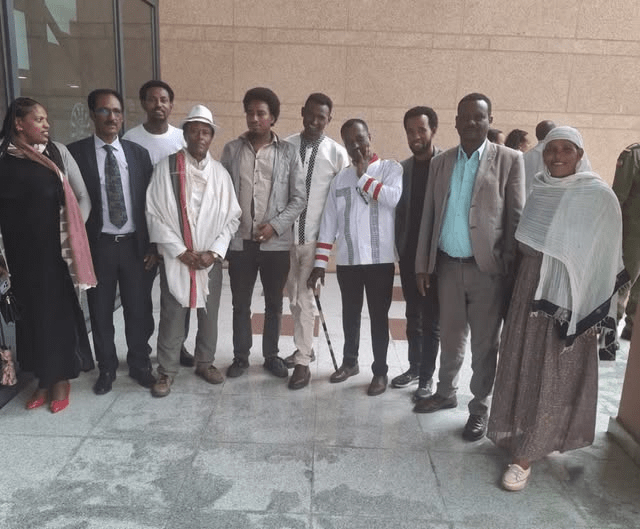
In the annals of cultural and religious history, certain moments stand as watersheds—turning points where the voices of the faithful rise above the din of indifference and claim their rightful place in the national consciousness. Such a moment unfolded between August 8, 2018, and August 16, 2018, when ten extraordinary individuals stepped into the arena of the national dialogue conference and forever altered the trajectory of Waaqeffannaa.
These were not merely delegates or observers. They were apostles—ten men and women who carried the hopes of a community on their shoulders and the weight of centuries-old tradition in their hearts. With unwavering resolve, they presented the core agenda items concerning Waaqeffannaa, articulating its principles, its spiritual significance, and its enduring relevance to the nation’s diverse tapestry. Their presentation was not a mere request; it was a testimony—a vivid recounting of a faith that has sustained generations and deserves recognition.
Their efforts bore fruit in ways that exceeded even the most optimistic expectations. The ten apostles successfully advocated for the Irreechaa festival—the sacred thanksgiving celebration of Waaqeffannaa—to be formally recognized as a national holiday. In a historic decision, their proposal was met with resounding approval from the 4,000 participants of the conference, marking a pivotal moment of inclusion and respect for indigenous spirituality.
But the journey was far from effortless. The proceedings were marked by rigorous debate, delicate negotiations, and moments of intense deliberation. Yet through it all, the apostles remained steadfast, refusing to yield to fatigue or frustration. Their commitment never wavered, even as the conference unfolded day after day, dialogue after dialogue. They understood that they were not merely negotiating for a date on the calendar; they were negotiating for identity, for dignity, and for the right of future generations to celebrate their heritage openly and proudly.
Today, their legacy is etched not only in the official records of the conference but in the hearts of every Waaqeffannaa believer. The recognition of Irreechaa as a national holiday is more than a symbolic victory—it is a bridge between the past and the present, a testament to what can be achieved when faith meets perseverance, and when a small group of committed individuals dares to speak truth to power.
As we reflect on their achievement, we are reminded that every great movement begins with a few voices willing to stand alone before they stand together. The ten apostles of Waaqeffannaa have shown us that courage, clarity, and conviction can move mountains—or, in this case, calendars.
So let us offer them our deepest gratitude and our most heartfelt blessings. May their footsteps inspire others to walk the path of advocacy. May their success embolden other communities to seek recognition. And may the Irreechaa festival, now enshrined in the national fabric, forever remind us of the power of unity, faith, and the unyielding human spirit.
—
To the ten apostles—we see you, we honor you, and we thank you.






