The Unbroken Struggle: A History of Oromo Resistance and the Quest for Justice
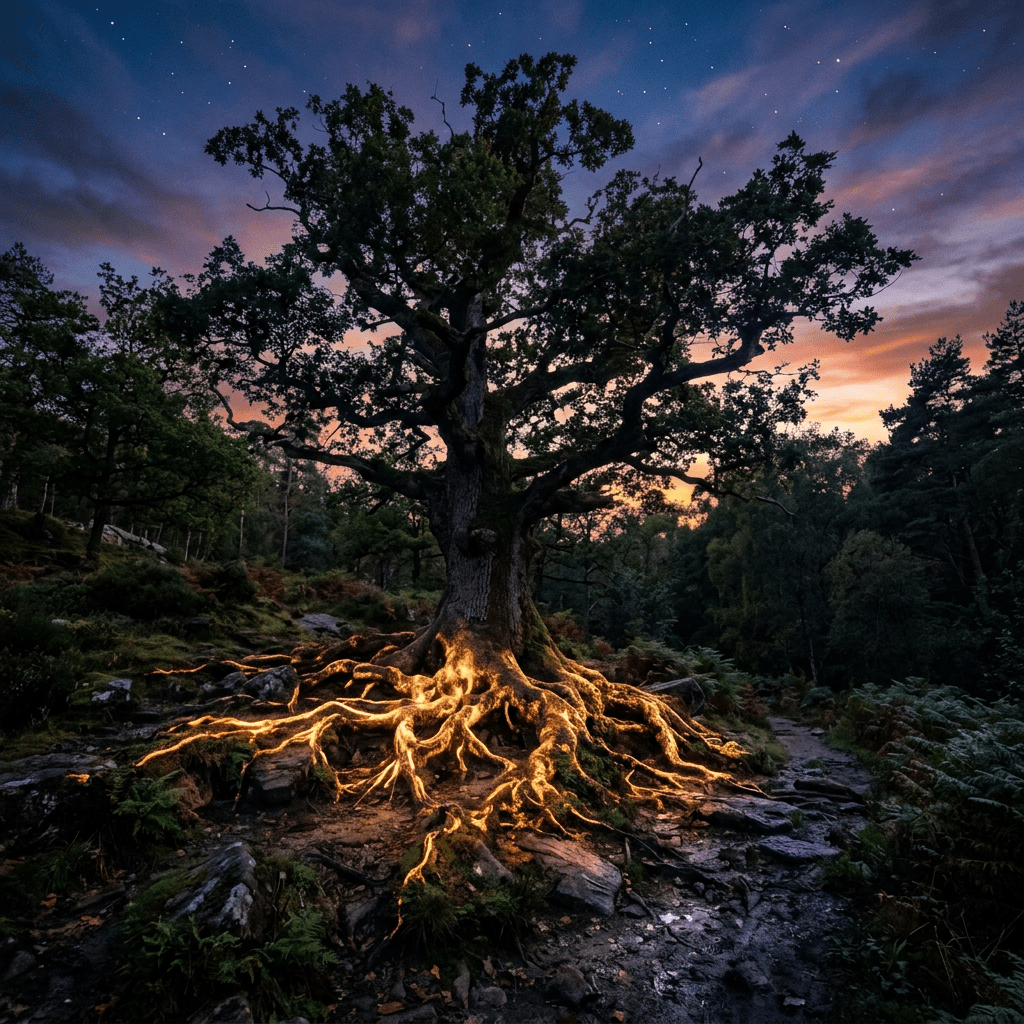
From ancient freedom to colonial subjugation and the ongoing fight for self-determination, the Oromo people’s journey is a testament to resilience, sacrifice, and an unyielding commitment to justice.
A History of Freedom, Before the Fall
“Ummanni Oromoo otuu garbummaa jalatti hin kufiin dura nagaa fi bilisummaan jiraachaa ture.”
Before the shadow of subjugation fell upon them, the Oromo people lived in peace and freedom. Their culture, identity, and faith flourished without external interference, guided by the principles of the Gadaa system, the wisdom of their elders, and a deep connection to the land.
The Oromo identity was not a burden—it was a source of pride. The Oromo language was spoken freely, traditions were celebrated openly, and the community governed itself through indigenous institutions that predated the modern state. The Oromo were not merely inhabitants of their land; they were its custodians, its protectors, and its soul.
The Conquest: A People Forcibly Subjugated
“Haata’uutii, sirni Habashaa erga Oromiyaa humna qawween cabsee gabroomsee hiree ummata Oromoo roorroo jalatti kufe.”
This era of autonomy came to a violent end with the expansion of the Abyssinian (Habasha) imperial system. Through military conquest, the Oromo people were subjugated, their lands seized, and their social and political structures dismantled. The once-proud people were reduced to subservience, forced to labour for those who had conquered them.
Yet the Oromo did not simply accept their fate. “Ummati Oromoo garuu karaa danda’e maraan sirnicha faccisuu hin dhiifne ture.”—The Oromo people never ceased their resistance, using every available means to challenge the oppressive system. Whether through scattered uprisings, covert resistance, or open rebellion, the spirit of defiance remained alive.
The Systematic Erasure of Identity
The conquest was not only military—it was cultural, linguistic, and spiritual. The occupiers understood that to control a people, one must control their identity.
Land Dispossession: “Erga Oromoon humna Habashaa jalatti kufee kaasee lafti Oromoo kan abbootii lafaa ta’e, namni Oromoo lafa isaa irratti ciisanyaa ta’ee warra garboonfataa tajaajiluu ta’e.”—After the Oromo fell under Abyssinian control, the land that had belonged to their ancestors was taken from them. The Oromo became tenants on their own soil, forced to serve those who had dispossessed them.
Identity Erasure: “Eenyummaan Oromoo haalamee, maqaan jibbamaa fi tuffatamaa itti kenname.”—Oromo identity was systematically undermined. A derogatory name was imposed upon them, stripping them of the dignity of self-identification.
Language Suppression: “Afaan Oromoo akka afaan hojii fi barnootaa hin taane dhorkamee, Afaan Amaaraan akka tajaajilamu godhame.”—The Oromo language was banned from education and official use, replaced by Amharic. Generations of Oromo children were educated in a language that was not their own, severing their connection to their linguistic heritage.
Cultural and Religious Persecution: “Aadaa fi amantiin Oromoo ifaan akka dhorkamu labsiin dhorkame.”—Oromo culture and the indigenous faith of Waaqeffannaa were explicitly prohibited. Traditional practices were suppressed, and the sacred Odaa tree—the symbol of Oromo spirituality and governance—was targeted for destruction.
Systematic Marginalisation: “Gidiraa fi roorroon hamaan ummata Oromoo irratti fe’ame. Oromoon karaa hundaa akka boodatti hafu imaammanni mootummaa tolfamee irratti hojjatame.”—A comprehensive policy of marginalisation was implemented, ensuring that the Oromo would remain economically, politically, and socially subordinate in their own land.
The Seeds of Organised Resistance
“Kun booda keessa Oromoota dammaqoo fi quuqama sabaa qaban waan aarseef tooftaa addaddaan finciluu eegalan.”
Yet oppression breeds resistance. Among the Oromo, a new generation of awakening emerged—individuals and groups who refused to accept their subjugation. They recognised that open, armed rebellion alone would not succeed against a powerful state. Instead, they organised through alternative structures: mutual aid societies, development associations, and religious organisations.
“Ifatti bifa siyaasaan ijaaramnii qabsoo gochuun waan hin danda’amneef karaa waldaalee walgargaarsaa, waldaalee misoomaa fi waldaalee amantii jalatti gurmaa’anii waldammaqsuu fi sirna garboonfattuu Habashaa mormuu fi falmuu itti fufan.”
These organisations became the vehicles through which Oromo consciousness was nurtured, resources were mobilised, and resistance was sustained—often hidden in plain sight.
Historic Uprisings: The Legacy of Resistance
The history of Oromo resistance is marked by significant uprisings that shook the foundations of the Abyssinian state:
The Raayyaa Uprising: A rebellion in the Raayyaa region that demonstrated the Oromo people’s willingness to fight for their freedom despite overwhelming odds.
The Baalee Peasant Revolt: The farmers of Baalee rose up against oppressive land policies, demanding the return of their ancestral lands and an end to feudal exploitation.
The Maccaa-Tuulamaa Movement: The historic alliance between the Maccaa and Tuulamaa Oromo groups represented a unification of forces against a common oppressor, setting the stage for broader Oromo nationalism.
These uprisings were not isolated incidents—they were expressions of a collective will that refused to accept subjugation as the natural order.
The Birth of Modern Oromo Political Organisation
“Qabsoon diddaa garbummaa karaa addaddaa adeemsifamaa ture kan gurmaa’ee bifa qindoomina siyaasaa qabuun adeemsifamuu eegale ijaarsa ABO kan bara 1970moota keessa finiinaa tureen ture.”
The scattered resistance of the past gave way to a new era with the formation of the Oromo Liberation Front (OLF) , initially established as the Oromo Liberation Front (ABO) in the 1970s. The creation of ABO represented a watershed moment: Oromo resistance was now organised, unified, and operating with a clear political vision.
“Ijaaramuun ABO akka qabsoon Oromoo bifa gurmuu qabu godhatee adeemu godhe. Oromoota shira gita bittootaan addaan qoqqodamanii turan walitti deebisee akka Oromiyaaf gaaddisa tokko jalatti qabsaa’an godhe.”
ABO brought together Oromos who had been divided by region, clan, and class, uniting them under a single banner for a common cause. It gave the Oromo people a voice on the national and international stage, asserting their rights and demanding justice.
“Ijaarsi ABO, akka Oromoon waan humnaan sarbame ifatti baasee beeksisuun akka Oromoon roga hundaan ka’ee waan dhabe akka deebifatu taasise.”
The organisation’s formation enabled the Oromo people to clearly articulate what had been taken from them and to mobilise all sectors of society to demand its restoration.
Achievements and Unfinished Business
The Oromo struggle has achieved significant victories over the decades:
Land Rights: “Gaaffiin lafaa fincila bara 1960 moota keessa tureen lafa harka qonnaan bultoota Oromootti deebisee jira.”—The land question, first raised in the 1960s, has seen partial resolution, with land returned to Oromo farmers.
Language Recognition: “Qabsoon Afaan Oromoo fi Qubee Afaan Oromoos afaan hojii fi barnootaa taasisus, bara 1990moota keessa haga tokko deebii argatee jira.”—The struggle to make Afaan Oromo an official language of work and education achieved partial success in the 1990s, with the adoption of the Oromo alphabet (Qubee).
Regional Autonomy: “Daangaan Oromiyaas ifatti beekamee, ijaarsa mootummaa naannoo Oromiyaa jalatti gaaffiin sabummaa Oromoo akka deebii argatu godhameera.”—The creation of the Oromia Regional State marked the recognition of Oromo nationhood within Ethiopia’s federal system.
However, the struggle remains incomplete. “Garuu, gaaffiin Oromoo guutummaatti waan hin deebineef, amma illee karaa addaddaa falmaan itti fufee jira.”—The fundamental questions of Oromo self-determination, justice, and equality have not been fully addressed, and the struggle continues on multiple fronts.
The Struggle Continues: Why the Fight Is Not Over
“Qabsoon Oromoo haga galma akeekkate ga’utti qabsoon Oromoo hin dhaabbatu.”
The Oromo struggle will not cease until its objectives are achieved. The goal is clear and uncompromising:
“Kaayyoon qabsoo Oromoo mirgoota Oromoon humna alaagaatiin sarbaman deebisuun akka Oromoon nagaa fi bilisummaan jiraatu taasisuu dha.”
The objective is to restore the rights that the Oromo people were stripped of through external force—to ensure that they can live in peace and freedom, as they once did before subjugation.
Three Essential Goals:
- Dismantling the Roots of Oppression: “Hundee garbummaa buqqisuun”—Uprooting the foundations of subjugation, dismantling the structures that have kept the Oromo people subordinate.
- Rebuilding on Oromo Terms: “Sirna Oromoof ta’u deebisanii ijaaruu”—Rebuilding systems and institutions that serve the Oromo people, reflecting their values, aspirations, and needs.
- Restoring Hope and Vision: “Waan Oromoon sirna alagaan dhabe, deebisanii ijaaruu fi hawwii fi abdii Oromoo lachhisuu”—Restoring what was lost under the alien system, and nurturing the dreams and hopes of the Oromo people for a better future.
Conclusion: A People’s Unbreakable Will
The history of Oromo resistance is a testament to the unbreakable will of a people who have refused to accept subjugation as their destiny. Despite centuries of oppression—land dispossession, cultural erasure, linguistic suppression, and systematic marginalisation—the Oromo have persisted.
They have organised, fought, and sacrificed. They have achieved significant victories and continue to press forward. The struggle is not merely political—it is existential. It is about the right to exist as a people, to speak their language, to govern themselves, and to determine their own future.
“Qabsoon Oromoo haga galma akeekkate ga’utti hin dhaabbatu.”
The struggle of the Oromo will continue until the goals are achieved. It is a struggle for justice, for dignity, and for the restoration of what was taken. And it is a struggle that, in the end, will not be denied.
The Oromo people have endured. The Oromo people have resisted. And the Oromo people will prevail.

Posted on July 4, 2026, in Aadaa, Afaan, Biography, Bokkkuu, Diaspora, Election, Events, Face of Injustice, Finfinne, gadaa, gender, Grief Support, Information, Kindness, Language, Media, mental health, News, Oromia, Press Release, Promotion, Sirna Oromo. Bookmark the permalink. Leave a comment.




 Advocacy for Oromia
Leave a comment
Comments 0