Carrying the Torch: 50 Years of the Oromo Freedom Struggle
Reflecting on half a century of resistance, resilience, and the unbreakable spirit of a people
—
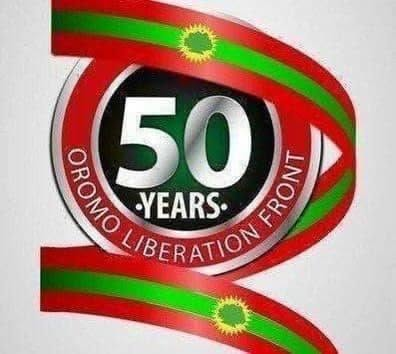
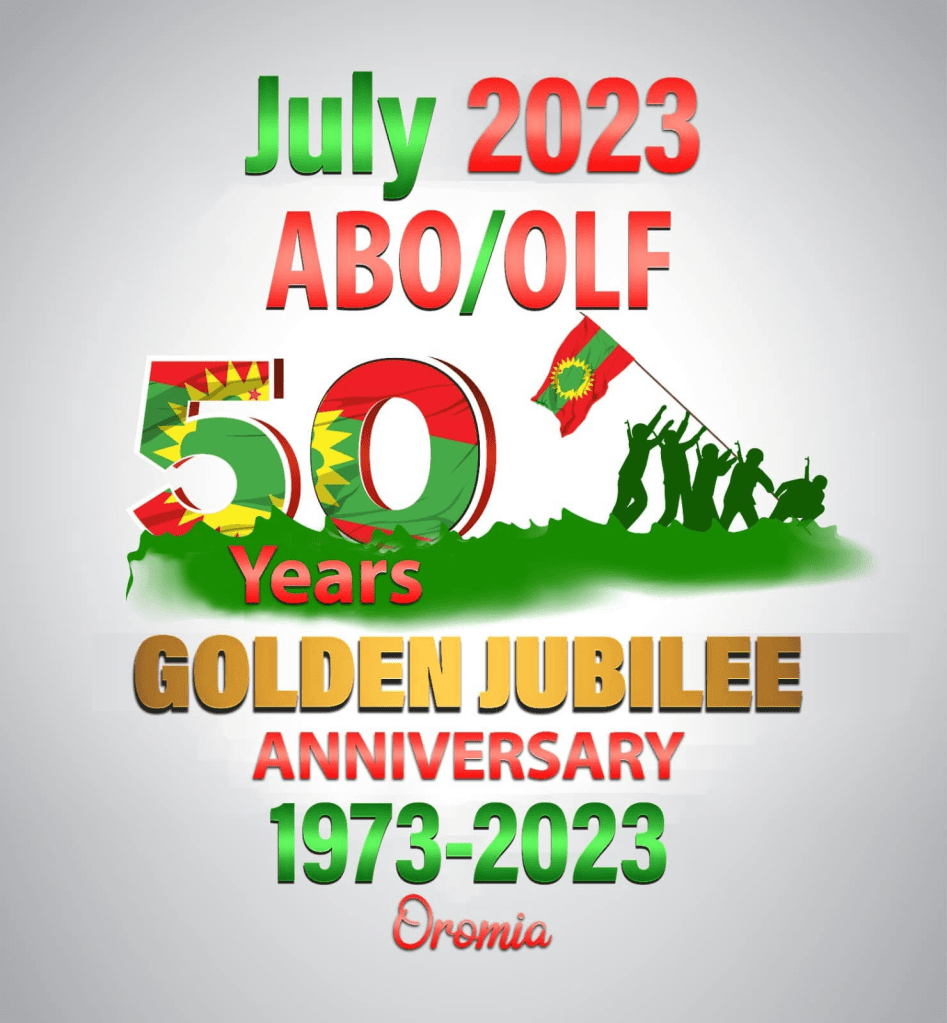
On a quiet day in 2023, as the world continues to spin through its cycles of change and upheaval, the Oromo people pause to mark a profound milestone. Fifty years have passed since the Oromo Liberation Struggle formally began its modern political and armed phase. The commemoration, held under the theme “50 Years of Oromo Freedom Struggle,” is not merely a glance backward at the pages of history. It is a declaration—a powerful affirmation that the strength of the past must be carried forward into the future.
As the saying goes, “Kunis waan nu ibsuu fi nu boonsu tokko akka baatee jiru mirkaneessa” —this confirms that there is something that defines us and makes us proud. Indeed, there is.
—
A People of Ancient Heritage
To understand the significance of this fifty-year mark, one must first appreciate the depth from which the Oromo struggle springs. The Oromo are not a recent invention of political convenience; they are the custodians of one of the oldest and most sophisticated cultural civilizations in the world.
The Gadaa system, a traditional democratic governance structure that has guided Oromo society for centuries, stands as a testament to their organizational genius. Long before modern democracies adopted the principles of checks and balances, term limits, and participatory governance, the Oromo had perfected these ideals through Gadaa. Every eight years, power would transfer peacefully from one generation to the next—a cycle of leadership renewal that ensured accountability and collective decision-making.
Then there is Waaqeffannaa, the indigenous Oromo belief system that reveres a single supreme being, Waaqa (God), and emphasizes harmony with nature, truth, and justice. The annual Irreecha festival, celebrated at sacred lakes and hilltops, is not merely a cultural event but a spiritual renewal—a thanksgiving for life, health, and the blessings of creation. Millions gather to raise their hands in prayer, adorned in traditional attire, singing songs that have echoed across the ages.
This is the Oromo identity: ancient, proud, and resilient. A civilization that has survived empires, invasions, and attempts at erasure. It is this identity that the freedom struggle seeks to protect and restore.
—
The Unfinished Story
The Oromo freedom struggle, as formally recognized in its modern phase over the past fifty years, is not a story of violence for its own sake. It is a story of a people demanding what is rightfully theirs: recognition, dignity, self-determination, and a place at the table of nations.
The archives of this struggle are filled with names that will never be forgotten. Some are written in blood, others in ink, but all are etched in the collective memory of the Oromo people. This struggle has chronicled a history of heroism that refuses to conclude—a narrative that continues to unfold with each passing year.
What makes this struggle unique is its deeply rooted cultural foundation. The Oromo are not fighting to create something new; they are fighting to reclaim something old. They are fighting to ensure that the Gadaa principles of justice, the Waaqeffannaa values of truth, and the Irreecha spirit of thanksgiving are not confined to textbooks or tourist brochures but are lived realities for future generations.
“Qabsoon Bilisummaa Oromoo seenaa boonsaa himamee hin dhumne galmeessee jira” —The Oromo liberation struggle has recorded a history of heroism that has not yet concluded. Indeed, it is a living document, written anew with every act of courage, every song of resistance, and every child raised to know their heritage.
—
A Story for All Generations
Perhaps the most beautiful aspect of this commemoration is its recognition that the struggle transcends any single generation. It is a legacy passed down from grandparents to parents, from parents to children. It is a story that is sung in lullabies, debated in classrooms, and whispered in prayers.
“Kun barayyuu dhalootaan kan leellifamuu fi faarfamuu dha” —This is a story that will be praised and sung by future generations. It is not a chapter to be closed but an anthem to be repeated, a lesson to be taught, and a flame to be kept alive.
The young Oromo today carry the weight of this legacy, but they also carry the hope. They are the ones who will take the baton from the veterans of the struggle and run the next lap. They are the ones who will ensure that the dream of a free, dignified, and prosperous Oromia becomes more than a slogan—it becomes reality.
—
Looking Ahead with Strength
As the Oromo people mark fifty years, they do so with a clear-eyed understanding of the road ahead. Challenges remain immense. The struggle is far from over. But the very act of commemorating half a century is itself an act of defiance—a declaration that the Oromo are still standing, still resisting, and still believing.
The world has witnessed the resilience of the Oromo. From the highlands to the lowlands, from the cities to the countryside, the spirit of Oromia remains indomitable. The freedom struggle is not merely a political movement; it is a cultural renaissance, a spiritual awakening, and a moral imperative.
—
Conclusion
Fifty years. It is a number that carries weight—the weight of sacrifice, the weight of hope, and the weight of an unfinished journey. The Oromo freedom struggle has been a long and arduous road, paved with both tears and triumphs. But as the Oromo gather to reflect on this milestone, they do not do so with bitterness or despair. They do so with the quiet confidence of a people who know who they are and what they deserve.
The theme “50 Years of Oromo Freedom Struggle” is not just about honouring the past. It is about carrying that strength forward, about ensuring that the next fifty years will be marked by even greater progress and eventual victory. It is about making sure that the Gadaa, the Waaqeffannaa, and the Irreecha remain not just memories but living traditions that guide the Oromo into a brighter tomorrow.
The Oromo story is one of the great epics of human history—a story of endurance, culture, and the unquenchable thirst for freedom. And as long as there are Oromo to tell it, sing it, and live it, that story will never end. It will be praised and sung by future generations, as it deserves to be.
—
“Qabsoon keenya bilisummaa fi mirga namaa kan mata keenyaati. Kun hidhannoo keenyatti amanuufi dhaloota dabarsuuti.”
“Our struggle is for freedom and human rights. This is our commitment to the future and to the generations to come.”

Posted on July 14, 2026, in Aadaa, Afaan, Biography, Bokkkuu, Confidentiality, Daaniyaa, Diaspora, Events, Face of Injustice, Finfinne, freedom, gadaa, gender, Grief Support, Gumaa, health, Information, Kindness, Language, Media, News, Oromia, Oromo diaspora, Oromo truth telling, Press Release, Promotion, SBO, Siinqee, Sirna Oromo, Waaqeffannaa. Bookmark the permalink. Leave a comment.






Leave a comment
Comments 0