Daily Archives: July 11, 2026

Beyond the Echo: A Reflection on Unity, Memory, and the Path Forward

A Feature Article Based on the Reflections of Hinsarmuu Shiferaw
—
In the quiet corridors of political memory, where the past whispers its lessons and the present demands its reckonings, there exists a voice that refuses to be silenced. It is a voice that has witnessed decades of struggle, felt the weight of collective sacrifice, and now calls for a moment of profound clarity. This is the voice of Hinsarmuu Shiferaw, whose recent reflections offer not just a chronicle of Oromo political history, but a roadmap for the soul of a movement at a critical crossroads.
“The words have been many,” Hinsarmuu writes, “and the ideas pouring forth are abundant. Yet among all these thoughts, there are those whose names we must hold tightly to our hearts.”
The Pillars of Memory
In a gesture that transcends mere remembrance, Hinsarmuu calls upon us to honor five individuals whose contributions have shaped the trajectory of the Oromo struggle:
1. Ob. Dirribsaa Daamxee – whose steadfast commitment to the cause became a beacon of resilience
2. Ob. Girmaa Xurunaa – whose vision helped chart the course of resistance
3. Ob. Jawaar Mohammad – whose intellectual contributions continue to reverberate
4. Ob. Ashennafii Addunya – whose global perspective bridged local struggles with universal aspirations
5. ABO – the collective embodiment of Oromo resistance, the movement that gave voice to millions
And alongside these, Dachaasa Wiirtu and others whose efforts, while perhaps less celebrated, formed the bedrock upon which the struggle was built.
The Turning Point: 1993 and Beyond
“We have held the struggle from 1993 in our grasp,” Hinsarmuu reflects, grounding us in a specific historical moment that marked a decisive shift in the Oromo political landscape. It is a reminder that the journey has been long, the sacrifices immense, and the stakes perpetually high.
But here lies the crux of Hinsarmuu’s message: “What has passed must not return.” The past, with all its triumphs and tribulations, serves as teacher rather than destination. The call is for clarity—for the movement to stand firm in its current position, to examine itself with unflinching honesty, and to chart a path illuminated by hard-won wisdom.
Five Pathways to Renewal
Hinsarmuu articulates a five-point vision for what the movement could achieve through this moment of reflection:
1. Comforting the Weary
Those who have lost sleep witnessing the movement torn apart deserve solace. The wounds of division run deep, and healing must begin with acknowledgment. Grief that has gone unrecognized must find its recognition; weariness that has been dismissed must find its rest.
2. Easing the Burden of Sacrifice
The blood and bone of our heroes—those who gave everything in Kenya and beyond—demands more than passive remembrance. Their sacrifice calls us to action, to ensure that what was given was not in vain.
3. Recalling Those Who Strayed
“Halagaa/orma harka fuudha dhaquu”—those who were led astray, who departed from the path. The movement must grapple with its losses, not through condemnation alone, but through a reckoning that seeks understanding and, where possible, reclamation.
4. Reclaiming Political Space
There exists a hidden plan from the post-Amman era to dismantle Oromo political participation as a unified people. This strategy seeks to scatter, to weaken, to atomize—a tactic of division that must be recognized and resisted. The call is to reinforce the collective political share that Oromos rightfully hold in the country’s governance.
5. Confronting the Instrumentalization of Faith
Perhaps most urgently, Hinsarmuu addresses the manipulation of religion—both internal and external—that seeks to divide and conquer. “The religion being weaponized against us,” he writes, “this new wave that seeks to entrap us”—must be met with unity, not fragmentation.
The Danger of Empty Rhetoric
“The harm that has come from excessive talk, from words that have been unleashed and scattered,” Hinsarmuu warns, “must be gathered and examined.” There is a call here for accountability, for the movement to own its missteps, to confront the ways in which division has been sown—sometimes intentionally, sometimes through carelessness.
The past, he insists, “offers no guarantees for the future.” The comfort of yesterday’s victories cannot shield us from tomorrow’s challenges. To assume otherwise is to court the very dangers that have plagued the movement before.
A Call to Action
The closing words of Hinsarmuu’s reflection carry both urgency and invitation:
“To my brothers and sisters: Stop where you stand. Look at what surrounds you. Consider what you have built—and what you have allowed to crumble.”
It is a call to presence, to awareness, to the kind of stillness that precedes true movement. In a world that demands constant action, Hinsarmuu asks for the courage to pause, to reflect, and to choose deliberately rather than reactively.
The Road Ahead
As Ethiopia continues its complex political transformation, and as the Oromo struggle navigates the treacherous waters of contemporary politics, the reflections of Hinsarmuu Shiferaw offer not just analysis but prescription. They remind us that movements are not merely collections of strategies and tactics; they are communities of memory, webs of relationship, and vessels of hope.
The path forward, Hinsarmuu suggests, lies neither in nostalgic return nor in reckless abandon, but in honest assessment and courageous adaptation. The names he calls to remembrance are not mere historical footnotes; they are living invitations to a different kind of politics—one rooted in accountability, animated by vision, and sustained by collective purpose.
“What we have endured must become what we have learned,” he seems to say. “And what we have learned must become what we do differently.”
The echo of his words invites us not to repeat the past, but to transcend it—to build a future worthy of the sacrifices that have brought us this far, and to ensure that those who come after will have less cause for grief and more reason for hope.
—
This feature article draws on the personal reflections of Hinsarmuu Shiferaw, whose words speak to the enduring questions of political struggle, collective identity, and the transformative power of honest self-examination.

The Meaning and Solution of Oppression
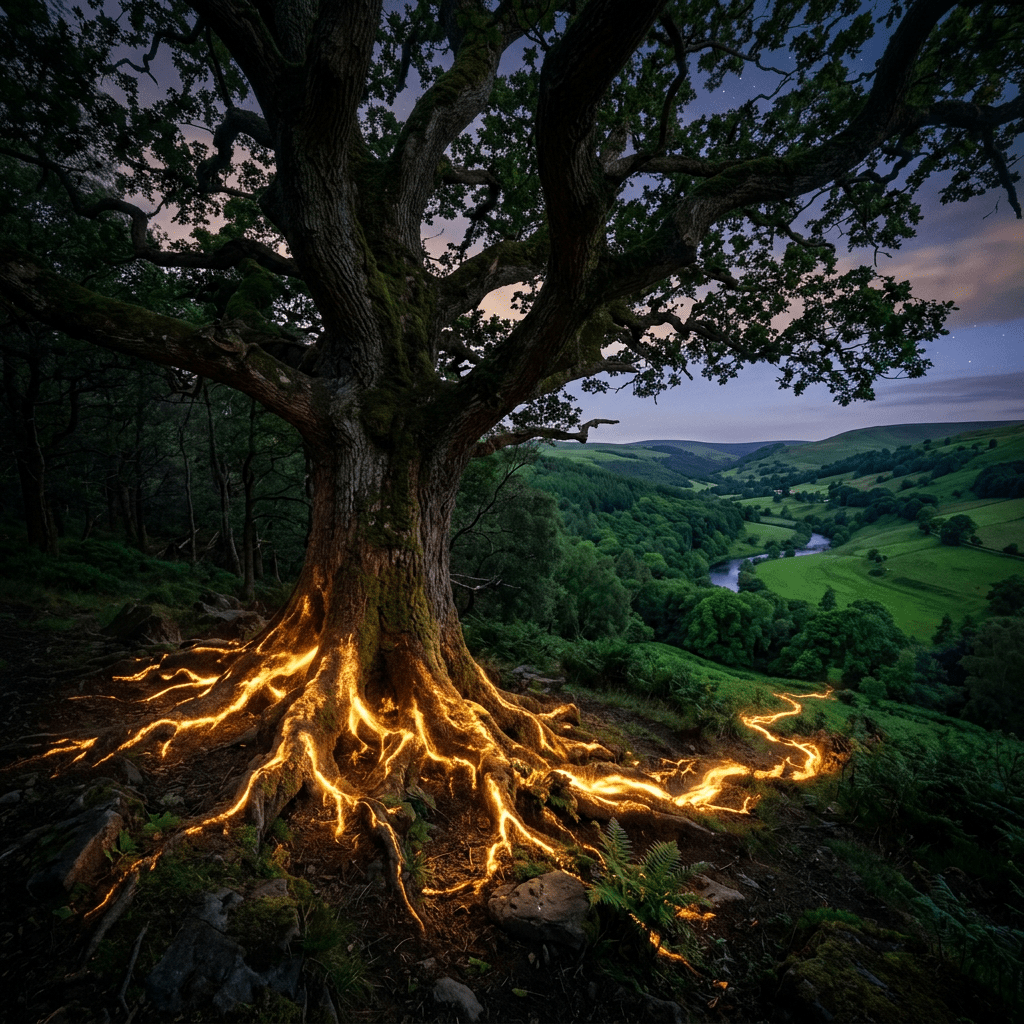
Understanding the chains that bind, and the keys that unlock them
Introduction: Defining the Unspeakable
Oppression is a word that carries weight—the weight of centuries, the weight of tears, the weight of dreams deferred and lives diminished. It is a force that shapes not only the material conditions of human existence but the very contours of the human soul. Yet for all its ubiquity in human history, oppression remains poorly understood by those who have never felt its crushing hand.
To understand oppression is to understand the architecture of human suffering. To confront it is to embark on the most essential journey any people can undertake. To overcome it is to reclaim what was always rightfully ours: our dignity, our freedom, and our humanity.
Part One: The Architecture of Oppression
What Is Oppression?
Oppression is the systematic denial of human dignity and human rights. It is not merely individual acts of cruelty or isolated instances of injustice. Rather, it is a structure—a web of laws, customs, institutions, and beliefs designed to maintain the dominance of one group over another.
The oppressed are not simply people who experience hardship; they are people whose very existence is defined by forces beyond their control. Their identities, their aspirations, and their futures are circumscribed by systems that view them as less than fully human.
Oppression operates on multiple levels:
Political Oppression: The denial of voice, representation, and self-determination. When a people cannot choose their leaders, determine their laws, or shape their future, they are politically oppressed.
Economic Oppression: The extraction of wealth and labor without just compensation. When a people’s resources are plundered and their labor exploited, they are economically oppressed.
Cultural Oppression: The suppression of language, traditions, and identity. When a people’s history is erased and their culture denigrated, they are culturally oppressed.
Psychological Oppression: The internalization of inferiority. When a people comes to believe the lies told about them, they are psychologically oppressed.
The Colonial Model: A Case Study
The Oromo people offer a textbook example of comprehensive oppression. For over a century, they have been subjected to political marginalization, economic exploitation, cultural suppression, and psychological denigration under successive Ethiopian regimes.
“The Ethiopian Empire,” as the ABO’s analysis makes clear, “was built on a divisive nationalism that promotes ethnic chauvinism. This system of ethnic, historical, cultural, and religious division continues to be reinforced by powerful actors who benefit from it. Because the system is fundamentally based on oppression and multifaceted exploitation, nations are subjected to suffering without their fundamental rights.”
The colonization of the Oromo people did not follow the European model of overseas conquest. Instead, it was accomplished through internal expansion—an African empire building itself upon the subjugation of other African peoples. This is a particularly insidious form of oppression because it is often overlooked or denied by the international community.
The mechanisms of this oppression are familiar to students of colonial history:
- Conquest by Force: The military subjugation of Oromo territories through superior weaponry provided by European powers.
- Demographic Destruction: The systematic killing, displacement, and enslavement of the Oromo population.
- Cultural Erasure: The imposition of Amharic language and culture, the suppression of Oromo identity, and the rewriting of history.
- Economic Exploitation: The extraction of resources and labor to benefit the colonizing elite.
- Political Exclusion: The denial of representation and self-governance.
The Special Character of Oromo Oppression
The Oromo experience of oppression has unique characteristics that demand attention:
Denial of Existence: For decades, Oromo identity was not merely suppressed—it was denied. Oromo were told they did not exist as a distinct people, that their language was a “dialect,” that their culture was primitive.
Internal Colonization: Unlike colonies separated by oceans, the Oromo were colonized by their neighbors within the same continental space. This has made their struggle for liberation particularly complex, as the colonizer and colonized share geographic, economic, and administrative connections.
Religious Diversity: The Oromo people practice multiple faiths—Islam, Christianity, and the indigenous Waaqeffanna. Their oppression has been compounded by religious discrimination and the use of religious divisions to weaken resistance.
Massive Population: As the largest ethnic group in Ethiopia, the Oromo’s oppression affects the lives of tens of millions of people, making it one of the largest ongoing human rights crises on the African continent.
Part Two: The Anatomy of Liberation
What Is Liberation?
Liberation is not merely the absence of oppression. It is the presence of freedom in its fullest sense—political, economic, cultural, and psychological. A liberated people are not simply free from their oppressors; they are free to determine their own future, to develop their own culture, and to express their own identity.
Liberation is both a process and a destination. It is the journey from subjugation to self-determination, from silence to voice, from shame to pride, from fear to courage.
The Liberation Framework
The ABO’s understanding of liberation is comprehensive and principled. As articulated in its guiding documents:
1. Self-Determination Is Non-Negotiable
“The Oromo people and other oppressed peoples have the full right to decide freely whether to live independently or to unite through dialogue and mutual agreement.”
Self-determination is the foundation upon which all other freedoms are built. Without the right to determine their own political status, peoples cannot be said to be free.
2. Justice Is Universal
“The ABO’s struggle is for just liberation and the recognition of Oromo rights. The struggle waged by the Oromo people is just and rightful. This is a fundamental right recognized in the UN Charter.”
Justice is not a gift to be begged from oppressors; it is a right to be claimed. The international community has recognized this right through numerous treaties and declarations.
3. Unity Is Strength
“The ABO’s vision is a liberated Oromiya, free from colonial rule, with a sovereign Oromo government established. The foundation of our national unity is one country, one people, and one nation.”
The liberation struggle cannot succeed without unity. Divisions among the oppressed serve only the interests of the oppressor.
4. Solidarity Is Essential
“The ABO believes in mutual support and cooperation among peoples struggling for liberation. It has worked to unite oppressed peoples against the common enemy and develop solidarity.”
No people can liberate themselves in isolation. Solidarity among oppressed peoples and with progressive forces everywhere is essential to success.
Part Three: The Means of Liberation
The Question of Means
How is liberation achieved? This is perhaps the most debated question in the history of resistance movements. The ABO’s approach, like that of many liberation movements, combines multiple strategies:
1. Political Struggle
The ABO has pursued political solutions to the Ethiopian political crisis, engaging in dialogue, advocacy, and the articulation of a clear political program. The party’s Political Program, first released in 1974 and revised multiple times, provides a comprehensive vision for the resolution of Ethiopia’s political problems through peaceful means.
2. Armed Struggle
“Because successive Ethiopian governments—including the current one—have refused to respect Oromo rights, the ABO is waging an armed struggle to secure them.”
Armed struggle is not a first resort but a last resort, undertaken only when all peaceful avenues have been exhausted and when continued oppression leaves no other option.
3. International Advocacy
The ABO has worked to bring Oromo issues to the international stage, engaging with human rights organizations, international media, and governments. The movement has sought to build a coalition of support that can pressure the Ethiopian government to respect Oromo rights.
4. Grassroots Mobilization
The 2015 Qeerroo movement and the nationwide uprising across Oromiya demonstrated the power of grassroots mobilization. The ABO’s work to educate, organize, and empower the Oromo people creates the foundation for lasting change.
5. Institution Building
The ABO has invested heavily in building organizational structures that can sustain the struggle over the long term. This includes establishing branches in the diaspora and developing administrative and governance capacities.
Part Four: Challenges to Liberation
The Weight of Oppression
The oppressed carry not only the external weight of their oppressors but also the internal weight of their oppression. Overcoming this internalized inferiority is one of the greatest challenges of the liberation struggle.
Psychological Oppression: Generations of denigration and subjugation have taken a toll on the Oromo psyche. The liberation struggle is as much about reawakening pride and identity as it is about political change.
Economic Dependence: The economic structures of oppression create dependencies that make resistance difficult. Breaking these dependencies requires both political liberation and economic transformation.
Division and Cooptation: Oppressors have consistently used divide-and-rule strategies to weaken resistance. Co-opting elites from oppressed communities, creating proxies, and pitting groups against each other are standard tactics.
The Enemy’s Resources: The Ethiopian state has access to substantial resources—military power, international support, and the machinery of propaganda. These resources make the struggle asymmetrical and difficult.
Part Five: The Vision of Liberation
What Freedom Looks Like
The ABO’s vision is not merely negative—the absence of oppression—but positive—the presence of a free, just, and prosperous Oromiya.
Political Freedom: A democratic system in which Oromo and other peoples can determine their own governance, participate in decision-making, and hold their leaders accountable.
Economic Justice: A system in which the wealth of Oromiya benefits its people, where economic opportunity is available to all, and where exploitation is a thing of the past.
Cultural Renaissance: The flourishing of Oromo language, culture, and identity. The celebration of Oromo history and the recovery of what was suppressed.
Social Justice: A society in which all people—regardless of ethnicity, religion, or gender—are treated with dignity and equality.
Peace and Security: Freedom from the fear of violence, displacement, and persecution.
Regional Cooperation: A liberated Oromiya contributing to peace, stability, and cooperation in the Horn of Africa.
The Nature of Victory
Injifannoon egeree qabsoon Oromoo argatu waraana tokkootiin utuu hin taane, karaa dheeraa fi rakkisaa ta’ee jira. Waraanni tokko hin mo’atu; hojii dhaloota baay’ee keessaatti hojjetame. Of kennuun dhaloota ittaanuuf bu’uura dhiisuun, dadhaboon qajeelchuun, fi jajjaboon guddisuun.
Part Six: The International Dimension
A Common Struggle
The Oromo struggle is not an isolated phenomenon. It is part of a broader global movement for human rights, self-determination, and justice. From Palestine to Kashmir, from Western Sahara to Kurdistan, peoples around the world are engaged in similar struggles.
The ABO has sought to build solidarity with these movements, recognizing that the struggle against oppression is a universal human endeavor. As the party’s documents state:
“Individuals, organizations, and forces—from within and without the oppression—who recognize, respect, and support self-determination, democracy, and peace are friends of the Oromo struggle.”
The Response of the International Community
The international community’s response to the Oromo struggle has been mixed. While some human rights organizations and governments have raised concerns about the treatment of Oromo, others have remained silent or actively supported the Ethiopian government.
This mixed response reflects the geopolitics of the Horn of Africa—a region of strategic importance, where international actors have competing interests. The ABO has called on the international community to:
- Respect the right of the Oromo to self-determination
- Condemn the oppression and human rights violations in Oromiya
- Support a peaceful resolution to the political crisis
- Recognize the legitimacy of the Oromo liberation struggle
Part Seven: Lessons for All Peoples
The Universality of the Struggle
While the Oromo struggle is unique in its particularities, it offers lessons for all peoples seeking liberation:
1. Oppression Is a System, Not a Series of Incidents
Understanding the systemic nature of oppression is essential to overcoming it. Addressing individual injustices is insufficient; the system that produces them must be dismantled.
2. Liberation Requires Unity
Divisions among the oppressed serve only the oppressor. Building unity—across ethnic, religious, and political lines—is essential to success.
3. Hope Is a Weapon
Despair is the oppressor’s greatest ally. Maintaining hope, even in the darkest times, is an act of resistance.
4. Justice Is Universal
The principles of justice, dignity, and self-determination are not Western or African—they are human. They apply to all peoples, regardless of their circumstances.
5. The Struggle Is Long
Liberation is not achieved overnight. It requires patience, persistence, and the willingness to sacrifice today for the freedom of tomorrow.
Conclusion: The Path Forward
The oppression of the Oromo people is one of the great unresolved human rights crises of our time. For over a century, tens of millions of people have been subjected to political marginalization, economic exploitation, cultural suppression, and psychological denigration.
Yet the Oromo people have not been destroyed. They have maintained their identity, their culture, and their hope. They have built organizations, developed programs, and fought for their rights. They have refused to accept their oppression as permanent.
The solution to oppression is liberation—complete, comprehensive, and uncompromising liberation. This liberation must be political, economic, cultural, and psychological. It must restore the Oromo people to their rightful place among the free peoples of the world.
As the ABO’s vision declares: “A liberated Oromiya, free from colonial rule, with a sovereign Oromo government established.”
This is not merely a dream—it is a goal, achievable through sustained struggle, unity, sacrifice, and hope. The path is long, but the destination is certain. Justice will prevail. Freedom will come.
The question is not whether the Oromo will be liberated, but when. And when that day comes, it will be a victory not only for the Oromo people but for all those who believe in justice, dignity, and the fundamental equality of all human beings.
“Cunqursaa dhabamsiisee ummatni Oromoo akka mirga kana gonfatu godhuu dha. Kaayyoo kana bakkaan gahuuf, ABO qabsoo akeeka dimokraasii irratti hundaa’e gaggeessa.”
Oppression must be eliminated so that the Oromo people may attain their rights. To achieve this goal, the ABO wages a struggle based on a democratic ideology.
The struggle continues. The victory is certain. And the freedom of the Oromo people will be the freedom of all. Afaan Oromoon kun: Qabsoon itti fufa. Injifannoon murteessa. Bilisummaan Oromoo bilisummaa hundaati.
This feature article draws on the foundational documents of the Oromo Liberation Front (ABO), including the Political Program, Constitution, and organizational analyses. It reflects the principles and vision of the Oromo liberation struggle as articulated by the ABO.

The Strong and the Weak: Lessons in Resilience from the Oromo Liberation Struggle
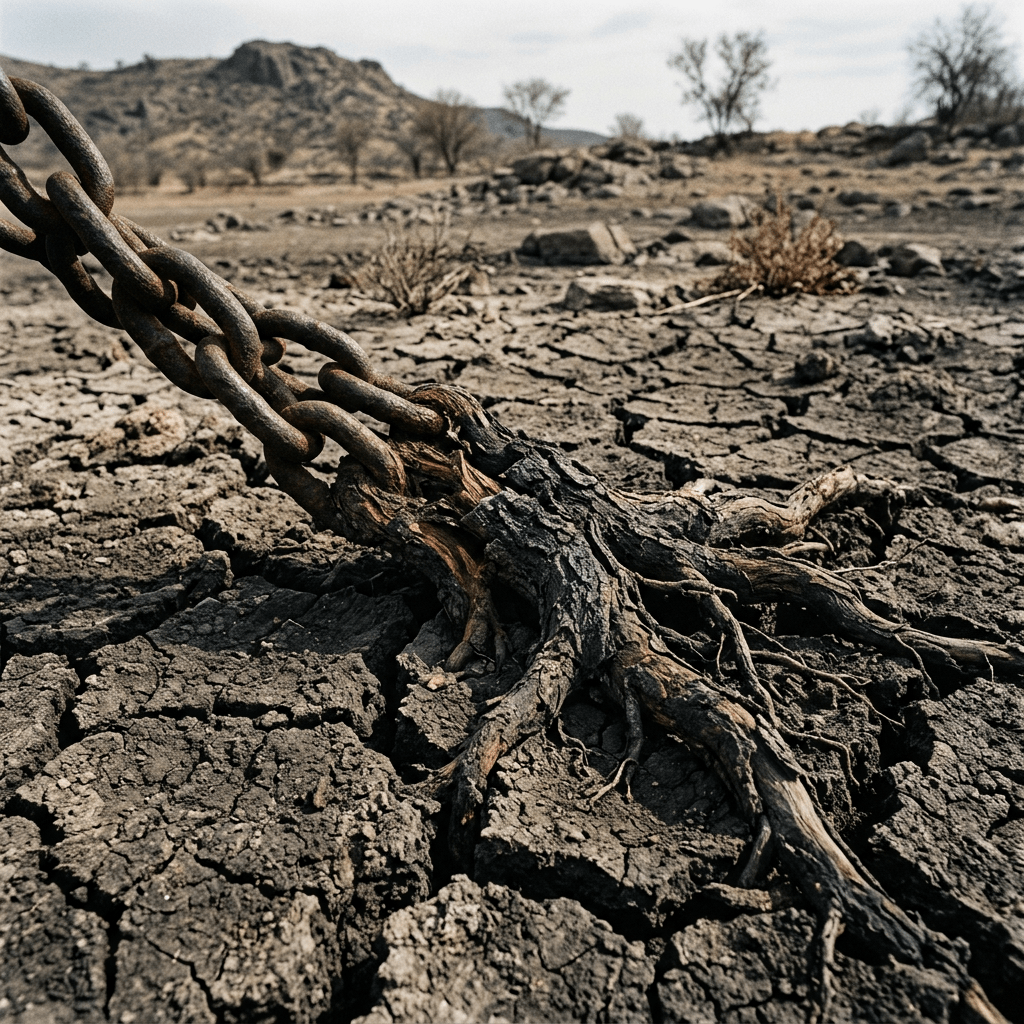
In the crucible of resistance, the difference between victory and defeat lies not in the strength of the enemy, but in the resolve of the fighter
The struggle for liberation is a crucible that tests the very soul of a people. It separates the determined from the disillusioned, the resilient from the defeated. In the long and arduous journey of the Oromo people toward freedom, two archetypes have emerged—the strong fighter and the weak fighter. Their stories offer profound lessons not just for the Oromo liberation movement, but for every struggle for justice and self-determination across the globe.
The Weak Fighter: A Study in Self-Destruction
When the pressures of struggle mount, when the enemy seems overwhelming, and when the path forward appears blocked, a certain type of fighter emerges—one who, in their inability to challenge the external enemy, turns their frustration inward.
“Qabsaa’ota dadhaboo yeroo diinaa fi caasaa diinaa dhiibuu dadhaban kan ofii ijaaranii keessa darban of jalatti diiguu jalqabu.”
The weak fighter, unable to strike the enemy or dismantle their structures, begins to destroy themselves. Frustration gives way to disillusionment; disillusionment gives way to despair; despair gives way to self-destruction. The organization they once served becomes a target of their internal grievances. The comrades they once marched alongside become objects of suspicion and blame. The cause they once championed becomes a source of bitterness.
“Injifannoo egeree otuu hin taane, kufaatii isaanii farrisuun dhalooti akka abdii muratu taasisu.”
The tragedy of the weak fighter is that their legacy becomes not victory but fragmentation. Rather than building a future of freedom, they leave behind a legacy of division and hopelessness. Future generations, inheriting the wreckage of internal conflict, come to believe that the struggle itself was futile.
This is the greatest danger the weak fighter poses—not just to themselves, but to the collective dream of liberation. When fighters turn against each other, when organizations dissolve into feuding factions, when the energy that should be directed against oppression is consumed by internal strife, the enemy wins without firing a shot.
The Strong Fighter: Resilience in the Face of Adversity
In stark contrast stands the strong fighter—one who, regardless of the circumstances, remains anchored in justice and truth.
“Qabsaa’oti jajjaboon, gama biraatiin, yeroo mara haqaa fi dhugaa irratti cichuun injifannoon argame akka daran guddatu falmatu.”
The strong fighter understands that victory is not guaranteed—it must be built, day by day, struggle by struggle, sacrifice by sacrifice. They know that the path to liberation is long and winding, filled with setbacks and sorrows. Yet they press forward, anchored in the conviction that justice and truth will ultimately prevail.
“Dhiibbaa fi miidhaan diinaa hagumuu itti jabaatu, karaa kaleessa ijaarrtanii ittiin xaxaa diinaa keessa darban hin tuqan; hin balaaleffatanis.”
No matter how intense the pressure, no matter how devastating the enemy’s attacks, the strong fighter holds firm. They do not abandon the strategies and structures carefully built over years of struggle. They do not compromise their principles or lose sight of their ultimate goal. They do not allow fear or frustration to erode their resolve.
“Inumaayyuu, jabina ittiin walxaxaa diinaa keessa darban tifkachaa, laafina jiru immoo akka dhalootu ittaanu sirreeffatee fuulduratti milkii caalutti tarkanfatu hojjatu.”
Rather than being consumed by weakness, the strong fighter learns from it. They recognize that the challenges of today are preparing them for the victories of tomorrow. The strengths they develop in overcoming adversity become the foundation upon which future success is built. The weaknesses they identify and correct ensure that the next generation will not repeat the same mistakes.
The Oromo Liberation Struggle: A Case Study in Resilience
The Oromo people have endured over a century of colonial oppression under successive Ethiopian regimes. Their struggle for self-determination has witnessed moments of great triumph and devastating setback. Through it all, the distinction between the strong and the weak fighter has been starkly visible.
The Weak Fighter in Oromo History:
Throughout the Oromo struggle, there have been those who, unable to strike the colonial system effectively, turned their energies toward internal conflict. Factionalism, personal rivalries, and ideological disputes have at times weakened the movement and delayed the realization of Oromo liberation.
Some fighters, frustrated by the seeming impossibility of the struggle, abandoned the cause entirely. Others, unable to achieve their ambitions within the movement, sought to destroy it from within. Still others, consumed by their own grievances, lost sight of the collective dream.
The consequences of such weakness have been profound. Decades of struggle have been prolonged. Generations have been lost to internal division. The enemy has been strengthened by the disunity of the oppressed.
The Strong Fighter in Oromo History:
Yet alongside these cautionary tales stand the heroes of the Oromo struggle—those who, against all odds, maintained their commitment to justice and truth. From the early resistance fighters who faced Menelik’s forces with little more than courage and conviction, to the modern-day revolutionaries who have carried the torch of liberation into the 21st century, the strong fighters of Oromiya have refused to surrender to despair.
These are the fighters who, despite imprisonment, torture, and exile, never abandoned the cause. They who, when the movement was at its weakest, rebuilt it from the ashes. They who, when the enemy seemed invincible, found new ways to resist.
The strong fighters of Oromiya have understood that the struggle is not a sprint but a marathon. They have built institutions, trained cadres, and passed on the legacy of resistance to new generations. They have learned from setbacks and transformed defeats into stepping stones toward victory.
Lessons for All Struggles
The distinction between the strong and the weak fighter holds lessons that extend far beyond the Oromo liberation movement. Every struggle for justice—whether for civil rights, national liberation, or human dignity—faces the same challenges.
Lesson One: The Enemy Is Not Your Comrade
When external pressure mounts, the temptation to turn against one another is strong. But the true enemy is not the comrade who disagrees with you, the leader who makes mistakes, or the organization that disappoints. The true enemy is the system of oppression itself. Directing energy toward internal conflict serves only to strengthen the oppressor.
Lesson Two: Resilience Is Built, Not Given
Strong fighters are not born—they are forged in the fires of struggle. Each setback is an opportunity for learning. Each disappointment is a chance for growth. Each sacrifice strengthens the resolve to continue.
Lesson Three: Victory Belongs to the Persistent
The arc of history bends toward justice—but only because strong fighters continue to bend it. Victory is never guaranteed; it must be won through generations of persistent effort. Those who give up guarantee defeat; those who continue, no matter the obstacles, create the possibility of success.
Lesson Four: Legacy Matters
The weak fighter leaves behind division and despair. The strong fighter leaves behind hope and a foundation for future victory. What legacy will you leave? What will future generations say of your contribution to the struggle?
The Path Forward
As the Oromo liberation movement continues its journey toward self-determination, the choice between strength and weakness remains ever present. The challenges are immense—a powerful state apparatus, a history of division, and the weight of over a century of oppression. Yet the potential for victory has never been greater.
The strong fighter looks at these challenges and sees opportunity. The fractures in the Ethiopian state, the growing international awareness of Oromo issues, the increasing unity of the Oromo people—all point toward the possibility of liberation.
“Jabina ittiin walxaxaa diinaa keessa darban tifkachaa, laafina jiru immoo akka dhalootu ittaanu sirreeffatee fuulduratti milkii caalutti tarkanfatu hojjatu.”
By recognizing and celebrating the strength that has carried the Oromo struggle this far, and by honestly addressing the weaknesses that have held it back, the movement can build toward a future of victory. The strong fighters of today are laying the foundation for the strong fighters of tomorrow.
Conclusion: The Choice Is Ours
The distinction between the strong and the weak fighter is not determined by circumstance but by choice. Every fighter, every activist, every revolutionary faces moments of doubt, fear, and exhaustion. The question is not whether these moments will come, but how we will respond when they do.
Will we turn our frustration inward and destroy ourselves? Or will we draw on the strength of our ancestors, the resilience of our comrades, and the certainty of our cause, and press forward?
The Oromo people have endured much. They have witnessed the destruction of their land, the suppression of their culture, and the denial of their rights. Yet they have not been destroyed. They have not surrendered. They have not given up hope.
“Qabsaa’oti jajjaboon, gama biraatiin, yeroo mara haqaa fi dhugaa irratti cichuun injifannoon argame akka daran guddatu falmatu.”
The strong fighter knows that victory is not simply the absence of defeat—it is the product of persistent, principled, and unwavering struggle. And it is this conviction that will ultimately carry the Oromo people from oppression to freedom, from injustice to justice, from despair to hope.
“Jabina ittiin walxaxaa diinaa keessa darban tifkachaa, laafina jiru immoo akka dhalootu ittaanu sirreeffatee fuulduratti milkii caalutti tarkanfatu hojjatu.”
Let us celebrate the strength with which we navigate the enemy’s complexities, and let us correct our weaknesses so that future generations may march forward to even greater victories.
The struggle continues. The strong fighter endures. And victory, however distant, remains within reach.

The Currency of Truth: Finding Peace in a World of Division
In an era of tribal loyalties and political polarization, one voice reminds us that truth remains unchanged by who speaks it
In a time when every statement is filtered through the lens of political allegiance, when facts are accepted or rejected based on their source, and when loyalty to tribe often trumps loyalty to truth, a quiet but powerful reflection emerges from the heart of Oromo wisdom.
“Dhugaan eenyuun iyyuu haa dubbatamu, eessatti iyyuu haa raawwatamu, dhugaan yeroo hunda dhugaadha.”
Truth—regardless of who speaks it, wherever it is manifested—remains truth forever.
This simple yet profound statement carries a weight that resonates far beyond its words. It challenges us to examine our own relationship with truth in an age of deep divisions and competing narratives.
The Fragility of Peace
The reflection begins with a meditation on peace:
“Sammuun dhugaatti amanuuf waan gaarii yaadu nagaan jiraata! Nagaa sammuu qabaachuun waan hunda caalaa badhaadhina guddaadha.”
A mind that believes in truth and thinks good thoughts lives in peace. Possessing peace of mind is the greatest wealth of all.
This is not mere sentiment—it is a profound psychological insight. When our minds are consumed by suspicion, when we view every statement through the lens of who said it rather than what was said, we forfeit our inner peace. We become prisoners of our own prejudices, forever anxious about the motives of those we oppose and unquestioning of those we support.
“Namni qalbii qulqulluu yoo qabaate, cubbuu irraa bilisa ta’a; kanaafis hirriba nagaa rafa.”
A person with a pure heart is free from sin; therefore, they sleep peacefully.
The Challenge of Our Time
In the current era, truth has become a casualty of tribalism. We have witnessed how political affiliations, ethnic loyalties, and ideological commitments color our perception of reality itself.
The reflection confronts this directly:
“Bara keenya keessatti wantoonni hedduun garee fi ilaalcha siyaasaan madaalamu. Namni nuti jibbinu ykn morminu dhugaa yoo dubbate, dhugaa sana fudhachuuf rakkina qabna.”
In our time, many things are measured by group affiliation and political perspective. If someone we dislike or oppose speaks the truth, we struggle to accept it.
This is one of the most dangerous tendencies of our age. We have become so entrenched in our positions that we cannot recognize truth when it comes from the “wrong” source. We have allowed our enemies to be defined not by their actions but by our opposition to them—and in doing so, we have surrendered our ability to perceive reality clearly.
The reflection continues:
“Yaada yaadaan mari’achuu fi mormuun hafee, gareedhaan wal mormina.”
Arguments and disagreements persist, and we oppose each other by group.
What began as genuine differences of opinion has hardened into tribal warfare. We no longer engage with ideas—we oppose people. We no longer evaluate arguments—we dismiss sources.
The Dangerous Asymmetry
Perhaps most troubling is the asymmetry in how we treat truth depending on its source:
“Dhuguma sana namni nuti deeggaru yoo dubbate garuu, ‘sirriidha’ jennee harka rukunna.”
But when someone we support speaks the same truth, we applaud and say, “That is correct.”
This double standard is the erosion of integrity itself. It means we are no longer evaluating statements based on their truthfulness but based on their alignment with our tribal loyalties. We have become incapable of independent judgment.
The implications are staggering. If truth is determined by who speaks it rather than what is said, then truth itself ceases to exist. We are left with only competing narratives, each claiming legitimacy based on the identity of its speaker rather than the accuracy of its content.
The Call to Integrity
Against this backdrop of tribalism and division, the reflection offers a clear way forward:
“Kanaaf, nama nuti deeggaru ta’e nama nuti morminu haa ta’u, dhugaan dhugaadha; cubbuunis cubbuudha. Kana akkasitti amanuu fi shaakaluu wayya.”
Therefore, whether someone is someone we support or someone we oppose, truth is truth; sin is sin. It is better to believe and practice this.
This is a call to intellectual integrity—to evaluate statements based on their merit rather than their source. It is a challenge to rise above tribal loyalties and embrace a higher standard of truth.
The reward for such commitment is profound:
“Waaqnis dhugaa jaallata; sammuunis nagaa argata.”
God loves truth; and the mind finds peace.
The Wisdom of Oromo Proverbs
The reflection draws on the rich tradition of Oromo wisdom, invoking two powerful proverbs:
“Akka Oromoon jedhu, ‘Nama jibban haqa isaa hin jibban.'”
As the Oromo say, “Do not hate a person’s justice because you hate the person.”
This proverb captures the essence of the argument: justice and truth stand independent of the people who speak them. We are called to separate our judgment of a person from our evaluation of their words.
“Akkasumas, ‘Dhugaan ilmoo Waaqaati.'”
And also, “Truth is the child of God.”
This elevates truth to a sacred status. To reject truth because of its source is to reject something divine. To embrace truth regardless of its origin is to align oneself with the sacred.
The Reward of Integrity
The reflection concludes with a powerful vision of the life lived in pursuit of truth:
“Dhugaa kabajuun nama kabajuudha; dhugaa fudhachuunis nagaa sammuu argamsiisa.”
Honoring truth is honoring oneself; accepting truth brings peace of mind.
This is the final, compelling argument for integrity. It is not merely a moral imperative—it is a practical one. Those who refuse to accept truth because of its source are not punishing the speaker; they are punishing themselves. They are forfeiting the peace that comes from living in alignment with reality.
“Guyyaa nagaa qabu qabaadha, sammuu nagaa yaadu horadhaa.”
May you have a peaceful day; may you cultivate a mind that thinks in peace.
A Message for Our Time
The reflection from Kumala Addunyaa arrives as a timely antidote to the poison of our age. In a world increasingly defined by echo chambers, confirmation bias, and tribal loyalties, it calls us back to something more fundamental: the pursuit of truth itself.
It challenges us to examine our own hearts. Are we willing to accept truth from those we oppose? Are we willing to acknowledge wrongdoing in those we support? Are we courageous enough to judge statements based on their content rather than their source?
The answers to these questions will determine not only the quality of our public discourse but the state of our own inner peace. As long as we remain prisoners of our prejudices, we will never know the peace that comes from living in truth.
The way forward is clear but difficult: we must learn to separate the message from the messenger. We must cultivate the humility to acknowledge truth wherever it appears and the courage to reject falsehood wherever it hides—even among those we love.
The Universal Call
While rooted in Oromo wisdom, the reflection speaks to all of humanity. Every culture, every nation, every community faces the challenge of tribalism and the temptation to reject truth based on its source. The principles articulated here are universal:
- Truth stands independent of its speaker
- Integrity requires us to evaluate statements on their merit
- Inner peace comes from living in alignment with truth
- Honoring truth is ultimately honoring oneself
In a time of deep division, these principles offer a path forward—not through compromise or accommodation, but through a renewed commitment to truth itself.
Conclusion
As the sun sets on another day of conflicting narratives and competing claims, the words of the reflection linger:
“Dhugaan eenyuun iyyuu haa dubbatamu, eessatti iyyuu haa raawwatamu, dhugaan yeroo hunda dhugaadha.”
Truth—regardless of who speaks it, wherever it is manifested—remains truth forever.
This is not merely a philosophical statement; it is a guide for living. Those who embrace this truth will find the peace that comes from integrity. Those who reject it will remain prisoners of their own prejudices.
The choice is ours. And the reward for choosing wisely is nothing less than peace of mind.
“Guyyaa nagaa qabu qabaadha, sammuu nagaa yaadu horadhaa.”
May you have a peaceful day; may you cultivate a mind that thinks in peace.

The Sacred Journey of Gadaa: Oromo Community Gathers for Ancient ‘Wal-Argii’ Naming Ceremony
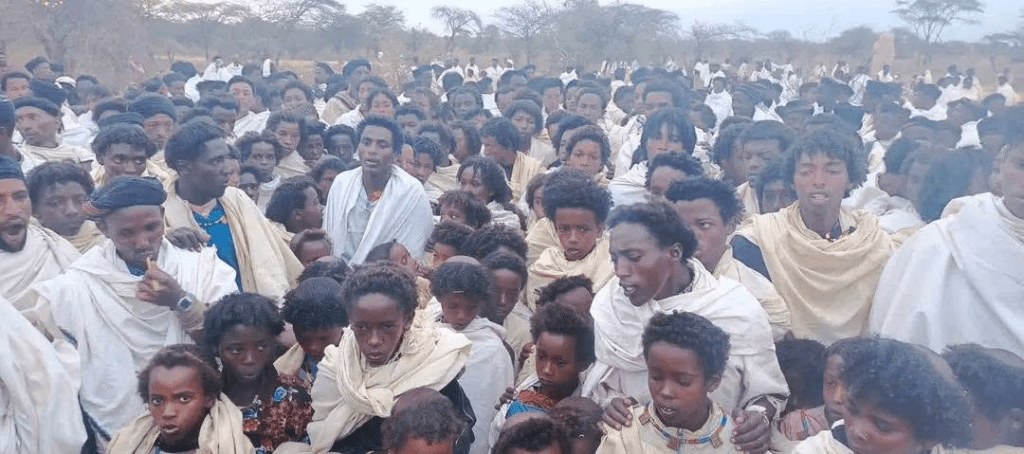
As the sun rises over Guyyoo Gobba, elders and youth come together to celebrate the timeless traditions that have guided Oromo society for generations
BORANA ZONE, OROMIA — In the heart of Oromia, where the ancient rhythms of tradition still pulse through the land, the community of Guyyoo Gobba is preparing for a ceremony that connects the present to centuries of ancestral wisdom. The occasion is the sacred “Wal-Argii” ritual—a ceremony of recognition and naming that marks a significant transition in the Gadaa system, the indigenous democratic governance structure that has guided Oromo society for over 500 years.
The Gadaa system, recognized by UNESCO as an Intangible Cultural Heritage of Humanity, is a complex and sophisticated framework that organizes Oromo society into distinct life stages. Each stage carries specific responsibilities, rituals, and ceremonies that prepare individuals for their roles within the community. At the heart of this system lies a profound truth: every child born into this tradition begins a journey of transformation, moving through carefully defined stages toward becoming a full participant in their society.
The Journey Begins: Dabballee
In the Gadaa system, when a male child is born, he enters the world as a Dabballee. This is the foundational stage of life, recognized without question—a male child is Dabballee, never female. The Dabballee period spans the first eight years of life. It is a time of innocence and learning, where the child is nurtured and prepared for the journey ahead.
On the eighth year, the child undergoes the Maqbaasa Ritual—the Ceremony for Naming. This is the child’s first formal recognition within the community, a moment when his identity is publicly acknowledged and celebrated.
The Second Stage: Gammee
Emerging from Dabballee, the child enters the Gammee stage. This period lasts for sixteen years and is divided into two parts: Gammee Gugurdoo and Gammee Didiqqoo. It is during this stage that the community gathers for the “Wal-Argii Ritual”—also known as the Nyaachisa Ritual, or the Ritual of Eating.
The Nyaachisa is sacred. As elders explain, “Without Nyaachisa, one cannot become Kuusa.” The ritual of eating together is not merely about consuming food—it is about entering into community, about sharing in the collective identity that binds Oromo society together.
During this stage, the community gathers to witness and celebrate the growth of their children. The foods prepared are not random; they carry deep cultural significance. Young people learn the importance of communal sharing and the responsibilities that come with becoming full members of society.
The Third Stage: Kuusa
After experiencing the Nyaachisa and emerging from Gammee, individuals enter the Kuusa stage, which lasts another eight years. The Kuusa stage is marked by a significant ritual: the Goodiyyaa Ritual, during which six officials are chosen from among the group. These six will take on leadership responsibilities within the community, learning the arts of governance and decision-making.
The selection of officials at this stage is critical—it identifies those who will carry forward the wisdom of their elders and guide their peers through the challenges ahead.
The Fourth Stage: Raaba
From Kuusa, individuals transition to Raaba, an eight-year period filled with important rituals that mark the transition to adulthood. During this stage, young men undergo the Muusoo Ritual and the Dhokhisuu Ritual—ceremonies that grant men permission to marry.
These rituals are about more than marriage; they signify readiness to take on adult responsibilities, to build families, and to contribute fully to the community. The Raaba stage teaches young men the importance of commitment, partnership, and the continuation of the Oromo lineage.
The Fifth Stage: Doorii
The Doorii stage is a five-year period marked by profound rituals, including the Buttaa Ritual and the Daannisa Ritual. The Daannisa is particularly significant—it is the ceremony that gives men permission to have children.
This stage represents the culmination of the reproductive and familial responsibilities that individuals will carry forward. It is during Doorii that men demonstrate their readiness to become fathers and to raise the next generation of Oromo society.
The Sixth Stage: Gadaa
The Gadaa stage itself lasts eight years and is perhaps the most recognized and celebrated period in the entire system. It is during this stage that leaders are inaugurated and governance structures are fully realized. The rituals of this period include:
- Baallii Ritual: The Inauguration Ceremony of the Leader of Gadaa
- Gindaa Ritual/Gumii Gaayoo: The assembly of the community
- Guutuu Ritual: A ceremony of completion and fulfillment
- Odaa Ritual: The dissolution of the Yaa’a Village and retirement of Gadaa officials
The Seventh Stage: Yuuba
Emerging from Gadaa, individuals enter the Yuuba stage, which lasts for twenty-seven years. This is a period of wisdom and mentorship, where elders guide the younger generations. The Yuuba are the custodians of knowledge, the keepers of the tradition, and the guides who ensure that the Gadaa system continues to thrive.
The Eighth Stage: Gadaammojjii
Finally, individuals enter the Gadaammojjii stage, an eight-year period that represents the final phase of the life cycle. The Gadaammojjii is the stage of elders—those who have passed through all previous stages and now serve as the ultimate authority. The Mataa Buufattu (the leader of the Gadaammojjii) presides over the Gadaammojjii Ritual, ensuring that the traditions are passed down correctly.
A Living Tradition
The journey from Dabballee through Gammee, Kuusa, Raaba, Doorii, Gadaa, Yuuba, and finally to Gadaammojjii represents the complete arc of human life in Oromo society. As elders say, “Ilmii Namaa Dabballee tahee Gammeetti dabra”—the child who was Dabballee has now passed through all stages.
None of these stages are bypassed; none are skipped. Each is essential to the formation of a complete person, a responsible community member, and a faithful steward of Oromo heritage.
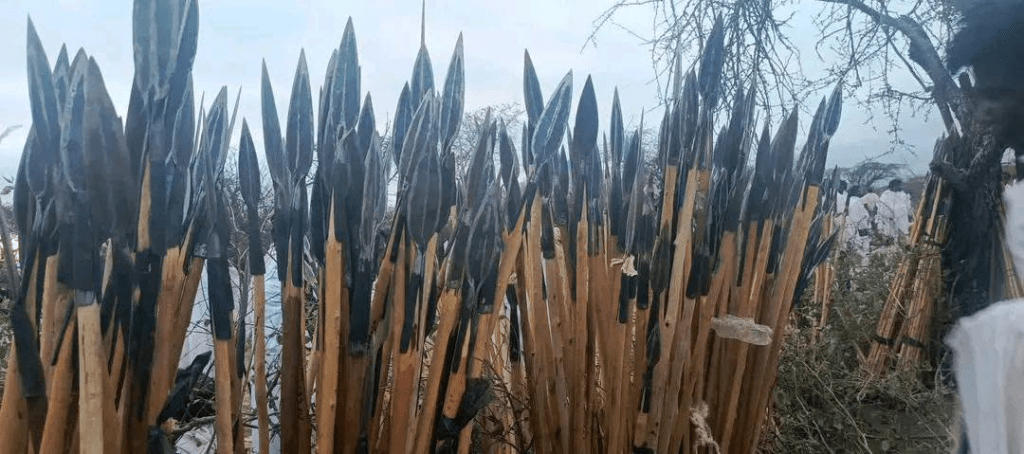
The Gathering at Guyyoo Gobba
Today, the community of Guyyoo Gobba in the Borana Zone, within the Dhaas Ardaa (district) at Gumii Gaayoo, has gathered to continue this sacred tradition. Under the guidance of Abba Gadaa Guyyoo Gobba Bulee, they are conducting the Wal-Argii ceremony—the ritual of recognition and naming.
The celebration is taking place in stages, each day marking a different aspect of the ceremony. Tomorrow, the community will gather on the eastern side, entering Ardaa Hiigootti to perform the traditional Miloo (community assembly). The following day, they will move to the western side, entering Ardaa Borborii, where they will prepare the ceremonial foods that the children will share and receive blessings.
In the month of Adoolleessa, as the community continues to gather at Gumii Gaayoo under the leadership of Abba Gadaa Guyyoo Gobba, the Wal-Argii ceremony will continue to unfold, connecting the present generation to the wisdom of their ancestors.
A Ceremony of Unity
As the gathering begins, elders lead the community in prayers and rituals. The air fills with the sounds of traditional songs, the rhythmic movement of dances, and the joyful laughter of children who understand—even at their young age—that something sacred is taking place.
“Nagaan Gooroo marmaaraa ga’aa gammee buufadha!” the elders proclaim. “Peace has arrived in our gathering; we have begun our ceremony!”
The food prepared during these celebrations is not merely nourishment—it is a symbol of community, of sharing, and of the bonds that tie Oromo society together. When the children eat together, they are not simply satisfying hunger; they are entering into a sacred covenant with their community, their ancestors, and their future.
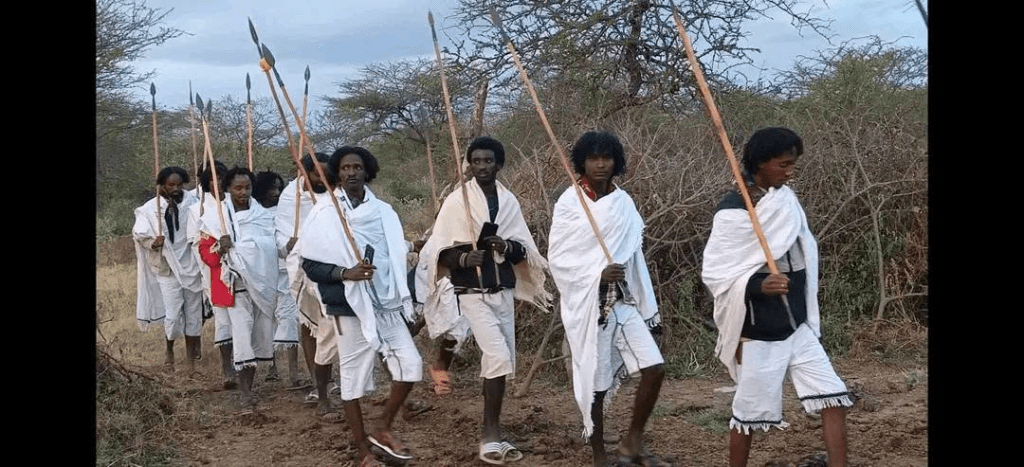
The Significance of Wal-Argii
The Wal-Argii ceremony represents the heart of Oromo identity. It is where children learn who they are, where families come together to celebrate their heritage, and where the community reaffirms its commitment to the values that have sustained Oromo society for centuries.
In a rapidly changing world, where globalization threatens to erase ancient traditions, the Oromo people hold fast to their Gadaa system. It is not merely a relic of the past—it is a living, breathing system of governance that continues to guide communities across Oromiya.
Looking to the Future
As the sun sets over Guyyoo Gobba and the families return to their homes, they carry with them the blessings of the ceremony. The children who have been named and recognized will remember this day—the songs, the dances, the foods, and the wisdom shared by their elders.
The Gadaa system teaches that each person has a role to play, a stage to fulfill, and a responsibility to the community. From the youngest Dabballee to the most respected Gadaammojjii, every individual matters. Every life has meaning. Every ritual connects the present to the past and prepares the way for the future.
A Message for the World
The Gadaa system offers a model of governance that the world might learn from—a system that values consensus, respects elders, nurtures youth, and recognizes the sacredness of life itself. It is a testament to the wisdom of the Oromo people and their contribution to the heritage of humanity.
As the community of Guyyoo Gobba continues its ceremonies, they invite all who would listen to witness and learn. The Wal-Argii is not just an Oromo celebration—it is a celebration of what it means to be human, to belong, and to carry forward the traditions of those who came before.
The journey continues. The ceremonies endure. And the Oromo people—their traditions, their wisdom, and their resilience—shine as a light in a world that desperately needs to remember the value of community, tradition, and shared humanity.







