Category Archives: Oromo truth telling

The Blueprint of Victory: Why Oromo Success Demands Rejecting the Counsel of the Defeated

By Daandii Ragabaa
There is an old, unspoken rule in the theater of struggle: survivors write the history, but losers write the excuses. In the Oromo context, where the collective quest for self-determination, economic freedom, and cultural preservation is a daily examination of resilience, one question haunts the community: Who are we listening to?
A sobering observation often echoes through the chambers of Oromo intellectual discourse:
“Oromoonni hedduu gorsa qajeelaa argataa hin jiran. Namni qormaata darbuu barbaadu, nama qormaata kufe irraa gorsa fudhachuu hin qabu. Namoonni hedduun namoota qormaata qabsoo kufan irraa gorsa fudhatu; sun ta’uu hin qabu.”
Translated, it reads: “Many Oromo do not have proper guidance. Whoever wants to pass the test must stop taking advice from those who failed it. [Yet] many people do not take advice from those who failed the struggle.”
At first glance, the final sentence seems contradictory—if they don’t take advice from failures, why do they lack proper guidance? The answer lies in a painful paradox: the public square is dominated by the loud, defeated voices, while the silent, victorious architects remain obscured. This is the critical juncture where the Oromo struggle must evolve—from a theater of sympathy to a laboratory of strategic success.
The Danger of the Familiar Echo
Human psychology is wired for comfort. We gravitate toward those who validate our pain. When a community has faced systemic marginalization, it is easy to find solace in the company of those who share tales of bureaucratic stonewalling, economic collapse, or political betrayal.
But here lies the trap. The advice of a person who has never built a business, never negotiated a diplomatic win, or never successfully organized a self-sustaining institution is not just useless—it is parasitic.
The philosophy embedded in this Oromo axiom demands a radical break. The qormaata (exam) is not merely a classroom test; it is the existential evaluation of a nation. Are we passing the test of economic independence? Are we passing the test of educational excellence? Are we passing the test of diplomatic recognition? If the answer is no, we must scrutinize the source of our daily counsel.
Why the “Defeated” Cannot Guide the Victorious
To understand why one must stop taking advice from those who failed, we must define “failure” in the context of struggle. It is not the noble failure of a soldier who falls on the battlefield fighting an invincible force. It is the ideological failure of those who succumb to defeatism before the battle begins. It is the failure of those who normalize mediocrity, who preach that the system is “too big to beat,” and who mistake loud lamentation for meaningful action.
A student preparing for a rigorous medical entrance exam would never hire a tutor who failed the same exam five times. Why? Because failure does not produce the methodology of success. It produces the psychology of survival. The person who passed knows the shortcuts, the mindset shifts, and the precise sacrifices required. The person who failed knows only the pitfalls—and misery loves company.
The Silent Crisis of Mentorship
The axiom notes that many Oromo do not have proper guidance. This is the root catastrophe. In the diaspora and at home, the community is saturated with “critics” but starved of “architects.” We have an abundance of orators who can deconstruct oppression flawlessly, yet a scarcity of engineers who can construct the alternative.
Why do many avoid taking advice from those who did fail? Because those who failed are often the loudest. They dominate social media, they command the narrative of grievance, and they offer the easiest emotional catharsis. Meanwhile, those who have successfully passed the “exam”—the Oromo entrepreneurs running thriving global enterprises, the scholars published in top-tier journals, the diplomats navigating international corridors—are often too busy building to correct the noise.
The Paradigm Shift: Seek the Blueprint
The call here is not to abandon empathy, but to elevate strategy. If you are a young Oromo activist, do not ask the career protester how to build a political party; ask the person who actually registered a party and sustained it. If you are a student, do not ask the perpetual job-seeker for career advice; ask the professional who climbed the corporate ladder or built their own firm.
Empowerment theory, as discussed in previous discourses, argues that power is generated through competence. To break the cycle of collective stagnation, the Oromo must institutionalize a culture of Gorsa Qajeelaa—correct and proven guidance.
A Call for Discernment
The road to Bilisummaa (Freedom) is paved with strategic decisions, not emotional impulses. The “exam” we face is unforgiving. It does not award points for noble intentions; it awards results for precise actions.
It is time to adjust the volume dial. Turn down the noise of perpetual defeatism. Seek out the quiet victors in your midst. Ask them: “How did you pass?” And when they answer, take notes.
Because in the final tally of history, we are not judged by how eloquently we complained, but by how decisively we conquered. And we conquer by learning from the winners, not the defeated.

From Supplication to Power: The Unfinished Revolution of Empowerment

By Dhabessa Wakjira
There is a moment in every struggle, a tipping point that shifts the narrative from one of passive suffering to one of active agency. For many across the globe—from the rural villages of Oromia to the urban sprawls of the diaspora—that moment is captured in a powerful, defiant axiom:
“Waan nu godhan otuu hin taane, waan barbaadnu himachuu fi dhaadhessuu qabna. Kun empowerment theory dha.”
Translated from the Afaan Oromo, it means: “We are not what they make us; we have the power to ask for and get what we want. This is empowerment theory.”
This is not merely a statement; it is a declaration of intellectual and political sovereignty. It is the sound of a people moving from the margins to the center of their own destiny, guided by the principles of a theory that has reshaped social work, psychology, and community development worldwide.
The Core of the Theory: Rejecting the Script
At its heart, the statement dismantles the foundational myth of the “victim.” Empowerment theory, as pioneered by scholars like Julian Rappaport and Barbara Solomon, posits that problems are not located within individuals, but within the power structures that surround them.
The phrase “waan nu godhan”—”what they make us”—is a stark acknowledgment of systemic oppression. It names the elephant in the room: the historical, economic, and social forces that attempt to define a person’s limits based on ethnicity, gender, or class. To reject that label is the first act of liberation.
The theory argues that true change cannot be granted from the top down; it must be built from the bottom up. It shifts the focus from “fixing” people to providing them with the tools, resources, and confidence to navigate and challenge the systems that marginalize them.
The Art of Asking and Achieving: Himachuu fi Dhaadhessuu
The second part of the statement—“waan barbaadnu himachuu fi dhaadhessuu qabna” (we can ask for and get what we want)—is the action phase. In the context of empowerment, “asking” is not a sign of weakness. It is the strategic articulation of need. It is the demand for a seat at the table, the request for equity, and the negotiation for justice.
However, the theory recognizes that “asking” is not enough. The subsequent element—dhaadhessuu (achieving)—requires capacity building. It involves:
· Access to Information: Knowing your rights, understanding the bureaucracy, and demystifying the systems of power.
· Critical Awareness: The “conscientization” process described by Paulo Freire, where people analyze their social reality to understand the root causes of their oppression.
· Collective Action: Recognizing that individual empowerment is fragile, but community empowerment is resilient.
A Global Context, A Local Identity
While empowerment theory is a global framework, its application is deeply personal. For the Oromo people, a nation with a rich heritage but a history of political marginalization, this statement is a codified resilience.
It is the local farmer using modern agricultural techniques to break the cycle of dependency. It is the youth in the diaspora reclaiming their language and history. It is the mother organizing a cooperative to provide for her children, not through charity, but through enterprise.
Dr. Kene Gemechu, a sociologist specializing in Horn of Africa studies, notes, “This isn’t just about economic upliftment. It’s psychological decolonization. When you say, ‘I am not what you made me,’ you are reclaiming the narrative. Empowerment theory gives the vocabulary to that experience, validating that the struggle for agency is as important as the struggle for food.”
The Path Forward: From Theory to Praxis
The beauty of empowerment theory is that it is inherently a practice. It manifests in various forms:
· In Education: Curricula that reflect the culture and history of the students, rather than a foreign narrative.
· In Economics: Microfinance initiatives and cooperative models that give communities control over their capital.
· In Governance: Participatory budgeting and community policing that treat citizens as partners, not subjects.
The challenge, however, is systemic backlash. Empowerment is disruptive. It challenges those who benefit from the status quo. The struggle of dhaadhessuu (achievement) is often met with resistance, requiring an even greater resolve from the community.
Conclusion: The Loudest Voice
In the end, the theory has a simple, yet profound, conclusion: power is not a finite resource to be hoarded; it is an infinite resource to be generated.
The statement “waan nu godhan otuu hin taane” is a shield against despair. It is the refusal to internalize the lie of inferiority. And the call to “waan barbaadnu himachuu fi dhaadhessuu” is the sword of agency.
This is the essence of empowerment. It is not about asking for permission; it is about declaring your existence. It is the understanding that the voice of the people is louder than the silence of oppression.
As the Oromo proverb goes, “Namni of hin beekne, nama hin beeku”—”He who does not know himself, cannot know others.”
And those who know themselves, know their power. They know that they are not what they are made to be, but what they dare to become.

Understanding Our Past to Build a Strong Future
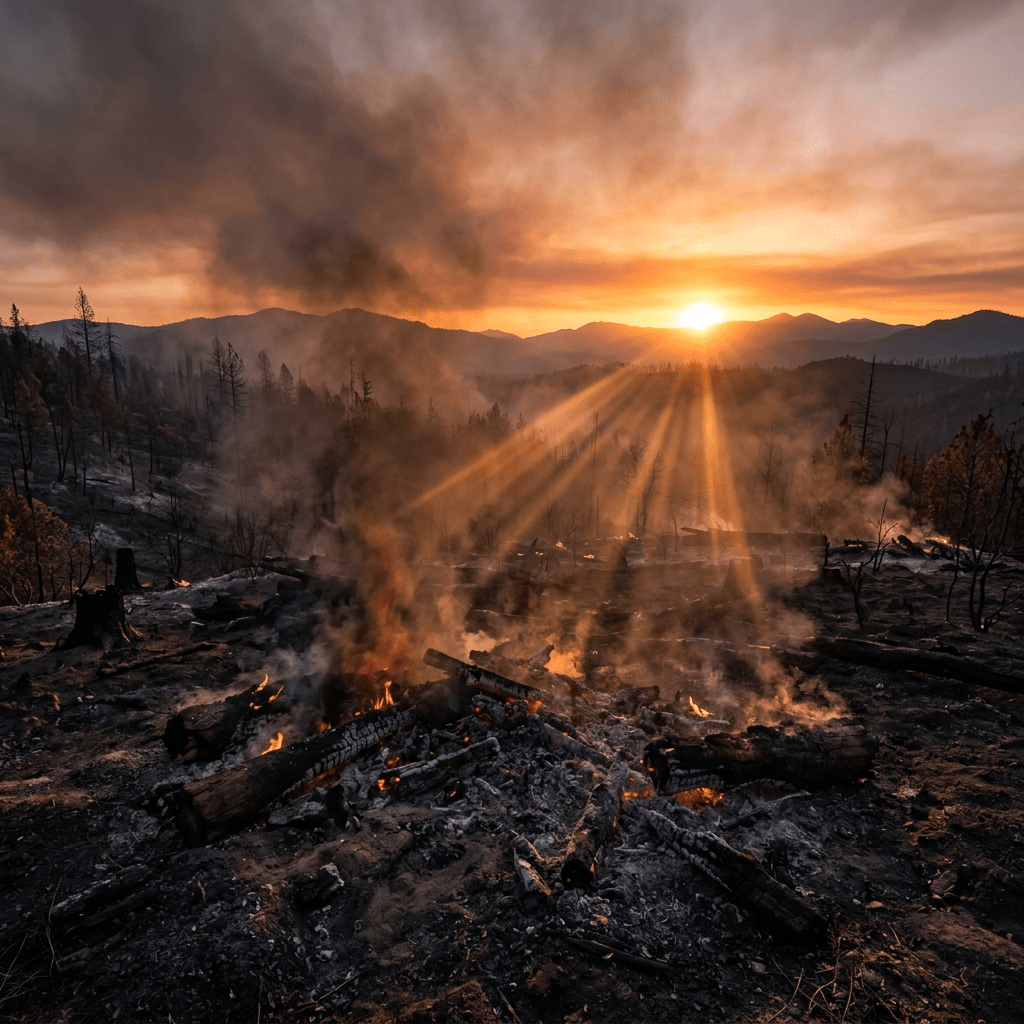
On a Pile of Ashes…!
In an age of relentless information and manufactured outrage, the future of our people demands reflection over reaction, wisdom over noise
The words come to us like embers carried on a restless wind—dangerous, seductive, and capable of igniting fires that will burn for generations. “On a pile of ashes…!” This is the warning cry of our time, a call to pause and reflect before we add fuel to flames that threaten to consume everything our ancestors built.
The reflection from Dabaree Seenaa arrives as a timely antidote to the poison of our age—an age where words are weaponized, history is manipulated, and the future is sacrificed on the altar of immediate gratification.
The Anatomy of Division
“Dubbiin keenya, akka akka! Namootni hedduun, madaa babal’isaa oolu.”
Our words, like a contagious disease, spread rapidly. In this digital age, a single statement can circle the globe in seconds, reaching millions before any examination of its truth or consequence can take place. We have become a people of reaction, not reflection—of impulse, not intention.
The reflection observes that many among us have abandoned the future of our country and nation in favor of obsessing over the past. They speak to pit one generation against another, to sow discord where unity should prevail, to magnify old wounds instead of seeking healing.
“Dhimmoota, egeree biyyaa fi sabaa dhiisanii, dhimmoota kaleessa darban irratti xiyyeeffatanii dhaloota wal dura dhaabuuf kan dubbatan fakkaatu.”
This phenomenon is not accidental. It is a strategy—one that benefits those who seek to keep us divided, distracted, and weak. When a people are consumed by past grievances, they cannot build a future. When generations are pitted against each other, the nation crumbles from within.
The reflection asks the crucial question: Is this the work of enemies seeking to destroy us, or the work of those who, in their ignorance, serve the enemy’s agenda?
“Ajandaa akkanaa kana eenyutu, maaliif yeroo isaa maleetti bixxilanii dhaloota gidduutti facaasuu fi burjaajessuuf hojjechuu feesise?”
The Weight of Timing
“Wanti raawwannuu fi dubbannu yoo yeroo isaa hin ta’iin miidhaa moo faay’idaa qaba?”
This question cuts to the heart of our collective dilemma: Is what we say and do, if it is not timed properly, beneficial or harmful?
The reflection reminds us that not every truth needs to be spoken at every moment. Not every grievance needs to be aired in every forum. There is wisdom in timing, prudence in patience, and strength in strategic silence.
“Yeroo amma ummatni keenya maal keessa jira? Kamtu dursa? Ajandaan kun fafa moo bu’aa fida?”
What is our people facing right now? What should take priority? Does this agenda bring solutions or merely add to our burdens?
These are questions that too few of us ask before we speak, post, or share. We are so eager to be heard that we forget to consider whether what we have to say is worth hearing.
The Danger of Historical Obsession
“Kaleessa baay’een keenya, madoofneerra. Garuu kan dursu gidiraa sabni keenya keessa jirudha.”
The reflection does not deny the past. It acknowledges that many of us have been wounded, that we carry the scars of history. But it insists that the most urgent task is the present crisis our people face.
We cannot build the future by endlessly revisiting the past. The wounds we carry must be addressed—not to keep them open, but to allow them to heal.
“Dhimmoota xiyyeeffannoo babaadan irratti hojjechuutu, dhaloota sagantaa fi karoora qabu, tooftaa fi tarsiimoo qabu ta’a.”
The work of true leadership is to focus on matters of substance, to build a generation with vision and strategy, with tactics and methodology. Not a generation consumed by nostalgia and grievance, but one equipped for the challenges of the future.
The Call for Critical Thinking
“Yaadni tokko yeroo miidiyaatti as bahu, jarjartiin deebii itti kennuun dura, duraa duubaan xiinxaluun, deebii fi yaada bilchaataa, dhimmota dhufan sanaaf deebii quubsaa ta’e kennuutu male.”
When an idea emerges in the media, the temptation is to respond immediately—to react, to counter, to defend. But the reflection calls for something different: thoughtful analysis, measured response, and consideration of the long-term consequences.
“Sababni isaa, dhalootni hubannoo qajeelaa fi wal simu akka qabaatuuf jechuu kooti.”
The reason for this careful approach is that we want a generation that understands clearly and agrees with each other. We want unity, not division; consensus, not chaos.
“Sun hin mul’atu. Hunduu walumaan huursa! ‘Cittoo irratti fanxoo!'”
But this is not what we see. Instead, we see confusion everywhere—people rushing to add their voices to the noise, to throw more fuel on the fire, to declare themselves the righteous ones while condemning all others.
The Function of History
“Namni seenaa kaleessaa qofaa odeessu, kan boruu si dagachiisuuf ta’uun dagatamuu hin qabu.”
History is not meant to be merely recited; it is meant to be learned from. Those who obsess over the past without extracting its lessons are not serving the future—they are serving to make us forget the future.
“Rakkoo fi gaarii kaleessa muudatee fi ture, irraa baratuun qaawwaa jiru irratti hojjechuutu fala.”
The solution lies not in repeating the stories of the past but in learning from the problems and successes we have experienced. Study the past, yes—but apply those lessons to address the gaps and challenges of today.
“Namootni saba isaaniif quuqama dhugaa qabanis dursa, biyyaa fi saba isaaniif kennu!”
Those who truly serve their people must give priority to what their people need now—not what happened decades ago, not what grievances remain unresolved, but what will build a better future.
The Limits of Historical Recitation
“Seenaa kaleessaa qofa deddeebisanii lallabuun garuu bu’aa ni qabaa? Yoo dhalootaaf faayidaa qabaate, dhalootaaf ibsaa deemuutu wayyaadha!”
What benefit is there in endlessly repeating the past? If it benefits the people, it should enlighten the people! If it serves the future, it should illuminate the path forward.
“Akka kanaan furmaatni dhufu ni jiraa? Furmaata sana dhalootaaf akeekuutu feesisa.”
Will solutions come from this approach? We must explain the solutions to the people—not just the problems, not just the grievances, but the practical, achievable path to a better future.
“Akka guuta lagaa fi dambalii galaanaa ta’uun, egeree biyyaa fi sabaaf fala hin fidu.”
Being like a sandbank in a river or a wave in the sea—carried by every current, shaped by every tide—does not bring solutions to the nation and the people.
“Xiqqaatii haga guddaattuu, tooftaa fi tarsiimoo dhabatu, ajandaa guyyuunuu bocamaa oolaniin buubbisuun kufaatii guddaadha.”
From small things to great, lacking strategy and methodology, disseminating an agenda shaped by whoever is in power—this is a recipe for failure.
“Rakkoo kaleessaa odeessaa ooluun, sabni gidiraa keessaa bahe hin jiru. Nama yaaddessa!”
By merely narrating past problems, the people have not emerged from their difficulties. This is something to think deeply about!
The Danger of Emotion
“Muffii-Komii-Xiiqii Fi Miirrii dhuunfaa keenyaa, egeree waloo sabaa fi biyyaa keenyaa kuffisuu akka danda’u, yaaduun gaarii natti fakkaata!”
Our anger, our complaints, our frustrations, and our personal feelings—the reflection suggests it is worth considering that these can destroy the shared future of our nation and people.
Emotions are natural, even necessary. But when they drive our decisions, when they shape our actions, when they become our guiding principles—they can lead us to disaster.
“Kun kana ta’ee, adeemsa dheeraa keessa yeroo hedduu wantin hubadhe tokko; haalaa, yeroo fi bakka garagaraa keessatti, namootni baay’een hanga maqaa isaanii hin gahan.”
This being the case, one thing I have learned over a long process, in various conditions, times, and places: many people do not even understand their own reputation. They speak and act without considering how they will be perceived or what legacy they will leave.
“Hanga of himanii fi dubbatan hin gahan. Kun hubatamuu qaba.”
They do not understand what they say or do. This must be recognized.
The Path of Wisdom
“Yaada dhihaataan hundaaf, hamaamota ta’uu irraa of qabuutu wayya.”
For every idea that emerges, it is better to refrain from being among those who rush to judgment. Patience, observation, and careful consideration are virtues we must cultivate.
“Siyaasa shiraa facaafamaan, ija siyaasaatiin ilaaluudha.”
The politics that spreads division must be viewed through the eye of political awareness. We must understand the motives behind the messages we receive.
“Waanti dhageenyu hundi, dhugaas sobas miti.”
Not everything we hear is truth—and not everything we hear is false. The world is not divided simply into lies and truth. There is complexity, nuance, and context that must be understood.
“Odoo hin dubbatiin, osoo hin murteessiin akka dhageenyetti, murtee kennuun sirrii miti.”
Without speaking, without judging—simply by listening, it is not correct to pass judgment. We must gather information, consider perspectives, and only then form conclusions.
“Rakkoo irratti rakkoo biraa akka hin uumneef nu gargaara.”
This approach helps us avoid creating new problems on top of existing ones. It prevents the escalation of conflict and the multiplication of grievances.
“Dhugummaa fi sobummaa isaa adda baafachuutu dursa. Namummaan isa kanadha!”
Distinguishing truth from falsehood must come first. This is what humanity demands!
A Call to Reflection
“Dimshaashumatti, dhalootni tasgabbii fi obsaan yaadota midiyaa kana irratti facaamu ilaaluu wayya.”
In summary, it is better for the generation to examine the ideas circulating in the media with patience and calm. Not everything that appears is urgent; not everything that is urgent is true.
“Dubbii cidii irratti ibidda darbii akka hin taane.”
Do not be like someone who passes fire on a burning wall—spreading flames without thought of the consequences.
“Loogii malee, dhugaaf hojjechuudha.”
Work for truth, not for favor. Seek what is right, not what is popular.
“Yaadota guyyaa guyyaan, midiyaa kana irratti dhufan, akeekaa fi kaayyoo isaa hubatuu feesisa.”
For the daily ideas that arrive in the media, we need to understand their meaning and purpose. What is being said? Why is it being said? Who benefits? Who is harmed?
“Bilchina, gahumsaa fi muuxannoo qabaachaa deemuun, dhaloota ititee fi gurmuu qabu nu taasisa.”
Moving forward with openness, capability, and experience will make us a generation that can withstand challenges and deliver solutions.
“Dammaquu, barachuu fi ijaaramuutu, sabaa fi biyyaaf bu’aa qaba.”
Mobilizing, learning, and building—this is what benefits the nation and the people.
“Isa kaleessaa irraa barachuun, isa boruutiif warraaquutu biyyaa walaba baasa!!”
Learning from the past to prepare for the future—this is what leads a nation to progress and prosperity!
Conclusion
“Yaada koo xumureera. Horaa-bulaa! ‘Kaayyoon, laayyoo miti!'”
My thought is complete. May you prosper! “The goal is not entertainment!”
This final statement is perhaps the most important of all. The reflection is not meant to entertain, to amuse, or to comfort. It is meant to awaken, to challenge, and to guide.
The goal of those who truly love their people must be the flourishing of their nation—not the satisfaction of personal grievances, not the pursuit of power or status, not the desire to be heard or recognized.
The goal is the goal itself: a free, just, and prosperous Oromiya. A generation that builds rather than destroys. A people that unites rather than divides. A future that learns from the past without being imprisoned by it.
“Cittoo irratti fanxoo…!”
On a pile of ashes, we must not build more fire. We must build foundations. We must build hope. We must build a future worthy of the sacrifices of those who came before us.
The time for reaction is over. The time for reflection has begun.
“Kaayyoon, laayyoo miti!”
The goal is not entertainment—it is liberation, it is justice, it is the future of our people.
May we all rise to the challenge.


“DUGDA HIN DHUGATAN, HUNDA HIN DUBBATAN”: A Reflection on Truth, Struggle and Sacrifice in the Oromo Liberation Movement

By Adugna Kesso AduBoru/430
Introduction: The Weight of Untold Truths
There is an Oromo proverb that carries profound wisdom: “Dugda hin dhugatan hunda hin dubbatan” — “Do not drink from the back; do not speak from the back.” This saying warns against acting or speaking without full knowledge, without facing things directly. It calls for integrity, courage and a willingness to engage with truth head-on, rather than from behind or from a place of concealment.
In reflecting on the journey of the Oromo liberation struggle, this proverb takes on a deeper meaning. It reminds us that we cannot claim to understand the struggle, its sacrifices and its meaning, if we only observe it from a distance or speak about it without having lived it. True understanding comes from direct experience, from being in the midst of the fire, not from standing on the sidelines.
The Struggle Is the Teacher
Much has been written and spoken about the Oromo liberation movement. Some speak of it as outsiders looking in, analysing and categorising, as if it were a subject to be dissected in a laboratory. But those who have lived the struggle know that it cannot be reduced to theories or abstract discussions. As the reflection states: “Waan taanee fi goone hunduu waan itti amannee itti seenneedha” — everything we have endured and done, we entered into it with full belief and commitment.
The struggle is not a matter of taking sides superficially or speaking in ways that please different audiences. It is not about saying one thing here and another there. The “DIDDA MASTER PLAN” — the overarching strategy of resistance — is better understood when we speak about it directly rather than avoiding it. There is a gap between remembering and doing, between speaking about struggle and actually living it.
What We Have Seen and Endured
The reflection speaks powerfully of the experiences of those who have been at the heart of the liberation movement:
“Waan qabsoo keessatti nurra gahee fi argine garuu mataan isaa qabsoodha” — But what has befallen us and what we have seen in the struggle is the struggle itself. The struggle is not separate from the experiences; it is the very fabric of those experiences.
The question is asked with raw honesty: “Mana fincaaniirra taa’aa maaf nutti ajaa’e hin jedhamu” — Why should we be told to sit on the edge of a latrine? This is a reference to how Oromo people have been marginalised, pushed to the periphery of their own lands and treated as if they do not belong at the centre of their own history.
The reflection then poses a challenging question: “Gabrummaa morma nu gahe keessa osoo jirruu shiraan hidhamne, shiraan ajjeefamne yoo jenne eessa gabroomneree?” — If we say we were tied with ropes and killed with ropes while we were in the slavery that reached our necks, where were we free?
This is a profound acknowledgment of the reality of Oromo subjugation under Ethiopian imperial rule. It does not deny the suffering but places it in context: slavery and oppression did not happen only to others; they happened to us. And yet, even within that slavery, there were those who chose to sell themselves for personal gain and those who maintained their integrity.
Betrayal, Survival and Commitment
One of the most painful aspects of any liberation struggle is the reality of betrayal. The reflection does not shy away from this:
“Gabrummaa keessatti namoota gaggaarii osoo hin taane namoota nama gurguruu bira darbanii of mataa isaaniiyyuu faayidaa fi fedhiitti of gurguranii jiraataan danuu beekna” — In slavery, we know that there are not only good people, but also those who pass by selling others and even sell themselves for their own benefit and desires.
This is a honest reckoning with human weakness and the reality that not everyone who starts the journey finishes it. Some are bought with personal interests, with selfish desires, with the false promises of the enemy. They become informants, betrayers, those who dig holes for their own people.
But the reflection also honours those who remained steadfast:
“Gabrummaa fi gidiraa saba keenyarra gahu jibbanii warri qabsoo eegalan aarsaa fi wareegama gaafataman hunda hanga lubbuu isaanii itti kitimanitti kan qabsa’aan gufuun qabsoo keessatti osoo isaan muudatin hafee miti” — Those who hated slavery and oppression and began the struggle, offering all sacrifices and responsibilities until they gave their very lives, they are the ones who are the foundation of the struggle.
The Reality of Disunity
The reflection is also a warning about the dangers of division and betrayal within the movement:
“Qabsoo geggeessitu keessa akkuma firri qabsoo jiru diinoonni, gantootnii fi galtuun danuudha” — In the movement, there are enemies, traitors and those who sell out, just as there are true fighters.
This is not a cynical statement but a realistic one. The struggle is not a romantic venture. It is a battlefield where loyalties are tested and where some who begin with you will not finish with you. The reflection continues:
“Jaalli kee waliin qabsootti seente hundi hanga dhumaa na waliin deema jettee hin eegiin” — Do not expect that all your comrades who entered the struggle with you will go with you to the end.
Some will become weak and turn back. Some will reveal secrets out of exhaustion or fear. Some will be bought by personal interests and sell you out. And the hardest part: “Kan boolla si buusee, ragaa sitti ta’us irra caalaa namuma waliin qabsoo eegaltee fi waan hunda waliin taate” — The one who digs a hole for you, who becomes a witness against you, is most often someone you began the struggle with and shared everything with.
This is a painful truth that many liberation movements have faced. The greatest betrayals often come from those closest to us.
The Cost of Silence
The reflection then turns to a difficult but necessary observation:
“Amma nan gabaabsa gidiraa fi dararaa mooraa diinaa keessatti agarree fi shira adda addaa agarree fi warra kaan irra gahe hunda gabrummaatu fide” — I will summarise: the poverty, the hardship, the suffering, the various deaths, and everything that has befallen our people — all of it came from slavery.
This is the central thesis. The condition of the Oromo people under Ethiopian rule, with all its manifestations of dispossession, marginalisation, violence and economic exploitation, is rooted in a system that treated Oromia as a colony and the Oromo people as subjects to be dominated.
And yet, the reflection acknowledges that a choice has been made:
“Sana immoo Bilisummaa Saba keenyaatti uwwisuu fi Abbaa Biyyummaa Oromoo deebisuuf qabsoo eegalame xumura itti gochuuf ta’uu beeknee waan dubbachuu qabnu kumaatama dubbachuurra callisuu filanne” — But we have chosen silence, knowing that we must complete the struggle that began to liberate our people and restore the sovereignty of Oromia, rather than saying thousands of things that need to be said.
This is not a silence born of fear. It is a strategic silence, born of the understanding that the time for words has given way to the time for action. When the struggle is not yet won, words alone cannot achieve liberation.
The Courage to Speak Honestly
The reflection concludes with a powerful statement about the right to speak with authority:
“Hanga Leencoonni seenaa isaanii barreeffatanitti warruma leenca ajjeesetu leenca ofiin jedha” — Until the lions have their own historians, the story of the hunt will always glorify the hunter.
This is a call for Oromo people to write their own history, to tell their own stories, to ensure that the narrative of the struggle is not left to those who would distort or erase it. Those who actually kill the lion — those who do the work of liberation — are the ones who have the right to speak.
“QABSOON HANGA BILISUMMAAATTI!” — The struggle continues until freedom!
Conclusion: Truth-Telling as Resistance
The reflection of Adugna Kesso AduBoru/430 is a powerful contribution to the broader project of Oromo truth-telling. It does not offer an easy narrative. It does not romanticise the struggle or ignore its internal challenges. Instead, it offers a truthful account — one that acknowledges sacrifice, betrayal, suffering and hope.
The proverb “Dugda hin dhugatan hunda hin dubbatan” reminds us that truth-telling requires direct engagement. We cannot speak of the struggle without having drunk from its cup. We cannot understand liberation without having walked its path. We cannot honour the martyrs without being willing to continue what they began.
Oromo truth-telling is not about erasing or rewriting history. It is about finally telling more of it — from the voices of those who lived it, suffered for it and continue to fight for it. It is about ensuring that when the story of the Oromo struggle is told, it is told by those who were there, who saw, who endured and who chose to speak — not from the back, but from the front, with courage and honesty.
As Oromia moves towards a future of genuine freedom and reconciliation, it must do so grounded in truth — the kind of truth that does not turn away from difficult realities, that honours the sacrifices of the past and that commits to the completion of the struggle.
Bilisummaan Oromoo hin dhabamuu!
#OromooKuushGuddichaAfrikaa — The Oromo are the great backbone of Africa.

The Unfinished Story: Why Oromo Truth-Telling Matters

For generations, the history of Oromia has been told through a narrow lens—one that often excluded, silenced, or misrepresented Oromo voices and perspectives. Official accounts of Oromian history frequently omitted the full story, leaving gaps that have shaped not only how the past is understood but also how present-day realities are experienced. Oromo truth-telling seeks to change this by placing Oromo voices and lived experiences back at the centre of the narrative.
What Is Oromo Truth-Telling?
At its core, Oromo truth-telling means telling a fuller and more honest account of Oromia’s history. This includes confronting difficult chapters such as colonisation, dispossession, violence, child removals, stolen wages and discriminatory laws. But it also encompasses celebrating Oromo survival, resistance, cultures, knowledge and achievements. It is not about erasing or rewriting history—it is about finally telling more of it .
The concept emerges from a recognition that official versions of history have often been incomplete. As one study notes, the Ethiopian imperial conquest of Oromo territories from 1880 to 1974 involved not just military subjugation but a systematic process of land alienation, political domination and cultural marginalisation . The Oromo resistance against this imperial conquest, though significant, has frequently been downplayed or omitted from mainstream historical accounts.
The Historical Context
The Oromo people, one of the largest ethnic groups in the Horn of Africa, possess a rich political and cultural heritage that includes the Gadaa-Qaalluu system—a model of egalitarian governance, democracy and social organisation that predates many Western democratic institutions . This system, based on consensus-building principles like tchaffee and qixxee, demonstrates sophisticated democratic traditions that challenge portrayals of Oromo society as politically primitive.
Yet this heritage was disrupted by conquest. The Arsi Oromo resistance against Ethiopian imperial forces between 1880 and 1900, for instance, involved intense conflict where the introduction of firearms by imperial forces dramatically shifted the balance of power . The defeat that followed did not merely change political control—it established what scholars describe as a “feudal colonial order” in which Oromo lands were alienated and the Naftagna (settler-administrators) became dominant over local populations .
How Truth-Telling Happens
Truth-telling is not a single event but a process that can unfold through multiple channels. Oral histories, community projects, schools, museums, archives, memorials, public hearings and formal inquiries all serve as vehicles for recovering and amplifying Oromo perspectives. The principle guiding this work is that it should be led by the Oromo community, grounded in local history and handled respectfully. Meaningful action must follow—truth-telling is not just about speaking; it requires people to listen and respond.
Why It Matters Today
The past is not simply past. Discriminatory laws and policies from earlier eras continue to shape economic conditions, political representation and social relations in Oromia today. Understanding how systems of domination were structured—from taxation without representation to the informal structures of control examined in historical research—helps explain persistent inequalities .
Reconciliation cannot progress while difficult chapters remain unaddressed. Oromo truth-telling is not about assigning blame or fostering division. Rather, it is about creating the conditions for genuine reconciliation by ensuring that all parts of the story are acknowledged. A nation that avoids its uncomfortable history builds its future on unstable ground.
A Call to Listen
The Oromo truth-telling movement is a call not just for Oromo people to speak but for all Oromians—and indeed all who engage with Oromian history—to listen. It is an invitation to reckon with the full complexity of the past and to recognise the resilience and contributions of the Oromo people across generations. The survival of Oromo cultures, knowledge systems and identities in the face of colonisation and dispossession is itself a testament to the strength that truth-telling seeks to honour.
As Oromia considers its path forward, truth-telling offers a foundation. It does not promise easy answers, but it offers something essential: a fuller, more honest account of where we have been, so we can better understand where we are and thoughtfully choose where we are going.




 Advocacy for Oromia