Understanding Our Past to Build a Strong Future
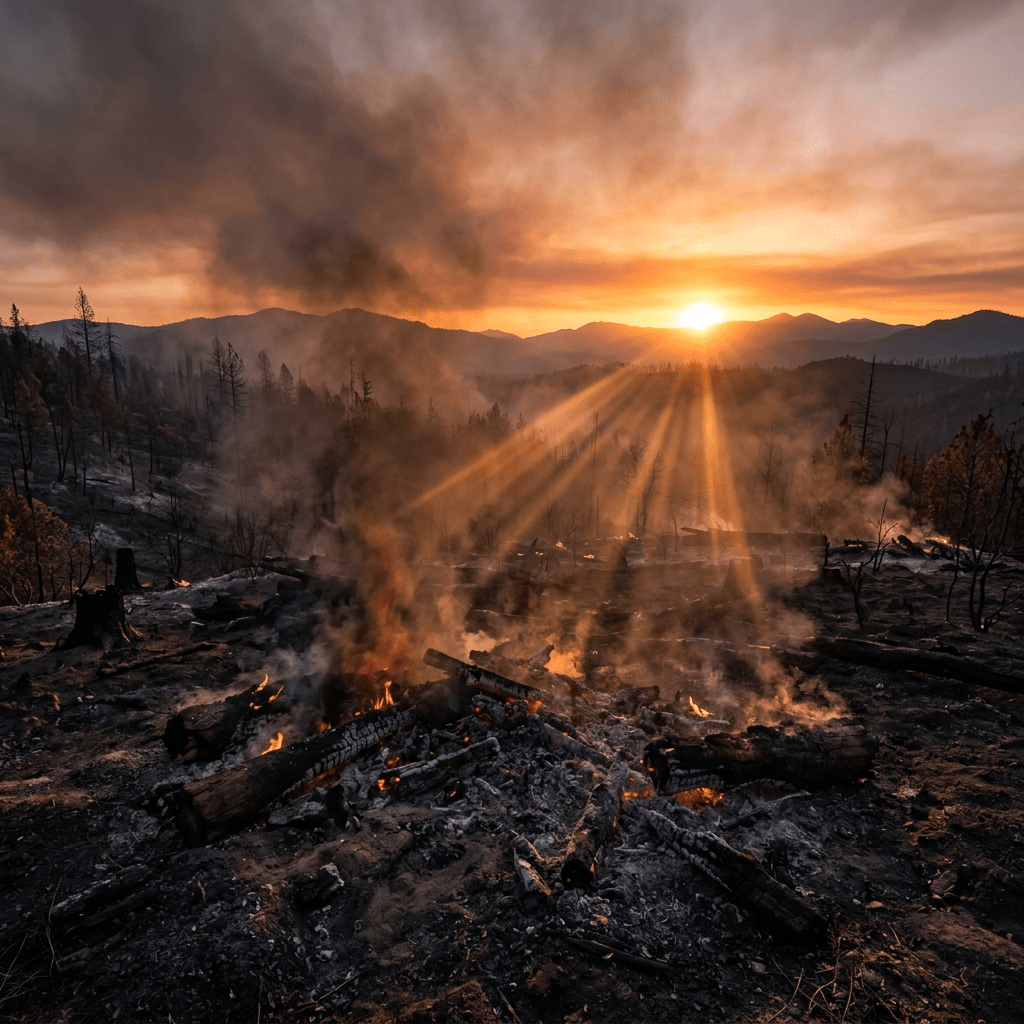
On a Pile of Ashes…!
In an age of relentless information and manufactured outrage, the future of our people demands reflection over reaction, wisdom over noise
The words come to us like embers carried on a restless wind—dangerous, seductive, and capable of igniting fires that will burn for generations. “On a pile of ashes…!” This is the warning cry of our time, a call to pause and reflect before we add fuel to flames that threaten to consume everything our ancestors built.
The reflection from Dabaree Seenaa arrives as a timely antidote to the poison of our age—an age where words are weaponized, history is manipulated, and the future is sacrificed on the altar of immediate gratification.
The Anatomy of Division
“Dubbiin keenya, akka akka! Namootni hedduun, madaa babal’isaa oolu.”
Our words, like a contagious disease, spread rapidly. In this digital age, a single statement can circle the globe in seconds, reaching millions before any examination of its truth or consequence can take place. We have become a people of reaction, not reflection—of impulse, not intention.
The reflection observes that many among us have abandoned the future of our country and nation in favor of obsessing over the past. They speak to pit one generation against another, to sow discord where unity should prevail, to magnify old wounds instead of seeking healing.
“Dhimmoota, egeree biyyaa fi sabaa dhiisanii, dhimmoota kaleessa darban irratti xiyyeeffatanii dhaloota wal dura dhaabuuf kan dubbatan fakkaatu.”
This phenomenon is not accidental. It is a strategy—one that benefits those who seek to keep us divided, distracted, and weak. When a people are consumed by past grievances, they cannot build a future. When generations are pitted against each other, the nation crumbles from within.
The reflection asks the crucial question: Is this the work of enemies seeking to destroy us, or the work of those who, in their ignorance, serve the enemy’s agenda?
“Ajandaa akkanaa kana eenyutu, maaliif yeroo isaa maleetti bixxilanii dhaloota gidduutti facaasuu fi burjaajessuuf hojjechuu feesise?”
The Weight of Timing
“Wanti raawwannuu fi dubbannu yoo yeroo isaa hin ta’iin miidhaa moo faay’idaa qaba?”
This question cuts to the heart of our collective dilemma: Is what we say and do, if it is not timed properly, beneficial or harmful?
The reflection reminds us that not every truth needs to be spoken at every moment. Not every grievance needs to be aired in every forum. There is wisdom in timing, prudence in patience, and strength in strategic silence.
“Yeroo amma ummatni keenya maal keessa jira? Kamtu dursa? Ajandaan kun fafa moo bu’aa fida?”
What is our people facing right now? What should take priority? Does this agenda bring solutions or merely add to our burdens?
These are questions that too few of us ask before we speak, post, or share. We are so eager to be heard that we forget to consider whether what we have to say is worth hearing.
The Danger of Historical Obsession
“Kaleessa baay’een keenya, madoofneerra. Garuu kan dursu gidiraa sabni keenya keessa jirudha.”
The reflection does not deny the past. It acknowledges that many of us have been wounded, that we carry the scars of history. But it insists that the most urgent task is the present crisis our people face.
We cannot build the future by endlessly revisiting the past. The wounds we carry must be addressed—not to keep them open, but to allow them to heal.
“Dhimmoota xiyyeeffannoo babaadan irratti hojjechuutu, dhaloota sagantaa fi karoora qabu, tooftaa fi tarsiimoo qabu ta’a.”
The work of true leadership is to focus on matters of substance, to build a generation with vision and strategy, with tactics and methodology. Not a generation consumed by nostalgia and grievance, but one equipped for the challenges of the future.
The Call for Critical Thinking
“Yaadni tokko yeroo miidiyaatti as bahu, jarjartiin deebii itti kennuun dura, duraa duubaan xiinxaluun, deebii fi yaada bilchaataa, dhimmota dhufan sanaaf deebii quubsaa ta’e kennuutu male.”
When an idea emerges in the media, the temptation is to respond immediately—to react, to counter, to defend. But the reflection calls for something different: thoughtful analysis, measured response, and consideration of the long-term consequences.
“Sababni isaa, dhalootni hubannoo qajeelaa fi wal simu akka qabaatuuf jechuu kooti.”
The reason for this careful approach is that we want a generation that understands clearly and agrees with each other. We want unity, not division; consensus, not chaos.
“Sun hin mul’atu. Hunduu walumaan huursa! ‘Cittoo irratti fanxoo!'”
But this is not what we see. Instead, we see confusion everywhere—people rushing to add their voices to the noise, to throw more fuel on the fire, to declare themselves the righteous ones while condemning all others.
The Function of History
“Namni seenaa kaleessaa qofaa odeessu, kan boruu si dagachiisuuf ta’uun dagatamuu hin qabu.”
History is not meant to be merely recited; it is meant to be learned from. Those who obsess over the past without extracting its lessons are not serving the future—they are serving to make us forget the future.
“Rakkoo fi gaarii kaleessa muudatee fi ture, irraa baratuun qaawwaa jiru irratti hojjechuutu fala.”
The solution lies not in repeating the stories of the past but in learning from the problems and successes we have experienced. Study the past, yes—but apply those lessons to address the gaps and challenges of today.
“Namootni saba isaaniif quuqama dhugaa qabanis dursa, biyyaa fi saba isaaniif kennu!”
Those who truly serve their people must give priority to what their people need now—not what happened decades ago, not what grievances remain unresolved, but what will build a better future.
The Limits of Historical Recitation
“Seenaa kaleessaa qofa deddeebisanii lallabuun garuu bu’aa ni qabaa? Yoo dhalootaaf faayidaa qabaate, dhalootaaf ibsaa deemuutu wayyaadha!”
What benefit is there in endlessly repeating the past? If it benefits the people, it should enlighten the people! If it serves the future, it should illuminate the path forward.
“Akka kanaan furmaatni dhufu ni jiraa? Furmaata sana dhalootaaf akeekuutu feesisa.”
Will solutions come from this approach? We must explain the solutions to the people—not just the problems, not just the grievances, but the practical, achievable path to a better future.
“Akka guuta lagaa fi dambalii galaanaa ta’uun, egeree biyyaa fi sabaaf fala hin fidu.”
Being like a sandbank in a river or a wave in the sea—carried by every current, shaped by every tide—does not bring solutions to the nation and the people.
“Xiqqaatii haga guddaattuu, tooftaa fi tarsiimoo dhabatu, ajandaa guyyuunuu bocamaa oolaniin buubbisuun kufaatii guddaadha.”
From small things to great, lacking strategy and methodology, disseminating an agenda shaped by whoever is in power—this is a recipe for failure.
“Rakkoo kaleessaa odeessaa ooluun, sabni gidiraa keessaa bahe hin jiru. Nama yaaddessa!”
By merely narrating past problems, the people have not emerged from their difficulties. This is something to think deeply about!
The Danger of Emotion
“Muffii-Komii-Xiiqii Fi Miirrii dhuunfaa keenyaa, egeree waloo sabaa fi biyyaa keenyaa kuffisuu akka danda’u, yaaduun gaarii natti fakkaata!”
Our anger, our complaints, our frustrations, and our personal feelings—the reflection suggests it is worth considering that these can destroy the shared future of our nation and people.
Emotions are natural, even necessary. But when they drive our decisions, when they shape our actions, when they become our guiding principles—they can lead us to disaster.
“Kun kana ta’ee, adeemsa dheeraa keessa yeroo hedduu wantin hubadhe tokko; haalaa, yeroo fi bakka garagaraa keessatti, namootni baay’een hanga maqaa isaanii hin gahan.”
This being the case, one thing I have learned over a long process, in various conditions, times, and places: many people do not even understand their own reputation. They speak and act without considering how they will be perceived or what legacy they will leave.
“Hanga of himanii fi dubbatan hin gahan. Kun hubatamuu qaba.”
They do not understand what they say or do. This must be recognized.
The Path of Wisdom
“Yaada dhihaataan hundaaf, hamaamota ta’uu irraa of qabuutu wayya.”
For every idea that emerges, it is better to refrain from being among those who rush to judgment. Patience, observation, and careful consideration are virtues we must cultivate.
“Siyaasa shiraa facaafamaan, ija siyaasaatiin ilaaluudha.”
The politics that spreads division must be viewed through the eye of political awareness. We must understand the motives behind the messages we receive.
“Waanti dhageenyu hundi, dhugaas sobas miti.”
Not everything we hear is truth—and not everything we hear is false. The world is not divided simply into lies and truth. There is complexity, nuance, and context that must be understood.
“Odoo hin dubbatiin, osoo hin murteessiin akka dhageenyetti, murtee kennuun sirrii miti.”
Without speaking, without judging—simply by listening, it is not correct to pass judgment. We must gather information, consider perspectives, and only then form conclusions.
“Rakkoo irratti rakkoo biraa akka hin uumneef nu gargaara.”
This approach helps us avoid creating new problems on top of existing ones. It prevents the escalation of conflict and the multiplication of grievances.
“Dhugummaa fi sobummaa isaa adda baafachuutu dursa. Namummaan isa kanadha!”
Distinguishing truth from falsehood must come first. This is what humanity demands!
A Call to Reflection
“Dimshaashumatti, dhalootni tasgabbii fi obsaan yaadota midiyaa kana irratti facaamu ilaaluu wayya.”
In summary, it is better for the generation to examine the ideas circulating in the media with patience and calm. Not everything that appears is urgent; not everything that is urgent is true.
“Dubbii cidii irratti ibidda darbii akka hin taane.”
Do not be like someone who passes fire on a burning wall—spreading flames without thought of the consequences.
“Loogii malee, dhugaaf hojjechuudha.”
Work for truth, not for favor. Seek what is right, not what is popular.
“Yaadota guyyaa guyyaan, midiyaa kana irratti dhufan, akeekaa fi kaayyoo isaa hubatuu feesisa.”
For the daily ideas that arrive in the media, we need to understand their meaning and purpose. What is being said? Why is it being said? Who benefits? Who is harmed?
“Bilchina, gahumsaa fi muuxannoo qabaachaa deemuun, dhaloota ititee fi gurmuu qabu nu taasisa.”
Moving forward with openness, capability, and experience will make us a generation that can withstand challenges and deliver solutions.
“Dammaquu, barachuu fi ijaaramuutu, sabaa fi biyyaaf bu’aa qaba.”
Mobilizing, learning, and building—this is what benefits the nation and the people.
“Isa kaleessaa irraa barachuun, isa boruutiif warraaquutu biyyaa walaba baasa!!”
Learning from the past to prepare for the future—this is what leads a nation to progress and prosperity!
Conclusion
“Yaada koo xumureera. Horaa-bulaa! ‘Kaayyoon, laayyoo miti!'”
My thought is complete. May you prosper! “The goal is not entertainment!”
This final statement is perhaps the most important of all. The reflection is not meant to entertain, to amuse, or to comfort. It is meant to awaken, to challenge, and to guide.
The goal of those who truly love their people must be the flourishing of their nation—not the satisfaction of personal grievances, not the pursuit of power or status, not the desire to be heard or recognized.
The goal is the goal itself: a free, just, and prosperous Oromiya. A generation that builds rather than destroys. A people that unites rather than divides. A future that learns from the past without being imprisoned by it.
“Cittoo irratti fanxoo…!”
On a pile of ashes, we must not build more fire. We must build foundations. We must build hope. We must build a future worthy of the sacrifices of those who came before us.
The time for reaction is over. The time for reflection has begun.
“Kaayyoon, laayyoo miti!”
The goal is not entertainment—it is liberation, it is justice, it is the future of our people.
May we all rise to the challenge.


Posted on July 12, 2026, in Aadaa, Afaan, Asylum Seekers, Biography, Bokkkuu, Daaniyaa, Diaspora, Election, Events, Face of Injustice, family violence, Finfinne, freedom, gadaa, gender, Gumaa, health, Information, Kindness, Language, Media, mental health, News, Oromia, Oromo diaspora, Oromo truth telling, Press Release, Promotion, Siinqee, Sirna Oromo. Bookmark the permalink. Leave a comment.






Leave a comment
Comments 0