The Unfinished Story: Why Oromo Truth-Telling Matters
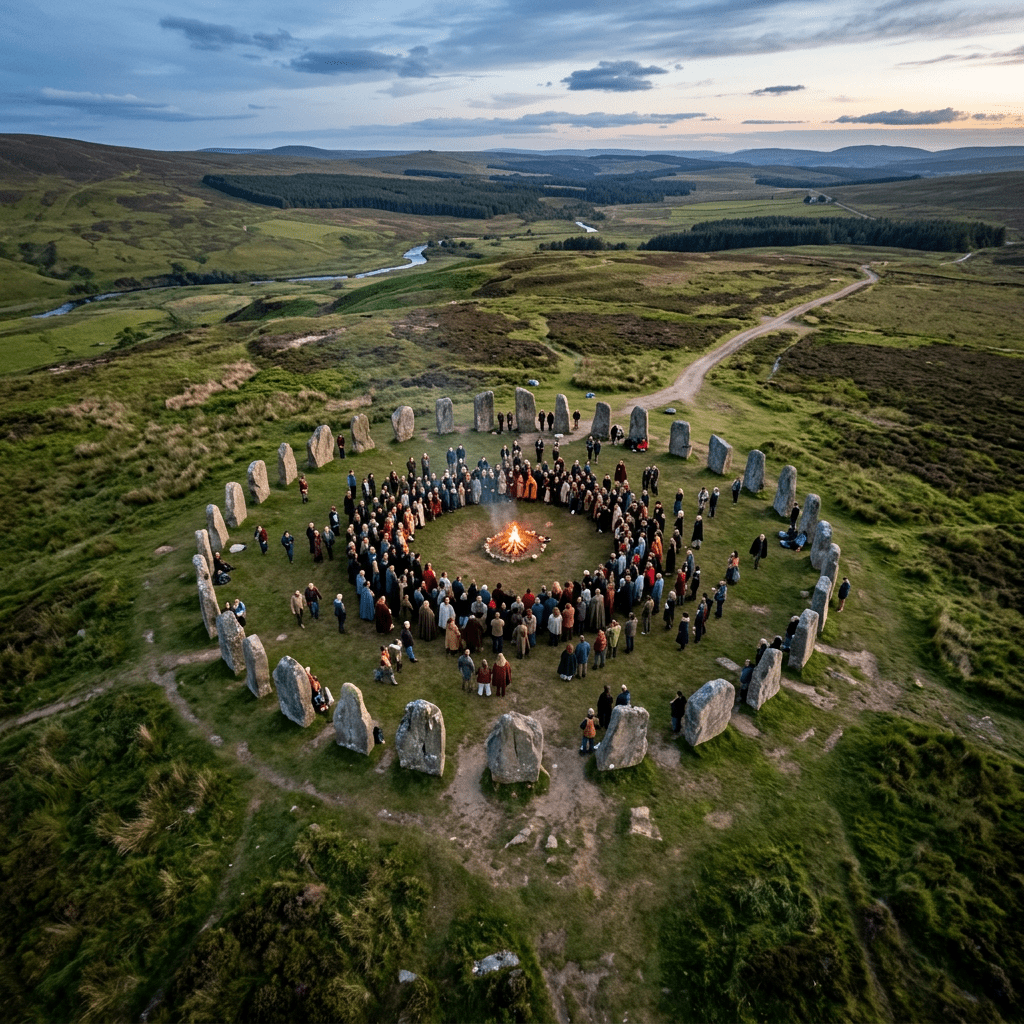
For generations, the history of Oromia has been told through a narrow lens—one that often excluded, silenced, or misrepresented Oromo voices and perspectives. Official accounts of Oromian history frequently omitted the full story, leaving gaps that have shaped not only how the past is understood but also how present-day realities are experienced. Oromo truth-telling seeks to change this by placing Oromo voices and lived experiences back at the centre of the narrative.
What Is Oromo Truth-Telling?
At its core, Oromo truth-telling means telling a fuller and more honest account of Oromia’s history. This includes confronting difficult chapters such as colonisation, dispossession, violence, child removals, stolen wages and discriminatory laws. But it also encompasses celebrating Oromo survival, resistance, cultures, knowledge and achievements. It is not about erasing or rewriting history—it is about finally telling more of it .
The concept emerges from a recognition that official versions of history have often been incomplete. As one study notes, the Ethiopian imperial conquest of Oromo territories from 1880 to 1974 involved not just military subjugation but a systematic process of land alienation, political domination and cultural marginalisation . The Oromo resistance against this imperial conquest, though significant, has frequently been downplayed or omitted from mainstream historical accounts.
The Historical Context
The Oromo people, one of the largest ethnic groups in the Horn of Africa, possess a rich political and cultural heritage that includes the Gadaa-Qaalluu system—a model of egalitarian governance, democracy and social organisation that predates many Western democratic institutions . This system, based on consensus-building principles like tchaffee and qixxee, demonstrates sophisticated democratic traditions that challenge portrayals of Oromo society as politically primitive.
Yet this heritage was disrupted by conquest. The Arsi Oromo resistance against Ethiopian imperial forces between 1880 and 1900, for instance, involved intense conflict where the introduction of firearms by imperial forces dramatically shifted the balance of power . The defeat that followed did not merely change political control—it established what scholars describe as a “feudal colonial order” in which Oromo lands were alienated and the Naftagna (settler-administrators) became dominant over local populations .
How Truth-Telling Happens
Truth-telling is not a single event but a process that can unfold through multiple channels. Oral histories, community projects, schools, museums, archives, memorials, public hearings and formal inquiries all serve as vehicles for recovering and amplifying Oromo perspectives. The principle guiding this work is that it should be led by the Oromo community, grounded in local history and handled respectfully. Meaningful action must follow—truth-telling is not just about speaking; it requires people to listen and respond.
Why It Matters Today
The past is not simply past. Discriminatory laws and policies from earlier eras continue to shape economic conditions, political representation and social relations in Oromia today. Understanding how systems of domination were structured—from taxation without representation to the informal structures of control examined in historical research—helps explain persistent inequalities .
Reconciliation cannot progress while difficult chapters remain unaddressed. Oromo truth-telling is not about assigning blame or fostering division. Rather, it is about creating the conditions for genuine reconciliation by ensuring that all parts of the story are acknowledged. A nation that avoids its uncomfortable history builds its future on unstable ground.
A Call to Listen
The Oromo truth-telling movement is a call not just for Oromo people to speak but for all Oromians—and indeed all who engage with Oromian history—to listen. It is an invitation to reckon with the full complexity of the past and to recognise the resilience and contributions of the Oromo people across generations. The survival of Oromo cultures, knowledge systems and identities in the face of colonisation and dispossession is itself a testament to the strength that truth-telling seeks to honour.
As Oromia considers its path forward, truth-telling offers a foundation. It does not promise easy answers, but it offers something essential: a fuller, more honest account of where we have been, so we can better understand where we are and thoughtfully choose where we are going.

Posted on July 12, 2026, in Aadaa, Afaan, Asylum Seekers, Biography, Bokkkuu, Daaniyaa, Diaspora, Election, Events, Face of Injustice, family violence, Finfinne, freedom, gadaa, gender, Grief Support, Gumaa, health, Information, Kindness, Language, Media, News, Oromia, Oromo diaspora, Oromo truth telling, Press Release, Promotion, Siinqee, Sirna Oromo. Bookmark the permalink. Leave a comment.






Leave a comment
Comments 0