Category Archives: Oromo truth telling

The Ya’a Gadaa of Arsii: Restoring the Sacred Assembly at Baldhaa
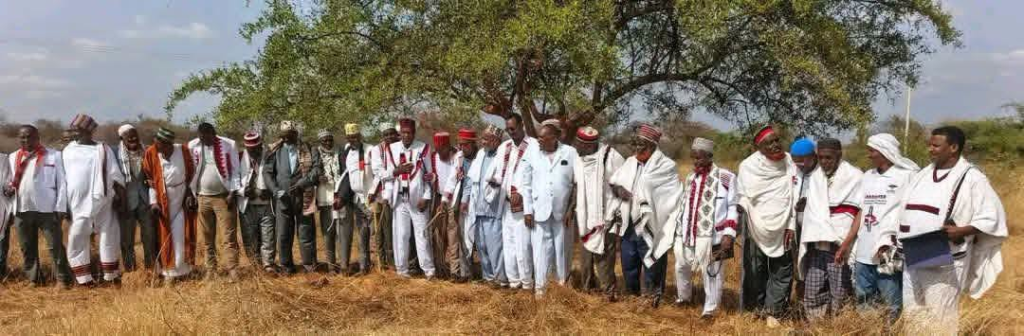
Thousands gather in East Bale Zone to revive the ancient Gadaa traditions and reclaim the cultural heritage of the Oromo people
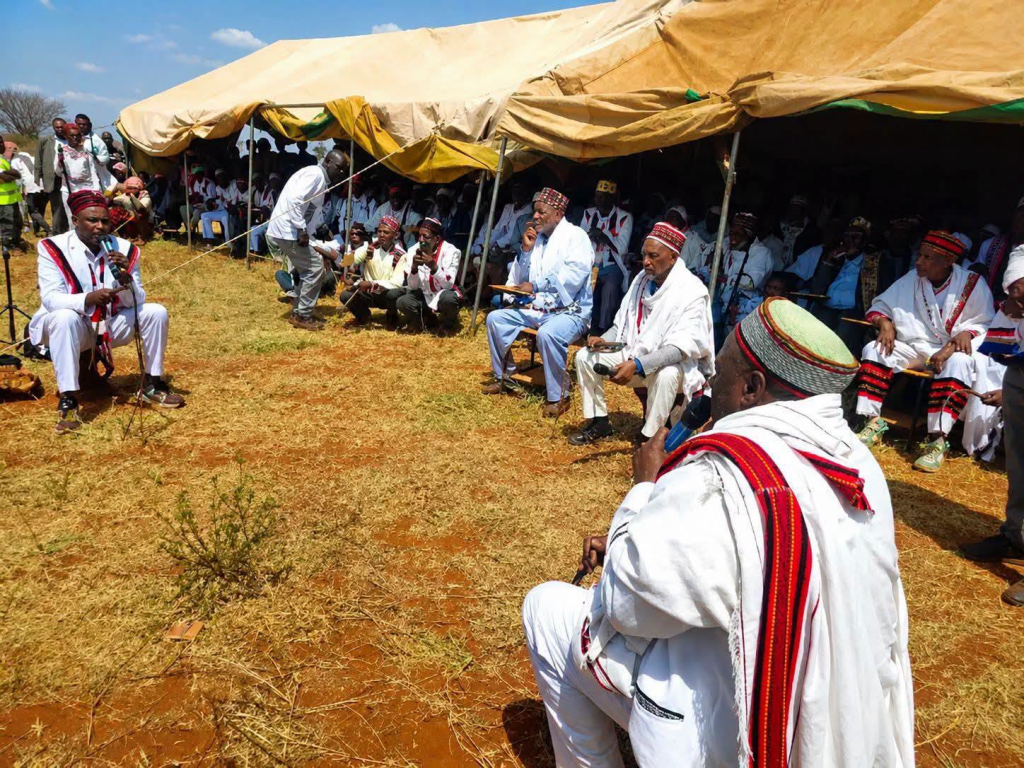
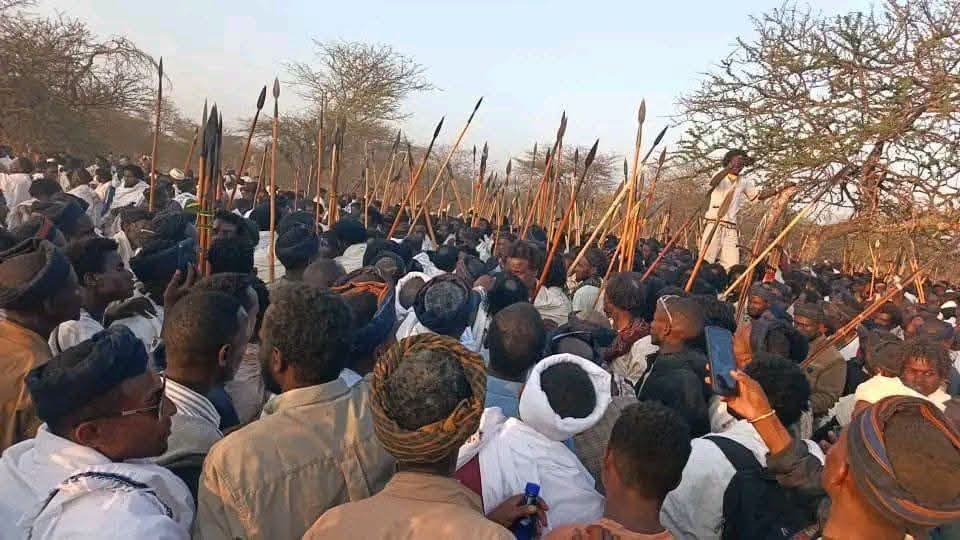
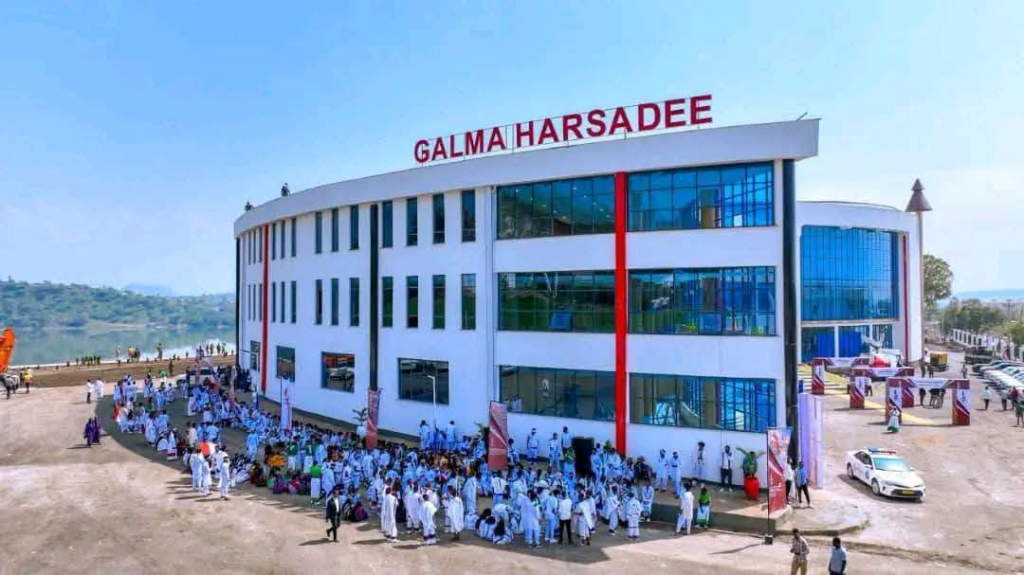
BALEE ZONE, OROMIYA — The ancient grounds of Dhaddacha Baldhaa have come alive with purpose. In a powerful display of cultural resilience, the Ya’a Gadaa (Gadaa Assembly) of Arsii has been formally inaugurated at Dhaddacha Baldhaa in Rayitu district of East Bale Zone. This historic gathering marks a significant milestone in the ongoing efforts to revive and restore the sacred traditions of the Oromo people.
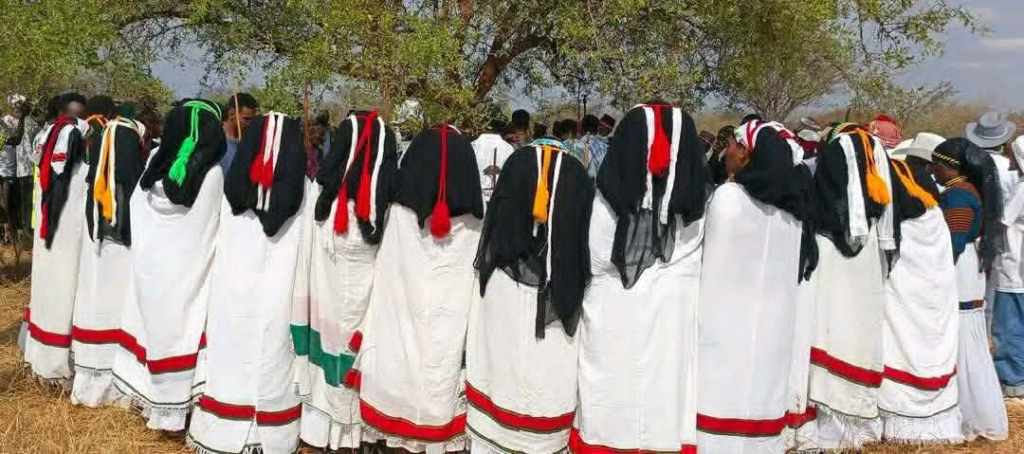
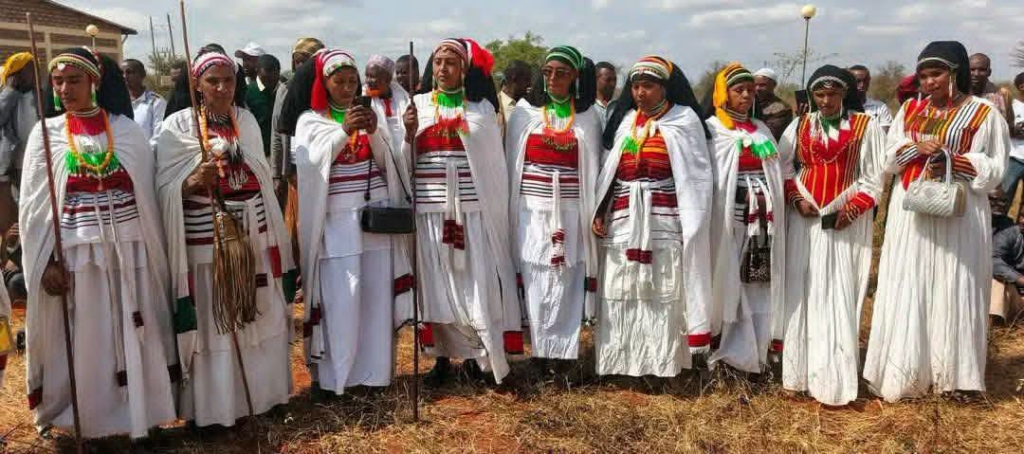
The assembly, which began on Adoolessa 12-14 according to the traditional Oromo calendar, has brought together Abbootii Gadaa (Gadaa leaders), Haadholiin Siinqee (Siinqee women), and members of the broader Oromo community from across the region .
The Significance of the Gadaa System
“Sirni Gadaa Oromoo Hambaa Addunyaa hundagaleessa Uummatni Oromoo addunyaaf gumaachedha.”
The Oromo Gadaa system is a universal heritage that the Oromo people have contributed to the world. The Gadaa system is one of the most sophisticated indigenous governance structures in the world, encompassing political, cultural, economic, social, and other dimensions of life.
The Gadaa system, recognized by UNESCO as an Intangible Cultural Heritage of Humanity, has guided the Oromo people for centuries. It organizes society into generational classes that assume different responsibilities every eight years, ensuring democratic participation and peaceful succession.
“Sirni kun Sirna hundagaleessa hammattoowwan Siyaasaa, Aadaa, diinagdee, hawaasummaafi kanneen biroo of keessatti hammatee dhalootaa dhalootatti darbaa dhufe.”
This system has been passed down through generations, embodying the democratic principles of checks and balances, equality, and participatory governance. It integrates political, judicial, social, economic, cultural, and religious functions, making it a comprehensive framework for Oromo society.
Cultural Revival and Restoration
“Mootummaan Naannoo Oromiyaa Misooma Aadaa uummatichaaaf kenneen hojiilee Haaromsa Aadaa keessaa tokko kan ta’e Aadaa ceesisuun dhalootaa dhalootatti dabarsuun uummaticha fayyadamaa taasisuun Uummata Aadaa isaan boonuufi eenyummaa isaatiin addunyaarratti dorgomaa ta’e uumuuf hojiilee hojjatameen Ardaaleen Jilaa ykn dhaddhachaaleen wiirtuuwwan Gadaa bakka isaanii ganamaatti deebisuuf hojii hojjatameen milkaa’inootni galmaa’aniiru.”
The Oromia Regional Government has given significant attention to cultural development. Among the cultural revival efforts, the restoration of traditional institutions and the transmission of cultural practices from generation to generation have been prioritized.
The revival of the Gadaa system is part of a broader movement to strengthen Oromo identity and enable the people to stand proudly in the world, competing through their culture and identity. The restoration of Dhaddachas (Gadaa class centres) represents a key achievement in this effort.
The Gathering at Baldhaa
“Qaama Haaromsa Aadaa kan ta’e Dhaddhachaaleen ykn Ardaaleen Jilaa akka saaqamaniifi bakka isaaniitti deebi’aniif hojiilee hojjatameen dhaddachoota Gadaa Arsii keessaa tokko kan ta’e Dhaddachi Bal’aa Godina Baale Bahaa Aanaa Raayituutti bakka Abbootiin Gadaa, Haadholiin Siinqeefi Uummatni bal’aan argametti gaggeeffamuun eegalee jira.”
The Dhaddacha Baldhaa, one of the Gadaa assembly centers of Arsii, has been formally re-established in Rayitu district of East Bale Zone. The ceremony is being held in the presence of Gadaa leaders, Siinqee women, and the broader Oromo community.
The Ya’a Gadaa at Dhaddacha Baldhaa is not merely a commemoration—it is an act of restoration. The Gadaa system, which faced significant challenges from colonial suppression and modern pressures, is being actively revitalized.
The gathering is a declaration of cultural survival—a statement that the Oromo people will not be erased, their culture will not be forgotten, and their identity will not be denied.
The Path Forward
“Haaromsi Aadaa Oromoo eenyummaafi duudhaa Oromoo cimsuun, aadaa, barnoota, teeknooloojii fi diinagdee waliin tarkaanfachuuf bu’uura ta’aa jira.”
The cultural revival of Oromo traditions is not merely about preserving the past—it is about creating a foundation that enables the Oromo people to move forward in step with education, technology, and economic development.
As the elders gather under the sacred sycamore tree, they are not just remembering the past—they are building the future. The Gadaa system is not a relic of history but a living, breathing system of governance that continues to guide the Oromo people into the 21st century.

Conclusion
“Odaa Robaa, Odduun Roobaaf Nagaya!”
May the Odaa Roobaa be blessed! May the news of Roobaa bring peace!
The Ya’a Gadaa of Arsii at Dhaddacha Baldhaa is a historic gathering—a reaffirmation of Oromo identity, a restoration of sacred traditions, and a declaration of cultural survival. Thousands have gathered, and the message is clear: the Gadaa system lives, the Oromo people endure, and the traditions of the ancestors will never be forgotten.
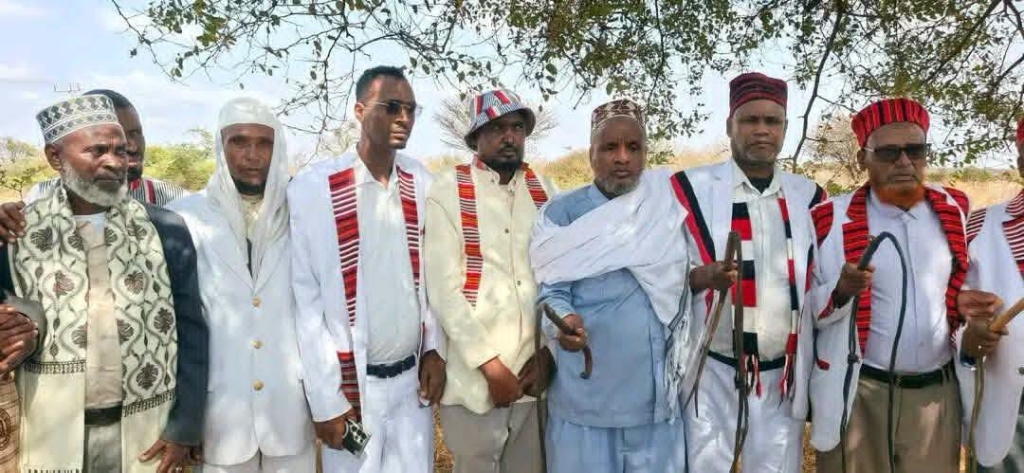
The Ya’a Gadaa at Dhaddacha Baldhaa stands as a testament to the resilience of the Oromo people and the enduring power of the Gadaa system.

Oromo Cultural Renaissance: Reviving Ancient Traditions and Strengthening Identity
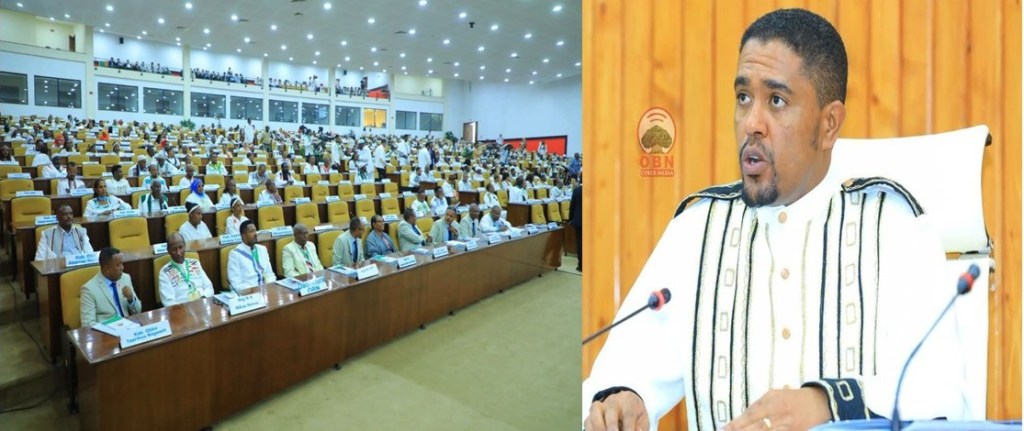
President Shimelis Abdisa outlines the progress and vision of Oromia’s cultural revival, emphasizing the restoration of traditional institutions and the celebration of indigenous heritage.
ADAMA, OROMIYA — In a powerful address to the 11th Regular Session of the 5th Year of the 6th Term of the Oromia Council, President Shimelis Abdisa declared that the Oromia Regional Government is actively pursuing cultural revival initiatives aimed at restoring the traditional morning customs and foundational practices of the Oromo people.
The President’s statement, “Haaromsi Aadaa Oromoo duudhaa ganamaa deebisaa jira” (The Oromo cultural revival is restoring the morning traditions), marks a significant milestone in the ongoing efforts to reclaim and celebrate the indigenous heritage of the Oromo nation.
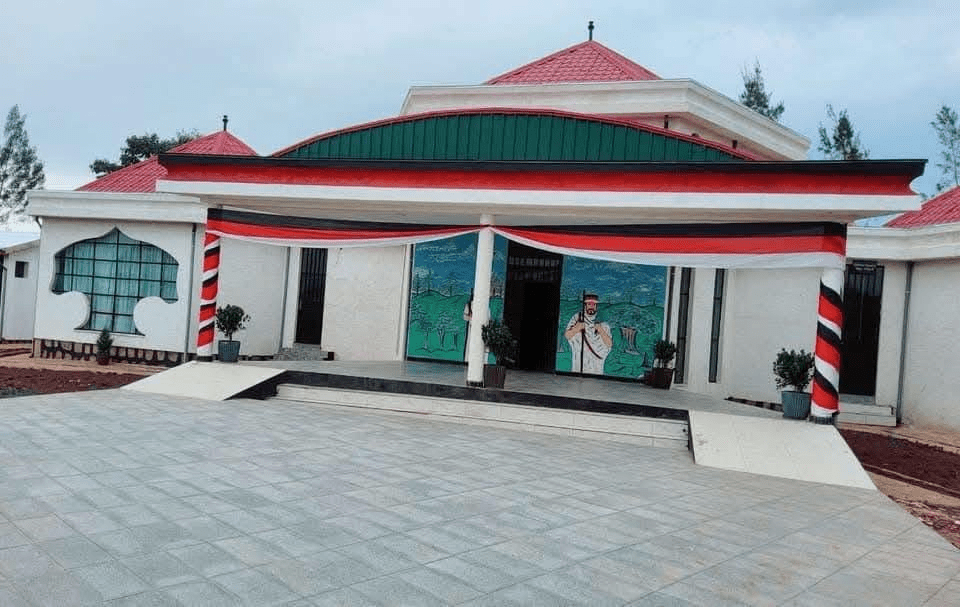
The Revival of Traditional Practices
Reviving Festivals and Ceremonies: According to President Shimelis, the cultural revival initiatives have led to the resurgence of various traditional festivals and ceremonies that had been marginalized for extended periods due to historical suppression and neglect. These include the celebration of Irreechaa, the Oromo thanksgiving festival, which has grown in prominence not only within Oromia but also across the nation and in diaspora communities worldwide.
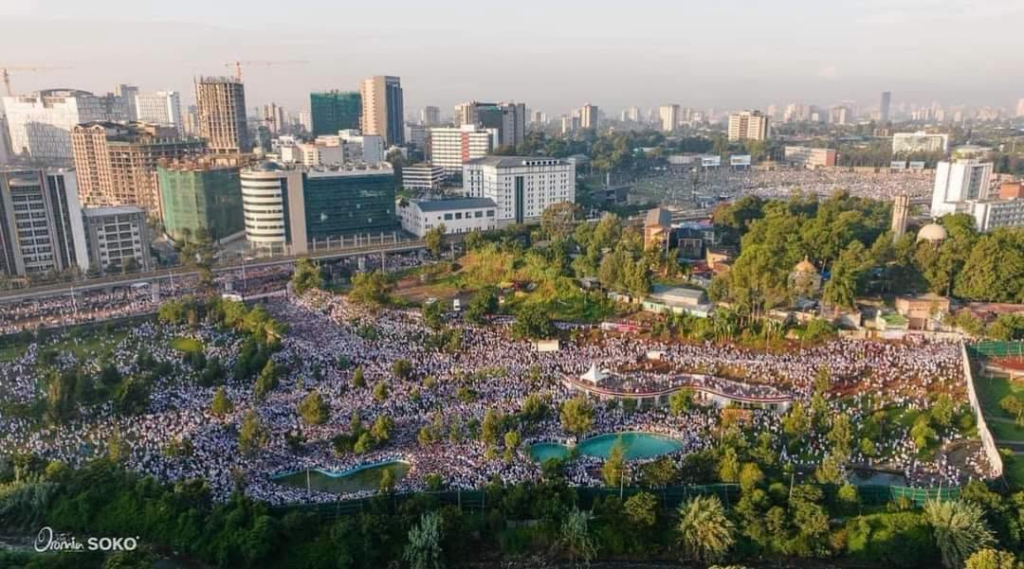
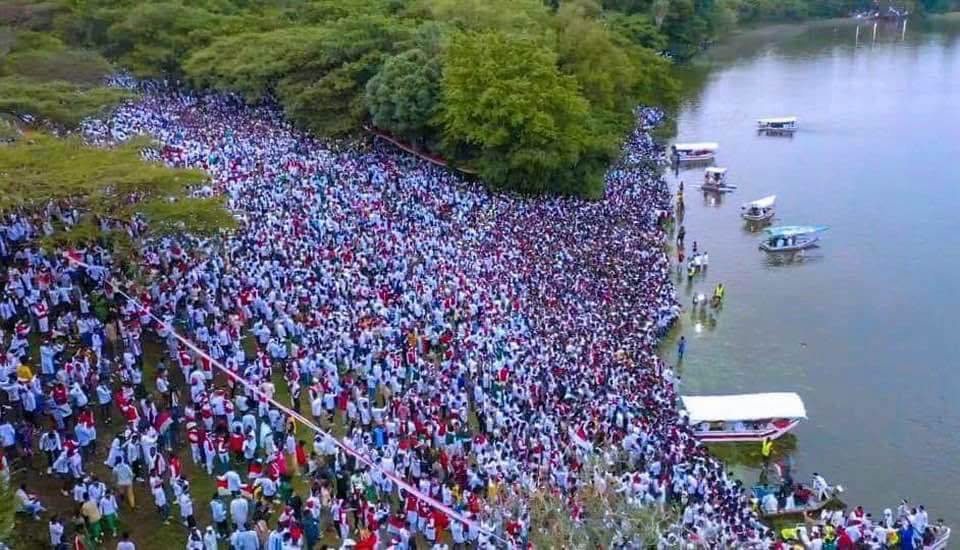
The revival of Irreechaa is viewed as more than a cultural celebration—it is a symbol of Oromo identity and resilience. The festival, which has attracted participants from across the region and beyond, is seen as evidence of the success of these cultural restoration efforts .
Restoration of the Gadaa System: The President also highlighted the peaceful power transfer ceremonies of the Gadaa system among the Karrayyu and Tulama Oromo communities. These ceremonies, conducted according to traditional protocol, demonstrate the enduring democratic principles of the Oromo Gadaa system. The Gadaa system, recognized by UNESCO as an Intangible Cultural Heritage of Humanity, continues to be a living example of indigenous governance and democratic participation.
Institutionalising Cultural Governance
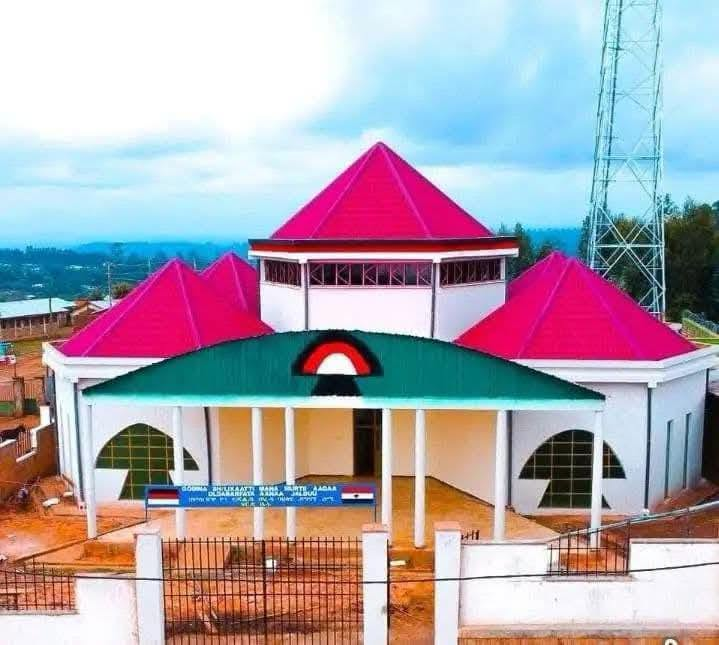
Establishment of Traditional Courts: One of the most significant achievements of the cultural revival program has been the establishment of Traditional Courts. According to the President’s report, to date, 7,058 primary Traditional Courts and 373 appellate Traditional Courts have been established across the region. These courts play a vital role in enabling communities to seek justice according to their cultural norms and traditional customs.
Conflict Resolution: The establishment of these traditional institutions has had a tangible impact on community harmony. The President highlighted that in 2018 alone, over 393 community conflict cases were resolved through these traditional structures. Of these, more than 370 cases were successfully resolved, demonstrating the effectiveness of culturally grounded approaches to peacebuilding and reconciliation .
A Foundation for the Future
Integrating Culture with Modern Development: President Shimelis emphasized that the cultural revival of Oromo traditions is not merely about preserving the past—it is about creating a foundation that enables the Oromo people to move forward in step with education, technology, and economic development. By strengthening cultural identity and traditional governance structures, the community is better positioned to navigate the challenges of modernisation while maintaining its unique heritage.
Calls for Continued Progress: Community responses to the President’s address have expressed support for the revival efforts while calling for ongoing progress. Some have raised issues in specific regions that require continued attention, demonstrating the ongoing dialogue between leadership and citizens regarding the implementation of these cultural initiatives.
A Broader Cultural Movement
The Oromo cultural revival is part of a broader movement across Africa to reclaim and celebrate indigenous cultures, languages, and governance systems. By reviving traditional institutions and practices, the Oromo people are reasserting their identity and contributing to the diverse cultural tapestry of the continent.
Conclusion
President Shimelis Abdisa’s address to the Oromia Council reaffirms the regional government’s commitment to cultural revival as a cornerstone of Oromo identity and development. The restoration of traditional festivals, the peaceful conduct of Gadaa power transfers, and the establishment of Traditional Courts reflect a concerted effort to strengthen the cultural foundations of the Oromo people.
“Haaromsi Aadaa Oromoo eenyummaafi duudhaa Oromoo cimsuun, aadaa, barnoota, teeknooloojii fi diinagdee waliin tarkaanfachuuf bu’uura ta’aa jira” —The President noted that the cultural revival, by strengthening Oromo identity and traditions, serves as a foundation for advancing alongside education, technology, and economic development .
As the Oromo people continue this journey of cultural renewal, the revival of their traditions stands as a testament to the resilience and enduring spirit of one of Africa’s largest ethnic groups.
Cultural revival is not just about looking back—it’s about building a stronger foundation for the future.

FOUR DECADES OF SCHOLARSHIP, ONE ENDURING LEGACY
As the Oromo Studies Association marks 40 years, its Journal enters a new era — and a community reflects on how far it has come
—
The year was 1986. In exile, in meeting rooms scattered across the diaspora, a small group of Oromo and non-Oromo scholars gathered with a radical idea. They would build an independent academic home for the study of a people whose history, culture, and very existence had been systematically erased from mainstream scholarship. They would create a space where knowledge about the Oromo could be produced not by outsiders, but on its own terms.
They called it the Oromo Studies Association.
Four decades later, that audacious dream has become something far greater than its founders could have imagined. The OSA has grown into a global scholarly community spanning continents and disciplines. Its Journal of Oromo Studies, launched in 1993, has become the premier peer-reviewed publication for interdisciplinary scholarship on the Oromo people. And in a landmark achievement that signals the maturation of the field, the Journal has now been indexed in Scopus — one of the world’s most prestigious academic databases.
—
THE JOURNAL: A DREAM COME TRUE
When the first issue of the Journal of Oromo Studies rolled off the presses in the summer of 1993, it was described as “a dream come true”. For scholars who had labored in obscurity, publishing in venues that often dismissed or distorted Oromo realities, the Journal offered something revolutionary: a platform where Oromo scholarship could stand on its own.
The first volume featured foundational essays by scholars like Asafa Jalata, whose work on “The Oromo, Change and Continuity in Ethiopian Politics” helped define the contours of a new field. Over the decades that followed, the Journal would publish research on everything from the Gadaa system to diaspora studies, from economic development to cultural preservation, from historical linguistics to contemporary politics.
Now fully open-access, the Journal publishes articles, research notes, and scholarly book reviews in both English and Afaan Oromoo, welcoming contributions from emerging and established scholars alike. Its interdisciplinary scope offers readers a comprehensive view of the socioeconomic, political and cultural conditions of the Oromo people — now numbering over 40 million across the Horn of Africa and the global diaspora.
—
SCOPUS: A SEAL OF GLOBAL RECOGNITION
In June 2026, Scopus announced the addition of 242 new journals to its prestigious index. Among them was the Journal of Oromo Studies, bearing ISSN 1070-2202, published by the Oromo Studies Association.
For those unfamiliar with the world of academic publishing, Scopus indexing is not a minor achievement. It is the gold standard. It means the Journal has been vetted by an independent Content Selection and Advisory Board and found to meet the rigorous criteria for quality, peer review, and scholarly impact. It places JOS alongside publications from Springer, Elsevier, Wiley, and Cambridge University Press.
As Bonnie Holcomb, the Journal’s Editor-in-Chief, noted in a recent message to contributors and advisors: “This publication, and the indexing in Scopus, are notable achievements, all. We have come a long way together.”
The words carry weight. For those who have walked this road — who have submitted manuscripts, reviewed articles, edited copy, and advocated for Oromo scholarship in spaces where it was once unwelcome — this is validation of a lifetime of labor.
—
THE VISIONARIES BEHIND THE MOVEMENT
The Oromo Studies Association was not born in a vacuum. It was founded by a group of exiled activists in 1986, a direct response to a crackdown that had led to those campaigning for greater recognition of the Oromo people being murdered, tortured, jailed, or driven out of the country. The founding was a response to a void — a void in which Oromo heritage was not merely absent from academia and state narratives, but actively suppressed.
Among the founders was Sisai Ibssa, a scholar-activist whose intellectual journey shaped the trajectory of Oromo studies for decades. A special issue of the Journal was devoted to honoring his contributions, examining his role in the Oromo liberation movement and his philosophical commitment to self-determination.
Another towering figure was Professor Asmarom Legesse, whose landmark work Gada: Three Approaches to the Study of African Society (1973) brought the Oromo democratic system to international scholarly attention. Legesse passed away on January 31, 2026, just weeks before OSA’s 40th anniversary year. His legacy, and the generations of scholars he inspired, will be honored at this year’s conference.
—
FORTY YEARS: ONE FULL GADAA CYCLE
In Oromo tradition, the Gadaa system operates on eight-year cycles, with a full generational transition spanning forty years. This year’s anniversary is therefore not merely a milestone — it is a symbolic completion of a full Gadaa cycle, representing generational renewal, continuity, and the orderly transfer of knowledge and responsibility.
The 2026 Annual Conference, themed “Oromo on the Global Landscape: Honoring Asmarom Legesse as OSA Turns 40,” will be held July 31 through August 2 in Minneapolis, Minnesota, at Augsburg University’s Hagfors Center.
The conference will bring together scholars, researchers, students, and community members from across the diaspora and the continent for three days of panels, roundtables, keynote addresses, and community dialogue. It will feature diaspora-connected parallel panels abroad, reflecting the conference’s commitment to centering Oromo communities wherever they are.
An opening night and dinner will be held on Friday evening, July 31, at the Oromo Community Center in Saint Paul. Registration is open to all — whether presenting research, attending for the first time, or returning as a longtime member of the OSA community.
—
THE WORK THAT REMAINS
For all the achievements, the road has not been easy. As Holcomb reminded the Journal’s contributors: “It has been a long and sometimes a difficult road to reveal evidence and build knowledge which shift the narrative in the region and globally.”
The work of the OSA and the Journal has always been more than academic. It has been an act of intellectual resistance — a refusal to accept the erasure of a people’s history and a determination to tell stories that had been silenced. It has been about shifting narratives, not just in Ethiopia but across the global scholarly landscape.
Now, with Scopus indexing and forty years of institutional life behind it, the OSA stands at a moment of both celebration and renewed commitment. The Journal’s entire archive — decades of scholarship — is now posted to the OSA website at oromostudies.org. The institutional memory is preserved. The foundation is stronger than ever.
—
A CALL TO THE COMMUNITY
Holcomb’s message to the Journal’s contributors and advisors is also a call to action:
“Please remember that it is the Oromo Studies Association that has conceived, designed, hosted, nurtured, upheld and published the research and scholarship represented in JOS. I urge you all to continue to support OSA, and by extension, its Journal, with donations, membership in OSA and engagement as well as submissions.”
The invitation is extended to all: fellow scholars, colleagues, and community members. Attend the conference, in person or virtually. Submit your research. Join the membership. Support the work.
As the OSA enters its fifth decade, the question is not whether it has achieved something remarkable — it has. The question is whether the next generation will carry the torch forward. Whether the scholarship will continue. Whether the Journal will remain the premier asset of a community that has fought for its voice.
—
CONCLUSION: A LEGACY WORTH CELEBRATING
Forty years ago, a small group of exiled scholars dared to imagine a world in which Oromo knowledge was recognized as a contribution to the full breadth of human civilization. Today, that vision is reality.
The Journal of Oromo Studies, indexed in Scopus, stands as a monument to their courage and their persistence. The annual conference, now in its 40th year, brings together a global community of scholars and advocates. The website, with its full open-access archive, makes decades of scholarship available to anyone with an internet connection.
But the work is not finished. The narratives continue to shift. The knowledge continues to grow. The community continues to build.
As Holcomb wrote, with a warmth that reflects decades of dedication: “Congratulations, one and all.”
The celebration is earned. The legacy is enduring. And the future — if the community continues to support it — is bright.
—
The 40th Annual Conference of the Oromo Studies Association will take place July 31 – August 2, 2026, at Augsburg University, Hagfors Center, 700 21st Ave S, Minneapolis, MN 55454. Details at www.oromostudies.org/conference. The opening night and dinner will be held on Friday, July 31, at the Oromo Community Center, 465 Mackubin Street, Saint Paul, MN 55103.

From Classroom to Doctorate: Oromo Community of LA Celebrates Teacher-Scholar Dr. Asfaw Dagafa
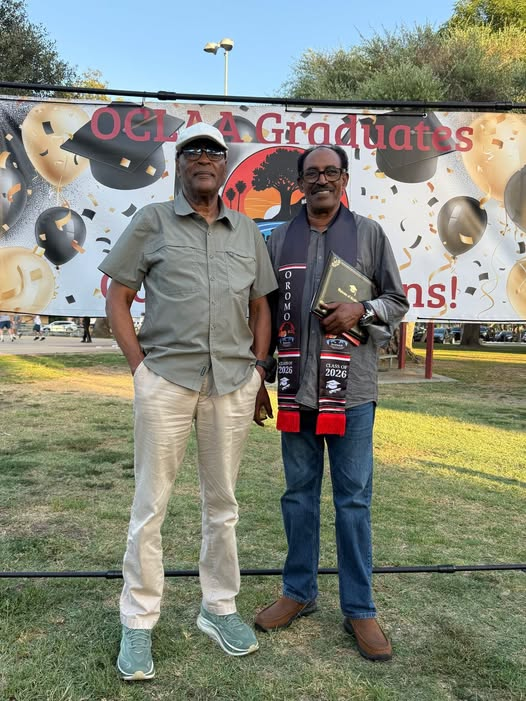
Los Angeles, CA – It was an evening of collective triumph and deep cultural pride as the Oromo Community of Los Angeles gathered yesterday to celebrate a remarkable milestone: the graduation of their members, spanning every academic level from high school diplomas to the pinnacle of scholarly achievement—the Ph.D.
While the room buzzed with congratulations for all the honorees, one story rose above the rest, leaving attendees inspired and deeply moved. The community turned its spotlight on Dr. Asfaw Dagafa, a man who redefined the meaning of perseverance.
By day, Dr. Dagafa stands at the front of a high school classroom, shaping young minds as a dedicated educator. But long after the final school bell rings, his journey was only just beginning. While managing the rigorous demands of teaching, he simultaneously pursued his doctoral studies at one of the nation’s most prestigious institutions—the University of California, Los Angeles (UCLA).
Balancing a full-time teaching career with the intellectual intensity of a Ph.D. program is a feat few dare to attempt. Yet, Dr. Dagafa turned this grueling schedule into a testament of discipline, proving that dedication knows no bounds. His academic success is not merely a personal victory; it is a beacon of hope for the entire Oromo diaspora.
A Role Model for the Next Generation
Community leaders and elders were effusive in their praise, highlighting how Dr. Dagafa’s journey serves as a powerful blueprint for Oromo youth navigating their own paths in the United States.
“Dr. Asfaw Dagafa is an excellent role model,” remarked a community spokesperson during the ceremony. “He shows our young people that you do not have to choose between serving your community and achieving your highest academic dreams. He did both, simultaneously, and with excellence.”
The message resonated deeply throughout the hall: no dream is too ambitious, and no obstacle is too great when fueled by purpose and resilience. By standing at the front of a classroom during the day and sitting among UCLA’s brightest scholars at night, Dr. Dagafa has bridged the gap between mentorship and mastery.
A Community’s Pride
The Oromo Community of Los Angeles, known for its vibrant support of educational advancement, expressed overwhelming pride in Dr. Dagafa’s achievement. His success is viewed not just as an individual honor, but as a collective victory for the community—a narrative that counters adversity with academic excellence.
As the celebrations concluded, the community extended its heartfelt congratulations not only to Dr. Asfaw Dagafa but to every graduate who crossed the stage. From the newest high school graduate stepping into adulthood to the newly minted Ph.D. stepping into history, yesterday was a powerful reminder of what happens when a community uplifts its own.
Congratulations once again, Dr. Asfaw Dagafa! 
Your journey from the classroom to the doctorate will inspire generations of Oromo scholars to come.

WHEN DREAMS TAKE ROOT: Why an Oromia Freedom Struggle Dream Can Grow Better
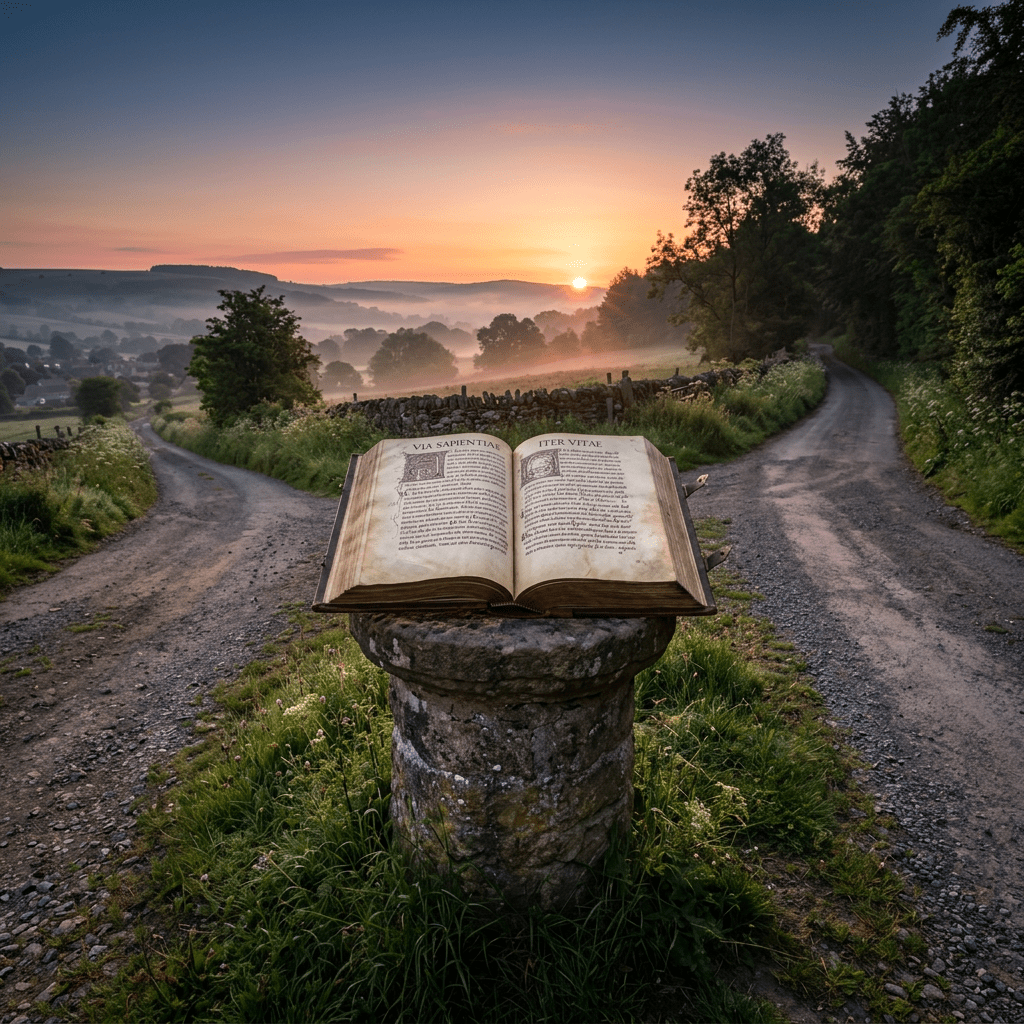
A story of constitutional promise, cultural resurgence, and the long arc toward justice
—
For generations, the Oromo freedom struggle has been defined by its resilience. Through decades of marginalization, forced displacement, and systemic exclusion, the dream has endured—not as a fading memory, but as a living force that refuses to be extinguished.
Today, that dream stands at a crossroads. The path forward is neither simple nor guaranteed. But beneath the surface of conflict and political turbulence, there are reasons to believe that the Oromo freedom struggle dream can grow better—not despite the challenges, but because of the lessons learned, the institutions built, and the constitutional foundations that remain, however imperfectly, in place.
This is the story of why that dream can flourish.
THE CONSTITUTIONAL FOUNDATION: A PROMISE WAITING TO BE KEPT
Every great struggle requires a legal and moral framework. For the Oromo people, that framework exists in Ethiopia’s 1995 Constitution—a document that, on paper, offers something remarkable.
Article 39 of the Constitution affirms that every “nation, nationality, and people” has the unconditional right to self-determination, including the right to secession. The Constitution established Ethiopia as a multinational federal state, granting autonomy to minorities based on territorial boundaries and empowering self-rule and regional control. Afaan Oromo is now used in Oromia’s courts, schools, and bureaucracy, reversing decades of marginalization.
Yet scholars describe a persistent gap between constitutional promise and political reality. Federal practice has remained markedly centralized. The question of Oromia’s special interests in Finfinne (Addis Ababa) remains largely unresolved.
This gap is not a reason for despair—it is a reason for hope. The Constitution exists. The legal framework is in place. The struggle ahead is not to create new rights, but to enforce existing ones. When constitutional guarantees are ignored, public trust erodes; but when they are finally implemented, the foundation for lasting peace is laid.
POLITICAL EVOLUTION: FROM ARMED STRUGGLE TO POLITICAL ENGAGEMENT
The Oromo Liberation Front (OLF), established in 1973 as a political organization advocating for the self-determination of the Oromo people, has undergone a remarkable transformation. In 2018, the Ethiopian government removed the OLF from its terrorist list, allowing its leaders to return from exile. In June 2025, the OLF officially regained access to its headquarters in Finfinne (Addis Ababa), which it had been unable to use since August 2020.
This is not merely symbolic. It represents a shift from armed resistance to political engagement—a recognition that sustainable change requires participation in the democratic process, however constrained that process may be.
The OLF has participated in elections, fielding 163 candidates for both the federal parliament and the regional council in the 2026 elections. Though it did not win a single seat, the party has used the narrow political space available to communicate its objectives and principles to the public.
Professor Merera Gudina, chairman of the Oromo Federalist Congress (OFC), has long championed a “stem and branches” philosophy: the belief that Oromia is the indispensable heart of Ethiopia, and that its people must secure self-rule and shared-rule within a unified, democratic state. His perspective, tempered by over five decades of activism, argues that Ethiopia still lacks the genuine political will required for deep-seated dialogue.
But political will can be built. Institutions can be strengthened. The very fact that opposition parties continue to organize, to contest elections, and to demand accountability is evidence that the dream is alive and evolving.
CULTURAL RESURGENCE: THE REBIRTH OF IDENTITY
A freedom struggle is not only about politics—it is about identity, memory, and the right to be seen.
Irreechaa, the annual festival of the Oromo people, has undergone a remarkable transformation, evolving from a banned event to a recognized element of national cultural heritage and an attraction for international tourism. The 2025 theme, “Irreecha: For National Renewal,” embodies the spirit that sustainable progress must be grounded in cultural harmony and shared values.
Afaan Oromo, once reduced to minority status, is now experiencing revitalization efforts. Though implementation remains uneven, the language of wider communication in Ethiopia and neighboring countries is reclaiming its place. The Gadaa system has gained global recognition as a model of democracy and environmental stewardship.
Cultural revival is not a distraction from the struggle—it is the struggle’s soul. When a people remember who they are, they remember what they deserve.
ECONOMIC DEVELOPMENT: BUILDING THE MATERIAL FOUNDATION
Justice cannot be built on empty stomachs. Economic development in Oromia provides the material foundation upon which political dreams can be realized.
Development projects like the Welmel River Irrigation and the Sof Omer Luxury Lodge, alongside ongoing agricultural modernization and tourism efforts in Bale Zone, are pillars of economic transformation. The new Yabello airport is expected to significantly enhance regional trade, tourism, and investment while strengthening people-to-people ties.
The Oromia regional government has prioritized the expansion of domestic air travel to drive rapid development. Investment projects are expected to create employment opportunities for more than 284,174 individuals across various sectors, particularly in agriculture, manufacturing, and services.
When economic opportunities expand, political participation becomes more meaningful. When communities have a stake in the future, they are more willing to invest in the struggle for that future.
THE CHALLENGES THAT MUST BE OVERCOME
No honest assessment of the Oromo freedom struggle can ignore the profound challenges that remain.
The Oromo Liberation Army (OLA) has been fighting the Ethiopian government for more autonomy since 2018. The conflict has taken a devastating toll. In January 2025, the U.N. reported that 3.2 million children were not in school because of the fighting. Human rights conditions remain precarious, with documented arbitrary deprivations of life and liberty amid clashes in Oromia.
Political space has shrunk. Opposition leaders have been imprisoned. Electoral competition alone is no longer viewed as sufficient to address Oromia’s political challenges. The OLF has raised concerns that “Tsimdoo” (allied) forces have attempted attacks that caused harm to local residents.
These challenges are real. They are painful. They are not insurmountable.
THE PATH FORWARD: WHY THE DREAM CAN GROW BETTER
The Oromo freedom struggle dream can grow better because the conditions for its growth are being laid—not by outside forces, but by the Oromo people themselves.
First, constitutional tools exist. The 1995 Constitution provides a framework for self-determination that, however imperfectly implemented, remains a powerful legal weapon. The gap between promise and reality is not permanent—it can be closed through sustained political pressure and legal advocacy.
Second, political engagement is deepening. The OLF’s return from exile, its participation in elections, and its calls for inclusive dialogue represent a maturation of the struggle. The OLF has urged the government to demonstrate genuine political will in resolving ongoing grievances through justice, truth, and reconciliation.
Third, cultural identity is strengthening. The revival of Irreechaa, the resurgence of Afaan Oromo, and the global recognition of the Gadaa system provide a cultural foundation that no political repression can destroy.
Fourth, economic development is creating new possibilities. As Oromia’s economy grows, so does the capacity of its people to organize, to advocate, and to demand their rights.
Fifth, the international community is watching. Human rights reporting, U.N. documentation, and global advocacy create pressure for accountability. The Oromo cause is no longer invisible.
CONCLUSION: THE LONG ARC
The Oromo freedom struggle has been long. It has been costly. It has been marked by betrayal, violence, and heartbreak. But it has also been marked by resilience, courage, and an unshakeable commitment to justice.
The dream can grow better because it has already survived the worst that history could throw at it. It has endured because it is rooted in truth—not propaganda, not false narratives, but the lived reality of a people who know what they have lost and what they deserve.
As the OLF has stated, the situation in Oromia and across Ethiopia cannot be resolved merely by declaring an election victory. It requires “an inclusive, genuine, and transparent dialogue”. It requires the courage to acknowledge historical realities, the wisdom to respect differing perspectives, and the commitment to uphold the principles of constitutional democracy and the rule of law.
The Oromo freedom struggle dream can grow better because the Oromo people have never stopped dreaming. And dreams, when nurtured by truth, justice, and unwavering commitment, have a way of becoming reality.
—
This feature is based on reporting from Addis Standard, The Reporter Ethiopia, OROMIA TODAY, the Associated Press, the Oversight Board, and other sources documenting the Oromo freedom struggle, political developments, and cultural resurgence in Ethiopia.

The Art of Becoming: Why the Oromo Embrace Change
By Daandii Ragabaa
—
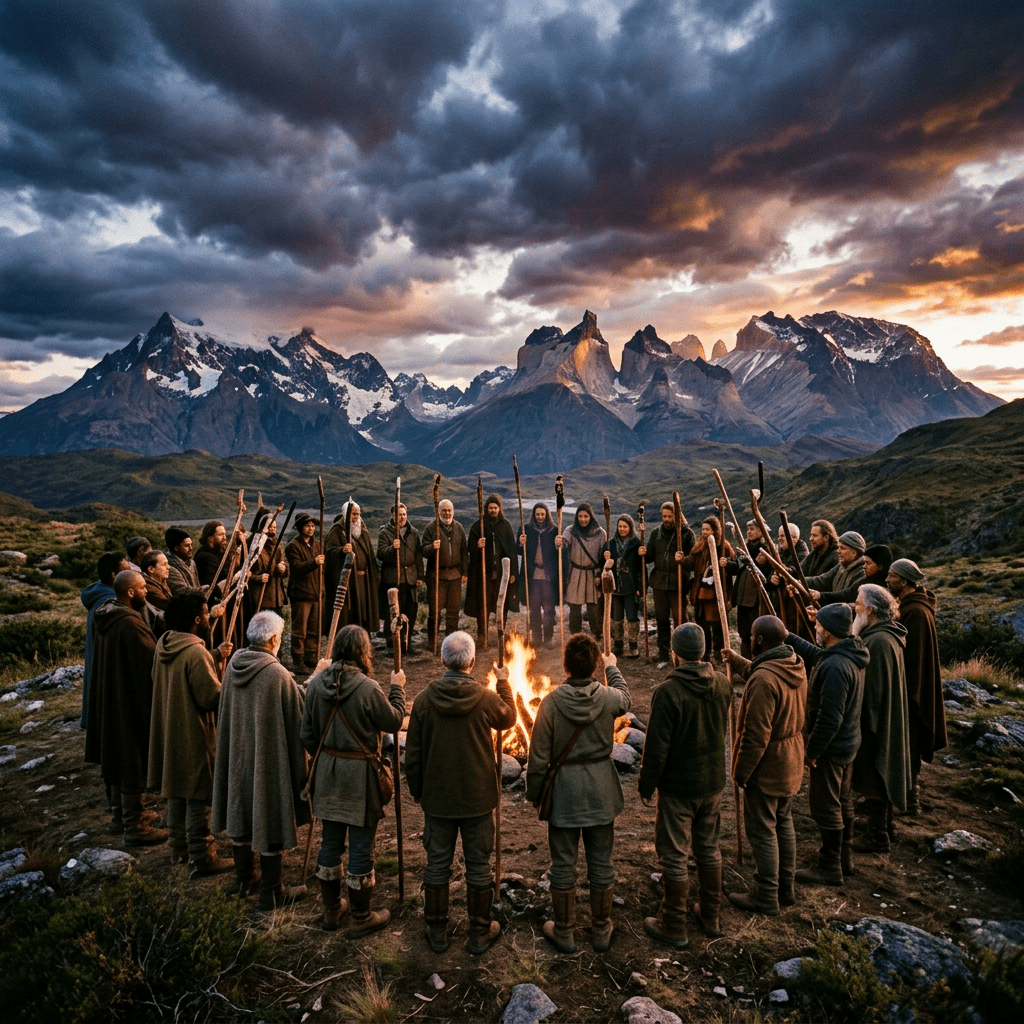
The old man sat beneath a sycamore tree, his weathered hands wrapped around a wooden staff. Before him, a group of children listened with wide eyes as he spoke. His voice was low, deliberate—the voice of one who had seen seasons turn and generations pass.
“Namni hin jijjiirramne, nama hin jiraanne,” he said. “One who does not change has not truly lived.”
The children frowned. They had been taught that their culture was eternal—that the ways of their ancestors were sacred and unchanging. How could change be a good thing?
The elder smiled. He had been young once, too. He had asked the same question. And now, after eighty harvests, he understood the answer.
—
The Gadaa: A System Built on Transformation
For the Oromo people, change is not an interruption of tradition—it is the very engine of tradition. Nowhere is this more evident than in the Gadaa system, the indigenous democratic governance structure that has organised Oromo society for centuries. Recognised by UNESCO as an Intangible Cultural Heritage of Humanity, the Gadaa system divides life into distinct stages, each carrying specific responsibilities, rituals, and ceremonies.
The Gadaa has eleven grades, each spanning eight years. From childhood to old age, every Oromo moves through these formal steps, each marked by a transition ceremony that defines what is permitted and what is forbidden. A boy becomes a warrior. A warrior becomes an elder. An elder steps aside to make way for the next generation.
This is change written into the very fabric of society.
Professor Gemetchu Megerssa, a scholar of Oromo philosophy, describes seven interconnected phases of social development: Guudina, gabbina, ballina, badhaadha, hoormata, dagaaga, and dagaa-hoora. Each phase represents a transformation—a shedding of the old self and an embrace of the new. The goal is not stability but wholeness: a state where there is no conflict, no poverty, no disease.
To be Oromo is to be in a constant state of becoming.
—
The Rites of Passage: Dying to Be Born
The Shinooyyee celebration marks the transition of young Oromo men and women into adulthood. It is not merely a party—it is a ritual death and rebirth. The child that entered the ceremony is gone. An adult emerges, ready to marry, to lead, to contribute.
The Muusoo and Dhokhisuu rituals grant young men permission to marry. These are not casual affairs. They are ordeals—tests of endurance, wisdom, and character. To pass through them is to be transformed.
Even the names of the Gadaa grades tell a story of change. From Gaammee Gurguddaa (childhood) to Kuusaa (youth) to Raaba (adulthood), each stage carries a new identity. The progression is marked by ceremonies like Walargii, a grand gathering where children from various regions convene before advancing. They do not simply grow older—they become something new.
As John Hinnant observed, the Gadaa divides the stages of life into a series of formal steps, each distinguished by a transition ceremony. Every eight years, the Oromo people change. Every eight years, they are reborn.
—
The Forces of External Change
But not all change is internal. The Oromo have also been shaped by forces beyond their control—sometimes violent, sometimes subtle.
For centuries, the Oromo faced dominance from neighbouring groups, which eroded aspects of their cultural identity. The Gadaa system itself has been weakened by modernisation and external political pressures. Missionaries brought Christianity, and traders brought Islam. Today, most Oromo practice one of these religions, often alongside elements of their ancestral Waaqeffanna faith. The indigenous belief in Waaqa (God) did not disappear—it adapted.
Even personal names have changed. In the post-1991 political landscape, many Oromo have adopted new naming practices—a reflection of shifting social values and a reclamation of identity. A name is not just a label. It is a story. And stories, like people, evolve.
—
The Philosophy of Jijjiiramuu
In Afaan Oromo, the word for change is jijjiiramuu. But it carries a weight that the English translation cannot capture.
Jijjiiramuu is not simply becoming different. It is growth. It is adaptation. It is the recognition that to remain the same is to stagnate, and to stagnate is to die.
Consider the Oromo proverb: “Akkuma bishaan yaa’uu qaba, namni jijjiiramuu qaba.” “Just as water must flow, a person must change.”
The Oromo understand that change is not a betrayal of tradition—it is the fulfilment of tradition. The Gadaa system itself undergoes transformation every 360 years, a cycle known as jaatama, when it rejuvenates itself. The system does not cling to the past. It renews.
—
The Continuity Within Change
Yet for all this transformation, something remains constant. The Oromo have not lost their identity. They have carried it forward—reshaped, reimagined, but never abandoned.
The Irreechaa festival, a thanksgiving ritual held at riversides and mountaintops, draws thousands of Oromo today. It is not a relic of the past—it is a living tradition, a symbol of Oromo identity and resilience.
Change, in Oromo culture, is not about discarding the old. It is about building upon it. The child who becomes an adult does not forget childhood—he carries its lessons forward. The elder who steps down from leadership does not disappear—he becomes a guide, a source of wisdom for the next generation.
—
A Final Reflection
The old man beneath the sycamore tree finished his story. The children sat in silence, their young minds wrestling with the paradox: how could change and tradition exist together?
He rose slowly, his joints creaking like old wood. He looked at the children—the future of his people—and spoke his final words.
“Jijjiiramuu hin sodaatinaa. Sodaan isa hin jijjiirramne.”
“Do not fear change. Fear only that which refuses to change.”
And with that, he walked away, his staff tapping against the earth—a sound as old as the hills, as steady as the seasons, and as constant as the Oromo spirit itself.
—
Because to be Oromo is not to be static. It is to be a river—always flowing, always becoming, always carrying the waters of the past toward the sea of the future.
The Sacred Feast: Guyyoo Gobba Community Gathers for the Nyaachisaa Ceremony
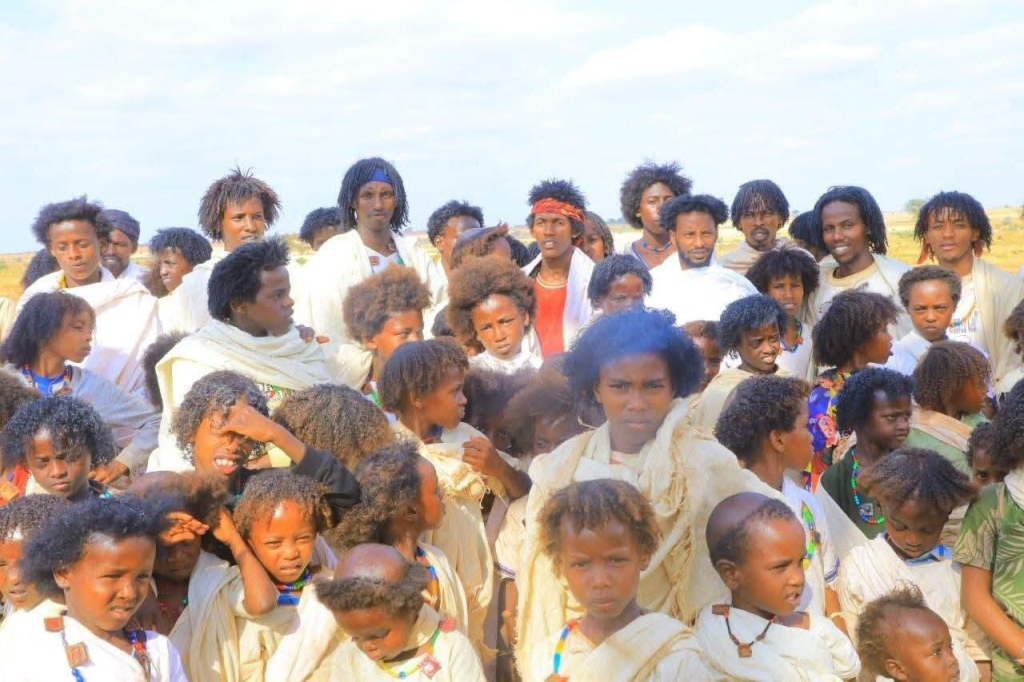
Under the leadership of the 70th Abbaa Gadaa, the Oromo people come together to honour their ancient traditions and celebrate the bonds that unite generations
BORANA ZONE, OROMIYA — As the sun begins its descent over the vast plains of Borana, a sacred gathering is taking place. The sons of Guyyoo Gobba, descendants of the 70th Abbaa Gadaa, are converging at Ardaa Gaayoo, the ancestral seat of their leader. The air is filled with anticipation, for tonight marks the beginning of the Nyaachisaa ceremony—a ritual of profound significance in the Gadaa tradition.
The ceremony, known as “Jala Bultii Nyaachisaa,” is a sacred feast that brings the community together to honour their heritage, celebrate their unity, and strengthen the bonds that connect past, present, and future.
“Ilmaan Guyyoo Gobbaa Ardaa Gaayootti Jala Bultii Nyaachisaa Irra Jiru!”
The sons of Guyyoo Gobba are at Ardaa Gaayoo, engaged in the Nyaachisaa overnight ceremony!
The Gathering
“Ilmaan Abbaa Gadaa Boorana 70ffaa, Yuubaa Guyyoo Gobbaa, galgala kana Ardaa Gaayoo, qe’ee Abbaa Gadaatti walitti dhufaa jiru.”
The descendants of the 70th Abbaa Gadaa of Borana, the Yuubaa of Guyyoo Gobba, are gathering this evening at Ardaa Gaayoo, at the seat of the Abbaa Gadaa. This is not a casual meeting—it is a sacred assembly, a coming together of a community bound by blood, tradition, and shared destiny.
The Yuubaa are the elders of the Gadaa system—those who have passed through all the stages of life and now serve as the wise guardians of tradition. Their presence at this gathering signifies the continuity of the Gadaa system and the transmission of wisdom from one generation to the next.
“Sirna jala bultii nyaachisaa kabajuun sangaa qalanii eebbifachuuf qophii isaanii xumuraa jiru.”
They are making their final preparations to honour the Nyaachisaa overnight ceremony by slaughtering an ox and seeking blessings. The sacrifice of the ox is not a mere act of slaughter—it is a sacred ritual, a symbol of gratitude, a recognition of the interconnectedness of all life, and a petition for divine blessing.
The Significance of Nyaachisaa
“Sirni nyaachisaa kun Aadaa fi duudhaa Gadaa keessatti bakka olaanaa Kan qabu yoo ta’u, walitti dhufeenya hawaasaa, kabaja Aadaa fi dhaloota itti aanutti dabarsuuf taasifamu keessaa isa tokkodha.”
The Nyaachisaa ceremony holds a place of great importance in Gadaa culture and tradition. It is one of the key expressions of community solidarity, cultural reverence, and the transmission of heritage to future generations.
In the Gadaa system, the Nyaachisaa is more than a feast—it is a ritual of renewal and reaffirmation. Through the sharing of food, the community reaffirms its bonds of kinship and solidarity. Through the observance of tradition, the community honours the wisdom of the ancestors. Through the involvement of the younger generation, the community ensures the continuity of its culture.
The Nyaachisaa represents the sacred relationship between the people and their Creator, between the community and its traditions, and between the present and the future.
The Overnight Ceremony
“Jiltii Nyaachisaa kun Ardaa Gaayootti haala gammachuu, wal kabajuu fi aadaa leellisuun guutamee kan jiru yoo ta’u, sirni nyaachisaa kun bor ganama eebbaa fi sirna aadaatiin itti fufa.”
The Nyaachisaa night at Ardaa Gaayoo is filled with joy, mutual respect, and the celebration of culture. The ceremony will continue tomorrow morning with blessings and traditional rituals.
The overnight gathering is a time of singing, storytelling, and sharing. It is a time when the community comes together to remember their history, to honour their ancestors, and to reaffirm their commitment to each other. The fires burn bright, the voices rise in song, and the bonds of community are strengthened.
Tomorrow morning, the ceremony will continue with prayers and traditional rituals. The elders will bless the community, the younger generation will receive the wisdom of their elders, and the entire community will go forward strengthened by the experience.
The Gadaa Tradition
The Gadaa system is one of the most sophisticated indigenous governance structures in the world. It is a system that has guided the Oromo people for centuries—organizing their society, managing their resources, resolving their conflicts, and preserving their culture.
The Gadaa system is built on a foundation of values:
- Respect for Elders: The wisdom of the elders is recognized and honoured. They are the keepers of tradition, the guides for the community.
- Community Solidarity: The well-being of the individual is inseparable from the well-being of the community. Everyone has a role to play, and everyone is valued.
- Cultural Continuity: The traditions of the ancestors are preserved and passed on to the next generation. The past is not forgotten but honoured.
- Spiritual Connection: The relationship with the Creator is central to the Gadaa system. Rituals and ceremonies are expressions of gratitude and petitions for blessing.
- Justice and Equality: The Gadaa system is a democratic system that values fairness, justice, and the participation of all members of the community.
The Role of the Abbaa Gadaa
The Abbaa Gadaa is the leader of the Gadaa system—a figure who embodies the wisdom, authority, and responsibility of the community. The 70th Abbaa Gadaa of Borana holds a position of immense significance, representing the continuity of a tradition that stretches back centuries.
“Ilmaan Abbaa Gadaa Boorana 70ffaa…”
The sons of the 70th Abbaa Gadaa are gathering to honour their father’s legacy, to participate in the rituals of their culture, and to prepare themselves to carry forward the tradition into the future.
The Abbaa Gadaa is not merely a political leader—he is a spiritual leader, a cultural guardian, and a symbol of the community’s identity. His leadership is rooted not in force but in wisdom, not in coercion but in consensus, not in self-interest but in service.
A Community United
The gathering at Ardaa Gaayoo is a powerful expression of Oromo unity. It brings together:
- Elders who carry the wisdom of the ages
- Adults who are actively engaged in the life of the community
- Youth who are being prepared to take on their responsibilities
- Children who are learning the traditions that will guide their lives
Together, they form a single community, bound by their shared heritage and their common destiny.
The Meaning of the Feast
The Nyaachisaa ceremony is a feast of gratitude. It is a celebration of the abundance that the Creator has provided—the livestock, the land, the harvest, and the health of the community. It is an expression of thanks for the blessings of the past year and a petition for the blessings of the year to come.
But it is also a feast of community. The sharing of food is a powerful act of solidarity. When we eat together, we are not just nourishing our bodies—we are nourishing our relationships. We are saying to each other: “We are one. We share the same table. We share the same destiny.”
The feast is a reminder that we are not alone—that we are part of something larger than ourselves.
Looking to the Future
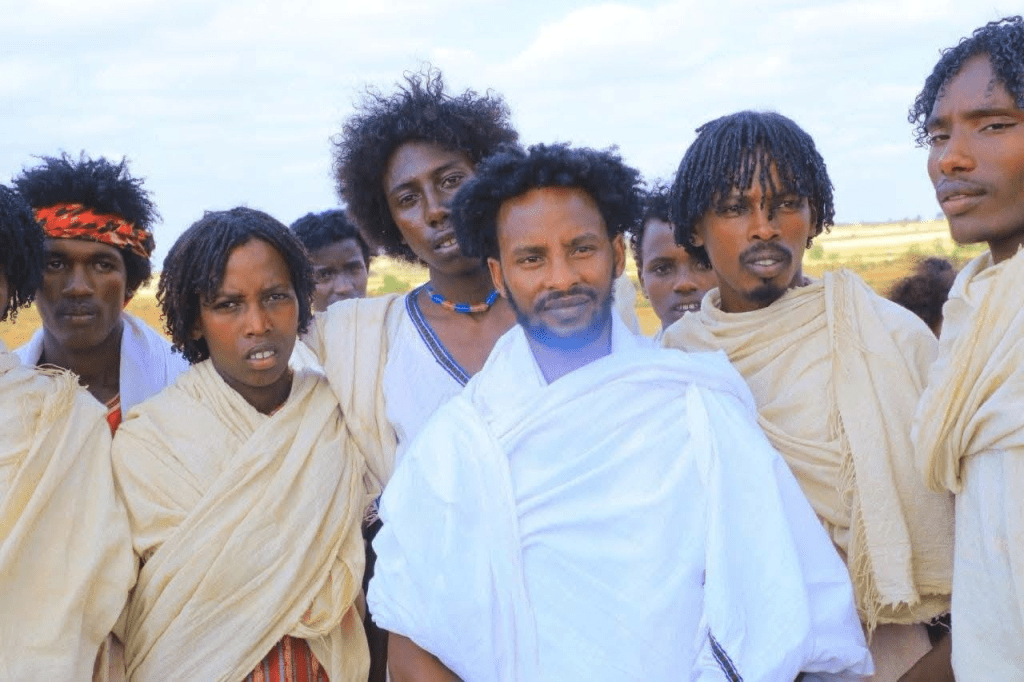
As the community gathers at Ardaa Gaayoo, they are not just honouring the past—they are preparing for the future. The younger generation is present, learning the traditions, absorbing the wisdom, and preparing to carry the culture forward.
The Nyaachisaa ceremony is a bridge between generations. It connects the ancestors who established the tradition to the children who will carry it forward. It ensures that the culture is not lost but preserved, not forgotten but renewed, not diminished but strengthened.
“Ilmaan Guyyoo Gobbaa Ardaa Gaayootti Jala Bultii Nyaachisaa Irra Jiru!”
A Blessing for All
As the dawn breaks over Ardaa Gaayoo and the ceremony continues with prayers and blessings, the community will go forward strengthened and renewed. They will carry the spirit of the Nyaachisaa with them—the spirit of gratitude, community, and cultural pride.
May the blessings of the ceremony extend to all who participate.
- May the elders continue to guide the community with wisdom.
- May the youth carry the culture forward with pride.
- May the community remain united in solidarity.
- May the traditions of the Gadaa system continue to flourish.
Conclusion
“Jiltii Nyaachisaa kun Ardaa Gaayootti haala gammachuu, wal kabajuu fi aadaa leellisuun guutamee kan jiru yoo ta’u, sirni nyaachisaa kun bor ganama eebbaa fi sirna aadaatiin itti fufa.”
The Nyaachisaa night at Ardaa Gaayoo is filled with joy, mutual respect, and the celebration of culture. The ceremony will continue tomorrow morning with blessings and traditional rituals.
The sons of Guyyoo Gobba, descendants of the 70th Abbaa Gadaa of Borana, have gathered to honour their heritage and celebrate their unity. Through the Nyaachisaa ceremony, they have reaffirmed the bonds that connect them to each other, to their ancestors, and to their Creator.
The tradition lives on. The community endures. And the Oromo people continue to celebrate their culture with pride.
“Ilmaan Guyyoo Gobbaa Ardaa Gaayootti Jala Bultii Nyaachisaa Irra Jiru!”
The sons of Guyyoo Gobba are at Ardaa Gaayoo, engaged in the Nyaachisaa overnight ceremony!
May the blessings of the ceremony be upon them all.

The Root of Seven Generations: Marriage, Bloodlines, and the Oromo Law of Continuity
By Dhabessa Wakjira
—
The fire crackled low in the center of the mana (homestead). Outside, the night wind carried the scent of wild sage and distant rain. Inside, a circle of elders sat in contemplative silence, their white turbans glowing faintly in the ember-light. Before them stood a young man—tall, strong, and visibly nervous. He had come to ask for a bride.
But before any blessing could be spoken, before any milk could be shared, the elders would ask the question that has governed Oromo marriage since time immemorial:
“Sanyiin kee eenyu? Hiddi kee eessa taa’e?” — “Who is your lineage? Where does your root lie?”
For in Oromo culture, marriage is not merely the joining of two hearts. It is the grafting of two ancestral trees. And if those trees are too closely related, the fruit will be weak. If they are too distant, the bond will lack the warmth of shared blood. The balance is found in a sacred number: seven.
—
The Mature Son and the Ripened Daughter
The ancient decree, passed from grandfather to grandson, begins with a command of readiness:
“Ilmi gahe haa fuudhu; intalli geesses haa heerumtu.”
“Let the son who has matured take a wife; let the daughter who has ripened be given in marriage.”
In the highlands of Oromia, these words are not mere suggestions. They are biological and social imperatives. Gahe—maturity—signifies a young man who has passed through the crucible of the Gadaa grades, who has proven his courage and earned the calluses of hard labour. Geesse—ripeness—speaks of a daughter who has completed her rites of passage, who understands the weight of motherhood and the dignity of homemaking.
This is not about arbitrary age. It is about readiness of body, mind, and spirit. The Oromo understand that strong families begin with strong individuals. A boy who marries before he can defend a homestead invites disaster. A girl who bears children before her hips have widened risks her life. The elders watch, and they wait. They do not rush the river, and they do not rush the harvest.
—
The Sacred Distance: Seven Generations
Then comes the law that sets Oromo marriage apart—a precept so deeply embedded in the culture that it rivals the Gadaa itself in its authority:
“Dhalooti walfuudhan, sanyii dhaloota torba booda haa ta’u.”
“Let the lineages intermarry only after [the separation of] seven generations.”
This is the exogamy rule—the absolute prohibition against marrying anyone within seven paternal generations of one’s own clan. The Oromo do not trace this to modern genetics; they arrived at it through centuries of observation. They saw that when cousins married, children were often sickly. When distant clans intermarried, children were robust. The earth taught them what science would later confirm: genetic diversity creates strength.
But this rule is not merely biological—it is deeply social. Seven generations represent a clean break. By the time seven fathers have passed, the ancestral spirits of the two families have “forgotten” their closeness. The bloodlines have cooled. The sanyii (seed) can be safely mixed without angering the ancestors or weakening the clan.
To violate this law is to commit akka hin taane—the unforgivable. It brings drought, stillbirth, and the displeasure of Waaqa (God). The Oromo elders are the gatekeepers of this sacred distance, reciting genealogies that stretch back two hundred years to ensure that the young couple stands on opposite branches of the family tree.
—
The Root That Must Not Be Severed
But the Oromo do not marry merely to create healthy children. They marry to continue the root itself:
“Gaa’elli karaa itti hiddi dhalootaa itti fufu.”
“Marriage is the path by which the root of the generations continues.”
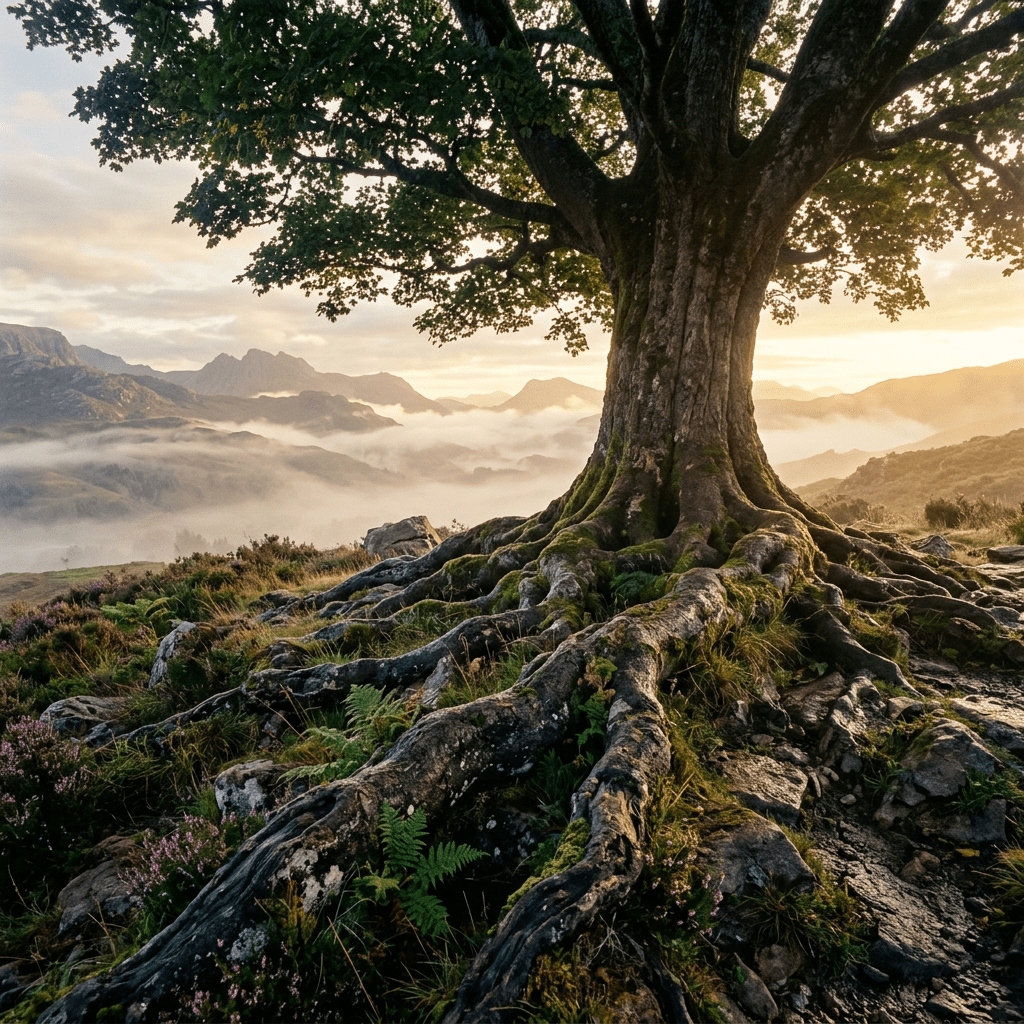
Imagine an ancient sycamore. Its branches reach for the sky, but its strength lies beneath the earth. Each child born is a new branch; each generation is a new layer of rings. If the tree stops producing new shoots, it dies. Similarly, the Oromo believe that a family line that ceases to reproduce ceases to exist—not just physically, but spiritually. The ancestors who came before, the hundreds who tilled the soil and fought the wars and sang the songs, rely on the living to keep their names alive.
Marriage, therefore, is not a romantic luxury. It is a sacred debt. The young man who takes a wife is not just seeking companionship—he is paying back the ancestors who gave him life. The young woman who bears children is not just fulfilling a social role—she is threading the needle of time, sewing the past to the future.
When an Oromo couple stands before the elders, they are not just looking at each other. They are looking backward at the seven generations who made them, and forward at the seven generations who will come from them.
—
The Final Seal: Blessings and Abundance
And so, when all the genealogies are recited, when the seven-generation gap is confirmed, when the bride-price is negotiated and the Qaallu (spiritual leader) has offered the libation of milk to Waaqa, the elders rise. They lift their right hands to the sky. They speak the final, triumphant words:
“Eebbaa fi marabbaan haa raawwatu.”
“Let it be completed with blessings and abundance.”
Eebbaa—blessing. The approval of God, the smile of the ancestors, the goodwill of the community.
Marabbaa—abundance. Not just wealth, but fertility of the womb, richness of the soil, fatness of the cattle, and joy in the household.
These are not empty wishes. In the days that follow the wedding, the community will bring gifts of butter, honey, and grain. The couple will eat together from a single gibira (wooden platter), symbolising their shared fate. The elders will return to their homesteads, satisfied that the lineage is safe for another generation.
—
A Living Law
Today, as globalisation and urbanisation reshape Oromo society, some young people question the old rules. “Seven generations is too long,” some say. “We are modern now. We follow our hearts, not a counting cord.”
But the elders smile. They have heard this before. And they know that a river may change its course, but it never forgets its source. The rule of seven generations is not a chain that binds—it is a shield that protects. It ensures that the Oromo people remain strong, healthy, and connected to their roots.
In the diaspora, too, the Oromo carry this law. They trace their lineages through apps and family elders, seeking out potential partners from clans far removed from their own. They understand that marrying within the bloodline invites not just genetic risk, but spiritual fragmentation. They know that their strength lies in diversity, their continuity lies in discipline, and their future lies in their past.
—
The Eternal Cycle
As the fire dies down and the young man departs with the elders’ blessing, he carries more than a wife’s name on his lips. He carries the weight of a thousand years. He carries the hope of his ancestors that he will not fail. He carries the DNA of seven generations—and the responsibility to ensure that the seventh generation after him will carry his.
Because in Oromo tradition, a person is never truly an individual. They are a living link in an endless chain. And marriage is the forge where that chain is reforged, stronger with every generation.
“Dhaloonni jajjaboo akka dhalataniif…” — “So that strong offspring may be born…”
The words echo across the valley, carried by the wind, whispered by the grass, repeated by the elders. They are a prayer. They are a law. They are the heartbeat of a people who understand that love is beautiful, but lineage is sacred; that romance is sweet, but the root is eternal.
And so, generation upon generation, the Oromo marry—not just for today, but for the seven tomorrows yet to come.

The Children Who Will Not Be Erased: What the Oromo Struggle Truly Means
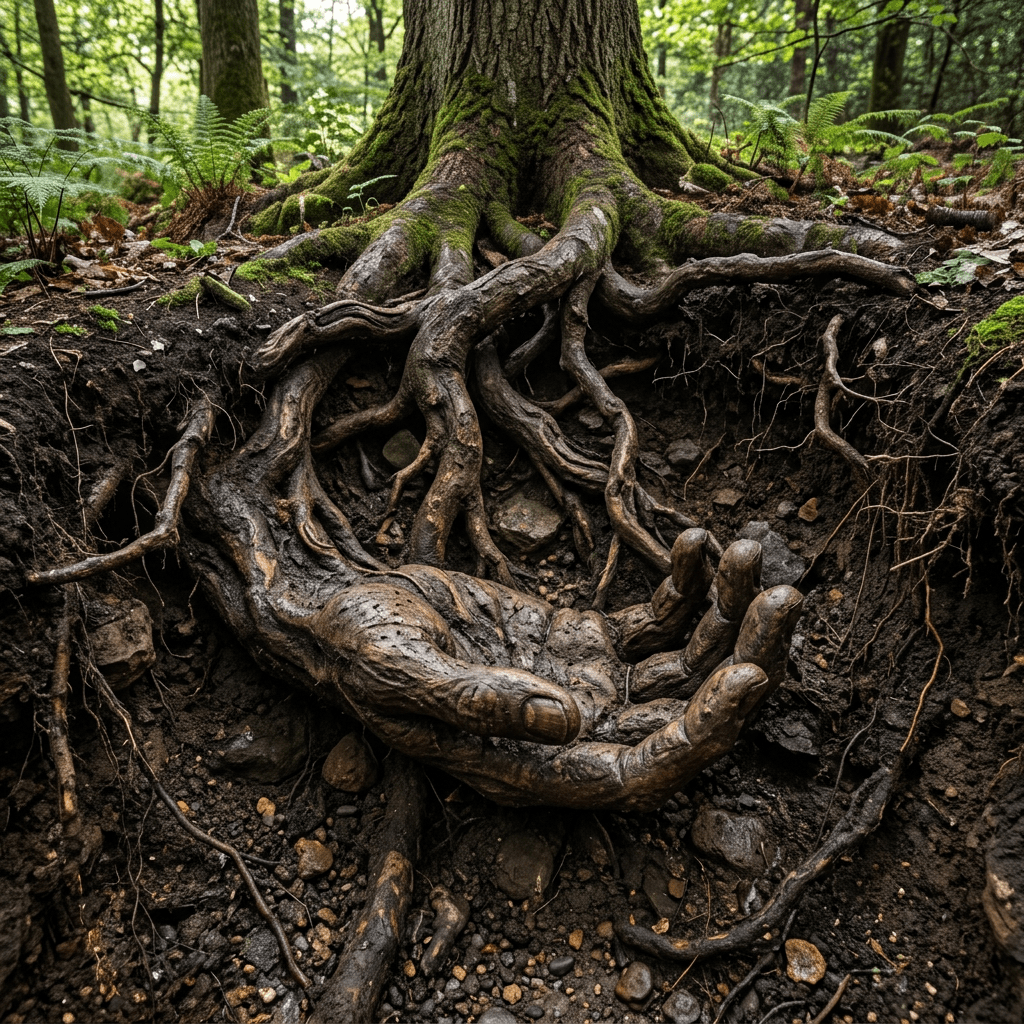
In the highlands of Oromia, under the vast sky that has witnessed centuries of both freedom and subjugation, a new generation is coming of age. They are the ijoollee Oromoo—the children of Oromia—growing into a world that has often tried to make them small. But they are not small. And their story is not one of distortion or diminishment. It is a story of survival, identity, and the quiet, unyielding refusal to be erased.
Growing Up Oromo
To be an Oromo child is to inherit a legacy of resilience. The Oromo are Ethiopia’s largest ethnic group, yet for generations, they have been treated as second-class citizens in their own land. They have been referred to by derogatory slurs, made to feel ashamed of their cultural identity, and systematically excluded from political and economic power. Their language, Afaan Oromoo, was long suppressed in favor of Amharic. Their history was written by conquerors. Their children were taught to look away from themselves.
But something is changing.
Across Oromia, a cultural renaissance is underway. Young Oromo are reclaiming their names, their language, and their heritage with a pride that their parents could scarcely have imagined. They are giving their children Oromo names instead of Amharic ones. They are celebrating Irreechaa, the ancient thanksgiving festival, not just as a religious ritual but as a powerful assertion of national identity. And they are demanding to be seen, heard, and counted.
The True Meaning of Struggle
There is a fundamental misunderstanding, both within Ethiopia and beyond, about what the Oromo struggle actually is. It is not, as some would frame it, a campaign of distortion—a movement to “balleessuu fi xiqqeessuu,” to corrupt and diminish names without foundation. It is not about rewriting history for the sake of grievance. It is not about taking from others what is rightfully theirs.
The struggle is something far more elemental.
The struggle is protection. It is the defense of Oromo children against forces that would deny them growth and life. It is the fight against systemic discrimination, human rights abuses, and political exclusion that have long been the daily reality of the Oromo people. It is the resistance against displacement from ancestral lands, against land grabs that push families off territories they have held for generations. It is the refusal to accept a status quo where Oromo children are targeted, brutalized, and killed simply because of who they are.
The struggle is creation. It is about creating conditions—haala mijjeessuu—in which Oromo children can grow, learn, and thrive on their own terms. It is about building a future where an Oromo child can speak their mother tongue without fear, carry their ancestral name with pride, and pursue their dreams without the ceiling of systematic oppression.
The struggle is the right path. It is about finding the karaa qajeelaa—the correct and just way forward—not through hatred of others, but through love of self. It is about the kind of self-determination that does not seek to dominate but to liberate. It is about the recognition that peace and stability in Ethiopia can only come when the rights of all its peoples, including the Oromo, are fully upheld.
The Gadaa Inheritance
The Oromo have always had a blueprint for this kind of just society. It is called the Gadaa system, a traditional democratic governance structure recognized by UNESCO as an intangible cultural heritage of humanity. Under Gadaa, male members of Oromo society pass through eleven age grades from birth to death, each with its own responsibilities and roles. It is a system that regulates political, economic, social, and religious life, dealing with conflict resolution, reparation, and the protection of women’s rights.
For Oromo children, the Gadaa system has always provided a framework for growth. It teaches them their “indigenous deeds” from elders, guiding them in leading secular and spiritual life. It is a system built on the understanding that children are assets to be well treated, protected, cared for, and brought up properly.
This is the inheritance that the Oromo struggle seeks to protect and restore. Not a struggle of destruction, but of preservation. Not a struggle of division, but of dignity.
The Children Who Refuse to Be Erased
Today, across Oromia and in the diaspora, Oromo children are growing up with a new sense of possibility. They are learning their history not from textbooks written by others, but from the oral traditions of their elders. They are speaking Afaan Oromoo in schools and in public spaces where it was once forbidden. They are changing their names, reclaiming their identities, and refusing to be ashamed.
They are the living proof that the Oromo struggle is not about diminishing anyone else. It is about elevating themselves. It is about ensuring that Oromo children—ijoollee Oromoo reeffu guddachaa jiran—can grow into their full humanity, unburdened by the weight of a history that tried to make them invisible.
The struggle is not about names on a page. It is about lives in the world. It is about the right to exist, to grow, to flourish. And it is a struggle that, in the end, is not just for the Oromo—it is for everyone who believes that every child, everywhere, deserves the chance to become who they were meant to be.

The Unfinished Struggle: Understanding the Qabsoo Bilisummaa Oromoo
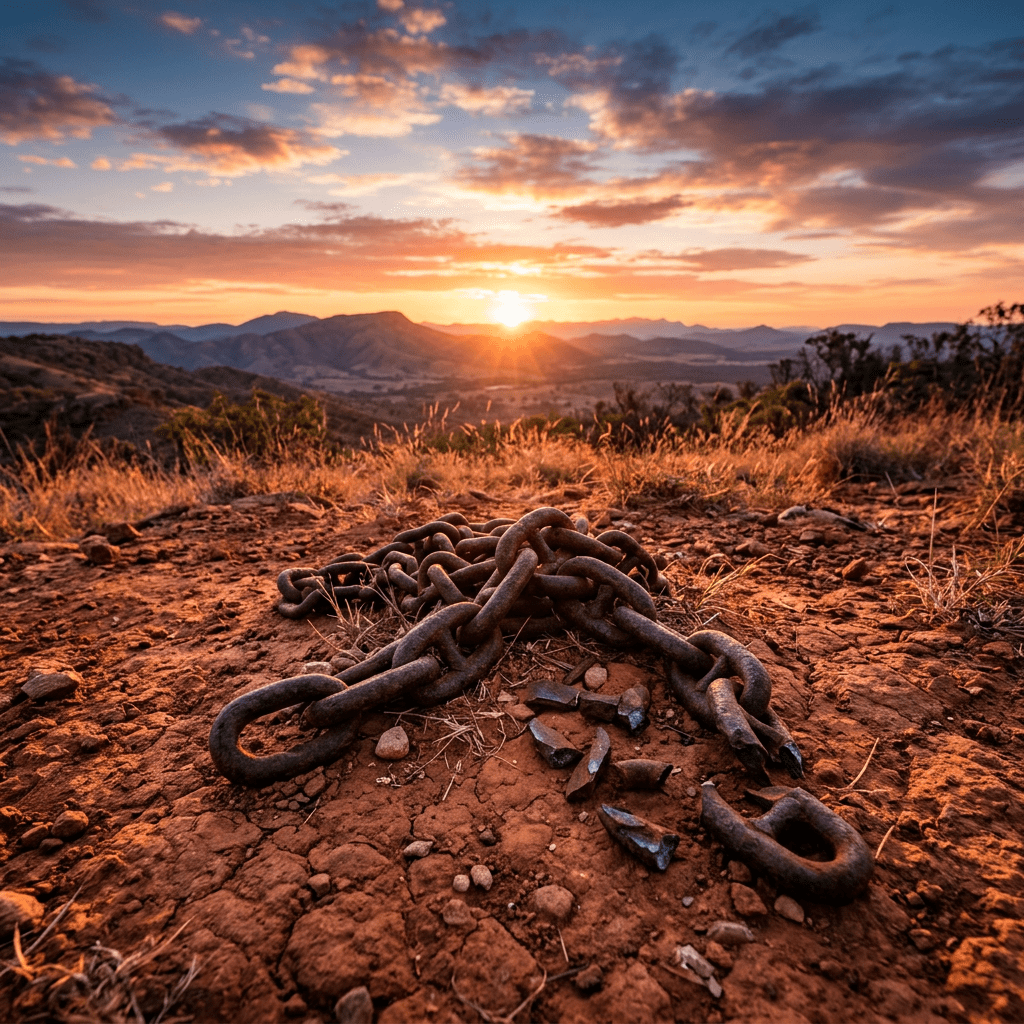
What is the Oromo liberation struggle, and how is it being waged?
—
I. Introduction: A Struggle Defined
The phrase Qabsoo Bilisummaa Oromoo translates from the Oromo language as the “Oromo Liberation Struggle.” At its core, it represents the decades-long political and armed movement by the Oromo people—Ethiopia’s largest ethnic group, comprising approximately a third of the nation’s nearly 130 million people—to achieve self-determination and freedom from what they characterize as internal colonization by successive Ethiopian regimes.
This is not a single organization or a monolithic movement. Rather, Qabsoo Bilisummaa Oromoo encompasses a complex ecosystem of political parties, armed groups, youth movements, diaspora activism, and cultural resistance, all united by a common aspiration: the liberation of the Oromo people and their ancestral homeland, Oromia.
“Qabsoo dhaabatu hin jalqabne, akeeka ijaarameef hamma galmaan ga’uttis hin dhaabatu.”
— Dawud Ibsa Ayana, Chairman of the Oromo Liberation Front (OLF), declaring in June 2025 that “the struggle we started will not stop until the goal we have set is achieved.”
—
II. Historical Roots: The Genesis of a Movement
The modern Oromo liberation struggle traces its origins to the early 1970s, a period of political awakening among Oromo nationalists who sought to challenge what they viewed as “Abyssinian colonial rule” over the Oromo people.
The Founding of the OLF
In 1973, a clandestine group of Oromo nationalists from diverse backgrounds, brought together by figures like Baro Tumsa, established the Oromo Liberation Front (OLF)—known in Oromo as Adda Bilisummaa Oromoo (ABO). The OLF was founded to promote self-determination and independence for the Oromo people inhabiting what is today the Oromia Region and the Oromia Zone in the Amhara Region of Ethiopia.
The OLF’s ideological premise was that the Oromo were subject to internal colonization by the Ethiopian state, and its ultimate goal was secession from Ethiopia and the establishment of a sovereign Oromo nation.
The Armed Wing Emerges
By 1974, the OLF had formed its military wing, the Oromo Liberation Army (OLA)—Waraana Bilisummaa Oromoo (WBO) in Oromo. The armed struggle began in Eastern Oromia, marking the start of a military campaign that would continue, with varying intensity, for decades.
—
III. The Actors: Who Fights for Freedom?
The Qabsoo Bilisummaa Oromoo is waged through multiple channels and by various actors, each with distinct methods and roles.
1. The Oromo Liberation Front (OLF) – Political Vanguard
The OLF remains the primary political organization representing the liberation struggle. After spending 27 years in exile, the OLF returned to Ethiopia in 2018 following a peace agreement with Prime Minister Abiy Ahmed’s government, committing to pursue its goals through peaceful political means.
However, the party has faced significant obstacles. In a November 2025 position statement, the OLF declared that “the current regime has deliberately closed the political arena and obstructed the lawful activities of the Oromo Liberation Front”. The party reported that its regional offices had been closed, its leaders arrested, and its members prevented from engaging with constituents.
Despite these challenges, the OLF continues to operate, maintaining offices in Addis Ababa, Washington D.C., and Berlin, from which it broadcasts radio programs in both Amharic and Oromo.
2. The Oromo Liberation Army (OLA) – Armed Resistance
The OLA is the armed opposition group active in the Oromia Region. It consists primarily of former armed members of the OLF who refused to disarm following the 2018 peace deal, skeptical of the government’s intentions, alongside former youth protesters who became disillusioned with nonviolent resistance.
Today, the OLA operates under the name OLF-OLA (or ABO-WBO in Oromo). While the Ethiopian government considers the OLF a legal political party, it has designated the OLA as a terrorist organization.
The armed conflict has exacted a devastating toll on civilians. Amnesty International reported in March 2026 that OLA fighters had subjected women and girls to sexual violence including rape, gang rape, sexual slavery, summary killings, and destruction of civilian property, acts that may amount to war crimes. Government forces have also been accused of systematic abuses, including extrajudicial killings and forced displacement.
3. Qeerroo – The Youth Movement
Perhaps the most dynamic force in recent years has been the Qeerroo—a youth movement that has emerged as a powerful voice for change. In traditional Oromo culture, the term means “bachelor” or “youth,” but within the political movement, it symbolizes the Oromo struggle for increased political freedom and greater ethnic representation.
The BBC has described Qeerroo as “Ethiopia’s National Youth Movement for Freedom and Democracy,” which calls itself Qeerroo Bilisummaa Oromoo. The movement first emerged in 1991 but gained prominence through the 2016 Oromo protests and again in July 2020 following the assassination of Oromo singer Hacaaluu Hundeessaa.
4. The Diaspora – Global Advocacy
The Oromo diaspora has become an increasingly visible force in the liberation struggle. In September 2020, Oromo women marched through the streets of Berlin, Germany, demanding recognition for their struggle. These protests, called Hiriira in the Oromo language, highlight the transnational nature of the movement and its ability to garner international attention.
As one diaspora organizer put it, the goal is to ensure that “deeggarsii fi tumsi qabsoo bilisummaa akka itti fufiinsa argatu”—that “support and sustenance for the freedom struggle continues to receive continuity.”
—
IV. How the Struggle is Waged: Methods and Tactics
The Qabsoo Bilisummaa Oromoo employs a multifaceted approach to achieve its objectives.
Armed Conflict
The OLA continues to engage in armed confrontations with Ethiopian government forces across Oromia. Clashes have been reported in various zones, including East Wollega, West Wollega, and Kellem Wollega. In August 2025, the OLA orchestrated a prison break in Gida Ayana, freeing over 150 inmates.
However, the armed struggle has not been without controversy. The OLA has been accused of attacking civilians, including a June 2025 attack that killed three civilians in the Arsi zone. Government forces have also been implicated in civilian deaths, with one mother telling Addis Standard that government soldiers fatally shot her toddler in July 2025.
Political Advocacy
The OLF pursues its goals through political channels, participating in elections and issuing statements condemning government actions. In the 2026 elections, the OLF fielded 163 candidates for federal parliament and regional councils. The party has also called for an independent international investigation into killings committed against the Oromo people.
Youth Mobilization and Protests
The Qeerroo movement has mobilized thousands of young Oromos through protests and demonstrations. These protests have sometimes turned violent, with clashes between protesters and security forces. The youth have also used social media and digital platforms as alternative communication channels and sites of political resistance.
Cultural Resistance
The struggle is also waged through cultural expression. Oromo protest songs have served as “weapons of resistance against domination” since the 1960s. The annual Irreecha thanksgiving festival has become a platform for political expression, with attendees using the occasion to hold anti-government protests.
Territorial Claims
The OLF has consistently defended the territorial integrity of Oromia. In July 2025, the party condemned the Somali regional government’s actions as “a blatant attempt to claim Oromo land,” calling it “a declaration of war”. In its November 2025 position statement, the OLF declared that “the territorial integrity of Oromia is non-negotiable”.
—
V. The Human Cost: A People in Crisis
The ongoing conflict has exacted a devastating toll on civilians.
Mass Displacement
Since July 2025, renewed inter-communal violence between Oromo and Somali communities along the regional border has displaced over 288,000 people. The violence has resulted in widespread fatalities and damage to infrastructure.
Humanitarian Crisis
The Ethiopian Human Rights Commission has stated that the “right to life is in a critical condition” in the affected regions. Persistent violence has led to the breakdown of public services and the mass displacement of communities.
Political Repression
The OLF has accused the government of a “systematic campaign of torture,” employing tactics such as extrajudicial killings, forced displacement, and persecution. The party’s offices have been closed, and its leaders have been arrested.
—
VI. The Future: An Unfinished Struggle
The Qabsoo Bilisummaa Oromoo shows no signs of abating. As Dawud Ibsa Ayana, the OLF chairman, declared in 2025: “The struggle we started will not stop until the goal we have set is achieved.”
Challenges Ahead
The movement faces significant challenges:
· Internal divisions: The split between the OLF (political wing) and the OLA (armed wing) has created organizational fragmentation.
· Government opposition: The Ethiopian government continues to view the armed struggle as a terrorist threat and has cracked down on political opposition.
· Humanitarian toll: The continued conflict has displaced hundreds of thousands and caused immense suffering.
· International scrutiny: Allegations of war crimes by both sides have drawn international attention.
A Persistent Hope
Despite these challenges, the movement persists. As one Oromo activist put it: “Addi Bilisummaa Oromoo… Qabsoo Itti Fufa. Bilisummaan Ni Dhufa.” — “The Oromo Liberation Front… The struggle continues. Freedom is coming.”
—
VII. Conclusion: More Than a Struggle
The Qabsoo Bilisummaa Oromoo is more than a political or armed conflict. It is a movement rooted in a people’s desire for self-determination, dignity, and recognition. It encompasses the teenager protesting in the streets of Addis Ababa, the fighter in the mountains of Oromia, the exile in Berlin organizing a march, and the grandmother in a village dreaming of peace.
For nearly five decades, the Oromo people have pursued their liberation through political advocacy, armed resistance, youth mobilization, and cultural expression. The struggle has claimed countless lives, displaced hundreds of thousands, and left deep scars on Ethiopian society.
Yet, as the Oromo saying goes, “Bilisummaan Ni Dhufa”—Freedom is coming. Whether that freedom arrives through peaceful negotiation, political reform, or continued resistance remains the central question of Ethiopia’s most enduring conflict.
—
“The Voice of Oromo Freedom: Strengthening the struggle, awakening the people, proclaiming the goal.”




 Advocacy for Oromia