The Children Who Will Not Be Erased: What the Oromo Struggle Truly Means
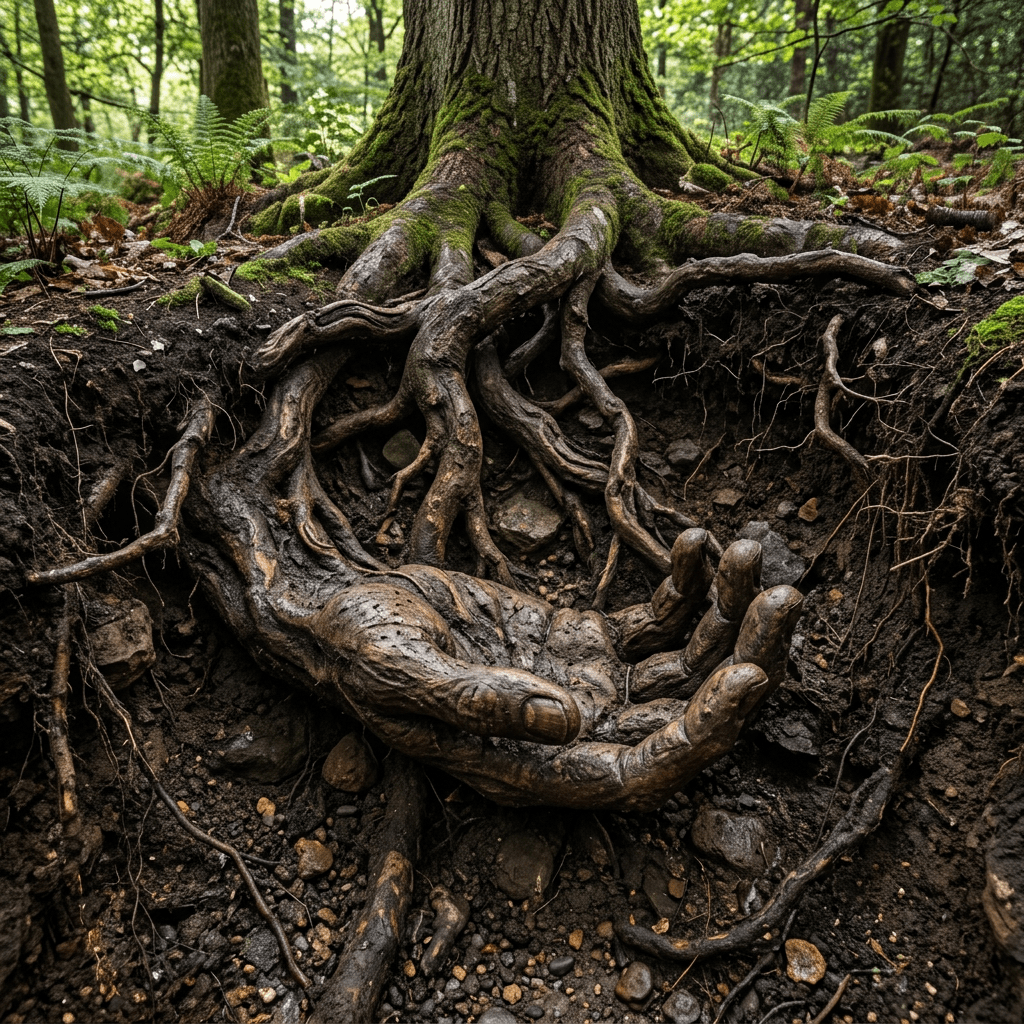
In the highlands of Oromia, under the vast sky that has witnessed centuries of both freedom and subjugation, a new generation is coming of age. They are the ijoollee Oromoo—the children of Oromia—growing into a world that has often tried to make them small. But they are not small. And their story is not one of distortion or diminishment. It is a story of survival, identity, and the quiet, unyielding refusal to be erased.
Growing Up Oromo
To be an Oromo child is to inherit a legacy of resilience. The Oromo are Ethiopia’s largest ethnic group, yet for generations, they have been treated as second-class citizens in their own land. They have been referred to by derogatory slurs, made to feel ashamed of their cultural identity, and systematically excluded from political and economic power. Their language, Afaan Oromoo, was long suppressed in favor of Amharic. Their history was written by conquerors. Their children were taught to look away from themselves.
But something is changing.
Across Oromia, a cultural renaissance is underway. Young Oromo are reclaiming their names, their language, and their heritage with a pride that their parents could scarcely have imagined. They are giving their children Oromo names instead of Amharic ones. They are celebrating Irreechaa, the ancient thanksgiving festival, not just as a religious ritual but as a powerful assertion of national identity. And they are demanding to be seen, heard, and counted.
The True Meaning of Struggle
There is a fundamental misunderstanding, both within Ethiopia and beyond, about what the Oromo struggle actually is. It is not, as some would frame it, a campaign of distortion—a movement to “balleessuu fi xiqqeessuu,” to corrupt and diminish names without foundation. It is not about rewriting history for the sake of grievance. It is not about taking from others what is rightfully theirs.
The struggle is something far more elemental.
The struggle is protection. It is the defense of Oromo children against forces that would deny them growth and life. It is the fight against systemic discrimination, human rights abuses, and political exclusion that have long been the daily reality of the Oromo people. It is the resistance against displacement from ancestral lands, against land grabs that push families off territories they have held for generations. It is the refusal to accept a status quo where Oromo children are targeted, brutalized, and killed simply because of who they are.
The struggle is creation. It is about creating conditions—haala mijjeessuu—in which Oromo children can grow, learn, and thrive on their own terms. It is about building a future where an Oromo child can speak their mother tongue without fear, carry their ancestral name with pride, and pursue their dreams without the ceiling of systematic oppression.
The struggle is the right path. It is about finding the karaa qajeelaa—the correct and just way forward—not through hatred of others, but through love of self. It is about the kind of self-determination that does not seek to dominate but to liberate. It is about the recognition that peace and stability in Ethiopia can only come when the rights of all its peoples, including the Oromo, are fully upheld.
The Gadaa Inheritance
The Oromo have always had a blueprint for this kind of just society. It is called the Gadaa system, a traditional democratic governance structure recognized by UNESCO as an intangible cultural heritage of humanity. Under Gadaa, male members of Oromo society pass through eleven age grades from birth to death, each with its own responsibilities and roles. It is a system that regulates political, economic, social, and religious life, dealing with conflict resolution, reparation, and the protection of women’s rights.
For Oromo children, the Gadaa system has always provided a framework for growth. It teaches them their “indigenous deeds” from elders, guiding them in leading secular and spiritual life. It is a system built on the understanding that children are assets to be well treated, protected, cared for, and brought up properly.
This is the inheritance that the Oromo struggle seeks to protect and restore. Not a struggle of destruction, but of preservation. Not a struggle of division, but of dignity.
The Children Who Refuse to Be Erased
Today, across Oromia and in the diaspora, Oromo children are growing up with a new sense of possibility. They are learning their history not from textbooks written by others, but from the oral traditions of their elders. They are speaking Afaan Oromoo in schools and in public spaces where it was once forbidden. They are changing their names, reclaiming their identities, and refusing to be ashamed.
They are the living proof that the Oromo struggle is not about diminishing anyone else. It is about elevating themselves. It is about ensuring that Oromo children—ijoollee Oromoo reeffu guddachaa jiran—can grow into their full humanity, unburdened by the weight of a history that tried to make them invisible.
The struggle is not about names on a page. It is about lives in the world. It is about the right to exist, to grow, to flourish. And it is a struggle that, in the end, is not just for the Oromo—it is for everyone who believes that every child, everywhere, deserves the chance to become who they were meant to be.

Posted on July 17, 2026, in Aadaa, Afaan, Bokkkuu, Diaspora, Events, freedom, gadaa, Gumaa, health, Information, Kindness, Language, Media, mental health, News, Oromia, Oromo diaspora, Oromo truth telling, Press Release, Promotion, Siinqee, Sirna Oromo. Bookmark the permalink. Leave a comment.






Leave a comment
Comments 0