Oromo Cultural Renaissance: Reviving Ancient Traditions and Strengthening Identity
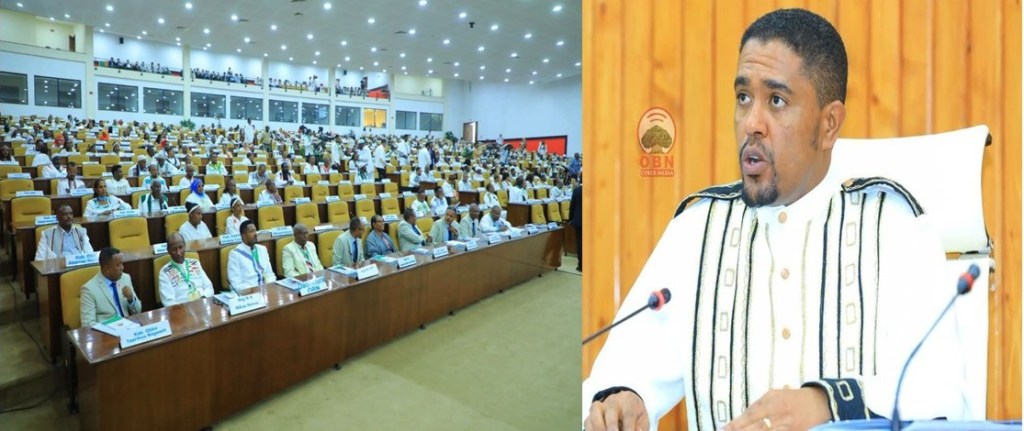
President Shimelis Abdisa outlines the progress and vision of Oromia’s cultural revival, emphasizing the restoration of traditional institutions and the celebration of indigenous heritage.
ADAMA, OROMIYA — In a powerful address to the 11th Regular Session of the 5th Year of the 6th Term of the Oromia Council, President Shimelis Abdisa declared that the Oromia Regional Government is actively pursuing cultural revival initiatives aimed at restoring the traditional morning customs and foundational practices of the Oromo people.
The President’s statement, “Haaromsi Aadaa Oromoo duudhaa ganamaa deebisaa jira” (The Oromo cultural revival is restoring the morning traditions), marks a significant milestone in the ongoing efforts to reclaim and celebrate the indigenous heritage of the Oromo nation.
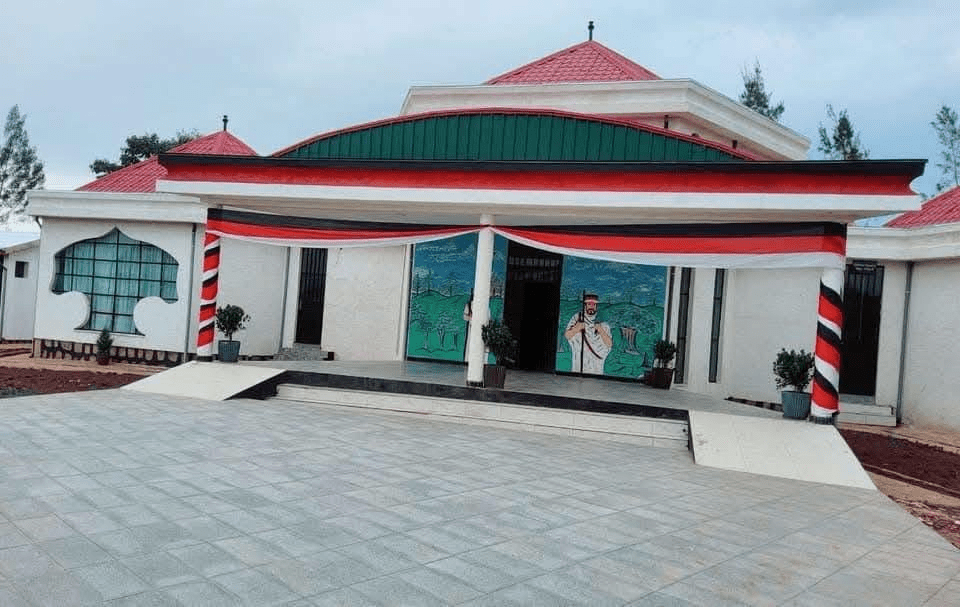
The Revival of Traditional Practices
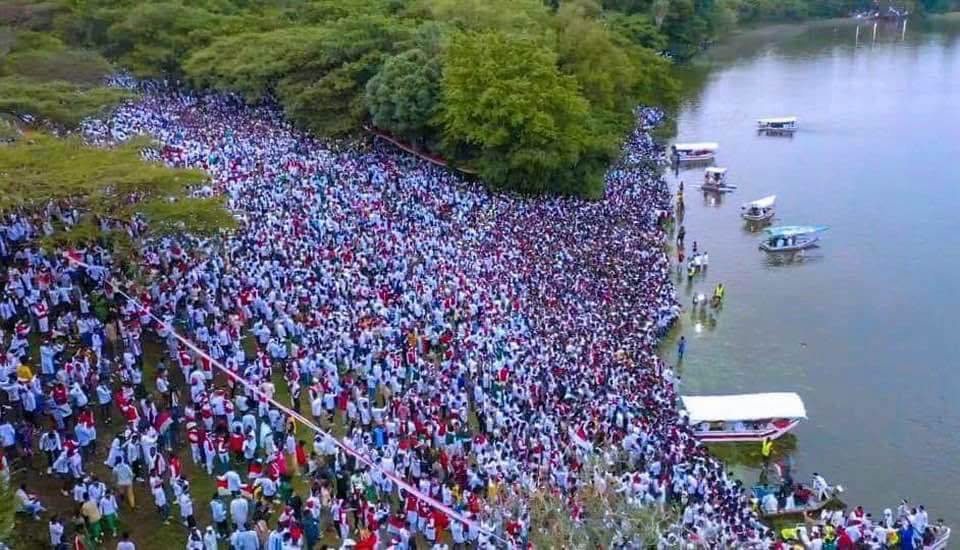
Reviving Festivals and Ceremonies: According to President Shimelis, the cultural revival initiatives have led to the resurgence of various traditional festivals and ceremonies that had been marginalized for extended periods due to historical suppression and neglect. These include the celebration of Irreechaa, the Oromo thanksgiving festival, which has grown in prominence not only within Oromia but also across the nation and in diaspora communities worldwide.
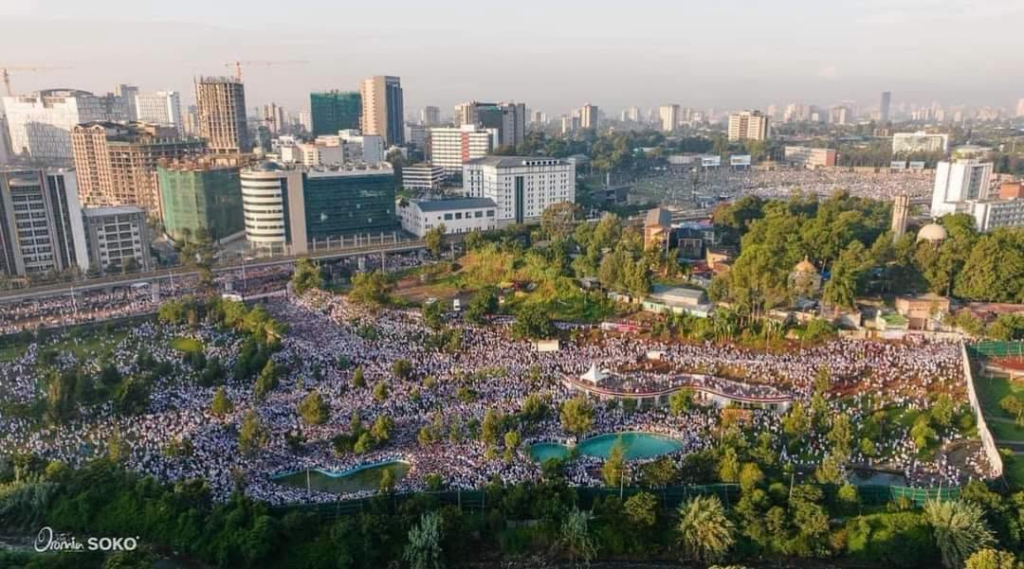
The revival of Irreechaa is viewed as more than a cultural celebration—it is a symbol of Oromo identity and resilience. The festival, which has attracted participants from across the region and beyond, is seen as evidence of the success of these cultural restoration efforts .
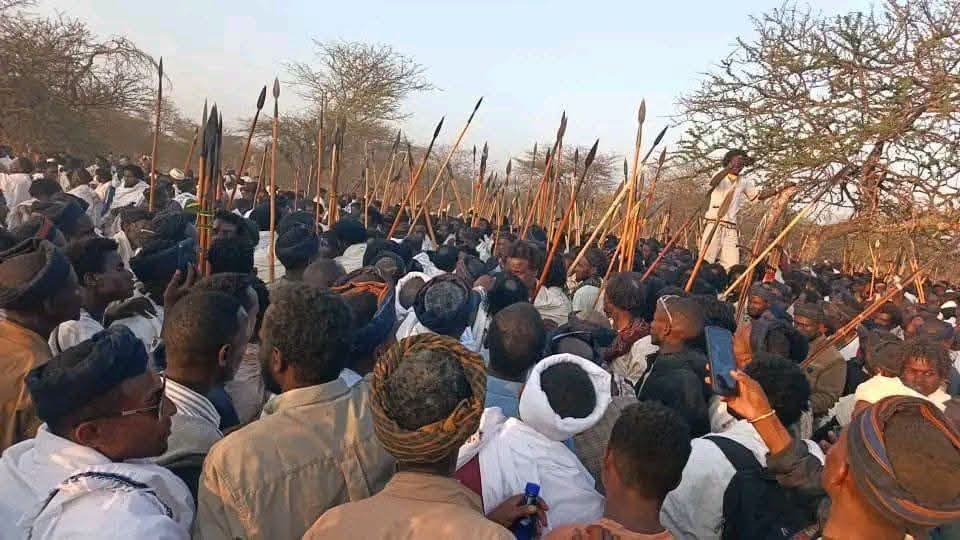
Restoration of the Gadaa System: The President also highlighted the peaceful power transfer ceremonies of the Gadaa system among the Karrayyu and Tulama Oromo communities. These ceremonies, conducted according to traditional protocol, demonstrate the enduring democratic principles of the Oromo Gadaa system. The Gadaa system, recognized by UNESCO as an Intangible Cultural Heritage of Humanity, continues to be a living example of indigenous governance and democratic participation.
Institutionalising Cultural Governance
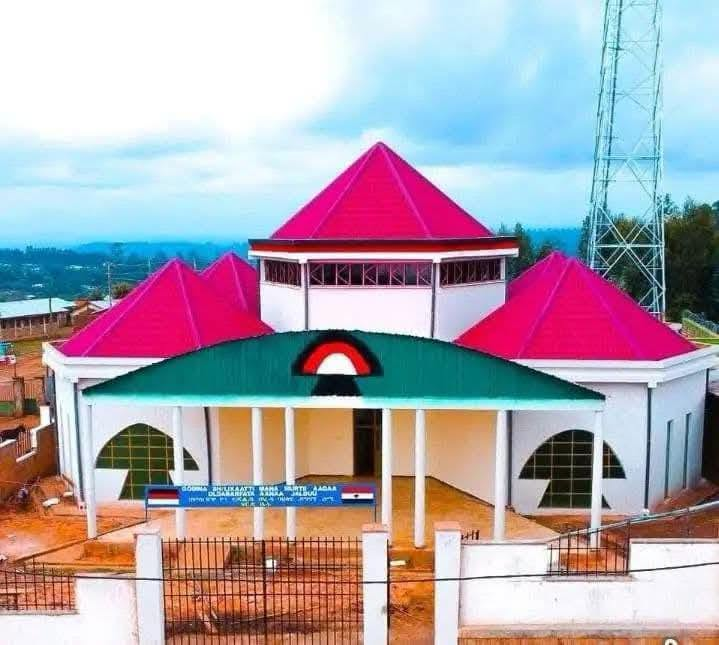
Establishment of Traditional Courts: One of the most significant achievements of the cultural revival program has been the establishment of Traditional Courts. According to the President’s report, to date, 7,058 primary Traditional Courts and 373 appellate Traditional Courts have been established across the region. These courts play a vital role in enabling communities to seek justice according to their cultural norms and traditional customs.
Conflict Resolution: The establishment of these traditional institutions has had a tangible impact on community harmony. The President highlighted that in 2018 alone, over 393 community conflict cases were resolved through these traditional structures. Of these, more than 370 cases were successfully resolved, demonstrating the effectiveness of culturally grounded approaches to peacebuilding and reconciliation .
A Foundation for the Future
Integrating Culture with Modern Development: President Shimelis emphasized that the cultural revival of Oromo traditions is not merely about preserving the past—it is about creating a foundation that enables the Oromo people to move forward in step with education, technology, and economic development. By strengthening cultural identity and traditional governance structures, the community is better positioned to navigate the challenges of modernisation while maintaining its unique heritage.
Calls for Continued Progress: Community responses to the President’s address have expressed support for the revival efforts while calling for ongoing progress. Some have raised issues in specific regions that require continued attention, demonstrating the ongoing dialogue between leadership and citizens regarding the implementation of these cultural initiatives.
A Broader Cultural Movement
The Oromo cultural revival is part of a broader movement across Africa to reclaim and celebrate indigenous cultures, languages, and governance systems. By reviving traditional institutions and practices, the Oromo people are reasserting their identity and contributing to the diverse cultural tapestry of the continent.
Conclusion
President Shimelis Abdisa’s address to the Oromia Council reaffirms the regional government’s commitment to cultural revival as a cornerstone of Oromo identity and development. The restoration of traditional festivals, the peaceful conduct of Gadaa power transfers, and the establishment of Traditional Courts reflect a concerted effort to strengthen the cultural foundations of the Oromo people.
“Haaromsi Aadaa Oromoo eenyummaafi duudhaa Oromoo cimsuun, aadaa, barnoota, teeknooloojii fi diinagdee waliin tarkaanfachuuf bu’uura ta’aa jira” —The President noted that the cultural revival, by strengthening Oromo identity and traditions, serves as a foundation for advancing alongside education, technology, and economic development .
As the Oromo people continue this journey of cultural renewal, the revival of their traditions stands as a testament to the resilience and enduring spirit of one of Africa’s largest ethnic groups.
Cultural revival is not just about looking back—it’s about building a stronger foundation for the future.

Posted on July 20, 2026, in Aadaa, Afaan, Biography, Bokkkuu, Daaniyaa, Diaspora, Election, Events, Face of Injustice, Finfinne, freedom, gadaa, Gumaa, health, Information, Kindness, Language, Media, News, Oromia, Oromo diaspora, Oromo truth telling, Press Release, Promotion, SBO, Siinqee, Sirna Oromo, Waaqeffannaa. Bookmark the permalink. Leave a comment.






Leave a comment
Comments 0