Daily Archives: August 6, 2026

The Unbroken Backbone: The Role of Oromo Women in the Struggle for Liberation

For decades, the story of the Oromo liberation struggle has been told as a chronicle of resistance against a sprawling empire. But within that narrative, there is a deeper, more powerful current—one that has flowed quietly yet inexorably beneath the surface. This is the story of Oromo women, who have not merely supported the movement, but have stood as its very backbone: its fighters, its strategists, its memory keepers, and its soul.
A Struggle on Three Fronts
The Oromo people have been engaged in a struggle for liberation since their colonization by the Abyssinian Empire, which evolved into modern-day Ethiopia. However, Oromo women face a unique and intersecting burden. They are not only fighting against what scholar Madeline Bass describes as the “settler colonial state rulers of Ethiopia” and “global anti-Blackness,” but they must also contend with “cisheteropatriarchy”—a struggle against patriarchal oppression that is uniquely Oromo in its application.
This triple oppression means that Oromo women have always had to fight for the liberation of their nation while simultaneously battling for their own dignity and rights within their own communities. As one source notes, “the Abyssinian system oppresses Oromo people, and women in particular.” The state of oppression is deep in general, but Oromo women face even greater difficulty.
Pillars of the Movement: From the Battlefield to the Ballot
Within the Oromo Liberation Front (OLF/ABO), Oromo women have served as “utubaa cimaa”—strong pillars—whose contributions have shaped every facet of the liberation movement. Their involvement has been both visible and behind-the-scenes.
· On the Battlefield: Many Oromo women have joined the Oromo Liberation Army (OLA), the armed wing of the OLF, taking up arms to defend their people and land. Women like Aradoolaa Abdalla, who joined the OLA in 1985 and participated in ten major battles in western Oromia, rose through the ranks to become a platoon commander because of her bravery. Women have participated in every sector—military, medical, and communication—as combatants and supporters.
· In Political Organizing: Beyond the battlefield, Oromo women have been active in political movements for decades, serving as leaders, organizers, and advocates within the OLF and other nationalist groups. They have organized protests and worked tirelessly to inform other women of their rights.
The Unbreakable Spirit of Siinqee
One cannot speak of Oromo women’s resistance without understanding Siinqee. It is not merely a wooden stick; it is a profound cultural and spiritual institution. A Siinqee is a ritual stick given to an Oromo woman by her mother on her wedding day. Once a woman holds this stick, she commands respect from everyone in the community.
More than a symbol, Siinqee is a lived practice of mutual protection, a “covenant of resistance against all forms of oppression.” Women use the power of Siinqee to exercise their rights, control their own economy, and participate in solidarity activities. This tradition, which predates Western feminist thought, represents an Oromo philosophy of womanhood and solidarity that has been passed down through generations.
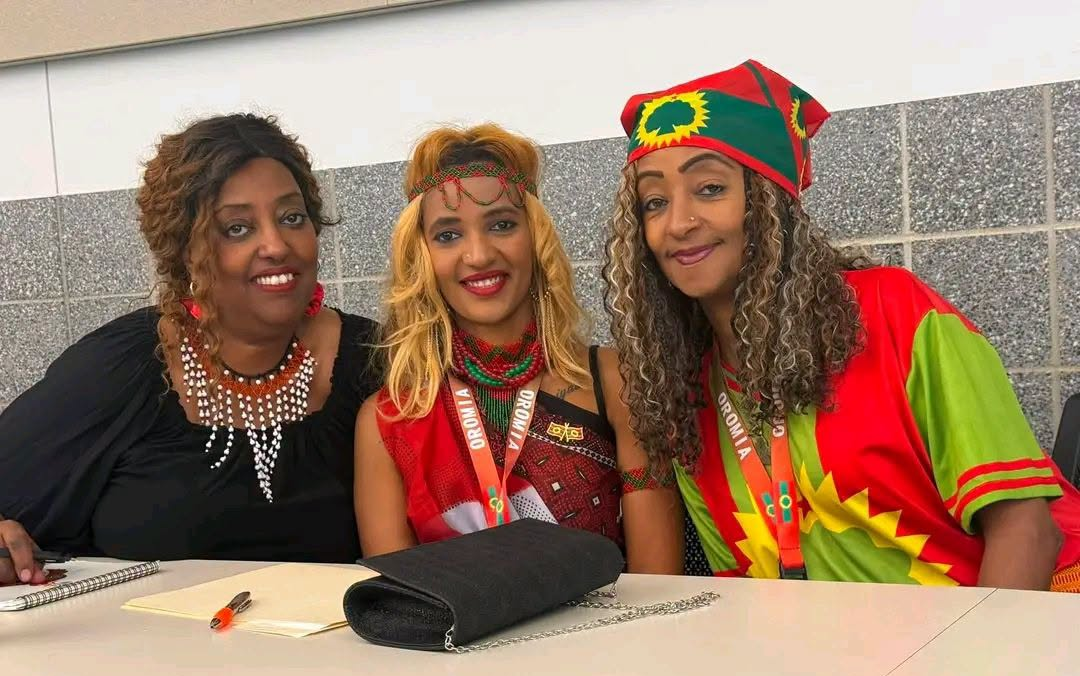
Martyrs and Heroes: The Price of Freedom
The contribution of Oromo women has come at a devastating cost. The liberation struggle has demanded sacrifices that extend far beyond the battlefield, imposing a heavy burden on the families left behind.
One of the most iconic figures in this struggle is Martha Kuwee Kumsa, an Oromo journalist and scholar whose story embodies the spirit of resistance. In 1980, during the Ethiopian Red Terror, she was arrested and detained without charges for nine years after writing an article that called for Oromo women to defy power structures and reclaim their cultural heritage. She was tortured and held until 1989, after which she escaped to Kenya and later Canada. Her activism is deeply rooted in Siinqee feminism—an Oromo philosophy that predates Western feminist thought and is a lived practice of mutual protection and solidarity. Today, she is a professor in Canada and continues to write and advocate on feminist and political issues.
Countless other women have paid the ultimate price—some were killed in battle, others were publicly executed. The story of Agarii Tulluu, who was hanged alongside her two brothers in a market, is just one of many tragic tales. The mothers, wives, and sisters of fallen fighters carry a grief that “does not fade from their minds,” enduring a wound that cannot be measured.
The Hiriira: A Modern Cry for Recognition
The struggle of Oromo women is not confined to the hills of Oromia; it has gone global. In September 2020, Oromo women marched through the streets of Berlin, Germany, in a protest march called a Hiriira—an Oromo word for a parade, demonstration, or queue. They were demanding recognition for their struggle.
This march was more than a protest; it was a powerful act of spatial and historical reckoning. It served as a case study into the entanglements between settler colonial Ethiopia, Germany’s post-empire, and the forces of oppression that link them. By marching through Berlin, Oromo women were mapping their liberation across borders, using a “Black and Blackened way of knowing space with a particularly Oromo perspective” known as geography guraacha. The women wore Oromo cultural garb, distinct to different regions of Oromia, turning the streets of a European capital into a living map of their homeland and their resistance.
Architects of a New Nation
The role of Oromo women extends beyond the struggle for liberation into the vision for what comes after. There is a growing consensus within the movement that the liberation of Oromia cannot be separated from the liberation of Oromo women. Any future Oromo state must be built with women’s full and equal participation from the ground up.
As one advocate powerfully stated, the aim is to ensure that Oromo women are “not just participants but architects of the next chapter.” From the battlefield to the political arena, from the cultural institution of Siinqee to the global stage of the Hiriira, Oromo women have proven that they are not waiting for liberation to be given to them—they are building it with their own hands, one courageous step at a time.
—
This feature article draws on academic research, historical accounts, and journalistic reports to highlight the indispensable role of Oromo women in their people’s long struggle for freedom and dignity.

Jaallan Utubaa Qabsoo: The Pillars of Oromo Liberation and Their Global Reach
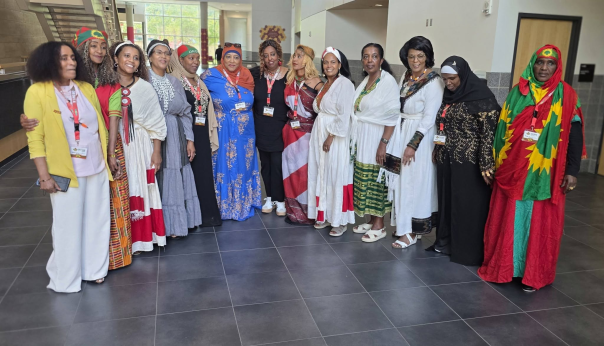
Honouring the Builders and Champions of the Oromo Struggle, and the Global Structure of the ABO
By Dhabessa Wakjira
In every liberation movement, there are those who carry the torch not for personal glory, but for the collective destiny of their people. They are the architects of consciousness, the builders of institutions, and the guardians of memory. They are Jaallan Utubaa Qabsoo—the beloved pillars of the struggle—and Jaallan Qabsoo—the beloved champions who have emerged from every corner of Oromia and the diaspora to advance the cause of Oromo liberation.
This is a tribute to them. And this is an exploration of the structure that unites them: the Adda Bilisummaa Oromoo (ABO) —the Oromo Liberation Front—and its global reach across nations.
The Pillars: Who Are the Utubaa Qabsoo?
The term Utubaa Qabsoo—pillars of the struggle—is not a title given lightly. It is earned through sacrifice, through decades of commitment, and through an unwavering dedication to the Oromo people’s right to self-determination . These are the individuals who, in the darkest hours, refused to let the flame of liberation die.
One such pillar was Cawwaaqaa Yaaddessaa, a renowned Oromo singer and artist whose music became the soundtrack of the resistance. Through his songs, he chronicled the pain and the hope of the Oromo people, composing works that stirred the hearts of a generation . His compositions—such as “Eemmoo yaa guraale hoo dangashe”—became anthems of defiance, performed even when political gatherings were banned . He served as a pillar of the struggle through his art, demonstrating that cultural expression is a weapon of resistance as powerful as any gun .
Another pillar is Ustaaz Raayyaa Abbaa Maccaa, who transitioned from the armed struggle within the ABO to become a teacher of Islamic faith and a composer of spiritual songs (manzuumaa) that reinforced Oromo identity and resilience . He was part of the ABO in its early years, receiving military training at the 24th training camp in Harawaacaa, and fought in numerous battles . Even after being captured and imprisoned for a long time, he never abandoned the struggle; he continued to strengthen the Oromo people through his teachings and songs . His story is a testament to the fact that the pillars of the struggle exist not only on the battlefield but also in the realms of faith, culture, and education .
Baaroo Tumsaa stands as another foundational pillar. He is remembered as a key figure in building the Oromo movement in the 1970s, working to organize youth and establish the infrastructure that would eventually lead to the formal founding of the ABO . He played a crucial role in the Macha-Tulama Self-Help Association and was instrumental in consolidating Oromo nationalism into a political force . His legacy is one of organization and vision, reminding us that liberation is built not just on passion but on structure.
The Champions: Jaallan Qabsoo and the Spirit of Resistance
Beyond the foundational pillars, there are the Jaallan Qabsoo—the beloved champions of the struggle. These are the fighters, the activists, the community organizers, and the everyday people who have taken up the mantle of resistance in their own ways .
The Qeerroo youth movement is perhaps the most powerful contemporary embodiment of this spirit. In traditional Oromo culture, the term means “bachelor” or “youth,” but within the political movement, it symbolizes the Oromo struggle for increased political freedom and greater ethnic representation . The Qeerroo have emerged as a dynamic and fearless force, challenging the state and demanding justice .
The champions are also found in the Oromo Liberation Army (OLA) —known in Oromo as Waraana Bilisummaa Oromoo (WBO) —the armed wing of the struggle . The OLA was formed in 1974 and has continued its armed resistance against successive Ethiopian regimes . Under the leadership of figures like Jaal Marroo (Kumsa Diriba), the OLA remains active in the Oromia Region, representing those who refused to disarm following the 2018 peace deal, skeptical of the government’s intentions .
The champions are also found in the diaspora—in Washington, D.C., Berlin, and other cities around the world, where the ABO maintains offices and radio stations that broadcast in Oromo and Amharic, keeping the spirit of resistance alive far from the homeland .
The ABO: Structure and Global Reach
The Adda Bilisummaa Oromoo (ABO) —or the Oromo Liberation Front (OLF)—is the political organization that unites these pillars and champions. It was founded in 1973 with the goal of promoting self-determination and independence for the Oromo people . Its structure has evolved over the decades, but its core mission remains unchanged: the total liberation of Oromia from what it characterizes as Ethiopian colonialism .
The ABO’s structure extends far beyond the borders of Oromia and Ethiopia. It has a significant diaspora presence, with offices in Washington, D.C., and Berlin . These offices serve as hubs for organizing, advocacy, and communication . They also operate radio stations that broadcast in both Amharic and Oromo, ensuring that the organization’s message reaches Oromo communities worldwide .
This global reach is critical. The ABO’s international structure allows it to advocate for the Oromo cause on the world stage, to build solidarity with other movements, and to sustain the struggle even when political space is closed inside Ethiopia . In a November 2025 position statement, the OLF declared that “the current regime has deliberately closed the political arena and obstructed the lawful activities of the Oromo Liberation Front” . In the face of such obstacles, the diaspora structure becomes even more vital as a space for organizing and resistance.
The Legacy of the Western Front: A Day of Sacrifice
The pillars and champions of the ABO are not abstract figures. They are real people who have paid the ultimate price for their commitment. The Western Front of the armed struggle serves as a powerful reminder of this sacrifice.
On April 15, 1980, the ABO appointed a new chairman in Shinnigga, marking a strategic decision to expand the armed struggle into the Western Front . The organization sent 17 commanders to ignite the resistance in the West. Their names—Daawud Ibsaa, Abbaa Caalaa Lataa, Jaal Tottoobaa Waaqwayyaa, and others—are etched in Oromo memory .
Tragically, these commanders were betrayed and poisoned by collaborators of the Derg regime in December 1981. Their deaths were a devastating blow to the movement . But their memory did not die. In 1985, the ABO leadership formally designated April 15 as Oromo Martyrs’ Day—a day to commemorate all those who have fallen in the struggle for Oromo liberation .
Today, April 15 is observed in the forests of Oromia and in diaspora communities around the world. It is a day of remembrance, of reflection, and of renewed commitment to the cause for which these pillars and champions gave their lives .
Unity, Truth, and the Path Forward
The struggle of the ABO has always been a struggle of self-reliance and truth. As senior ABO leader Jaal Abdii Raggaasaa emphasized in a recent consultative meeting with members: “If we are people of truth, our people will never abandon us under any circumstances. But if we are people of falsehood, even if we hold something, we will lose it” .
The leadership has also stressed that the work of building Oromia extends beyond Ethiopia’s borders . It is a task that belongs to Oromo people everywhere—in the villages of Oromia, in the refugee camps of Kenya, in the community centers of Europe and North America, and in the offices of the ABO in Washington and Berlin .
The unity of these diverse actors—the pillars, the champions, the diaspora, and the grassroots organizers—is the foundation of the Oromo liberation struggle. As another official, Jaal Yaasoo Kabbabaa Hordofa, declared: “OLF is the center of Oromo peace” . The organization calls on all Oromos to strengthen their resolve, to seize the opportunities that arise—such as the upcoming 7th round elections—and to never retreat into silence .
Conclusion: A Living Legacy
The story of the Oromo liberation struggle is not a history lesson; it is a living, breathing movement. It is embodied in the songs of Cawwaaqaa Yaaddessaa, the teachings of Ustaaz Raayyaa Abbaa Maccaa, the organizing of Baaroo Tumsaa, the sacrifice of the 17 commanders of the Western Front, and the tireless work of the ABO’s global network .
Jaallan Utubaa Qabsoo—the beloved pillars—have built the foundation. Jaallan Qabsoo—the beloved champions—continue to build upon it. And the ABO—in its structure, its global reach, and its unwavering commitment to the Oromo people—remains the vessel through which this struggle will achieve its destiny.
ABO haa waaru!
Injifannoon Ummata Oromoo!
This feature article is dedicated to all the pillars and champions of the Oromo liberation struggle—past, present, and future.

The Tenth Anniversary of the Grand Oromo Rally: A Defining Moment in the Struggle for Justice
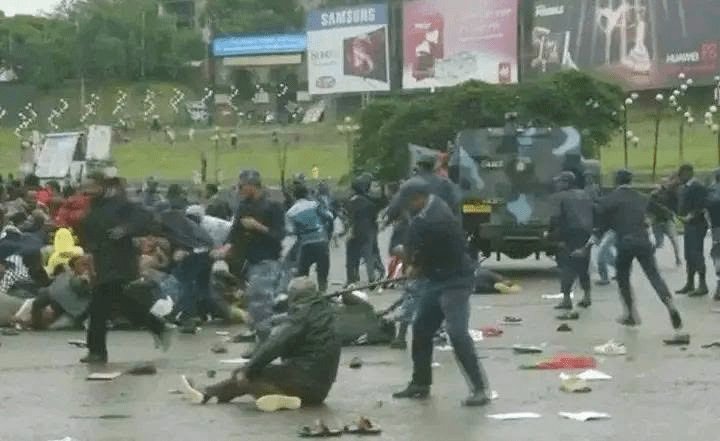
Remembering August 6, 2016, and Its Enduring Legacy for Unity, Identity, and Transformation
By Daandii Ragabaa
When a people understand their history correctly, they are able to learn from past mistakes, draw strength from previous achievements, and chart a clearer course for the future. History is not merely a record of what has passed—it is a compass for what lies ahead. It is a teacher, a witness, and a foundation upon which the dreams of generations are built.
For this reason, the commemoration of the Grand Oromo Rally of August 6, 2016, occupies a significant and sacred place in the history of the Oromo struggle. It is not simply a date on a calendar. It is a milestone, a turning point, and a testament to the power of collective action. As the tenth anniversary approaches, it is time to reflect deeply on what that day meant, what it achieved, and what it continues to teach us today.
A Day That Shook the Nation
The Grand Oromo Rally of August 2016 was not a spontaneous outburst of anger. It was the culmination of years of sustained public mobilization—a peaceful yet powerful resistance against decades of systemic oppression, marginalization, and denial of basic rights. It was one of the largest and most widely recognized demonstrations ever organized across Oromia, drawing participation from every corner of the region.
What made this rally extraordinary was its sheer scale and simultaneity. On that day, Oromo people from all walks of life—young and old, men and women, urban and rural, educated and uneducated—rose together as one. They filled the streets not with weapons, but with voices. They carried not arms, but banners of justice. They demanded not revenge, but recognition.
The world watched. International media covered the events. Global human rights organizations took notice. The Oromo people, long silenced and ignored, had made their voices heard in a way that could no longer be dismissed. The rally became one of the most significant events to attract international attention to the Oromo cause.
More Than a Protest: A Turning Point in History
Although different perspectives exist regarding its causes, results, processes, and consequences, the Grand Oromo Rally is widely regarded as a defining event in both the political history of the Oromo movement and the modern political history of Ethiopia.
It was a moment when the Oromo people declared, with unmistakable clarity, that they would no longer accept invisibility. They would no longer accept the theft of their land. They would no longer accept the denial of their language, culture, and identity. They would no longer accept a political system that treated them as second-class citizens in their own homeland.
The events of that day laid an important foundation for the political changes that unfolded in 2018. The rally was a catalyst—a spark that ignited a broader movement for reform across the country. It demonstrated that when a people are united and determined, even the most entrenched systems of power can be challenged. It showed that peaceful resistance, when organized and sustained, can produce real change.
The Tenth Anniversary: More Than Remembrance
The tenth anniversary of the Grand Oromo Rally is more than a remembrance of a historical event. It is an opportunity—a vital and necessary opportunity—to learn from history, to recognize that today’s achievements were not attained easily, and to appreciate the value of unity and collective strength.
This commemoration serves multiple purposes:
First, it reinforces social cohesion. When a people gather to remember a shared struggle, they affirm their bonds to one another. They recognize that they are part of something larger than themselves.
Second, it educates younger generations. Many of those who will mark this anniversary were too young to participate in the events of 2016—or were not yet born. They must learn what happened, why it happened, and what it means for their future. The history of the Oromo struggle must not be forgotten, distorted, or erased.
Third, it creates space for constructive dialogue. Commemorations should not be occasions for division or recrimination. They should be opportunities for thoughtful discussion about addressing present and future challenges, for examining both achievements and shortcomings, and for building a peaceful, inclusive, and prosperous future.
The Power of Collective Participation
One of the defining characteristics of the Grand Oromo Rally was the remarkable level of collective public participation in confronting oppression. Regardless of age, gender, social status, or place of residence, Oromo people united at the same moment and participated in the historic protest with determination, shared purpose, and a strong sense of solidarity.
The enduring lesson from that experience is clear: unity is our greatest strength.
Standing together around common goals and shared interests, strengthening collective unity, building public trust, and fostering strong social bonds are essential for overcoming complex challenges. The rally taught us that dialogue and coordination play indispensable roles in achieving change.
However, sustaining unity requires effort. It requires respecting differences of opinion. It requires listening to one another. It requires maintaining continuous dialogue. Unity does not mean everyone must hold identical views. True unity means respecting differing opinions while working together toward common objectives. It means recognizing that agreement on common goals can coexist with different views regarding the methods of achieving them.
Lessons for the Present and Future
Political and social circumstances inevitably change over time. What worked yesterday may not work tomorrow. The challenges of today are not identical to those of 2016. Yet the lessons of that historic rally remain as relevant as ever.
Remembering our history helps us to avoid repeating past mistakes while preserving and building upon our strengths. It reminds us that:
- Difficult challenges are most effectively resolved through dialogue and mutual understanding.
- Agreement on common objectives can coexist with different views on methods.
- Differences of opinion should never be mistaken for hostility.
- Current generations must study the past through evidence-based research and objective historical inquiry.
The tenth anniversary is not an invitation to dwell in the past but to draw wisdom from it. It is a chance to critically examine both achievements and shortcomings, and to engage in thoughtful discussions about building a peaceful, inclusive, politically stable, and socially prosperous future.
Strengthening Identity and Social Solidarity
By remembering historic events such as the Grand Oromo Rally, the Oromo people strengthen both their collective identity and their social solidarity. Such remembrance plays a vital role in:
- Learning from history
- Honouring those who made sacrifices
- Preventing the repetition of past mistakes
- Passing historical knowledge to future generations
These commemorations should be inclusive of people with diverse viewpoints. They should promote mutual respect, reconciliation, and lasting peace within society. Although we may hold different political perspectives, sharing a common historical experience reminds us that unity remains essential both today and in addressing our common challenges in the future.
To sustain this spirit, it is important to continue commemorating collective events such as the Grand Rally every year. Annual commemoration ensures that the memory remains alive, that the lessons remain fresh, and that the unity forged in struggle remains strong.
A Call to Remember, Reflect, and Renew
As we approach the tenth anniversary of August 6, 2016, let us remember what that day meant. Let us honour those who stood firm in the face of oppression. Let us recognize the sacrifices that were made—the lives lost, the freedoms curtailed, the dreams deferred. Let us also celebrate what was achieved: a renewed sense of identity, a strengthened movement for justice, and a foundation for the political transformation that followed.
The commemoration of the Grand Oromo Rally should not merely be an occasion to remember the event. It should be an opportunity to draw lessons that strengthen unity, mutual trust, respect, and dialogue in order to address today’s and tomorrow’s challenges through peaceful means.
Above all, the greatest lesson it offers is the importance of working together toward shared goals and common interests, respecting differences of opinion, and learning from history to build a better future for all.
Conclusion: A Legacy for Generations
The Grand Oromo Rally of August 6, 2016, stands as one of the most remarkable demonstrations of broad-based Oromo public participation in history. It is remembered as an important foundation for the political transformation that followed in 2018. Its tenth anniversary is not just a date to mark on the calendar—it is a moment to reflect, to renew, and to recommit.
Therefore, commemorating the Grand Oromo Rally annually plays a vital role in strengthening Oromo identity, social cohesion, and unity while ensuring that an accurate understanding of history is passed on to future generations. It is through such remembrance that we honour the past, navigate the present, and build a future worthy of the sacrifices made.
The memory of August 6, 2016, lives on.
The spirit of unity endures.
The struggle for justice continues.
Oromo Qeerroo Union—forever united!
Gamtaa Qeerroo Oromoo—the strength of the people!
#Silencing_the_Gun_Among_Brothers
#Oromo_Qeerroo_Union
#Gamtaa_Qeerroo_Oromoo
August 6, 2026

ፊንፊኔ፦ የህልውና ጉዳይ እንጂ ተራ ጥያቄ አይደለም
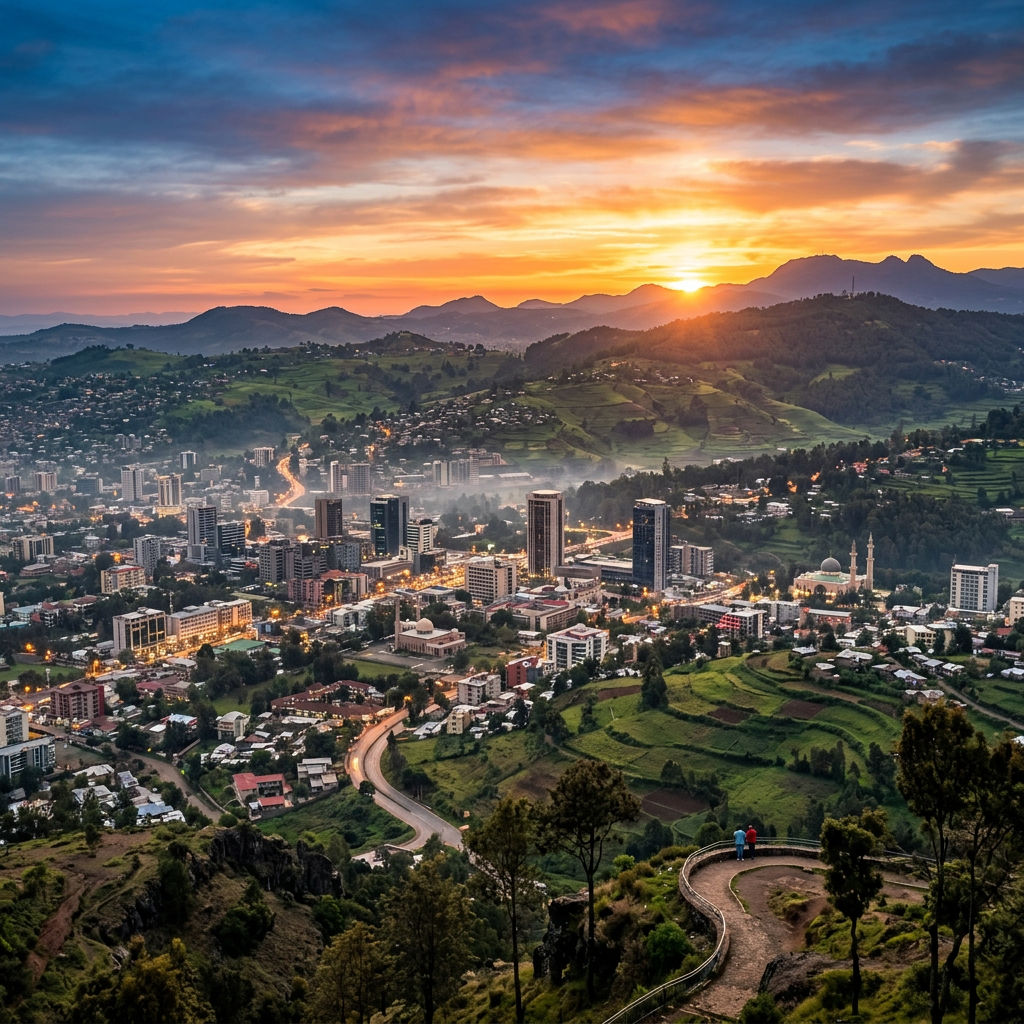
የ150 ዓመት ቁስል፣ የ7ሺ ህይወት መስዋዕትነት፣ እና ዛሬው ወሳኝ ጊዜ
ጸሐፊ፦ ዳንዲ ረገባ
ለኦሮሞ ህዝብ ፊንፊኔ ተራ የፖለቲካ ጉዳይ አይደለም። የከተማ ድንበር ጉዳይ አይደለም። የበጀት ድርሻ ወይም የአስተዳደር ክልል ጉዳይ አይደለም።
የህልውና ጉዳይ ነው።
ፊንፊኔ የኦሮሞ ህዝብ መታወቂያ፣ ክብር እና የወደፊት ተስፋ የተጠቃለለባት ከተማ ናት። እሷ ልብ ናት። እሷ ነፍስ ናት። እሷ መሠረት ናት። እናም ይህችን ልብ ለማውጣት የሚደረግ ማንኛውም ሙከራ፣ የህዝቡን ህልውና ራሱን ለማጥፋት የሚደረግ ጥረት ነው።
የታሪክ ጠባሳው፦ ከ150 ዓመት በላይ የፈወስ ቁስል
ዛሬ ፊንፊኔ ላይ የምናየው ቀውስ አዲስ አይደለም። የ150 ዓመት ዕድሜ ያለው የታሪክ ጠባሳ አካል ነው።
የአፄ ሚኒሊክ ሰራዊት ወደ ደቡብ ሲዘምት፣ ኦሮሞን ከመሬቱ አስወግዶ፣ መሬቱን በግዳጅ በመያዝ፣ እና የኦሮሞን ባህላዊ፣ ፖለቲካዊ እና ኢኮኖሚያዊ ስርዓት በማፈራረስ ላይ ነበር። ያ የመጀመሪያው ስብራት ነበር—በህዝብ፣ በመሬት እና በማንነት መካከል የተፈጠረ ጥልቅ ስብራት።
ይህ ስብራት አልተፈወሰም። ተሸፍኗል፣ ችላ ተብሏል፣ የተካደ ነው—ነገር ግን አልተፈወሰም። እና በየትውልዱ፣ ቁስሉ እንደገና ይከፈታል።
ቄሮ፦ ስብራቱን ለመጠገን የተነሳ ትውልድ
ከ150 ዓመታት በኋላ፣ አዲስ የኦሮሞ ትውልድ—የቄሮ ትውልድ—ጮክ ብሎ እና በማይሻር መልኩ ተነሳ።
ይህ ትውልድ ታሪኩን አውቆ ነበር። ስብራቱን ተሰምቶት ነበር። እና ህመሙን የበለጠ ለመሸከም ፈቃደኛ አልሆነም።
በዚያም ቄሮ ተነሳ—ለፍትህ፣ ለእውቅና፣ እና የተሰበረውን ለመጠገን። ለዚህ ትግል ከ7,000 በላይ ወጣቶች ህይወታቸውን ሰጥተዋል። 7,000 ህልሞች። 7,000 የወደፊት ጊዜዎች። 7,000 ነፍሳት በፍትህ መሠዊያ ላይ።
የቄሮ ንቅናቄ ለውጥ ብቻ አልነበረም—ትንሳኤ ነበር። ኦሮሞ ህዝብ ከእንግዲህ ዝም እንደማይል፣ ከእንግዲህ እንደማይጠብቅ፣ እና ከእንግዲህ እንደማይሸነፍ ለዓለም ያሳወቀ ትንሳኤ ነበር።
የተሰጠው ቃል እና የተሰበረው እምነት
የቄሮን ድል ተንተርሶ፣ የኢህአዴግ ክንፍ የሆነው ብልጽግና ፓርቲ ስልጣን ያዘ። ወደ ስልጣን ሲመጣ፣ ለኦሮሞ ህዝብ ቃል ገባ፦ ጥያቄዎቹን አንድ በአንድ ቆጥሮ እመልሳለሁ።
ከእነዚህ ጥያቄዎች ዋናው ምን ነበር? የመሬት ባለቤትነት ማረጋገጥ። ፊንፊኔ የኦሮሚያ አካል መሆኗን ማረጋገጥ። የተዘረፈው መመለሱን ማረጋገጥ። የተሰበረው መጠገኑን ማረጋገጥ።
ለስምንት ዓመታት፣ ኦሮሞ ህዝብ ጠበቀ። በቃሉ አመነ። ፍትህ በመጨረሻ እንደሚደርስ ተስፋ አደረገ።
ነገር ግን በስምንት ዓመታት ውስጥ፣ ያ ቃል ክህደት ሆነ።
ዛሬው ክህደት፦ ፊንፊኔን ለመንጠቅ የሚደረግ ሙከራ
ብልጽግና ፓርቲ አሁን “ምክክር” በሚባል ሂደት ፊንፊኔን ከኦሮሚያ ለመንጠቅ የመጨረሻ ውሳኔ ላይ ደርሷል።
የዚህ “ምክክር” መደምደሚያ ግልጽ ነው፦ ፊንፊኔ የኦሮሚያ አይደለችም።
ይህ የአስተዳደር ለውጥ አይደለም። ይህ የፖሊሲ ማስተካከያ አይደለም። ይህ የኦሮሞ ህዝብ ላይ የሚደርስ ቀጥተኛ ጥቃት ነው።
ብልጽግና ፓርቲ የቄሮን ንቅናቄ ድል ተንተርሶ ስልጣን የያዘ ፓርቲ፣ አሁን ኦሮሞን ለሁለተኛ ጊዜ ለመስበር እየሞከረ ነው።
የመጀመሪያው ስብራት በሚኒሊክ ሰራዊት ነበር።
ሁለተኛው ስብራት በብልጽግና ፓርቲ እየተሞከረ ነው።
ዓላማው አንድ ነው፦ ኦሮሞን መሬቱን ማጥፋት፣ ማንነቱን መሰረዝ፣ እና ድምጹን ማፈን።
የመቋቋም ተፈጥሮአዊ መብት
ግን እዚህ ላይ ብልጽግና እና አጋሮቹ ሊረዱት ያቃታቸው እውነት አለ።
የኦሮሞ ህዝብ ራሱን የመከላከል ተፈጥሮአዊ መብት አለው።
ይህ መብት በሕግ የተሰጠ አይደለም—በሰብአዊነት የተሰጠ ነው። ይህ መብት በሰነድ የተረጋገጠ አይደለም—በህልውና የተረጋገጠ ነው።
ማንኛውም ህዝብ፣ ህልውናው ሲጠቃ፣ ራሱን የመከላከል መብት አለው። የኦሮሞ ህዝብ ከምንም ህዝብ ያነሰ አይደለም።
የፊንፊኔ ጉዳይ የመተዋወቅ ጉዳይ አይደለም—የህልውና ጉዳይ ነው። እና ህልውና የማይደራደር ነው።
የሚበራው ይበራል
ብልጽግና ፓርቲ የውሳኔ ሰነዶችን ሊያዘጋጅ ይችላል። ምክክር ሊጠራ ይችላል። ህጎችን ሊያወጣ ይችላል። ድንበሮችን እንደገና መሳል ይችላል።
ነገር ግን ወረቀት ላይ የሚጻፈው ነገር በህዝብ ልብ ውስጥ ያለውን እውነት ሊለውጥ አይችልም።
እና እውነቱ ይህ ነው፦ ፊንፊኔ የኦሮሚያ ዋና ከተማ ናት። ዘላለም የኦሮሚያ አካል ትሆናለች።
እንደ ጠዋት ፀሀይ ከምስራቅ እንደምትወጣ፣ እንደ ወንዝ ወደ ባህር እንደሚፈስ፣ እንደ ተራራ ሥሩን እንደማይተው—ፊንፊኔ የኦሮሚያ አካል ናት። ይህ በሰነድ የሚሰጥ አይደለም፤ በታሪክ የተረጋገጠ ነው። በህግ የሚሰጥ አይደለም፤ በደም የተረጋገጠ ነው።
የሚበራው ይበራል እንጂ።
ጊዜያዊ ስልጣን ሊደበቅ ይችላል፣ ነገር ግን ፀሀይ ሁልጊዜ ታበራለች። የውሸት ድሎች ሊኖሩ ይችላሉ፣ ነገር ግን እውነት ሁልጊዜ ትወጣለች። ፊንፊኔ የኦሮሚያ ዋና ከተማ ሆና ትቀጥላለች—ምክንያቱም ህዝቡ እንደዚያ ስለሚያውቀው፣ ምክንያቱም ታሪክ እንደዚያ ስለሚመሰክር፣ እና ምክንያቱም ፍትህ እንደዚያ ስለሚጠይቅ።
ለህዝቡ የመጨረሻ መልዕክት
ለኦሮሞ ህዝብ በሙሉ፦
ታሪካችሁ ይታወቃል። ህመማችሁ ይታወቃል። ትግላችሁ ይታወቃል። የቄሮ ጀግኖች ህይወታቸው በከንቱ አልሞተም። መስዋዕትነታቸው እንደ ተስፋ ዘር በመሬት ላይ ተተክሏል። እና ያ ዘር አሁን እያበቀለ ነው።
ለአምባገነኖች አሳሳቢ ቃል፦
የኦሮሞን ህዝብ መንፈስ ሊያፈርሱ አይችሉም። የኦሮሞን ህልም ሊያጠፉ አይችሉም። የኦሮሞን ፍትህ ጥማት ሊያረኩ አይችሉም። ያህል ጊዜ ሞክራችሁ፣ ያህል ጊዜ ተሸንፋችኋል። እናም ዛሬም እንደገና ትሸነፋላችሁ።
ፊንፊኔ የኦሮሚያ ናት። ዘላለም የኦሮሚያ ትሆናለች። ይህ የማይለወጥ እውነት ነው—በደም የተጻፈ፣ በታሪክ የታተመ፣ እና በህዝቡ ፈቃድ የታሸገ።
የሚበራው ይበራል እንጂ። ፊንፊኔ የኦሮሚያ ዋና ከተማ ሆኖ ይቀጥላል!
ኦሮሚያ ትነግር!
ፊንፊኔ የኦሮሚያ ናት!
ዘላለም የኦሮሚያ ትሆናለች!

Finfinne: A City Built on Bones
The Unfinished Business of Justice and the Betrayal of Reconciliation
By Israel Soboka
There are some truths that cannot be buried, no matter how much time passes, no matter how many official narratives are crafted, no matter how loudly the powerful insist that we move on. One such truth lies beneath the bustling streets, the government buildings, and the ambitious infrastructure of Finfinne—a city whose very foundations are steeped in blood.
The city we now know as Finfinne was not established upon empty land, descending from the heavens like a divine gift. It was built through genocide. When the army of Emperor Menelik settled upon this land, they did not find a vacant wilderness waiting for civilisation. They found the Oromo people—indigenous, thriving, rooted in the soil for generations. And they systematically removed them.
This is the uncomfortable, unavoidable reality: Finfinne is a city built on the bones of the Oromo people.
The Promise of Reconciliation
For a brief moment, there was hope. Across Ethiopia, a national dialogue was convened—a conversation intended to heal the deep, festering wounds of centuries. The expectation was clear: this commission would acknowledge the genocide committed against the southern peoples of the country, including the atrocities carried out across Oromia. It would offer recognition, pave the way for apology, and lay the foundation for lasting peace through mutual understanding.
Hope flickered in the hearts of many. Perhaps, at long last, history would be confronted rather than concealed. Perhaps the victims and their descendants would receive the dignity of acknowledgment. Perhaps Ethiopia could finally begin the arduous work of genuine reconciliation.
But hope, as it so often does in the face of entrenched power, proved fragile.
The Commission That Became a Conspiracy
The National Dialogue Commission was not established to heal. It was hijacked.
Instead of becoming a vehicle for truth and forgiveness, it was commandeered by the familiar machinery of political manipulation—the same old games of Abyssinian elite politics that have, for generations, prioritised control over justice. Rather than laying the groundwork for peace, the commission has become a catalyst for further tension. Rather than addressing the historical grievances of the Oromo and southern peoples, it has provided cover for continued denial and evasion.
The most egregious betrayal? The attempt to sever Finfinne from Oromia entirely. This is not a policy debate; it is an existential assault. To detach Finfinne from its Oromo identity is to complete the genocide—to erase not just the people, but the very memory that this land ever belonged to them. It is an attempt to annihilate the foundation upon which peace could be built.
The commission was never meant to support the perpetrators of genocide against the Oromo and southern peoples. Yet that is precisely what it has become: a shield for the guilty and a dagger aimed at the heart of the victims.
The Wound That Will Not Heal
The scars of history are not to be smoothed over; they are to be acknowledged. A wound that is covered without being cleaned does not heal—it festers. And that is what is happening now. The commission, in its current form, is not addressing the historical wounds; it is picking at them, ensuring that they remain raw, infected, and painful for generations to come.
This is not reconciliation. This is provocation disguised as dialogue. This is manipulation masquerading as peace-building. And the people of Oromia see it for what it is.
A New Generation Awakens
But here is the truth that the architects of this betrayal have failed to understand: the new Oromo generation is not weak.
This is not a generation that will beg for its freedom. This is not a generation that will quietly accept the denial of its history or the theft of its land. This is not a generation that will wait for permission to claim its rights.
A new Oromo generation has emerged—one that knows its history, one that understands its power, and one that possesses the capacity to defend its rights. The Addis Ababa forces—the heirs of Menelik’s imperial project—must abandon their hope of subduing this generation. Their dreams of perpetual dominance are finished. Their expectations of subjugation are obsolete.
The Oromo people are no longer asking for permission. They are asserting their existence.
The Illegitimacy of the Commission
Let us be clear: the National Dialogue Commission does not speak for the Oromo people. It has no mandate. It holds no legitimate authority to represent the will, the pain, or the aspirations of the Oromo. It is a collection of individuals—unelected, unaccountable, and unworthy of trust—who have inserted themselves into a process they have no business steering.
They do not have the right to dictate the terms of a peace that they have no intention of honouring. They do not have the authority to decide the fate of a land and a people whose suffering they refuse to acknowledge. And they must not be permitted to disrupt the legitimate quest for justice under the guise of dialogue.
A Call to Action
The time for polite fiction is over. The time for empty gestures and meaningless commissions is over. The time for half-measures and hollow promises is over.
What is needed now is clear and unwavering:
Recognition. The genocide committed against the Oromo and southern peoples must be acknowledged—not in vague, diplomatic language, but in explicit, undeniable terms.
Justice. The perpetrators of these crimes, past and present, must be held accountable. No one is above the law, and no one is beyond the reach of history.
Restoration. The land that was stolen, the dignity that was stripped, and the future that was denied must be returned to the Oromo people.
Peace. But peace with justice, not peace built on the suppression of truth. Peace that honours the victims, not peace that erases them.
The Final Word
Finfinne is a city built on bones. But those bones are not silent. They cry out for recognition. They cry out for justice. And a new generation—proud, strong, and unyielding—has risen to answer their call.
The forces of denial and domination may cling to their power for a little while longer. But history is not on their side. Justice is not on their side. And the will of the Oromo people is not on their side.
The architects of genocide and their modern-day apologists can delay the reckoning. But they cannot stop it. The truth will out. The land will be reclaimed. And the city built on bones will, one day, be a city built on justice.
In solidarity with the Oromo people and all who refuse to let the dead be forgotten.
“A people without the knowledge of their past history, origin and culture is like a tree without roots.” — Marcus Garvey




 Advocacy for Oromia