Jaallan Utubaa Qabsoo: The Pillars of Oromo Liberation and Their Global Reach
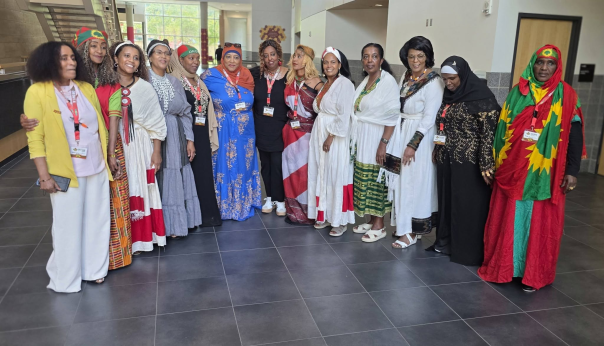
Honouring the Builders and Champions of the Oromo Struggle, and the Global Structure of the ABO
By Dhabessa Wakjira
In every liberation movement, there are those who carry the torch not for personal glory, but for the collective destiny of their people. They are the architects of consciousness, the builders of institutions, and the guardians of memory. They are Jaallan Utubaa Qabsoo—the beloved pillars of the struggle—and Jaallan Qabsoo—the beloved champions who have emerged from every corner of Oromia and the diaspora to advance the cause of Oromo liberation.
This is a tribute to them. And this is an exploration of the structure that unites them: the Adda Bilisummaa Oromoo (ABO) —the Oromo Liberation Front—and its global reach across nations.
The Pillars: Who Are the Utubaa Qabsoo?
The term Utubaa Qabsoo—pillars of the struggle—is not a title given lightly. It is earned through sacrifice, through decades of commitment, and through an unwavering dedication to the Oromo people’s right to self-determination . These are the individuals who, in the darkest hours, refused to let the flame of liberation die.
One such pillar was Cawwaaqaa Yaaddessaa, a renowned Oromo singer and artist whose music became the soundtrack of the resistance. Through his songs, he chronicled the pain and the hope of the Oromo people, composing works that stirred the hearts of a generation . His compositions—such as “Eemmoo yaa guraale hoo dangashe”—became anthems of defiance, performed even when political gatherings were banned . He served as a pillar of the struggle through his art, demonstrating that cultural expression is a weapon of resistance as powerful as any gun .
Another pillar is Ustaaz Raayyaa Abbaa Maccaa, who transitioned from the armed struggle within the ABO to become a teacher of Islamic faith and a composer of spiritual songs (manzuumaa) that reinforced Oromo identity and resilience . He was part of the ABO in its early years, receiving military training at the 24th training camp in Harawaacaa, and fought in numerous battles . Even after being captured and imprisoned for a long time, he never abandoned the struggle; he continued to strengthen the Oromo people through his teachings and songs . His story is a testament to the fact that the pillars of the struggle exist not only on the battlefield but also in the realms of faith, culture, and education .
Baaroo Tumsaa stands as another foundational pillar. He is remembered as a key figure in building the Oromo movement in the 1970s, working to organize youth and establish the infrastructure that would eventually lead to the formal founding of the ABO . He played a crucial role in the Macha-Tulama Self-Help Association and was instrumental in consolidating Oromo nationalism into a political force . His legacy is one of organization and vision, reminding us that liberation is built not just on passion but on structure.
The Champions: Jaallan Qabsoo and the Spirit of Resistance
Beyond the foundational pillars, there are the Jaallan Qabsoo—the beloved champions of the struggle. These are the fighters, the activists, the community organizers, and the everyday people who have taken up the mantle of resistance in their own ways .
The Qeerroo youth movement is perhaps the most powerful contemporary embodiment of this spirit. In traditional Oromo culture, the term means “bachelor” or “youth,” but within the political movement, it symbolizes the Oromo struggle for increased political freedom and greater ethnic representation . The Qeerroo have emerged as a dynamic and fearless force, challenging the state and demanding justice .
The champions are also found in the Oromo Liberation Army (OLA) —known in Oromo as Waraana Bilisummaa Oromoo (WBO) —the armed wing of the struggle . The OLA was formed in 1974 and has continued its armed resistance against successive Ethiopian regimes . Under the leadership of figures like Jaal Marroo (Kumsa Diriba), the OLA remains active in the Oromia Region, representing those who refused to disarm following the 2018 peace deal, skeptical of the government’s intentions .
The champions are also found in the diaspora—in Washington, D.C., Berlin, and other cities around the world, where the ABO maintains offices and radio stations that broadcast in Oromo and Amharic, keeping the spirit of resistance alive far from the homeland .
The ABO: Structure and Global Reach
The Adda Bilisummaa Oromoo (ABO) —or the Oromo Liberation Front (OLF)—is the political organization that unites these pillars and champions. It was founded in 1973 with the goal of promoting self-determination and independence for the Oromo people . Its structure has evolved over the decades, but its core mission remains unchanged: the total liberation of Oromia from what it characterizes as Ethiopian colonialism .
The ABO’s structure extends far beyond the borders of Oromia and Ethiopia. It has a significant diaspora presence, with offices in Washington, D.C., and Berlin . These offices serve as hubs for organizing, advocacy, and communication . They also operate radio stations that broadcast in both Amharic and Oromo, ensuring that the organization’s message reaches Oromo communities worldwide .
This global reach is critical. The ABO’s international structure allows it to advocate for the Oromo cause on the world stage, to build solidarity with other movements, and to sustain the struggle even when political space is closed inside Ethiopia . In a November 2025 position statement, the OLF declared that “the current regime has deliberately closed the political arena and obstructed the lawful activities of the Oromo Liberation Front” . In the face of such obstacles, the diaspora structure becomes even more vital as a space for organizing and resistance.
The Legacy of the Western Front: A Day of Sacrifice
The pillars and champions of the ABO are not abstract figures. They are real people who have paid the ultimate price for their commitment. The Western Front of the armed struggle serves as a powerful reminder of this sacrifice.
On April 15, 1980, the ABO appointed a new chairman in Shinnigga, marking a strategic decision to expand the armed struggle into the Western Front . The organization sent 17 commanders to ignite the resistance in the West. Their names—Daawud Ibsaa, Abbaa Caalaa Lataa, Jaal Tottoobaa Waaqwayyaa, and others—are etched in Oromo memory .
Tragically, these commanders were betrayed and poisoned by collaborators of the Derg regime in December 1981. Their deaths were a devastating blow to the movement . But their memory did not die. In 1985, the ABO leadership formally designated April 15 as Oromo Martyrs’ Day—a day to commemorate all those who have fallen in the struggle for Oromo liberation .
Today, April 15 is observed in the forests of Oromia and in diaspora communities around the world. It is a day of remembrance, of reflection, and of renewed commitment to the cause for which these pillars and champions gave their lives .
Unity, Truth, and the Path Forward
The struggle of the ABO has always been a struggle of self-reliance and truth. As senior ABO leader Jaal Abdii Raggaasaa emphasized in a recent consultative meeting with members: “If we are people of truth, our people will never abandon us under any circumstances. But if we are people of falsehood, even if we hold something, we will lose it” .
The leadership has also stressed that the work of building Oromia extends beyond Ethiopia’s borders . It is a task that belongs to Oromo people everywhere—in the villages of Oromia, in the refugee camps of Kenya, in the community centers of Europe and North America, and in the offices of the ABO in Washington and Berlin .
The unity of these diverse actors—the pillars, the champions, the diaspora, and the grassroots organizers—is the foundation of the Oromo liberation struggle. As another official, Jaal Yaasoo Kabbabaa Hordofa, declared: “OLF is the center of Oromo peace” . The organization calls on all Oromos to strengthen their resolve, to seize the opportunities that arise—such as the upcoming 7th round elections—and to never retreat into silence .
Conclusion: A Living Legacy
The story of the Oromo liberation struggle is not a history lesson; it is a living, breathing movement. It is embodied in the songs of Cawwaaqaa Yaaddessaa, the teachings of Ustaaz Raayyaa Abbaa Maccaa, the organizing of Baaroo Tumsaa, the sacrifice of the 17 commanders of the Western Front, and the tireless work of the ABO’s global network .
Jaallan Utubaa Qabsoo—the beloved pillars—have built the foundation. Jaallan Qabsoo—the beloved champions—continue to build upon it. And the ABO—in its structure, its global reach, and its unwavering commitment to the Oromo people—remains the vessel through which this struggle will achieve its destiny.
ABO haa waaru!
Injifannoon Ummata Oromoo!
This feature article is dedicated to all the pillars and champions of the Oromo liberation struggle—past, present, and future.

Posted on August 6, 2026, in Aadaa, Afaan, Bokkkuu, Election, Events, Face of Injustice, family violence, Finfinne, freedom, gadaa, gender, Grief Support, Gumaa, health, Information, Kindness, Language, Media, News, Oromia, Oromo diaspora, Oromo truth telling, Press Release, Promotion, SBO, Sirna Oromo. Bookmark the permalink. Leave a comment.






Leave a comment
Comments 0