Daily Archives: July 21, 2026

A life of resilience, philanthropy, and service to the city of Bishoftu
From Farm to Honor Guard: The Legacy of Assefa Abebe (Assefa Korenti)
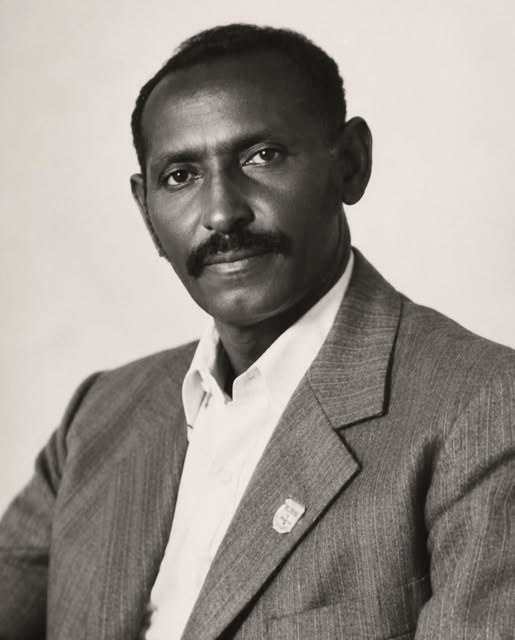
BISHOFTU, OROMIA — In the annals of community service and quiet heroism, some names deserve to be remembered not for titles or wealth, but for the lives they touched and the legacy they left behind.
Mr. Assefa Abebe, known affectionately as Assefa Korenti, was one such figure. From humble beginnings as a farm laborer to serving in the elite Imperial Bodyguard, from working as an electrician to becoming a successful entrepreneur and philanthropist, his life story is a testament to the power of hard work, generosity, and unwavering commitment to community .
A Journey of Many Hats
Assefa Abebe’s life was a tapestry of varied and remarkable experiences. He worked as a farm laborer, served as a soldier in the Imperial Bodyguard, and later became a skilled electrician. It was during his time at the Electric Light and Power Authority, earning a modest salary of 40 birr, that he earned the nickname “Assefa Korenti” (Assefa the Electrician) for his tireless work installing and repairing electrical poles across Bishoftu, often working after hours to serve his community.
His entrepreneurial spirit led him to establish the first fuel station in Bishoftu, then known as Debre Zeyit, and later the Bishoftu Afaf Hotel, situated on the shores of Lake Bishoftu. Yet, what truly set him apart was his generous heart.
The Generosity That Defined a Legacy
In a time of severe drought, a group of farmers from the surrounding Ada’a district approached Assefa Abebe for help. Without hesitation, he offered them an incredible act of trust and generosity: he handed over his hotel for two years, telling them, “Manage the hotel yourselves and keep all the income until the drought passes.”
When the farmers returned after two years, they were no longer in need, but they made a request: that he rename the hotel in their honor. He complied, renaming it the “Farmers Hotel” (Ye Aresha Hotel) . This humble story of generosity and gratitude became a symbol of the bond between Assefa and his community. It was later recounted by Ethiopia’s Prime Minister Abiy Ahmed during the launch of the Goodwill Project as an example of selfless community service .
A Life of Service and Legacy
Assefa Abebe’s contributions to Bishoftu are numerous. He was an early adopter and distributor of clean energy, introducing “white gas” (smokeless fuel) and cylinder gas to the city, improving public health and living standards .
He was deeply involved in education, supporting schools like Lebe Dengel, Ada’a Model, and Teodros, both financially and as a member of their administrative boards. He also established numerous grain mills, many of which continue to serve the community. In the 1970s, he was the only hotelier in Bishoftu at the time, and a pioneer in many sectors, including a gas station .
A Call for Recognition
Mr. Assefa Abebe (Assefa Korenti), who passed away tragically, leaves behind a legacy that has touched thousands of lives. It is a legacy that many believe should be formally recognized, and community members have called for him to be honored at the 6th Bishoftu Philanthropy Award . His story remains a powerful reminder that true heroes are not always the famous or wealthy, but those who build up their communities with quiet strength and open hearts.
“Hard work, resilience, and giving back to the community are the hallmarks of a life that leaves a legacy.”

Shashemene Welcomes U.S. Ambassador: A New Chapter in Partnership and Progress
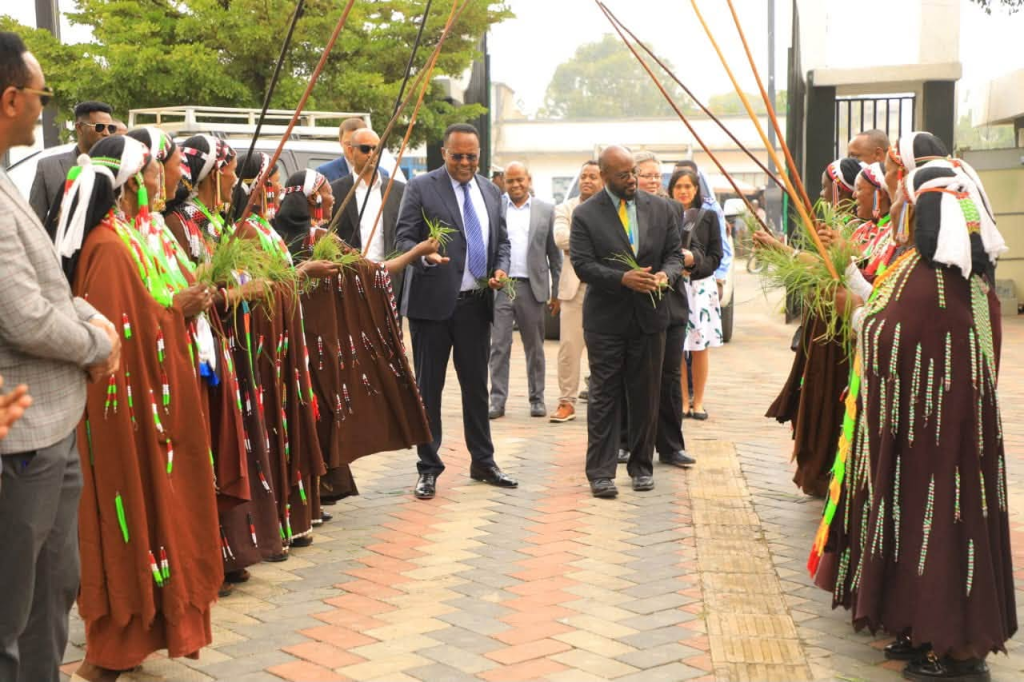
In a historic visit, the city of Shashemene opened its doors to the United States Ambassador, showcasing decades of resilience and a vision for transformative development.
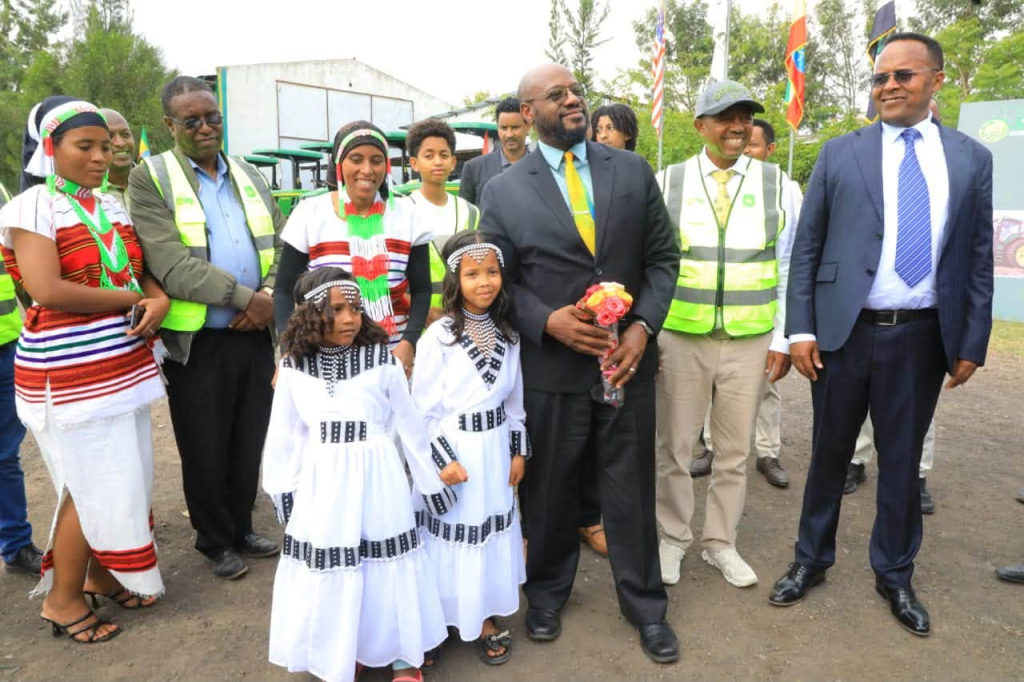
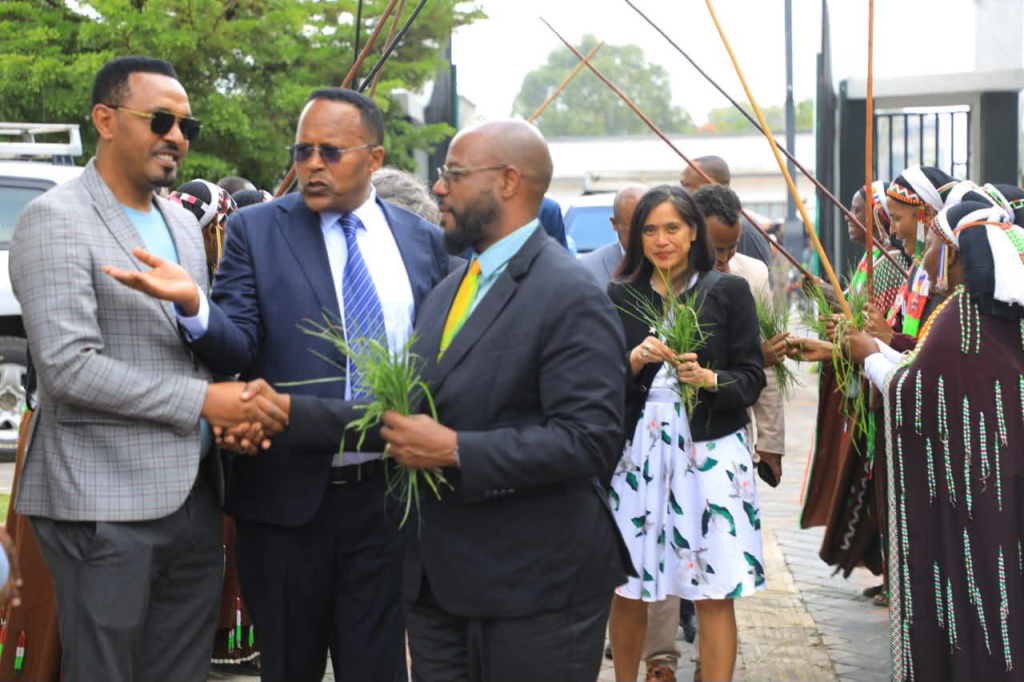
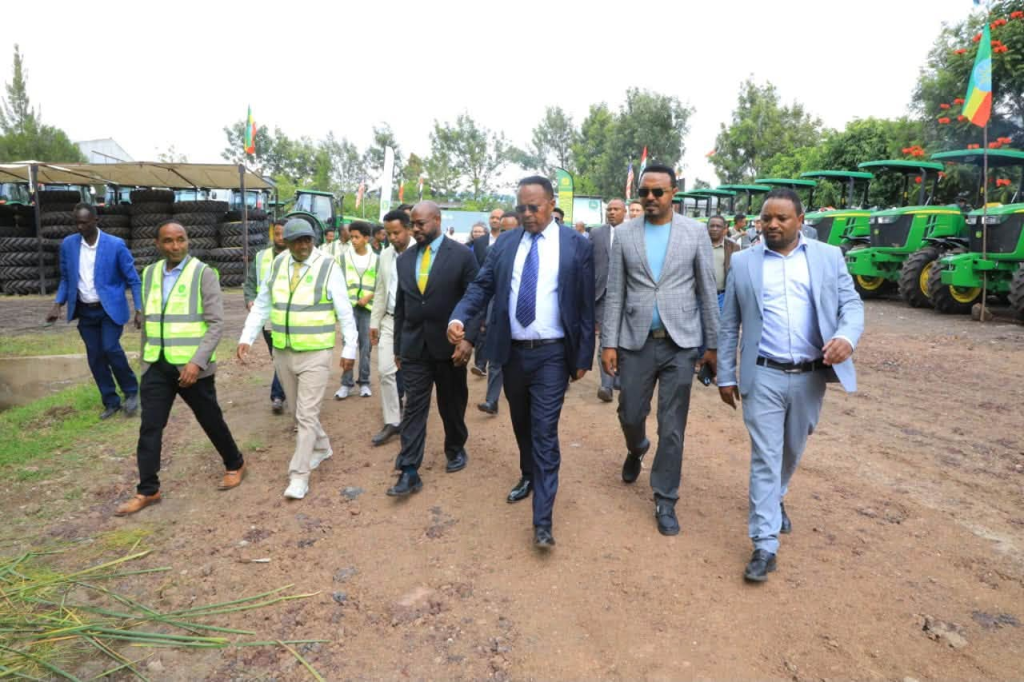
SHASHEMENE, OROMIA — Today, the city of Shashemene stood still to warmly welcome the Honorable Ambassador of the United States. The visit marked more than a formal diplomatic engagement; it was a powerful testament to the growing partnership, mutual respect, and shared aspirations between the United States and the people of Ethiopia .
The city, with its rich history of over 115 years, presented its developmental scenario to the Ambassador, covering key indicators in demographics, infrastructure, economic progress, and humanitarian efforts. The visit signals a strong message of cooperation as Ethiopia continues its journey of reform and transformation.
A City of Resilience and History
Shashemene is not just a city; it is a symbol of endurance and hope. Originally established in 1910/1911 (1903 E.C.), the name “Shashemene” is derived from a famous Oromo lady named “Shashe,” who operated a rest-stop called “Mene” in the area . For over a century, the city has served as a vital crossroads in the Rift Valley, connecting the southern regions of Ethiopia to the capital, Addis Ababa .
Shashemene gained international recognition in 1948 when Emperor Haile Selassie I granted 500 acres of fertile land to the Black people of the West as a token of appreciation for their support during the Italian occupation . This land grant led to the settlement of Rastafarian communities from Jamaica, the United States, and the Caribbean, making Shashemene a unique symbol of Pan-Africanism and diaspora repatriation .
As the city continues its journey, the resilience and hope of its people remain its greatest assets.
Presenting a Vision for Progress
During the visit, local officials detailed the city’s developmental scenario, highlighting significant progress across multiple sectors. Key indicators shared with the Ambassador included:
Demographics: With a rapidly growing population, Shashemene is a city of young people. An estimated 65% of residents are under the age of 25 . This youth bulge presents both an opportunity and a challenge. Harnessing the energy and potential of this demographic is central to the city’s development strategy.
Infrastructure: The city is undergoing significant transformation. Under the national “Corridor Development” initiative, Shashemene is being upgraded into a smart city with modern transportation networks and improved public services . Recently, Shashemene was also upgraded to the status of a “Regiopolis” (a major regional urban center) .
Economic and Humanitarian Works: The city is seeing strong potential in revenue generation, economic development, and social services. There is real potential for job creation and attracting investment to improve livelihoods. Simultaneously, the city is focused on strengthening education, health, and security services for its families.
A Message of Partnership and Hope
In welcoming the Ambassador, city officials expressed gratitude for the United States’ continued engagement and support. The Ambassador’s visit follows recent U.S. Embassy engagements in Oromia, where the focus has been on promoting inclusive economic development, improving health outcomes, and increasing the quality of education .
“Honorable Ambassador, we welcome your partnership and support as we continue building Shashemene into a safer, stronger, and more prosperous hub for many nations and nationalities.”
The officials noted that following the reform and prosperity government, meaningful transformation is not only possible but is already becoming real in communities across Ethiopia. The visit was described as a strong message of partnership, mutual respect, and shared goals.
The Power of Dialogue and Collaboration
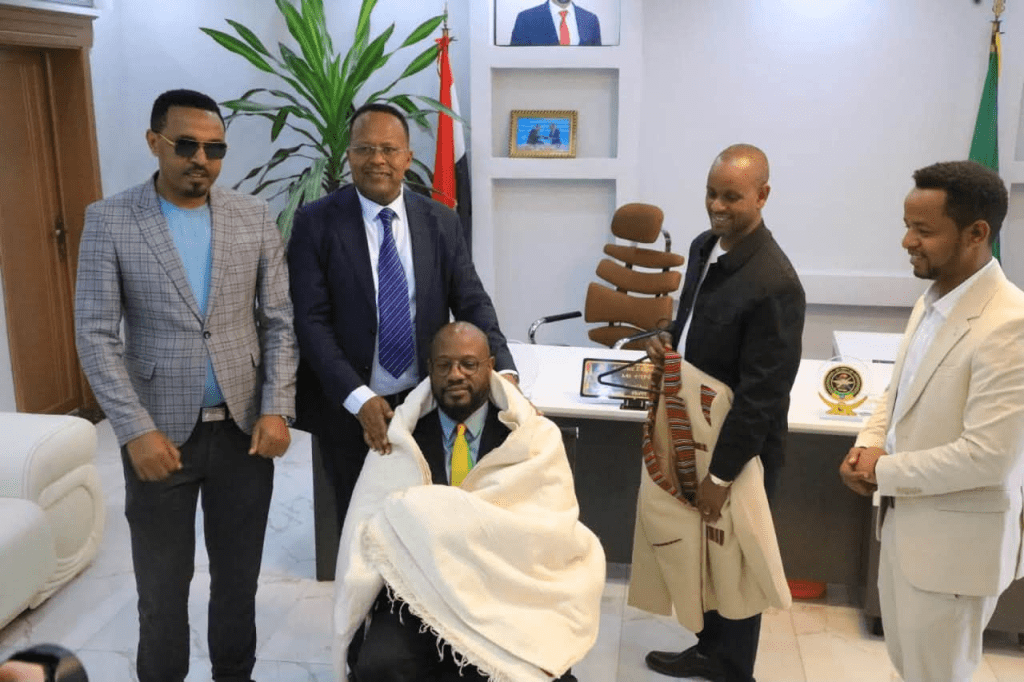
As the visit concluded, the city offered its sincere gratitude and well wishes to the Ambassador.
“Honorable Ambassador, As a nation and transformative government all Ethiopians believe in the power of dialogue and collaboration. We hope your visit will deepen understanding, strengthen ties, and open new avenues for constructive support that benefits the people of Shashemene, Oromia and Ethiopia.”
The visit concluded with a reaffirmation of the commitment to build bridges of friendship between nations.
“Once again, welcome to Shashemene. We wish you a successful visit, and we thank you for your commitment to building bridges of friendship between nations. Thank you.”

Taaboree (Ukee): The Sacred Children’s Festival of the Oromo People
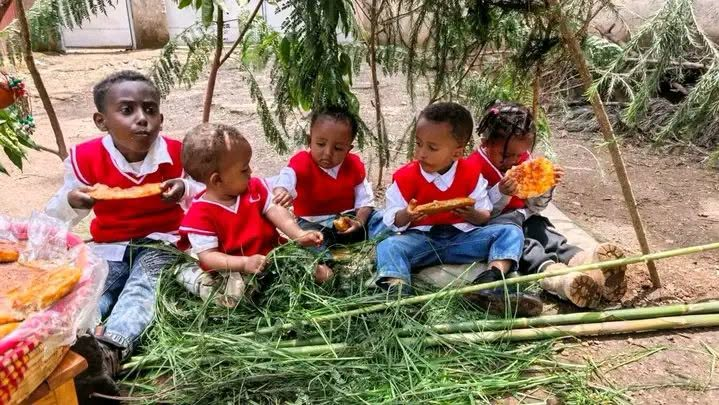
In the heart of the rainy season, a celebration of joy, freedom, and cultural continuity reminds us of the resilience of Oromo traditions
“Ayyaanni Taaboree, ayyaana ijoolleeti.”
The Taaboree festival is a festival for children. These simple words capture the essence of one of the most cherished celebrations in Oromo culture—a day when the voices of children fill the air, laughter echoes across the fields, and the community comes together to honour the youngest among them.
Taaboree (also known as Ukee) is celebrated primarily among the Maccaa and Tuulamaa Oromo communities. It is a festival that embodies the Oromo people’s deep reverence for children, their commitment to community, and their resilience in the face of cultural suppression.
The Season of Celebration
“Waqtii Gannaa kana keessa ji’a Adoolessaa kana keessa ayyaaneffatama.”
The Taaboree festival is celebrated during the rainy season, in the month of Adoolessa/July. The exact date varies from place to place, reflecting the diversity of Oromo communities and their local traditions.
“Guyyaan isaa bakkaa bakkatti gargar ta’uu mala.”
The timing of the festival is not fixed by a single calendar date but by the rhythms of nature and community life. When the rains have come, when the fields are green, when the earth is renewed—that is the time for Taaboree.
“Guyyaa kana ijoolleen hojiirraa bilisa.”
On this day, children are free from work. They are released from their chores, their responsibilities, and their daily duties. This is their day—a day of joy, of play, and of celebration.
“Nyaata mi’aawaa heddutu qophaaha; ijoolleen wal-geessee nyaatti.”
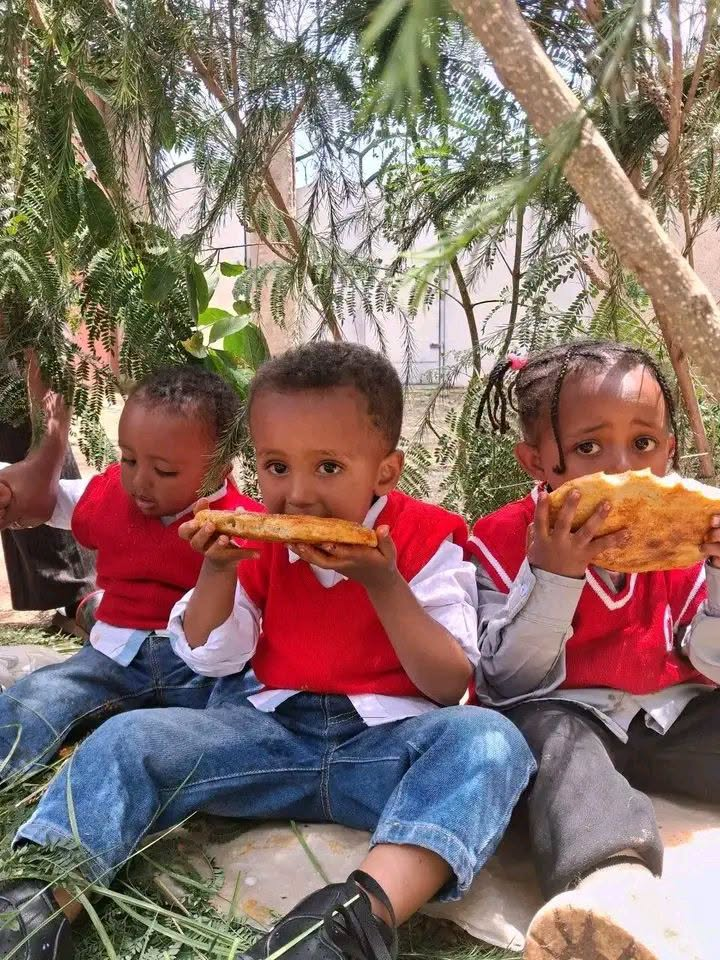
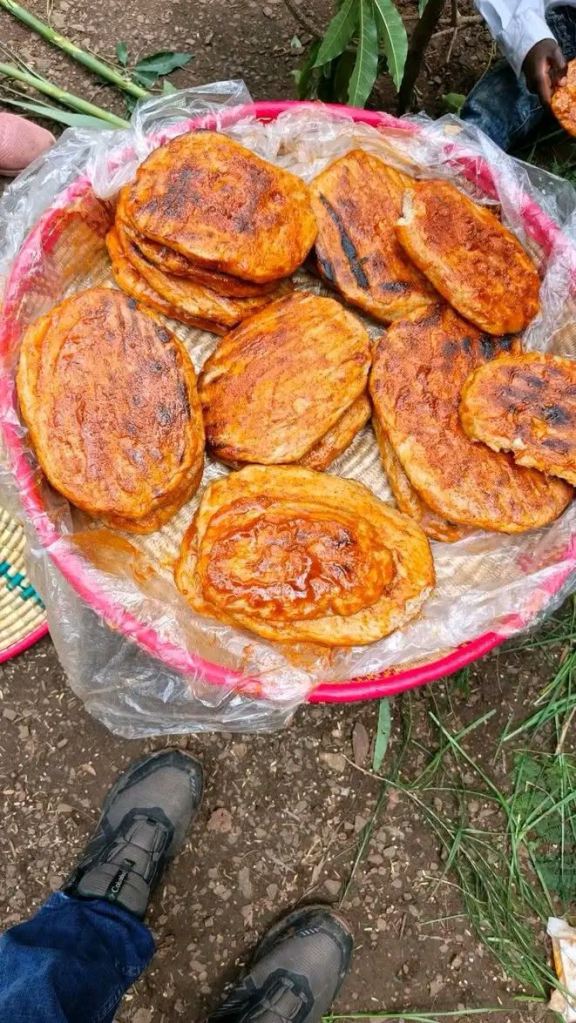
Delicious food is prepared, and the children gather together to eat. They share the meal in community, learning the values of generosity, togetherness, and mutual care.
“Ni dhiichisti.”
The community gathers around them, celebrating their youth, their energy, and their hope.
A Tapestry of Festivals
Taaboree is not the only festival in the Oromo calendar. The Oromo people have a rich tradition of seasonal celebrations, each with its own significance:
Ateetee: The women’s festival, celebrating the power and dignity of Oromo women.
Hingiccaa/Shinooyyee: The festival of young women, marking their transition to adulthood.
Booranticha: The father’s festival.
“Kana mara kan nurraa nyaate koloniidha.”
But all of these festivals have been eroded by colonialism. The colonial system that subjugated the Oromo people also sought to destroy their culture, their traditions, and their identity. The festivals that once united communities were suppressed, marginalized, and often forgotten.
The Nature of Colonization
“Qaamni si bituu fedhu, dursa waankee balleessa. Achii ofiikee gantee akka ati isa taatu godha.”
The one who seeks to buy you first destroys what you have. Then they offer you their own goods, making you believe that what they have is better.
This is a profound insight into the nature of colonization. The colonizer does not simply take what you have—they first destroy your culture, your traditions, your identity. They make you believe that your way of life is inferior, that your customs are primitive, that your identity is something to be ashamed of.
“Jarri dursa waan Oromoo, sirna isaa balleessuu irratti xiyyeeffatan.”
Those who came first were focused on destroying the Oromo identity and system. They understood that to control a people, you must first destroy their culture. You must make them forget who they are.
“Bakka baay’eetti waanti kun ta’eera.”
This has happened in many places. The suppression of Oromo culture, language, and traditions has been systematic and widespread.
The Resilience of Oromo Traditions
“Sirni Oromoo badee hin banne; cilaancilli isaa nu bira gaheera.”
The Oromo system has not been completely destroyed; only its shell has reached us. This is a statement of hope and resilience. While the colonial system has damaged Oromo traditions, the essence of Oromo culture survives.
“Amma aadaa babbareedaa daganne qorannee fuulduratti fiduu qabna.”
Now we must research the beautiful traditions we have forgotten and bring them back to life. This is a call to cultural revival—to remember, to reclaim, and to restore what was lost.
“Dhaloonni ammaa waan Oromoo bakkatti deebisuuf hojjachuu qaba.”
The current generation must work to restore Oromo culture. This is the responsibility of the present—to rebuild what was destroyed, to remember what was forgotten, and to pass on to future generations a living, thriving culture.
The Significance of Taaboree
The Taaboree festival is more than a celebration—it is an act of cultural resistance. In a world that has sought to erase Oromo identity, the celebration of Taaboree is a declaration that Oromo culture lives.
The festival teaches children:
- Their identity: They learn who they are and where they come from.
- Their community: They learn the values of sharing, togetherness, and mutual care.
- Their history: They learn the traditions of their ancestors.
- Their resilience: They learn that their culture has survived against the odds.
The Role of Children in Cultural Continuity
Children are not just the beneficiaries of culture—they are its carriers. The transmission of culture from one generation to the next depends on the active engagement of children in traditional practices.
Taaboree provides a space for children to experience their culture directly.
When children participate in the festival, they:
- Experience joy in their cultural identity
- Learn traditional songs and dances
- Share meals with their community
- Receive blessings from their elders
- Understand the rhythms of the natural world
These experiences become part of who they are. They shape their identity, their values, and their sense of belonging.
The Spiritual Dimension
The Taaboree festival, like all Oromo festivals, has a spiritual dimension. It is a time of giving thanks to Waaqa (God) for the blessings of life, for the rains, for the harvest, and for the children who carry the future.
The Oromo worldview recognizes the interconnectedness of all life. The spiritual, the human, and the natural are not separate—they are part of a single, harmonious whole.
When children participate in Taaboree, they are not just celebrating—they are connecting with the spiritual dimension of their culture. They are learning that their identity is not just about who they are now but about their place in a larger order.
The Challenge of Modernity
The Oromo cultural revival faces significant challenges. Modernity, urbanization, and the influence of external cultures have eroded traditional practices.
“Religious conversion and the influence of modernity have led to the decline of women’s institutions. Today’s generation, especially the young and educated ones, are viewing cultural institutions as a tradition of the past, not present.”
This is a challenge that the Oromo people must address. Cultural revival is not about rejecting modernity but about integrating traditional wisdom with contemporary life.
A Call to Cultural Revival
The Taaboree festival is not just a celebration—it is a call to action. It calls the Oromo people to:
Remember: Do not forget the traditions of the ancestors.
Reclaim: Take back what was taken.
Restore: Bring back what was destroyed.
Celebrate: Embrace your identity with pride.
The current generation has the responsibility to ensure that Taaboree—and all Oromo traditions—are passed on to the next generation.
Conclusion
“Ayyaanni Taaboree, ayyaana ijoolleeti.”
The Taaboree festival is a festival for children. But it is also a festival for the entire community—a celebration of identity, resilience, and hope.
In a world that has sought to erase Oromo culture, the Taaboree festival stands as a testament to the enduring spirit of the Oromo people. It is a reminder that culture cannot be destroyed by force—it lives in the hearts of those who remember, who celebrate, and who pass it on to the next generation.
“Amma aadaa babbareedaa daganne qorannee fuulduratti fiduu qabna.”
Now we must research the beautiful traditions we have forgotten and bring them back to life.
“Dhaloonni ammaa waan Oromoo bakkatti deebisuuf hojjachuu qaba.”
The current generation must work to restore Oromo culture.
In the children who celebrate Taaboree lies the hope of the Oromo nation. May their laughter echo through the generations, and may the traditions of the ancestors never be forgotten.




 Advocacy for Oromia