Daily Archives: July 22, 2026

Yaa’ii Dhaddacha Baldhaa: Historic Gadaa Assembly Restores Sacred Traditions and Issues Major Rulings
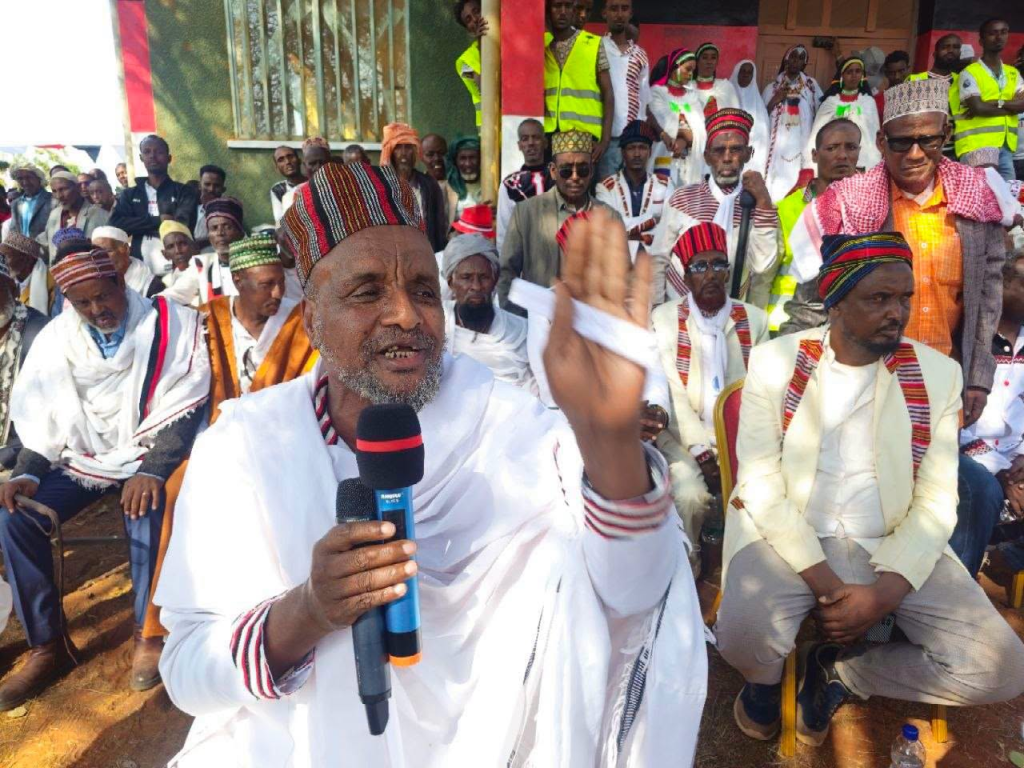
The Sikkoo Mandoo Gadaa Council convenes in East Bale Zone, addressing issues of traditional marriage, illegal migration, and cultural preservation
BALEE ZONE, OROMIYA — The ancient grounds of Dhaddacha Baldhaa in Rayitu district, East Bale Zone, have become the centre of a historic gathering as the Sikkoo Mandoo Gadaa Council convenes for the Yaa’ii (Gadaa Assembly). The assembly, which marks the formal reopening of the Dhaddacha Baldhaa seat, has issued six major rulings covering marriage customs, illegal migration, cultural preservation, and community security.
The Restoration of Dhaddacha Baldhaa
“Yaa’iin Gadaa Sikkoo Mandoo Godina Baalee Bahaa Aanaa Raayituu, Dhaddacha Baldhaatti geggeeffamaa jiruun dhaddachi Baldhaan deebi’ee banamuu hordofee luba Gadaa shanan Dhaddachatti deebisuun murtiiwwan gurguddoo ja’a lallabe.”
The Yaa’ii Gadaa of Sikkoo Mandoo, taking place at Dhaddacha Baldhaa in Rayitu district, has restored the Dhaddacha Baldhaa seat and appointed five Gadaa priests to the assembly. The council has issued six major rulings that will guide the Oromo community of Sikkoo Mandoo.
“Murtiwwaan gurguddoon lallabaman kunis, Dhaddachi Baldhaan deebi’ee akka banamu akkasumas dhaddachoota Sikkoo Mandoo hunda deebisuu, fuudhaaf heeruma ilaalchisee gabbarri hafuu akka qabuufi kanneen biroos lallabameera.”
The major rulings announced include the restoration of the Dhaddacha Baldhaa, the revival of all Sikkoo Mandoo Gadaa assembly seats, and guidance on traditional marriage practices.
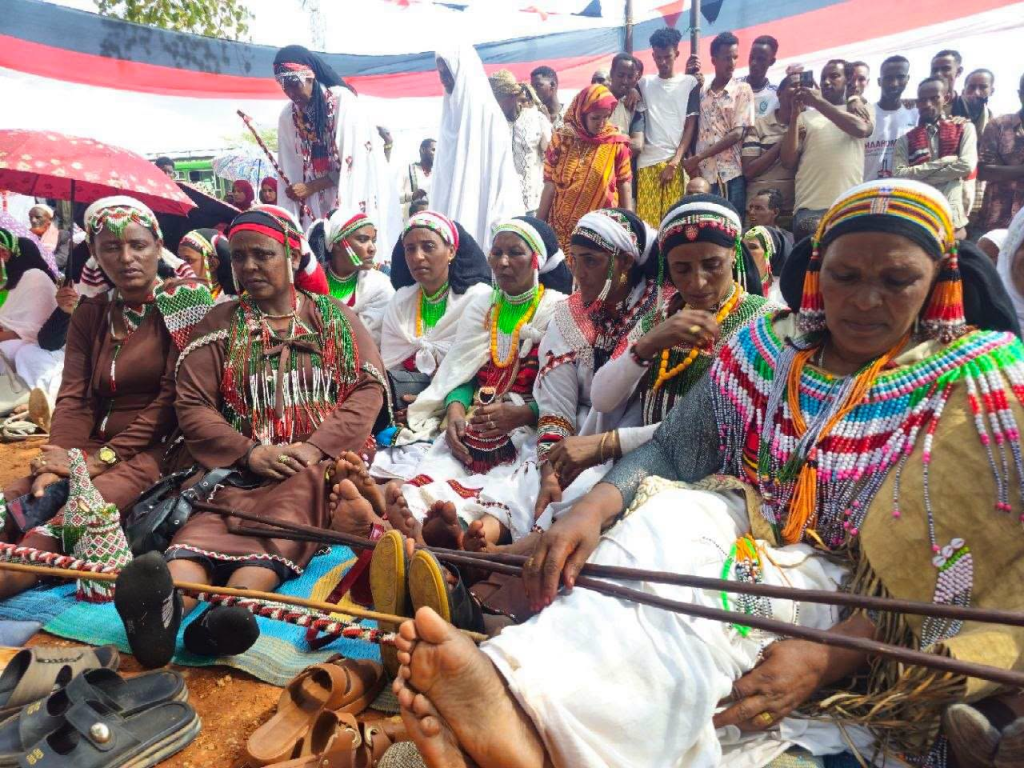
Ruling on Traditional Marriage and Rituals
“Fuudhaaf heeruma ilaalchisee gabbarri hafuu akka qabu…”
The council reaffirmed that traditional marriage rituals must be properly observed, preserving the cultural practices that have guided Oromo society for generations. This ruling underscores the importance of maintaining the sacred customs of the Gadaa system, including the proper observance of marriage ceremonies.
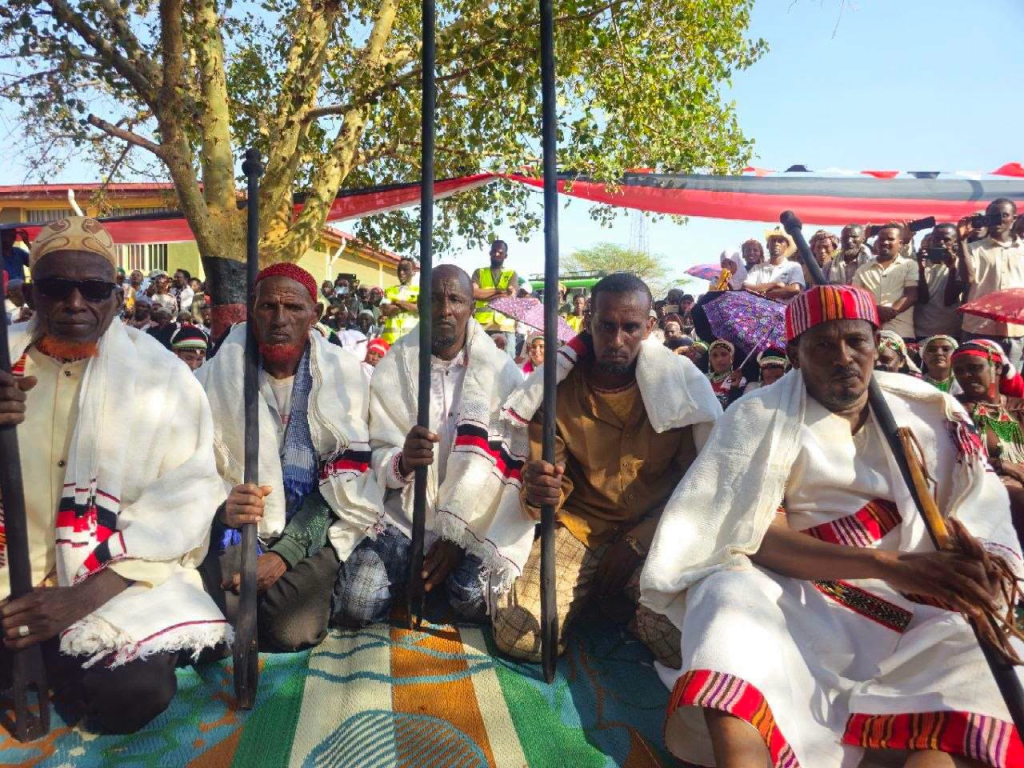
Addressing Illegal Migration
“Godaansa seeraan alaa ilaalchisee; karaa seeraan alaa dargaggoonni abdii egeree ta’an faddaalaan gowwomfamanii biyyaa bahaa jiran akka hafuufi xiyyeeffannoon irratti hojjatamuu akka qabu ergaan darbe.”
On the issue of illegal migration, the council emphasized that efforts should be made to prevent young people from being misled by false promises and leaving the country illegally. It called for increased attention to the root causes of illegal migration and for young people—who are the hope of the future—to remain in their homeland.
Preserving Oromo Identity and Culture
“Uumanni Oromoo Arsii uummata safuu, safaffannaa aadaafi duudhaa mataa ofi qabu waan ta’een seenaafi eenyumaa isaa ganamaa eeggatee jiraachuu akka qabu lallabamee jira.”
The assembly declared that the Oromo people of Arsii are a nation with their own moral code, cultural practices, and traditions, and must preserve their history and original identity. This ruling reinforces the importance of cultural continuity and the transmission of Oromo values to future generations.
Security and Peacebuilding
“Nageenyaan walqabatee; nageenya waaraa lafa qabsisuuf hunduu nagaaf dursaa kennee, Waamichaa abbootii Gadaafi Abbootii Siinqeetti dhagahee garaa nagaatti dhufuu akka qabu lallabameera.”
Regarding security, the council called on all community members to prioritize peace, to heed the call of Gadaa leaders and Siinqee elders, and to embrace peace. The assembly emphasized that security is a collective responsibility requiring the participation of all members of the community.
Environmental Protection
“Gama eegumsaa qabeenya uumatiin immoo biqiltoowwaan akka dhabamaniifi kan dhaabaman immoo akka kunuufaman lallabamee jira.”
In the area of environmental protection, the council ruled that existing trees must not be destroyed and that newly planted trees must be nurtured and protected. This ruling reflects the Oromo people’s deep commitment to environmental stewardship, rooted in the principles of the Gadaa system and the sacred duty to protect creation.
A Framework for the Future
“Murtiwwaan kunneen aadaafi duudha Oromoota Sikkoo Mandoo biratti waggoota saddeetiif kan tajaajiluudha.”
These rulings will guide the Oromo community of Sikkoo Mandoo for the next eight years, aligning with the Gadaa system’s eight-year cycle. The decisions made at Dhaddacha Baldhaa will shape the cultural, social, and environmental practices of the community for a full Gadaa cycle.
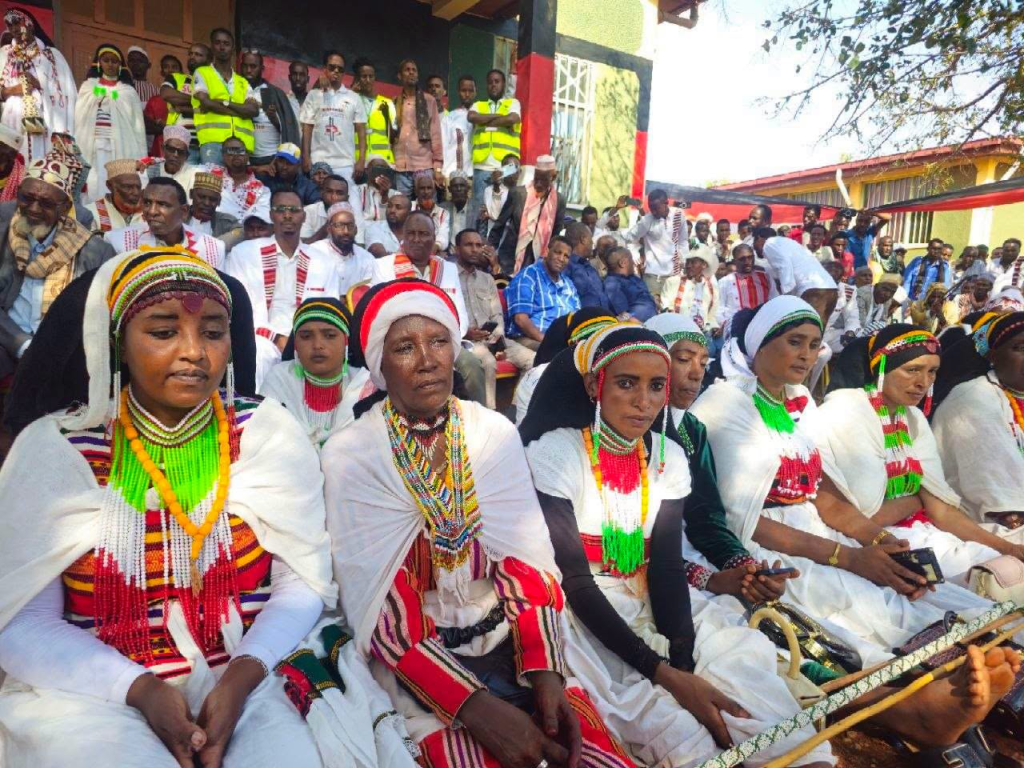
The Significance of the Gathering
The Yaa’ii Gadaa at Dhaddacha Baldhaa is a testament to the resilience and continuity of the Oromo Gadaa system. It demonstrates that despite historical challenges, the Oromo people continue to govern themselves, preserve their culture, and address contemporary issues through their traditional institutions.
The assembly addressed the full spectrum of community life:
- Cultural preservation through the restoration of traditional practices
- Social justice through rulings on marriage and community relations
- Security through calls for peace and collective responsibility
- Environmental protection through the stewardship of natural resources
- Youth engagement through efforts to prevent illegal migration
A Call to the Community
The council issued a call to all Gadaa leaders and Siinqee elders to continue their work of guiding the community and promoting peace. The assembly also urged community members to support the rulings and to work together to ensure their implementation.
Conclusion
The Yaa’ii Gadaa of Sikkoo Mandoo at Dhaddacha Baldhaa marks a significant moment in the ongoing revitalization of Oromo cultural institutions. The six major rulings issued by the assembly provide a comprehensive framework for community life, addressing marriage practices, migration, cultural preservation, security, and environmental protection.
As the Oromo people continue their journey of cultural revival and self-determination, gatherings such as the Yaa’ii at Dhaddacha Baldhaa play an essential role in maintaining the continuity of the Gadaa system and ensuring that Oromo traditions remain a living, breathing force in the lives of the people.
“Walumaagalatti Yaa’ii Gadaa Sikkoo Mandoo yeroo amma Baalee Bahaa, Aanaa Raayituutti gaggaeeffame jiru murtiiwwaan gurguddoon Aadaafi Duudha Oromoo cimsan kan dabarsee yoo ta’u murtiwwaan kunneen aadaafi duudha Oromoota Sikkoo Mandoo biratti waggoota saddeetiif kan tajaajiluudha.”
The Dhaddacha Baldhaa stands once again as a centre of Oromo governance and culture, guiding the people toward a future rooted in tradition and hope.

Ayyaana Ilillii (Qaammee): The Sacred Festival of Oromo Girls
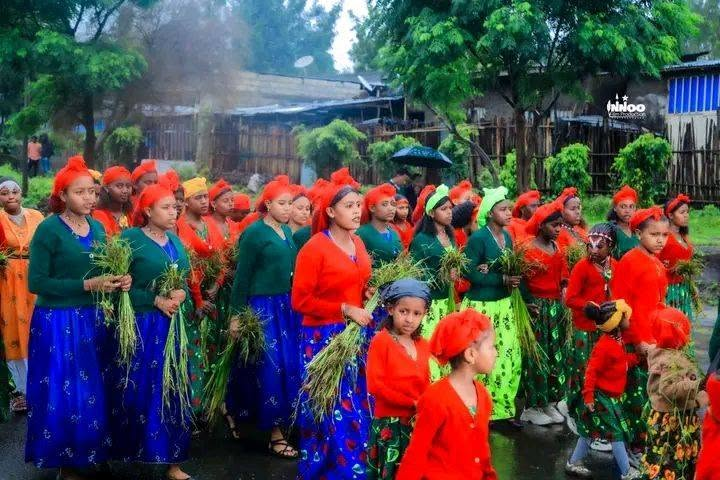
A celebration of girlhood, freedom, and cultural continuity
FINFINNE, OROMIA — Among the many festivals that enrich the Oromo cultural calendar, Ayyaana Ilillii—also known as Qaammee—holds a special and cherished place. This celebration, which typically arrives in the month of Hagayya (the second month of the Oromo rainy season), is a joyful occasion dedicated to young women and girls, marking their importance in Oromo society and celebrating their freedom and vitality.
“Ayyaanni Ilillii ykn Qaammeen ayyaana shanarraniiti.”
Ayyaana Ilillii is the festival of girls. This simple declaration carries profound meaning—a recognition that Oromo girls are worthy of celebration, respect, and freedom.
The Significance of Ayyaana Ilillii
“Akkuma beekamu fuuldura keenya kana waan torbee 3 hin caalle ayyaana guddaa hawwiidhaan eegamu ayyaana ililliitii tu nutti as deemaa jira.”
Ayyaana Ilillii is a grand festival eagerly anticipated by the Oromo people. It usually takes place over three days, marking a period of celebration, cultural expression, and community bonding. The festival is widely known and celebrated among Oromo communities, particularly in the Oromia Region. It is considered one of the major Oromo festivals, alongside the well-known Irreechaa celebration.
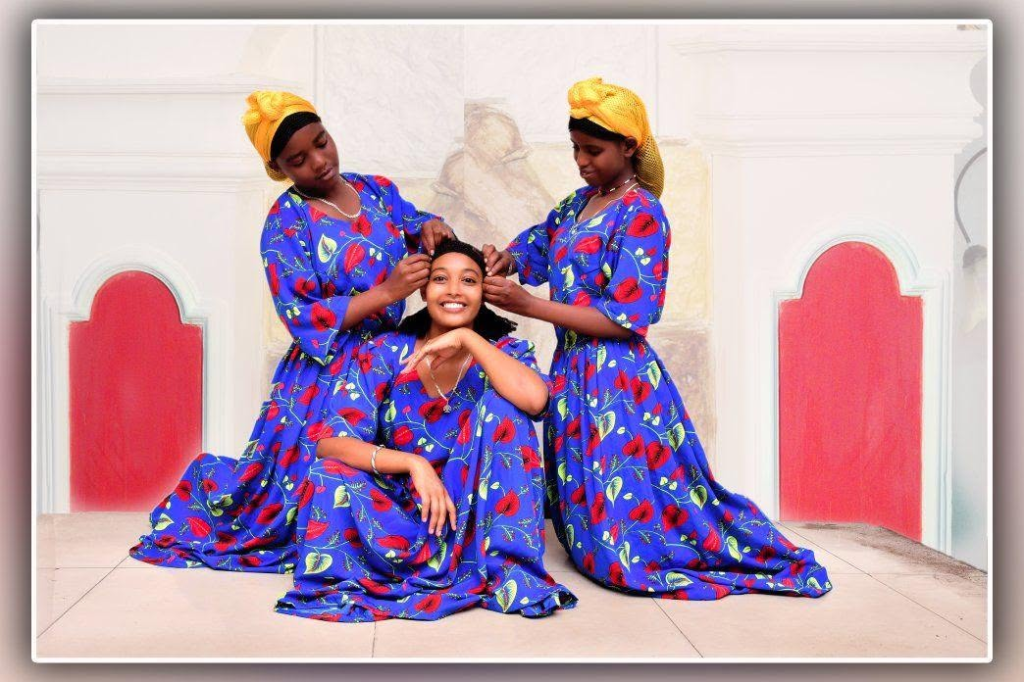
A Festival of Girls
“Ayyaanni kun ayyaana shamarraniiti.”
This festival is exclusively dedicated to girls. It provides a unique opportunity for young women to experience a day of freedom, joy, and community. On this day, girls are allowed to move freely, visiting different homes and neighborhoods in groups, singing, dancing, and celebrating their girlhood .
The freedom given to girls on this day is a powerful cultural statement. It acknowledges the importance of young women and their right to expression, movement, and joy. In a society where girls often face restrictions and expectations, Ayyaana Ilillii offers a rare moment of liberation and celebration.
How the Festival Is Celebrated
“Kalee akkuma hawaasa keenya keessatti baratame durbii manaa baatee lafa feete fi akka feetetti hin deemtu garuu guyyaa Ayyaana Ilillii kana Mirgi isaanii guutummaan guututti kabajamaadha.”
Traditionally, girls were not allowed to leave their homes freely. On the day of Ayyaana Ilillii, however, their rights are fully respected. They can go wherever they wish, and no one has the right to restrict their freedom.
“Ayyaana kana kan daddarbu shamara hin heerumneefi kaadhimaa kaadhimamtee jirtutu deema akkasumas heerumtee kan baranoo taates mandara ollaa ishii wajjin deemte daddarbuu ni dandeessi.”
The festival is primarily observed by unmarried girls and those who are engaged. However, even married women can participate by accompanying the girls from their neighborhood. This inclusive approach allows women of all ages to engage in the celebration and pass on cultural values to the younger generation.
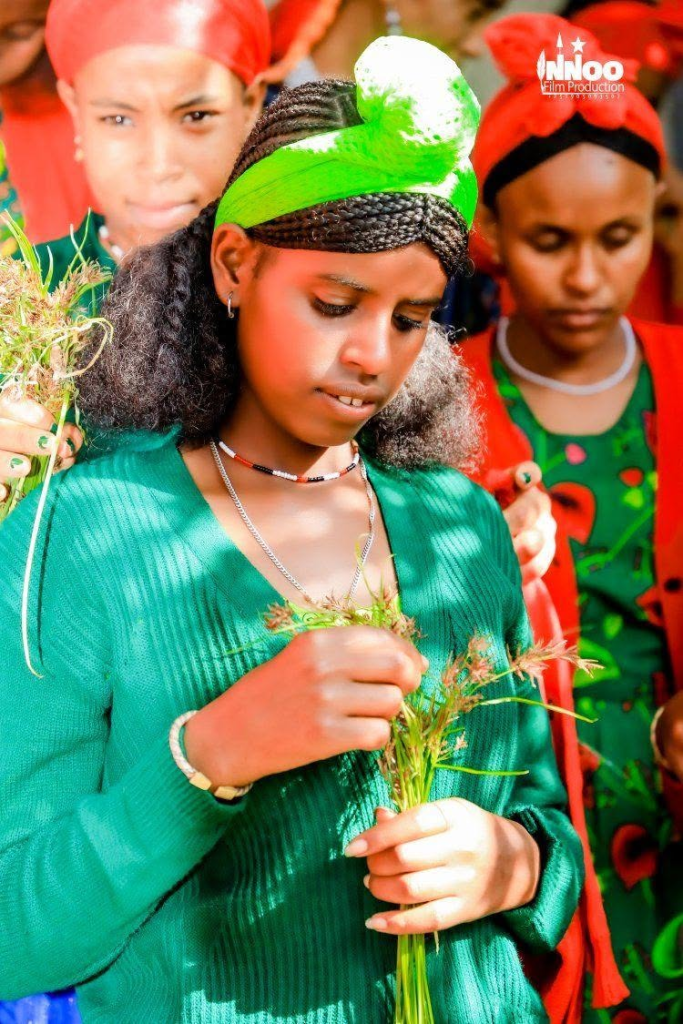
Traditions and Rituals
“Gaafa jennu warra Dhiiraa hin ilaallatu jechuu miti isaanis akkuma gita umurii isaaniitiin gaafa ayyaanni kun dhihaatu dhiiboo bahanii qoosaa wal arrabsoo dhiichisanii taphatu maal akka jettanii dhechiftan immoo isinumaafan dhiisaa.”
It is important to note that Ayyaana Ilillii is not a festival that excludes men entirely. Men and boys, according to their age groups, also participate in the festivities. They play, engage in friendly banter, and share in the joyful atmosphere. The focus, however, remains on the girls and their celebration.
“Akkuma ayyaanni Taaboree ayyaana warra dhiiraati jedhamee waamamu ayyaanni Ililliitis ayyaana shamarranii jedhamee waamama.”
Just as the Taaboree festival is considered the festival of boys, Ayyaana Ilillii is considered the festival of girls. This parallel highlights the balance and complementarity that exists within Oromo culture, where both boys and girls have their own special celebrations.
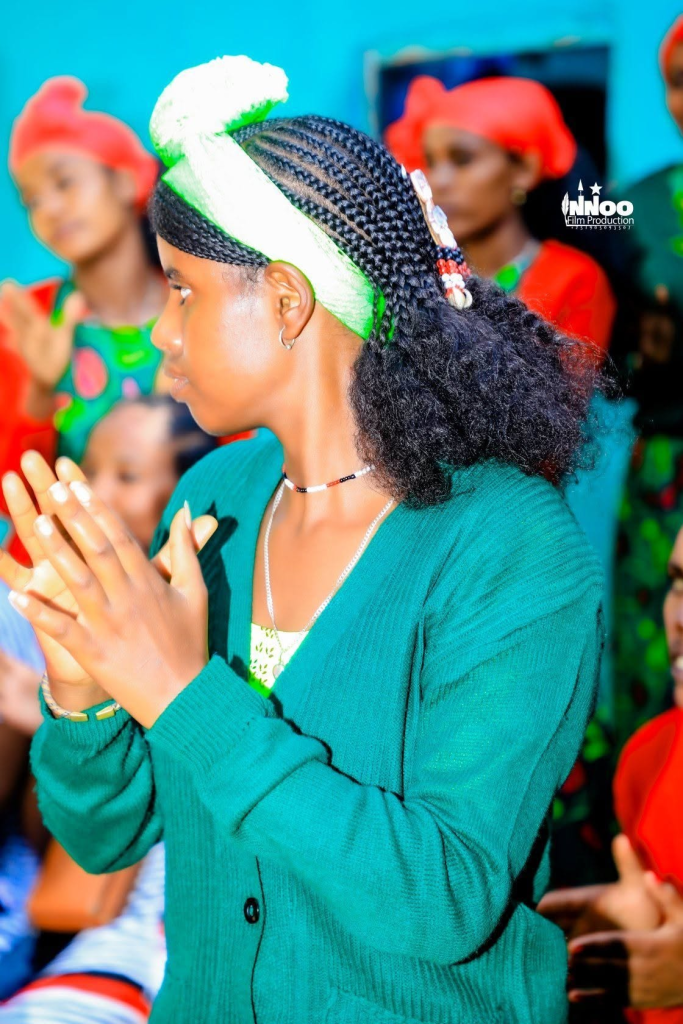
The Wadaajii Tradition
“Akkasumas guyyaa kana warri Dhiiraa wadaajii dhungachuuf qophaa’u.”
On this day, men and boys prepare to consume a special drink called Wadaajii. This is part of the cultural celebration, where community members gather and share in the festivities.
“Gaafa isaan daddarbaaf deeman karaatti dhiichisaan eeganii dhungatu wadaajii kana kan namni tokko dhungate namni biraa dhungachuu hin danda’u.”
As the girls go from place to place, they are met by local residents who offer them Wadaajii. It is considered a tradition of respect and kindness that only one person’s offering is accepted, symbolizing the spirit of mutual respect and reciprocity.
“Wadaajin lamaan wal dhungatan kun gaafa ishiin heerumtu innis waan bituuf qaba ishiinis gaafa inni fuudhu waan bittuuf qabdi kana moo waan nuti har’a uumnee osoo hin taane achii dhufteedhuma kalee hawaasni keenya Aaddeffachaa dhufeedha.”
The Wadaajii tradition carries a deeper symbolic meaning. Some interpret it as representing the future exchange between a couple—what the husband will provide and what the wife will bring. This practice is not a new invention but has been passed down through generations, reflecting the continuity and cultural heritage of the Oromo people.
Preparation for the Festival
“Akkasuma shamarri takka gaafa ayyaanni Ilillii as dhihaatu mana dhoqqee looniitiin lallaqxee babbareefattee qophoofti.”
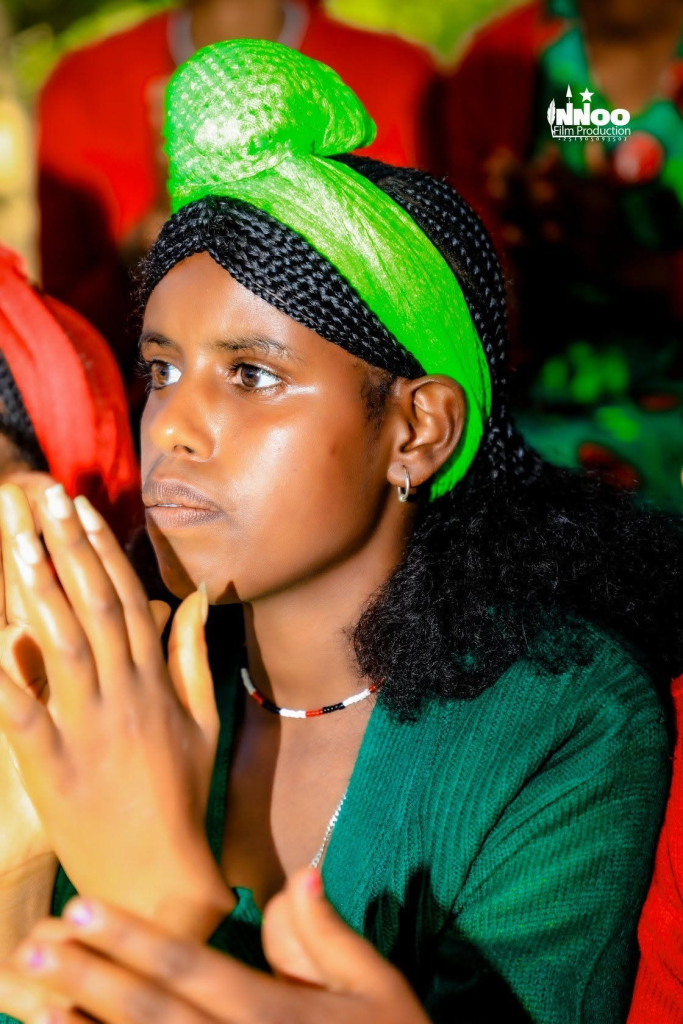
In preparation for the festival, girls often decorate themselves with local soil (clay) and traditional ornaments, adorning themselves beautifully. This is a way of expressing joy and pride in their culture. The sight of young girls dressed in their finest traditional attire, moving through the village in joyful groups, is a testament to the resilience of Oromo culture.
The Meaning of the Festival
Ayyaana Ilillii is more than a celebration—it is a statement. It declares:
- Girls are valued: Oromo society recognizes the importance of its young women and celebrates their presence.
- Freedom is sacred: The festival provides a brief but meaningful period of freedom for girls, affirming their right to move, express, and be joyful.
- Community matters: The participation of the entire community—men, women, boys, girls, elders, and youth—reinforces the bonds of community and shared identity.
- Culture endures: Despite pressures from colonization, modernization, and external influences, Oromo culture continues to thrive and adapt.
Conclusion
Ayyaana Ilillii is a beautiful expression of Oromo cultural identity. It is a celebration of girlhood, freedom, and community, held during the rainy season when the land is green and the people are filled with hope . It is a time when the voices of young women are heard, their joy is celebrated, and their importance is affirmed.
“Ayyaanni kun ayyaana shamarraniiti.”
Ayyaana Ilillii is the festival of girls—a festival of joy, freedom, and the enduring spirit of the Oromo people.
May the tradition of Ayyaana Ilillii continue to be celebrated for generations to come, and may every Oromo girl know the joy of this sacred celebration.






