Ayyaana Ilillii (Qaammee): The Sacred Festival of Oromo Girls
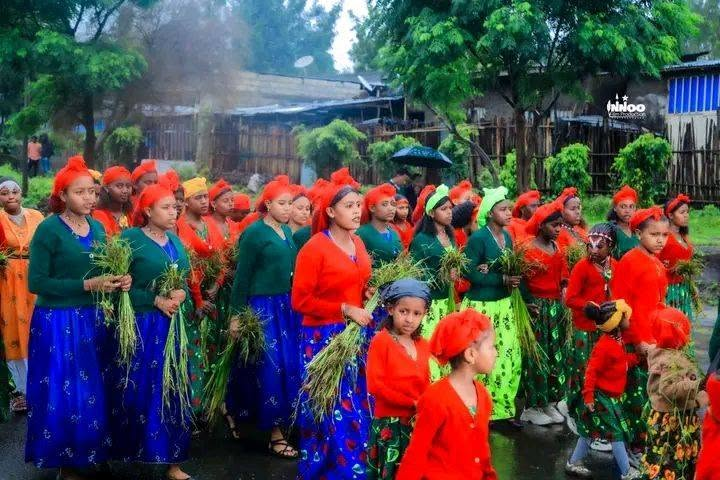
A celebration of girlhood, freedom, and cultural continuity
FINFINNE, OROMIA — Among the many festivals that enrich the Oromo cultural calendar, Ayyaana Ilillii—also known as Qaammee—holds a special and cherished place. This celebration, which typically arrives in the month of Hagayya (the second month of the Oromo rainy season), is a joyful occasion dedicated to young women and girls, marking their importance in Oromo society and celebrating their freedom and vitality.
“Ayyaanni Ilillii ykn Qaammeen ayyaana shanarraniiti.”
Ayyaana Ilillii is the festival of girls. This simple declaration carries profound meaning—a recognition that Oromo girls are worthy of celebration, respect, and freedom.
The Significance of Ayyaana Ilillii
“Akkuma beekamu fuuldura keenya kana waan torbee 3 hin caalle ayyaana guddaa hawwiidhaan eegamu ayyaana ililliitii tu nutti as deemaa jira.”
Ayyaana Ilillii is a grand festival eagerly anticipated by the Oromo people. It usually takes place over three days, marking a period of celebration, cultural expression, and community bonding. The festival is widely known and celebrated among Oromo communities, particularly in the Oromia Region. It is considered one of the major Oromo festivals, alongside the well-known Irreechaa celebration.
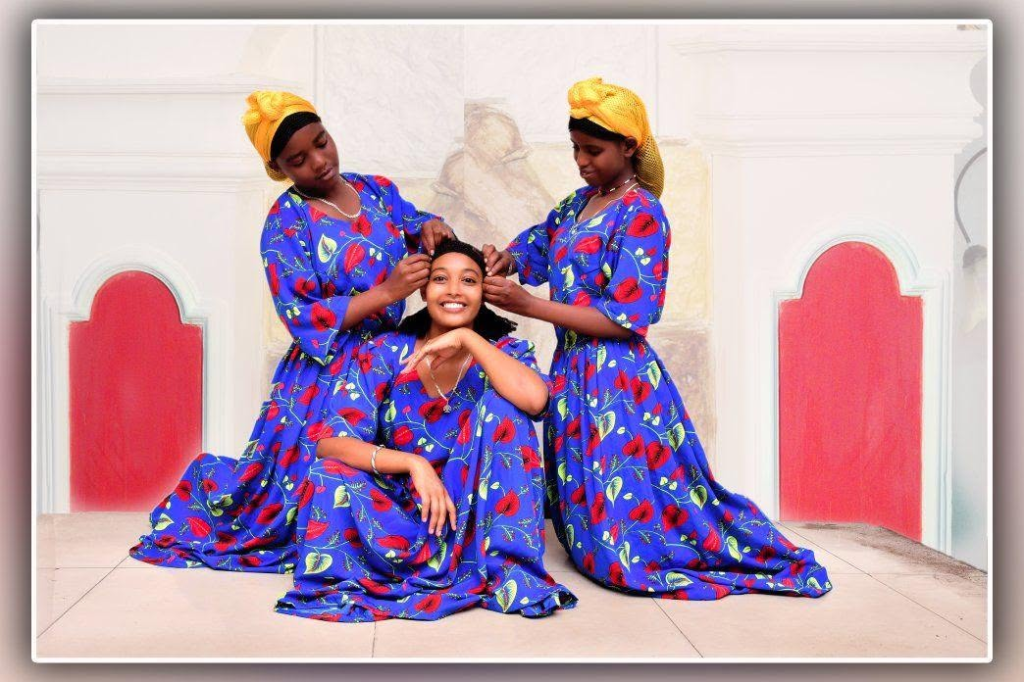
A Festival of Girls
“Ayyaanni kun ayyaana shamarraniiti.”
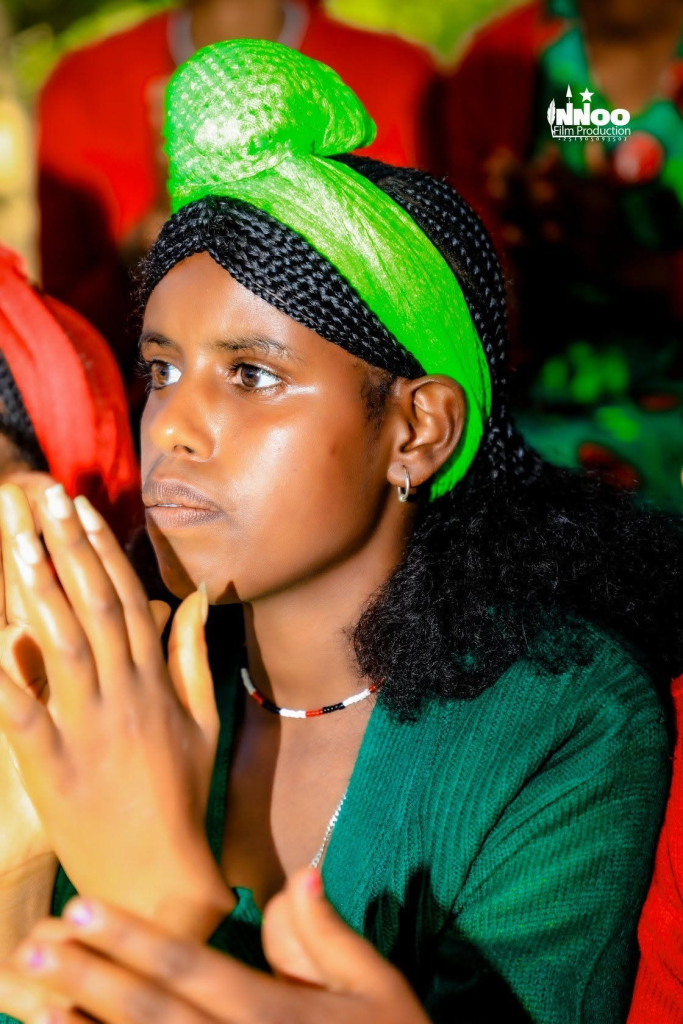
This festival is exclusively dedicated to girls. It provides a unique opportunity for young women to experience a day of freedom, joy, and community. On this day, girls are allowed to move freely, visiting different homes and neighborhoods in groups, singing, dancing, and celebrating their girlhood .
The freedom given to girls on this day is a powerful cultural statement. It acknowledges the importance of young women and their right to expression, movement, and joy. In a society where girls often face restrictions and expectations, Ayyaana Ilillii offers a rare moment of liberation and celebration.
How the Festival Is Celebrated
“Kalee akkuma hawaasa keenya keessatti baratame durbii manaa baatee lafa feete fi akka feetetti hin deemtu garuu guyyaa Ayyaana Ilillii kana Mirgi isaanii guutummaan guututti kabajamaadha.”
Traditionally, girls were not allowed to leave their homes freely. On the day of Ayyaana Ilillii, however, their rights are fully respected. They can go wherever they wish, and no one has the right to restrict their freedom.
“Ayyaana kana kan daddarbu shamara hin heerumneefi kaadhimaa kaadhimamtee jirtutu deema akkasumas heerumtee kan baranoo taates mandara ollaa ishii wajjin deemte daddarbuu ni dandeessi.”
The festival is primarily observed by unmarried girls and those who are engaged. However, even married women can participate by accompanying the girls from their neighborhood. This inclusive approach allows women of all ages to engage in the celebration and pass on cultural values to the younger generation.
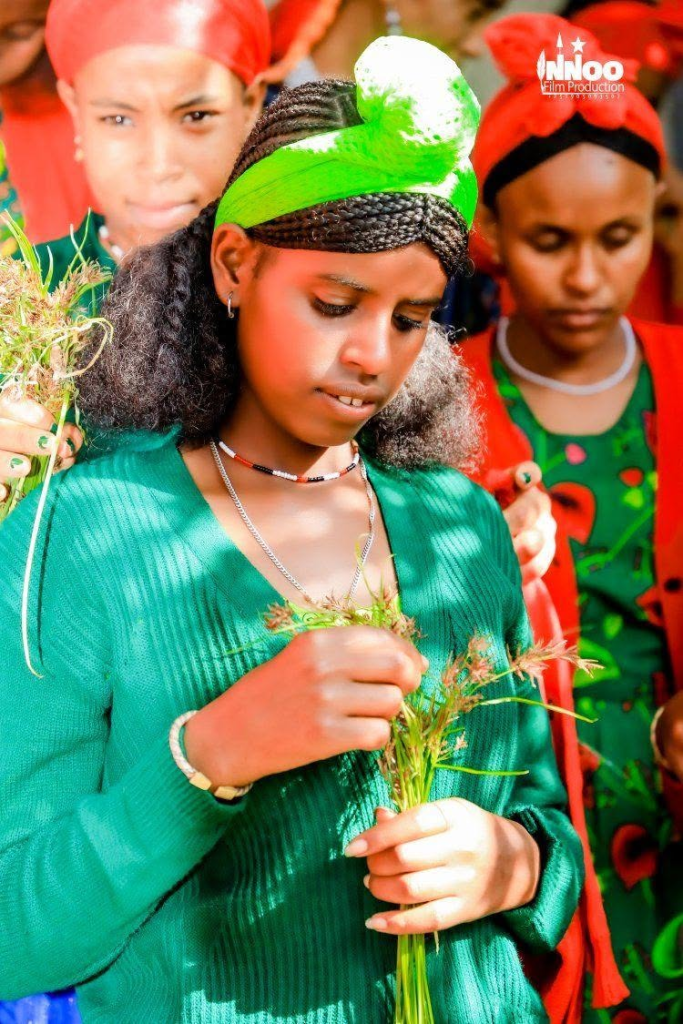
Traditions and Rituals
“Gaafa jennu warra Dhiiraa hin ilaallatu jechuu miti isaanis akkuma gita umurii isaaniitiin gaafa ayyaanni kun dhihaatu dhiiboo bahanii qoosaa wal arrabsoo dhiichisanii taphatu maal akka jettanii dhechiftan immoo isinumaafan dhiisaa.”
It is important to note that Ayyaana Ilillii is not a festival that excludes men entirely. Men and boys, according to their age groups, also participate in the festivities. They play, engage in friendly banter, and share in the joyful atmosphere. The focus, however, remains on the girls and their celebration.
“Akkuma ayyaanni Taaboree ayyaana warra dhiiraati jedhamee waamamu ayyaanni Ililliitis ayyaana shamarranii jedhamee waamama.”
Just as the Taaboree festival is considered the festival of boys, Ayyaana Ilillii is considered the festival of girls. This parallel highlights the balance and complementarity that exists within Oromo culture, where both boys and girls have their own special celebrations.
The Wadaajii Tradition
“Akkasumas guyyaa kana warri Dhiiraa wadaajii dhungachuuf qophaa’u.”
On this day, men and boys prepare to consume a special drink called Wadaajii. This is part of the cultural celebration, where community members gather and share in the festivities.
“Gaafa isaan daddarbaaf deeman karaatti dhiichisaan eeganii dhungatu wadaajii kana kan namni tokko dhungate namni biraa dhungachuu hin danda’u.”
As the girls go from place to place, they are met by local residents who offer them Wadaajii. It is considered a tradition of respect and kindness that only one person’s offering is accepted, symbolizing the spirit of mutual respect and reciprocity.
“Wadaajin lamaan wal dhungatan kun gaafa ishiin heerumtu innis waan bituuf qaba ishiinis gaafa inni fuudhu waan bittuuf qabdi kana moo waan nuti har’a uumnee osoo hin taane achii dhufteedhuma kalee hawaasni keenya Aaddeffachaa dhufeedha.”
The Wadaajii tradition carries a deeper symbolic meaning. Some interpret it as representing the future exchange between a couple—what the husband will provide and what the wife will bring. This practice is not a new invention but has been passed down through generations, reflecting the continuity and cultural heritage of the Oromo people.
Preparation for the Festival
“Akkasuma shamarri takka gaafa ayyaanni Ilillii as dhihaatu mana dhoqqee looniitiin lallaqxee babbareefattee qophoofti.”
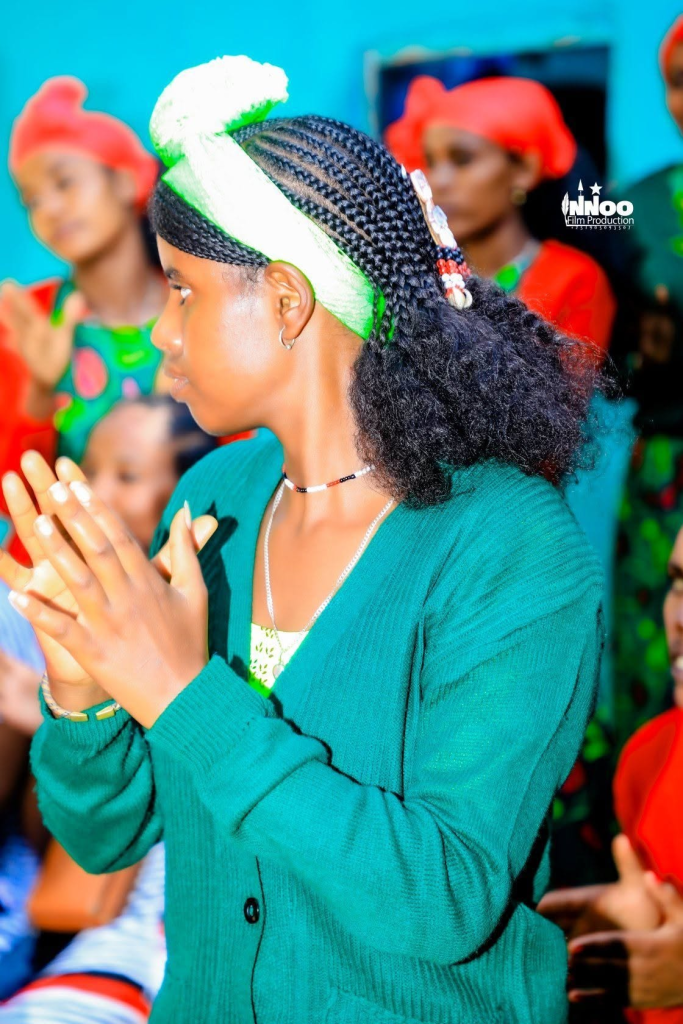
In preparation for the festival, girls often decorate themselves with local soil (clay) and traditional ornaments, adorning themselves beautifully. This is a way of expressing joy and pride in their culture. The sight of young girls dressed in their finest traditional attire, moving through the village in joyful groups, is a testament to the resilience of Oromo culture.
The Meaning of the Festival
Ayyaana Ilillii is more than a celebration—it is a statement. It declares:
- Girls are valued: Oromo society recognizes the importance of its young women and celebrates their presence.
- Freedom is sacred: The festival provides a brief but meaningful period of freedom for girls, affirming their right to move, express, and be joyful.
- Community matters: The participation of the entire community—men, women, boys, girls, elders, and youth—reinforces the bonds of community and shared identity.
- Culture endures: Despite pressures from colonization, modernization, and external influences, Oromo culture continues to thrive and adapt.
Conclusion
Ayyaana Ilillii is a beautiful expression of Oromo cultural identity. It is a celebration of girlhood, freedom, and community, held during the rainy season when the land is green and the people are filled with hope . It is a time when the voices of young women are heard, their joy is celebrated, and their importance is affirmed.
“Ayyaanni kun ayyaana shamarraniiti.”
Ayyaana Ilillii is the festival of girls—a festival of joy, freedom, and the enduring spirit of the Oromo people.
May the tradition of Ayyaana Ilillii continue to be celebrated for generations to come, and may every Oromo girl know the joy of this sacred celebration.

Posted on July 22, 2026, in Aadaa, Afaan, Events, Finfinne, health, Information, Language, News, Oromia, Press Release, Promotion. Bookmark the permalink. Leave a comment.




 Advocacy for Oromia
Leave a comment
Comments 0