Category Archives: gender

The Lion Who Fell Fighting: Remembering Jaal Lammeessaa Boruu (1943–1992)
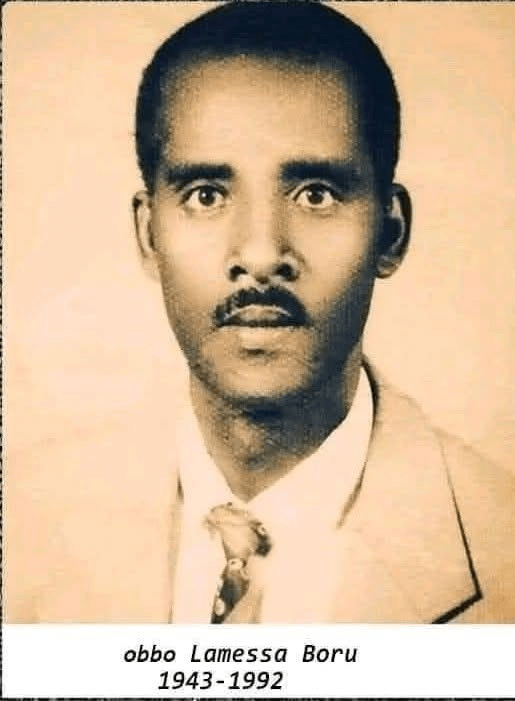
By Daandii Ragabaa (Adapted into a feature story based on various sources)
His name means “Lion” in Oromo. And like a lion, Jaal Lammeessaa Boruu lived with courage, fought with conviction, and died with his boots on—somewhere in the forests of western Oromia, in 1992. Three decades later, his grave remains unknown. But his story, carried by oral tradition and fragmentary records, refuses to be buried.
A Humble Beginning in Wallagga
Jaal Lammeessaa Boruu was born in 1943 in Billo, a town in the Bonayya district of East Wallagga, within the Waamaa region. According to those who knew him, he grew up in a typical Oromo farming community, at a time when the imperial government of Haile Selassie exercised firm control over the land and its people.
As a young man, he left his birthplace and moved to Finfinnee (Addis Ababa), where he lived for about 15 years as an adolescent. There, he entered school. But his education was interrupted by a different calling.
The Soldier with the Striking Physique
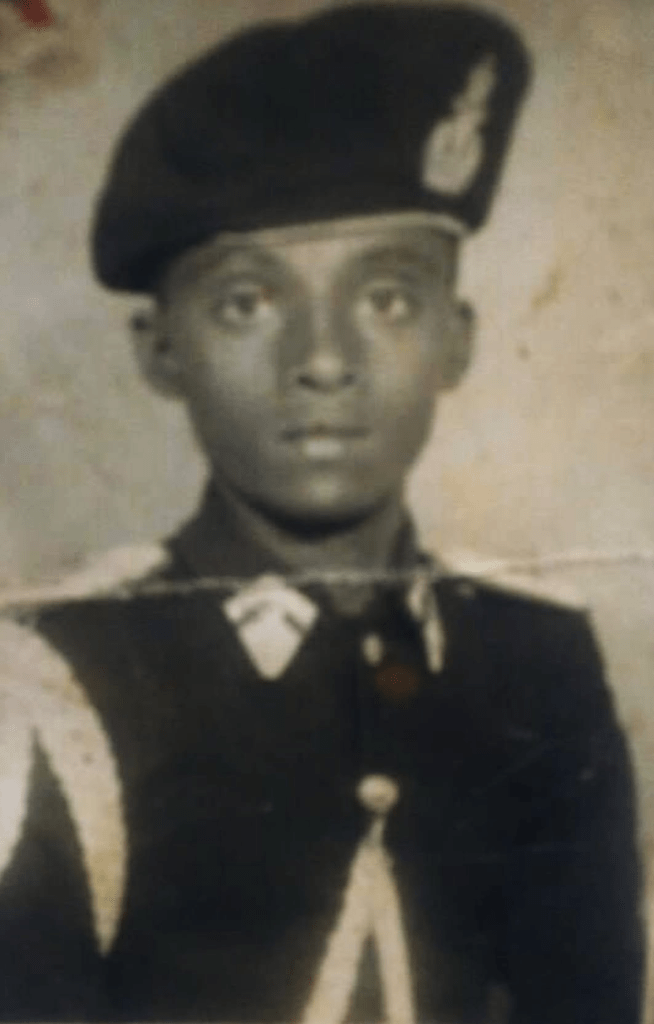
Contemporary accounts describe Jaal Lammeessaa as tall and physically impressive. It was this very stature that drew the attention of military recruiters. Under the imperial regime, he was selected to join a special unit known as “Kubur-Zabanya” and “Faxino-Darash” (likely special police or commando forces). Within the latter, he became known as “Faxino-Daraash Shalaqaa” and served under the command of General Tadesse Birru.
He proved to be an exceptional soldier. His superiors reportedly praised his dedication, and he rose to become a respected non-commissioned officer.
Joining the Machaa Tulema Association
The Machaa Tulema Association was founded as a development and civic organization, but it quickly became a political vehicle for Oromo nationalism. General Tadesse Birru was one of its key leaders. When the association began recruiting members, Jaal Lammeessaa was among those selected.
Initially, the organization’s goal was to work within the system—to address Oromo grievances through legal means. But as General Tadesse and others concluded that the imperial regime had no intention of recognizing Oromo rights, they shifted toward a more radical path. Jaal Lammeessaa became a trusted operative within the association’s secret military wing.
The Failed Plot Against Emperor Haile Selassie
On October 23 (Ethiopian calendar), the Emperor’s birthday, a plot was hatched to assassinate Haile Selassie during the annual celebrations at the site known as “Addabaaba’ii Minlik” (Menelik Square). General Tadesse Birru assigned four commandos to carry out the attack, selecting them for their courage and loyalty.
The four were:
· Lammeessaa Boruu (from the Faxino-Darash unit)
· Camadaa Sobbooqaa
· H/Mariyam Diimaa (from Kubur-Zabanya)
· Fixumaa Hiikisaa
They prepared extensively. But the plot was betrayed. Informants within the government learned of the plan just before it could be executed. The commandos were arrested.
When Jaal Lammeessaa was searched, a bomb intended for the Emperor was found on him. He was tortured severely. According to surviving members of the Machaa Tulema Association, his ribs were broken, and he suffered long-term disability from the interrogation. Despite the brutality, he refused to betray the organization’s deeper secrets—though under extreme duress, some information was extracted.
First Imprisonment and Release
Following the failed plot, General Tadesse and several others were sentenced to death. Jaal Lammeessaa received a five-year prison sentence. After serving his term, he was released. Upon release, he immediately rejoined his former commander, General Tadesse Birru, who had been transferred to Galamso in eastern Oromia. There, they continued to discuss the struggle for Oromo self-determination.
The Cinema Bombing and Second Arrest
As the Machaa Tulema Association continued its activities, the regime grew more determined to crush it. On December 10, 1959 (Ethiopian calendar), a bomb exploded inside a cinema in Addis Ababa where the film Zorba the Greek was being shown. Thirty-six people were wounded.
The government immediately blamed the Machaa Tulema Association. Propaganda claimed that a member named Maammoo Mazaamir had planted the bomb. The incident was used as a pretext for a massive crackdown. Jaal Lammeessaa was arrested again—this time as part of a sweeping roundup of Oromo nationalists.
He was among nine senior Machaa Tulema figures sentenced to long prison terms, while General Tadesse Birru and Maammoo Mazaamir received death sentences (later commuted or carried out, depending on the account).
Life Under the Derg and the Fourth Arrest
Jaal Lammeessaa spent more than 12 years in prison under the Derg regime that overthrew Haile Selassie in 1974. He was held in police stations and military camps, subjected to repeated interrogations. Yet even in detention, he remained committed to the Oromo cause.
After the Derg fell in 1991, Jaal Lammeessaa was released. He joined the Oromo Liberation Front (ABO – a reference to the OLF) and became a member of its central committee, working in the economic department. He lived in Wajjira Gullaallee, continuing his activism.
The Final Battle and Disappearance
In 1992, following a split within the transitional government of Ethiopia (the “Ce’umsaa” or transitional period), Jaal Lammeessaa and other Oromo fighters moved toward western Oromia. They joined ongoing armed confrontations against government forces (referred to as “Wayyaanee” – a term for the Ethiopian military or allied militias).
According to the source, Jaal Lammeessaa Boruu fell in battle near the Jimma Horroo area in Wallagga region. He was killed in armed combat. His body was never recovered, and to this day, the exact location and circumstances of his death remain unknown.
Legacy: The Unknown Grave, the Known Sacrifice
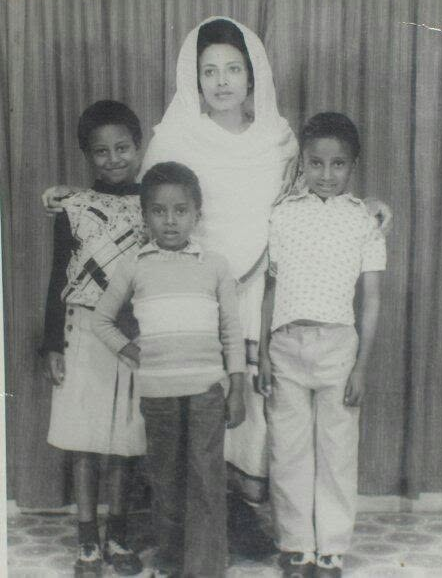
Jaal Lammeessaa Boruu was 49 years old when he died. He left behind three children: Mosisa Lamessa Boru, Lense Lemessa Boru and Tsegaye Lemessa Bouru. He is remembered as a devoted fighter who gave his entire adult life to the Oromo national struggle. From the imperial era through the Derg and into the transitional government, he never wavered.
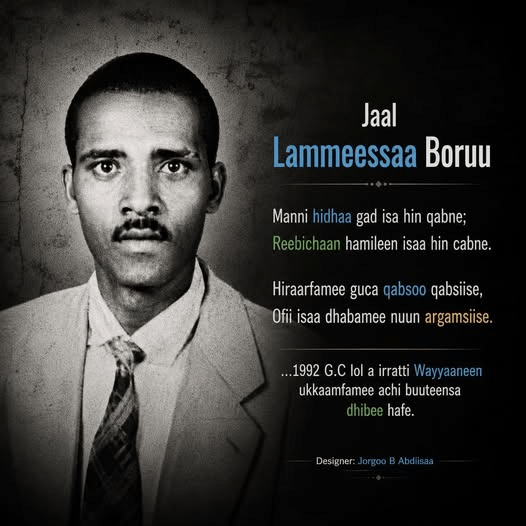
The biography ends with a poetic refrain:
“The fighter may fall. He may pass away. But Jaal Lammeessaa’s blood was not shed in vain. He has grown for us the plant of freedom.”
His grave may be lost to history. But for those who keep his memory, Jaal Lammeessaa Boruu remains one of the lions of Oromo resistance—a man who turned his back on personal safety and government favor, and chose instead the uncertain path of the forest and the battlefield.
—
*This feature story is based exclusively on various sources of the Oromo-language biography written by Daandii Ragabaa. It is presented as a journalistic adaptation of that source and does not constitute an endorsement of armed struggle or any political organization. The factual claims rest with the original author.

Wealth Creation Strategies for Indigenous Oromians

Taking Control of Your Financial Destiny
Join the growing movement of Oromo people taking control of their financial future. Are you an Indigenous Oromian looking to build wealth and secure a future for your family? Struggling to navigate the complexities of property investment, finance, and long-term savings? Imagine having tailored insights that guide you on the path to financial independence and generational wealth—For Indigenous Oromias, By Indigenous Oromias.
Why Wealth Creation Matters Now
The Oromo people have historically been excluded from economic opportunities across Ethiopia. Successive regimes systematically prevented Oromos from building economic assets, with more than 60% of Ethiopia’s exportable commodities, over 60% of staple food, 70% of industrial raw materials, and 80% of hydro power coming from Oromia—yet no Oromo has been able to qualify among the top 10 richest people in the country. This is not a coincidence; it is the result of deliberate economic marginalization.
But the Oromo people have always had the tools for economic resilience. The Gadaa system contains powerful economic principles that our ancestors used to build and sustain wealth: hard work, planning, mutual assistance, and community-based resource management. The proverb “Tuulamanii taa’anii, Waaqa ofii hin komatan” reminds us: “It is not right to blame God for not working hard.” Hard work and commitment are the sources of wealth.
What Indigenous Wealth Offers
Indigenous Wealth is a 100% Oromo-owned and operated consultancy dedicated to helping our people build generational wealth and achieve financial independence. Our team understands the unique challenges Oromo people face—and we have the strategies to overcome them.
Our Services Include:
Property Investment: We help you gain access to quality investment properties, connect you with finance professionals, and guide you through the property market to build long-term wealth.
Finance & Loans: We connect you with mortgage professionals who can assist with tailored home loans, equipment and business loans, as well as competitive finance for rural Oromo communities.
Wealth Strategy: We create personalized wealth-building plans designed specifically to help you achieve your financial goals.
Our Proven Results
We have successfully supported Oromo people across Ethiopia in achieving financial independence. Across similar models in other communities, Indigenous-owned wealth consultancies have helped create over 110 new property investors in just four years, with a goal of building a community of millionaires .
The Gadaa Foundation for Wealth
Our approach is rooted in the economic wisdom of the Gadaa system:
Hard Work and Planning
“Jabaatan jabaa nyaatu, laafan foxxoqxuu nyaatu” — “The strong eat the strong, and the weak eat the weak.” This proverb reminds us that hard work is mandatory in daily life, and that everyone needs to plan to work hard and secure their future.
Community Support Systems
Traditional Oromo institutions like dabo (labour cooperation) and daadoo (mutual work groups) demonstrate the power of collective effort. When communities work together, they achieve more than individuals working alone. We apply these same principles to modern wealth building.
Guddifachaa (Adoption)
The Oromo practice of guddifachaa demonstrates the belief that children are assets and the community shares responsibility for their welfare and education. This is the foundation of generational wealth—investing in the next generation’s education, skills, and economic opportunities.
Hard Work and Self-Reliance
The Gadaa system emphasizes that people should not wait for others to solve their economic problems. “Hojii hojjechuu isa malee gaafa du’aa hin galus” — “Without work, the day does not end.”.
How It Works: Your Free Wealth Strategy
Take advantage of our No-Obligation, Completely FREE Wealth Strategy. This isn’t just another generic report—it’s a highly personalized plan where you’ll receive unique suggestions on how to:
✅ Build generational wealth for your family and community
✅ Invest in property and understand the market
✅ Secure financial independence and plan for retirement
No cost, no commitment—just a clear path forward.
Real Stories: Oromo Success
Across Ethiopia, Oromo people are already building wealth through determination and community:
Fedhi Gudina Community Saving for Investment in Agribusiness Group: Founded in 2019 with just $141 raised by 20 members (15 women), this Oromo group grew their savings to $28,530 through strategic investment in crop cultivation and processing. They now operate a grain milling service that serves their entire community.
Safiya, an Oromo entrepreneur: Forced to flee Ethiopia, she built a successful business making traditional Oromo beadwork in Nairobi. Her handmade designs are sold for special occasions like weddings, and she now supports her family independently. She says: “I have hope in what I am making with my hands. I believe in it, I believe in myself.“.
Reach for Change Entrepreneurship Training: In April 2025, 83 Oromo women in Me’so, Babile, and Chinaksan woredas participated in entrepreneurship training designed to turn ideas into viable businesses. They are building off-farm businesses that sustain livelihoods and create economic independence.
Taking the First Step
The Oromo people have always been resilient. Despite centuries of oppression, forced displacement, and economic exclusion, we have survived—and now it is time to thrive.
Start your journey today. Complete our quick survey and begin taking control of your financial future. Whether you are looking to invest in property, start a business, or build generational wealth, Indigenous Wealth is here to guide you every step of the way.
Indigenous Wealth — 100% Oromo-owned and operated.
For Indigenous Oromias, By Indigenous Oromias.
Take control of your financial destiny today.

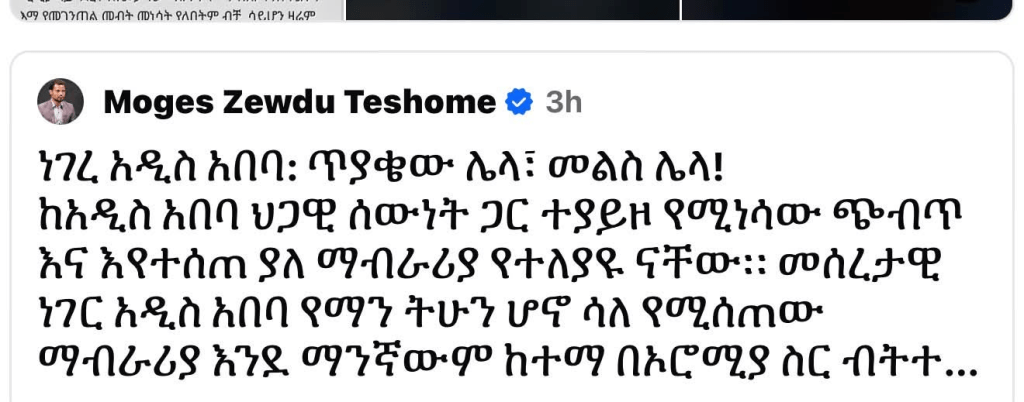
Finfinne and the Question of Historical Recognition: A Response to Moges Zewudu Teshome
Acknowledging History, Guaranteeing Citizenship, and Building a Foundation for Coexistence
By Iyasu Enoro
The debate surrounding Finfinne—the city known internationally as Addis Ababa—has long been characterized by competing narratives, political posturing, and deep-seated fears. In a recent contribution to this discourse, Moges Zewudu Teshome raised important concerns about the implications of recognizing Oromia’s connection to the capital. He argues that the central issue is not administration but the fear that Finfinne could be placed under the exclusive control of one ethnic group. He further suggests that linking Finfinne to Oromia would expose millions of residents to exclusion and discrimination.
While these concerns deserve serious discussion and should not be dismissed lightly, they do not adequately address the historical question at the centre of the debate. This response seeks to engage with Moges Zewudu Teshome’s arguments constructively while offering a broader perspective on the historical, constitutional, and practical dimensions of the Finfinne question.
The Core Issue: Historical Recognition, Not Ethnic Ownership
The first and most fundamental issue is that the discussion about Finfinne is fundamentally a question of historical recognition, not ethnic ownership. Oromo claims regarding Finfinne do not arise from the belief that only Oromo people should live in the city. Rather, they stem from the historical fact that the area known as Finfinne existed before the establishment of the city and was inhabited by Oromo communities.
Historical accounts recognize that the region was known as Finfinne—a name meaning “place of hot springs”—and that Oromo clans lived there before Menelik II established the city in 1886. This is not a matter of political convenience; it is a matter of documented historical fact.
Therefore, acknowledging Finfinne’s Oromo heritage is not equivalent to demanding the expulsion, marginalization, or disenfranchisement of non-Oromo residents. The recognition of indigenous history should not be confused with ethnic exclusivity. Just as the recognition of Māori heritage in New Zealand does not require the exclusion of non-Māori New Zealanders, the recognition of Oromo heritage in Finfinne does not require the exclusion of non-Oromo residents.
The question is not whether Finfinne belongs exclusively to any one group. The question is whether the city’s history and heritage will be acknowledged, respected, and integrated into its governance framework.
The International Precedent: Indigenous Recognition as a Foundation for Coexistence
The argument that any stronger relationship between Finfinne and Oromia inevitably leads to oppression requires examination. Around the world, indigenous peoples seek recognition of their connection to ancestral territories without necessarily seeking exclusive political control over those territories.
- In Australia, the High Court’s landmark Mabo decision rejected the doctrine of terra nullius and recognized Native Title rights. Indigenous Australians gained legal recognition of their ancestral connection to land without affecting the equal civil and political rights of other Australians.
- In New Zealand, the Treaty of Waitangi provides a foundation for protecting Māori rights, culture, and claims to ancestral lands while ensuring equal citizenship for all New Zealanders.
- In Canada, First Nations, Inuit, and Métis peoples possess constitutionally recognized indigenous rights. Land claims agreements and self-government arrangements acknowledge historical connections to traditional territories while cities and communities remain open to residents of all backgrounds.
- In the United States, Native American tribes retain certain rights related to self-government, culture, and ancestral territories. These rights coexist with the citizenship rights of all residents.
These examples demonstrate a common international principle: recognizing indigenous peoples’ historical and ancestral connections to land does not require denying democratic, civil, or human rights to other residents. Rather, both sets of rights can coexist.
The question then becomes: Why is acknowledging the Oromo historical connection to Finfinne often interpreted as a threat, while acknowledging the historical connection of other peoples to their ancestral lands is viewed as legitimate?
The Historical Grievances: More Than Administrative Boundaries
The response to Oromo claims regarding Finfinne often avoids the historical grievances associated with the city’s formation. For many Oromos, the debate is not simply about administrative boundaries but about the legacy of nineteenth-century state expansion, land dispossession, and cultural marginalization.
The establishment of Finfinne under Menelik II was accompanied by the displacement of Oromo communities from their ancestral lands, the confiscation of Oromo property, and the systematic erasure of Oromo identity. This history is not a distant memory; it is a living reality that has shaped the relationship between the Oromo people and the Ethiopian state for over a century.
Ignoring these concerns and portraying the discussion solely as a future governance issue risks repeating a pattern in which indigenous historical claims are dismissed rather than engaged. A genuine dialogue about Finfinne must acknowledge this history and address the grievances it has created.
Governance Failures Do Not Invalidate Historical Claims
Citing failures of governance or ethnic violence elsewhere in Oromia does not invalidate the historical relationship between Finfinne and Oromia. Historical facts do not become less valid because contemporary political institutions are imperfect.
If there are governance failures, those failures should be addressed directly through constitutional reform, rule of law, and democratic accountability. They should not be used to deny the historical identity of a place. To argue that recognizing Oromo heritage in Finfinne is dangerous because of governance failures in other parts of Oromia is to confuse the issue. The problem of poor governance exists regardless of Finfinne’s status, and it must be addressed on its own terms.
The Constitutional Dimension: A Special Interest Already Recognized
The Ethiopian constitution itself recognizes a special interest of Oromia in Finfinne because of the city’s location within Oromia and its relationship to the surrounding region. Article 49(5) of the Constitution affirms Oromia’s special interest in Finfinne concerning social services, natural resources, and joint administrative matters arising from the city’s location within the State of Oromia.
The existence of this constitutional provision demonstrates that the relationship between Finfinne and Oromia is not an invented political claim, but a matter already recognized within Ethiopia’s legal framework. The Constitution does not grant Oromia exclusive ownership or control over the capital. Rather, it acknowledges a practical and historical reality: the city is located within Oromia, and its functioning depends on resources, infrastructure, and cooperation from surrounding Oromo communities.
The question is not whether the Constitution recognizes a relationship between Finfinne and Oromia. The question is how that relationship should be implemented in practice.
A False Choice: Oromia Versus Ethiopia
The fear that recognizing Finfinne’s history automatically means surrendering the city to ethnic domination creates a false choice. The debate should not be framed as “Oromia versus Ethiopia.” Rather, it should be framed as how Ethiopia can acknowledge historical realities while guaranteeing equal citizenship, democratic governance, and dignity for all who call Finfinne home.
The real challenge facing Ethiopia is not choosing between Oromo rights and Ethiopian citizenship. It is finding a political framework that can accommodate both. Recognition of Finfinne’s Oromo heritage and protection of the rights of all Finfinne residents are not mutually exclusive goals. In fact, a durable solution will likely require both.
A sustainable future for Finfinne requires acknowledging several truths simultaneously:
- Finfinne is Ethiopia’s capital and belongs to all its residents. The city’s diverse population—Oromo, Amhara, Gurage, Tigrayan, Somali, and others—all have a stake in its future.
- Finfinnee has deep historical and cultural ties to the Oromo people. This heritage must be acknowledged and respected, not denied or erased.
- Oromo culture continues to enrich the city’s identity and development. The city is stronger for its diversity, and the contributions of all communities should be celebrated.
- Finfinne’s expansion directly affects neighboring Oromo communities. Their voices must be heard in decisions that affect their lives.
- Oromia possesses constitutionally recognized interests in matters concerning the city. These interests must be implemented through joint administrative mechanisms and cooperative governance.
- Development should benefit affected communities rather than marginalize them. Fair compensation, consultation, and participation are essential.
The Path Forward: A Framework for Coexistence
The path forward is not ownership, exclusion, or historical denial. It is partnership built on constitutional respect, cultural recognition, economic fairness, and genuine cooperation.
Such a framework would include:
- Implementation of Constitutional Provisions: Oromia’s special interest in Finfinne, as recognized in Article 49(5), should be implemented through joint administrative mechanisms that ensure meaningful Oromo participation in decisions affecting the city and surrounding communities.
- Cultural Recognition: The Oromo heritage of Finfinnee should be acknowledged through cultural institutions, public recognition, and educational programs that celebrate the city’s diverse history.
- Fair Development: Urban expansion should be planned with meaningful consultation with affected communities, ensuring fair compensation, environmental protection, and shared benefits.
- Inclusive Governance: All residents of Finfinne—regardless of ethnicity—should have equal rights to participation, public services, and legal protection.
- Shared Prosperity: The economic benefits of the capital’s growth should be shared with surrounding communities, creating a virtuous cycle of development rather than a pattern of exploitation.
Conclusion: Honoring History, Building the Future
The Finfinne question will not be resolved through confrontation or denial. It will be resolved through honest acknowledgment of history, respect for constitutional principles, and a shared commitment to building a future where all Ethiopians—Oromo and non-Oromo alike—can live with dignity, security, and hope.
Finfinne is for all Ethiopians.
Finfinnee is Oromo heritage.
The future is shared.
The recognition of Finfinne’s Oromo heritage and the protection of the rights of all Finfinne residents are not mutually exclusive goals. They are complementary pillars of a just and sustainable future.
Acknowledging history does not mean surrendering the city to ethnic domination. It means building a foundation of trust, understanding, and coexistence that can sustain Ethiopia for generations to come.
Finfinne haa jabaattu!
Oromia fi Finfinne walitti haa qabatan!
Nagaan haa bulaa!
This feature article is a response to Moges Zewudu Teshome and is dedicated to all those who are committed to finding a just, constitutional, and sustainable solution to the question of Finfinne.
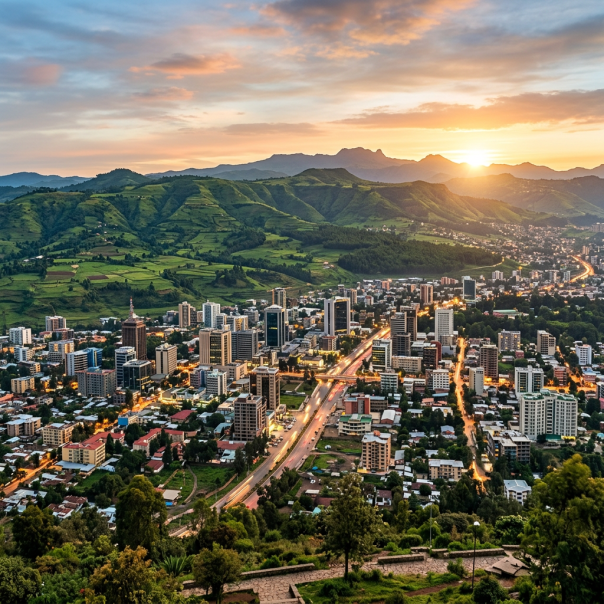
The Question of Finfinne and Dirree Dhawaa: Toward a Balanced and Sustainable Solution
Navigating History, Constitutional Rights, and the Complex Realities of Governance
By Jafer Ali
The question of Finfinne—the city known internationally as Addis Ababa—and its surrounding areas, including Dirree Dhawaa, has long been one of the most contentious and emotionally charged issues in Ethiopian political discourse. For the Oromo people, Finfinne is not merely a city; it is the heart of their ancestral homeland, a symbol of their historical presence, and a constitutional matter that has yet to be resolved. For others, it is the capital of Ethiopia, the seat of the federal government, and a city that belongs to all Ethiopians.
The debate has intensified as the national dialogue process unfolds, and the question of how to resolve the status of Finfinne and Dirree Dhawaa has become central to discussions about the future of Ethiopia’s federal system, ethnic relations, and governance structure.
This article seeks to explore the key questions surrounding Finfinne and Dirree Dhawaa, examining the constitutional, historical, political, and practical dimensions of the issue. It argues that a sustainable solution must move beyond simplistic claims of ownership and instead focus on a framework of mutual consent, shared benefit, and constitutional fidelity.
The Key Questions
The debate over Finfinne and Dirree Dhawaa can be distilled into two fundamental questions:
1. What does the Constitution say?
The Ethiopian Constitution, adopted in 1995, establishes the federal structure of the country and recognizes the rights of nations, nationalities, and peoples. Article 49(5) specifically recognizes Oromia’s “special interest” in Finfinne regarding social services, natural resources, and joint administrative matters arising from the city’s location within the State of Oromia.
This constitutional provision has been the subject of intense debate. For Oromo advocates, it represents a legal acknowledgment of the city’s historical and geographical connection to Oromia—a connection that has never been fully implemented. For others, the provision is a compromise that balances the city’s role as the federal capital with the rights of the surrounding region.
2. What does the people demand?
The Oromo people’s demand regarding Finfinne and Dirree Dhawaa is clear and consistent: the city is Oromo land, and its rightful owners are the Oromo people. The demand is often framed as a call for the city to be placed under the administrative jurisdiction of the Oromia Regional Government or for the Oromo people to have greater control over the city’s governance and resources.
This demand is rooted in a historical narrative that the city was established on Oromo land through conquest and dispossession, and that the Oromo people have never consented to the city’s status as a separately administered entity.
The Need for a Balanced Approach
The challenge of resolving the status of Finfinne and Dirree Dhawaa lies in reconciling these two perspectives. On one hand, the Oromo people’s historical and constitutional claims cannot be ignored. On the other hand, the city’s role as the federal capital, its international significance, and the presence of diverse communities cannot be dismissed.
A balanced approach must consider the following dimensions:
1. The Constitutional Dimension
The Constitution provides a starting point for resolving the issue. Article 49(5) recognizes Oromia’s special interest in Finfinne, but the provision has never been fully implemented. A sustainable solution must begin by implementing this constitutional provision through joint administrative mechanisms, resource-sharing agreements, and coordinated governance frameworks.
However, any implementation must respect the city’s role as the federal capital and the rights of all its residents. The Constitution does not provide for the city to be placed under Oromia’s exclusive administrative control. Rather, it envisions a framework of cooperation and shared responsibility.
2. The Historical Dimension
The Oromo people’s historical connection to Finfinne is a fact that must be acknowledged. The area known as Finfinnee was inhabited by Oromo people before the expansion of the Ethiopian Empire, and the city’s name itself is Oromo, meaning “place of hot springs.”
But historical claims alone cannot determine the city’s future. The city has evolved over the past century into a multi-ethnic metropolis that is home to people from across Ethiopia. The current residents—Oromo, Amhara, Gurage, Tigrayan, and others—have legitimate claims to the city as their home. A just solution must respect both the historical rights of the Oromo people and the contemporary rights of all residents.
3. The Political Dimension
The status of Finfinne and Dirree Dhawaa is a political question that requires political solutions. It cannot be resolved through unilateral declarations or zero-sum demands. It requires negotiation, compromise, and good-faith dialogue between the federal government, the Oromia regional government, and other stakeholders.
The political dimension also includes considerations of power, representation, and resource allocation. Any solution must ensure that the Oromo people have a meaningful voice in the governance of the city while also ensuring that all residents are treated equally and fairly.
4. The Practical Dimension
Finfinne is not just a symbol; it is a functioning city with millions of residents, extensive infrastructure, and a critical role in Ethiopia’s economy and international relations. The city is home to the African Union headquarters, numerous diplomatic missions, and major economic enterprises.
Any change in the city’s governance must consider the practical implications for its residents, businesses, and international partners. Disruption to the city’s administration could have far-reaching consequences that extend beyond Oromia.
The Complexities of the Dirree Dhawaa Question
While the focus has often been on Finfinne, the question of Dirree Dhawaa is equally significant. Dirree Dhawaa is a symbol of Oromo resistance—a site where the Oromo people have gathered to demand their rights and have faced repression from state forces.
The status of Dirree Dhawaa is closely linked to the broader question of Oromo land rights and the expansion of the capital. The area is located within Oromia and has been the focus of protests and resistance. A sustainable solution for Finfinne must also address the concerns of communities in Dirree Dhawaa and other surrounding areas.
The Risk of Unilateral Decisions
The debate over Finfinne and Dirree Dhawaa is not without risk. Unilateral decisions—whether by the federal government or the Oromia regional government—could have serious consequences. As history has shown, when the boundaries of the capital were previously redrawn, it led to widespread protests, conflict, and political instability.
The controversy over the 2014 Finfinne Integrated Development Master Plan highlighted these risks. The proposed expansion of the capital into surrounding Oromia districts led to widespread protests that spread throughout Oromia and eventually led to the cancellation of the plan. The experience demonstrated that decisions made in the capital directly affect neighboring Oromo communities, and that meaningful consultation and participation are essential.
The Need for Comprehensive Analysis
Before any decision is made on the status of Finfinne and Dirree Dhawaa, a comprehensive analysis is needed. This analysis should consider:
- The interests of all residents: The rights and needs of all residents of the city must be respected.
- The interests of the Oromo people: The historical and constitutional claims of the Oromo people must be acknowledged.
- The interests of the federal government: The city’s role as the federal capital must be protected.
- The interests of the Oromia regional government: The region’s constitutional rights and interests must be respected.
- The interests of the broader Ethiopian people: The solution must serve the long-term stability and unity of the country.
A Possible Framework for Resolution
A sustainable resolution to the status of Finfinne and Dirree Dhawaa must be based on mutual consent, shared benefit, and constitutional fidelity. A possible framework could include:
1. Implementation of Constitutional Provisions
Oromia’s special interest in Finfinne, as recognized in Article 49(5), should be implemented through joint administrative mechanisms that ensure meaningful Oromo participation in decisions affecting the city and surrounding communities. This could include joint committees, shared decision-making structures, and resource-sharing agreements.
2. Recognition of Historical Rights
The Oromo people’s historical connection to Finfinne and Dirree Dhawaa should be recognized through cultural institutions, public acknowledgment, and educational programs that celebrate the city’s diverse history.
3. Fair Development and Consultation
Urban expansion and development should be planned with meaningful consultation with affected communities, ensuring fair compensation, environmental protection, and shared benefits.
4. Inclusive Governance
All residents of Finfinne—regardless of ethnicity—should have equal rights to participation, public services, and legal protection. The city’s governance should reflect its diversity and ensure that all voices are heard.
5. Shared Prosperity
The economic benefits of the capital’s growth should be shared with surrounding communities, creating a virtuous cycle of development rather than a pattern of exploitation.
The Role of Dialogue and Mutual Consent
Ultimately, the solution to the status of Finfinne and Dirree Dhawaa must be based on dialogue and mutual consent. The federal government and the Oromia regional government must engage in good-faith negotiations to find a mutually acceptable governance framework.
The national dialogue process provides an opportunity to address this issue in a comprehensive and inclusive manner. However, the dialogue must be genuine, transparent, and committed to finding a solution that serves the interests of all parties.
Conclusion: Toward a Just and Sustainable Future
The question of Finfinne and Dirree Dhawaa is one of the most complex and consequential issues facing Ethiopia today. It touches on history, identity, constitutional rights, governance, and the future of the nation.
A sustainable solution cannot be based on unilateral declarations, zero-sum demands, or the denial of legitimate rights. It requires a commitment to dialogue, constitutional fidelity, and the recognition that the interests of all parties—the Oromo people, the residents of the city, the federal government, and the broader Ethiopian people—must be balanced.
The status of Finfinne and Dirree Dhawaa is not just a question of ownership—it is a question of justice, governance, and the future of Ethiopia itself.
Injifannoon Ummata Oromoo!
Finfinne haa jabaattu!
Nagaan haa bulaa!
This feature article is dedicated to all those who are committed to finding a just, constitutional, and sustainable solution to the status of Finfinne and Dirree Dhawaa.

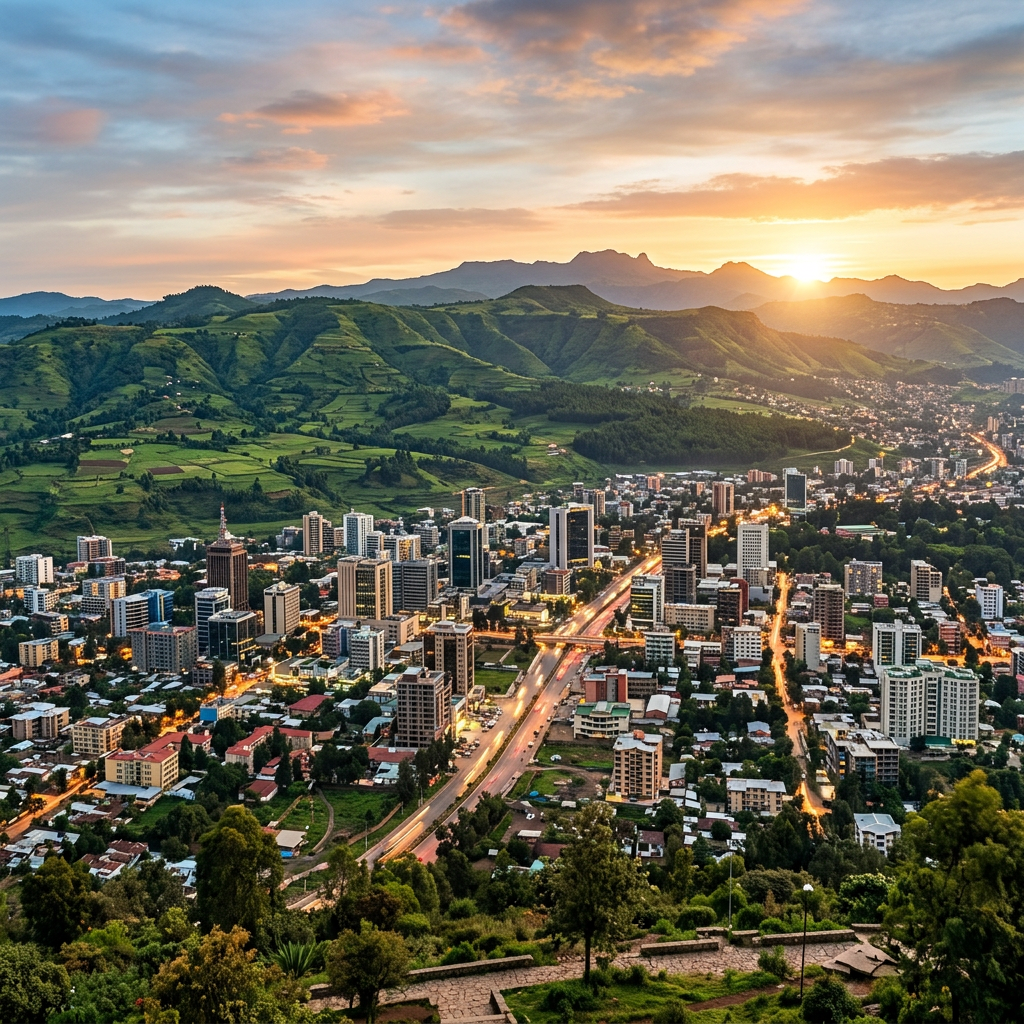
Finfinne: A Question of Law, Governance, and Political Will
Moving Beyond History to Constitutional and Administrative Solutions
By Birhanu Lenjiso (PhD)
The debate surrounding Finfinne—the city known internationally as Addis Ababa—has long been entangled in competing historical narratives, emotional appeals, and identity politics. But at its core, the question of Finfinne’s status is not primarily historical or geographical. It is a question of law, governance, and political will.
Finfinne is the capital of the Federal Democratic Republic of Ethiopia. It serves as the seat of the federal government. But it is also a city located within the boundaries of Oromia, and this geographical reality carries constitutional implications that cannot be ignored. The distinction between the city’s role as a federal capital and its regional location must be clearly understood if we are to find a sustainable solution.
The Constitutional Framework: A City Within Oromia
Finfinne did not become the capital of Ethiopia because it lacked an owner. It became the capital because the Oromo people—the rightful owners of the land—consented to its role as the seat of the federal government. This consent was formalized in the Ethiopian Constitution, which recognized Oromia’s “special interest” in the city concerning social services, natural resources, and joint administrative matters.
This constitutional recognition is not a declaration of Oromo ownership in the exclusive sense. Rather, it acknowledges a practical reality: the city is located within Oromia, and its daily functioning and development depend on resources, infrastructure, and cooperation from surrounding Oromo communities.
Two distinct dimensions must be clearly distinguished:
- The city’s regional status — its location within Oromia and its relationship with the surrounding communities.
- The city’s federal status — its role as the capital of Ethiopia and the seat of the federal government.
Both dimensions are legitimate and must be respected. The challenge is to find a governance framework that honours both.
The Oromo Position: A Clear and Legitimate Demand
The Oromo people’s demand regarding Finfinne is clear and straightforward: Finfinne should remain the capital of Ethiopia, but its administration should be placed under the jurisdiction of Oromia.
This demand is rooted in the following considerations:
- Geographical Reality: Finfinne is surrounded by Oromia and is an integral part of the Oromo homeland.
- Historical Connection: The area known as Finfinnee has been inhabited by Oromo people for generations and holds deep cultural significance.
- Constitutional Recognition: The Constitution recognizes Oromia’s special interest in the city, a provision that has never been fully implemented.
- Practical Necessity: The city’s development and the well-being of surrounding communities are interconnected and require coordinated governance.
The Oromo position is not a rejection of Finfinne’s role as the federal capital. It is a demand for constitutional implementation, administrative justice, and practical cooperation.
The Importance of Legal and Administrative Clarity
The debate over Finfinne should not be reduced to competing historical claims or identity-based appeals. While history and geography provide important context, the core question is one of law and governance.
What is the legal status of Finfinne?
How should its relationship with Oromia be governed?
How can the constitutional provisions regarding Oromia’s special interest be implemented?
These are the questions that demand answers. Repeatedly invoking historical grievances or geographical arguments without addressing the legal and administrative dimensions does not move the debate forward. It only complicates the process and deepens divisions.
Separating History, Law, Politics, and Identity
To make progress on the Finfinne question, we must develop the discipline of separating different dimensions of the issue:
- History: The historical connection between the Oromo people and the land on which Finfinne was built is a fact. It is not a question—it is a reality that must be acknowledged.
- Geography: The city is located within Oromia. This is a geographical fact, not a political claim. It has implications for governance, resource sharing, and administrative cooperation.
- Constitutional Law: The Constitution recognizes Oromia’s special interest in Finfinne. This is a legal provision that requires implementation. How this implementation should occur is a matter of legal interpretation and political negotiation.
- Politics: The demand for administrative control over Finfinne is a political question. It is subject to debate, negotiation, and compromise. It is not a historical or geographical inevitability—it is a matter of political will and constitutional interpretation.
- Identity: Finfinne holds deep cultural and symbolic meaning for the Oromo people. This identity dimension must be respected, but it should not dominate the legal and administrative discussions.
By separating these dimensions, we can engage in a more productive and less emotionally charged debate.
The Need for a Framework Agreement
The Finfinne question will not be resolved through unilateral declarations or zero-sum demands. It requires a framework agreement that addresses the following key issues:
- Constitutional Implementation: How can Oromia’s special interest in Finfinne be implemented in practice? What joint administrative mechanisms are needed?
- Administrative Relations: How should the federal government, the Oromia regional government, and the city administration coordinate their activities?
- Resource Sharing: How should the city’s resources—including land, water, and infrastructure—be managed in a way that benefits both the city and surrounding communities?
- Development Planning: How can urban expansion and development be planned in a way that respects the rights and interests of affected communities?
- Citizen Participation: How can all residents of Finfinne—regardless of ethnicity—participate in the governance of the city?
Such an agreement must be based on mutual respect, constitutional fidelity, and a commitment to justice.
The Danger of Historical Simplification
One of the greatest obstacles to resolving the Finfinne question is the tendency to reduce complex issues to simplistic historical claims.
Those who argue that Finfinne is simply “Oromo land” or that it is simply “Ethiopian capital” are missing the point. The city is both. It is the capital of Ethiopia and the historical heart of Oromia. These two truths are not contradictory—they are complementary.
The challenge is to create governance arrangements that honour both truths. This requires moving beyond historical claims and engaging in practical, constitutional discussions.
A Call for Pragmatism and Cooperation
The Finfinne question has been debated for decades. It has been the source of conflict, protest, and political tension. It has divided communities and strained relationships. But it does not have to be a source of endless conflict.
A sustainable solution requires:
- Acknowledgment of Historical Facts: The Oromo people’s historical connection to Finfinne must be acknowledged. This is not a concession—it is an acknowledgment of reality.
- Respect for Constitutional Provisions: Oromia’s special interest in the city, as recognized in the Constitution, must be implemented. The Constitution is not a suggestion—it is the supreme law of the land.
- Political Will: The federal government and the Oromia regional government must engage in good-faith negotiations to find a mutually acceptable governance framework.
- Focus on Practical Solutions: The debate should focus on practical questions of governance, resource sharing, and administrative coordination—not on abstract claims of ownership or identity.
Conclusion: A Path Forward
The Finfinne question is ultimately a question of law and governance. It is about how the city should be administered, how resources should be shared, and how the relationship between the city and surrounding communities should be governed.
The Oromo people’s demand—that Finfinne remain the capital of Ethiopia while its administration is placed under Oromia—is a legitimate political claim. It is rooted in constitutional provisions, historical realities, and practical considerations. It deserves to be taken seriously.
But the resolution of this question will not come from historical debates or identity-based appeals. It will come from good-faith negotiations, constitutional implementation, and a commitment to justice.
Let us focus on the law.
Let us focus on governance.
Let us focus on practical solutions.
Let us build a future where Finfinne serves as a city for all Ethiopians while honouring its historical and constitutional relationship with Oromia.
Injifannoon Ummata Oromoo!
Finfinne haa jabaattu!
Oromia fi Finfinne walitti haa qabatan!
This feature article is based on the reflections of Dr. Birhanu Lenjiso and is dedicated to all those who are committed to finding a just, constitutional, and lasting solution to the question of Finfinne.

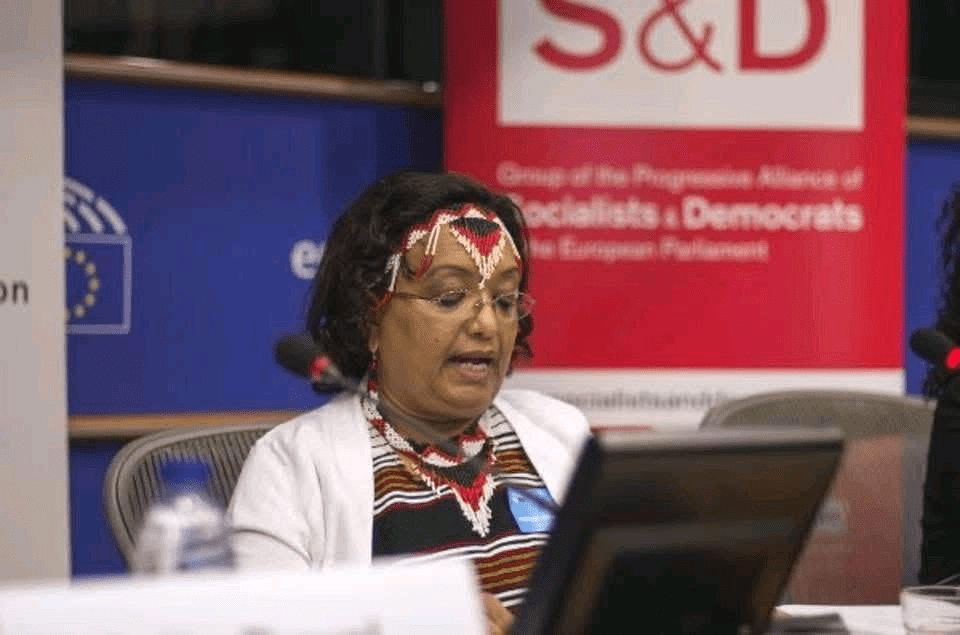
A Historical Reflection on the Betrayal of Abiishee Garbaa: Lessons for the Oromo Struggle Today
How Deception, Diplomacy, and Divide-and-Rule Tactics Defeated a Leader—and What the Oromo Liberation Army Must Learn
By Dinknesh Dheeressaa
As I observe the events unfolding in our midst today, I am reminded of a painful chapter in Oromo history—the story of Abiishee Garbaa, a leader whose fate was sealed not by the strength of his enemies on the battlefield, but by their cunning, deception, and manipulation of Oromo unity.
This is not merely a tale of the past. It is a mirror held up to the present. The same tactics that brought down Abiishee Garbaa are being employed today against the Oromo people and their liberation struggle. The question we must ask ourselves is: Have we learned the lessons of history?
The Historical Context: Abiishee Garbaa and the Gojjam Invasion
According to the authoritative book “Seenaa Abiishee Garbaa fi Gootota Oromoo Biroo” by Ginbaar Nagaraa Kumsaa (2013), the story of Abiishee Garbaa is one of betrayal, deception, and the tragic fragmentation of Oromo unity .
In the years 1854/55, following the death of Garbaa Huruubaa—the ruler of Horro and Abiishee’s father—the region fell into political turmoil. No new leader had been appointed to rule Horro, and this power vacuum was exploited by the Gojjam forces. They crossed the Mormor River through Amuru and launched a devastating campaign against the Horro people .
Abiishee, compelled to defend his people and claim his father’s legacy, mobilized his forces. He gathered the Qondaaltota (warriors) of Horro and successfully repelled the Gojjam invaders. Despite multiple attempts, the Gojjam forces could not defeat Abiishee in direct military confrontation .
But they did not need to.
The Tactics of Deception: Divide, Bribe, and Betray
Unable to defeat Abiishee through conventional warfare, the Gojjam forces turned to a different strategy: division and deception.
They exploited internal rifts within the Horro leadership. One of Abiishee’s own commanders, Soorii Galaa, who had opposed Abiishee’s leadership, defected to the enemy. Soorii Galaa fled to Gojjam, where he was received and employed. He then conspired to betray his people, using his insider knowledge to undermine Oromo resistance .
This pattern is all too familiar. As the Oromo proverb says: “Soogiddaan soogidda cabsu” —”Salt breaks salt.” The enemy does not always need to destroy you from the outside. Often, they find someone from within to do the work for them.
The Gojjam forces used a combination of modern weaponry, espionage, bribery, and deception. They pitted Oromo leaders against each other, spreading rumours, creating alliances based on false promises, and exploiting personal ambitions and grievances to shatter the unity of the Oromo people .
The Role of Qadiidaa Wannabee: False Diplomacy and Betrayal
The most infamous act of deception was the role of Qadiidaa Wannabee. Unable to defeat Abiishee through force, the Gojjam forces enlisted Qadiidaa to lure Abiishee into a trap through the promise of peace. Qadiidaa went to Abiishee, swore oaths of friendship, and assured him that the Gojjam forces were sincere in their desire for reconciliation .
Abiishee, believing in the promise of peace, agreed to meet the Gojjam forces at a location they had prepared. He set out without his weapons—unarmed, trusting in the word of Qadiidaa.
But it was a trap.
As Abiishee entered the camp of the Gojjam forces, the Amhara forces, who had been lying in wait, surrounded him. Soorii Galaa—the defector—served as the translator. Abiishee was disarmed and taken captive .
The Humiliation and Tragic End
Abiishee was not given a warrior’s death. Instead, he was subjected to unspeakable humiliation. He was bound with heavy wooden yokes—the same yokes used to bind oxen. He was paraded and forced to walk to Gojjam. Stripped of his dignity, his clothing, and his freedom, he was led like an animal before his enemies.
According to the account, when Abiishee realized the depth of the deception and the humiliation he had been forced to endure, his grief and rage were so overwhelming that he chewed off his own fingers in despair .
This tragic ending is a searing reminder: when unity is broken, when trust is misplaced, when the enemy’s diplomacy is a mask for violence, the price is catastrophic.
The Relevance of History: The Oromo Liberation Army Today
The story of Abiishee Garbaa is not just a historical curiosity. It is a lesson for the Oromo Liberation Army (WBO) today. As the armed wing of the Oromo struggle, the WBO faces challenges that echo the past:
1. The Danger of Deception and False Diplomacy
Today, the Ethiopian government and its allies are skilled in the same tactics that defeated Abiishee. They offer peace, dialogue, and reconciliation—but often, these are merely tools for disarmament and control. The legacy of Qadiidaa Wannabee lives on. Abiishee’s mistake was trusting the word of an enemy who offered peace while preparing to destroy him.
The WBO must remain vigilant. Not every hand extended in peace is sincere. Some are reaching for a weapon.
2. The Need for Unity
Abiishee’s downfall was accelerated by division within his own leadership. The defection of Soorii Galaa and the internal conflicts among the Horro commanders fractured their resistance. The enemy exploited these divisions masterfully.
The WBO must guard against internal fragmentation. The Oromo struggle is a collective effort, and unity is its greatest strength. As the Oromo saying goes: “Tokkummaan jabina” —”Unity is strength.”
3. The Power of Knowledge and Preparation
Abiishee’s defeat was also a failure of intelligence and preparation. He underestimated his enemies, overestimated their sincerity, and failed to anticipate the trap they had set.
The WBO must prioritize intelligence, strategy, and preparation. The enemy is often more cunning than they appear. Knowledge of history, awareness of tactics, and readiness for deception are essential weapons in the struggle.
The Broader Lesson: History Must Not Be Forgotten
The story of Abiishee Garbaa is part of the larger history of Oromo resistance—a history that has been systematically suppressed and erased. As one historian notes, studies focusing on the history of Oromo heroes like Abiishee Garbaa are relatively scarce, and the historical narratives have often been shaped by external perspectives .
Recovering and teaching Oromo history is therefore a political act. It is an act of resistance against the erasure of Oromo identity and memory. It is a way of ensuring that the mistakes of the past are not repeated.
The book “Seenaa Abiishee Garbaa fi Gootota Oromoo Biroo” is one such effort to reclaim that history. By telling the stories of Oromo heroes, it provides the younger generation with the knowledge they need to continue the struggle with wisdom and determination.
A Call to Action: Learn from the Past, Build for the Future
The story of Abiishee Garbaa is a cautionary tale. It reminds us that the struggle for Oromo liberation is not only a battle against external enemies but also against internal divisions and naivety.
Today, the Oromo Liberation Army and the broader Oromo movement face challenges that require wisdom, unity, and vigilance. The Ethiopian government continues to use the same tactics of divide-and-rule that were employed against Abiishee. False diplomacy, offers of peace, and political manipulation are still weapons in their arsenal.
The lesson is clear: the enemy does not always come with guns. Sometimes they come with promises.
The WBO and all Oromo people must learn from the mistakes of the past. They must:
- Study history to understand the tactics of their enemies.
- Remain united and guard against internal division.
- Be vigilant in the face of false diplomacy.
- Prepare strategically for both political and military challenges.
Conclusion: Honouring the Memory of Abiishee Garbaa
Abiishee Garbaa was a leader who fought bravely to defend his people and his land. He was defeated not by a stronger enemy on the battlefield, but by betrayal, division, and deception. His story is a tragedy—but it is also a lesson.
As Dinknesh Dheeressaa reminds us: “The wounds of history are not just memories; they are warnings. They tell us what we must not do again.”
The Oromo struggle has been marked by many such tragedies. But each tragedy has also produced heroes, martyrs, and lessons. If we honour the memory of Abiishee Garbaa, we must do so by learning from his story—by ensuring that the same mistakes are not repeated.
Let us learn from the past so that the future may be free.
Injifannoon Ummata Oromoo!
Seenaa haa barannu!
WBO haa jabaattu!
This feature article is based on the reflections of Dinknesh Dheeressaa and is dedicated to all those who continue to struggle for Oromo liberation and who seek wisdom from the lessons of history.

Celebrating Qaammee: A Sacred Oromo Tradition of Womanhood, Unity, and Cultural Pride
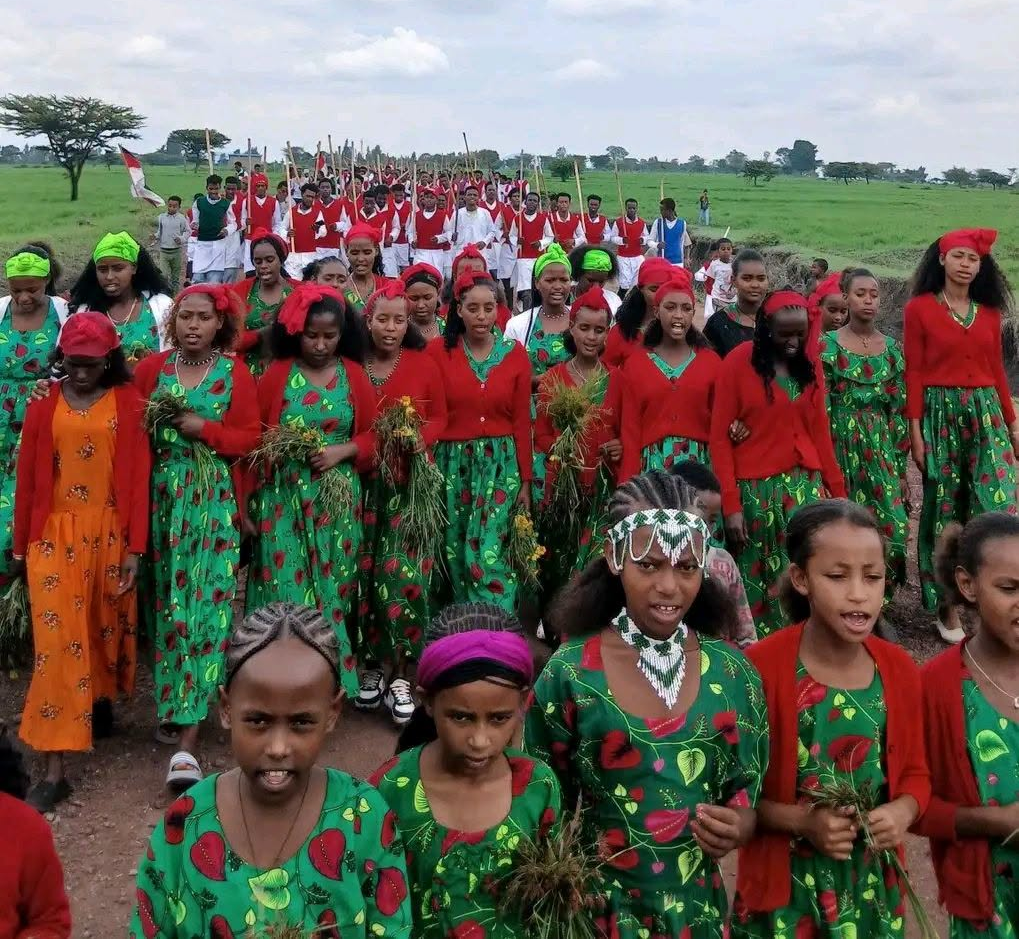
The Rituals of Buqqisaa and Daddarbaa — A Timeless Celebration of Young Women
By Daandii Ragabaa
The Oromo people are blessed with a rich tapestry of cultural traditions that have been passed down through generations. Among these, the Ayyaana Qaammee stands as one of the most beautiful and significant celebrations—a sacred festival honouring young unmarried women, their transition into adulthood, and their vital role in the continuity of Oromo society.
The word Qaammee refers to a young unmarried woman who participates in this sacred festival. The celebration embodies the essence of youthful femininity, purity, and the promise of a bright future. It is a rite of passage, a communal blessing, and a moment of profound cultural significance.
This year, as the community gathers to celebrate Qaammee, we extend our warmest greetings: “Baga Nagaan Ayyaana Qaammee geessan!” —Happy Qaammee Festival!
Understanding Qaammee: More Than a Celebration
The Qaammee festival is more than just a cultural event—it is a sacred tradition that connects the Oromo people to their ancestors, their community, and the natural world around them. It is a celebration of womanhood, a blessing for the future, and a reaffirmation of Oromo identity.
The festival takes place annually, beginning in the month of Hagayya (roughly July-August) and continuing through the month of Fulbaana (September-October). The timing coincides with the end of the rainy season—a time of renewal, abundance, and new beginnings. This year’s celebration is a continuation of this sacred tradition, bringing communities together in joy, song, and blessing.
Central to the Qaammee celebration are two key rituals:
- Buqqisaa — The “Breaking” or preparation ceremony
- Daddarbaa — The “Passing” or blessing ceremony
The Buqqisaa Ceremony: Preparation and Unity
The Qaammee celebration begins with the Buqqisaa ceremony, a vibrant evening of preparation and community bonding.
Gathering by the Water
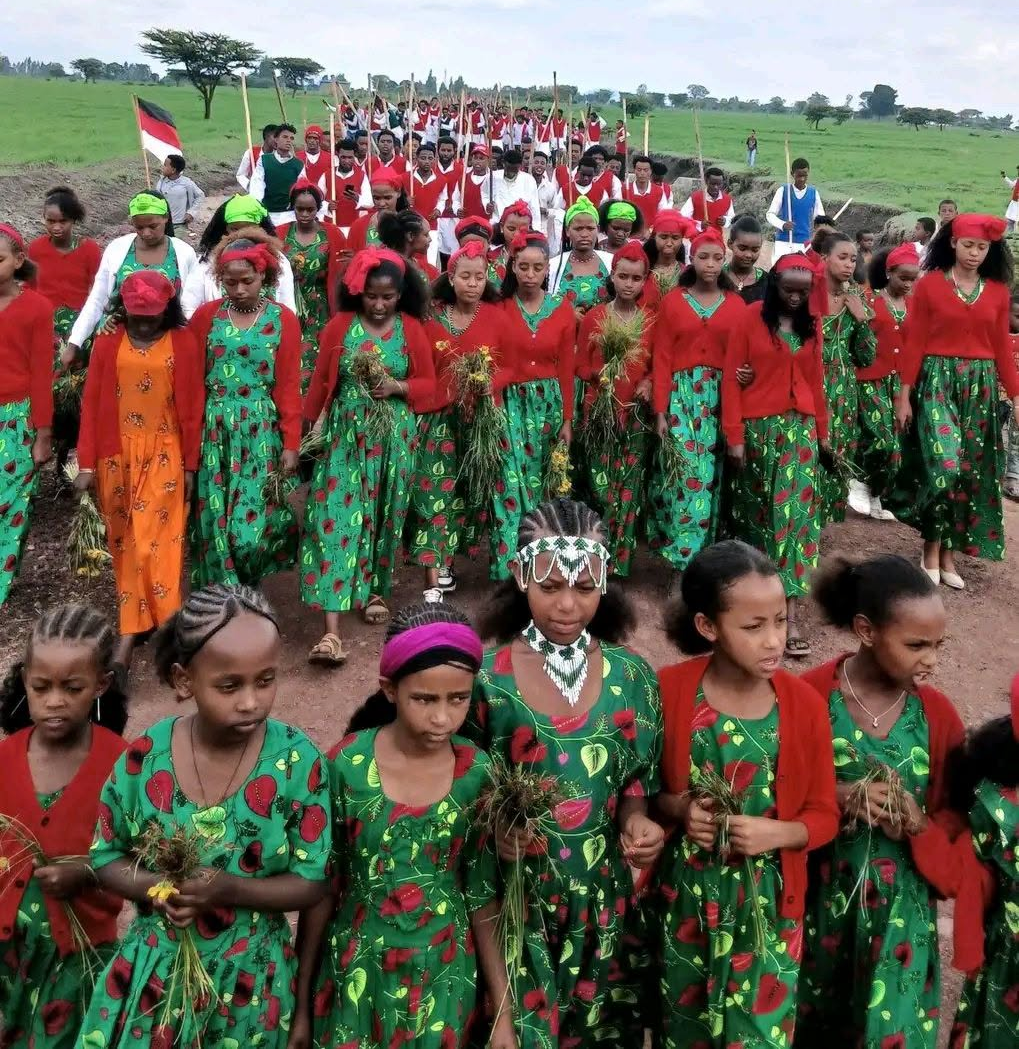
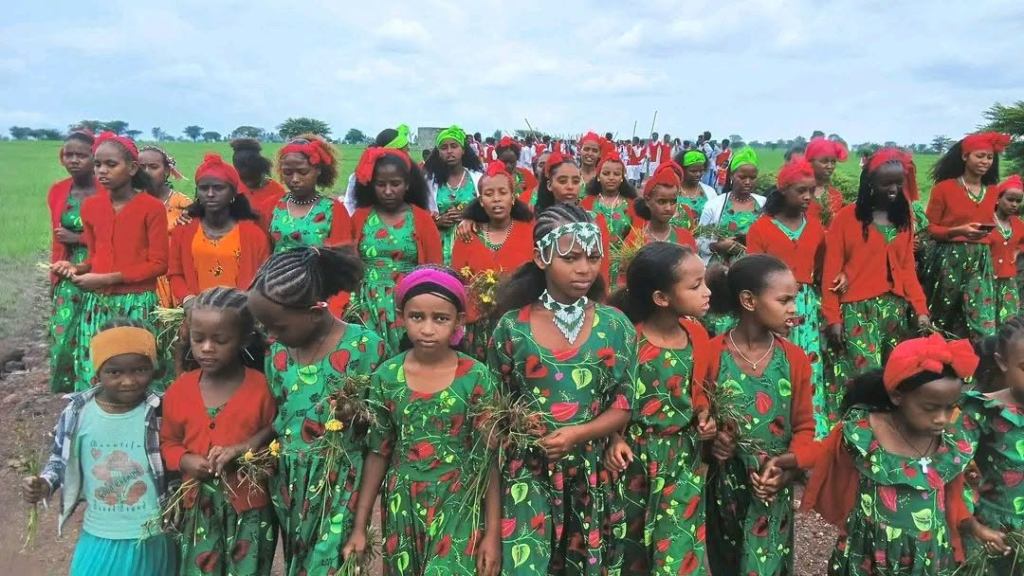
On the evening of Buqqisaa, young unmarried women (Qaammeen) gather in groups and make their way to a nearby river or stream (laga or caffee). This is a time of sisterhood, joy, and anticipation. The women come together in large numbers, united by their shared identity and purpose.
The Breaking of Qunnii
At the water’s edge, the women perform the ritual of Buqqisaa—the breaking or preparation of Qunnii, a special plant similar to grass that has a fragrant fruit (gumaa/firii) at its base. When the Qunnii blooms, it becomes Dhallaadduu, ready for use.
The Qunnii plant is significant for several reasons:
- It produces a natural fragrance that is pleasing to the senses
- It has medicinal properties that are beneficial for women’s health
- It is used as a natural perfume (Qayya) by the young women
Songs, Dance, and Celebration
The Buqqisaa ceremony is accompanied by traditional songs, dances, and celebrations that continue well into the night. The women sing Faaruu Qaammee (Abaabilee)—special songs composed for the occasion—as they prepare the Qunnii together.
The women break and prepare the Qunnii, sharing in the work and the joy of the occasion. The atmosphere is filled with laughter, song, and the spirit of unity.
Returning Home with Blessings
After the preparation is complete, each woman returns to her home with the Qunnii she has prepared. She places it on the doorstep (balbala irra kaawwatanii) as she enters, symbolizing the blessings she brings into her home.
The Ashaashullaa Tradition
On this same evening, young girls (ijoolleen dubaraa) participate in a special tradition involving Ashaashullaa—a plant similar to moss or creeping vine. The Ashaashullaa is tied to their hands and feet (harkaa fi quba miilatti hidhatanii bulu), and they sleep with it overnight.
In the morning, the plant has turned their hands and feet red—a beautiful decoration that adds to their adornment. The plant is considered a traditional ornament for girls, enhancing their beauty and connection to nature.
The Daddarbaa Ceremony: Blessings and Passing Forward
The following day is the Daddarbaa ceremony—the Passing or Blessing ceremony. This is the main day of the Qaammee celebration, when the young women receive the community’s blessings and are honoured for their transition.
Gathering at the Meeting Place
In the morning, the young women take the Qunnii they prepared the previous evening and gather at a designated meeting place, known as the Mootii Durbaa (the place of the chosen leader). The Mootii Durbaa is the eldest or most respected among the young women, chosen by the group.
The Journey Through the Community
From the Mootii Durbaa, the women begin their journey through the community. Walking in groups, they sing the Abaabilee songs as they go from house to house. They start with the Warra Angafaa (the elders/leaders of the clan) and then visit every household in their community.
The Ritual of Daddarbaa
At each household, the women perform the Daddarbaa ritual. They pass the Qunnii from the previous day to the household, receiving blessings in return. They eat and drink a little at each home, and the elders offer prayers and blessings for their future.
The women continue this journey until they have visited all the households in their community, spreading joy, receiving blessings, and reinforcing the bonds of community.
The Role of Young Men in Qaammee
While Qaammee is primarily a celebration of young women, young men also play an important role—though it is very different from that of the women.
Young unmarried men (who are not yet married) do not participate in the Buqqisaa or Daddarbaa ceremonies in the same way as the women. However, they accompany the women during the celebrations, walking alongside the groups and participating in the songs and dances.
The Wadaajii Tradition
The most notable tradition involving young men is the Wadaajii Dhungachuu—a ritual that is eagerly awaited, especially by the men. This tradition is unique to the Oromo culture and reflects the playful and respectful nature of the Qaammee celebration.
During the procession, when the women leave one household to go to the next, the young men position themselves along the route. As the women pass, the men suddenly fall to the ground in front of them and attempt to “drink” (dhungachuu) from them. The women, in turn, push the men away using their hands and the Dhallaadduu they are carrying.
This is a playful ritual, not a violation. The men approach with respect, and the women respond with good-natured resistance. The location for this ritual is often a boqoo/maddii—a designated area along the route.
After the ritual, the women continue on their way, laughing and continuing their songs. The men, having participated in the tradition, rejoin the procession. This tradition is an important part of Oromo youth culture, reinforcing bonds between young men and women while maintaining cultural protocols.
Important note: Men who participate in the Wadaajii ritual are not allowed to marry the women they “drink” from—it is a matter of cultural respect and propriety.
The Spiritual Significance of Qaammee
At its heart, the Qaammee celebration is a spiritual experience. The rituals are conducted with reverence and respect, invoking the blessings of Waaqa (God) and the ancestors.
The young women receive the prayers of the elders, the admiration of the community, and the hope of their families. The celebration is an act of thanksgiving—giving thanks for the rain, the harvest, and the continuity of Oromo culture.
The songs of Qaammee, known as Abaabilee, carry deep meaning and are an essential part of the celebration:
“Aababilee haa doolee” — Let the Abaabilee songs be sung
“Haayee yaa shoroorootoo” — Oh, the beautiful songs
“Shoororoo haati deechee” — The mother has sung the Shoororoo
“Yaa qal’oo qaammen geechee” — The Qaammee women have come
A Celebration of Promise and Renewal
As the Qaammee festival concludes, the participants and their families are filled with a sense of pride, joy, and hope. The young women who have been blessed and celebrated carry with them the strength and support of their community as they embark on their journeys into adulthood.
The festival is also a reminder of the beauty and resilience of Oromo culture—a culture that has survived centuries of oppression and continues to thrive in the hearts of its people.
The Challenge of Cultural Erosion
It is important to note that the Qaammee festival is in danger of being forgotten in many areas. In some places, it is no longer celebrated at all. In others, a modified version called “Qaammee Sidaamaa” is celebrated on October 1st (Fulbaana 1, ALH), but even this is not the same as the traditional celebration.
This erosion of cultural traditions is a loss for the Oromo people. These traditions are not just customs—they are expressions of Oromo identity, resilience, and continuity. They connect the present generation to their ancestors and provide a foundation for the future.
The responsibility of reviving and preserving these traditions falls on the current generation. As the saying goes, “Duudhaaleen Oromoo hedduun isaanii bakka hin jiran. Bakkatti deebisuun dirqama dhaloota ammaa ti” —Many Oromo traditions are no longer practiced. It is the duty of the current generation to bring them back.
Conclusion: The Eternal Light of Qaammee
Qaammee is more than a celebration—it is a sacred tradition that connects the Oromo people to their past, their present, and their future. It is a moment to honour young women, to bless their journey, and to affirm the enduring strength of Oromo culture.
As the community gathers to celebrate, let us remember the beauty, grace, and resilience of the Oromo people. Let us honour the young women who carry the hopes of their community. And let us commit ourselves to preserving and reviving these sacred traditions for future generations.
“Kan Baranaa kan egeree nuun haa jedhu!” —May this year’s celebration be one of abundance and joy!
Baga Nagaan Ayyaana Qaammee geessan!
This feature article is dedicated to all the young Oromo women—past, present, and future—who carry the spirit of Qaammee in their hearts, and to the communities who are working to preserve this beautiful tradition.

A Giant of the Oromo Revolution: Honouring Jaal Fekadu Wakjira
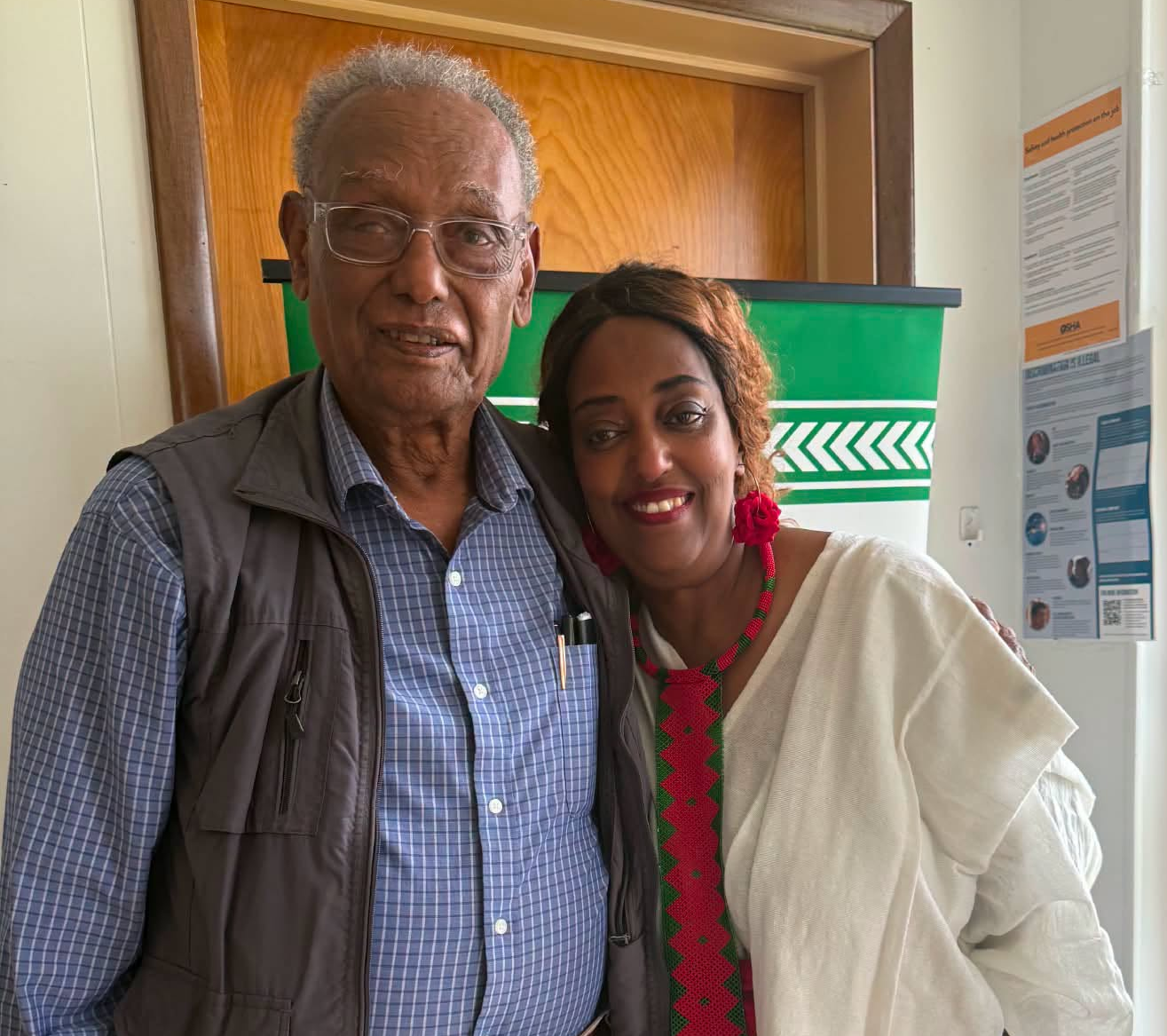
A Tribute to a Veteran Who Carried the Weight of the Struggle Through Sacrifice, Courage, and Unwavering Commitment
By Giiftii Waaqoo
In every liberation movement, there are those who carry the heaviest burdens—the ones who walk through the darkest hours so that others may one day see the light. They are the pillars upon which the struggle is built, the voices that refuse to be silenced, and the hearts that continue to beat for the freedom of their people, even when all seems lost.
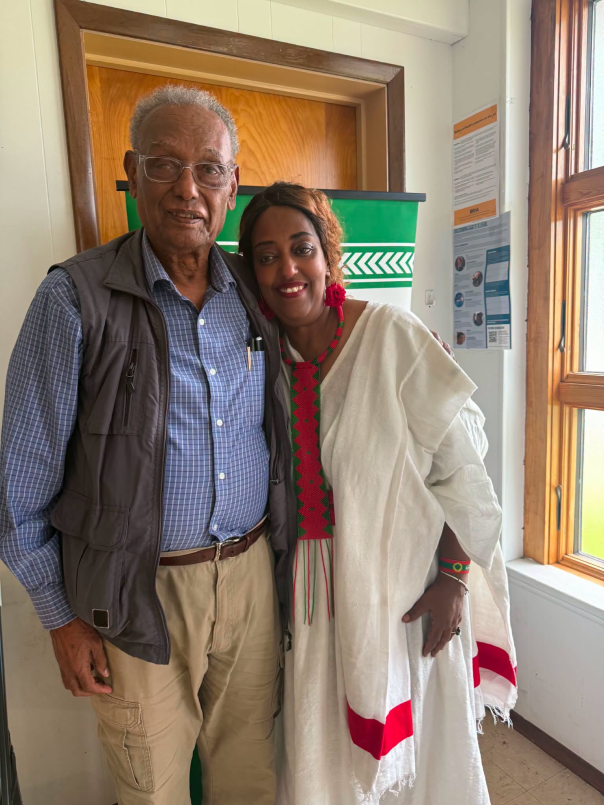
Jaal Fekadu Wakjira is one such figure. A true veteran of the Oromo Revolution, his name is etched in the annals of Oromo history as a testament to sacrifice, courage, resilience, and unwavering commitment. His journey is not merely his own—it is the journey of an entire generation that dared to dream of a free Oromia and refused to let that dream die.
The Weight of a Generation
Jaal Fekadu Wakjira belongs to a generation that carried the weight of the Oromo struggle on their shoulders. These were the men and women who, in the face of brutal repression, chose to stand up and say, “Enough is enough.” They were the ones who, when their language was banned, spoke it in whispers. When their culture was suppressed, they celebrated it in secret. When their rights were denied, they demanded them with their lives.
This generation understood that liberation would not come easily. They knew that the road to freedom was paved with sacrifice—that some would fall, some would be imprisoned, some would be exiled, and some would never see the Oromia they dreamed of. Yet they marched forward anyway. They refused to be silenced. They refused to be erased.
Jaal Fekadu Wakjira stood among them. His service to the Oromo cause is not a footnote in history—it is a chapter of profound significance, written in the ink of struggle and the blood of martyrs.
The Foundations of the Struggle
The Oromo struggle for self-determination did not begin yesterday. It has deep roots that stretch back over a century—from the resistance against Menelik’s expansion, to the armed struggle of the Oromo Liberation Front, to the peaceful protests of the Qeerroo movement. Each generation has contributed to the edifice of Oromo identity and national consciousness.
But it was the generation of Jaal Fekadu Wakjira that laid the foundation upon which the current struggle stands. They were the architects of the movement’s organizational structures, the guardians of its history, and the transmitters of its values to the next generation. They ensured that the flame of Oromo nationalism would not be extinguished, even when the forces of repression sought to snuff it out.
Their sacrifices were not in vain. The Oromo people continue to rise. The struggle continues to advance. And the dream of a free Oromia continues to burn brighter with each passing year.
A Legacy of Sacrifice
The legacy of Jaal Fekadu Wakjira is one of sacrifice—a word that carries profound weight in the Oromo liberation movement. Sacrifice means leaving your family behind to join the struggle. Sacrifice means enduring imprisonment and torture without betraying your comrades. Sacrifice means living in exile, far from your homeland, yet never forgetting the people you left behind.
It is this spirit of sacrifice that defines the generation of Oromo veterans. They gave not only their time and energy but, in many cases, their lives. They faced imprisonment, forced displacement, and the constant threat of death with a courage that inspires us still.
As the Oromo saying goes, “Qabsoo baatuu dhiigaatuu” —the struggle is won by those who shed their blood. Jaal Fekadu Wakjira and his generation shed their blood so that future generations might live in dignity and freedom. That is a debt we can never fully repay, but we can honour it by continuing the work they began.
Courage in the Face of Adversity
Courage is not the absence of fear—it is the determination to move forward despite it. Jaal Fekadu Wakjira embodied this courage. In the face of a state that sought to crush the Oromo identity, he stood firm. In the face of imprisonment, he refused to break. In the face of exile, he never forgot his homeland.
His courage was not a solitary flame. It was part of a collective fire that burned in the hearts of all those who joined the Oromo struggle. Together, they challenged an oppressive system that had denied the Oromo people their land, their language, and their dignity for generations. And though the struggle continues, their courage has inspired countless others to take up the mantle.
Resilience: The Spirit That Endures
Resilience is the ability to endure hardship and emerge stronger. The Oromo people are among the most resilient in the world. Despite centuries of oppression, they have maintained their language, their culture, and their identity. Despite repeated attempts at assimilation and erasure, they have remained steadfast in their commitment to freedom.
Jaal Fekadu Wakjira embodies this resilience. His life and work are a testament to the unbreakable spirit of the Oromo people. Through every setback, every defeat, and every moment of despair, he has remained committed to the cause. His resilience is a reminder that the Oromo struggle is not a fleeting moment of political unrest—it is a long and determined march toward justice.
Unwavering Commitment: The Call That Never Fades
What does it mean to have unwavering commitment? It means dedicating your life to a cause without expecting recognition or reward. It means continuing to fight, even when the odds are stacked against you. It means never losing sight of the goal, even when the path is shrouded in darkness.
Jaal Fekadu Wakjira’s commitment to the Oromo cause has never wavered. Through decades of struggle, through moments of triumph and moments of defeat, he has remained a steadfast advocate for Oromo liberation. His commitment is a beacon for all who continue to fight for justice, reminding us that the struggle is not a sprint but a marathon—one that requires patience, persistence, and unshakeable faith in the righteousness of the cause.
A History That Must Not Be Forgotten
Jaal Fekadu Wakjira is part of a history that must never be forgotten. It is a history of resistance, of resilience, and of hope. It is a history that belongs not only to the Oromo people but to all those who believe in the cause of justice and human dignity.
The story of the Oromo struggle is one of many chapters, each written by a generation of courageous individuals. Jaal Fekadu Wakjira’s generation laid the foundation, and it is our responsibility to build upon it. We must ensure that future generations know the sacrifices that were made on their behalf and that they understand the importance of continuing the fight.
As the Oromo proverb says, “Kan booda dhufuuf hundumaatu deebisa” —the future belongs to those who remember the past.
A Message of Gratitude
To Jaal Fekadu Wakjira, we say: Galatoomaa. Thank you for your service, your sacrifice, and your unwavering commitment to the Oromo cause. Thank you for the courage you showed in the darkest hours. Thank you for the resilience that inspired so many. Thank you for the foundation you built, upon which we continue to build.
Your generation carried the weight of the struggle so that ours could carry the torch. Your sacrifices became part of our history, and your legacy will live on in the hearts of the Oromo people for generations to come.
Ulfaadha! —You are honoured!
The Legacy Continues
The struggle for Oromo liberation is not yet complete. There is still work to be done, sacrifices to be made, and victories to be won. But the legacy of Jaal Fekadu Wakjira and his generation is a source of strength and inspiration. It reminds us that the fight for freedom is a journey—one that requires courage, resilience, and unwavering commitment.
We who carry the torch today owe it to the veterans of the Oromo struggle to continue the work they began. We must honour their sacrifices by building a future worthy of their dreams. We must ensure that the freedom they fought for is not only achieved but also preserved for future generations.
Conclusion: A Living Legacy
Jaal Fekadu Wakjira is a living legacy of the Oromo Revolution. His name will be remembered alongside the great heroes of the Oromo struggle—those who dared to dream of a free Oromia and refused to let that dream die.
As we honour Jaal Fekadu Wakjira, we honour an entire generation that carried the weight of the Oromo struggle through sacrifice, courage, resilience, and unwavering commitment. We remember their contributions. We celebrate their achievements. And we recommit ourselves to the cause for which they fought.
Injifannoon Ummata Oromoo!
Galatoomaa, Jaal Fekadu Wakjira!
Ulfaadha!
This feature article is dedicated to Jaal Fekadu Wakjira and all the veterans of the Oromo Revolution—past, present, and future—who have given so much for the freedom and dignity of the Oromo people.

Qaammee: The Sacred Celebration of Oromo Womanhood
A Timeless Tradition of Blessing, Transition, and Cultural Pride
By Maatii Sabaa
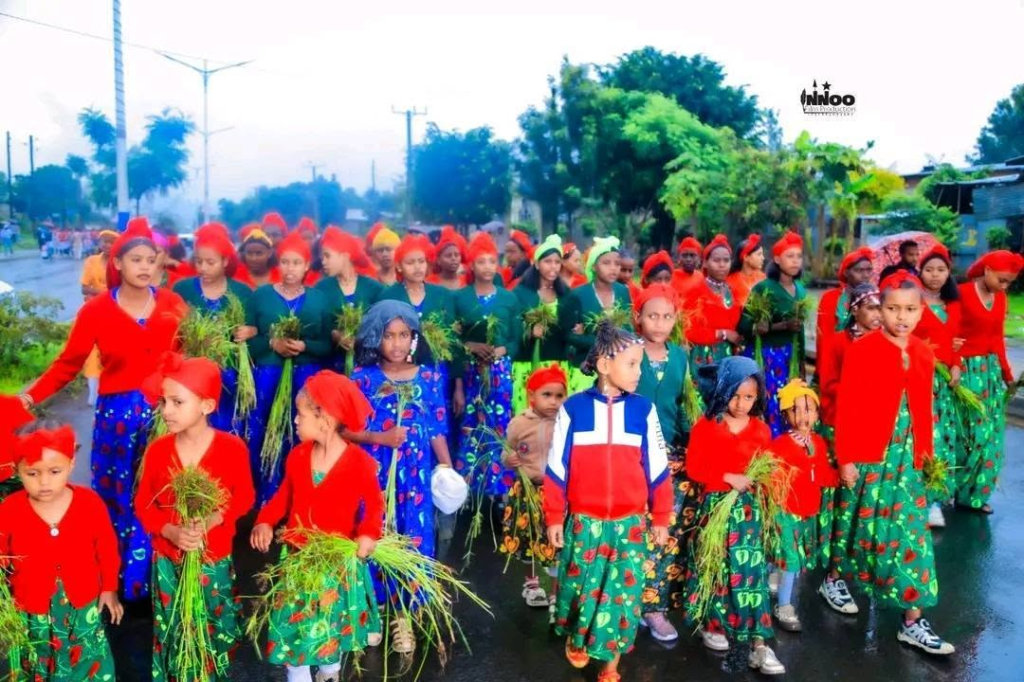
In the rich tapestry of Oromo culture, few celebrations are as deeply revered and symbolically profound as Qaammee—the sacred festival honoring young Oromo women. This ancient tradition, which marks the transition of unmarried girls into womanhood, is a vibrant expression of cultural identity, community unity, and spiritual blessing.
The Qaammee festival is more than a ceremony; it is a living testament to the Oromo people’s deep respect for women and their central role in society. As the celebrations unfold across Oromia, the air fills with the fragrance of the rainy season, the rhythm of traditional songs, and the joyous laughter of young women adorned in their finest attire.
Understanding Qaammee: A Celebration of Womanhood
Qaammee refers to a young unmarried woman who participates in this sacred festival. The term embodies the essence of youthful femininity, purity, and the promise of a bright future. The celebration is a rite of passage, a communal blessing, and a moment of profound cultural significance.
According to tradition, young women who have not yet married participate in the Qaammee ceremony to receive blessings, share in communal joy, and affirm their identity as proud Oromo women. The festival is marked by two key rituals:
- Buqqisaa — The “Breaking” or initiation ceremony, where the young women are formally welcomed into the celebration.
- Daddarbaa — The “Passing” or blessing ceremony, where they receive the community’s blessings and are honored for their transition.
These rituals are not merely symbolic; they are deeply spiritual acts that connect the young women to their ancestors, their community, and the natural world around them.
When Does Qaammee Take Place?
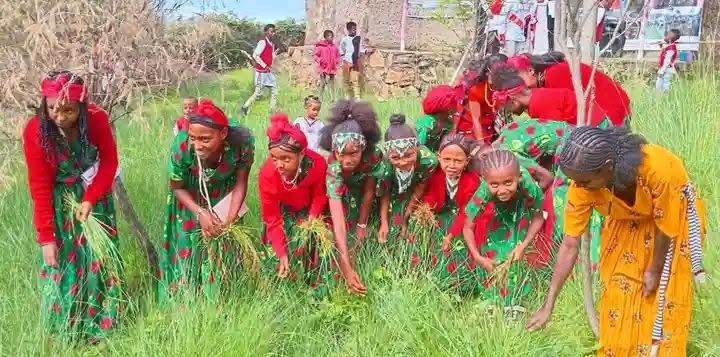
The Qaammee festival follows a specific seasonal calendar, deeply attuned to the rhythms of Oromo life. Celebrations begin in the month of Hagayya (roughly July-August) and continue through the month of Fulbaana (September-October), culminating at the end of the rainy season.
The timing is significant. The rainy season, known as Birraa in Oromo, brings life to the land—replenishing rivers, greening pastures, and signaling a time of renewal and abundance. The Qaammee celebration coincides with this season of rebirth, reflecting the new beginnings that the young women are entering as they step into adulthood.
This year’s celebrations began with the Buqqisaa ceremony today, followed by the Daddarbaa blessing ceremony tomorrow.
The Rituals of Qaammee
The Buqqisaa Ceremony
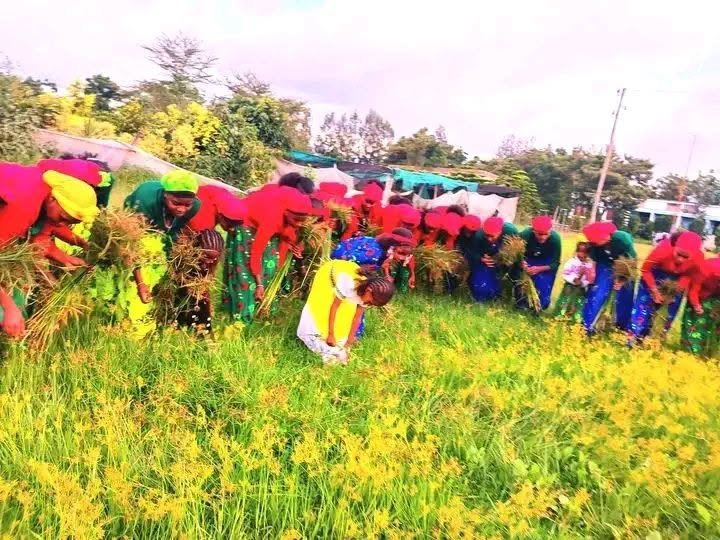
The Qaammee celebration begins with the Buqqisaa ceremony, a vibrant and joyous event held at communal gathering places. On this day, young unmarried women come together to participate in traditional dances, songs, and celebrations. The atmosphere is electric—filled with the beating of drums, the clapping of hands, and the joyful ululations of the community.
The young women, known as Qaammeen, dress in their finest traditional attire, adorned with colorful beads, jewelry, and intricately braided hairstyles. Their beauty and grace are celebrated as they dance, symbolizing their vitality and the promise of future generations.
The Daddarbaa Ceremony
The following day, the Daddarbaa ceremony takes place. On this day, the young women are blessed by the elders of the community. They receive prayers and blessings for a prosperous life, healthy marriages, and a future filled with happiness and success.
The blessings are not only spiritual but also practical. The elders offer guidance and wisdom to the young women, preparing them for the responsibilities and joys of adult life. The community gathers to witness the ceremony, reinforcing the bonds of unity and collective care.
The Role of Men and Boys in Qaammee
While Qaammee is primarily a celebration of young women, men and boys also play important roles in the festivities. Boys who have not yet reached the second grade of the Gadaa system and who are not yet married participate in the celebrations through traditional songs and dances.
Their presence is a gesture of respect and support, acknowledging the central role of women in Oromo society and the importance of honoring their transition into womanhood. The participation of young men also serves as a reminder of the collective nature of Oromo culture—where the wellbeing of the community is built on the strength of all its members.
The Spiritual Significance of Qaammee
At its heart, the Qaammee celebration is a spiritual experience. The rituals are conducted with reverence and respect, invoking the blessings of Waaqa (God) and the ancestors. The young women receive the prayers of the elders, the admiration of the community, and the hope of their families.
The celebration is also an act of thanksgiving. The Oromo people give thanks for the rain, the harvest, and the continuity of their culture. The young women, as symbols of fertility and the future, represent the hope and promise of the Oromo nation.
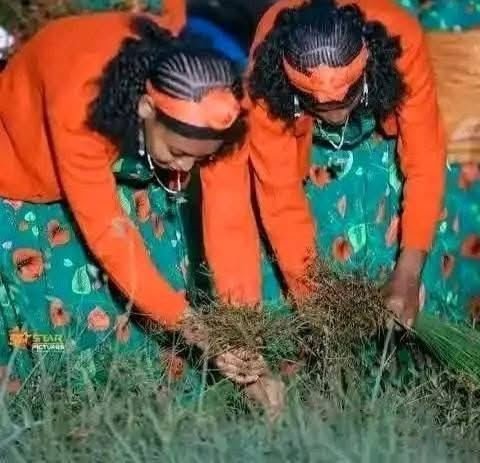
Qaammee and Oromo Cultural Identity
The Qaammee festival is a powerful expression of Oromo cultural identity. In a world where many indigenous traditions are at risk of being lost, the Oromo people have maintained this celebration as a living practice of their heritage.
The festival reinforces important cultural values:
- Community Unity: The celebration brings together families, neighbors, and entire communities in shared joy and purpose.
- Respect for Women: Qaammee honors the role of women in Oromo society, celebrating their transition to adulthood and affirming their dignity and worth.
- Cultural Continuity: Through the rituals, songs, and dances, the younger generations learn about their heritage and their responsibilities to their community.
Qaammee in the Diaspora
In recent years, Oromo communities in the diaspora have also begun to celebrate Qaammee, ensuring that the tradition continues across borders. In cities like Minneapolis, Seattle, Melbourne, and Toronto, Oromo youth organizations host Qaammee celebrations, complete with traditional music, dance, and blessings.
These celebrations serve multiple purposes: they preserve cultural identity among the diaspora, connect younger generations to their heritage, and create spaces for community bonding in new and often challenging environments. As one community leader noted, “Qaammee is not just a celebration; it is a statement of who we are and who we will always be.”
A Celebration of Promise and Renewal
As the Qaammee festival concludes, the participants and their families are filled with a sense of pride, joy, and hope. The young women who have been blessed and celebrated carry with them the strength and support of their community as they embark on their journeys into adulthood.
The festival is also a reminder of the beauty and resilience of Oromo culture—a culture that has survived centuries of oppression and continues to thrive in the hearts of its people. As the Oromo proverb says, “Foolii Birraa nutti haa urgeechu” —may the fragrance of spring (the rainy season’s fresh, green scent) be upon us.
“Ayyaanni baranaa nuun haa jegu” —may this year’s celebration be one of abundance and joy!
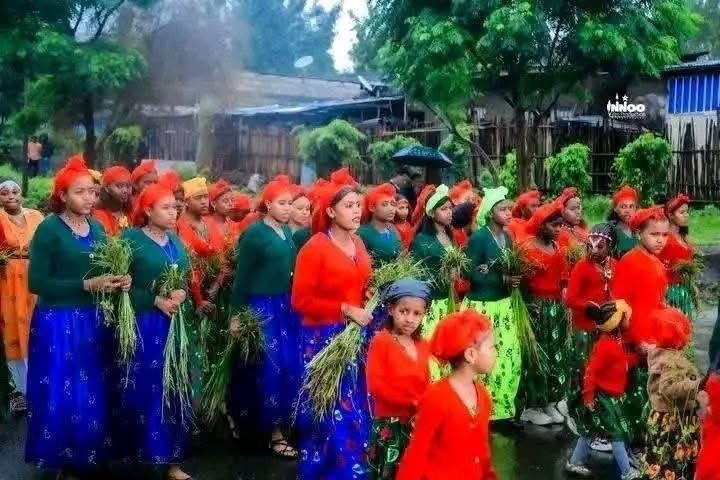
Conclusion: The Eternal Light of Qaammee
Qaammee is more than a celebration; it is a sacred tradition that connects the Oromo people to their past, their present, and their future. It is a moment to honor young women, to bless their journey, and to affirm the enduring strength of Oromo culture.
As the community gathers at Dirree Warra Angaafaa, Jahan Galaan, to witness the Daddarbaa ceremony, let us celebrate the beauty, grace, and resilience of the Oromo people. Let us honor the young women who carry the hopes of their community. And let us remember that traditions like Qaammee are the threads that weave the fabric of Oromo identity.
Foolii Birraa nutti haa urgeechu!
Ayyaanni baranaa nuun haa jegu!
Dirree Warra Angaafaa, Jahan Galaan
Hagayya 08, 2026
This feature article is dedicated to all the young Oromo women—past, present, and future—who carry the spirit of Qaammee in their hearts, and to the communities who uphold this beautiful tradition.

Historic Milestone: The First Diaspora Structure Council of the ABO Concludes with Resolute Decisions
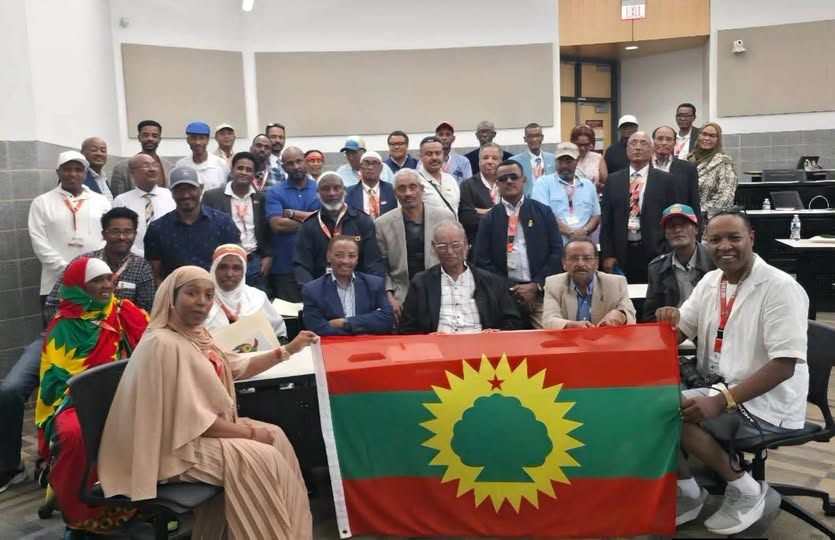
Minneapolis Hosts Landmark Gathering as Oromo Diaspora Leaders Forge a Unified Path Forward
By Dhabessa Wakjira
(Minneapolis, Minnesota — Hagayya 5, 2026) In a historic display of organizational unity and democratic resolve, the Kora 1ffaa Caasaa ABO Biyyoota Ambaa —the First Diaspora Structure Council of the Oromo Liberation Front (ABO)—successfully concluded its proceedings in Minneapolis, Minnesota. Convened over two days, Hagayya 4–5, 2026, the gathering brought together a broad cross-section of the Oromo diaspora community, including representatives from the ABO Diaspora Structure, transitional leaders, families of fallen fighters, elders, scholars, artists, youth, women, and community organizations. Dignitaries from the Caayaa Utubaa ABO and Caayaa Biiftuu Ganamaa were also in attendance, lending their wisdom and authority to the proceedings.
The participation was overwhelming—with over eighty-seven percent (87%) of invited representatives in attendance, ensuring that the gathering met the necessary quorum for legitimacy and decision-making. As the Preparatory Committee Chair, Jaal Yaddii Abdulshakuuri, had confirmed prior to the event, the conditions for a successful council were met, and the assembly proceeded with confidence and purpose.
A Ceremonial Opening: Tradition and Blessings
In keeping with Oromo cultural tradition, the council opened with the recitation of the Eebba Manguddoo—the Great Blessing—led by elders and religious figures, alongside the ceremonial contributions of the Haadholii Siiqqee (Siinqee women). The opening ceremony, which featured the singing of the Faaruu Alaabaa (national anthem), set a tone of reverence and unity, connecting the political work of the council to the cultural and spiritual foundations of the Oromo people.
Jaal Shuggux Galataa, the Coordinator of the Diaspora Structure Council, formally opened the proceedings. Following the opening, he presented a comprehensive report on the work accomplished over the past years. The report assessed the progress, achievements, and challenges encountered within the movement, offering a candid reflection on both victories and shortcomings. After extensive discussion and deliberation, the report was approved by the assembly.
Eighteen Resolute Decisions: A Blueprint for Action
Following thorough deliberations on various foundational issues, the First Diaspora Structure Council passed a series of 18 landmark decisions, establishing a clear path for the diaspora’s role in the Oromo liberation struggle. These decisions are as follows:
1. Approval of the By-Laws
The Council reviewed, debated in depth, and approved the By-Laws of the ABO Diaspora Structure, incorporating necessary amendments before ratification.
2. Election of the Leadership Council
The Council democratically elected a 39-member Leadership Council (Mana Marii Caasaa ABO Biyyoota Alaa) to lead the Diaspora Structure for the next three years, entrusting them with the mandate to guide the diaspora’s organizational work.
3. Commitment to the Struggle
The newly elected leadership members pledged their commitment, taking an oath to fulfill their responsibilities with integrity and dedication, ensuring that the ABO’s struggle achieves its objectives.
4. Institutional Strengthening
The Council resolved that the diaspora’s contribution to the Oromo liberation struggle is not to be seen as a supplementary effort. Recognizing institutional strengthening as a priority, it decided to fortify existing structures and establish new ones where absent, across all diaspora chapters and communities.
5. Engagement with Civic Organizations
The Council committed to engaging with and strengthening civic organizations and community groups, ensuring they contribute effectively to the struggle and amplify the Oromo voice.
6. International Advocacy and Diplomacy
The Council resolved to work with various governments and non-governmental institutions to establish international relations and alliances for the Oromo cause. This includes raising awareness of the oppression faced by Oromo people under the Ethiopian government and advocating for international support for the ABO’s struggle.
7. Support for Internal Struggles
The Council pledged to continue providing necessary support for the work of the ABO’s structures inside Oromia.
8. Supporting the ABO Inside Oromia
The Council committed to supporting the legal and political work of the ABO within Ethiopia, in accordance with national laws and electoral board regulations, ensuring the continuation of the struggle through all available means.
9. Confronting Atrocities
The Council resolved to expose and demand accountability for all atrocities committed by the Ethiopian government against the Oromo people, calling for an end to these acts and for those responsible to be held accountable.
10. Finfinne and the National Dialogue
The Council demanded that the ongoing “National Dialogue” process, which has been used to further divide Oromo land and undermine Oromo rights, be subjected to deep scrutiny. It called for a genuine, inclusive dialogue involving all parties, including opposition groups, that would serve the interest of all peoples of Ethiopia, not just narrow political agendas.
11. Opposition to the Extension of Term
The Council condemned the Ethiopian government’s actions to extend its term in office through military operations across Oromia under various pretexts, declaring its opposition to these maneuvers.
12. The Return of Finfinne and Dirree Dhawaa
Reaffirming that Finfinne and Dirree Dhawaa were illegally separated from Oromia in the past and have not been returned, the Council demanded their immediate return to Oromia.
13. Opposing Excessive Taxation
The Council called for an end to the excessive taxes imposed on Oromo farmers, merchants, and pastoralists, which are impoverishing communities, and demanded that these taxes be revised and reduced.
14. Adherence to the By-Laws
The Council affirmed that all its members are bound by the By-Laws ratified at this gathering and that they will support and work within the structures established by this Council.
15. Call for Ceasefire and Peace
Expressing grave concern over the ongoing armed conflict between the Oromo Liberation Army (WBO) and the Ethiopian government, which is causing immense loss of life and property, the Council called for an immediate cessation of hostilities. It urged the government to lift restrictions and engage in dialogue with the WBO to reach a lasting and just resolution.
16. Addressing Generational Injustices
The Council declared that Oromia and the Oromo people have endured over a century and a half of oppression and denial of their rights. At this critical juncture, when Oromo leadership is expected to govern, the people are experiencing unprecedented hardship. The Council demanded that the current system provide justice, dignity, and a peaceful existence for Oromo people in their own land.
17. Protection of the ABO’s Rights
While affirming that the ABO operates legally within Ethiopia to pursue the rights of the Oromo people, the Council condemned the government’s actions against the party—including the imprisonment of its leaders, the closure of its offices, the seizure of its property, and the restriction of its political activities. The Council demanded that the government respect the legal and political rights of the ABO to operate freely within the country.
18. Release of Political Prisoners
The Council called for the immediate release of all political prisoners who have been detained without due process, held in prisons, police stations, military camps, and other detention facilities across the country, demanding that they either be brought to court or released without delay.
A New Chapter in the Diaspora Struggle
The successful conclusion of the First Diaspora Structure Council marks a watershed moment in the Oromo liberation movement. For the first time, the diaspora’s role in the struggle has been codified through a comprehensive structure and set of mandates, ensuring that the community’s resources, voices, and efforts are directed with cohesion and purpose.
The gathering brought together the full spectrum of Oromo society in the diaspora—from elders and scholars to youth and artists—united in their determination to see the liberation of Oromia achieved. The presence of the families of fallen fighters served as a powerful reminder of the sacrifices upon which the movement is built.
Conclusion: The Struggle Continues, In Unity
As the council concluded its historic session, the spirit of “Injifannoon Ummata Oromoo” —Victory to the Oromo People—resounded through the halls of Minneapolis. The decisions made, the leadership elected, and the commitments sealed represent a renewed pledge to the cause of freedom, justice, and self-determination.
The work of the diaspora is now more organized, more strategic, and more impactful than ever before. The First Diaspora Structure Council has laid the foundation for a new phase in the struggle—one that harnesses the full potential of the Oromo diaspora while remaining firmly connected to the aspirations of the people in the homeland.
Injifannoon Ummata Oromoo!
ABO haa waaru!
Caasaa ABO Biyyoota Alaa haa jabaattu!
Hagayya 5, 2026
Minneapolis, Minnesota, USA
This feature article is dedicated to all who participated in this historic council, to the leadership of the ABO, and to the Oromo people everywhere who continue to strive for freedom, justice, and dignity.




 Advocacy for Oromia