Qaammee: The Sacred Celebration of Oromo Womanhood
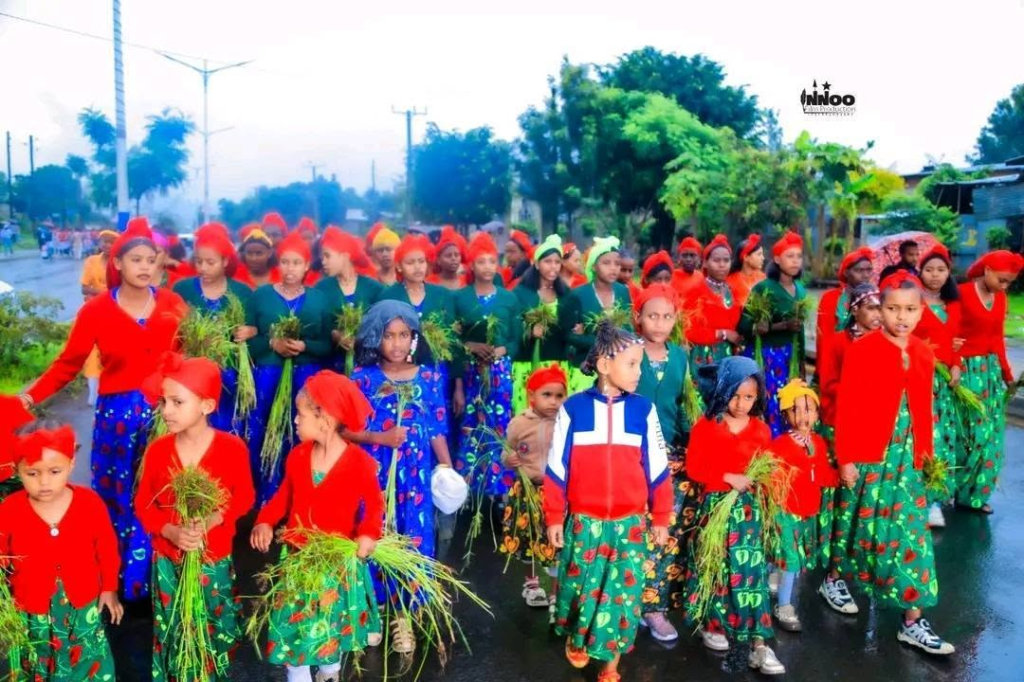
A Timeless Tradition of Blessing, Transition, and Cultural Pride
By Maatii Sabaa
In the rich tapestry of Oromo culture, few celebrations are as deeply revered and symbolically profound as Qaammee—the sacred festival honoring young Oromo women. This ancient tradition, which marks the transition of unmarried girls into womanhood, is a vibrant expression of cultural identity, community unity, and spiritual blessing.
The Qaammee festival is more than a ceremony; it is a living testament to the Oromo people’s deep respect for women and their central role in society. As the celebrations unfold across Oromia, the air fills with the fragrance of the rainy season, the rhythm of traditional songs, and the joyous laughter of young women adorned in their finest attire.
Understanding Qaammee: A Celebration of Womanhood
Qaammee refers to a young unmarried woman who participates in this sacred festival. The term embodies the essence of youthful femininity, purity, and the promise of a bright future. The celebration is a rite of passage, a communal blessing, and a moment of profound cultural significance.
According to tradition, young women who have not yet married participate in the Qaammee ceremony to receive blessings, share in communal joy, and affirm their identity as proud Oromo women. The festival is marked by two key rituals:
- Buqqisaa — The “Breaking” or initiation ceremony, where the young women are formally welcomed into the celebration.
- Daddarbaa — The “Passing” or blessing ceremony, where they receive the community’s blessings and are honored for their transition.
These rituals are not merely symbolic; they are deeply spiritual acts that connect the young women to their ancestors, their community, and the natural world around them.
When Does Qaammee Take Place?
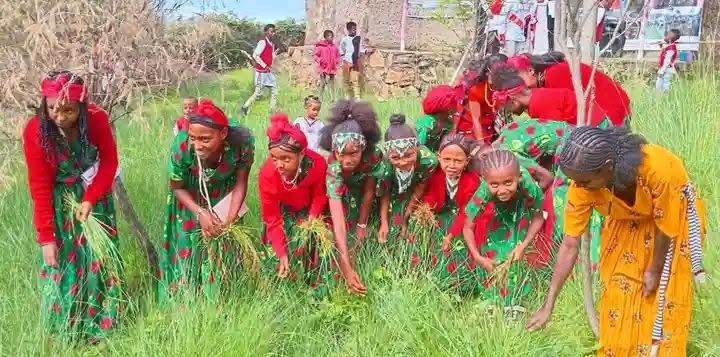
The Qaammee festival follows a specific seasonal calendar, deeply attuned to the rhythms of Oromo life. Celebrations begin in the month of Hagayya (roughly July-August) and continue through the month of Fulbaana (September-October), culminating at the end of the rainy season.
The timing is significant. The rainy season, known as Birraa in Oromo, brings life to the land—replenishing rivers, greening pastures, and signaling a time of renewal and abundance. The Qaammee celebration coincides with this season of rebirth, reflecting the new beginnings that the young women are entering as they step into adulthood.
This year’s celebrations began with the Buqqisaa ceremony today, followed by the Daddarbaa blessing ceremony tomorrow.
The Rituals of Qaammee
The Buqqisaa Ceremony
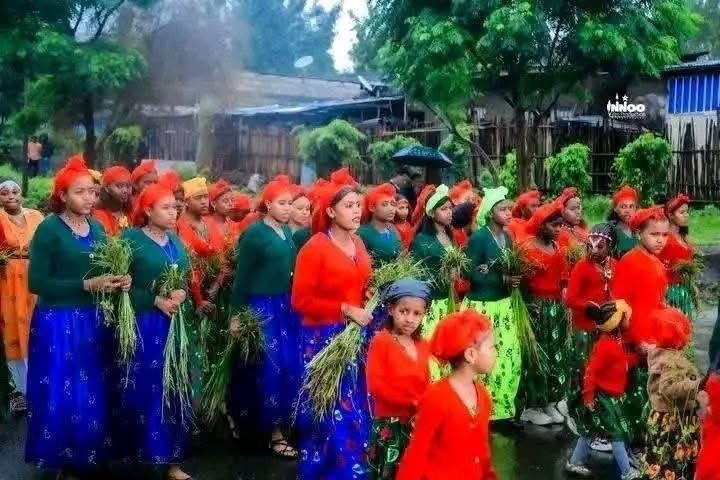
The Qaammee celebration begins with the Buqqisaa ceremony, a vibrant and joyous event held at communal gathering places. On this day, young unmarried women come together to participate in traditional dances, songs, and celebrations. The atmosphere is electric—filled with the beating of drums, the clapping of hands, and the joyful ululations of the community.
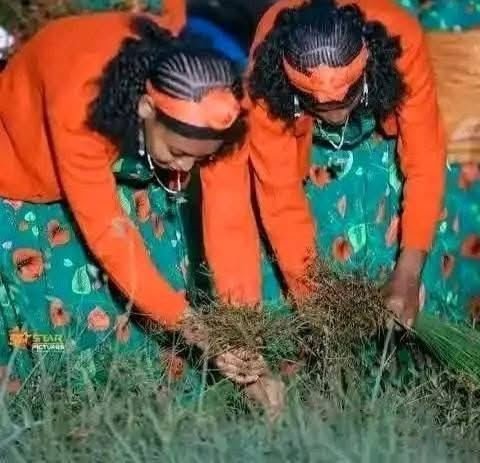
The young women, known as Qaammeen, dress in their finest traditional attire, adorned with colorful beads, jewelry, and intricately braided hairstyles. Their beauty and grace are celebrated as they dance, symbolizing their vitality and the promise of future generations.
The Daddarbaa Ceremony
The following day, the Daddarbaa ceremony takes place. On this day, the young women are blessed by the elders of the community. They receive prayers and blessings for a prosperous life, healthy marriages, and a future filled with happiness and success.
The blessings are not only spiritual but also practical. The elders offer guidance and wisdom to the young women, preparing them for the responsibilities and joys of adult life. The community gathers to witness the ceremony, reinforcing the bonds of unity and collective care.
The Role of Men and Boys in Qaammee
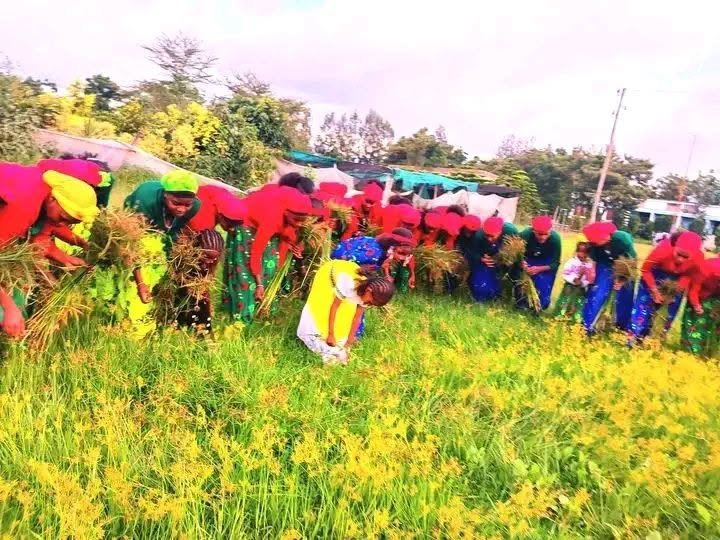
While Qaammee is primarily a celebration of young women, men and boys also play important roles in the festivities. Boys who have not yet reached the second grade of the Gadaa system and who are not yet married participate in the celebrations through traditional songs and dances.
Their presence is a gesture of respect and support, acknowledging the central role of women in Oromo society and the importance of honoring their transition into womanhood. The participation of young men also serves as a reminder of the collective nature of Oromo culture—where the wellbeing of the community is built on the strength of all its members.
The Spiritual Significance of Qaammee
At its heart, the Qaammee celebration is a spiritual experience. The rituals are conducted with reverence and respect, invoking the blessings of Waaqa (God) and the ancestors. The young women receive the prayers of the elders, the admiration of the community, and the hope of their families.
The celebration is also an act of thanksgiving. The Oromo people give thanks for the rain, the harvest, and the continuity of their culture. The young women, as symbols of fertility and the future, represent the hope and promise of the Oromo nation.
Qaammee and Oromo Cultural Identity
The Qaammee festival is a powerful expression of Oromo cultural identity. In a world where many indigenous traditions are at risk of being lost, the Oromo people have maintained this celebration as a living practice of their heritage.
The festival reinforces important cultural values:
- Community Unity: The celebration brings together families, neighbors, and entire communities in shared joy and purpose.
- Respect for Women: Qaammee honors the role of women in Oromo society, celebrating their transition to adulthood and affirming their dignity and worth.
- Cultural Continuity: Through the rituals, songs, and dances, the younger generations learn about their heritage and their responsibilities to their community.
Qaammee in the Diaspora
In recent years, Oromo communities in the diaspora have also begun to celebrate Qaammee, ensuring that the tradition continues across borders. In cities like Minneapolis, Seattle, Melbourne, and Toronto, Oromo youth organizations host Qaammee celebrations, complete with traditional music, dance, and blessings.
These celebrations serve multiple purposes: they preserve cultural identity among the diaspora, connect younger generations to their heritage, and create spaces for community bonding in new and often challenging environments. As one community leader noted, “Qaammee is not just a celebration; it is a statement of who we are and who we will always be.”
A Celebration of Promise and Renewal
As the Qaammee festival concludes, the participants and their families are filled with a sense of pride, joy, and hope. The young women who have been blessed and celebrated carry with them the strength and support of their community as they embark on their journeys into adulthood.
The festival is also a reminder of the beauty and resilience of Oromo culture—a culture that has survived centuries of oppression and continues to thrive in the hearts of its people. As the Oromo proverb says, “Foolii Birraa nutti haa urgeechu” —may the fragrance of spring (the rainy season’s fresh, green scent) be upon us.
“Ayyaanni baranaa nuun haa jegu” —may this year’s celebration be one of abundance and joy!
Conclusion: The Eternal Light of Qaammee
Qaammee is more than a celebration; it is a sacred tradition that connects the Oromo people to their past, their present, and their future. It is a moment to honor young women, to bless their journey, and to affirm the enduring strength of Oromo culture.
As the community gathers at Dirree Warra Angaafaa, Jahan Galaan, to witness the Daddarbaa ceremony, let us celebrate the beauty, grace, and resilience of the Oromo people. Let us honor the young women who carry the hopes of their community. And let us remember that traditions like Qaammee are the threads that weave the fabric of Oromo identity.
Foolii Birraa nutti haa urgeechu!
Ayyaanni baranaa nuun haa jegu!
Dirree Warra Angaafaa, Jahan Galaan
Hagayya 08, 2026
This feature article is dedicated to all the young Oromo women—past, present, and future—who carry the spirit of Qaammee in their hearts, and to the communities who uphold this beautiful tradition.

Posted on August 8, 2026, in Aadaa, Afaan, Bokkkuu, Election, Events, Finfinne, freedom, gender, Grief Support, health, Information, Kindness, Language, Media, mental health, News, Oromia, Press Release, Promotion. Bookmark the permalink. Leave a comment.






Leave a comment
Comments 0