The Land They Call Theirs: Finfinnee, Sacrifice, and the Unyielding Oromo Spirit
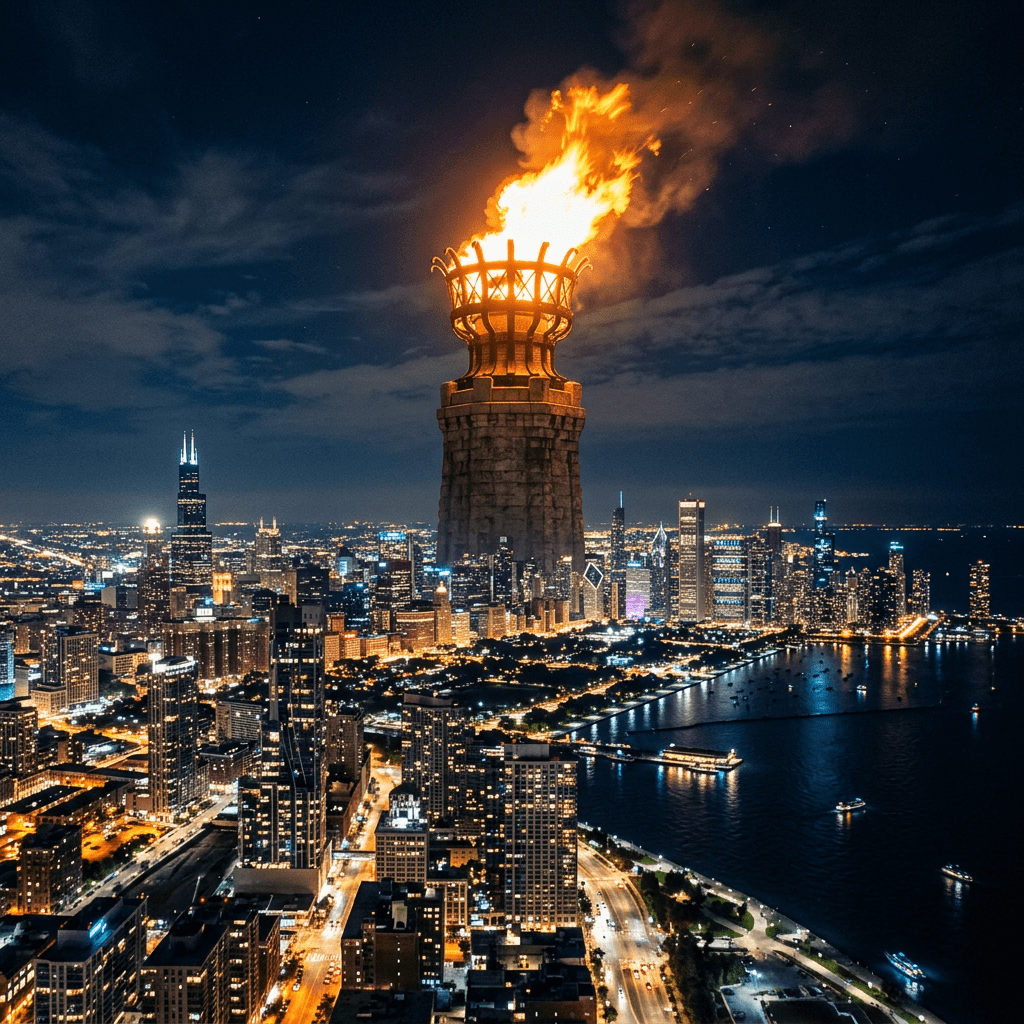
In the shadow of glass towers and concrete jungles, a people fight for a place to rest their heads—and a generation is called to rise.
—
FINFINNEE — To the world, it is Addis Ababa, the diplomatic pulse of Africa and the seat of the African Union. To the Oromo, however, this city is Finfinnee—the “fountain of hot springs”—the ancestral heart of their nation, a land soaked in history, blood, and an unbreakable bond of identity.
But walk through the bustling streets of this sprawling metropolis today, and you will witness a profound paradox. Amidst the towering condominiums—the kumaa fi kitiloota that pierce the sky—and the maze of modern high-rises, the average Oromo finds themselves a stranger in their own heritage. As the poignant refrain of the community goes: “Oromoon lafa rooba itti dheeffuu fi gaaddiisa aduu jalaa itti goru hin qabu.” (An Oromo has no plot of land to catch the rain or find shade from the sun.)
Every inch of earth their feet touch, they must claim with their voice. The struggle for recognition, for belonging, and for the very Gullallee—the cherished, sacred ground of their forefathers—is not a passive memory. It is a living, daily confrontation.
—
The Torchbearers of Resistance
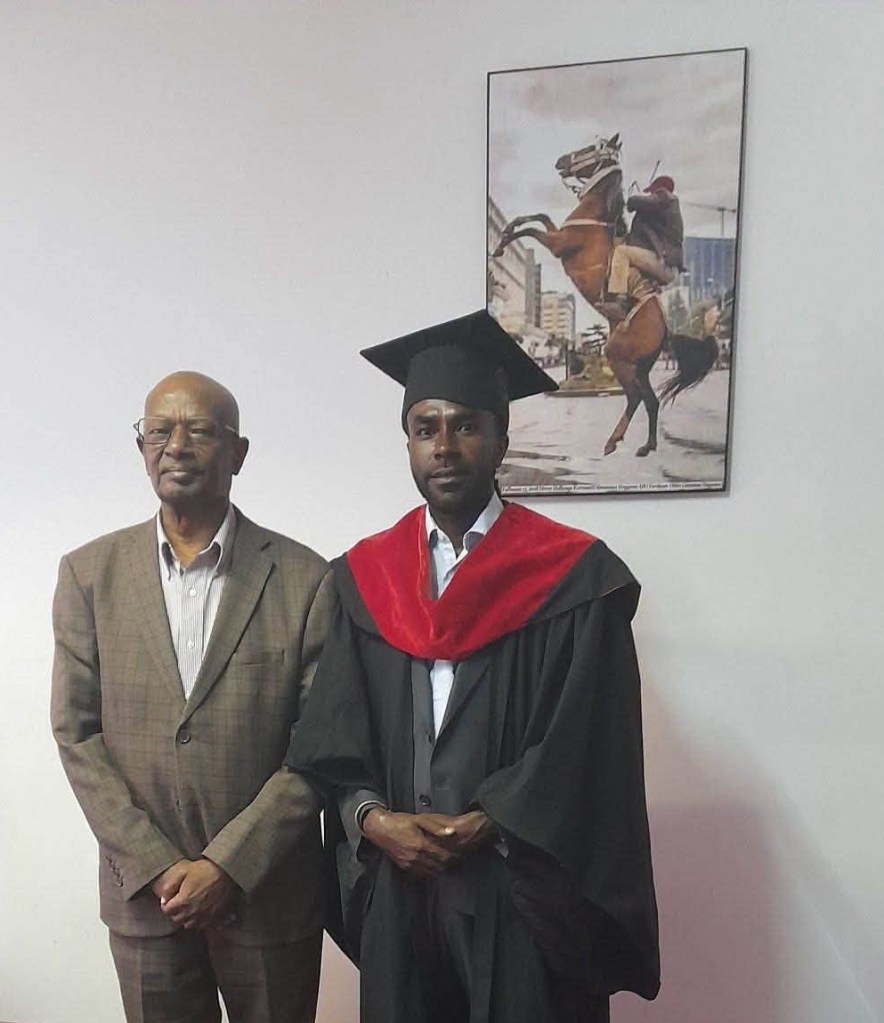
In this crucible of resilience, certain names rise above the din of daily oppression. Figures like Jaal Daawud Ibsaa, the leader of the Adda Bilisummaa Oromoo (ABO), and Jaal Abdii Raggaasaa stand as defiant pillars. They are not merely politicians; they are the living embodiments of the Oromo quest for self-determination.
To the diaspora and the youth, these men represent the unwavering voice that refuses to be silenced. They walk a tightrope where every word is a potential weapon against them, yet they continue to champion the cause of Bilisummaa—freedom. Their presence sends a clear message to the establishment: the Oromo struggle is not a fleeting trend; it is a generational covenant.
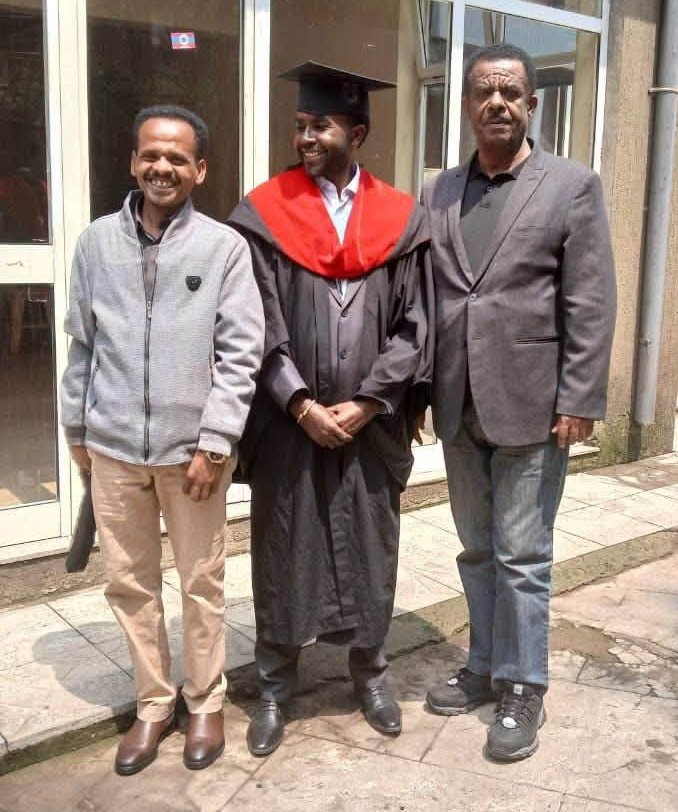
The Waajjiira and the Galma—the historic meeting grounds and the dawn campaigns of resistance—are etched into the collective memory of the community. Though the enemy may have sealed off physical spaces, they cannot quarantine the spirit. The determination displayed in these spaces carries a meaning far greater than bricks and mortar; it is the architecture of a nation that refuses to be erased.
—
The Cost of a Dawn
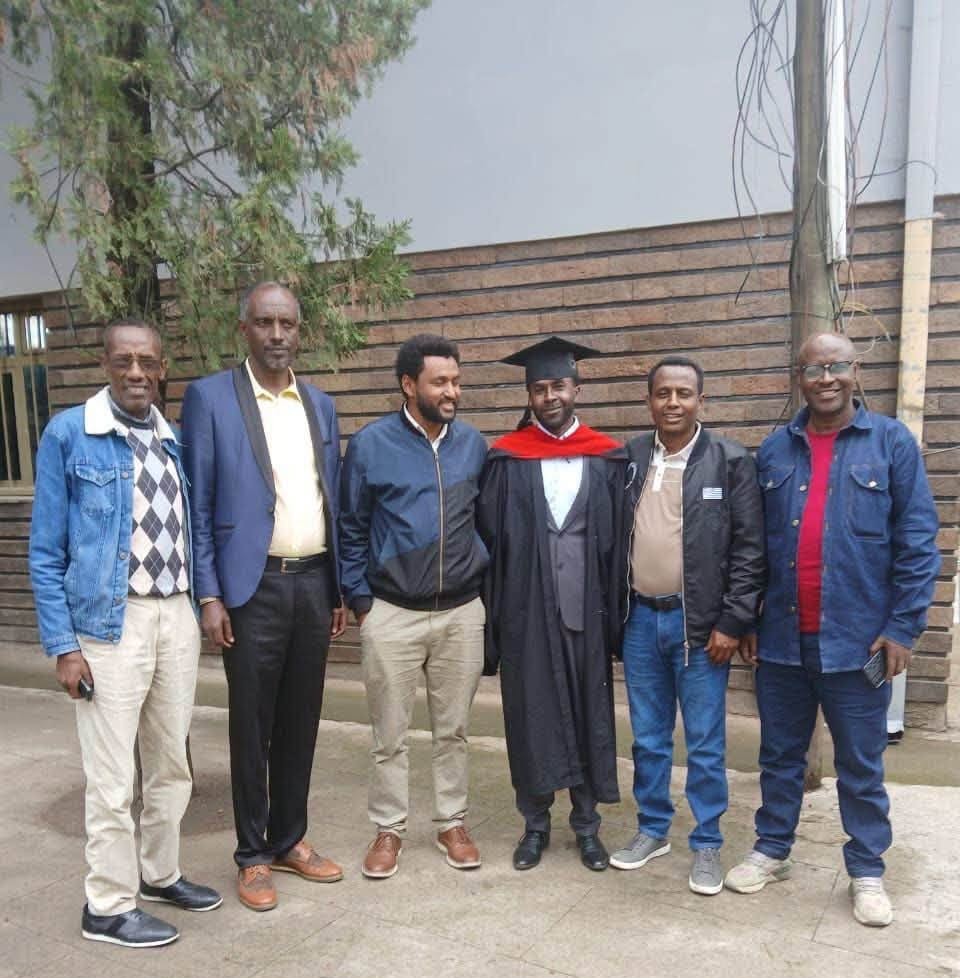
The Oromo struggle is defined by its staggering calculus of sacrifice—aarsaa fi wareegama (offering and commitment). How many lives have been laid down so that the sun of justice might rise over Finfinnee? How many mothers have wept for sons who dared to demand the rights enshrined in their own indigenous governance systems?
Yet, from these sacrifices, the movement draws its profound strength. The daily defiance, the quiet refusal to bow, and the bold resistance in the face of a caged dawn—barii ganamaa diinni cufe—is what gives the struggle its hiika guddaa (great meaning). It is the understanding that freedom is not given; it is taken through unyielding obsaa fi kutannoo (patience and determination).
—
The Mandate of the Youth
This brings us to the most urgent call of all—a plea to the dhaloonni (the young generation).
The elders and the current leadership are clear in their message: “Kutannoo fi cichoomina kana sinirraa dhaaluu qaba!” (This resilience and steadfastness must be inherited by you!)
The youth of today are the custodians of tomorrow. The land, the history, and the dreams of those who came before rest squarely on their shoulders. They are called not just to remember, but to act. To take the torch from the hands of the Daawud Ibsaas and the Abdii Raggaasaas of the world and carry it forward with equal vigor.
In a city where the Oromo must prove their claim to every footstep they take, the youth are the living proof of the nation’s survival. They are the ones who must turn the Gullallee—the beloved land—from a symbol of ancestral loss into a foundation of future sovereignty.
—
Land, Love, and Legacy
For the Oromo, Finfinnee is more than a geographical location. It is the soul of their identity. The love for this land—Lafa akka Oromootti qabnu (The land we hold as Oromo)—is not born of mere proximity; it is born of millennia of history, culture, and shared suffering.
As the city continues to modernize and globalize, the Oromo people are sending a clear and resolute message to the world and to their adversaries: We are the owners, and we are the lovers. We have the leaders, and we have the spirit. And we will not stop until the rain of justice falls on our own soil, and the sun of freedom shines on our own shade.
The names may change, the tactics may evolve, but the mission remains eternal. For the Oromo, the land of Finfinnee is, and always will be, Lafa Seenaa—a land of history. And history, as they know all too well, is written by those who refuse to give up the fight.

Posted on July 1, 2026, in Aadaa, Afaan, Biography, Events, Face of Injustice, Finfinne, gadaa, Information, Language, Media, News, Oromia, Press Release, Promotion, SBO, Sirna Oromo. Bookmark the permalink. Leave a comment.




 Advocacy for Oromia
Leave a comment
Comments 0