Monthly Archives: July 2026

Yaa’ii Dhaddacha Baldhaa: Historic Gadaa Assembly Restores Sacred Traditions and Issues Major Rulings
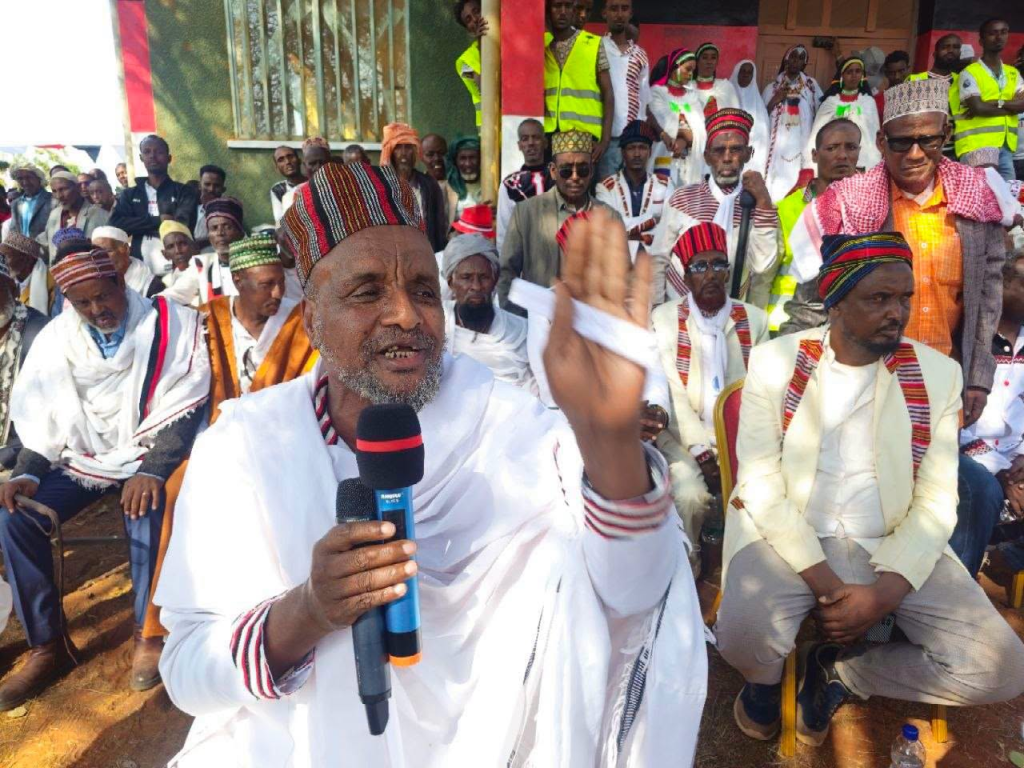
The Sikkoo Mandoo Gadaa Council convenes in East Bale Zone, addressing issues of traditional marriage, illegal migration, and cultural preservation
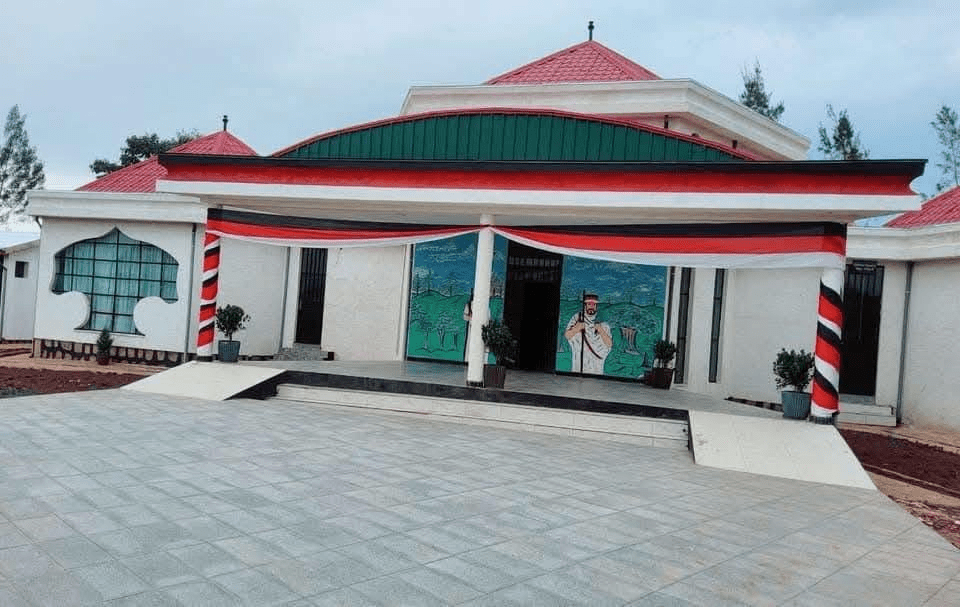
BALEE ZONE, OROMIYA — The ancient grounds of Dhaddacha Baldhaa in Rayitu district, East Bale Zone, have become the centre of a historic gathering as the Sikkoo Mandoo Gadaa Council convenes for the Yaa’ii (Gadaa Assembly). The assembly, which marks the formal reopening of the Dhaddacha Baldhaa seat, has issued six major rulings covering marriage customs, illegal migration, cultural preservation, and community security.
The Restoration of Dhaddacha Baldhaa
“Yaa’iin Gadaa Sikkoo Mandoo Godina Baalee Bahaa Aanaa Raayituu, Dhaddacha Baldhaatti geggeeffamaa jiruun dhaddachi Baldhaan deebi’ee banamuu hordofee luba Gadaa shanan Dhaddachatti deebisuun murtiiwwan gurguddoo ja’a lallabe.”
The Yaa’ii Gadaa of Sikkoo Mandoo, taking place at Dhaddacha Baldhaa in Rayitu district, has restored the Dhaddacha Baldhaa seat and appointed five Gadaa priests to the assembly. The council has issued six major rulings that will guide the Oromo community of Sikkoo Mandoo.
“Murtiwwaan gurguddoon lallabaman kunis, Dhaddachi Baldhaan deebi’ee akka banamu akkasumas dhaddachoota Sikkoo Mandoo hunda deebisuu, fuudhaaf heeruma ilaalchisee gabbarri hafuu akka qabuufi kanneen biroos lallabameera.”
The major rulings announced include the restoration of the Dhaddacha Baldhaa, the revival of all Sikkoo Mandoo Gadaa assembly seats, and guidance on traditional marriage practices.
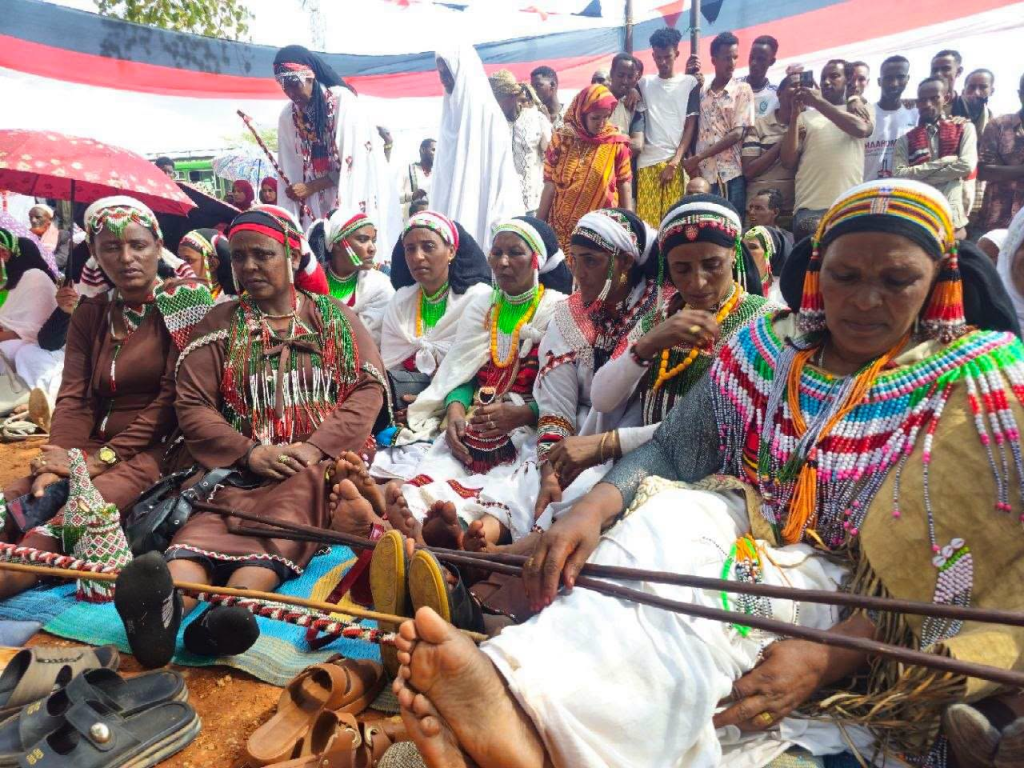
Ruling on Traditional Marriage and Rituals
“Fuudhaaf heeruma ilaalchisee gabbarri hafuu akka qabu…”
The council reaffirmed that traditional marriage rituals must be properly observed, preserving the cultural practices that have guided Oromo society for generations. This ruling underscores the importance of maintaining the sacred customs of the Gadaa system, including the proper observance of marriage ceremonies.
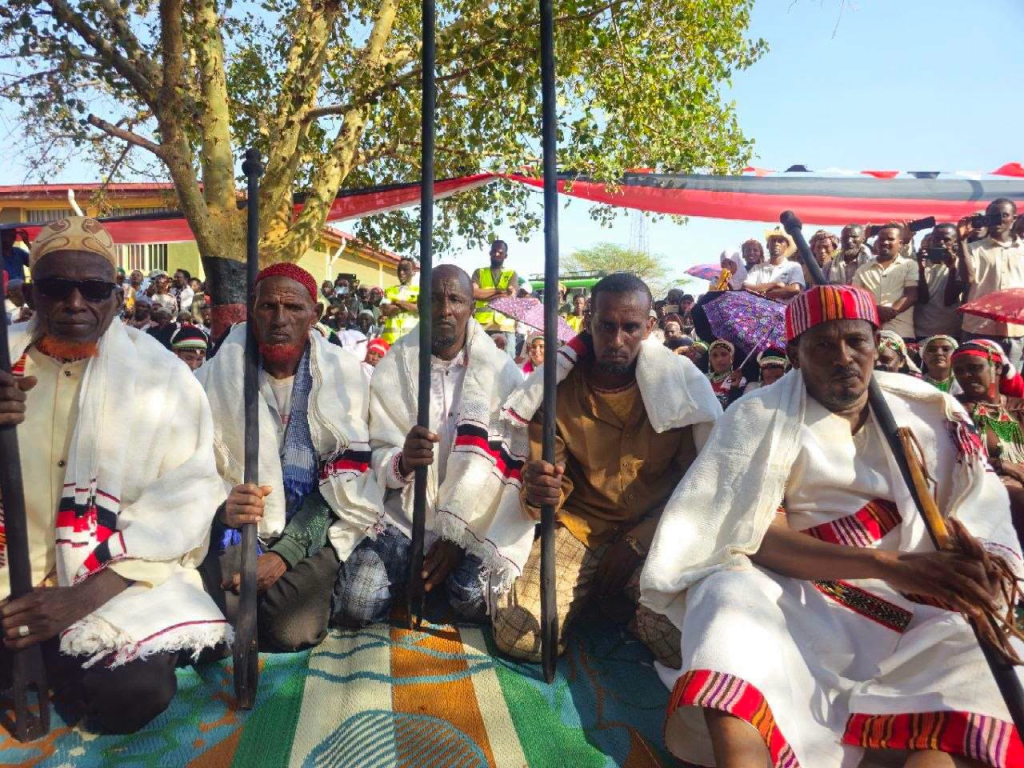
Addressing Illegal Migration
“Godaansa seeraan alaa ilaalchisee; karaa seeraan alaa dargaggoonni abdii egeree ta’an faddaalaan gowwomfamanii biyyaa bahaa jiran akka hafuufi xiyyeeffannoon irratti hojjatamuu akka qabu ergaan darbe.”
On the issue of illegal migration, the council emphasized that efforts should be made to prevent young people from being misled by false promises and leaving the country illegally. It called for increased attention to the root causes of illegal migration and for young people—who are the hope of the future—to remain in their homeland.
Preserving Oromo Identity and Culture
“Uumanni Oromoo Arsii uummata safuu, safaffannaa aadaafi duudhaa mataa ofi qabu waan ta’een seenaafi eenyumaa isaa ganamaa eeggatee jiraachuu akka qabu lallabamee jira.”
The assembly declared that the Oromo people of Arsii are a nation with their own moral code, cultural practices, and traditions, and must preserve their history and original identity. This ruling reinforces the importance of cultural continuity and the transmission of Oromo values to future generations.
Security and Peacebuilding
“Nageenyaan walqabatee; nageenya waaraa lafa qabsisuuf hunduu nagaaf dursaa kennee, Waamichaa abbootii Gadaafi Abbootii Siinqeetti dhagahee garaa nagaatti dhufuu akka qabu lallabameera.”
Regarding security, the council called on all community members to prioritize peace, to heed the call of Gadaa leaders and Siinqee elders, and to embrace peace. The assembly emphasized that security is a collective responsibility requiring the participation of all members of the community.
Environmental Protection
“Gama eegumsaa qabeenya uumatiin immoo biqiltoowwaan akka dhabamaniifi kan dhaabaman immoo akka kunuufaman lallabamee jira.”
In the area of environmental protection, the council ruled that existing trees must not be destroyed and that newly planted trees must be nurtured and protected. This ruling reflects the Oromo people’s deep commitment to environmental stewardship, rooted in the principles of the Gadaa system and the sacred duty to protect creation.
A Framework for the Future
“Murtiwwaan kunneen aadaafi duudha Oromoota Sikkoo Mandoo biratti waggoota saddeetiif kan tajaajiluudha.”
These rulings will guide the Oromo community of Sikkoo Mandoo for the next eight years, aligning with the Gadaa system’s eight-year cycle. The decisions made at Dhaddacha Baldhaa will shape the cultural, social, and environmental practices of the community for a full Gadaa cycle.
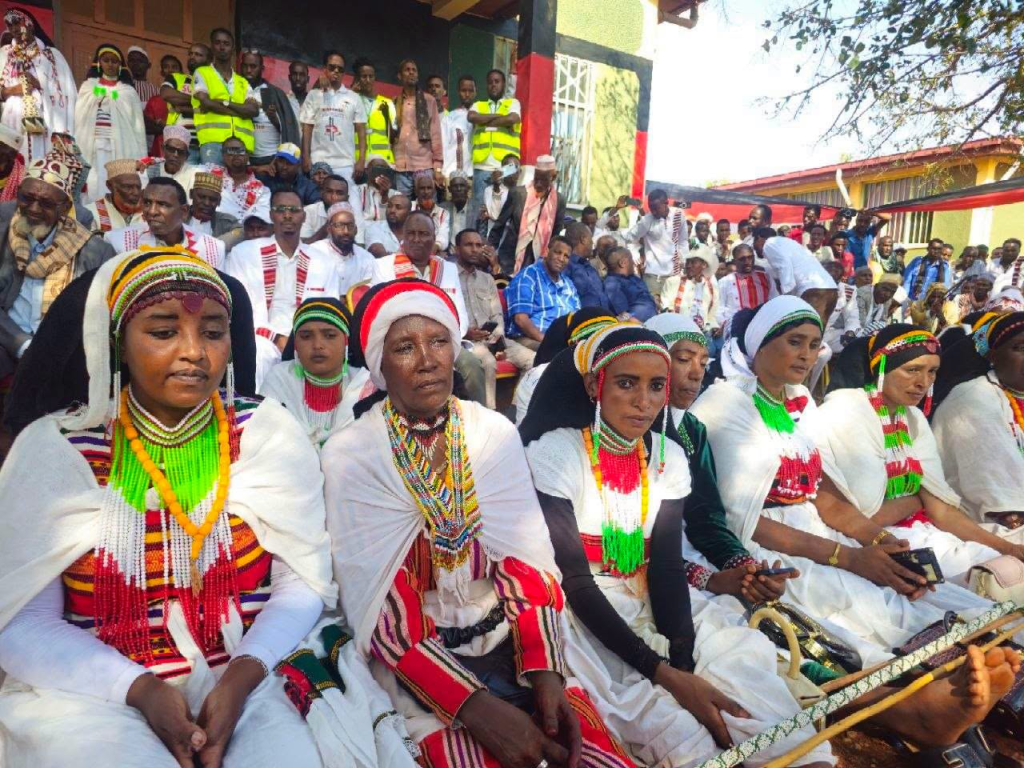
The Significance of the Gathering
The Yaa’ii Gadaa at Dhaddacha Baldhaa is a testament to the resilience and continuity of the Oromo Gadaa system. It demonstrates that despite historical challenges, the Oromo people continue to govern themselves, preserve their culture, and address contemporary issues through their traditional institutions.
The assembly addressed the full spectrum of community life:
- Cultural preservation through the restoration of traditional practices
- Social justice through rulings on marriage and community relations
- Security through calls for peace and collective responsibility
- Environmental protection through the stewardship of natural resources
- Youth engagement through efforts to prevent illegal migration
A Call to the Community
The council issued a call to all Gadaa leaders and Siinqee elders to continue their work of guiding the community and promoting peace. The assembly also urged community members to support the rulings and to work together to ensure their implementation.
Conclusion
The Yaa’ii Gadaa of Sikkoo Mandoo at Dhaddacha Baldhaa marks a significant moment in the ongoing revitalization of Oromo cultural institutions. The six major rulings issued by the assembly provide a comprehensive framework for community life, addressing marriage practices, migration, cultural preservation, security, and environmental protection.
As the Oromo people continue their journey of cultural revival and self-determination, gatherings such as the Yaa’ii at Dhaddacha Baldhaa play an essential role in maintaining the continuity of the Gadaa system and ensuring that Oromo traditions remain a living, breathing force in the lives of the people.
“Walumaagalatti Yaa’ii Gadaa Sikkoo Mandoo yeroo amma Baalee Bahaa, Aanaa Raayituutti gaggaeeffame jiru murtiiwwaan gurguddoon Aadaafi Duudha Oromoo cimsan kan dabarsee yoo ta’u murtiwwaan kunneen aadaafi duudha Oromoota Sikkoo Mandoo biratti waggoota saddeetiif kan tajaajiluudha.”
The Dhaddacha Baldhaa stands once again as a centre of Oromo governance and culture, guiding the people toward a future rooted in tradition and hope.

Ayyaana Ilillii (Qaammee): The Sacred Festival of Oromo Girls
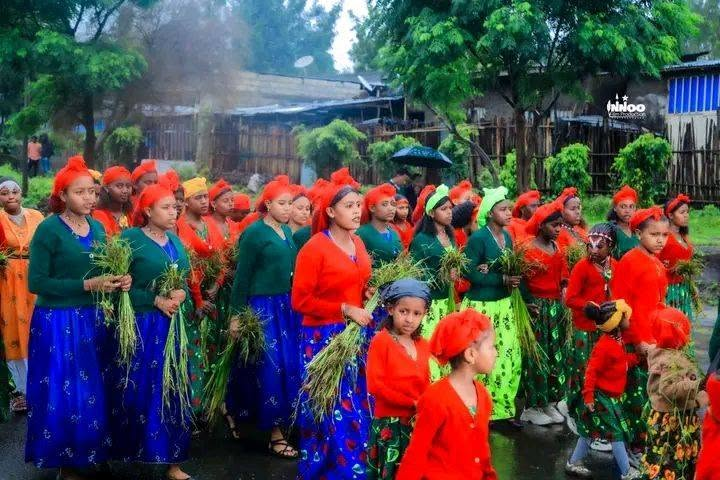
A celebration of girlhood, freedom, and cultural continuity
FINFINNE, OROMIA — Among the many festivals that enrich the Oromo cultural calendar, Ayyaana Ilillii—also known as Qaammee—holds a special and cherished place. This celebration, which typically arrives in the month of Hagayya (the second month of the Oromo rainy season), is a joyful occasion dedicated to young women and girls, marking their importance in Oromo society and celebrating their freedom and vitality.
“Ayyaanni Ilillii ykn Qaammeen ayyaana shanarraniiti.”
Ayyaana Ilillii is the festival of girls. This simple declaration carries profound meaning—a recognition that Oromo girls are worthy of celebration, respect, and freedom.
The Significance of Ayyaana Ilillii
“Akkuma beekamu fuuldura keenya kana waan torbee 3 hin caalle ayyaana guddaa hawwiidhaan eegamu ayyaana ililliitii tu nutti as deemaa jira.”
Ayyaana Ilillii is a grand festival eagerly anticipated by the Oromo people. It usually takes place over three days, marking a period of celebration, cultural expression, and community bonding. The festival is widely known and celebrated among Oromo communities, particularly in the Oromia Region. It is considered one of the major Oromo festivals, alongside the well-known Irreechaa celebration.
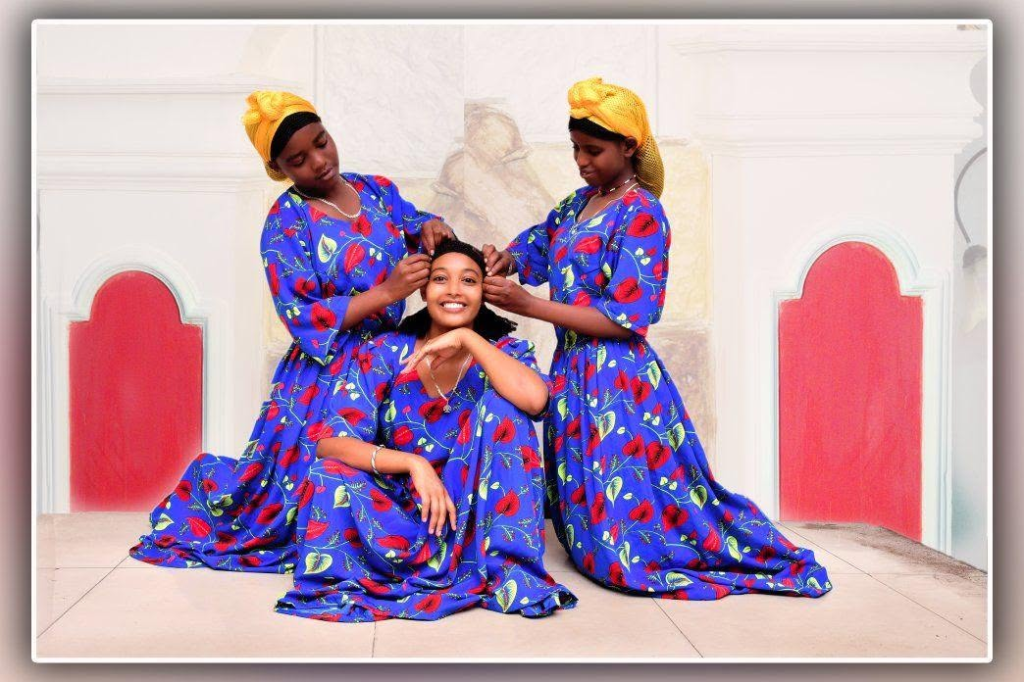
A Festival of Girls
“Ayyaanni kun ayyaana shamarraniiti.”
This festival is exclusively dedicated to girls. It provides a unique opportunity for young women to experience a day of freedom, joy, and community. On this day, girls are allowed to move freely, visiting different homes and neighborhoods in groups, singing, dancing, and celebrating their girlhood .
The freedom given to girls on this day is a powerful cultural statement. It acknowledges the importance of young women and their right to expression, movement, and joy. In a society where girls often face restrictions and expectations, Ayyaana Ilillii offers a rare moment of liberation and celebration.
How the Festival Is Celebrated
“Kalee akkuma hawaasa keenya keessatti baratame durbii manaa baatee lafa feete fi akka feetetti hin deemtu garuu guyyaa Ayyaana Ilillii kana Mirgi isaanii guutummaan guututti kabajamaadha.”
Traditionally, girls were not allowed to leave their homes freely. On the day of Ayyaana Ilillii, however, their rights are fully respected. They can go wherever they wish, and no one has the right to restrict their freedom.
“Ayyaana kana kan daddarbu shamara hin heerumneefi kaadhimaa kaadhimamtee jirtutu deema akkasumas heerumtee kan baranoo taates mandara ollaa ishii wajjin deemte daddarbuu ni dandeessi.”
The festival is primarily observed by unmarried girls and those who are engaged. However, even married women can participate by accompanying the girls from their neighborhood. This inclusive approach allows women of all ages to engage in the celebration and pass on cultural values to the younger generation.
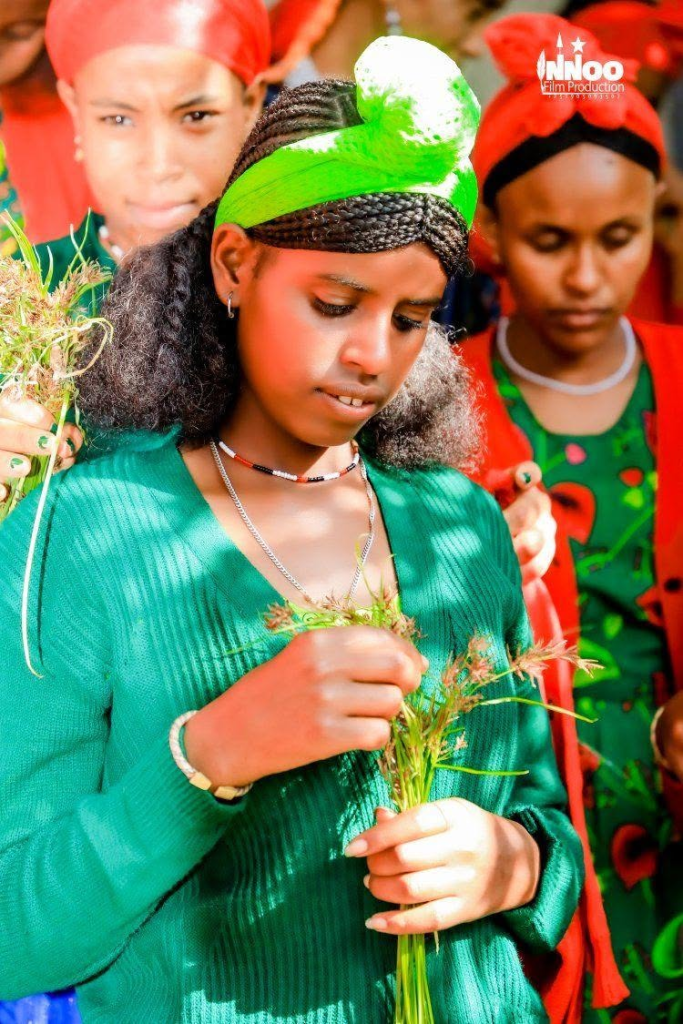
Traditions and Rituals
“Gaafa jennu warra Dhiiraa hin ilaallatu jechuu miti isaanis akkuma gita umurii isaaniitiin gaafa ayyaanni kun dhihaatu dhiiboo bahanii qoosaa wal arrabsoo dhiichisanii taphatu maal akka jettanii dhechiftan immoo isinumaafan dhiisaa.”
It is important to note that Ayyaana Ilillii is not a festival that excludes men entirely. Men and boys, according to their age groups, also participate in the festivities. They play, engage in friendly banter, and share in the joyful atmosphere. The focus, however, remains on the girls and their celebration.
“Akkuma ayyaanni Taaboree ayyaana warra dhiiraati jedhamee waamamu ayyaanni Ililliitis ayyaana shamarranii jedhamee waamama.”
Just as the Taaboree festival is considered the festival of boys, Ayyaana Ilillii is considered the festival of girls. This parallel highlights the balance and complementarity that exists within Oromo culture, where both boys and girls have their own special celebrations.
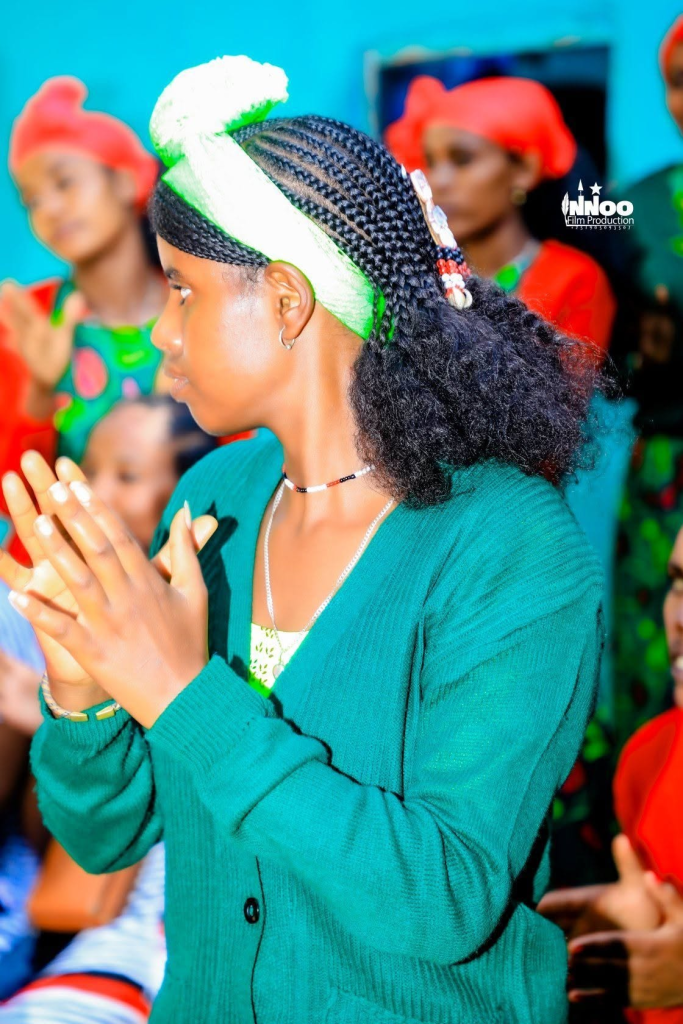
The Wadaajii Tradition
“Akkasumas guyyaa kana warri Dhiiraa wadaajii dhungachuuf qophaa’u.”
On this day, men and boys prepare to consume a special drink called Wadaajii. This is part of the cultural celebration, where community members gather and share in the festivities.
“Gaafa isaan daddarbaaf deeman karaatti dhiichisaan eeganii dhungatu wadaajii kana kan namni tokko dhungate namni biraa dhungachuu hin danda’u.”
As the girls go from place to place, they are met by local residents who offer them Wadaajii. It is considered a tradition of respect and kindness that only one person’s offering is accepted, symbolizing the spirit of mutual respect and reciprocity.
“Wadaajin lamaan wal dhungatan kun gaafa ishiin heerumtu innis waan bituuf qaba ishiinis gaafa inni fuudhu waan bittuuf qabdi kana moo waan nuti har’a uumnee osoo hin taane achii dhufteedhuma kalee hawaasni keenya Aaddeffachaa dhufeedha.”
The Wadaajii tradition carries a deeper symbolic meaning. Some interpret it as representing the future exchange between a couple—what the husband will provide and what the wife will bring. This practice is not a new invention but has been passed down through generations, reflecting the continuity and cultural heritage of the Oromo people.
Preparation for the Festival
“Akkasuma shamarri takka gaafa ayyaanni Ilillii as dhihaatu mana dhoqqee looniitiin lallaqxee babbareefattee qophoofti.”
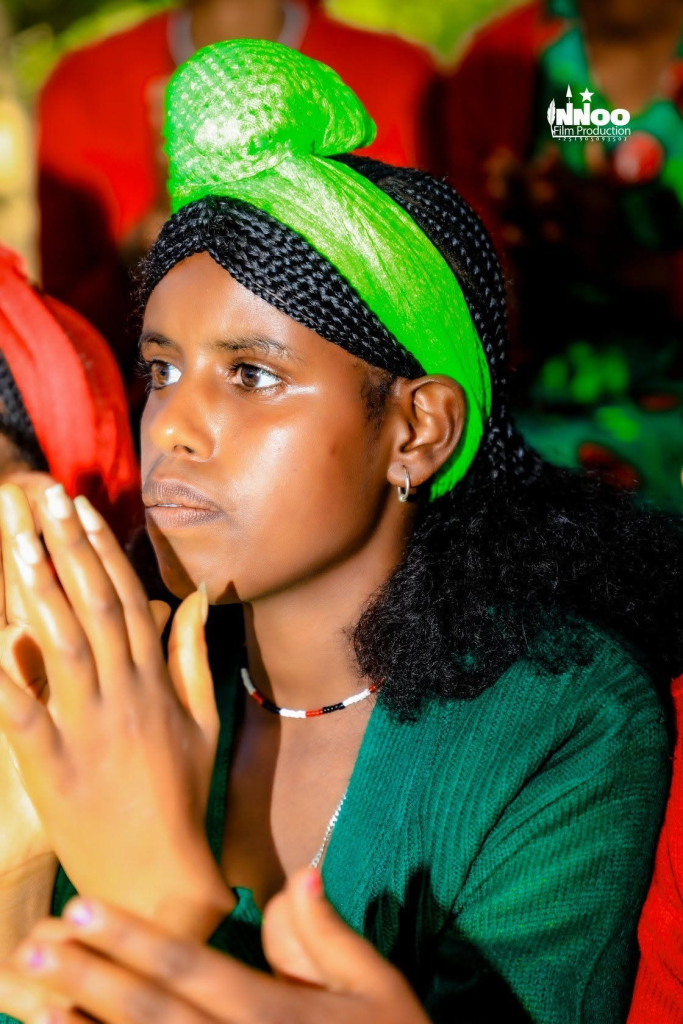
In preparation for the festival, girls often decorate themselves with local soil (clay) and traditional ornaments, adorning themselves beautifully. This is a way of expressing joy and pride in their culture. The sight of young girls dressed in their finest traditional attire, moving through the village in joyful groups, is a testament to the resilience of Oromo culture.
The Meaning of the Festival
Ayyaana Ilillii is more than a celebration—it is a statement. It declares:
- Girls are valued: Oromo society recognizes the importance of its young women and celebrates their presence.
- Freedom is sacred: The festival provides a brief but meaningful period of freedom for girls, affirming their right to move, express, and be joyful.
- Community matters: The participation of the entire community—men, women, boys, girls, elders, and youth—reinforces the bonds of community and shared identity.
- Culture endures: Despite pressures from colonization, modernization, and external influences, Oromo culture continues to thrive and adapt.
Conclusion
Ayyaana Ilillii is a beautiful expression of Oromo cultural identity. It is a celebration of girlhood, freedom, and community, held during the rainy season when the land is green and the people are filled with hope . It is a time when the voices of young women are heard, their joy is celebrated, and their importance is affirmed.
“Ayyaanni kun ayyaana shamarraniiti.”
Ayyaana Ilillii is the festival of girls—a festival of joy, freedom, and the enduring spirit of the Oromo people.
May the tradition of Ayyaana Ilillii continue to be celebrated for generations to come, and may every Oromo girl know the joy of this sacred celebration.

A life of resilience, philanthropy, and service to the city of Bishoftu
From Farm to Honor Guard: The Legacy of Assefa Abebe (Assefa Korenti)
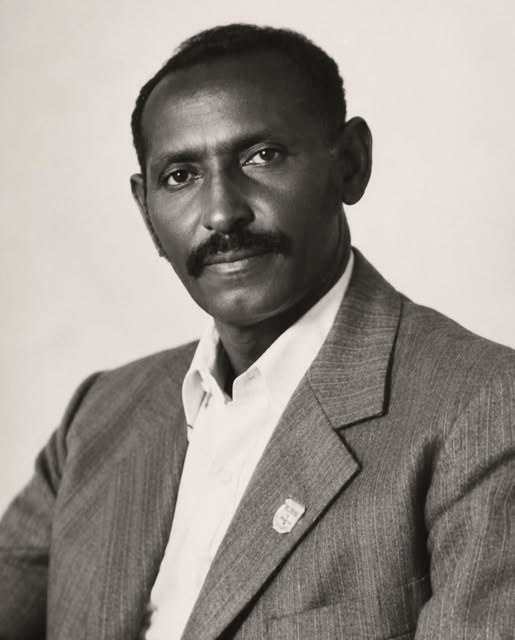
BISHOFTU, OROMIA — In the annals of community service and quiet heroism, some names deserve to be remembered not for titles or wealth, but for the lives they touched and the legacy they left behind.
Mr. Assefa Abebe, known affectionately as Assefa Korenti, was one such figure. From humble beginnings as a farm laborer to serving in the elite Imperial Bodyguard, from working as an electrician to becoming a successful entrepreneur and philanthropist, his life story is a testament to the power of hard work, generosity, and unwavering commitment to community .
A Journey of Many Hats
Assefa Abebe’s life was a tapestry of varied and remarkable experiences. He worked as a farm laborer, served as a soldier in the Imperial Bodyguard, and later became a skilled electrician. It was during his time at the Electric Light and Power Authority, earning a modest salary of 40 birr, that he earned the nickname “Assefa Korenti” (Assefa the Electrician) for his tireless work installing and repairing electrical poles across Bishoftu, often working after hours to serve his community.
His entrepreneurial spirit led him to establish the first fuel station in Bishoftu, then known as Debre Zeyit, and later the Bishoftu Afaf Hotel, situated on the shores of Lake Bishoftu. Yet, what truly set him apart was his generous heart.
The Generosity That Defined a Legacy
In a time of severe drought, a group of farmers from the surrounding Ada’a district approached Assefa Abebe for help. Without hesitation, he offered them an incredible act of trust and generosity: he handed over his hotel for two years, telling them, “Manage the hotel yourselves and keep all the income until the drought passes.”
When the farmers returned after two years, they were no longer in need, but they made a request: that he rename the hotel in their honor. He complied, renaming it the “Farmers Hotel” (Ye Aresha Hotel) . This humble story of generosity and gratitude became a symbol of the bond between Assefa and his community. It was later recounted by Ethiopia’s Prime Minister Abiy Ahmed during the launch of the Goodwill Project as an example of selfless community service .
A Life of Service and Legacy
Assefa Abebe’s contributions to Bishoftu are numerous. He was an early adopter and distributor of clean energy, introducing “white gas” (smokeless fuel) and cylinder gas to the city, improving public health and living standards .
He was deeply involved in education, supporting schools like Lebe Dengel, Ada’a Model, and Teodros, both financially and as a member of their administrative boards. He also established numerous grain mills, many of which continue to serve the community. In the 1970s, he was the only hotelier in Bishoftu at the time, and a pioneer in many sectors, including a gas station .
A Call for Recognition
Mr. Assefa Abebe (Assefa Korenti), who passed away tragically, leaves behind a legacy that has touched thousands of lives. It is a legacy that many believe should be formally recognized, and community members have called for him to be honored at the 6th Bishoftu Philanthropy Award . His story remains a powerful reminder that true heroes are not always the famous or wealthy, but those who build up their communities with quiet strength and open hearts.
“Hard work, resilience, and giving back to the community are the hallmarks of a life that leaves a legacy.”

Shashemene Welcomes U.S. Ambassador: A New Chapter in Partnership and Progress
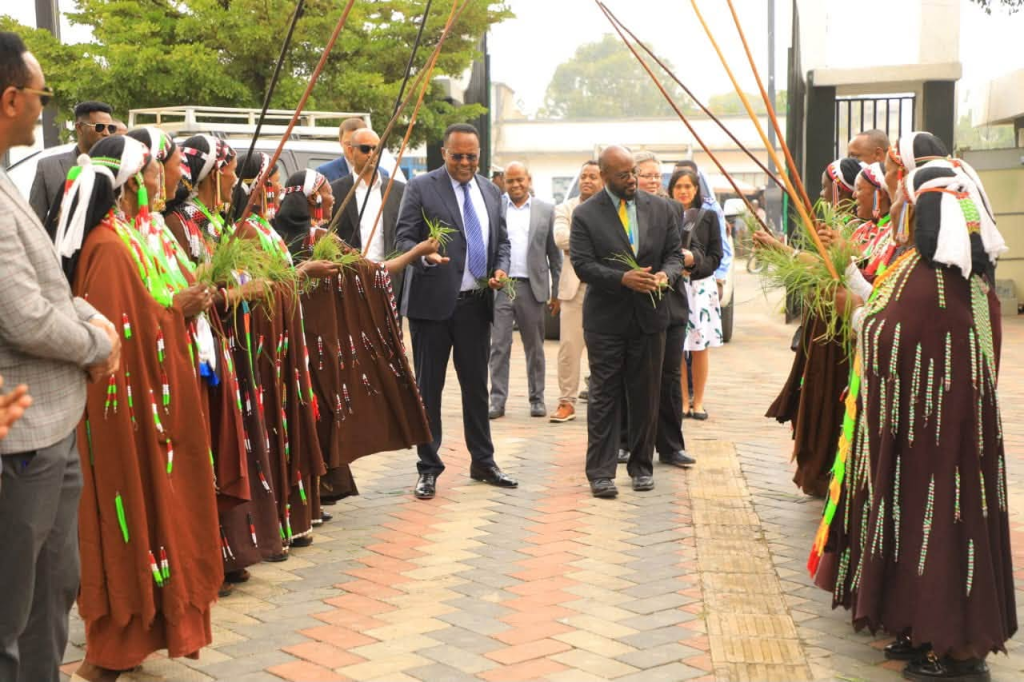
In a historic visit, the city of Shashemene opened its doors to the United States Ambassador, showcasing decades of resilience and a vision for transformative development.
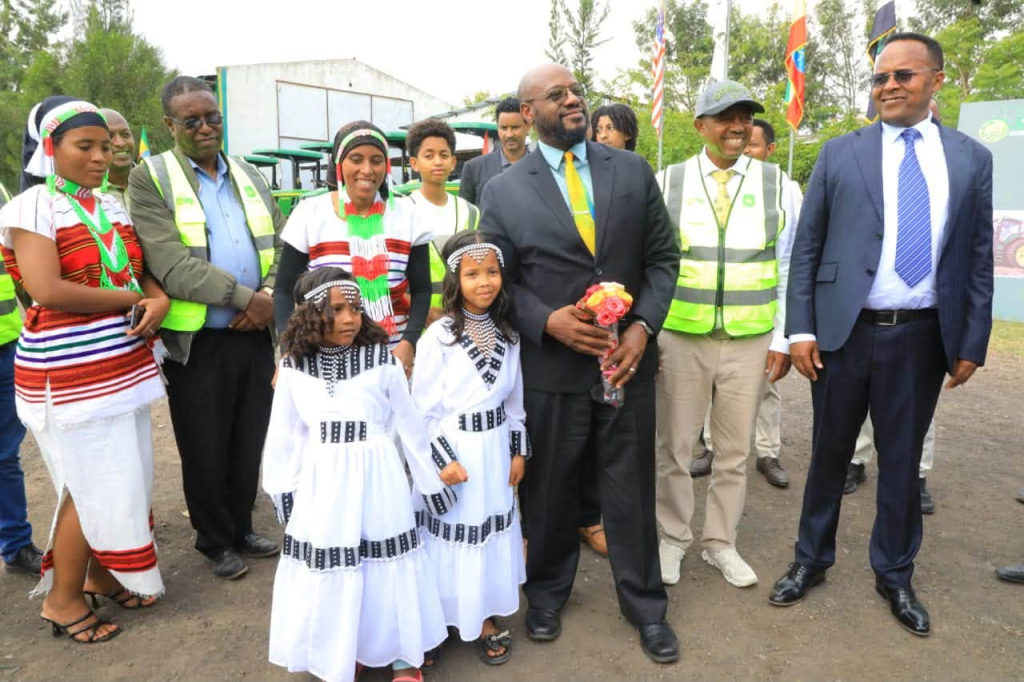
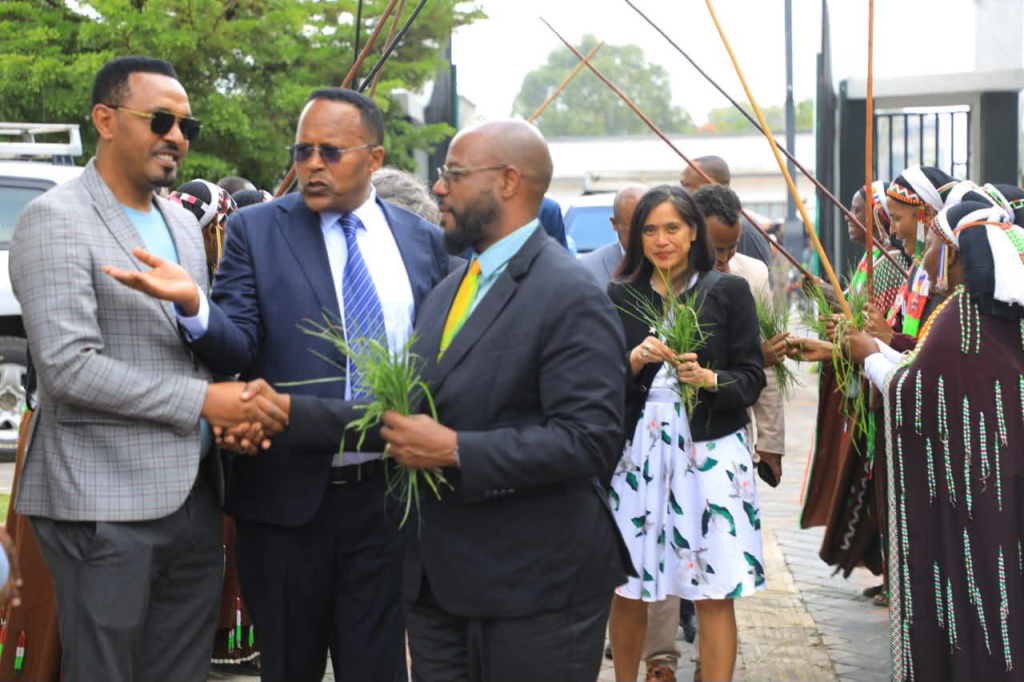
SHASHEMENE, OROMIA — Today, the city of Shashemene stood still to warmly welcome the Honorable Ambassador of the United States. The visit marked more than a formal diplomatic engagement; it was a powerful testament to the growing partnership, mutual respect, and shared aspirations between the United States and the people of Ethiopia .
The city, with its rich history of over 115 years, presented its developmental scenario to the Ambassador, covering key indicators in demographics, infrastructure, economic progress, and humanitarian efforts. The visit signals a strong message of cooperation as Ethiopia continues its journey of reform and transformation.
A City of Resilience and History
Shashemene is not just a city; it is a symbol of endurance and hope. Originally established in 1910/1911 (1903 E.C.), the name “Shashemene” is derived from a famous Oromo lady named “Shashe,” who operated a rest-stop called “Mene” in the area . For over a century, the city has served as a vital crossroads in the Rift Valley, connecting the southern regions of Ethiopia to the capital, Addis Ababa .
Shashemene gained international recognition in 1948 when Emperor Haile Selassie I granted 500 acres of fertile land to the Black people of the West as a token of appreciation for their support during the Italian occupation . This land grant led to the settlement of Rastafarian communities from Jamaica, the United States, and the Caribbean, making Shashemene a unique symbol of Pan-Africanism and diaspora repatriation .
As the city continues its journey, the resilience and hope of its people remain its greatest assets.
Presenting a Vision for Progress
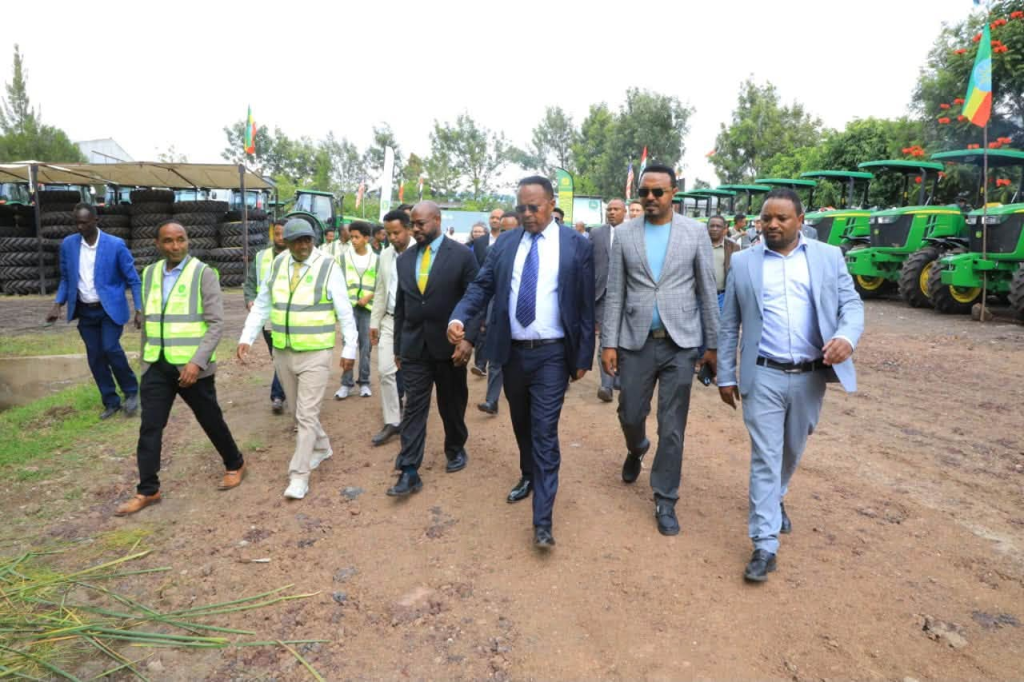
During the visit, local officials detailed the city’s developmental scenario, highlighting significant progress across multiple sectors. Key indicators shared with the Ambassador included:
Demographics: With a rapidly growing population, Shashemene is a city of young people. An estimated 65% of residents are under the age of 25 . This youth bulge presents both an opportunity and a challenge. Harnessing the energy and potential of this demographic is central to the city’s development strategy.
Infrastructure: The city is undergoing significant transformation. Under the national “Corridor Development” initiative, Shashemene is being upgraded into a smart city with modern transportation networks and improved public services . Recently, Shashemene was also upgraded to the status of a “Regiopolis” (a major regional urban center) .
Economic and Humanitarian Works: The city is seeing strong potential in revenue generation, economic development, and social services. There is real potential for job creation and attracting investment to improve livelihoods. Simultaneously, the city is focused on strengthening education, health, and security services for its families.
A Message of Partnership and Hope
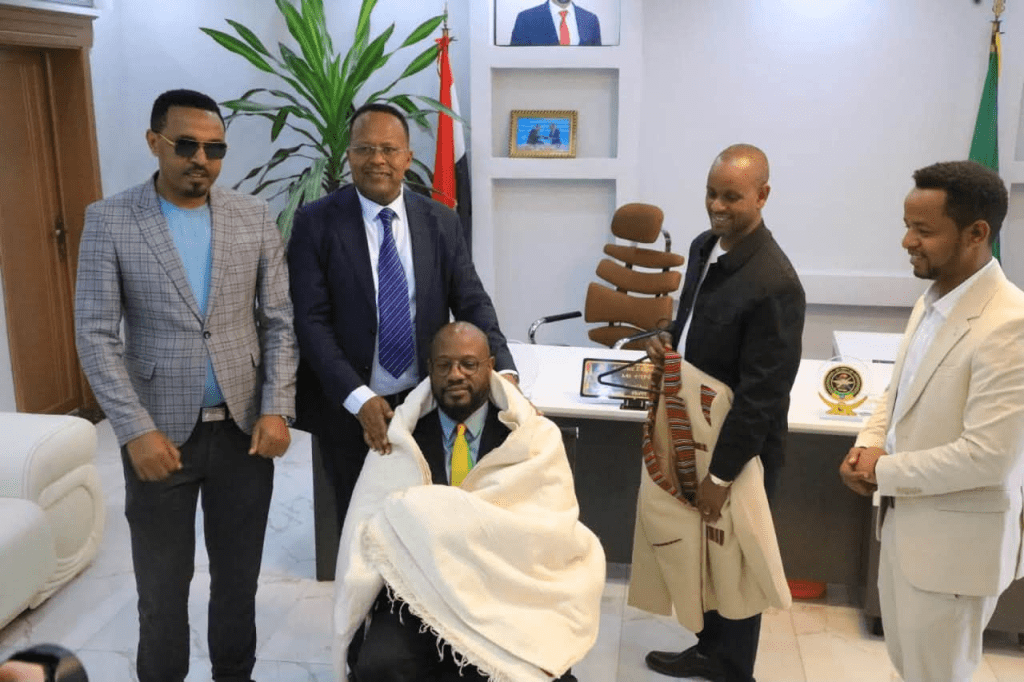
In welcoming the Ambassador, city officials expressed gratitude for the United States’ continued engagement and support. The Ambassador’s visit follows recent U.S. Embassy engagements in Oromia, where the focus has been on promoting inclusive economic development, improving health outcomes, and increasing the quality of education .
“Honorable Ambassador, we welcome your partnership and support as we continue building Shashemene into a safer, stronger, and more prosperous hub for many nations and nationalities.”
The officials noted that following the reform and prosperity government, meaningful transformation is not only possible but is already becoming real in communities across Ethiopia. The visit was described as a strong message of partnership, mutual respect, and shared goals.
The Power of Dialogue and Collaboration
As the visit concluded, the city offered its sincere gratitude and well wishes to the Ambassador.
“Honorable Ambassador, As a nation and transformative government all Ethiopians believe in the power of dialogue and collaboration. We hope your visit will deepen understanding, strengthen ties, and open new avenues for constructive support that benefits the people of Shashemene, Oromia and Ethiopia.”
The visit concluded with a reaffirmation of the commitment to build bridges of friendship between nations.
“Once again, welcome to Shashemene. We wish you a successful visit, and we thank you for your commitment to building bridges of friendship between nations. Thank you.”

Taaboree (Ukee): The Sacred Children’s Festival of the Oromo People
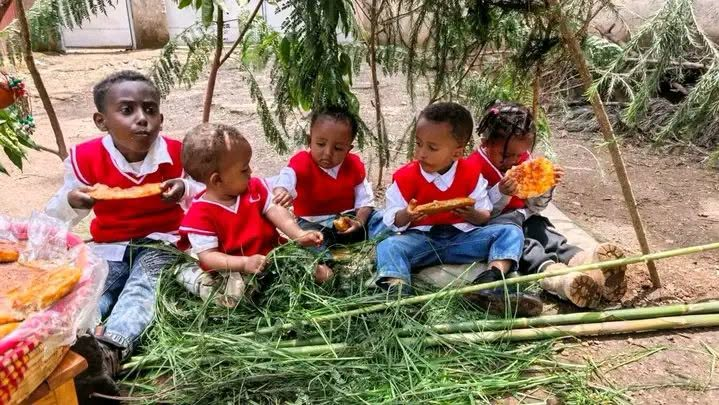
In the heart of the rainy season, a celebration of joy, freedom, and cultural continuity reminds us of the resilience of Oromo traditions
“Ayyaanni Taaboree, ayyaana ijoolleeti.”
The Taaboree festival is a festival for children. These simple words capture the essence of one of the most cherished celebrations in Oromo culture—a day when the voices of children fill the air, laughter echoes across the fields, and the community comes together to honour the youngest among them.
Taaboree (also known as Ukee) is celebrated primarily among the Maccaa and Tuulamaa Oromo communities. It is a festival that embodies the Oromo people’s deep reverence for children, their commitment to community, and their resilience in the face of cultural suppression.
The Season of Celebration
“Waqtii Gannaa kana keessa ji’a Adoolessaa kana keessa ayyaaneffatama.”
The Taaboree festival is celebrated during the rainy season, in the month of Adoolessa/July. The exact date varies from place to place, reflecting the diversity of Oromo communities and their local traditions.
“Guyyaan isaa bakkaa bakkatti gargar ta’uu mala.”
The timing of the festival is not fixed by a single calendar date but by the rhythms of nature and community life. When the rains have come, when the fields are green, when the earth is renewed—that is the time for Taaboree.
“Guyyaa kana ijoolleen hojiirraa bilisa.”
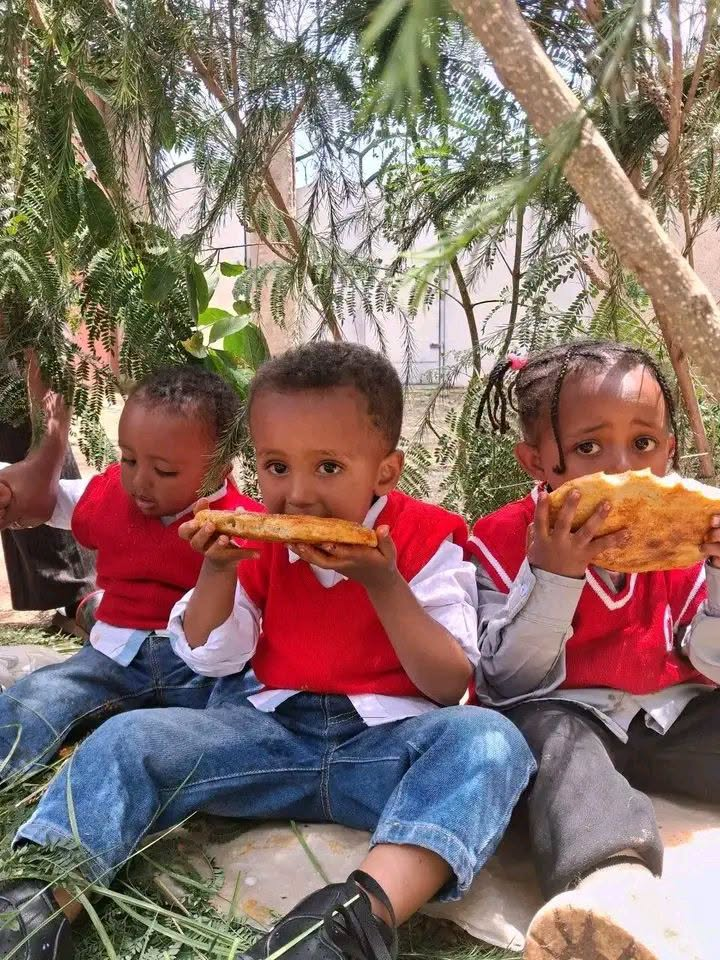
On this day, children are free from work. They are released from their chores, their responsibilities, and their daily duties. This is their day—a day of joy, of play, and of celebration.
“Nyaata mi’aawaa heddutu qophaaha; ijoolleen wal-geessee nyaatti.”
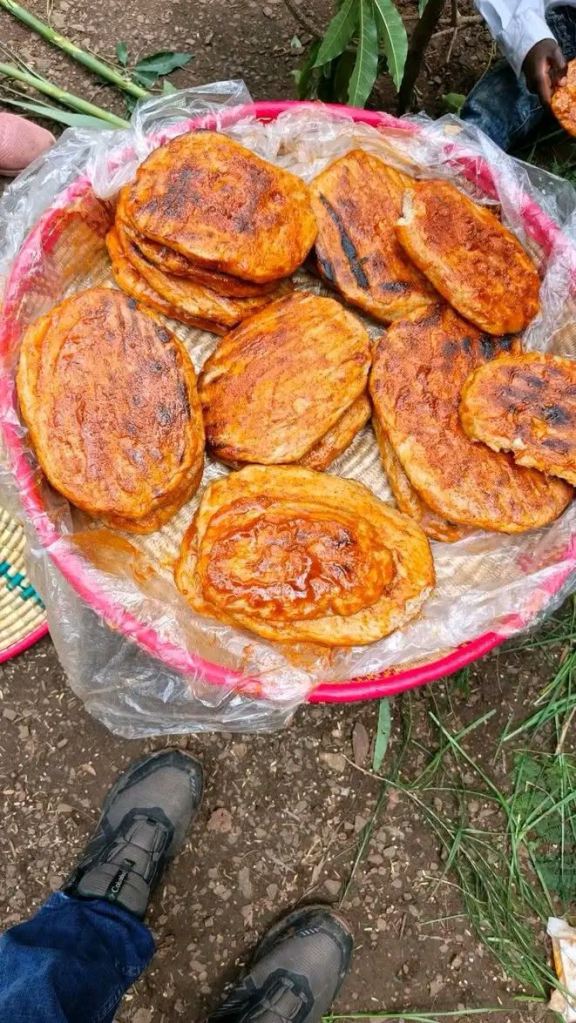
Delicious food is prepared, and the children gather together to eat. They share the meal in community, learning the values of generosity, togetherness, and mutual care.
“Ni dhiichisti.”
The community gathers around them, celebrating their youth, their energy, and their hope.
A Tapestry of Festivals
Taaboree is not the only festival in the Oromo calendar. The Oromo people have a rich tradition of seasonal celebrations, each with its own significance:
Ateetee: The women’s festival, celebrating the power and dignity of Oromo women.
Hingiccaa/Shinooyyee: The festival of young women, marking their transition to adulthood.
Booranticha: The father’s festival.
“Kana mara kan nurraa nyaate koloniidha.”
But all of these festivals have been eroded by colonialism. The colonial system that subjugated the Oromo people also sought to destroy their culture, their traditions, and their identity. The festivals that once united communities were suppressed, marginalized, and often forgotten.
The Nature of Colonization
“Qaamni si bituu fedhu, dursa waankee balleessa. Achii ofiikee gantee akka ati isa taatu godha.”
The one who seeks to buy you first destroys what you have. Then they offer you their own goods, making you believe that what they have is better.
This is a profound insight into the nature of colonization. The colonizer does not simply take what you have—they first destroy your culture, your traditions, your identity. They make you believe that your way of life is inferior, that your customs are primitive, that your identity is something to be ashamed of.
“Jarri dursa waan Oromoo, sirna isaa balleessuu irratti xiyyeeffatan.”
Those who came first were focused on destroying the Oromo identity and system. They understood that to control a people, you must first destroy their culture. You must make them forget who they are.
“Bakka baay’eetti waanti kun ta’eera.”
This has happened in many places. The suppression of Oromo culture, language, and traditions has been systematic and widespread.
The Resilience of Oromo Traditions
“Sirni Oromoo badee hin banne; cilaancilli isaa nu bira gaheera.”
The Oromo system has not been completely destroyed; only its shell has reached us. This is a statement of hope and resilience. While the colonial system has damaged Oromo traditions, the essence of Oromo culture survives.
“Amma aadaa babbareedaa daganne qorannee fuulduratti fiduu qabna.”
Now we must research the beautiful traditions we have forgotten and bring them back to life. This is a call to cultural revival—to remember, to reclaim, and to restore what was lost.
“Dhaloonni ammaa waan Oromoo bakkatti deebisuuf hojjachuu qaba.”
The current generation must work to restore Oromo culture. This is the responsibility of the present—to rebuild what was destroyed, to remember what was forgotten, and to pass on to future generations a living, thriving culture.
The Significance of Taaboree
The Taaboree festival is more than a celebration—it is an act of cultural resistance. In a world that has sought to erase Oromo identity, the celebration of Taaboree is a declaration that Oromo culture lives.
The festival teaches children:
- Their identity: They learn who they are and where they come from.
- Their community: They learn the values of sharing, togetherness, and mutual care.
- Their history: They learn the traditions of their ancestors.
- Their resilience: They learn that their culture has survived against the odds.
The Role of Children in Cultural Continuity
Children are not just the beneficiaries of culture—they are its carriers. The transmission of culture from one generation to the next depends on the active engagement of children in traditional practices.
Taaboree provides a space for children to experience their culture directly.
When children participate in the festival, they:
- Experience joy in their cultural identity
- Learn traditional songs and dances
- Share meals with their community
- Receive blessings from their elders
- Understand the rhythms of the natural world
These experiences become part of who they are. They shape their identity, their values, and their sense of belonging.
The Spiritual Dimension
The Taaboree festival, like all Oromo festivals, has a spiritual dimension. It is a time of giving thanks to Waaqa (God) for the blessings of life, for the rains, for the harvest, and for the children who carry the future.
The Oromo worldview recognizes the interconnectedness of all life. The spiritual, the human, and the natural are not separate—they are part of a single, harmonious whole.
When children participate in Taaboree, they are not just celebrating—they are connecting with the spiritual dimension of their culture. They are learning that their identity is not just about who they are now but about their place in a larger order.
The Challenge of Modernity
The Oromo cultural revival faces significant challenges. Modernity, urbanization, and the influence of external cultures have eroded traditional practices.
“Religious conversion and the influence of modernity have led to the decline of women’s institutions. Today’s generation, especially the young and educated ones, are viewing cultural institutions as a tradition of the past, not present.”
This is a challenge that the Oromo people must address. Cultural revival is not about rejecting modernity but about integrating traditional wisdom with contemporary life.
A Call to Cultural Revival
The Taaboree festival is not just a celebration—it is a call to action. It calls the Oromo people to:
Remember: Do not forget the traditions of the ancestors.
Reclaim: Take back what was taken.
Restore: Bring back what was destroyed.
Celebrate: Embrace your identity with pride.
The current generation has the responsibility to ensure that Taaboree—and all Oromo traditions—are passed on to the next generation.
Conclusion
“Ayyaanni Taaboree, ayyaana ijoolleeti.”
The Taaboree festival is a festival for children. But it is also a festival for the entire community—a celebration of identity, resilience, and hope.
In a world that has sought to erase Oromo culture, the Taaboree festival stands as a testament to the enduring spirit of the Oromo people. It is a reminder that culture cannot be destroyed by force—it lives in the hearts of those who remember, who celebrate, and who pass it on to the next generation.
“Amma aadaa babbareedaa daganne qorannee fuulduratti fiduu qabna.”
Now we must research the beautiful traditions we have forgotten and bring them back to life.
“Dhaloonni ammaa waan Oromoo bakkatti deebisuuf hojjachuu qaba.”
The current generation must work to restore Oromo culture.
In the children who celebrate Taaboree lies the hope of the Oromo nation. May their laughter echo through the generations, and may the traditions of the ancestors never be forgotten.

The Ya’a Gadaa of Arsii: Restoring the Sacred Assembly at Baldhaa
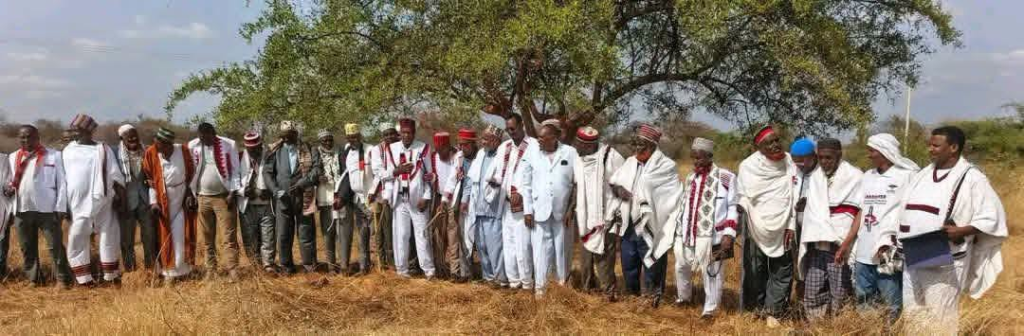
Thousands gather in East Bale Zone to revive the ancient Gadaa traditions and reclaim the cultural heritage of the Oromo people
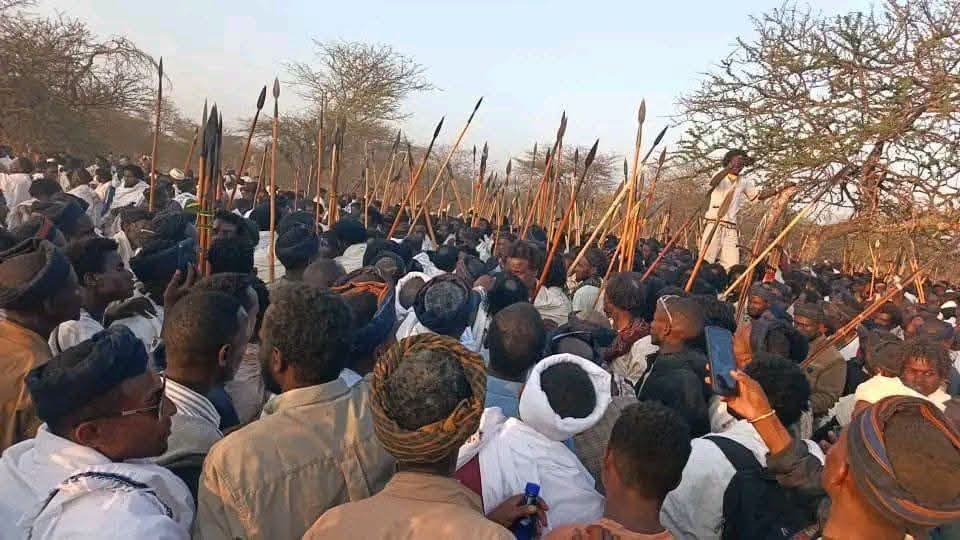
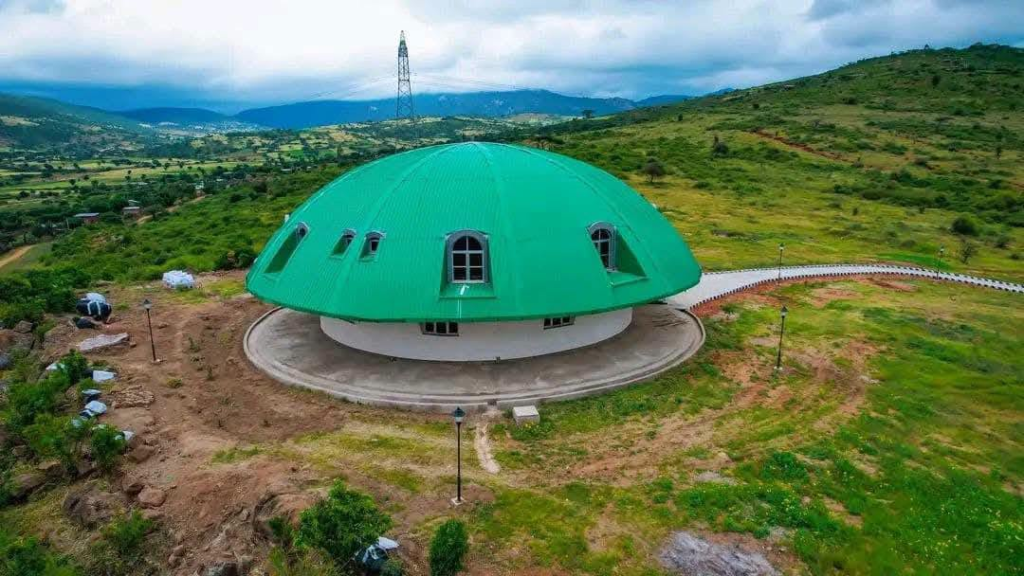
BALEE ZONE, OROMIYA — The ancient grounds of Dhaddacha Baldhaa have come alive with purpose. In a powerful display of cultural resilience, the Ya’a Gadaa (Gadaa Assembly) of Arsii has been formally inaugurated at Dhaddacha Baldhaa in Rayitu district of East Bale Zone. This historic gathering marks a significant milestone in the ongoing efforts to revive and restore the sacred traditions of the Oromo people.
The assembly, which began on Adoolessa 12-14 according to the traditional Oromo calendar, has brought together Abbootii Gadaa (Gadaa leaders), Haadholiin Siinqee (Siinqee women), and members of the broader Oromo community from across the region .
The Significance of the Gadaa System
“Sirni Gadaa Oromoo Hambaa Addunyaa hundagaleessa Uummatni Oromoo addunyaaf gumaachedha.”
The Oromo Gadaa system is a universal heritage that the Oromo people have contributed to the world. The Gadaa system is one of the most sophisticated indigenous governance structures in the world, encompassing political, cultural, economic, social, and other dimensions of life.
The Gadaa system, recognized by UNESCO as an Intangible Cultural Heritage of Humanity, has guided the Oromo people for centuries. It organizes society into generational classes that assume different responsibilities every eight years, ensuring democratic participation and peaceful succession.
“Sirni kun Sirna hundagaleessa hammattoowwan Siyaasaa, Aadaa, diinagdee, hawaasummaafi kanneen biroo of keessatti hammatee dhalootaa dhalootatti darbaa dhufe.”
This system has been passed down through generations, embodying the democratic principles of checks and balances, equality, and participatory governance. It integrates political, judicial, social, economic, cultural, and religious functions, making it a comprehensive framework for Oromo society.
Cultural Revival and Restoration
“Mootummaan Naannoo Oromiyaa Misooma Aadaa uummatichaaaf kenneen hojiilee Haaromsa Aadaa keessaa tokko kan ta’e Aadaa ceesisuun dhalootaa dhalootatti dabarsuun uummaticha fayyadamaa taasisuun Uummata Aadaa isaan boonuufi eenyummaa isaatiin addunyaarratti dorgomaa ta’e uumuuf hojiilee hojjatameen Ardaaleen Jilaa ykn dhaddhachaaleen wiirtuuwwan Gadaa bakka isaanii ganamaatti deebisuuf hojii hojjatameen milkaa’inootni galmaa’aniiru.”
The Oromia Regional Government has given significant attention to cultural development. Among the cultural revival efforts, the restoration of traditional institutions and the transmission of cultural practices from generation to generation have been prioritized.
The revival of the Gadaa system is part of a broader movement to strengthen Oromo identity and enable the people to stand proudly in the world, competing through their culture and identity. The restoration of Dhaddachas (Gadaa class centres) represents a key achievement in this effort.
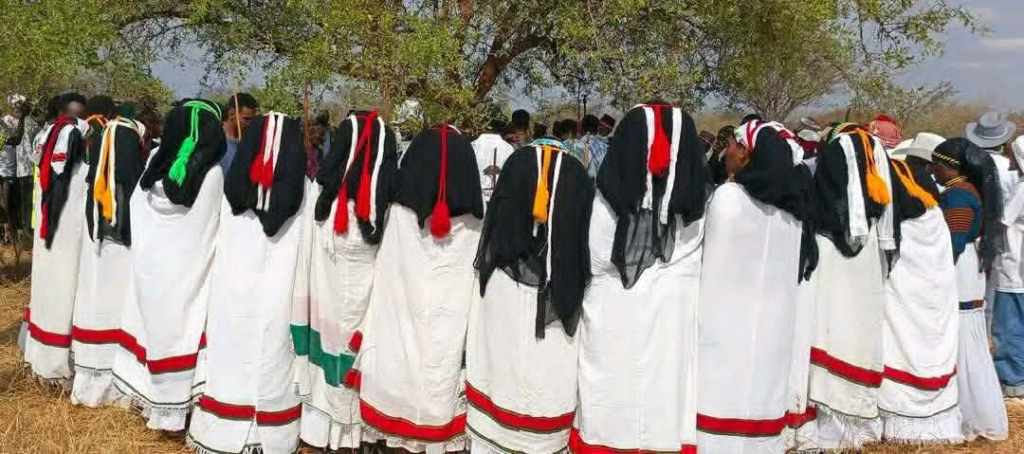
The Gathering at Baldhaa
“Qaama Haaromsa Aadaa kan ta’e Dhaddhachaaleen ykn Ardaaleen Jilaa akka saaqamaniifi bakka isaaniitti deebi’aniif hojiilee hojjatameen dhaddachoota Gadaa Arsii keessaa tokko kan ta’e Dhaddachi Bal’aa Godina Baale Bahaa Aanaa Raayituutti bakka Abbootiin Gadaa, Haadholiin Siinqeefi Uummatni bal’aan argametti gaggeeffamuun eegalee jira.”
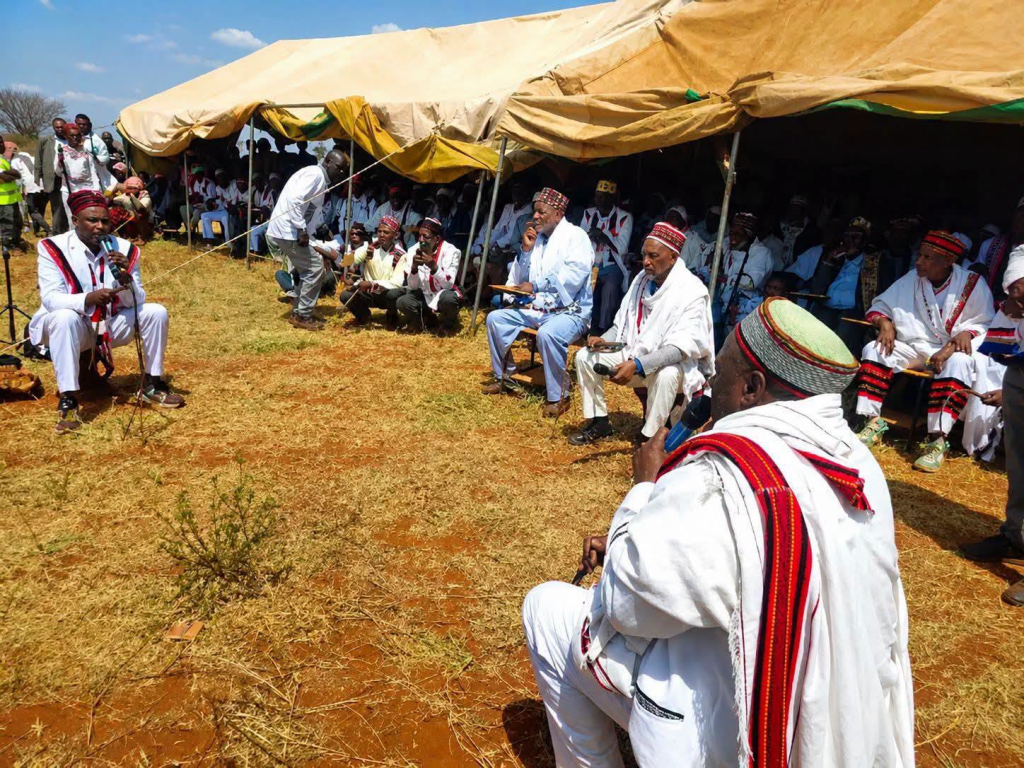
The Dhaddacha Baldhaa, one of the Gadaa assembly centers of Arsii, has been formally re-established in Rayitu district of East Bale Zone. The ceremony is being held in the presence of Gadaa leaders, Siinqee women, and the broader Oromo community.
The Ya’a Gadaa at Dhaddacha Baldhaa is not merely a commemoration—it is an act of restoration. The Gadaa system, which faced significant challenges from colonial suppression and modern pressures, is being actively revitalized.
The gathering is a declaration of cultural survival—a statement that the Oromo people will not be erased, their culture will not be forgotten, and their identity will not be denied.
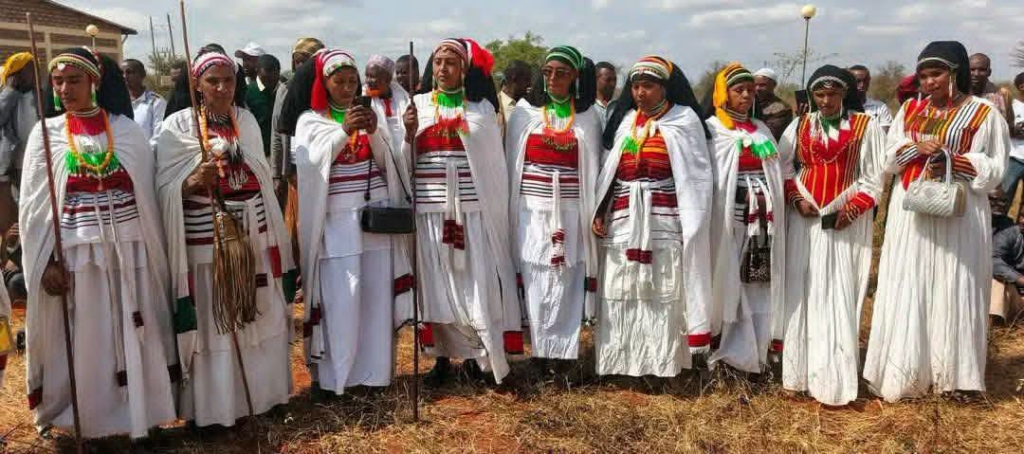
The Path Forward
“Haaromsi Aadaa Oromoo eenyummaafi duudhaa Oromoo cimsuun, aadaa, barnoota, teeknooloojii fi diinagdee waliin tarkaanfachuuf bu’uura ta’aa jira.”
The cultural revival of Oromo traditions is not merely about preserving the past—it is about creating a foundation that enables the Oromo people to move forward in step with education, technology, and economic development.
As the elders gather under the sacred sycamore tree, they are not just remembering the past—they are building the future. The Gadaa system is not a relic of history but a living, breathing system of governance that continues to guide the Oromo people into the 21st century.

Conclusion
“Odaa Robaa, Odduun Roobaaf Nagaya!”
May the Odaa Roobaa be blessed! May the news of Roobaa bring peace!
The Ya’a Gadaa of Arsii at Dhaddacha Baldhaa is a historic gathering—a reaffirmation of Oromo identity, a restoration of sacred traditions, and a declaration of cultural survival. Thousands have gathered, and the message is clear: the Gadaa system lives, the Oromo people endure, and the traditions of the ancestors will never be forgotten.
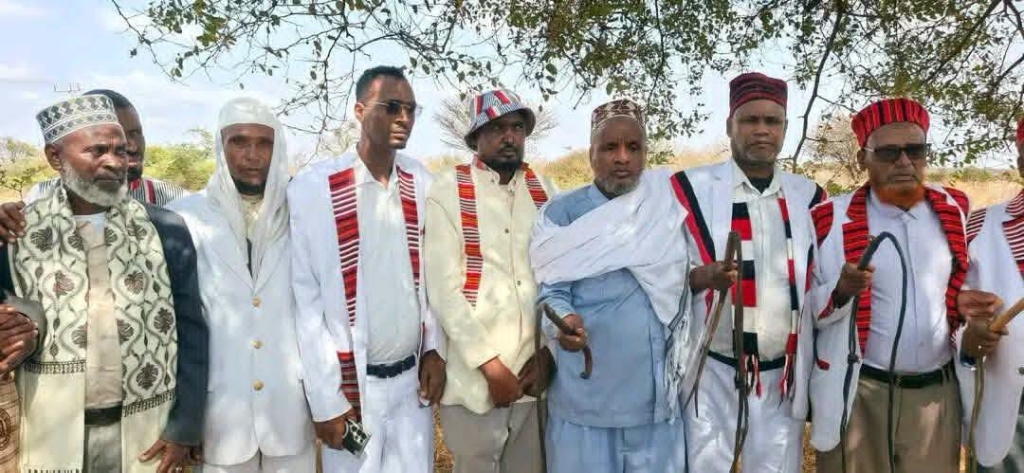
The Ya’a Gadaa at Dhaddacha Baldhaa stands as a testament to the resilience of the Oromo people and the enduring power of the Gadaa system.

Oromo Cultural Renaissance: Reviving Ancient Traditions and Strengthening Identity
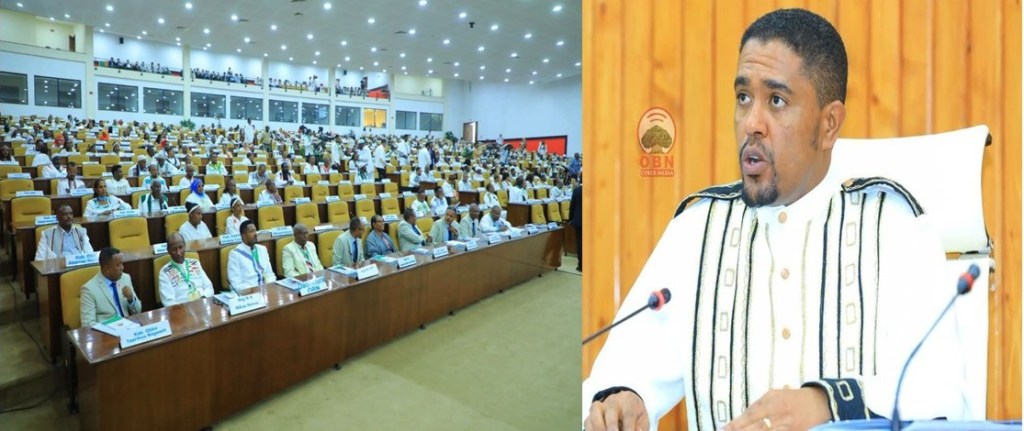
President Shimelis Abdisa outlines the progress and vision of Oromia’s cultural revival, emphasizing the restoration of traditional institutions and the celebration of indigenous heritage.
ADAMA, OROMIYA — In a powerful address to the 11th Regular Session of the 5th Year of the 6th Term of the Oromia Council, President Shimelis Abdisa declared that the Oromia Regional Government is actively pursuing cultural revival initiatives aimed at restoring the traditional morning customs and foundational practices of the Oromo people.
The President’s statement, “Haaromsi Aadaa Oromoo duudhaa ganamaa deebisaa jira” (The Oromo cultural revival is restoring the morning traditions), marks a significant milestone in the ongoing efforts to reclaim and celebrate the indigenous heritage of the Oromo nation.
The Revival of Traditional Practices
Reviving Festivals and Ceremonies: According to President Shimelis, the cultural revival initiatives have led to the resurgence of various traditional festivals and ceremonies that had been marginalized for extended periods due to historical suppression and neglect. These include the celebration of Irreechaa, the Oromo thanksgiving festival, which has grown in prominence not only within Oromia but also across the nation and in diaspora communities worldwide.
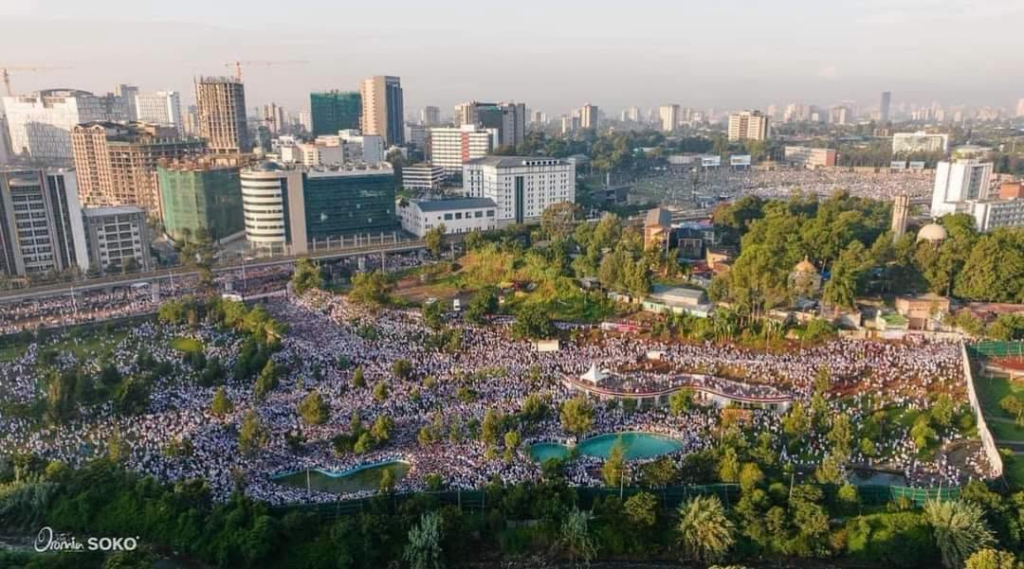
The revival of Irreechaa is viewed as more than a cultural celebration—it is a symbol of Oromo identity and resilience. The festival, which has attracted participants from across the region and beyond, is seen as evidence of the success of these cultural restoration efforts .
Restoration of the Gadaa System: The President also highlighted the peaceful power transfer ceremonies of the Gadaa system among the Karrayyu and Tulama Oromo communities. These ceremonies, conducted according to traditional protocol, demonstrate the enduring democratic principles of the Oromo Gadaa system. The Gadaa system, recognized by UNESCO as an Intangible Cultural Heritage of Humanity, continues to be a living example of indigenous governance and democratic participation.
Institutionalising Cultural Governance
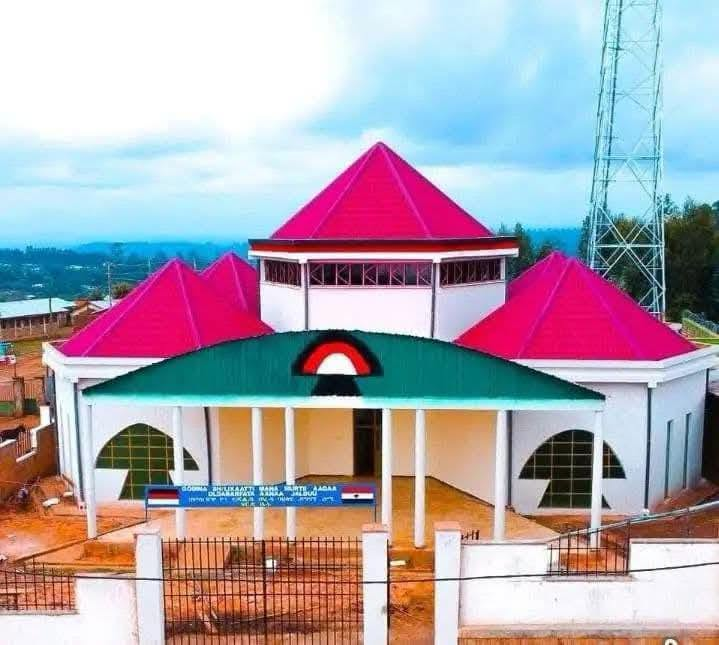
Establishment of Traditional Courts: One of the most significant achievements of the cultural revival program has been the establishment of Traditional Courts. According to the President’s report, to date, 7,058 primary Traditional Courts and 373 appellate Traditional Courts have been established across the region. These courts play a vital role in enabling communities to seek justice according to their cultural norms and traditional customs.
Conflict Resolution: The establishment of these traditional institutions has had a tangible impact on community harmony. The President highlighted that in 2018 alone, over 393 community conflict cases were resolved through these traditional structures. Of these, more than 370 cases were successfully resolved, demonstrating the effectiveness of culturally grounded approaches to peacebuilding and reconciliation .
A Foundation for the Future
Integrating Culture with Modern Development: President Shimelis emphasized that the cultural revival of Oromo traditions is not merely about preserving the past—it is about creating a foundation that enables the Oromo people to move forward in step with education, technology, and economic development. By strengthening cultural identity and traditional governance structures, the community is better positioned to navigate the challenges of modernisation while maintaining its unique heritage.

Calls for Continued Progress: Community responses to the President’s address have expressed support for the revival efforts while calling for ongoing progress. Some have raised issues in specific regions that require continued attention, demonstrating the ongoing dialogue between leadership and citizens regarding the implementation of these cultural initiatives.
A Broader Cultural Movement
The Oromo cultural revival is part of a broader movement across Africa to reclaim and celebrate indigenous cultures, languages, and governance systems. By reviving traditional institutions and practices, the Oromo people are reasserting their identity and contributing to the diverse cultural tapestry of the continent.
Conclusion
President Shimelis Abdisa’s address to the Oromia Council reaffirms the regional government’s commitment to cultural revival as a cornerstone of Oromo identity and development. The restoration of traditional festivals, the peaceful conduct of Gadaa power transfers, and the establishment of Traditional Courts reflect a concerted effort to strengthen the cultural foundations of the Oromo people.
“Haaromsi Aadaa Oromoo eenyummaafi duudhaa Oromoo cimsuun, aadaa, barnoota, teeknooloojii fi diinagdee waliin tarkaanfachuuf bu’uura ta’aa jira” —The President noted that the cultural revival, by strengthening Oromo identity and traditions, serves as a foundation for advancing alongside education, technology, and economic development .
As the Oromo people continue this journey of cultural renewal, the revival of their traditions stands as a testament to the resilience and enduring spirit of one of Africa’s largest ethnic groups.

Cultural revival is not just about looking back—it’s about building a stronger foundation for the future.

FOUR DECADES OF SCHOLARSHIP, ONE ENDURING LEGACY

As the Oromo Studies Association marks 40 years, its Journal enters a new era — and a community reflects on how far it has come
—
The year was 1986. In exile, in meeting rooms scattered across the diaspora, a small group of Oromo and non-Oromo scholars gathered with a radical idea. They would build an independent academic home for the study of a people whose history, culture, and very existence had been systematically erased from mainstream scholarship. They would create a space where knowledge about the Oromo could be produced not by outsiders, but on its own terms.
They called it the Oromo Studies Association.
Four decades later, that audacious dream has become something far greater than its founders could have imagined. The OSA has grown into a global scholarly community spanning continents and disciplines. Its Journal of Oromo Studies, launched in 1993, has become the premier peer-reviewed publication for interdisciplinary scholarship on the Oromo people. And in a landmark achievement that signals the maturation of the field, the Journal has now been indexed in Scopus — one of the world’s most prestigious academic databases.
—
THE JOURNAL: A DREAM COME TRUE
When the first issue of the Journal of Oromo Studies rolled off the presses in the summer of 1993, it was described as “a dream come true”. For scholars who had labored in obscurity, publishing in venues that often dismissed or distorted Oromo realities, the Journal offered something revolutionary: a platform where Oromo scholarship could stand on its own.
The first volume featured foundational essays by scholars like Asafa Jalata, whose work on “The Oromo, Change and Continuity in Ethiopian Politics” helped define the contours of a new field. Over the decades that followed, the Journal would publish research on everything from the Gadaa system to diaspora studies, from economic development to cultural preservation, from historical linguistics to contemporary politics.
Now fully open-access, the Journal publishes articles, research notes, and scholarly book reviews in both English and Afaan Oromoo, welcoming contributions from emerging and established scholars alike. Its interdisciplinary scope offers readers a comprehensive view of the socioeconomic, political and cultural conditions of the Oromo people — now numbering over 40 million across the Horn of Africa and the global diaspora.
—
SCOPUS: A SEAL OF GLOBAL RECOGNITION
In June 2026, Scopus announced the addition of 242 new journals to its prestigious index. Among them was the Journal of Oromo Studies, bearing ISSN 1070-2202, published by the Oromo Studies Association.
For those unfamiliar with the world of academic publishing, Scopus indexing is not a minor achievement. It is the gold standard. It means the Journal has been vetted by an independent Content Selection and Advisory Board and found to meet the rigorous criteria for quality, peer review, and scholarly impact. It places JOS alongside publications from Springer, Elsevier, Wiley, and Cambridge University Press.
As Bonnie Holcomb, the Journal’s Editor-in-Chief, noted in a recent message to contributors and advisors: “This publication, and the indexing in Scopus, are notable achievements, all. We have come a long way together.”
The words carry weight. For those who have walked this road — who have submitted manuscripts, reviewed articles, edited copy, and advocated for Oromo scholarship in spaces where it was once unwelcome — this is validation of a lifetime of labor.
—
THE VISIONARIES BEHIND THE MOVEMENT
The Oromo Studies Association was not born in a vacuum. It was founded by a group of exiled activists in 1986, a direct response to a crackdown that had led to those campaigning for greater recognition of the Oromo people being murdered, tortured, jailed, or driven out of the country. The founding was a response to a void — a void in which Oromo heritage was not merely absent from academia and state narratives, but actively suppressed.
Among the founders was Sisai Ibssa, a scholar-activist whose intellectual journey shaped the trajectory of Oromo studies for decades. A special issue of the Journal was devoted to honoring his contributions, examining his role in the Oromo liberation movement and his philosophical commitment to self-determination.
Another towering figure was Professor Asmarom Legesse, whose landmark work Gada: Three Approaches to the Study of African Society (1973) brought the Oromo democratic system to international scholarly attention. Legesse passed away on January 31, 2026, just weeks before OSA’s 40th anniversary year. His legacy, and the generations of scholars he inspired, will be honored at this year’s conference.
—
FORTY YEARS: ONE FULL GADAA CYCLE
In Oromo tradition, the Gadaa system operates on eight-year cycles, with a full generational transition spanning forty years. This year’s anniversary is therefore not merely a milestone — it is a symbolic completion of a full Gadaa cycle, representing generational renewal, continuity, and the orderly transfer of knowledge and responsibility.
The 2026 Annual Conference, themed “Oromo on the Global Landscape: Honoring Asmarom Legesse as OSA Turns 40,” will be held July 31 through August 2 in Minneapolis, Minnesota, at Augsburg University’s Hagfors Center.
The conference will bring together scholars, researchers, students, and community members from across the diaspora and the continent for three days of panels, roundtables, keynote addresses, and community dialogue. It will feature diaspora-connected parallel panels abroad, reflecting the conference’s commitment to centering Oromo communities wherever they are.
An opening night and dinner will be held on Friday evening, July 31, at the Oromo Community Center in Saint Paul. Registration is open to all — whether presenting research, attending for the first time, or returning as a longtime member of the OSA community.
—
THE WORK THAT REMAINS
For all the achievements, the road has not been easy. As Holcomb reminded the Journal’s contributors: “It has been a long and sometimes a difficult road to reveal evidence and build knowledge which shift the narrative in the region and globally.”
The work of the OSA and the Journal has always been more than academic. It has been an act of intellectual resistance — a refusal to accept the erasure of a people’s history and a determination to tell stories that had been silenced. It has been about shifting narratives, not just in Ethiopia but across the global scholarly landscape.
Now, with Scopus indexing and forty years of institutional life behind it, the OSA stands at a moment of both celebration and renewed commitment. The Journal’s entire archive — decades of scholarship — is now posted to the OSA website at oromostudies.org. The institutional memory is preserved. The foundation is stronger than ever.
—
A CALL TO THE COMMUNITY
Holcomb’s message to the Journal’s contributors and advisors is also a call to action:
“Please remember that it is the Oromo Studies Association that has conceived, designed, hosted, nurtured, upheld and published the research and scholarship represented in JOS. I urge you all to continue to support OSA, and by extension, its Journal, with donations, membership in OSA and engagement as well as submissions.”
The invitation is extended to all: fellow scholars, colleagues, and community members. Attend the conference, in person or virtually. Submit your research. Join the membership. Support the work.
As the OSA enters its fifth decade, the question is not whether it has achieved something remarkable — it has. The question is whether the next generation will carry the torch forward. Whether the scholarship will continue. Whether the Journal will remain the premier asset of a community that has fought for its voice.
—
CONCLUSION: A LEGACY WORTH CELEBRATING
Forty years ago, a small group of exiled scholars dared to imagine a world in which Oromo knowledge was recognized as a contribution to the full breadth of human civilization. Today, that vision is reality.
The Journal of Oromo Studies, indexed in Scopus, stands as a monument to their courage and their persistence. The annual conference, now in its 40th year, brings together a global community of scholars and advocates. The website, with its full open-access archive, makes decades of scholarship available to anyone with an internet connection.
But the work is not finished. The narratives continue to shift. The knowledge continues to grow. The community continues to build.
As Holcomb wrote, with a warmth that reflects decades of dedication: “Congratulations, one and all.”
The celebration is earned. The legacy is enduring. And the future — if the community continues to support it — is bright.
—
The 40th Annual Conference of the Oromo Studies Association will take place July 31 – August 2, 2026, at Augsburg University, Hagfors Center, 700 21st Ave S, Minneapolis, MN 55454. Details at www.oromostudies.org/conference. The opening night and dinner will be held on Friday, July 31, at the Oromo Community Center, 465 Mackubin Street, Saint Paul, MN 55103.

From Classroom to Doctorate: Oromo Community of LA Celebrates Teacher-Scholar Dr. Asfaw Dagafa
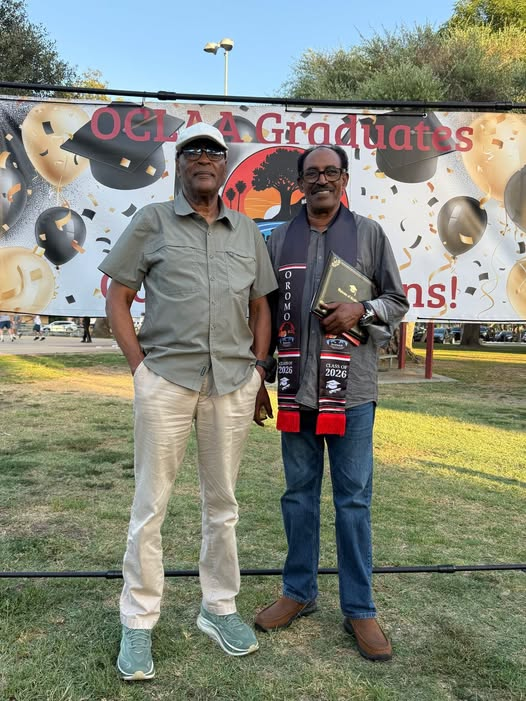
Los Angeles, CA – It was an evening of collective triumph and deep cultural pride as the Oromo Community of Los Angeles gathered yesterday to celebrate a remarkable milestone: the graduation of their members, spanning every academic level from high school diplomas to the pinnacle of scholarly achievement—the Ph.D.
While the room buzzed with congratulations for all the honorees, one story rose above the rest, leaving attendees inspired and deeply moved. The community turned its spotlight on Dr. Asfaw Dagafa, a man who redefined the meaning of perseverance.
By day, Dr. Dagafa stands at the front of a high school classroom, shaping young minds as a dedicated educator. But long after the final school bell rings, his journey was only just beginning. While managing the rigorous demands of teaching, he simultaneously pursued his doctoral studies at one of the nation’s most prestigious institutions—the University of California, Los Angeles (UCLA).
Balancing a full-time teaching career with the intellectual intensity of a Ph.D. program is a feat few dare to attempt. Yet, Dr. Dagafa turned this grueling schedule into a testament of discipline, proving that dedication knows no bounds. His academic success is not merely a personal victory; it is a beacon of hope for the entire Oromo diaspora.
A Role Model for the Next Generation
Community leaders and elders were effusive in their praise, highlighting how Dr. Dagafa’s journey serves as a powerful blueprint for Oromo youth navigating their own paths in the United States.
“Dr. Asfaw Dagafa is an excellent role model,” remarked a community spokesperson during the ceremony. “He shows our young people that you do not have to choose between serving your community and achieving your highest academic dreams. He did both, simultaneously, and with excellence.”
The message resonated deeply throughout the hall: no dream is too ambitious, and no obstacle is too great when fueled by purpose and resilience. By standing at the front of a classroom during the day and sitting among UCLA’s brightest scholars at night, Dr. Dagafa has bridged the gap between mentorship and mastery.
A Community’s Pride
The Oromo Community of Los Angeles, known for its vibrant support of educational advancement, expressed overwhelming pride in Dr. Dagafa’s achievement. His success is viewed not just as an individual honor, but as a collective victory for the community—a narrative that counters adversity with academic excellence.
As the celebrations concluded, the community extended its heartfelt congratulations not only to Dr. Asfaw Dagafa but to every graduate who crossed the stage. From the newest high school graduate stepping into adulthood to the newly minted Ph.D. stepping into history, yesterday was a powerful reminder of what happens when a community uplifts its own.
Congratulations once again, Dr. Asfaw Dagafa! 
Your journey from the classroom to the doctorate will inspire generations of Oromo scholars to come.

Colonel Hailu Raggassa: The Hero Who Surrendered Power for the Freedom of His People
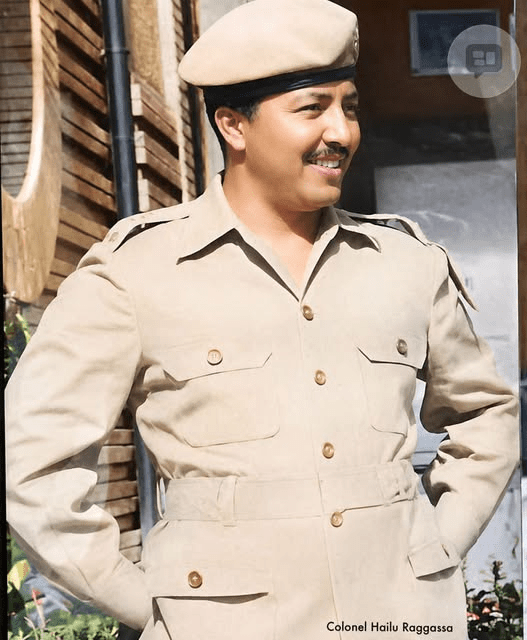
In the annals of Oromo history, there are names that echo through generations—figures who, in the face of overwhelming odds, chose the path of sacrifice over comfort, principle over power. Among these towering figures stands Colonel Hailu Raggassa, a man whose story is one of the most profound testaments to the Oromo struggle for liberation.
Born in the early 1930s in the Mannaangasha district of western Shewa, in what was then known as Ada’a Bargaa, Hailu Raggassa grew up in a Ethiopia under Emperor Haile Selassie’s rule. From an early age, he displayed remarkable intelligence and a natural aptitude for leadership. His uncle, Bashaa Gorbaa, who had fought in the Second Italo-Ethiopian War (Maayichawu), recognized the boy’s potential and insisted he pursue religious education. Through his uncle’s stories of wartime tactics and the heroism of Ethiopian patriots, young Hailu developed a deep sense of duty and a burning desire to serve and protect his people.
When circumstances prevented him from continuing his studies in his hometown, he travelled to Addis Ababa (Finfinne), where he worked various jobs until a benefactor recognized his determination and arranged for him to study at the prestigious Tafari Makonnen School. This was the beginning of a journey that would see him rise through the ranks of the Ethiopian military, becoming a high-ranking officer in the imperial army.
The Turning Point
For years, Colonel Hailu Raggassa served loyally within the system. But like many Oromo officers of his generation, he could not ignore the systematic marginalization, cultural suppression, and political disenfranchisement of the Oromo people under successive Ethiopian regimes. The Oromo language was banned in schools, Oromo identity was denigrated, and the Oromo people were subjected to a system of settler colonialism that stripped them of their land, language, and dignity.
The turning point came in the early 1970s. As the Oromo liberation movement gained momentum—fueled by the emergence of the Oromo Liberation Front (OLF) and the Oromo Liberation Army (OLA)—Colonel Hailu Raggassa made a decision that would define his legacy. Despite holding significant power and privilege as a high-ranking military officer, he chose to surrender his position and join the armed struggle for Oromo freedom.
The Armed Struggle
Colonel Hailu Raggassa became a key commander in the Oromo Liberation Army, working alongside other legendary figures such as General Tadesse Birru, who is widely regarded as the father of modern Oromo nationalism. Together, they began organizing an armed rebellion in Shewa, operating under the name of the Oromo Liberation Army. Hailu played a critical role in distributing land to Oromo peasants and mobilizing rural communities.
His military expertise, honed through years of service in the imperial army, proved invaluable to the nascent liberation movement. He understood that the struggle for Oromo freedom required not just courage, but strategy, organization, and sacrifice.
Arrest and Martyrdom
The Derg, the military junta that seized power in Ethiopia in 1974, viewed the Oromo liberation movement as an existential threat. In a brutal crackdown, Colonel Hailu Raggassa was captured alongside General Tadesse Birru and other Oromo leaders. They were tried, sentenced to death, and on March 19, 1975, executed by firing squad.
Their blood soaked the soil of Addis Ababa, but their legacy did not die. The martyrdom of Colonel Hailu Raggassa and his comrades became a rallying cry for the Oromo people, seeding the consciousness of generations to come.
A Legacy That Endures
Colonel Hailu Raggassa’s story is one of profound selflessness. He had everything—rank, privilege, and the comfort of a system that favored him. Yet he chose to walk away from it all, not for personal gain, but for the freedom and dignity of his people. He understood that true leadership is not about holding power, but about using whatever power one has to uplift the oppressed.
Today, Colonel Hailu Raggassa is remembered as a hero—a man whose life and death continue to inspire the Oromo struggle for self-determination. His name is inscribed in the collective memory of the Oromo people, a symbol of the ultimate sacrifice made in the pursuit of justice.
“Gootota qabsoo Oromoo bu’uressuutii hanga Jeneraal Taaddasaa Birruu waliin ajjeefamutti kanneen dhalootaaf aarsaa kanfalanii darban keessaa tokko Koloneel Hayiluu Raggasaa Hundeeti.”
“Among the heroes of the Oromo struggle—from the early architects to those who fell alongside General Tadesse Birru—Colonel Hailu Raggassa stands at the foundation.”
—
Remembering the Heroes
The month of March holds particular significance in the Oromo liberation struggle. It was in this month, on March 19, 1975, that Colonel Hailu Raggassa, General Tadesse Birru, and their comrades were executed. Their sacrifice is commemorated annually by Oromos around the world, a solemn reminder of the price paid for freedom.
Colonel Hailu Raggassa’s story transcends the boundaries of time and geography. It speaks to the universal human longing for justice, dignity, and self-determination. He was not just an Oromo hero—he was a hero for all who believe that freedom is worth fighting for.




 Advocacy for Oromia