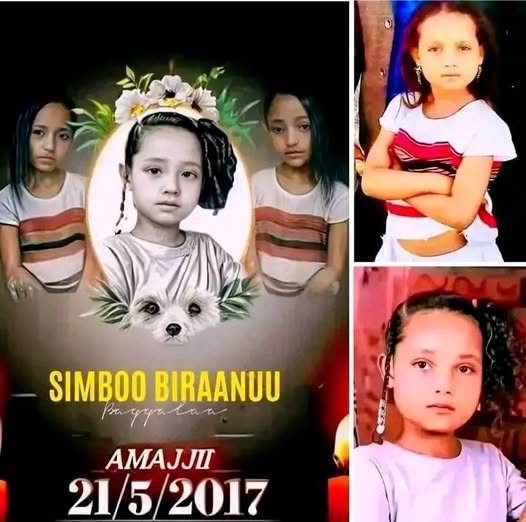
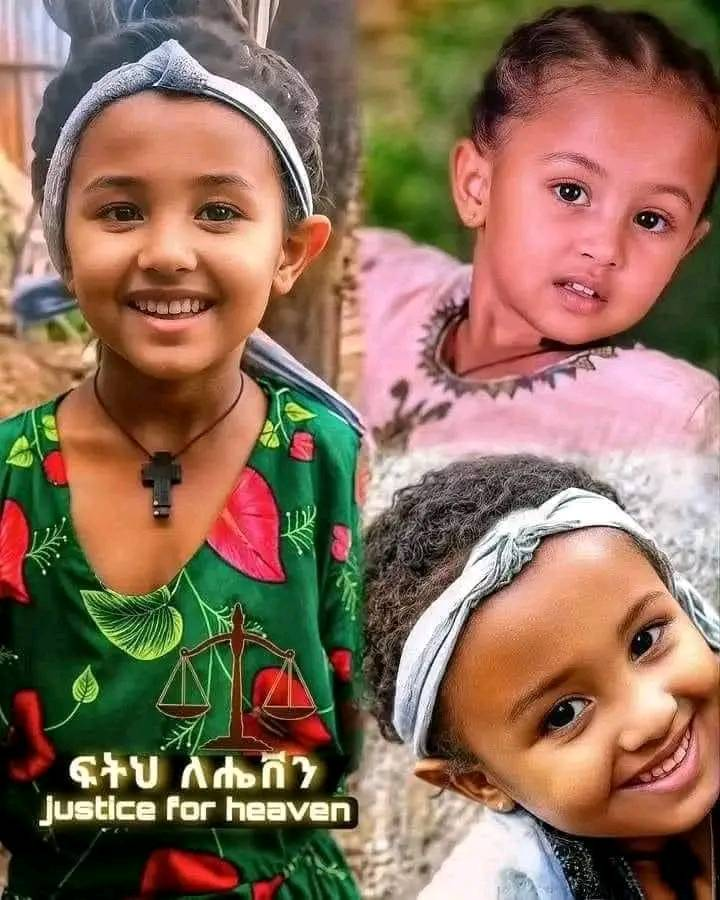
In a country where such children and thousands of women are tortured and killed in horrific conditions, we are in a country where there is no responsibility and grief for the injuries of its citizens. It is with great sadness that we celebrate International Women’s Day. In such a situation, it is a shame to celebrate only one day for women. Yet it is important for all women to say happy Women’s Day. Despite the difficulties we are in, celebrating this day helps us to celebrate the victories we have achieved and to work harder to solve the problems I have.
Your message is deeply moving and highlights the harsh realities faced by women and children in a context of violence, neglect, and systemic injustice in Oromia/Ethiopia. It underscores the bittersweet nature of celebrating International Women’s Day in such circumstances, where the day serves as both a reminder of the struggles women endure and a call to action for change. Here’s a refined and expanded version of your message, emphasizing resilience, solidarity, and the need for continued advocacy:
A Reflection on International Women’s Day in the Face of Adversity
In a country where countless women and children are subjected to unimaginable violence, torture, and loss, celebrating International Women’s Day is fraught with sadness and anger. A nation that fails to take responsibility for the suffering of its citizens, that turns a blind eye to the pain and grief of its people, is a nation in crisis.
It is heartbreaking to mark this day when so many women and girls continue to endure horrific conditions, their voices silenced, their lives cut short, and their potential stifled. In such a reality, dedicating just one day to celebrate women feels inadequate, even shameful, when the struggle for justice, equality, and safety is a daily battle.
Yet, even in the face of these challenges, we must pause to say Happy Women’s Day. Not because the struggles have ended, but because we must honor the resilience, courage, and strength of women who continue to fight for a better future. Celebrating this day is an act of defiance—a reminder of the victories we have achieved, no matter how small, and a commitment to work even harder to address the injustices that persist.
Why We Celebrate Amidst the Pain
To Honor Resilience: We celebrate to recognize the strength of women who endure unimaginable hardships and still rise to fight for their rights and the rights of others.
To Amplify Voices: This day is an opportunity to amplify the voices of women who are often silenced, ensuring their stories are heard and their struggles acknowledged.
To Inspire Action: Celebrating Women’s Day reminds us of the work that remains to be done. It is a call to action for all of us to stand in solidarity with women and demand justice, equality, and accountability.
To Celebrate Victories: Despite the challenges, women have achieved remarkable victories in various fields. This day allows us to celebrate those achievements and draw inspiration from them.
A Call to Action
On this International Women’s Day, let us not only celebrate but also recommit ourselves to the fight for a world where:
Women and children are safe from violence and oppression.
Governments and institutions are held accountable for their failures to protect their citizens.
Gender equality is not just a dream but a reality.
Every woman and girl has the opportunity to thrive, free from fear and discrimination.
Let us use this day to reflect on the progress we have made, no matter how small, and to renew our determination to address the challenges that remain. Together, we can create a future where every day is a celebration of women’s rights, dignity, and freedom.
Happy International Women’s Day to all the courageous women who continue to fight, survive, and inspire. Your strength gives us hope, and your resilience fuels our determination to create a better world.
This message balances the somber reality of the struggles faced by women with a hopeful call to action, emphasizing the importance of solidarity, advocacy, and resilience. It is a reminder that even in the darkest times, celebrating Women’s Day is an act of resistance and a step toward change. 🌟
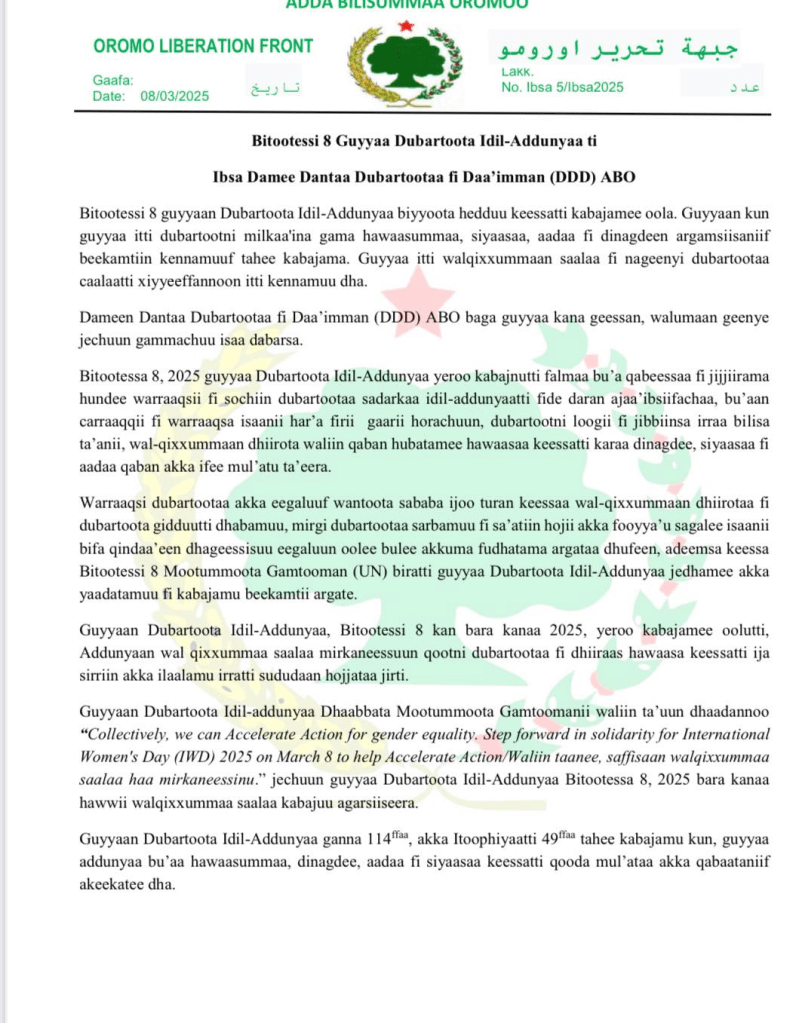
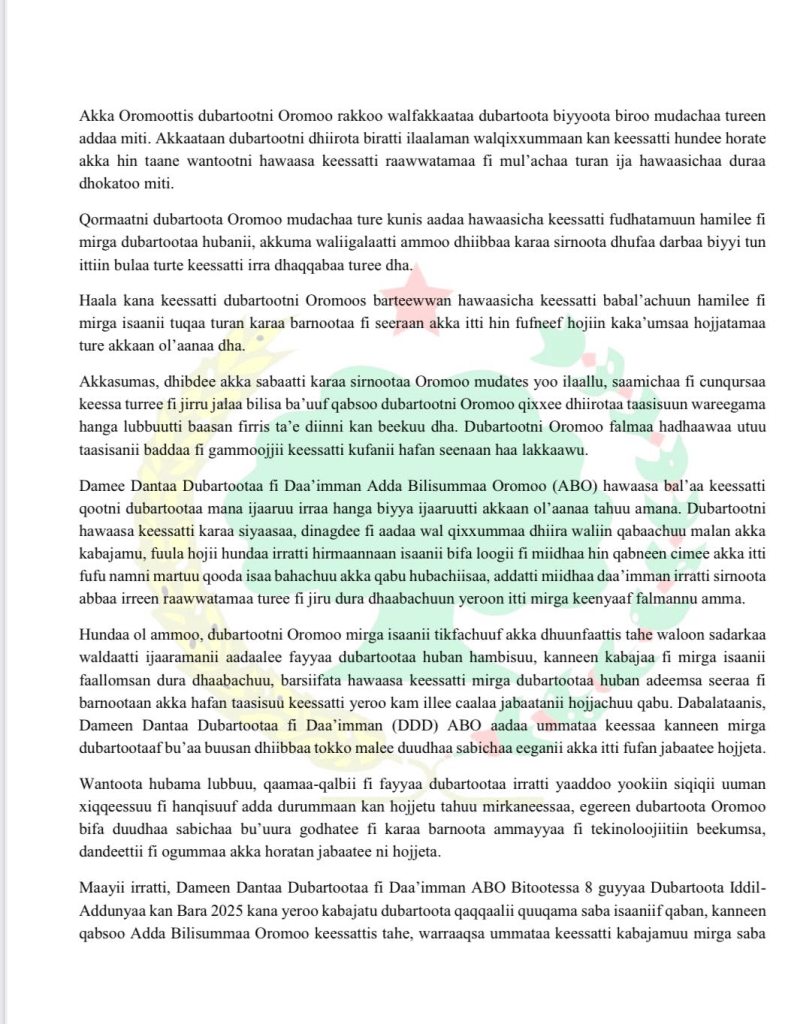
March 8 is International Women’s Day in many countries. The day is celebrated to recognize women for their social, political, cultural and economic achievements. It is a day when gender equality and women’s safety are given more attention. The Women and Children’s Interests Branch of the OLF congratulates everyone on this day and explores how to commemorate March 8.
This is a powerful and important message from the Women and Children’s Interests Branch of the OLF (Oromo Liberation Front) in honor of International Women’s Day (March 8). The day is a global celebration of women’s achievements and a call to action for gender equality and women’s safety. Here’s a refined and expanded version of your message, along with ideas for commemorating the day:
International Women’s Day Message from the Women and Children’s Interests Branch of the OLF
On March 8, International Women’s Day, we celebrate the social, political, cultural, and economic achievements of women around the world. This day is a reminder of the ongoing struggle for gender equality, women’s safety, and the empowerment of women and girls in all spheres of life.
The Women and Children’s Interests Branch of the OLF extends its heartfelt congratulations to all women, especially Oromo women, who have been at the forefront of the liberation struggle, advocating for justice, equality, and freedom. Your resilience, courage, and leadership inspire us all to continue fighting for a better future.
As we commemorate this day, let us reflect on the progress made and the challenges that remain. Let us renew our commitment to creating a world where every woman and girl can live with dignity, safety, and equal opportunity.
How to Commemorate March 8: Ideas for Action
Amplify Women’s Voices: Share stories of Oromo women and women worldwide who have made significant contributions to their communities and liberation struggles. Use platforms like social media, community gatherings, or webinars to highlight their achievements.
Advocate for Gender Equality: Organize discussions, workshops, or campaigns focused on gender equality, women’s rights, and the elimination of gender-based violence.
Support Women-Led Initiatives: Promote and support businesses, organizations, and projects led by women, particularly those in marginalized communities.
Educate and Empower: Host educational events that empower women and girls with skills, knowledge, and resources to thrive in their personal and professional lives.
Celebrate Women’s Culture: Showcase the cultural contributions of women through music, art, poetry, and storytelling. Celebrate the rich traditions of Oromo women, such as the Siinqee institution, which symbolizes unity and resistance.
Demand Justice and Safety: Advocate for policies and practices that ensure the safety and protection of women and girls, both in times of peace and conflict.
Global Solidarity: Build alliances with women’s movements worldwide to strengthen the global fight for gender equality and women’s liberation.
A Call to Action
This International Women’s Day, let us honor the sacrifices and achievements of women by taking concrete steps toward a more just and equitable world. Together, we can break barriers, challenge stereotypes, and create a future where every woman and girl can thrive.
Happy International Women’s Day! #IWD2025 #GenderEquality #OromoWomen #WomenInStruggle #DDD_OLF
This message and the accompanying ideas for action can help inspire meaningful engagement and celebration of International Women’s Day, while also addressing the ongoing challenges faced by women, particularly in the context of the Oromo liberation struggle. Let’s make March 8 a day of reflection, celebration, and action! 🌟
The role of Oromo women in the struggle for Oromo freedom is significant and multifaceted, and it is important to highlight their contributions, especially in the context of International Women’s Day (March 8). This day celebrates the social, economic, cultural, and political achievements of women globally, while also advocating for gender equality and women’s rights. Oromo women have been at the forefront of the Oromo struggle for freedom, justice, and equality, both within their community and in the broader Ethiopian and global context.
Key Contributions of Oromo Women in the Struggle for Oromo Freedom:
1. Political Activism and Leadership:
– Oromo women have played critical roles in political movements, including the Oromo Liberation Front (OLF) and other organizations advocating for Oromo rights. They have served as leaders, organizers, and strategists, challenging both the Ethiopian state’s oppression and patriarchal norms within their own society.
– Women like Kuwe Kumsa and others have been instrumental in mobilizing communities and advocating for Oromo self-determination.
2. Cultural Preservation and Advocacy:
– Oromo women have been custodians of Oromo culture, language (Afaan Oromo), and traditions, ensuring that these elements survive despite decades of marginalization and assimilation policies by the Ethiopian state.
– Through cultural practices, songs, and storytelling, they have kept the spirit of resistance alive and passed it down to younger generations.
3. Grassroots Mobilization:
– Oromo women have been active in grassroots movements, organizing protests, rallies, and community initiatives to resist oppression and demand justice. Their involvement in the 2014–2018 Oromo protests, for example, was pivotal in bringing international attention to the Oromo struggle.
– They have also been key in providing support to families of political prisoners and victims of state violence.
4. Advocacy for Gender Equality:
– Within the Oromo struggle, women have fought not only for national liberation but also for gender equality. They have challenged patriarchal structures within their own society, advocating for women’s rights to education, political participation, and economic independence.
– Organizations like the Oromo Women’s Charitable Organization (OWCO) and others have worked to empower Oromo women and address issues such as gender-based violence and discrimination.
5. International Advocacy:
– Oromo women in the diaspora have been vocal in raising awareness about the Oromo struggle on international platforms. They have used social media, academic forums, and international organizations to highlight human rights abuses and advocate for justice.
– Their efforts have helped build global solidarity and draw attention to the plight of the Oromo people.
6. Resilience and Sacrifice:
– Oromo women have endured immense suffering, including imprisonment, torture, and loss of loved ones, yet they have remained resilient. Their courage and determination have inspired countless others to join the struggle for freedom and justice.
International Women’s Day and the Oromo Struggle:
On International Women’s Day, it is crucial to recognize the intersection of gender and national liberation struggles. Oromo women embody the spirit of this day by fighting for both their rights as women and the freedom of their people. Their contributions highlight the importance of including women’s voices and leadership in liberation movements and the broader fight for social justice.
Conclusion:
The role of Oromo women in the struggle for Oromo freedom is a testament to their strength, resilience, and commitment to justice. On International Women’s Day, their stories remind us of the interconnectedness of gender equality and national liberation. By honoring their contributions, we not only celebrate their achievements but also reaffirm the importance of women’s leadership in the global fight for freedom and equality.
We, the members of the Victoria Konyaa OLF, have attentively listened to and thoroughly reviewed the proceedings of the OLF (Oromo Liberation Front) and OFC (Oromo Federalist Congress) joint meeting held from February 19 to 22, 2025. After careful consideration of the discussions, explanations, and resolutions presented during the meeting, we have reached a unanimous decision to fully support the outcomes and commitments outlined.
We acknowledge the importance of unity, collaboration, and strategic planning in advancing the collective goals of the Oromo people and other stakeholders. The explanations provided during the joint meeting were comprehensive and addressed our concerns, leaving us confident in the direction and decisions taken.
As a result, the Victoria Konyaa OLF pledges to contribute both **intellectual and material support** as expected of us. We stand in solidarity with the OLF and OFC and are committed to playing our part in ensuring the success of the initiatives and resolutions agreed upon during the joint meeting.
We call upon all stakeholders, both within and outside the Oromo community, to join hands in supporting this collective effort for justice, equality, and progress.
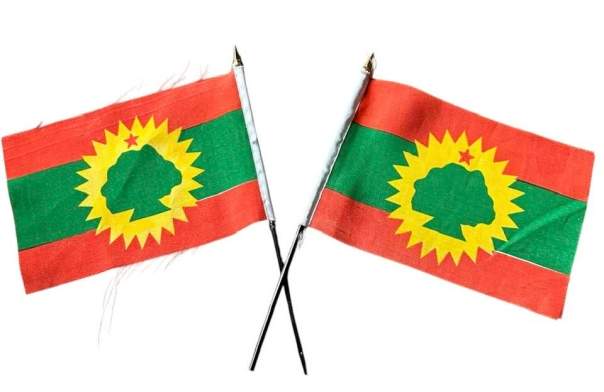
The **Oromo freedom flag** is a powerful symbol that encapsulates the **aspirations, struggles, and hopes** of the Oromo people for freedom, justice, and self-determination. Each element of the flag carries deep meaning, reflecting the Oromo people’s connection to their land, culture, and history, as well as their vision for a brighter future. Below is an exploration of how the Oromo freedom flag defines Oromo aspirations and hope for freedom:
1. The Colors of the Flag The Oromo freedom flag consists of three horizontal stripes: **green**, **red**, and **yellow**, with a **central tree symbol (Odaa)**. Each color represents a core aspect of the Oromo struggle and aspirations:
A. Green – **Symbolism**: Represents the fertile land of Oromia, the Oromo people’s deep connection to their environment, and their agricultural heritage. – **Aspiration**: Reflects the hope for a prosperous and sustainable future, where the Oromo people can thrive on their ancestral lands. – **Freedom**: Signifies the Oromo people’s right to control and benefit from their natural resources, free from exploitation and dispossession.
B. Red – **Symbolism**: Represents the blood shed by Oromo heroes and heroines in the struggle for freedom, justice, and equality. – **Aspiration**: Embodies the courage, sacrifice, and resilience of the Oromo people in their fight against oppression. – **Freedom**: Symbolizes the ongoing struggle for liberation and the determination to achieve self-determination.
C. Yellow – **Symbolism**: Represents hope, prosperity, and the bright future that the Oromo people aspire to achieve. – **Aspiration**: Reflects the vision of a just and equitable society where the Oromo people can live with dignity and pride. – **Freedom**: Signifies the optimism and belief in a future where the Oromo people are free to determine their own destiny.
2. The Central Tree Symbol (Odaa) The **Odaa tree** is a sacred symbol in Oromo culture and holds profound significance in the Oromo freedom flag:
A. Cultural Significance – **Gadaa System**: The Odaa tree is a symbol of the **Gadaa system**, the traditional Oromo democratic governance system that emphasizes equality, justice, and collective decision-making. – **Unity and Democracy**: Represents the Oromo people’s commitment to unity, democracy, and inclusive governance.
B. Aspiration for Freedom – **Rootedness**: The Odaa tree symbolizes the Oromo people’s deep roots in their land and culture, emphasizing their right to self-determination and autonomy. – **Growth and Renewal**: Reflects the hope for growth, renewal, and a flourishing future for the Oromo people.
3. The Flag as a Unifying Symbol – **Identity and Pride**: The Oromo freedom flag serves as a unifying symbol of Oromo identity, culture, and pride, fostering a sense of belonging and solidarity among the Oromo people. – **Resistance and Resilience**: It represents the Oromo people’s resistance against oppression and their resilience in the face of adversity. – **Global Recognition**: The flag has become a recognized symbol of the Oromo struggle on the global stage, raising awareness and garnering support for their cause.
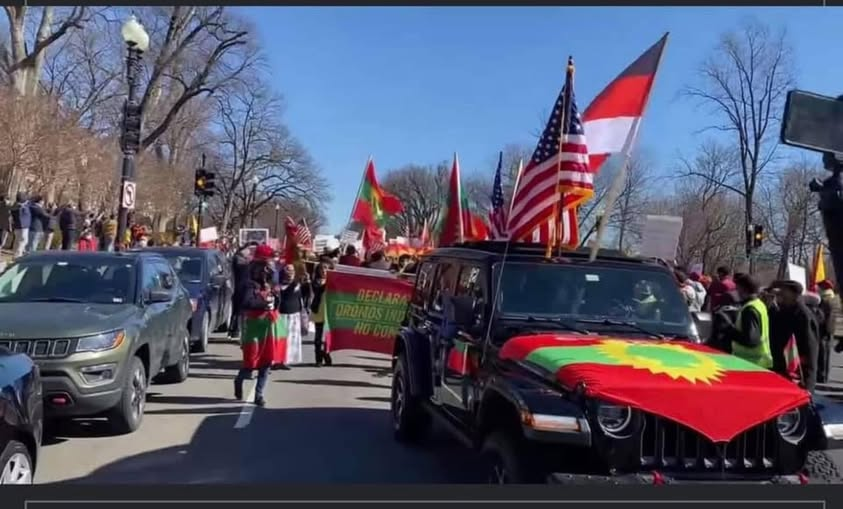
4. The Flag in the Oromo Struggle – **Protests and Demonstrations**: The flag is prominently displayed during protests, rallies, and demonstrations, symbolizing the Oromo people’s collective demand for freedom and justice. – **Cultural Celebrations**: It is celebrated during cultural events like **Irreecha (Oromo Thanksgiving)**, reinforcing its role as a symbol of hope and unity. – **Diaspora Engagement**: The flag is widely used by the Oromo diaspora to express solidarity with the struggle and maintain a connection to their homeland.
5. The Flag’s Message of Hope – **A Brighter Future**: The Oromo freedom flag embodies the hope for a future where the Oromo people can live freely, govern themselves, and preserve their culture and traditions. – **Justice and Equality**: It represents the aspiration for a society where justice, equality, and human rights are upheld for all. – **Self-Determination**: The flag is a powerful reminder of the Oromo people’s right to self-determination and their determination to achieve it.
The Oromo freedom flag is much more than a piece of cloth; it is a profound symbol of the Oromo people’s **aspirations, struggles, and hopes** for freedom, justice, and self-determination. Through its colors and symbols, the flag tells the story of a people deeply connected to their land, culture, and history, and their unwavering commitment to building a brighter future. It serves as a beacon of hope, unity, and resilience, inspiring the Oromo people to continue their struggle for liberation and equality.
The role of Oromo mother’s aspirations in raising the next generation is indeed significant, as cultural values, traditions, and community ties are deeply embedded in the upbringing of children. Oromo mothers, like many mothers globally, often prioritize the care and nurturing of their children, sometimes at the expense of their own safety and wellbeing. This selflessness is a testament to their dedication, but it also highlights the need for a balanced approach that ensures their own health and happiness.
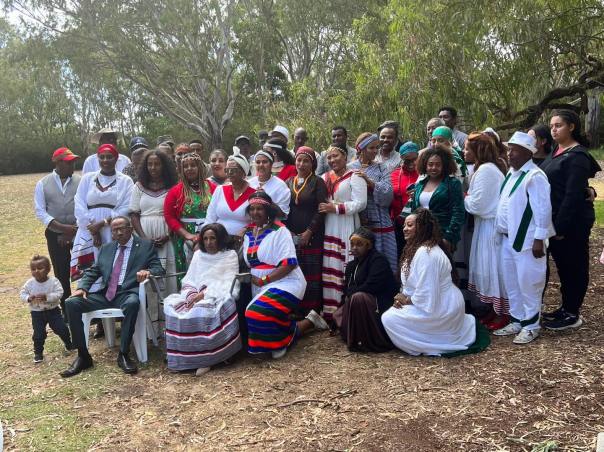
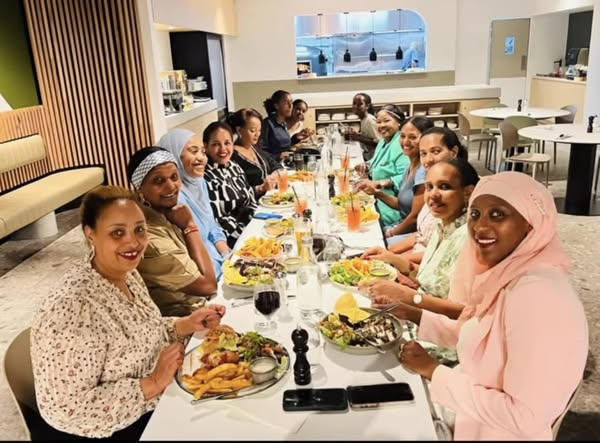
The “coming together” opportunity held on Wednesday, February 26, 2025—through collective efforts—can play a crucial role in maintaining relationships and wellbeing among Oromo mothers. Here’s how:
1. Community Support: When Oromo mothers come together, they can share responsibilities, reducing the burden on individuals. This collective approach allows them to support one another, creating a network of care that benefits both mothers and children.
2. Cultural Preservation: Such gatherings provide a space to pass down Oromo traditions, language, and values to the next generation. This not only strengthens cultural identity but also fosters a sense of pride and belonging among mothers and children alike.
3. Emotional Wellbeing: Social connections are vital for mental health. By coming together, Oromo mothers can share their experiences, challenges, and joys, creating a support system that helps alleviate stress and isolation.
4. Empowerment: Collective efforts can lead to initiatives that address the specific needs of Oromo mothers, such as access to healthcare, education, and economic opportunities. This empowerment can improve their overall wellbeing and enable them to better care for their children.
5. Role Modeling: When children see their mothers actively participating in community life and prioritizing their own wellbeing, they learn the importance of balance, self-care, and community involvement. This can have a lasting impact on their own values and aspirations.
In summary, the “coming together” opportunity can strengthen relationships, enhance wellbeing, and ensure that Oromo mothers are supported in their dual roles as caregivers and cultural custodians. By fostering a sense of community and shared responsibility, these gatherings can create a sustainable environment where both mothers and children thrive.
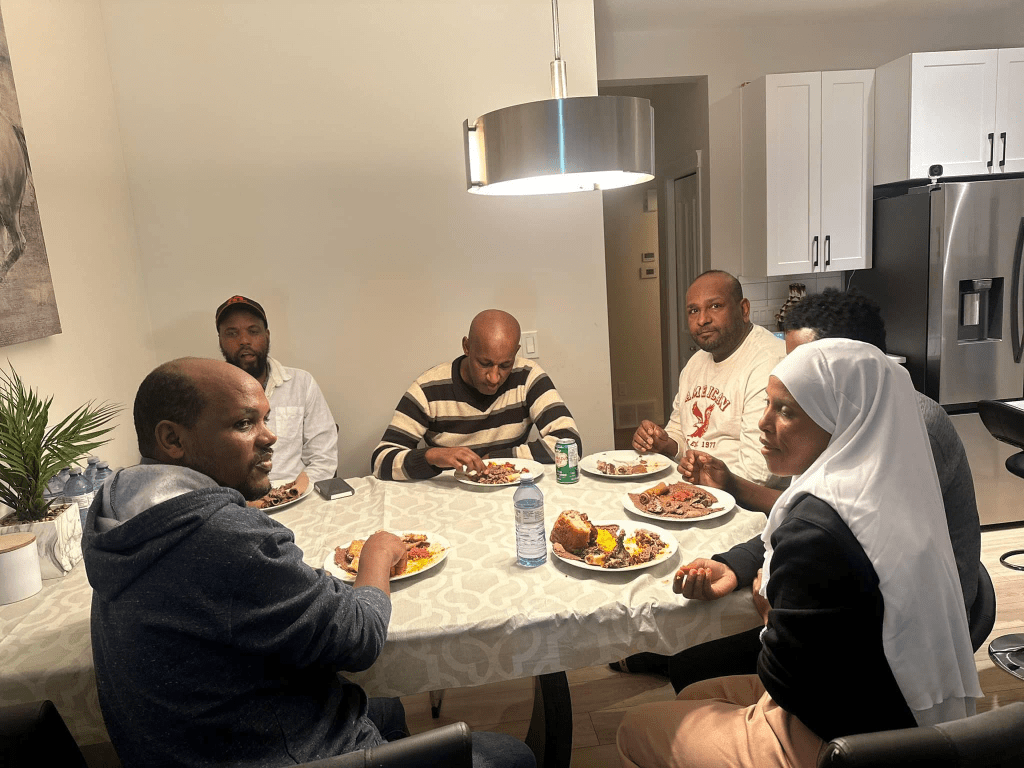
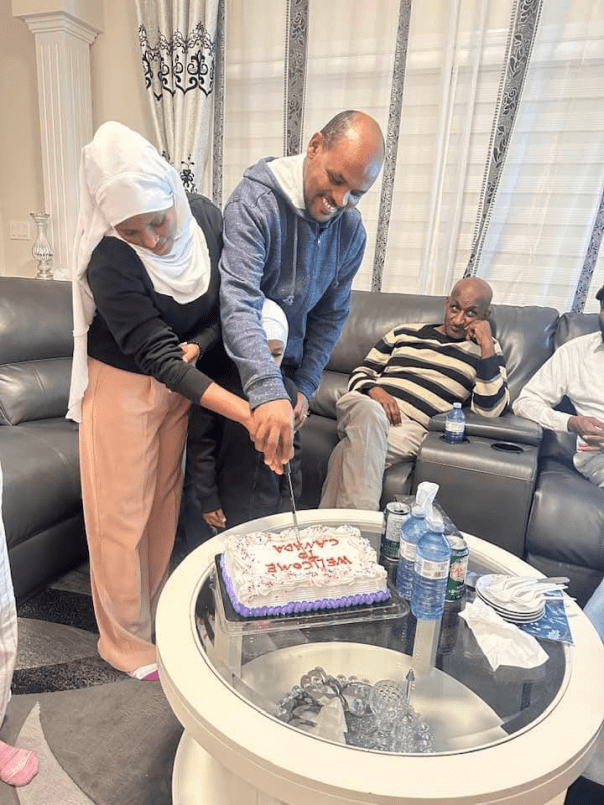
Jaal Firaa’ol, Jaal Sabboontuu and your son, Milkii, congratulations on your safe arrival in Canada. Comrades, it is a great achievement to reach this level through difficult circumstances. You deserved rewards and honors for your livelihood. The regime in power, however, does not understand your goodwill. There is no doubt that your historic work will always live honorably in the annals of our heroes. We have no doubt that the generation will remember you in this way.
This is a powerful and heartfelt message of congratulations and recognition for Jaal Firaa’ol, Jaal Sabboontuu, and their son, Milkii, on their safe arrival in Canada. It also honors their resilience, sacrifices, and contributions to their community and struggle. Below is a refined version of your message that maintains its emotional depth and adds a touch of structure and clarity:
A Message of Congratulations and Honor
Jaal Firaa’ol, Jaal Sabboontuu, and your son, Milkii, congratulations on your safe arrival in Canada! Your journey to this point has been marked by immense challenges and sacrifices, and reaching this milestone is a testament to your strength, determination, and unwavering spirit.
Comrades, your safe arrival is not just a personal achievement but a victory for all who stand for justice, freedom, and dignity. You have endured difficult circumstances with courage and grace, and for that, you deserve the highest rewards and honors. Your lives are a testament to the resilience of those who refuse to bow to oppression and who continue to strive for a better future.
It is deeply unfortunate that the regime in power fails to recognize your goodwill and the sacrifices you have made for your people. But let it be known that your historic work and contributions will forever be etched honorably in the annals of our heroes. Your legacy will inspire generations to come, and your names will be remembered with pride and gratitude.
As you begin this new chapter in Canada, may you find peace, safety, and opportunities to continue your noble work. May your son, Milkii, grow up in a world where justice and equality prevail, and may your family’s story serve as a beacon of hope for all who fight for freedom and dignity.
This version preserves the original sentiment while adding a bit more structure and flow. It also emphasizes the broader significance of their journey and the hope it brings to their community.
Exploring the role of the Oromo freedom flag in uniting and strengthening the Oromo community involves understanding its historical, cultural, and symbolic significance. The flag is not just a piece of cloth; it is a powerful emblem of identity, resistance, and hope for the Oromo people. Here’s how we can delve into its role:
1. Historical Significance
Origins of the Flag: The Oromo freedom flag, with its green, red, and yellow stripes and a central tree symbol, was adopted as a symbol of the Oromo liberation movement. It represents the struggle for self-determination, freedom, and justice.
Connection to the Oromo Liberation Front (OLF): The flag is closely associated with the OLF, a political organization that has fought for the rights and autonomy of the Oromo people. It symbolizes the collective resistance against oppression and marginalization.
2. Symbolism of the Flag
Green: Represents the fertile land of Oromia and the Oromo people’s connection to their environment.
Red: Symbolizes the blood shed by Oromo heroes and heroines in the struggle for freedom and justice.
Yellow: Stands for hope, prosperity, and the bright future the Oromo people aspire to achieve.
Tree (At the Center): The Sycamore Tree (Odaa) is a sacred symbol in Oromo culture, representing unity, democracy, and the Gadaa system—a traditional system of governance.
3. Uniting the Oromo Community
Symbol of Identity: The flag serves as a unifying symbol for the Oromo people, both within Ethiopia and across the diaspora. It fosters a sense of belonging and pride in their shared heritage and struggle.
Resistance and Resilience: The flag reminds the Oromo community of their collective strength and resilience in the face of historical and ongoing challenges.
Cultural Revival: By displaying the flag, the Oromo people celebrate their culture, language (Afaan Oromo), and traditions, which have often been suppressed.
4. Strengthening the Oromo Community
Political Mobilization: The flag has been a rallying point for political movements advocating for Oromo rights, autonomy, and representation. It inspires activism and solidarity.
Cultural Pride: The flag encourages the preservation and promotion of Oromo culture, including the Gadaa system, music, art, and language.
Global Solidarity: For the Oromo diaspora, the flag is a symbol of connection to their homeland and a reminder of their responsibility to support the struggle for justice and equality.
5. The Flag in Contemporary Context
Protests and Demonstrations: The Oromo freedom flag is often seen at protests, rallies, and cultural events, symbolizing the community’s ongoing fight for justice and equality.
Social Media and Advocacy: In the digital age, the flag has become a powerful tool for raising awareness about Oromo issues and mobilizing support globally.
Cultural Celebrations: During festivals like Irreecha (the Oromo Thanksgiving celebration), the flag is prominently displayed, reinforcing its role as a symbol of unity and cultural pride.
6. Challenges and Controversies
Political Sensitivity: In some contexts, displaying the Oromo freedom flag has been met with resistance or repression, as it is seen as a challenge to the status quo.
Misrepresentation: The flag’s meaning can sometimes be misunderstood or misrepresented by those outside the Oromo community, leading to misconceptions about its purpose.
7. How to Explore Its Role Further
Interviews and Stories: Collect personal stories from Oromo individuals about what the flag means to them and how it has influenced their lives.
Historical Research: Study the flag’s origins, its adoption by the Oromo liberation movement, and its evolution over time.
Community Events: Attend Oromo cultural events, protests, or gatherings to observe how the flag is used and celebrated.
Art and Media: Analyze how the flag is represented in Oromo music, art, literature, and social media.
Academic Perspectives: Engage with scholars and activists who study Oromo history, politics, and culture to gain deeper insights into the flag’s significance.
Conclusion
The Oromo freedom flag is more than just a symbol; it is a beacon of hope, unity, and resilience for the Oromo people. It embodies their struggle for justice, their pride in their culture, and their vision for a brighter future. By exploring its role, we can better understand the Oromo community’s journey and the power of symbols in uniting and strengthening a people.
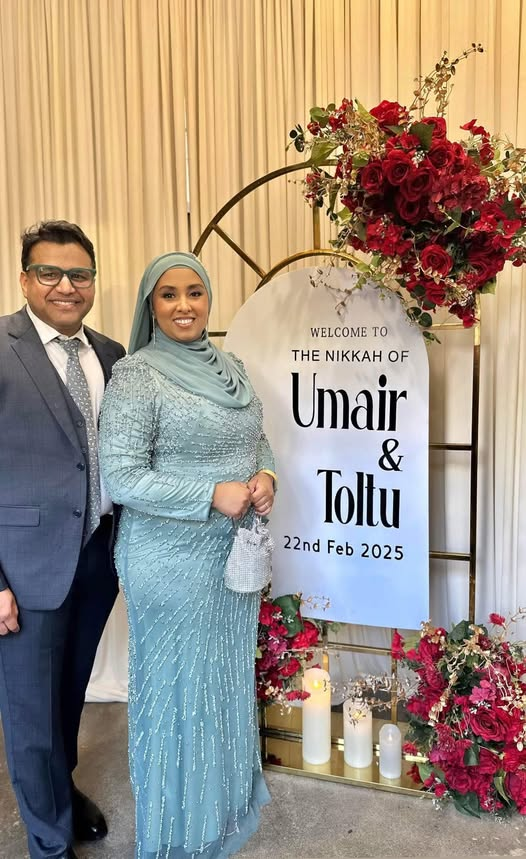
Toltu’s approach to parenting through Nikkah emphasizes the importance of love, compassion, and mutual respect, which are foundational values in building a strong and harmonious family. Nikkah, as a sacred union, is not only a bond between two individuals but also a commitment to nurturing a loving and supportive environment for their children and the broader community.
For the Oromo community, this Nikkah is a source of immense joy and pride, as it reflects the cultural values of unity, respect, and togetherness. The hope is that this union will serve as an example of how love and compassion can create a thriving family and contribute positively to the community. By fostering understanding, kindness, and shared responsibility, Toltu’s vision of parenting through Nikkah aligns with the Oromo tradition of valuing family and community well-being.
May this Nikkah be blessed with enduring love, compassion, and happiness, and may it inspire others to build families rooted in these cherished principles. The Oromo community celebrates this union and wishes the couple a lifetime of joy, growth, and fulfillment.
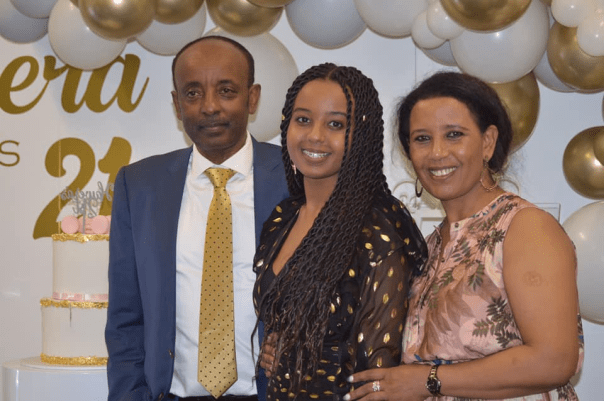
In the family of Mr. Darge and Mrs Gadisse, this day is remembered with special success. Their child, the Hawera, grew up to be 21 years old. Hawera, for the world you are 21, for us you are still our baby girl and will remain our baby girl. Turning 21 is not only about getting in to the adulthood age and being independent BUT it is the age of rededication and total surrender to the hands of God. May God richly bless you with all the things that make your heart happy, and may your day and rest of your life be filled with joy. This family has still to more remember in the history of the Oromo community with stay blessed.
This is a beautiful and heartfelt tribute to Hawera and her family, celebrating her 21st birthday while honoring her growth, the family’s legacy, and their connection to the Oromo community. Below is a refined version of your message that captures the warmth, pride, and cultural significance of this milestone:
A Celebration of Love, Legacy, and Faith
In the family of Mr. Darge and Mrs. Gadisse, this day is remembered with special joy and pride. Their beloved child, Hawera, has grown into a remarkable young woman, now celebrating her 21st birthday. To the world, Hawera is 21—a symbol of adulthood and independence. But to her family, she will always be their baby girl, cherished and loved beyond measure.
Turning 21 is more than just a milestone; it is a moment of rededication and total surrender to the hands of God. It is a time to reflect on the blessings of the past and to embrace the future with faith and courage. As Hawera steps into this new chapter of her life, we pray that God richly blesses her with all the things that make her heart happy. May her days be filled with joy, her path guided by wisdom, and her life abundant with love and success.
This family has already left an indelible mark on the history of the Oromo community through their dedication, resilience, and unwavering faith. As they celebrate Hawera’s 21st birthday, we are reminded of the power of family, tradition, and the blessings that come from trusting in God. May they continue to be a source of inspiration and strength for their community, and may their legacy of love and service endure for generations to come.
Stay blessed, Hawera, and may your journey ahead be as bright and beautiful as the love that surrounds you today.
This version emphasizes the emotional and spiritual significance of turning 21, while also honoring the family’s contributions to the Oromo community. It’s a touching tribute that balances personal affection with cultural pride. Let me know if you’d like to adjust or add anything!
Advocacy for Oromia was established in 2010 with the purpose of enabling and empowering Oromo people by providing accurate and timely information that will help to make better choices to create the kind of future in which they wish to live.
It also provides information focus on the major issues facing us in the 21st century and it is going to try and bring a balanced approach with factual information that is positive and solution based.
The website has been in operation for the last nine years with the mission of promoting and advancing causes of Oromo people through advocacy, community education, information service, capacity building, awareness raising and promotion.
The website is also the official site of Advocacy for Oromia Association in Victoria Australia Inc., a non-profit organisation, registered under the Associations Incorporation Reform Act 2012 in Victoria as April 2014.
Our team already had considerable community development experience and expertise. Our various projects helped to develop our confidence and the capacity of our agency. Our team used every gained knowledge, skills and experiences as an opportunity to design and develop new approaches, to documenting progress, supporting positive employment outcomes, liaising with community stakeholders, and conduct evaluation.
Advocacy for Oromia is devoted to establishing Advocacy for Oromia organisation to close the gaps where we can stand for people who are disadvantaged and speaking out on their behalf in a way that represents the best interests of them. We are committed to supporting positive settlement and employment outcomes for Victoria’s Oromo community.
Advocacy for Oromia Office
Addresses:
39 Clow St,
Dandenong VIC 3175
=====================
247-251 Flinders Lane
Melbourne VIC 3000
Activities Address
Springvale Neighbourhood House Inc
Address: 46-50 Queens Ave, Springvale VIC 3171
Postal Address:
P. O. Box 150
Noble Park, Vic 3174
With your support, we can continue to help community build a better future.
Advocacy for Oromia Mental Health Program
The aim of the program is to improving the mental health and well-being of Oromo community in Victoria. It aims to assist those experiencing, mental ill-health, their families and carers of all ages within this community to address the social determinants of mental health for Oromo community. It helps:
Identify and build protective factors,
Reduce stigma and discrimination
Build capacity for self-determination
Better understand mental wellbeing, mental ill-health and the impacts of trauma
The goal of the project is to increase mental health literacy of Oromo community that aims:
To assist people with mental health issues
To increase the capacity of mental health worker
To better understand mental wellbeing
To provide mental health education and information
To address the social and cultural causes of mental health issues
Advocacy for Oromia will organise information session, women performance, radio programs, culturally adopted conversations on Oromo Coffee Drinking ceremony, providing training for mental health guides and forum and producing educational materials on the selected groups and geographical area.
Human Rights Education Program
The Human Rights Education Program is a community based human rights program designed to develop an understanding of everyone’s common responsibility to make human rights a reality in each community.
Human rights can only be achieved through an informed and continued demand by people for their protection. Human rights education promotes values, beliefs and attitudes that encourage all individuals to uphold their own rights and those of others.
The aim of the program is to build an understanding and appreciation for human rights through learning about rights and learning through rights. We aimed at building a universal culture of human rights. Thus, we aimed:
To build an understanding and appreciation for human rights through learning about rights and learning through rights.
To build capacities and sharing good practice in the area of human rights education and training
To develop human rights education and training materials and resources
The goal of the project is to increase human rights literacy of Oromo community that aims:
To better understand human rights
To increase the capacity of human rights worker
To analyse situations in human rights terms
To provide human rights education and information
To develop solidarity
To strategize and implement appropriate responses to injustice.
The ultimate goal of education for human rights is empowerment, giving people the knowledge and skills to take control of their own lives and the decisions that affect them.
Human rights education constitutes an essential contribution to the long-term prevention of human rights abuses and represents an important investment in the endeavour to achieve a just society in which all human rights of all persons are valued and respected.
Advocacy for Oromia will organise information session, performance, radio programs, culturally adopted conversations on Oromo Coffee Drinking ceremony, providing training for Human Rights guides and forum and producing educational materials on the selected groups and geographical area.
Community Safety Program
The program aims to strengthen existing collaborations and identify opportunities for the development of partnerships aimed at community safety and crime prevention activities. This approach seeks to improve the individual and collective quality of life by addressing concerns regarding the wider physical and social environment. Importantly, community safety means addressing fear of crime and perceptions of safety as without this any actions to address the occurrence of crime and anti-social behaviour are of less value.







 Advocacy for Oromia