Author Archives: advocacy4oromia

Understanding Insecure Men: 20 Key Traits and Solutions
20 key traits and behaviors commonly associated with insecure men, along with potential solutions to help overcome these insecurities:
### Traits and Behaviors of an Insecure Man
1. **Constant Need for Validation**: Frequently seeks compliments and reassurance about their worth from others.
– **Solution**: Work on self-affirmation exercises; focus on personal achievements.
2. **Jealousy**: Displays excessive jealousy in relationships, often overreacting to perceived threats.
– **Solution**: Develop trust-building exercises and open communication with partners.
3. **Avoids Commitment**: Hesitant or unwilling to fully commit in romantic relationships due to fear of rejection.
– **Solution**: Understand personal values and what commitment means; gradually engage in more serious relationships.
4. **Overly Critical of Themselves**: Engages in negative self-talk and focuses on personal flaws, leading to low self-esteem.
– **Solution**: Practice self-compassion; keep a journal to highlight accomplishments and positive qualities.
5. **Defensiveness**: Reacts defensively to criticism, viewing it as a personal attack rather than constructive feedback.
– **Solution**: Cultivate a growth mindset; practice accepting feedback with an open mind.
6. **Comparison with Others**: Frequently compares themselves to others, feeling inferior or inadequate.
– **Solution**: Limit exposure to social media and focus on individual progress and self-improvement.
7. **Need to Appear Tough or Strong**: Puts on a facade of toughness, refusing to show vulnerability or seek help.
– **Solution**: Engage in therapy or support groups to explore vulnerabilities in a safe environment.
8. **Difficulty Expressing Emotions**: Struggles to communicate feelings, often resulting in emotional distance from others.
– **Solution**: Practice emotional literacy; use journaling or art to express feelings creatively.
9. **Avoidance of Difficult Situations**: Tends to shy away from conflicts or challenging discussions, fearing negative outcomes.
– **Solution**: Role-play difficult conversations with a trusted friend or therapist to build confidence.
10. **Overemphasis on Appearance**: Focuses excessively on their looks or physical attributes as a measure of self-worth.
– **Solution**: Shift the focus to health and wellness rather than appearance; celebrate inner qualities.
11. **Insecurity in Professional Settings**: Feels threatened by colleagues and doubts their abilities.
– **Solution**: Pursue professional development opportunities and seek mentorship for guidance.
12. **Staying in Unhealthy Relationships**: Maintains relationships that are detrimental to their well-being due to fear of being alone.
– **Solution**: Reflect on relationship patterns; consider therapy to explore attachment styles.
13. **Overreactions to Partner’s Actions**: Misinterprets innocent actions as betrayal or disinterest.
– **Solution**: Develop strong communication strategies; practice assumptions versus facts probing.
14. **Dependency on Technology for Connection**: Relies on texting or social media for interactions instead of face-to-face communication.
– **Solution**: Engage in more real-life social activities, avoiding screens when possible.
15. **Difficulty in Making Decisions**: Often second-guesses choices due to fear of making the wrong decision.
– **Solution**: Establish decision-making frameworks and set small goals to practice decisiveness.
16. **Fear of Abandonment**: Holds onto relationships out of fear of being abandoned, leading to clinginess.
– **Solution**: Work through abandonment issues with therapeutic guidance, focusing on building self-reliance.
17. **Controlling Behaviors**: Attempts to control situations or partners to alleviate their own fears.
– **Solution**: Explore the roots of control issues; engage in mindfulness practices to manage anxiety.
18. **Avoiding New Experiences**: Hesitant to try new things due to fear of failure or embarrassment.
– **Solution**: Set small, achievable challenges to gradually step out of comfort zones.
19. **Overthinking**: Dwells excessively on past interactions or future events, leading to anxiety.
– **Solution**: Adopt mindfulness and grounding techniques to stay present and combat overthinking.
20. **Poor Conflict Resolution Skills**: Struggles to resolve conflicts effectively, often escalating tensions instead of resolving issues.
– **Solution**: Study conflict resolution techniques; practice active listening and empathy.
### Conclusion
Insecurities can significantly affect interactions and relationships. However, acknowledging these traits and working towards constructive solutions can lead to personal growth, improved self-esteem, and healthier relationships. Engaging in therapy or counseling can also be beneficial for deeper issues.

15 Reasons for Inconsistency in Behavior
Understanding Inconsistency in Human Behavior

### Introduction
Human behavior is often marked by inconsistency. Individuals may frequently change their opinions, habits, and decisions, which can lead to frustration in both personal and professional contexts. This inconsistency can stem from various factors, including psychological, environmental, and social influences. Understanding why people struggle with consistency is crucial for fostering personal development, improving relationships, and enhancing productivity. Below are 15 reasons that explain why people may not be consistent, followed by 15 solutions to help individuals cultivate greater consistency in their lives.
### Reasons for Inconsistency
1. **Lack of Clear Goals**
People often fail to maintain consistency when they do not have well-defined goals. Without clarity on what they want to achieve, individuals can easily drift from task to task, lacking direction and purpose.
2. **Fear of Failure**
A pervasive fear of failing can paralyze individuals, prompting them to avoid commitment or consistent action. This fear can lead to procrastination or abandoning tasks altogether.
3. **External Pressures**
Social influences, peer pressure, or societal expectations can cause individuals to deviate from their beliefs or plans. The desire to conform can undermine personal principles and lead to inconsistency.
4. **Shifting Priorities**
Life circumstances, such as changing jobs, relationships, or responsibilities, can lead to shifting priorities. When priorities change frequently, it’s difficult for individuals to remain consistent in their efforts.
5. **Overwhelm and Burnout**
Taking on too much at once can lead to feelings of overwhelm and burnout. When individuals are stressed, they may abandon their commitments or struggle to maintain a consistent effort.
6. **Lack of Accountability**
Without accountability, individuals may not feel compelled to follow through on their commitments. The absence of external pressure or oversight can result in a lack of consistency in behavior.
7. **Self-Doubt**
Individuals who lack confidence in their abilities may second-guess their decisions, leading to inconsistent behaviors. This self-doubt can erode commitment and foster a cycle of indecision.
8. **Procrastination**
The tendency to postpone tasks or decisions can result in a lack of consistency. Procrastinators may start strong but falter due to distractions or a failure to prioritize tasks.
9. **Poor Time Management**
Inconsistent behavior is often a result of ineffective time management skills. Without a structured approach to prioritizing tasks, individuals may struggle to maintain focus and dedication.
10. **Emotional Variability**
Human emotions fluctuate, influencing behavior and decision-making. Individuals may react differently to circumstances based on their emotional state, leading to inconsistency in their responses.
11. **Information Overload**
In today’s digital age, individuals are bombarded with information, which can create confusion and indecision. This overload can lead to inconsistent choices as individuals struggle to process and prioritize information.
12. **Limited Motivation**
Without intrinsic motivation or passion for a task, individuals may lack the drive needed to remain consistent in their efforts. External rewards alone may not be sufficient to foster lasting commitment.
13. **Habit Formation Challenges**
Creating new habits requires time, patience, and consistency. Individuals may struggle to adhere to new routines, leading to inconsistency as they attempt to incorporate change into their lives.
14. **Social Comparison**
Comparing oneself to others can lead to feelings of inadequacy or insecurity, prompting changes in behavior to seek approval or validation. This need for external validation can disrupt personal consistency.
15. **Cognitive Dissonance**
When individuals hold conflicting beliefs or values, it can create cognitive dissonance, leading to inconsistency in behavior as they struggle to reconcile their internal conflicts.
### Solutions for Achieving Consistency
1. **Set Clear, Achievable Goals**
Establish specific, measurable, achievable, relevant, and time-bound (SMART) goals. Clarity around objectives fosters a sense of purpose, making it easier to maintain focus and consistency.
2. **Cultivate a Growth Mindset**
Embrace a growth mindset, recognizing that challenges and failures are part of the learning process. This perspective can mitigate the fear of failure and encourage commitment to goals.
3. **Establish Personal Values**
Identify core values that guide decision-making. Having a clear set of values aids individuals in navigating external pressures and making consistent choices aligned with their beliefs.
4. **Prioritize Self-Care**
Engage in self-care practices to manage stress and prevent burnout. Prioritizing mental and physical well-being enhances resilience and enables individuals to remain consistent in their actions.
5. **Implement Accountability Measures**
Seek accountability partners, mentors, or coaches to provide support and encouragement. Accountability can motivate individuals to stay on track and follow through on commitments.
6. **Build Confidence**
Engage in activities that foster self-efficacy. Setting and achieving small goals can boost confidence, helping individuals to make more consistent decisions in the face of challenges.
7. **Create Time Management Plans**
Develop effective time management strategies, such as using calendars, to-do lists, or productivity apps. Structured planning can help individuals allocate time efficiently and maintain focus.
8. **Practice Mindfulness**
Incorporating mindfulness practices can enhance awareness of emotions and thoughts. Mindfulness allows individuals to manage emotional variability and respond to challenges more consistently.
9. **Limit Distractions**
Identify and minimize distractions that lead to inconsistency. Creating a dedicated workspace and implementing boundaries can help individuals maintain focus on their priorities.
10. **Find Intrinsic Motivation**
Connect with the underlying motivations for pursuing goals. Understanding why a task is meaningful can foster a deeper commitment and enhance consistency.
11. **Start Small to Form Habits**
Break larger goals into smaller, manageable tasks. Gradually incorporating new habits into daily routines can increase the likelihood of long-term adherence.
12. **Avoid Negative Comparisons**
Focus on personal progress rather than comparing oneself to others. Celebrating individual achievements, no matter how small, can bolster confidence and consistency.
13. **Engage in Continuous Learning**
Stay informed and educated about the tasks or areas in which one seeks consistency. A commitment to learning can foster adaptability and allow individuals to make informed decisions.
14. **Utilize Visual Reminders**
Use visual cues, such as sticky notes or habit trackers, to remind oneself of commitments and goals. These prompts can serve as motivation to follow through on plans.
15. **Reflect and Adjust Regularly**
Periodically assess progress, focusing on what’s working and what isn’t. Reflection allows individuals to realign their strategies and commitments, promoting greater consistency over time.
### Conclusion
Inconsistency is a common aspect of human behavior that can stem from a variety of factors, including psychological barriers, social influences, and environmental conditions. However, by understanding the underlying causes and implementing targeted strategies, individuals can cultivate greater consistency in their actions and decisions. Whether through setting clear goals, fostering accountability, or engaging in personal development practices, fostering consistency can lead to improved outcomes in various areas of life, ultimately enhancing personal fulfillment and productivity.

Celebrating Oromo Identity Through Film: A Look at Soolanee
(A4O, 29 December 2024) Soolanee-a film by writer and director Keeyeron Dereje was screened in Melbourne on Saturday.
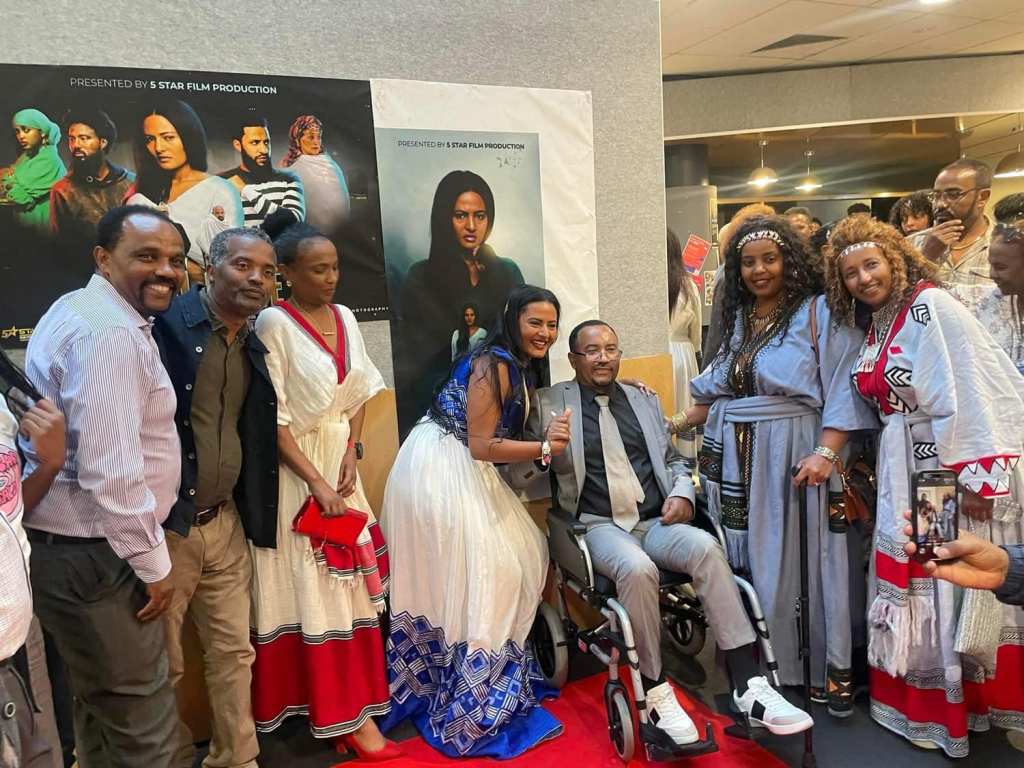
At the beginning of the film, Keeyeron told of her many difficult and emotional ups and downs. She talked about how teamwork was done in Soolanee and how it was included in the history of the Oromo family.
Soolanee: Truth, Freedom, Justice, Faith, Sin, Deceit, Goodness, Oppression, Equality, Resistance, Sexual Assault, love etc. are accompanied by key messages.
Toltu Tufaa gave the opening speech at the beginning of the film based on Oromo folklore. “Our folklore reflects our identity, and the story of this film reflects the wisdom inherited by our ancestors.”
“Keeyron’s efforts to promote our folklore and identity by making Soolanee are remarkable,” Toltu said.
The audience of the film said that Keeyeron deserves to be appreciated for her contribution to the development of the Oromo arts.
As is well known, the Oromo art, especially film, is still in its infancy. It is understandable that it takes a lot of work to make the Oromo language competitive in the films produced in Ethiopia and at the same time it needs the support of the people.
Oromo people are expected to encourage those who are engaged in what promotes the language in every way to ensure the development of their language.

Oromo Unity and Self-Governance: A Path Forward
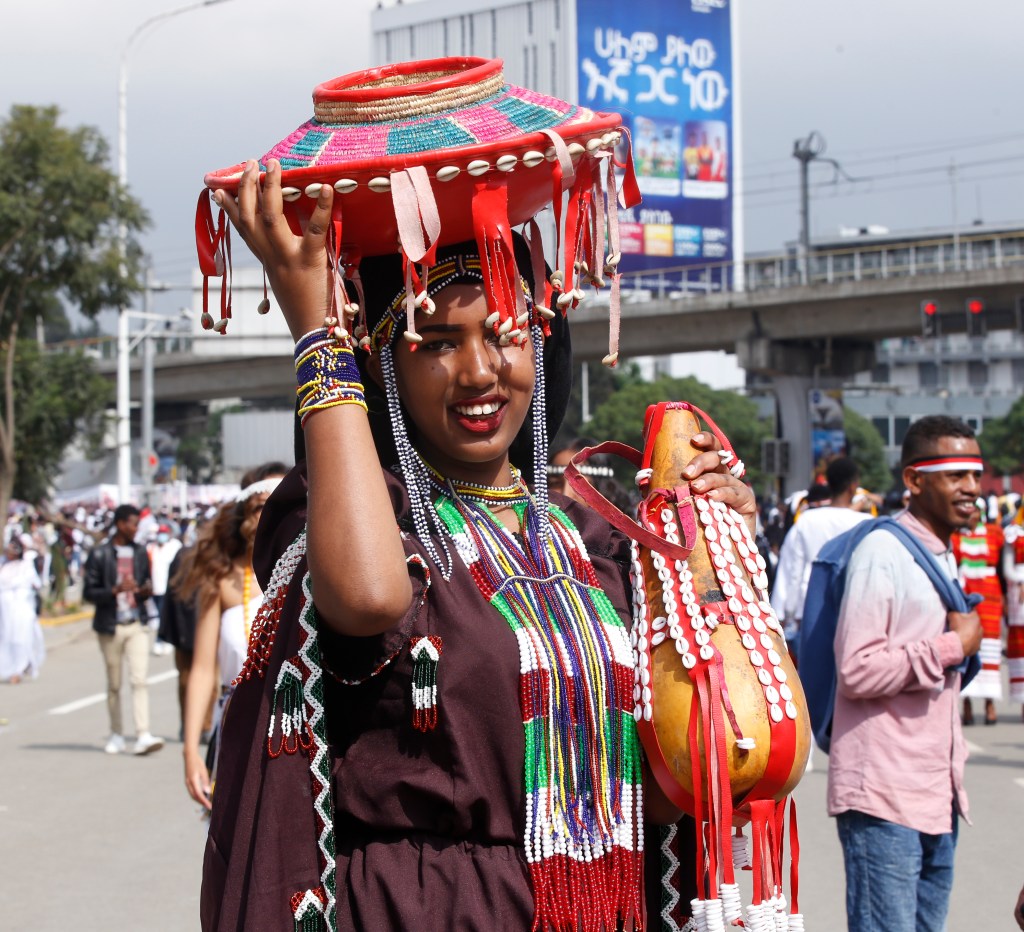
Achieving self-governance for the Oromo people in Ethiopia is a complex process that requires a multifaceted approach involving political, social, and economic strategies. Here are 15 points outlining what the Oromo must do to work toward self-governance, emphasizing unity, advocacy, organization, and dialogue.
### 1. **Unity Among Oromo Groups**
To effectively push for self-governance, the Oromo community must foster unity among various political parties, organizations, and grassroots movements. A coordinated approach with a shared vision and objectives can amplify their demands and enhance their negotiating power.
### 2. **Build Strong Political Institutions**
Establishing and strengthening Oromo political institutions and parties is crucial. These entities should focus on ideological coherence and strategic policy-making while representing the interests of the Oromo people.
### 3. **Promote Civic Education**
Educating the Oromo populace about their rights, governance structures, and political engagement is essential. Civic education initiatives can empower citizens to participate actively in governance, demand accountability, and understand the importance of self-governance.
### 4. **Engage in Negotiations with the Government**
Oromo leaders must engage in direct and constructive negotiations with Ethiopian government officials to articulate their aspirations for self-governance. Presenting a clear, unified set of demands can enhance the legitimacy of their claims.
### 5. **Leverage International Support**
Building relationships with international organizations, foreign governments, and diaspora communities can provide the Oromo movement with external pressure on the Ethiopian government to recognize their demands. This could include raising awareness about human rights violations and advocating for Oromo autonomy.
### 6. **Utilize Legal Frameworks**
Oromo leaders should leverage Ethiopia’s constitution, which provides for ethnic federalism and the right to self-determination. Engaging in legal battles to assert these rights can strengthen their claims and establish a precedent for autonomy.
### 7. **Develop Economic Strategies**
Creating sustainable economic models within Oromo regions can demonstrate the viability of self-governance. Focusing on local resources, agriculture, and trade can build economic resilience and show that the Oromo can thrive independently.
### 8. **Foster Inter-Ethnic Dialogue**
Promoting dialogue with other ethnic groups can decrease tensions and create alliances. Engaging in collaborative projects that benefit multiple communities can help build a coalition in favor of a more decentralized governance structure.
### 9. **Cultural Promotion and Preservation**
Oromo culture, language, and heritage need active promotion. Fostering a sense of cultural pride can mobilize support for self-governance and appeal to broader audiences, emphasizing the unique identity of the Oromo people.
### 10. **Strengthen Civil Society Organizations**
Developing robust civil society organizations focused on Oromo rights and self-governance can facilitate grassroots activism. These organizations can engage in advocacy, education, and protection of ethnic rights.
### 11. **Compile and Present Data**
Collecting data about the socio-economic conditions in Oromia and using this information to demonstrate the need for self-governance can make a compelling case. Presenting evidence to various stakeholders may help facilitate discussions around autonomy.
### 12. **Empower Youth and Women**
Engaging youth and women more actively in political processes and governance discussions is essential. Their involvement can bring fresh ideas, strengthen community ties, and ensure a more inclusive approach to governance.
### 13. **Form Alliances with Political Parties**
Collaborating with other political parties that support federalism and regional autonomy can create a broader political base. Seeking partnerships with organizations that share similar goals can amplify their voice and visibility.
### 14. **Monitor Political Developments**
Staying informed about local, national, and international political developments is critical. Understanding the political landscape in Ethiopia and the global context can aid in strategic planning and response to challenges that arise.
### 15. **Commit to Non-Violent Protest and Advocacy**
Adopting a non-violent approach in advocating for self-governance can increase support and legitimacy. This includes organizing peaceful protests, engaging in dialogue, and leveraging media to spread awareness of their cause.
### Conclusion
Achieving self-governance for the Oromo people necessitates a comprehensive approach that combines unity, advocacy, legal strategies, cultural promotion, and economic development. By building strong institutions and engaging constructively with stakeholders, the Oromo can effectively articulate their aspirations and work toward greater autonomy within Ethiopia. The journey toward self-governance will require resilience, strategic planning, and a commitment to peaceful dialogue, ultimately contributing to a more inclusive and equitable Ethiopian state.

Fostering Peace Through National Dialogue Strategies

National dialogue is a crucial process for fostering peace, reconciliation, and development within a country, especially in contexts marked by conflict, division, or significant political change. It offers an opportunity for diverse stakeholders to engage in constructive discussions aimed at addressing pressing issues and establishing a shared vision for the future. Here are fifteen essential points regarding the requirements of national dialogue:
### 1. **Inclusivity of Stakeholders**
For a national dialogue to be credible and effective, it must include a broad range of stakeholders. This includes government representatives, opposition parties, civil society organizations, community leaders, youth, women, and marginalized groups. Inclusion ensures that the perspectives and needs of all segments of society are considered, fostering a more comprehensive understanding of the issues at hand.
### 2. **Clear Objectives and Scope**
National dialogues should have clearly defined objectives and a well-articulated scope. Stakeholders need to agree on what they aim to achieve, whether it be conflict resolution, constitutional reforms, or social cohesion. Clear objectives help guide discussions and decisions, ensuring that the dialogue remains focused and productive.
### 3. **Facilitation by Neutral Parties**
An impartial facilitator is essential to ensure that discussions are fair, balanced, and focused. Neutral parties, such as international organizations or respected non-governmental organizations (NGOs), can play a pivotal role in guiding the process, mediating disputes, and maintaining an atmosphere of trust and respect.
### 4. **Safe and Respectful Environment**
A conducive environment is necessary for open and honest dialogue. Participants must feel safe to express their views without fear of retribution or discrimination. This requires measures to ensure security, confidentiality, and respect for differing viewpoints, which can help build trust among participants.
### 5. **Access to Information**
Informed dialogue is critical for effective discussions. Stakeholders should have access to relevant information and data that can help frame the issues being discussed. This may include socio-economic statistics, legal frameworks, and historical context. Providing participants with comprehensive information allows for more informed decision-making.
### 6. **Time for Reflection and Discussion**
National dialogues are often complex and cover sensitive topics. Sufficient time should be allocated for participants to reflect on discussions and engage in meaningful dialogue. Rushed processes can lead to misunderstandings and inadequate resolutions. Allowing for ample discussion time is crucial for developing consensus and understanding.
### 7. **Commitment to Dialogue Principles**
All participants must commit to the principles of dialogue, including transparency, honesty, and respect. Upholding these principles fosters a productive atmosphere where stakeholders can share and debate ideas without animosity. A commitment to constructive dialogue helps mitigate conflict and polarization.
### 8. **Support from Leadership**
National dialogue often requires strong support from political, social, and community leaders. Their endorsement can enhance legitimacy and motivate broader participation. Leadership must also model inclusive behavior, demonstrating a commitment to engaging all stakeholders in the dialogue process.
### 9. **Focus on Root Causes**
Effective national dialogue should aim to address the root causes of conflicts or divisions rather than merely treating the symptoms. This requires thorough analysis and discussion of underlying issues, such as inequality, historical grievances, or systemic injustice. Addressing these root causes is vital for achieving lasting solutions.
### 10. **Mechanisms for Implementation and Follow-up**
Post-dialogue, there should be clearly defined mechanisms for implementing the agreements reached. Participants must agree on how to turn discussions into actionable items and ensure accountability. Follow-up processes, such as regular reviews and assessments, help maintain momentum and allow stakeholders to address any challenges that arise.
### 11. **Conflict Resolution Frameworks**
National dialogues should be underpinned by conflict resolution frameworks that provide guidelines for managing disputes and disagreements. Such frameworks can help mitigate tensions during discussions and facilitate the resolution of contentious issues. Establishing clear procedures for resolving conflicts can support a more stable dialogue environment.
### 12. **Resource Allocation and Training**
Sufficient resources, both financial and human, are essential for the successful execution of a national dialogue. This includes funding for logistics, training for participants in negotiation and dialogue skills, and support for outreach activities. Ensuring that resources are available helps to legitimize the process and guarantees that participants are equipped for effective engagement.
### 13. **Public Engagement and Awareness**
Involving the broader public and raising awareness about the national dialogue is crucial for its legitimacy. Engaging citizens through media, public forums, and social platforms ensures that the dialogue resonates with societal concerns and aspirations. This public dimension can also enhance accountability, as citizens become stakeholders in the process and its outcomes.
### 14. **Cultural Sensitivity**
National dialogues must be sensitive to the cultural contexts in which they occur. Understanding local customs, languages, and traditions is vital for fostering inclusive dialogue. Cultural sensitivity can enhance communication, build trust among participants, and lead to more meaningful engagement in discussions.
### 15. **Continuous Evaluation and Adaptation**
Finally, national dialogues should be dynamic processes that allow for continuous evaluation and adaptation. Stakeholders should regularly assess the dialogue’s progress, identify areas for improvement, and adjust their approaches as needed. By remaining flexible and responsive, the dialogue can better address evolving challenges and contribute to sustained peace and development.
### Conclusion
National dialogue is a vital mechanism for building consensus, addressing grievances, and paving the way for a more unified society. While the requirements for an effective national dialogue are multifaceted, ensuring inclusivity, clarity, safety, and commitment among participants forms the foundation for success. By adhering to these principles and practices, countries facing division and conflict can harness national dialogue as a powerful tool for fostering peace, stability, and social cohesion. The key lies in recognizing the value of each participant’s voice and collectively working towards a shared vision for the future.

Empowering Oromos: Actions by the Australian Community

The Oromo community in Australia has a unique opportunity and responsibility to support their counterparts in Oromia, Ethiopia. Given their collective experience, cultural background, and the socio-political dynamics of Oromia, the Australian Oromo community can engage in several initiatives. Here are ten vital actions that they can undertake to improve the welfare and status of the Oromo people in Oromia:
### 1. **Advocacy and Awareness Raising**
The Oromo community in Australia can engage in advocacy efforts to raise awareness about the issues faced by Oromos in Ethiopia. This includes educating the Australian public and government officials about human rights abuses, political suppression, and socio-economic challenges faced by Oromos in Oromia. Hosting workshops, seminars, and cultural events can effectively disseminate this information, encouraging a broader understanding and potential support for Oromo causes.
### 2. **Establishing Partnerships with NGOs**
Collaborating with non-governmental organizations (NGOs) that focus on human rights and development in Ethiopia can amplify the impact of initiatives. The Oromo community can support NGOs working directly in Oromia by providing funding, volunteer services, and logistical support. This partnership can ensure that projects are culturally sensitive and aligned with the needs of the local population.
### 3. **Cultural Exchange Programs**
Initiating cultural exchange programs between the Oromo community in Australia and Oromia can foster mutual understanding and solidarity. Through cultural festivals, art exhibitions, and oral history projects, both communities can share their traditions, challenges, and triumphs. Such programs not only strengthen ties between the diaspora and the homeland but can also serve as a platform for preserving Oromo heritage.
### 4. **Educational Support and Scholarships**
Education is a powerful tool for social change. The Australian Oromo community can establish scholarship programs to support Oromo students in Oromia who face financial barriers to education. They can also partner with educational institutions in Australia to create opportunities for Oromo students from Oromia to study abroad, learn new skills, and gain exposure that they can bring back to their communities.
### 5. **Health Initiatives**
Access to healthcare remains a significant challenge in many parts of Oromia. The Oromo community in Australia can organize fundraising efforts to support health initiatives, including clinics, maternal health services, and mental health programs in Oromia. Collaborating with healthcare professionals in Australia to share knowledge and resources can also enhance healthcare delivery in their homeland.
### 6. **Economic Development Projects**
To support sustainable development in Oromia, the Australian Oromo community can invest in economic development projects. This could include microfinance programs for small businesses, agricultural cooperatives, or vocational training programs. By empowering individuals and providing them with the tools to succeed, the community can help lift families out of poverty and enhance local economies.
### 7. **Promoting Political Engagement**
Encouraging political awareness and engagement among the Oromo community in Australia is crucial. They can organize information sessions on how to participate in political processes, both locally and in relation to Ethiopia. By engaging in public discussions and lobbying efforts, they can advocate for policies that support democracy and human rights in Oromia.
### 8. **Documentation of Human Rights Abuses**
Establishing a documentation project to collect testimonials and evidence of human rights abuses against Oromos in Ethiopia is vital. This can serve as a resource to inform international bodies, human rights organizations, and policymakers. By creating a repository of stories and data, they can amplify the voices of those who have suffered, ensuring that these issues receive the attention they deserve.
### 9. **Support for Refugees and Asylum Seekers**
Many Oromos have sought refuge in Australia due to persecution in Ethiopia. The Australian Oromo community can provide support for fellow Oromos navigating the complexities of the refugee process, offering legal assistance, social integration programs, and mentorship. By creating a welcoming environment, they can help enhance the chances of successful settlement for refugees.
### 10. **Strengthening Community Bonds**
Finally, the Oromo community in Australia must prioritize strengthening their internal community bonds. By fostering a sense of unity and shared purpose, they can mobilize resources and support more effectively. Regular community gatherings, cultural celebrations, and dialogue platforms can help reinforce a shared identity and commitment to improving conditions for Oromos in Oromia.
### Conclusion
The Oromo community in Australia holds a significant position to make a difference in the lives of their counterparts in Oromia. Through advocacy, education, health initiatives, economic support, and cultural exchange, they can contribute to building a stronger, more empowered Oromo community both at home and abroad. By leveraging their skills, resources, and passion, the Australian Oromo community can be instrumental in achieving lasting positive change for the Oromo people in Ethiopia. Their commitment to these efforts not only benefits Oromos in Oromia but also enriches the cultural landscape of Australia and reinforces the importance of global solidarity.
Advocacy for Oromia: Using Oromo Strengths to develop resilience
The past two years have been difficult times for our entire community. In a way, the unexpected breakdown of the culture of physical contact was a serious problem. The introduction of online meetings that represented this culture was another problem for some members of our community. This was also a major challenge for us, Advocacy for Oromia, as an organization. That was when we were paying for free without using our office.
We are not yet completely out of the pandemic; but now that it is being resolved to some extent, it is good to look back. One of the problems we faced during the pandemic is the problem of straightforward information. Due to the abundance of information, it was not easy to find information for the Oromo community. It was a difficult time until the Australian government began to prepare and disseminate information on the subject. We have had a lot of trouble getting accurate information that is professionally translated and disseminated.
This problem had caused our society to become depressed and mentally disturbed. During this time, our volunteers have played a significant role in getting the community to improve their digital literacy and come together online. The emergency grant from the government to make this work a success has also helped us to strengthen the strength of our organization and our volunteers. In particular, the grant given to us through the government on this issue has helped us to provide accurate and up-to-date information to our community. Therefore, we would like to express our sincere gratitude to the government bodies who have been and are still working tirelessly to minimize the pandemic problem and improve the hopes of the entire community.
One of the methods used by Advocacy for Oromia and the Team of the organization during the pandemic is Oromo strengths. Oromo strengths are the Oromo culture and society that they use to cope in times of trouble and evil. We used to celebrate Oromo festivals- Irreechaa- together in person, online with family and encourage each other by sharing how we celebrated and our experiences. This is so that no one feels lonely. It also made it easier for everyone to share up-to-date information and help each other. Another strengths we have been used was health and social professionals who are members of the Oromo community to ensure that the community receives accurate information in its own language.
To address the problems caused by the pandemic, stress, interruptions, and anxiety, it was our duty to continue to strengthen our existing program, Oromo Mental Health. The event used to be a physical gathering and discussion that I was celebrating. During a pandemic, this was not possible. Therefore, in all the existing programs, our organization has done and succeeded in educating the community about mental illness and how to treat and receive treatment. The program is still ongoing.
Since the pandemic, we have celebrated two encouraging events together; We have successfully celebrated the Spring Festival in June and the Spring Festival in early October. Our community is also very happy to see us come together to celebrate the festival physically and face to face through difficult times; children, youth, elderly and mothers have expressed their delight. This is a success we have seen.
But this success was not unique to our organisation; of our community, of our volunteers, of the government and various bodies who have given us support and cooperation. Advocacy for Oromia needs support from all quarters to continue its work to help and develop the community. Since working together is the foundation of organisational value, our doors are open to work with all those who help and develop the community.

Toleeyyoti Oromoo afur badhaasa beekamtii toleeyyummaa argatan.
Toleeyyoti Oromoo waggoota dheeraaf hawaasa Oromoo tajaajilaa jiran afur yeroo duraaf badhaasa beekamtii toleeyyummaa argatan.
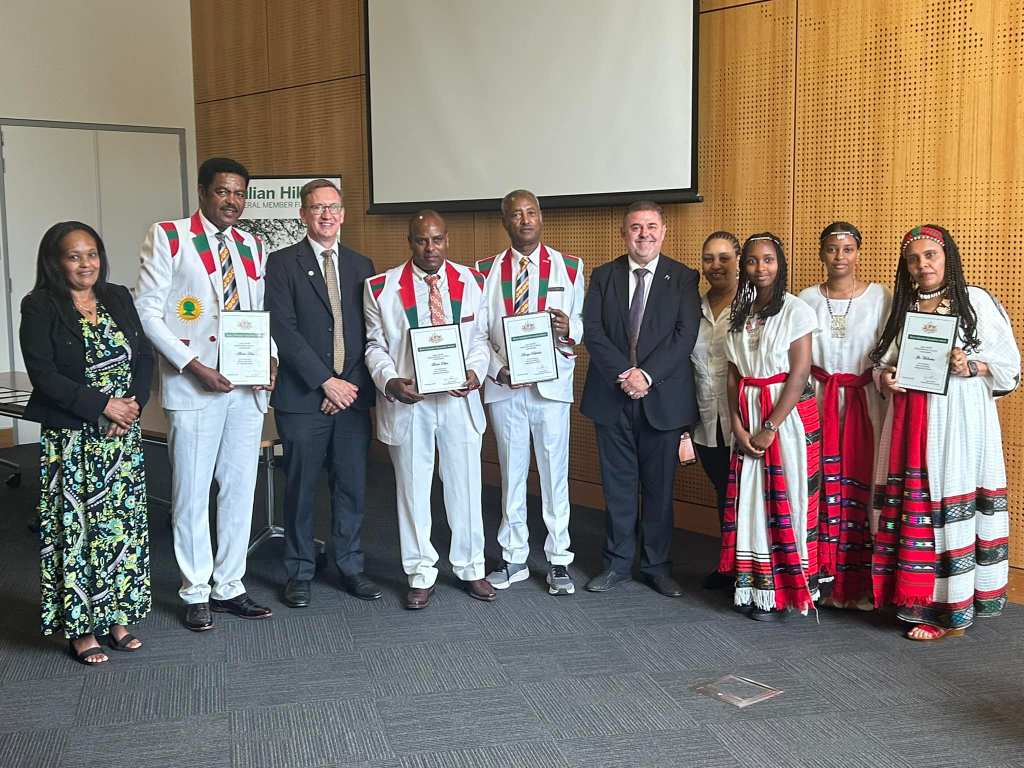
Toleeyyoti arfan kunneen akka hawaasti jabaatanii aadaa Oromoo guddisan, walitti dhufeenyi hawaasaa itti fufiinsaan akka guddatu kanneen gahee olaanaa gumaachanii dha.
Ob Abdataa Homaa dura taa’aa koree Ayyaana Irreechaa ta’uun waggoota 20 oliif beekumsa, dandeettii, qabeenyaa fi maallaqa isaanii arjoomaa akka jiran seenaan isaanii Kan ragaa bahuu dha.
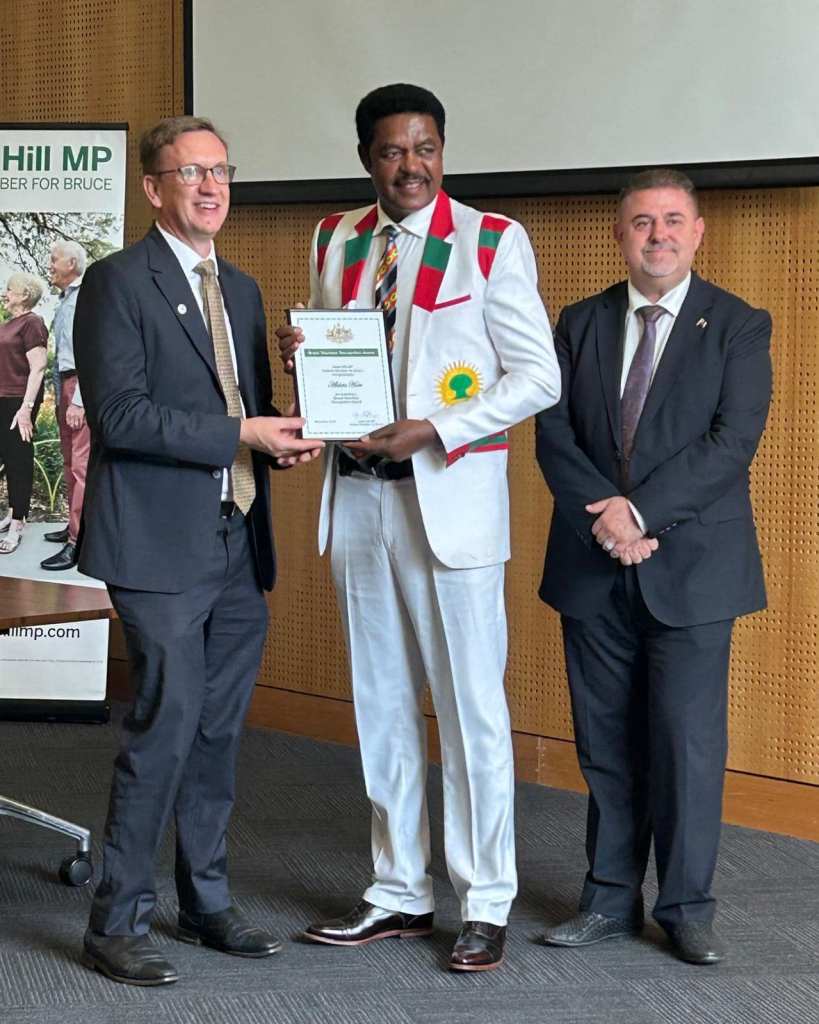
Ob Daanyee Dafarshaa gama isaaniitiin qindeessaa koree barnoota Ayyaana Irreechaa ta’uun nuffii tokko malee akka Irreechaan dagaagu beekumsa, yeroo,humnaa fi qabeenya isaanii aarsaa kan godhan ta’uun akka isaan beekamtii argatan ta’eera.
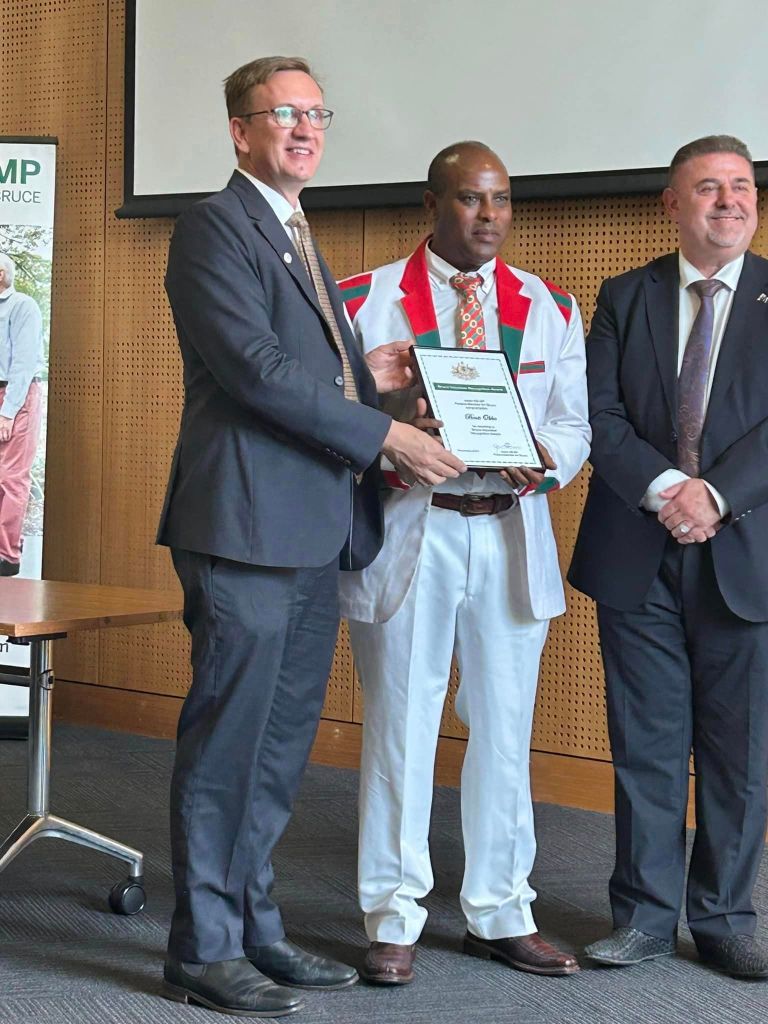
Ad Iftu Midhaqsa akka gama isaaniitiin dubartooti jabaatanii aadaa isaanii hawaasummaa isaanii walitti dhufanii guddisan, walis jajjabeessan bakka Irreechaattis aadaa akka Mareyyoo fa’aa hawaasa keessatti hundeen isaa akka lalisu beekumsa, qabeenyaa fi yeroo isaanii kan gumaachan ta’uun ibsamee jira.
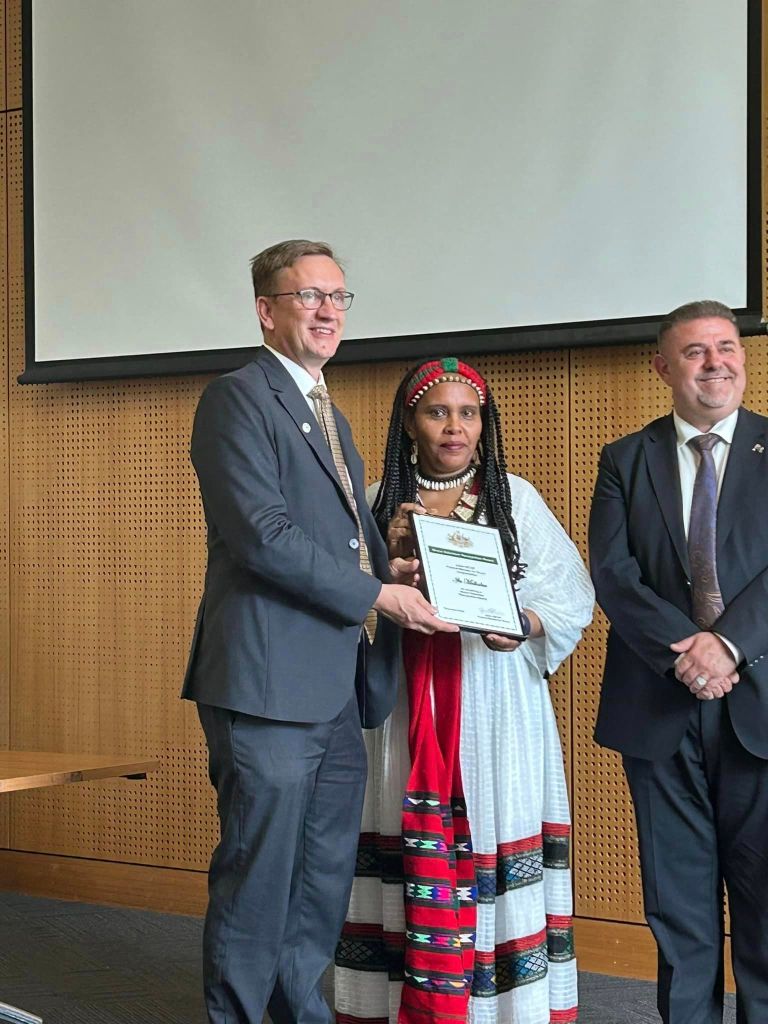
Ob Banti Oliqa gama isaaniitiin koree walitti qabaa dinadgee ta’uun akka maallaqni hawaasti walitti buufate seeraan kaayyoo ayyaana Irreechaaf oolu qindeessuun hojiin toleeyyummaa fakkeenya dhalootaaf ta’ee akka dagaagu beekumsaa fi muuxannoo guddaa kan gumaachan ta’uun sirna eeruu toleeyyummaa kana irratti ibsameera.
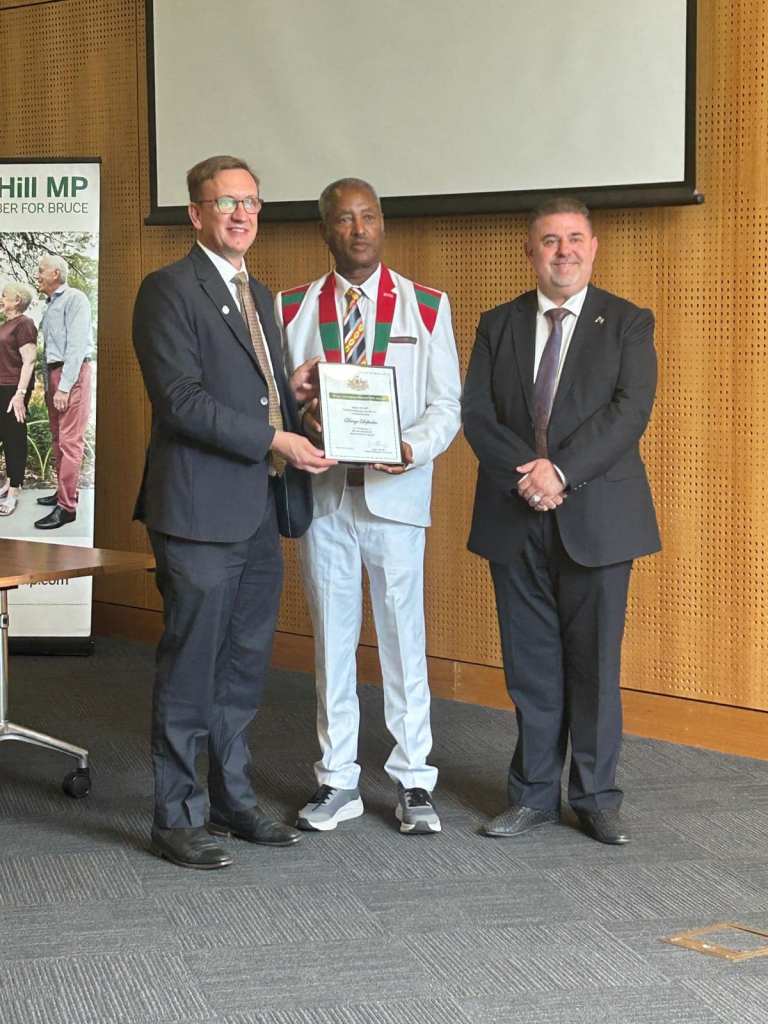
Toleeyyoti Oromoo arfan kunneen akka beekamtii toleeyummaa argataniif kan kaadhime Waldaa Advocacy for Oromia dha.
Advocacy for Oromia gama isaatiin tooleyyoti Oromoo kunneen akka beekamtii toleeyyummaa argataniif kan godhe damee badhaasa ’Bruce’ 2024 hedduu ni galateeffata.
Four Oromo volunteers have received volunteer recognition awards for the first time.
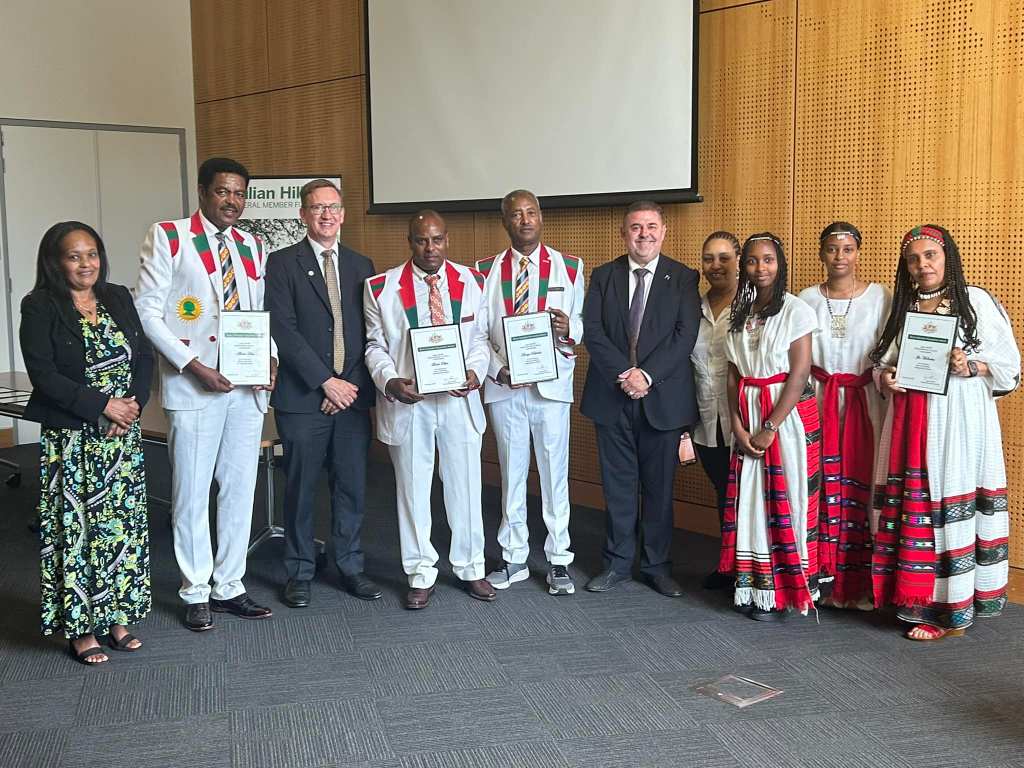
Four Oromo volunteers who have been serving the Oromo community for many years have received volunteer recognition awards for the first time.
These four volunteers have contributed to the continuous development of Oromo community relations.
Mr. Abdataa Homaa has been donating his knowledge, skills, resources and money as the chairman of the Irreecha organising committee for over 20 years.
Mr. Daanyee Dafarshaa, on his part, was recognized as the coordinator of the Irreecha education committee for his tireless sacrifice of knowledge, time, energy and resources for the development of the commubity.
Ad Iftu Midhaqsa, on her part, encouraged the Oromo women to contribute their knowledge, resources and time to promote their social and cultural resources.
Mr. Banti Oliqa, on his part, contributed great knowledge and experience to the volunteer work as an example for the next generation by organizing the funds raised by the community for the purpose of the Irreecha festival.
The four volunteers were nominated for volunteer recognition by the Advocacy for Oromia Association.
Advocacy for Oromia would like to thank the Bruce Awards branch for the recognition of these volunteers 2024.

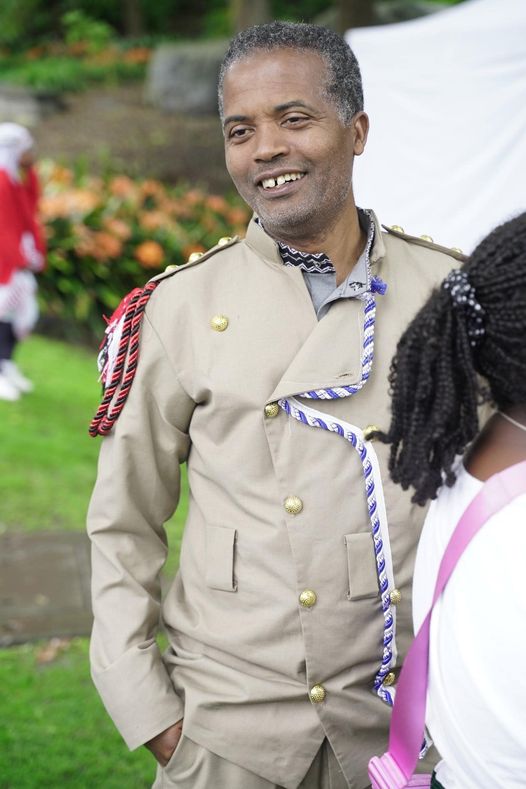
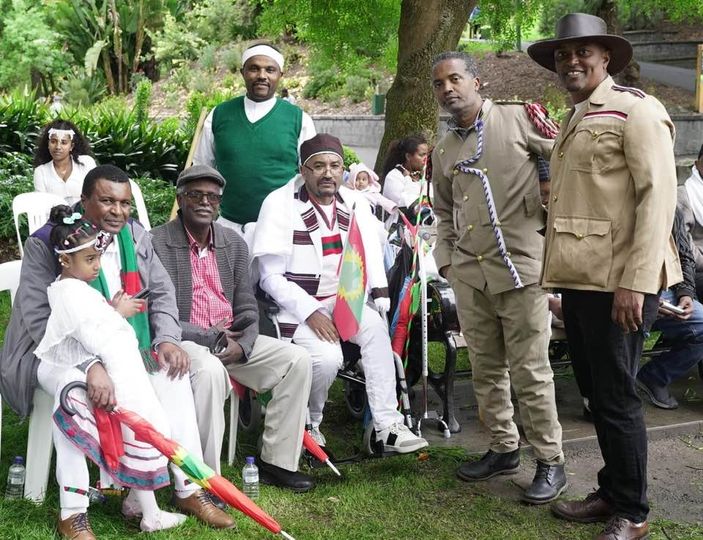
Irreecha is a powerful expression of Oromo identity, a testament to Oromo connection, and a celebration of Oromo rich culture.
By Aliye Geleto- speech for Melbourne Irreecha festival based on Identity, connection, culture love, respect and trust. (Melbourne, 29/09/2024)
Ladies and Gentlemen,
Distinguished Guests,
Fellow Oromos and Friends,
It is with immense joy and pride that we gather here today to celebrate the Irreecha Festival, a vibrant and deeply meaningful tradition that transcends borders and unites us in our shared heritage. Irreecha is more than a festival; it is a powerful expression of our identity, a testament to our connection, and a celebration of our rich culture.
Identity
Irreecha is a cornerstone of Oromo identity. It is a time when we come together to honor our ancestors, celebrate our heritage, and reaffirm our commitment to our cultural values. This festival is a living testament to the resilience and strength of the Oromo people. Despite the challenges and adversities we have faced, Irreecha reminds us of who we are and where we come from. It is a celebration of our collective identity, one that is rooted in history, enriched by tradition, and strengthened by our unity.
Connection
Irreecha is also a celebration of connection. It brings together Oromos from all walks of life, from different corners of the world, to share in the joy and gratitude of this special occasion. It is a time to reconnect with family, friends, and our broader community. Through Irreecha, we strengthen the bonds that tie us together, fostering a sense of belonging and solidarity. This connection extends beyond our immediate community, as we welcome friends and allies who join us in this celebration, sharing in the spirit of unity and mutual respect.
Culture
Our culture is the heart of Irreecha. It is reflected in the vibrant colors of our traditional attire, the rhythmic beats of our music, and the graceful movements of our dances. It is in the stories we tell, the prayers we offer, and the blessings we receive. Irreecha is a celebration of the richness and diversity of Oromo culture, a culture that is alive and thriving. It is a time to honor our traditions, celebrate our achievements, and look forward to the future with hope and optimism.
As we celebrate Irreecha today, let us remember the significance of this festival. Let us embrace our identity with pride, strengthen our connections with love, and celebrate our culture with joy. Let us carry the spirit of Irreecha with us, not just today, but every day, as we continue to build a future that honors our past and inspires generations to come.
Ladies and Gentlemen,
Distinguished Guests,
Fellow Oromos and Friends,
Today, we gather to celebrate Irreecha, a festival that embodies the essence of our community and our shared values. As we come together in this joyous occasion, let us reflect on the pillars that uphold our unity: love, respect, and trust.
Love
Irreecha is a celebration of love. It is a time when we express our deep affection for our heritage, our culture, and our people. Love is the foundation of our community, the force that binds us together. It is through love that we support one another, celebrate each other’s successes, and stand by each other in times of need. Let us continue to nurture this love, spreading kindness and compassion in all that we do.
Respect
Respect is at the heart of Irreecha. It is a time to honor our ancestors, our traditions, and the wisdom that has been passed down through generations. Respect for our culture and for each other is what strengthens our community. It is through respect that we acknowledge the diversity within our community and embrace the richness it brings. Let us continue to show respect in our actions and words, fostering an environment where everyone feels valued and heard.
Trust
Trust is the glue that holds our community together. It is built on the foundation of honesty, integrity, and mutual understanding. Trust allows us to work together towards common goals, to support each other, and to build a future that is bright and promising. Let us continue to build and maintain trust within our community, ensuring that we can rely on each other in all circumstances.
As we celebrate Irreecha today, let us remember the importance of love, respect, and trust. These values are not just for today, but for every day. They are the guiding principles that will help us navigate the challenges of life and celebrate its joys. Let us carry the spirit of Irreecha with us, spreading love, showing respect, and building trust in all that we do.
Thank you, and Happy Irreecha!





 Advocacy for Oromia