Category Archives: Face of Injustice

The Many Faces of Freedom: Understanding the Oromo Struggle for Self-Determination

By Our Special Correspondent
The question echoes across generations, continents, and political divides: How does one become an Oromo freedom fighter?
The answer, like the struggle itself, is complex. It defies the simplistic caricatures often peddled by those who would reduce the Oromo quest to a single narrative of violence. The reality is far richer—and far more demanding.
To become an Oromo freedom fighter is to commit oneself to a cause that transcends any single organization, any single leader, or any single moment in history. It is to join a continuum of resistance that stretches from the 19th-century resistance to Abyssinian expansion to the Oromo popular uprisings of 2014-2017, and into the present-day struggle for recognition, justice, and self-determination.
This commitment can take many forms. Some choose the path of political advocacy and grassroots organizing. Others dedicate themselves to academic and cultural scholarship, reclaiming a history long suppressed. Still others—driven by circumstances and conviction—take up arms in the forests and mountains of Oromia.
Each path carries its own risks, its own rewards, and its own profound responsibilities.
—
The Path of Political Advocacy: Building Power Through Participation
For many, the struggle begins not with a weapon but with a ballot, a placard, or a community meeting. Political advocacy and grassroots organizing represent the most accessible—and often the most sustainable—forms of participation.
Joining Political Parties
Ethiopia’s constitutional framework, for all its imperfections, provides space for political organization. The Oromo Liberation Front (OLF) , once a rebel movement, is now a legally registered political party operating within the country’s electoral process. Alongside it, the Oromo Federalist Congress (OFC) —formed in 2012 through the merger of the Oromo Federalist Democratic Movement and the Oromo People’s Congress—advocates for Oromo rights within the federal system.
These parties, along with others, have issued joint statements calling for the unconditional opening of political space and the cessation of conflict ahead of national elections. For those who believe in change through established channels, joining and supporting such parties offers a legitimate, if often frustrating, avenue for political expression.
Civic Engagement and Community Organizing
Beyond party politics lies a vast landscape of civic organizations. In the diaspora, Oromo community organizations have emerged as powerful platforms for advocacy, education, and cultural preservation. Groups like Advocacy for Oromia (A4O) , founded in 2014, work to improve the settlement process and advance the wellbeing of the Australian-Oromo community. The Oromo Legacy Leadership and Advocacy Association (OLLAA) connects and organizes Oromos around a common cause—creating positive change in Ethiopia and the world through advocacy, education, and community organizing.
These organizations organize peaceful protests, fundraising campaigns, and global awareness initiatives. They amplify voices that might otherwise go unheard, documenting human rights violations and advocating for international attention. In the words of one such organization, they work to “promote universal human values by supporting, advocating, and amplifying the voices of the human rights violation victims”.
The path of political advocacy is not without its perils. The OLF has accused the government of deliberately closing the political arena and obstructing the lawful activities of opposition parties. Political activists face arrest, harassment, and worse. Yet for many, the risk is worth taking. As one activist put it, “Silence is not an option when your people are suffering.”
—
The Path of Scholarship: The Weapon of Knowledge
There is an Oromo proverb: “Namni waan hin beekne hin dhaabatu” —One who does not know does not stand firm. This principle lies at the heart of the academic and cultural path to freedom.
Oromo Studies: Reclaiming a Suppressed History
For generations, Oromo history was written by others—often by those who sought to justify conquest and marginalization. The Oromo were treated as “historical objects,” their agency erased, their contributions ignored. The Ethiopian knowledge elites, as scholars have noted, “treated the Oromo as historical objects or have ignored them because of their subordination and powerlessness”.
The emergence of Oromo Studies as an academic discipline represents a profound act of liberation. It is, as one scholar has written, an attempt to “replace colonial history by a history of liberation”. The Oromo Studies Association (OSA) , founded in the last quarter of the 20th century, publishes the Journal of Oromo Studies (JOS) , a premier peer-reviewed publication for interdisciplinary scholarship on the Oromo. Now fully open-access, the journal publishes articles, research notes, and scholarly book reviews in both English and Afaan Oromoo.
The OSA plays a vital role in “making the world community aware of Oromo aspirations and grievances”. For intellectuals and students, contributing to this body of knowledge is a form of resistance—a refusal to accept the erasure of Oromo history and identity.
Combating Historical Marginalization
Academic scholarship is not confined to university libraries. It extends to the broader project of combating historical marginalization through education, cultural preservation, and public awareness. Organizations like the Mecha and Tulaama Association —founded in 1963 not as a militant front but as “a critical socio-cultural and intellectual awakening”—provided an organized platform at a time when “the very fabric of Oromo identity was under systemic pressure”.
Today, this tradition continues through cultural festivals like Irreecha, language preservation efforts, and the promotion of the Gadaa system—an indigenous democratic governance framework recognized by UNESCO as an Intangible Cultural Heritage of Humanity.
To become a freedom fighter through scholarship is to understand that liberation begins in the mind. It is to recognize that a people who know their history cannot be easily conquered, and that knowledge, once planted, grows into something no army can destroy.
—
The Path of Armed Resistance: The Oromo Liberation Army
For some, the path to freedom leads not to a lecture hall or a political party office, but to the forests and mountains of Oromia. This is the path of the Oromo Liberation Army (OLA) —the armed wing of the struggle that has been engaged in a prolonged conflict with the Ethiopian government.
Who Joins and Why
The OLA’s ranks have historically included farmers, students, and intellectuals who joined the movement to achieve self-determination. They come from diverse backgrounds but share a common conviction: that peaceful avenues for change have been exhausted, and that armed resistance is the only remaining option.
The OLA operates out of remote forest outposts across Oromia, a region with a population of roughly 40 million people. Its commander, Jaal Marroo (also known as Kumsa Diriba), is a wanted man who moves constantly to stay ahead of government drones hunting him from the skies. The group has taken several towns in western, central, and southern Oromia, at times facing little resistance from government forces.
A Complex Legal and Political Status
The OLA’s relationship with the OLF is complex. The OLA split from the OLF after a 2018 peace agreement between the OLF and the Ethiopian government. While the OLF is a legally registered political party operating within Ethiopia’s political system, the OLA is proscribed by the government as a “terrorist organization”.
The OLA says it is fighting for the self-determination of Ethiopia’s largest ethnic group, the Oromo. It has welcomed international human rights reports and called for impartial, internationally mandated investigations into alleged atrocities. Yet the conflict has taken a devastating toll on civilians. The International Committee of the Red Cross has highlighted the “devastating” impact of the Oromia conflict on civilian populations, and both government forces and the OLA have been accused of human rights violations.
The Risks and Realities
The path of armed resistance carries extraordinary risks. Fighters face death, injury, and imprisonment. They live in constant danger, moving through remote territories, evading government forces and surveillance. Their families face harassment and persecution.
Yet for those who choose this path, the risks are outweighed by conviction. As one fighter reportedly said, “We did not choose this life. It was chosen for us by a government that left us no other option.”
—
The Common Thread: A Shared Commitment
Despite the differences between these paths—political advocacy, academic scholarship, and armed resistance—they share a common thread: a commitment to the fundamental principles of the Oromo struggle.
These principles are not merely separatist or nationalist. They are transformative, aiming to reshape, support, and sustain a more just and inclusive Ethiopia. They include:
· Oromia as the territorial homeland and foundation of Oromo identity.
· Afaan Oromo as the linguistic unifier and symbol of dignity.
· Gadaa as the indigenous democratic blueprint for governance.
· Oromummaa as the cultural conscience of the people.
· Finfinnee as the symbolic capital and national crucible.
· Diree Dawa as the multicultural frontier demanding inclusive governance.
—
Conclusion: Choosing Your Path
Becoming an Oromo freedom fighter is not a single act but a lifelong commitment. It requires historical literacy, strategic clarity, ethical grounding, and profound personal readiness. It demands that one count the cost—whether that cost is imprisonment, exile, or death—and choose nonetheless.
The path one takes depends on circumstance, conviction, and opportunity. Some will march in peaceful protests. Others will write scholarly articles or teach Oromo history. Still others will take up arms in the forests of Oromia.
Each path is valid. Each path is necessary. And each path, in its own way, contributes to the larger struggle for justice, recognition, and self-determination.
As an Oromo elder once said: “The struggle is not about what we take from others; it is about what we build for ourselves and our children. It is about reclaiming our dignity and offering it as a gift to the nation we share.”
The question is not whether to become a freedom fighter. The question is: Which path will you choose?
—
“Namni waan hin beekne hin dhaabatu” — One who does not know does not stand firm.

The Unbreakable Spirit: The Role of Oromo Women in the Liberation Struggle
By Our Special Correspondent
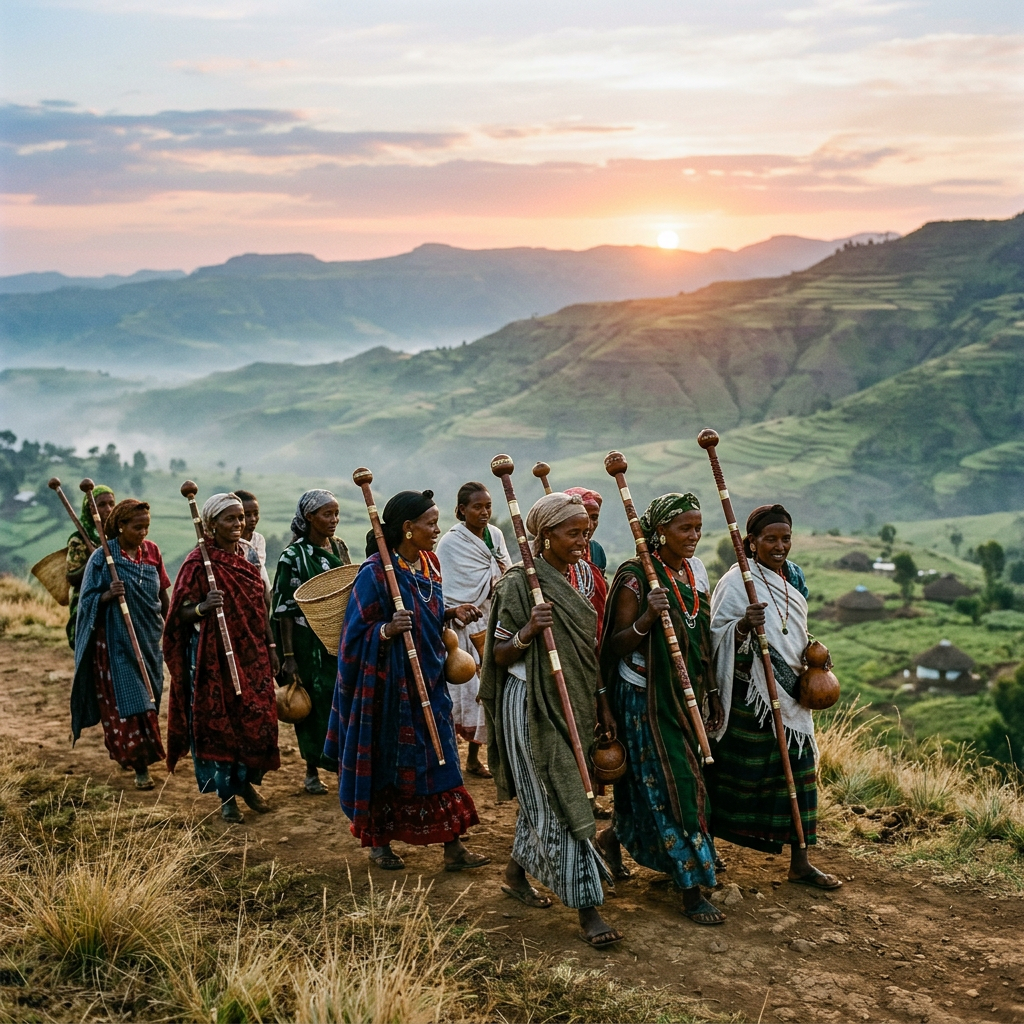
History often remembers the faces of revolutionaries as male—the generals, the politicians, the spokesmen. Yet, in the Oromo liberation struggle, this narrative is not merely incomplete; it is a profound erasure. For decades, Oromo women have been the backbone of the movement, serving not only as its supporters but as its leaders, its strategists, its fighters, and its soul.
Their contributions span the political, the military, the cultural, and the social. They have organized protests, taken up arms, preserved a threatened culture, and sustained communities through the darkest hours of conflict. And they have done so while facing a double oppression—as members of a marginalized ethnic group and as women in a patriarchal society.
This is their story—a story of courage, resilience, and an unyielding commitment to freedom.
—
The Historical Foundation: Resistance Rooted in Tradition
The role of Oromo women in resistance is not a modern phenomenon. It is deeply rooted in the traditional structures of Oromo society. Within the Gadaa system—the indigenous democratic governance framework that has guided the Oromo for centuries—women exercised influence through institutions like the Siiqqee, a women’s assembly that ensured gender balance and protected women’s rights.
During the 19th-century colonization of Oromia by Abyssinian forces, Oromo women actively resisted displacement, land confiscation, and cultural erasure. Their resistance was both direct and indirect, often taking the form of cultural preservation—passing down language, traditions, and memory to subsequent generations. This cultural defiance laid the groundwork for the political and armed struggles that would follow.
The Siinqee Tradition: A Philosophy of Resistance
Central to understanding the role of Oromo women is the Siinqee—a traditional Oromo women’s institution that symbolizes unity, resistance, and empowerment. It is more than a cultural artifact; it is a lived practice of mutual protection among Oromo women, a covenant of resistance against all forms of oppression.
Scholar Martha Kuwee Kumsa has developed this into a formal framework known as Siinqee Feminism—an Oromo philosophy of womanhood and solidarity that predates Western feminist thought. It offers a unique lens through which to understand how Oromo women mobilize to foster solidarity and challenge oppressive systems. The Siinqee is not merely an academic concept; it is a living tradition that continues to empower women in the struggle for liberation.
Political Leadership: Organizing and Advocating
Oromo women have been active in political movements for decades, serving as leaders, organizers, and advocates within organizations such as the Oromo Liberation Front (OLF) and other nationalist groups. They have organized protests, participated in negotiations, and represented the Oromo cause on national and international platforms.
The Qeerroo movement—the youth-led protests that shook Ethiopia from 2014 onward—saw women at the forefront. One female leader from Sebeta, known as “Chali,” recalled: “People who did not understand how the 2015 Oromo protest was organized tend to give credit to the diaspora. We were the ones”. These protests, which began in response to the Addis Ababa Master Plan, evolved into a broader movement against systemic marginalization. Women were not merely participants; they were architects of the resistance.
The Armed Struggle: Taking Up Arms
Perhaps the most striking testament to the commitment of Oromo women is their participation in the armed struggle. Many have joined the Oromo Liberation Army (OLA) , the armed wing of the OLF, taking up arms to defend their people and land.
For some, joining the armed group was described as “a refuge from a state that persecuted Oromo womanhood and identity”. A former OLA fighter reflected on her decision to move from political organizing to the bush: “I felt most welcomed in my Oromoness when I took the erbuu [oath] with bullets and our flag in the bush… At least in that moment, I was safe in my belonging”. Another former mobilizer explained: “I knew I was born into a social justice struggle; I’ve never had an identity or childhood separate from this oppression. My development, at a basic level, was formed around Oromoness”.
Beyond combat, women have provided critical logistical support to the armed struggle—supplying food, shelter, and medical care to fighters, and acting as messengers and intelligence gatherers, often at great personal risk.
The Diaspora: A Global Struggle
The Oromo women’s struggle is not confined to the borders of Ethiopia. In September 2020, Oromo women marched through the streets of Berlin, Germany, demanding recognition for their struggle. This protest march, called a Hiriira in the Oromo language, was a powerful statement of solidarity and resistance, linking the struggles of Oromia to global movements against oppression.
Cities across Germany have been sites of prolific organizing and resistance against the Ethiopian state, as seen in archival documents from the 1970s declaring “Freiheit für Oromiya”. Many of these activists are now elders in the Oromo community, still fighting for liberation today.
Guardians of Culture: Preserving Identity
In times of displacement and cultural erasure, Oromo women have been the guardians of their people’s identity. They have preserved and promoted Oromo language, traditions, and cultural practices. Through ceremonies like Irreechaa (Oromo Thanksgiving) and the passing down of oral traditions, they have kept Oromo identity alive across generations.
This cultural preservation is not a passive act; it is a form of resistance. By maintaining their language and traditions in the face of assimilationist policies, Oromo women have ensured that the struggle for freedom has a cultural foundation to build upon.
The Weight They Carry: Challenges and Sacrifice
The contributions of Oromo women have come at an immense cost. They face what scholars describe as “double oppression”—marginalization as Oromo people and as women. They have endured violence, displacement, and loss, yet they remain steadfast in their commitment to the struggle.
In the armed conflict, women have been particularly vulnerable to sexual violence and exploitation. Within their own communities, their voices are sometimes marginalized in political and social spaces. Despite these challenges, they continue to push for gender equality within the liberation movement itself, challenging patriarchal norms and advocating for women’s representation in leadership roles.
The Unfinished Struggle: A Vision for the Future
The struggle for Oromo liberation is far from over, and the role of women within it continues to evolve. As one analysis notes, “Oromo women have fought not only for national liberation but also for gender equality”. The movement’s true liberation will not be complete until the voices of women are fully included in leadership and decision-making.
As Martha Kuwee Kumsa’s work reminds us, we must “draw inspirations from the lived experiences of Oromo women and how they mobilise Siinqee feminist practices to foster solidarity”. Their resilience, courage, and vision offer a blueprint not only for the Oromo struggle but for movements for justice everywhere.
—
The story of the Oromo liberation struggle cannot be told without honoring the women who have sustained it, led it, and sacrificed for it. They are the fighters, the organizers, the mothers, the scholars, and the guardians of a people’s soul.
They have shouldered the weight of history and refused to break. Their unbreakable spirit is the heartbeat of the Oromo struggle—and a reminder that true freedom is never won without the full participation of women.
“Namni waan hin beekne hin dhaabatu” — One who does not know does not stand firm. And the women of Oromia know—they know their history, their worth, and their power.
Two and a Half Centuries of Freedom: Oromo Americans Celebrate America’s 250th Independence Day
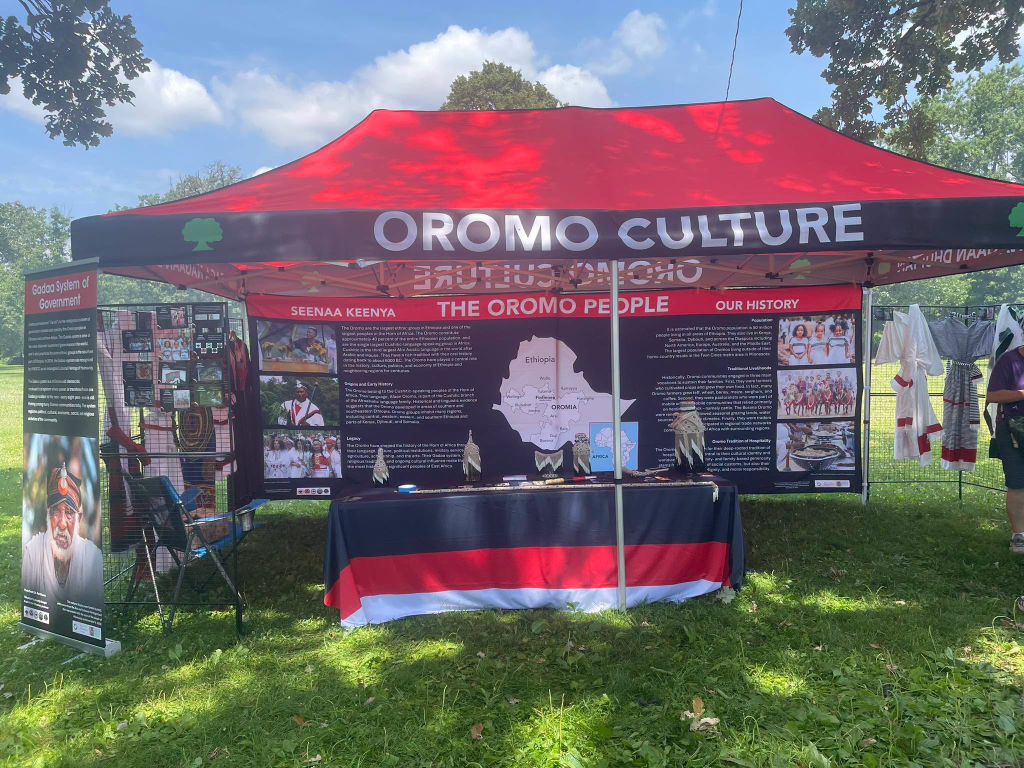
From the shores of Lake Minnetonka to the bustling streets of Minneapolis, Oromo Americans across Minnesota have marked the Fourth of July with profound gratitude—celebrating not just a nation’s birthday, but the freedoms they have found in their adopted homeland.
A Celebration of Freedom, Democracy, and Resilience
The spirit of the Fourth of July was unmistakable across Minnesota’s Oromo community. Families gathered for barbecues, community picnics, and cultural celebrations—but beneath the festivities lay a deeper resonance. For Oromo Americans, Independence Day is more than a national holiday. It is a testament to the values they have embraced and the opportunities they have secured.
“We had a wonderful holiday, and we have captured the true spirit of the holiday: freedom, democracy, and resilience.”
This sentiment echoes across the community. For many Oromo Americans, the Fourth of July carries profound meaning—not just as a celebration of American independence, but as a reflection on the liberties they now enjoy compared to the struggles their families endured in Oromia.
The Weight of Gratitude: Freedom Found and Valued
For those who have fled political repression, persecution, and conflict, the freedoms of the United States are not abstract concepts. They are lived realities—the ability to speak one’s mind without fear, to worship freely, to pursue education and opportunity, and to participate in the democratic process.
“Freedom and democracy are indeed precious gifts, and it’s incredibly moving to hear how much we appreciate the liberties we’ve found here in the United States of America, compared to what our family or ancestors experienced back home in Oromia.”
These words capture the immigrant experience at its most profound: the recognition that freedom is not guaranteed, that democracy is fragile, and that the rights enjoyed in the United States are the result of centuries of struggle, sacrifice, and commitment.
Honoring Sacrifice: Those Who Made It Possible
Independence Day is also a time to honour those who have fought to protect the values of freedom and democracy—both in America and in the homelands left behind.
“The sacrifices made by the military and generations of leaders to protect those values are exactly what today is all about.”
For Oromo Americans, this recognition is twofold. It honours the American soldiers and leaders who have defended liberty across two and a half centuries. It also honours the Oromo freedom fighters, activists, and community leaders who have struggled for justice and self-determination in their homeland—often at great personal cost.
250 Years of Democracy: A Milestone Worth Celebrating
This year’s Fourth of July holds special significance: the United States is celebrating its 250th anniversary of independence.
“Just a quick, friendly note on history: the United States is actually celebrating its 250th anniversary of independence this year (1776 to 2026), two and a half centuries of this grand democratic experiment.”
Two hundred and fifty years is a remarkable milestone for any nation. It represents generations of Americans who have built, defended, and renewed the democratic experiment. It is a testament to the resilience of democratic institutions, the power of constitutional governance, and the enduring belief that all people are created equal and endowed with certain unalienable rights.
For Oromo Americans, this anniversary is particularly meaningful. It is a reminder that democracy, though imperfect, can endure. It is a source of hope for the future of their homeland. And it is an invitation to be part of the ongoing American story.
Becoming Part of the American Story
“Thank you for sharing the moment and being part of the American story.”
These words carry a profound invitation. The American story is not complete—it is still being written. And Oromo Americans are among those writing it.
From community leaders to small business owners, from students to professionals, from artists to activists, Oromo Americans are contributing to the fabric of American life. They are bringing their culture, their resilience, and their hopes to a nation that has welcomed them. They are honouring their heritage while embracing their new homeland.
The Big 250: How Are You Celebrating?
As the fireworks light up the Minnesota sky, as families gather around tables filled with traditional American fare and Oromo dishes, the question resonates:
“How are you and your family celebrating the big 250th today?”
For some, it is a quiet reflection—a moment to consider how far they have come and what they have overcome. For others, it is a jubilant celebration—a time to dance, to feast, and to give thanks. For all, it is a recognition that freedom is a gift to be cherished and protected.
Looking Forward: Freedom for All
As Oromo Americans celebrate the 250th anniversary of American independence, their celebrations are tinged with hope—hope that the freedoms they have found in the United States will one day be available to their families and communities back in Oromia.
The Fourth of July is not just about the past. It is about the future—the ongoing struggle for justice, equality, and freedom for all people, everywhere. And in that struggle, Oromo Americans are playing their part.
Happy 250th Independence Day to all Americans—and especially to the Oromo community in Minnesota, who remind us all that freedom is a precious gift, never to be taken for granted.
Minnesota’s Oromo community celebrates with gratitude, reflection, and hope—honoring two and a half centuries of American democracy while looking forward to a future of freedom for all.

The Ordeal of the Informed: What the Oromo Struggle Demands of Its Participants
By Our Special Correspondent
The question is deceptively simple, yet its answer carries the weight of generations: What should an Oromo person know before participating in and contributing to the Oromo struggle?
In the current climate of heightened political consciousness, young Oromos—and indeed, Oromos of all ages—are increasingly drawn to the movement for recognition, justice, and self-determination. The passion is palpable. The urgency is real. Yet, passion without preparation is a recipe for disillusionment, and urgency without understanding can lead to fragmentation.
To participate meaningfully in the Oromo struggle is to undertake an ordeal of the informed. It requires more than emotion; it demands historical literacy, strategic clarity, ethical grounding, and profound personal readiness.
—
The Burden of History: Knowing Where You Stand
The first and most critical requirement is a deep, unflinching engagement with Oromo history. The struggle did not begin yesterday, nor will it end tomorrow. It is a continuum stretching from the 16th-century expansions, through the colonial-era subjugation of the 19th century, to the suppression of the Mecha and Tulema self-help association in the 1960s, and into the armed and civil resistance movements of the modern era.
An informed participant must understand the 1974–1991 armed struggle, the subsequent political transitions, and the unfulfilled promises of the 1991 transitional charter. They must grapple with the complex legacy of the Oromo Liberation Front (OLF), the rise of the Qeerroo movement, and the ongoing debates about federalism versus confederalism, or reform versus revolution.
Without this historical grounding, one risks repeating mistakes, falling prey to opportunistic narratives, and confusing tactical setbacks with strategic defeat.
—
The Identity Question: What Does Oromummaa Mean?
Beyond history lies the deeper question of identity. What does it mean to be Oromo in the 21st century? Oromummaa—the essence of Oromoness—is often invoked but rarely examined.
The informed participant knows that Oromummaa is not a fortress of ethnic exclusivity. Historically, the Oromo nation has been remarkably inclusive, absorbing and assimilating diverse groups through the Gadaa system. The Oromo struggle, at its most principled, has never been about the domination of others but about the liberation of the self and the renegotiation of Ethiopia’s political compact.
The participant must therefore guard against the dangerous slippage from self-determination to ethnic supremacy. The struggle’s moral authority derives from its demand for justice, not its assertion of superiority. An Oromo who participates without understanding this distinction may find themselves perpetuating the very cycles of marginalization they seek to end.
—
Strategic Literacy: Understanding the Political Terrain
The Oromo struggle operates within a complex federal system, characterized by overlapping jurisdictions, competing nationalisms, and a federal government that views regional assertiveness with suspicion.
An effective participant must understand the constitutional framework—its strengths and its profound weaknesses. They must know the difference between Article 39 (the right to self-determination) and the practical mechanisms for its implementation. They must comprehend the limits of regional power, the manipulation of ethnic federalism by federal actors, and the ways in which the current system simultaneously empowers and constrains the Oromo nation.
Strategic literacy also demands an understanding of allies and adversaries. The Oromo struggle does not exist in isolation. It intersects with the struggles of the Somali, Sidama, Wolaita, and other nations. It engages with the Amhara political project, with movements for religious freedom, and with the international discourse on minority rights. To participate blindly, without mapping this terrain, is to navigate a minefield in the dark.
—
The Tools of Struggle: Armed Resistance, Civil Disobedience, and Political Engagement
The Oromo struggle has employed multiple modalities: armed resistance, civil disobedience, political party engagement, and international advocacy.
The informed participant must ask themselves: What is my role? Not everyone is called to the battlefield—whether literal or metaphorical. The liberation of a nation requires lawyers as much as it requires fighters, educators as much as activists, diplomats as much as demonstrators.
The participant should understand that these modalities are not mutually exclusive but often complementary. The armed struggle may create political space for negotiation, and civil disobedience may exert pressure that armed resistance cannot. Conversely, an over-reliance on any single approach can lead to stagnation or fragmentation.
—
The Ethical Dimension: Means and Ends
Perhaps the most overlooked aspect of political participation is ethics. The struggle for justice must be conducted justly.
The informed participant knows that violence against civilians, extrajudicial detention, and the suppression of internal dissent within Oromo ranks undermine the very legitimacy of the cause. They understand that the Oromo struggle is fundamentally a moral claim; if that moral claim is advanced through immoral means, it corrodes itself from within.
Moreover, the participant must be prepared for the long haul. The struggle is not a sprint; it is a marathon that may well outlast the participant’s lifetime. Patience, resilience, and the ability to sustain hope in the face of setbacks are not optional virtues—they are essential equipment.
—
The Personal Cost: What Participation Really Means
Participating in the Oromo struggle is not a badge of honor to be worn lightly. It carries real costs: the risk of imprisonment, the loss of employment, the strain on family relationships, the psychological toll of witnessing injustice and state violence.
The informed participant calculates these costs soberly. They do not romanticize martyrdom but prepare for the possibility of sacrifice. They build support networks. They plan for the psychological and material consequences of their involvement.
This is not a counsel of fear but of maturity. The struggle is too important to be undertaken by those who have not counted the cost.
—
Unity in Diversity: The Unfinished Conversation
Finally, the participant must understand that the Oromo struggle is not monolithic. There are debates—vigorous, sometimes bitter debates—about strategy, ideology, leadership, and the relationship with the Ethiopian state.
An informed participant enters these debates with humility and respect. They recognize that difference of opinion is not treachery, and that the movement’s strength lies in its ability to accommodate diverse voices while maintaining a common front on the fundamental principles: the inviolability of Oromia, the centrality of Afaan Oromo, the governance model of Gadaa, and the recognition of Finfinnee and Diree Dawa as integral to Oromo identity and Ethiopian federalism.
They understand that to participate is to contribute to an unfinished conversation—a conversation that will shape not only the future of the Oromo but the future of Ethiopia itself.
—
A Personal Reflection
As one elder activist put it, “The struggle is not about what we take from others; it is about what we build for ourselves and our children. It is about reclaiming our dignity and offering it as a gift to the nation we share.”
To participate in the Oromo struggle, then, is to embrace a profound responsibility. It is to carry the weight of history, to navigate the complexities of the present, and to dream, with clear eyes, a future of justice and peace.
The informed participant does not ask, What can the struggle give me? They ask, What can I give to the struggle—and through it, to Ethiopia?
—
In the words of a famous Oromo proverb: “Namni waan hin beekne hin dhaabatu”—One who does not know does not stand firm. In the Oromo struggle, knowledge is not just power; it is the very ground upon which one stands.

The Unbroken Struggle: A History of Oromo Resistance and the Quest for Justice
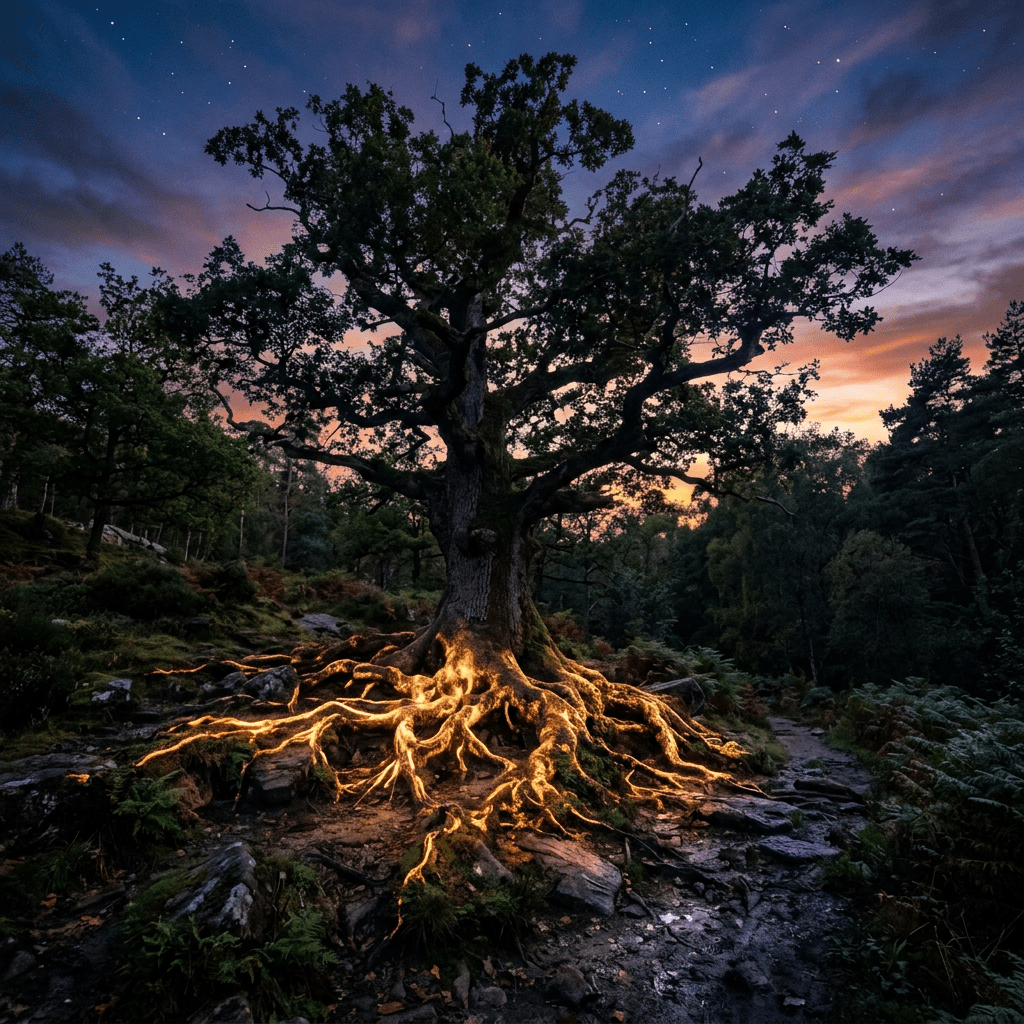
From ancient freedom to colonial subjugation and the ongoing fight for self-determination, the Oromo people’s journey is a testament to resilience, sacrifice, and an unyielding commitment to justice.
A History of Freedom, Before the Fall
“Ummanni Oromoo otuu garbummaa jalatti hin kufiin dura nagaa fi bilisummaan jiraachaa ture.”
Before the shadow of subjugation fell upon them, the Oromo people lived in peace and freedom. Their culture, identity, and faith flourished without external interference, guided by the principles of the Gadaa system, the wisdom of their elders, and a deep connection to the land.
The Oromo identity was not a burden—it was a source of pride. The Oromo language was spoken freely, traditions were celebrated openly, and the community governed itself through indigenous institutions that predated the modern state. The Oromo were not merely inhabitants of their land; they were its custodians, its protectors, and its soul.
The Conquest: A People Forcibly Subjugated
“Haata’uutii, sirni Habashaa erga Oromiyaa humna qawween cabsee gabroomsee hiree ummata Oromoo roorroo jalatti kufe.”
This era of autonomy came to a violent end with the expansion of the Abyssinian (Habasha) imperial system. Through military conquest, the Oromo people were subjugated, their lands seized, and their social and political structures dismantled. The once-proud people were reduced to subservience, forced to labour for those who had conquered them.
Yet the Oromo did not simply accept their fate. “Ummati Oromoo garuu karaa danda’e maraan sirnicha faccisuu hin dhiifne ture.”—The Oromo people never ceased their resistance, using every available means to challenge the oppressive system. Whether through scattered uprisings, covert resistance, or open rebellion, the spirit of defiance remained alive.
The Systematic Erasure of Identity
The conquest was not only military—it was cultural, linguistic, and spiritual. The occupiers understood that to control a people, one must control their identity.
Land Dispossession: “Erga Oromoon humna Habashaa jalatti kufee kaasee lafti Oromoo kan abbootii lafaa ta’e, namni Oromoo lafa isaa irratti ciisanyaa ta’ee warra garboonfataa tajaajiluu ta’e.”—After the Oromo fell under Abyssinian control, the land that had belonged to their ancestors was taken from them. The Oromo became tenants on their own soil, forced to serve those who had dispossessed them.
Identity Erasure: “Eenyummaan Oromoo haalamee, maqaan jibbamaa fi tuffatamaa itti kenname.”—Oromo identity was systematically undermined. A derogatory name was imposed upon them, stripping them of the dignity of self-identification.
Language Suppression: “Afaan Oromoo akka afaan hojii fi barnootaa hin taane dhorkamee, Afaan Amaaraan akka tajaajilamu godhame.”—The Oromo language was banned from education and official use, replaced by Amharic. Generations of Oromo children were educated in a language that was not their own, severing their connection to their linguistic heritage.
Cultural and Religious Persecution: “Aadaa fi amantiin Oromoo ifaan akka dhorkamu labsiin dhorkame.”—Oromo culture and the indigenous faith of Waaqeffannaa were explicitly prohibited. Traditional practices were suppressed, and the sacred Odaa tree—the symbol of Oromo spirituality and governance—was targeted for destruction.
Systematic Marginalisation: “Gidiraa fi roorroon hamaan ummata Oromoo irratti fe’ame. Oromoon karaa hundaa akka boodatti hafu imaammanni mootummaa tolfamee irratti hojjatame.”—A comprehensive policy of marginalisation was implemented, ensuring that the Oromo would remain economically, politically, and socially subordinate in their own land.
The Seeds of Organised Resistance
“Kun booda keessa Oromoota dammaqoo fi quuqama sabaa qaban waan aarseef tooftaa addaddaan finciluu eegalan.”
Yet oppression breeds resistance. Among the Oromo, a new generation of awakening emerged—individuals and groups who refused to accept their subjugation. They recognised that open, armed rebellion alone would not succeed against a powerful state. Instead, they organised through alternative structures: mutual aid societies, development associations, and religious organisations.
“Ifatti bifa siyaasaan ijaaramnii qabsoo gochuun waan hin danda’amneef karaa waldaalee walgargaarsaa, waldaalee misoomaa fi waldaalee amantii jalatti gurmaa’anii waldammaqsuu fi sirna garboonfattuu Habashaa mormuu fi falmuu itti fufan.”
These organisations became the vehicles through which Oromo consciousness was nurtured, resources were mobilised, and resistance was sustained—often hidden in plain sight.
Historic Uprisings: The Legacy of Resistance
The history of Oromo resistance is marked by significant uprisings that shook the foundations of the Abyssinian state:
The Raayyaa Uprising: A rebellion in the Raayyaa region that demonstrated the Oromo people’s willingness to fight for their freedom despite overwhelming odds.
The Baalee Peasant Revolt: The farmers of Baalee rose up against oppressive land policies, demanding the return of their ancestral lands and an end to feudal exploitation.
The Maccaa-Tuulamaa Movement: The historic alliance between the Maccaa and Tuulamaa Oromo groups represented a unification of forces against a common oppressor, setting the stage for broader Oromo nationalism.
These uprisings were not isolated incidents—they were expressions of a collective will that refused to accept subjugation as the natural order.
The Birth of Modern Oromo Political Organisation
“Qabsoon diddaa garbummaa karaa addaddaa adeemsifamaa ture kan gurmaa’ee bifa qindoomina siyaasaa qabuun adeemsifamuu eegale ijaarsa ABO kan bara 1970moota keessa finiinaa tureen ture.”
The scattered resistance of the past gave way to a new era with the formation of the Oromo Liberation Front (OLF) , initially established as the Oromo Liberation Front (ABO) in the 1970s. The creation of ABO represented a watershed moment: Oromo resistance was now organised, unified, and operating with a clear political vision.
“Ijaaramuun ABO akka qabsoon Oromoo bifa gurmuu qabu godhatee adeemu godhe. Oromoota shira gita bittootaan addaan qoqqodamanii turan walitti deebisee akka Oromiyaaf gaaddisa tokko jalatti qabsaa’an godhe.”
ABO brought together Oromos who had been divided by region, clan, and class, uniting them under a single banner for a common cause. It gave the Oromo people a voice on the national and international stage, asserting their rights and demanding justice.
“Ijaarsi ABO, akka Oromoon waan humnaan sarbame ifatti baasee beeksisuun akka Oromoon roga hundaan ka’ee waan dhabe akka deebifatu taasise.”
The organisation’s formation enabled the Oromo people to clearly articulate what had been taken from them and to mobilise all sectors of society to demand its restoration.
Achievements and Unfinished Business
The Oromo struggle has achieved significant victories over the decades:
Land Rights: “Gaaffiin lafaa fincila bara 1960 moota keessa tureen lafa harka qonnaan bultoota Oromootti deebisee jira.”—The land question, first raised in the 1960s, has seen partial resolution, with land returned to Oromo farmers.
Language Recognition: “Qabsoon Afaan Oromoo fi Qubee Afaan Oromoos afaan hojii fi barnootaa taasisus, bara 1990moota keessa haga tokko deebii argatee jira.”—The struggle to make Afaan Oromo an official language of work and education achieved partial success in the 1990s, with the adoption of the Oromo alphabet (Qubee).
Regional Autonomy: “Daangaan Oromiyaas ifatti beekamee, ijaarsa mootummaa naannoo Oromiyaa jalatti gaaffiin sabummaa Oromoo akka deebii argatu godhameera.”—The creation of the Oromia Regional State marked the recognition of Oromo nationhood within Ethiopia’s federal system.
However, the struggle remains incomplete. “Garuu, gaaffiin Oromoo guutummaatti waan hin deebineef, amma illee karaa addaddaa falmaan itti fufee jira.”—The fundamental questions of Oromo self-determination, justice, and equality have not been fully addressed, and the struggle continues on multiple fronts.
The Struggle Continues: Why the Fight Is Not Over
“Qabsoon Oromoo haga galma akeekkate ga’utti qabsoon Oromoo hin dhaabbatu.”
The Oromo struggle will not cease until its objectives are achieved. The goal is clear and uncompromising:
“Kaayyoon qabsoo Oromoo mirgoota Oromoon humna alaagaatiin sarbaman deebisuun akka Oromoon nagaa fi bilisummaan jiraatu taasisuu dha.”
The objective is to restore the rights that the Oromo people were stripped of through external force—to ensure that they can live in peace and freedom, as they once did before subjugation.
Three Essential Goals:
- Dismantling the Roots of Oppression: “Hundee garbummaa buqqisuun”—Uprooting the foundations of subjugation, dismantling the structures that have kept the Oromo people subordinate.
- Rebuilding on Oromo Terms: “Sirna Oromoof ta’u deebisanii ijaaruu”—Rebuilding systems and institutions that serve the Oromo people, reflecting their values, aspirations, and needs.
- Restoring Hope and Vision: “Waan Oromoon sirna alagaan dhabe, deebisanii ijaaruu fi hawwii fi abdii Oromoo lachhisuu”—Restoring what was lost under the alien system, and nurturing the dreams and hopes of the Oromo people for a better future.
Conclusion: A People’s Unbreakable Will
The history of Oromo resistance is a testament to the unbreakable will of a people who have refused to accept subjugation as their destiny. Despite centuries of oppression—land dispossession, cultural erasure, linguistic suppression, and systematic marginalisation—the Oromo have persisted.
They have organised, fought, and sacrificed. They have achieved significant victories and continue to press forward. The struggle is not merely political—it is existential. It is about the right to exist as a people, to speak their language, to govern themselves, and to determine their own future.
“Qabsoon Oromoo haga galma akeekkate ga’utti hin dhaabbatu.”
The struggle of the Oromo will continue until the goals are achieved. It is a struggle for justice, for dignity, and for the restoration of what was taken. And it is a struggle that, in the end, will not be denied.
The Oromo people have endured. The Oromo people have resisted. And the Oromo people will prevail.

Echoes of a Martyr: Nairobi’s Oromo Community Commemorates Haacaaluu Hundeessaa’s Legacy
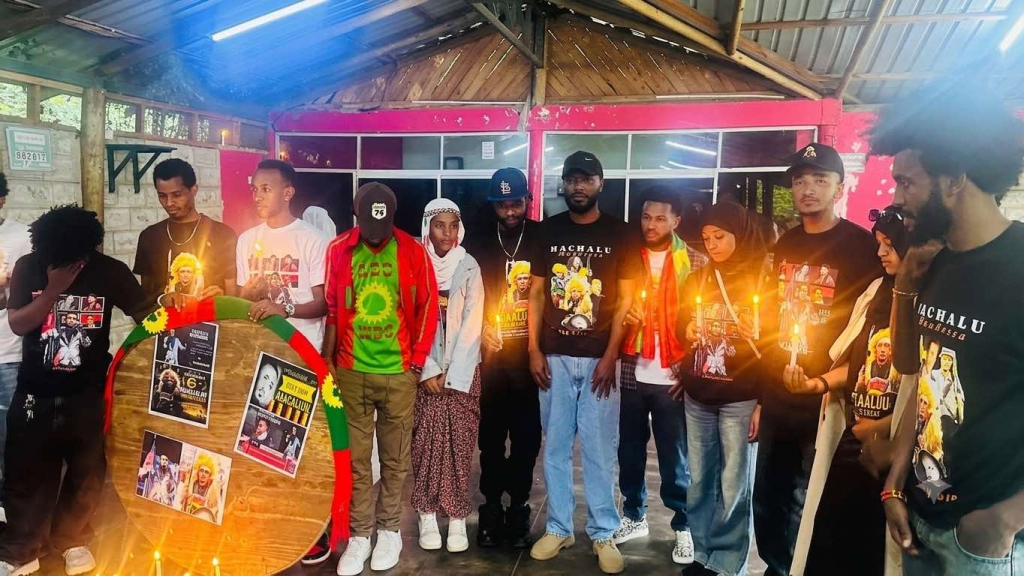
Six years after his assassination, the spirit of the iconic artist and activist burns as brightly as ever in the hearts of the Oromo diaspora.
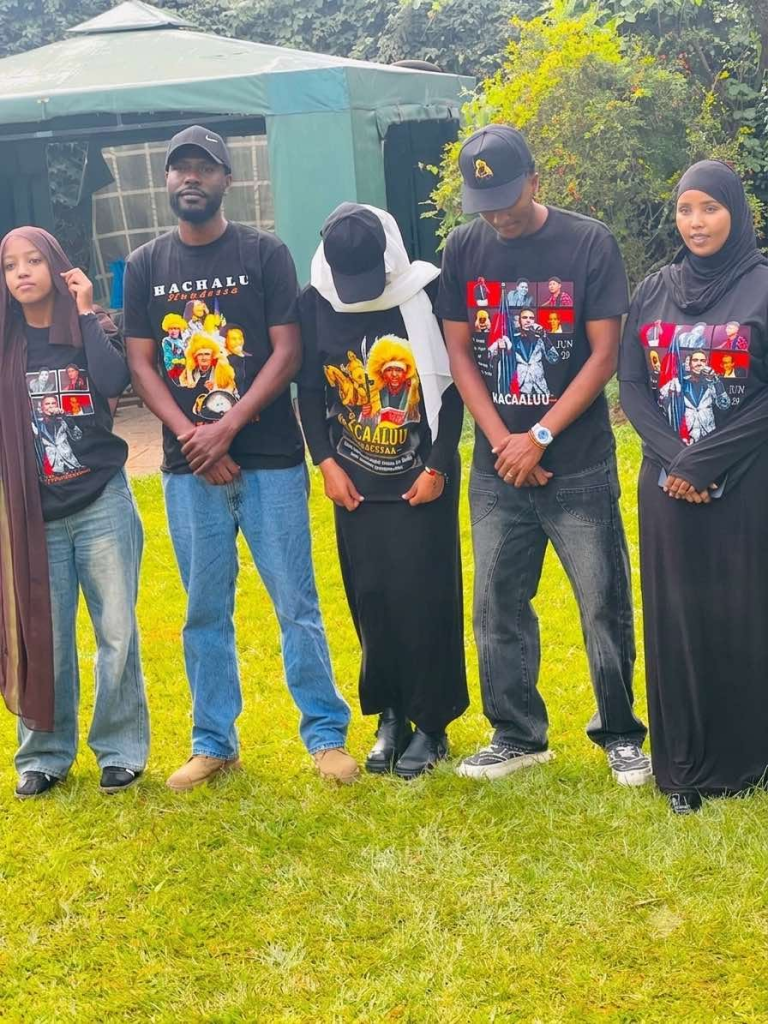
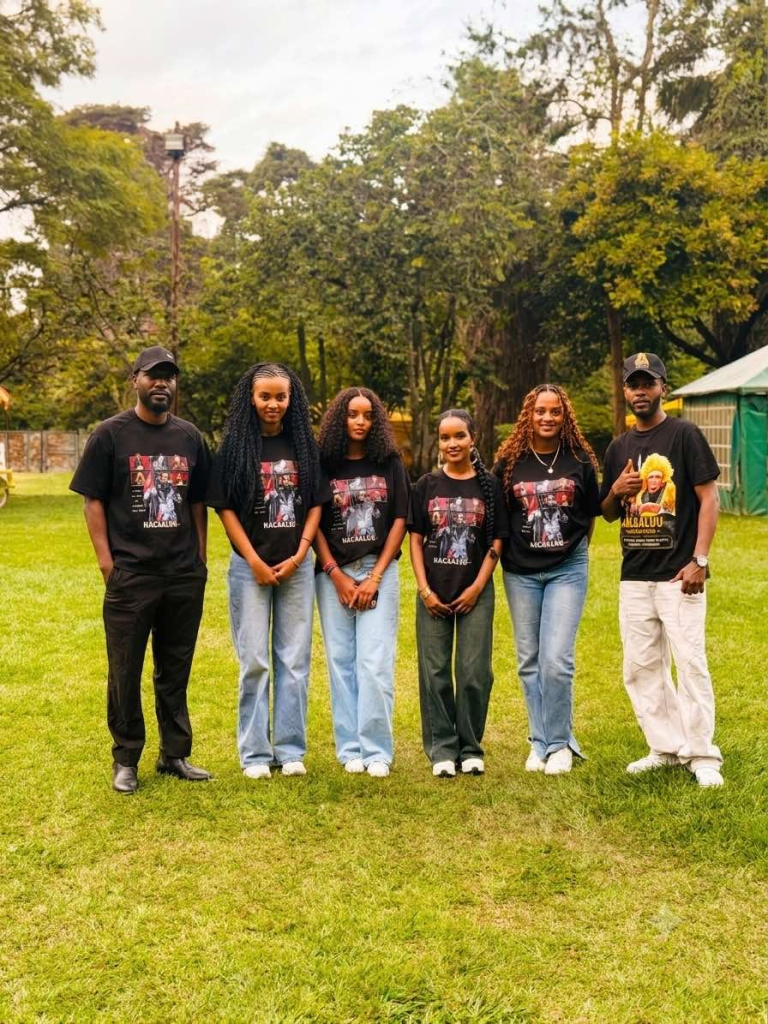
In the vibrant city of Nairobi, the Oromo community came together with a profound sense of purpose to mark the 6th anniversary of the passing of their beloved icon, Artist Haacaaluu Hundeessaa. The commemoration was not merely a somber remembrance of a life tragically cut short, but a vibrant reaffirmation of the enduring legacy he left behind.
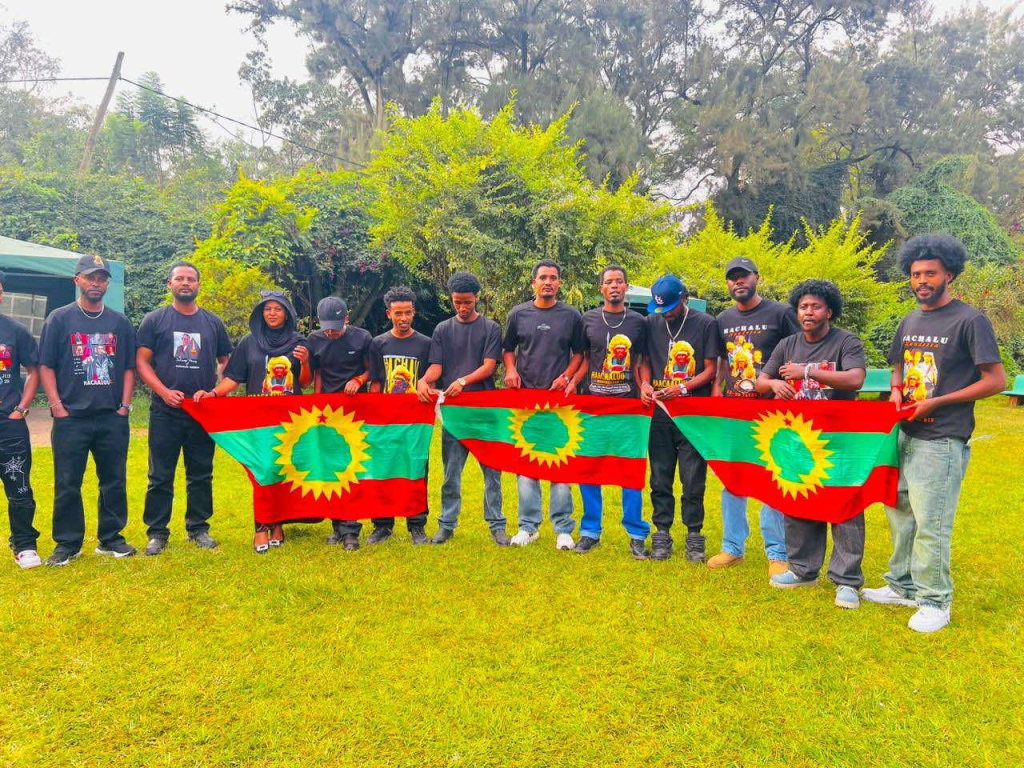
The event, attended by community members from all walks of life, was a powerful tapestry of poetry, music, and impassioned speeches, all woven together to honor the man who became the indisputable voice of the Oromo struggle for justice and recognition. As a prominent international analysis described him, Haacaaluu was “the soundtrack of the Oromo revolution, a lyrical genius and an activist who embodied the hopes and aspirations of the Oromo public”.
A Legacy Forged in Struggle
Haacaaluu Hundeessaa was more than a musician; he was a symbol of resistance and a catalyst for change. His music, particularly the iconic songs “Maalan Jira” and “Jirra,” served as rallying anthems during the historic 2015-2018 Oromo protests, which fundamentally altered Ethiopia’s political landscape. His intensely political lyrics, sung in the Oromo language, articulated a profound sense of marginalisation and a yearning for freedom that resonated with millions.
Born in 1986 in the storied city of Ambo, Haacaaluu’s path to becoming a cultural icon was forged in hardship . At just 17 years old, he was arrested for his political activities and imprisoned for five years without charge. It was in that incarceration that he shaped his identity and composed most of the songs that would define his career .
His assassination on June 29, 2020, in Addis Ababa sent shockwaves through the Oromo nation and Ethiopia as a whole, described as “a spear through the heart of the Oromo nation”. The grief was so intense it triggered major protests that led to the loss of hundreds of lives.
The Call to Action: Responding to Sacrifice
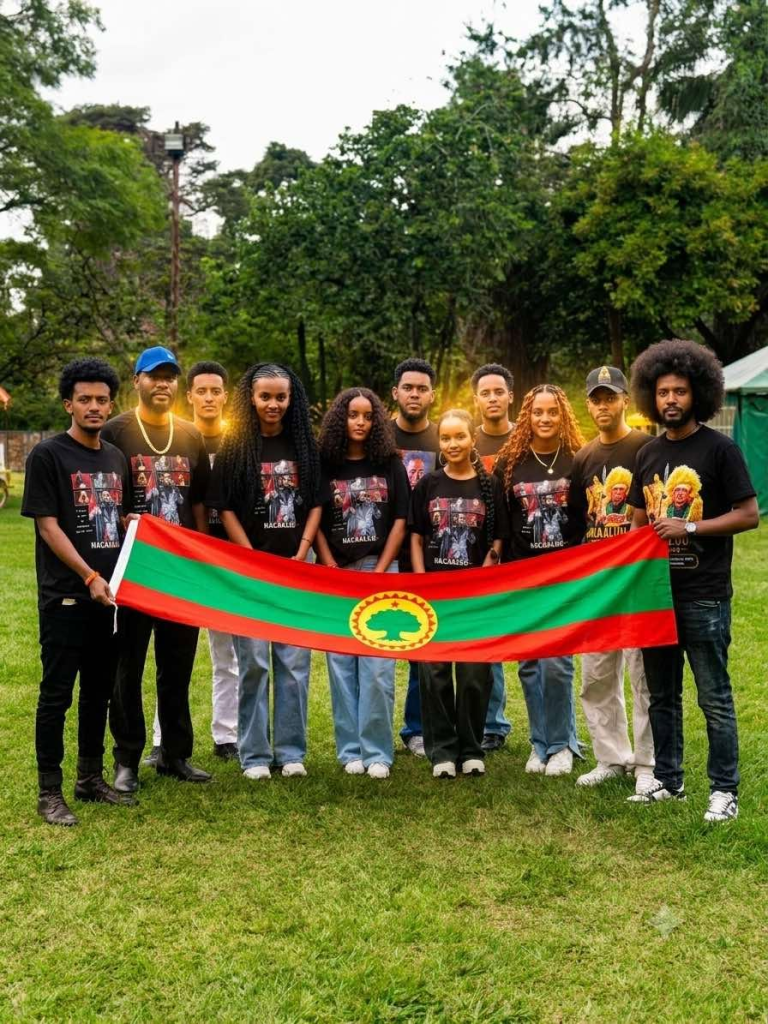
At the Nairobi commemoration, participants emphasized that the anniversary was a time not just for mourning, but for reflection and renewed commitment. They spoke of the immense service Haacaaluu rendered to his people, sacrificing his personal safety for the collective hope of the Oromo nation. Community leaders declared that his blood and his art demand a response from the Oromo people, calling on the community to continue the struggle for justice and to secure a future where the Oromo have their rightful place .
The message was clear: Haacaaluu’s legacy is an obligation. The participants reminded the community that Haacaaluu left behind a mandate to continue the fight for justice, and that the struggle he represents is not just about remembering the past but about securing a future where the Oromo people have their rights and dignity fully recognized. As his widow powerfully stated at his funeral, “Haacaaluu is not dead. He will remain in my heart and the hearts of millions of Oromo people forever”.
An Enduring Spirit
As the poignant strains of Haacaaluu’s most famous anthems echoed through the venue, the atmosphere was charged with a mix of profound grief and a renewed sense of purpose. The commemoration in Nairobi is part of a global movement, with the Oromo diaspora from New Zealand to the United States holding similar events to ensure his spirit is never forgotten .
Haacaaluu Hundeessaa’s legacy is a testament to the power of art as a weapon of resistance and a tool for unity. He inspired a generation to be proud of their Oromo identity and to stand up against oppression. His music, which captured the displacement, loss, and subjugation of his people, offered roadmaps of resistance and continues to be a beacon of light for his community.
In the heart of Nairobi, far from the hills of his homeland, Haacaaluu’s spirit finds a permanent home. The community’s message was unequivocal: his sacrifice was not in vain, and his dream of dignity and justice for the Oromo nation will be pursued with relentless vigor until it is fully realized.

Exploring the Intellectual Legacy of the Oromo Struggle

The Oromo national movement, a tapestry of resistance, cultural revival, and political awakening, has been shaped by countless individuals. While the world often focuses on political leaders and activists, the intellectual and artistic foundations of the struggle are equally vital. Three figures—Professor Asmerom Legesse, Tesfaye Gebreab, and Teferi Berhane—stand as pillars of this movement, each contributing uniquely to the Oromo cause through scholarship, literature, and advocacy.
The Scholar Who Validated a Civilization: Professor Asmerom Legesse
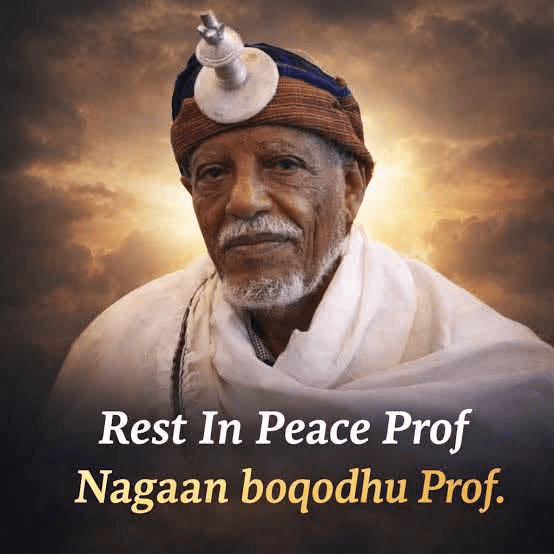
If the Oromo struggle has an intellectual godfather, it is undoubtedly Professor Asmerom Legesse. Born in Asmara, Eritrea, in 1931, this Harvard-trained anthropologist dedicated his life to a singular, revolutionary mission: proving that Africa, and specifically the Oromo people, possessed a sophisticated democratic governance system long before the advent of Western constitutionalism.
His seminal works—Gadaa: Three Approaches to the Study of African Society (1973) and Oromo Democracy: An Indigenous African Political System (2000)—were not mere academic texts. They were intellectual weapons that dismantled colonial narratives that had long dismissed African governance as primitive. Legesse meticulously documented the Gadaa system, an indigenous Oromo governance structure based on age-sets, rotational leadership every eight years, and deliberative assemblies known as Gumi.
His work demonstrated that the Oromo had institutionalized principles of checks and balances, egalitarian participation, and rule-bound succession centuries before similar ideals emerged in Europe. This scholarship provided a powerful source of pride and legitimacy for the Oromo people, proving that their struggle was not for imported ideals but for the restoration of their own democratic heritage. His contributions were so profound that the United Nations formally registered the Gadaa system as an Intangible Cultural Heritage of Humanity in 2016, a recognition largely built upon his foundational research.
The Unlikely Voice of the Oppressed: Tesfaye Gebreab
While Legesse operated in the halls of academia, Tesfaye Gebreab brought the Oromo struggle to the masses through the power of literature. An Eritrean by birth but raised in the Oromo town of Bishoftu, Gebreab was a prolific author and journalist who achieved a literary first: he created the first Oromo main character in the vast history of Amharic literature.
His semi-historical novel, Yeburqa Zimita (The Silence of the Burqa), was a groundbreaking work that centered on the reflection and reaction of the Oromo people to centuries of marginalization and discrimination. In a literary landscape where Oromos were often relegated to the roles of housemaids and guards, Gebreab dared to place them at the heart of the narrative. He described himself as an “Eritrean by birth but an Oromo by experience and attachment”.
His work was deeply controversial; he was accused by some of fueling ethnic conflict. However, Gebreab defended his art as a product of historical fact and observation. By giving voice to the Oromo experience in the dominant language of the Ethiopian state, he challenged the very fabric of Ethiopian literary tradition and forced a national conversation about oppression and identity, making the Oromo struggle visible to a wider audience.
The Custodian of Knowledge: Teferi Berhane
The third pillar, Teferi Berhane, represents the modern, institutional effort to sustain and advance Oromo scholarship. While detailed public records of his early life are less prominent, his role as a leader within the Oromo Studies Association (OSA) marks him as a crucial figure in the struggle’s intellectual infrastructure.
The OSA, founded in 1986, was established to create an independent academic home for the study of Oromo history, culture, and identity at a time when such voices were systematically marginalized. Teferi Berhane served on the board and completed a term as the president of this vital organization. In this capacity, he helped guide an institution dedicated to producing and disseminating knowledge about the Oromo people.
His work involved not only academic administration but also direct engagement with Ethiopia’s political and economic challenges. He co-organized high-profile symposia on the country’s transition and contributed to economic policy papers addressing crises like youth unemployment. As a professor of development economics, Teferi Berhane represents the struggle’s future: a generation of scholars working within global institutions to build the intellectual and economic frameworks necessary for a just and prosperous Oromia.
A Unified Legacy
The contributions of these three men are distinct, yet they form a cohesive whole. Asmerom Legesse provided the historical and theoretical foundation, proving that the Oromo are a people with a rich democratic heritage. Tesfaye Gebreab translated that heritage into a living, breathing narrative, giving the Oromo a voice in the literary canon of their oppressors. And Teferi Berhane works to institutionalize this knowledge, ensuring that the struggle is sustained through rigorous scholarship and policy engagement.
Together, they demonstrate that the Oromo struggle is not just a political or military campaign, but a profound intellectual and cultural renaissance. They remind the world that the fight for justice is also a fight for truth, history, and the right to define one’s own identity. Their legacies are not just Oromo—they are a testament to the power of knowledge in the face of oppression.

The Land They Call Theirs: Finfinnee, Sacrifice, and the Unyielding Oromo Spirit
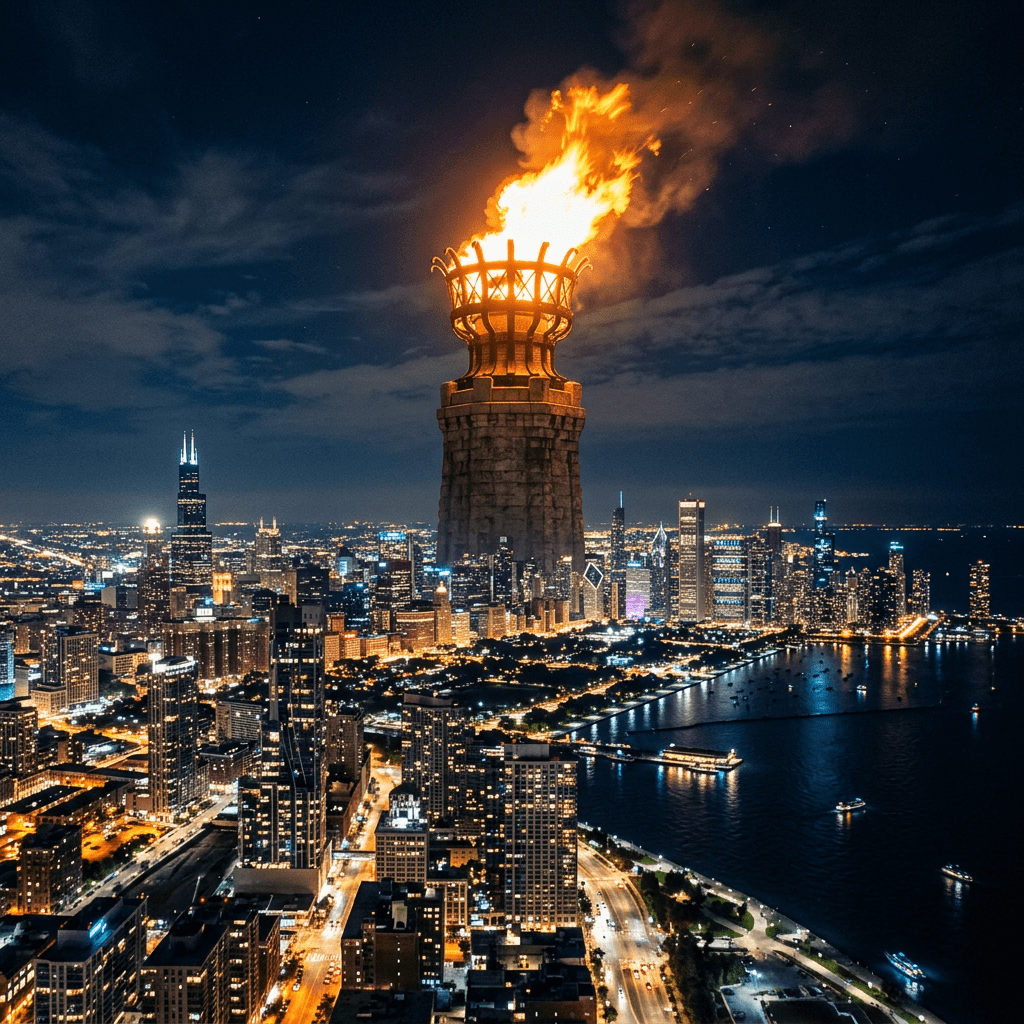
In the shadow of glass towers and concrete jungles, a people fight for a place to rest their heads—and a generation is called to rise.
—
FINFINNEE — To the world, it is Addis Ababa, the diplomatic pulse of Africa and the seat of the African Union. To the Oromo, however, this city is Finfinnee—the “fountain of hot springs”—the ancestral heart of their nation, a land soaked in history, blood, and an unbreakable bond of identity.
But walk through the bustling streets of this sprawling metropolis today, and you will witness a profound paradox. Amidst the towering condominiums—the kumaa fi kitiloota that pierce the sky—and the maze of modern high-rises, the average Oromo finds themselves a stranger in their own heritage. As the poignant refrain of the community goes: “Oromoon lafa rooba itti dheeffuu fi gaaddiisa aduu jalaa itti goru hin qabu.” (An Oromo has no plot of land to catch the rain or find shade from the sun.)
Every inch of earth their feet touch, they must claim with their voice. The struggle for recognition, for belonging, and for the very Gullallee—the cherished, sacred ground of their forefathers—is not a passive memory. It is a living, daily confrontation.
—
The Torchbearers of Resistance
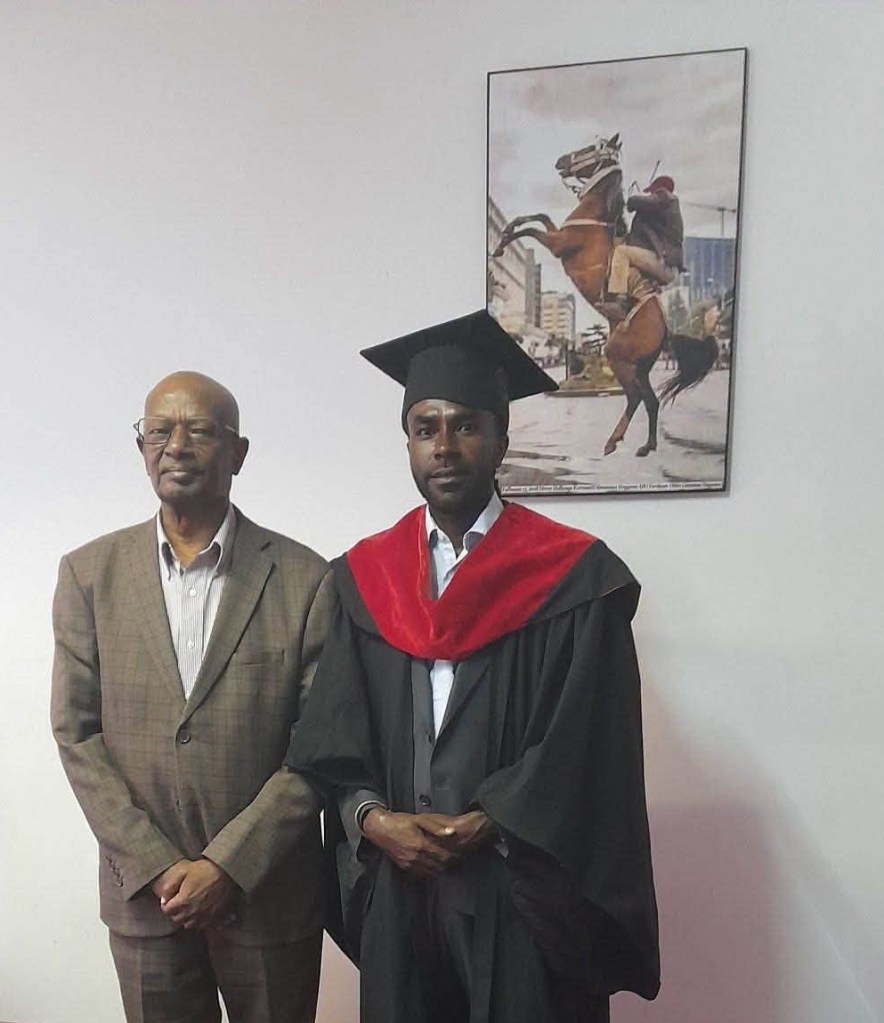
In this crucible of resilience, certain names rise above the din of daily oppression. Figures like Jaal Daawud Ibsaa, the leader of the Adda Bilisummaa Oromoo (ABO), and Jaal Abdii Raggaasaa stand as defiant pillars. They are not merely politicians; they are the living embodiments of the Oromo quest for self-determination.
To the diaspora and the youth, these men represent the unwavering voice that refuses to be silenced. They walk a tightrope where every word is a potential weapon against them, yet they continue to champion the cause of Bilisummaa—freedom. Their presence sends a clear message to the establishment: the Oromo struggle is not a fleeting trend; it is a generational covenant.
The Waajjiira and the Galma—the historic meeting grounds and the dawn campaigns of resistance—are etched into the collective memory of the community. Though the enemy may have sealed off physical spaces, they cannot quarantine the spirit. The determination displayed in these spaces carries a meaning far greater than bricks and mortar; it is the architecture of a nation that refuses to be erased.
—
The Cost of a Dawn
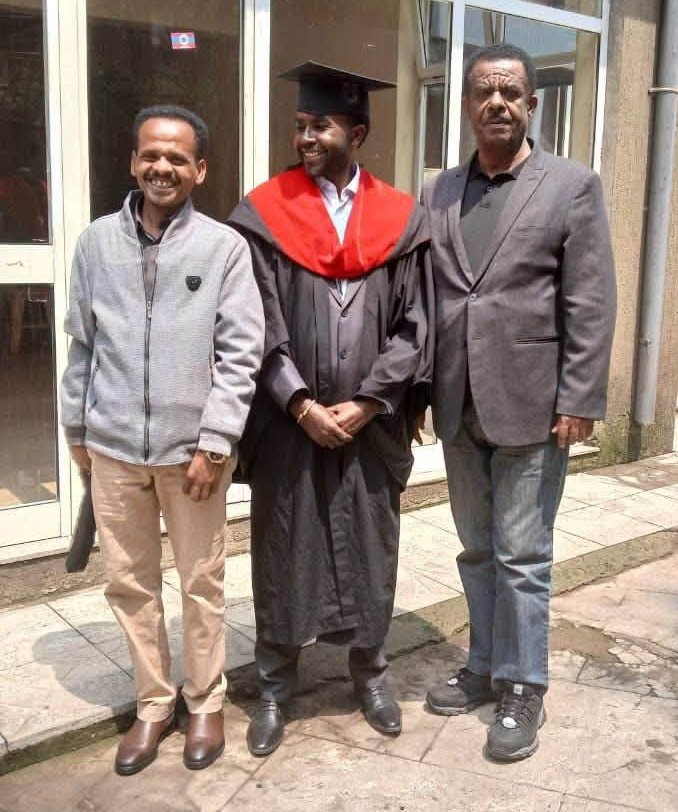
The Oromo struggle is defined by its staggering calculus of sacrifice—aarsaa fi wareegama (offering and commitment). How many lives have been laid down so that the sun of justice might rise over Finfinnee? How many mothers have wept for sons who dared to demand the rights enshrined in their own indigenous governance systems?
Yet, from these sacrifices, the movement draws its profound strength. The daily defiance, the quiet refusal to bow, and the bold resistance in the face of a caged dawn—barii ganamaa diinni cufe—is what gives the struggle its hiika guddaa (great meaning). It is the understanding that freedom is not given; it is taken through unyielding obsaa fi kutannoo (patience and determination).
—
The Mandate of the Youth
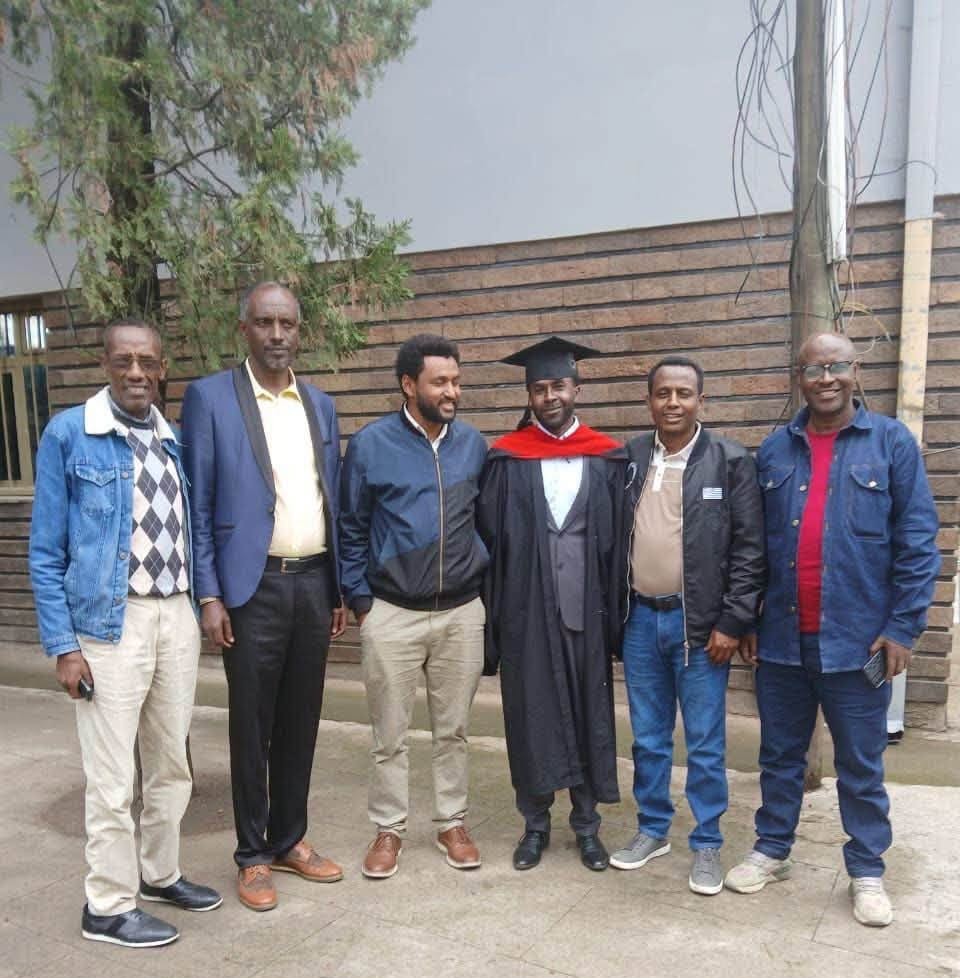
This brings us to the most urgent call of all—a plea to the dhaloonni (the young generation).
The elders and the current leadership are clear in their message: “Kutannoo fi cichoomina kana sinirraa dhaaluu qaba!” (This resilience and steadfastness must be inherited by you!)
The youth of today are the custodians of tomorrow. The land, the history, and the dreams of those who came before rest squarely on their shoulders. They are called not just to remember, but to act. To take the torch from the hands of the Daawud Ibsaas and the Abdii Raggaasaas of the world and carry it forward with equal vigor.
In a city where the Oromo must prove their claim to every footstep they take, the youth are the living proof of the nation’s survival. They are the ones who must turn the Gullallee—the beloved land—from a symbol of ancestral loss into a foundation of future sovereignty.
—
Land, Love, and Legacy
For the Oromo, Finfinnee is more than a geographical location. It is the soul of their identity. The love for this land—Lafa akka Oromootti qabnu (The land we hold as Oromo)—is not born of mere proximity; it is born of millennia of history, culture, and shared suffering.
As the city continues to modernize and globalize, the Oromo people are sending a clear and resolute message to the world and to their adversaries: We are the owners, and we are the lovers. We have the leaders, and we have the spirit. And we will not stop until the rain of justice falls on our own soil, and the sun of freedom shines on our own shade.
The names may change, the tactics may evolve, but the mission remains eternal. For the Oromo, the land of Finfinnee is, and always will be, Lafa Seenaa—a land of history. And history, as they know all too well, is written by those who refuse to give up the fight.

“Nu Xiiqessitan Malee, Nu Hin Xiqqeessine”: The Unbreakable Spirit of a People

“You may have belittled us, but you have not made us small.” These words carry the weight of generations—a defiant declaration that no amount of oppression can diminish the worth of a people.
There are phrases that transcend language. They are not merely words—they are testimonies. They are the cries of ancestors, the whispers of resistance, and the battle cries of those who refuse to be broken.
“Nu xiiqessitan malee, nu hin xiqqeessine.”
(You may have belittled us, but you have not made us small.)
This is one such phrase. It is a declaration of dignity in the face of humiliation. It is a refusal to accept the diminished status that oppressors have tried to impose. It is a reclaiming of pride, identity, and humanity.
The Weight of Belittlement
To be belittled is to be made to feel small. It is to have your language dismissed as backward, your culture labelled as primitive, and your humanity denied. Throughout history, colonisers, empires, and dominant groups have used belittlement as a weapon—not just to control bodies, but to crush spirits.
For the Oromo people, this experience is deeply familiar. For generations, they have been subjected to marginalisation, cultural suppression, and political exclusion. Their language, Afaan Oromo—one of the most widely spoken languages in the Horn of Africa—was systematically excluded from education and public life for decades. Their identity was erased through forced assimilation and the imposition of labels they never chose for themselves.
Yet, despite all of this, they endured. And they are not small.
The Power of Refusal
“Nu xiiqessitan malee, nu hin xiqqeessine.”
This phrase is not a plea—it is a refusal. It refuses the narrative that oppression defines the oppressed. It refuses to accept the oppressor’s verdict. It insists that worth is intrinsic, not bestowed by those in power.
There is profound wisdom in this refusal. It recognises that belittlement is a reflection of the oppressor’s cruelty, not the victim’s inadequacy. It understands that attempts to diminish a people are ultimately attempts to justify injustice—but they do not change the truth of who that people is.
This is the kind of resistance that sustained enslaved peoples, colonised nations, and marginalised communities throughout history. It is the quiet dignity of a grandmother who speaks her mother tongue despite being told it is worthless. It is the courage of a young person wearing traditional clothing in a world that demands conformity. It is the determination of a community that continues to celebrate its festivals, sing its songs, and tell its stories, even when the world tries to silence them.
The Danger of Internalising Belittlement
The most insidious effect of oppression is when the oppressed begin to believe the oppressor’s lies. When a people internalise the message that they are inferior, the battle is already half-lost.
This is why “nu xiiqessitan malee, nu hin xiqqeessine” is so powerful. It draws a clear line: the belittlement is their action, but the smallness is their fiction. We refuse to internalise it. We refuse to carry it. We will not let your judgment become our identity.
In psychology, this is known as maintaining a positive sense of self in the face of external devaluation. It is the resilience that allows individuals and communities to thrive despite systemic discrimination. And it is essential to survival.
A Call to the Diaspora
For Oromos living in the diaspora, this phrase carries particular resonance. Far from the homeland, the challenges are different but the stakes are just as high. In foreign lands, the pressures to assimilate, to forget, to become “invisible” can be immense.
Yet the message remains: “Nu xiiqessitan malee, nu hin xiqqeessine.”
You may not see us on the news. You may not hear our language in the halls of power. You may not know our history or our struggles. But we are here. We exist. We matter. And we refuse to be made small by your ignorance or indifference.
The diaspora is not a place of forgetting—it is a place of remembering. It is where language is preserved, culture is celebrated, and the next generation is taught who they are. It is proof that even when a people are scattered across the globe, they remain connected by blood, memory, and the unshakable bond of identity.
The Global Resonance
This phrase is not unique to any one people. Its echo can be heard across the world:
- “We may be a small nation, but we are a proud one.”
- “They tried to bury us, but they didn’t know we were seeds.”
- “You can kill the dreamer, but you can’t kill the dream.”
- “You may have conquered us, but you have not made us slaves.”
These are the words of every people who have been told they are lesser but refused to believe it. They are the words of Indigenous communities fighting for land rights. They are the words of minority languages resisting extinction. They are the words of women who have been told their voices don’t matter—and speak anyway.
“Nu xiiqessitan malee, nu hin xiqqeessine” is a universal truth dressed in the specific language and experience of the Oromo people. But its meaning belongs to all who have ever been told they are not enough—and refused to accept that verdict.
Living the Words
To say “nu xiiqessitan malee, nu hin xiqqeessine” is not just to speak—it is to act. It is to live in a way that defies the oppressor’s narrative. It is:
- Teaching your children your language, even when the world tells them it is useless.
- Celebrating your culture, even when you are a minority in a foreign land.
- Insisting on your history, even when textbooks omit or distort it.
- Demanding your rights, even when the system is stacked against you.
- Walking with dignity, even when others try to make you feel small.
A Future Built on Worth
The ultimate rejection of belittlement is not just survival—it is flourishing. It is building a future where Oromo children grow up knowing their history with pride. It is creating institutions that serve Oromo communities with dignity and respect. It is achieving political and economic empowerment that makes the old narratives of inferiority obsolete.
The oppressors wanted to make the Oromo small—small in ambition, small in voice, small in presence. But they failed. Because dignity cannot be taken—it can only be surrendered. And the Oromo people have not surrendered.
“Nu xiiqessitan malee, nu hin xiqqeessine.”
You may have belittled us. You may have tried to erase us. You may have told the world we are nothing.
But we are not nothing. We are a people. We are a history. We are a future. And we are not small.
In the end, the measure of a people is not what their oppressors say about them—but what they say about themselves. And the Oromo people have spoken: “We are not small.”
Nu hin xiqqeessine. We are not small. And we never will be.

Oromia is My Blood: The Unbreakable Bond of Identity, Land, and Memory
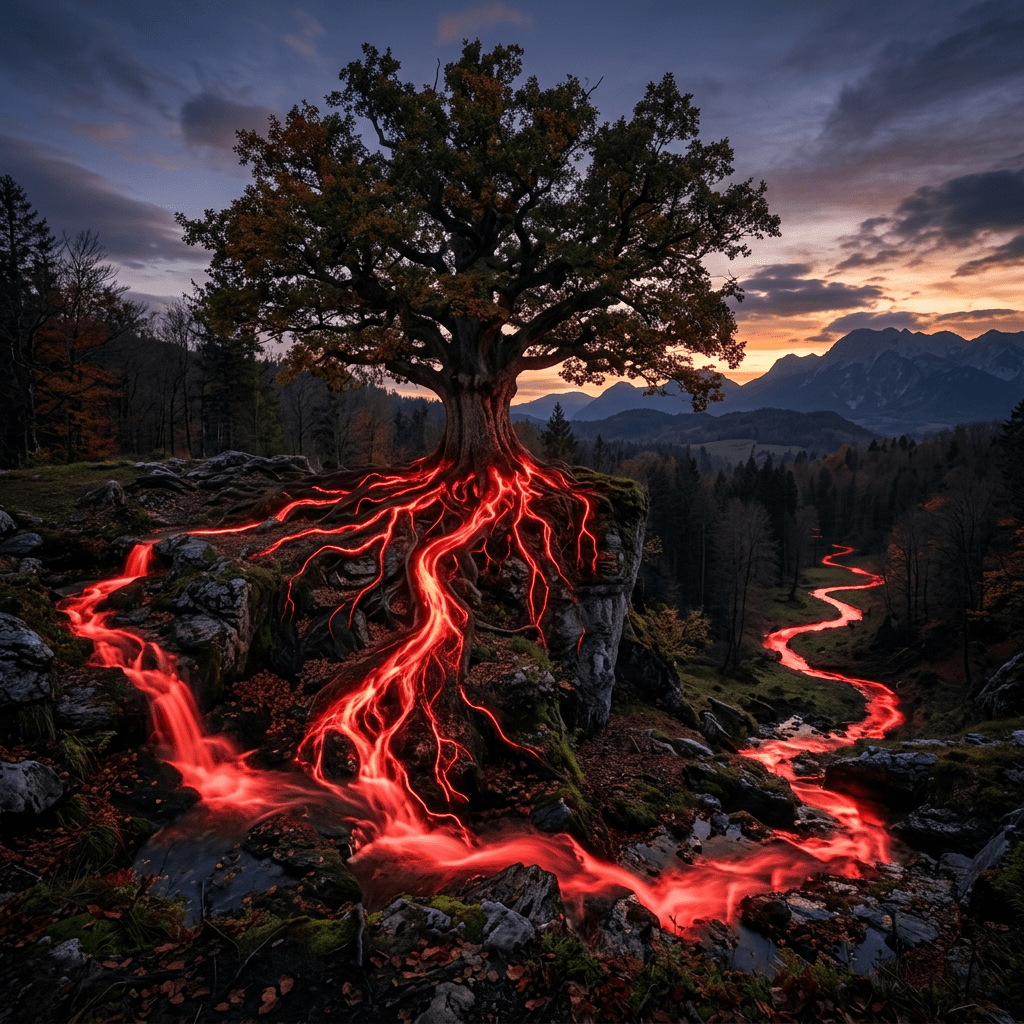
“Oromia is my blood” is more than a phrase. It is a declaration of belonging that runs deeper than politics—an ancestral connection that cannot be severed by distance or time.
For the Oromo people, identity is not something that can be chosen or changed like a political affiliation. It is something you are. It is carried in the language you speak, the customs you observe, and the land that shaped your ancestors. As one reflection on Oromo identity puts it: “A child born to Oromo parents carries Oromummaa in their blood whether they know politics or not. Oromummaa, in this sense, is sacred and unshakable.”
But what does it truly mean to say that Oromia is in one’s blood? It is a claim to history, to culture, to a homeland that has endured centuries of change and challenge—and to a people who have never stopped asserting their right to exist on their own terms.
A Land of Vastness and Significance
To understand why Oromia is so deeply woven into the identity of its people, one must first understand the land itself. Oromia is Ethiopia’s largest region, covering more than 350,000 square kilometres—an area larger than Italy or Côte d’Ivoire . It makes up 34% of Ethiopia’s landmass and shares borders with every other Ethiopian region except Tigray, as well as international boundaries with Sudan, South Sudan, and Kenya .
Its capital is Finfinne—also known as Addis Ababa—which serves both as the regional capital and the seat of Ethiopia’s federal government and the African Union .
The region is a powerhouse. Its fertile soils produce about half of Ethiopia’s total crop production, including coffee, teff, maize, and barley. Its mines yield gold, platinum, and iron ore. Its industries produce textiles, pharmaceuticals, and construction materials. In the 2021-2022 financial year alone, Oromia generated US$324 million from mining . For Oromos, this is not just statistics—it is the land of their fathers and mothers, the soil that has nourished generations.
Identity Forged Through Struggle
Yet the relationship between Oromia and its people has never been simple. For much of modern Ethiopian history, Oromos have been described as “always on the outside looking in” . The Ethiopian state, historically shaped by Amhara aristocracy, defined the terms of belonging—permitting Oromos to enter public life only as individuals, not as a collective .
The 20th century saw the rise of pan-Oromo consciousness. Scholars trace the emergence of Oromo nationalism and the assertion of the self-identifying name “Oromo”—replacing the externally imposed label “Galla”—as a powerful reclamation of dignity and identity . The formation of the Oromo Liberation Front and the growing force of Oromo ethno-nationalism reflected a people demanding to be seen and heard .
This struggle is not merely political—it is existential. It is about the right to speak Afaan Oromo without fear, to celebrate Irreecha openly, and to walk proudly in clothing that bears the red, black, and white of Oromo identity . As photographer Elias Badhaasaa put it: “I want us to be visible in the Horn of Africa and beyond” .
Culture as the Pulse of Identity
In recent years, a cultural renaissance has taken hold. Young Oromos are increasingly expressing ethnic pride through fashion, music, and art . Designers are modernising traditional Oromo garments, incorporating the iconic Odaa tree—a sacred symbol—into their creations .
The annual Irreecha thanksgiving festival, once a celebration that drew millions, has grown in national profile. In 2020, it was held in Addis Ababa for only the second time in history—a milestone that reflects the growing visibility of Oromo culture . Though tragedy struck the festival years earlier, the spirit of Oromo resilience has endured.
At the heart of this cultural awakening is Oromummaa—the essence of being Oromo . It is not a political ideology or a man-made theory. It is something older than the modern state itself. As one writer explains: “Oromummaa is seen in the way we respect elders, the way we greet with ‘Akkam?’, the way we celebrate Irreecha, and how we uphold principles of fairness (nagaa, araara, safuu)” .
Solidarity Beyond Ethnicity
Remarkably, the cry of “Oromia is my blood” has also resonated beyond the Oromo community. During mass protests in 2015 and 2016, Amhara protesters in Gondar chanted: “Oromo blood is our blood!” and “The killing of our Oromo brothers should stop!” . In Shambu, Wollega, demonstrators proclaimed: “Oromo blood is Amhara blood and Amhara blood is Oromo blood and we are inseparable” .
This solidarity threatened the ruling party’s long-standing strategy of pitting ethnic groups against one another. As one analysis observed: “The blood flowing in Oromia is our blood too”—these words are not just slogans but actions that exist as words, actions that threaten to unsettle the myths that hold together the ideological edifice of the system” .
For a moment, it seemed that shared suffering and shared hope could bridge historical divides. Whether that promise has been fulfilled remains an open question—but the sentiment itself speaks to the power of identity as a unifying force.
The Diaspora: Blood That Spans Oceans
For Oromos living in the diaspora—in the United States, Canada, Australia, Europe, and beyond—the phrase “Oromia is my blood” takes on a particular resonance. Far from the homeland, identity becomes both a lifeline and a burden. Political conditions in Ethiopia have encouraged exiled communities to construct “imagined landscapes” that evoke nostalgia and maintain engagement with homeland affairs .
These landscapes are not mere fantasy—they are integral to enduring memory. Most forced emigres involve themselves in the social and economic issues of their place of birth, rather than focusing only on their routines in host countries . The nexus between origin and host countries sustains a powerful form of transnationalism—a proof that home is not just a place, but a bond that travels.
Blood as Memory, Blood as Future
When Oromos say “Oromia is my blood,” they are saying something profound. They are claiming a history that precedes modern borders, a culture that has survived attempts at erasure, and a future that they intend to shape.
It is not about hatred of others. It is not about exclusion. It is about affirmation. It is about the right to speak a language, to tell a story, to honour ancestors, and to pass on a legacy.
As the reflection on Oromo identity concludes: “Let us celebrate it in its purest form—as the unshakable mark of a people who have endured, resisted, loved, and hoped through centuries” .
Oromia is not just a region on a map. It is blood memory. It is the rhythm of the shagoyyee drum. It is the poetry of Ali Birra. It is the wisdom of proverbs. It is the sacred Odaa tree. It is the land that gives life—and the people who give that land meaning.
“Oromia is my blood” is not just a phrase. It is a promise. A belonging. A truth that cannot be denied.





 Advocacy for Oromia