Category Archives: Finfinne
Partial Lists of people killed in different parts of Oromia (16th February, 2018-16th April 2019)
(A4O, 20 Finfinnee 2019) The Ethiopian ODP-led EPRDF regime continues its persistent genocidal actions against innocent and unarmed civilians of Oromos who attempt to exercise their democratic rights.
Documented human rights violations record showed that increase in human rights abuse correlates closely with increase in political cases. Regarding the Oromos documented human rights violations committed to it includes mass massacre, extra-judicial killings, arbitrary arrests, torture, displacement and forced conscription remained non-ending war.
Lammii Beenyaa, an Oromo human rights activist, compiled lists of 210 Oromos who killed in different parts of Oromia since the controversial State of emergency was reinstated on 16th February, 2018.
(Compiled by Lammii Beenyaa, an Oromo human rights activist)
For more information: Lists of people killed Partial Lists of people killed in different parts of Oromia
OROMO STUDENT PROTESTORS RELEASED FROM JAIL
(Advocacy4oromia, 9 July 2015) At least six Oromo university students were also among three journalists and two bloggers released from Ethiopian prison yesterday, according to various reports.
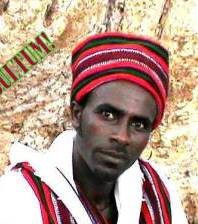
Adugna Kesso
The freed Oromo university students include Adugna Kesso, Bilisumma Dammana, Lenjisa Alemayo, Abdi Kamal, Magarsa Warqu, and Tofik. All were students who were arrested by security agents from various universities located in the Oromiya regional states. No charges were brought against many of them in the last year and three months.
The arrest of unknown numbers of Oromo University students followed a May 2014 brutal crackdown by the police against university students who protested when a master plan for the expansion of Addis Abeba, the city originally home to the Oromo, was introduced by the federal government.
The 10th Addis Abeba and Oromia Special Zone Integrated Development Master plan, which was in the making for two years before its introduction to the public, finally came off as ‘Addis Abeba and the Surrounding Oromia Special Zone Integrated Development Plan.’
The government claims the master plan, which will annex localities surrounding Addis Abeba but are under the Oromiya regional state, was aimed at “developing an internationally competitive urban region through an efficient and sustainable spatial organization that enhances and takes advantage of complementarities is the major theme for the preparation of the new plan.”
The students protested against the plan and the federal government’s meddling in the affairs of the Oromiya regional state, which many legal experts also say was against Article 49(5) of the Ethiopian Constitution that clearly states “the special interest of the State of Oromia in Addis Abeba.”
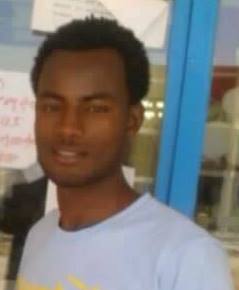
Aslan Hassen
Two months ago, student Nimona Chali, one of the detained students, was released from jail without charges. Abebe Urgessa of Haromaya University is still in Qaallitti prison.
Student Aslan Hassen died in prison in what the government claimed was a suicide.
However, many believe he was tortured to death. No independent enquiry was launched to investigate his death.
By the government’s own account, eleven people were killed during university student demonstrations in many parts of the Oromia regional state. However, several other accounts put the number as high as above 50.
Source: http://addisstandard.com/oromo-student-protestors-released-from-jail/
About Abebe Urgessa
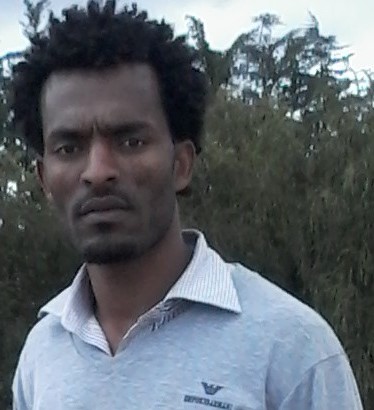
Abebe Urgessa
Abebe Urgessa was a second year student, Water Engineering Major, at Haramaya University. After classes were interrupted following the #OromoProtests movement that swept the whole nation in April 2014, Abebe like many other students went to visit his family till the classes resume.
He was arrested upon arrival at a small town called Teji, in South west Shawa, where his families are living. After detention incommunicado for three weeks, he was falsely accused of standing in a market place telling people not to pay taxes to the government. Though the court released him on bail on the 21st of May, 2014, student Abebe was abducted again just a week later on the 29th of May.
While his where about still remains a mystery to this very date, it’s known that the government accused him, on its media outlets, of detonating hand grenade at the Haramaya University facility.
Abebe’s story designates with many other innocent Oromo students unlawfully abducted and falsely accused with bogus charges while being taken to or kept at undisclosed detention centers under severe tortures, more often than not. His story is just one among the many.

The Oromian Story: Preserving Voices, Empowering Communities, and Celebrating Culture

Through the voices of elders and the vitality of community, the Oromian Story program ensures that Oromo culture remains a living, breathing force for generations to come
FINFINNE, OROMIA — In the heart of every culture lies a story—a narrative passed down through generations, carried in the voices of elders, and woven into the fabric of daily life. For the Oromo people, this story is not merely a record of the past; it is a dynamic, living force that shapes identity, builds community, and points toward the future.
The Oromian Story program stands as a testament to this truth. By centering the voices of Oromo elders and engaging communities at the grassroots level, the program ensures that Oromo culture remains vibrant, resilient, and relevant in a rapidly changing world.
“The Oromian elders’ voices is a dynamic part of Oromian culture and identity.”
This recognition lies at the heart of the Oromian Story program. Elders are not simply repositories of ancient wisdom—they are active participants in the ongoing creation of culture. Their voices, their memories, and their insights are essential to understanding who the Oromo people are and who they are becoming.
The Power of Elders’ Voices
In Oromo society, elders occupy a position of profound respect and responsibility. They are the keepers of history, the guardians of tradition, and the guides for the younger generation. The Gadaa system, which has governed Oromo society for centuries, is built on a foundation of elder wisdom and intergenerational transmission.
The Oromian Story program recognizes that the preservation of culture depends on the active engagement of elders. When elders share their stories, they are not merely recounting the past—they are shaping the future. They are teaching younger generations about their identity, their values, and their responsibilities.
Maintaining Culture Through Community Involvement
“The Oromian story program presents the maintenance and continued development of Oromo culture at the community level.”
Culture is not something that can be preserved in museums or archives alone. It lives in the daily practices, rituals, and relationships of communities. The Oromian Story program understands this, focusing on community-level activities that keep culture alive and dynamic.
Through community gatherings, storytelling sessions, and cultural events, the program ensures that Oromo culture is not a relic of the past but a living presence in the present. It engages people of all ages in the ongoing work of cultural preservation and innovation.
Supporting New Forms of Cultural Expression
The program supports activities that support new forms of Oromo cultural expression.
Culture is not static—it evolves, adapts, and grows. The Oromian Story program recognizes this, supporting new forms of cultural expression that reflect the creativity and dynamism of the Oromo people.
This might include:
– Contemporary art and music that draws on traditional themes
– Digital storytelling that reaches new audiences
– Literary works that explore Oromo identity in new ways
– Cultural festivals that bring together diverse communities
– Intergenerational projects that bridge the gap between elders and youth
By supporting new forms of cultural expression, the program ensures that Oromo culture remains relevant and vibrant in the modern world.
Increasing Public Awareness of Oromo Culture
The program supports activities that increase public awareness of Oromo culture, including through the presentation and exchange of culture.
One of the greatest challenges facing Oromo culture is the lack of public awareness—both within Ethiopia and internationally. The Oromian Story program addresses this challenge by promoting the presentation and exchange of culture.
Through public events, cultural exchanges, and educational initiatives, the program helps to:
– Educate the broader public about Oromo culture and history
– Foster cross-cultural understanding and dialogue
– Challenge stereotypes and misconceptions
– Celebrate the richness and diversity of Oromo traditions
– Build bridges between Oromo communities and others
Sustainable Development of Community Organisations
The program supports the sustainable development of community organisations involved in cultural activities.
Cultural preservation cannot be achieved without strong, sustainable community organisations. The Oromian Story program invests in the capacity of these organisations, helping them to:
– Develop effective governance and management structures
– Build financial sustainability
– Train staff and volunteers
– Expand their reach and impact
– Collaborate with other organisations and institutions
The Broader Impact
“The program promotes activities that encourage culturally vibrant communities and contribute to the cultural wellbeing of Oromia.”
The impact of the Oromian Story program extends far beyond the preservation of culture. By strengthening cultural identity and community cohesion, the program contributes to:
Social Cohesion: When communities share a strong cultural identity, they are more resilient, more united, and better able to address common challenges.
Youth Engagement: By involving young people in cultural activities, the program helps to build their sense of identity and purpose.
Community Pride: Cultural activities foster a sense of pride and belonging, strengthening communities from within.
Economic Development: Cultural tourism, arts, and crafts can contribute to local economic development.
Peacebuilding: Cultural exchange and dialogue can help to build trust and understanding between communities.
A Vision for the Future
“The Oromian Story program presents the maintenance and continued development of Oromo culture at the community level.”
The vision of the Oromian Story program is a future in which Oromo culture is not merely preserved but is a vibrant, dynamic force in the lives of Oromo people. It is a future in which elders are honored and their wisdom is valued; in which young people are engaged and empowered; in which communities are united and resilient; and in which Oromo culture is celebrated and shared with the world.
Conclusion
The Oromian Story program is a vital initiative for the preservation and development of Oromo culture. By centering the voices of elders, engaging communities, supporting new forms of cultural expression, and investing in community organisations, the program ensures that Oromo culture remains a living, breathing force for generations to come.
“The Oromian elders’ voices is a dynamic part of Oromian culture and identity.”
As the Oromo people continue their journey of cultural revival and self-determination, programs like the Oromian Story will play an essential role in ensuring that the voices of elders are heard, the stories of the past are remembered, and the culture of the Oromo people continues to thrive.
—
In the voices of Oromo elders lies the story of a people—a story of resilience, resistance, and hope. Through the Oromian Story program, that story will continue to be told.





 Advocacy for Oromia