Daily Archives: July 24, 2026

The 8th Conference of Judicial Officers of the South-West Shewa Zone
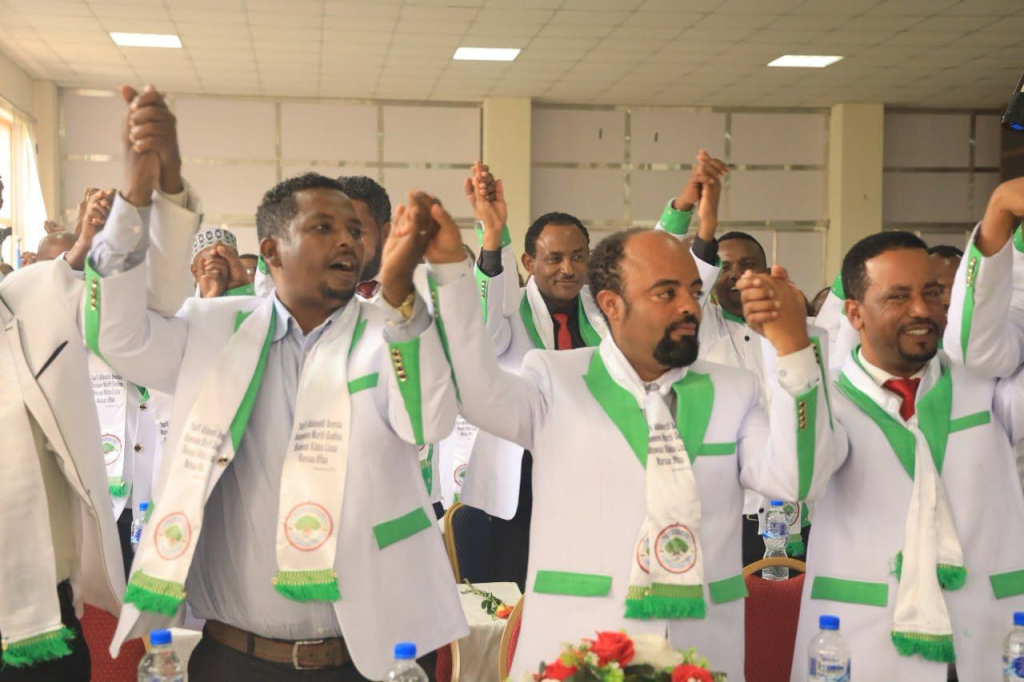
Strengthening the Judiciary through Service, Integrity and Professional Excellence
Waliso, Oromia — The 8th Conference of Judicial Officers of the South-West Shewa Zone was officially held in the town of Waliso, under the theme: “We Will Work with a High Spirit of Service to Provide the Public with Pure, Efficient and Acceptable Judicial Services!”
The conference, which brought together judges and legal professionals from across the zone, served as an important platform to evaluate court performance, discuss challenges, and chart a path toward improved service delivery. It concluded with a recognition ceremony honouring judicial officers who had recorded outstanding achievements .
Focus on Quality and Efficiency
During the conference, a key presentation was delivered under the title “Causes for the Cancellation and Improvement of Cases: The Reality of the Courts of the South-West Shewa Zone and the Direction of Solutions” . This session sparked in-depth discussions among the participants, highlighting the commitment of the judiciary to learning from past shortcomings and enhancing the quality of its rulings .
The theme of the conference reflects a broader reform effort to ensure that the judiciary is not only independent but also responsive to the needs of the public. As noted in previous judicial gatherings in Oromia, the primary goal is to improve access to justice and strengthen public trust in the legal system .
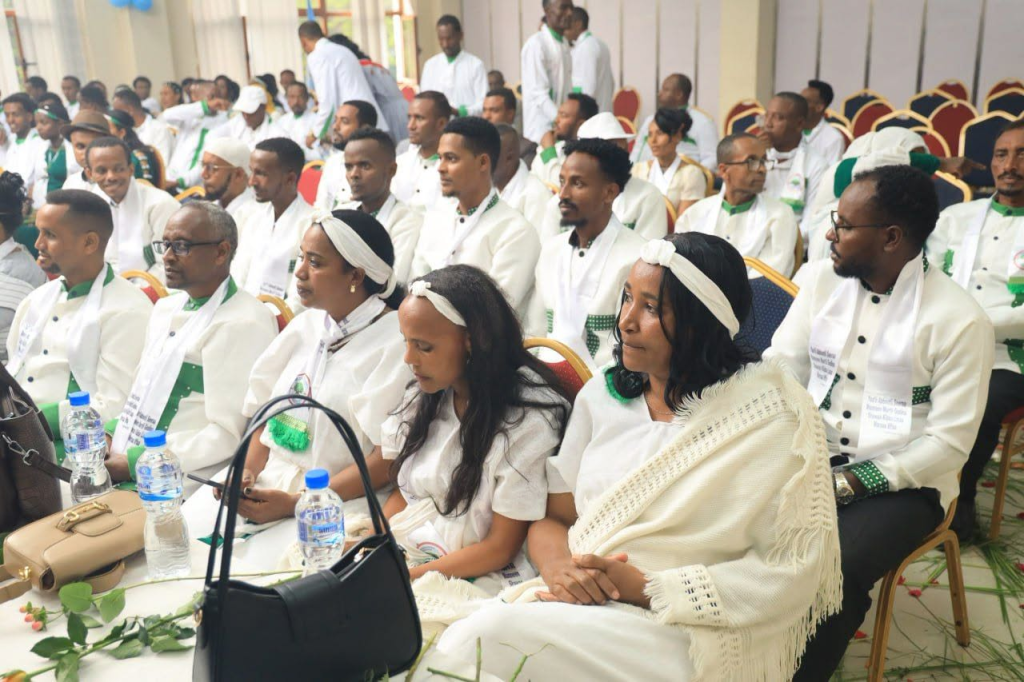
Participants and Attendance
The event was attended by a wide range of judicial and administrative officials, including:
- Judges of the Zonal Courts ;
- Representatives from the Oromia Supreme Court ;
- Judicial officers from neighbouring zones and city courts;
- Heads of sector offices from the zone and the town of Walisoo;
- Court administrators and other legal professionals .
The broad representation underscores the coordinated efforts across different levels of the judiciary to align practices and share experiences. Previous zonal conferences, such as those in Jimma and other parts of Oromia, have similarly focused on utilising technology and improving the quality of judicial services .
Recognition of Excellence
One of the highlights of the conference was the presentation of certificates of recognition to judges and court officials who had demonstrated exemplary performance. This practice is common in Oromia’s judicial sector reforms and aims to motivate legal professionals to uphold the highest standards of integrity and service.
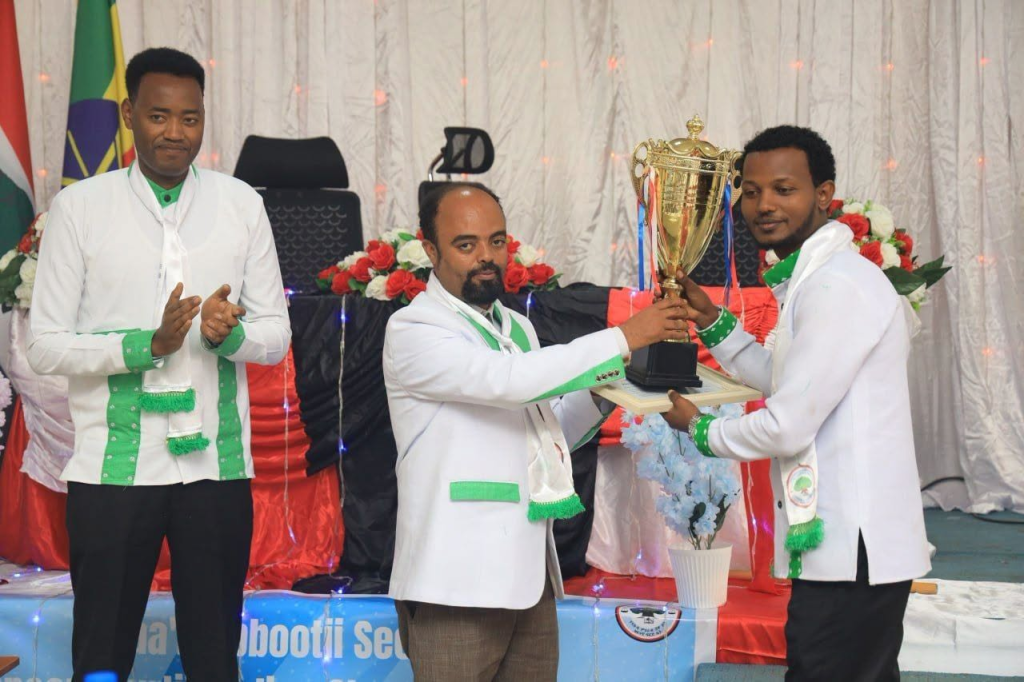
The recognition was part of a broader effort to strengthen the rule of law and ensure that the judiciary remains a pillar of justice in the region. Recent reports, however, have also highlighted the difficulties facing the judiciary, including incidents of judges being unlawfully arrested and intimidated, underscoring the importance of such gatherings to reaffirm judicial independence.
Conclusion
The successful conclusion of the 8th Conference of the Judicial Officers of the South-West Sheba Zone reflects a renewed commitment to a judiciary that is accessible, transparent and accountable. In the face of security and administrative challenges, the spirit of service and integrity shown by judicial officers is a beacon of hope for a just and fair legal system .

The Two Humiliations of TPLF: A Reflection on Power, Pride, and the Oromo Awakening
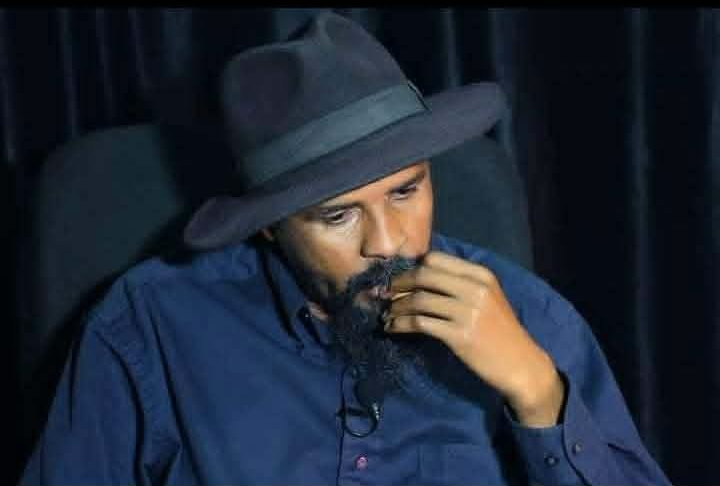
In the shifting sands of Ethiopian politics, the Tigrayan People’s Liberation Front has suffered wounds that time has not healed—and the Oromo people remain the central characters in this unfolding drama
In the annals of Ethiopian political history, few organizations have risen as high or fallen as dramatically as the Tigrayan People’s Liberation Front (TPLF). For nearly three decades, it dominated the political landscape of the Ethiopian Empire, ruling with an iron fist while projecting an image of revolutionary legitimacy. Yet today, the TPLF finds itself nursing wounds that history will not allow it to forget—wounds inflicted not by foreign enemies but by the very people it sought to subjugate.
The reflection of Abba Ebba offers a searing analysis of what he calls the “two humiliations” of the TPLF—humiliations that, in his view, are inextricably linked to the Oromo people and their awakening. These are not merely military defeats but moral and political reckonings that the TPLF has been unable to accept or process.
The First Humiliation: The Fall of Mekelle
“For 27 years, like the saying ‘the hare’s skin cannot cover the elephant,’ the TPLF tried to stretch its hide over an empire too vast for its frame. In the final hour, it was the sons and daughters of Oromo—the Qeerroo and Qarree—who stood before tanks with empty hands and brought down the regime. They made the TPLF retreat to Mekelle, dragging its ill-gotten wealth behind it. This is the first humiliation that remains unhealed to this day.”
The 2018 Oromo protests were not merely a political uprising—they were a seismic shift in the Ethiopian political landscape. The Oromo youth, known as the Qeerroo and Qarree, rose in a wave of popular resistance that the TPLF could not contain. The protests were decentralized, leaderless, and yet remarkably unified in their demands for justice, equality, and an end to the TPLF’s domination .
The TPLF, which had ruled Ethiopia for 27 years, was forced to abandon power and retreat to its northern stronghold of Mekelle. This was not a defeat by a rival military force but a collapse in the face of unarmed civilian resistance. The humiliation was profound and, according to Abba Ebba, has never been truly accepted by the TPLF leadership.
“The TPLF was defeated by the popular wave that ignited from one end of Oromia to the other—a wave that was part of the Oromo liberation struggle. This is an undeniable truth. The Oromo is an elephant; when it tramples, it crushes. The TPLF was forced to swallow this reality, whether it liked it or not.”
The Second Humiliation: The Retreat to Mekelle
The second humiliation followed the first. After initially retreating to Mekelle, the TPLF sought to reassert its influence on the national stage. It formed alliances with various forces—including some within the Amhara political spectrum—and attempted to challenge the Prosperity Party government.
However, this effort ended in another defeat. The TPLF was forced to retreat once again to Mekelle, leaving behind its ambitions and its allies, having consumed itself in the fires it had ignited. This second retreat, Abba Ebba argues, is the other humiliation that remains raw and unprocessed .
“When the TPLF was about to return to Addis Ababa, it found itself burned by the fire it had started. It was forced to retreat to Mekelle—another humiliation that has not faded.”
The Unlearned Lesson
Despite these humiliations, the TPLF has not learned its lesson. Instead, it continues to prepare for a new war, this time under the cover of the Prosperity Party government’s own challenges. After four years of uninterrupted military preparation, the TPLF is once again positioning itself for conflict .
Abba Ebba warns that this preparation is driven by a desire for revenge—a desire to settle scores with the Oromo people who, in the TPLF’s view, are responsible for its humiliations. “Under the cover of the Prosperity Party government, the TPLF is seeking to take revenge on our people for its past humiliations.”
The Unnecessary Price
Abba Ebba poses a pointed question: why must the Oromo people pay the price for the TPLF’s ambitions? Why must Oromia become a battlefield for conflicts that are not of its making?
“The TPLF did not need to travel 600 kilometres into the heart of the country, into the breadbasket of Ethiopia—Oromia. It could have declared Eritrea-style independence when the Derg fell, and it could do so today. All it needs is to settle its accounts and secure the consent of its people.”
The TPLF’s refusal to accept defeat has left the Oromo people caught between multiple threats. On one hand, there is the TPLF’s continued military preparations and its desire for revenge. On the other, there are forces like Fano and other armed groups that have also targeted Oromo communities.
The Oromo Elite’s Responsibility
Abba Ebba also points a finger at the Oromo elite, accusing them of failing to fulfill their responsibilities. The Oromo people, who have paid the heaviest price in the struggle against the Ethiopian Empire, now face a dual threat: the TPLF’s revanchism and the Oromo elite’s failure to protect the gains of the struggle.
“The Oromo elite has failed to protect the historic victory achieved by the Oromo popular struggle. It has also failed to protect the constitutional right to self-determination—the right to democracy, justice, and self-rule—from being undermined.”
This failure, Abba Ebba argues, has allowed the Oromo people to be marginalized and treated with suspicion by their neighbours. The Oromo elite’s failure to step up has left the people vulnerable to manipulation and exclusion.
A Call to Vigilance
Abba Ebba concludes with a call to the Oromo people:
“Our people must prepare themselves for the danger of the approaching war and actively monitor the situation. The war that is being prepared—whether by TPLF or by the Fano forces—poses a threat to the next generation of Oromo. Decisive action must be taken to find a lasting solution.”
He insists that Oromia must not become a doormat for the ambitions of others. “Oromia will not be a doormat for Fano or the TPLF! With its determined sons and daughters, it will stand, honoured and respected, and it will endure forever.”
A Historical Warning
The reflection of Abba Ebba is not merely a commentary on contemporary politics—it is a historical warning. It reminds the Oromo people that the TPLF, despite its humiliations, has not abandoned its ambitions. The two humiliations remain unhealed, and the TPLF continues to seek revenge.
But the reflection also carries a message of hope and resolve. The Oromo people, having risen once, can rise again. The elephant has crushed its enemies before, and it can do so again.
Conclusion
The two humiliations of the TPLF are more than military or political defeats—they are symbolic wounds that the organization has not been able to accept. The TPLF’s refusal to learn from its past has left the Oromo people facing a renewed threat. But the Oromo people, having already demonstrated their power, are not powerless.
As Abba Ebba declares: “Oromia will not be a doormat for Fano or the TPLF! With its determined sons and daughters, it will stand, honoured and respected, and it will endure forever.”
The elephant has crushed its enemies before, and it can do so again.

The Debate Over Finfinne: Citizenship, Nationality, and the Right to Self-Determination
In Ethiopia’s complex federal system, the status of the capital city has become a flashpoint for competing visions of identity, rights, and constitutional interpretation
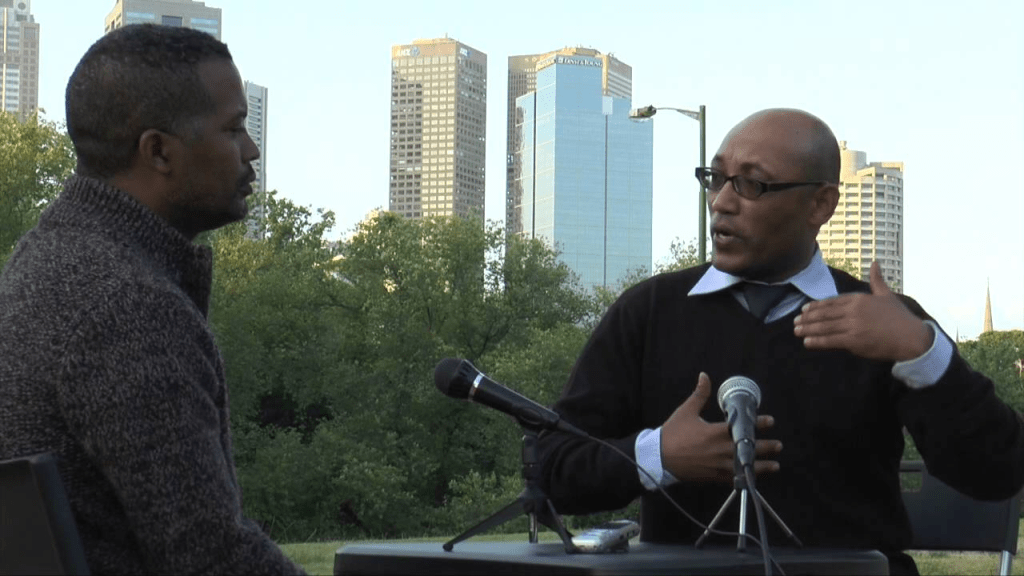
FINFINNE, ETHIOPIA — A provocative statement by Dr. Tsegaye Ararssa has reignited debate over the status of Finfinne (Addis Ababa) and the rights of its residents, challenging what he describes as “baseless” calls for the city’s self-determination while affirming the constitutional framework that places it within Oromia.
“Finfinne is one of the cities of Oromia” , Dr. Tsegaye asserts, grounding his argument in Ethiopia’s federal constitution and the regional constitution of Oromia . The statement has drawn both support and criticism in a country where the status of the capital city remains a sensitive political issue.
A City of Many Peoples
Finfinne, with its population estimated at between 3 and 4 million, is a microcosm of Ethiopia’s remarkable diversity. People from all regions of the country have made the city their home, bringing with them their languages, cultures, and traditions .
“Their coming is a blessing. Their presence is beautiful. It is beauty itself,” Dr. Tsegaye writes, acknowledging the contributions of migrants who have enriched the capital’s social and cultural fabric.
These residents, he emphasizes, are full rights-bearing citizens of both the country and the region. Their rights are guaranteed under Ethiopia’s constitution (Chapter 3), the Oromia constitution, and other relevant laws. State and regional governments are constitutionally obligated to protect and fulfill these rights .
Residents, Not a Nation
Despite the rich diversity of its population, Dr. Tsegaye draws a sharp legal distinction: “The residents of Finfinne are residents, citizens—not a nation.”
While each individual citizen retains their ethnic identity—with many having ties to their regions of origin—the residents of Finfinne collectively do not constitute a “nation” as defined under Ethiopia’s constitutional framework .
The Ethiopian constitution grants the right to self-determination to “nations, nationalities, and peoples,” defined in Article 39(5) as groups with shared culture, language, identity, and a sense of common history . Residents of Finfinne, however diverse, do not meet these criteria as a collective group.
Individual Rights vs. Collective Rights
Dr. Tsegaye draws a crucial distinction between two types of rights:
Individual rights that accrue to all citizens—including the right to education in one’s language, cultural expression, religious freedom, and preservation of identity—are fully guaranteed to residents of Finfinne .
Collective rights—specifically, the right of a group to self-determination—are reserved for groups that constitute “nations” under Ethiopian law. Such groups must meet the constitutional criteria defined in Article 39(5) .
According to Dr. Tsegaye, residents of Finfinne do not meet this constitutional threshold. They are not a “nation” but rather a diverse collection of individuals from various nations. Therefore, any movement seeking self-determination for the city of Finfinne as a collective entity is constitutionally baseless .
As he states, “If they were to be properly settled according to this criterion, they would be Oromo, and their region would be Oromia.”
The Call for Self-Determination
The debate over Finfinne’s status is not merely academic. In recent years, some voices have called for the city to exercise self-determination, either as an independent federal city or through other arrangements.
Dr. Tsegaye characterizes these calls as “baseless and anti-Oromo” . The phrase “anti-Oromo” likely reflects the perspective that these efforts threaten Oromo rights and the territorial integrity of Oromia.
However, the debate cuts multiple ways. Those advocating for Finfinne’s self-determination argue that the city’s residents have distinct interests that may not be fully represented by either the federal or regional government.
The Constitutional Framework
The Ethiopian constitution is one of the few in Africa that explicitly recognizes the right of nations, nationalities, and peoples to self-determination, including the right to secession .
The constitution also establishes Finfinne (Addis Ababa) as a special city, with its status and boundaries determined by the federal government. This has been a source of tension between the federal government and Oromia, with some Oromo nationalists arguing that the city rightfully belongs to Oromia.
Dr. Tsegaye’s argument is grounded in the constitutional text as he interprets it, but the constitution’s provisions on Finfinne’s status have been subject to multiple interpretations.
A Citizen, Not a Nation
The heart of Dr. Tsegaye’s argument is that Ethiopian citizenship must be distinguished from nationality. All Ethiopians are citizens, but they belong to nations, nationalities, or peoples as defined in the constitution. Residents of Finfinne are citizens first, and their ethnic identity is separate from their status as residents of the capital .
In a country where ethnic federalism is both a constitutional principle and a political reality, the distinction matters. It shapes access to resources, political representation, and even legal status.
His final counsel to residents of Finfinne is clear: “Leave this ‘Addis Ababa should determine its own destiny’ noise, and protect your citizenship rights. It is counsel” .
Conclusion
Dr. Tsegaye Ararssa’s intervention enters a contentious and evolving debate with significant political and legal implications. His emphasis on the constitutional text, the distinction between individual and collective rights, and the specific status of Finfinne as a city within Oromia reflects one interpretation of Ethiopia’s complex federal framework.
Yet the status of Finfinne remains one of the most sensitive and unresolved issues in Ethiopian politics. The debate over whether the city is the capital of Ethiopia, the seat of the Oromo people, or something else entirely continues to shape political discourse.
“The residents of Finfinne are residents, citizens—not a nation.”

Why Unity Remains a Constant Theme in the Oromo Freedom Struggle
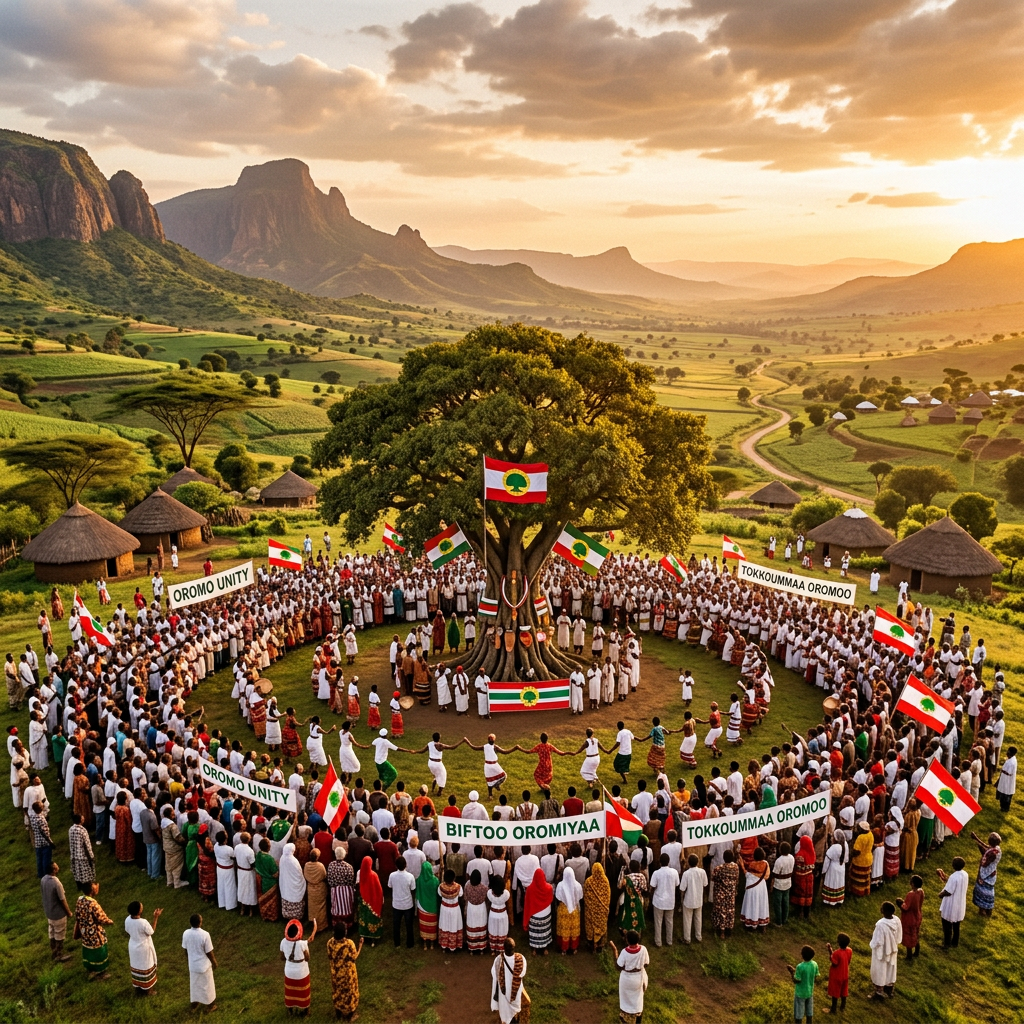
In the face of colonial domination and systemic oppression, the call for Oromo unity is not just a political slogan—it is a survival strategy, a moral imperative, and the foundation of a centuries-old struggle for liberation
The Oromo freedom struggle is one of the longest-running national liberation movements in Africa. For over a century, the Oromo people have resisted colonial domination, cultural suppression, and political marginalisation within the Ethiopian Empire. Throughout this long and arduous journey, one theme has remained constant: the call for unity.
Unity is not merely a rhetorical device in Oromo political discourse. It is a practical necessity, a moral principle, and a historical lesson that has been learned through generations of struggle. To understand why unity remains so central to the Oromo cause, we must look at the history of oppression, the nature of colonial strategy, and the lessons learned from both successes and failures.
The Colonial Strategy: Divide and Rule
The Ethiopian Empire was built through conquest. In the late 19th century, Emperor Menelik II’s armies, armed with European rifles, swept through the Oromo territories, confiscating land, imposing a feudal system of tribute and forced labor, and suppressing Oromo institutions such as the Gadaa system. The neftegna-gabbar system was not a metaphor—it was a system of land confiscation, tribute extraction, and forced labour that persisted for generations .
“When Menelik’s armies swept through what is now Oromia in the 1880s and 1890s, they did not arrive as liberators. They arrived with rifles purchased from European powers, with a feudal ideology that viewed the southern peoples as pagans to be civilised and their land as empty territory to be claimed” .
To maintain control over a conquered population that vastly outnumbered the colonisers—Oromos comprise roughly 35% of Ethiopia’s population —the imperial state employed a classic colonial strategy: divide and rule. Oromo society was fragmented, regional differences were exploited, and some Oromo elites were co-opted into the colonial administration. This strategy of fragmentation served the coloniser’s interests by preventing the emergence of a unified Oromo national consciousness .
The suppression of Oromo unity was not incidental to colonial rule—it was essential to it. A united Oromo nation posed an existential threat to the colonial system. This is why successive Ethiopian governments have sought to undermine Oromo unity, whether through direct repression or through the co-optation of Oromo elites into the state structure .
The Birth of National Consciousness
The 1960s marked a turning point in Oromo political consciousness. Oromo intellectuals and artists began to articulate their dissatisfaction with socio-economic deprivation and what was seen by some as ethnic oppression . The Macha-Tulama Self-Help Association (MTA), founded in the 1960s, represented one of the first organised attempts to build Oromo unity across regional and clan divisions .
The Haile Selassie government, recognising the threat posed by this emerging unity, crushed the MTA. Its destruction was the immediate catalyst for the founding of the Oromo Liberation Front (OLF) in the early 1970s . The establishment of the OLF represented a decisive shift: for the first time, a unified political organisation was created to lead the Oromo struggle for self-determination .
“The effort to bring together a few Oromo nationalists of diverse backgrounds from all over Oromia” to establish the OLF was itself an act of unity . The founders understood that only through a unified national movement could the Oromo people overcome the colonial system.
The Weapon of Culture
Oromo culture has been a powerful force for unity. While the Ethiopian state banned the Oromo language from public contexts and prevented it from being printed, Oromo musicians and artists developed creative forms of cultural resistance that sustained Oromo identity and consciousness .
“Afaan Oromo song (music) was used as the most powerful form of chimerical power in speaking across age, class, region, sex, power, and even ideology in resisting the domination of Imperial rule while striving to sustain common Oromo unity” .
Oromo musical icons such as Ali Birra, Abitaw Kebede, Nuho Gobana, Umar Suleyman, Ebbisa Adunya, and Kadir Said played an indispensable role in creating a social space wherein the Oromo struggle for equality and self-emancipation is articulated and debated . Songs like Haacaaluu Hundeessaa’s Maalan Jiraa became anthems of resistance, weaving together stories of pain and pride, hope and despair, and reminding Oromos of their shared identity and destiny .
“It is here, in this reservoir of songs, in the unruly dances and heart-breaking ballads, that one finds the story of the Oromo nation and its struggle for self-determination, not in the official archives and historiographies of the Ethiopian state” .
These artists became targets of state repression because their songs threatened the colonial order by building Oromo unity and consciousness .
Lessons from History
The Oromo people have a long memory of both the costs of disunity and the power of unity. The 16th-century Oromo campaigns, which successfully reclaimed territories from both Christian and Islamic imperial forces, were made possible by the sophisticated organisation of the Gadaa system—a system built on unity of purpose and collective action .
“The successes of the Oromo were not due to sheer numbers or migratory luck—but stemmed from an internally sophisticated and morally grounded civilisational system anchored in the Gadaa democratic order” .
Factors such as the Gadaa system, age-set institutions (Cibra), the unifying goal of reclaiming ancestral land (Galma), spiritual conviction (Kaawoo), and inclusive sociopolitical integration (Moggaasaa) all contributed to Oromo military success .
Conversely, the weakness of the Oromo movement has often been attributed to disunity. As one analysis notes, within the Oromo nationalist movement there are “lots of varieties, units, political agendas, and goals” . This diversity, while reflective of the Oromo people’s richness, has at times been exploited by the state to undermine the movement.
The recognition that disunity serves the coloniser is a constant theme in Oromo political discourse. “The colonizers and their agents have vilified and attacked” the OLF “to make the Oromo society leaderless” . A leaderless, fragmented society is easier to control.
Unity in Contemporary Struggles
The theme of unity remains urgent today. Recent efforts by the Oromo Liberation Front (OLF) and the Oromo Federalist Congress (OFC) to establish a “Transitional National Unity Government of Oromia” reflect this ongoing imperative . These groups have called on “all genuine Oromo forces, regardless of their method of struggle, to resolve their political differences and galvanize their unity” .
The call for unity is not merely political—it is a response to the dire situation facing the Oromo people. Across all 22 zones of Oromia, conflict between government forces and the Oromo Liberation Army (OLA) has led to arrests, beatings, displacement, mass burning of civilian houses, and other atrocities . The Oromo people face a crisis that demands unified action .
Yet the path to unity is not simple. The Oromo nation is divided by class, region, religion, and political orientation. As one analysis notes, “the Oromo nation is not a monolith. It is divided by class” . At the top is the Oromo comprador bourgeoisie—elites integrated into the state structure who benefit from the existing system . At the bottom is the Oromo working class—peasants, agricultural labourers, industrial workers, unemployed youth, and the urban poor .
This class division has led to a recognition that “nationalism alone cannot deliver what the Oromo masses actually need” . The Oromo peasant displaced from their land does not care whether the displacer is Amhara or Oromo—the displacement is the same . The Oromo worker paid starvation wages does not care whether the boss is based in Addis or abroad—the exploitation is the same .
This insight has led some to argue that the Oromo struggle must move beyond nationalism to class politics, building alliances with other oppressed peoples across Ethiopia . “Your ally is the Amhara worker who also wants land. Your ally is the Tigrayan worker who also wants a living wage” .
The Role of the Gadaa System
The Gadaa system continues to be a source of unity for the Oromo people. Its principles of regular rotation of leadership, checks and balances, and consensus-building mechanisms are considered “one of the most sophisticated pre-capitalist socio-political systems ever developed” . The Gadaa system is not merely a cultural artefact—it offers lessons in democratic governance that are relevant to the contemporary struggle .
“A liberated Ethiopia would not erase Oromo culture. It would draw on it. It would recognise that the Gadaa system offers lessons in democratic governance that the European liberal tradition cannot teach” .
The revival of the Gadaa system and the celebration of the Irreechaa festival have become powerful symbols of Oromo unity and cultural renaissance.
Conclusion
Unity remains a constant theme in the Oromo freedom struggle because it is both a necessity and a lesson learned through generations of experience. The colonial state has sought to divide the Oromo people because a united Oromo nation poses an existential threat to the colonial system. The Oromo people have learned, through both victory and defeat, that unity is the foundation of successful resistance.
But unity is not merely a political strategy—it is a moral principle rooted in the Oromo worldview. The concept of Safuu, the moral order that maintains balance and harmony, applies to the Oromo nation as well. Disunity is a breach of Safuu, a disruption of the natural order that brings suffering to the community .
As the Oromo struggle continues, the call for unity remains urgent. Whether through political organisation, cultural expression, or class solidarity, the Oromo people must find ways to overcome the divisions that have been imposed upon them and build the unity necessary for genuine liberation.
“The full restoration of the Oromo people’s freedom and rights is essential for lasting peace” . And that restoration will only be achieved through unity.
The struggle for Oromo liberation is the struggle for Oromo unity. And the struggle continues.






