Daily Archives: August 24, 2026

Ukee: An Oromo Tradition of Nurturing the Next Generation
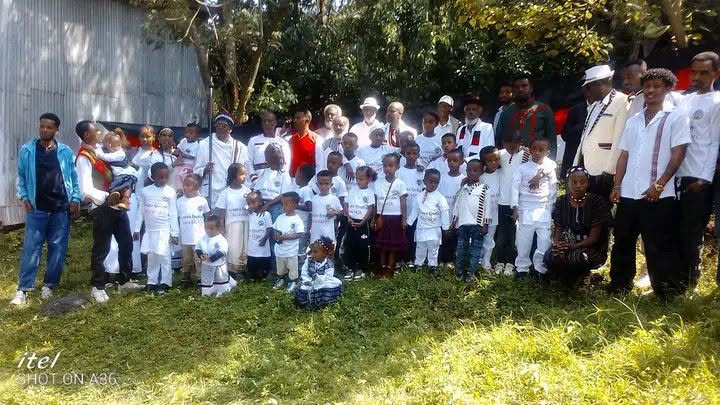
Celebrating Childhood and Cultural Continuity in Walisoo
By Daandii Ragabaa
Today, in the historic town of Walisoo, the Galma Amantaa Waaqeffannaa Duudhaa Ganamaa Walisoo Liiban was filled with the joyous sounds of children’s laughter and celebration. The occasion was the annual Ukee festival—a sacred Oromo tradition dedicated to honouring children and ensuring the continuity of culture from one generation to the next.
What Is Ukee?
Ukee, also known as Taabooree in some regions, is a traditional Oromo children’s festival celebrated during the month of Hagayya (July-August). It is a time when the community comes together to honour its youngest members—the inheritors of the culture, the carriers of the language, and the hope of the future.
The festival reflects the deep value that Oromo culture places on children. In a society where oral tradition is the foundation of cultural transmission, children are not merely the future—they are the living connection to ancestors and the continuity of identity.
A Celebration of Childhood and Community
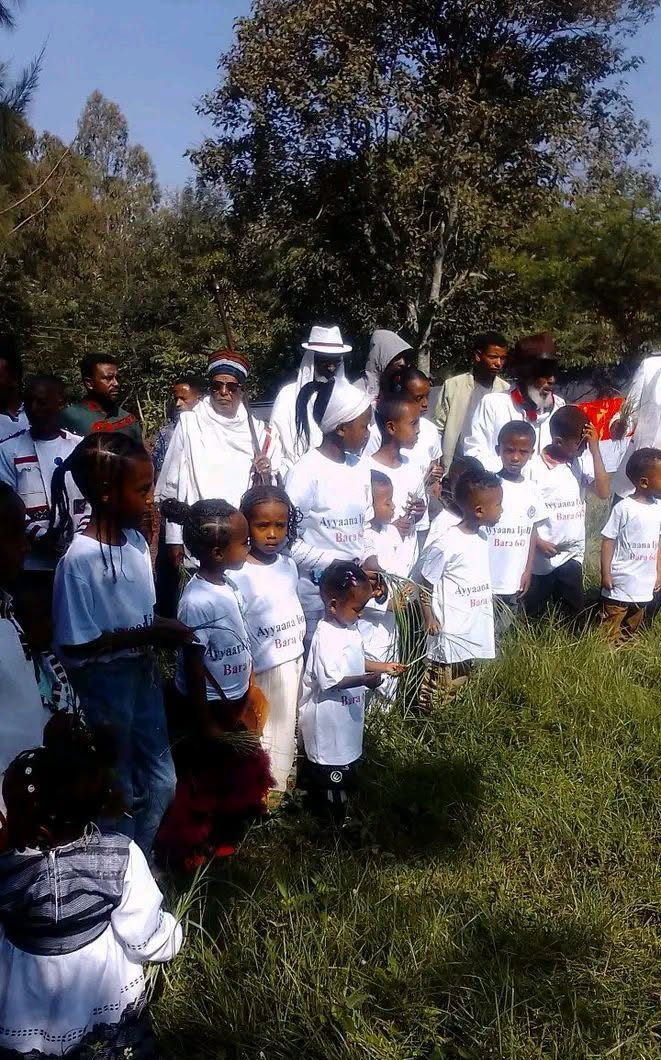
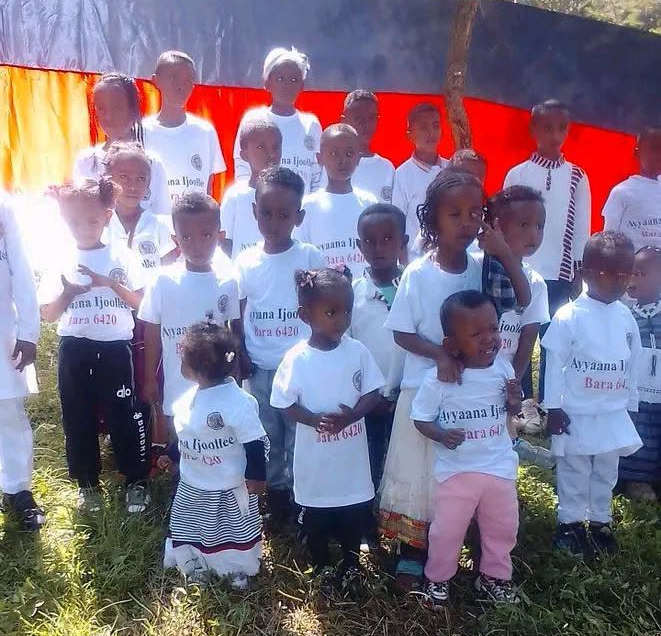
The Ukee festival is a vibrant celebration filled with traditional songs, games, and communal gatherings. Children are the centre of attention, dressed in their finest traditional attire, participating in activities that have been passed down through generations.
The festival is also a time for intergenerational connection. Elders share stories, teach traditional values, and impart the wisdom of the Gadaa system to the younger generation. Through these interactions, children learn about their history, their culture, and their responsibilities to their community.
The Significance of Ukee
For the Oromo people, the Ukee festival is not merely a children’s holiday—it is a profound expression of the community’s commitment to its future. By celebrating and nurturing children, the community ensures that its culture, language, and values will endure for generations to come.
The festival also reinforces the bonds of community. Families come together, neighbours share meals, and the entire community participates in the celebration of its youngest members. This collective affirmation of the value of children strengthens the social fabric and builds a foundation for future prosperity.
A Living Tradition
In a rapidly changing world, traditions like Ukee serve as anchors of identity and continuity. The celebration at the Galma Amantaa Waaqeffannaa in Walisoo is a testament to the resilience of Oromo culture and the commitment of the community to preserving its heritage.
As the children of Walisoo gather to sing, dance, and celebrate, they are not only enjoying a moment of joy—they are participating in a ritual that has sustained the Oromo people for centuries. They are learning who they are and who they can become.
Conclusion
The Ukee festival is a beautiful reminder that the strength of a community lies in its children. By honouring them, we honour our ancestors. By celebrating them, we celebrate our future. By teaching them, we ensure that the flame of our culture will never be extinguished.
This feature article is dedicated to the children of Oromia and all those who work to ensure that Oromo culture thrives for generations to come.

Ifaanoo: Welcoming the Season of Light
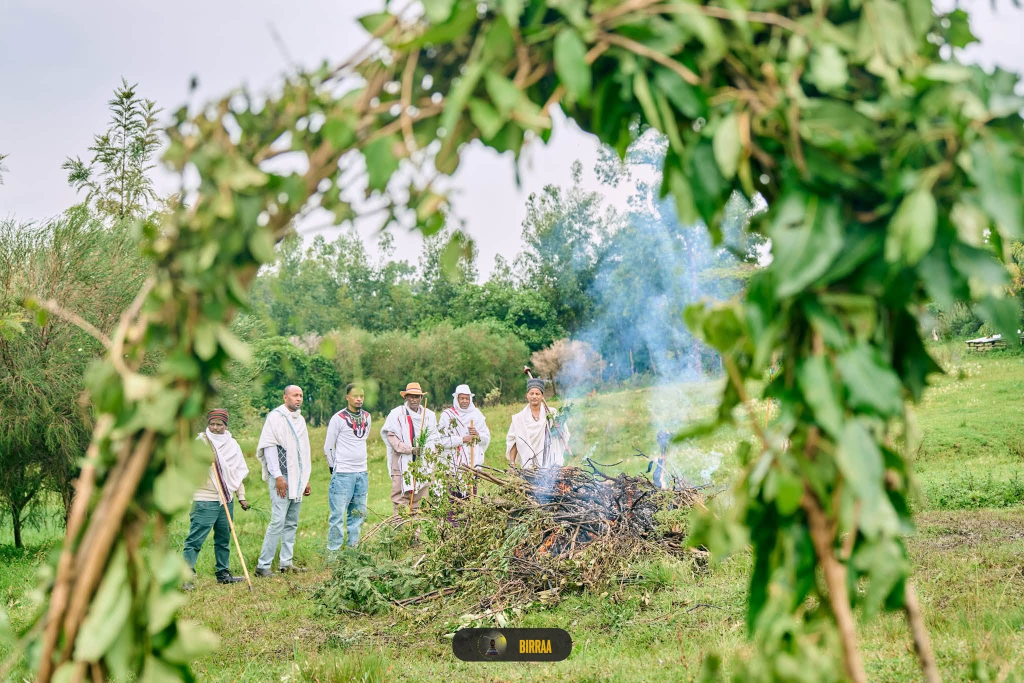
How the Sacred Mijirii Bonfire Illuminates Hope, Rebirth, and Oromo Unity
ByMaatii Sabaa
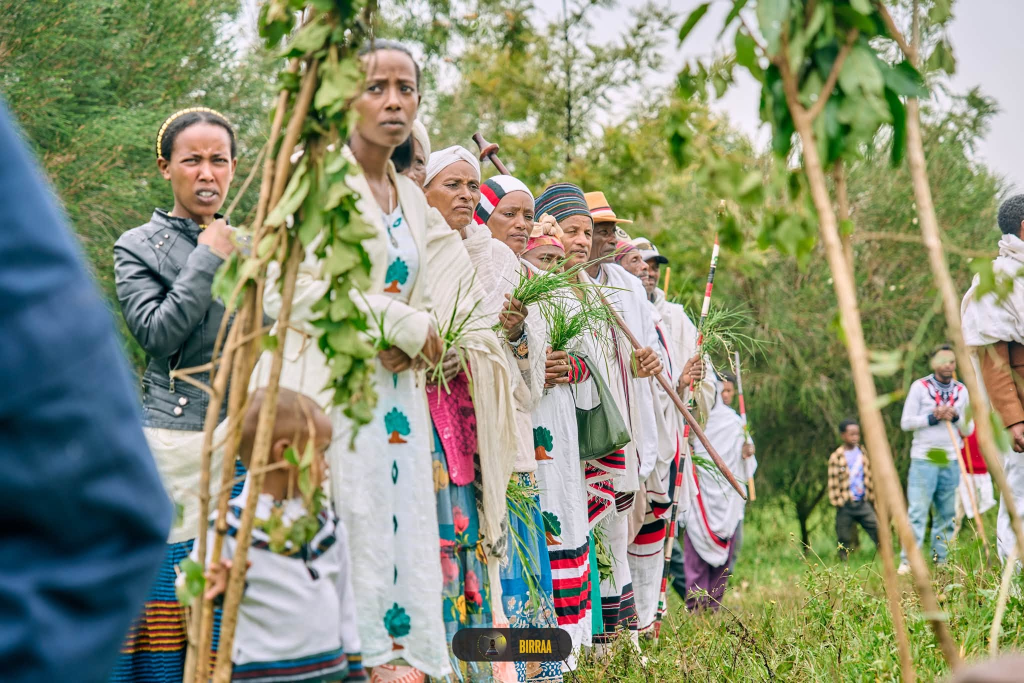
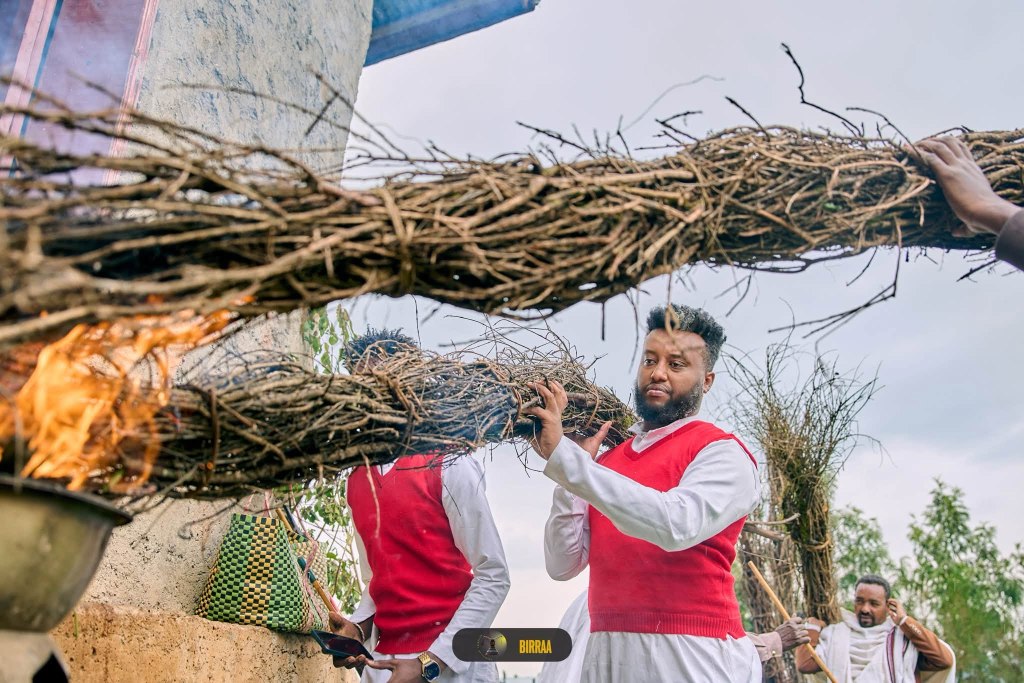
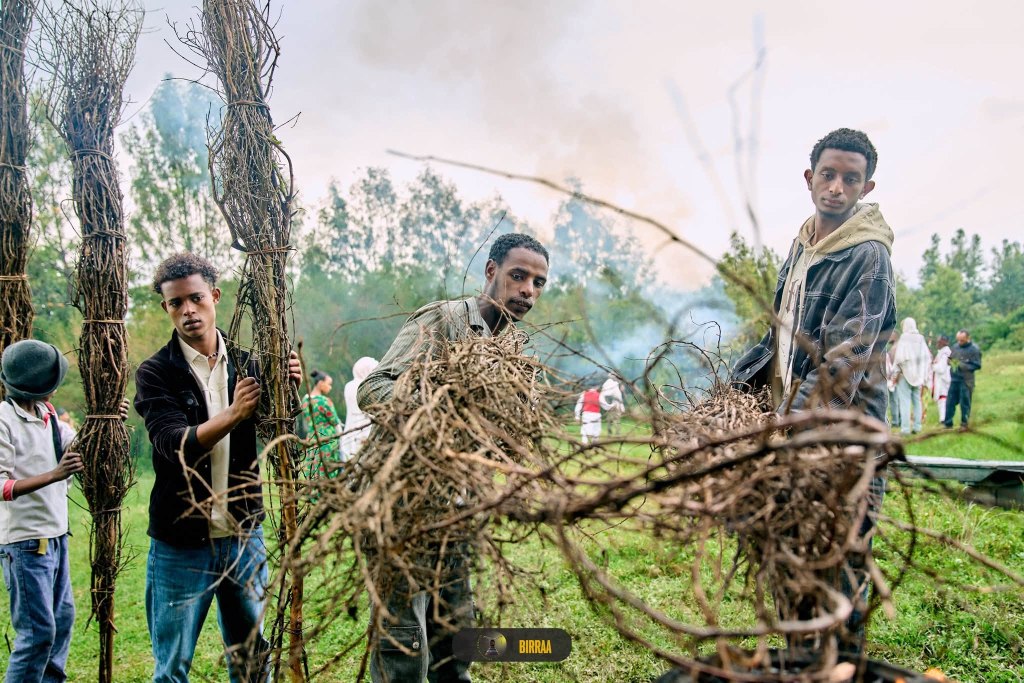
At the break of dawn, as the first rays of light touch the horizon, the sky ignites with warmth. Flames leap toward the heavens, casting a golden glow across the gathered community. This is Ifaanoo—the sacred Oromo ritual that marks the end of the dark winter season and the joyous arrival of Birraa (spring).
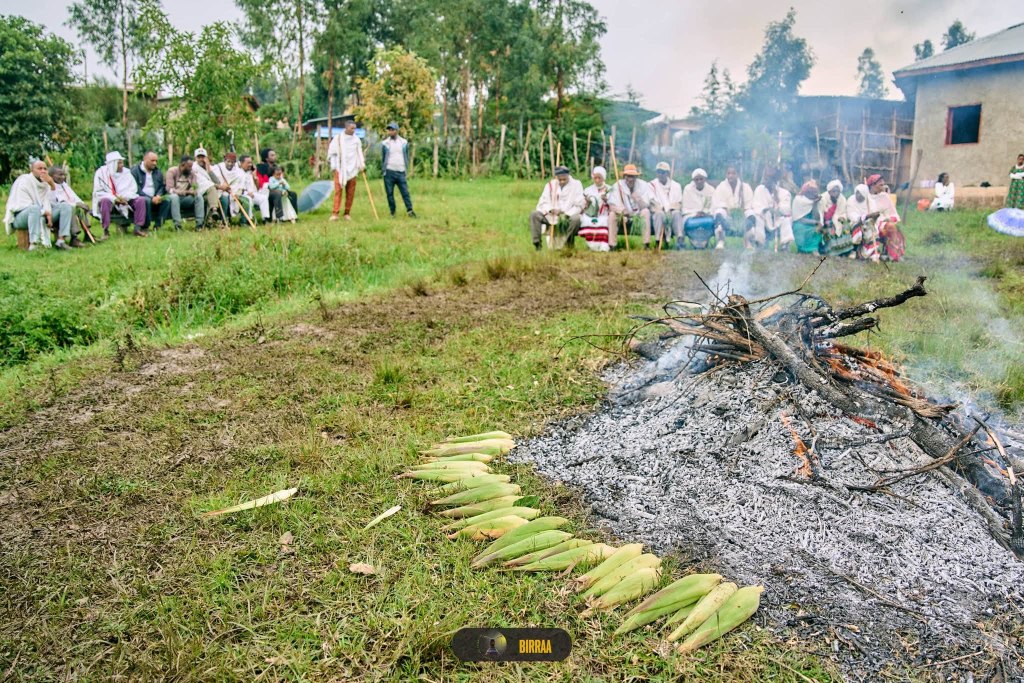
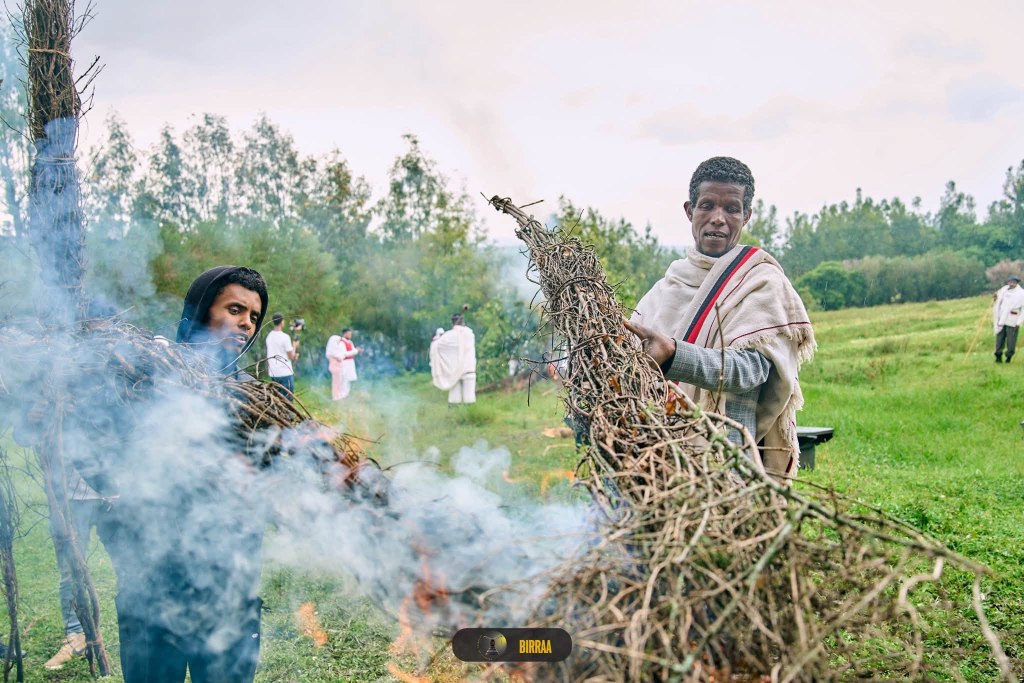
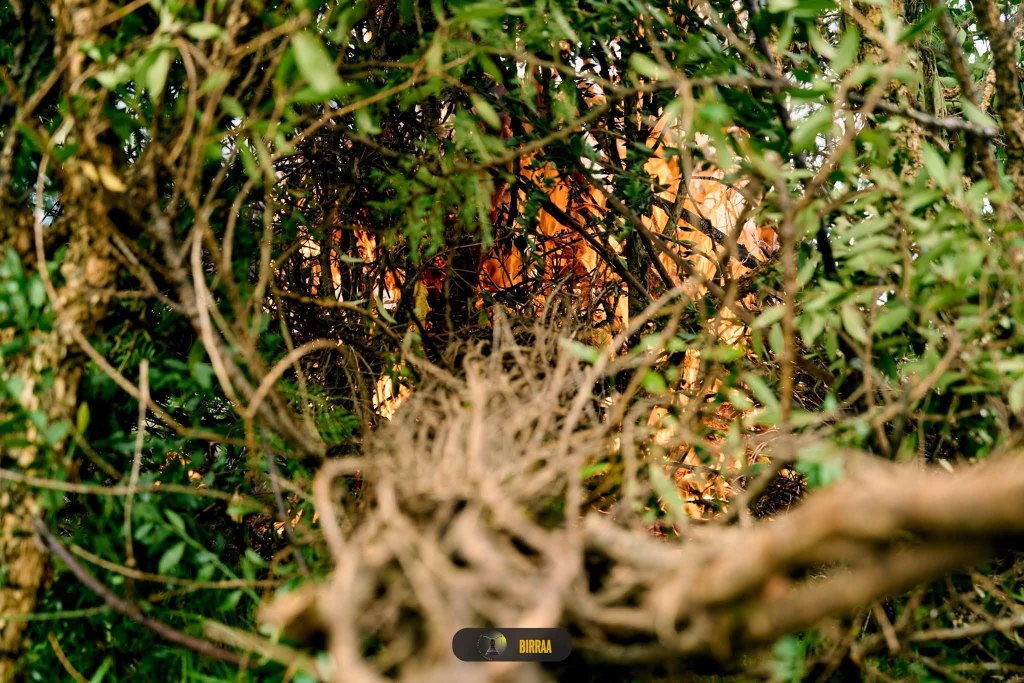
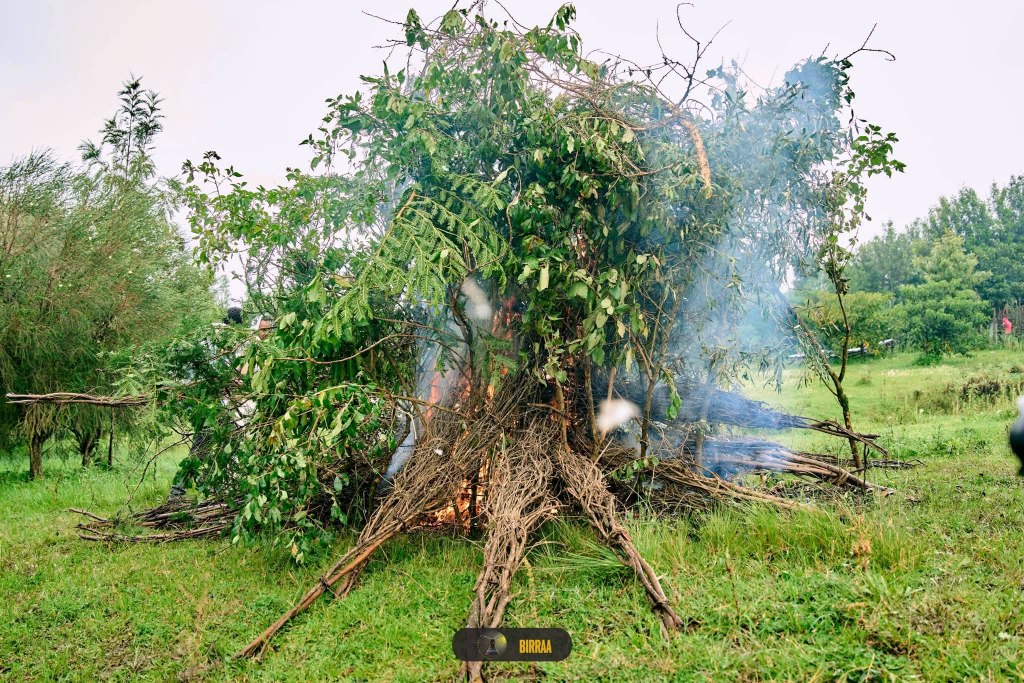
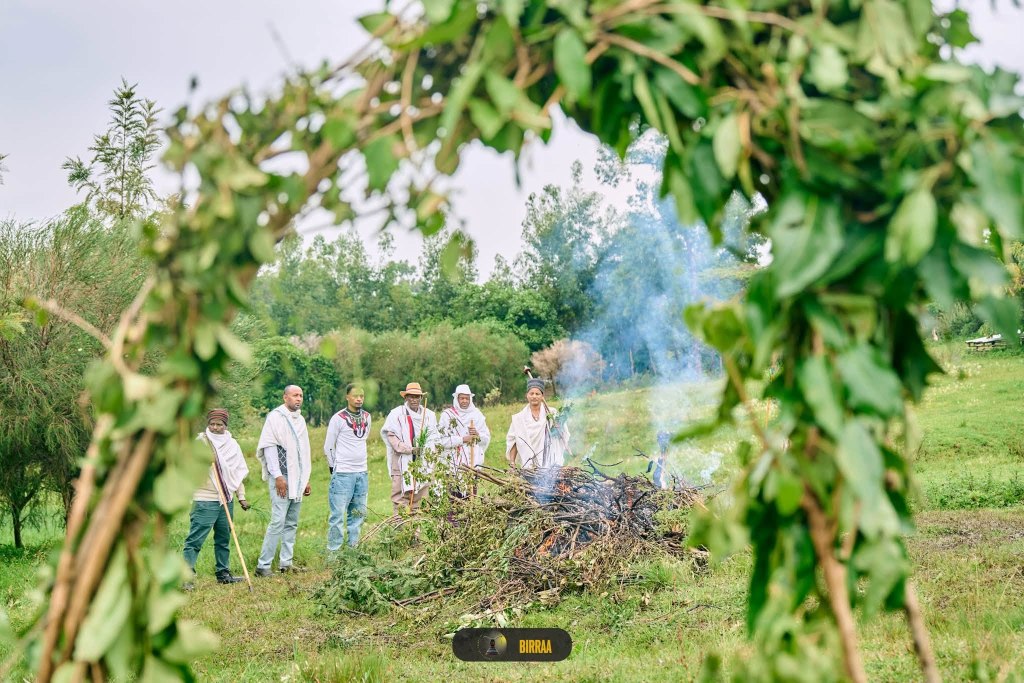
The historic Mijirii bonfire is lit, filling the air with the crackling sound of fire and the scent of burning wood. Families, elders, youth, and children gather around the flames, their faces illuminated by the glow. It is a moment of profound spiritual significance—a time when the community comes together to cast away the gloom of winter, uplift one another, and celebrate the rich, enduring customs of their ancestors.
The Meaning of Ifaanoo
Ifaanoo is a celebration of light and renewal. The word ifaa in Afaan Oromoo means “light,” and the festival embodies the dispelling of darkness—both literal and metaphorical. Just as the dawn breaks after a long night, Ifaanoo represents the triumph of hope over despair, of unity over division, of life over hardship.
The lighting of the Mijirii bonfire is the centrepiece of the celebration. The bonfire is not merely a source of warmth; it is a symbol of the sun’s return, the rebirth of the earth, and the renewal of the community’s covenant with Waaqa (God). As the flames rise, participants offer prayers of gratitude for the blessings of the past year and petitions for peace, prosperity, and unity in the year ahead.
A Ritual of Community and Solidarity
Ifaanoo is a profoundly communal celebration. Families and neighbours gather around the bonfire, sharing stories, songs, and traditional foods. The warmth of the fire mirrors the warmth of human connection, reinforcing the bonds that hold the community together.
The festival is also a time for reconciliation. As with other Oromo celebrations, participants are encouraged to resolve conflicts and seek forgiveness before joining the festivities. This requirement ensures that the celebration is not merely a superficial gathering but a genuine act of collective healing and renewal.
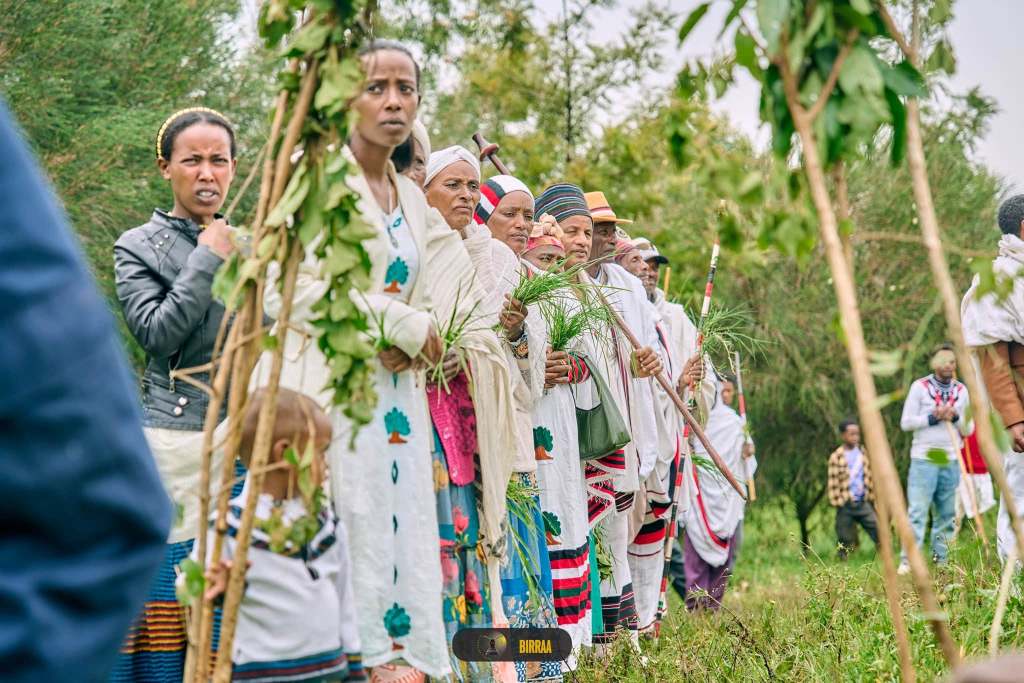
Elders play a central role in the Ifaanoo ceremony. They lead the prayers, offer blessings, and share the wisdom of the ancestors with the younger generation. The intergenerational transmission of knowledge ensures that the values and traditions of the Oromo people are preserved and passed on.
The Symbolism of Light
For the Oromo people, light represents not only physical illumination but also spiritual clarity, moral purity, and the presence of divine blessing. The bonfire is a reminder that even in the darkest times, light can be kindled—that hope is never extinguished, and that renewal is always possible.
The transition from winter to spring is a powerful metaphor for the human experience. Winter, with its cold, darkness, and isolation, represents the hardships and challenges of life. Spring, with its warmth, light, and abundance, represents the promise of renewal and hope. Ifaanoo celebrates this transition, reminding the community that after every winter, spring will come.
A Living Tradition
Ifaanoo is not a relic of the past—it is a living tradition that continues to evolve and adapt to the needs of the present. In recent years, the celebration has been revived and embraced with renewed enthusiasm in Oromia and diaspora communities across the world.
The festival serves as a powerful statement of cultural identity and resilience. For a people who have faced centuries of oppression and cultural erasure, the act of gathering around the Mijirii bonfire is a declaration that their traditions endure and that their identity will not be extinguished.
A Call to Renewal
As the Mijirii bonfire illuminates the sky, it also illuminates the path forward. Ifaanoo is a call to renewal—to let go of past grievances, to embrace hope, and to recommit to the values of unity, peace, and mutual respect.
In a world often marked by division and despair, the Oromo people offer a powerful alternative: a celebration of light, community, and the enduring hope that dawn will always follow the night.
This feature article is dedicated to the custodians of Oromo tradition who keep the flame of Ifaanoo burning bright for future generations.









 Advocacy for Oromia