Category Archives: Election

The Unconquerable Equal: What an Ancient Oromo Proverb Teaches Us About Power and Humanity
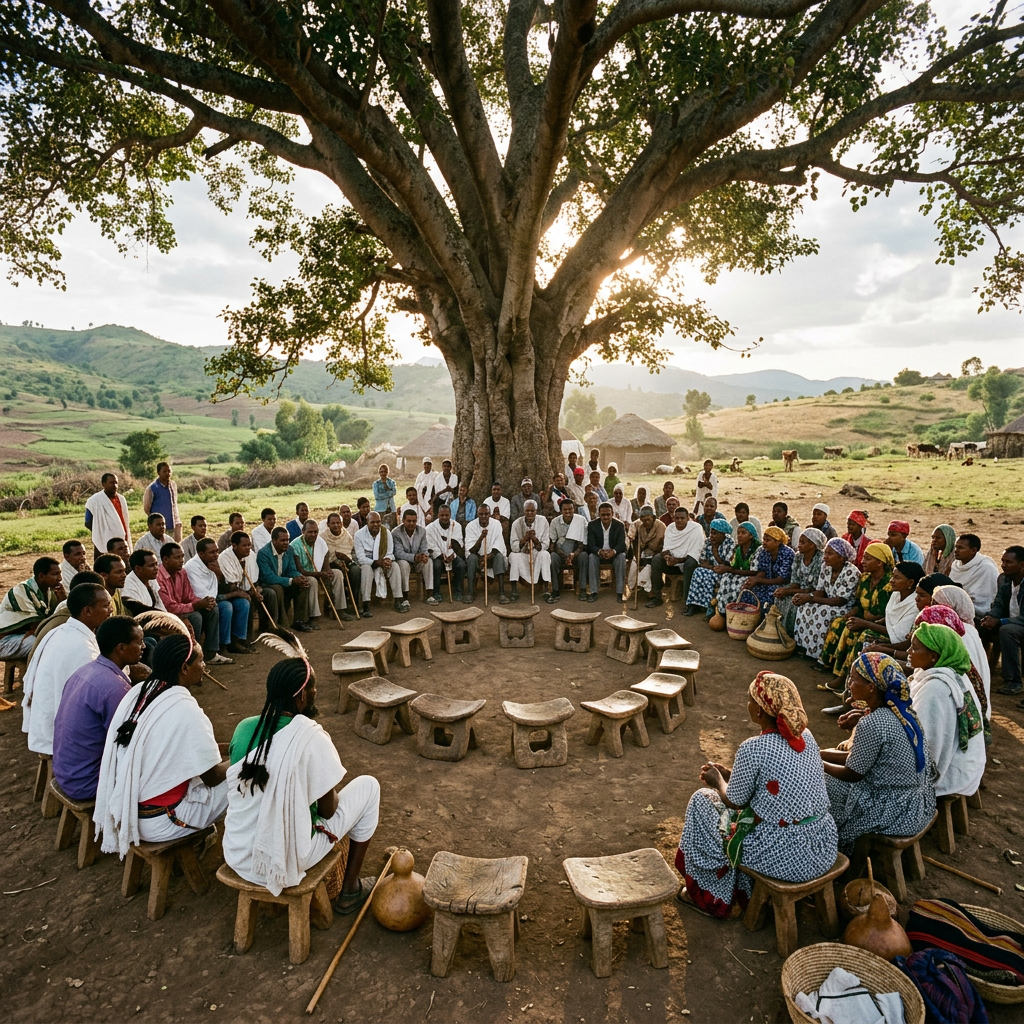
In the quiet rhythms of Oromo tradition, nestled within the democratic folds of the Gadaa system, lies a proverb of profound audacity:
“Akka sirna Gadaatti namni kamuu namummaan nama kaan hin caalu; namni hundi walqixxee dha.”
Translated, it declares: “In the Gadaa system, no one is superior to another by virtue of humanity; all people are equal.”
To the modern ear, it might sound like a simple platitude, a nod to a universal truth we all claim to hold. But to understand this saying is to discover a revolutionary blueprint for society that challenges the very foundations of power as we know it.
The Wellspring of Equality
The Gadaa system is not merely a historical relic; it is a living, breathing indigenous democratic practice of the Oromo people. For centuries, it has served as a socio-political and religious framework, organizing society not by brute force, inherited status, or accumulated wealth, but by age and demonstrated wisdom.
Every eight years, power transfers peacefully from one generation to the next. This is not a coup, not an election marred by mudslinging, but a ceremony. It is a ritualized passing of the baton that ensures no single individual, family, or clan can amass permanent control.
It is from this system that the proverb springs. It declares a foundational truth: your humanity is your only title. Not your lineage, not your cattle, not your military might. Your namummaa—your essential humanness—is the only metric that truly matters.
Beyond Hierarchy: The Oromo Challenge
In a world obsessed with hierarchies—the CEO above the intern, the president above the citizen, the celebrity above the fan—this Oromo worldview is a radical act of defiance. It suggests that all constructed pecking orders are fragile illusions.
The proverb is a shield against arrogance and a sword against oppression. If a leader believes themselves inherently superior, they have already violated the Gadaa principle. The system demands that leaders, the Abba Gadaa, are not tyrants but servants of the collective will. Their authority is functional, not intrinsic. It is a role, not a birthright.
This is where the proverb resonates deeply with modern democratic ideals. It prefigures the Enlightenment concept of equality by centuries. It echoes the words of revolutionaries and civil rights leaders who insisted that the color of skin, the gender of the body, or the nation of one’s birth do not define the worth of the soul.
The Unseen Thread of Connection
But perhaps the most profound implication of “all people are equal” is not political, but spiritual and social. It binds the community together with a thread of mutual responsibility.
If we are all equal, then the welfare of my neighbor is as important as my own. My success is not a victory over another, but a contribution to the collective whole. This is the bedrock of Gadaa governance—a system that relies on consensus, dialogue, and a shared sense of duty. It fosters a society where status is earned through service and character, not through aggression or accumulation.
A Lost Compass for a Troubled World
As we navigate the 21st century—beset by inequality, systemic injustice, and the cult of personality—the wisdom of the Oromo ancestors offers a compass. The proverb “Akka sirna Gadaatti…” is a challenge to the status quo.
It calls us to look beyond the titles on our business cards and the zeros in our bank accounts. It urges us to see the sacred, unassailable equality in the eyes of every stranger we meet.
Because in the end, the Gadaa system reminds us of a simple truth we so often forget: before we are kings, laborers, rich, or poor, we are simply human. And in that shared humanity, we are all—always and forever—equal.

The Many Faces of Freedom: Understanding the Oromo Struggle for Self-Determination

By Our Special Correspondent
The question echoes across generations, continents, and political divides: How does one become an Oromo freedom fighter?
The answer, like the struggle itself, is complex. It defies the simplistic caricatures often peddled by those who would reduce the Oromo quest to a single narrative of violence. The reality is far richer—and far more demanding.
To become an Oromo freedom fighter is to commit oneself to a cause that transcends any single organization, any single leader, or any single moment in history. It is to join a continuum of resistance that stretches from the 19th-century resistance to Abyssinian expansion to the Oromo popular uprisings of 2014-2017, and into the present-day struggle for recognition, justice, and self-determination.
This commitment can take many forms. Some choose the path of political advocacy and grassroots organizing. Others dedicate themselves to academic and cultural scholarship, reclaiming a history long suppressed. Still others—driven by circumstances and conviction—take up arms in the forests and mountains of Oromia.
Each path carries its own risks, its own rewards, and its own profound responsibilities.
—
The Path of Political Advocacy: Building Power Through Participation
For many, the struggle begins not with a weapon but with a ballot, a placard, or a community meeting. Political advocacy and grassroots organizing represent the most accessible—and often the most sustainable—forms of participation.
Joining Political Parties
Ethiopia’s constitutional framework, for all its imperfections, provides space for political organization. The Oromo Liberation Front (OLF) , once a rebel movement, is now a legally registered political party operating within the country’s electoral process. Alongside it, the Oromo Federalist Congress (OFC) —formed in 2012 through the merger of the Oromo Federalist Democratic Movement and the Oromo People’s Congress—advocates for Oromo rights within the federal system.
These parties, along with others, have issued joint statements calling for the unconditional opening of political space and the cessation of conflict ahead of national elections. For those who believe in change through established channels, joining and supporting such parties offers a legitimate, if often frustrating, avenue for political expression.
Civic Engagement and Community Organizing
Beyond party politics lies a vast landscape of civic organizations. In the diaspora, Oromo community organizations have emerged as powerful platforms for advocacy, education, and cultural preservation. Groups like Advocacy for Oromia (A4O) , founded in 2014, work to improve the settlement process and advance the wellbeing of the Australian-Oromo community. The Oromo Legacy Leadership and Advocacy Association (OLLAA) connects and organizes Oromos around a common cause—creating positive change in Ethiopia and the world through advocacy, education, and community organizing.
These organizations organize peaceful protests, fundraising campaigns, and global awareness initiatives. They amplify voices that might otherwise go unheard, documenting human rights violations and advocating for international attention. In the words of one such organization, they work to “promote universal human values by supporting, advocating, and amplifying the voices of the human rights violation victims”.
The path of political advocacy is not without its perils. The OLF has accused the government of deliberately closing the political arena and obstructing the lawful activities of opposition parties. Political activists face arrest, harassment, and worse. Yet for many, the risk is worth taking. As one activist put it, “Silence is not an option when your people are suffering.”
—
The Path of Scholarship: The Weapon of Knowledge
There is an Oromo proverb: “Namni waan hin beekne hin dhaabatu” —One who does not know does not stand firm. This principle lies at the heart of the academic and cultural path to freedom.
Oromo Studies: Reclaiming a Suppressed History
For generations, Oromo history was written by others—often by those who sought to justify conquest and marginalization. The Oromo were treated as “historical objects,” their agency erased, their contributions ignored. The Ethiopian knowledge elites, as scholars have noted, “treated the Oromo as historical objects or have ignored them because of their subordination and powerlessness”.
The emergence of Oromo Studies as an academic discipline represents a profound act of liberation. It is, as one scholar has written, an attempt to “replace colonial history by a history of liberation”. The Oromo Studies Association (OSA) , founded in the last quarter of the 20th century, publishes the Journal of Oromo Studies (JOS) , a premier peer-reviewed publication for interdisciplinary scholarship on the Oromo. Now fully open-access, the journal publishes articles, research notes, and scholarly book reviews in both English and Afaan Oromoo.
The OSA plays a vital role in “making the world community aware of Oromo aspirations and grievances”. For intellectuals and students, contributing to this body of knowledge is a form of resistance—a refusal to accept the erasure of Oromo history and identity.
Combating Historical Marginalization
Academic scholarship is not confined to university libraries. It extends to the broader project of combating historical marginalization through education, cultural preservation, and public awareness. Organizations like the Mecha and Tulaama Association —founded in 1963 not as a militant front but as “a critical socio-cultural and intellectual awakening”—provided an organized platform at a time when “the very fabric of Oromo identity was under systemic pressure”.
Today, this tradition continues through cultural festivals like Irreecha, language preservation efforts, and the promotion of the Gadaa system—an indigenous democratic governance framework recognized by UNESCO as an Intangible Cultural Heritage of Humanity.
To become a freedom fighter through scholarship is to understand that liberation begins in the mind. It is to recognize that a people who know their history cannot be easily conquered, and that knowledge, once planted, grows into something no army can destroy.
—
The Path of Armed Resistance: The Oromo Liberation Army
For some, the path to freedom leads not to a lecture hall or a political party office, but to the forests and mountains of Oromia. This is the path of the Oromo Liberation Army (OLA) —the armed wing of the struggle that has been engaged in a prolonged conflict with the Ethiopian government.
Who Joins and Why
The OLA’s ranks have historically included farmers, students, and intellectuals who joined the movement to achieve self-determination. They come from diverse backgrounds but share a common conviction: that peaceful avenues for change have been exhausted, and that armed resistance is the only remaining option.
The OLA operates out of remote forest outposts across Oromia, a region with a population of roughly 40 million people. Its commander, Jaal Marroo (also known as Kumsa Diriba), is a wanted man who moves constantly to stay ahead of government drones hunting him from the skies. The group has taken several towns in western, central, and southern Oromia, at times facing little resistance from government forces.
A Complex Legal and Political Status
The OLA’s relationship with the OLF is complex. The OLA split from the OLF after a 2018 peace agreement between the OLF and the Ethiopian government. While the OLF is a legally registered political party operating within Ethiopia’s political system, the OLA is proscribed by the government as a “terrorist organization”.
The OLA says it is fighting for the self-determination of Ethiopia’s largest ethnic group, the Oromo. It has welcomed international human rights reports and called for impartial, internationally mandated investigations into alleged atrocities. Yet the conflict has taken a devastating toll on civilians. The International Committee of the Red Cross has highlighted the “devastating” impact of the Oromia conflict on civilian populations, and both government forces and the OLA have been accused of human rights violations.
The Risks and Realities
The path of armed resistance carries extraordinary risks. Fighters face death, injury, and imprisonment. They live in constant danger, moving through remote territories, evading government forces and surveillance. Their families face harassment and persecution.
Yet for those who choose this path, the risks are outweighed by conviction. As one fighter reportedly said, “We did not choose this life. It was chosen for us by a government that left us no other option.”
—
The Common Thread: A Shared Commitment
Despite the differences between these paths—political advocacy, academic scholarship, and armed resistance—they share a common thread: a commitment to the fundamental principles of the Oromo struggle.
These principles are not merely separatist or nationalist. They are transformative, aiming to reshape, support, and sustain a more just and inclusive Ethiopia. They include:
· Oromia as the territorial homeland and foundation of Oromo identity.
· Afaan Oromo as the linguistic unifier and symbol of dignity.
· Gadaa as the indigenous democratic blueprint for governance.
· Oromummaa as the cultural conscience of the people.
· Finfinnee as the symbolic capital and national crucible.
· Diree Dawa as the multicultural frontier demanding inclusive governance.
—
Conclusion: Choosing Your Path
Becoming an Oromo freedom fighter is not a single act but a lifelong commitment. It requires historical literacy, strategic clarity, ethical grounding, and profound personal readiness. It demands that one count the cost—whether that cost is imprisonment, exile, or death—and choose nonetheless.
The path one takes depends on circumstance, conviction, and opportunity. Some will march in peaceful protests. Others will write scholarly articles or teach Oromo history. Still others will take up arms in the forests of Oromia.
Each path is valid. Each path is necessary. And each path, in its own way, contributes to the larger struggle for justice, recognition, and self-determination.
As an Oromo elder once said: “The struggle is not about what we take from others; it is about what we build for ourselves and our children. It is about reclaiming our dignity and offering it as a gift to the nation we share.”
The question is not whether to become a freedom fighter. The question is: Which path will you choose?
—
“Namni waan hin beekne hin dhaabatu” — One who does not know does not stand firm.

The Unbroken Struggle: A History of Oromo Resistance and the Quest for Justice

From ancient freedom to colonial subjugation and the ongoing fight for self-determination, the Oromo people’s journey is a testament to resilience, sacrifice, and an unyielding commitment to justice.
A History of Freedom, Before the Fall
“Ummanni Oromoo otuu garbummaa jalatti hin kufiin dura nagaa fi bilisummaan jiraachaa ture.”
Before the shadow of subjugation fell upon them, the Oromo people lived in peace and freedom. Their culture, identity, and faith flourished without external interference, guided by the principles of the Gadaa system, the wisdom of their elders, and a deep connection to the land.
The Oromo identity was not a burden—it was a source of pride. The Oromo language was spoken freely, traditions were celebrated openly, and the community governed itself through indigenous institutions that predated the modern state. The Oromo were not merely inhabitants of their land; they were its custodians, its protectors, and its soul.
The Conquest: A People Forcibly Subjugated
“Haata’uutii, sirni Habashaa erga Oromiyaa humna qawween cabsee gabroomsee hiree ummata Oromoo roorroo jalatti kufe.”
This era of autonomy came to a violent end with the expansion of the Abyssinian (Habasha) imperial system. Through military conquest, the Oromo people were subjugated, their lands seized, and their social and political structures dismantled. The once-proud people were reduced to subservience, forced to labour for those who had conquered them.
Yet the Oromo did not simply accept their fate. “Ummati Oromoo garuu karaa danda’e maraan sirnicha faccisuu hin dhiifne ture.”—The Oromo people never ceased their resistance, using every available means to challenge the oppressive system. Whether through scattered uprisings, covert resistance, or open rebellion, the spirit of defiance remained alive.
The Systematic Erasure of Identity
The conquest was not only military—it was cultural, linguistic, and spiritual. The occupiers understood that to control a people, one must control their identity.
Land Dispossession: “Erga Oromoon humna Habashaa jalatti kufee kaasee lafti Oromoo kan abbootii lafaa ta’e, namni Oromoo lafa isaa irratti ciisanyaa ta’ee warra garboonfataa tajaajiluu ta’e.”—After the Oromo fell under Abyssinian control, the land that had belonged to their ancestors was taken from them. The Oromo became tenants on their own soil, forced to serve those who had dispossessed them.
Identity Erasure: “Eenyummaan Oromoo haalamee, maqaan jibbamaa fi tuffatamaa itti kenname.”—Oromo identity was systematically undermined. A derogatory name was imposed upon them, stripping them of the dignity of self-identification.
Language Suppression: “Afaan Oromoo akka afaan hojii fi barnootaa hin taane dhorkamee, Afaan Amaaraan akka tajaajilamu godhame.”—The Oromo language was banned from education and official use, replaced by Amharic. Generations of Oromo children were educated in a language that was not their own, severing their connection to their linguistic heritage.
Cultural and Religious Persecution: “Aadaa fi amantiin Oromoo ifaan akka dhorkamu labsiin dhorkame.”—Oromo culture and the indigenous faith of Waaqeffannaa were explicitly prohibited. Traditional practices were suppressed, and the sacred Odaa tree—the symbol of Oromo spirituality and governance—was targeted for destruction.
Systematic Marginalisation: “Gidiraa fi roorroon hamaan ummata Oromoo irratti fe’ame. Oromoon karaa hundaa akka boodatti hafu imaammanni mootummaa tolfamee irratti hojjatame.”—A comprehensive policy of marginalisation was implemented, ensuring that the Oromo would remain economically, politically, and socially subordinate in their own land.
The Seeds of Organised Resistance
“Kun booda keessa Oromoota dammaqoo fi quuqama sabaa qaban waan aarseef tooftaa addaddaan finciluu eegalan.”
Yet oppression breeds resistance. Among the Oromo, a new generation of awakening emerged—individuals and groups who refused to accept their subjugation. They recognised that open, armed rebellion alone would not succeed against a powerful state. Instead, they organised through alternative structures: mutual aid societies, development associations, and religious organisations.
“Ifatti bifa siyaasaan ijaaramnii qabsoo gochuun waan hin danda’amneef karaa waldaalee walgargaarsaa, waldaalee misoomaa fi waldaalee amantii jalatti gurmaa’anii waldammaqsuu fi sirna garboonfattuu Habashaa mormuu fi falmuu itti fufan.”
These organisations became the vehicles through which Oromo consciousness was nurtured, resources were mobilised, and resistance was sustained—often hidden in plain sight.
Historic Uprisings: The Legacy of Resistance
The history of Oromo resistance is marked by significant uprisings that shook the foundations of the Abyssinian state:
The Raayyaa Uprising: A rebellion in the Raayyaa region that demonstrated the Oromo people’s willingness to fight for their freedom despite overwhelming odds.
The Baalee Peasant Revolt: The farmers of Baalee rose up against oppressive land policies, demanding the return of their ancestral lands and an end to feudal exploitation.
The Maccaa-Tuulamaa Movement: The historic alliance between the Maccaa and Tuulamaa Oromo groups represented a unification of forces against a common oppressor, setting the stage for broader Oromo nationalism.
These uprisings were not isolated incidents—they were expressions of a collective will that refused to accept subjugation as the natural order.
The Birth of Modern Oromo Political Organisation
“Qabsoon diddaa garbummaa karaa addaddaa adeemsifamaa ture kan gurmaa’ee bifa qindoomina siyaasaa qabuun adeemsifamuu eegale ijaarsa ABO kan bara 1970moota keessa finiinaa tureen ture.”
The scattered resistance of the past gave way to a new era with the formation of the Oromo Liberation Front (OLF) , initially established as the Oromo Liberation Front (ABO) in the 1970s. The creation of ABO represented a watershed moment: Oromo resistance was now organised, unified, and operating with a clear political vision.
“Ijaaramuun ABO akka qabsoon Oromoo bifa gurmuu qabu godhatee adeemu godhe. Oromoota shira gita bittootaan addaan qoqqodamanii turan walitti deebisee akka Oromiyaaf gaaddisa tokko jalatti qabsaa’an godhe.”
ABO brought together Oromos who had been divided by region, clan, and class, uniting them under a single banner for a common cause. It gave the Oromo people a voice on the national and international stage, asserting their rights and demanding justice.
“Ijaarsi ABO, akka Oromoon waan humnaan sarbame ifatti baasee beeksisuun akka Oromoon roga hundaan ka’ee waan dhabe akka deebifatu taasise.”
The organisation’s formation enabled the Oromo people to clearly articulate what had been taken from them and to mobilise all sectors of society to demand its restoration.
Achievements and Unfinished Business
The Oromo struggle has achieved significant victories over the decades:
Land Rights: “Gaaffiin lafaa fincila bara 1960 moota keessa tureen lafa harka qonnaan bultoota Oromootti deebisee jira.”—The land question, first raised in the 1960s, has seen partial resolution, with land returned to Oromo farmers.
Language Recognition: “Qabsoon Afaan Oromoo fi Qubee Afaan Oromoos afaan hojii fi barnootaa taasisus, bara 1990moota keessa haga tokko deebii argatee jira.”—The struggle to make Afaan Oromo an official language of work and education achieved partial success in the 1990s, with the adoption of the Oromo alphabet (Qubee).
Regional Autonomy: “Daangaan Oromiyaas ifatti beekamee, ijaarsa mootummaa naannoo Oromiyaa jalatti gaaffiin sabummaa Oromoo akka deebii argatu godhameera.”—The creation of the Oromia Regional State marked the recognition of Oromo nationhood within Ethiopia’s federal system.
However, the struggle remains incomplete. “Garuu, gaaffiin Oromoo guutummaatti waan hin deebineef, amma illee karaa addaddaa falmaan itti fufee jira.”—The fundamental questions of Oromo self-determination, justice, and equality have not been fully addressed, and the struggle continues on multiple fronts.
The Struggle Continues: Why the Fight Is Not Over
“Qabsoon Oromoo haga galma akeekkate ga’utti qabsoon Oromoo hin dhaabbatu.”
The Oromo struggle will not cease until its objectives are achieved. The goal is clear and uncompromising:
“Kaayyoon qabsoo Oromoo mirgoota Oromoon humna alaagaatiin sarbaman deebisuun akka Oromoon nagaa fi bilisummaan jiraatu taasisuu dha.”
The objective is to restore the rights that the Oromo people were stripped of through external force—to ensure that they can live in peace and freedom, as they once did before subjugation.
Three Essential Goals:
- Dismantling the Roots of Oppression: “Hundee garbummaa buqqisuun”—Uprooting the foundations of subjugation, dismantling the structures that have kept the Oromo people subordinate.
- Rebuilding on Oromo Terms: “Sirna Oromoof ta’u deebisanii ijaaruu”—Rebuilding systems and institutions that serve the Oromo people, reflecting their values, aspirations, and needs.
- Restoring Hope and Vision: “Waan Oromoon sirna alagaan dhabe, deebisanii ijaaruu fi hawwii fi abdii Oromoo lachhisuu”—Restoring what was lost under the alien system, and nurturing the dreams and hopes of the Oromo people for a better future.
Conclusion: A People’s Unbreakable Will
The history of Oromo resistance is a testament to the unbreakable will of a people who have refused to accept subjugation as their destiny. Despite centuries of oppression—land dispossession, cultural erasure, linguistic suppression, and systematic marginalisation—the Oromo have persisted.
They have organised, fought, and sacrificed. They have achieved significant victories and continue to press forward. The struggle is not merely political—it is existential. It is about the right to exist as a people, to speak their language, to govern themselves, and to determine their own future.
“Qabsoon Oromoo haga galma akeekkate ga’utti hin dhaabbatu.”
The struggle of the Oromo will continue until the goals are achieved. It is a struggle for justice, for dignity, and for the restoration of what was taken. And it is a struggle that, in the end, will not be denied.
The Oromo people have endured. The Oromo people have resisted. And the Oromo people will prevail.

Take Me to Borana: Where the Earth Speaks and the Soul Listens

In the heart of southern Oromia, where the savannah stretches endlessly beneath golden skies, lies a land that refuses to be forgotten. Borana is not just a destination—it is a homecoming for the soul.
There are places that are simply visited. And then there are places that visit you—that stay in your bones, echo in your memory, and call you back long after you have left.
Borana is one of those places.
“Take me to Borana.” These words are more than a request. They are a longing—a recognition that somewhere in the vast expanse of southern Oromia, there exists a land where time slows, where the earth breathes, and where humanity still lives in harmony with nature.
A Land of Endless Horizons
Borana stretches across the southernmost reaches of Oromia, a land of sweeping savannahs, acacia-dotted plains, and skies so vast they seem to swallow the horizon. Here, the earth is not just ground beneath your feet—it is a living presence, a witness to centuries of pastoral life.
The landscape tells a story of survival and resilience. Ancient wells, some dug centuries ago, still hold water—and still hold the memories of generations who have gathered around them to sustain their herds and their communities . These wells are not just sources of water; they are symbols of the deep connection between the Borana people and the land they inhabit.
The Wisdom of the Gadaa
At the heart of Borana culture lies the Gadaa system—a traditional governance structure recognized by UNESCO as an Intangible Cultural Heritage of Humanity . For centuries, this system has guided the Borana people, offering a model of democracy and social organization that predates many modern political systems.
Every eight years, power is transferred from one Abbaa Gadaa (customary ruler) to his successor through elaborate ceremonies that reaffirm the community’s commitment to justice, reconciliation, and the preservation of their way of life .
The Gadaa system is not just a relic of the past—it is a living tradition that continues to inspire the world with its timeless wisdom . It is a reminder that governance can be inclusive, that leadership can be transitional, and that communities can thrive when they honor the voice of every member.
A Rhythm of Life
In Borana, life follows a rhythm as old as the land itself. Each morning, the sun rises over the savannah, casting golden light across the plains. The pastoralists move with their cattle, following ancient migration routes that have sustained their communities for generations.
Every sunset paints the savannah in unforgettable colors—crimson, amber, and gold. The air carries the sounds of livestock, the murmur of conversations, and the distant songs of a people who have learned to live in balance with their environment.
This is not life lived in a hurry. It is life lived intentionally—with respect for the land, for tradition, and for each other.
Where Culture Comes Alive
Borana offers visitors an authentic cultural experience that goes far beyond tourism. It is an invitation to step into a world where traditions are not just preserved but lived:
- Meet welcoming communities who greet visitors with the warmth of a people who believe that every stranger is a guest, and every guest is family.
- Experience authentic culture through ceremonies, music, and the everyday rhythms of pastoral life.
- Witness extraordinary wildlife—from elephants and giraffes to lions and zebras—in their natural habitat.
- Discover a land where nature, heritage, and humanity exist in harmony.
The Borana people have long understood something that modern society often forgets: that the health of the land and the health of the community are inseparable.
More Than a Destination
“Take me to Borana” is not just a request to visit a place. It is a request to experience something deeper—a way of life that has endured against all odds, a culture that has preserved its wisdom across centuries, and a land that offers refuge to those seeking meaning.
Borana is more than a destination. It is an experience that stays with you long after the journey ends. It is a reminder that in a world that often moves too fast, there are still places where time slows down—where the earth speaks, and the soul listens.
The Call
For those who have heard the call, Borana awaits. Not as a place to be conquered or a photo to be taken, but as a land to be respected, a culture to be honored, and a story to be shared.
Take me to Borana.
Take me where the earth stretches endlessly beneath golden skies.
Where ancient wells still tell stories of resilience.
Where the Gadaa system continues to inspire the world with its timeless wisdom.
Where every sunrise carries the rhythm of pastoral life, and every sunset paints the savannah in unforgettable colors.
Take me to Borana, where the soul finds its home.
Discover Borana. Experience the extraordinary. Return forever changed.


Adama Accord or Oromo Annulment? Prosperity Party’s Central Committee Unveils Radical Blueprint to Redraw Ethiopia’s Map and Constitution
By Our Political Affairs Correspondent
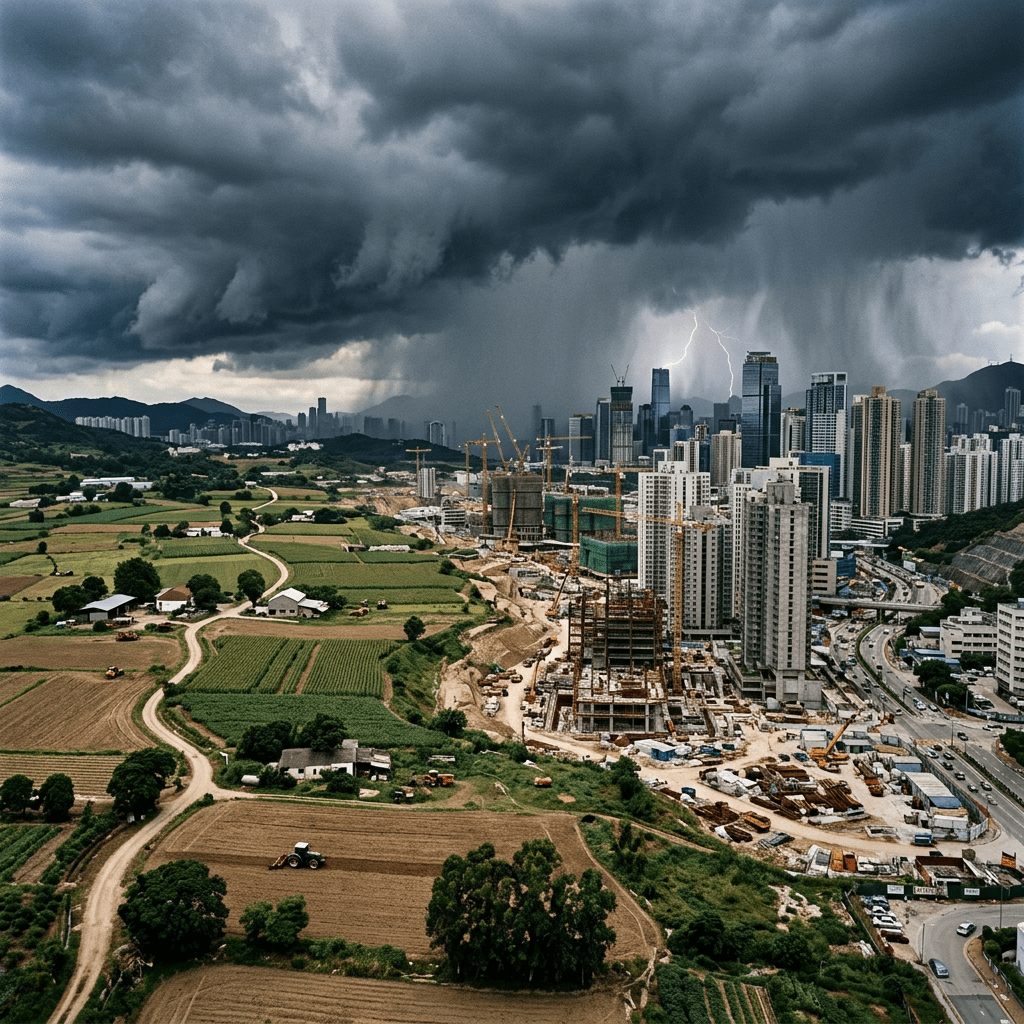
(ADAMA, July 2, 2026) The historic city of Adama, a crucible of Oromo resistance and a vital economic nerve center, has once again become the epicenter of a political earthquake. Since yesterday, the Central Committee of Ethiopia’s ruling Prosperity Party (Bilxiginnaa) has been locked in a high-stakes meeting. While the party frames these deliberations as necessary “mid-term” reforms, the agenda items that have surfaced paint a starkly different picture: an audacious, legally dubious attempt to dismantle the ethnic federalism enshrined in the 1995 Constitution—and, critically, to carve up the Oromo region without the consent of its people.
Sources close to the proceedings have revealed four sweeping constitutional amendments currently under consideration, alongside a devastating procedural change that effectively silences the Oromo populace regarding their territorial integrity.
The Four Pillars of the Proposed Overhaul
The Central Committee is reportedly pushing a quartet of seismic changes that would fundamentally alter Ethiopia’s governance and economic structure:
1. The End of Ethnic Federalism (Article 39 Overhaul): The current federal arrangement, based on ethnic identity and self-determination, is to be scrapped. In its place, regions would be reorganized purely based on geographic contiguity and economic interdependence, effectively severing the cultural and historical ties that define the current state boundaries.
2. The Enclave Question (Article 49 Overhaul): Dire Dawa and Finfinne (Addis Ababa) are to be designated as separate, independent regional states in their own right. This move seeks to permanently detach the capital and the eastern trade hub from their historical and demographic surroundings—a long-standing point of contention for the Oromo people, who view Finfinne as their heartland.
3. Land Privatization (Article 40 Overhaul): The constitutional provision declaring land as the collective property of the state and the people is set to be erased. The new framework would permit private ownership, opening the door for large-scale commercial acquisition and displacing millions of smallholder farmers who currently rely on communal tenure systems.
4. A Shift to a Semi-Presidential System: The current parliamentary system of governance would be replaced with a semi-presidential model. Under this proposal, a President would be elected by parliament and, alongside the Prime Minister, share executive power—a move widely interpreted as a consolidation of centralized authority.
The “Referendum Exit” and Oromia’s Looming Partition
While the four amendments are alarming, the most insidious proposal concerns the process of regional boundary changes. The committee has floated a motion to eliminate the constitutional requirement of a public referendum (Murtii Ummataa) for regional reorganization. Instead, the decision would be left solely to a parliamentary vote, followed by the President’s signature.
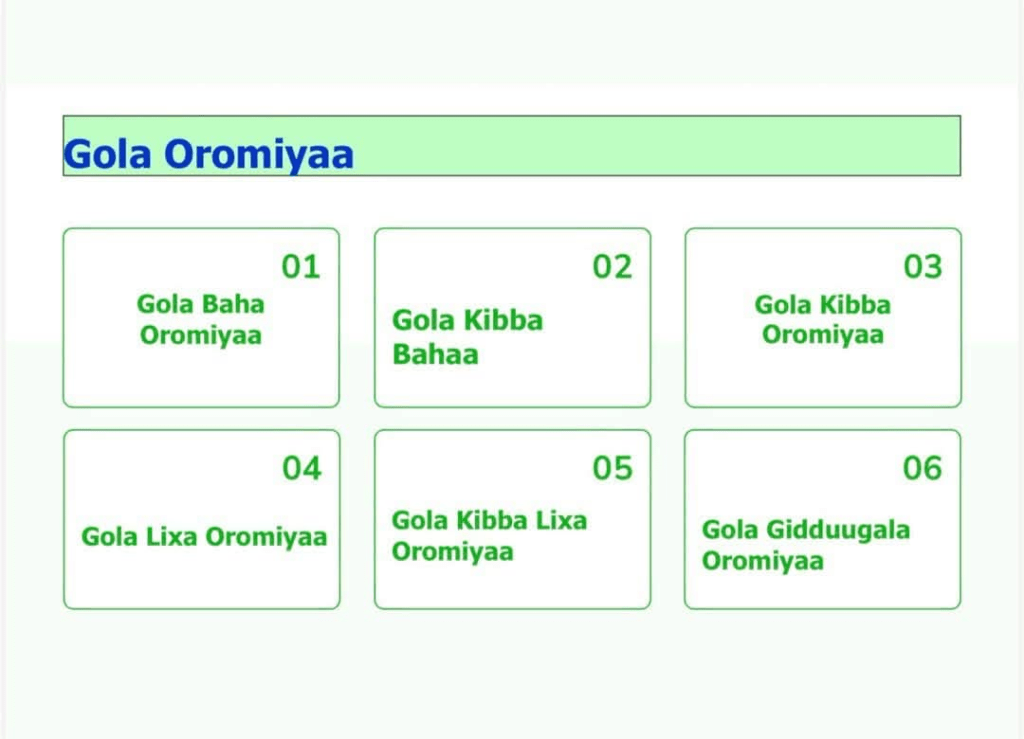
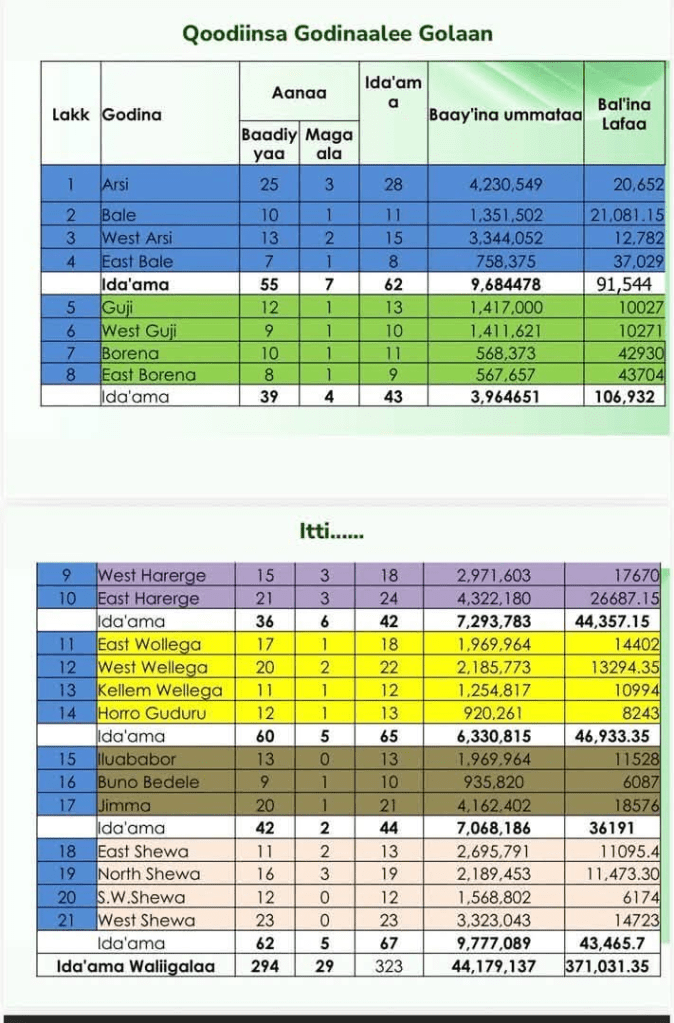
The implications of this are devastatingly clear. For Oromia, the most populous and expansive region, this procedural coup de grâce is a direct threat to its existence. Documents circulated in tandem with the meeting—which have long been rumored—propose splitting Oromia into six distinct “golas” (clusters/zones) . Without the constitutional safeguard of a referendum, the Oromo people would have no legal recourse to vote on the dismemberment of their own state. Oromia could be truncated, divided, and absorbed by neighboring administrative constructs at the whims of a parliamentary majority in Addis, with zero consultation with the population on the ground.
A Calculated Strategy to Dismantle the Oromo Legacy
Political analysts watching the Adama meeting view this not as mere administrative tweaking, but as a calculated, systemic strategy to neutralize Oromo political power. By dismantling the federal structure that gave Oromia its current boundaries, the ruling party is effectively erasing the territorial gains made since the fall of the Derg. The “gola” division—a term historically associated with colonial-era administrative boundaries—is viewed by the Oromo nation as a colonial reinvention designed to weaken their demographic and political hegemony.
Furthermore, the privatization of land (Article 40) strips Oromo communities of their ancestral connection to their soil, while the concentration of executive power ensures that the central government retains ultimate control over the newly fractured territories.
The Verdict from Adama
As the Central Committee continues its meeting behind closed doors, the Oromo nation and the wider Ethiopian populace watch with bated breath. What is unfolding in Adama is not a conversation about “governance reform”; it is a blueprint for the unilateral dissolution of the federal contract.
For the Oromo people, the message from Adama is clear: the struggle to defend the constitution is now more urgent than ever. As the famous mantra goes, “Qabsoo Itti Fufa”—the struggle continues. But today, that struggle is not just against an external enemy; it is against a political machinery determined to redraw borders in ink, blood, and parliamentary decree, while silencing the voice of forty million people.

Ethiopia’s Tourism Surge: A Story of Growth, Potential, and National Pride
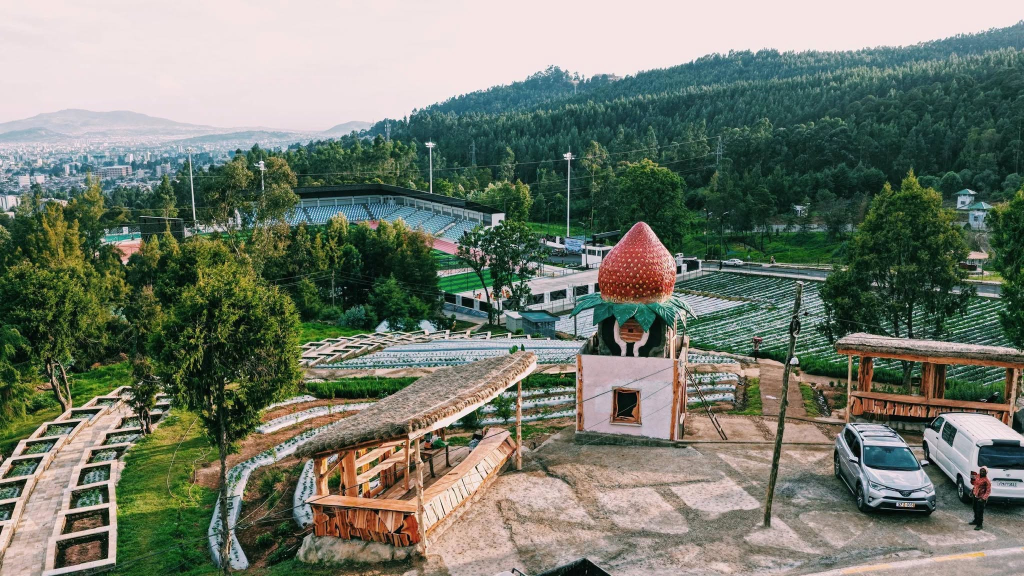
From record-breaking visitor numbers to multi-billion dollar revenues, Ethiopia’s tourism sector is undergoing a remarkable transformation—and the world is taking notice.
Ethiopia is a land of ancient wonders and breathtaking landscapes—the rock-hewn churches of Lalibela, the obelisks of Axum, the castles of Gondar, and the dramatic peaks of the Simien Mountains. For decades, these treasures remained largely unseen by the world, their potential locked away by inadequate infrastructure and limited promotion.
That era is ending.
In a recent address, Ethiopia’s leadership laid out a compelling vision of a nation finally awakening to its tourism potential—and the numbers speak for themselves.
A National Responsibility: Promoting Ethiopia to the World
“From a promotional perspective, much work is expected of us,” the Prime Minister acknowledged. “We know that a lot of promotional work remains, and our friends tell us the same.”
This honest self-assessment is accompanied by a call to action: every Ethiopian citizen has a responsibility not just to work, but to present their country with pride, creativity, and dignity. Promotion of Ethiopia is not the sole duty of government—it is a national project requiring coordinated effort from every sector of society.
“Ethiopia is Africa’s diplomatic capital,” the Prime Minister noted, emphasizing the unique advantages the country possesses. “People in Africa and beyond are eager to come to Ethiopia.”
The message is clear: when promotion is done in a coordinated way, the benefits multiply exponentially.
Record-Breaking Growth: The Numbers That Tell the Story
The transformation of Ethiopia’s tourism sector is reflected in remarkable statistics that demonstrate tangible progress.
Economic Growth
Ethiopia is expecting 10.2% GDP growth this year—a figure unmatched not just in Ethiopia but across the African continent. This growth is a testament to the success of the Homegrown Economic Reform Agenda, which has identified tourism as one of five key pillars of national economic transformation.
Export Revenue
$10.8 to $11 billion in exports are projected for this year—a dramatic increase from just $3 billion two to three years ago. This exponential growth reflects the expanding economic base of the nation.
International Visitors
More than 1.4 million foreign tourists have visited Ethiopia this year—a 300,000 increase from the year before last and a 100,000 increase from last year. These visitors have generated over $5.4 billion in revenue from international tourism alone.
Domestic Tourism
Remarkably, 50.16 million Ethiopians have explored different parts of their own country—a 9.4 million increase from the year before last and a 1.8 million increase from last year. Domestic tourism generated over 79 billion Birr in revenue, demonstrating the growing appetite among Ethiopians to discover their own heritage.
International Conferences
204 international conferences were held in Ethiopia this year—a 50-conference increase from last year and a 166-conference increase from the year before last. More than 166,000 participants attended MICE (Meetings, Incentives, Conferences, and Exhibitions) events in Ethiopia this year alone.
Tax Revenue
Ethiopia is projected to collect 1.5 trillion Birr in tax revenue this year. Before the reforms, the annual collection capacity was merely 200-300 million Birr—a transformation that underscores the scale of economic progress.

Infrastructure: Building the Foundation for Growth
Tourism requires more than beautiful sites—it requires accessibility, connectivity, and modern facilities.
In just the past few months, seven airports have been inaugurated across Ethiopia, improving access to previously remote destinations. Numerous roads have been constructed, connecting heritage sites to urban centres and reducing travel times. Digital access and visitor services have been strengthened to meet the expectations of modern travellers.
The “Dine for Sheger,” “Dine for the Nation,” and “Dine for a Generation” projects have fundamentally reshaped Ethiopia’s tourism map. These initiatives have:
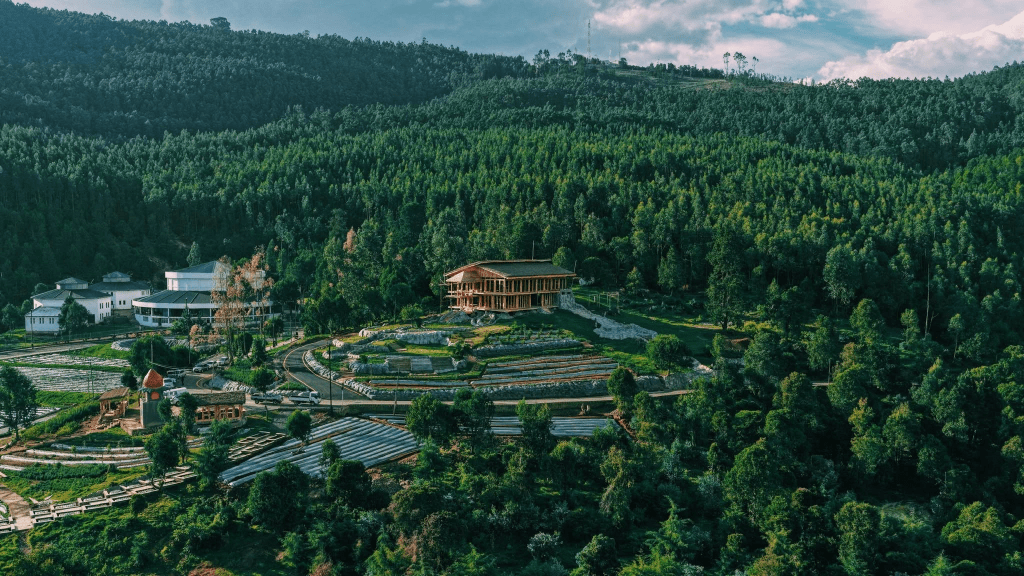
- Transformed the heart of Addis Ababa through Unity Park, Sheger Park, and Entoto Park
- Developed destinations like Halala Kela, Chebera Churchura, and Wenchi
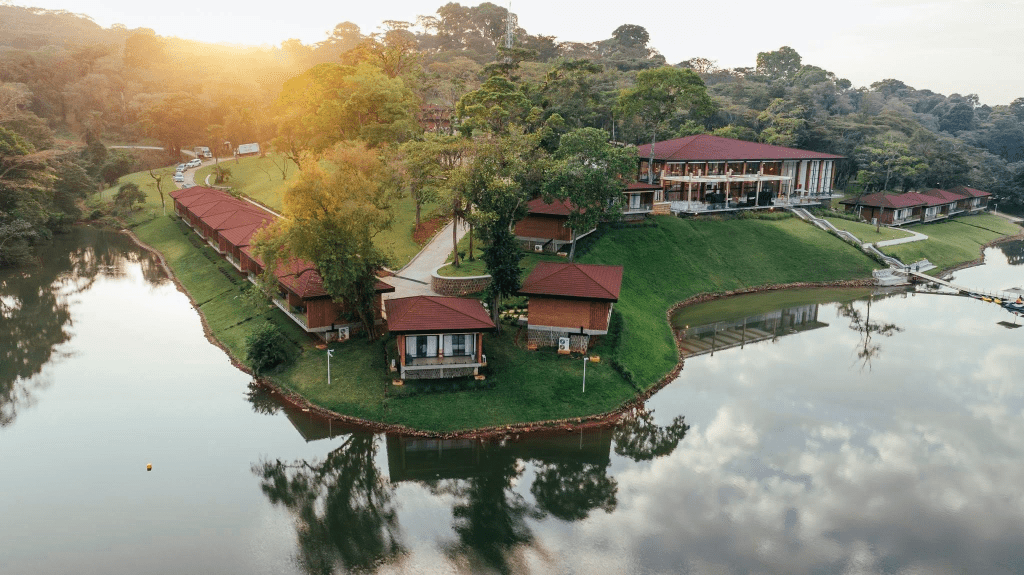
- Created modern resorts including Dembi Eco Lodge, Nein Le Palm Lodge, Shebelle Resort, and Lake Logo Resort
- Restored historical heritage, including the Castle of Fasilides in Gondar and the rock-hewn churches of Lalibela
These projects have been executed with remarkable speed and quality, setting new standards for Ethiopian tourism infrastructure.
The Private Sector: An Indispensable Partner
The private sector has played an indispensable role in the tourism transformation. Through active participation in the “Dine for Sheger,” “Dine for the Nation,” and “Dine for a Generation” projects, private enterprises have contributed expertise, investment, and innovation.
This public-private partnership model has proven to be a powerful engine for growth, combining government vision with private sector efficiency and creativity.
A Shared Vision: Tourism as an Economic Engine
The Prime Minister’s message goes beyond statistics. It speaks to a fundamental understanding of what tourism truly means:
“Tourism is not just about heritage. Having heritage does not automatically mean tourism will flourish. Tourism is not just about natural resources. Tourism is about experience.”
For a visitor to truly benefit Ethiopia—and for Ethiopia to benefit from the visitor—the experience must be complete. The Prime Minister’s simple but profound definition captures this perfectly:
“Tourism, in short, means someone who comes to visit us should leave with their heart delighted and their wallet lighter.”
This encapsulates the dual purpose of tourism: creating memorable, meaningful experiences for visitors while generating economic value for the nation.
The Road Ahead
The numbers are impressive, but the journey is far from complete. As the Prime Minister acknowledged, much promotional work remains. Every Ethiopian—from airport staff to hotel workers, from taxi drivers to tour guides, from artists to citizens—has a role to play in presenting the true, beautiful Ethiopia to the world.
The foundation has been laid. The infrastructure is being built. The world is being invited. And Ethiopia is responding with a tourism sector that is finally realising its immense potential.
Ethiopia is rising—and the world is taking notice. The ancient land is becoming a modern destination, and the story is just beginning.


“Nu Xiiqessitan Malee, Nu Hin Xiqqeessine”: The Unbreakable Spirit of a People

“You may have belittled us, but you have not made us small.” These words carry the weight of generations—a defiant declaration that no amount of oppression can diminish the worth of a people.
There are phrases that transcend language. They are not merely words—they are testimonies. They are the cries of ancestors, the whispers of resistance, and the battle cries of those who refuse to be broken.
“Nu xiiqessitan malee, nu hin xiqqeessine.”
(You may have belittled us, but you have not made us small.)
This is one such phrase. It is a declaration of dignity in the face of humiliation. It is a refusal to accept the diminished status that oppressors have tried to impose. It is a reclaiming of pride, identity, and humanity.
The Weight of Belittlement
To be belittled is to be made to feel small. It is to have your language dismissed as backward, your culture labelled as primitive, and your humanity denied. Throughout history, colonisers, empires, and dominant groups have used belittlement as a weapon—not just to control bodies, but to crush spirits.
For the Oromo people, this experience is deeply familiar. For generations, they have been subjected to marginalisation, cultural suppression, and political exclusion. Their language, Afaan Oromo—one of the most widely spoken languages in the Horn of Africa—was systematically excluded from education and public life for decades. Their identity was erased through forced assimilation and the imposition of labels they never chose for themselves.
Yet, despite all of this, they endured. And they are not small.
The Power of Refusal
“Nu xiiqessitan malee, nu hin xiqqeessine.”
This phrase is not a plea—it is a refusal. It refuses the narrative that oppression defines the oppressed. It refuses to accept the oppressor’s verdict. It insists that worth is intrinsic, not bestowed by those in power.
There is profound wisdom in this refusal. It recognises that belittlement is a reflection of the oppressor’s cruelty, not the victim’s inadequacy. It understands that attempts to diminish a people are ultimately attempts to justify injustice—but they do not change the truth of who that people is.
This is the kind of resistance that sustained enslaved peoples, colonised nations, and marginalised communities throughout history. It is the quiet dignity of a grandmother who speaks her mother tongue despite being told it is worthless. It is the courage of a young person wearing traditional clothing in a world that demands conformity. It is the determination of a community that continues to celebrate its festivals, sing its songs, and tell its stories, even when the world tries to silence them.
The Danger of Internalising Belittlement
The most insidious effect of oppression is when the oppressed begin to believe the oppressor’s lies. When a people internalise the message that they are inferior, the battle is already half-lost.
This is why “nu xiiqessitan malee, nu hin xiqqeessine” is so powerful. It draws a clear line: the belittlement is their action, but the smallness is their fiction. We refuse to internalise it. We refuse to carry it. We will not let your judgment become our identity.
In psychology, this is known as maintaining a positive sense of self in the face of external devaluation. It is the resilience that allows individuals and communities to thrive despite systemic discrimination. And it is essential to survival.
A Call to the Diaspora
For Oromos living in the diaspora, this phrase carries particular resonance. Far from the homeland, the challenges are different but the stakes are just as high. In foreign lands, the pressures to assimilate, to forget, to become “invisible” can be immense.
Yet the message remains: “Nu xiiqessitan malee, nu hin xiqqeessine.”
You may not see us on the news. You may not hear our language in the halls of power. You may not know our history or our struggles. But we are here. We exist. We matter. And we refuse to be made small by your ignorance or indifference.
The diaspora is not a place of forgetting—it is a place of remembering. It is where language is preserved, culture is celebrated, and the next generation is taught who they are. It is proof that even when a people are scattered across the globe, they remain connected by blood, memory, and the unshakable bond of identity.
The Global Resonance
This phrase is not unique to any one people. Its echo can be heard across the world:
- “We may be a small nation, but we are a proud one.”
- “They tried to bury us, but they didn’t know we were seeds.”
- “You can kill the dreamer, but you can’t kill the dream.”
- “You may have conquered us, but you have not made us slaves.”
These are the words of every people who have been told they are lesser but refused to believe it. They are the words of Indigenous communities fighting for land rights. They are the words of minority languages resisting extinction. They are the words of women who have been told their voices don’t matter—and speak anyway.
“Nu xiiqessitan malee, nu hin xiqqeessine” is a universal truth dressed in the specific language and experience of the Oromo people. But its meaning belongs to all who have ever been told they are not enough—and refused to accept that verdict.
Living the Words
To say “nu xiiqessitan malee, nu hin xiqqeessine” is not just to speak—it is to act. It is to live in a way that defies the oppressor’s narrative. It is:
- Teaching your children your language, even when the world tells them it is useless.
- Celebrating your culture, even when you are a minority in a foreign land.
- Insisting on your history, even when textbooks omit or distort it.
- Demanding your rights, even when the system is stacked against you.
- Walking with dignity, even when others try to make you feel small.
A Future Built on Worth
The ultimate rejection of belittlement is not just survival—it is flourishing. It is building a future where Oromo children grow up knowing their history with pride. It is creating institutions that serve Oromo communities with dignity and respect. It is achieving political and economic empowerment that makes the old narratives of inferiority obsolete.
The oppressors wanted to make the Oromo small—small in ambition, small in voice, small in presence. But they failed. Because dignity cannot be taken—it can only be surrendered. And the Oromo people have not surrendered.
“Nu xiiqessitan malee, nu hin xiqqeessine.”
You may have belittled us. You may have tried to erase us. You may have told the world we are nothing.
But we are not nothing. We are a people. We are a history. We are a future. And we are not small.
In the end, the measure of a people is not what their oppressors say about them—but what they say about themselves. And the Oromo people have spoken: “We are not small.”
Nu hin xiqqeessine. We are not small. And we never will be.

The Sacred Trust: Why Workplace Confidentiality Is a Duty Beyond Law

In every workplace, there are lines that should never be crossed—and confidentiality is one of them. It is not just a rule; it is a promise.
A colleague shares a private frustration over coffee. A manager casually discusses sensitive restructuring plans. A personnel file is left open on a shared screen. An email containing personal information is forwarded without a second thought.
In the moment, these seem like small slips—harmless, even human. But the consequences can ripple far beyond what anyone anticipates.
“Namni kamuu iccitii mana hojii eeguuf dirqama qaba.”
(Every person has a duty to protect workplace confidentiality.)
This is not merely a bureaucratic requirement tucked into employment contracts. It is a fundamental pillar of trust, professionalism, and ethical conduct. And when that trust is broken, the damage can be profound—not only to individuals but to entire organisations, communities, and lives.
What Is Workplace Confidentiality?
Workplace confidentiality refers to the obligation of employees to protect sensitive information they encounter in the course of their work. This includes:
- Personal information about colleagues, clients, and customers
- Financial data and business strategies
- Medical records and health information
- Performance reviews and disciplinary matters
- Trade secrets and proprietary knowledge
- Internal communications and decision-making processes
Whether it is spoken in a meeting, written in an email, or stored in a database, such information is entrusted to employees on the understanding that it will be handled with care and discretion.
The Line Between Sharing and Violating
We live in an age of oversharing. Social media encourages us to broadcast our thoughts, workplace chat platforms blur the boundaries between professional and personal, and the ease of forwarding an email can make us forget that some messages were never meant to be shared.
But there is a clear and important distinction.
“Namni tokko iccitiin namoota dhuunfaa baasee maxxansuu fi saaxiluun dhorkaa dha.”
(It is forbidden for a person to disclose and share private information with others.)
This is not merely a suggestion—it is a legal and ethical obligation. In Australia, privacy laws such as the Privacy Act 1988 (Cth) and the Australian Privacy Principles (APPs) regulate how personal information must be handled, and breaches can result in serious penalties. Beyond the legal consequences, there are reputational and relational costs that can take years to repair.
When Confidentiality Is Broken: Real-World Consequences
Consider the real-world impact of a breach:
A team leader casually mentions in a group meeting that a staff member is struggling with a health condition. The staff member feels exposed and humiliated, their trust shattered. Colleagues begin to treat them differently, and the workplace atmosphere becomes strained. The staff member may even leave the organisation, taking their talent and experience elsewhere.
A payroll officer accidentally emails salary details to the entire company. The fallout is immediate—resentment, comparisons, and a breakdown in morale that affects productivity for months. Trust in management evaporates, and the company’s culture is damaged for years.
An employee posts about a confidential client dispute on social media. The client discovers the post, files a complaint, and the company’s reputation is irreparably damaged. The employee is terminated, and the company loses a valuable contract—and potentially many more.
A healthcare worker shares a patient’s medical details with friends. The patient feels violated, their privacy destroyed. They may lose trust in the entire healthcare system, avoiding necessary care in the future. The worker faces disciplinary action, loss of registration, and potential legal consequences.
These are not hypothetical scenarios. They happen every day in workplaces across the world—in hospitals, schools, government offices, and corporate boardrooms.
Why Confidentiality Matters
Confidentiality is not about secrecy for its own sake. It is about:
1. Respect for Individuals
Every person has a right to privacy. When we respect that right, we affirm the dignity and worth of our colleagues, clients, and stakeholders. We acknowledge that their personal information belongs to them—not to us.
2. Building Trust
Trust is the currency of effective workplaces. Employees who feel their private information is safe are more likely to speak openly, seek help when needed, and contribute fully to their teams. Trust is hard-won and easily lost. Once broken, it is rarely fully restored.
3. Protecting the Organisation
A breach of confidentiality can expose an organisation to legal liability, financial loss, and reputational harm. In competitive industries, it can also hand advantages to rivals. The cost of a data breach—in fines, legal fees, and lost business—can run into the millions.
4. Maintaining Professional Standards
In professions such as healthcare, law, social work, and finance, confidentiality is not just expected—it is mandated by codes of conduct and professional ethics. Breaches can result in loss of professional registration, ending careers.
5. Protecting Vulnerable People
For clients and customers who are vulnerable—such as those seeking mental health support, financial advice, or legal assistance—confidentiality is essential. Without it, they may not seek help at all. The consequences can be devastating.
Striking a Balance
Of course, confidentiality does not mean silence in the face of wrongdoing. Whistleblower protections exist to allow employees to report illegal or unethical behaviour without fear of retaliation. The distinction lies in the purpose and intent of the disclosure.
Sharing information to expose corruption, protect public safety, or prevent harm is fundamentally different from gossiping about a colleague’s personal struggles or leaking sensitive data for personal gain.
The key questions to ask:
- Is there a legitimate public interest in this disclosure?
- Is the information being shared through proper channels?
- Is the motivation to protect, or to harm?
What Every Employee Should Remember
“Kun seeraanis ta’ee naamusaan kan eegamuu dha.”
(This is to be upheld both by law and by conscience.)
Workplace confidentiality is a dual obligation—it is written into contracts and legislation, but it is also a matter of personal integrity. The law can penalise breaches, but it is conscience that should guide us in the moment of decision.
Before sharing information, ask yourself:
- Does this person have a legitimate need to know?
- Am I authorised to share this?
- Could this cause harm or embarrassment to anyone?
- Would I be comfortable if this were shared about me?
- Is this information protected by law or professional ethics?
If the answer to any of these questions gives you pause, it is likely better to remain silent.
A Shared Responsibility
Confidentiality is not just the responsibility of managers, HR professionals, or legal teams. It belongs to every single person in the workplace.
It means:
- Locking your screen when you step away from your desk
- Not discussing sensitive matters in public spaces like elevators or cafeterias
- Thinking twice before forwarding an email or sharing a document
- Saying, “I’m sorry, I can’t discuss that,” even when pressed by curious colleagues
- Properly disposing of confidential documents (shredding, not just recycling)
- Using secure communication channels for sensitive information
In an era of information overload and digital permanence, discretion has become a rare and valuable quality. Those who practise it are trusted more, respected more, and ultimately succeed more in their careers.
The Cost of Silence—and the Cost of Speaking
Sometimes, the most difficult ethical decision is knowing when to speak and when to remain silent.
Speak when:
- You are reporting illegal activity or serious misconduct through proper channels
- You have a legal obligation to disclose (such as mandatory reporting of child abuse)
- There is an immediate risk of serious harm
Remain silent when:
- You are tempted to share gossip or personal information about colleagues
- You do not have authorisation to share the information
- The information could be used to harm or embarrass someone
The Bottom Line
Workplace confidentiality is not a constraint—it is a protection. It protects individuals from harm, organisations from liability, and workplaces from the corrosive effects of mistrust.
When we honour confidentiality, we send a clear message: We value you. We respect your privacy. And we will not betray your trust.
That is not just a legal requirement. It is a promise—one that every ethical professional should be proud to keep.
In the end, the question is not whether we can share something. The question is whether we should. And sometimes, the most powerful thing we can say is nothing at all.
Key Takeaways
| Principle | Action |
|---|---|
| Respect privacy | Only share information with those who have a legitimate need to know |
| Understand the law | Familiarise yourself with privacy legislation and your organisation’s policies |
| Think before sharing | Ask yourself: Is this authorised? Could it cause harm? |
| Use secure channels | Protect digital and physical information from unauthorised access |
| Speak up through proper channels | Report misconduct, but do so responsibly |
| Lead by example | Model confidentiality in your own behaviour |
Confidentiality is not about hiding problems—it is about protecting people. When we get that right, we build workplaces that are safer, more trusting, and more effective for everyone.

Breaking the Silence: The Cost of Complicity in the Face of Injustice

By Dhabessa Wakjira
In the annals of human history, some of the darkest chapters were not written by tyrants alone. They were co-authored by the silence of those who witnessed evil and chose to look away, who heard the cries of the oppressed and chose to hear nothing, who saw injustice unfolding and chose to remain still.
“Remaining silent like sheep is the source of our problems,” the saying goes. “Failing to respond to those who are oppressing people with falsehoods is turning many just people into victims.”
These words carry a weight that transcends any single community or era. They speak to a universal truth: silence is not neutrality. Silence is a choice, and in the face of oppression, it is a choice that sides with the oppressor.
The Anatomy of Silence
Throughout history, silence has been the soil in which tyranny flourishes. The Holocaust did not begin with gas chambers; it began with whispers, with the gradual dehumanisation of neighbours, with the silence of those who saw their Jewish friends being marginalised and said nothing. The Rwandan Genocide was not spontaneous; it was enabled by the silence of the international community, which refused to call what was happening by its name. The enslavement of millions was sustained not only by chains but by the silence of those who profited from human suffering and those who looked the other way.
In the Oromo context, this silence has taken many forms. Political persecution has often been met with a deafening quiet from those in positions of power. Human rights abuses have been documented yet ignored. Communities have been displaced, lives have been destroyed, and voices have been silenced.
The question is not whether oppression exists—it does, in many forms, in many places. The question is: what are we doing about it?
The False Comfort of Neutrality
There is a dangerous myth that silence is a form of neutrality. Many believe that by staying out of political or social struggles, they are remaining impartial, above the fray, wise in their restraint.
This is a delusion.
As the philosopher Edmund Burke famously observed, “The only thing necessary for the triumph of evil is for good men to do nothing.” When we fail to respond to falsehoods, we allow them to become accepted truths. When we fail to challenge oppression, we allow it to become normalised. When we fail to speak for the voiceless, we become complicit in their suffering.
Silence is not a safe harbour; it is a choice to abandon the moral high ground.
The Weaponisation of Lies
In today’s world, falsehoods are weaponised with unprecedented sophistication. Disinformation campaigns, propaganda, and the deliberate distortion of truth are tools used to divide communities, incite hatred, and justify atrocities.
Those who oppress rely on the silence of the masses. When a lie is repeated often enough and loudly enough, and when no one challenges it, it begins to wear the mask of truth. In this environment, even the most just individuals can find themselves victimised—not just by the direct violence of the oppressor but by the collective silence that allows the oppressor to act with impunity.
When a community is falsely accused of violence, and good people remain silent, that community suffers. When a political leader spreads hatred against a minority, and people of conscience say nothing, that minority is endangered. When human rights abuses are reported, and no one demands accountability, the abuses continue.
The Courage to Speak
To break this cycle, we must cultivate the courage to speak. This courage is not always easy—it often comes with a cost. Speaking truth to power can lead to persecution, ostracism, or worse. But the cost of silence is far greater.
Speaking out does not always mean taking to the streets or publishing manifestos. It can take many forms:
- Amplifying the voices of the oppressed: Sharing their stories, supporting their struggles, and ensuring their perspectives are heard
- Challenging falsehoods: When you hear a lie about a community or individual, correct it. Do not let hate speech go unchallenged
- Using your privilege: If you have access to platforms that others do not, use them to speak for those who cannot
- Educating yourself and others: Understanding the issues, the history, and the context of oppression is the first step to effective action
- Supporting organisations that fight for justice: Many organisations work tirelessly to document human rights abuses, provide legal aid to the oppressed, and advocate for political change. They need support
The Power of Solidarity
Throughout history, solidarity has been the antidote to silence. When communities stand together, they create a force that oppressors cannot ignore.
The civil rights movement in the United States succeeded not only because of the courage of African Americans but because of the solidarity of people from all backgrounds who refused to be silent. The anti-apartheid movement in South Africa was sustained by global solidarity that isolated the regime and demanded change. The struggle of the Oromo people is no different—it requires solidarity from within and beyond the community.
Solidarity means recognising that the oppression of any group is a threat to all groups. It means understanding that the forces that silence one voice will eventually silence all voices. It means refusing to be divided by the false narratives that oppressors use to fragment potential resistance.
A Call to Action
The time for silence is over. The time for speaking, for action, and for solidarity is now. Every voice that rises in defence of justice strengthens the collective resolve. Every hand that reaches out to support the oppressed builds a barrier against injustice. Every person who refuses to be complicit through silence transforms the landscape of possibility.
Those who oppress rely on division and fear. They rely on us remaining silent, on us being too afraid to speak, too comfortable to act, too indifferent to care.
Let us prove them wrong.
Let us break the silence.
Let us stand with the oppressed, not as passive bystanders but as active participants in the struggle for justice, truth, and humanity.
“The only thing necessary for the triumph of evil is for good people to do nothing.” – Edmund Burke
#BreakTheSilence #JusticeForAll #Oromo #Solidarity #SpeakTruth #NoMoreComplicity

Navigating Loss: A Guide to Grief Support for Oromo Families in Victoria
By Staff Reporter
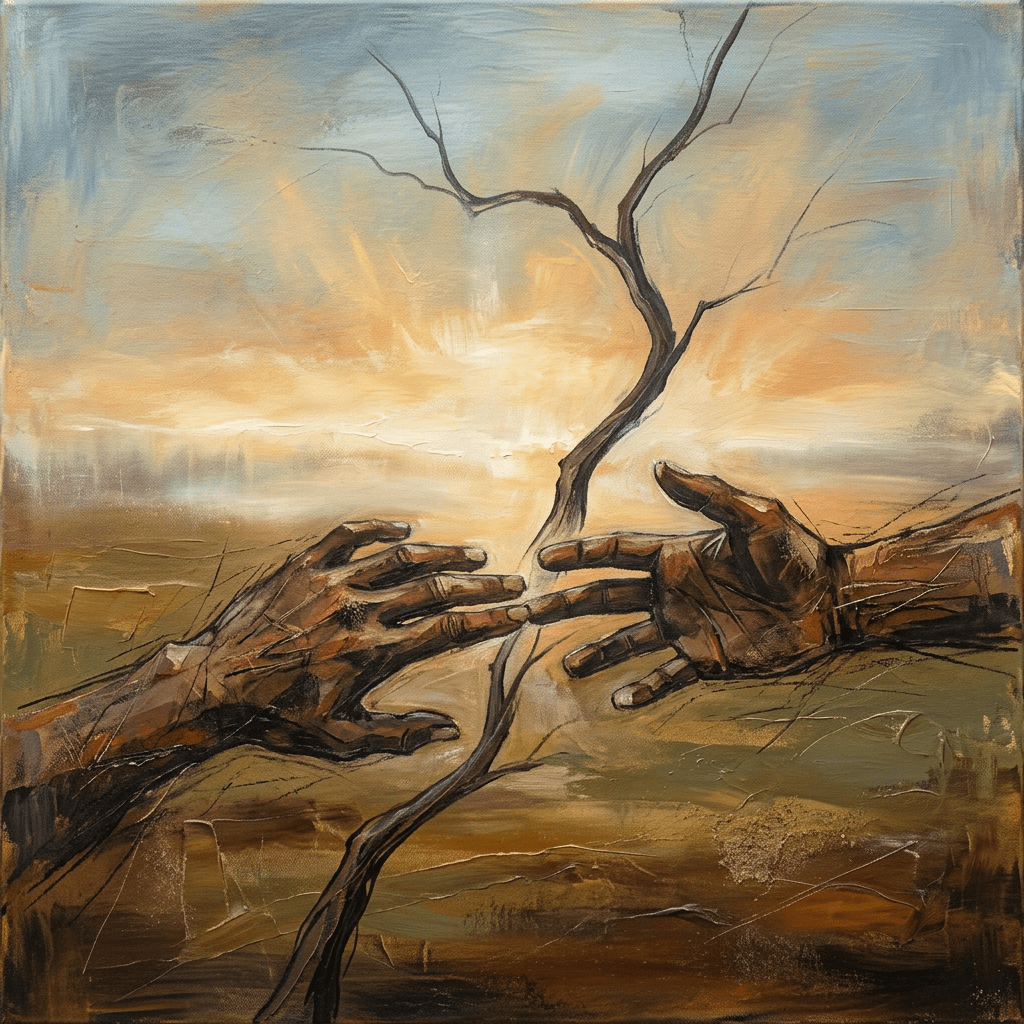
MELBOURNE, VICTORIA – The loss of a loved one is always difficult. For members of the Oromo community living in Victoria, that difficulty is often deepened by a profound sense of isolation. Families may feel far from their homeland, uncertain of the local systems, and unsure where to turn for help .
Yet, no one needs to navigate this time alone. Whether it is practical assistance with funeral arrangements, financial support, or emotional comfort, there are organisations and services ready to help.
Finding Community: The Australian Oromo Community Association in Victoria (AOCAV)
One of the most vital resources for the Oromo community in Victoria is the Australian Oromo Community Association in Victoria Inc. (AOCAV) . Founded in 1984 by the first Oromo pioneers who migrated to Australia as refugees, the association has served as a cornerstone of support for the Oromo community .
The association understands the significance of traditional rituals and rites of passage, including those surrounding death . When a family member passes, reaching out to AOCAV can provide:
- Cultural guidance – assistance in ensuring that funeral arrangements respect Oromo customs and traditions
- Community support – mobilising the local community to offer practical help and emotional comfort
- Referrals – directing families to funeral directors and other relevant services
Practical Steps: Organising a Funeral in Victoria
When a death occurs, one of the first practical steps is to contact a funeral director . Several funeral directors in Melbourne have experience serving Victoria’s diverse communities.
One prominent provider is Le Pine Funerals, with over 130 years of service in Victoria. They are committed to serving the state’s “diverse and harmonious community, catering to all cultures, religions and traditions” and have a multilingual team ready to assist in arranging funerals in over 140 languages . For families seeking services that specifically cater to multicultural communities, Le Pine Asian offers personalised funeral services with experienced multilingual staff who can accommodate individual wishes and cultural requirements .
Other trusted funeral providers in Victoria include Tobin Brothers Funerals, White Lady Funerals, and Simplicity Funerals .
When choosing a funeral director, it is helpful to discuss cultural or religious obligations. For Oromo families, this might include the desire for a burial as opposed to a cremation, specific rituals, or the need for a service conducted in the Oromo language or with an interpreter .
Financial Assistance and Practical Support
Funerals can be expensive . However, there are avenues for financial support.
Centrelink Payments – Services Australia provides several payments to help people after the death of a loved one . Depending on your situation, you may be eligible for a Bereavement Payment, a Pension Bonus Bereavement Payment, or bereavement assistance for carers .
If a person passes away without family or the means to pay for a funeral, the Victorian State Government has arrangements in place, with the Department of Health and Human Services potentially contributing .
Grief and Emotional Support
Beyond the practicalities, the emotional toll of losing a loved one is immense. Several national and state-based organisations offer free grief counselling and support.
- Lifeline – 24-hour crisis support: 13 11 14
- Australian Centre for Grief and Bereavement – Provides information on grief support and offers counselling services: 1800 642 066
- Grief Australia – Offers free bereavement counselling and support groups for all Victorians at their Mulgrave office and various locations, as well as telehealth services
- Grief Line – Telephone or online counselling: 1300 845 745
- Mensline Australia – Telephone support specifically for men: 1300 78 99 78
For those who have experienced the loss of a baby or child, Red Nose Australia provides specialist bereavement counselling and support free of charge, 24 hours a day, 7 days a week .
Wombat’s Wish is a grassroots not-for-profit organisation based in Clifton Springs that offers free therapeutic weekend grief programs and one-to-one counselling for children and young people who have lost a parent or carer .
Real Path Health and Wellbeing in Werribee specialises in trauma-informed counselling and grief and loss support for individuals and families, including multicultural communities .
Additionally, spiritual and pastoral support from faith communities is often a vital source of comfort for many in the Oromo community .
Specialised Support for CALD Communities
The Victorian Foundation for Survivors of Torture Inc. (Foundation House) has received substantial funding to provide the Program of Assistance for Survivors of Torture and Trauma, which supports people from CALD backgrounds who have experienced trauma, including grief related to displacement and loss .
A Step-by-Step Guide: What to Do
If you are an Oromo family member in Victoria, here are the steps to take :
- Connect with your community – Reach out to the Australian Oromo Community Association in Victoria (AOCAV). They can provide cultural and practical support.
- Contact a funeral director – Choose a funeral director that respects your culture, such as Le Pine Funerals, which has experience with diverse communities. Discuss your needs: burial, specific rituals, and the need for an interpreter.
- Inform Centrelink and seek financial assistance – Notify Services Australia by calling 132 300 and ask about the Bereavement Payment and other benefits.
- Seek emotional support – Call a grief support line. Services like Lifeline (13 11 14) and the Australian Centre for Grief and Bereavement (1800 642 066) are available and confidential.
Key Contacts
| Service | Contact | Description |
|---|---|---|
| Australian Oromo Community Association in Victoria | P.O. Box 2123, Footscray, VIC 3011 | Cultural and community support network |
| Centrelink Bereavement Line | 132 300 | Financial assistance and payments after a death |
| Lifeline | 13 11 14 | 24-hour crisis support |
| Australian Centre for Grief and Bereavement | 1800 642 066 | Grief counselling and information |
| Grief Australia | Free bereavement counselling and support groups | |
| Red Nose Australia | 24/7 Bereavement Support Line | Specialist support for loss of a baby or child |
| Wombat’s Wish | Free grief programs for children who have lost a parent | |
| Real Path Health and Wellbeing | Werribee | Trauma-informed grief counselling |
| Le Pine Funerals | (03) 8587 5700 | Funeral services for diverse communities |
Sources: Advocacy for Oromia, Australian Oromo Community Association in Victoria, Grief Australia, Lifeline, Red Nose Australia, Australian Centre for Grief and Bereavement.
Disclaimer: This article provides a general guide only. Readers should seek professional advice for their own particular situations.
#Oromo #GriefSupport #Victoria #Bereavement #CommunitySupport #FuneralServices





 Advocacy for Oromia