Category Archives: Sirna Oromo
Two and a Half Centuries of Freedom: Oromo Americans Celebrate America’s 250th Independence Day
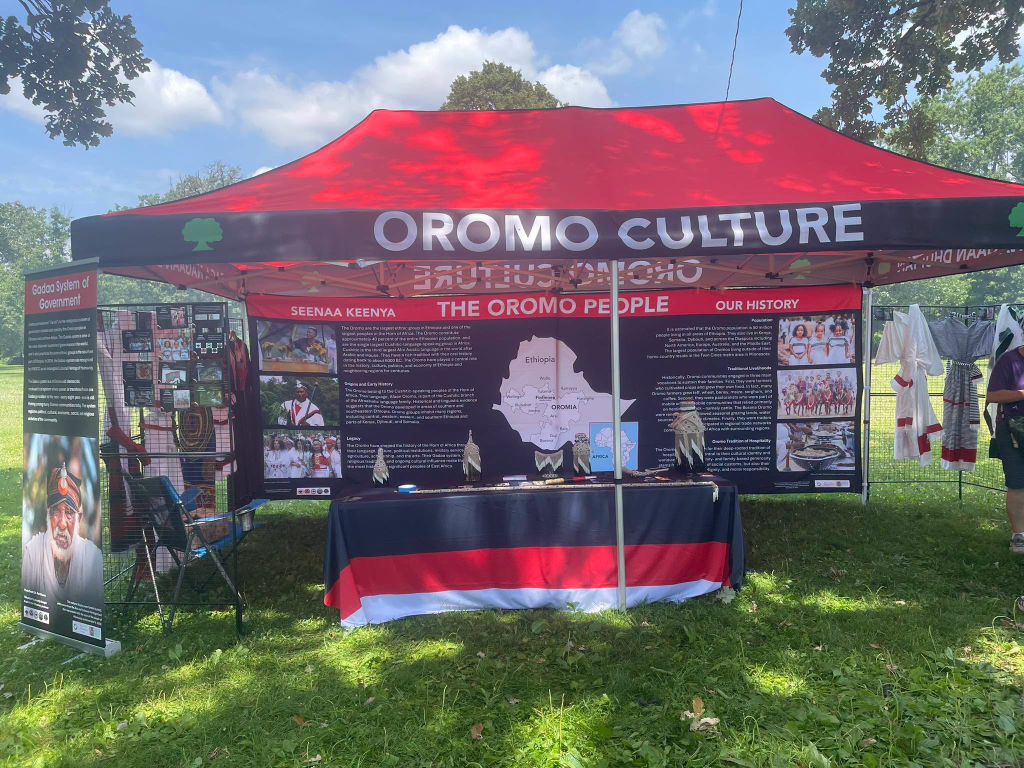
From the shores of Lake Minnetonka to the bustling streets of Minneapolis, Oromo Americans across Minnesota have marked the Fourth of July with profound gratitude—celebrating not just a nation’s birthday, but the freedoms they have found in their adopted homeland.
A Celebration of Freedom, Democracy, and Resilience
The spirit of the Fourth of July was unmistakable across Minnesota’s Oromo community. Families gathered for barbecues, community picnics, and cultural celebrations—but beneath the festivities lay a deeper resonance. For Oromo Americans, Independence Day is more than a national holiday. It is a testament to the values they have embraced and the opportunities they have secured.
“We had a wonderful holiday, and we have captured the true spirit of the holiday: freedom, democracy, and resilience.”
This sentiment echoes across the community. For many Oromo Americans, the Fourth of July carries profound meaning—not just as a celebration of American independence, but as a reflection on the liberties they now enjoy compared to the struggles their families endured in Oromia.
The Weight of Gratitude: Freedom Found and Valued
For those who have fled political repression, persecution, and conflict, the freedoms of the United States are not abstract concepts. They are lived realities—the ability to speak one’s mind without fear, to worship freely, to pursue education and opportunity, and to participate in the democratic process.
“Freedom and democracy are indeed precious gifts, and it’s incredibly moving to hear how much we appreciate the liberties we’ve found here in the United States of America, compared to what our family or ancestors experienced back home in Oromia.”
These words capture the immigrant experience at its most profound: the recognition that freedom is not guaranteed, that democracy is fragile, and that the rights enjoyed in the United States are the result of centuries of struggle, sacrifice, and commitment.
Honoring Sacrifice: Those Who Made It Possible
Independence Day is also a time to honour those who have fought to protect the values of freedom and democracy—both in America and in the homelands left behind.
“The sacrifices made by the military and generations of leaders to protect those values are exactly what today is all about.”
For Oromo Americans, this recognition is twofold. It honours the American soldiers and leaders who have defended liberty across two and a half centuries. It also honours the Oromo freedom fighters, activists, and community leaders who have struggled for justice and self-determination in their homeland—often at great personal cost.
250 Years of Democracy: A Milestone Worth Celebrating
This year’s Fourth of July holds special significance: the United States is celebrating its 250th anniversary of independence.
“Just a quick, friendly note on history: the United States is actually celebrating its 250th anniversary of independence this year (1776 to 2026), two and a half centuries of this grand democratic experiment.”
Two hundred and fifty years is a remarkable milestone for any nation. It represents generations of Americans who have built, defended, and renewed the democratic experiment. It is a testament to the resilience of democratic institutions, the power of constitutional governance, and the enduring belief that all people are created equal and endowed with certain unalienable rights.
For Oromo Americans, this anniversary is particularly meaningful. It is a reminder that democracy, though imperfect, can endure. It is a source of hope for the future of their homeland. And it is an invitation to be part of the ongoing American story.
Becoming Part of the American Story
“Thank you for sharing the moment and being part of the American story.”
These words carry a profound invitation. The American story is not complete—it is still being written. And Oromo Americans are among those writing it.
From community leaders to small business owners, from students to professionals, from artists to activists, Oromo Americans are contributing to the fabric of American life. They are bringing their culture, their resilience, and their hopes to a nation that has welcomed them. They are honouring their heritage while embracing their new homeland.
The Big 250: How Are You Celebrating?
As the fireworks light up the Minnesota sky, as families gather around tables filled with traditional American fare and Oromo dishes, the question resonates:
“How are you and your family celebrating the big 250th today?”
For some, it is a quiet reflection—a moment to consider how far they have come and what they have overcome. For others, it is a jubilant celebration—a time to dance, to feast, and to give thanks. For all, it is a recognition that freedom is a gift to be cherished and protected.
Looking Forward: Freedom for All
As Oromo Americans celebrate the 250th anniversary of American independence, their celebrations are tinged with hope—hope that the freedoms they have found in the United States will one day be available to their families and communities back in Oromia.
The Fourth of July is not just about the past. It is about the future—the ongoing struggle for justice, equality, and freedom for all people, everywhere. And in that struggle, Oromo Americans are playing their part.
Happy 250th Independence Day to all Americans—and especially to the Oromo community in Minnesota, who remind us all that freedom is a precious gift, never to be taken for granted.
Minnesota’s Oromo community celebrates with gratitude, reflection, and hope—honoring two and a half centuries of American democracy while looking forward to a future of freedom for all.

The Unbroken Struggle: A History of Oromo Resistance and the Quest for Justice
From ancient freedom to colonial subjugation and the ongoing fight for self-determination, the Oromo people’s journey is a testament to resilience, sacrifice, and an unyielding commitment to justice.
A History of Freedom, Before the Fall
“Ummanni Oromoo otuu garbummaa jalatti hin kufiin dura nagaa fi bilisummaan jiraachaa ture.”
Before the shadow of subjugation fell upon them, the Oromo people lived in peace and freedom. Their culture, identity, and faith flourished without external interference, guided by the principles of the Gadaa system, the wisdom of their elders, and a deep connection to the land.
The Oromo identity was not a burden—it was a source of pride. The Oromo language was spoken freely, traditions were celebrated openly, and the community governed itself through indigenous institutions that predated the modern state. The Oromo were not merely inhabitants of their land; they were its custodians, its protectors, and its soul.
The Conquest: A People Forcibly Subjugated
“Haata’uutii, sirni Habashaa erga Oromiyaa humna qawween cabsee gabroomsee hiree ummata Oromoo roorroo jalatti kufe.”
This era of autonomy came to a violent end with the expansion of the Abyssinian (Habasha) imperial system. Through military conquest, the Oromo people were subjugated, their lands seized, and their social and political structures dismantled. The once-proud people were reduced to subservience, forced to labour for those who had conquered them.
Yet the Oromo did not simply accept their fate. “Ummati Oromoo garuu karaa danda’e maraan sirnicha faccisuu hin dhiifne ture.”—The Oromo people never ceased their resistance, using every available means to challenge the oppressive system. Whether through scattered uprisings, covert resistance, or open rebellion, the spirit of defiance remained alive.
The Systematic Erasure of Identity
The conquest was not only military—it was cultural, linguistic, and spiritual. The occupiers understood that to control a people, one must control their identity.
Land Dispossession: “Erga Oromoon humna Habashaa jalatti kufee kaasee lafti Oromoo kan abbootii lafaa ta’e, namni Oromoo lafa isaa irratti ciisanyaa ta’ee warra garboonfataa tajaajiluu ta’e.”—After the Oromo fell under Abyssinian control, the land that had belonged to their ancestors was taken from them. The Oromo became tenants on their own soil, forced to serve those who had dispossessed them.
Identity Erasure: “Eenyummaan Oromoo haalamee, maqaan jibbamaa fi tuffatamaa itti kenname.”—Oromo identity was systematically undermined. A derogatory name was imposed upon them, stripping them of the dignity of self-identification.
Language Suppression: “Afaan Oromoo akka afaan hojii fi barnootaa hin taane dhorkamee, Afaan Amaaraan akka tajaajilamu godhame.”—The Oromo language was banned from education and official use, replaced by Amharic. Generations of Oromo children were educated in a language that was not their own, severing their connection to their linguistic heritage.
Cultural and Religious Persecution: “Aadaa fi amantiin Oromoo ifaan akka dhorkamu labsiin dhorkame.”—Oromo culture and the indigenous faith of Waaqeffannaa were explicitly prohibited. Traditional practices were suppressed, and the sacred Odaa tree—the symbol of Oromo spirituality and governance—was targeted for destruction.
Systematic Marginalisation: “Gidiraa fi roorroon hamaan ummata Oromoo irratti fe’ame. Oromoon karaa hundaa akka boodatti hafu imaammanni mootummaa tolfamee irratti hojjatame.”—A comprehensive policy of marginalisation was implemented, ensuring that the Oromo would remain economically, politically, and socially subordinate in their own land.
The Seeds of Organised Resistance
“Kun booda keessa Oromoota dammaqoo fi quuqama sabaa qaban waan aarseef tooftaa addaddaan finciluu eegalan.”
Yet oppression breeds resistance. Among the Oromo, a new generation of awakening emerged—individuals and groups who refused to accept their subjugation. They recognised that open, armed rebellion alone would not succeed against a powerful state. Instead, they organised through alternative structures: mutual aid societies, development associations, and religious organisations.
“Ifatti bifa siyaasaan ijaaramnii qabsoo gochuun waan hin danda’amneef karaa waldaalee walgargaarsaa, waldaalee misoomaa fi waldaalee amantii jalatti gurmaa’anii waldammaqsuu fi sirna garboonfattuu Habashaa mormuu fi falmuu itti fufan.”
These organisations became the vehicles through which Oromo consciousness was nurtured, resources were mobilised, and resistance was sustained—often hidden in plain sight.
Historic Uprisings: The Legacy of Resistance
The history of Oromo resistance is marked by significant uprisings that shook the foundations of the Abyssinian state:
The Raayyaa Uprising: A rebellion in the Raayyaa region that demonstrated the Oromo people’s willingness to fight for their freedom despite overwhelming odds.
The Baalee Peasant Revolt: The farmers of Baalee rose up against oppressive land policies, demanding the return of their ancestral lands and an end to feudal exploitation.
The Maccaa-Tuulamaa Movement: The historic alliance between the Maccaa and Tuulamaa Oromo groups represented a unification of forces against a common oppressor, setting the stage for broader Oromo nationalism.
These uprisings were not isolated incidents—they were expressions of a collective will that refused to accept subjugation as the natural order.
The Birth of Modern Oromo Political Organisation
“Qabsoon diddaa garbummaa karaa addaddaa adeemsifamaa ture kan gurmaa’ee bifa qindoomina siyaasaa qabuun adeemsifamuu eegale ijaarsa ABO kan bara 1970moota keessa finiinaa tureen ture.”
The scattered resistance of the past gave way to a new era with the formation of the Oromo Liberation Front (OLF) , initially established as the Oromo Liberation Front (ABO) in the 1970s. The creation of ABO represented a watershed moment: Oromo resistance was now organised, unified, and operating with a clear political vision.
“Ijaaramuun ABO akka qabsoon Oromoo bifa gurmuu qabu godhatee adeemu godhe. Oromoota shira gita bittootaan addaan qoqqodamanii turan walitti deebisee akka Oromiyaaf gaaddisa tokko jalatti qabsaa’an godhe.”
ABO brought together Oromos who had been divided by region, clan, and class, uniting them under a single banner for a common cause. It gave the Oromo people a voice on the national and international stage, asserting their rights and demanding justice.
“Ijaarsi ABO, akka Oromoon waan humnaan sarbame ifatti baasee beeksisuun akka Oromoon roga hundaan ka’ee waan dhabe akka deebifatu taasise.”
The organisation’s formation enabled the Oromo people to clearly articulate what had been taken from them and to mobilise all sectors of society to demand its restoration.
Achievements and Unfinished Business
The Oromo struggle has achieved significant victories over the decades:
Land Rights: “Gaaffiin lafaa fincila bara 1960 moota keessa tureen lafa harka qonnaan bultoota Oromootti deebisee jira.”—The land question, first raised in the 1960s, has seen partial resolution, with land returned to Oromo farmers.
Language Recognition: “Qabsoon Afaan Oromoo fi Qubee Afaan Oromoos afaan hojii fi barnootaa taasisus, bara 1990moota keessa haga tokko deebii argatee jira.”—The struggle to make Afaan Oromo an official language of work and education achieved partial success in the 1990s, with the adoption of the Oromo alphabet (Qubee).
Regional Autonomy: “Daangaan Oromiyaas ifatti beekamee, ijaarsa mootummaa naannoo Oromiyaa jalatti gaaffiin sabummaa Oromoo akka deebii argatu godhameera.”—The creation of the Oromia Regional State marked the recognition of Oromo nationhood within Ethiopia’s federal system.
However, the struggle remains incomplete. “Garuu, gaaffiin Oromoo guutummaatti waan hin deebineef, amma illee karaa addaddaa falmaan itti fufee jira.”—The fundamental questions of Oromo self-determination, justice, and equality have not been fully addressed, and the struggle continues on multiple fronts.
The Struggle Continues: Why the Fight Is Not Over
“Qabsoon Oromoo haga galma akeekkate ga’utti qabsoon Oromoo hin dhaabbatu.”
The Oromo struggle will not cease until its objectives are achieved. The goal is clear and uncompromising:
“Kaayyoon qabsoo Oromoo mirgoota Oromoon humna alaagaatiin sarbaman deebisuun akka Oromoon nagaa fi bilisummaan jiraatu taasisuu dha.”
The objective is to restore the rights that the Oromo people were stripped of through external force—to ensure that they can live in peace and freedom, as they once did before subjugation.
Three Essential Goals:
- Dismantling the Roots of Oppression: “Hundee garbummaa buqqisuun”—Uprooting the foundations of subjugation, dismantling the structures that have kept the Oromo people subordinate.
- Rebuilding on Oromo Terms: “Sirna Oromoof ta’u deebisanii ijaaruu”—Rebuilding systems and institutions that serve the Oromo people, reflecting their values, aspirations, and needs.
- Restoring Hope and Vision: “Waan Oromoon sirna alagaan dhabe, deebisanii ijaaruu fi hawwii fi abdii Oromoo lachhisuu”—Restoring what was lost under the alien system, and nurturing the dreams and hopes of the Oromo people for a better future.
Conclusion: A People’s Unbreakable Will
The history of Oromo resistance is a testament to the unbreakable will of a people who have refused to accept subjugation as their destiny. Despite centuries of oppression—land dispossession, cultural erasure, linguistic suppression, and systematic marginalisation—the Oromo have persisted.
They have organised, fought, and sacrificed. They have achieved significant victories and continue to press forward. The struggle is not merely political—it is existential. It is about the right to exist as a people, to speak their language, to govern themselves, and to determine their own future.
“Qabsoon Oromoo haga galma akeekkate ga’utti hin dhaabbatu.”
The struggle of the Oromo will continue until the goals are achieved. It is a struggle for justice, for dignity, and for the restoration of what was taken. And it is a struggle that, in the end, will not be denied.
The Oromo people have endured. The Oromo people have resisted. And the Oromo people will prevail.
The Second First Step: Inside the Transformative World of Stroke Rehabilitation
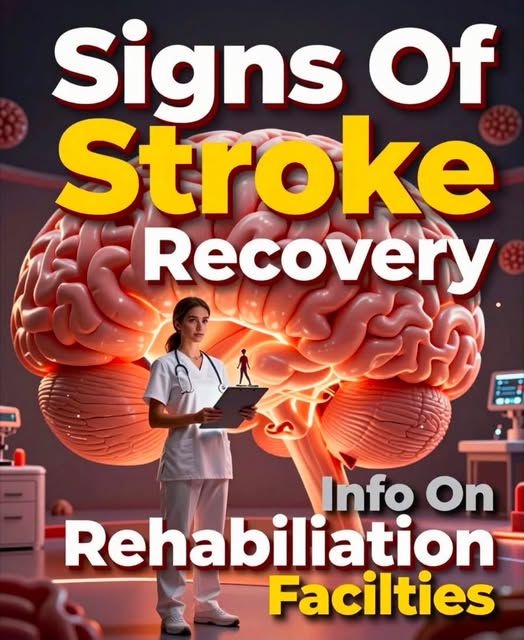
By Our Health Correspondent
The moment a stroke strikes, life fractures. In an instant, the familiar commands of the body—a steady stride, a clear word, the simple act of lifting a cup—become distant memories. Yet, for thousands of survivors and their families, the end of the acute medical emergency is merely the prologue to a longer, more intimate battle. It is a battle fought not in operating theatres, but in the quiet, determined corridors of stroke rehabilitation centers.
These facilities are not hospitals in the traditional sense. They are workshops of resilience, where science meets spirit, and where the slow, painstaking work of reclaiming a life begins.
—
More Than Medicine: The Philosophy of Rehab
At its core, a stroke rehabilitation center is a specialized sanctuary designed for one purpose: to guide individuals from the depths of physical and cognitive loss back toward independence. It is a space where the clinical and the compassionate converge.
The philosophy is deceptively simple yet profoundly ambitious. Rather than merely treating a medical condition, these centers treat the person. They acknowledge that a stroke does not only impair mobility; it fractures identity, disrupts communication, and often shrouds the survivor in a fog of emotional turmoil. The goal, therefore, is holistic restoration—addressing the body, the mind, and the spirit in equal measure.
—
The Triad of Healing: Therapy in Action
Walk into any reputable stroke rehab facility, and you will witness a symphony of specialized therapies, each playing a critical role in the recovery symphony.
Physical Therapy (PT) is often the most visible. It is the grueling, yet triumphant, work of relearning to stand, to balance, and to walk. Therapists act as patient coaches, coaxing weakened muscles back to life and retraining the brain’s pathways to communicate with limbs. It is a process of small victories—a single step today, a flight of stairs next week.
Occupational Therapy (OT) , meanwhile, shifts the focus from movement to meaning. It answers the question: How do I live my life now? Occupational therapists help survivors adapt to daily activities—dressing, cooking, bathing—using adaptive tools and innovative strategies to restore a sense of normalcy and self-sufficiency.
Speech and Language Therapy addresses one of the most isolating consequences of stroke: aphasia, or the loss of communication. These specialists work tirelessly to help patients find their voice again, rebuilding the neural connections that govern speech, comprehension, and even swallowing—a basic function often taken for granted until it is lost.
Crucially, modern centers do not stop there. Psychological support is woven into the fabric of care, offering survivors a safe space to process grief, frustration, and anxiety. In the quiet moments between exercises, the emotional scars of stroke are given the attention they deserve.
—
A Crucial Decision: Choosing the Right Path
For families thrust into the world of rehabilitation, the choices can be overwhelming. Discharge from a general hospital often comes with a stack of brochures and a looming deadline. How does one choose?
The decision is deeply personal. Location matters—proximity to family can be a lifeline. But more critical are the qualifications of the staff. Does the center offer a multi-disciplinary team? Are the therapists certified in neuro-rehabilitation?
Healthcare providers and support groups often serve as invaluable compasses, guiding families toward reputable facilities. However, the most effective strategy remains a physical visit. Walking through the halls, observing the patient-staff interactions, and asking candid questions about success rates and treatment philosophies provides a clarity that no brochure can offer.
The right center is not necessarily the most luxurious; it is the one that feels like a partnership, where the medical team views the patient as a collaborator in their own recovery.
—
The Unsung Heroes: Family at the Bedside
A stroke does not happen in a vacuum; it reshapes entire families. In the rehabilitation journey, loved ones are not passive observers but active participants.
Centers that excel in care actively encourage family involvement. They open therapy sessions to relatives, not as spectators, but as co-therapists who can carry the techniques home. They provide education, teaching caregivers how to assist without overstepping, how to encourage without exhausting.
This collaborative model transforms the rehab center from an intimidating institution into a shared mission. When a survivor sees their spouse or child cheering from the sidelines, motivation ignites. The emotional support of family often proves as potent as any clinical intervention, reminding the survivor that they are not alone in their struggle.
—
Beyond the Discharge: The Long Horizon
Perhaps the most critical truth about stroke recovery is that it does not end with discharge. The rehabilitation center is a launchpad, not a destination.
Long-term recovery is a marathon. Many centers offer outpatient services to bridge the gap between intensive rehab and independent living. Others connect survivors with community resources—exercise groups for stroke survivors, nutritionists specializing in cardiovascular health, and support networks where individuals can share their experiences.
Staying proactive is essential. Regular physical activity, a heart-healthy diet, and vigilant management of blood pressure and cholesterol are the cornerstones of preventing secondary strokes. Moreover, joining a support group can alleviate the profound loneliness that often accompanies the “new normal” of post-stroke life.
—
Conclusion: Reclaiming Independence
The journey through a stroke rehabilitation center is rarely linear. There are setbacks and plateaus, tears and triumphs. Yet, for those who walk—or roll—through those doors, the message is one of unwavering hope.
Understanding the landscape of these facilities empowers survivors and their families to take charge of their recovery. By exploring the services available, involving loved ones in the process, and committing to a lifetime of wellness, individuals can do more than survive a stroke. They can reclaim their independence, their voice, and their place in the world.
In the end, the greatest testament to these centers is not the statistics they produce, but the stories they rewrite—one hesitant step, one whispered word, one rediscovered smile at a time.
—
Sources: American Stroke Association, National Institute of Neurological Disorders and Stroke

Preserving the Integrity of Afaan Oromoo: Why Word Order Matters
In the intricate tapestry of language, structure is not merely a matter of grammar—it is a reflection of identity, logic, and cultural worldview. For Afaan Oromoo, the sequence in which words are arranged is not arbitrary; it is a fundamental pillar of the language’s integrity.
The Rule of Word Order
“Sirnaa fi caasaa Afaan Oromoo hordofuun barbaachisaa dha.”
Following the structure and system of Afaan Oromoo is essential. This is not a matter of pedantry—it is a matter of linguistic preservation and cultural respect.
In Afaan Oromoo, the grammatical rule is clear and consistent: the noun always comes first, followed by the adjective. This is not a suggestion; it is the foundational structure upon which the language is built.
Consider these examples:
- ✅ Oromiyaa Lixaa (Western Oromia) — noun + adjective
- ✅ Oromiyaa Bahaa (Eastern Oromia) — noun + adjective
- ✅ Oromiyaa Kibba Bahaa (Southeastern Oromia) — noun + adjective
- ✅ Oromiyaa Giddugalaa (Central Oromia) — noun + adjective
The same rule applies to naming regions, districts, and places:
- ✅ Arsii Bahaa (Eastern Arsi) — noun + adjective
- ✅ Gujii Lixaa (Western Guji) — noun + adjective
- ✅ Harargee Bahaa (Eastern Hararghe) — noun + adjective
- ✅ Shawaa Lixaa (Western Shewa) — noun + adjective
- ✅ Wallaggaa Bahaa (Eastern Wallagga) — noun + adjective
The Contrast with Other Languages
This structural logic stands in marked contrast to other languages. In English, for example, the adjective typically precedes the noun: “Western Oromia” (adjective + noun). In Amharic, the same pattern applies: “ምዕራብ ኦሮሚያ” (adjective + noun).
These patterns are not inherently superior or inferior—they are simply different. However, when the structure of one language is imposed upon another, the integrity of the latter is compromised. When Afaan Oromoo speakers adopt the adjective-first pattern from other languages, they are not merely borrowing a grammatical convention; they are gradually eroding a core feature of their own language.
Why This Matters
The preservation of Afaan Oromoo’s structure is not about linguistic purism for its own sake. It is about:
1. Maintaining Clarity and Precision
The noun-first structure of Afaan Oromoo provides a natural clarity. The primary subject—the thing being described—is presented first, followed by its characteristics. This reflects a cognitive pattern that is deeply embedded in the language.
2. Preserving Cultural Identity
Language is not just a tool for communication; it is a vessel for culture, history, and worldview. The way a language structures its sentences reflects the way its speakers structure their thoughts. To alter that structure is to alter the very way a people think about the world.
3. Ensuring Intergenerational Transmission
When younger speakers adopt structures from other languages, a gap emerges between generations. Elders may feel that the language is being “broken,” while younger speakers may not even be aware that they are deviating from traditional forms. This gradual shift can lead to a loss of fluency and a disconnect from cultural heritage.
4. Strengthening Linguistic Confidence
Afaan Oromoo has a rich and sophisticated grammatical system. Recognising and honouring this system builds confidence in the language and its speakers. It affirms that Afaan Oromoo is not a “lesser” language that must adapt to the structures of more dominant languages—it is a complete, complex, and beautiful language in its own right.
A Call to Awareness
For Afaan Oromoo speakers, the challenge is not simply to know the rules—it is to apply them consistently, whether in writing, speaking, or teaching. This is particularly important in formal settings: education, media, government documents, and literature.
When we say:
- ❌ Bahaa Oromiyaa (incorrect: adjective + noun)
- ✅ Oromiyaa Bahaa (correct: noun + adjective)
We are not just choosing between words—we are choosing between linguistic fidelity and linguistic erosion.
The Broader Context: Language in the Age of Globalisation
In an era of globalisation, small languages face immense pressure to conform to dominant linguistic patterns. English, in particular, has become a global lingua franca, and its grammatical structures often seep into other languages through media, technology, and education.
For Afaan Oromoo, the adjective-first pattern is a clear example of this influence. Many speakers—especially those educated in other languages—unconsciously adopt the adjective-first structure without realising that it violates the rules of their own mother tongue.
This is not about resisting change altogether; all languages evolve over time. However, there is a critical difference between organic evolution and structural erosion. Organic evolution occurs naturally within the framework of a language’s own rules. Structural erosion occurs when external patterns are imposed without awareness, gradually dismantling the language’s foundational logic.
Practical Steps for Preservation
To preserve the integrity of Afaan Oromoo’s structure:
📚 In Education
Teachers should emphasise the noun-first rule from the earliest stages of language instruction. Students should be taught not only what is correct but why it is correct—grounding the rule in the logic of the language.
📰 In Media
Journalists, broadcasters, and writers should model correct usage. Media plays a powerful role in shaping public understanding of language, and consistent correct usage helps normalise the noun-first structure.
💬 In Daily Conversation
Community members can gently correct one another when errors occur—not with criticism, but with the understanding that preserving the language is a shared responsibility.
📖 In Literature
Writers and poets should continue to explore the richness of Afaan Oromoo’s structure, demonstrating its beauty and flexibility within its own grammatical framework.
Conclusion
“Kun seerluga English fi Afaan Amaaraa (ibsituu + maqaa) ti. Kan Afaan Oromoo: (maqaa + ibsituu) dha.”
This is not merely a linguistic curiosity—it is a statement of identity. The noun-first structure of Afaan Oromoo is a defining feature of the language, one that distinguishes it from other languages in the region and reflects the unique logic of Oromo thought.
To follow the structure and system of Afaan Oromoo is to honour the language itself—and the people who speak it.
Every time we speak correctly, we are not just communicating—we are preserving.

Beyond Separatism: The Six Pillars of Oromo Identity and the Transformative Vision for Ethiopia
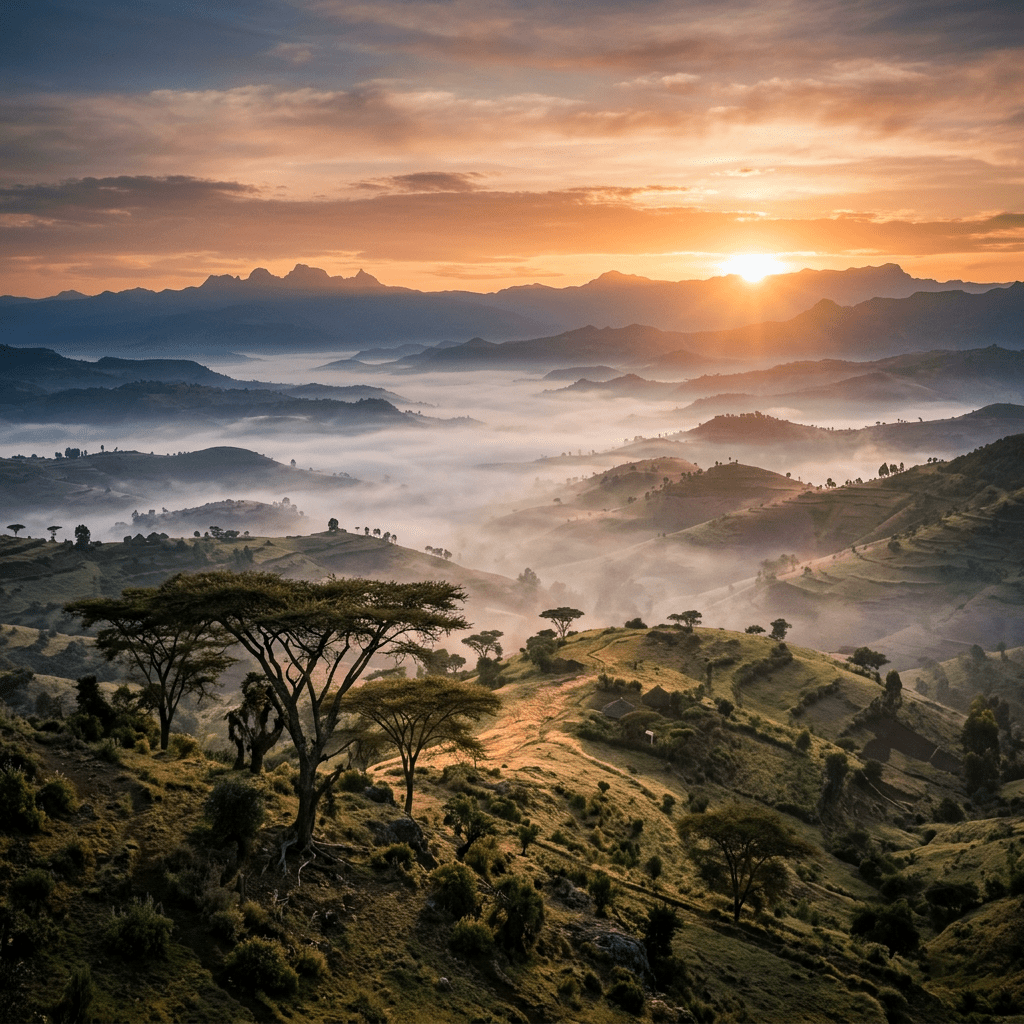
In the turbulent theatre of Ethiopian political discourse, few narratives are as polarising as the aspirations of the Oromo people. Too often reduced to a simplistic caricature of ethnic nationalism or separatist ambition, the Oromo political project is frequently misunderstood.
Yet, underneath the surface of party politics and electoral calculations lies a deeper, more cohesive reality. Regardless of political function, ideological leaning, or generational gap, there exist critical political common denominators shared and protected by the Oromo people. These are not revolutionary slogans designed to dismantle a nation; they are foundational principles intended to reshape, support, and sustain Ethiopia into the future.
They are Oromia, Afaan Oromo, Gadaa, Oromummaa, Finfinnee, and Dirree Dhawa.
To understand these six pillars is to understand the soul of modern Oromo political consciousness—and to recognise that the Oromo quest is fundamentally a quest for a more equitable, federal, and democratic Ethiopia.
Oromia: The Territorial Bedrock
For the Oromo, Oromia is far more than an administrative region drawn on a map; it is the historical and political homeland. Spanning vast swathes of the Ethiopian highlands and lowlands, it anchors the collective memory of a people who have inhabited these lands for millennia.
Oromia embodies the historical struggle for autonomy and self-determination. It is the territorial foundation upon which claims to political representation, federal restructuring, and resource control are built . In the current constitutional era, the debate surrounding Oromia is central to Ethiopia’s federal future. For the Oromo, the protection of Oromia’s territorial integrity is non-negotiable—not as a fortress against the rest of Ethiopia, but as a recognised base from which the Oromo can contribute equally to the national fabric.
Afaan Oromo: The Linguistic Unifier
If Oromia is the body, Afaan Oromo is the soul. After over a century of systemic suppression, the Oromo language has re-emerged as the strongest cultural and political bond among scattered Oromo communities . It is more than a tool for communication; it is a symbol of restored dignity and a vibrant declaration of identity.
In the political arena, Afaan Oromo serves as a practical instrument for mass mobilisation. Its expansion into federal institutions—from the parliament floor to educational curricula—is viewed not as an encroachment but as an essential correction for historical inequality. Asserting Afaan Oromo enhances Oromo political visibility and ensures that the voice of the country’s largest ethnic group is heard in its own tongue . For the Oromo, linguistic pluralism is not a threat to national unity but the very bedrock of a just and inclusive Ethiopian state.
Gadaa: The Indigenous Democratic Blueprint
While the initial prompt highlights the political pillars, the Gadaa system stands proudly among them as the indigenous democratic governance system of the Oromo people. Recognised by UNESCO as an Intangible Cultural Heritage of Humanity, Gadaa represents a sophisticated political, social, and ritual framework that has governed Oromo society for centuries .
Gadaa is built upon principles of term limits, checks and balances, and consensus-based decision-making—ideas that resonate deeply with modern democratic values . For contemporary Oromo political thought, Gadaa is not merely an ancient relic; it is a living philosophy that informs the demand for transparent, participatory, and decentralised governance. To dismiss Oromo political aspirations is to dismiss a system that predates many modern states, and which offers profound lessons for Ethiopia’s own governance challenges.
Oromummaa: The Cultural Conscience
Oromummaa translates roughly to “Oromoness”—but it defies a simple definition. It is the collective cultural ethos, the shared moral compass, and the intricate web of values, histories, and worldviews that unite the Oromo people.
Critically, Oromummaa is historically inclusive. It is not an ethnic fortress; rather, it embodies a form of cultural nationalism that has traditionally welcomed outsiders and assimilated diverse groups . In the political sphere, Oromummaa serves as the ethical conscience of the Oromo struggle. It underscores the demand for justice not out of a desire for superiority, but out of a profound belief in equity, respect, and the fundamental dignity of all peoples. It is this cultural resilience that has sustained the Oromo through decades of marginalisation and continues to fuel their push for constitutional recognition.
Finfinnee: The National Crucible
Few spaces in Ethiopia are as contested—or as symbolic—as Finfinnee (Addis Ababa). Historically Oromo land, it has evolved into the cultural and political melting pot of the nation, serving as the seat of the federal government and the headquarters of the African Union .
For the Oromo, Finfinnee represents more than a capital city; it is a living testament to their historical rootedness in the central highlands . The political consciousness of modern Oromo movements was largely shaped within the streets and universities of Finfinnee. The governance of this city is tied inextricably to Oromo identity, the balance of federal power, and national symbolism. The Oromo claim to Finfinnee is not a call for exclusivity, but a demand for a seat at the table in deciding its future. Recognising the Oromo heritage of Finfinnee is seen as essential for healing historical grievances and fostering true federal balance.
Dirree Dhawa: The Multicultural Frontier
Finally, Dirree Dhawa stands as a testament to Ethiopia’s complex diversity and the unresolved questions of its federal architecture. As a multicultural frontier shared among Oromo, Somali, Amhara, and other communities, its administrative status is a microcosm of the nation’s broader federal challenges.
Unlike the exclusivist narratives that often dominate ethnic politics, the Oromo perspective on Dirree Dhawa symbolises a vision of inclusive governance . The city’s mixed demographic makeup and strategic economic importance require a governance model that transcends ethnic domination. For the Oromo, the resolution of Dirree Dhawa’s status represents a litmus test for whether Ethiopia can truly accommodate its diverse peoples within a single, unified federal system.
A Transformative, Not Separatist, Agenda
Taken together, these six pillars present a compelling counternarrative to the accusations of separatism often levelled against the Oromo political movement . The Oromo demand for territorial integrity, linguistic equality, cultural recognition, democratic governance, and balanced federalism is not an attempt to break up Ethiopia. On the contrary, it is an attempt to save it—to build a nation where no group is marginalised, where resources are shared equitably, and where federalism functions as originally intended.
These Oromo political common-denominator aims are not merely separatist or nationalist—rather, they are transformative, aiming to reshape, support, and sustain Ethiopia into the future . A strong Oromia is a strong Ethiopia. A recognised language is a unified nation. A respected culture is a peaceful society.
The question for Ethiopia is not whether it can accommodate these Oromo pillars, but whether it can afford not to. For in the recognition of these fundamental rights lies the potential for a new dawn—one where the Oromo, and all Ethiopians, can walk forward together.
The Oromo quest is not a call for division. It is a call for a new Ethiopia—one built on justice, equality, and the recognition that diversity is not a weakness, but the nation’s greatest strength.

Ethiopia’s Tourism Surge: A Story of Growth, Potential, and National Pride
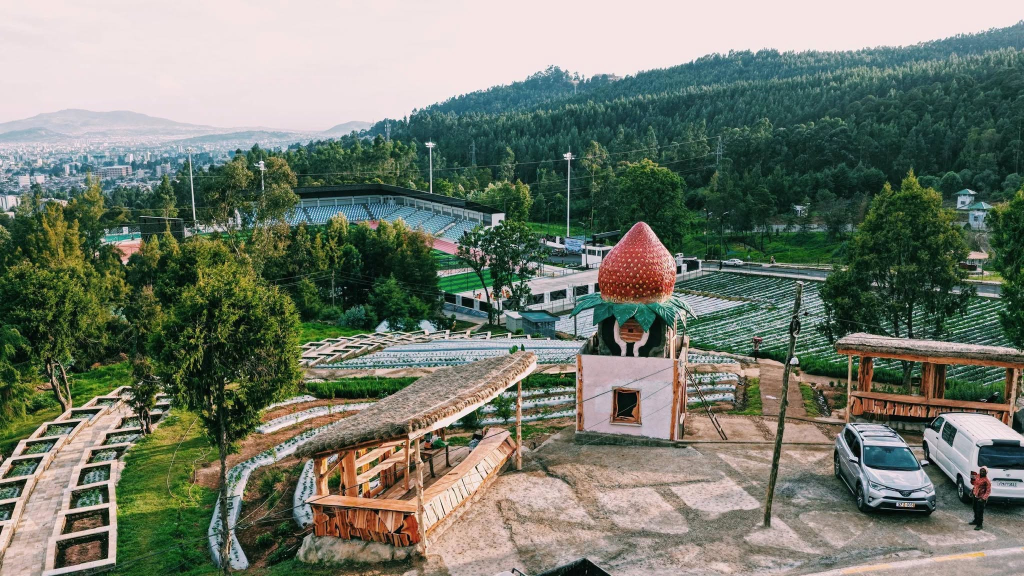
From record-breaking visitor numbers to multi-billion dollar revenues, Ethiopia’s tourism sector is undergoing a remarkable transformation—and the world is taking notice.
Ethiopia is a land of ancient wonders and breathtaking landscapes—the rock-hewn churches of Lalibela, the obelisks of Axum, the castles of Gondar, and the dramatic peaks of the Simien Mountains. For decades, these treasures remained largely unseen by the world, their potential locked away by inadequate infrastructure and limited promotion.
That era is ending.
In a recent address, Ethiopia’s leadership laid out a compelling vision of a nation finally awakening to its tourism potential—and the numbers speak for themselves.
A National Responsibility: Promoting Ethiopia to the World
“From a promotional perspective, much work is expected of us,” the Prime Minister acknowledged. “We know that a lot of promotional work remains, and our friends tell us the same.”
This honest self-assessment is accompanied by a call to action: every Ethiopian citizen has a responsibility not just to work, but to present their country with pride, creativity, and dignity. Promotion of Ethiopia is not the sole duty of government—it is a national project requiring coordinated effort from every sector of society.
“Ethiopia is Africa’s diplomatic capital,” the Prime Minister noted, emphasizing the unique advantages the country possesses. “People in Africa and beyond are eager to come to Ethiopia.”
The message is clear: when promotion is done in a coordinated way, the benefits multiply exponentially.
Record-Breaking Growth: The Numbers That Tell the Story
The transformation of Ethiopia’s tourism sector is reflected in remarkable statistics that demonstrate tangible progress.
Economic Growth
Ethiopia is expecting 10.2% GDP growth this year—a figure unmatched not just in Ethiopia but across the African continent. This growth is a testament to the success of the Homegrown Economic Reform Agenda, which has identified tourism as one of five key pillars of national economic transformation.
Export Revenue
$10.8 to $11 billion in exports are projected for this year—a dramatic increase from just $3 billion two to three years ago. This exponential growth reflects the expanding economic base of the nation.
International Visitors
More than 1.4 million foreign tourists have visited Ethiopia this year—a 300,000 increase from the year before last and a 100,000 increase from last year. These visitors have generated over $5.4 billion in revenue from international tourism alone.
Domestic Tourism
Remarkably, 50.16 million Ethiopians have explored different parts of their own country—a 9.4 million increase from the year before last and a 1.8 million increase from last year. Domestic tourism generated over 79 billion Birr in revenue, demonstrating the growing appetite among Ethiopians to discover their own heritage.
International Conferences
204 international conferences were held in Ethiopia this year—a 50-conference increase from last year and a 166-conference increase from the year before last. More than 166,000 participants attended MICE (Meetings, Incentives, Conferences, and Exhibitions) events in Ethiopia this year alone.
Tax Revenue
Ethiopia is projected to collect 1.5 trillion Birr in tax revenue this year. Before the reforms, the annual collection capacity was merely 200-300 million Birr—a transformation that underscores the scale of economic progress.
Infrastructure: Building the Foundation for Growth
Tourism requires more than beautiful sites—it requires accessibility, connectivity, and modern facilities.
In just the past few months, seven airports have been inaugurated across Ethiopia, improving access to previously remote destinations. Numerous roads have been constructed, connecting heritage sites to urban centres and reducing travel times. Digital access and visitor services have been strengthened to meet the expectations of modern travellers.
The “Dine for Sheger,” “Dine for the Nation,” and “Dine for a Generation” projects have fundamentally reshaped Ethiopia’s tourism map. These initiatives have:
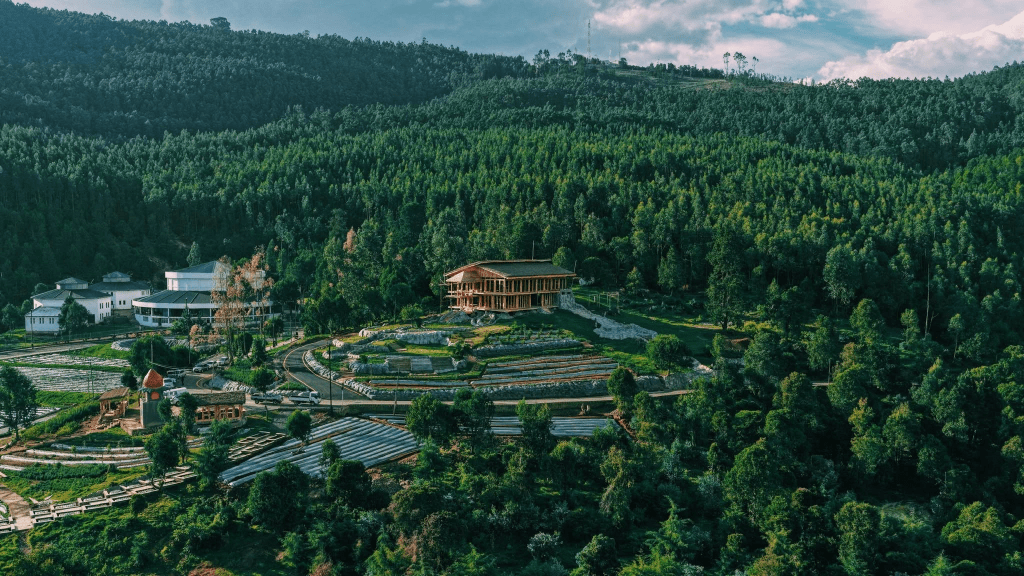
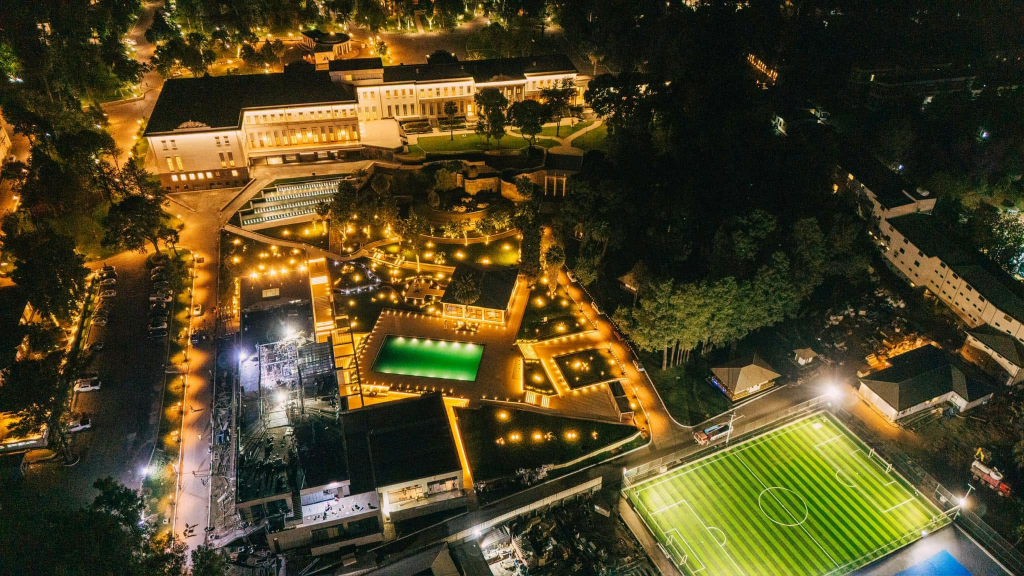
- Transformed the heart of Addis Ababa through Unity Park, Sheger Park, and Entoto Park
- Developed destinations like Halala Kela, Chebera Churchura, and Wenchi
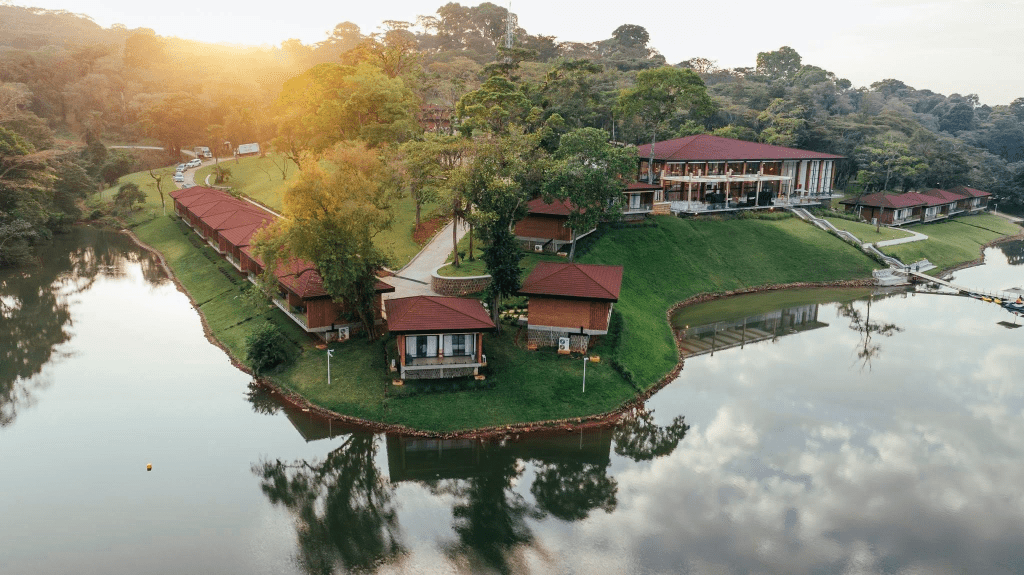
- Created modern resorts including Dembi Eco Lodge, Nein Le Palm Lodge, Shebelle Resort, and Lake Logo Resort
- Restored historical heritage, including the Castle of Fasilides in Gondar and the rock-hewn churches of Lalibela
These projects have been executed with remarkable speed and quality, setting new standards for Ethiopian tourism infrastructure.
The Private Sector: An Indispensable Partner
The private sector has played an indispensable role in the tourism transformation. Through active participation in the “Dine for Sheger,” “Dine for the Nation,” and “Dine for a Generation” projects, private enterprises have contributed expertise, investment, and innovation.
This public-private partnership model has proven to be a powerful engine for growth, combining government vision with private sector efficiency and creativity.
A Shared Vision: Tourism as an Economic Engine
The Prime Minister’s message goes beyond statistics. It speaks to a fundamental understanding of what tourism truly means:
“Tourism is not just about heritage. Having heritage does not automatically mean tourism will flourish. Tourism is not just about natural resources. Tourism is about experience.”
For a visitor to truly benefit Ethiopia—and for Ethiopia to benefit from the visitor—the experience must be complete. The Prime Minister’s simple but profound definition captures this perfectly:
“Tourism, in short, means someone who comes to visit us should leave with their heart delighted and their wallet lighter.”
This encapsulates the dual purpose of tourism: creating memorable, meaningful experiences for visitors while generating economic value for the nation.
The Road Ahead
The numbers are impressive, but the journey is far from complete. As the Prime Minister acknowledged, much promotional work remains. Every Ethiopian—from airport staff to hotel workers, from taxi drivers to tour guides, from artists to citizens—has a role to play in presenting the true, beautiful Ethiopia to the world.
The foundation has been laid. The infrastructure is being built. The world is being invited. And Ethiopia is responding with a tourism sector that is finally realising its immense potential.
Ethiopia is rising—and the world is taking notice. The ancient land is becoming a modern destination, and the story is just beginning.

Beneath the Odaa: A Gathering of Peace and Unity at Bulluq
Eight years ago, under the sacred shade of the Odaa Bulluq tree, Oromo youth gathered to seek peace. Today, that moment remains a powerful symbol of what dialogue, respect, and unity can achieve.
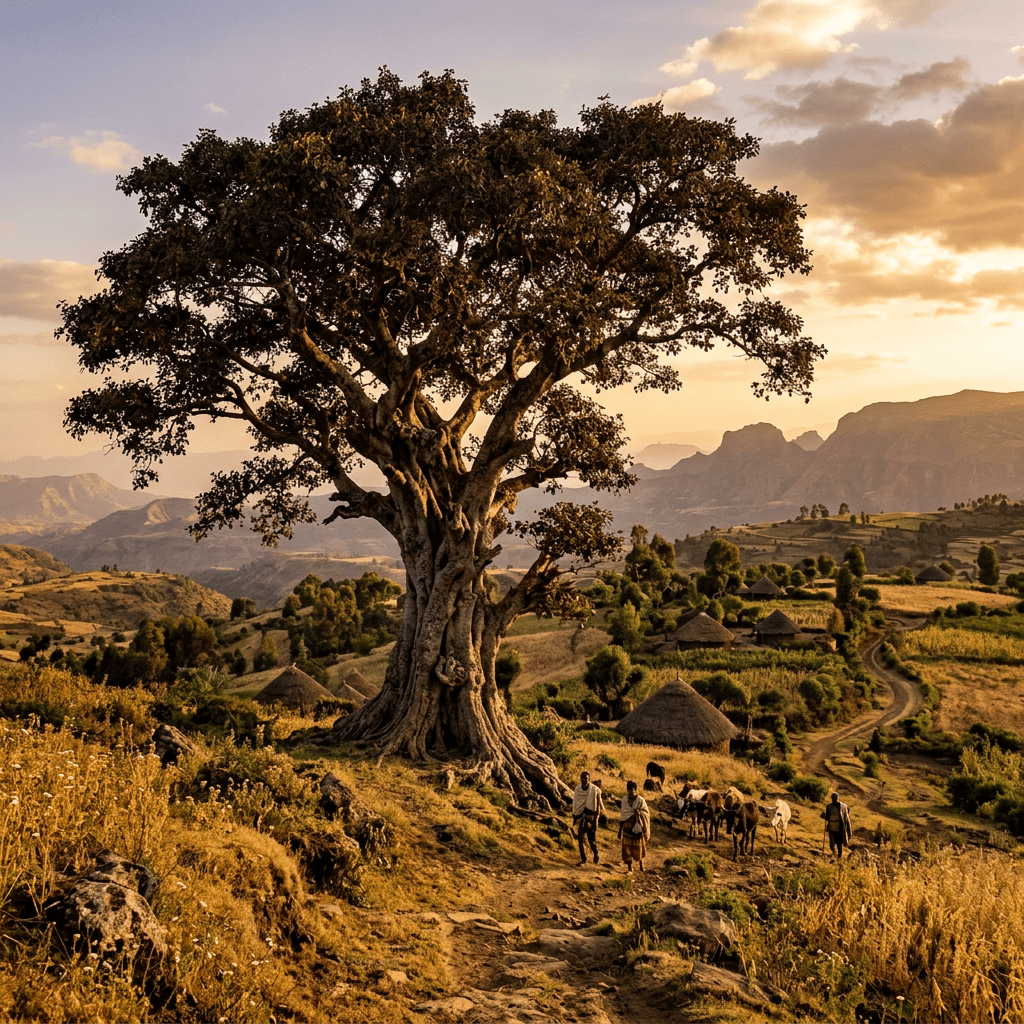
There is a tree that stands as a witness to history—a silent guardian of the Oromo people’s most sacred traditions. It is the Odaa, the sycamore fig tree, a symbol of justice, reconciliation, and the enduring spirit of the Gadaa system.
Beneath its sprawling branches, the most important decisions are made. Disputes are resolved. Peace is sought. Unity is forged.
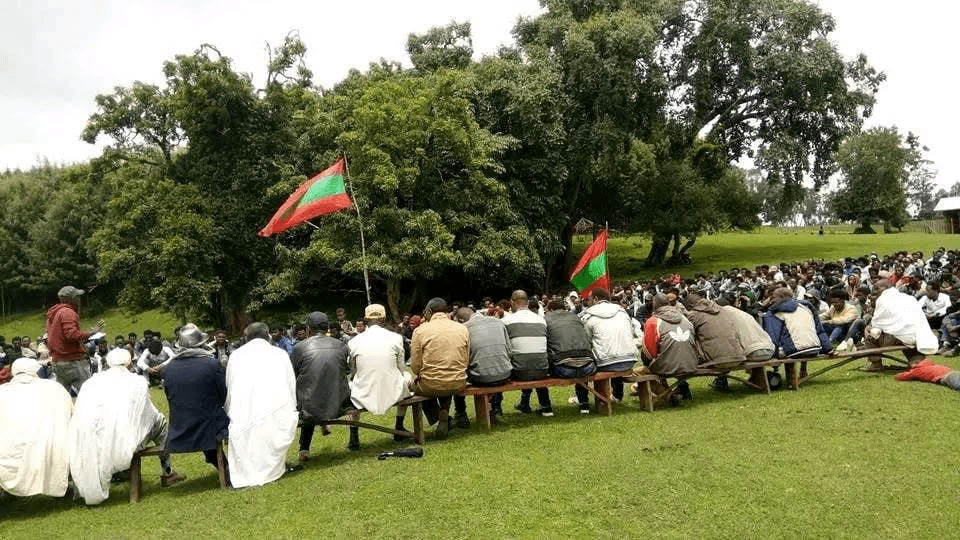
At Odaa Bulluq, one of the five sacred Odaa trees of the Oromo people, a powerful gathering took place eight years ago. On Adoolessa 1, 2018 (according to the Oromo calendar)—August 10, 2018—a group of young Oromo freedom fighters (Qeerroo) came together beneath its shade to seek peace for their land and people.
Today, as tensions once again threaten the region, the memory of that gathering offers a lesson—and a call to action.
The Odaa: A Sacred Symbol
For the Oromo people, the Odaa tree is far more than a tree. It represents:
- Justice: The Gadaa system, UNESCO’s Intangible Cultural Heritage of Humanity, is centred on the Odaa. It is where elders, leaders, and community members gather to make decisions that shape the future .
- Reconciliation: When conflicts arise, the Odaa is the place where peace is negotiated, disputes are settled, and harmony is restored .
- Unity: The Odaa’s branches reach out in all directions, symbolising the interconnectedness of the community and the shared destiny of all Oromo people .
- Continuity: The Odaa is the link between ancestors and future generations—a living testament to the enduring wisdom of the past .
The Odaa Bulluq is one of the five most significant Odaa trees in Oromia, each with its own history and purpose. Together, they form a network of sacred sites that anchor the cultural and spiritual life of the Oromo people.
The Gathering of 2018: A Moment of Unity
Eight years ago, on Adoolessa 1, 2018, a remarkable gathering took place at Odaa Bulluq. Young Oromo activists—known as Qeerroo, meaning “young bulls”—assembled beneath the sacred tree to seek peace.
They had travelled from far and wide. Some had journeyed over 320 kilometres to be there. They came despite the challenges—despite threats, despite surveillance, despite the divisions that had been sown by years of conflict and tension.
Their purpose was simple but profound: to seek reconciliation, to embrace one another, and to call for peace in their region.
As one participant, Dechasa Wirtu, recalled in a recent reflection:
“The Odaa is a place where great decisions are made, where reconciliation is enacted. To gather in such a place signifies respect for law, culture, and the pursuit of peace and security. The reconciliation that happens at Odaa Bulluq is a significant and respected pledge.”
“Eight years ago today, on Adoolessa 1, 2018, when the Qeerroo of Oromia gathered at Odaa Bulluq to negotiate peace for our region, listening to the elders of the land—it was a renewal of unity.”
The atmosphere was one of hope. Elders spoke. Young people listened. Differing perspectives were shared. And out of that dialogue came a commitment: to reject hatred, to embrace reconciliation, and to build a future of peace.
A Call for Today: Remembering the Lesson
Today, eight years later, Dechasa Wirtu has issued a renewed call, reflecting on the gathering’s significance:
“Today, if our young people stop harming each other and embrace unity, they have enough strength to protect themselves from the Amhara extremists who are currently crossing borders and encroaching upon them.”
“My message today is the same as eight years ago at Odaa Bulluq: if we come together and resolve our problems through peace, dialogue, and our cultural traditions—beneath the shade of the Odaa—it will bring a lasting solution.”
He also shared a personal commitment to the cause:
“I believe in what I said then. I traveled over 320 kilometres to be there, to participate in that dialogue. I organised and prepared for it alongside many other young people.”
This message comes at a time of heightened tension, as conflict once again threatens the region. Dechasa’s reflection is not just nostalgia—it is a warning and a hope.
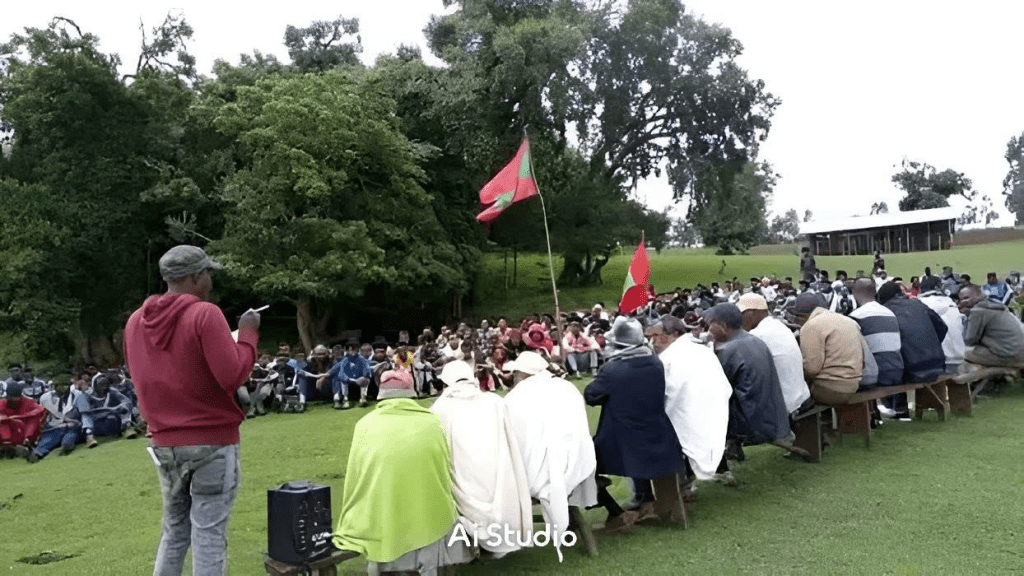
The Power of Dialogue
What made the gathering at Odaa Bulluq so powerful was not just the location—it was the commitment to dialogue.
In Oromo culture, dialogue is not optional; it is essential. It is how communities survive and thrive. It is how disagreements are resolved without violence. It is how wisdom from the past is applied to the challenges of the present.
The Gadaa system is built on this principle. Power is not seized—it is transferred through consensus and ceremony. Conflicts are not escalated—they are mediated and resolved. The voice of every member of the community matters .
When young people choose dialogue over confrontation, they honour that tradition. They demonstrate maturity and wisdom beyond their years. And they build the foundation for a society that can endure even the most difficult challenges.
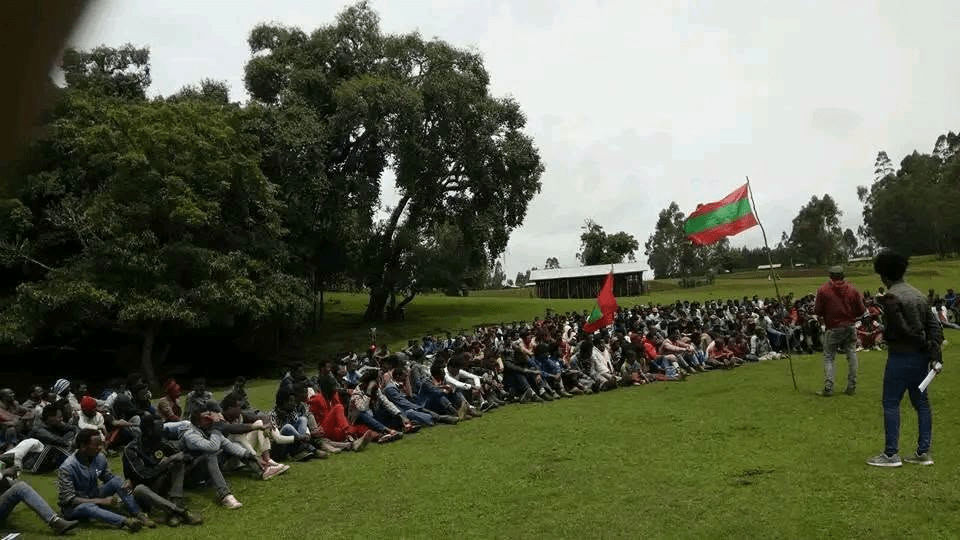
Odaa Bulluq: A Living Legacy
The Odaa Bulluq is not just a symbol of the past—it is a living legacy that continues to inspire today.
As Ethiopia and Oromia face ongoing political and social challenges, the example of the 2018 gathering offers a model for how to move forward. It demonstrates that:
- Unity is possible, even in the face of deep divisions.
- Dialogue works, even when it seems difficult.
- Youth have a crucial role to play, as agents of peace and change.
- Cultural traditions, like the Gadaa system and the sacred Odaa, remain relevant in the modern world.
The gathering at Odaa Bulluq was a powerful reminder that beneath the shade of the Odaa, enemies can become friends, and the future can be reshaped.
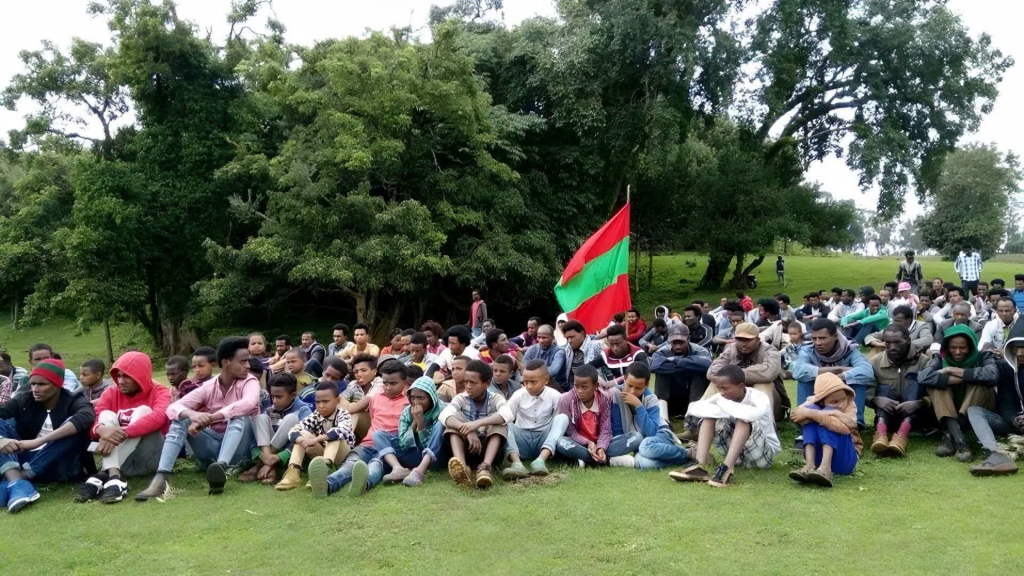
A Lesson for All
Dechasa Wirtu’s reflection is a reminder that the values of the Odaa—peace, unity, justice, and reconciliation—are not just Oromo values. They are universal human values.
In a world that often seems divided, where conflict and misunderstanding appear to dominate the headlines, the Odaa tree offers a quiet but powerful alternative.
Under its shade, we are reminded that we are all connected. That dialogue is stronger than division. That peace is not a luxury—it is a necessity.
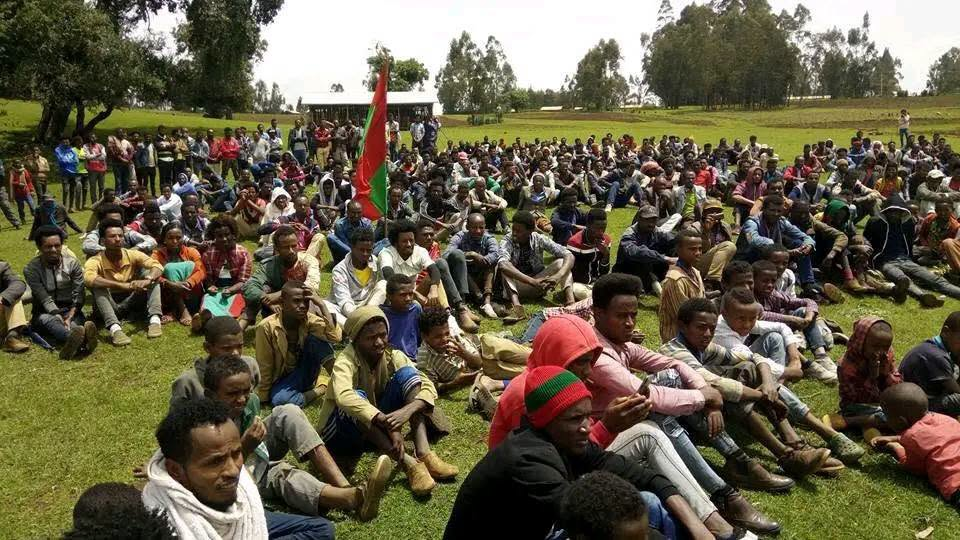
The Call Remains the Same
Eight years ago, the youth of Oromia gathered at Odaa Bulluq and said: “We choose peace. We choose dialogue. We choose unity.”
Today, that call remains as urgent as ever.
“Peace and unity for everyone!”
This was the message that echoed beneath the Odaa eight years ago. And it is the message that must echo today—across Oromia, across Ethiopia, and across the world.
“Odaan seenaa fi sirna Gadaa keessatti bakka itti murteen gurguddoon murteeffamu, araarri itti bu’udha.”
The Odaa tree in history and the Gadaa system is where great decisions are made, where reconciliation takes place.
May its shade continue to shelter those who seek peace.
Key Insights
| Aspect | Significance |
|---|---|
| Odaa Bulluq | One of five sacred Odaa trees of the Oromo people; a symbol of justice, peace, and reconciliation |
| The Gathering (2018) | Young Oromo activists (Qeerroo) assembled under the Odaa to seek peace and unity |
| Gadaa System | UNESCO-recognised indigenous governance system based on consensus and dialogue |
| Dialogue | Essential to Oromo culture; conflicts are resolved through discussion, not violence |
| Relevance Today | The same principles—peace, unity, dialogue—are urgently needed in the face of current tensions |
Under the Odaa, we are all equal. Under the Odaa, we are all one. Under the Odaa, peace is possible.
Celebrating Muhuba: A Story of Kindness in Crisis
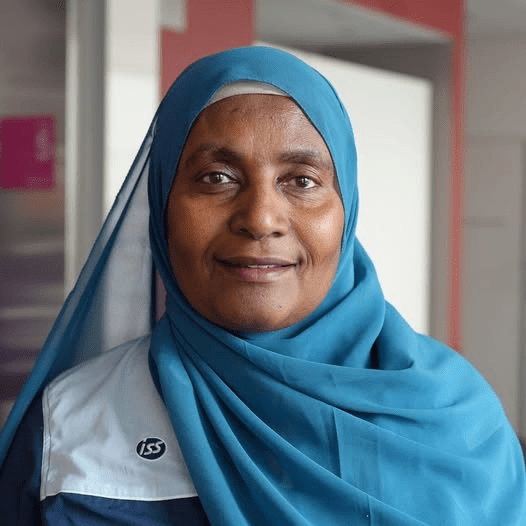
When a labouring patient arrived alone, unable to speak English, ISS placemaker Muhuba didn’t hesitate. She was on her way home from a cleaning shift at The Royal Women’s Hospital when she got a call—and she turned around without a second thought.
It was the end of a long shift. Muhuba had spent her day cleaning at The Royal Women’s Hospital in Melbourne—ensuring that rooms were sanitised, surfaces were spotless, and the environment was safe for patients, families, and staff. She was tired. She was heading home.
Then her phone rang.
On the other end was a voice from the hospital, asking if she could help. A labouring patient had arrived alone. She was scared. She couldn’t speak English. And staff had just discovered that Muhuba spoke her language.
Muhuba didn’t hesitate. She turned around and came straight back.
“I just wanted to help,” she said.
A Labour of Love
What happened next would change a woman’s birth experience—and inspire people around the world.
Muhuba was quickly thrown a pair of scrubs and rushed into the operating theatre. For the next five hours, she stayed by the patient’s side. She held her hand. She spoke to her in her own language. She calmed her fears.
She was not a midwife, a nurse, or a doctor. She was a placemaker—a cleaner. But in that moment, she was the only person who could truly communicate with a terrified mother about to bring a new life into the world.
The woman gave birth safely, comforted by the presence of someone who spoke her words, understood her heart, and gave her the dignity of being heard.
The Kind of Care That Transcends Job Titles
At The Royal Women’s Hospital, patient safety and comfort are paramount. But sometimes, the most profound care comes from unexpected places. Muhuba’s story is a testament to the fact that compassion does not require a clinical degree—it requires a human heart.
In her five hours in the theatre, Muhuba was not just translating words. She was translating trust. She was bridging the gap between a foreign medical system and a terrified mother. She was giving that woman the single most powerful gift a caregiver can offer: the feeling that she was not alone.
When the award nomination was announced, those who know Muhuba were not surprised. Her act was not a one-time gesture—it is a reflection of who she is. Every day, staff at the Women’s see the quiet dignity and dedication of workers like Muhuba, who clean rooms, deliver meals, and ensure the hospital runs smoothly, often without recognition.
Recognition Across the World
Muhuba’s extraordinary kindness did not go unnoticed.
Last year, she was recognised with a state-wide award from ISS—the global facility services company that employs her. Her act of going above and beyond stood out as an example of the power of compassion in healthcare.
This year, she has been named one of four international finalists in a global awards program. In May, ISS will fly her to Denmark for the awards ceremony, where she will represent The Royal Women’s Hospital—and Australia—on the international stage.
It is a remarkable journey for a woman who was simply heading home after a shift and answered a call for help.
The Placemaker’s Role: More Than Cleaning
ISS describes its role as “placemaking”—creating environments where people thrive. Muhuba’s story exemplifies this mission. In a hospital setting, the role of cleaning staff is often invisible, taken for granted. Yet without them, the hospital could not function. They are the quiet guardians of hygiene, the unseen hands that ensure safety, and, as Muhuba proved, sometimes the most compassionate voices in a time of crisis.
Muhuba’s willingness to drop everything and stay for five hours speaks to a deeper philosophy: care is not confined to job descriptions. It is a human duty, a moral impulse, and a gift that can be given by anyone, regardless of their title.
A Hospital Community That Cheers Her On
The Royal Women’s Hospital has expressed profound pride in Muhuba’s recognition. In a social media post celebrating her achievement, they wrote:
“We are incredibly proud of Muhuba and the compassion she brings to our hospital community. Join us in cheering her on as she represents the Women’s on the international stage.”
The post resonated widely—drawing thousands of reactions, comments, and shares. People from around the world responded with admiration. They saw in Muhuba’s story something universal: the power of one person to make a difference when it matters most.
One commenter wrote: “This is what true compassion looks like. Thank you, Muhuba, for showing the world that kindness has no boundaries.”
Another said: “She may not have a clinical degree, but she has a degree in humanity. This is the kind of care we all need.”
The Language of Kindness
Muhuba’s act of kindness also highlights a broader issue in healthcare: the importance of language access and culturally safe care.
Australia is one of the most multicultural nations in the world, yet language remains a significant barrier to equitable healthcare. Patients who cannot speak English are often at risk of miscommunication, misdiagnosis, and poor health outcomes. They may feel isolated, frightened, and unable to advocate for themselves.
Muhuba’s presence in that theatre was more than comfort—it was clinical necessity. She ensured that a mother could understand what was happening, could express her fears, and could consent to her care with full understanding. In doing so, she helped deliver not just a baby, but a safer, more dignified birth experience.
Her story reminds us that health systems must invest in language services, translation support, and cultural safety training—and that sometimes, the most effective support is the person who simply speaks your language and holds your hand.
From Melbourne to Denmark
In May, when Muhuba boards a plane for Denmark, she will carry with her the hopes of her colleagues, her community, and the thousands of people who have been moved by her story.
She will stand on an international stage, not as a doctor or a nurse, but as a placemaker—a cleaner—who proved that compassion is the highest qualification of all.
Her recognition is not just personal. It is a tribute to all the invisible workers in hospitals around the world: the cleaners, the porters, the kitchen staff, the administrative workers—everyone who contributes to healing without wearing a white coat.
They are the backbone of healthcare. And Muhuba has shown the world just how powerful their contribution can be.
A Message to Us All
Muhuba’s story is a challenge—and an invitation.
It challenges us to recognise that kindness is always possible, even when we are tired, even when we are heading home, even when it is not “our job.”
It invites us to see the humanity in everyone, to reach out when someone is in need, and to understand that the smallest gestures—a held hand, a spoken word, a calm presence—can change a person’s entire experience.
As one commenter wrote: “Not all heroes wear capes. Some wear scrubs and hold hands.”
Muhuba is one of those heroes. And soon, the world will have a chance to celebrate her.
Join Us in Cheering Her On
The Royal Women’s Hospital is inviting everyone to join in celebrating Muhuba’s international recognition.
“We couldn’t be prouder of Muhuba,” the hospital said. “She represents the very best of who we are—people who care, who go above and beyond, and who make a difference when it matters most.”
When Muhuba heads to Denmark in May, she will be carrying more than her own story. She will be carrying the stories of countless patients who have been comforted by someone like her—someone who chose compassion over convenience, kindness over exhaustion.
She is an inspiration to the entire hospital community. And now, she is inspiring the world.
Muhuba, we are so proud of you. Your kindness has already changed lives—and it will continue to do so as your story travels around the world. Congratulations on this well-deserved recognition, and thank you for showing us all the power of a compassionate heart.
The Royal Women’s Hospital is Australia’s largest specialist women’s hospital, providing care for women and newborns across Victoria and beyond. Founded in 1856, the hospital is committed to excellence in clinical care, research, and advocacy for women’s health.

The Ceremony of Nyaachisaa: A Sacred Rite of Humanity and Renewal at Ardaa Jilaa Daawwitii Borbor
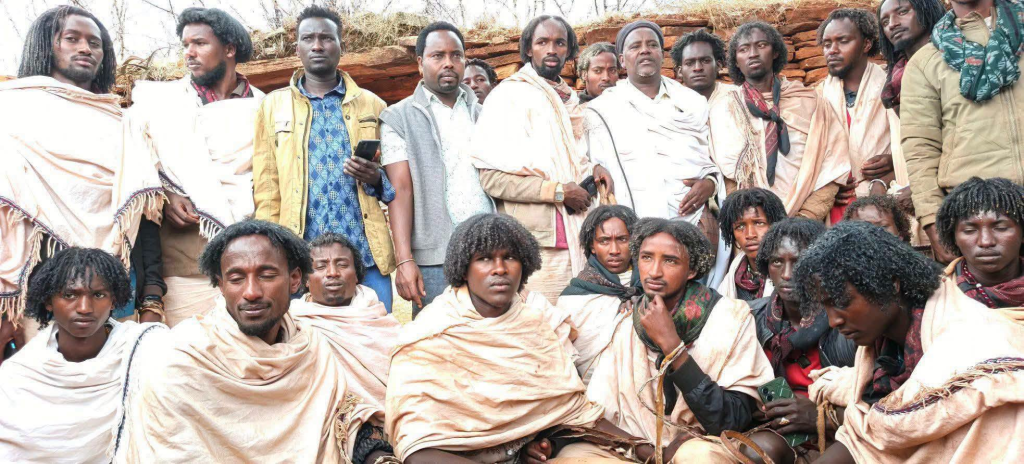
In the heart of Borana, the ancient Gadaa tradition comes alive as the community gathers to celebrate the Nyaachisaa ceremony—a profound rite of passage that honours brotherhood, culture, and the sacred bonds that unite the Borana people.
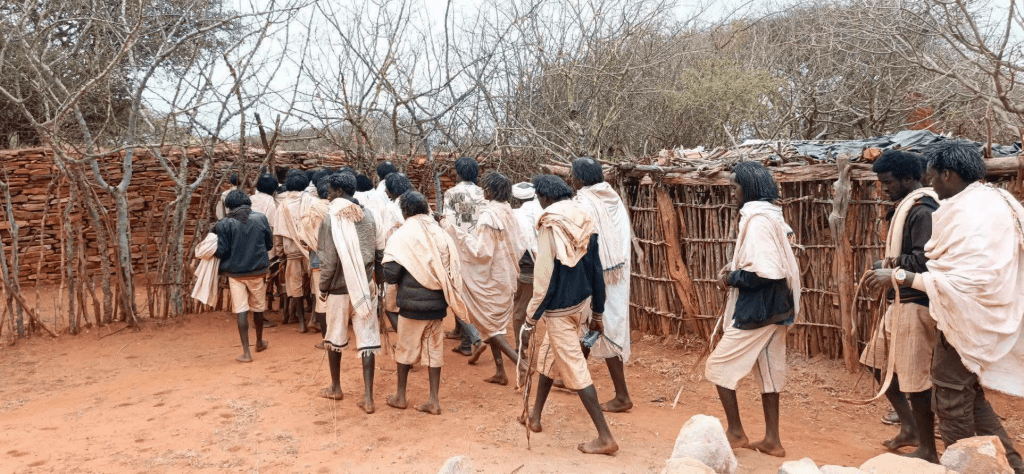
At Ardaa Jilaa Daawwitii Borboritti in East Borana Zone, Dhaasii district, a powerful cultural ceremony is unfolding. The sons of Guyyoo Gobbaa Bulee—the revered elder and former Abbaa Gadaa—are conducting the Nyaachisaa ritual, a sacred feast that embodies the values of brotherhood (waloomaa), mutual respect, and cultural preservation .
“Nagaan Gooroo marmaaraa ga’aa, gammee buufadha!”
This invocation—”Peace to the Gooroo Marmaaraa, enter the assembly!”—echoes across the gathering, summoning participants to a celebration that is both ancient and vibrantly alive.
Understanding Nyaachisaa: More Than a Feast
The Nyaachisaa ceremony is far more than a simple communal meal. It is a sacred rite within the Borana Gadaa system, marking important transitions and reaffirming the social fabric of the community. The ritual is closely tied to the Gadaa cycle, the indigenous democratic system that has governed the Borana people for centuries .
The Gadaa system, recognised by UNESCO as an Intangible Cultural Heritage of Humanity, is a sophisticated form of governance that operates in eight-year cycles . Every eight years, power is transferred from one Abbaa Gadaa (customary ruler) to his successor, a process that involves elaborate ceremonies and rituals . The recent installation of the 72nd Abbaa Gadaa, Guyo Boru Guyo, demonstrates that this tradition remains vibrantly alive .
The Nyaachisaa ceremony is one of the rituals associated with this system. The term nyaachisaa refers to the ritual of “feeding” or “causing to eat”—a symbolic act that carries deep meaning.
The Meaning Behind the Ritual
When the sons of Guyyoo Gobbaa Bulee conduct the Nyaachisaa ceremony, they are participating in a tradition that has been passed down through countless generations. The ritual involves:
- Communal Slaughter: The slaughter of a bull (sangaa) is central to the ceremony. The bull is not just a source of food—it is a sacrificial offering that carries profound spiritual and symbolic meaning . The Borana believe that before slaughtering, they must first bless the animal through a ritual called ariracha, asking for blessings to prosper both people and livestock .
- Food as Social Bond: The meat from the slaughtered bull is shared according to customary rules. The act of sharing meat—called jiffu—reinforces kinship ties and social obligations, strengthening the bonds between families, clans, and the broader community .
- Cultural Preservation: Through the Nyaachisaa ceremony, the Borana preserve not just their culinary heritage but also the values of solidarity, mutual support, and respect for elders .
The Sacred Setting: Ardaa Jilaa and the Odaa Tree
The ceremony takes place at Ardaa Jilaa Daawwitii Borboritti—a sacred site of immense cultural significance to the Borana people. In Borana tradition, ardaa jilaa refers to a sacred gathering place, often associated with the odaa tree (sycamore fig tree) .
The odaa tree holds profound symbolic meaning in Oromo culture. Most Gadaa rituals are performed in the shade of this tree, and both the tree and the surrounding area are fully protected as sacred spaces . The tree represents life, wisdom, and the continuity of tradition across generations.
At these sacred sites, cultural ceremonies like Nyaachisaa reaffirm the community’s connection to their ancestors and the land.
The Role of Abbaa Gadaa and Elders
The involvement of Guyyoo Gobbaa Bulee and his sons in the Nyaachisaa ceremony is particularly significant. Guyyoo Gobbaa Bulee was a retired Abbaa Gadaa who, along with Guyyo Boru, served as a main speaker during the Gumi Ganyo Assembly—a traditional gathering where community issues are discussed and resolved according to custom (aada) and law (seera) .
The elders play a crucial role in Borana society:
- Preserving Knowledge: Elders are the keepers of oral history, laws, and rituals .
- Teaching the Next Generation: They train young initiates about history, laws, and the function of the Gadaa system .
- Resolving Conflicts: The Abbaa Gadaa is responsible for solving feuds and disputes, often related to cattle-raiding and access to resources .
The Nyaachisaa ceremony is therefore not just a celebration—it is an educational moment where younger generations learn the values and traditions that define their identity.
Food as Identity: The Significance of Koche
One of the central elements of the Nyaachisaa ceremony is the preparation and sharing of koche, a traditional meat dish that has deep cultural significance .
What is Koche?
Koche is a nutritious and rich food made from meat, fat, and other ingredients. It is highly regarded in Borana culture and is:
- A Symbol of Hospitality: Koche is prepared for important guests and during ceremonies. It is a sign of respect and generosity .
- An Expression of Love: Beyond its nutritional value, koche is also a food of passion. Women would prepare it for their lovers—even secret ones—as an expression of love. If discovered, the lover would be fined a cow to appease the husband .
- A Measure of Status: Among Borana women, it was considered embarrassing for their traditional storage container (dhibe) for meat to be empty. Women of substance were expected to have koche in their dhibe at all times .
Communal Preparation
The preparation of koche is a communal affair involving elders, women, herders, and villagers. The process takes days of careful planning :
- Women fetch water and firewood and prepare a mat-like structure called sage for holding the meat.
- Men are involved in the slaughter and butchering of the bull.
- The community comes together to share in the meal, strengthening social ties and reaffirming collective identity.
This communal effort reflects the Borana belief that food is not just fuel for the body but nourishment for social relationships.
The Values of Waloomaa and Obbolummaa
The Nyaachisaa ceremony embodies the Borana values of waloomaa (cohesion) and obbolummaa (siblinghood). The sharing of meat is a physical expression of these values. As one analysis of Borana culture explains, eating together (commensality) is more than just sharing and consuming food—it strengthens kinship ties and friendship.
When the sons of Guyyoo Gobbaa Bulee conduct the Nyaachisaa ceremony at Ardaa Jilaa Daawwitii Borboritti, they are not just feeding the community. They are:
- Honouring their father: Guyyoo Gobbaa Bulee’s legacy as an elder and former Abbaa Gadaa is celebrated and passed on.
- Reinforcing brotherhood: The act of sharing meat reminds everyone of their obligations to one another.
- Preserving culture: The ceremony ensures that ancient traditions continue to have meaning in the present.
The Bigger Picture: Gadaa and Cultural Preservation
The Nyaachisaa ceremony at Ardaa Jilaa Daawwitii Borboritti is part of a broader cultural renaissance among the Borana and Oromo peoples. Despite centuries of pressure and challenges, the Gadaa system has survived:
- UNESCO Recognition: In 2016, the Gadaa system was added to UNESCO’s list of Intangible Cultural Heritage of Humanity, acknowledging its significance as one of Africa’s oldest democratic governance systems .
- Cross-Border Significance: The Gadaa system unites Borana communities across national borders—in both Ethiopia and Kenya .
- A Living Tradition: The Gadaa system is not a museum piece but a living, dynamic tradition that continues to evolve while maintaining its core values .
As one Borana elder explained, the age-set system (hariya) may end when members die, but the generation-set system (luba) continues forever—a cycle of renewal that keeps the community alive .
Conclusion: The Feast That Feeds the Soul
The Nyaachisaa ceremony at Ardaa Jilaa Daawwitii Borboritti is a powerful reminder of what makes the Borana people unique—their commitment to brotherhood, their respect for elders, their connection to the land, and their ability to preserve their culture across generations.
“Nagaan Gooroo marmaaraa ga’aa, gammee buufadha!”
Peace has come to the Gooroo Marmaaraa—the ritual journey from one sacred site to another . The assembly is called. The bull is slaughtered. The koche is shared. And through this ancient rite, the Borana people reaffirm who they are and what they stand for.
In a changing world, the Nyaachisaa ceremony remains a source of identity, solidarity, and hope. It is a feast that feeds not just the body but the soul—a testament to a people who refuse to forget their past even as they face the future.
The Nyaachisaa ceremony honours the wisdom of elders, the strength of community, and the enduring values of humanity, respect, and cultural pride.

The Land They Call Theirs: Finfinnee, Sacrifice, and the Unyielding Oromo Spirit
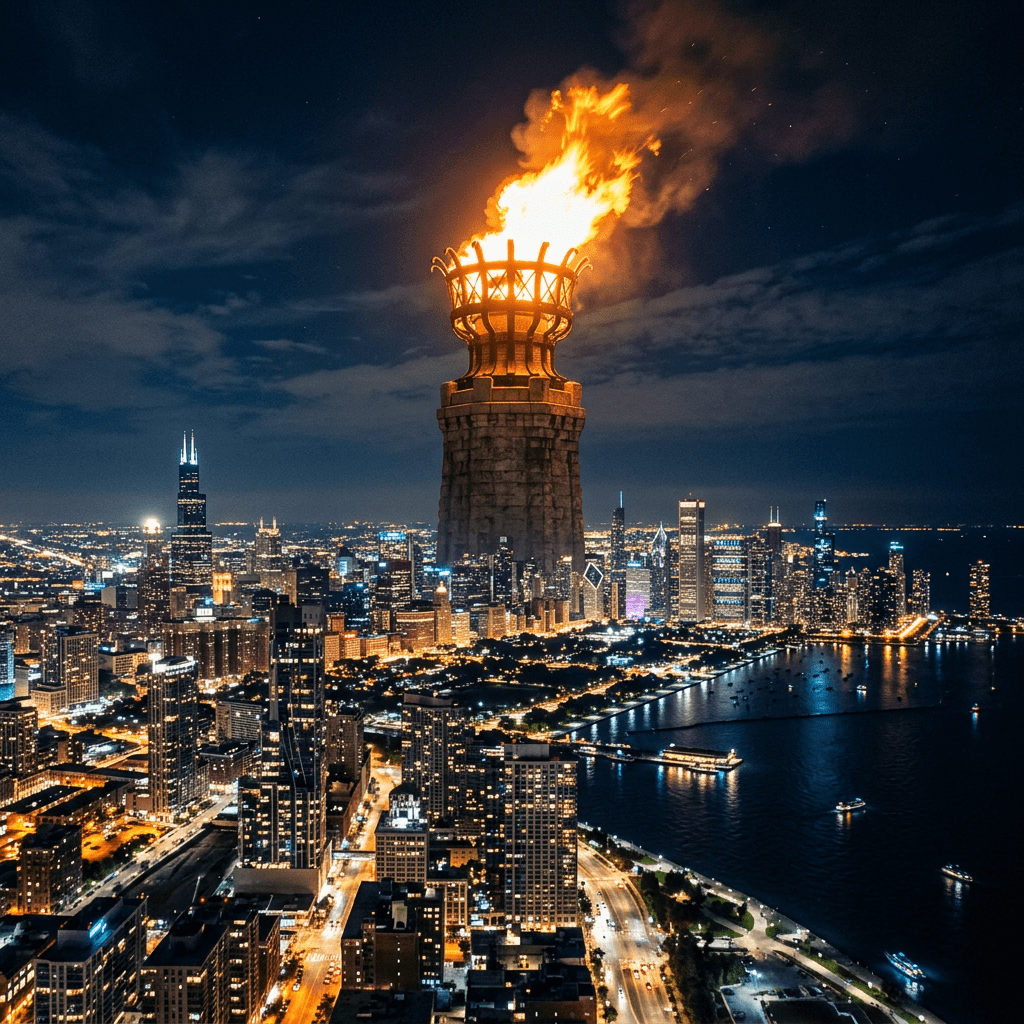
In the shadow of glass towers and concrete jungles, a people fight for a place to rest their heads—and a generation is called to rise.
—
FINFINNEE — To the world, it is Addis Ababa, the diplomatic pulse of Africa and the seat of the African Union. To the Oromo, however, this city is Finfinnee—the “fountain of hot springs”—the ancestral heart of their nation, a land soaked in history, blood, and an unbreakable bond of identity.
But walk through the bustling streets of this sprawling metropolis today, and you will witness a profound paradox. Amidst the towering condominiums—the kumaa fi kitiloota that pierce the sky—and the maze of modern high-rises, the average Oromo finds themselves a stranger in their own heritage. As the poignant refrain of the community goes: “Oromoon lafa rooba itti dheeffuu fi gaaddiisa aduu jalaa itti goru hin qabu.” (An Oromo has no plot of land to catch the rain or find shade from the sun.)
Every inch of earth their feet touch, they must claim with their voice. The struggle for recognition, for belonging, and for the very Gullallee—the cherished, sacred ground of their forefathers—is not a passive memory. It is a living, daily confrontation.
—
The Torchbearers of Resistance
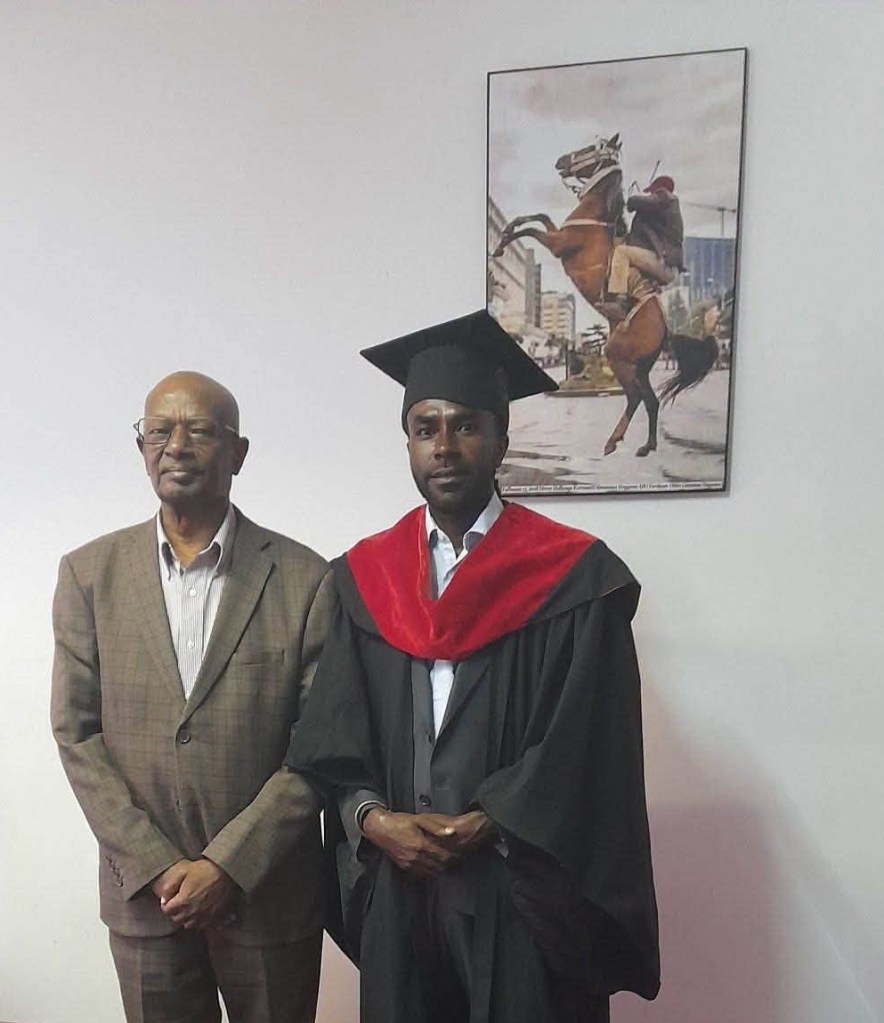
In this crucible of resilience, certain names rise above the din of daily oppression. Figures like Jaal Daawud Ibsaa, the leader of the Adda Bilisummaa Oromoo (ABO), and Jaal Abdii Raggaasaa stand as defiant pillars. They are not merely politicians; they are the living embodiments of the Oromo quest for self-determination.
To the diaspora and the youth, these men represent the unwavering voice that refuses to be silenced. They walk a tightrope where every word is a potential weapon against them, yet they continue to champion the cause of Bilisummaa—freedom. Their presence sends a clear message to the establishment: the Oromo struggle is not a fleeting trend; it is a generational covenant.
The Waajjiira and the Galma—the historic meeting grounds and the dawn campaigns of resistance—are etched into the collective memory of the community. Though the enemy may have sealed off physical spaces, they cannot quarantine the spirit. The determination displayed in these spaces carries a meaning far greater than bricks and mortar; it is the architecture of a nation that refuses to be erased.
—
The Cost of a Dawn
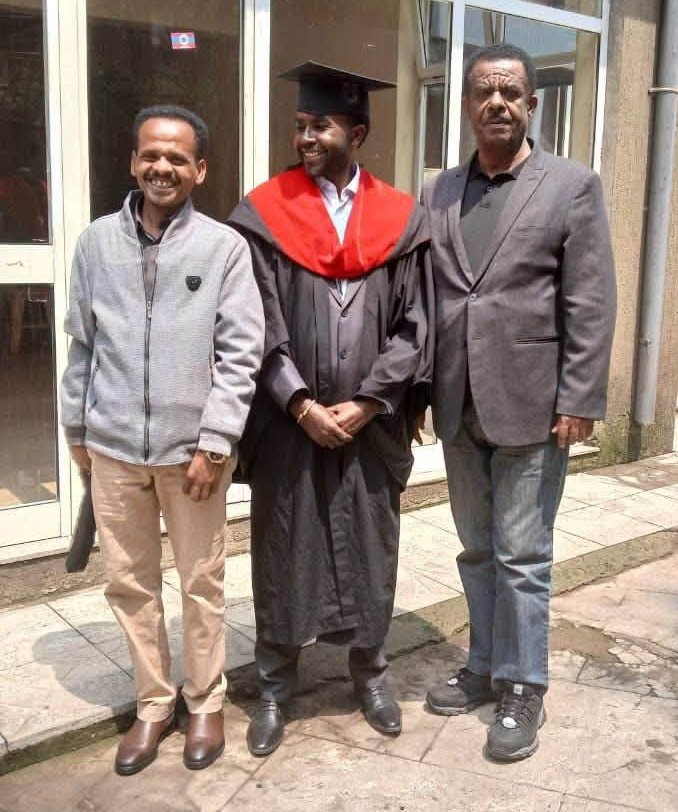
The Oromo struggle is defined by its staggering calculus of sacrifice—aarsaa fi wareegama (offering and commitment). How many lives have been laid down so that the sun of justice might rise over Finfinnee? How many mothers have wept for sons who dared to demand the rights enshrined in their own indigenous governance systems?
Yet, from these sacrifices, the movement draws its profound strength. The daily defiance, the quiet refusal to bow, and the bold resistance in the face of a caged dawn—barii ganamaa diinni cufe—is what gives the struggle its hiika guddaa (great meaning). It is the understanding that freedom is not given; it is taken through unyielding obsaa fi kutannoo (patience and determination).
—
The Mandate of the Youth
This brings us to the most urgent call of all—a plea to the dhaloonni (the young generation).
The elders and the current leadership are clear in their message: “Kutannoo fi cichoomina kana sinirraa dhaaluu qaba!” (This resilience and steadfastness must be inherited by you!)
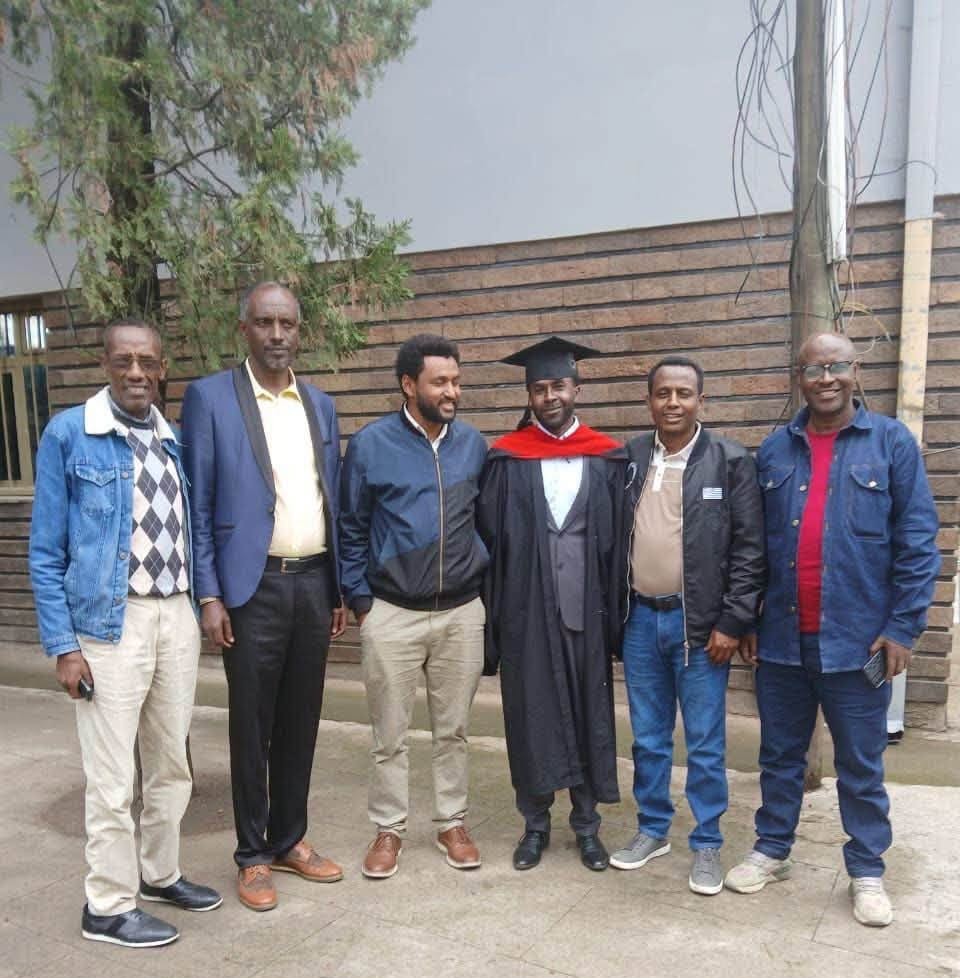
The youth of today are the custodians of tomorrow. The land, the history, and the dreams of those who came before rest squarely on their shoulders. They are called not just to remember, but to act. To take the torch from the hands of the Daawud Ibsaas and the Abdii Raggaasaas of the world and carry it forward with equal vigor.
In a city where the Oromo must prove their claim to every footstep they take, the youth are the living proof of the nation’s survival. They are the ones who must turn the Gullallee—the beloved land—from a symbol of ancestral loss into a foundation of future sovereignty.
—
Land, Love, and Legacy
For the Oromo, Finfinnee is more than a geographical location. It is the soul of their identity. The love for this land—Lafa akka Oromootti qabnu (The land we hold as Oromo)—is not born of mere proximity; it is born of millennia of history, culture, and shared suffering.
As the city continues to modernize and globalize, the Oromo people are sending a clear and resolute message to the world and to their adversaries: We are the owners, and we are the lovers. We have the leaders, and we have the spirit. And we will not stop until the rain of justice falls on our own soil, and the sun of freedom shines on our own shade.
The names may change, the tactics may evolve, but the mission remains eternal. For the Oromo, the land of Finfinnee is, and always will be, Lafa Seenaa—a land of history. And history, as they know all too well, is written by those who refuse to give up the fight.





 Advocacy for Oromia