Category Archives: AU

Irreechaa: The Festival That Renews Humanity, Reconciles Creation, and Reclaims Time Itself
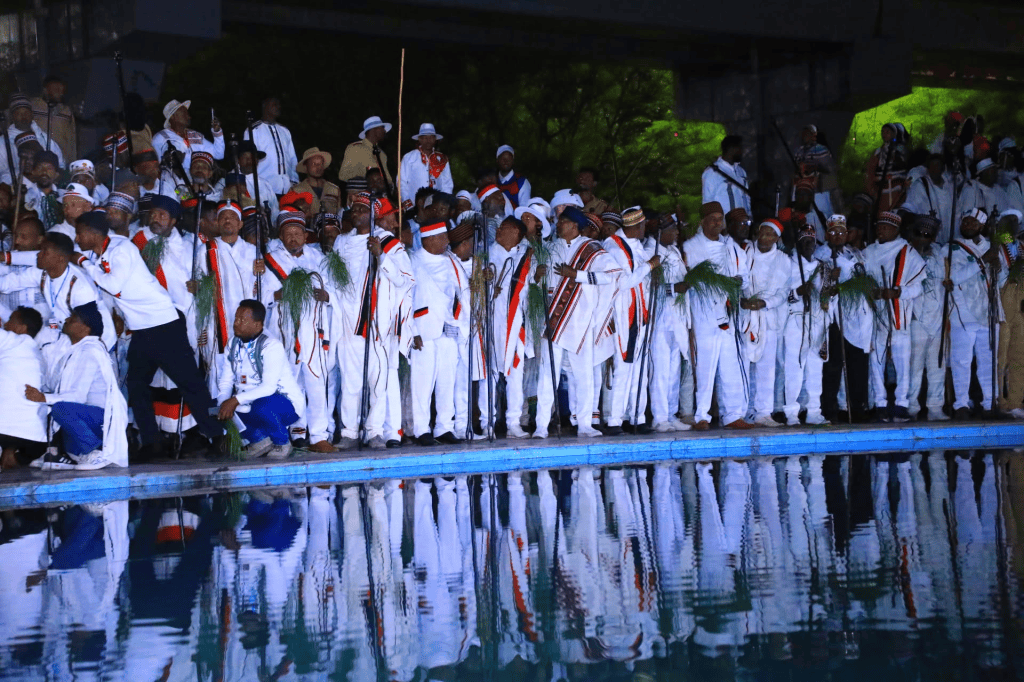
In the Oromo language, nineteen sacred phrases capture the full magnitude of Irreechaa — a celebration that is not merely cultural but cosmic, not merely annual but eternal, not merely human but divine.
Beneath the sycamores, beside the sacred waters, a people gather to become whole — and to remind the universe what wholeness means.
A Litany of Renewal
There are sentences that function as scripture. The Oromo people have such a sentence about Irreechaa:
“Irreechaan humneessaa namummaa, lachiisaa namummaa, marabeessaa namummaa, nageessaa namummaa, araarsaa namummaa, waloomsaa uumaa-uumamaa, sirna galateeffannaa, yaadannoo uumamaa, hulluuqoo hameenyaa, mallattoo ulfoo, yeroo dhiifamaa, ce’umsaa baraa, damboobsaa namummaa, fooyyessaa namummaa, fufsiisaa namummaa, fineessaa namummaa, guutessaa namummaa, kadhannaa gaarummaa, fi haaromsaa namummaa ti.”
This is not a description. It is a declaration. It is the Oromo people’s theological testimony about what Irreechaa is — not what it symbolizes, not what it represents, but what it accomplishes in the world.
Nineteen phrases. Nineteen dimensions of one reality. Nineteen ways of saying: Irreechaa renews humanity, reconciles creation, and reclaims time itself.
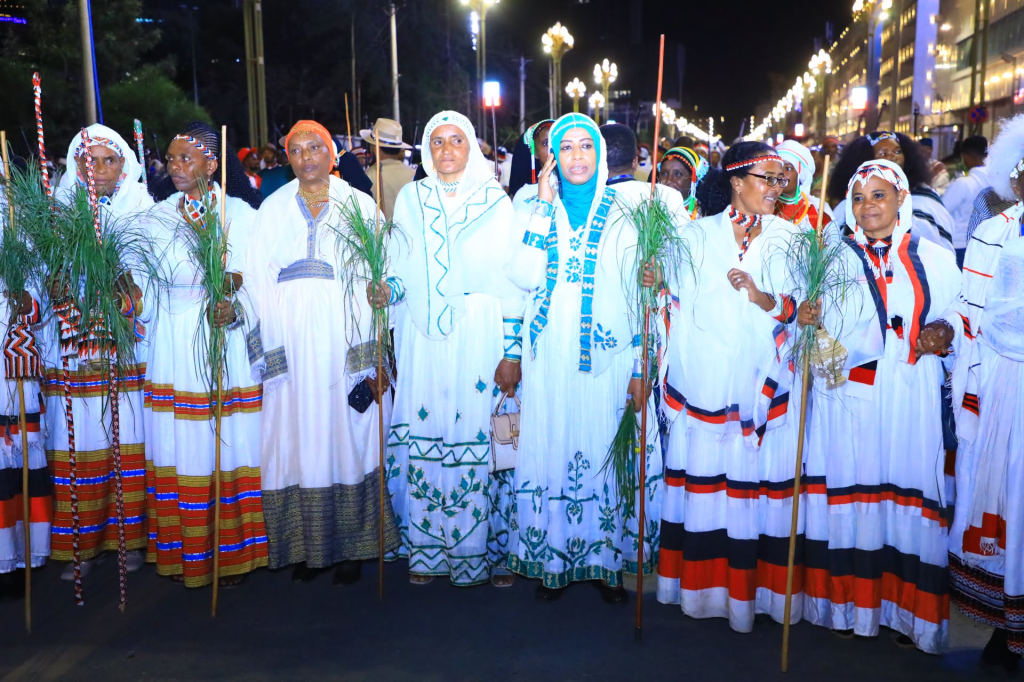
Part One: The Renewal of Humanity
The first five phrases focus on the human person — what Irreechaa does to the individual soul.
Humneessaa Namummaa — The Empowerment of Humanity
Irreechaan humneessaa namummaa. Irreechaa is the empowering of humanity.
Before the festival, participants are asked to reconcile. They set aside grudges. They release resentment. This is not weakness — it is the most difficult form of strength. To forgive is to be liberated from the prison of grievance.
The person who has made peace is not just morally superior. They are empowered. They have reclaimed energy that was being spent on resentment. They stand at the water’s edge lighter, freer, more capable of gratitude.
This is the first renewal: the empowerment that comes from letting go.
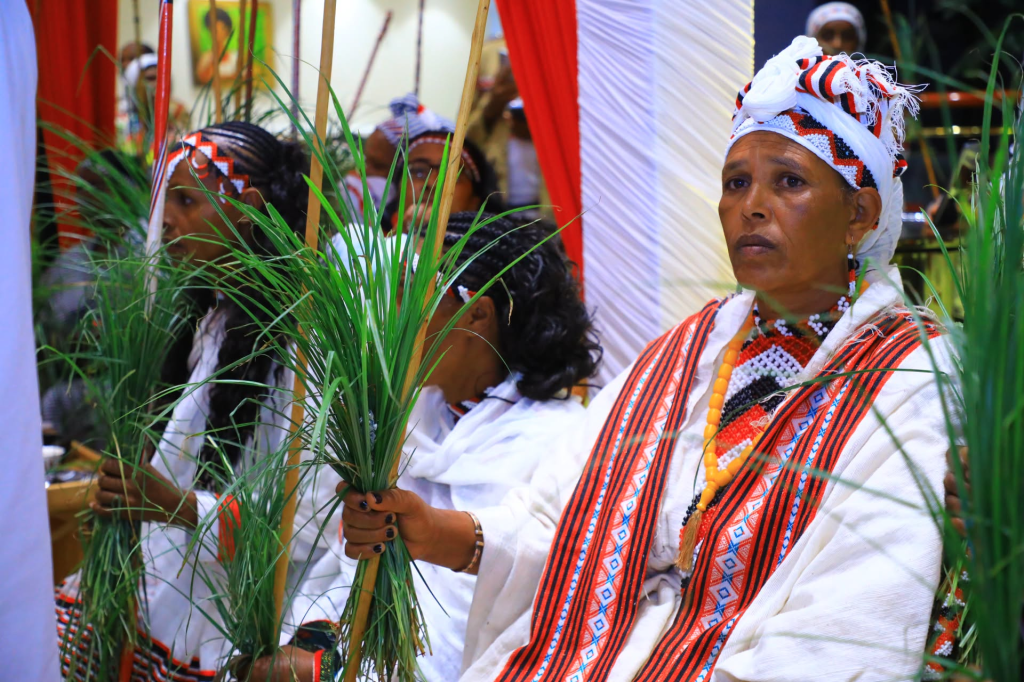
Lachiisaa Namummaa — The Reconciliation of Humanity
Irreechaan lachiisaa namummaa. Irreechaa is the reconciling of humanity.
This is Irreechaa’s beating heart. Without araara — reconciliation — the festival cannot proceed. The tradition is explicit: you cannot participate while holding a grudge. The water will not receive your thanks if your heart is still at war.
In a world that profits from division, this requirement is revolutionary. Irreechaa says: Before you celebrate, reconcile. Before you give thanks, make peace. Before you approach the sacred, heal the human relationships that have been broken.
The Oromo do not pretend that reconciliation is easy. They simply insist that the work of peace must be done — deliberately, consciously, before the community gathers.
Marabeessaa Namummaa — The Unification of Humanity
Irreechaan marabeessaa namummaa. Irreechaa is the unifying of humanity.
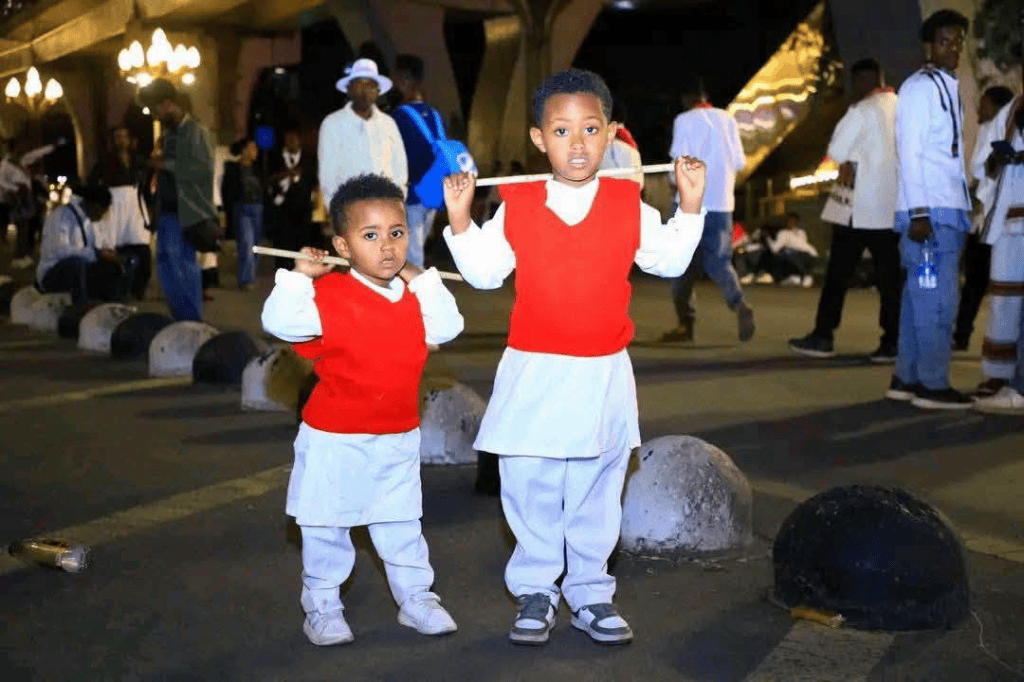
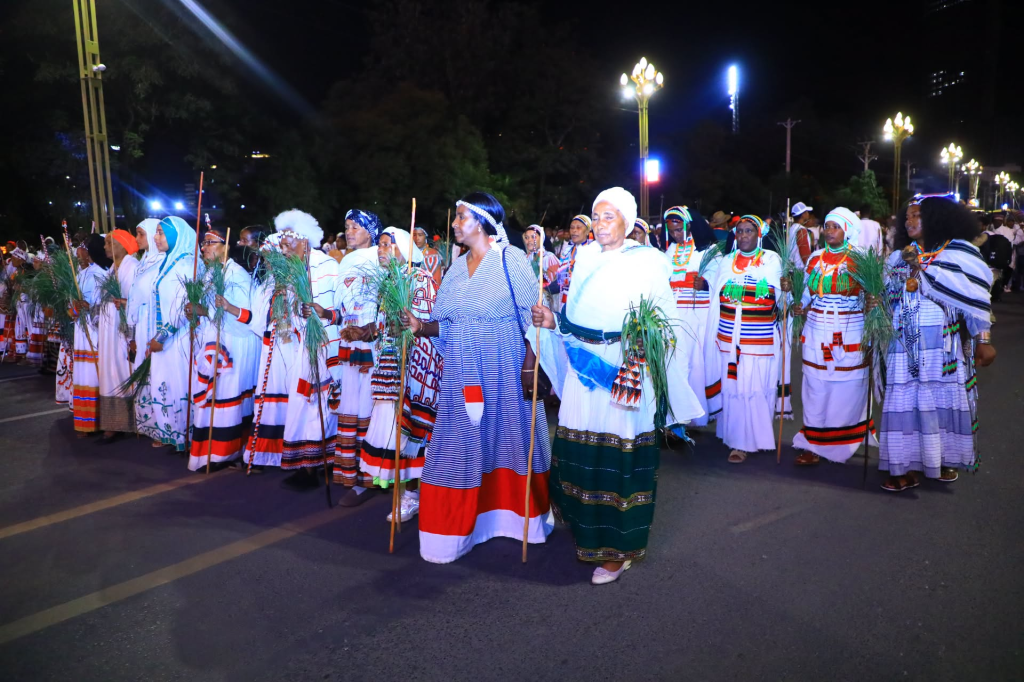
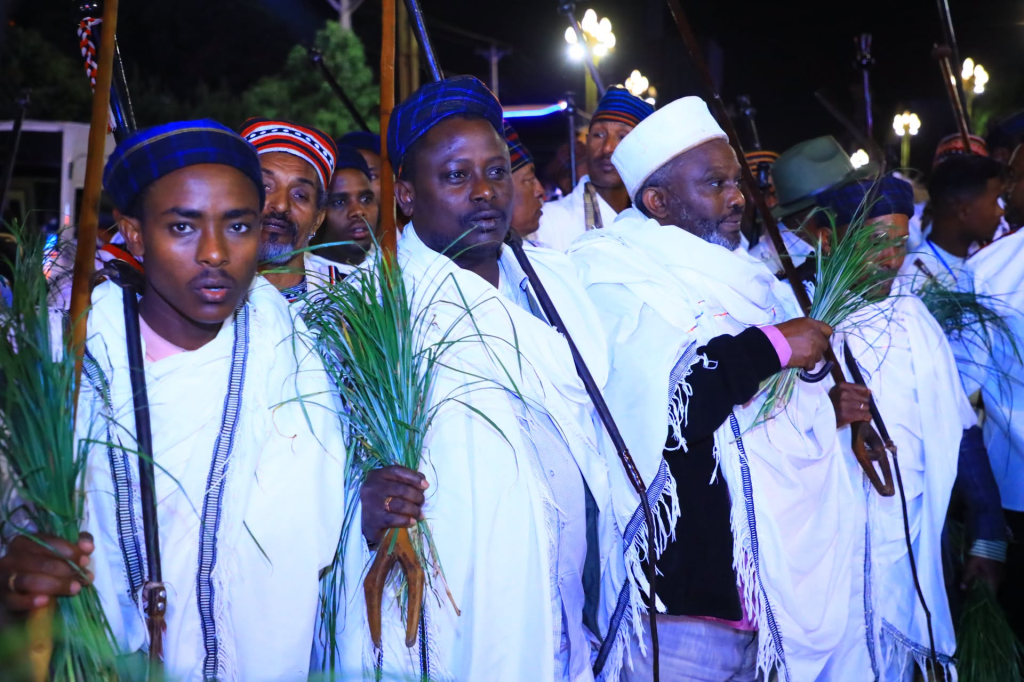
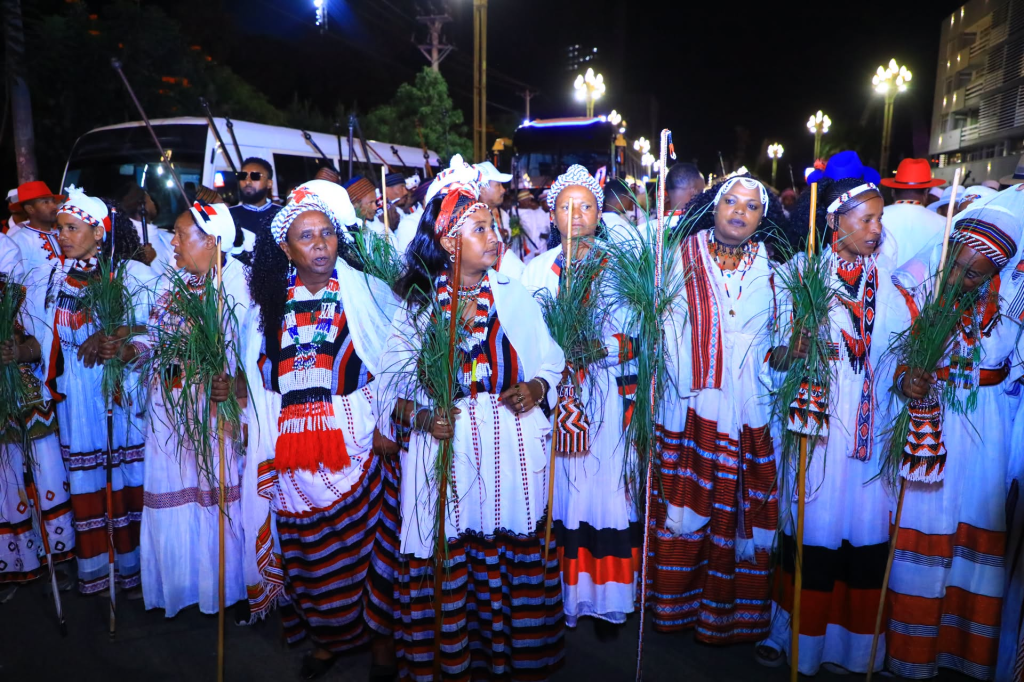
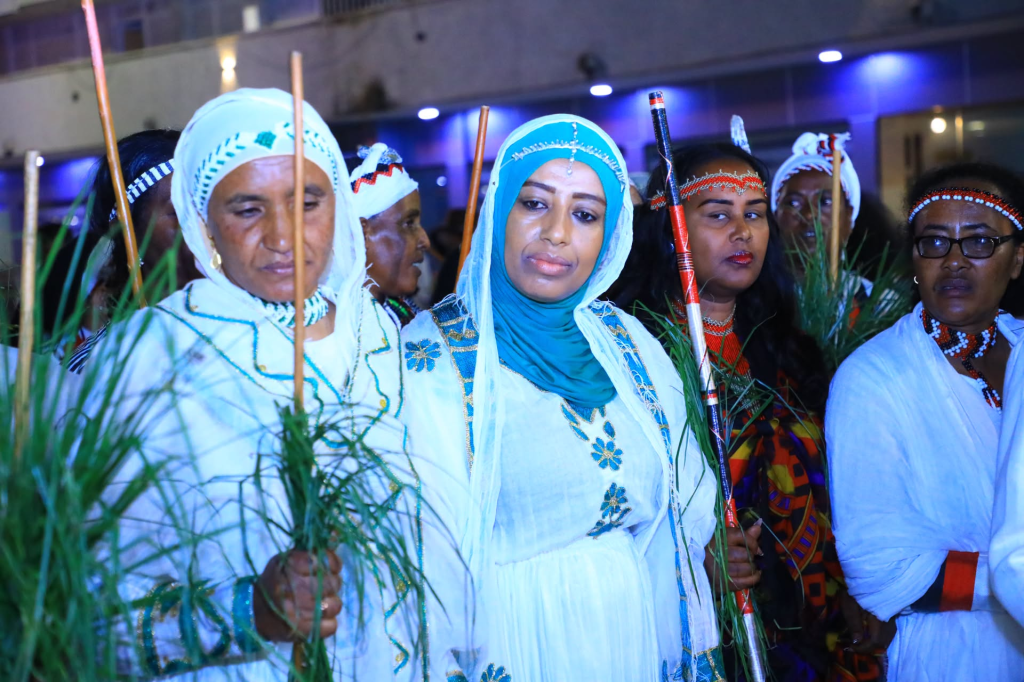
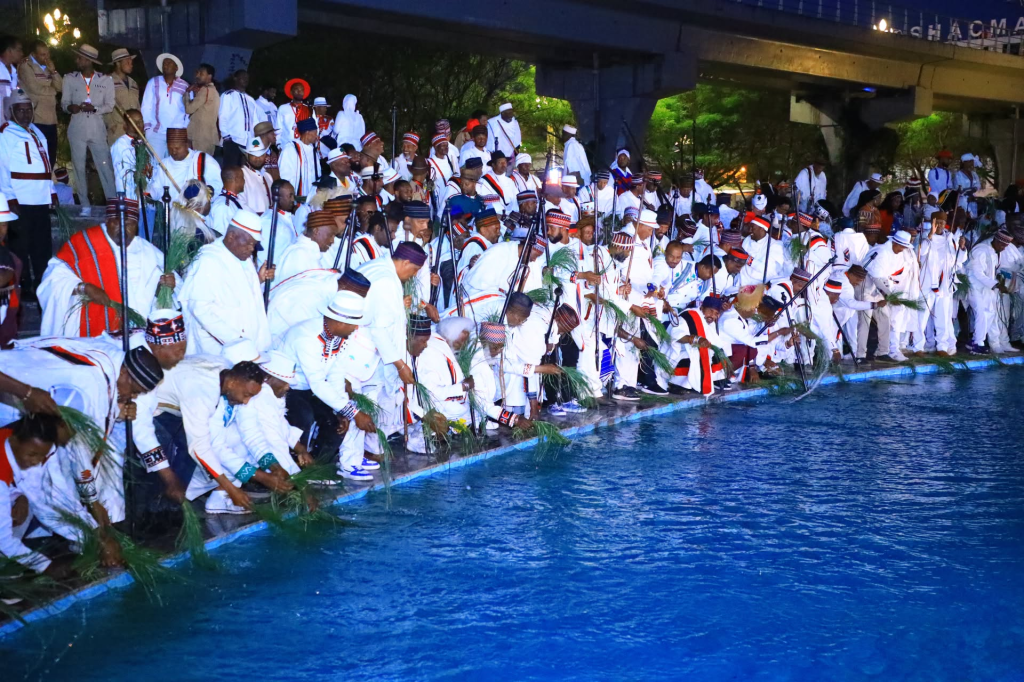
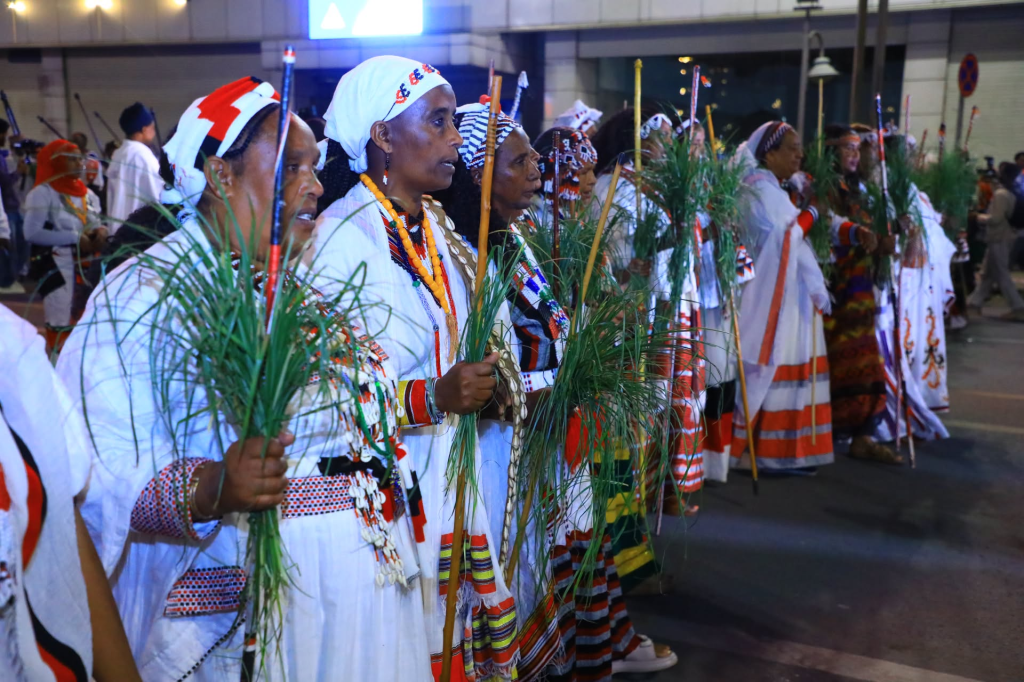
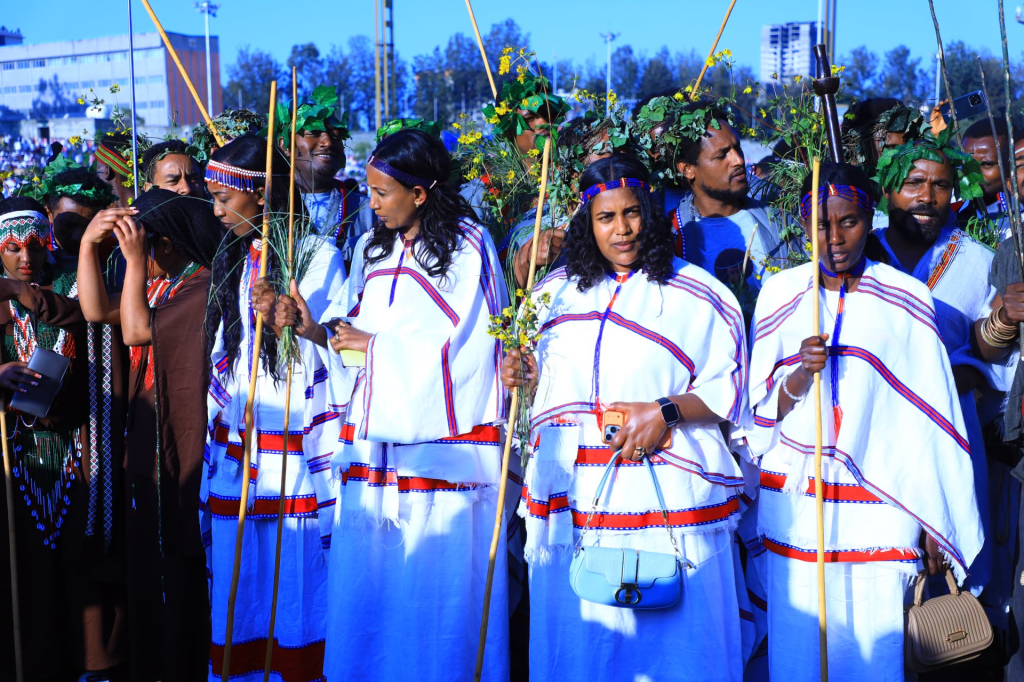
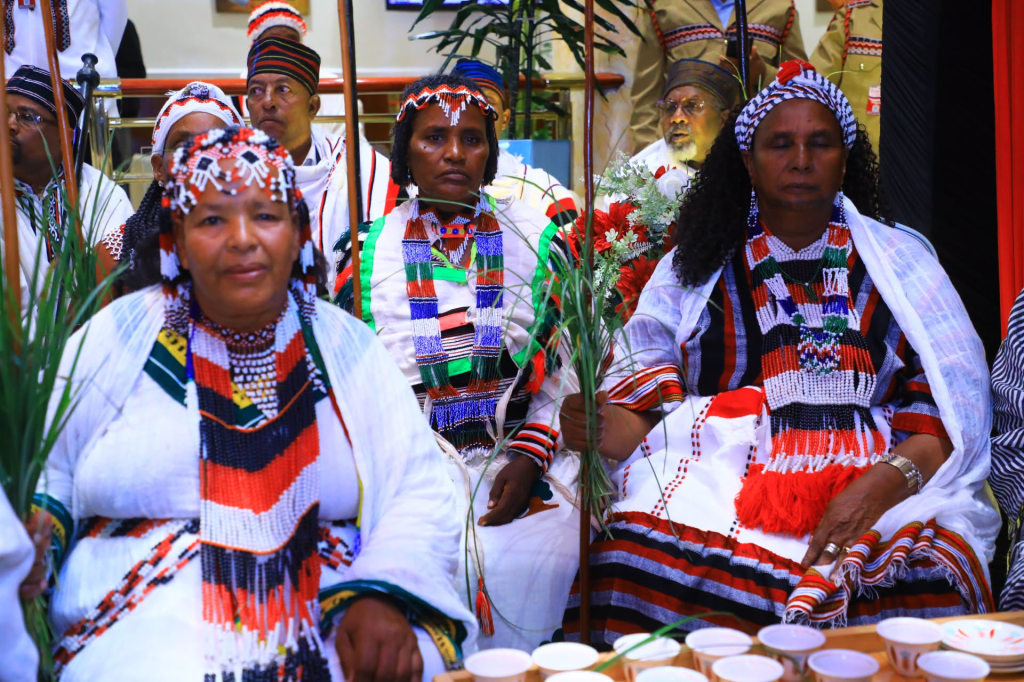
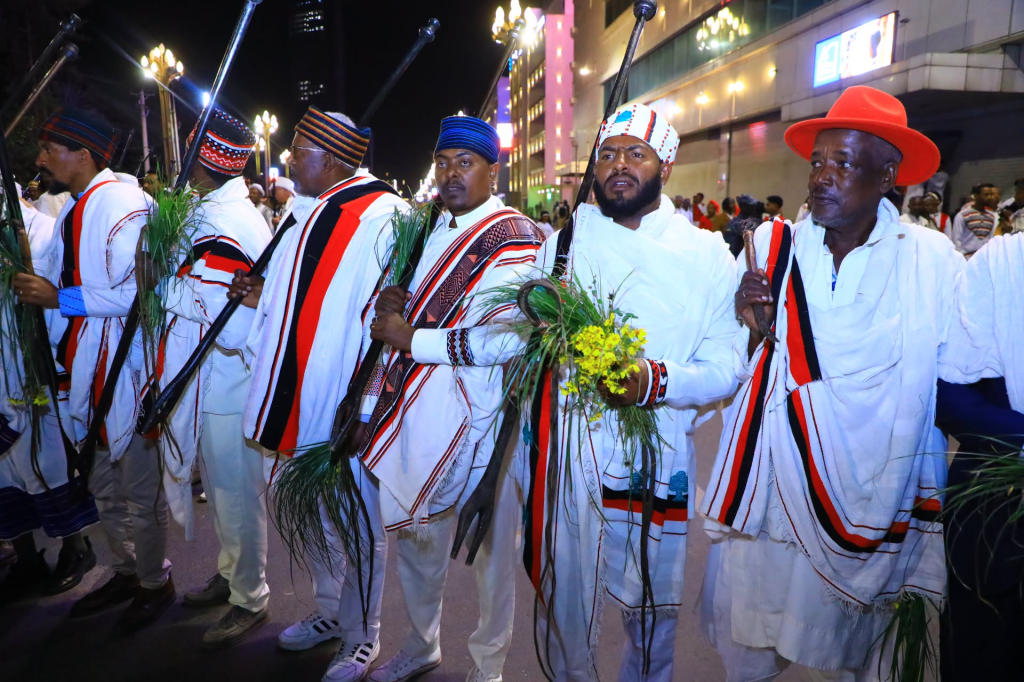
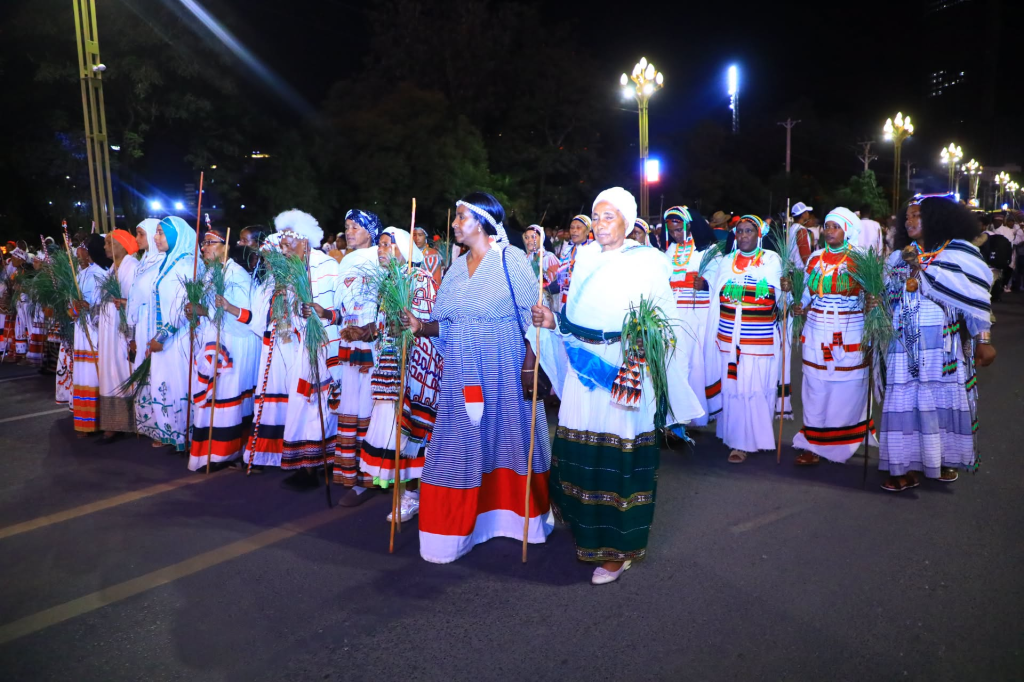
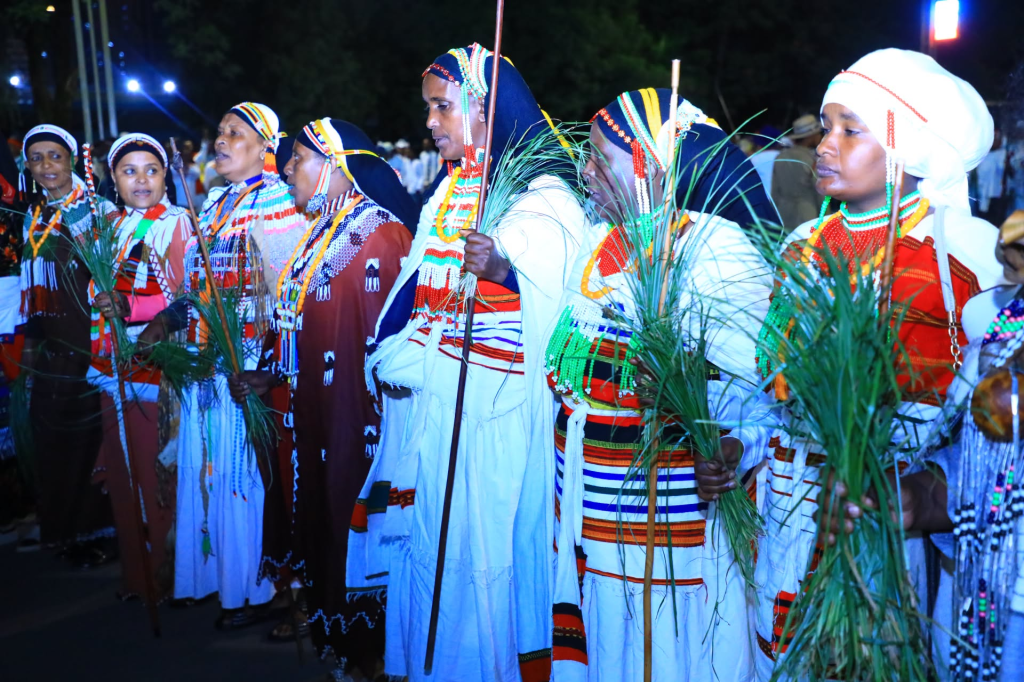
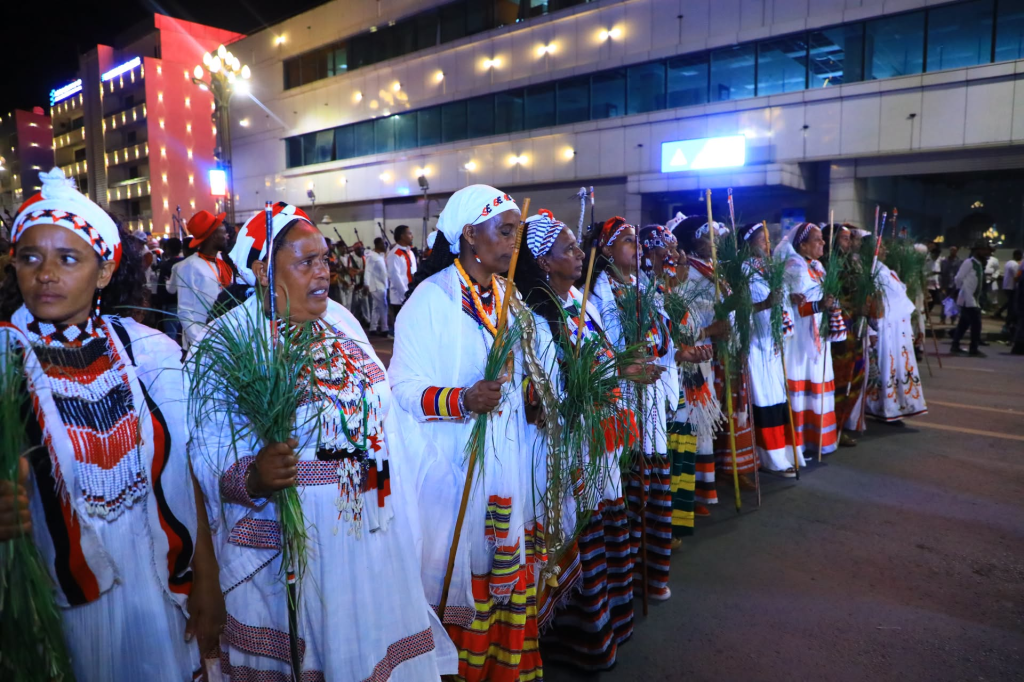
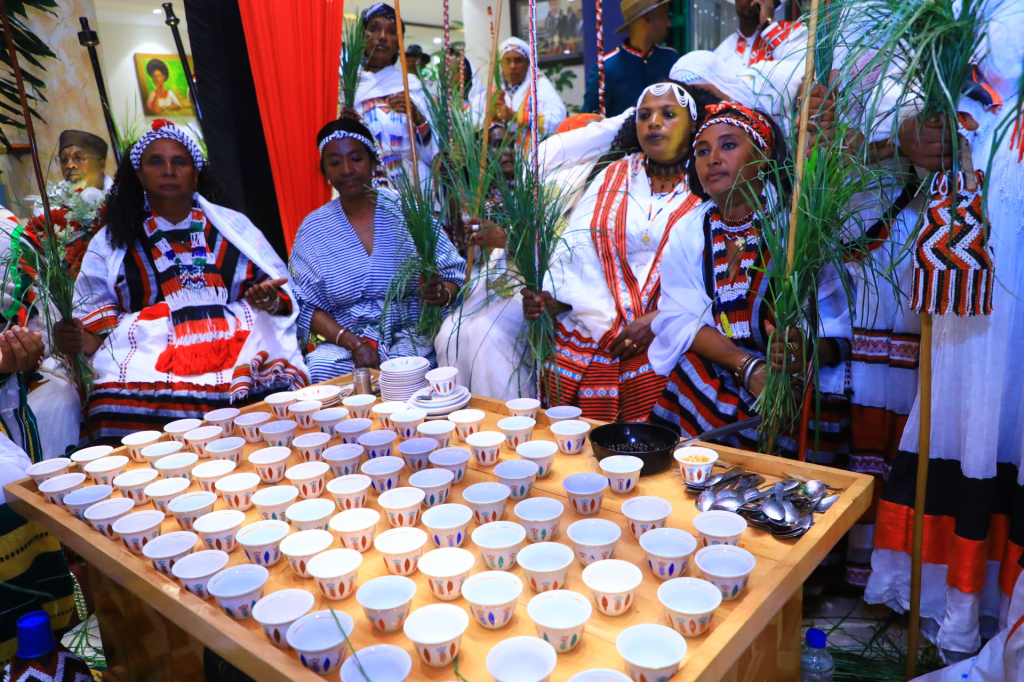
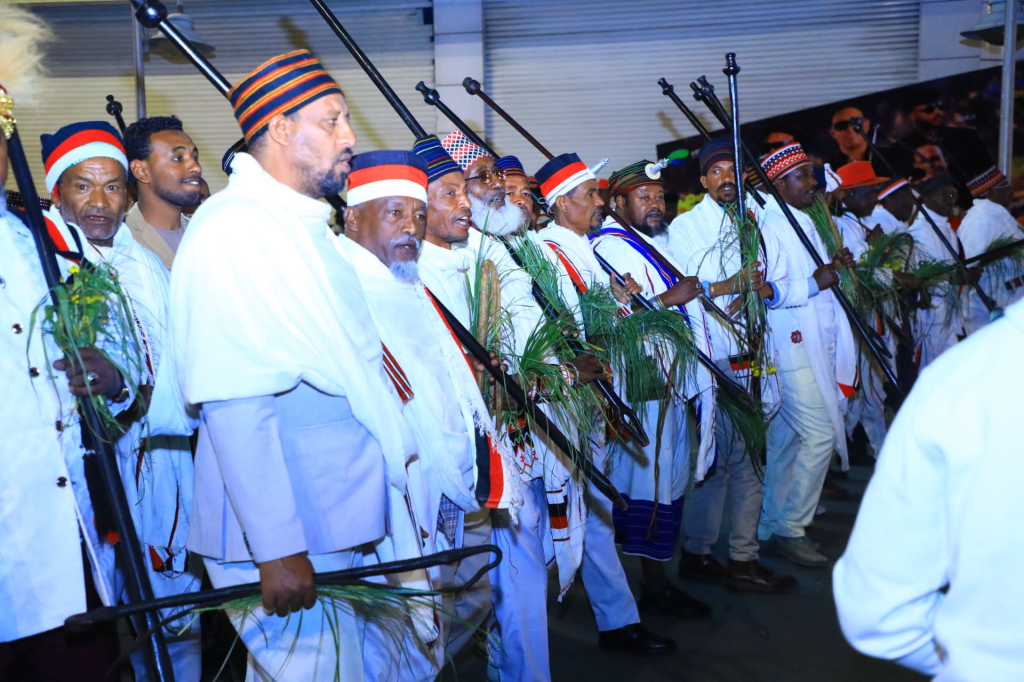
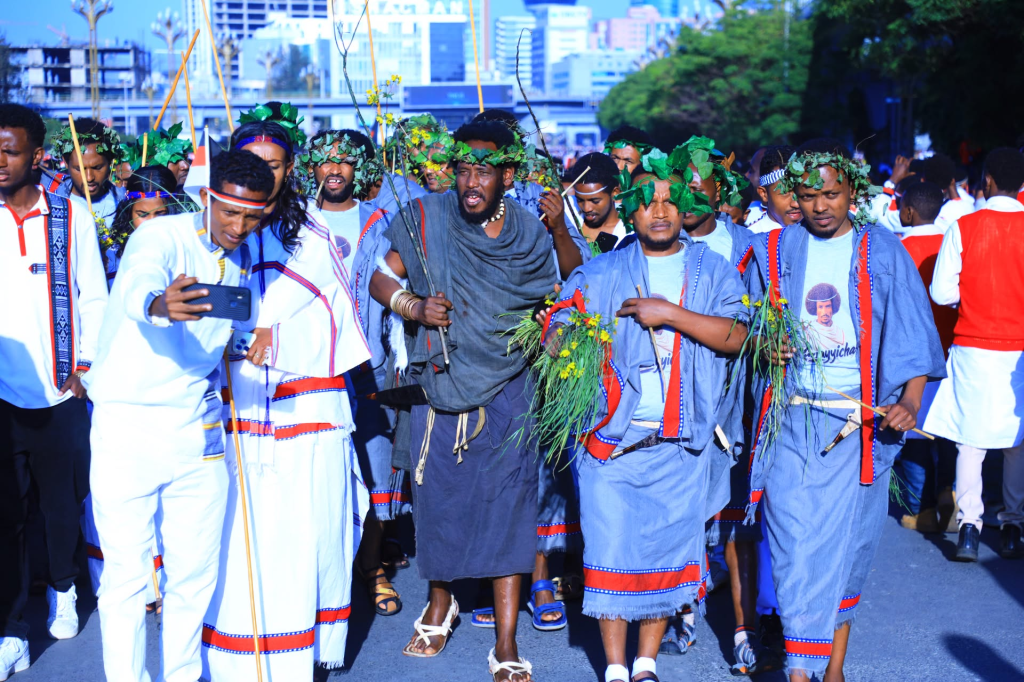
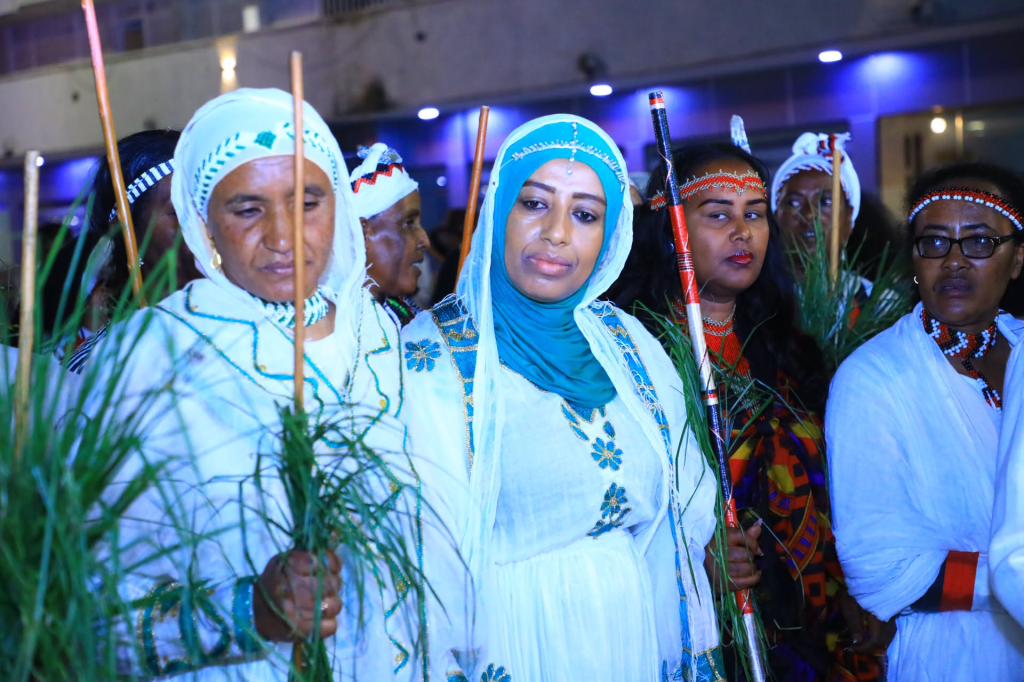
Millions arrive from across Ethiopia, from the diaspora, from every walk of life. Farmers and professors. Mothers and students. Elders and children. Muslims and Christians and practitioners of the old faith. They dress in white — a sea of unity that visually overwhelms the eye.
But the unification is not mere numbers. It is spiritual. It is the experience of dissolving the boundaries that separate human beings from one another. For one day, the Oromo people are not many. They are one.
This is tokkummaa — unity — and it is not an abstract ideal. It is a lived experience at the water’s edge. The person standing beside you is not a stranger. They are your brother. They are your sister. They are yourself.
Nageessaa Namummaa — The Peace-Bringing of Humanity
Irreechaan nageessaa namummaa. Irreechaa is the peace-bringing of humanity.
The Oromo greeting for the festival is “Baga Irreechaa nagaan geessan” — May the Irreechaa arrive in peace. This is not a casual wish. It is a declaration of intent.
Irreechaa does not merely celebrate peace. It produces it. The festival is a peace-making technology, an ancient ritual that creates the conditions for harmony between individuals, communities, and the divine.
Consider what happens when millions of people gather in a single place and commit, together, to reconciliation. Consider what happens when a nation’s largest cultural event is built on the requirement that participants set aside their conflicts. Peace is not the absence of conflict. It is the presence of araara. And Irreechaa makes that presence visible, tangible, and real.
Araarsaa Namummaa — The Forgiveness of Humanity
Irreechaan araarsaa namummaa. Irreechaa is the forgiving of humanity.
Araara is the Oromo word for reconciliation, but it carries a deeper meaning: the restoration of relationship, the healing of rupture, the return to wholeness. At Irreechaa, forgiveness is not a suggestion. It is a prerequisite.
The person who comes to the water carrying resentment is not participating in Irreechaa. They are merely present. True participation requires the internal work of forgiveness — the decision to release the debt, to let go of the grievance, to choose relationship over righteousness.
This is the fifth renewal: the forgiveness that makes all other renewal possible.
Part Two: The Reconciliation of Creation
The next several phrases expand beyond the human person to encompass the entire created order.
Waloomsaa Uumaa-Uumamaa — The Harmony of Creation
Irreechaan waloomsaa uumaa-uumamaa. Irreechaa is the harmonizing of creation.
The Oromo understanding of Irreechaa is not limited to human community. The festival reconciles the entire cosmos — uumaa (the Creator) and uumamaa (creation) — in a single act of thanksgiving.
When the Oromo gather at the water, they are not just repairing human relationships. They are restoring the primal harmony between the divine, the human, and the natural. The water is sacred. The grass is sacred. The sky, the earth, the trees, the animals — all are participants in the festival.
This is waloomaa — harmony — and it is the original condition of creation. Irreechaa returns what was broken to what it was meant to be.
Sirna Galateeffannaa — The Order of Thanksgiving
Irreechaan sirna galateeffannaa. Irreechaa is the order of thanksgiving.
Sirna means order, system, institution, ceremony. Irreechaa is not spontaneous emotion. It is structured ritual — a carefully preserved system of thanksgiving that has been practiced for thousands of years.
The Gadaa system organizes Oromo society by age grades, each with defined responsibilities. Irreechaa is woven into this system. It is not just a festival. It is an institution — a sirna — that orders the relationship between the human community and the divine.
Thanksgiving, in Oromo cosmology, is not optional. It is the fundamental posture of the creature toward the Creator. To give thanks is to acknowledge reality: that we did not create ourselves, that we depend on forces beyond our control, that life is a gift.
Yaadannoo Uumamaa — The Memory of Creation
Irreechaan yaadannoo uumamaa. Irreechaa is the memory of creation.
Yaadannoo means memorial, remembrance, commemoration. At Irreechaa, the Oromo people remember not just the harvest of the past year but the creation of the world itself.
This is sacred memory — not nostalgia, not sentimentality, but the deliberate act of recalling what is fundamental. The Oromo remember that they are creatures. They remember that the earth is sacred. They remember that water is the source of life. They remember that gratitude is the proper response to existence.
In a modern world that so often forgets the sacred, Irreechaa is a collective act of remembrance. It says: We have not forgotten who we are. We have not forgotten where we came from. We have not forgotten what we owe.
Hulluuqoo Hameenyaa — The Rejection of Evil
Irreechaan hulluuqoo hameenyaa. Irreechaa is the rejection of evil.
Hulluuqoo means that which is rejected, refused, cast out. Hameenyaa means evil, wickedness, malice. Irreechaa is not just the affirmation of good. It is the explicit rejection of evil.
At the water’s edge, the Oromo people collectively renounce the forces that destroy human community: hatred, jealousy, greed, violence, deception. They name these forces and cast them out. They declare that these things have no place in the renewed humanity they are creating.
This is spiritual warfare — not against flesh and blood, but against the principalities and powers that corrupt the human heart. And it is fought not with weapons but with water, grass, and words of prayer.
Mallattoo Ulfoo — The Sign of Love
Irreechaan mallattoo ulfoo. Irreechaa is the sign of love.
Ulfoo means love, compassion, mercy. Irreechaa is not just a festival of gratitude. It is a sign — a visible, tangible, public demonstration — of divine love.
The Oromo believe that Waaqa (God) loves humanity. The rains come. The harvest arrives. The sun returns after the darkness. These are not accidents of nature. They are expressions of divine love.
And Irreechaa is the human response to that love. It is the sign that the relationship is mutual. God gives; the people give thanks. God loves; the people love in return.
Part Three: The Reclamation of Time
The next phrases focus on Irreechaa’s relationship to time itself — its power to forgive the past, transform the present, and renew the future.
Yeroo Dhiifamaa — The Time of Forgiveness
Irreechaan yeroo dhiifamaa. Irreechaa is the time of forgiveness.
Yeroo means time, season, moment. Dhiifamaa means forgiveness, pardon, release. Irreechaa is not just a festival. It is a time — a specific, sacred season set apart for the work of forgiveness.
In the rhythm of the Oromo year, Irreechaa is the moment when the community pauses and says: Now is the time to make peace. Now is the time to release grievances. Now is the time to forgive.
This is the ritualization of forgiveness. It is not left to chance or whim. It is scheduled. It is expected. It is required.
Ce’umsaa Baraa — The Turning of the Year
Irreechaan ce’umsaa baraa. Irreechaa is the turning of the year.
Ce’umsaa means transition, passage, crossing over. Irreechaa marks the turning point of the year — the end of the rainy season Ganna and the beginning of spring Birraa. It is a threshold, a liminal moment between what was and what will be.
At this threshold, the old year dies and the new year is born. The mistakes of the past are released. The possibilities of the future are welcomed. The community stands at the hinge of time and chooses to move forward.
This is ce’umsaa baraa — the turning of the year. And it is not just a calendar event. It is a spiritual one.
Damboobsaa Namummaa — The Restoration of Humanity
Irreechaan damboobsaa namummaa. Irreechaa is the restoring of humanity.
The rainy season destroys. Rivers swell. Roads wash out. Crops are lost. The land itself seems to be in mourning.
Then the rains end. The sun returns. The harvest begins. The people gather at the water to give thanks.
Irreechaa is the celebration after the suffering. It is the moment when the community pauses and says: We made it through. We survived. We are still here.
This is restoration — not the erasure of hardship, but the transformation of hardship into gratitude. The floods came, and we endured. The darkness came, and we waited. The sun returned, and we give thanks.
Part Four: The Perfection of Humanity
The final phrases describe Irreechaa’s ultimate purpose: the perfection of the human person and community.
Fooyyessaa Namummaa — The Improvement of Humanity
Irreechaan fooyyessaa namummaa. Irreechaa is the improving of humanity.
Irreechaa is not content with survival. It seeks flourishing. The festival is not merely about maintaining what exists but about becoming more than you were.
Fooyya’uu means progress, development, growth. The person who participates in Irreechaa is not the same person who entered the festival. They have been improved — refined by the discipline of reconciliation, elevated by the experience of unity, deepened by the practice of gratitude.
Fufsiisaa Namummaa — The Fulfillment of Humanity
Irreechaan fufsiisaa namummaa. Irreechaa is the fulfilling of humanity.
There is a deep longing in the human heart for completion — for the sense that life is not fragmented, that it has meaning, that it is going somewhere. Irreechaa answers that longing.
At the water’s edge, surrounded by millions of people who share your language, your faith, your hope, you experience a sense of completeness that modern life so often denies. You are not alone. You are not meaningless. You are part of something larger than yourself.
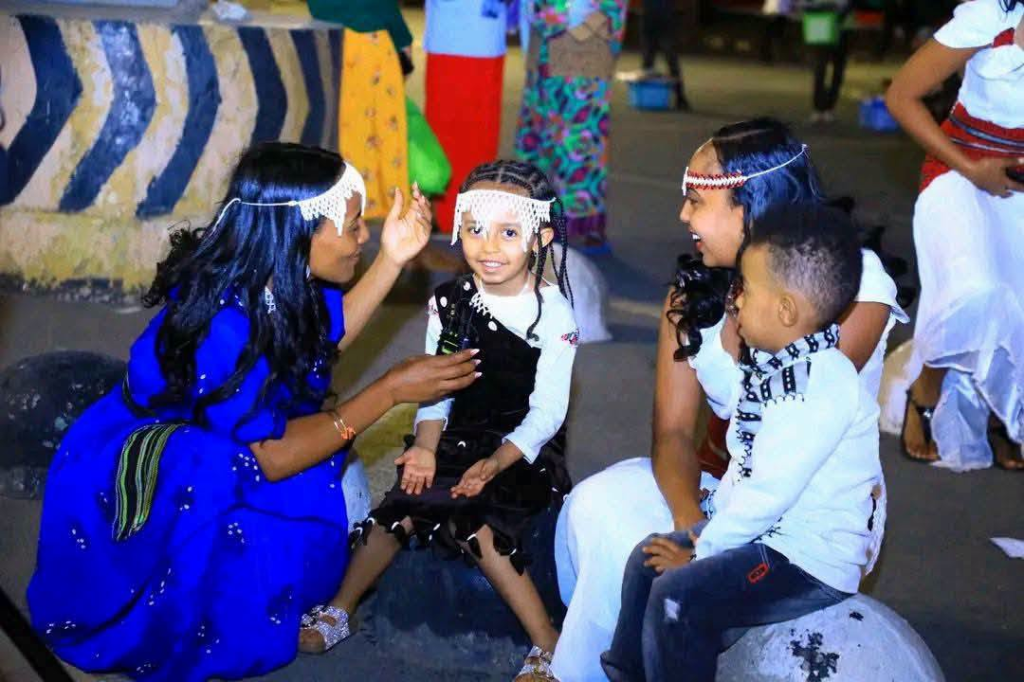
Fineessaa Namummaa — The Refinement of Humanity
Irreechaan fineessaa namummaa. Irreechaa is the refining of humanity.
Water is the medium of purification. At Irreechaa, participants dip sacred grass into the water and sprinkle it upon themselves and others. The Kormoomsaa — the blessing of the young men — cleanses and consecrates.
The refinement Irreechaa offers is the refinement of character. At the water’s edge, the layers of resentment, pride, and grievance are stripped away. What remains is the essential human being — vulnerable, grateful, connected, at peace.
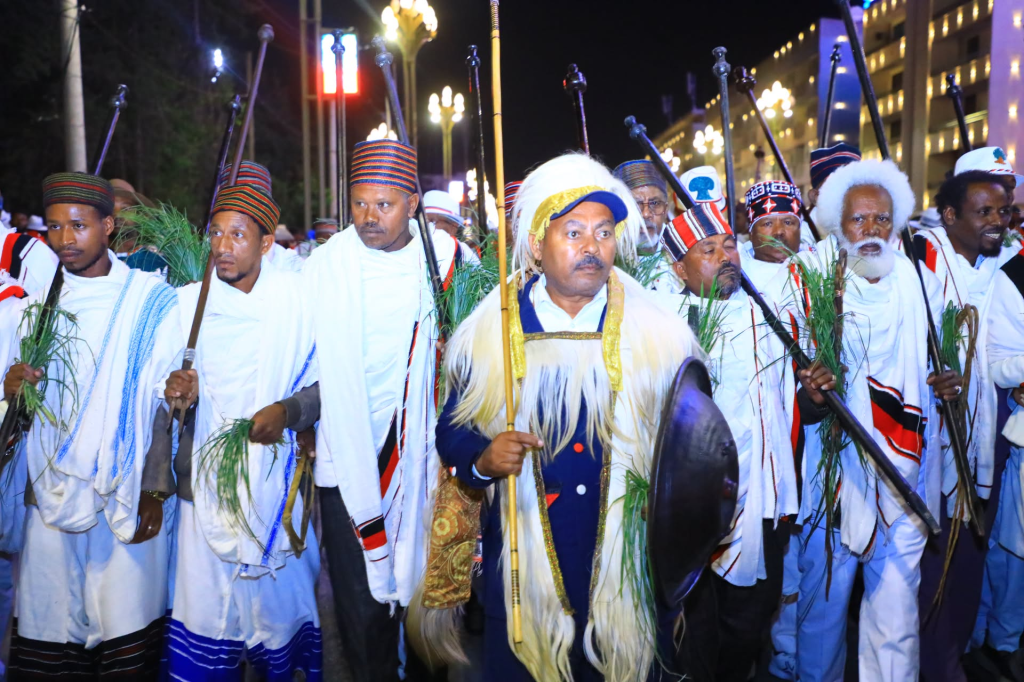
Guutessaa Namummaa — The Completion of Humanity
Irreechaan guutessaa namummaa. Irreechaa is the completing of humanity.
There is a difference between fulfillment and completion. Fulfillment is the experience of meaning. Completion is the achievement of wholeness. Irreechaa offers both.
The festival completes the cycle of the year. It completes the work of reconciliation. It completes the process of purification. It completes the community — bringing together all its members, from the youngest child to the oldest elder.
At Irreechaa, nothing is left out. No one is excluded. The festival is guutuu — complete, full, entire. The sea of white garments is not just a visual image. It is a theological statement: this is what wholeness looks like.
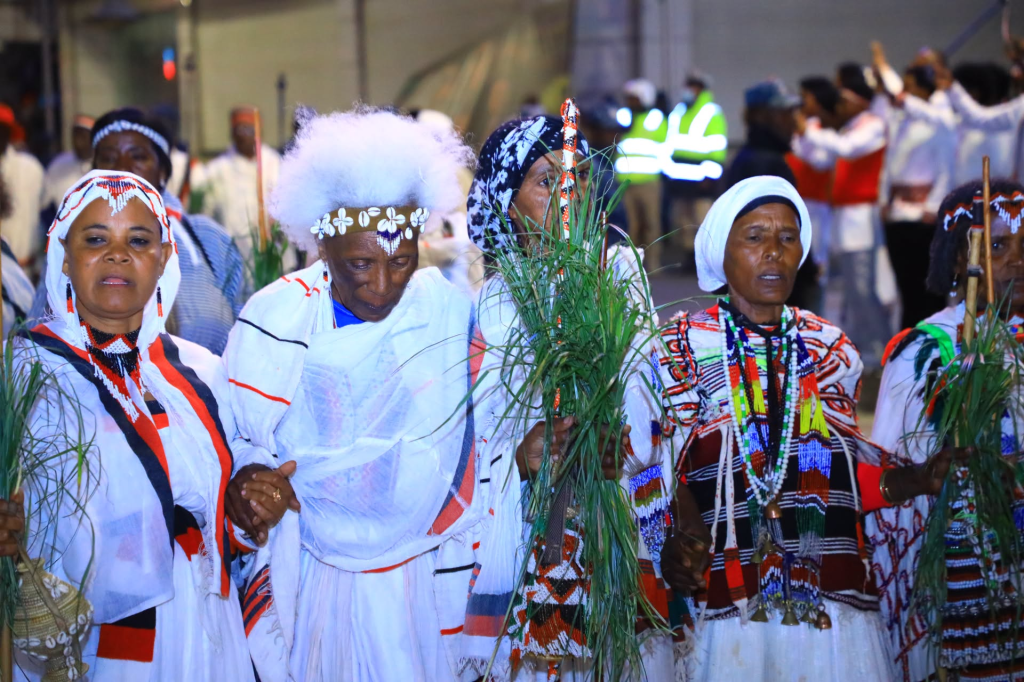
Kadhannaa Gaarummaa — The Prayer of Goodness
Irreechaan kadhannaa gaarummaa. Irreechaa is the prayer of goodness.
Kadhannaa means prayer, supplication, petition. Gaarummaa means goodness, virtue, excellence. Irreechaa is not just a festival of the past. It is a prayer for the future.
At the water’s edge, the Oromo people pray for goodness — for themselves, for their families, for their communities, for their nation, for the world. They ask Waaqa to make them good, to keep them good, to use them for good.
This is the prayer that summarizes all the others. It is the request that the renewal that has begun at Irreechaa will continue throughout the year.
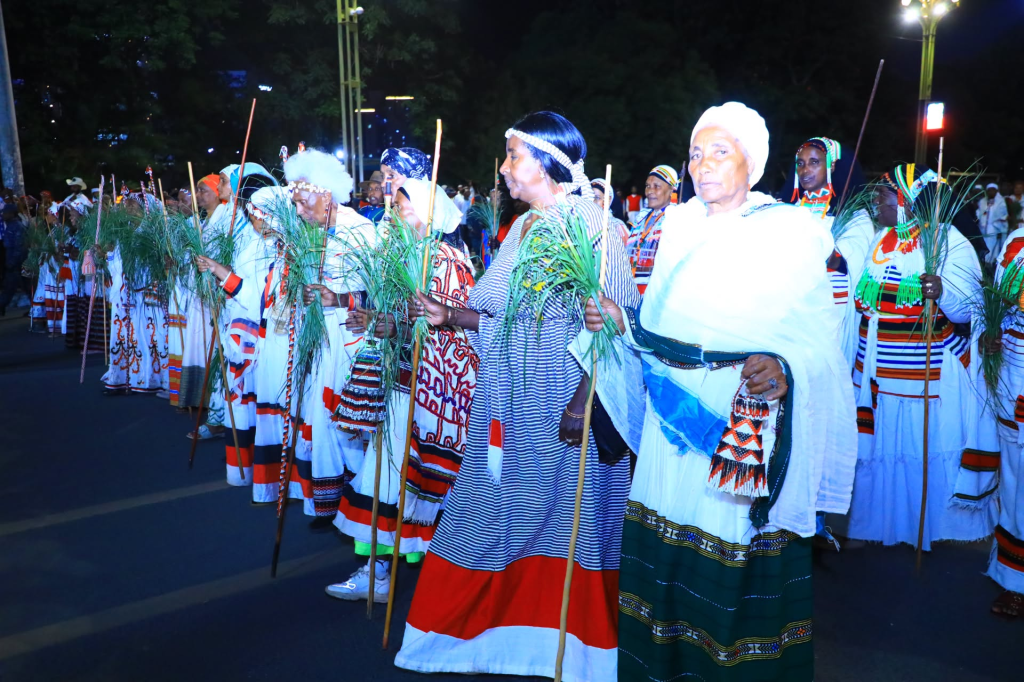
Haaromsaa Namummaa — The Renewal of Humanity
Irreechaan haaromsaa namummaa. Irreechaa is the renewing of humanity.
And so we arrive at the final phrase — the culmination of all the others.
Empowerment leads to reconciliation. Reconciliation leads to unity. Unity brings peace. Peace enables forgiveness. Forgiveness restores creation. Creation remembers its Creator. Evil is rejected. Love is affirmed. Time is redeemed. Humanity is restored, improved, fulfilled, refined, completed. And then — haaromsaa namummaa — humanity is renewed.
Irreechaa is not just a festival. It is a process — a spiritual technology that takes human beings as they are and transforms them into what they can become. It takes fractured people and makes them whole. It takes divided communities and makes them one. It takes a broken world and makes it new.
This is what the Oromo people have known for thousands of years. This is what they celebrate at the water’s edge every year. This is what they offer to Ethiopia, to Africa, and to the world.
The Full Testimony
Let us read the sentence again — the full sentence — and hear it now with understanding:
“Irreechaan humneessaa namummaa, lachiisaa namummaa, marabeessaa namummaa, nageessaa namummaa, araarsaa namummaa, waloomsaa uumaa-uumamaa, sirna galateeffannaa, yaadannoo uumamaa, hulluuqoo hameenyaa, mallattoo ulfoo, yeroo dhiifamaa, ce’umsaa baraa, damboobsaa namummaa, fooyyessaa namummaa, fufsiisaa namummaa, fineessaa namummaa, guutessaa namummaa, kadhannaa gaarummaa, fi haaromsaa namummaa ti.”
Irreechaa is the empowering of humanity, the reconciling of humanity, the unifying of humanity, the peace-bringing of humanity, the forgiving of humanity, the harmonizing of creation, the order of thanksgiving, the memory of creation, the rejection of evil, the sign of love, the time of forgiveness, the turning of the year, the restoring of humanity, the improving of humanity, the fulfilling of humanity, the refining of humanity, the completing of humanity, the prayer of goodness, and the renewing of humanity.
This is not poetry. This is testimony. This is the Oromo people’s declaration of what Irreechaa does in the world.
Humanity can be renewed. Not through politics or economics or technology alone, but through the ancient practices of reconciliation, gratitude, purification, and community. Not through grand ideological projects, but through the simple, profound act of gathering at the water with your people, setting down your grudges, and giving thanks.
Irreechaa is the renewal of humanity. And it happens every year, at the water’s edge, one person at a time.
Baga Irreechaa Nagaan Geessan
The Oromo greeting says it all:
Baga Irreechaa nagaan geessan.
May the Irreechaa arrive in peace.
May the festival be empowering, reconciling, unifying, peace-bringing, forgiving, harmonizing, thanksgiving, memorial, rejecting of evil, sign of love, time of forgiveness, turning of the year, restoring, improving, fulfilling, refining, completing, prayerful, and renewing of humanity.
May the waters receive your gratitude.
May the grass carry your prayers.
May the nation, like the earth after the rains, emerge greener and stronger than before.
And may you — and all of us — be renewed.
#Irreechaa #Oromia #Ethiopia #RenewalOfHumanity #HaaromsaaNamummaa #PeaceAndReconciliation #Thanksgiving #KadhannaaGaarummaa
photos credit: OBN

Irreechaa: The Festival That Renews Humanity Itself
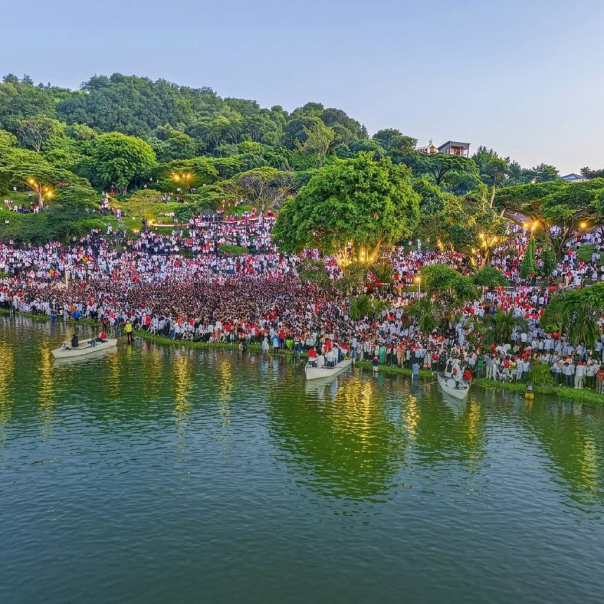
In the Oromo language, ten words capture what no single English phrase can hold: Irreechaa is empowering, reconciling, unifying, peace-bringing, restorative, improving, fulfilling, refining, completing, and renewing of humanity.
Beneath the sycamore trees, beside the sacred waters, a people gather not merely to celebrate — but to become whole again.
Ten Words, One Truth
There are moments when a single sentence carries the weight of an entire civilization’s wisdom. The Oromo people have such a sentence about Irreechaa:
“Irreechaan humneessaa, lachiisaa, marabeessaa, nageessaa, damboobsaa, fooyyessaa, fufsiisaa, fineessaa, guutessaa fi haaromsaa namummaa ti.”
Translated, it means: “Irreechaa is empowering, reconciling, unifying, peace-bringing, restorative, improving, fulfilling, refining, completing, and renewing of humanity.”
This is not poetry for its own sake. It is a theological statement, a philosophical declaration, and a psychological insight — all compressed into ten carefully chosen Oromo words. Each word describes not merely what Irreechaa does, but what it is. The festival is not a symbol of these things. It is the mechanism through which they happen.
To understand Irreechaa is to understand that humanity — fractured, exhausted, divided, grieving — can be regenerated. And the Oromo people have been practicing that regeneration for thousands of years.
Humneessaa: The Empowerment
Irreechaa begins with empowerment — humneessaa.
Before the festival, participants are asked to reconcile with themselves and with others. They set aside grudges. They release resentment. This is not weakness. It is the most difficult form of strength: the strength to lay down your weapons, to open your hands, to approach the sacred water without the armor of grievance.
The Oromo understand something that modern psychology is only now catching up to: unresolved conflict is a form of imprisonment. It binds the spirit. It drains the soul. To forgive — to seek araara — is to be liberated.
At Irreechaa, the person who has reconciled is not just morally superior. They are empowered. They have reclaimed energy that was being spent on resentment. They stand at the water’s edge lighter, freer, more capable of gratitude. This is the first regeneration: the empowerment that comes from letting go.
Lachiisaa: The Reconciliation
The second word is lachiisaa — reconciliation.
This is Irreechaa’s beating heart. Without araara, the festival cannot proceed. The tradition is explicit: you cannot participate in Irreechaa while holding a grudge. The water will not receive your thanks if your heart is still at war.
In a world that profits from division — where political parties, media ecosystems, and social platforms thrive on grievance — this requirement is revolutionary. Irreechaa says: Before you celebrate, reconcile. Before you give thanks, make peace. Before you approach the sacred, heal the human relationships that have been broken.
The Oromo do not pretend that reconciliation is easy. They do not suggest that pain should be ignored or injustice forgotten. They simply insist that the work of peace must be done — deliberately, consciously, before the community gathers. This is not naive optimism. It is disciplined spiritual practice.
At Hora Arsadi, at Hora Finfinne, at watersides across Oromia, millions of people perform this practice every year. They come as individuals carrying private wounds. They leave as a community bound by shared peace.
Marabeessaa: The Unification
Marabeessaa — unification. Gathering. Coming together as one.
Irreechaa is the largest gathering of Oromo people in the world. Millions arrive from across Ethiopia, from the diaspora, from every walk of life. Farmers and professors. Mothers and students. Elders and children. Muslims and Christians and practitioners of the old faith. They dress in white — a sea of unity that visually overwhelms the eye.
But the unification is not mere numbers. It is spiritual. It is the experience of dissolving the boundaries that separate human beings from one another. For one day, the Oromo people are not many. They are one.
This is what the Oromo call tokkummaa — unity — and it is not an abstract ideal. It is a lived experience at the water’s edge. The person standing beside you is not a stranger. They are your brother. They are your sister. They are yourself, reflected in the sacred waters.
In a nation and a world where ethnic, religious, and political identities so often divide, Irreechaa offers a different possibility: a unity that does not erase difference but transcends it. Everyone is welcome. Everyone is included. Everyone belongs.
Nageessaa: The Peace-Bringing
Nageessaa — peace-bringing.
The Oromo greeting for the festival is “Baga Irreechaa nagaan geessan” — May the Irreechaa arrive in peace. This is not a casual wish. It is a declaration of intent. Peace is not something that happens to you. It is something you arrive at, together, at the water, with your hands open and your grudges surrendered.
Irreechaa does not merely celebrate peace. It produces it. The festival is a peace-making technology, an ancient ritual that creates the conditions for harmony between individuals, communities, and the divine.
Consider what happens when millions of people gather in a single place and commit, together, to reconciliation. Consider what happens when a nation’s largest cultural event is built on the requirement that participants set aside their conflicts. Consider what happens when the sacred water receives only the prayers of those who have made peace with their neighbors.
Peace is not the absence of conflict. It is the presence of araara. And Irreechaa makes that presence visible, tangible, and real.
Damboobsaa: The Restoration
Damboobsaa — restorative. Renewing. Returning what was lost.
The rainy season in Oromia is long and hard. Rivers swell. Roads wash out. Crops are destroyed. Families are separated. The land itself seems to be in mourning.
Then the rains end. The sun returns. The harvest begins. And the people gather at the water to give thanks.
Irreechaa is the celebration after the suffering. It is the moment when the community pauses and says: We made it through. We survived. We are still here.
This is restoration — not the erasure of hardship, but the transformation of hardship into gratitude. The floods came, and we endured. The darkness came, and we waited. The sun returned, and we give thanks.
The Oromo understanding of restoration is deeply wise. It does not pretend that pain did not happen. It does not rush past grief. It simply insists that pain and grief are not the end of the story. The water is still there. The grass is still green. The community is still gathered. And the harvest, despite everything, has come.
Fooyyessaa: The Improvement
Fooyyessaa — improving. Making better.
Irreechaa is not content with survival. It seeks flourishing. The festival is not merely about maintaining what exists but about becoming more than you were.
This is the Oromo concept of fooyya’uu — progress, development, growth. The festival is connected to the harvest, to the productivity of the land, to the prosperity of the community. It celebrates not just what has been given but what has been built.
But the improvement Irreechaa seeks is not only material. It is moral, spiritual, and communal. The person who participates in Irreechaa is not the same person who entered the festival. They have been improved — refined by the discipline of reconciliation, elevated by the experience of unity, deepened by the practice of gratitude.
Irreechaa makes people better. Not through lectures or commandments, but through participation in a ritual that embodies the values it teaches.
Fufsiisaa: The Fulfillment
Fufsiisaa — fulfilling. Completing what was promised. Making whole.
There is a deep longing in the human heart for completion — for the sense that life is not fragmented, that it has meaning, that it is going somewhere. Irreechaa answers that longing.
The festival marks the fulfillment of a cycle. The rains came, and the harvest followed. The prayers were offered, and the blessings arrived. The year turns, and the community moves forward, not into emptiness, but into the next season of hope.
But fufsiisaa is more than seasonal. It is existential. At the water’s edge, surrounded by millions of people who share your language, your faith, your hope, you experience a sense of completeness that modern life so often denies. You are not alone. You are not meaningless. You are part of something larger than yourself — a people, a tradition, a story that stretches back thousands of years and forward into an unknown but blessed future.
This is fulfillment: the knowledge that you are exactly where you are supposed to be.
Fineessaa: The Refinement
Fineessaa — refining. Purifying. Making fine.
Water is the medium of purification in Oromo cosmology. At Irreechaa, participants dip sacred grass into the lake or river and sprinkle the water upon themselves and others. The Kormoomsaa — the blessing of the young men — is a ritual sprinkling that cleanses and consecrates.
This is not merely symbolic. The Oromo believe that water is the source of purity and the foundation of creation. To be sprinkled with sacred water is to be washed — not just physically, but spiritually, morally, and communally.
The refinement Irreechaa offers is the refinement of the human character. At the water’s edge, the layers of resentment, pride, and grievance are stripped away. What remains is the essential human being — vulnerable, grateful, connected, at peace.
The festival does not make people perfect. It makes them fine — purified of the things that separate them from themselves, from each other, and from the divine.
Guutessaa: The Completion
Guutessaa — completing. Making full. Filling up what was empty.
There is a difference between fulfillment and completion. Fulfillment is the experience of meaning. Completion is the achievement of wholeness. Irreechaa offers both.
The festival completes the cycle of the year. It completes the work of reconciliation. It completes the process of purification. It completes the community — bringing together all its members, from the youngest child to the oldest elder, from the nearest village to the farthest diaspora.
At Irreechaa, nothing is left out. No one is excluded. The festival is guutuu — complete, full, entire. The sea of white garments is not just a visual image. It is a theological statement: this is what wholeness looks like. This is what humanity becomes when it gathers in gratitude and peace.
The Oromo understanding of completion is radical. It insists that human beings are not complete as individuals. We are complete only in community. We are complete only in relationship with the divine. We are complete only when we gather at the water, together, with hands open and hearts reconciled.
Haaromsaa Namummaa: The Renewal of Humanity
And so we arrive at the final and greatest word: haaromsaa namummaa — the renewal of humanity.
This is the culmination of all the others. Empowerment leads to reconciliation. Reconciliation leads to unity. Unity brings peace. Peace enables restoration. Restoration opens the way for improvement. Improvement leads to fulfillment. Fulfillment demands refinement. Refinement produces completion. And completion is renewal.
Irreechaa is not just a festival. It is a process — a spiritual technology that takes human beings as they are and transforms them into what they can become. It takes fractured people and makes them whole. It takes divided communities and makes them one. It takes a broken world and makes it new.
This is what the Oromo people have known for thousands of years. This is what they celebrate at the water’s edge every year. This is what they offer to Ethiopia, to Africa, and to the world.
Humanity can be renewed. Not through politics or economics or technology alone, but through the ancient practices of reconciliation, gratitude, purification, and community. Not through grand ideological projects, but through the simple, profound act of gathering at the water with your people, setting down your grudges, and giving thanks.
Irreechaa is the renewal of humanity. And it happens every year, at the water’s edge, one person at a time.
Baga Irreechaa Nagaan Geessan
The Oromo greeting for the festival says it all:
Baga Irreechaa nagaan geessan.
May the Irreechaa arrive in peace.
May the festival be empowering, reconciling, unifying, peace-bringing, restorative, improving, fulfilling, refining, completing, and renewing of humanity.
May the waters receive your gratitude.
May the grass carry your prayers.
May the nation, like the earth after the rains, emerge greener and stronger than before.
And may you — and all of us — be renewed.
#Irreechaa #Oromia #Ethiopia #RenewalOfHumanity #PeaceAndReconciliation #Thanksgiving #HaaromsaaNamummaa

Irreechaa: A Festival of Peace, Reconciliation, and Ethiopia’s Renaissance
A Feature Address Delivered by Prime Minister Abiy Ahmed Ali
FINFINNEE, October 2026 — As the dark clouds of the rainy season give way to the bright sunshine of spring, millions of Oromo people across Ethiopia and the world are celebrating Irreechaa — the ancient thanksgiving festival that marks the transition from darkness to light, from hardship to hope, and from isolation to unity.
This year’s celebration carries a message that resonates far beyond the Oromo community: Irreechaa is peace. Change is prosperity. And Ethiopia’s prosperity has not yet arrived.
A Season of Transition
Irreechaa is rooted in the agricultural and spiritual rhythms of Oromo life. The festival marks the end of Ganna — the dark, rainy season — and the beginning of Birraa, the bright spring season. During the rains, movement is restricted, roads become impassable, and daily life slows. When the rains end, the land blooms, rivers fill, and the people emerge to give thanks.
The Oromo people gather at riversides and lakeshores — at Hora Finfinnee in Addis Ababa and Hora Har-sadee in Bishoftu — to thank Waaqa (God) for bringing them safely through the darkness. Elders offer blessings. Mothers pray for peace. The green grass of the season is dipped into the water and sprinkled as a blessing for the land, the cattle, and the people.
The Symbolism of Darkness and Light
The text of this year’s celebration draws a powerful parallel between the natural seasons and Ethiopia’s political and economic journey.
For generations, Ethiopia has been a country of immense potential — rich in natural resources, strategically located, and home to diverse peoples. Yet, as the message notes, “Ethiopia, though a great country, has not been able to reach its potential.” The darkness of the rainy season serves as a metaphor for the decades of struggle, underdevelopment, and political turmoil that have held the nation back.
But just as the rains must eventually end, so too must the darkness of Ethiopia’s past give way to a new dawn. The message declares: “The sun of Ethiopia’s prosperity is beginning to rise.”
A Call for Unity and Reconciliation
Central to the Irreechaa message is a call for peace, reconciliation, and national unity.
The text invokes the Oromo proverb: “Bakka oolan irra bakka bulantu caala” — meaning that where one spends the night is better than where one grazes. In other words, reconciliation and return are preferable to prolonged conflict and estrangement.
The message extends an olive branch to those who have taken up arms against the state: if they return to peace, “the door of peace remains open.” It emphasizes that the Oromo struggle has been resolved through peaceful means, and that there is no longer any reason for armed conflict.
At the same time, the message reaffirms Ethiopia’s sovereignty and territorial integrity, invoking the legacy of Adwa — the historic victory of Ethiopian forces over colonial invaders in 1896. “We are continuing the heroism of our fathers at Adwa, protecting Ethiopia from enemies,” the text declares.
A Vision of Prosperity
The message outlines a vision of Ethiopia’s future built on the foundations of its ancient heritage and modern development.
It points to ongoing national projects — the completion of the Grand Ethiopian Renaissance Dam (GERD), the convening of the National Dialogue, the construction of fertilizer and fuel factories, and the development of Bishoftu International Airport — as signs that “the sun of Ethiopia’s prosperity is beginning to shine.”
The message also emphasizes the importance of the Gadaa system, the traditional Oromo governance structure recognized by UNESCO as intangible cultural heritage. It calls for the integration of Gadaa principles — including Safuu (moral code), customary courts, and community service — into modern governance.
“We are building a system that builds on our ancient traditions,” the text states. “Knowledge for all through Gadaa and Safuu education; justice for all through customary courts; service for all through public administration; and security for all through institutional protection.”
Irreechaa as a National Festival
This year’s Irreechaa celebration at Hora Finfinnee and Hora Har-sadee has drawn particular attention as a symbol of Oromo cultural revival and national unity.
The return of Irreechaa to Hora Finfinnee — the original sacred site in the heart of Addis Ababa — is seen as a historic reclamation of cultural space. For decades, public celebrations of Irreechaa were suppressed, and the Oromo people were denied the right to gather at their sacred sites.
The celebration at Hora Har-sadee in Bishoftu, attended by millions, has become one of the largest annual gatherings in Africa. The festival has also been celebrated by Oromo communities around the world — from Melbourne to Amsterdam to Minneapolis — where the diaspora gathers to maintain their cultural heritage.
A Message of Hope
The Irreechaa message concludes with a call to action and a prayer:
“Irreechaa is peace! Change is prosperity! Ethiopia’s prosperity has not yet arrived! May the green grass and flowers flourish! May Ethiopia be honored by the efforts of its children and live forever! May God bless Ethiopia and its people!”
As the green grass is sprinkled and the blessings are spoken, Irreechaa serves as a powerful reminder that after every dark season comes a season of light, and that the enduring spirit of a people — rooted in tradition, united in purpose, and committed to peace — can overcome any obstacle.
Irreechi Nagaadha! Gadaan Qaroomina! Qaroominni Itoophiyaa hin oolleedha!
Finfinnee, Ethiopia
October 2026

“Peace is the Only Solution”: Global Peace 2030 Leader Issues Urgent Call for Ceasefire as Violence Escalates Across Ethiopia
By Dhabessa Wakjira
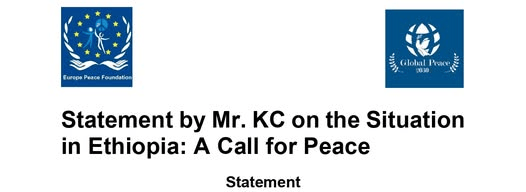
ADDIS ABABA — As explosions rock the Ethiopian capital and armed conflict intensifies across multiple regions, a prominent international peace advocate has issued an urgent appeal for all parties to lay down their arms and return to the negotiating table.
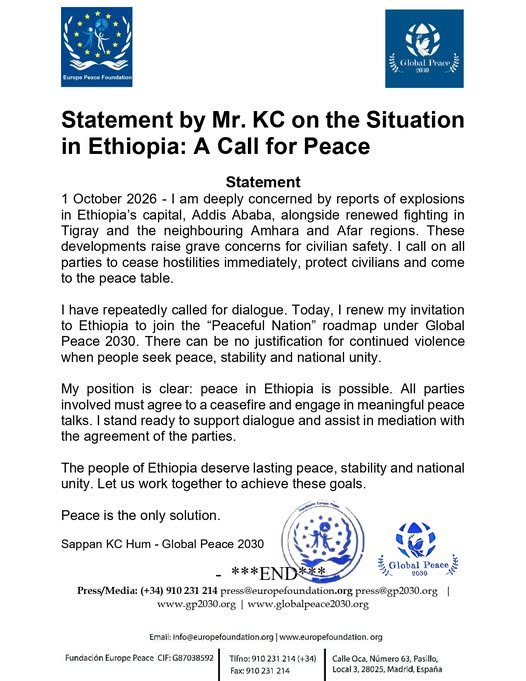
In a statement released on October 1, 2026, Mr. KC Kum, representing Global Peace 2030 and the European Peace Foundation, expressed deep concern over the deteriorating security situation in Ethiopia—citing reports of explosions in Addis Ababa alongside renewed fighting in Tigray and the neighboring Amhara and Afar regions.
“The developments raise grave concerns for civilian safety,” the statement read. “I call on all parties to cease hostilities immediately, protect civilians and come to the peace table.”
A Region on Edge
The statement comes at a perilous moment for Ethiopia, a nation already scarred by years of conflict and grappling with multiple overlapping crises. The reported explosions in the capital represent a significant escalation—one that threatens to destabilize the political heart of the country.
Meanwhile, renewed fighting in Tigray and the neighboring Amhara and Afar regions signals that the violence is neither contained nor resolved. These developments, taken together, paint a picture of a nation sliding backward into widespread conflict.
For ordinary Ethiopians, the consequences are immediate and devastating: loss of life, displacement, and the constant fear that accompanies living in a war zone.
“There Can Be No Justification for Continued Violence”
Mr. KC’s message was unequivocal in its condemnation of continued hostilities.
“I have repeatedly called for dialogue,” he stated. “Today, I renew my invitation to Ethiopia to join the ‘Peaceful Nation’ roadmap under Global Peace 2030. There can be no justification for continued violence when people seek peace, stability and national unity.”
This appeal to shared values—peace, stability, and unity—reflects a broader philosophy that underpins the Global Peace 2030 initiative. The organization positions itself as a neutral facilitator, ready to support dialogue and assist in mediation between parties.
Mr. KC made clear that his position is not one of partisanship but of principle.
“My position is clear: peace in Ethiopia is possible,” he affirmed. “All parties involved must agree to a ceasefire and engage in meaningful peace talks. I stand ready to support dialogue and assist in mediation with the agreement of the parties.”
The Path Forward
The statement offered a clear roadmap: cease hostilities, protect civilians, come to the table. It called on all parties to embrace dialogue over violence, negotiation over confrontation.
“The people of Ethiopia deserve lasting peace, stability and national unity,” Mr. KC emphasized. “Let us work together to achieve these goals.”
His concluding words were both a plea and a prescription: “Peace is the only solution.”
The International Dimension
The involvement of international organizations like Global Peace 2030 and the European Peace Foundation reflects the global community’s growing concern over Ethiopia’s trajectory. While the primary responsibility for ending the violence lies with Ethiopian actors, the willingness of external mediators to assist suggests that avenues for peaceful resolution remain open—if the parties are willing to pursue them.
Mr. KC’s offer to “support dialogue and assist in mediation with the agreement of the parties” is a reminder that peace processes require both local ownership and international support. The invitation to join the “Peaceful Nation” roadmap under Global Peace 2030 represents a concrete mechanism through which dialogue could be structured and sustained.
A Nation’s Crossroads
Ethiopia stands at a crossroads. The path of continued conflict leads to further destruction, deeper divisions, and untold suffering. The path of dialogue leads—however imperfectly—toward reconciliation, stability, and the possibility of a shared future.
The choice, ultimately, belongs to the parties engaged in the fighting. But the consequences extend far beyond their ranks.
For the mothers who fear for their children, for the families displaced from their homes, for the young people whose futures are being sacrificed to violence—the call for peace is not abstract. It is a matter of survival.
The World Is Watching
As explosions echo in Addis Ababa and guns fire in Tigray, Amhara, and Afar, the world is watching. The question is not whether Ethiopia can find peace—Mr. KC insists that it can—but whether its leaders will have the courage to choose it.
“The people of Ethiopia deserve lasting peace, stability and national unity.”
They do. And they deserve leaders who will prioritize that peace over power, dialogue over destruction, and unity over division.
The offer is on the table. The roadmap exists. The mediator is ready.
What remains is the will to take the first step.
Statement by Mr. KC Kum
Global Peace 2030 | European Peace Foundation
October 1, 2026
For more updates on peace initiatives and developments in Ethiopia, follow: https://t.me/addisreporter2
Contact Information:
Press/Media: +34 910 231 214
press@europeofoundation.org | press@gp2030.org
www.gp2030.org | www.globalpeace2030.org
Fundación Europa Peace
CIF: G87803852
Calle Oca, Número 63, Pasillo, Local 3, 28025, Madrid, España
Email: info@europeofoundation.org | www.europeofoundation.org

Irreechaa: The Festival of Bright Seasons Over the Dark Rainy Seasons
By Dhabessa Wakjira
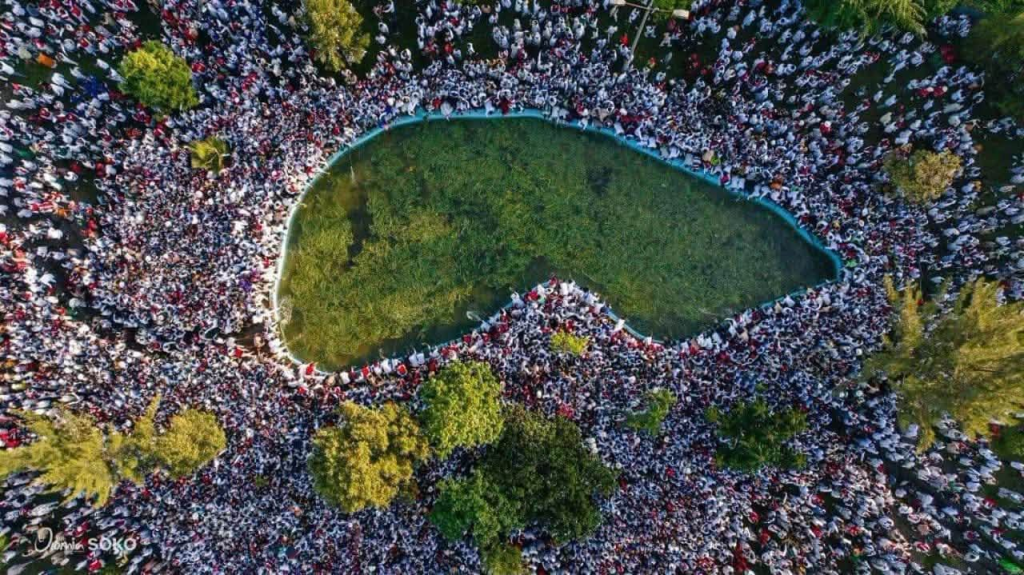
Irreechaa, known as the Festival of bright seasons over the dark rainy seasons, is a major transition festival celebrated with great joy and enthusiasm. For the Oromo people, it is more than a celebration; it is a spiritual journey from darkness to light, from hardship to hope, and from isolation to unity.
Meaning and Significance
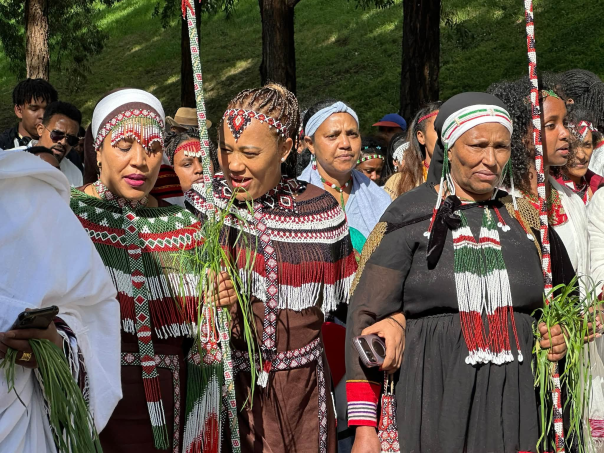
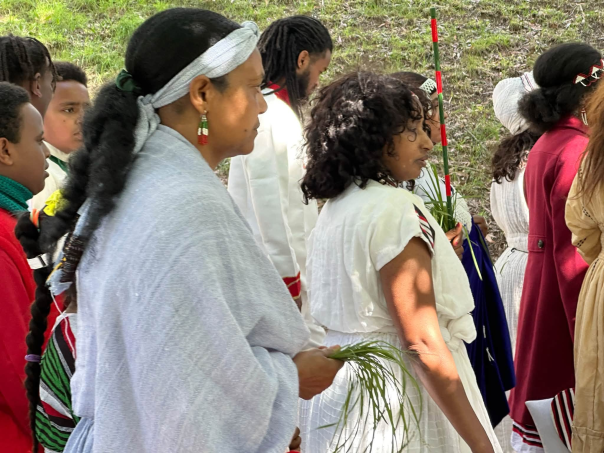
The word “Irreechaa” means fresh grasses. It symbolizes the triumph of good over evil and brightness over darkness. This ancient festival, rooted in the Oromo Gadaa system, is a profound expression of gratitude to Waaqa (God) for the blessings of life, peace, and prosperity. It marks the end of the long, dark rainy season known as Ganna and the beginning of the bright, sunny season called Birraa. During this time, rivers overflow with life, fields turn green, and the land is renewed. The fresh grass carried by celebrants is not merely a symbol; it is a living prayer, a gesture of blessing, and a sign of purification.
Celebrations and Traditions
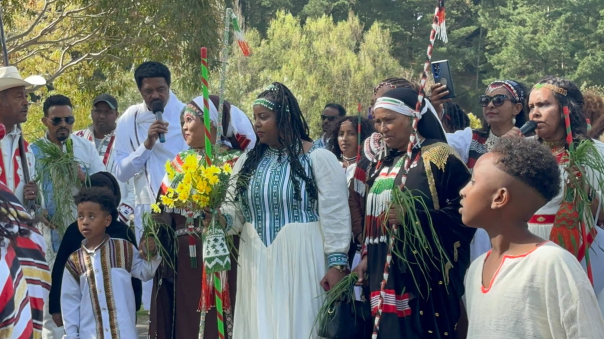
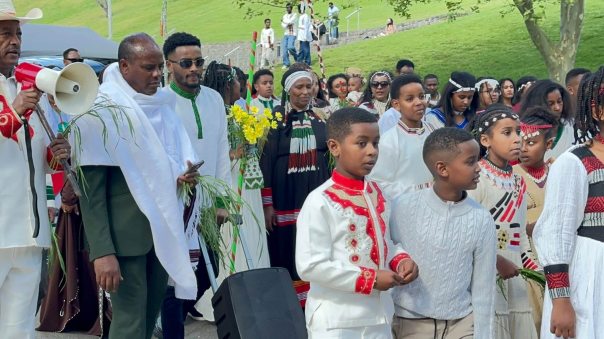
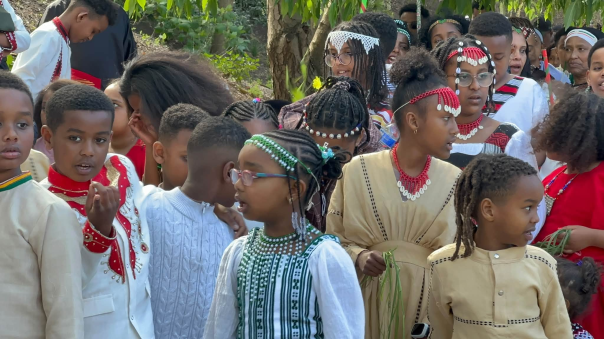
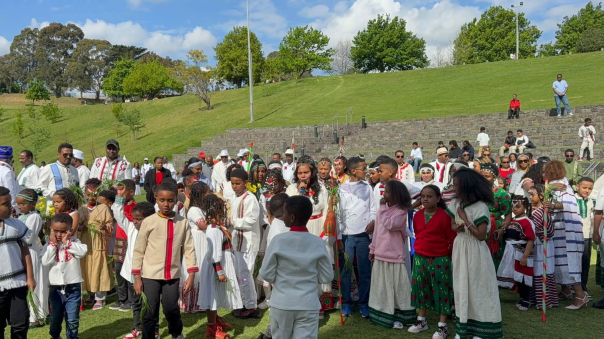
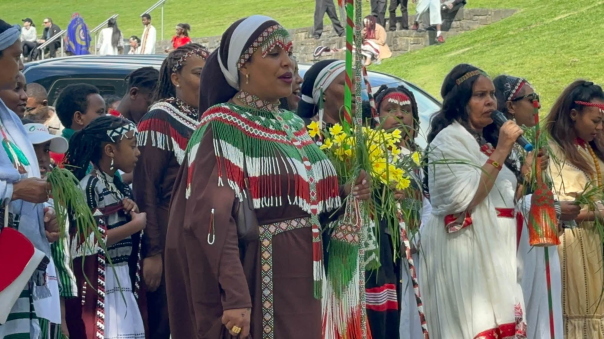
The celebration of Irreechaa is a vibrant tapestry of culture, faith, and community. People clean and decorate their homes with fresh grasses and daisy flowers, transforming their surroundings into spaces of beauty and welcome. Families wear new traditional clothes, adorned with colorful beads and intricate patterns, reflecting the richness of Oromo heritage.
On the day of the festival, communities gather at riversides and hilltops, the sacred places where Waaqa is believed to be closest to the people. Elders offer blessings for families, nations, and the country, praying for peace, wealth, and prosperity. The air fills with songs of praise, the rhythm of drums, and the joyful ululation of women. People share delicious Oromo foods, including cuukkoo, marqaa, and buna (coffee), strengthening bonds of kinship and friendship.
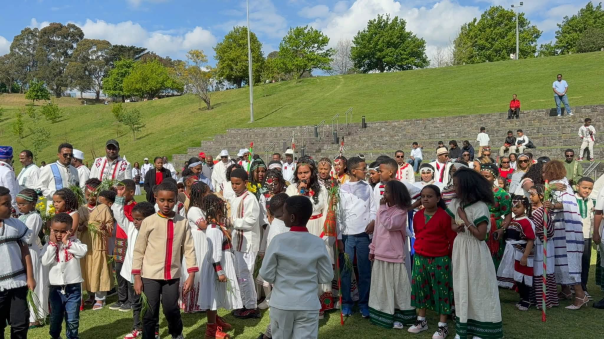
Children also enjoy the day with their friends and surroundings, running through the green fields, playing games, and learning the traditions of their ancestors. The festival brings love, unity, and happiness to everyone, regardless of age or background. It is a time when differences are set aside, and the community stands together as one, united by a shared identity and a common hope for the future.
A Festival of Transition and Triumph
Irreechaa is not just a seasonal event; it is a celebration of resilience and renewal. It reminds the Oromo people—and all who witness it—that after every dark season comes a season of light, and that gratitude, community, and faith are the pillars of a flourishing life. As the green grass is sprinkled and the blessings are spoken, Irreechaa carries forward an ancient legacy of hope, unity, and the enduring triumph of good over evil.
Irreechaa is celebrated annually by Oromo communities in Ethiopia and around the world, and is recognized as a symbol of cultural identity, peace, and shared humanity.

High Leadership Committee for the Newly Established Oromia Zones Assigned
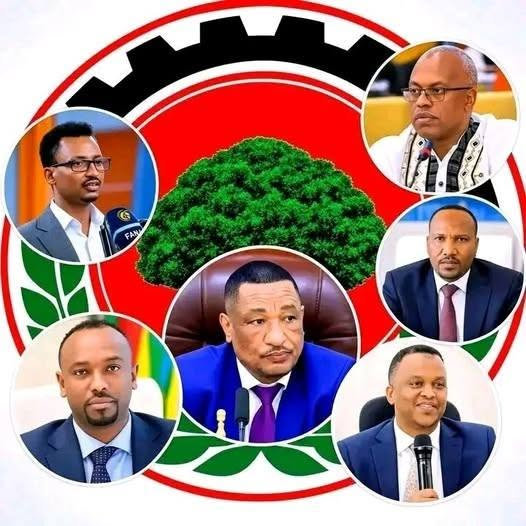
Finfinnee — The Oromia Regional Government has established a new reform by restructuring the administrative structure of Oromia from 21 zones to 6 zones, with the aim of building a strong system and government that can ensure the historic decision of people’s ownership. Accordingly, the high leadership committee for these newly established zones has been assigned.
The Oromia Communication Service has announced this information. The reform is said to be prepared to improve the administrative system and expedite services delivered to the people.
East Oromia Zone
For East Oromia Zone, whose seat is Harar, Obbo Abdurrahmaan Abdallaa has been assigned as Chief Administrator of East Oromia Zone at the rank of Deputy President.
Aadde Miski Muhammad has been assigned as Deputy Head of Development Affairs for East Oromia Zone at the rank of Bureau Head, with her seat at Ciroo. Obbo Anas Aliyyii has been assigned as Deputy Head of Peace and Justice Affairs for East Oromia Zone at the rank of Bureau Head, with his seat at Galamsoo.
Obbo Jaarsoo Boruu has been assigned as Senior Advisor to the Administrator of East Oromia Zone at the rank of Bureau Head, with his seat at Gurawaa. Obbo Fiqaaduu Miiliyoon and Aadde Saamiyaa Abdallaa have been assigned as Advisors to the Administrator of East Oromia Zone at the rank of Bureau Head.
Central Oromia Zone
For Central Oromia Zone, whose seat is Shaggar and Adaamaa, Dr. Mangistuu Baqqalaa has been assigned as Chief Administrator of Central Oromia Zone at the rank of Deputy President.
Obbo Abbaabbuu Waaqoo has been assigned as Deputy Head of Development Affairs for Central Oromia Zone at the rank of Bureau Head, with his seat at Waliso. Obbo Kifalaw Adaree has been assigned as Deputy Head of Peace and Justice Affairs for Central Oromia Zone at the rank of Bureau Head, with his seat at Fiichee.
Obbo Makkonnin Baay’isaa has been assigned as Senior Advisor to the Administrator of Central Oromia Zone at the rank of Bureau Head, with his seat at Ambo. Obbo Ashannaafii Ajjamaa and Obbo Taaddalaa Diriirsaa have been assigned as Advisors to the Administrator of Central Oromia Zone at the rank of Bureau Head.
South West Oromia Zone
For South West Oromia Zone, whose seat is Jimma, Dr. Rashaad Kamaal has been assigned as Chief Administrator of South West Oromia Zone at the rank of Deputy President.
Obbo Indaalkaachaw Tafarii has been assigned as Deputy Head of Development Affairs for South West Oromia Zone at the rank of Bureau Head, with his seat at Beddellee. Obbo Amaan Danuu has been assigned as Deputy Head of Peace and Justice Affairs for South West Oromia Zone at the rank of Bureau Head, with his seat at Limmuu Gannat.
Obbo Didhaa Guddataa has been assigned as Senior Advisor to the Administrator of South West Oromia Zone at the rank of Bureau Head, with his seat at Mattuu. Obbo Muhaammadxaahaa Abbaa Fiixaa and Obbo Moosisaa Lammeessaa have been assigned as Advisors to the Administrator of South West Oromia Zone at the rank of Bureau Head.
South Oromia Zone
For South Oromia Zone, whose seat is Yaabeelloo, Obbo Ahmad Haajii has been assigned as Chief Administrator of South Oromia Zone at the rank of Deputy President.
Obbo Adulaa Hirbaayyee has been assigned as Deputy Head of Development Affairs for South Oromia Zone at the rank of Bureau Head, with his seat at Adoolaa. Obbo Liiban Areeroo has been assigned as Deputy Head of Peace and Justice Affairs for South Oromia Zone at the rank of Bureau Head, with his seat at Nageellee Booranaa.
Obbo Wandimmuu Roobee has been assigned as Senior Advisor to the Administrator of South Oromia Zone at the rank of Bureau Head, with his seat at Bulee Horaa. Obbo Ibraahim Abdii and Obbo Isaaq Xaachoo have been assigned as Advisors to the Administrator of South Oromia Zone at the rank of Bureau Head.
West Oromia Zone
For West Oromia Zone, whose seat is Naqamte, Obbo Masfin Malaakuu has been assigned as Chief Administrator of West Oromia Zone at the rank of Deputy President.
Obbo Mirreessaa Fiixee has been assigned as Deputy Head of Development Affairs for West Oromia Zone at the rank of Bureau Head, with his seat at Gimbii. Obbo Gammachuu Gurmeessaa has been assigned as Deputy Head of Peace and Justice Affairs for West Oromia Zone at the rank of Bureau Head, with his seat at Shaambuu.
Obbo Taliilaa Tarrafaa has been assigned as Senior Advisor to the Administrator of West Oromia Zone at the rank of Bureau Head, with his seat at Dambii Doolloo. Obbo Badhaasaa Dhaabaa and Obbo Dassuu Lammii have been assigned as Advisors to the Administrator of West Oromia Zone at the rank of Bureau Head.
South East Oromia Zone
For South East Oromia Zone, whose seat is Roobee, Obbo Ahimad Idriis has been assigned as Chief Administrator of South East Oromia Zone at the rank of Deputy President.
Obbo Asaffaa Tolasaa has been assigned as Deputy Head of Development Affairs for South East Oromia Zone at the rank of Bureau Head, with his seat at Gindhiir. Obbo Abdurrazaaq Huseen has been assigned as Deputy Head of Peace and Justice Affairs for South East Oromia Zone at the rank of Bureau Head, with his seat at Asallaa.
Obbo Ibraahim Kadiir has been assigned as Senior Advisor to the Administrator of South East Oromia Zone at the rank of Bureau Head, with his seat at Shaashamannee. Obbo Izzaddiin Abuubakar and Obbo Birhaanuu Arfaasaa have been assigned as Advisors to the Administrator of South East Oromia Zone at the rank of Bureau Head.
The reform restructuring Oromia’s zones from 21 to 6 has been described by the Oromia Communication Service as being prepared to improve the administrative system and expedite services delivered to the people. The high leadership committee for these newly established zones has now been assigned.

Adanech Abiebie Appointed Mayor of Addis Ababa: A New Chapter for Ethiopia’s Capital
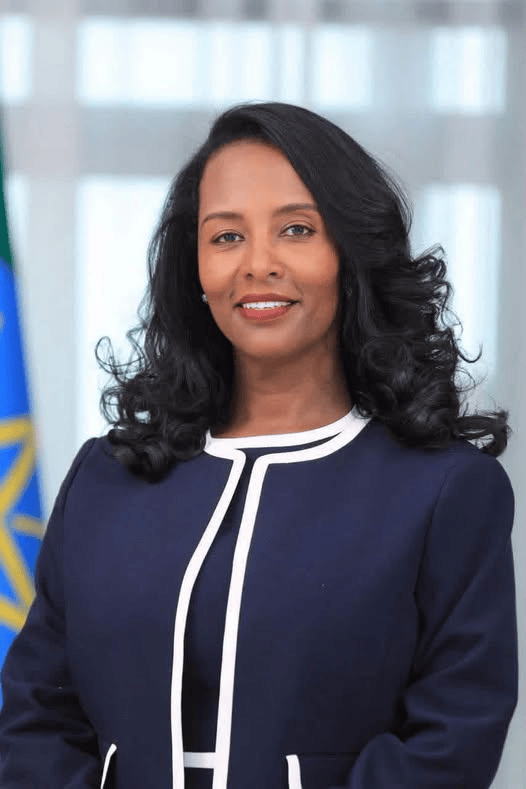
Congratulations pour in as a seasoned leader takes the helm of Africa’s diplomatic hub
(Addis Ababa, 30 September 2026)-In a moment that has captured the attention and hopes of millions, Mrs. Adanech Abiebie has been appointed Mayor of Addis Ababa — a city that stands as both the political heart of Ethiopia and the diplomatic capital of Africa.
The announcement has sparked an outpouring of congratulations and goodwill from citizens, colleagues, and observers across the nation and beyond.
A Leader for a Rising City
Addis Ababa is not just any city. It is home to the African Union headquarters, a growing hub for international diplomacy, and a metropolis undergoing rapid transformation. Its mayor carries a responsibility that extends far beyond municipal boundaries — shaping the experience of residents, visitors, and the global community alike.
With her appointment, Adanech Abiebie steps into a role that demands vision, resilience, and an unwavering commitment to public service. Those who have followed her career describe her as a leader who understands the complexities of urban governance and the aspirations of everyday Ethiopians.
A Wave of Congratulations
The response to her appointment has been swift and heartfelt.
“Congratulations! May you have a blessed term of service, outstanding success, and a fruitful journey ahead!”
These words, echoed across social media and community gatherings, reflect a deep well of hope. For many, this is not simply a political appointment — it is an opportunity to see leadership that listens, delivers, and inspires.
The Weight of the Moment
Addis Ababa faces no shortage of challenges: rapid urbanization, infrastructure demands, housing needs, and the task of ensuring that development benefits all residents, not just a few. Yet within these challenges lie extraordinary opportunities.
The city is emerging as a center of innovation, commerce, and culture. Its streets pulse with the energy of a young population eager for progress. Its markets, universities, and cultural institutions tell a story of a city on the move.
The question that now rests before the new mayor is simple yet profound: How can Addis Ababa become a city that works for everyone?
A Prayer and a Promise
For those who offered their congratulations, the sentiment was clear: this is a moment for prayer as much as celebration.
“May God guide your steps, grant you wisdom, and bless your service to our beloved city and nation.”
Such words carry the weight of a community that understands the gravity of leadership. They are not merely formalities but genuine expressions of hope — that this new chapter will bring not only progress but also fairness, compassion, and lasting change.
Looking Ahead
As Adanech Abiebie takes office, the eyes of the nation — and indeed the continent — are upon her. The road ahead is long, and the expectations are high. But if the enthusiasm surrounding her appointment is any indication, she does not walk it alone.
A city is not built by one leader. It is built by a people united in purpose. And in this moment, there is a palpable sense that Addis Ababa is ready to rise — together.
Congratulations, Mayor Adanech Abiebie. May your term be marked by achievement, may your leadership be a blessing to all, and may the city you serve flourish in the years to come.

Irreechaa: A Billion Hearts, One Festival of Light
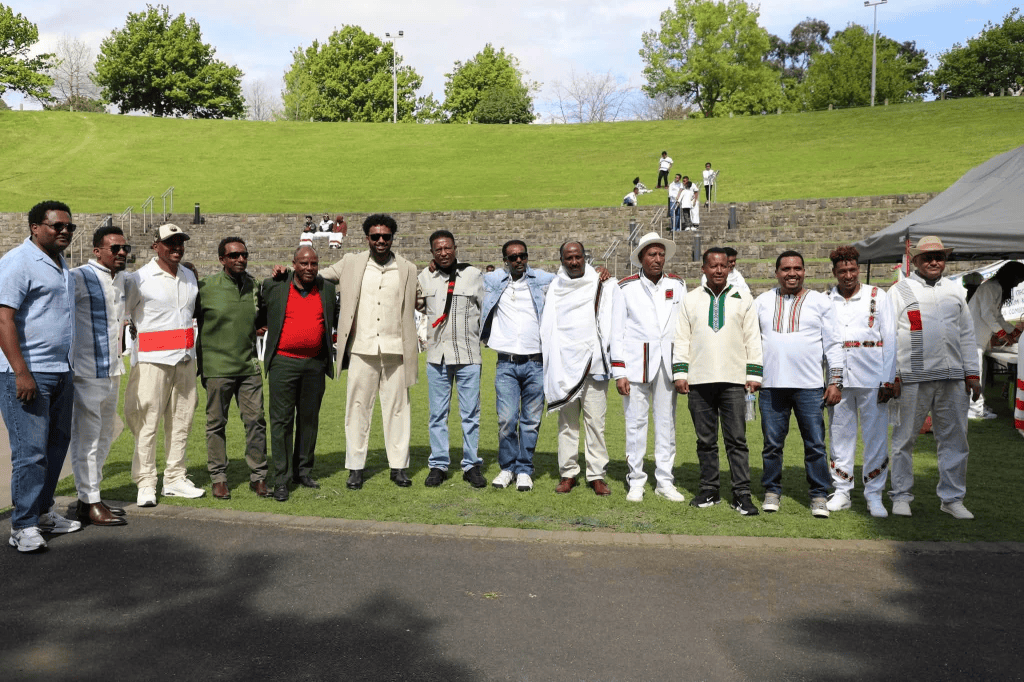
Across continents and generations, the Oromo nation celebrates the victory of light over darkness — a festival that unites, sustains, and inspires
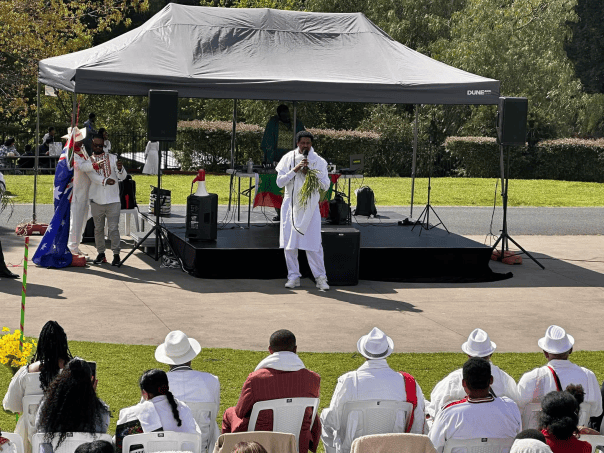
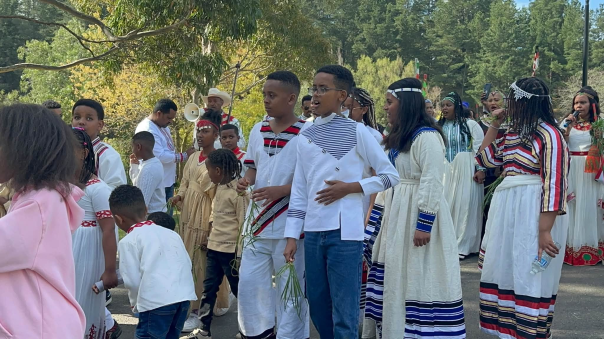
(MELBOURNE, AUSTRALIA, 27 September 2026) — This week, more than a billion people around the world are celebrating Irreechaa, the cultural festival celebrating the victory of light over darkness. It’s an important time for the Oromo nation. Across states, regions and cities, it fostered unity, sustainability, and joy, illuminating paths to prosperity and peace.
From the sacred shores of Hora Arsadi in Bishoftu to the riverbanks of the Awash, from the bustling streets of Addis Ababa to the quiet parks of Melbourne, Minneapolis, and London, the sounds of shaggooyyee and the colors of calanchi have once again filled the air. Irreechaa has returned — and with it, a message that transcends borders, generations, and circumstances.
A Festival Rooted in Gratitude
At its heart, Irreechaa is a thanksgiving. It marks the end of the rainy season and the beginning of the harvest, a moment when the Oromo people gather at the water’s edge to offer thanks to Waaqa (God) for the gift of life, fertility, and renewal. The festival is celebrated twice a year: Irreechaa Hiyyessa (the small Irreechaa) and Irreechaa Guddaa (the great Irreechaa), with the latter drawing millions to sacred sites across Oromia and beyond.
But Irreechaa is more than a ritual. It is a philosophy. The triumph of light over darkness is not merely a seasonal metaphor — it is a declaration of hope. It reminds us that even after the longest night, the sun rises. Even after the heaviest rain, the land blooms. Even in the face of adversity, a people united by faith and tradition can find their way forward.
Unity Across Divides
This year’s celebrations carried particular weight. In a world often divided by politics, religion, and geography, Irreechaa stood as a powerful counter-narrative. In cities across Ethiopia and the diaspora, people of all ages, backgrounds, and walks of life gathered side by side. Elders passed down blessings. Mothers sang songs of gratitude. Children danced in celebration. And for a moment, the divisions that so often define modern life seemed to dissolve.
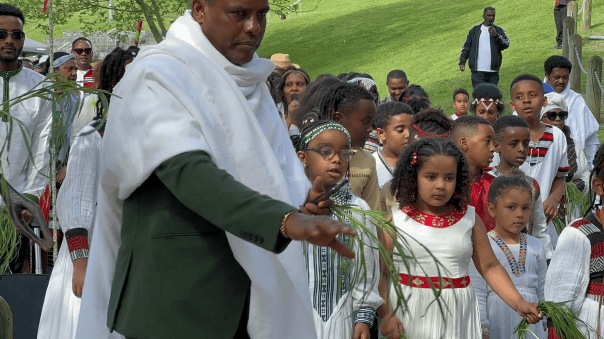
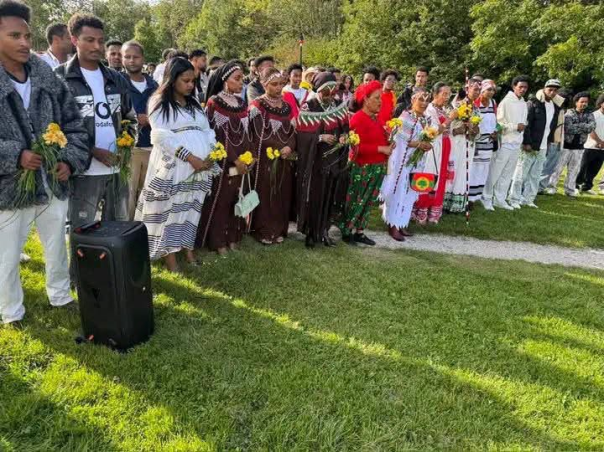
In Melbourne, where the Oromo community has grown into a vibrant and organized presence, Irreechaa was celebrated with the same reverence as it is in the homeland. Families dressed in traditional wandaboo and uffannaa aadaa, exchanged greetings of “Happy Irreechaa!” and shared meals that tasted of home. The event was a testament to the resilience of a people who, even thousands of miles from their ancestral land, refuse to let their culture fade.
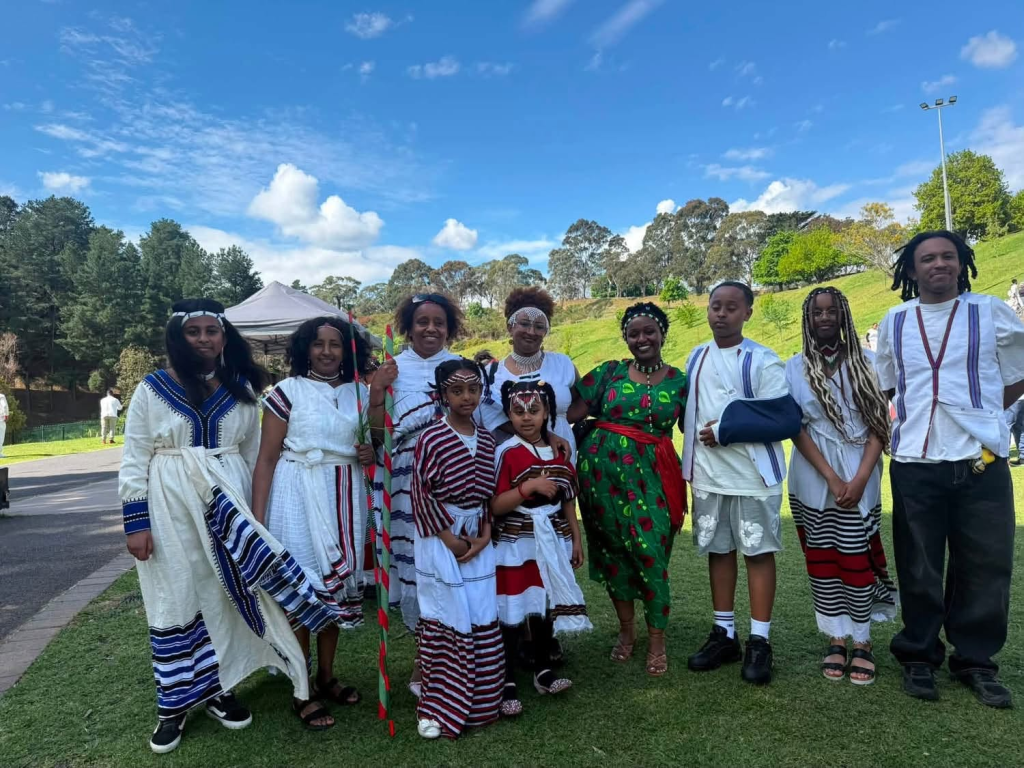
Sustainability: A Legacy of Respect for the Earth
Irreechaa is also a reminder of humanity’s relationship with nature. The festival is intrinsically tied to the land, the rivers, and the changing seasons. It teaches that gratitude must be accompanied by stewardship — that the earth is not ours to exploit but to protect.
In an era of climate crisis, this message could not be more urgent. The Oromo people’s reverence for water, land, and life offers a model of sustainability that the world would do well to heed. Irreechaa is not just a celebration of what we have received; it is a commitment to preserve it for those who come after us.
Joy as Resistance
Perhaps most powerfully, Irreechaa is a celebration of joy. In a world that often demands we focus on what divides us, the festival insists on what unites us. It is a reminder that joy is not frivolous — it is revolutionary. To celebrate in the face of hardship is to declare that hardship will not have the final word.
The images emerging from this year’s celebrations tell that story. A grandmother teaching her granddaughter the steps of a traditional dance. A young man helping an elder across the river. A group of friends laughing as they share a meal under the open sky. These are the moments that define Irreechaa. These are the memories that will be passed down.
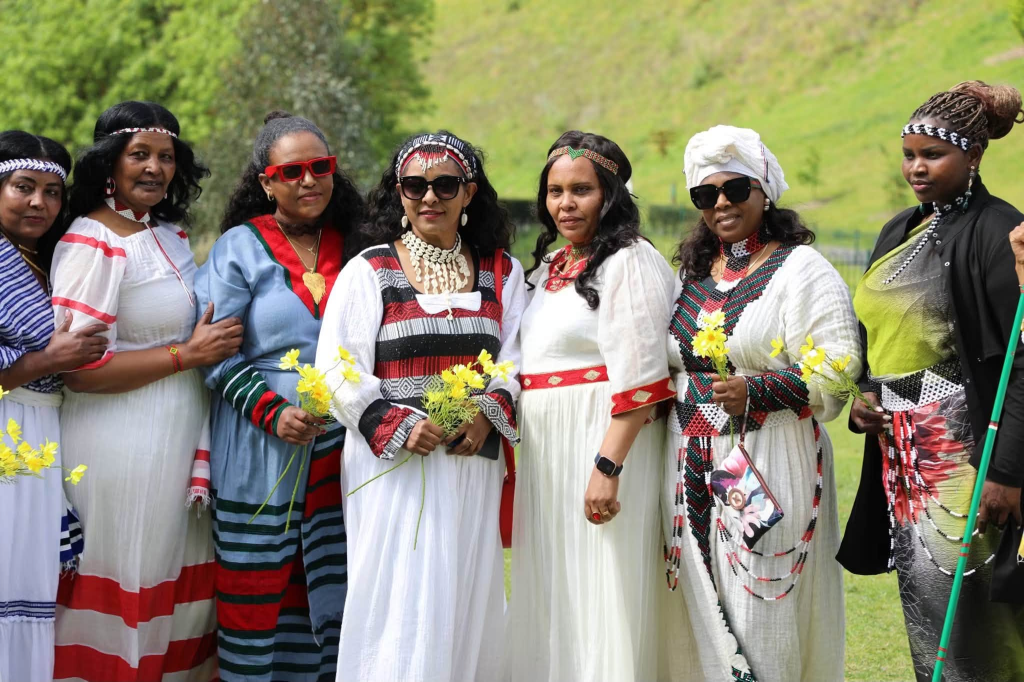
Illuminating Paths to Prosperity and Peace
As the celebrations draw to a close, the message of Irreechaa lingers. Light has triumphed over darkness. Gratitude has triumphed over despair. Unity has triumphed over division.
For the Oromo nation, Irreechaa is not just a festival — it is a compass. It points toward a future built on peace, prosperity, and mutual respect. It reminds us that the path forward is illuminated not by the brightness of any single star, but by the collective light of a people who refuse to be extinguished.
And as the sun rises on another year, that light shines on — in Bishoftu, in Melbourne, in Minneapolis, and in every corner of the world where the Oromo spirit lives.
Baga Irreechaa Nagayaan Geessan! Baga Bara Haaraa Geessan!
May the light of Irreechaa guide us all toward a year of peace, unity, and abundance.
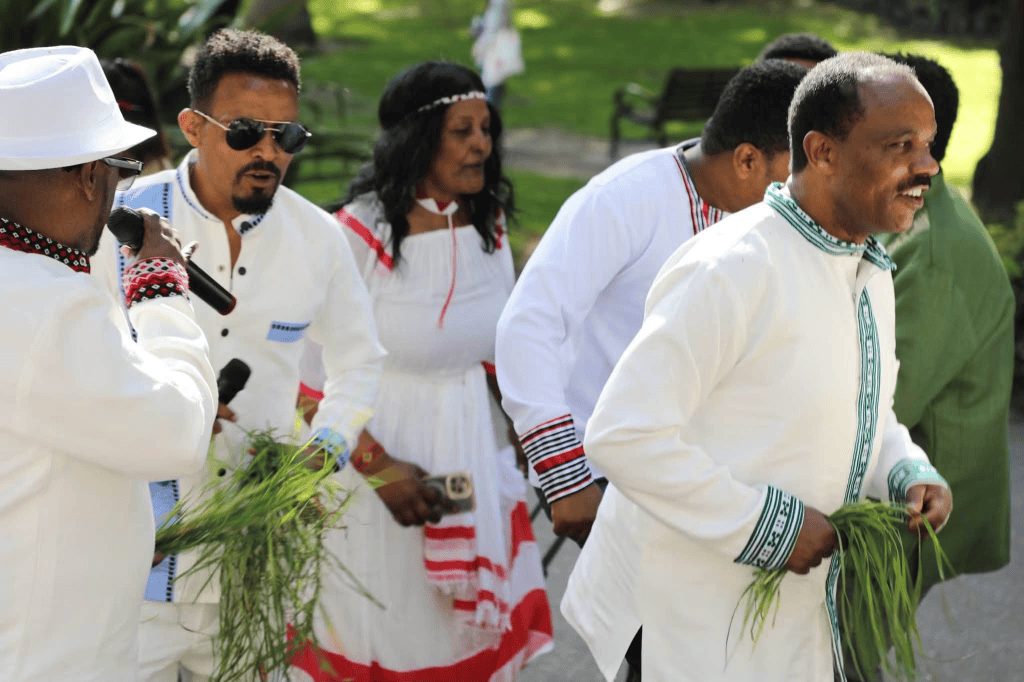
Irreechaa: A Living Memory Across Generations
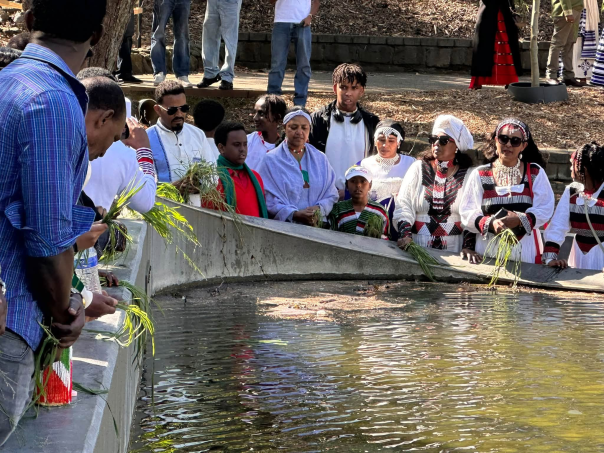
“Irreechaa waggaatti naanna’e dhufa; ayyaana kana irratti yaadannoo barayyuu jiraatu dhalootaaf kahanii darbuu waanti fakkaatu hin jiru.”
Irreechaa returns year after year; there is nothing that seems to pass beyond the reach of generations when the memory of this festival lives on and is preserved.
This profound truth captures the essence of Irreechaa — a festival that refuses to be confined to a single moment in time. It is a celebration that travels with its people, crossing rivers, mountains, and oceans, carrying with it the sacred duty of remembrance.
A Festival That Travels With Its People
Irreechaa is more than a thanksgiving ceremony. It is a living testament to the resilience, faith, and unity of the Oromo people. Celebrated at the banks of rivers and lakes, it marks the transition from the rainy season to the harvest, a moment of gratitude to Waaqa (God) for the blessings of life, fertility, and community.
But when Irreechaa travels — as it has with the Oromo diaspora to cities like Melbourne — it does not lose its meaning. Instead, it multiplies. Each celebration in a new land becomes a bridge between the homeland and the heart, between ancestors and descendants, between memory and hope.
Melbourne: A New Chapter in an Ancient Story
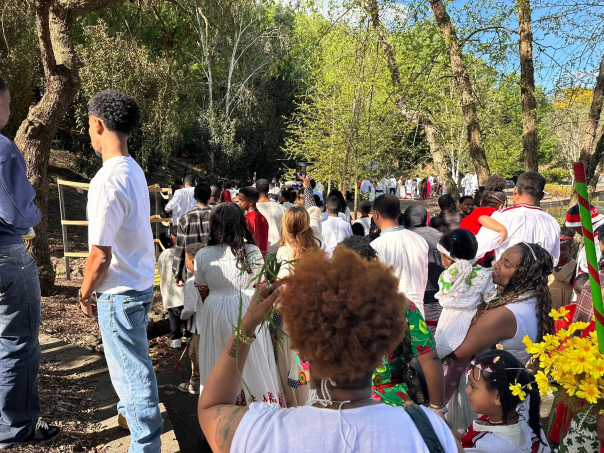
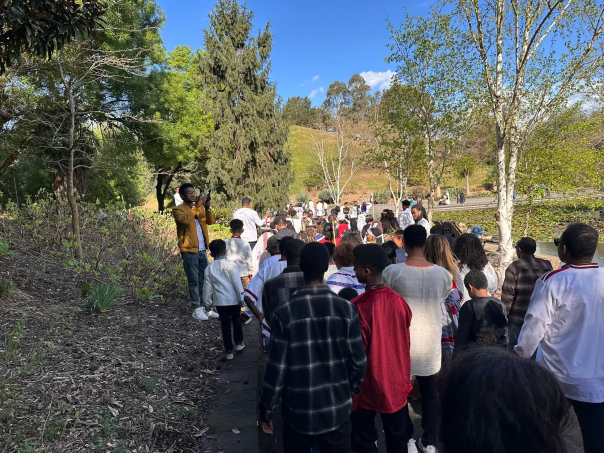
The Irreechaa celebrations in Melbourne are a vivid reminder that distance does not diminish devotion. Under the open sky of a foreign land, Oromo families gather in their traditional attire, sing songs of praise, and perform the sacred rituals that have been passed down for centuries. The colors of the calanchi and the rhythm of the shaggooyyee echo the same spirit that fills the banks of the Hora Arsadi and the Awash River.
These gatherings are not merely cultural events; they are acts of survival. They are declarations that no matter where life takes a people, their identity remains rooted in their traditions.
The Power of Shared Memories
“Suuraalee Irreechaa Melbourne kana waliif qooduunis yaadannoo keenyatti lubbuu haa horru!”
Sharing the photos of this Irreechaa in Melbourne breathes life into our memory!
In the age of digital connection, every photograph, every video, every shared post becomes a vessel of memory. When we share these images, we are not simply documenting an event — we are breathing life into our collective story. We are telling the next generation: This is who we are. This is where we come from. This is what we carry with us.
For those who could not attend, these shared moments become a lifeline. For those who were present, they become anchors of joy. For those yet to be born, they become a legacy.
A Call to Keep the Flame Alive
We extend our deepest gratitude to Yadeta Lemu, Kasahun Soboka, Aliye Geleto, Dhabessa Wakjira, and Yadesa Bedhasa for their dedication in capturing and sharing the spirit of Irreechaa Melbourne. Their efforts ensure that the memory of this celebration does not fade with time but grows stronger with each passing year.
Their work reminds us that preserving culture is not a passive act. It requires effort, commitment, and love. It requires people who understand that when we share our traditions, we are not just looking back — we are building forward.
Conclusion: Irreechaa as a Bridge
Irreechaa is a bridge. It spans the distance between generations, between homelands, between hearts. It teaches us that as long as we remember, we are never truly far from home. As long as we celebrate, we are never truly alone.
So let us continue to share. Let us continue to remember. Let us continue to breathe life into our memories — for in doing so, we ensure that Irreechaa will indeed return, year after year, carrying our stories to generations yet to come.
Irreechaa fi yaadannoo keenya — dhalootaaf kahanii darbuu hin danda’u!
Irreechaa and our memory — they cannot pass beyond the reach of generations!

The Legacy Written in Blood and Bone: Three Historical Moments When Oromos Refused to Be Divided by Religion
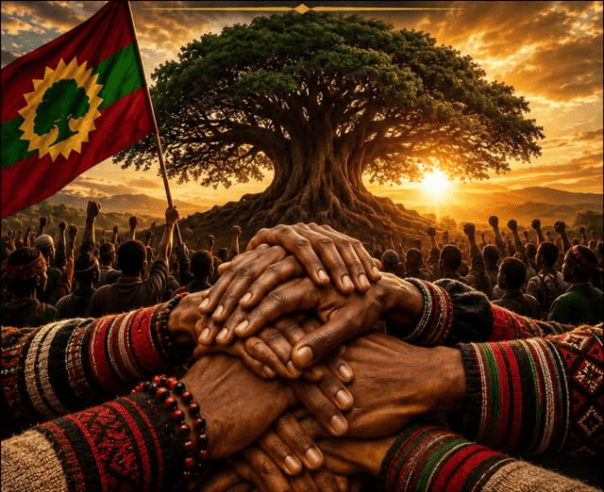
When the executioners thought faith could split them, they chose the same name: Oromo.
In Oromo collective memory, three moments spanning half a century—from 1966 to 2016—are repeatedly told, sung, and etched into stone. They occurred in different eras, different places, with participants from different generations. Yet their inner logic is strikingly identical: whenever external forces tried to tear Oromo unity apart using religious identity, someone always stood up and proved with their life that “Maqaa amantaan gargar hin baanu”—the name is not divided by faith.
From Arsi to Shinnigaa, and then to Bishooftuu, three locations form a blood-red thread, telling the story of how an oppressed people forged “refusal to be divided” into the core of their identity.
Arsi: The Resurrection of a Name
In 1966 Ethiopia, publicly using the word “Oromo” was itself a dangerous provocation. The empire’s narrative machine had erased the name from official discourse, replacing it with derogatory labels. It was precisely in this era that an Islamic scholar named Ahmed Taqi Sheikh Mohammed Rashid made a decision that would change the trajectory of history.
Taqi, later known as “Hundee” (meaning root or foundation), was born into a family of Islamic scholars in Harargee. He studied the Qur’an, Hadith, and Oromo history from childhood. By his early twenties, he was a successful merchant, but what truly defined him was his encounter with General Tadesse Birru, founder of the Macha-Tulama Self-Help Association. After Tadesse was placed under house arrest in Galamsoo, Taqi befriended him and began spreading an idea that was nearly heretical at the time: being Oromo was not a curse but a virtue worth loving.
In 1966, Taqi and Elemo Qiltu—another revolutionary who had returned from Syria—launched an armed struggle in the Guba Koricha mountains. This was the starting point of the modern Oromo national liberation movement. Their organization had no religious threshold, no sectarian conditions. Muslim scholars and Christian warriors fought under the same banner.
On September 6, 1974, Taqi and Elemo were executed in Hirroo. But the resurrection of a name had already become irreversible. The singer Ali Birra, with the help of Abubakar Musa, set Taqi’s memory to music in “Yaa Hundee Bareedaa” (Beautiful Hundee). The song played on radio, was sung at weddings, and hummed at funerals. Taqi’s “root” sank into the deepest layers of Oromo mass consciousness—a consciousness shared by Muslims, Christians, and Waaqeffataa alike.
Shinnigaa: Refusing to Separate at the Edge of the Pit
If 1966 planted the seed, then 1980 was its most tragic flowering.
On April 15, 1980, eleven top leaders of the Oromo Liberation Front were ambushed by Somali militia in Shinnigaa (located in the Ogaden region). This was not a chance encounter—they were captured alive. The militia dug a large pit, then did what they thought was the most lethal thing: they classified the prisoners by religion.
“You see,” a commander reportedly told the bound prisoners, “you fought together. But you will die separately. Let each one pray to his own god before falling into the pit.”
The executioners expected fear. They expected a scramble for last rites. They expected a tiny fracture that would prove the Oromo cause was nothing but a lie.
The answer they received came from Jar Magarsa Bari, then chairman of the OLF. He did not ask for a priest, did not ask for a Sheikh. He turned to his comrades and spoke the words that would later be repeated countless times:
“Maqaa amantaan gargar hin baanu. We do not divide the name by religion. Dig the pit wider, or throw us in together. We are Oromo first.”
Eleven men—Chairman Barisoo Wabee, Vice Chairman Gadaa Gamada, Abbaa Shikii, Dori Bari, Farmata, Fafam Doyo, Ilana Kachale, Dhadhacho Boruu, Dhadhacho Murata, Mari Galaan—arms bound together, stepped forward. According to Oromo oral tradition, Gadaa Gamada turned to the executioners and smiled: “You want to see us pray? Watch this.”
This day was written into history. Not as a massacre, but as an oath.
Bishooftuu: Another Generation’s Choice
Thirty-six years later, the same scene played out with almost identical logic.
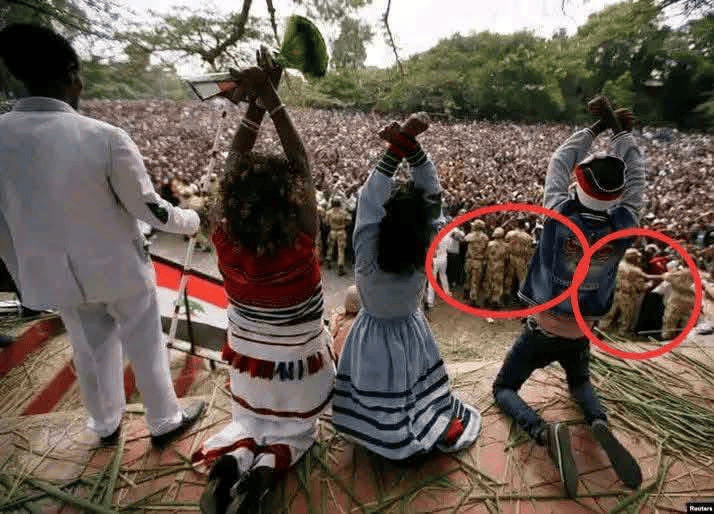
2016, Bishooftuu-Harsadi. A new wave of Oromo protests was sweeping across the region, triggered by the so-called “Addis Ababa and Surrounding Oromia Master Plan”—a plan widely seen as an attempt to annex Oromo land. Young activists known as “Qeerroo” confronted security forces in city streets and rural roads.
In Bishooftuu, a group of Oromo youth were surrounded. According to circulated accounts, security forces once again tried to exploit religious identity—separating Muslims from Christians, persuading some to deny their Oromo identity in exchange for their lives. The result was refusal once again.
They died together, buried in the same place. Their names were repeatedly invoked by Oromo social media, poetry, and song. They became “utubaa eenyummaa”—pillars of identity.
Oromo activists framed this event as “dying for Oromo identity, refusing to be divided by religion.” The words spoken at Shinnigaa thirty-six years earlier were re-spoken with bodies by a new generation at Bishooftuu.
Why This Matters
These three events—Arsi, Shinnigaa, Bishooftuu—form a clear pattern. Religion is indeed a real line of difference within Oromo society. Arsi Oromos are predominantly Muslim, partly because in the nineteenth century they chose Islam as a cultural fortress against Amhara Orthodox colonial conquest. The Orthodox Church’s role in Oromo territories was tightly bound to conquest: priests arrived alongside Menelik’s generals, “blessed” massacres, and then received land and serfs. Thus religious difference in Oromo society is not a small matter—it carries the full weight of colonial violence history.
Precisely because of this, external forces repeatedly tried to exploit this fracture. The Somali militia of 1980 tried. The security forces of 2016 tried. Each time, they lost.
But the reason they lost is not that religious differences didn’t exist. The reason is that Oromo nationalism, in its most decisive figures, developed a priority that transcends religion: We are Oromo first. This is not a denial of faith but an insistence on order. When the core logic of oppression is the denial of your very existence, any internal division that makes that oppression more effective is betrayal.
The eleven at Shinnigaa did not become “Muslim martyrs” and “Christian martyrs.” They became one thing: Oromo martyrs. The youth of Bishooftuu likewise.
“Seenaa keenya keessatti barayyuu cululuqee jiraata”
Those who wanted to bury them failed to understand one fundamental thing: a people who refuse to be divided have found something stronger than death. The pit at Shinnigaa did not end Oromo unity—it became a monument to unity. The repetition at Bishooftuu did not prove that history repeats—it proved that memory endures.
From the moment Taqi and Elemo raised weapons in 1966, to the afternoon of 1980 when eleven men walked arm-in-arm to the edge of the pit, to the streets of Bishooftuu in 2016, what runs through it all is not an abstract slogan but a concrete, testable promise: When others try to kill you using the differences within you, you choose to define yourself by what you share.
This choice has been remembered. Has been sung. Has been re-lived with life after life by generation after generation.
“Seenaa keenya keessatti barayyuu cululuqee jiraata”—in our history, it lives forever, shining.






