Category Archives: Kindness
The Enduring Wisdom of Gumaa: How an Indigenous Justice System Heals Communities and Prevents Revenge
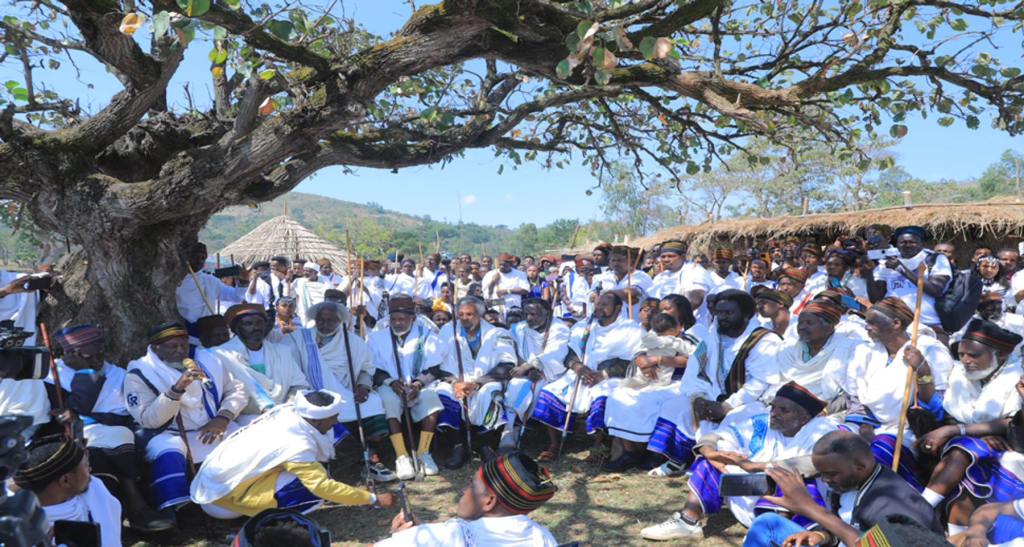
For centuries, the Oromo people of Ethiopia have practised a unique system of restorative justice that focuses not on punishment, but on healing the social fabric. Known as “Gumaa,” this indigenous institution offers profound lessons for modern conflict resolution.
Across the diverse landscapes of Ethiopia, communities have long relied on traditional systems to resolve disputes and maintain social harmony. Among the most sophisticated of these is Gumaa, the Oromo institution for settling blood feuds. In a world where modern legal systems often leave victims feeling unheard and communities fractured, Gumaa stands as a powerful alternative—one that prioritises healing over punishment and peace over retribution.
“Gumaa is one of the multitude of Oromo indigenous institutions that has exclusively been used to settle blood feuds of various types” . As researcher Tamene Keneni explains, the term Gumaa carries multiple meanings, but at its core, it refers to the institution of settling blood feuds through compensation, cleansing rituals, and reconciliation .
Beyond Punishment: The Philosophy of Gumaa
The philosophy underpinning Gumaa is rooted in two fundamental Oromo values: Nagaa (peace) and Safuu (moral order). For the Oromo, peace is not merely the absence of conflict, but an essential key to an orderly universe and societal wellbeing that humans must actively pursue . This is reflected in daily greetings, songs, prayers, and proverbs—a recognition that peace is central to life itself.
Unlike the modern judicial system, which tends to focus on punishing the offender, Gumaa aims to restore relationships that have been ruptured by wrongdoing. As one study notes, the practice “prioritises restorative justice over retributive justice, targeting restoring the ruptured relations between the parties in dispute to maintain social order and peace rather than punishing the offender and compensating the victim” .
When a homicide occurs, both the clan of the killer and the clan of the victim take responsibility for resolving the dispute. The process involves neutral elders who serve as mediators, guiding the conflicting parties through a journey of acknowledgment, compensation, and ultimately, reconciliation .
The Ritual Journey: From Blood Feud to Brotherhood
The Gumaa process is far more than a simple transaction. It involves a series of deeply meaningful rituals designed to heal emotional wounds and prevent the cycle of revenge from continuing into the next generation.
The reconciliation process typically begins with the offender’s supplication or payment of Shimoto to the victim’s family . This is followed by elaborate purification ceremonies, including the slaughter of cattle, handwashing rituals, and oaths that carry profound spiritual significance . These rituals are not merely symbolic—they serve a psychological function, helping both parties to process grief, anger, and the desire for vengeance.
As Tamene Keneni describes, the Gumaa ritual includes cleansing ceremonies that allow the slayer to be reintegrated into the community . This is a crucial element of the system: the goal is not to permanently alienate the offender, but to bring them back into the fold, ensuring that the community remains whole.
The outcome can be transformative. In some cases, former enemies are united through marriage, turning hostility into kinship . This remarkable capacity to convert conflict into connection is what makes Gumaa so unique.
Lessons for the World: What Gumaa Teaches Us
The Gumaa system offers several valuable lessons for modern conflict resolution:
1. Justice Must Heal, Not Just Punish
Modern legal systems often leave communities fractured even after a verdict is delivered. Gumaa demonstrates that justice can also be about healing—acknowledging the pain of the victim’s family, giving them a voice, and ensuring that the offender takes genuine responsibility .
2. Community Involvement Strengthens Outcomes
In the Gumaa system, the entire community plays a role in resolving disputes. Elders, clan leaders, and even ordinary members are involved in the process, ensuring that the outcome is accepted and respected by all. This collective ownership makes the peace more sustainable .
3. Ritual and Symbolism Matter
The rituals of Gumaa—the handwashing, the oaths, the shared meals—help to create a sense of closure and renewal. They provide a tangible way for people to move forward, leaving behind the weight of the past .
4. Forgiveness Is a Choice Worth Making
The Oromo believe that forgiveness (oofuu or yaa hafuu) is a higher value than revenge . This is not naivety—it is a recognition that the alternative, endless cycles of vengeance, only brings more suffering.
A Call for Recognition and Integration
Despite its effectiveness, Gumaa faces significant challenges. Lack of awareness, limited documentation, and competition from the state justice system have contributed to its decline . Yet there is growing recognition that these indigenous institutions have immense value.
The Ethiopian Constitution, under Article 78(5), allows for the recognition of customary and religious courts, suggesting a pathway for integration . Scholars have called for the official recognition and revitalisation of Gumaa, arguing that it could complement the formal legal system, reduce court workloads, and offer a more accessible form of justice for rural communities .
As one researcher notes, Gumaa is “time effective, prevents revenge and financial saving” . Its ability to address deep-seated grievances at the community level could be a powerful tool for peacebuilding in Ethiopia and beyond.
A Tradition Worth Preserving
In a country that has experienced decades of political turmoil and ethnic conflict, the wisdom of Gumaa is more relevant than ever. It offers a proven, locally rooted approach to reconciliation—one that does not require expensive legal fees, lengthy court processes, or foreign intervention.
Gumaa reminds us that justice is not just about laws and punishment. It is about people, relationships, and the shared desire to live in peace. It is a testament to the resilience of indigenous knowledge and its capacity to address some of the most complex challenges of human existence.
“The ultimate goal of any type of nagaa is communal well-being in an orderly universe” . In a world that often seems fragmented, the Oromo people’s ancient wisdom offers a path toward wholeness.
The Gumaa system stands as a vital example of how indigenous knowledge can illuminate the path to a more just and peaceful future—one community at a time.

A Life of Faith and Legacy: Honouring Luba Shamsuddiin Abdoo
“Qulqulloonni ajaja Rabbii eegan, kanneen Yesuusii fiis amanamoo tahanii obsaan sabatan, kanaan beekaman.”
“Blessed are those who keep God’s commands, who are faithful to Jesus and patiently endure.”
A Farewell to a Spiritual Father
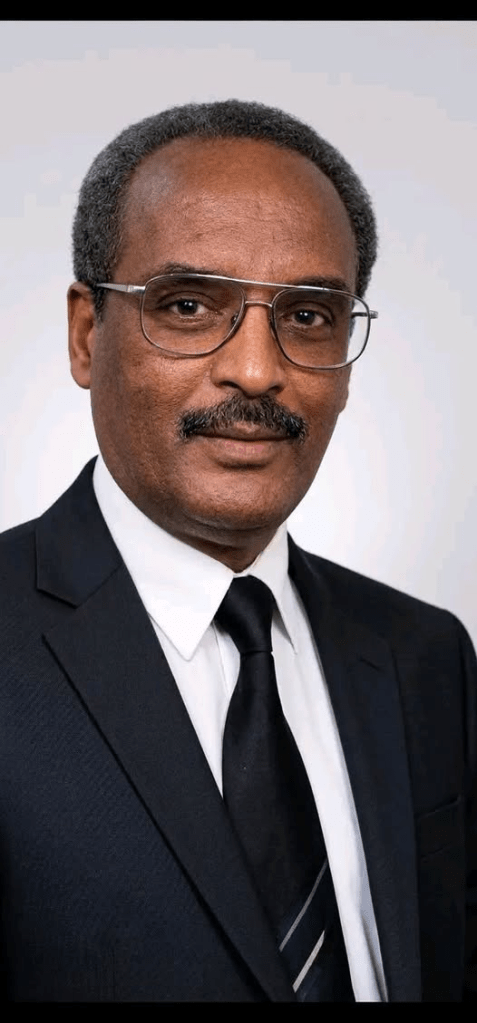
On a somber yet hopeful day, the Oromo Christian community and beyond came together to honour the passing of a remarkable servant of God—Luba Shamsuddiin Abdoo. His funeral service, held at Fairview Baptist Church in Calgary, Canada, was a testament to a life well-lived, a legacy of faith, and a homecoming to eternal rest.
The Oromo Bible Society (OBiS) expressed profound gratitude for the life and work of this dedicated servant. In their reflection, they wrote:
“Hojii Hiikkaa Macaafa Qulqulluu keessatti, hojii seena qabeessi isin hojjettan jiraataadha. Waldaan Macaafa Qulqulluu Oromoo galata guddaa isiniif qaba.”
“In the work of translating the Holy Scripture, you have done a historic work. The Oromo Bible Society has great gratitude for you.”
A Life of Service to the Word of God
Luba Shamsuddiin Abdoo was not just a translator—he was a bridge between the sacred text and the Oromo people. His work in Bible translation ensured that generations of Oromo Christians would have access to the Word of God in their own language, a gift that transcends time and geography.
The Oromo Bible Society honoured his contribution, remembering him as one of the key figures in the historic work of bringing the Scriptures to the Oromo people. In a message shared by HW Abdusalaam Ruduwaan, a close colleague, the depth of Luba Shamsuddiin’s impact is evident:
“Abbaa keenya nagayaan gara boqonnaa keetti gali.”
“Our father, rest in peace.”
A Legacy of Faith and Endurance
The life of Luba Shamsuddiin Abdoo was marked by faithfulness, perseverance, and unwavering commitment to his calling. His family, colleagues, and community remember him as a man who lived by the principles he preached.
As the scripture chosen for his farewell reminds us:
“Asii achi warri kan Gooftaa tahanoi du’an, eeybifamoo dha jedhii tii katabi! sagalee jettu takkaan samii keeysaa dhagaye. Ruuhal Qudusiis, ‘Eeyye, hojii isaanii isaan duukaa waan deemtuuf jecha, dadhabbii isaanii irraa haara ni galfatu’ jedha.” (Mul 14:12-13)
“Then I heard a voice from heaven say, ‘Write this: Blessed are the dead who die in the Lord from now on.’ ‘Yes,’ says the Spirit, ‘they will rest from their labour, for their deeds will follow them.'”
These words capture the essence of Luba Shamsuddiin’s journey—a life of labour for the Kingdom, now at rest, with his deeds following him as a testimony to his faithfulness.
A Father’s Legacy
To his children, Luba Shamsuddiin Abdoo was more than a spiritual leader—he was a father, a mentor, and an example of unwavering faith. In a heartfelt tribute, one of his children expressed:
“Baabaa kiyya nagayaan boqadhu, bara jireenya kiyyaa hundumaa sin dagadhu, ati fakkeenya anaaf hin darbine, mallattoo cichoomaa fi mullata guddaa naaf taatee jirta, bara jireenya kiyyaa hundumaa sin irraanfadhu.”
“My father, rest in peace. I will never forget you all the days of my life. You have been an example for me that will not pass away—a sign of perseverance and great vision. I will never forget you all the days of my life.”
His children—Beeftu Abdo, Gorsitu Shamsudin Abdo, Ibsitu Shamsudin, Rebu Abdo, John Esaias, and others—carry forward the legacy of faith he instilled in them. The family was encouraged to remain strong in the Lord:
“Jajjabina Ruuhal Qus kennuu fi ayyaana Gooftaatiin jajjabaadhaa.”
“Be strengthened by the Spirit’s grace and the Lord’s blessing.”
A Call to Continue the Journey
As the Oromo Bible Society and the wider community mourn his loss, they also celebrate his life. The work he started—the translation of the Holy Scriptures, the teaching of God’s Word, and the building of faith—continues through those he inspired.
His close colleague, Evangelist Abduselam Redwan, reflected on the unfinished work:
“Akkuma hujiiwwan kanaan duraa akkuma fixnee ummataan geenye hujiiwwan hafanii fi imaanaa si fi Gooftaarraa taateen nutti darbite hundumaas niin xumura, kaayyoo fi mullata ati jiraatteef suniis niin humna Gooftaatiin niin milkeeysa.”
“Just as we have completed the works before us and reached the people, we will finish the remaining works, and the faith that you have passed on to us—we will complete it by the grace of God. The purpose and vision you lived for will be fulfilled by the power of the Lord.”
Honouring His Memory
The words of Hebrews 13:7 were a guiding verse for Luba Shamsuddiin’s life and a call for those who follow:
“Warra hooggantoota, kanneen Qoowlii Rabbii isin barsiisaa turan yaadadhaa! Haala jireenya isaanii laalaa, amantii isaanii duukaa bu’aa!”
“Remember your leaders, who spoke the word of God to you. Consider the outcome of their way of life and imitate their faith!”
A Final Prayer
As the Oromo community in Canada, Ethiopia, and around the world mourns the loss of Luba Shamsuddiin Abdoo, they take comfort in the promise of eternal rest. His work, his faith, and his legacy live on in the hearts of those he touched.
“Abbaa keenya nagayaan gara boqonnaa keetti gali.”
“Our father, rest in peace.”
Luba Shamsuddiin Abdoo — A servant of God, a translator of Scripture, a father of faith, a legacy of love.
“Father, thank you for your life. We will continue your journey. We will keep the faith.”

A Night of Gratitude: Celebrating the Legacy of Oromo Parents
“Galgala haadhaa Abbaa kiyya, galgala ajaa’iba…”
“Thank you, my mother and father, thank you for this amazing evening…”
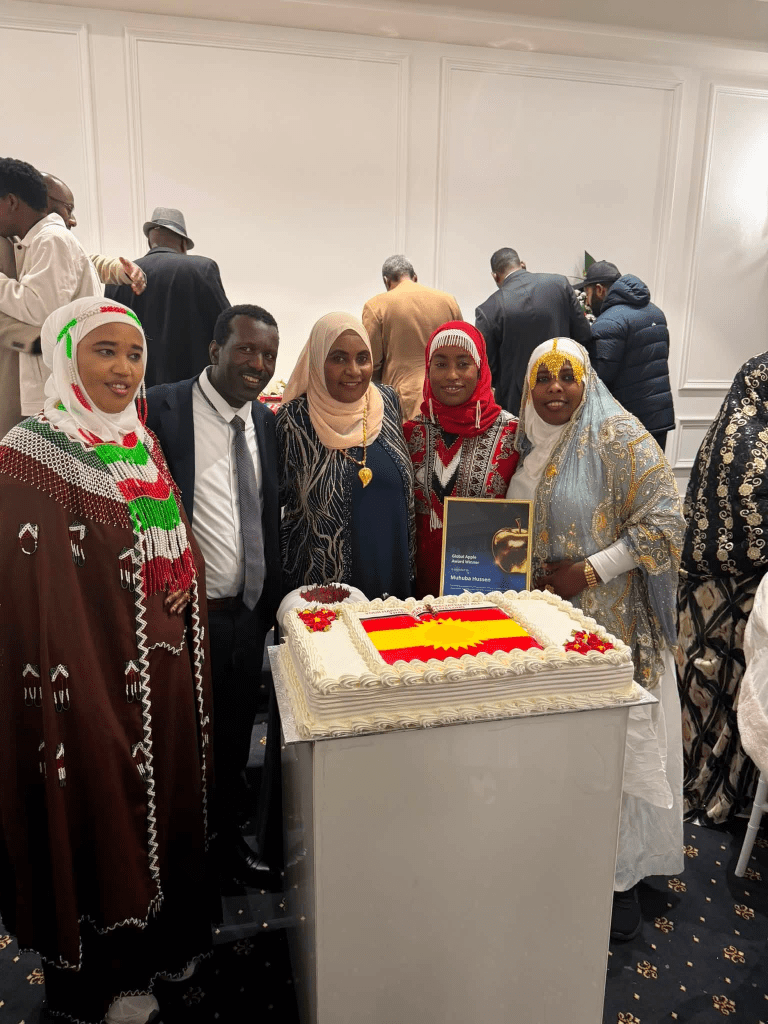
On a night that will be remembered for years to come, the Oromo community came together to honour the pillars of their families—the parents who sacrificed everything to give their children a future. The event, a celebration of resilience, love, and heritage, was a testament to the enduring spirit of a people who have carried their culture across oceans and generations.
A Celebration of Sacrifice and Love
In every culture, parents are the unsung heroes—the ones who work tirelessly, often in obscurity, to build a foundation for their children. For the Oromo community, this truth is magnified by the weight of displacement, the pain of exile, and the determination to preserve identity in a foreign land.
The recent celebration in honour of Oromo parents was more than a social gathering. It was a recognition of the countless nights of worry, the endless hours of labour, and the unshakeable faith that parents have placed in their children. It was a moment to pause, to reflect, and to say: “Galatoomaa”—Thank you.
As Aisha Oromia Ali, expressed in a heartfelt reflection:
“A night celebrating my parents, thank you to the organising committee, family, friends and our community for being a part of this memorable event and special thanks to ShaboMedia Oromiya for capturing the memories. Very proud of you all.”
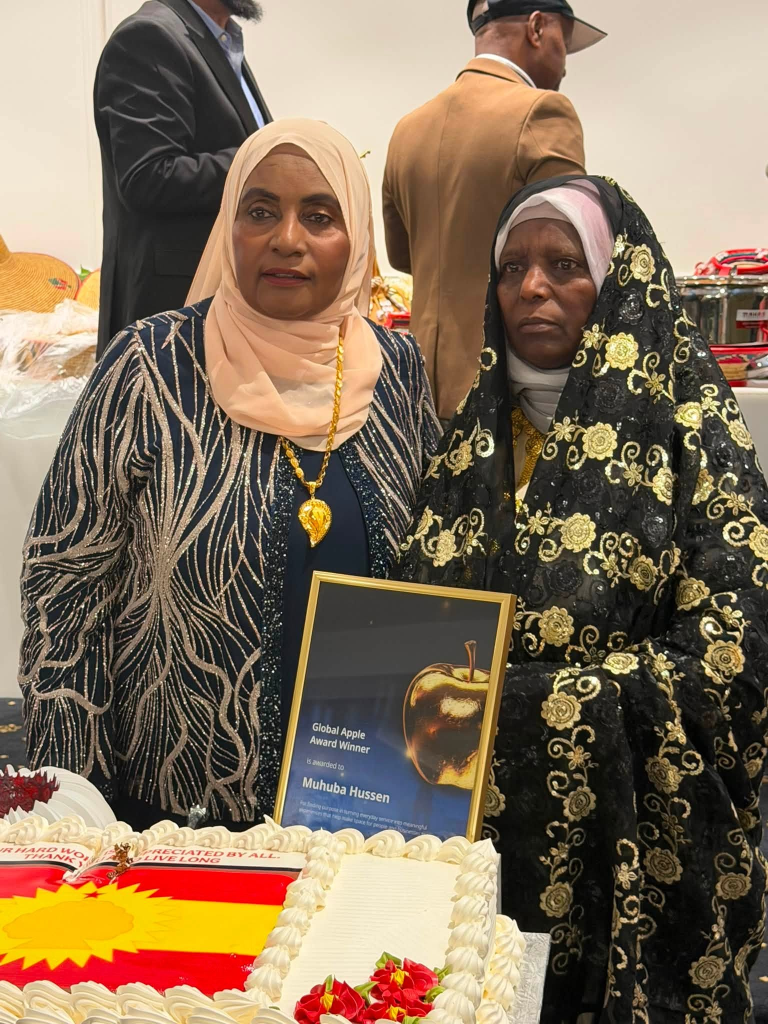
The Organising Committee: Architects of Memory
Behind every great event is a team of dedicated individuals who work tirelessly to bring a vision to life. The organising committee of this celebration poured their hearts into creating an evening that would honour the past while inspiring the future. From coordinating logistics to curating a program that reflected the richness of Oromo culture, their efforts did not go unnoticed.
As one attendee, Aisha’s gratitude extended to them:
“Warri koree, maatiifii hiriyoota akkasumas hawaasa bal’aa kan qooda baataniin galata gurguddaa hammana hin ja’amne qabadan, wayyoomaa.”
“The committee, family, and friends, and the wider community who participated—you have our deepest gratitude, which will never be forgotten.”
Their work ensured that the evening was not just an event, but a meaningful experience—a bridge between generations, a celebration of identity, and a reaffirmation of community bonds.
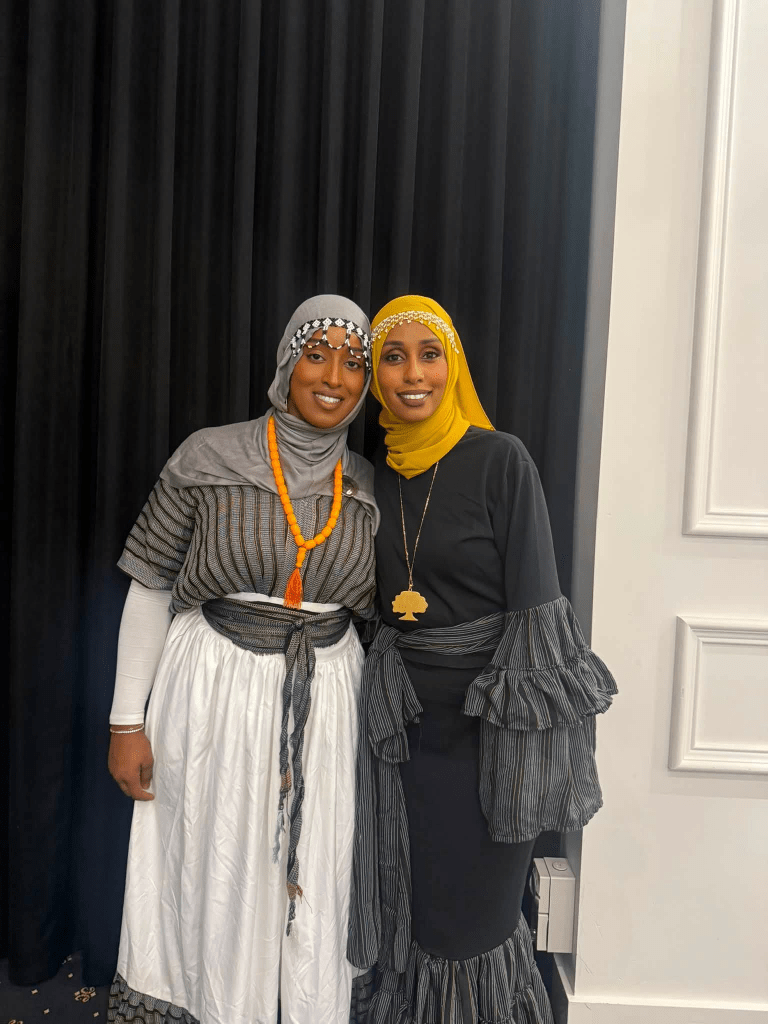
ShaboMedia Oromiya: Preserving the Moments
In the age of digital memory, the role of media in preserving cultural moments cannot be overstated. ShaboMedia Oromiya, the official media partner for the event, captured the essence of the evening with professionalism and heart. Their cameras documented the smiles, the tears, the embraces, and the speeches—creating a visual legacy that will be cherished for generations.
Aisha acknowledged their contribution with warmth:
“Shabboo media iilleen galata addaa qaban.”
“ShaboMedia also deserves special thanks.”
Through their lens, the celebration was immortalised—ensuring that the memories of this night will be shared with those who could not attend and with future generations who will look back and see the love and pride of their ancestors.

The Power of Community
At its heart, the evening was a celebration of community—of the bonds that tie the Oromo people together, no matter where they are in the world. In a diaspora scattered across continents, events like these serve as anchors, reminding everyone of who they are and where they come from.
The attendance of family, friends, and community members reflected the collective commitment to preserving Oromo culture and honouring the sacrifices of the past. The support of the wider community was deeply appreciated:
“…kan qooda baataniin galata gurguddaa hammana hin ja’amne qabadan…”
“…you who participated, you have our deepest gratitude, which will never be forgotten.”
A Message to Parents: Your Legacy Lives On
For the parents who were honoured that night, the message was clear: We see you. We appreciate you. We will carry your legacy forward.
The title of the celebration, “Galgala haadhaa Abbaa kiyya” (Thank you, my mother and father), is more than a phrase—it is a declaration of love, respect, and commitment. It acknowledges the sleepless nights, the sacrifices made, and the dreams that parents hold for their children.
For Oromo parents, many of whom have endured displacement, exile, and the challenges of rebuilding their lives in a new land, this recognition is deeply meaningful. It is a reminder that their efforts have not been in vain—that their children see them, honour them, and will continue the traditions they have passed down.
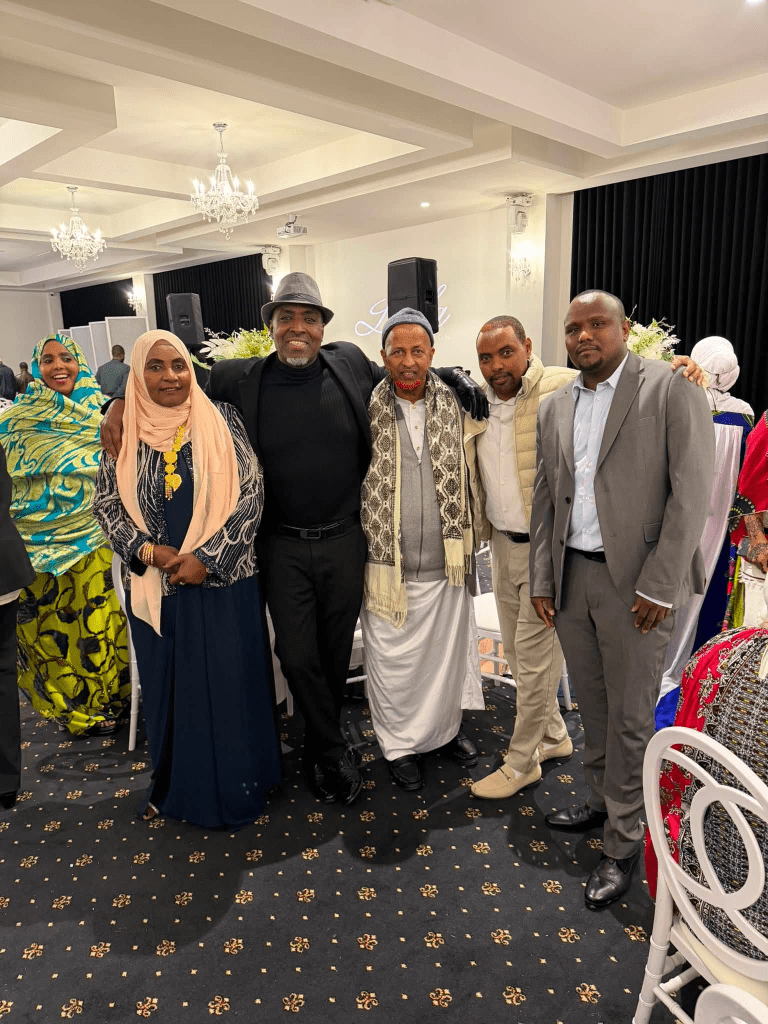
Looking Forward: Continuing the Legacy
While the evening was a celebration, it was also a call to action. It reminded the younger generation of their responsibility to carry forward the culture, language, and values of their parents. It encouraged them to build bridges between generations, to preserve the stories of their ancestors, and to ensure that the sacrifices of the past are never forgotten.
As the night came to a close, the sense of gratitude and unity lingered in the air. The words of Aisha resonated deeply:
“Very proud of you all.”
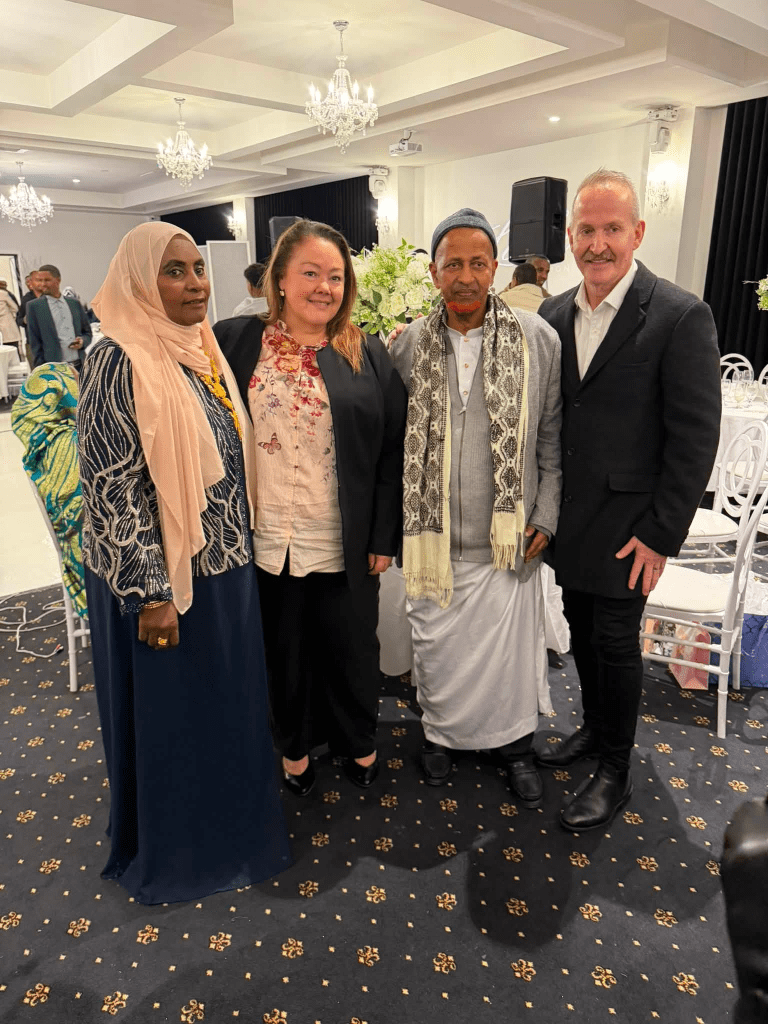
Conclusion: A Night to Remember
The celebration of Oromo parents was more than an event—it was a testament to the resilience of a people, the love of a community, and the enduring power of gratitude. It was a night of laughter, tears, and reflection—a night that honoured the past while inspiring the future.
To the organising committee, to ShaboMedia Oromiya, to the parents, and to the community: thank you. Your efforts created a memory that will last a lifetime, a memory that will be passed down through generations.
“Galatoomaa haadhaa Abbaa kiyya…”
“Thank you, my mother and father…”
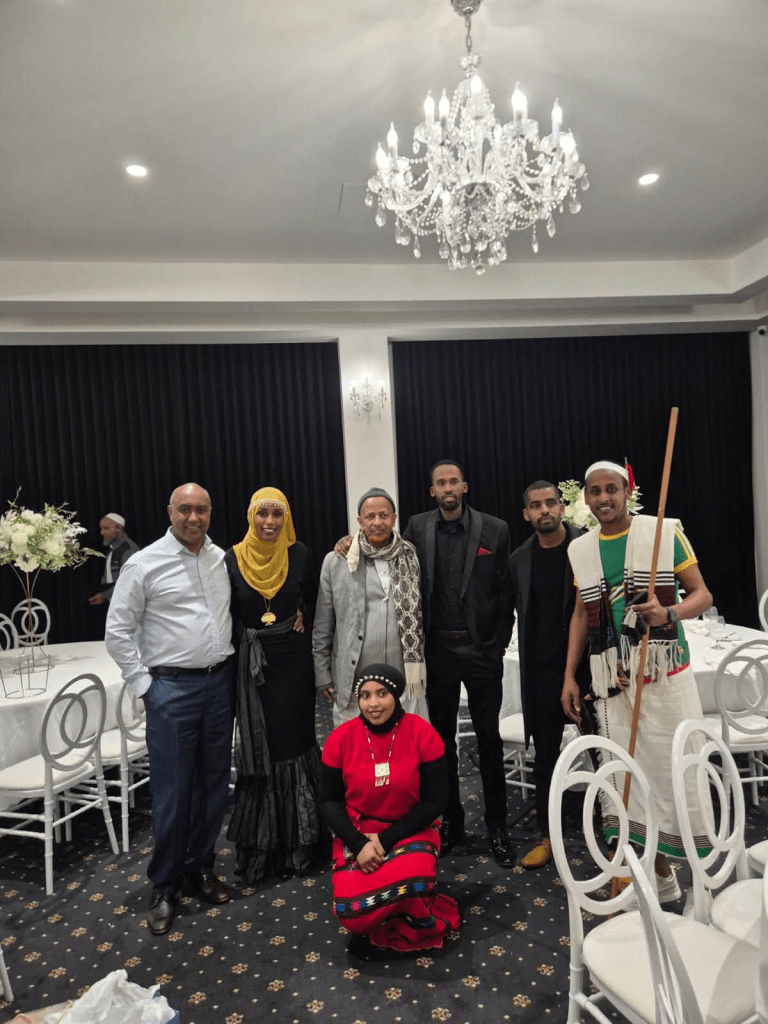
May the legacy of Oromo parents continue to inspire and guide the community for generations to come.
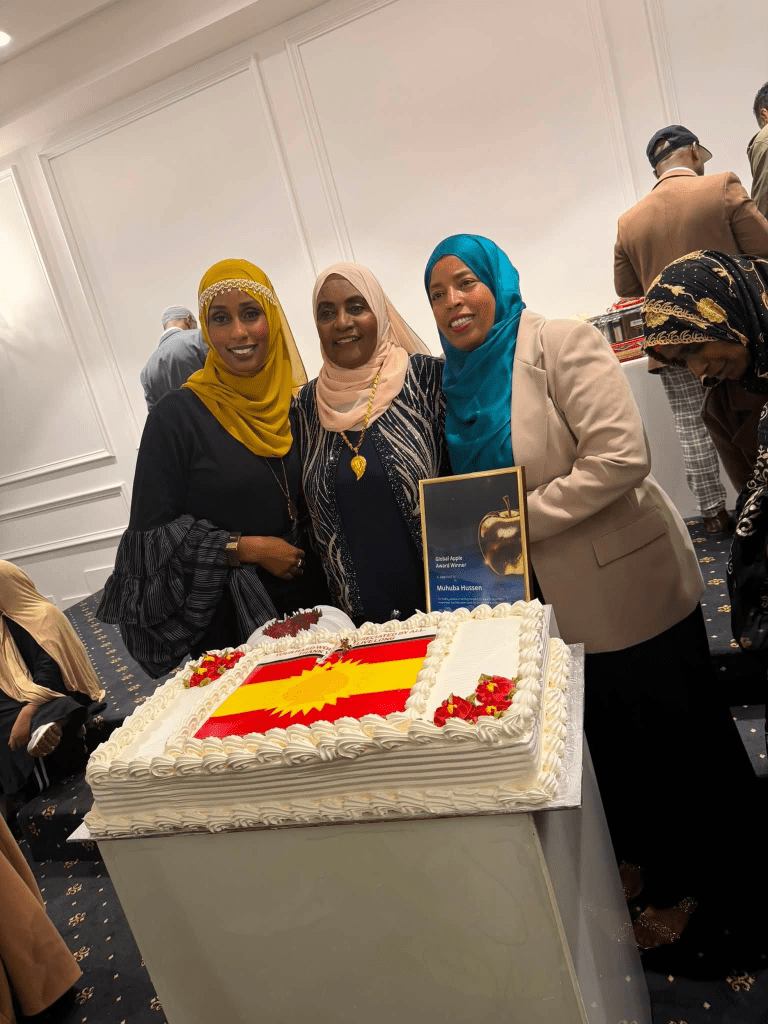

The Many Faces of Freedom: Understanding the Oromo Struggle for Self-Determination

By Our Special Correspondent
The question echoes across generations, continents, and political divides: How does one become an Oromo freedom fighter?
The answer, like the struggle itself, is complex. It defies the simplistic caricatures often peddled by those who would reduce the Oromo quest to a single narrative of violence. The reality is far richer—and far more demanding.
To become an Oromo freedom fighter is to commit oneself to a cause that transcends any single organization, any single leader, or any single moment in history. It is to join a continuum of resistance that stretches from the 19th-century resistance to Abyssinian expansion to the Oromo popular uprisings of 2014-2017, and into the present-day struggle for recognition, justice, and self-determination.
This commitment can take many forms. Some choose the path of political advocacy and grassroots organizing. Others dedicate themselves to academic and cultural scholarship, reclaiming a history long suppressed. Still others—driven by circumstances and conviction—take up arms in the forests and mountains of Oromia.
Each path carries its own risks, its own rewards, and its own profound responsibilities.
—
The Path of Political Advocacy: Building Power Through Participation
For many, the struggle begins not with a weapon but with a ballot, a placard, or a community meeting. Political advocacy and grassroots organizing represent the most accessible—and often the most sustainable—forms of participation.
Joining Political Parties
Ethiopia’s constitutional framework, for all its imperfections, provides space for political organization. The Oromo Liberation Front (OLF) , once a rebel movement, is now a legally registered political party operating within the country’s electoral process. Alongside it, the Oromo Federalist Congress (OFC) —formed in 2012 through the merger of the Oromo Federalist Democratic Movement and the Oromo People’s Congress—advocates for Oromo rights within the federal system.
These parties, along with others, have issued joint statements calling for the unconditional opening of political space and the cessation of conflict ahead of national elections. For those who believe in change through established channels, joining and supporting such parties offers a legitimate, if often frustrating, avenue for political expression.
Civic Engagement and Community Organizing
Beyond party politics lies a vast landscape of civic organizations. In the diaspora, Oromo community organizations have emerged as powerful platforms for advocacy, education, and cultural preservation. Groups like Advocacy for Oromia (A4O) , founded in 2014, work to improve the settlement process and advance the wellbeing of the Australian-Oromo community. The Oromo Legacy Leadership and Advocacy Association (OLLAA) connects and organizes Oromos around a common cause—creating positive change in Ethiopia and the world through advocacy, education, and community organizing.
These organizations organize peaceful protests, fundraising campaigns, and global awareness initiatives. They amplify voices that might otherwise go unheard, documenting human rights violations and advocating for international attention. In the words of one such organization, they work to “promote universal human values by supporting, advocating, and amplifying the voices of the human rights violation victims”.
The path of political advocacy is not without its perils. The OLF has accused the government of deliberately closing the political arena and obstructing the lawful activities of opposition parties. Political activists face arrest, harassment, and worse. Yet for many, the risk is worth taking. As one activist put it, “Silence is not an option when your people are suffering.”
—
The Path of Scholarship: The Weapon of Knowledge
There is an Oromo proverb: “Namni waan hin beekne hin dhaabatu” —One who does not know does not stand firm. This principle lies at the heart of the academic and cultural path to freedom.
Oromo Studies: Reclaiming a Suppressed History
For generations, Oromo history was written by others—often by those who sought to justify conquest and marginalization. The Oromo were treated as “historical objects,” their agency erased, their contributions ignored. The Ethiopian knowledge elites, as scholars have noted, “treated the Oromo as historical objects or have ignored them because of their subordination and powerlessness”.
The emergence of Oromo Studies as an academic discipline represents a profound act of liberation. It is, as one scholar has written, an attempt to “replace colonial history by a history of liberation”. The Oromo Studies Association (OSA) , founded in the last quarter of the 20th century, publishes the Journal of Oromo Studies (JOS) , a premier peer-reviewed publication for interdisciplinary scholarship on the Oromo. Now fully open-access, the journal publishes articles, research notes, and scholarly book reviews in both English and Afaan Oromoo.
The OSA plays a vital role in “making the world community aware of Oromo aspirations and grievances”. For intellectuals and students, contributing to this body of knowledge is a form of resistance—a refusal to accept the erasure of Oromo history and identity.
Combating Historical Marginalization
Academic scholarship is not confined to university libraries. It extends to the broader project of combating historical marginalization through education, cultural preservation, and public awareness. Organizations like the Mecha and Tulaama Association —founded in 1963 not as a militant front but as “a critical socio-cultural and intellectual awakening”—provided an organized platform at a time when “the very fabric of Oromo identity was under systemic pressure”.
Today, this tradition continues through cultural festivals like Irreecha, language preservation efforts, and the promotion of the Gadaa system—an indigenous democratic governance framework recognized by UNESCO as an Intangible Cultural Heritage of Humanity.
To become a freedom fighter through scholarship is to understand that liberation begins in the mind. It is to recognize that a people who know their history cannot be easily conquered, and that knowledge, once planted, grows into something no army can destroy.
—
The Path of Armed Resistance: The Oromo Liberation Army
For some, the path to freedom leads not to a lecture hall or a political party office, but to the forests and mountains of Oromia. This is the path of the Oromo Liberation Army (OLA) —the armed wing of the struggle that has been engaged in a prolonged conflict with the Ethiopian government.
Who Joins and Why
The OLA’s ranks have historically included farmers, students, and intellectuals who joined the movement to achieve self-determination. They come from diverse backgrounds but share a common conviction: that peaceful avenues for change have been exhausted, and that armed resistance is the only remaining option.
The OLA operates out of remote forest outposts across Oromia, a region with a population of roughly 40 million people. Its commander, Jaal Marroo (also known as Kumsa Diriba), is a wanted man who moves constantly to stay ahead of government drones hunting him from the skies. The group has taken several towns in western, central, and southern Oromia, at times facing little resistance from government forces.
A Complex Legal and Political Status
The OLA’s relationship with the OLF is complex. The OLA split from the OLF after a 2018 peace agreement between the OLF and the Ethiopian government. While the OLF is a legally registered political party operating within Ethiopia’s political system, the OLA is proscribed by the government as a “terrorist organization”.
The OLA says it is fighting for the self-determination of Ethiopia’s largest ethnic group, the Oromo. It has welcomed international human rights reports and called for impartial, internationally mandated investigations into alleged atrocities. Yet the conflict has taken a devastating toll on civilians. The International Committee of the Red Cross has highlighted the “devastating” impact of the Oromia conflict on civilian populations, and both government forces and the OLA have been accused of human rights violations.
The Risks and Realities
The path of armed resistance carries extraordinary risks. Fighters face death, injury, and imprisonment. They live in constant danger, moving through remote territories, evading government forces and surveillance. Their families face harassment and persecution.
Yet for those who choose this path, the risks are outweighed by conviction. As one fighter reportedly said, “We did not choose this life. It was chosen for us by a government that left us no other option.”
—
The Common Thread: A Shared Commitment
Despite the differences between these paths—political advocacy, academic scholarship, and armed resistance—they share a common thread: a commitment to the fundamental principles of the Oromo struggle.
These principles are not merely separatist or nationalist. They are transformative, aiming to reshape, support, and sustain a more just and inclusive Ethiopia. They include:
· Oromia as the territorial homeland and foundation of Oromo identity.
· Afaan Oromo as the linguistic unifier and symbol of dignity.
· Gadaa as the indigenous democratic blueprint for governance.
· Oromummaa as the cultural conscience of the people.
· Finfinnee as the symbolic capital and national crucible.
· Diree Dawa as the multicultural frontier demanding inclusive governance.
—
Conclusion: Choosing Your Path
Becoming an Oromo freedom fighter is not a single act but a lifelong commitment. It requires historical literacy, strategic clarity, ethical grounding, and profound personal readiness. It demands that one count the cost—whether that cost is imprisonment, exile, or death—and choose nonetheless.
The path one takes depends on circumstance, conviction, and opportunity. Some will march in peaceful protests. Others will write scholarly articles or teach Oromo history. Still others will take up arms in the forests of Oromia.
Each path is valid. Each path is necessary. And each path, in its own way, contributes to the larger struggle for justice, recognition, and self-determination.
As an Oromo elder once said: “The struggle is not about what we take from others; it is about what we build for ourselves and our children. It is about reclaiming our dignity and offering it as a gift to the nation we share.”
The question is not whether to become a freedom fighter. The question is: Which path will you choose?
—
“Namni waan hin beekne hin dhaabatu” — One who does not know does not stand firm.
Two and a Half Centuries of Freedom: Oromo Americans Celebrate America’s 250th Independence Day
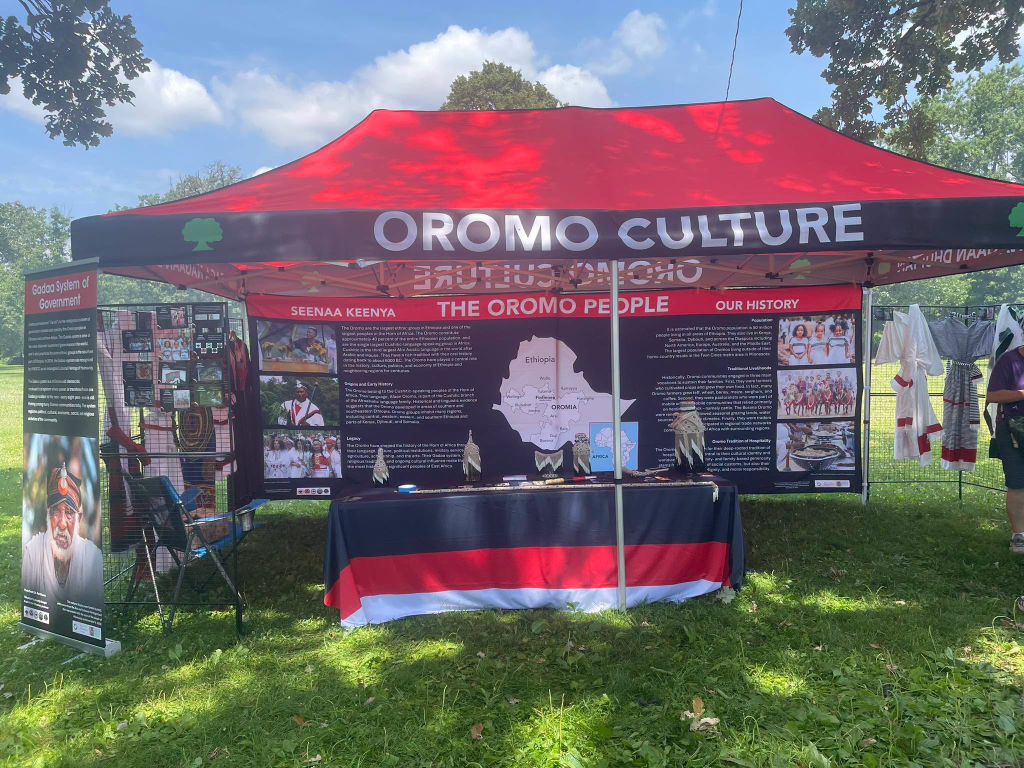
From the shores of Lake Minnetonka to the bustling streets of Minneapolis, Oromo Americans across Minnesota have marked the Fourth of July with profound gratitude—celebrating not just a nation’s birthday, but the freedoms they have found in their adopted homeland.
A Celebration of Freedom, Democracy, and Resilience
The spirit of the Fourth of July was unmistakable across Minnesota’s Oromo community. Families gathered for barbecues, community picnics, and cultural celebrations—but beneath the festivities lay a deeper resonance. For Oromo Americans, Independence Day is more than a national holiday. It is a testament to the values they have embraced and the opportunities they have secured.
“We had a wonderful holiday, and we have captured the true spirit of the holiday: freedom, democracy, and resilience.”
This sentiment echoes across the community. For many Oromo Americans, the Fourth of July carries profound meaning—not just as a celebration of American independence, but as a reflection on the liberties they now enjoy compared to the struggles their families endured in Oromia.
The Weight of Gratitude: Freedom Found and Valued
For those who have fled political repression, persecution, and conflict, the freedoms of the United States are not abstract concepts. They are lived realities—the ability to speak one’s mind without fear, to worship freely, to pursue education and opportunity, and to participate in the democratic process.
“Freedom and democracy are indeed precious gifts, and it’s incredibly moving to hear how much we appreciate the liberties we’ve found here in the United States of America, compared to what our family or ancestors experienced back home in Oromia.”
These words capture the immigrant experience at its most profound: the recognition that freedom is not guaranteed, that democracy is fragile, and that the rights enjoyed in the United States are the result of centuries of struggle, sacrifice, and commitment.
Honoring Sacrifice: Those Who Made It Possible
Independence Day is also a time to honour those who have fought to protect the values of freedom and democracy—both in America and in the homelands left behind.
“The sacrifices made by the military and generations of leaders to protect those values are exactly what today is all about.”
For Oromo Americans, this recognition is twofold. It honours the American soldiers and leaders who have defended liberty across two and a half centuries. It also honours the Oromo freedom fighters, activists, and community leaders who have struggled for justice and self-determination in their homeland—often at great personal cost.
250 Years of Democracy: A Milestone Worth Celebrating
This year’s Fourth of July holds special significance: the United States is celebrating its 250th anniversary of independence.
“Just a quick, friendly note on history: the United States is actually celebrating its 250th anniversary of independence this year (1776 to 2026), two and a half centuries of this grand democratic experiment.”
Two hundred and fifty years is a remarkable milestone for any nation. It represents generations of Americans who have built, defended, and renewed the democratic experiment. It is a testament to the resilience of democratic institutions, the power of constitutional governance, and the enduring belief that all people are created equal and endowed with certain unalienable rights.
For Oromo Americans, this anniversary is particularly meaningful. It is a reminder that democracy, though imperfect, can endure. It is a source of hope for the future of their homeland. And it is an invitation to be part of the ongoing American story.
Becoming Part of the American Story
“Thank you for sharing the moment and being part of the American story.”
These words carry a profound invitation. The American story is not complete—it is still being written. And Oromo Americans are among those writing it.
From community leaders to small business owners, from students to professionals, from artists to activists, Oromo Americans are contributing to the fabric of American life. They are bringing their culture, their resilience, and their hopes to a nation that has welcomed them. They are honouring their heritage while embracing their new homeland.
The Big 250: How Are You Celebrating?
As the fireworks light up the Minnesota sky, as families gather around tables filled with traditional American fare and Oromo dishes, the question resonates:
“How are you and your family celebrating the big 250th today?”
For some, it is a quiet reflection—a moment to consider how far they have come and what they have overcome. For others, it is a jubilant celebration—a time to dance, to feast, and to give thanks. For all, it is a recognition that freedom is a gift to be cherished and protected.
Looking Forward: Freedom for All
As Oromo Americans celebrate the 250th anniversary of American independence, their celebrations are tinged with hope—hope that the freedoms they have found in the United States will one day be available to their families and communities back in Oromia.
The Fourth of July is not just about the past. It is about the future—the ongoing struggle for justice, equality, and freedom for all people, everywhere. And in that struggle, Oromo Americans are playing their part.
Happy 250th Independence Day to all Americans—and especially to the Oromo community in Minnesota, who remind us all that freedom is a precious gift, never to be taken for granted.
Minnesota’s Oromo community celebrates with gratitude, reflection, and hope—honoring two and a half centuries of American democracy while looking forward to a future of freedom for all.

The Unbroken Struggle: A History of Oromo Resistance and the Quest for Justice

From ancient freedom to colonial subjugation and the ongoing fight for self-determination, the Oromo people’s journey is a testament to resilience, sacrifice, and an unyielding commitment to justice.
A History of Freedom, Before the Fall
“Ummanni Oromoo otuu garbummaa jalatti hin kufiin dura nagaa fi bilisummaan jiraachaa ture.”
Before the shadow of subjugation fell upon them, the Oromo people lived in peace and freedom. Their culture, identity, and faith flourished without external interference, guided by the principles of the Gadaa system, the wisdom of their elders, and a deep connection to the land.
The Oromo identity was not a burden—it was a source of pride. The Oromo language was spoken freely, traditions were celebrated openly, and the community governed itself through indigenous institutions that predated the modern state. The Oromo were not merely inhabitants of their land; they were its custodians, its protectors, and its soul.
The Conquest: A People Forcibly Subjugated
“Haata’uutii, sirni Habashaa erga Oromiyaa humna qawween cabsee gabroomsee hiree ummata Oromoo roorroo jalatti kufe.”
This era of autonomy came to a violent end with the expansion of the Abyssinian (Habasha) imperial system. Through military conquest, the Oromo people were subjugated, their lands seized, and their social and political structures dismantled. The once-proud people were reduced to subservience, forced to labour for those who had conquered them.
Yet the Oromo did not simply accept their fate. “Ummati Oromoo garuu karaa danda’e maraan sirnicha faccisuu hin dhiifne ture.”—The Oromo people never ceased their resistance, using every available means to challenge the oppressive system. Whether through scattered uprisings, covert resistance, or open rebellion, the spirit of defiance remained alive.
The Systematic Erasure of Identity
The conquest was not only military—it was cultural, linguistic, and spiritual. The occupiers understood that to control a people, one must control their identity.
Land Dispossession: “Erga Oromoon humna Habashaa jalatti kufee kaasee lafti Oromoo kan abbootii lafaa ta’e, namni Oromoo lafa isaa irratti ciisanyaa ta’ee warra garboonfataa tajaajiluu ta’e.”—After the Oromo fell under Abyssinian control, the land that had belonged to their ancestors was taken from them. The Oromo became tenants on their own soil, forced to serve those who had dispossessed them.
Identity Erasure: “Eenyummaan Oromoo haalamee, maqaan jibbamaa fi tuffatamaa itti kenname.”—Oromo identity was systematically undermined. A derogatory name was imposed upon them, stripping them of the dignity of self-identification.
Language Suppression: “Afaan Oromoo akka afaan hojii fi barnootaa hin taane dhorkamee, Afaan Amaaraan akka tajaajilamu godhame.”—The Oromo language was banned from education and official use, replaced by Amharic. Generations of Oromo children were educated in a language that was not their own, severing their connection to their linguistic heritage.
Cultural and Religious Persecution: “Aadaa fi amantiin Oromoo ifaan akka dhorkamu labsiin dhorkame.”—Oromo culture and the indigenous faith of Waaqeffannaa were explicitly prohibited. Traditional practices were suppressed, and the sacred Odaa tree—the symbol of Oromo spirituality and governance—was targeted for destruction.
Systematic Marginalisation: “Gidiraa fi roorroon hamaan ummata Oromoo irratti fe’ame. Oromoon karaa hundaa akka boodatti hafu imaammanni mootummaa tolfamee irratti hojjatame.”—A comprehensive policy of marginalisation was implemented, ensuring that the Oromo would remain economically, politically, and socially subordinate in their own land.
The Seeds of Organised Resistance
“Kun booda keessa Oromoota dammaqoo fi quuqama sabaa qaban waan aarseef tooftaa addaddaan finciluu eegalan.”
Yet oppression breeds resistance. Among the Oromo, a new generation of awakening emerged—individuals and groups who refused to accept their subjugation. They recognised that open, armed rebellion alone would not succeed against a powerful state. Instead, they organised through alternative structures: mutual aid societies, development associations, and religious organisations.
“Ifatti bifa siyaasaan ijaaramnii qabsoo gochuun waan hin danda’amneef karaa waldaalee walgargaarsaa, waldaalee misoomaa fi waldaalee amantii jalatti gurmaa’anii waldammaqsuu fi sirna garboonfattuu Habashaa mormuu fi falmuu itti fufan.”
These organisations became the vehicles through which Oromo consciousness was nurtured, resources were mobilised, and resistance was sustained—often hidden in plain sight.
Historic Uprisings: The Legacy of Resistance
The history of Oromo resistance is marked by significant uprisings that shook the foundations of the Abyssinian state:
The Raayyaa Uprising: A rebellion in the Raayyaa region that demonstrated the Oromo people’s willingness to fight for their freedom despite overwhelming odds.
The Baalee Peasant Revolt: The farmers of Baalee rose up against oppressive land policies, demanding the return of their ancestral lands and an end to feudal exploitation.
The Maccaa-Tuulamaa Movement: The historic alliance between the Maccaa and Tuulamaa Oromo groups represented a unification of forces against a common oppressor, setting the stage for broader Oromo nationalism.
These uprisings were not isolated incidents—they were expressions of a collective will that refused to accept subjugation as the natural order.
The Birth of Modern Oromo Political Organisation
“Qabsoon diddaa garbummaa karaa addaddaa adeemsifamaa ture kan gurmaa’ee bifa qindoomina siyaasaa qabuun adeemsifamuu eegale ijaarsa ABO kan bara 1970moota keessa finiinaa tureen ture.”
The scattered resistance of the past gave way to a new era with the formation of the Oromo Liberation Front (OLF) , initially established as the Oromo Liberation Front (ABO) in the 1970s. The creation of ABO represented a watershed moment: Oromo resistance was now organised, unified, and operating with a clear political vision.
“Ijaaramuun ABO akka qabsoon Oromoo bifa gurmuu qabu godhatee adeemu godhe. Oromoota shira gita bittootaan addaan qoqqodamanii turan walitti deebisee akka Oromiyaaf gaaddisa tokko jalatti qabsaa’an godhe.”
ABO brought together Oromos who had been divided by region, clan, and class, uniting them under a single banner for a common cause. It gave the Oromo people a voice on the national and international stage, asserting their rights and demanding justice.
“Ijaarsi ABO, akka Oromoon waan humnaan sarbame ifatti baasee beeksisuun akka Oromoon roga hundaan ka’ee waan dhabe akka deebifatu taasise.”
The organisation’s formation enabled the Oromo people to clearly articulate what had been taken from them and to mobilise all sectors of society to demand its restoration.
Achievements and Unfinished Business
The Oromo struggle has achieved significant victories over the decades:
Land Rights: “Gaaffiin lafaa fincila bara 1960 moota keessa tureen lafa harka qonnaan bultoota Oromootti deebisee jira.”—The land question, first raised in the 1960s, has seen partial resolution, with land returned to Oromo farmers.
Language Recognition: “Qabsoon Afaan Oromoo fi Qubee Afaan Oromoos afaan hojii fi barnootaa taasisus, bara 1990moota keessa haga tokko deebii argatee jira.”—The struggle to make Afaan Oromo an official language of work and education achieved partial success in the 1990s, with the adoption of the Oromo alphabet (Qubee).
Regional Autonomy: “Daangaan Oromiyaas ifatti beekamee, ijaarsa mootummaa naannoo Oromiyaa jalatti gaaffiin sabummaa Oromoo akka deebii argatu godhameera.”—The creation of the Oromia Regional State marked the recognition of Oromo nationhood within Ethiopia’s federal system.
However, the struggle remains incomplete. “Garuu, gaaffiin Oromoo guutummaatti waan hin deebineef, amma illee karaa addaddaa falmaan itti fufee jira.”—The fundamental questions of Oromo self-determination, justice, and equality have not been fully addressed, and the struggle continues on multiple fronts.
The Struggle Continues: Why the Fight Is Not Over
“Qabsoon Oromoo haga galma akeekkate ga’utti qabsoon Oromoo hin dhaabbatu.”
The Oromo struggle will not cease until its objectives are achieved. The goal is clear and uncompromising:
“Kaayyoon qabsoo Oromoo mirgoota Oromoon humna alaagaatiin sarbaman deebisuun akka Oromoon nagaa fi bilisummaan jiraatu taasisuu dha.”
The objective is to restore the rights that the Oromo people were stripped of through external force—to ensure that they can live in peace and freedom, as they once did before subjugation.
Three Essential Goals:
- Dismantling the Roots of Oppression: “Hundee garbummaa buqqisuun”—Uprooting the foundations of subjugation, dismantling the structures that have kept the Oromo people subordinate.
- Rebuilding on Oromo Terms: “Sirna Oromoof ta’u deebisanii ijaaruu”—Rebuilding systems and institutions that serve the Oromo people, reflecting their values, aspirations, and needs.
- Restoring Hope and Vision: “Waan Oromoon sirna alagaan dhabe, deebisanii ijaaruu fi hawwii fi abdii Oromoo lachhisuu”—Restoring what was lost under the alien system, and nurturing the dreams and hopes of the Oromo people for a better future.
Conclusion: A People’s Unbreakable Will
The history of Oromo resistance is a testament to the unbreakable will of a people who have refused to accept subjugation as their destiny. Despite centuries of oppression—land dispossession, cultural erasure, linguistic suppression, and systematic marginalisation—the Oromo have persisted.
They have organised, fought, and sacrificed. They have achieved significant victories and continue to press forward. The struggle is not merely political—it is existential. It is about the right to exist as a people, to speak their language, to govern themselves, and to determine their own future.
“Qabsoon Oromoo haga galma akeekkate ga’utti hin dhaabbatu.”
The struggle of the Oromo will continue until the goals are achieved. It is a struggle for justice, for dignity, and for the restoration of what was taken. And it is a struggle that, in the end, will not be denied.
The Oromo people have endured. The Oromo people have resisted. And the Oromo people will prevail.
The Second First Step: Inside the Transformative World of Stroke Rehabilitation
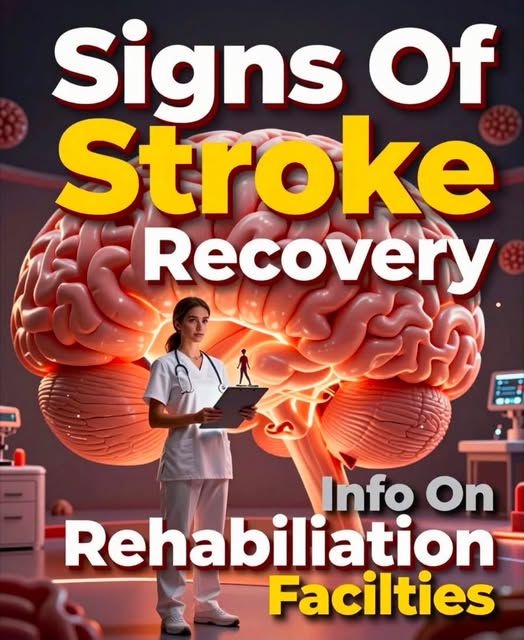
By Our Health Correspondent
The moment a stroke strikes, life fractures. In an instant, the familiar commands of the body—a steady stride, a clear word, the simple act of lifting a cup—become distant memories. Yet, for thousands of survivors and their families, the end of the acute medical emergency is merely the prologue to a longer, more intimate battle. It is a battle fought not in operating theatres, but in the quiet, determined corridors of stroke rehabilitation centers.
These facilities are not hospitals in the traditional sense. They are workshops of resilience, where science meets spirit, and where the slow, painstaking work of reclaiming a life begins.
—
More Than Medicine: The Philosophy of Rehab
At its core, a stroke rehabilitation center is a specialized sanctuary designed for one purpose: to guide individuals from the depths of physical and cognitive loss back toward independence. It is a space where the clinical and the compassionate converge.
The philosophy is deceptively simple yet profoundly ambitious. Rather than merely treating a medical condition, these centers treat the person. They acknowledge that a stroke does not only impair mobility; it fractures identity, disrupts communication, and often shrouds the survivor in a fog of emotional turmoil. The goal, therefore, is holistic restoration—addressing the body, the mind, and the spirit in equal measure.
—
The Triad of Healing: Therapy in Action
Walk into any reputable stroke rehab facility, and you will witness a symphony of specialized therapies, each playing a critical role in the recovery symphony.
Physical Therapy (PT) is often the most visible. It is the grueling, yet triumphant, work of relearning to stand, to balance, and to walk. Therapists act as patient coaches, coaxing weakened muscles back to life and retraining the brain’s pathways to communicate with limbs. It is a process of small victories—a single step today, a flight of stairs next week.
Occupational Therapy (OT) , meanwhile, shifts the focus from movement to meaning. It answers the question: How do I live my life now? Occupational therapists help survivors adapt to daily activities—dressing, cooking, bathing—using adaptive tools and innovative strategies to restore a sense of normalcy and self-sufficiency.
Speech and Language Therapy addresses one of the most isolating consequences of stroke: aphasia, or the loss of communication. These specialists work tirelessly to help patients find their voice again, rebuilding the neural connections that govern speech, comprehension, and even swallowing—a basic function often taken for granted until it is lost.
Crucially, modern centers do not stop there. Psychological support is woven into the fabric of care, offering survivors a safe space to process grief, frustration, and anxiety. In the quiet moments between exercises, the emotional scars of stroke are given the attention they deserve.
—
A Crucial Decision: Choosing the Right Path
For families thrust into the world of rehabilitation, the choices can be overwhelming. Discharge from a general hospital often comes with a stack of brochures and a looming deadline. How does one choose?
The decision is deeply personal. Location matters—proximity to family can be a lifeline. But more critical are the qualifications of the staff. Does the center offer a multi-disciplinary team? Are the therapists certified in neuro-rehabilitation?
Healthcare providers and support groups often serve as invaluable compasses, guiding families toward reputable facilities. However, the most effective strategy remains a physical visit. Walking through the halls, observing the patient-staff interactions, and asking candid questions about success rates and treatment philosophies provides a clarity that no brochure can offer.
The right center is not necessarily the most luxurious; it is the one that feels like a partnership, where the medical team views the patient as a collaborator in their own recovery.
—
The Unsung Heroes: Family at the Bedside
A stroke does not happen in a vacuum; it reshapes entire families. In the rehabilitation journey, loved ones are not passive observers but active participants.
Centers that excel in care actively encourage family involvement. They open therapy sessions to relatives, not as spectators, but as co-therapists who can carry the techniques home. They provide education, teaching caregivers how to assist without overstepping, how to encourage without exhausting.
This collaborative model transforms the rehab center from an intimidating institution into a shared mission. When a survivor sees their spouse or child cheering from the sidelines, motivation ignites. The emotional support of family often proves as potent as any clinical intervention, reminding the survivor that they are not alone in their struggle.
—
Beyond the Discharge: The Long Horizon
Perhaps the most critical truth about stroke recovery is that it does not end with discharge. The rehabilitation center is a launchpad, not a destination.
Long-term recovery is a marathon. Many centers offer outpatient services to bridge the gap between intensive rehab and independent living. Others connect survivors with community resources—exercise groups for stroke survivors, nutritionists specializing in cardiovascular health, and support networks where individuals can share their experiences.
Staying proactive is essential. Regular physical activity, a heart-healthy diet, and vigilant management of blood pressure and cholesterol are the cornerstones of preventing secondary strokes. Moreover, joining a support group can alleviate the profound loneliness that often accompanies the “new normal” of post-stroke life.
—
Conclusion: Reclaiming Independence
The journey through a stroke rehabilitation center is rarely linear. There are setbacks and plateaus, tears and triumphs. Yet, for those who walk—or roll—through those doors, the message is one of unwavering hope.
Understanding the landscape of these facilities empowers survivors and their families to take charge of their recovery. By exploring the services available, involving loved ones in the process, and committing to a lifetime of wellness, individuals can do more than survive a stroke. They can reclaim their independence, their voice, and their place in the world.
In the end, the greatest testament to these centers is not the statistics they produce, but the stories they rewrite—one hesitant step, one whispered word, one rediscovered smile at a time.
—
Sources: American Stroke Association, National Institute of Neurological Disorders and Stroke

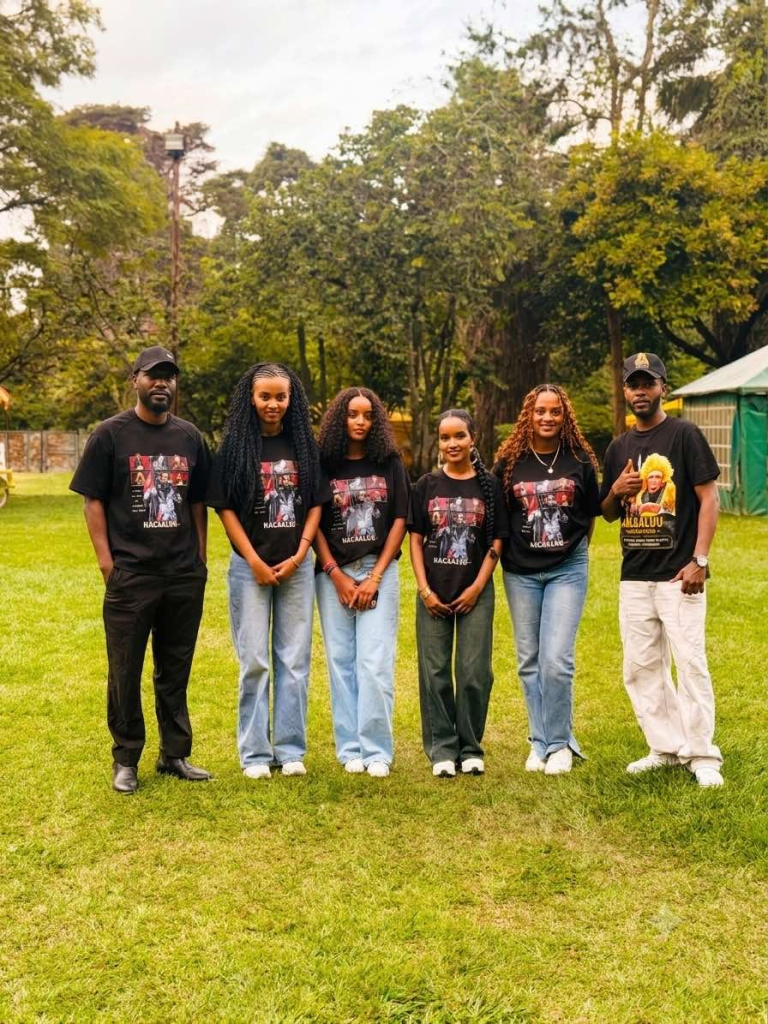
Echoes of a Martyr: Nairobi’s Oromo Community Commemorates Haacaaluu Hundeessaa’s Legacy
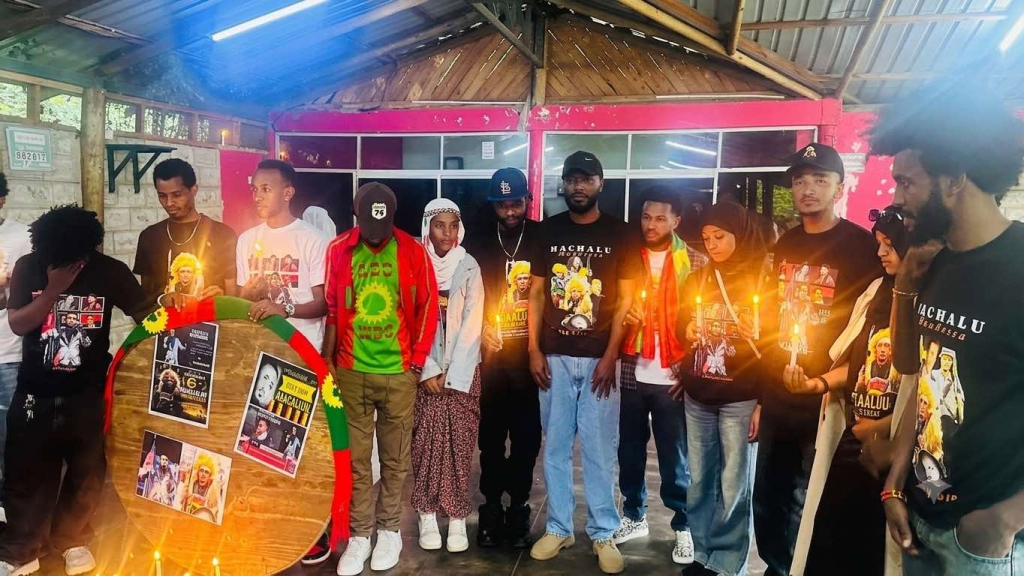
Six years after his assassination, the spirit of the iconic artist and activist burns as brightly as ever in the hearts of the Oromo diaspora.
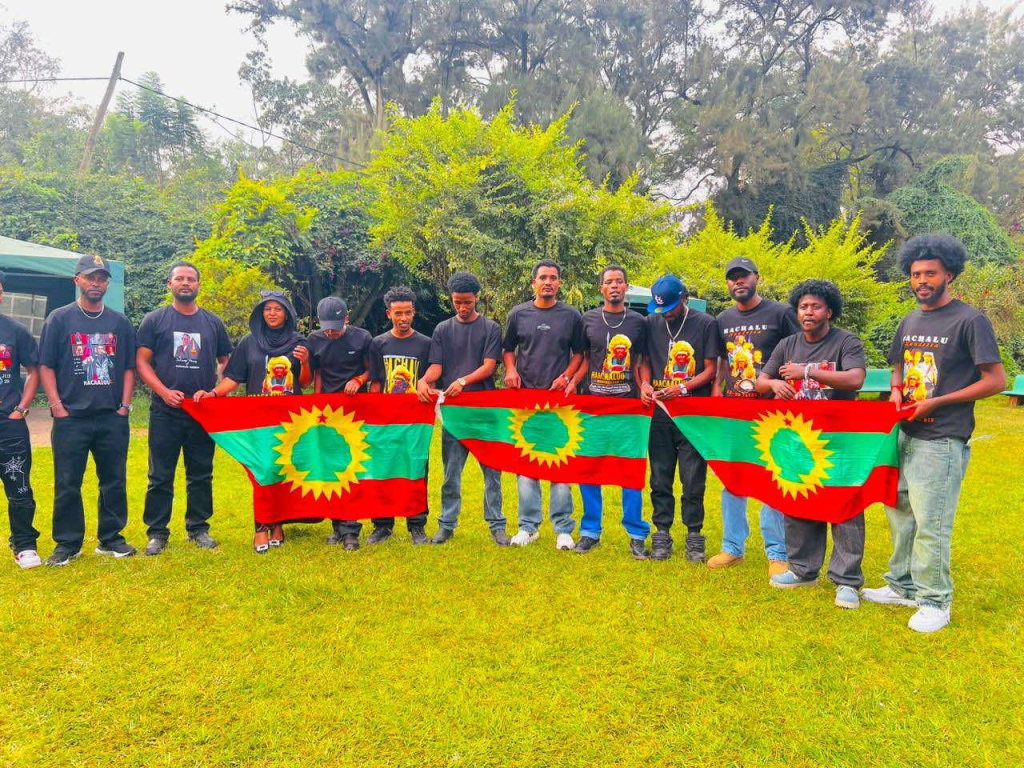
In the vibrant city of Nairobi, the Oromo community came together with a profound sense of purpose to mark the 6th anniversary of the passing of their beloved icon, Artist Haacaaluu Hundeessaa. The commemoration was not merely a somber remembrance of a life tragically cut short, but a vibrant reaffirmation of the enduring legacy he left behind.
The event, attended by community members from all walks of life, was a powerful tapestry of poetry, music, and impassioned speeches, all woven together to honor the man who became the indisputable voice of the Oromo struggle for justice and recognition. As a prominent international analysis described him, Haacaaluu was “the soundtrack of the Oromo revolution, a lyrical genius and an activist who embodied the hopes and aspirations of the Oromo public”.
A Legacy Forged in Struggle
Haacaaluu Hundeessaa was more than a musician; he was a symbol of resistance and a catalyst for change. His music, particularly the iconic songs “Maalan Jira” and “Jirra,” served as rallying anthems during the historic 2015-2018 Oromo protests, which fundamentally altered Ethiopia’s political landscape. His intensely political lyrics, sung in the Oromo language, articulated a profound sense of marginalisation and a yearning for freedom that resonated with millions.
Born in 1986 in the storied city of Ambo, Haacaaluu’s path to becoming a cultural icon was forged in hardship . At just 17 years old, he was arrested for his political activities and imprisoned for five years without charge. It was in that incarceration that he shaped his identity and composed most of the songs that would define his career .
His assassination on June 29, 2020, in Addis Ababa sent shockwaves through the Oromo nation and Ethiopia as a whole, described as “a spear through the heart of the Oromo nation”. The grief was so intense it triggered major protests that led to the loss of hundreds of lives.
The Call to Action: Responding to Sacrifice
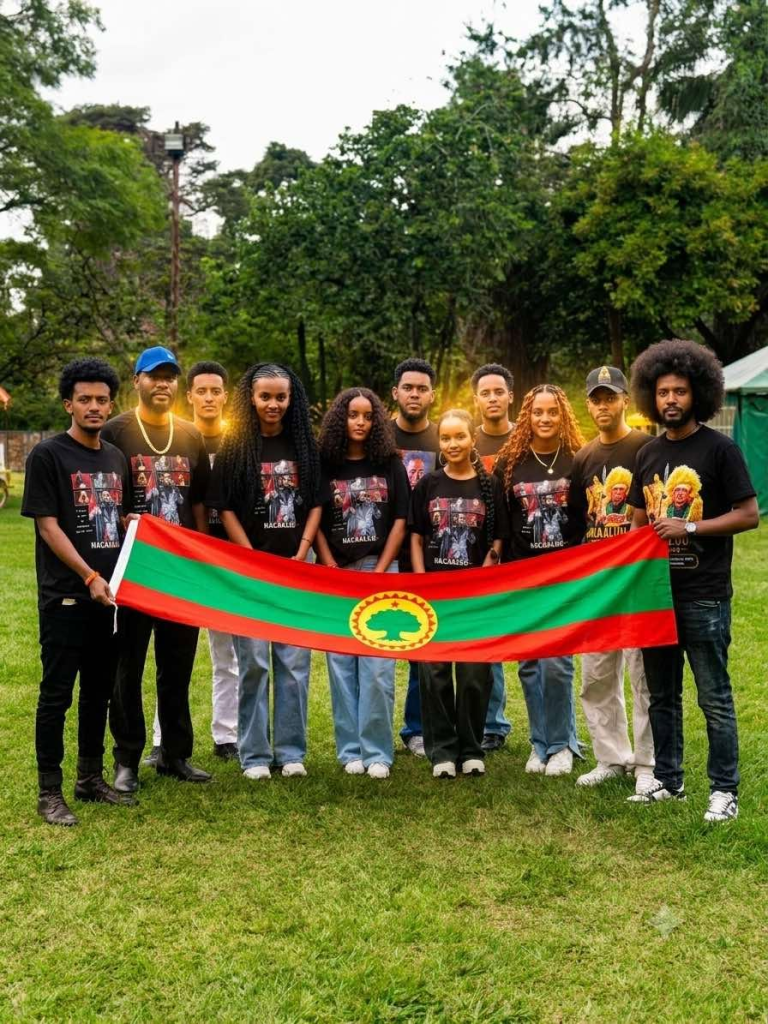
At the Nairobi commemoration, participants emphasized that the anniversary was a time not just for mourning, but for reflection and renewed commitment. They spoke of the immense service Haacaaluu rendered to his people, sacrificing his personal safety for the collective hope of the Oromo nation. Community leaders declared that his blood and his art demand a response from the Oromo people, calling on the community to continue the struggle for justice and to secure a future where the Oromo have their rightful place .
The message was clear: Haacaaluu’s legacy is an obligation. The participants reminded the community that Haacaaluu left behind a mandate to continue the fight for justice, and that the struggle he represents is not just about remembering the past but about securing a future where the Oromo people have their rights and dignity fully recognized. As his widow powerfully stated at his funeral, “Haacaaluu is not dead. He will remain in my heart and the hearts of millions of Oromo people forever”.
An Enduring Spirit
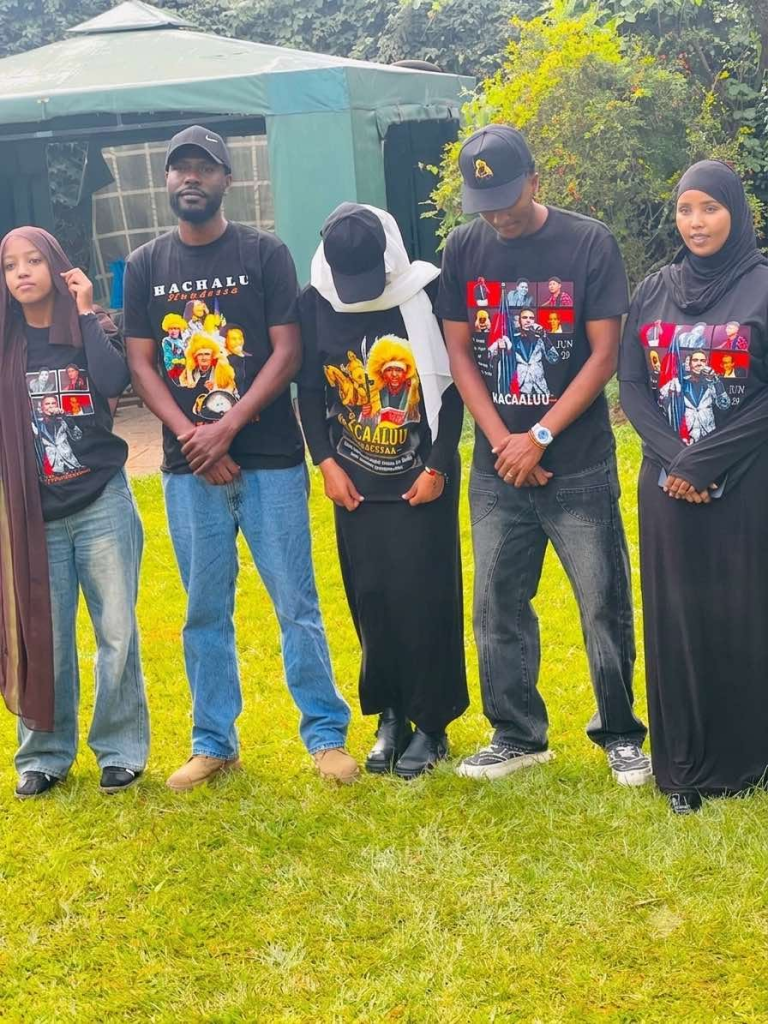
As the poignant strains of Haacaaluu’s most famous anthems echoed through the venue, the atmosphere was charged with a mix of profound grief and a renewed sense of purpose. The commemoration in Nairobi is part of a global movement, with the Oromo diaspora from New Zealand to the United States holding similar events to ensure his spirit is never forgotten .
Haacaaluu Hundeessaa’s legacy is a testament to the power of art as a weapon of resistance and a tool for unity. He inspired a generation to be proud of their Oromo identity and to stand up against oppression. His music, which captured the displacement, loss, and subjugation of his people, offered roadmaps of resistance and continues to be a beacon of light for his community.
In the heart of Nairobi, far from the hills of his homeland, Haacaaluu’s spirit finds a permanent home. The community’s message was unequivocal: his sacrifice was not in vain, and his dream of dignity and justice for the Oromo nation will be pursued with relentless vigor until it is fully realized.
Celebrating Muhuba: A Story of Kindness in Crisis
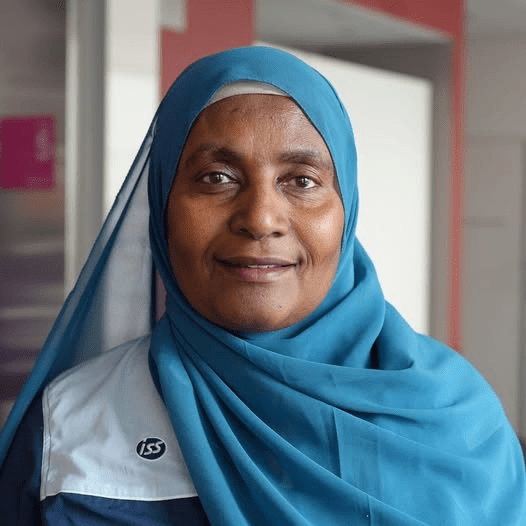
When a labouring patient arrived alone, unable to speak English, ISS placemaker Muhuba didn’t hesitate. She was on her way home from a cleaning shift at The Royal Women’s Hospital when she got a call—and she turned around without a second thought.
It was the end of a long shift. Muhuba had spent her day cleaning at The Royal Women’s Hospital in Melbourne—ensuring that rooms were sanitised, surfaces were spotless, and the environment was safe for patients, families, and staff. She was tired. She was heading home.
Then her phone rang.
On the other end was a voice from the hospital, asking if she could help. A labouring patient had arrived alone. She was scared. She couldn’t speak English. And staff had just discovered that Muhuba spoke her language.
Muhuba didn’t hesitate. She turned around and came straight back.
“I just wanted to help,” she said.
A Labour of Love
What happened next would change a woman’s birth experience—and inspire people around the world.
Muhuba was quickly thrown a pair of scrubs and rushed into the operating theatre. For the next five hours, she stayed by the patient’s side. She held her hand. She spoke to her in her own language. She calmed her fears.
She was not a midwife, a nurse, or a doctor. She was a placemaker—a cleaner. But in that moment, she was the only person who could truly communicate with a terrified mother about to bring a new life into the world.
The woman gave birth safely, comforted by the presence of someone who spoke her words, understood her heart, and gave her the dignity of being heard.
The Kind of Care That Transcends Job Titles
At The Royal Women’s Hospital, patient safety and comfort are paramount. But sometimes, the most profound care comes from unexpected places. Muhuba’s story is a testament to the fact that compassion does not require a clinical degree—it requires a human heart.
In her five hours in the theatre, Muhuba was not just translating words. She was translating trust. She was bridging the gap between a foreign medical system and a terrified mother. She was giving that woman the single most powerful gift a caregiver can offer: the feeling that she was not alone.
When the award nomination was announced, those who know Muhuba were not surprised. Her act was not a one-time gesture—it is a reflection of who she is. Every day, staff at the Women’s see the quiet dignity and dedication of workers like Muhuba, who clean rooms, deliver meals, and ensure the hospital runs smoothly, often without recognition.
Recognition Across the World
Muhuba’s extraordinary kindness did not go unnoticed.
Last year, she was recognised with a state-wide award from ISS—the global facility services company that employs her. Her act of going above and beyond stood out as an example of the power of compassion in healthcare.
This year, she has been named one of four international finalists in a global awards program. In May, ISS will fly her to Denmark for the awards ceremony, where she will represent The Royal Women’s Hospital—and Australia—on the international stage.
It is a remarkable journey for a woman who was simply heading home after a shift and answered a call for help.
The Placemaker’s Role: More Than Cleaning
ISS describes its role as “placemaking”—creating environments where people thrive. Muhuba’s story exemplifies this mission. In a hospital setting, the role of cleaning staff is often invisible, taken for granted. Yet without them, the hospital could not function. They are the quiet guardians of hygiene, the unseen hands that ensure safety, and, as Muhuba proved, sometimes the most compassionate voices in a time of crisis.
Muhuba’s willingness to drop everything and stay for five hours speaks to a deeper philosophy: care is not confined to job descriptions. It is a human duty, a moral impulse, and a gift that can be given by anyone, regardless of their title.
A Hospital Community That Cheers Her On
The Royal Women’s Hospital has expressed profound pride in Muhuba’s recognition. In a social media post celebrating her achievement, they wrote:
“We are incredibly proud of Muhuba and the compassion she brings to our hospital community. Join us in cheering her on as she represents the Women’s on the international stage.”
The post resonated widely—drawing thousands of reactions, comments, and shares. People from around the world responded with admiration. They saw in Muhuba’s story something universal: the power of one person to make a difference when it matters most.
One commenter wrote: “This is what true compassion looks like. Thank you, Muhuba, for showing the world that kindness has no boundaries.”
Another said: “She may not have a clinical degree, but she has a degree in humanity. This is the kind of care we all need.”
The Language of Kindness
Muhuba’s act of kindness also highlights a broader issue in healthcare: the importance of language access and culturally safe care.
Australia is one of the most multicultural nations in the world, yet language remains a significant barrier to equitable healthcare. Patients who cannot speak English are often at risk of miscommunication, misdiagnosis, and poor health outcomes. They may feel isolated, frightened, and unable to advocate for themselves.
Muhuba’s presence in that theatre was more than comfort—it was clinical necessity. She ensured that a mother could understand what was happening, could express her fears, and could consent to her care with full understanding. In doing so, she helped deliver not just a baby, but a safer, more dignified birth experience.
Her story reminds us that health systems must invest in language services, translation support, and cultural safety training—and that sometimes, the most effective support is the person who simply speaks your language and holds your hand.
From Melbourne to Denmark
In May, when Muhuba boards a plane for Denmark, she will carry with her the hopes of her colleagues, her community, and the thousands of people who have been moved by her story.
She will stand on an international stage, not as a doctor or a nurse, but as a placemaker—a cleaner—who proved that compassion is the highest qualification of all.
Her recognition is not just personal. It is a tribute to all the invisible workers in hospitals around the world: the cleaners, the porters, the kitchen staff, the administrative workers—everyone who contributes to healing without wearing a white coat.
They are the backbone of healthcare. And Muhuba has shown the world just how powerful their contribution can be.
A Message to Us All
Muhuba’s story is a challenge—and an invitation.
It challenges us to recognise that kindness is always possible, even when we are tired, even when we are heading home, even when it is not “our job.”
It invites us to see the humanity in everyone, to reach out when someone is in need, and to understand that the smallest gestures—a held hand, a spoken word, a calm presence—can change a person’s entire experience.
As one commenter wrote: “Not all heroes wear capes. Some wear scrubs and hold hands.”
Muhuba is one of those heroes. And soon, the world will have a chance to celebrate her.
Join Us in Cheering Her On
The Royal Women’s Hospital is inviting everyone to join in celebrating Muhuba’s international recognition.
“We couldn’t be prouder of Muhuba,” the hospital said. “She represents the very best of who we are—people who care, who go above and beyond, and who make a difference when it matters most.”
When Muhuba heads to Denmark in May, she will be carrying more than her own story. She will be carrying the stories of countless patients who have been comforted by someone like her—someone who chose compassion over convenience, kindness over exhaustion.
She is an inspiration to the entire hospital community. And now, she is inspiring the world.
Muhuba, we are so proud of you. Your kindness has already changed lives—and it will continue to do so as your story travels around the world. Congratulations on this well-deserved recognition, and thank you for showing us all the power of a compassionate heart.
The Royal Women’s Hospital is Australia’s largest specialist women’s hospital, providing care for women and newborns across Victoria and beyond. Founded in 1856, the hospital is committed to excellence in clinical care, research, and advocacy for women’s health.





 Advocacy for Oromia